❤️ Would you like to save this?
You’ve noticed her. She walks into the room and something shifts. Not because of what she’s wearing, not because of her bag, not even because of her outfit. It’s something harder to name, a quality in the way she moves through space, like the room is already hers before she says a word. Here’s what nobody tells you: researchers in behavioral psychology and nonverbal communication have been studying this exact phenomenon for decades, and what they’ve found is genuinely surprising. The confidence you’re reading in that woman has almost nothing to do with what she’s carrying. It has everything to do with how she’s carrying it. And once you see it, you cannot unsee it.
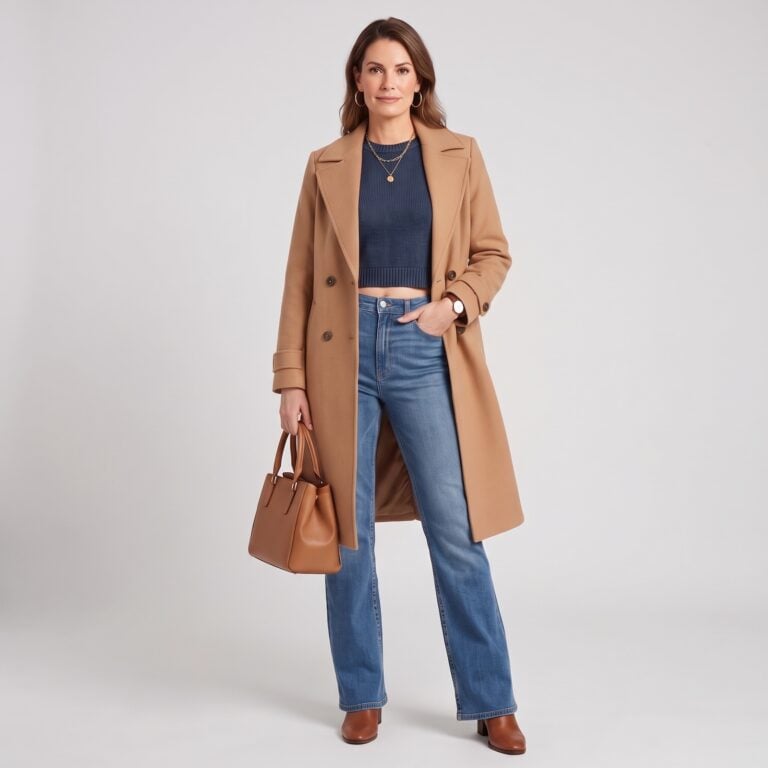
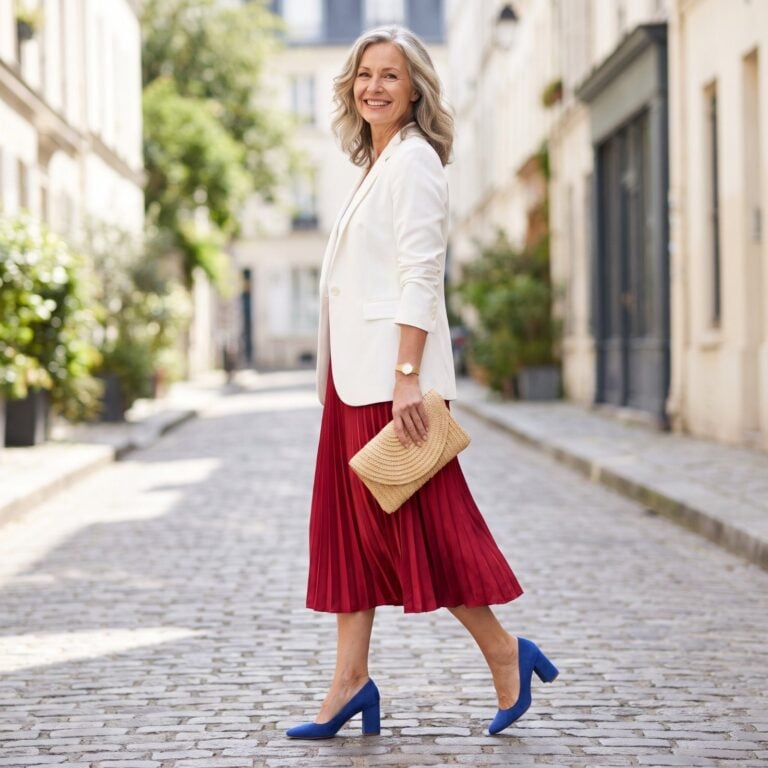
FYI, thanks to AI imagery software, we’re able to create very specific fashion and hairstyle examples to illustrate the points being made. In some cases, imagery is exaggerated to hammer home the point. Also, assume links that take you off the site are affiliate links such as links to Amazon. this means we may earn a commission if you buy something.
The Posture Signal That Happens Before You Even Open Your Mouth
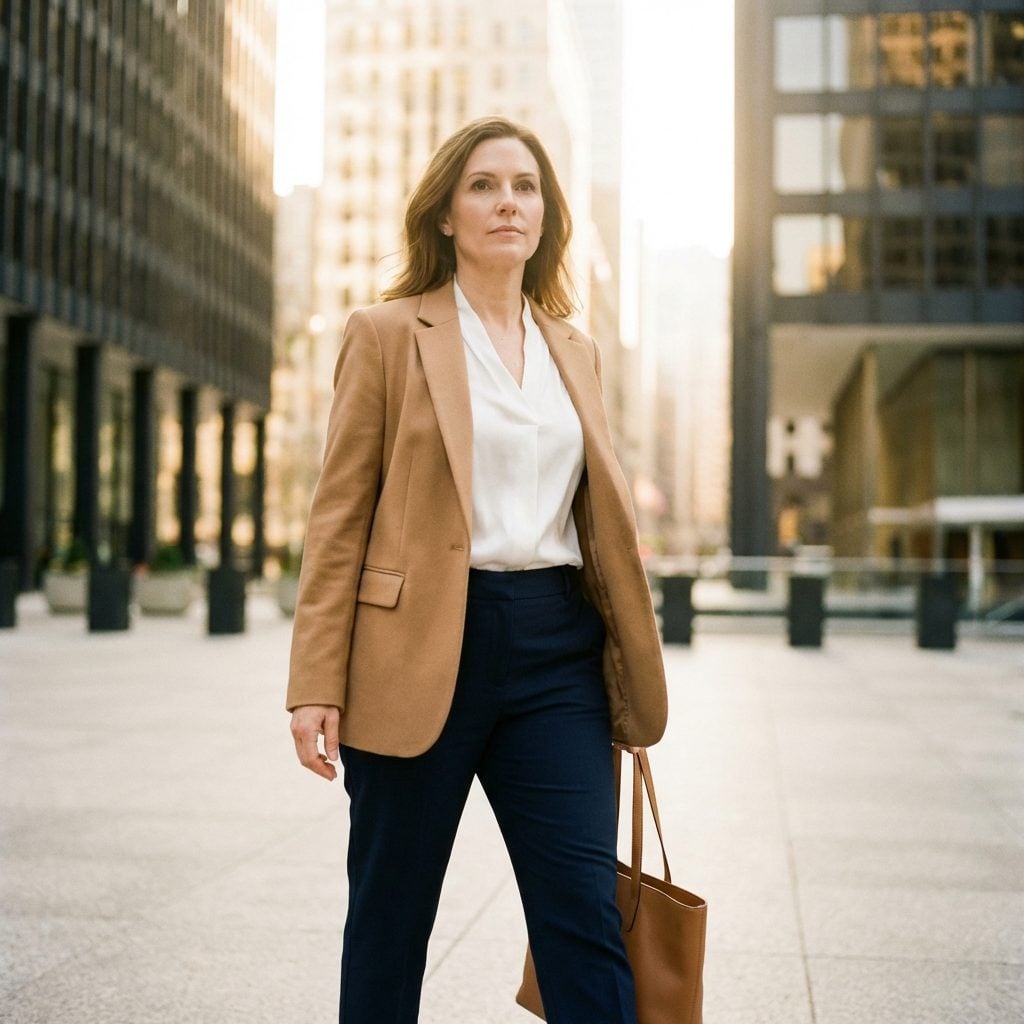
Your body has already made its introduction before a single word leaves your lips. Research in social perception consistently shows that people form snap judgments about status, warmth, and confidence within the first few seconds of seeing someone, and posture is the primary driver. According to research on the hidden power of body language in self-confidence (Source), if your posture is open and your gestures are relaxed, people read you as approachable, assured, and trustworthy, before the conversation has even begun.
Now layer a bag into that picture. The way you hold it, hitched up, dragged low, clutched tight, changes the read entirely. A bag held with tension reshapes your shoulder line. It pulls one side down, rotates the torso slightly, and creates visible asymmetry. None of that says composed. The psychological relationship between how you carry a bag and what observers register about you runs deeper than style, it starts in the spine. And the spine, it turns out, is broadcasting something constantly. What exactly? That’s still unfolding.
Why Confident Women Let the Bag Do Less Work Than You Think
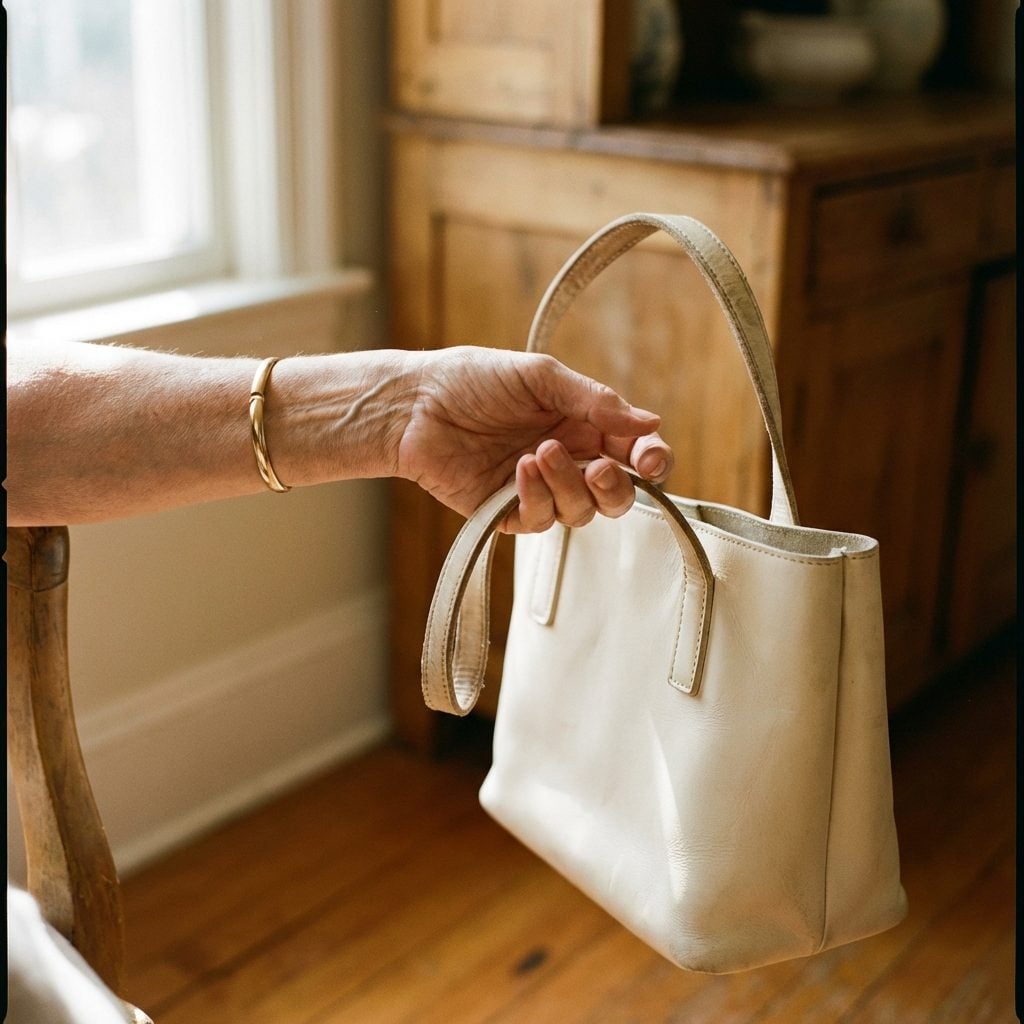
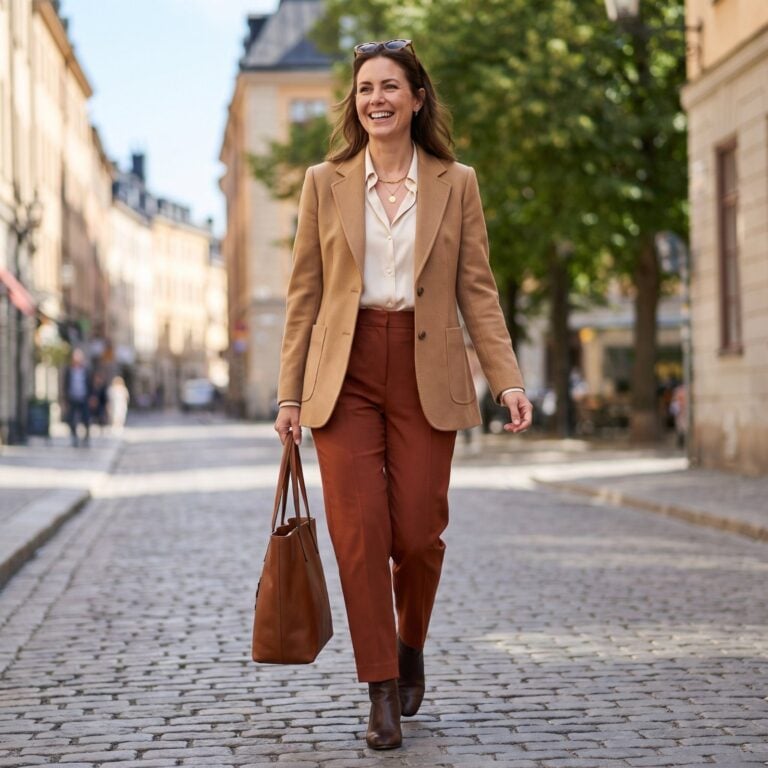
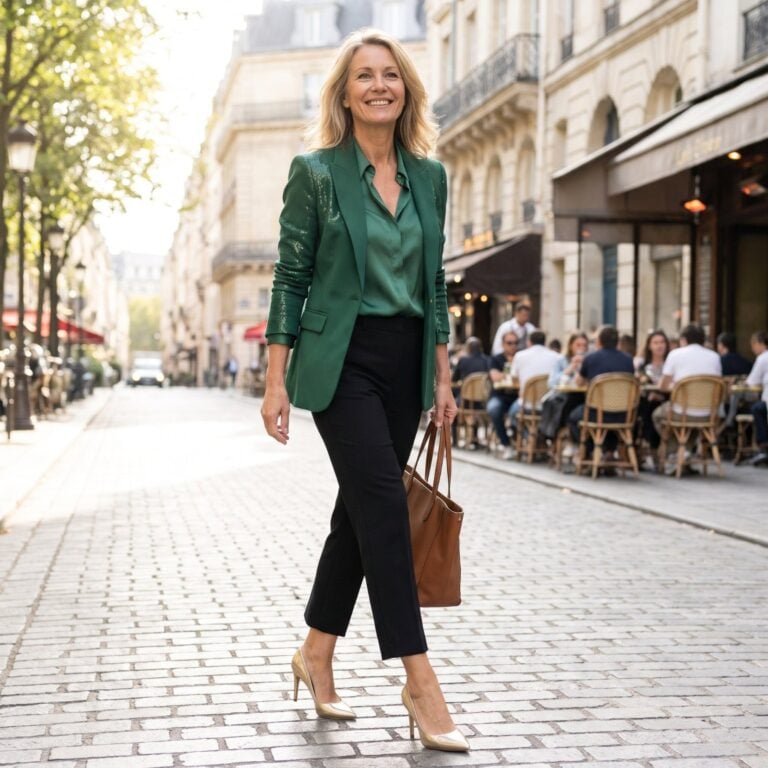
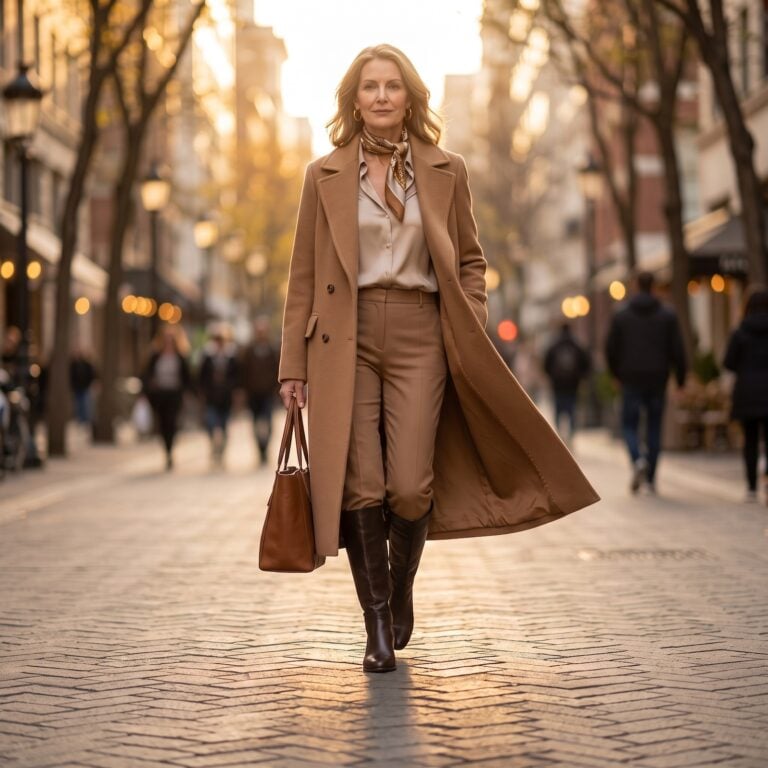
There is a specific kind of carrying that signals status: it looks like almost no carrying at all. Body language experts at the Style Coaching Institute have noted that the most self-assured women hold their bags in a way that appears entirely natural and effortless, almost as if the bag were an extension of themselves (Source). The bag is not a prop being managed. It is simply there, the way a coat is there.
This connects to a broader psychological principle: the less attention a person directs toward managing an object, the more attention they project outward. When a woman is focused on keeping her bag in place, readjusting straps, gripping tighter, switching hands, that attention is visibly internal. Observers pick up on it. The micro-adjustments read as vigilance. Vigilance reads as unease. And the brain of every person in that room quietly registers: she’s working on something.
Confidence, by contrast, looks a lot like forgetting. The question is whether the forgetting is a cause or a consequence, and that distinction matters more than it might first appear.
The Invisible Territory Move That Commands Every Room You Enter
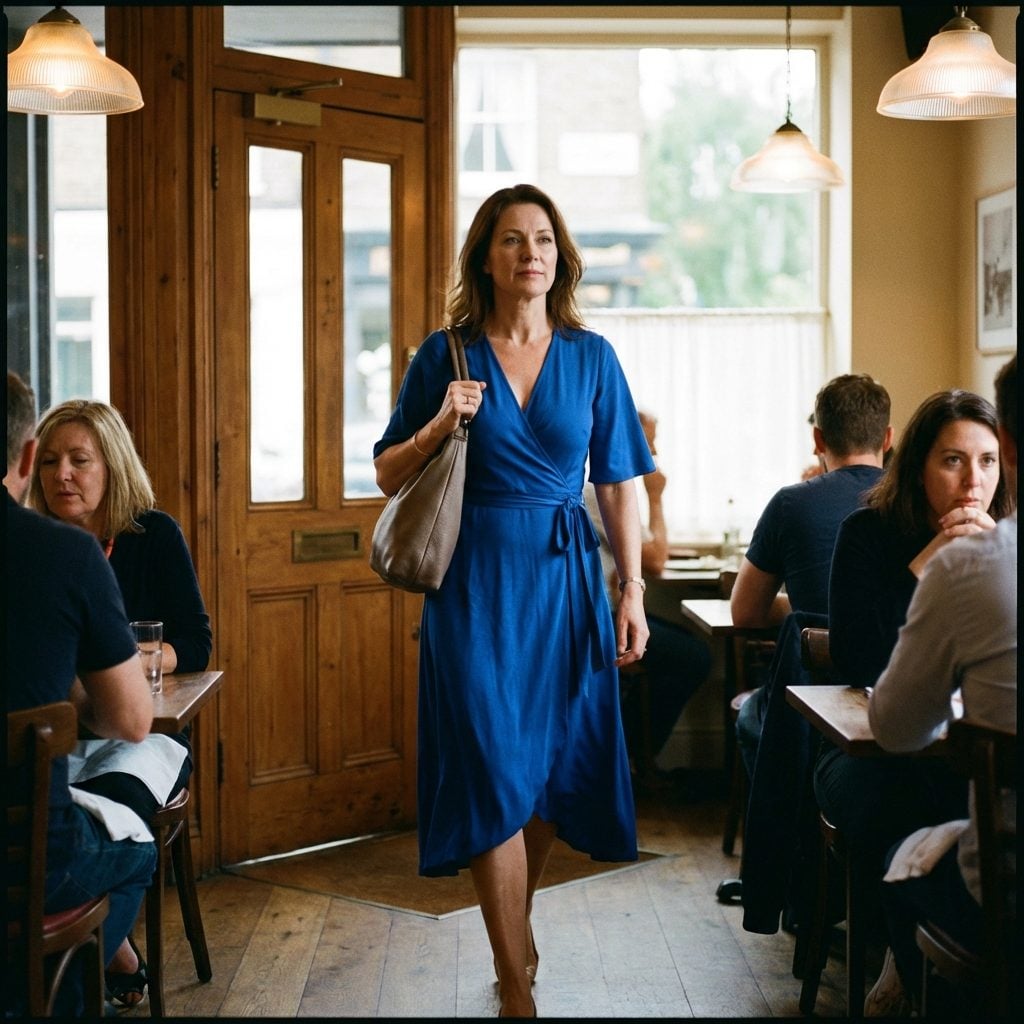
Power is spatial before it is verbal. The research on proxemics, the psychology of how humans use space, makes this plain: high-status individuals don’t occupy space cautiously. They expand into it. The room, according to spatial dominance research, literally reorganizes around the largest psychological presence. Others unconsciously reduce their own posture in response.
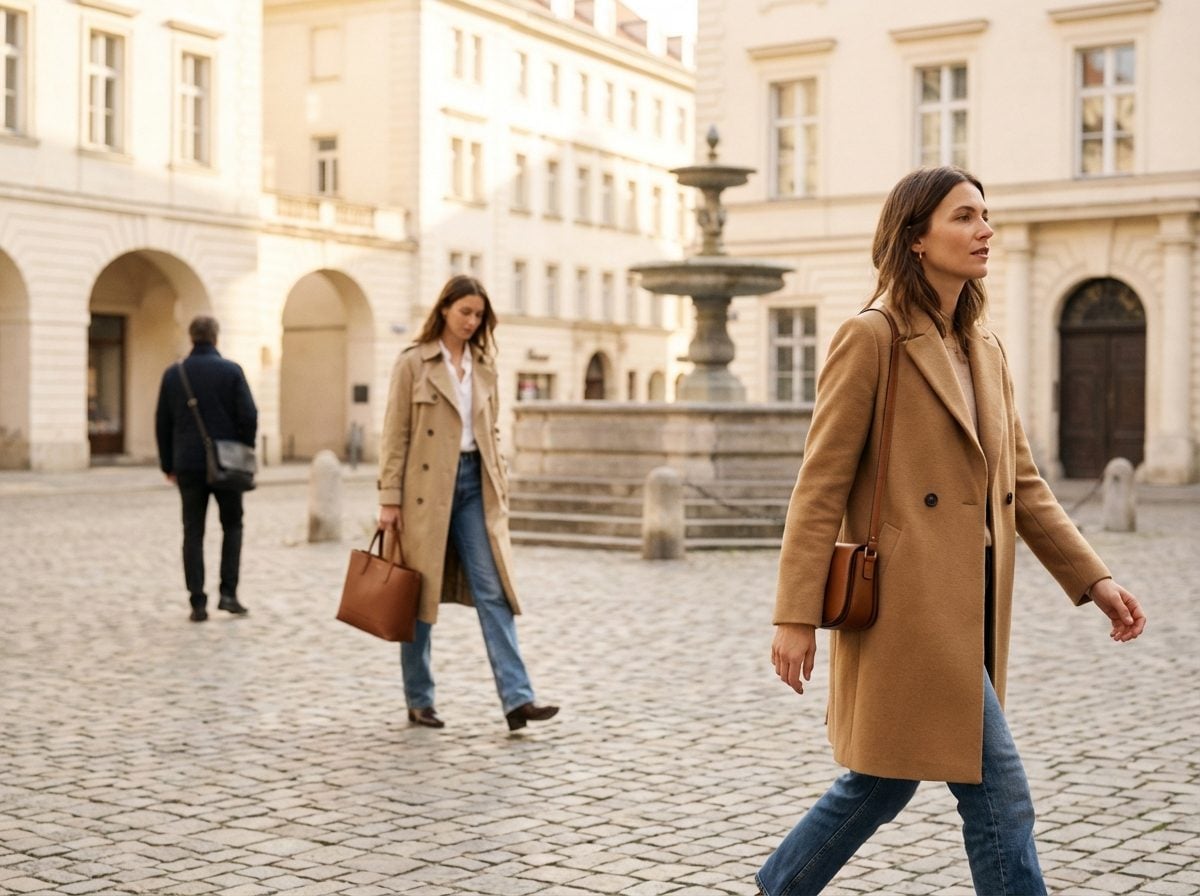
A bag plays a direct role in this territorial calculus. Clutched to the body, pulled across the chest, pressed into the torso, these positions contract your physical footprint. You take up less space. Psychologically, you signal that you are protecting rather than occupying. The inverse is also true: a bag carried with natural drape at the side or settled low on the shoulder leaves your upper body open, your arms free to gesture, your silhouette wide and unhurried.
According to research on proxemics and the spatial dynamics of human interaction (Source), the way we claim and move through space signals ownership and control, often before any conscious social interaction begins. Walking into a room with your bag loose and your chest open is, at a neurological level, a territorial declaration. The question is: are you making it on purpose?
What Your Grip Strength Is Actually Telling Everyone Around You
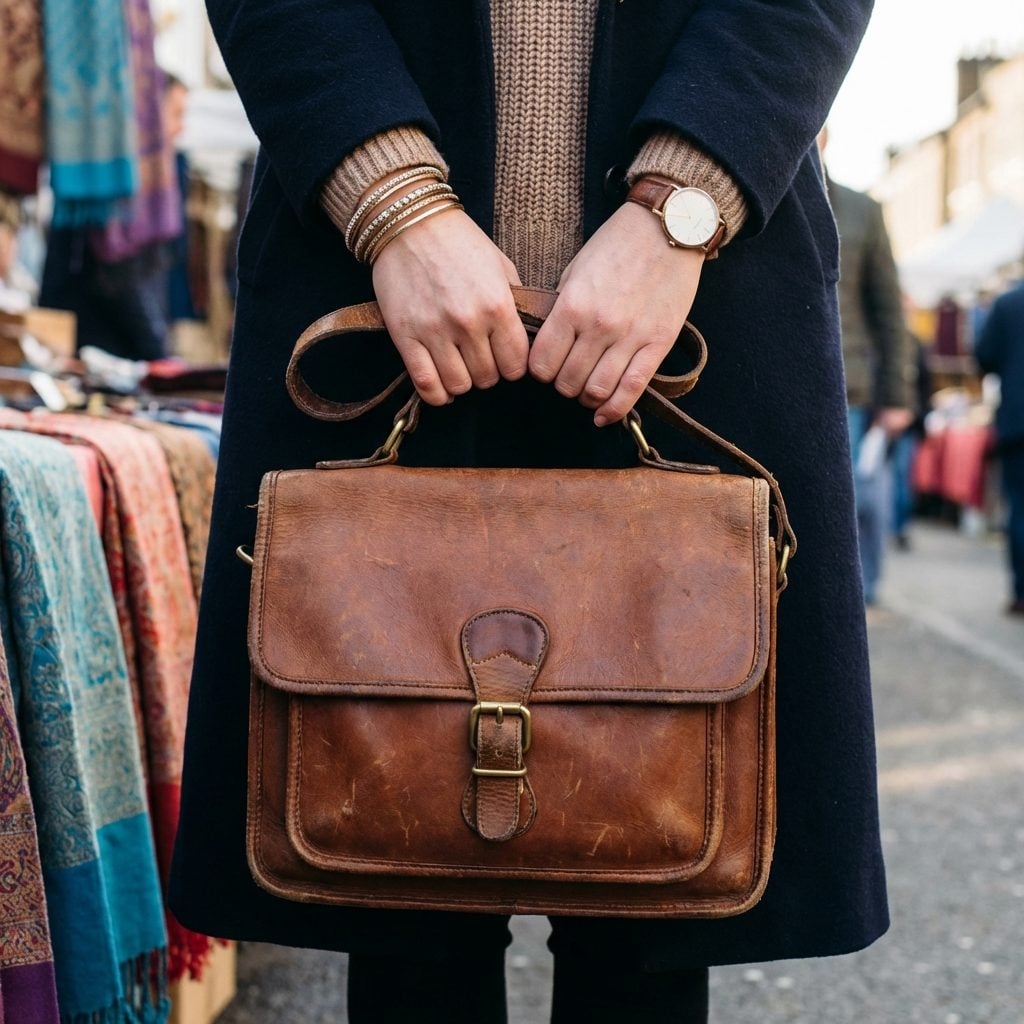
Body language expert Patti Wood, with over 30 years of practice, has observed that women who grip their bag tightly and pull it toward them are telegraphing something specific. She told Reader’s Digest that this carry style suggests caution, wariness, and even insecurity, and that the tighter the grip, the more likely it is rooted in fear, lower self-esteem, or concern about the purse being stolen (Source).
That is a striking claim about something most people do without thinking. But the mechanics are consistent with what psychology knows about self-soothing behaviors more broadly. Ronald E. Riggio, Ph.D., explains that when we are anxious or uncomfortable, we engage in nonverbal self-soothing,. Squeezing your bag is doing exactly this. It is your nervous system’s way of managing micro-anxiety, pressing something solid to offset the feeling of instability.
Here’s what that means in practice: loose fingers signal calm. A relaxed grip says the environment is not a threat. A white-knuckle hold says something else entirely, and the people around you, however unconsciously, are reading it.
The Psychological Reason You Switch Shoulders When You Feel Unsafe
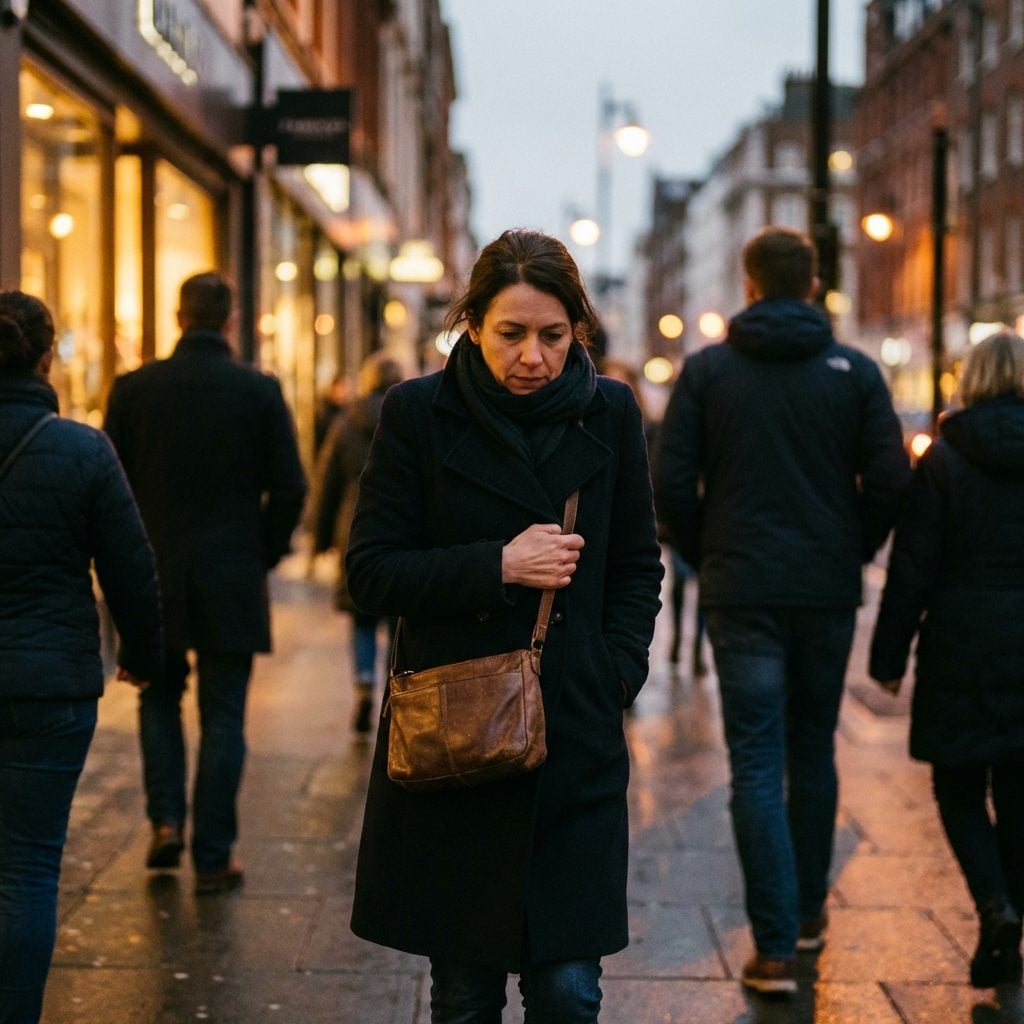
Pay attention the next time you walk into a situation that makes you slightly uneasy, a crowded underground station, an unfamiliar neighborhood, a social gathering where you don’t know anyone. There is a good chance your bag migrates. It comes off the shoulder and into the hand. Or it moves from the back hip to the front. Or you cross it over your chest.
This is not a random habit. Body language researchers consistently link cross-body and front-carried bag positions to a defensive psychology, describing the repositioned bag as a form of urban armor, a protective barrier between the body’s core and a world that feels, however briefly, threatening. The crossbody strap creates a literal diagonal line of fabric across the torso, and psychologically, that line functions as a discreet shield against crowded spaces and ambient threat.
What’s worth sitting with here is that the switch itself is information, a real-time signal about your internal state that your body executes before your conscious mind has finished assessing the room. The next puzzle: if carrying style is this tightly linked to how safe you feel, what happens when the carrying style changes first?
Why the Woman Who Looks Most Powerful Has Essentially Forgotten She’s Carrying Anything
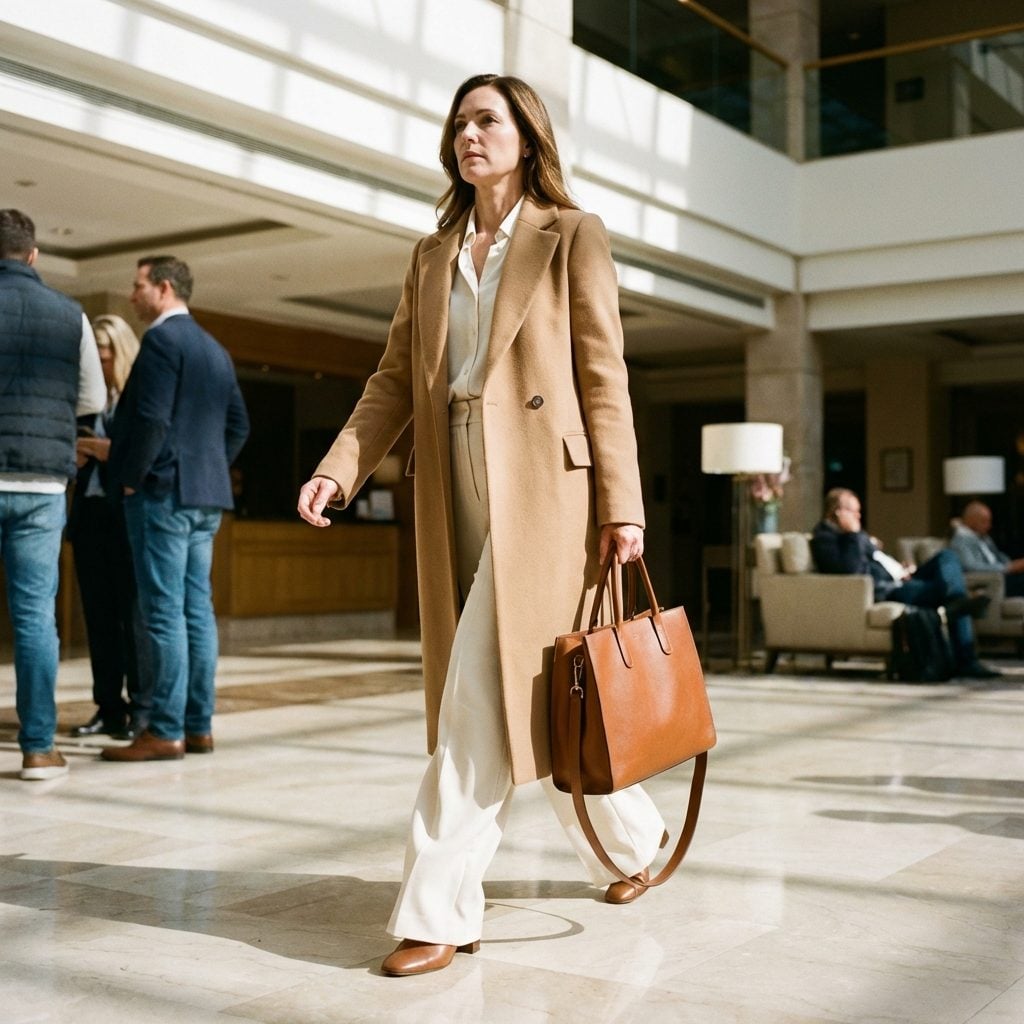
The Style Coaching Institute puts it plainly: anyone who carries their bag with a genuine sense of ease is self-assured and comfortably confident. These women have a clear sense of purpose and focus on where they are going (Source). The bag is not the point. What they are walking toward is the point.
This maps onto a well-established psychological concept: attentional absorption. When you are fully directed toward a goal or a person, the brain deprioritizes background management tasks, including the physical business of carrying things. The bag becomes, neurologically, an extension of the body rather than a separate object to be managed. It is the same reason confident speakers don’t fidget: their cognitive resources are all flowing outward.
A 2022 meta-analysis reviewing nearly 130 studies found that upright or expansive postures reliably increased people’s sense of self-confidence and power (Source). That expansiveness, chest open, arms not crossed, bag simply present rather than guarded, is the visual signature of a woman who is not thinking about how she looks. She’s thinking about where she’s going. And somehow, that is the thing other people can’t stop looking at.
The Body Language Loop That a Heavy Bag Is Quietly Destroying
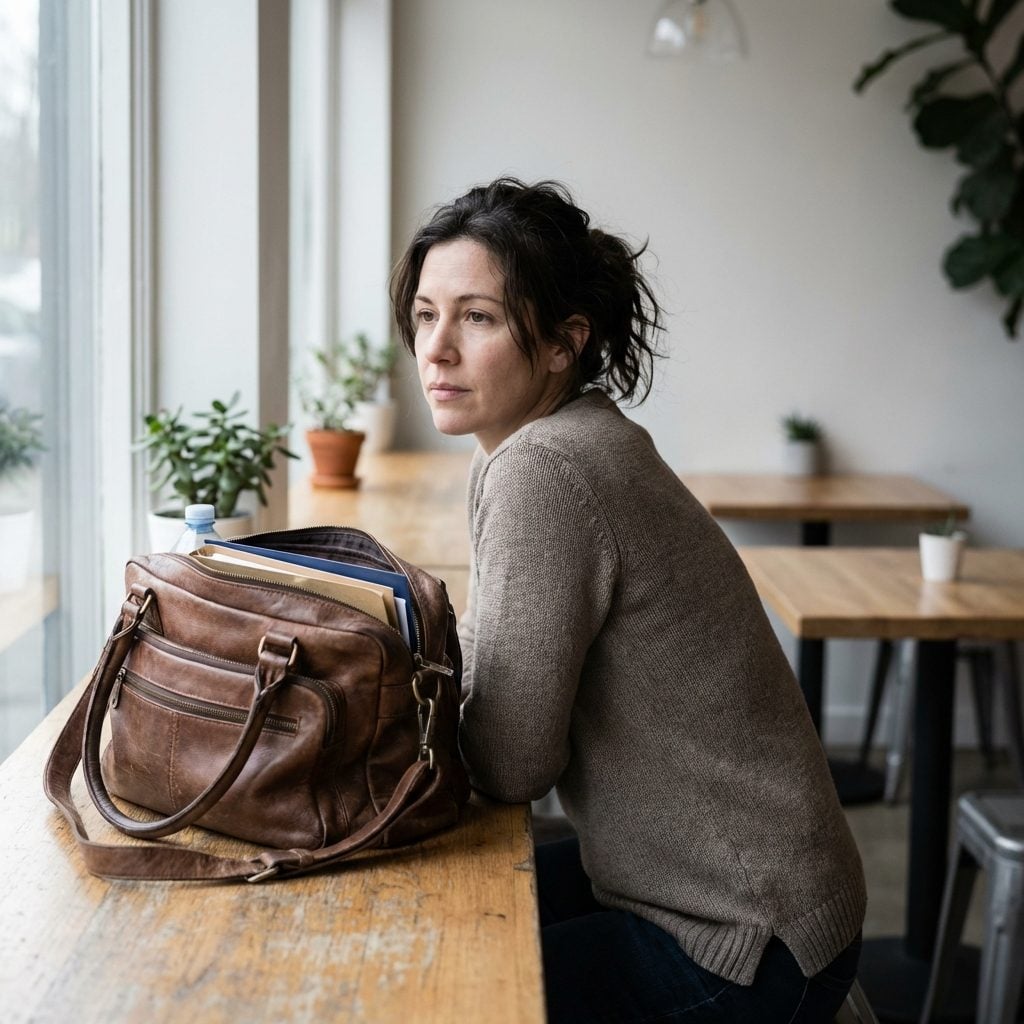
Here is something physical therapists have documented that fashion culture rarely talks about: carrying a heavy bag asymmetrically on one shoulder disrupts spinal balance. The muscles on one side work harder, the opposite side stretches and weakens, and over time, this imbalance can lead to muscle fatigue, tightness, and even changes in posture (Source). One shoulder creeps up. The torso rotates inward. The whole silhouette contracts.
Now add what psychology knows about posture and self-perception. A published study in the Journal of Behavior Therapy and Experimental Psychiatry found that individuals who maintained an upright posture during a stressful task exhibited lower cortisol levels and reported feeling more in control. The inverse, the hunched, shoulder-elevated posture that a heavy bag silently encourages, creates the opposite neurological conditions. Research from a PubMed-referenced study found that slouched participants used more negative self-referential language and self-doubt expressions than those who stayed upright.
The loop runs like this: a heavy bag pulls the shoulder down and forward, the torso follows, breathing shallows, the brain reads the body as contracted and burdened, confidence dims. The bag didn’t cause the feeling directly. But it set the chain in motion.
What Primatologists Know About Carrying Behavior That Fashion Editors Don’t
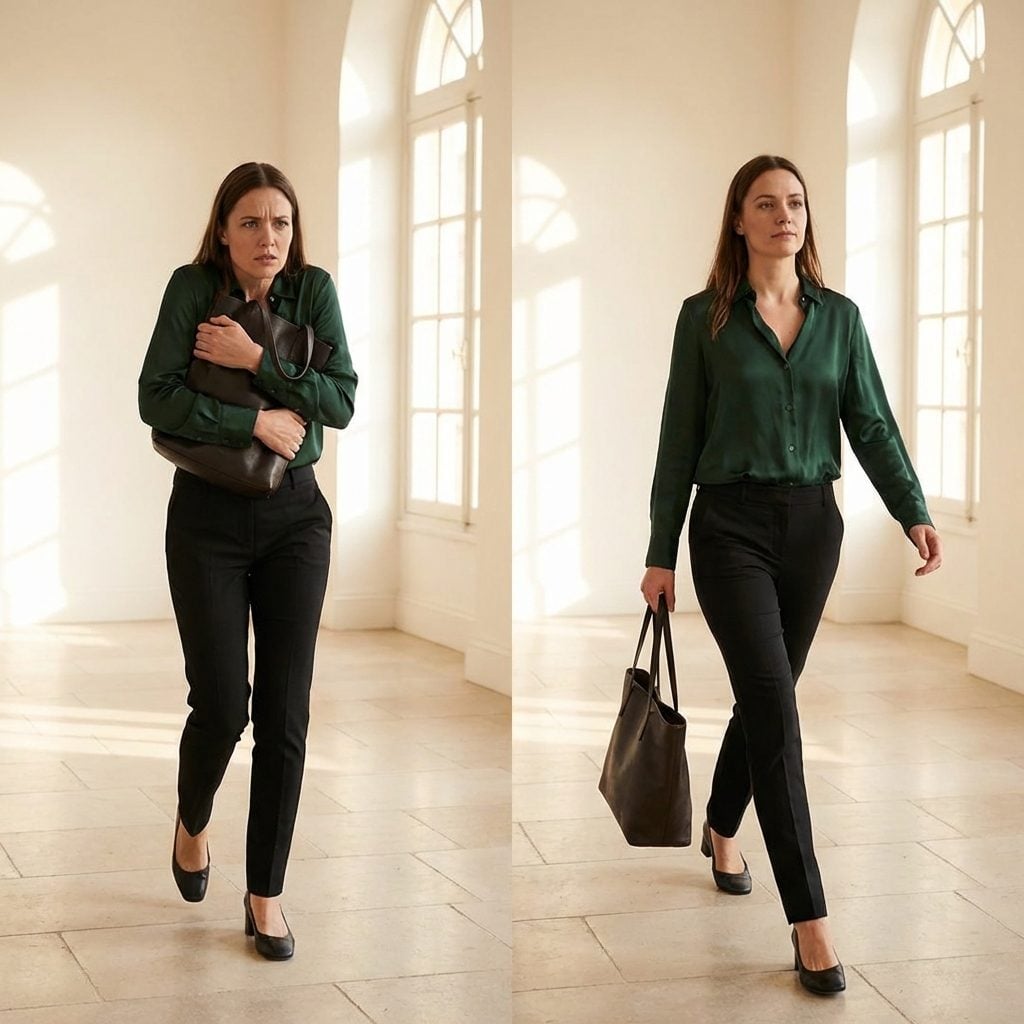
Dominance in nonhuman primates is signaled through posture, spatial claim, and the ease with which a high-ranking animal moves through shared space. Research published in the Journal of Neuroscience confirmed an evolutionary continuity in the neural substrates of social dominance going back at least 35 million years, noting that social dominance determines resource access and impacts survival and reproduction (Source). High-ranking animals don’t guard their resources anxiously. They carry themselves as if resources will be there when they need them.
That is not a metaphor. It is a behavioral template our nervous systems still operate within. When a woman walks into a space with contracted posture, object-guarding behavior, and vigilant grip, she is, at a primitive social-perception level, broadcasting subordination. Not weakness, exactly. But watchfulness. And watchfulness, in hierarchical primate terms, is not the posture of the one in charge.
Fashion editors study silhouette, proportion, and color. Primatologists study what the body does when it is not performing, and that, it turns out, is what everyone else is reading.
The Stress Hormone That Spikes Every Time You Clutch Your Bag to Your Chest
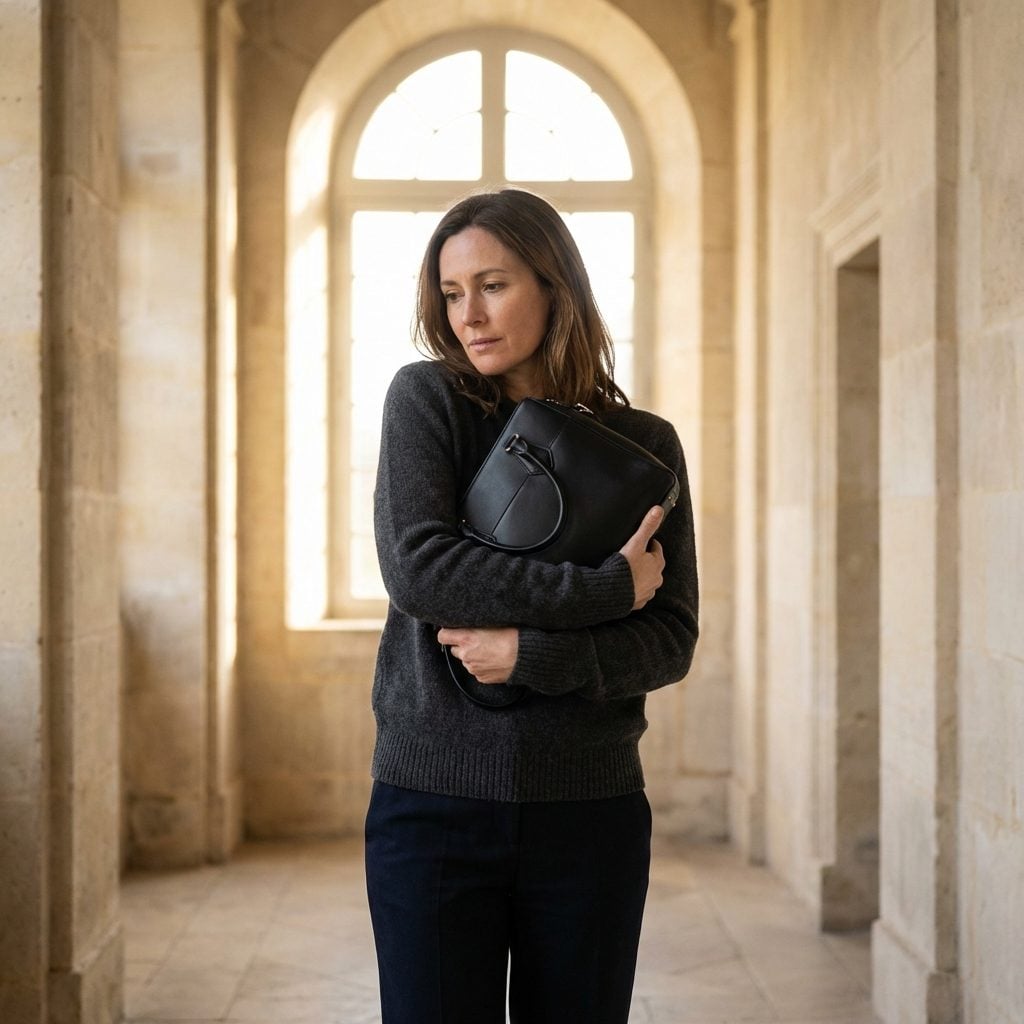
Cortisol, the body’s primary stress hormone, doesn’t wait for a genuine threat. It responds to perceived threat, to vigilance, to the physical cues your own body sends about the safety of the environment. According to Harvard Health Publishing (Source), when the brain continues to perceive something as dangerous, the hypothalamus triggers a cascade that ends in a cortisol surge, and the body stays revved up and on high alert.
The physical act of clutching, of pulling something close, of contracting the chest, of holding an object protectively, is one of the body’s defensive configurations. It mirrors the closed, contracted posture that psychology research consistently links to elevated anxiety and lower confidence. A study in the Journal of Behavior Therapy and Experimental Psychiatry found that individuals in a slumped, contracted posture reported feeling less in control and showed higher stress responses than those who maintained open, upright alignment. The relationship between cortisol and anxiety runs both ways (Source), anxiety triggers cortisol, but cortisol also amplifies anxiety.
Which means the clutch isn’t neutral. Every time you pull your bag tight to your chest, you may be sending a low-level distress signal to your own nervous system. The bag doesn’t know that. But your amygdala does.
Why Freeing One Hand Changes How Your Brain Reads Your Own Confidence
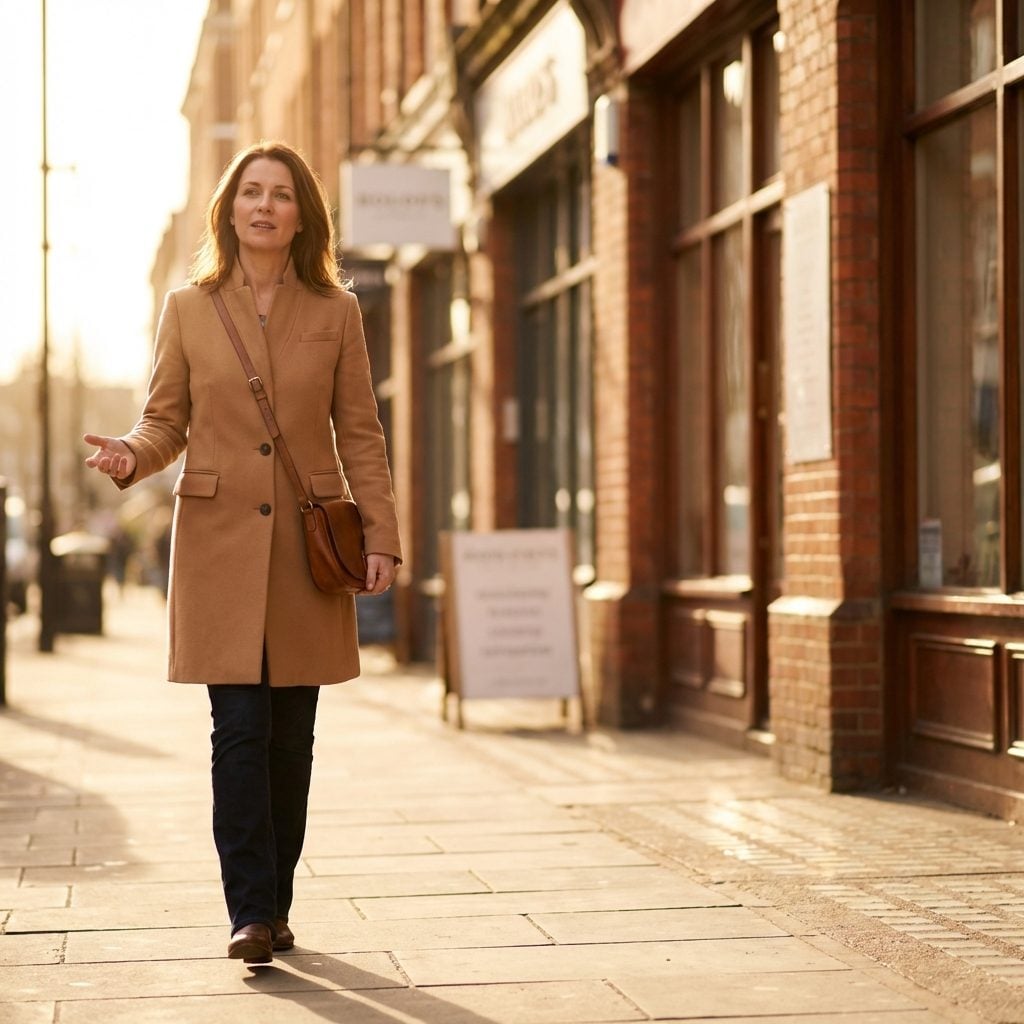
There’s a reason the most put-together women you know almost always have a free hand. It’s not a coincidence, and it’s not just about practicality. When one hand is free, your body naturally opens up. Arms swing. Gestures become available. You stop bracing, clutching, and contracting, and your nervous system gets the memo.
Research on open body language consistently links unobstructed movement to heightened feelings of personal agency. Source According to Amy Cuddy’s body of work on postural feedback, expansive, open physical states, including those that leave the hands free, activate what she calls the behavioral approach system, the neurological state associated with motivation, assertiveness, and confidence. The loop runs in both directions: you feel more capable, so you move more openly, and that open movement reinforces the feeling.
What’s fascinating is that the bag itself becomes almost invisible when you’re not gripping it. The weight disappears from your awareness. Your posture lengthens. Your brain, freed from the low-level task of managing a clutched object, redirects that attention outward. You start reading the room instead of managing your load. And that shift, subtle as it sounds, is visible to everyone around you long before you’ve said a single word.
The Territorial Psychology Behind Placing Your Bag on the Table
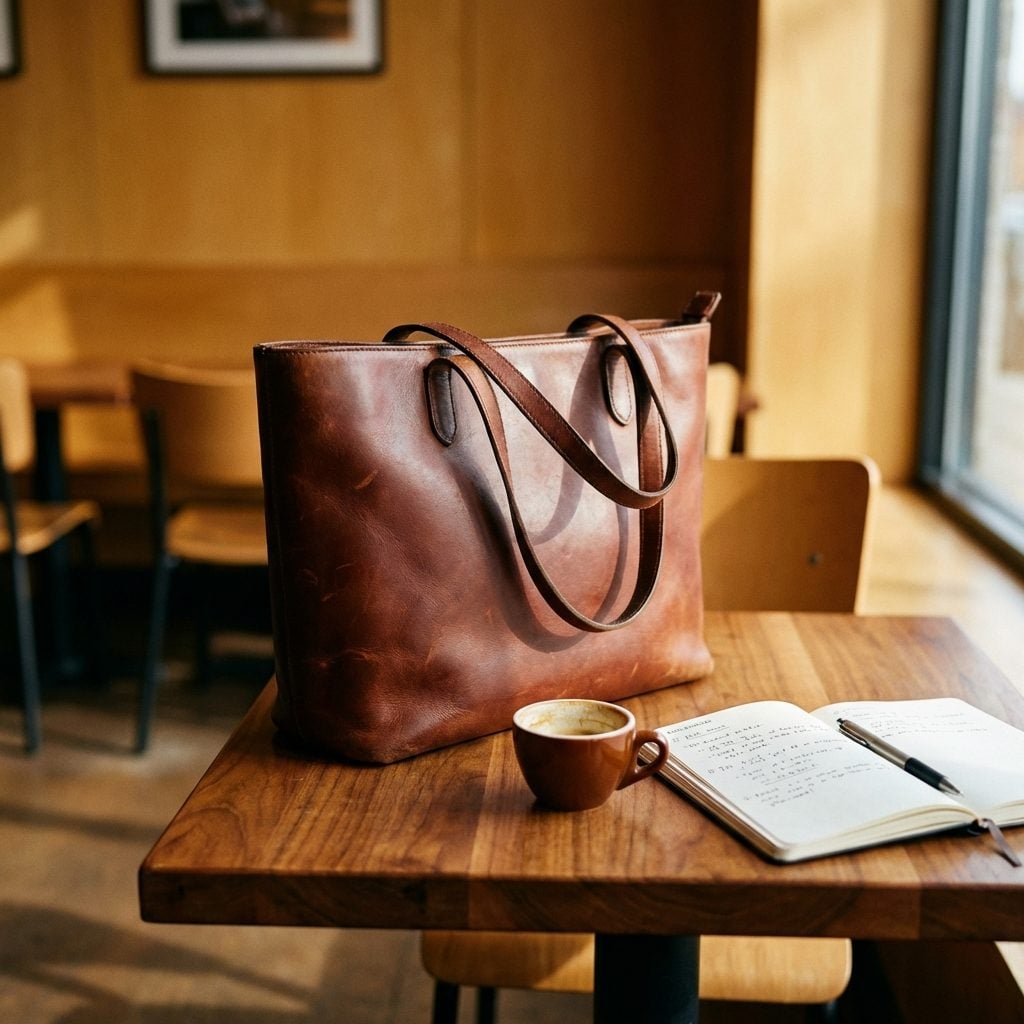
You’ve seen it, and you’ve almost certainly done it. You arrive at a restaurant, a meeting, a café, and before you’ve even sat down properly, your bag lands on the table. Not the floor. The table. That placement is not random.
Environmental psychologists call this behavior territorial marking: using a personal object to signal ownership of a shared space. As researchers in this field have documented, placing belongings in a space communicates control and creates a sense of psychological ownership, even in public settings where you hold no actual claim. Source The act, as Knapp (1978) argued, functions as a form of preventative defense: by leaving belongings on a surface, we anticipate potential intrusion and act to stop it before it occurs.
But here’s the piece most people overlook: the bag on the table does something for the woman who placed it there, not just for the strangers around her. According to environmental psychology research, when we feel ownership over a space, we feel more secure, more competent, and more in control. Source The bag becomes a physical anchor. It says, quietly and without words: I belong here. I’m not waiting to be invited in. I’ve already arrived.
The Bottom Line
The answer, finally: confident women over 40 carry their bags differently because they have stopped using their bag as emotional armor. The bag is no longer a shield clutched to the chest, a weight shifted to hide behind, or a prop to manage, it simply exists, almost forgotten, while the woman herself takes up the space. Put the bag down, free your hands, and notice what your body does next, that instinct is the confidence you’ve been looking for.