
❤️ Would you like to save this?
The way you dress can subtly communicate your relationship with control, from rigid fabric choices to obsessively coordinated accessories. These fashion habits aren’t necessarily negative, but they often reflect an underlying desire to maintain structure and predictability in an unpredictable world. Understanding these patterns can help you recognize when your wardrobe might be speaking louder than your words about your need for control.
FYI, thanks to AI imagery software, we’re able to create very specific fashion and hairstyle examples to illustrate the points being made. In some cases, imagery is exaggerated to hammer home the point. Also, assume links that take you off the site are affiliate links such as links to Amazon. this means we may earn a commission if you buy something.
27. Rarely breaking dress code or style rules

You follow fashion rules like they’re written law. Never mixing patterns, avoiding white after Labor Day, or matching your belt to your shoes becomes second nature.
This rigid adherence signals your need for structure and control. You feel safer within established boundaries than venturing into uncharted style territory.
Breaking occasional fashion rules shows confidence and creativity. Your reluctance reveals discomfort with uncertainty.
26. Refusing to wear soft or flowy fabrics

You stick exclusively to structured, rigid materials because loose fabrics feel too unpredictable. Soft textures make you uncomfortable since they move independently of your body.
Your wardrobe consists entirely of tailored pieces that maintain their shape. You avoid anything that drapes or flows naturally because it represents a loss of control over your appearance.
25. Wearing clothes that don’t match the weather to maintain formality

You refuse to swap your blazer for a lighter top even when temperatures soar. Weather changes don’t dictate your wardrobe choices.
You maintain the same formal dress code regardless of rain, heat, or cold. This rigid approach to dressing reveals your need to control your image at all costs.
Your discomfort becomes secondary to maintaining your carefully curated appearance.
24. Hidden signs of discomfort shown in posture

Your clothing choices directly impact how you carry yourself throughout the day. When you wear restrictive or uncomfortable pieces, your body naturally compensates with protective posturing.
You might notice yourself constantly adjusting tight waistbands or pulling at fabric. This creates tension in your shoulders and back.
Ill-fitting clothes force you into unnatural positions, making you appear less confident than you actually feel.
23. Opting for stiff fabrics over soft, relaxed materials

Your fabric choices reveal more than you think. When you consistently pick rigid, structured materials over soft options, it signals a desire for control and formality.
Stiff fabrics create barriers between you and comfort. They maintain sharp lines and prevent natural movement, keeping you feeling composed but restricted.
Soft fabrics like cotton and jersey encourage relaxation and ease. Your preference for starched shirts and structured blazers shows you prioritize appearance over comfort.
22. Insistence on perfectly polished shoes at all times

You refuse to leave the house unless your shoes look magazine-ready. Every scuff mark gets immediate attention, and you carry polish in your bag for touch-ups.
This obsession with flawless footwear reveals your need to control how others perceive you. You believe that perfectly maintained shoes signal competence and attention to detail.
Your shoe standards are impossibly high, even for casual errands.
21. Wearing clothes with a ‘no-room-to-breathe’ fit

You squeeze into clothes that restrict your natural movement and breathing. This tight-fitting choice reflects your need to maintain rigid control over your appearance.
Your body feels compressed, but you prioritize looking polished over physical comfort. The restrictive fit becomes a way to hold everything together when life feels chaotic.
You choose constriction over ease because loose clothing feels too unpredictable.
20. Avoiding any casual or loose-fitting clothes

You insist on structured, form-fitting outfits even during weekends or relaxed settings. Your wardrobe lacks comfortable pieces like soft sweaters or flowing dresses.
This rigid approach to clothing choices reflects a need to maintain a controlled image at all times. You feel uncomfortable when your appearance seems too relaxed or unpolished.
Even casual Friday finds you in tailored pieces rather than embracing comfort.
19. Obsessing over crease lines in pants or sleeves
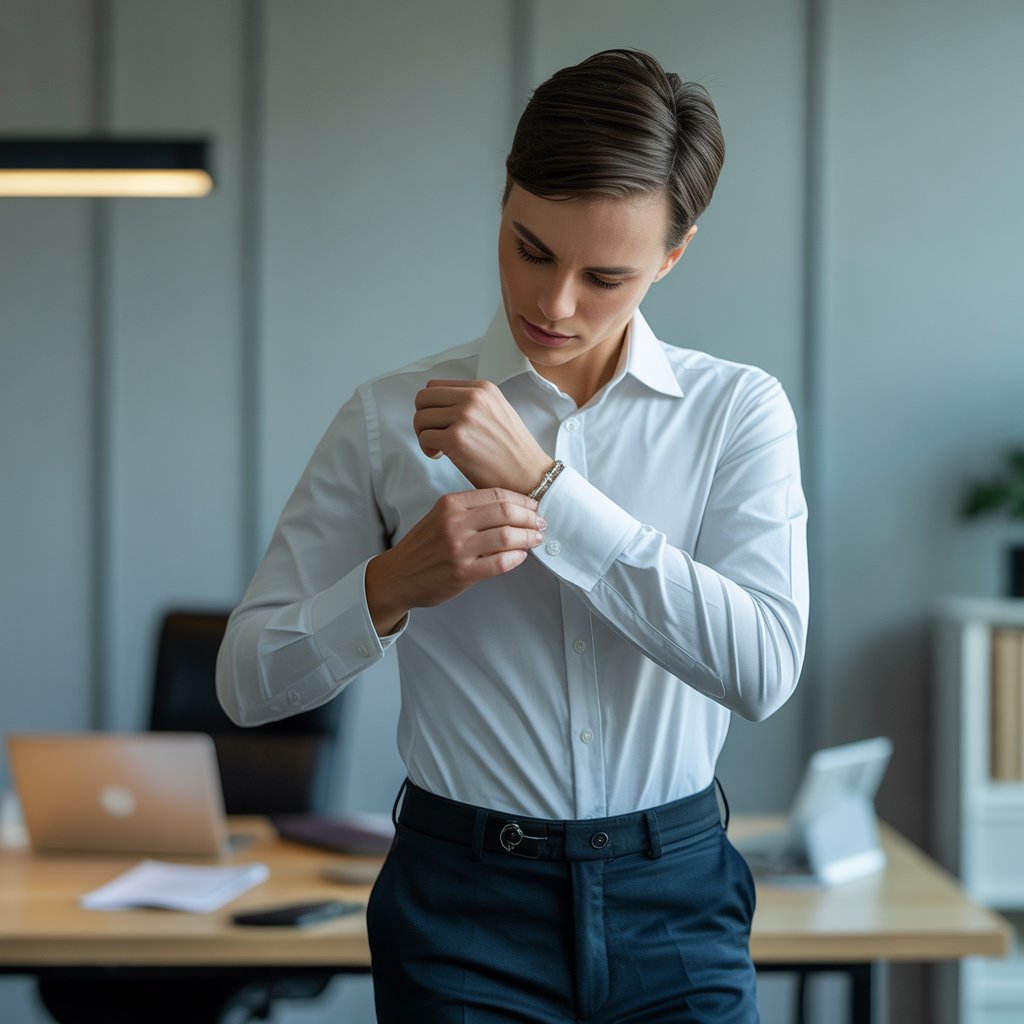
You spend excessive time ensuring every crease falls perfectly straight. Even minor wrinkles send you into fixing mode.
This fixation reveals your need to control how others perceive you. You believe perfectly pressed clothing equals respect and competence.
The constant adjusting and smoothing throughout the day shows anxiety about maintaining your polished image at all times.
18. Carrying overly organized handbags

Your handbag reveals more than you think. When every item has a designated pocket and backup essentials fill multiple compartments, it signals a deep need for control.
You carry three phone chargers, five pens, and emergency supplies for unlikely scenarios. This excessive organization stems from anxiety about being unprepared.
Your perfectly categorized bag contents suggest you’re trying to control unpredictable situations through over-preparation.
17. Excessive use of uniform-like ensembles

When you dress like you’re wearing a uniform every day, you might be seeking the comfort of predictability. This pattern suggests a desire to eliminate decision-making variables.
You create structure through identical outfits. This approach minimizes daily choices while maintaining complete control over your appearance.
Your uniform-like clothing becomes psychological armor against uncertainty and spontaneity.
16. Multiple accessories all neatly arranged

When you wear several accessories that are perfectly coordinated and positioned, it reveals your need for order. Your carefully matched jewelry, belt, watch, and bag show meticulous planning.
This level of accessory coordination suggests you find comfort in having everything under control. The precise arrangement of multiple pieces demonstrates your preference for structure over spontaneity.
15. Matching accessories down to the last detail

❤️ Would you like to save this?
When every accessory matches perfectly, you reveal your need for absolute control. Your belt matches your shoes exactly. Your jewelry coordinates flawlessly.
This level of precision shows others you can’t handle even small style variations. Perfect matching becomes your safety net against fashion uncertainty.
You prioritize control over creative expression when accessories must align completely.
14. Wearing sharply pointed shoes
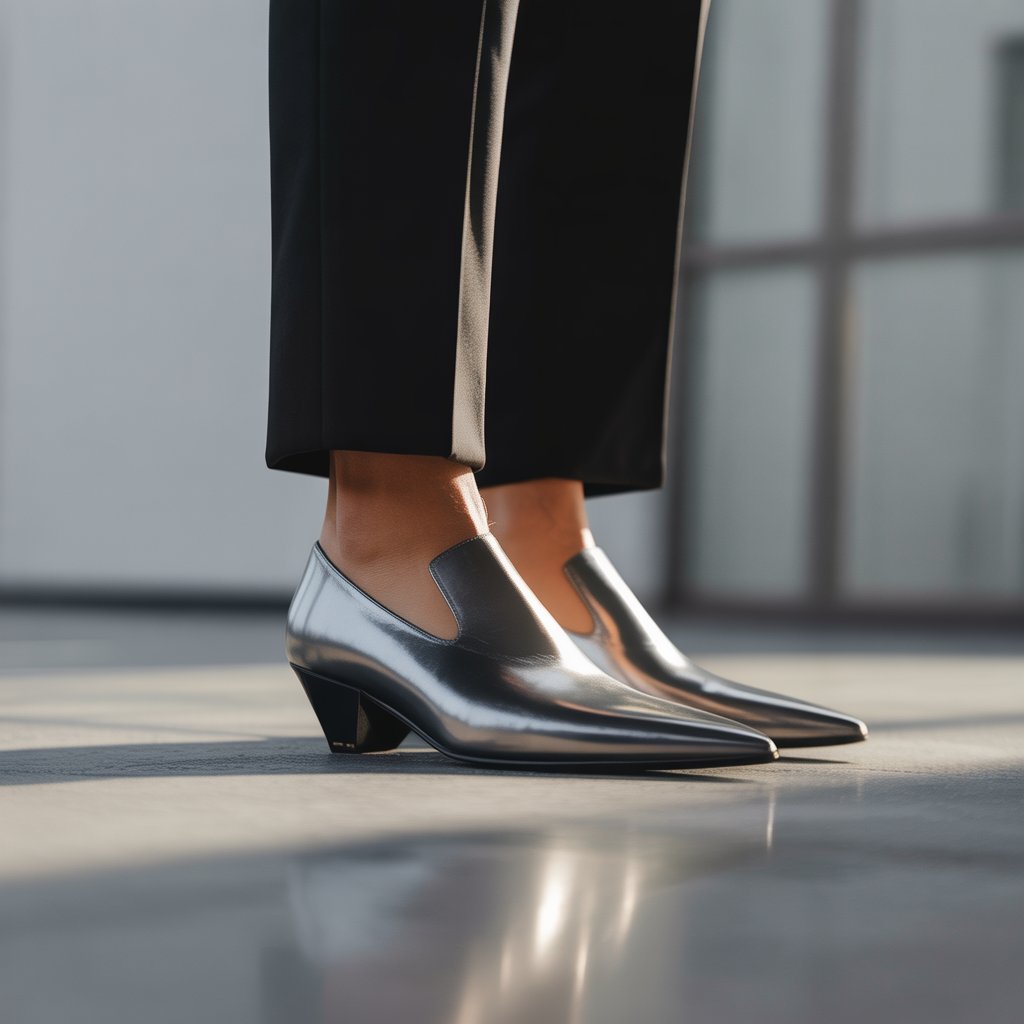
You choose shoes that create clean, precise lines. Sharp points signal your desire for everything to be just right.
These shoes make a statement about your attention to detail. You prefer structure over comfort when it matters.
The pointed silhouette reflects your need for control in how others perceive you. Every step feels intentional and calculated.
13. Judgmental or overly precise color coordination

When you obsess over exact color matches, you reveal a need for rigid control. You might refuse to wear navy with black or stress about undertones that others barely notice.
This perfectionist approach to color coordination suggests discomfort with ambiguity. You prefer clear rules over creative expression, viewing fashion through a lens of right and wrong rather than personal style.
12. Heavy, layered outerwear even indoors
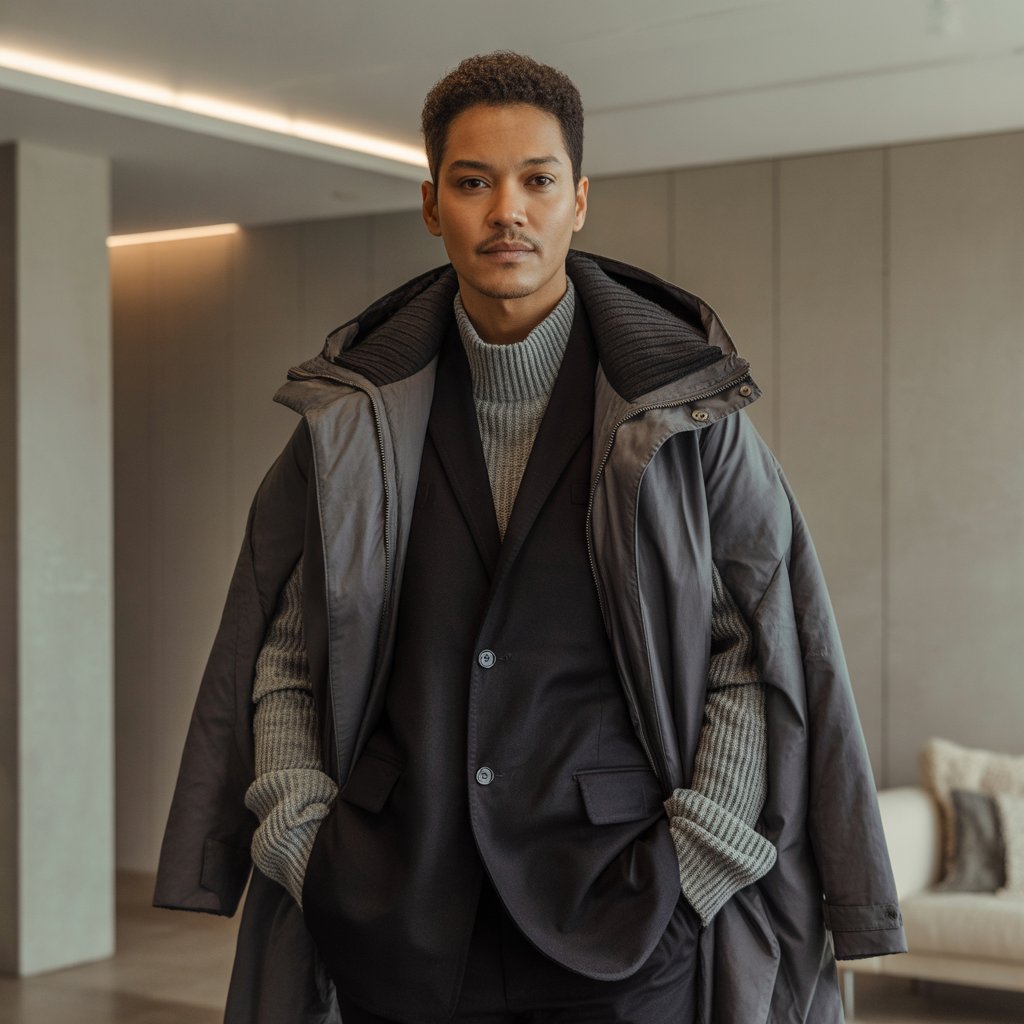
You walk into a warm restaurant still wearing your heavy coat, scarf, and multiple layers. Everyone else has shed their outerwear, but you remain bundled up.
This behavior suggests you need the physical barrier of clothing as emotional armor. You’re maintaining control through your protective layers.
Your reluctance to remove outerwear indoors signals discomfort with vulnerability and openness in social situations.
11. Wearing shoes that are uncomfortable but formal

You prioritize appearance over comfort when choosing formal footwear. Pain becomes secondary to maintaining a polished look.
Your feet suffer in tight dress shoes or stilettos because they signal professionalism. You endure discomfort to project the right image.
This choice reveals your need to control how others perceive you professionally, even at your physical expense.
10. Clothes that don’t stretch or adapt to body shape

You insist on rigid fabrics that never bend or give. Your wardrobe consists entirely of structured pieces that maintain their exact shape regardless of movement.
This choice reveals your need for predictability and control. You prefer clothes that stay exactly as designed rather than adapting to your body’s natural changes throughout the day.
Flexible fabrics feel too unpredictable for your comfort zone.
9. Wearing heavily starched or pressed pants
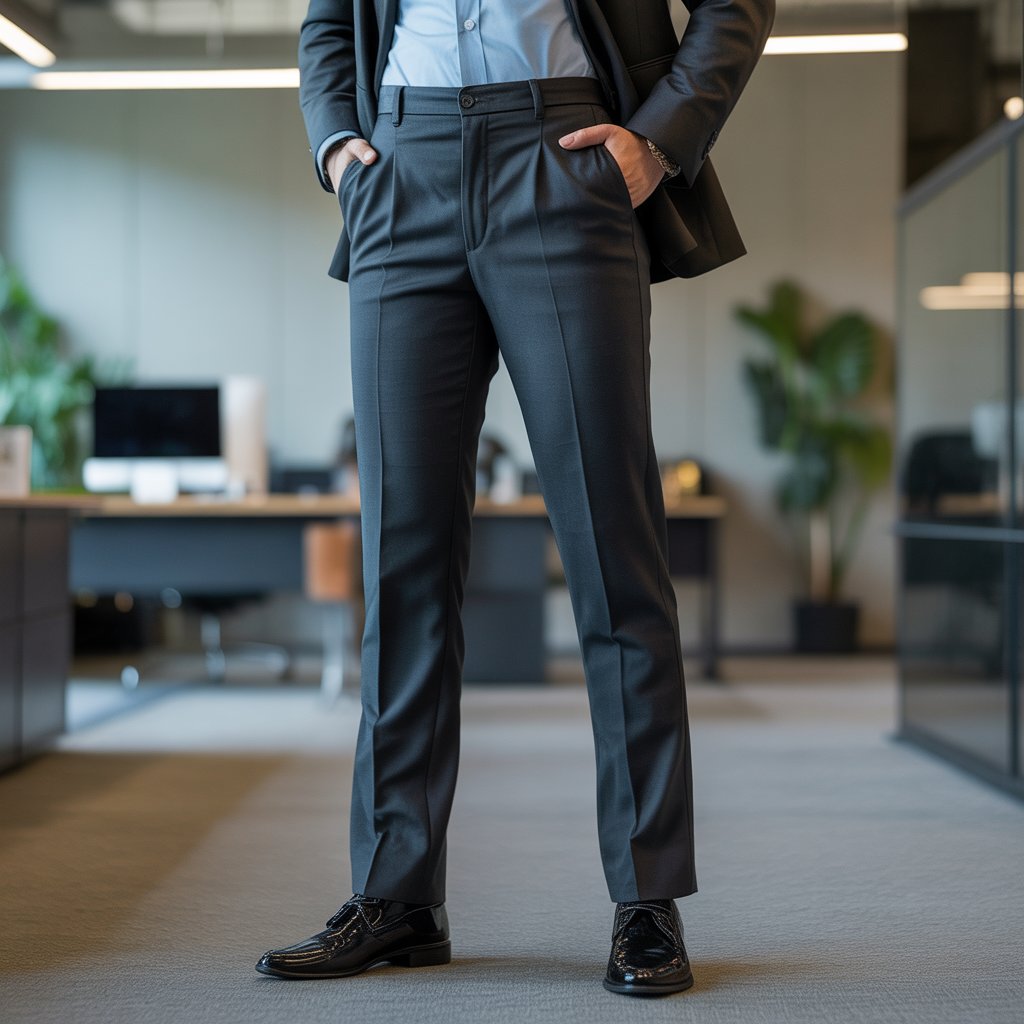
When you starch your pants until they can practically stand on their own, you’re sending a clear message about control. These ultra-crisp garments resist wrinkles and maintain their shape no matter what.
You prefer clothing that stays exactly as you intended it to look. The rigid fabric becomes armor against unpredictability, ensuring your appearance remains flawless throughout the day.
8. Frequent use of high-neck tops

High-neck tops create a protective barrier around your neck and chest area. You might gravitate toward turtlenecks and mock necks when you want to feel more covered and secure.
This clothing choice can signal your need to control how much of yourself you reveal to others. The higher neckline acts as a subtle shield against vulnerability.
7. Keeping tags on new clothes far too long

You sometimes leave tags on new clothes longer than necessary, even after trying them on multiple times. You want to be absolutely certain the item is perfect before committing to it.
This habit reveals a deeper desire for control. Keeping the tags on gives you a sense of security—an escape route if the purchase doesn’t feel exactly right.
Your reluctance to remove them shows discomfort with final decisions and a need to keep every option open, just in case something unpredictable happens.
6. Stark monochrome outfits with no variation

You dress in one solid color from head to toe without any texture or shade variation. This rigid approach to monochrome dressing reveals your need for absolute control over your appearance.
While monochrome outfits can look sophisticated, your version lacks the playful texture mixing that makes this trend interesting. You prefer the safety of exact color matches over creative styling choices.
5. Wearing belts that are too tight

Cinching your belt to the tightest notch reveals an obsession with creating the perfect silhouette. You’re forcing control over your natural body shape rather than enhancing it.
This rigid approach to styling suggests you need everything to appear flawless and structured. A properly fitted belt should define your waist comfortably, not create an artificial constraint that screams perfectionism.
4. Clothing with stiff collars that don’t relax

You choose dress shirts and polos with rigid collars that stay perfectly structured all day. These pieces never soften or bend, maintaining their sharp angles.
Your collars stand at attention like soldiers, refusing to show any signs of natural wear or comfort. This preference reveals your need for unwavering control.
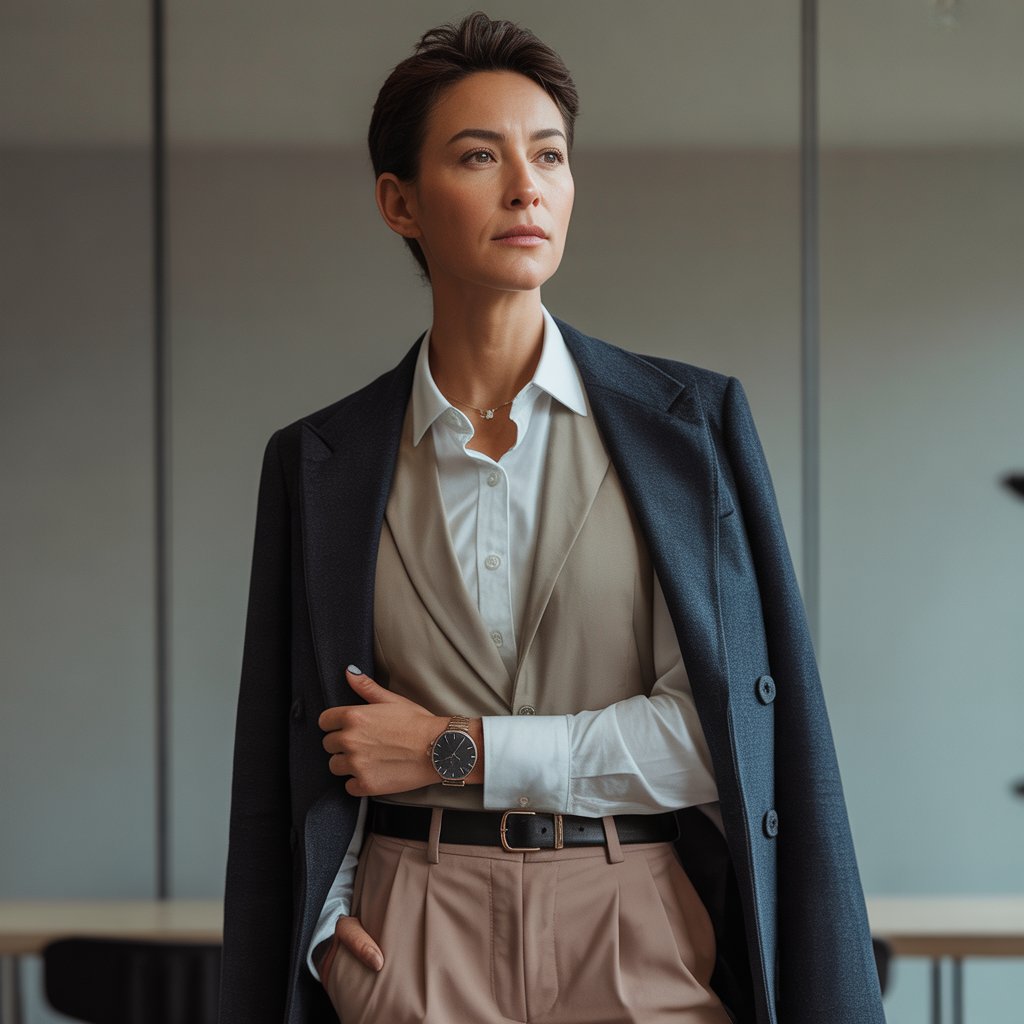
3. Multiple layers of structured clothing
❤️ Would you like to save this?
You stack blazers over cardigans over button-downs like fashion armor. Each layer serves as another barrier between you and the unpredictable world.
This calculated approach to dressing reveals your need to feel prepared for anything. Multiple structured pieces create visual weight and formality that keeps others at arm’s length.
Your layered looks communicate control through careful construction and planning.
2. Excessively buttoned-up shirts or blouses

When you button your shirt all the way to the collar, you create a barrier between yourself and the world. This rigid styling choice suggests a need to maintain perfect composure at all times.
You might feel more secure when every button is fastened, but this approach can signal difficulty with spontaneity. The formal, controlled appearance reflects your desire to keep everything precisely in place.
1. Overly rigid tailoring that restricts movement

You choose clothing so structured it limits your natural movement. Your blazers feel like armor and your pants barely allow you to sit comfortably.
This preference reveals a deeper need to maintain absolute control over how others perceive you. You sacrifice comfort and freedom of movement to project an image of severe professionalism.
Your rigid wardrobe becomes a barrier between you and spontaneous interactions.