
❤️ Would you like to save this?
The clothes you choose, the colors you gravitate toward, and even the accessories you wear can offer surprising insights into your attachment patterns and emotional needs. Your fashion choices often reflect deeper aspects of your personality and how you relate to the world around you.
From the practical shoes that keep you grounded to the bold accessories that signal confidence, your style tells a story about your emotional landscape. Understanding these connections can help you recognize patterns in your behavior and relationships, offering a fresh perspective on why you dress the way you do.
FYI, thanks to AI imagery software, we’re able to create very specific fashion and hairstyle examples to illustrate the points being made. In some cases, imagery is exaggerated to hammer home the point. Also, assume links that take you off the site are affiliate links such as links to Amazon. this means we may earn a commission if you buy something.
17. Selecting Practical Footwear for Emotional Grounding

Your shoe choices reveal more than style preferences. People with secure attachment styles often favor practical, comfortable footwear over flashy options.
Worn-in shoes suggest confidence in relationships and self-worth. You prioritize function and comfort, indicating emotional stability.
Choosing supportive, well-maintained shoes shows you value self-care without seeking external validation. Your footwear decisions reflect an ability to balance practicality with personal needs, demonstrating healthy emotional boundaries.
16. Wearing Statement Pieces Conveying Desire to be Seen
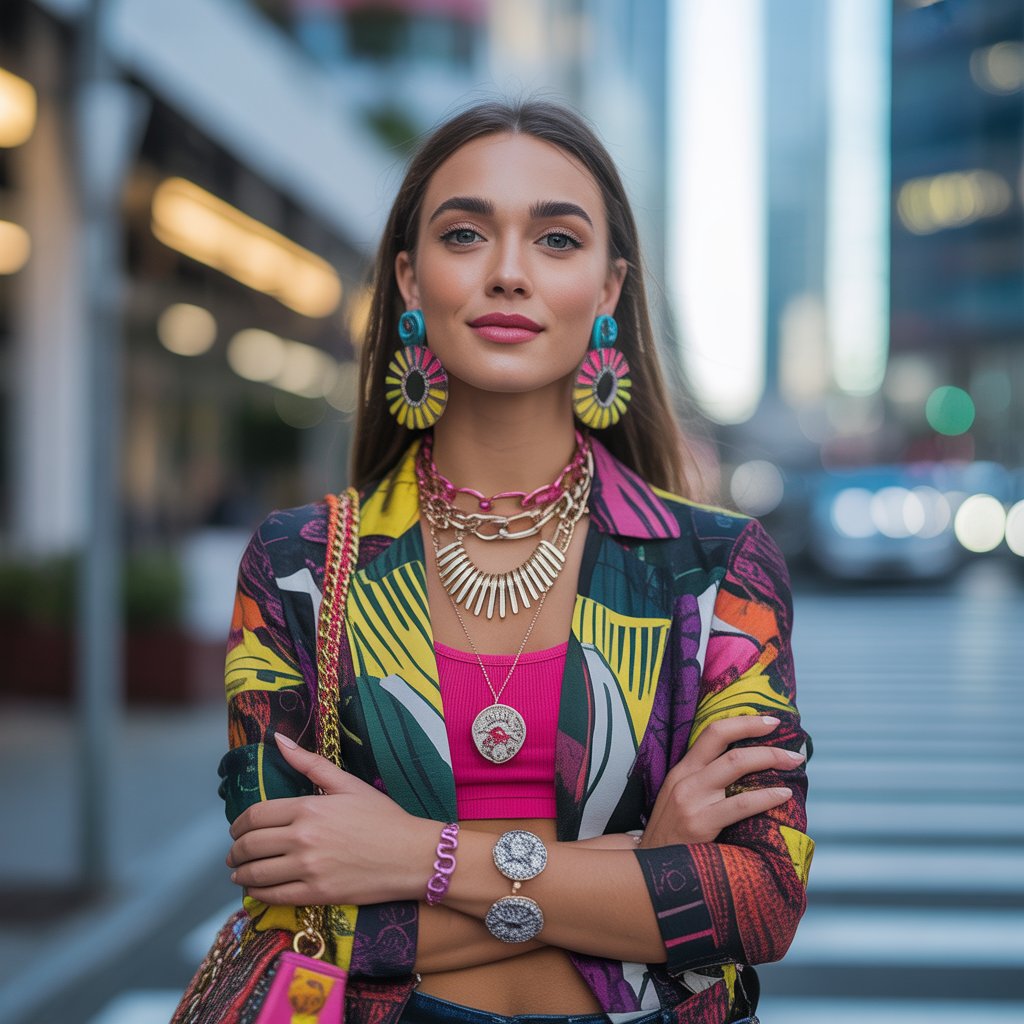
Your bold fashion choices reveal how you seek connection with others. When you regularly wear eye-catching statement pieces, you’re signaling an anxious attachment style’s need for attention and validation.
These standout items help you feel noticed and appreciated. Your vibrant accessories or dramatic clothing pieces serve as conversation starters that invite interaction.
This desire to be seen through fashion reflects your deeper need for reassurance in relationships.
15. Preference for Tailored Clothes Showing Need for Stability

When you gravitate toward tailored clothing, you’re often seeking structure in your life. Crisp lines and fitted silhouettes provide a sense of control and predictability that feels comforting.
Your attachment style may lean toward security-seeking behavior. Well-fitted garments reflect your desire for stability in relationships and daily routines.
This preference shows you value consistency. You likely approach connections with careful consideration rather than spontaneity.
14. Mixing Contrasting Styles Indicating Inner Conflict

When you regularly pair opposing fashion aesthetics like punk with preppy or grunge with feminine pieces, it might signal internal tension. This contrasting approach to dressing can reflect competing aspects of your identity seeking expression.
Your wardrobe choices often mirror psychological states. Mixing drastically different styles may indicate you’re working through conflicting emotions or exploring different parts of yourself simultaneously.
13. Avoiding Eye-Catching Jewelry Reflecting Fear of Attention

When you consistently choose minimal or no jewelry, it might signal discomfort with being noticed. You may prefer blending in rather than standing out.
This tendency can indicate an avoidant attachment style. You might worry that drawing attention will lead to unwanted scrutiny or deeper connections you’re not ready for.
Sticking to simple pieces or skipping jewelry altogether helps you maintain emotional distance. It’s your way of staying under the radar.
12. Attention to Detail Showing Desire for Control
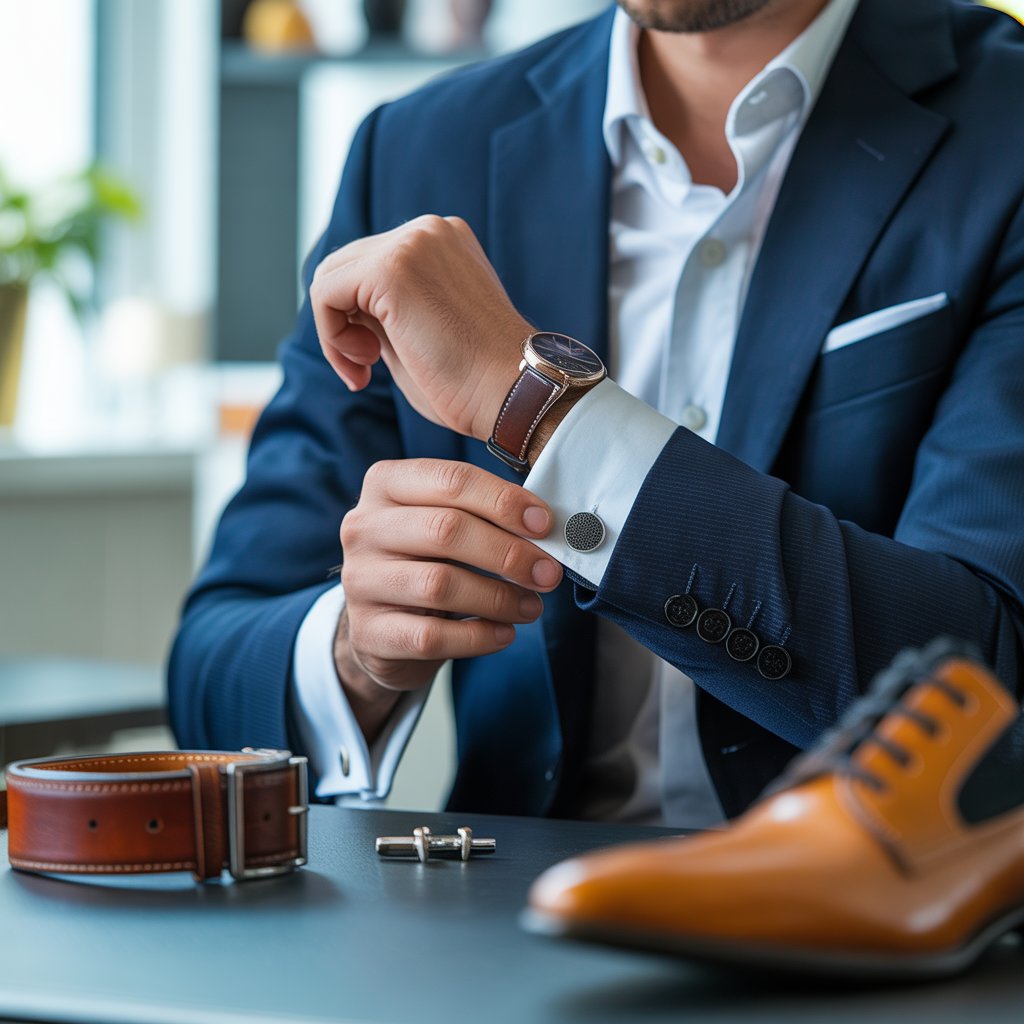
When you obsess over every element of your outfit matching perfectly, it often signals an anxious attachment style. You might find comfort in controlling your appearance when other aspects of life feel unpredictable.
People with secure attachment styles tend to be more relaxed about minor wardrobe inconsistencies. Your need for precision in fashion choices can reflect a deeper desire for stability and predictability in relationships.
11. Choosing Oversized Clothes as a Shield from Intimacy
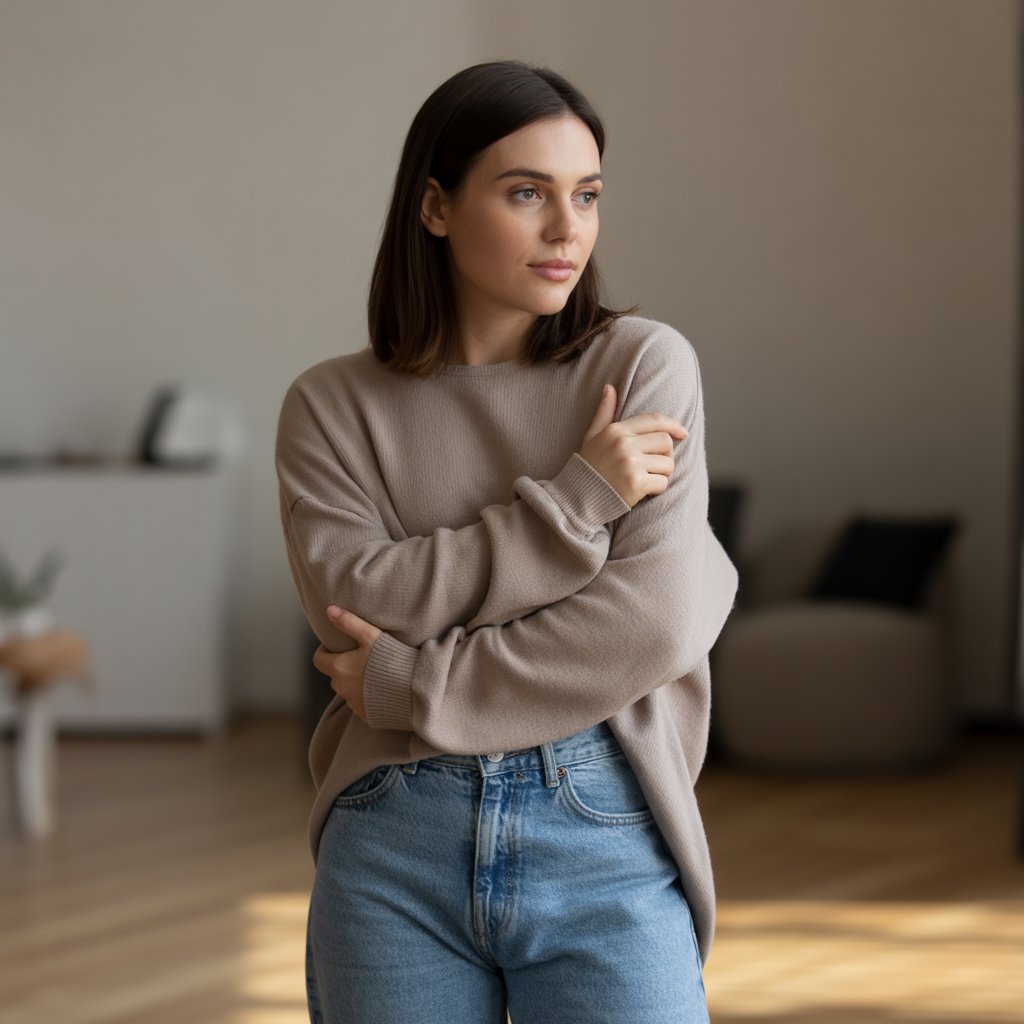
When you consistently reach for oversized clothing, you might be creating physical distance from others. Baggy sweaters and loose fits can serve as a protective barrier that keeps people at arm’s length.
This choice often signals avoidant attachment patterns. You’re literally wrapping yourself in extra fabric to maintain personal space.
If you find comfort in shapeless silhouettes during social situations, consider whether you’re using fashion to control how close others can get to you emotionally.
10. Bright and Playful Colors Revealing Openness and Trust
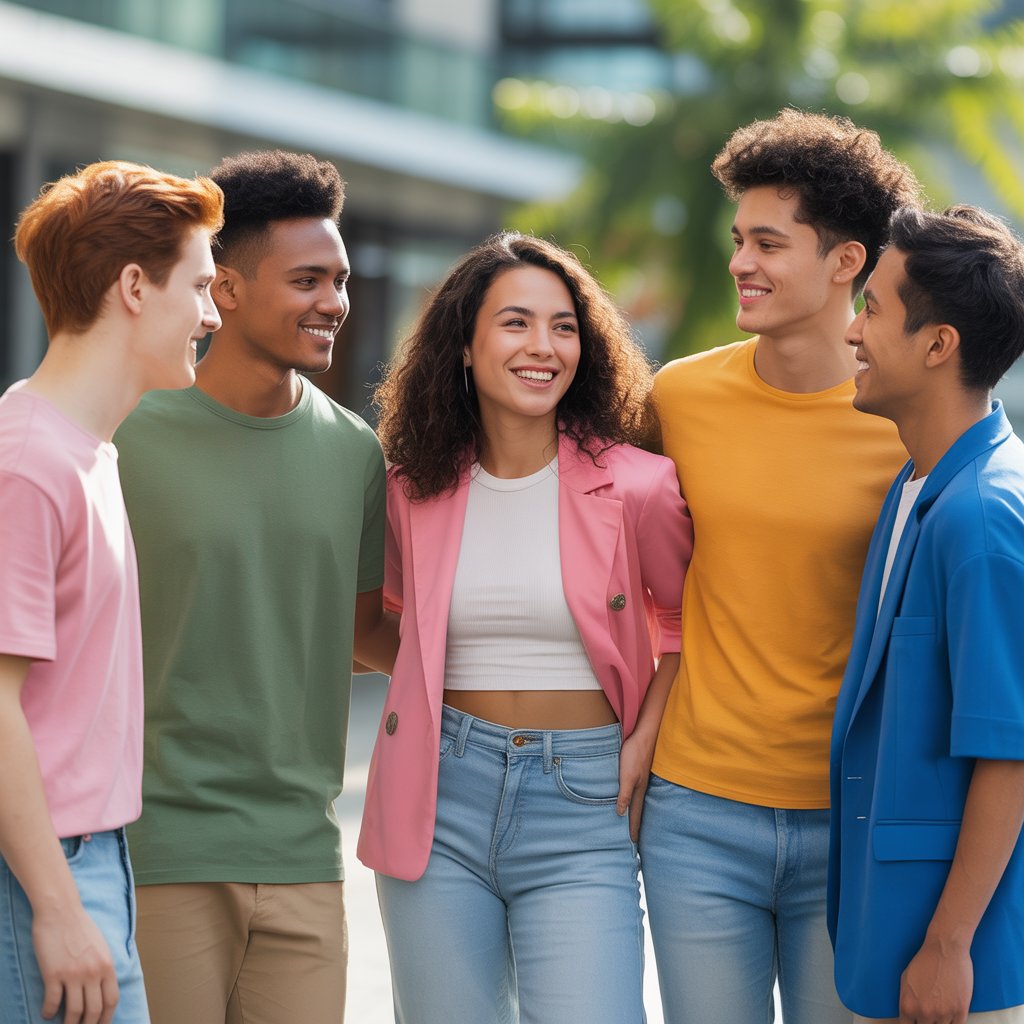
When you reach for vibrant colors like coral, sunny yellow, or electric blue, you’re showing the world your secure attachment style. These bold choices signal emotional availability and confidence in relationships.
Your willingness to stand out in bright hues suggests you’re comfortable being seen and authentic. You don’t hide behind neutral tones because you trust others to accept the real you.
Playful color combinations demonstrate your optimistic approach to connections. You believe relationships can be joyful and aren’t afraid to express that through your wardrobe.
9. Frequent Use of Dark Colors Indicating Emotional Withdrawal
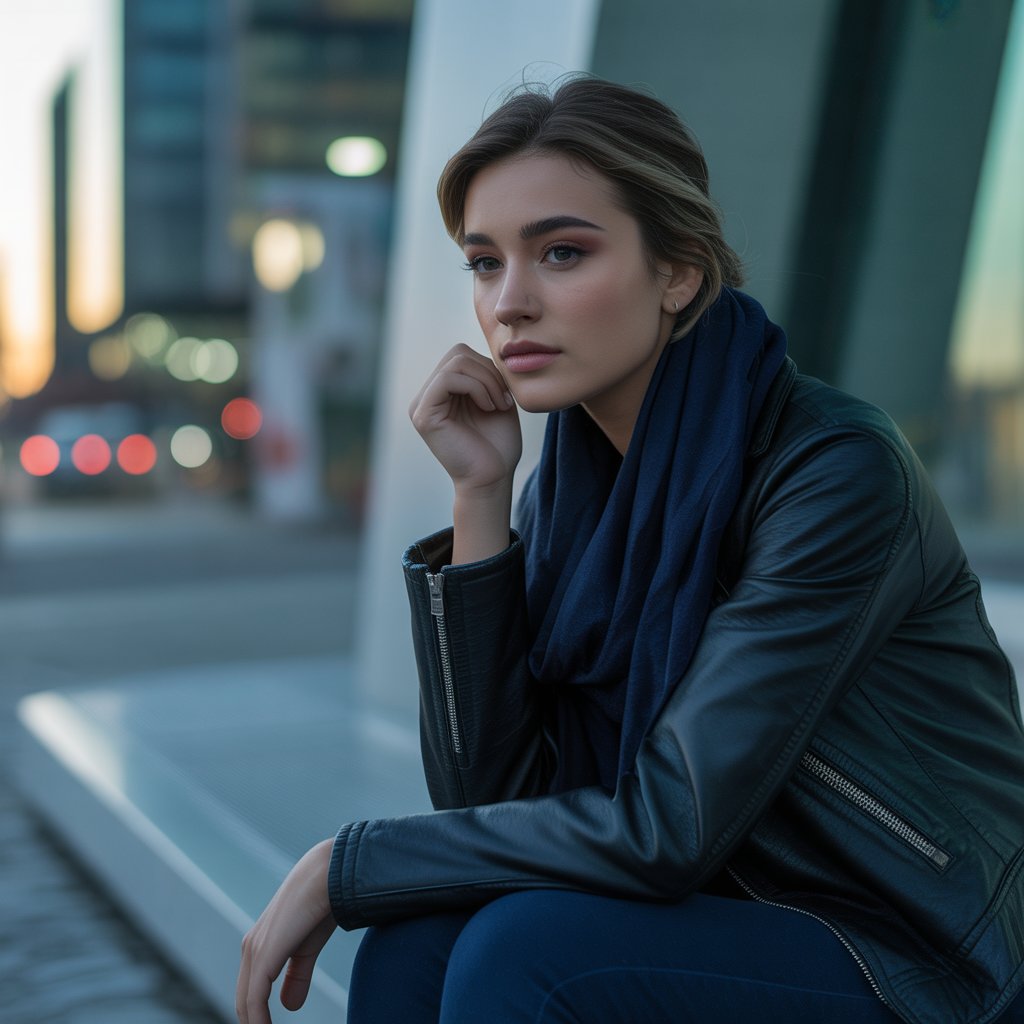
When you consistently reach for black, charcoal, or navy, it might signal you’re creating emotional distance from others. Wearing dark colors can reflect a desire to shield yourself from outside judgment during difficult times.
This clothing choice often appears when you’re processing complex feelings or need space. Dark colors help you blend in rather than stand out.
If you have an avoidant attachment style, you may gravitate toward darker wardrobes as a form of self-protection.
8. Fluctuating Style Trends Showing Inconsistent Attachment

Your wardrobe swings wildly between extremes without a clear pattern. One week, you’re dressing boldly to stand out, and the next, you’re choosing outfits that help you blend into the background.
This unpredictable approach to fashion often reflects a disorganized attachment style. You might struggle to maintain a consistent aesthetic because your comfort level with closeness and distance constantly shifts.
These chaotic style changes mirror the push-pull dynamic in your relationships.
7. Wearing Vintage or Sentimental Pieces Reflecting Clinging to the Past

Your attachment to vintage clothing might reveal something deeper than just fashion taste. If you frequently wear sentimental pieces from past relationships or specific life periods, you could be holding onto memories rather than moving forward.
This pattern often appears in anxious attachment styles, where familiar items provide emotional security. You might find yourself unable to part with certain garments because they represent happier times or important connections.
While vintage fashion can be beautiful, consistently choosing these pieces over new ones may signal difficulty with change.
6. Patterns of Repetitive Styles Hinting at Anxious Attachment

You might notice you wear the same “safe” outfits repeatedly when meeting new people. This repetitive pattern often stems from anxious attachment, where you seek validation through proven clothing choices.
Your closet may contain multiple versions of the same style in different colors. You stick with what’s worked before because trying something new feels risky when you’re worried about acceptance.
This fashion repetition reflects your need for reassurance in relationships.
5. Minimalist Styles Suggesting Avoidant Tendencies

❤️ Would you like to save this?
Your preference for clean lines and neutral colors might reflect more than aesthetic taste. If you gravitate toward stripped-back wardrobes with few emotional attachments to clothing, it could indicate discomfort with vulnerability.
Minimalist dressing often means choosing pieces that don’t draw attention or invite questions. You might use this approach to maintain emotional distance, creating a visual barrier that keeps others from getting too close.
4. Bold Accessories Signaling Confidence and Secure Attachment
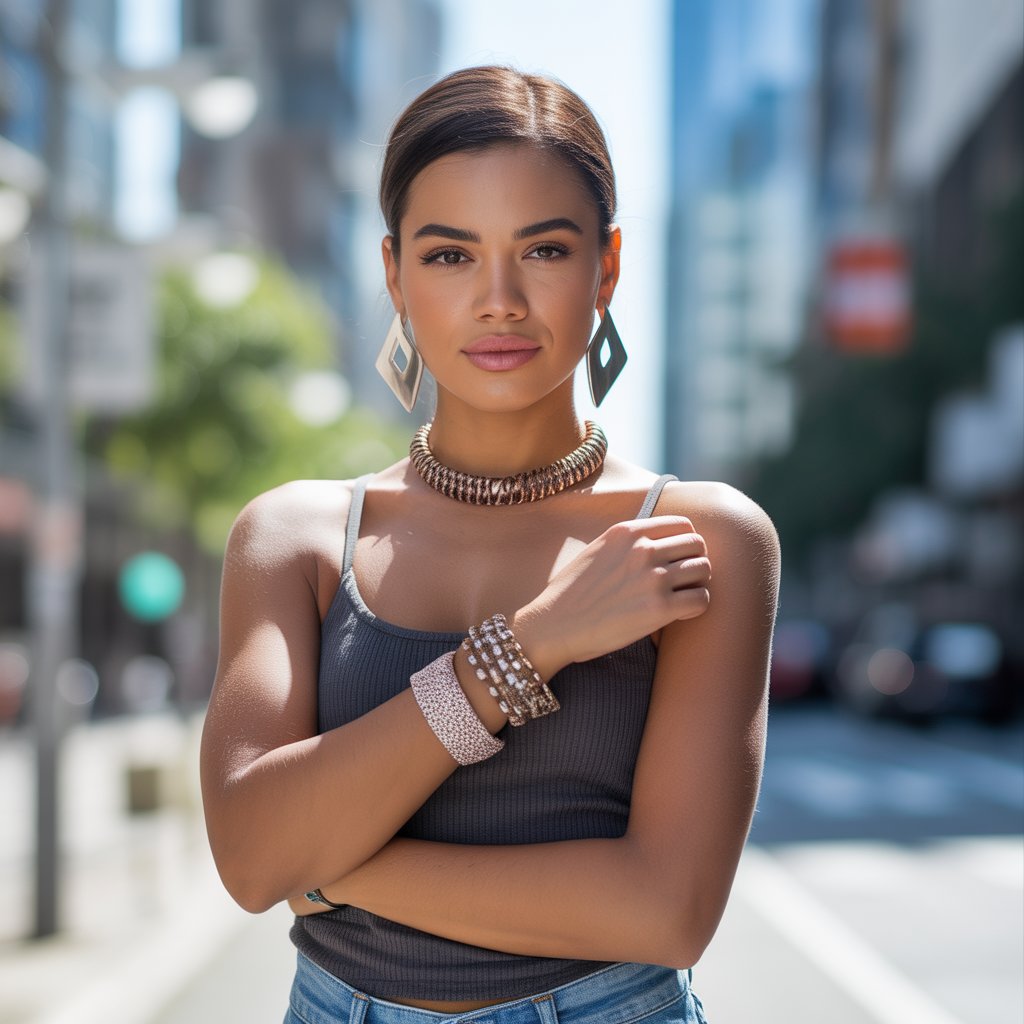
When you reach for statement jewelry or eye-catching bags, you’re showing comfort with being noticed. People with secure attachment styles often wear bold accessories because they feel at ease expressing themselves without seeking validation.
Your choice of dramatic earrings or vibrant scarves suggests you’re confident in your identity. You don’t need approval to make style choices that reflect who you are.
This comfort with standing out often indicates emotional security and self-assurance in relationships.
3. Wearing Layered Outfits Indicating Emotional Guarding

Your tendency to layer multiple pieces of clothing might reflect more than just a sense of style. People with avoidant attachment styles often gravitate toward layered outfits as a physical manifestation of emotional barriers.
Each additional layer can represent protection from vulnerability. You create literal distance between yourself and others through scarves, cardigans, and jackets.
This doesn’t mean layering always signals guardedness, but consistent heavy layering regardless of temperature might indicate your comfort with maintaining emotional space.
2. Preference for Comfortable Fabrics Showing Self-Soothing

When you reach for soft, breathable fabrics, you’re likely someone who prioritizes internal comfort over external validation. This choice reflects secure self-soothing habits common in anxious attachment styles.
Your fabric preferences reveal how you manage stress through physical sensation. Soft textures engage your skin’s sensors, sending calming signals to your brain when you need reassurance.
If you consistently choose cozy materials, you’ve developed healthy ways to regulate your emotions independently.
1. Color Choices Reflecting Emotional Security

The colors you gravitate toward in your wardrobe offer insights into your attachment patterns. People with secure attachment often wear a balanced mix of hues, comfortable with both bold and neutral tones.
If you consistently choose muted, neutral colors, you might be protecting yourself emotionally. Anxious attachment styles frequently select attention-seeking bright colors, while avoidant types often stick to safe, understated shades that help them blend in.