❤️ Would you like to save this?
You could hear us coming. The click of a kitten heel on a department store floor, the slap of a rubber thong on a pool deck, the soft shuffle of a huarache sandal on a boardwalk. Our shoes told people exactly who we were that day: the good girl in her Mary Janes, the free spirit in her espadrilles, the woman who just got back from Acapulco and wanted everyone to know it.
These 38 pairs lived in our closets, on our porches, and in our memories. You owned more of them than you think.
FYI, thanks to AI imagery software, we’re able to create very specific fashion and hairstyle examples to illustrate the points being made. In some cases, imagery is exaggerated to hammer home the point. Also, assume links that take you off the site are affiliate links such as links to Amazon. this means we may earn a commission if you buy something.
Capezio Ballet Flats in Every Color the Rainbow Offered (And a Few It Didn’t)

If you opened any American woman’s closet between 1958 and 1967, a small avalanche of Capezios would tumble out. They came in coral, tangerine, Kelly green, robin’s egg blue, cherry red, and a creamy off-white that went with literally everything. The genius was the price point. At around five dollars a pair, you could justify owning seven.
Originally designed for actual dancers, these Capezio ballet flats crossed over into street fashion thanks to Audrey Hepburn and every college girl who wanted to look like her. The leather was thin, the sole was barely there, and your feet felt every pebble on the sidewalk. Nobody cared. They made your legs look long and your outfit look intentional, even when it wasn’t.
Kitten-Heel Slingbacks in Bone, White, or Beige (The Holy Trinity of Summer Neutrals)
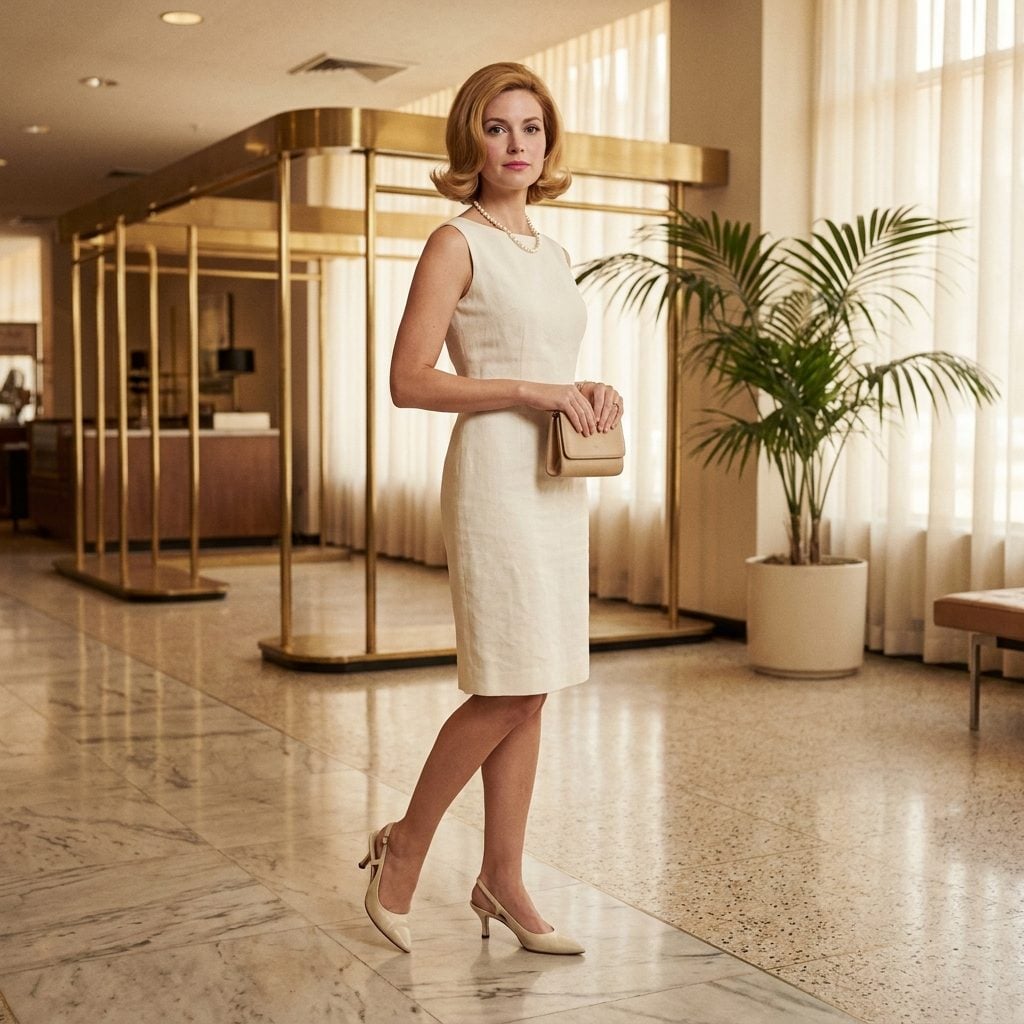
There was an unspoken rule. After Memorial Day, your pumps had to lighten up. The kitten-heel slingback was how you obeyed that rule without sacrificing an ounce of polish. Two inches of heel, max. A pointed toe sharp enough to file paperwork. And always, always in one of three colors: bone, white, or beige.
The slingback strap was a marvel of engineering anxiety. Too loose and your heel popped out mid-stride. Too tight and you had a red line across your Achilles tendon for three days. We adjusted and readjusted that little buckle like it was a precision instrument. First Lady Jackie Kennedy practically made these her uniform, and once she did, every department store in America couldn’t keep them stocked.
Espadrilles With Jute-Wrapped Wedges and Ankle Ties That Took Ten Minutes to Lace Up
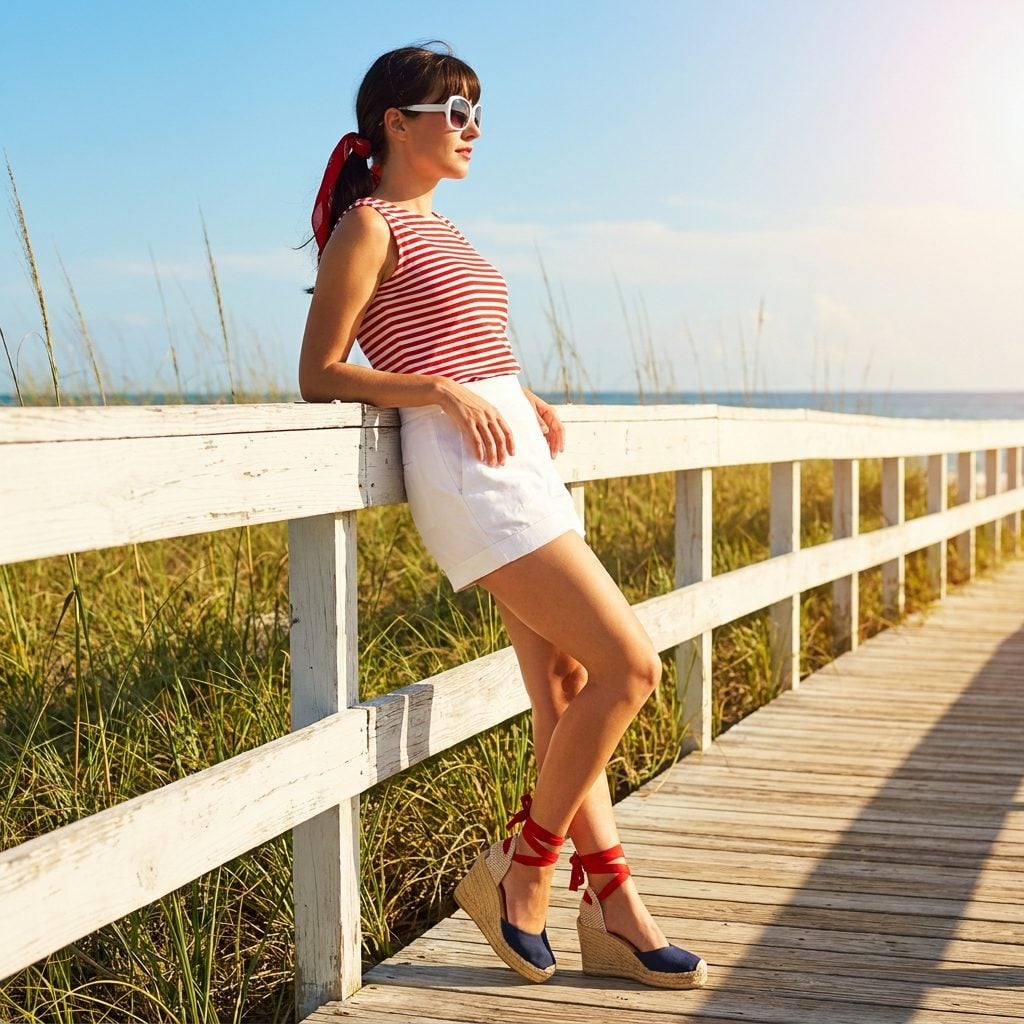
Worth every single one of those ten minutes. The jute-wrapped wedge espadrille showed up in American fashion magazines around 1964, looking like something a French actress would wear while stepping off a sailboat in St. Tropez. We were stepping off station wagons in Connecticut, but the fantasy held.
The canvas uppers came in navy, red, or natural. The jute platform added just enough height to make your calves look incredible with a sundress. And those ribbon ankle ties? You wrapped them around and around, crisscrossing up the ankle like a ballerina who’d wandered onto the beach. The knot was critical. Too bulky and you looked like you’d tied a tourniquet. Too loose and the whole thing unraveled by the second margarita.
Dr. Scholl’s Wooden Exercise Sandals That Clattered Like Hooves on Every Surface
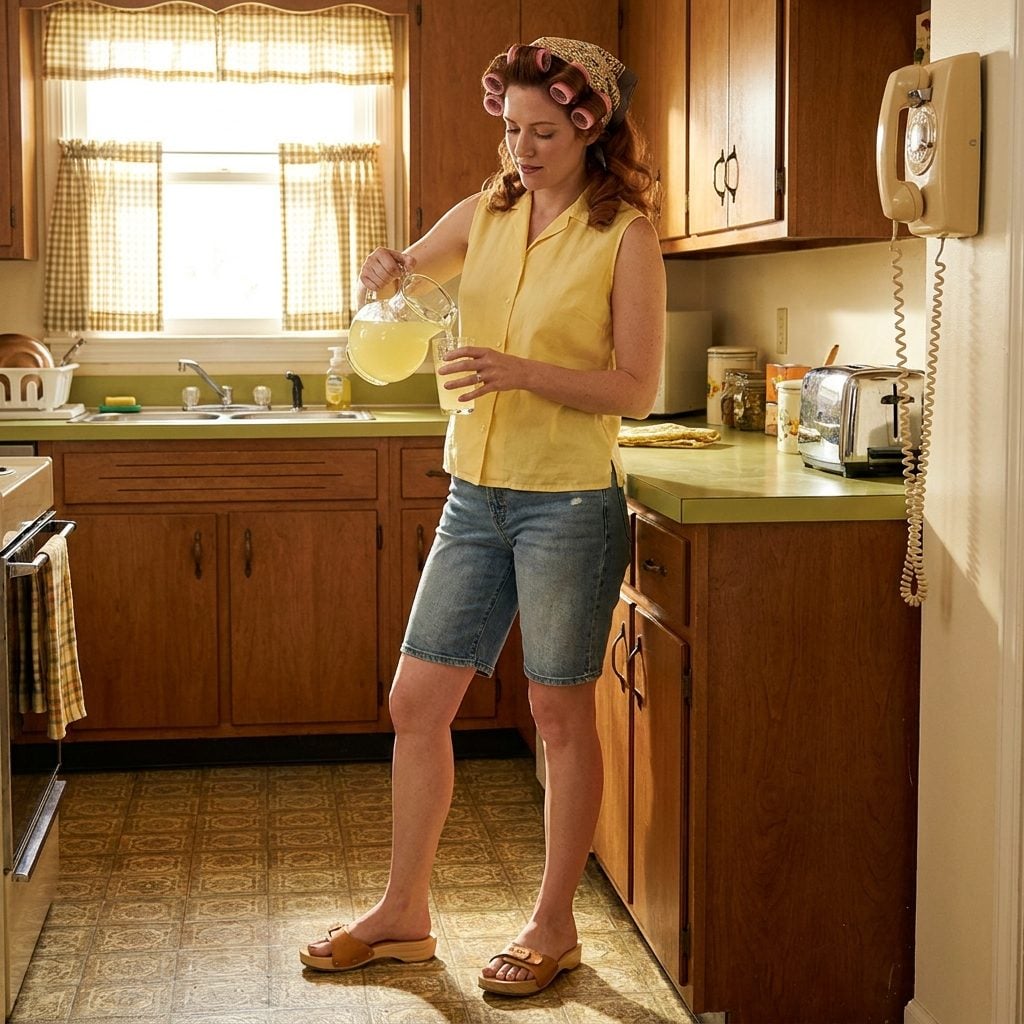
You heard them before you saw them. That hollow wooden clop-clop-clop announced your arrival from half a block away. Dr. Scholl’s exercise sandals had a contoured wooden footbed, a single wide leather or suede strap across the toes, and absolutely zero stealth capability.
The marketing was brilliant: these weren’t just sandals, they were exercise. The raised toe area supposedly toned your legs as you walked. Whether that was true remains debatable, but it gave us all permission to wear what were essentially very loud clogs and feel virtuous about it. They came in that one shade of tan leather and that particular blonde wood finish that became as recognizable as the brand itself.
Every kitchen floor in America bore the tiny dent marks to prove we loved them.
Jack Rogers Navajo Sandals With Whipstitched Leather You Could Smell from the Box
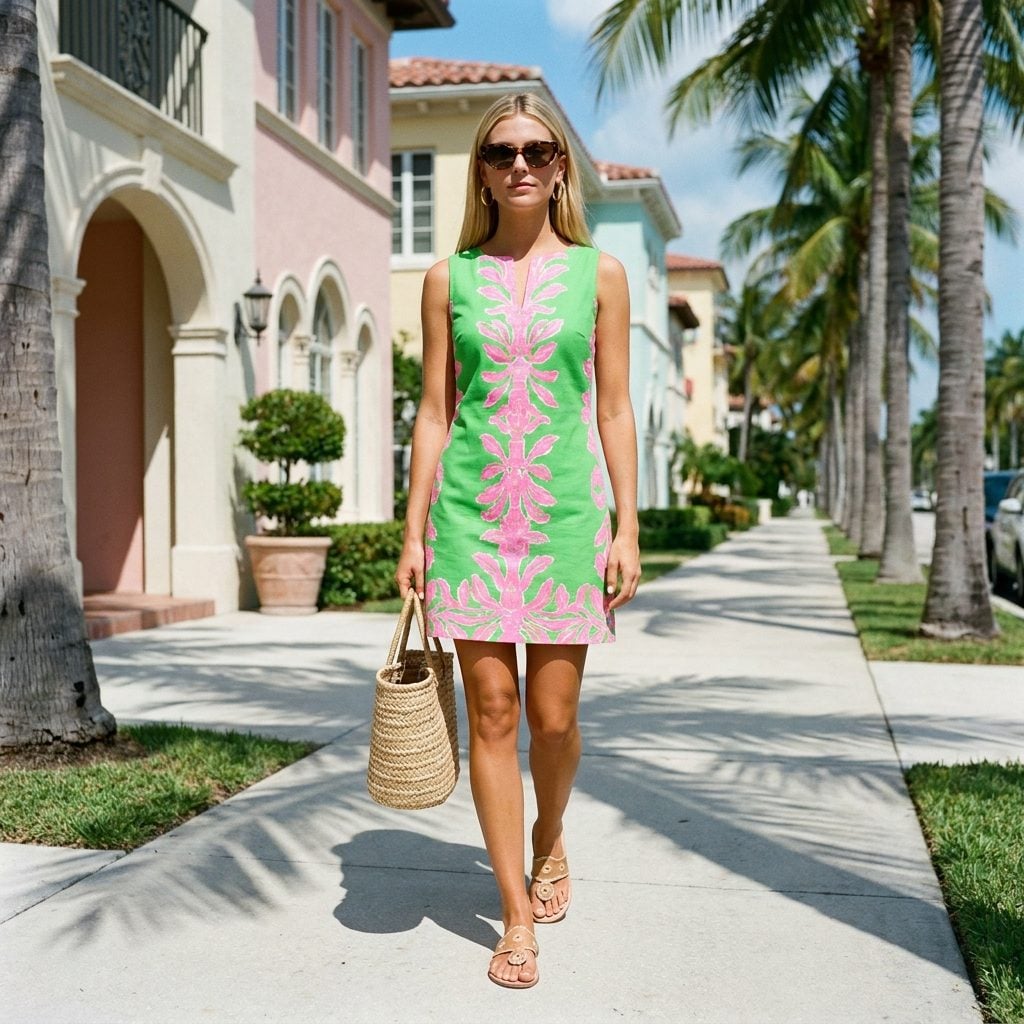
The smell hit you first. Raw leather and something slightly sweet, like saddle soap and summer all mixed together. Jack Rogers Navajo sandals were flat, simple, and cost more than they probably should have for what amounted to two pieces of leather and some very decorative stitching. But that whipstitched rondel pattern on the top was everything. It was the Preppy Handbook before there was a Preppy Handbook.
Jackie Kennedy bought her first pair in Palm Beach in 1960. That single purchase launched a thousand imitators, but the real ones had a particular quality to the whipstitched leather that knock-offs never quite captured. You wore them with shift dresses, with Bermuda shorts, with everything from June through September. They darkened and softened with wear until they looked like they’d always belonged to you.
Handwoven Huarache Sandals Brought Back From That Trip to Mexico
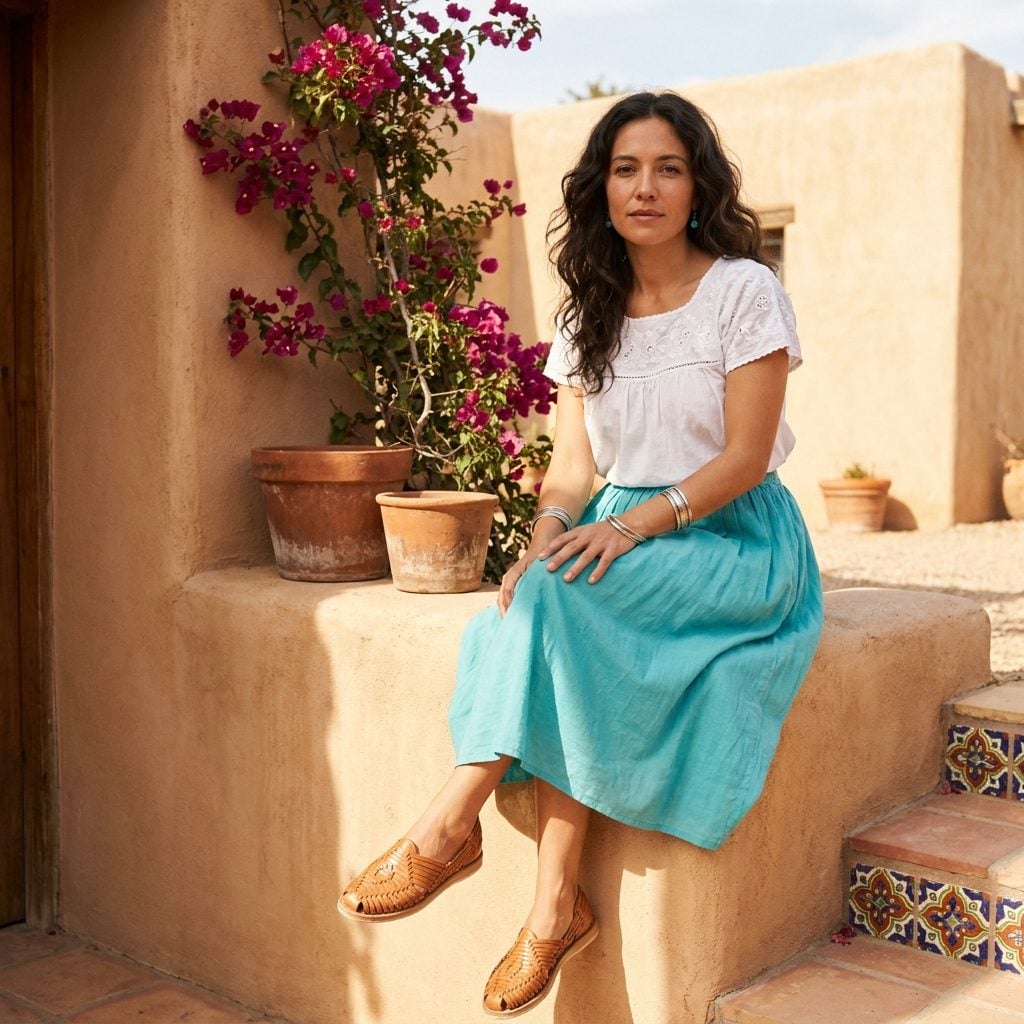
Everyone knew someone who’d gone to Acapulco or Tijuana and come back with a pair of huaraches for every woman in the family. The woven leather was intricate and slightly uneven, because a human being had actually sat and braided those strips together by hand. That was the whole point. You weren’t buying shoes. You were buying a story.
They came in natural tan or occasionally dyed in muted earth tones. The flat sole was thin and flexible, and the woven upper breathed like nothing else in July heat. By the mid-1960s, you didn’t even need to go to Mexico: import shops and hippie boutiques carried them stateside. But telling people you got yours “on a trip” was half the appeal.
White Keds Canvas Sneakers (The Original Cool-Girl Summer Shoe)
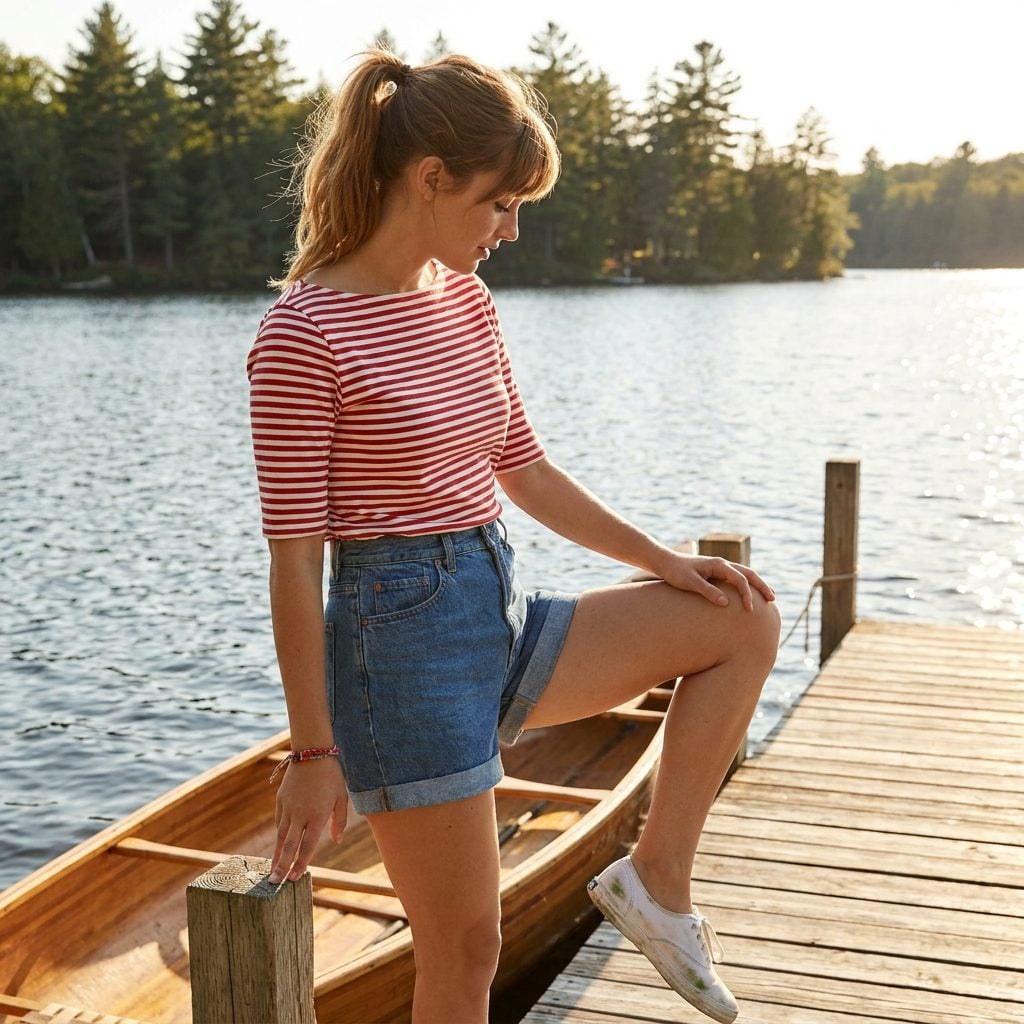
Before there was a “white sneaker trend,” there were just Keds. White canvas, rubber sole, that little blue label on the heel. Nothing more, nothing less. They cost about three dollars at Woolworth’s and they went with everything casual you owned.
You wore your white Keds with rolled-up jeans and a striped tee. With shorts and a tucked-in blouse. With your swimsuit cover-up on the walk to the lake. They got dirty almost immediately, and that was fine. Some girls bleached them religiously. Others let them go gray and soft, the canvas molding to the shape of their feet until the shoes felt like slippers.
The rubber toe cap always started peeling by August. You’d press it back down and keep walking.
Pappagallo Candy-Colored Leather Flats With That Signature Little Bow
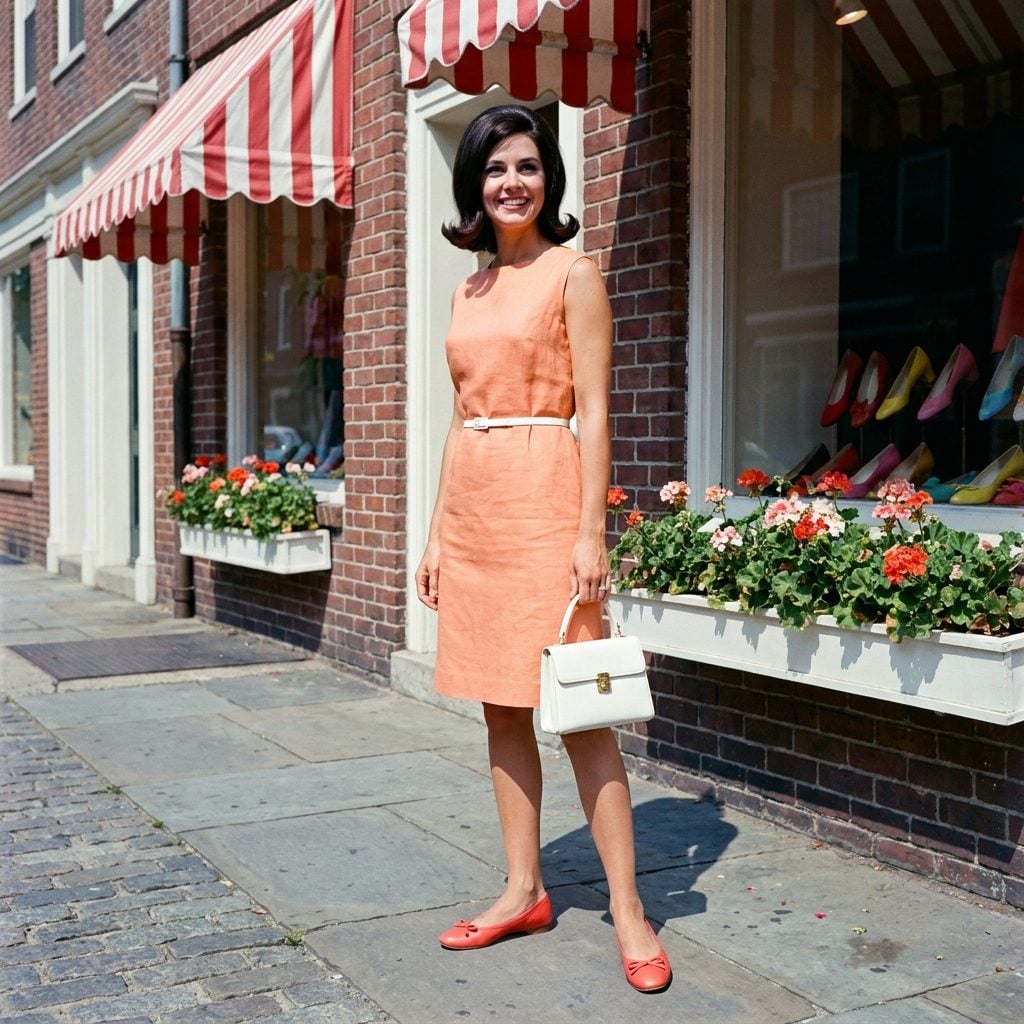
If Capezios were the ballet flats of the people, Pappagallos were their slightly fancier cousin who summered in Nantucket. The leather was softer, the colors were more specific (not just “pink” but “shrimp” and “melon” and “seafoam”), and that tiny grosgrain bow on the toe was the detail that separated the two.
Pappagallo stores were their own little world. You walked in and the walls were lined floor to ceiling with these flats in every conceivable shade, each one displayed on its own little shelf like a jewel. Matching your shoes exactly to your dress was considered a skill, and Pappagallo made it possible with roughly forty color options per season. The smell of all that dyed leather in one small shop was intoxicating.
Low-Heeled White Patent Leather Pumps for Every Wedding, Graduation, and Garden Party on the Calendar
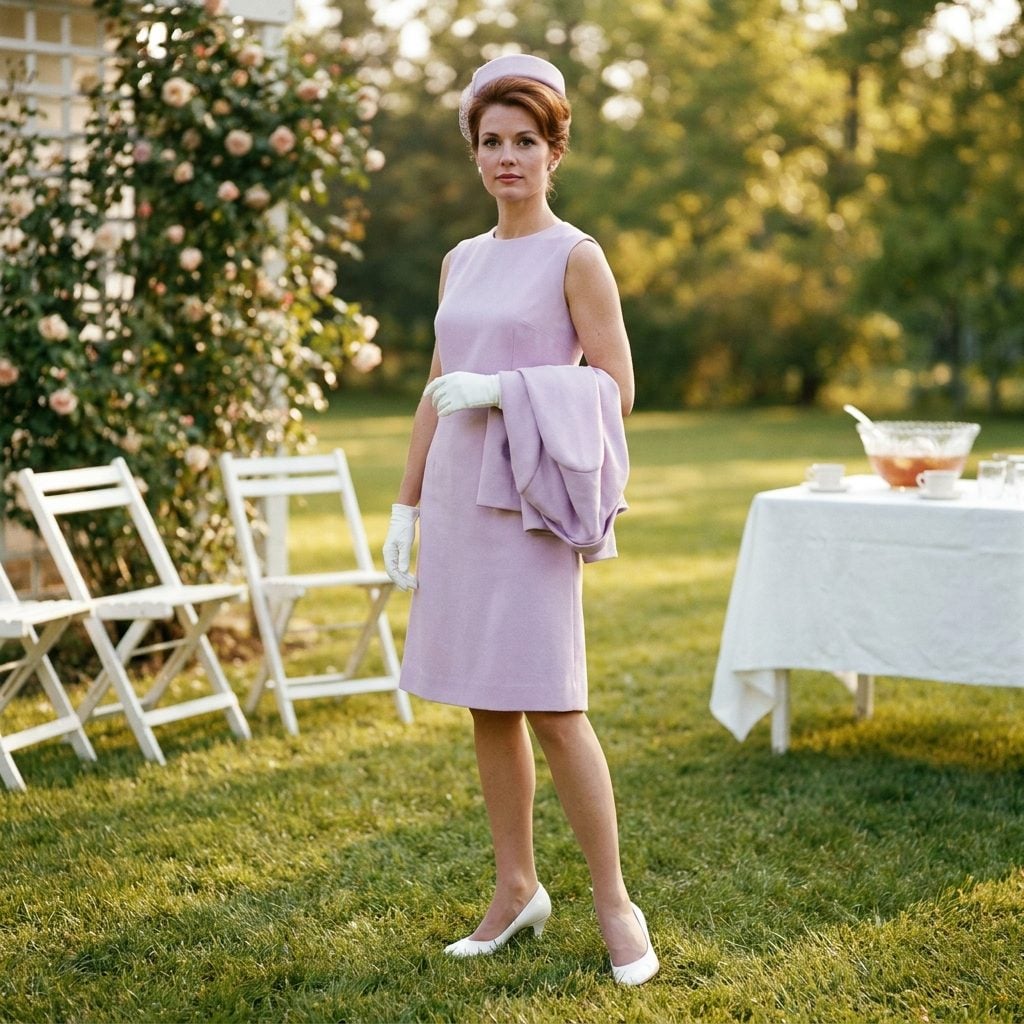
There was a shoe for the occasions that required more than a flat but less than a statement. The white patent leather pump with a modest one-and-a-half-inch heel was that shoe. It was the Switzerland of footwear: inoffensive, appropriate, always correct.
You pulled these out for outdoor weddings where your good heels would sink into the grass. For your daughter’s sixth-grade graduation. For the garden club luncheon where you’d be standing on a flagstone patio for two hours. The patent finish caught the light and made them look dressier than they were, which was the entire strategy. After Labor Day, they went back in the box with tissue paper stuffed in the toes. That was the rule, and we followed it without question.
Jelly Sandals and Clear Vinyl “Cinderella” Mules (The Future, as We Imagined It)
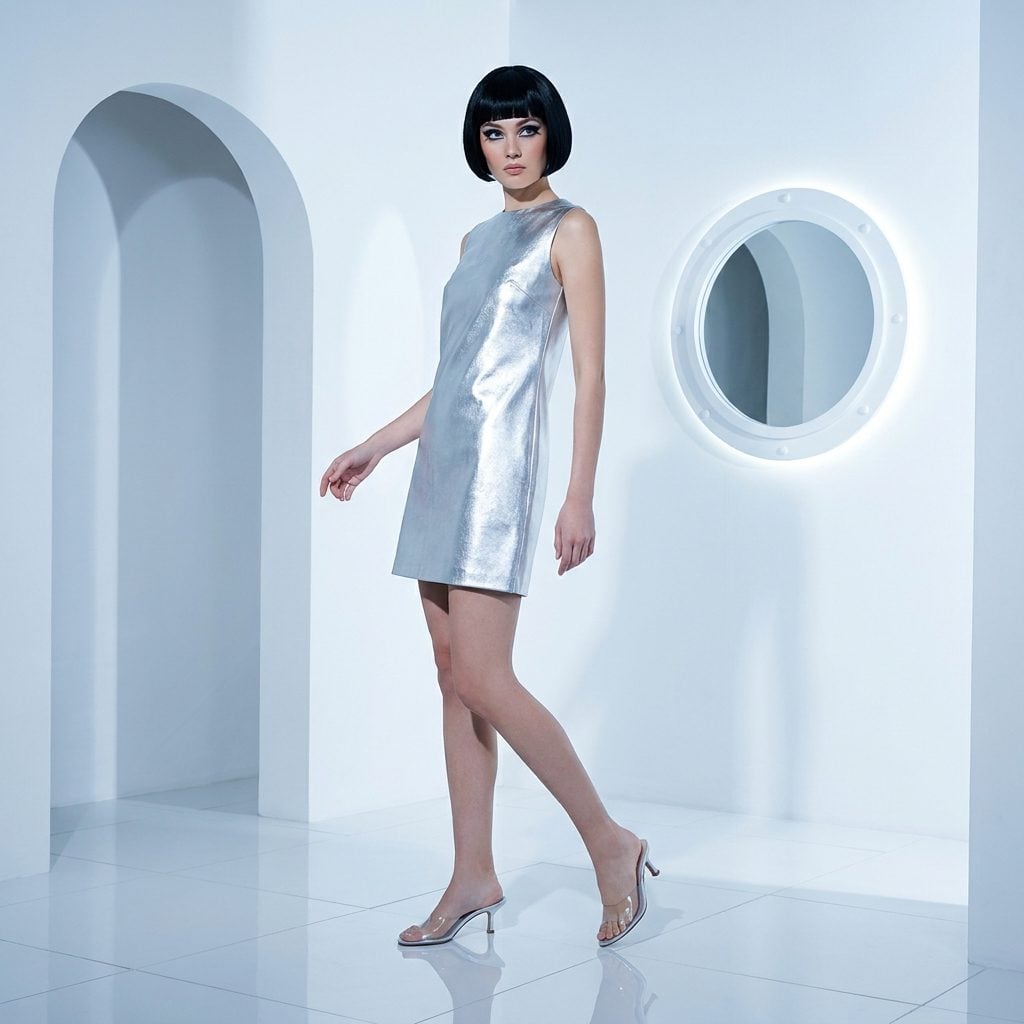
The Space Age came for our feet. Somewhere around 1966, the mod movement and the space race collided in the shoe department, and suddenly transparent was a legitimate material choice for footwear. Clear vinyl mules with a little kitten heel looked like Cinderella’s glass slipper reimagined by NASA. Jelly sandals in translucent colors, neon pink, cobalt blue, clear with silver glitter, appeared in shop windows and we thought we were living in the future.
They were stunning for exactly twenty minutes. Then the sweat started. There is no polite way to describe what happens when bare skin meets non-breathable plastic in July, but every woman who wore these knows the sound. That slow, squeaking suction-release with every step. You left the party with blisters shaped like the straps.
We wore them anyway. The future demanded sacrifice.
Rubber Flip-Flops in Bright Dime-Store Colors (Back When We Called Them Thongs and Nobody Blinked)
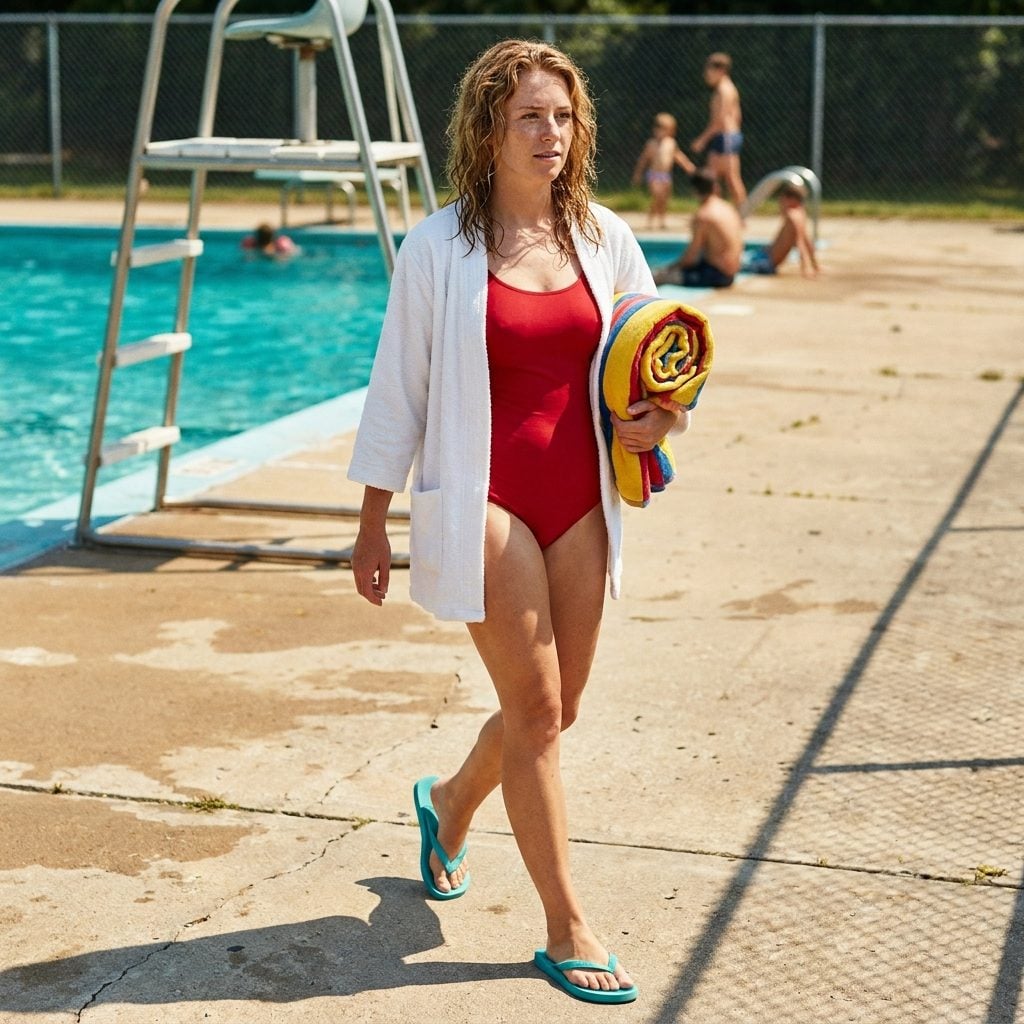
Fifty cents at the five-and-dime. You grabbed them off a rotating wire rack near the checkout, chose between hot pink, turquoise, orange, or canary yellow, and wore them out of the store. That was the entire shopping experience. No deliberation. No trying on. You just needed something between your feet and the scorching parking lot asphalt.
We called them thongs. That word meant nothing else yet. “Grab your thongs, we’re going to the pool” was a sentence your mother said to you without irony. They were disposable summer footwear, rarely lasting past August before the rubber toe post ripped through the sole. The tan lines they left were geometrically perfect: one pale V across each foot that didn’t fade until October.
The beauty of the dime-store flip-flop was its total lack of pretension. It was the one shoe that made no promises about who you were or where you were going. You were just going outside, and your feet needed covering. That was enough.
Gold Metallic Leather Sandals With Those Delicate T-Straps You Only Wore After 5 PM
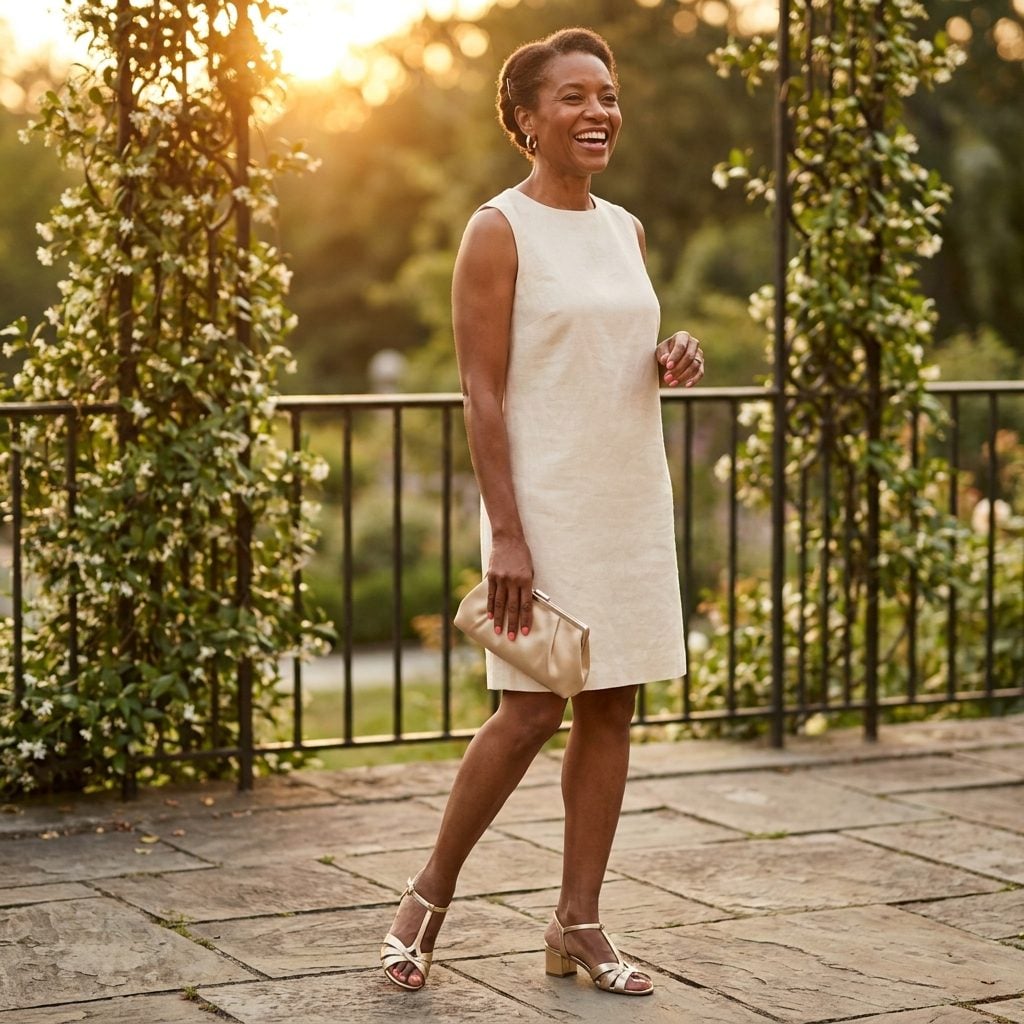
There was a rule, unspoken but absolute: gold sandals came out at sunset. Your mother had a pair. Your aunt had a pair. Every woman on your block had some version of these gold metallic leather sandals tucked in the back of her closet, wrapped in tissue paper like a small treasure.
The T-strap was everything. It made your foot look narrow and elegant, and it kept the shoe from sliding off when you danced. These weren’t chunky or loud. They were restrained, almost architectural, with that single vertical strap meeting the ankle band like a little golden cross. You wore them with a shift dress, maybe a cocktail ring, and suddenly you were Audrey Hepburn at a garden party in your own mind.
The leather was thin enough that it molded to your foot after a few wears. By August, those sandals knew the exact shape of your toes.
Mesh-Paneled Pumps That Promised Your Feet Could Actually Breathe (They Lied a Little)
❤️ Would you like to save this?
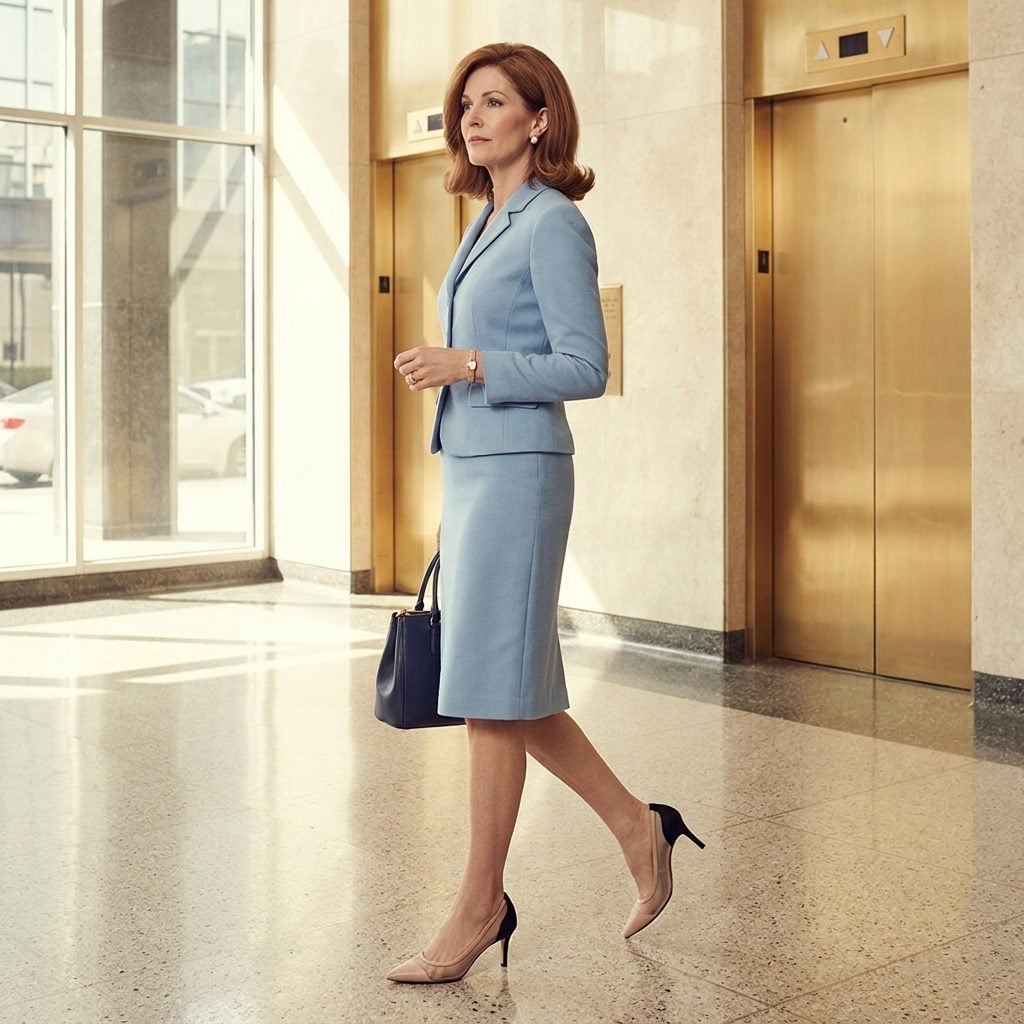
Whoever decided to cut holes in a perfectly good pump and fill them with mesh was a genius and a liar in equal measure. The mesh panels were supposed to let air circulate. In reality, your toes just got a slightly different kind of sweaty. But they looked incredible, and that mattered more.
These were everywhere by 1963. Saks had them, Thalhimer’s had them, and the Sears catalog had a surprisingly decent version for $4.99. The mesh was usually a nude illusion panel set into a structured leather or patent pump, giving the illusion that sections of the shoe had simply vanished. It was suggestive without being scandalous. Your foot was technically covered, technically not.
We wore them to luncheons, to the office, to church when the minister wasn’t paying attention. They were the 1960s version of “barely there” and we thought we were so modern.
Cork-Wedge Sandals With Canvas or Raffia Uppers That Screamed ‘I Have Weekend Plans’
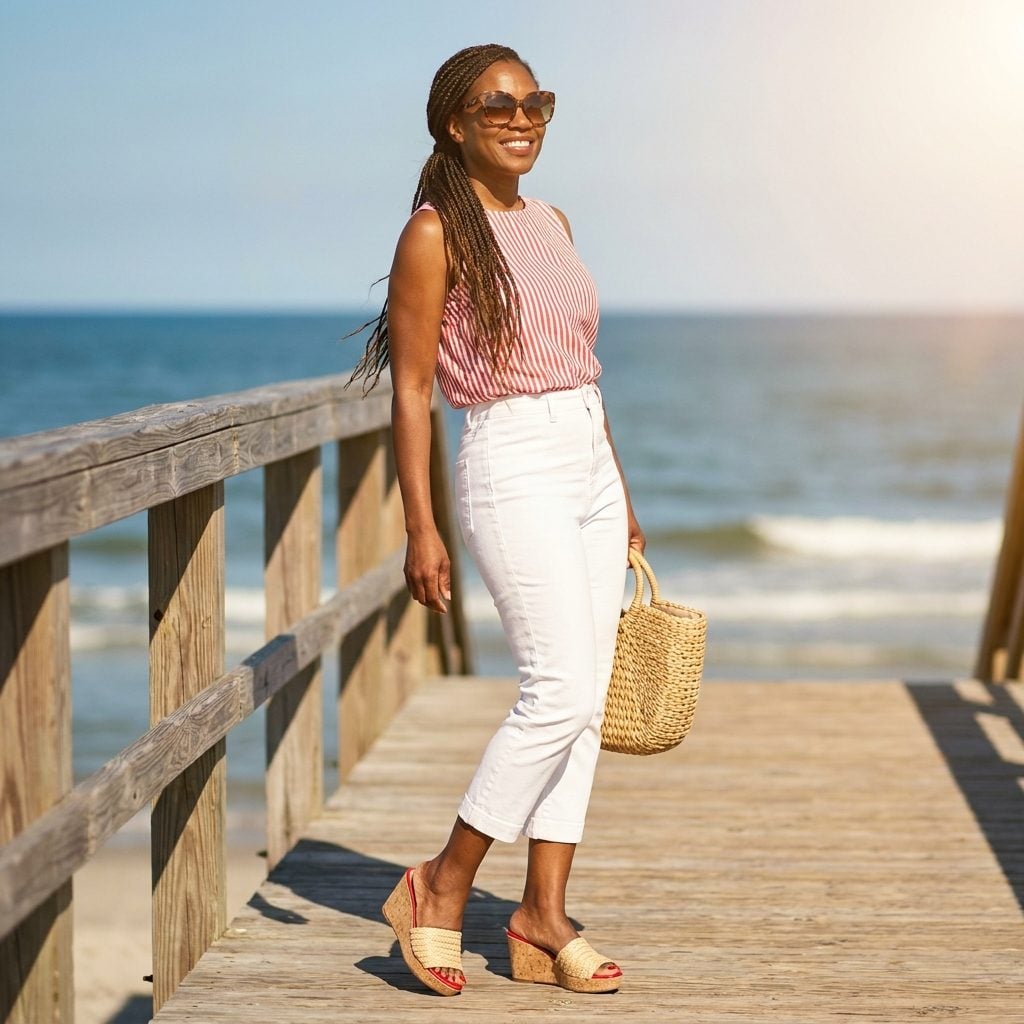
Nothing said “I’m going somewhere fun” quite like the sound of a cork wedge hitting a boardwalk. These were the unofficial shoe of every beach town, every lakeside cabin, every backyard barbecue from Memorial Day through Labor Day.
The uppers came in every material imaginable: canvas in wide stripes, raffia woven into intricate patterns, even gingham cotton for the especially committed. The cork platform gave you two or three inches of height without the wobble of a stiletto, and something about that spongy cushion made you feel like you could walk forever.
White Leather Oxfords With Perforated Wingtip Details You Polished Every Sunday Night
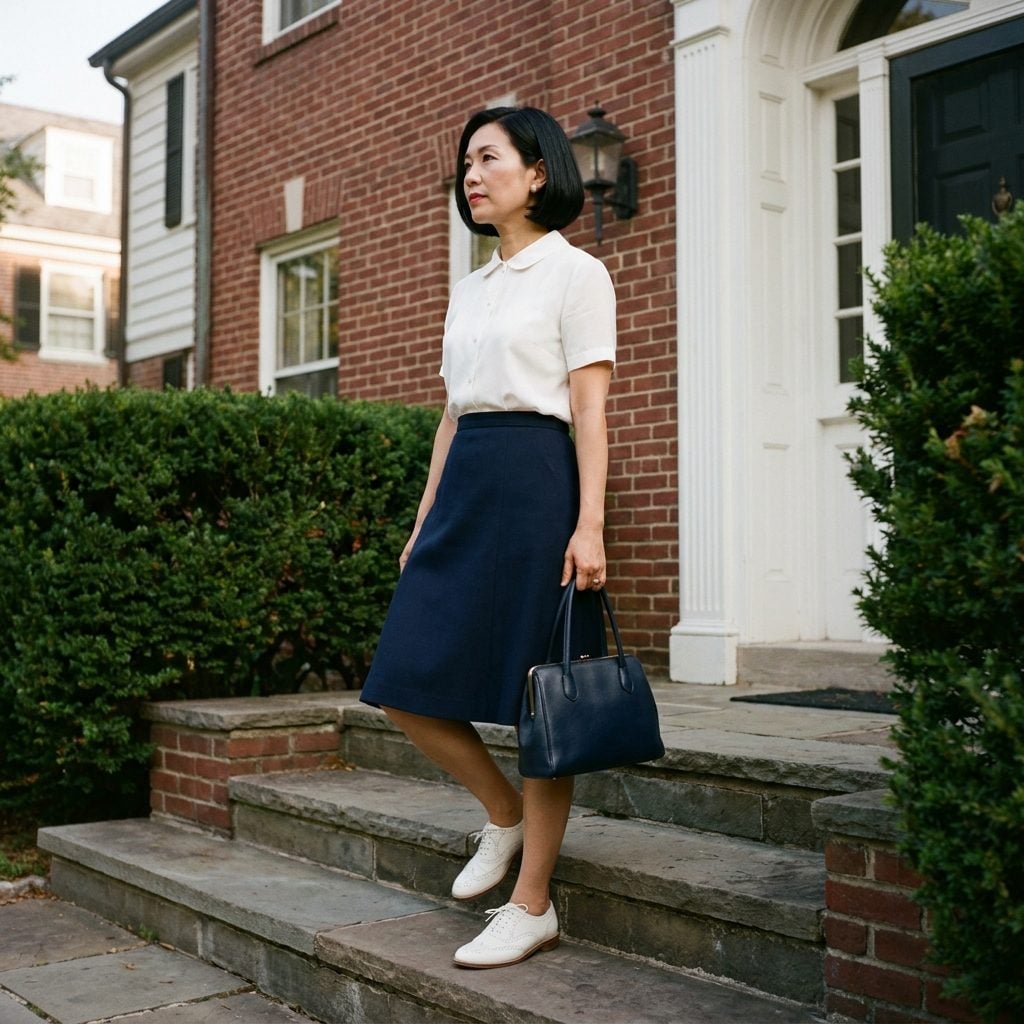
Sunday evenings had a ritual: the shoe polish tin, the old rag, and those white leather oxfords sitting on newspaper on the kitchen table. You polished them because your mother told you to, and your mother polished hers because her mother told her to, and somewhere in that chain of women someone decided that white wingtip oxfords were the mark of a woman who had her life together.
The perforations were purely decorative, tiny punched holes running along the toe cap and sides in scalloped patterns. They made an otherwise sturdy shoe feel almost lace-like. Paired with a pleated skirt and a Peter Pan collar blouse, these were the uniform of competence. You wore them to the office, to parent-teacher conferences, to anywhere you needed people to take you seriously while it was still eighty degrees outside.
Beaded or Sequined Evening Sandals You Could Hear Coming From Across the Room
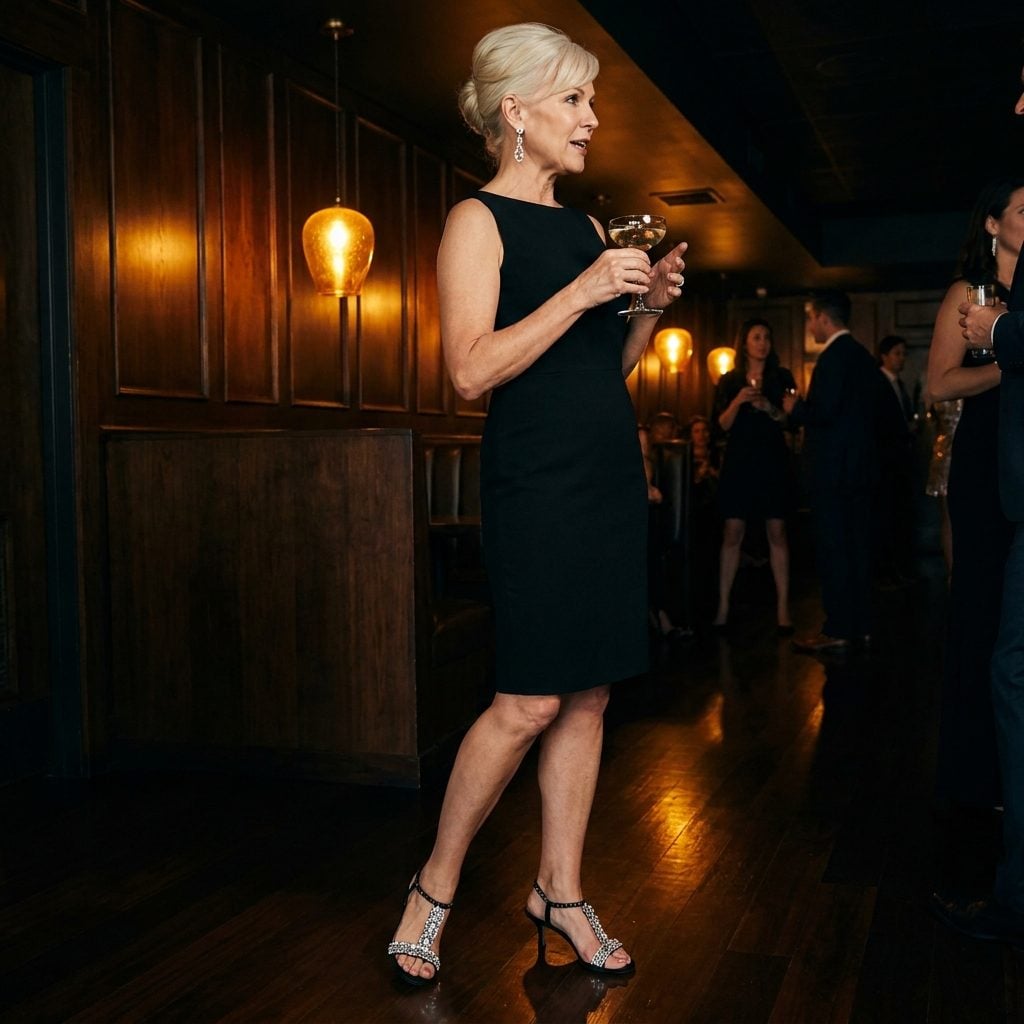
These made noise. Not loud noise, but a soft, glittering percussion that announced you were arriving at the cocktail party and you had put in effort. The beading was hand-sewn on the better pairs, clustered around the toe strap and vamp in floral or starburst patterns that caught every passing light.
The sequined versions were flashier, more Palm Beach than Connecticut, and they shed. You left a trail of tiny iridescent discs on every dance floor, every restaurant carpet, every backseat of every taxi. Finding a single sequin on the bathroom floor the next morning was its own kind of souvenir.
A woman’s evening sandal in the 1960s wasn’t just footwear. It was the last detail you put on and the first thing people noticed.
Dyed-to-Match Peau de Soie Pumps for Weddings (You Never Wore Them Again)
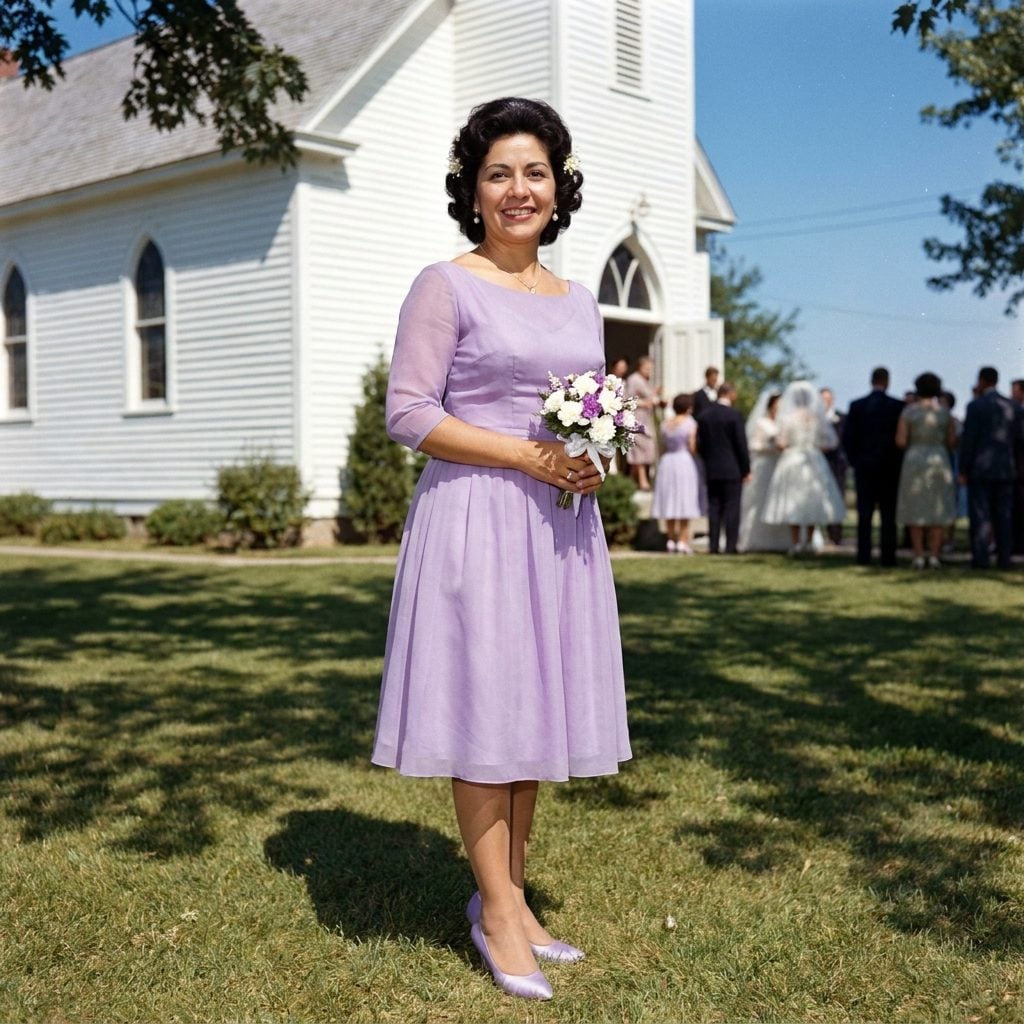
Here is the math: $12 for the shoes, $3 for the dyeing service at the department store, and exactly one wearing. Maybe two if another wedding happened that same summer and you squeezed into the same dress. Those peau de soie pumps came in white or ivory and then got sent to the dye counter where a man with stained fingers turned them into the exact shade of your bridesmaid dress.
The fabric was a matte silk with a slightly pebbly texture that looked expensive from three feet away and deeply impractical from three inches. One raindrop and they were ruined. One scuff and they were ruined. One enthusiastic round of the Twist and they were ruined.
Yet every woman over forty has at least one pair in a closet or a memory, still wrapped in the original tissue paper, in a shade of mauve or celadon that no longer matches anything on earth.
Suede Moccasins With Fringed Tongues for Every Errand That Didn’t Require Heels
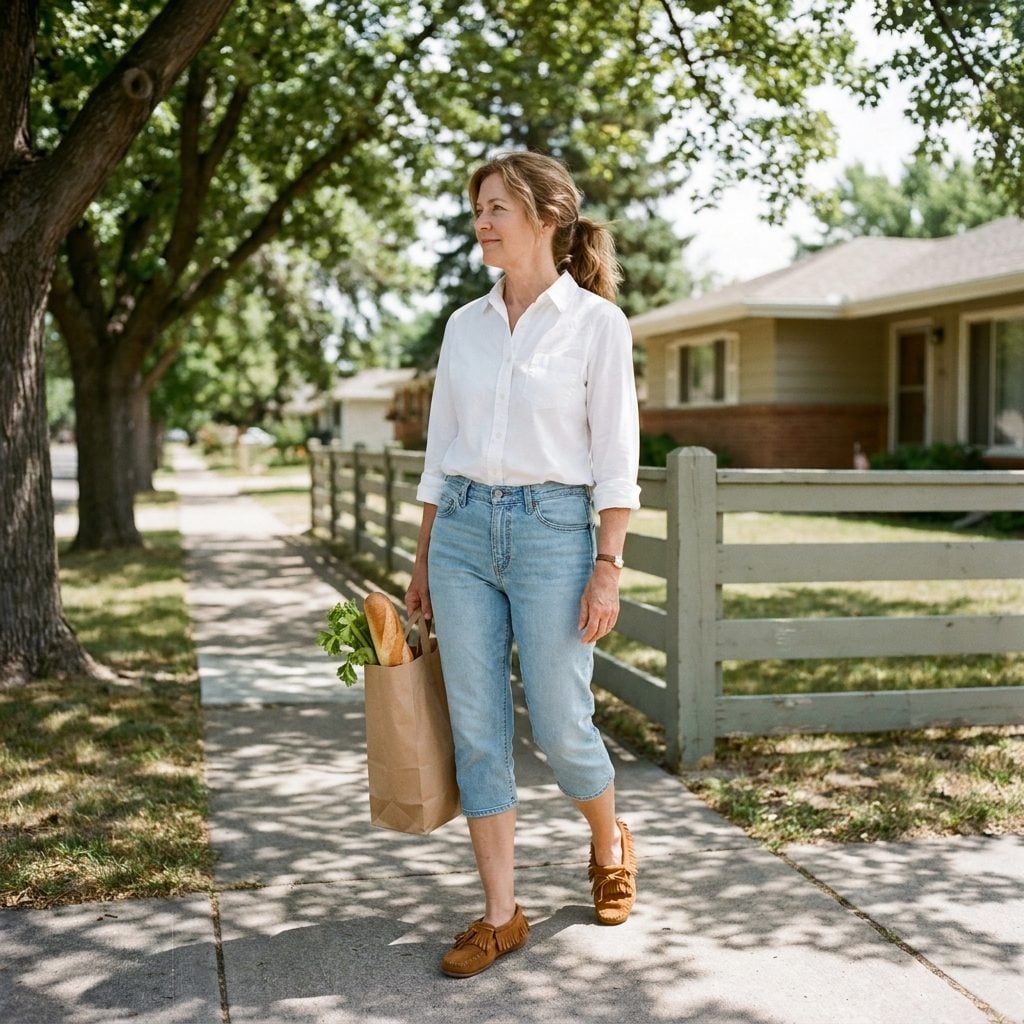
Saturday mornings. The grocery store. The dry cleaner. A quick stop at the five-and-dime. These were suede moccasin territory.
The fringe on the tongue was a small rebellion. It wiggled when you walked and it served no purpose whatsoever, which made it feel like a tiny luxury in a decade of purposeful dressing. Minnetonka made the version everyone remembers, in caramel or rust-colored suede that darkened beautifully with wear. You slipped them on without socks, which felt daring, and padded around feeling both comfortable and slightly countercultural.
Penny Loafers in White or Oxblood That Were Practically a Personality Test

White penny loafers meant you were the optimist. You ironed your bermuda shorts. You had a tennis racket in the backseat and a country club membership or at least the aspiration of one. Oxblood penny loafers meant you were serious. You read. You had opinions about the election.
Both camps agreed on one thing: the penny went in the slot. Some women used actual pennies. Some used dimes, which felt aspirational. A few iconoclasts left the slot empty, and honestly, we didn’t trust those women.
Bass Weejuns were the gold standard. The leather was thick enough to survive three seasons, and the sole had that satisfying weight that made your footsteps sound intentional. Paired with knee socks or bare ankles depending on the occasion, penny loafers were the great equalizer of American summer fashion.
Slim Strappy Low-Heel Sandals in Metallic Leather That Went With Literally Everything
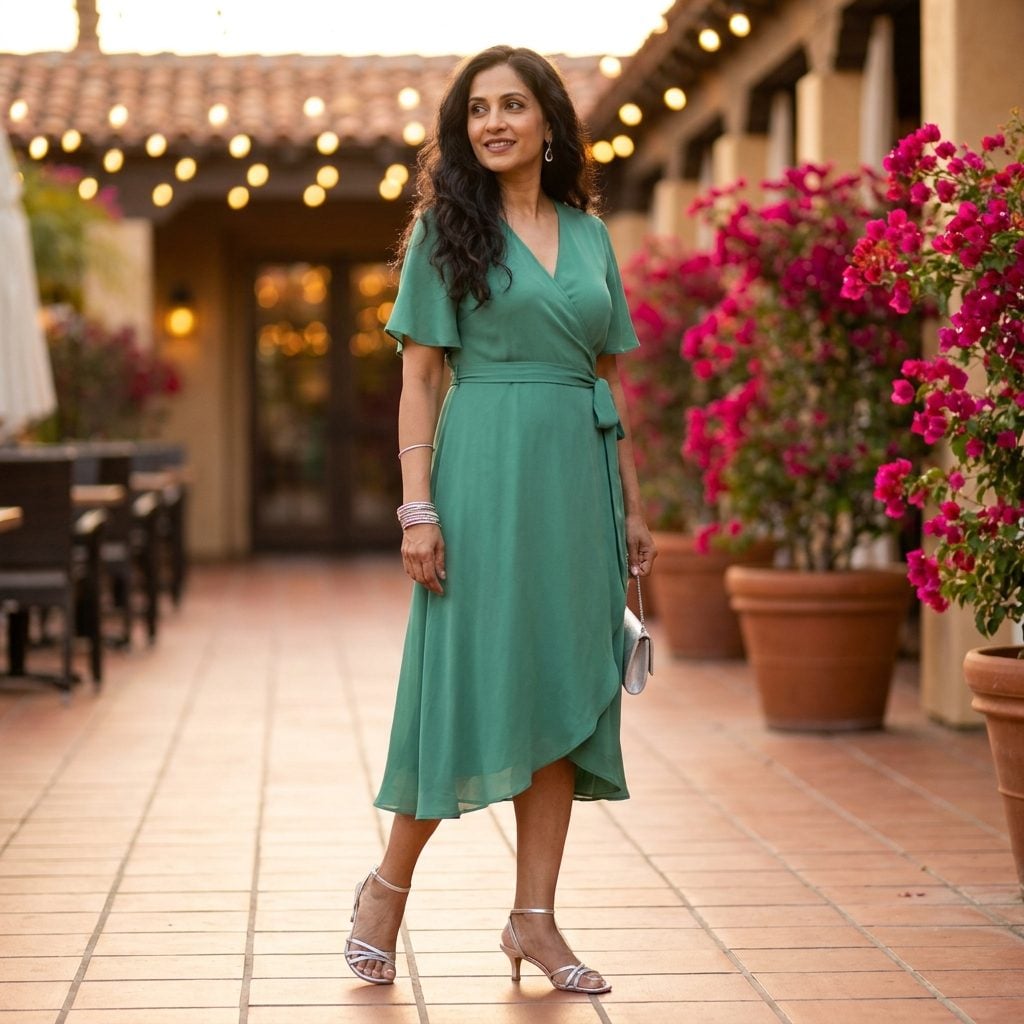
These were the workhorse. The closer. The shoe you reached for when nothing else was working and you had seven minutes before the cab arrived. A few thin straps of silver or gold metallic leather, a heel just high enough to qualify as formal, and somehow they made every dress, every skirt, every pair of cropped trousers look finished.
The straps were narrow, barely there, and they left those specific tan lines on your feet that lasted until October. Those tan lines were basically a summer diary written on your skin: proof that you had gone places, done things, worn the right shoes while doing them.
Backless Terrycloth or Raffia Beach Scuffs You Wore From the Pool to the Parking Lot
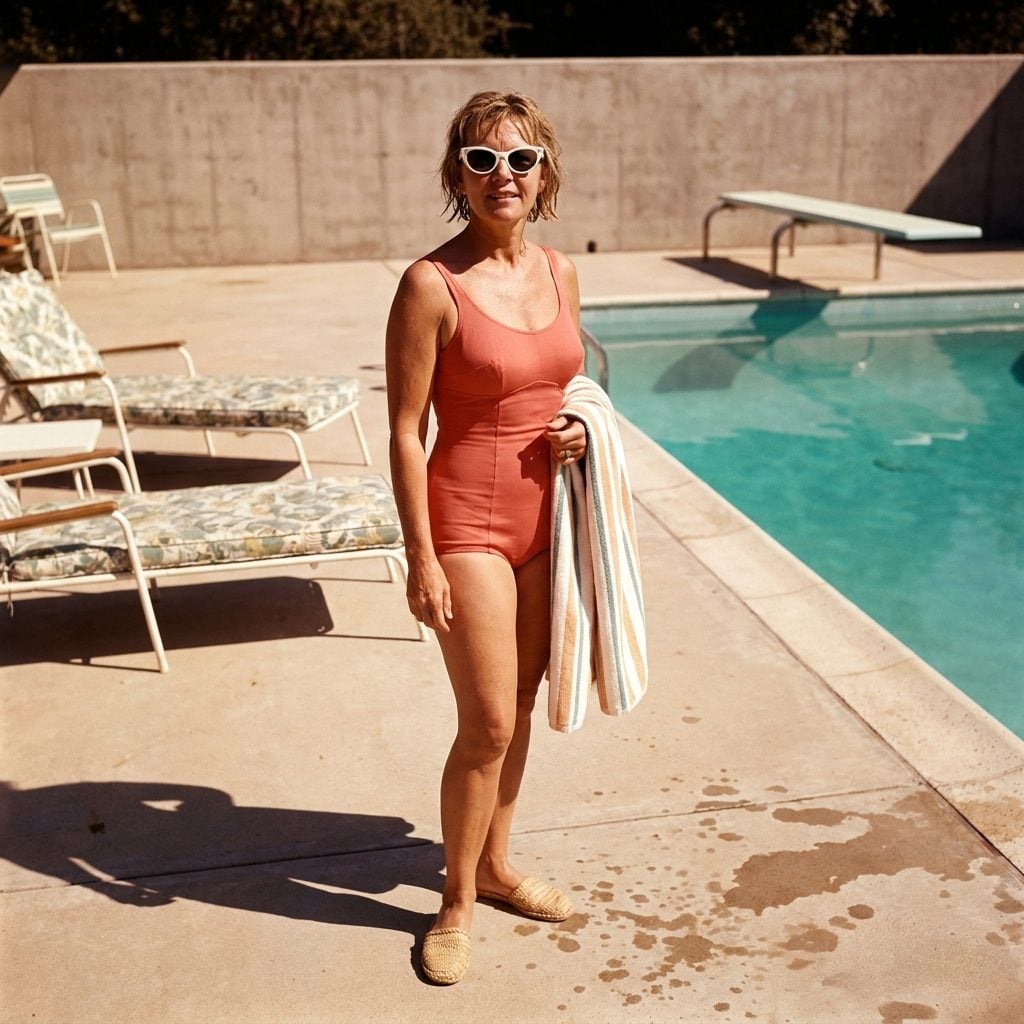
They cost almost nothing. They lasted one season, maybe two if you were careful. And they were the single most useful shoe you owned from June through August.
The terrycloth versions came in sherbet colors: tangerine, lemon, lime, pink. They absorbed pool water and got heavy and floppy, and you didn’t care because you were walking twelve feet from the chaise lounge to the snack bar. The raffia versions were scratchier and held up better, with that dry, grassy smell that immediately puts you back on a pool deck in 1965.
These weren’t fashion. These were function. And yet there was something oddly chic about a woman in a good swimsuit and a pair of terrycloth scuffs, walking with total confidence on wet concrete, not caring one bit if they survived the summer.
Canvas Tennis Shoes Like Tretorn Nylites or Bata Bullets That Made Sneakers Socially Acceptable

Before this moment, sneakers were for gym class and absolutely nothing else. Then someone, probably someone on a tennis court in Connecticut, wore a pair of white canvas Tretorns to brunch, and the rules changed forever.
The Nylite had that satisfying thickness, a sole that was just slightly too chunky to be dainty, and a canvas upper that you could scrub with a toothbrush and baking soda when they got scuffed. Bata Bullets were the slightly cooler, slightly less expensive alternative, with a narrower profile that looked better with slim pants.
What mattered was the whiteness. These shoes had to be white. Not cream, not off-white, not “I’ve worn these a few times.” Bright, aggressive, freshly-scrubbed white. Maintaining that whiteness was a weekend project and a point of personal pride. The first grass stain of the season was genuinely devastating.
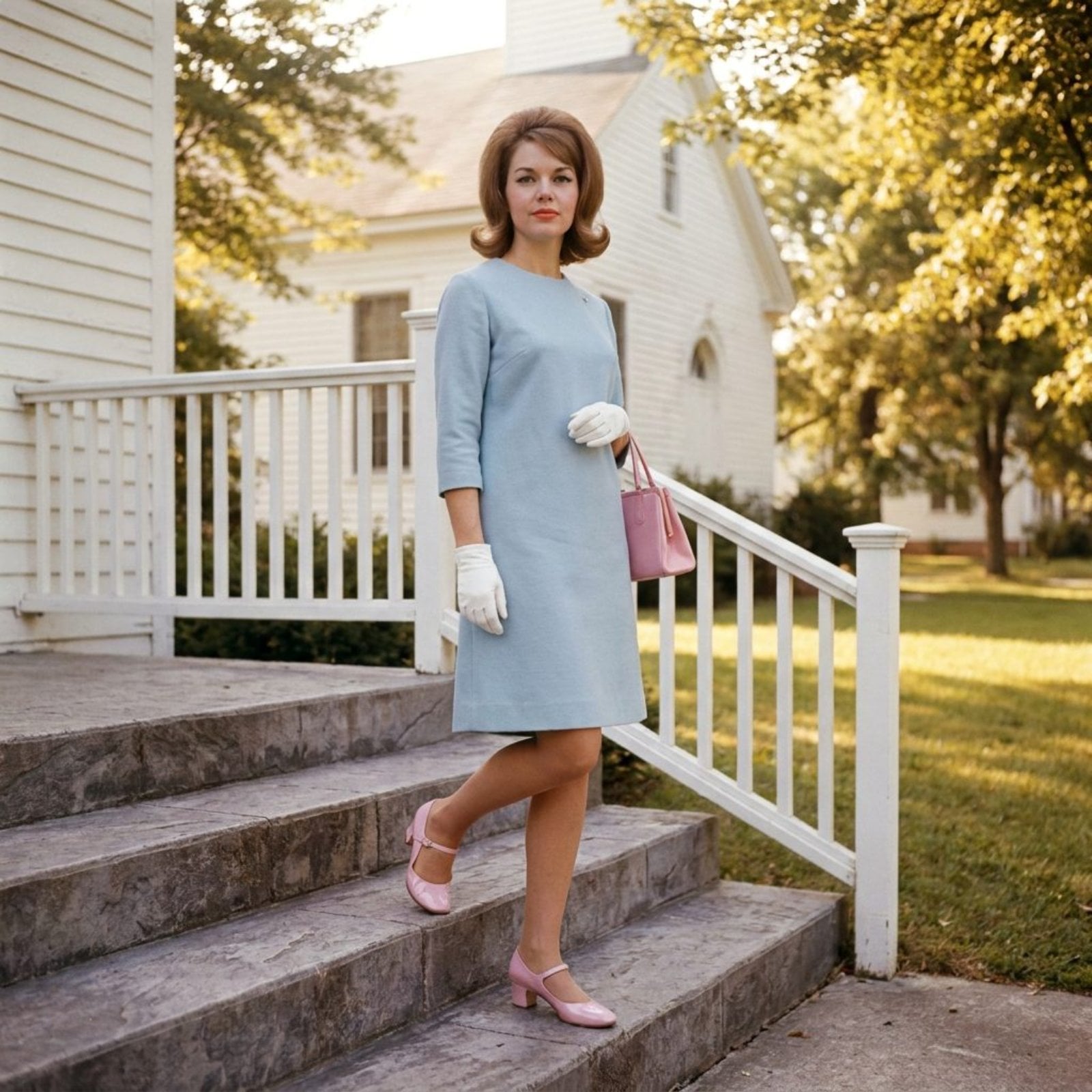
Pastel Patent Leather Mary Janes With the Low Block Heel You Wore Everywhere That Wasn’t the Beach
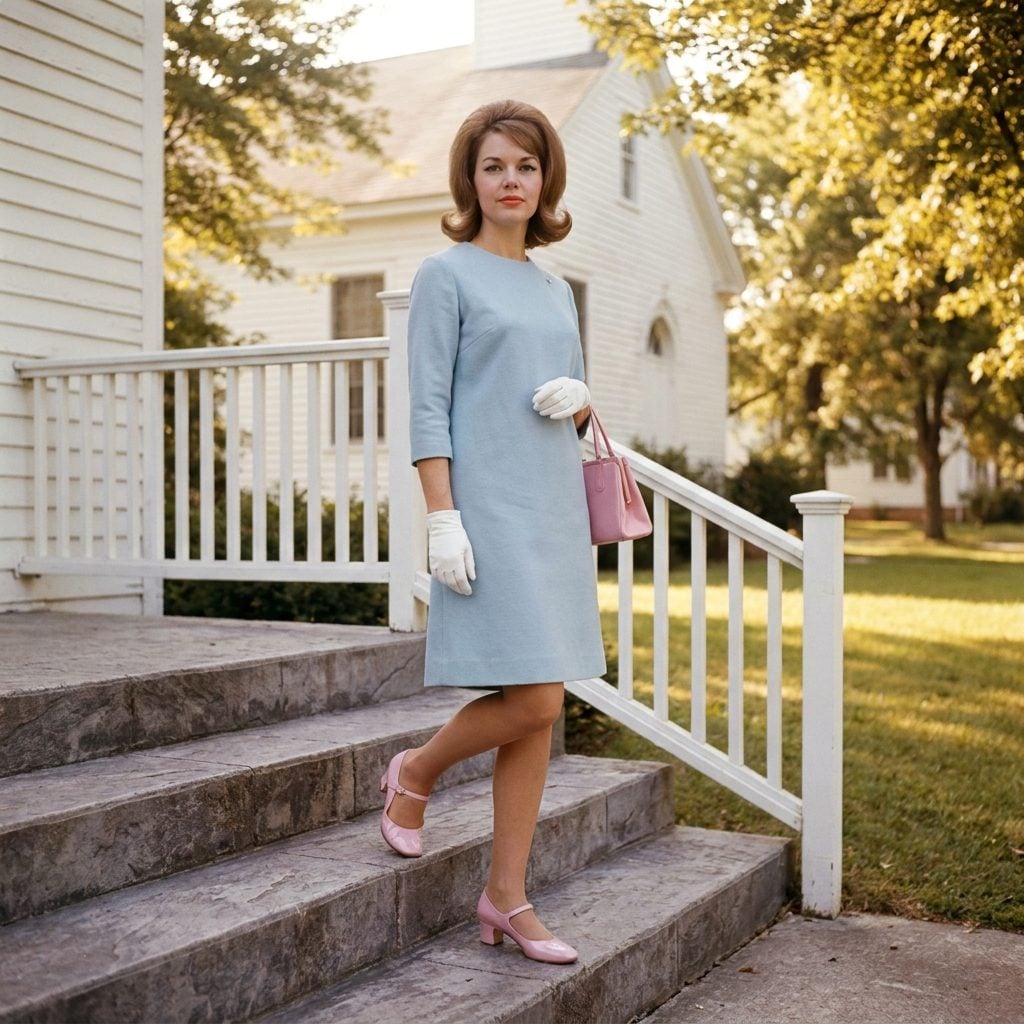
You could hear them coming. That particular click-click of a patent leather block heel on a church vestibule floor was the soundtrack of Sunday mornings in 1963. The pastel patent leather Mary Janes came in powder blue, buttercup yellow, and that very specific shade of pink that existed nowhere else in nature except on these shoes and certain varieties of Necco wafers.
Every woman had a pair. Your mother had a pair. Your grandmother probably had a pair. They went with the A-line shift dress, the pillbox hat, the coordinated handbag. The strap across the instep was purely decorative by this point, a vestige of childhood footwear that somehow read as polished instead of juvenile. You wore them to luncheons, to PTA meetings, to the kind of errands that still required looking “put together.”
The patent finish was both the appeal and the curse. One scuff on a church pew and the whole illusion crumbled.
Bernardo Sandals With Straps So Thin You Wondered If They Were Even There
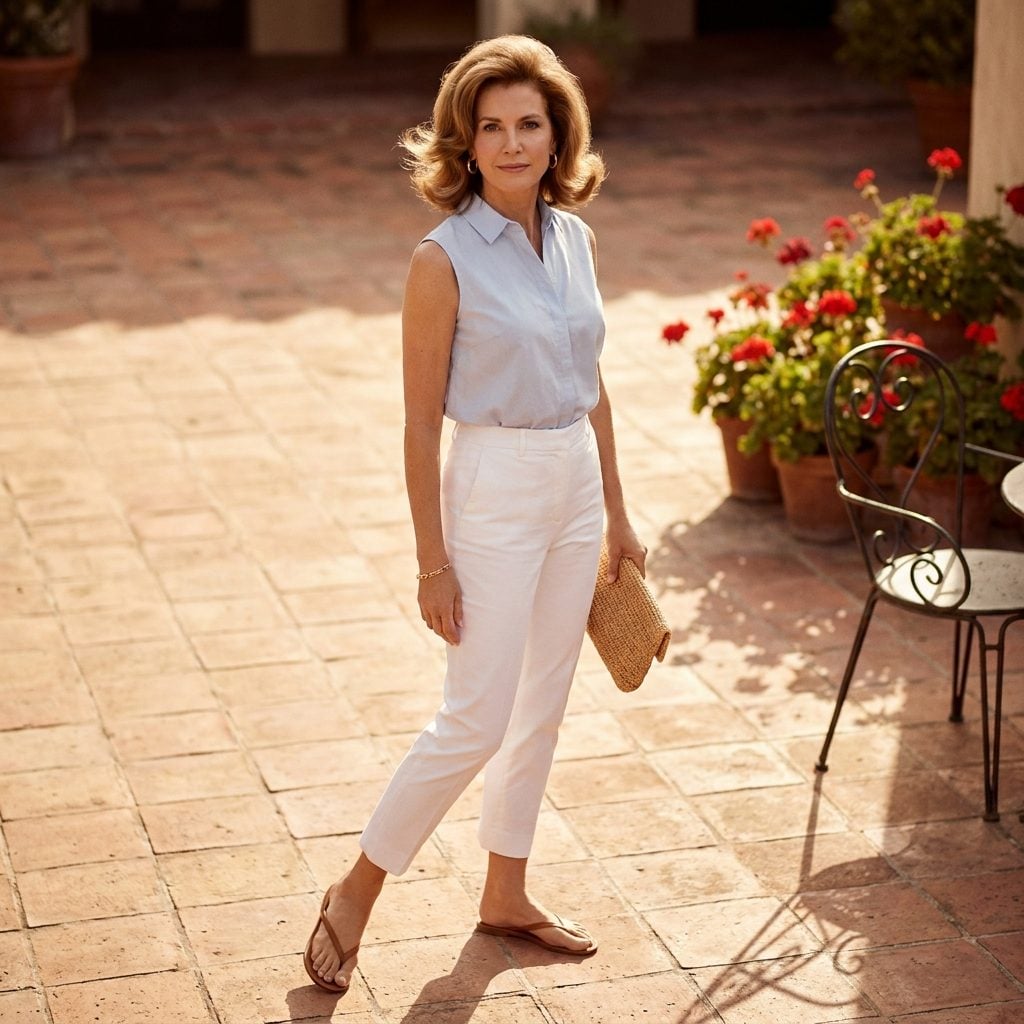
You saved up for weeks, maybe months. Then you walked into the shoe department and slid your foot into a pair of Bernardos, and suddenly every other sandal you owned looked like it was trying too hard. Those whisper-thin leather straps in cognac or natural tan barely registered on the foot. That was the whole point.
Bernardo understood something other brands didn’t: the less shoe, the more elegant the foot looked. We wore them to summer luncheons, to the country club pool deck, to Saturday errands where we just happened to look impossibly put-together. Jackie Kennedy wore them. That was all anyone needed to know.
The soles were flat, the construction was simple, and they cost more than they probably should have for what amounted to a few strips of Italian leather. But sliding them on felt like joining a very specific club of women who understood that restraint was the ultimate luxury.
Open-Toe Sandals With a Low Stacked Heel and Nothing to Prove
❤️ Would you like to save this?
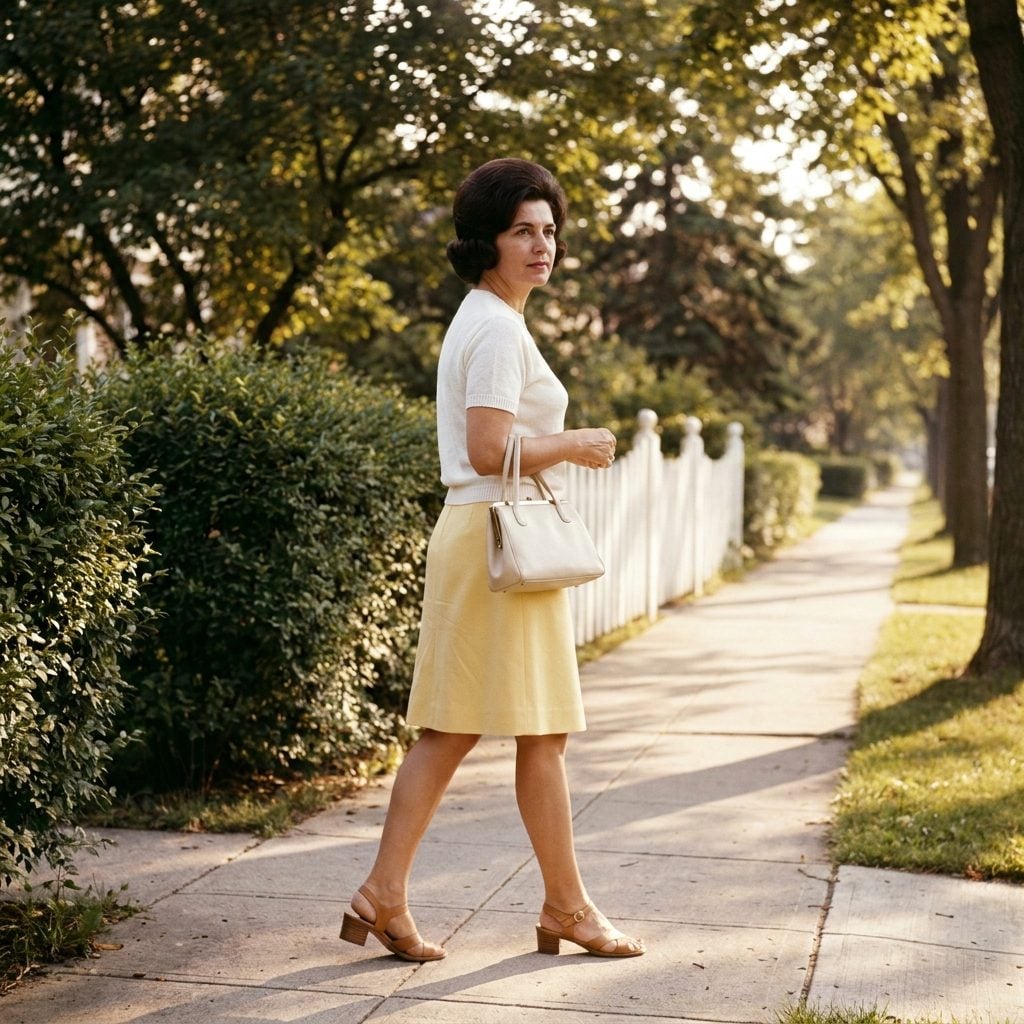
The stacked heel was the workhorse of 1960s summer footwear. Not high enough to qualify as dressy, not flat enough to feel casual. Somewhere around an inch and a half of layered leather that said, “I have places to be but I’m not killing myself to get there.”
Simple leather bands crossed the toe box, maybe two, maybe three. No buckles, no embellishments, no statement. The leather was usually a warm tan or bone white. You wore them grocery shopping and you wore them to dinner, and nobody questioned it either time.
Patent Leather Flats in White, Nude, or Whichever Pastel Matched Your Dress
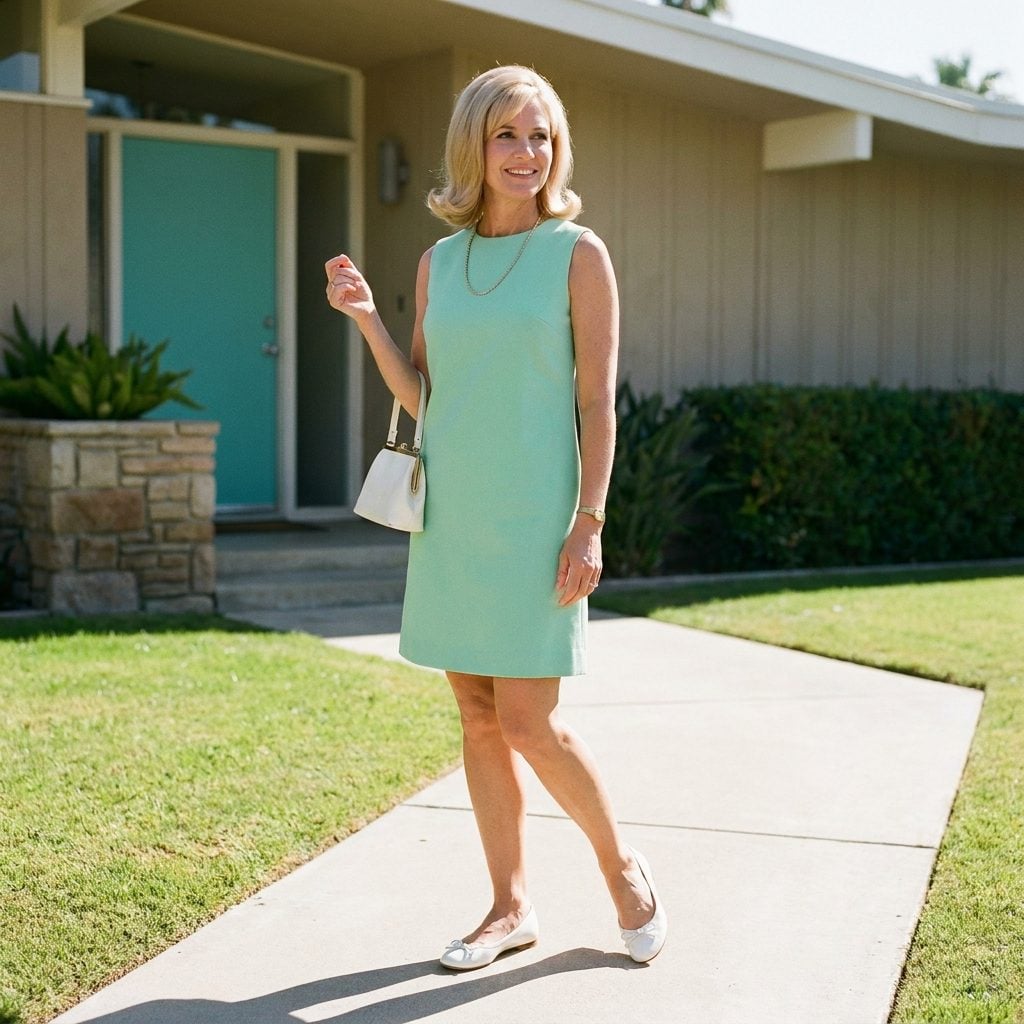
That mirror-shine finish was impossible to ignore. Patent leather flats in the early sixties came in shades that looked edible: buttercream, powder pink, robin’s egg blue, and of course the classic bone white that went with absolutely everything in your closet.
The rounded toe. The tiny grosgrain bow. The way they clicked on tile floors with that satisfying little tap. These were the shoes your mother approved of and your friends envied, which in 1963 was a nearly impossible combination to pull off.
You kept them in their original tissue paper. You wiped fingerprints off with a soft cloth. And you replaced them every season because patent leather and summer heat were not, as it turned out, natural allies.
Peep-Toe Pumps With Just Enough Opening to Show Off Your Pedicure
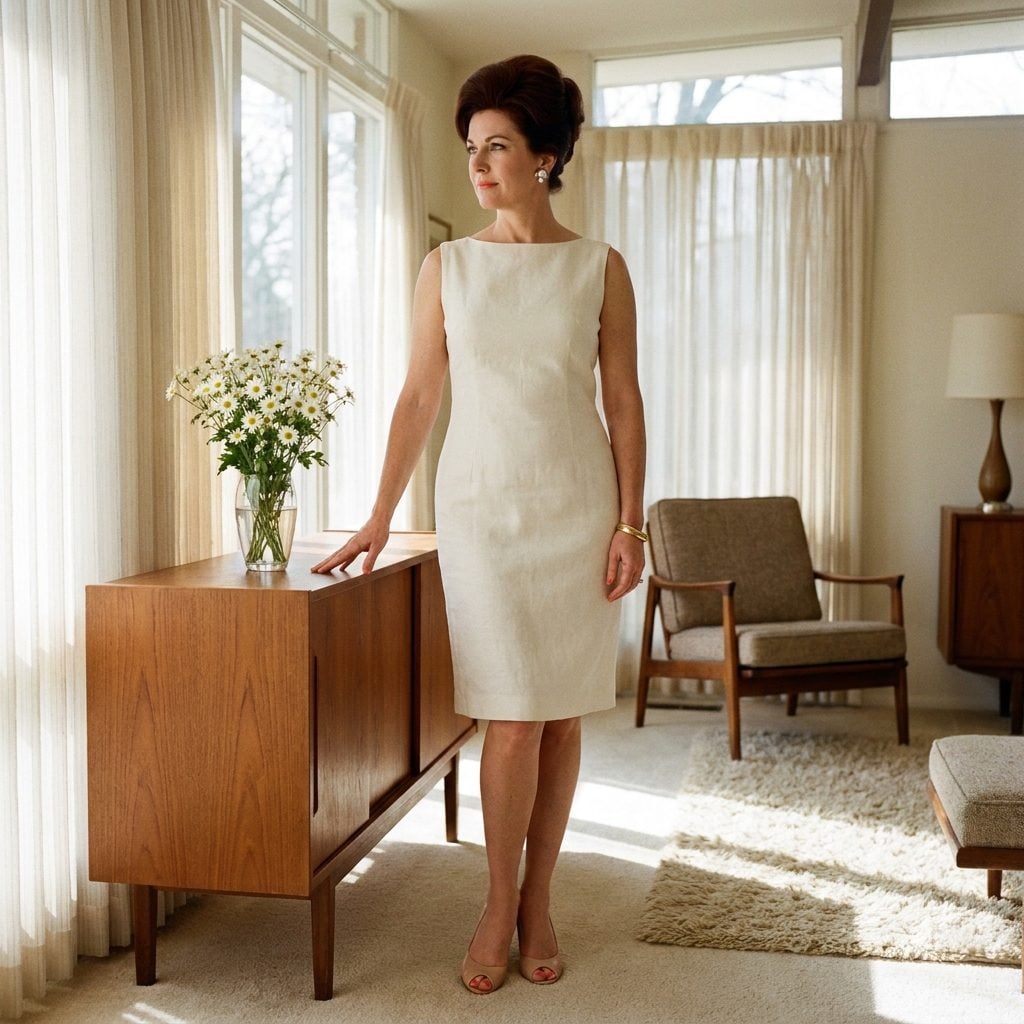
The peep-toe was a masterclass in controlled revelation. Not an open toe. Not a closed toe. Just a small, rounded window at the front of the shoe that showed exactly two or three toes, painted in coral or frosted pink, because this was the sixties and unpainted toenails in a peep-toe were simply not done.
The heel sat at a modest two inches, sometimes two and a half. Enough to lengthen the leg without announcing itself. These were the shoes you wore to church socials and summer weddings, the ones your aunt called “ladylike” in that specific tone that meant it was the highest compliment she knew how to give.
Italian Leather Loafers Worn Sockless Because You Saw Someone in Palm Beach Do It
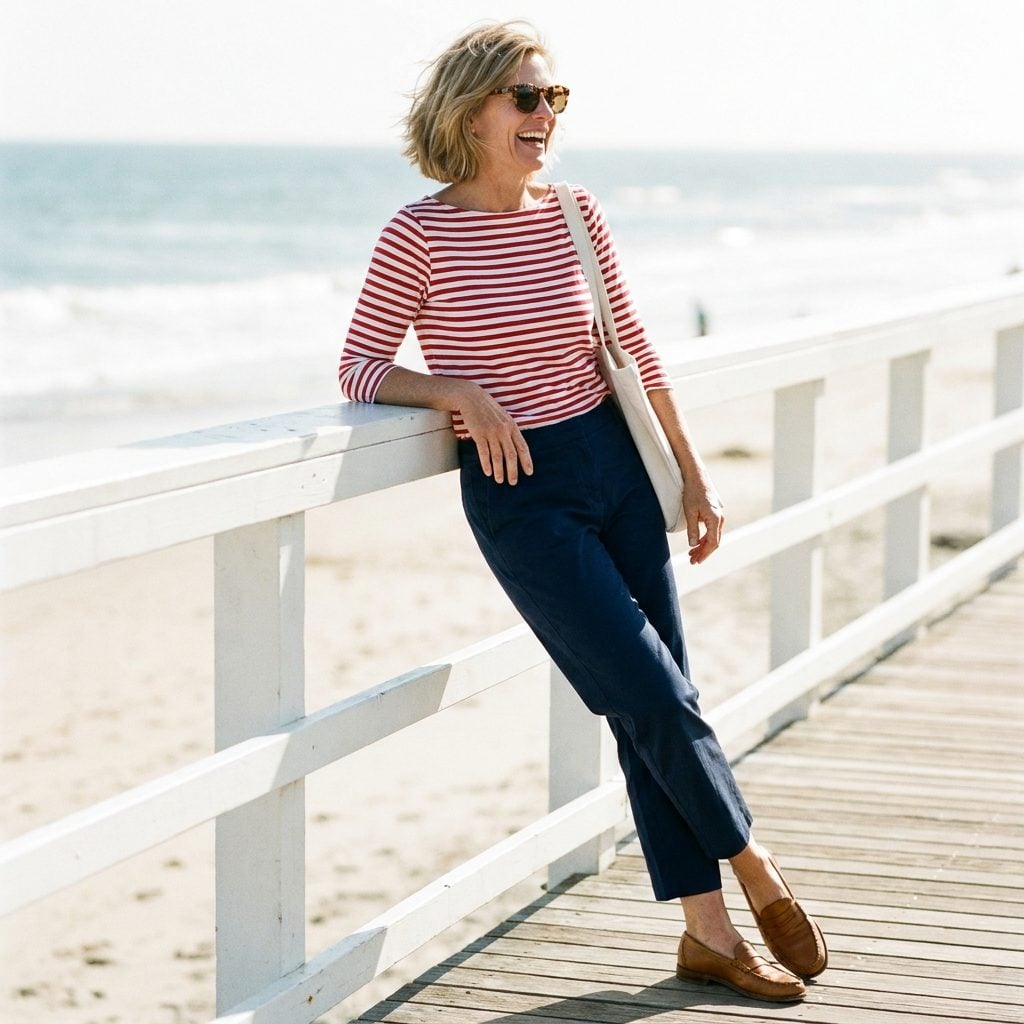
No one remembers exactly when going sockless became the thing to do with loafers. But by the mid-sixties, every woman with a pair of butterscotch or chestnut Italian leather loafers was sliding them onto bare feet like she’d summered in Capri her whole life. Most of us had not.
The leather was soft, unlined, and it molded to your foot after a few wears in a way that felt personal. A penny in the slot was optional but almost universal. You wore them with slim capris, with cotton skirts, with linen shorts if you were feeling bold. They smelled like leather and sunscreen and Saturday morning.
Two-Tone Spectator Pumps Your Mother Probably Also Owned
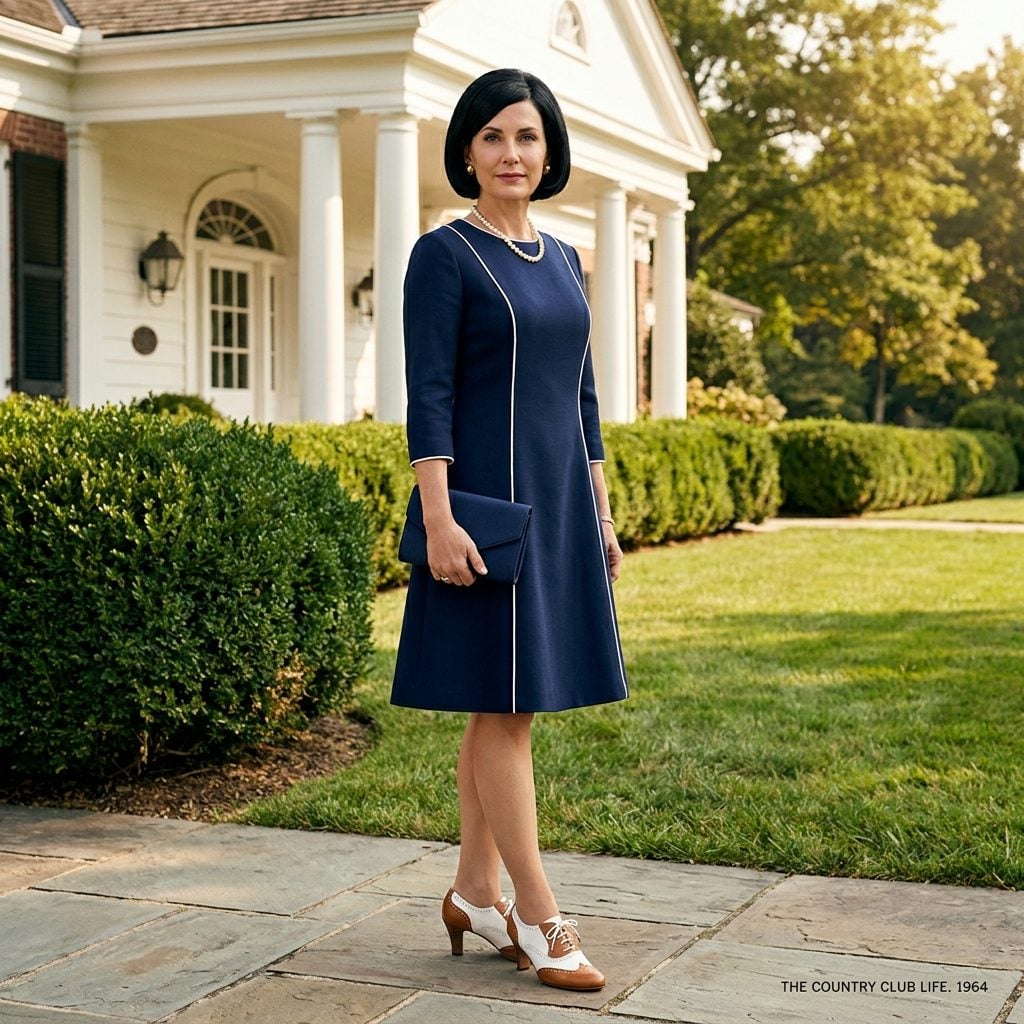
These were inherited taste, literally and figuratively. The spectator pump, with its contrasting toe cap and heel panel, had been around since the 1920s, and by the 1960s it carried a very specific energy: “I know what I’m doing and my mother taught me.”
Usually white and tan. Sometimes white and navy. Always with a medium heel and a pointed or almond toe. The perforated detailing along the seams was what separated a spectator from a plain two-tone shoe, and you noticed the difference even if you couldn’t name it.
They went with everything structured: tailored shorts, crisp A-line dresses, those high-waisted wide-leg pants that made everyone look like they owned a yacht.
Backless Mule Slides You Wore to Answer the Door Like a Movie Star
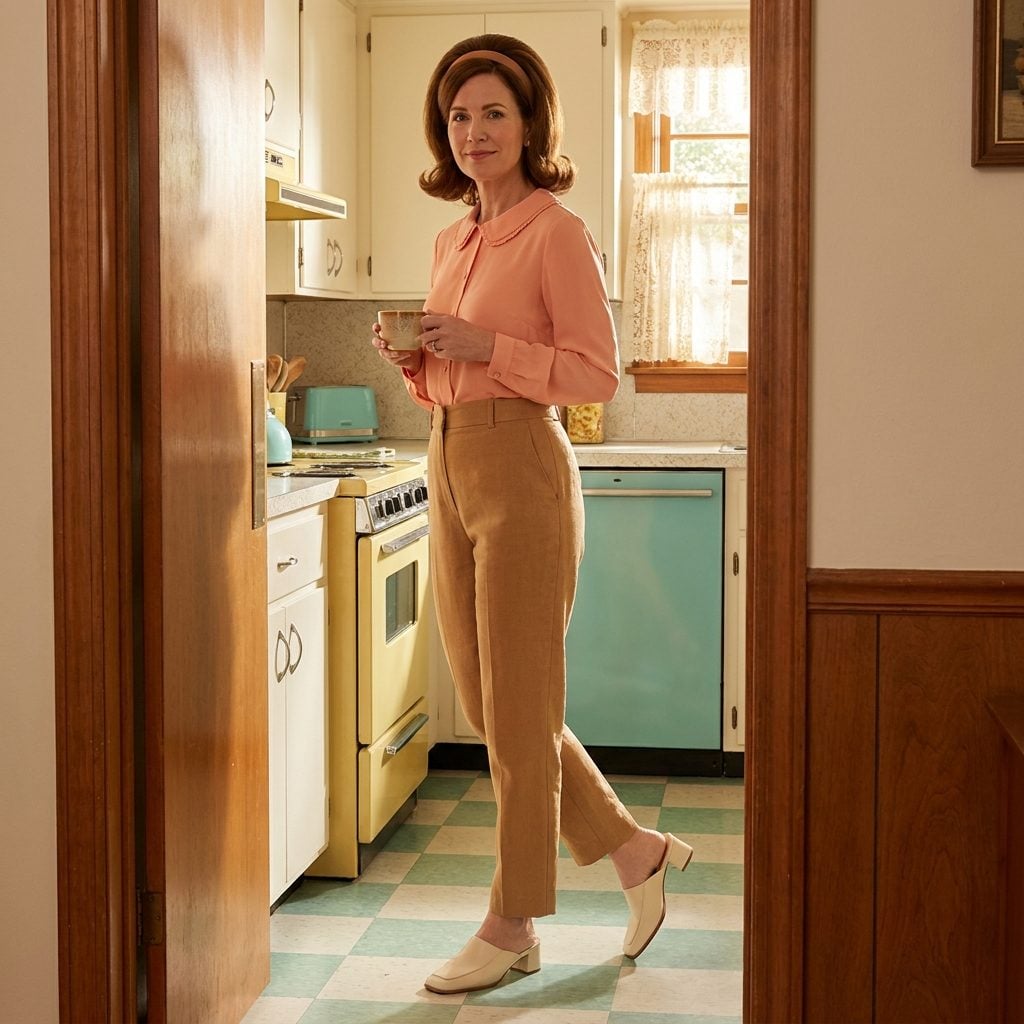
There was a specific fantasy attached to the backless mule. You padded around the kitchen in them. You stepped onto the back patio. You answered the doorbell. In your mind, you were Doris Day in a romantic comedy. In reality, you were holding a casserole dish and trying not to let the slide flap off your heel on the front step.
Low-heeled, usually in a neutral leather or a quilted satin for the more glamorous among us. These weren’t outdoor shoes. They were house shoes that happened to look chic, the 1960s equivalent of refusing to fully relax.
Elasticized Open-Back Sandals for Women Who Valued Practicality Over Pageantry
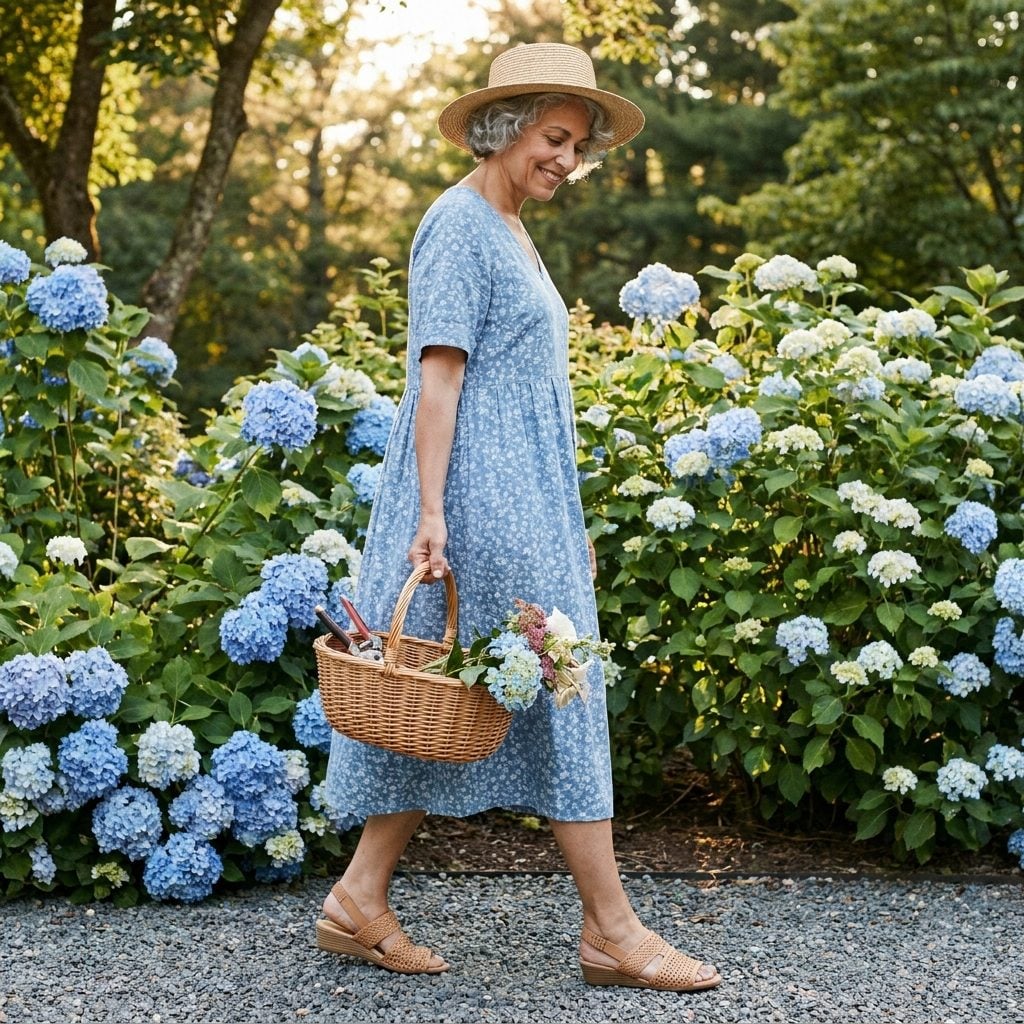
Not every shoe in the 1960s was about looking polished. Some were about getting out the door with minimal fuss, and the elasticized open-back sandal was the unsung hero of that mission. A wide elastic band across the back of the heel meant no buckles, no adjustments, no bending down. Just step in and go.
They came in woven leather, in canvas, in that particular shade of beige that matched nothing and everything. Your grandmother probably called them “my comfortable shoes” in a tone that dared you to judge her. Nobody did.
Narrow High-Arched Pumps That Made Your Foot Look Like a Work of Art

The silhouette was everything. A high arch, a narrow last, a heel that hit somewhere between two and three inches. These pumps made the foot look longer, the ankle look thinner, and the whole leg look like it belonged in a magazine advertisement for something expensive.
You bought them in black, in navy, in that specific shade of taupe that shoe salesmen called “nude” regardless of your actual skin tone. The pointed toe was sharp but not aggressive. The construction was firm. They required breaking in, and you did it willingly, stuffing the toes with newspaper overnight and wearing them around the house with thick socks like it was a part-time job.
Roger Vivier’s designs for Dior had filtered down through every price point by this era, and even a department store pump carried that architectural ambition in its bones.
Low Block-Heel Sandals That Let You Actually Walk to the Mailbox and Back

By the mid-to-late sixties, the block heel had quietly replaced the stiletto as the sensible woman’s summer choice. A sturdy inch or inch-and-a-half square heel. A simple strap across the toes. Maybe an ankle strap if you were feeling fancy. That was it. Nothing architectural, nothing dramatic.
These were the sandals of real life: walking the dog, chasing a toddler across the yard, standing at a backyard barbecue for three hours without once thinking about your feet. The block heel distributed weight the way a stiletto never could, and once you discovered the difference, going back felt like punishment.
Soft Leather Moccasin Flats That Smelled Like Summer Before You Even Put Them On

❤️ Would you like to save this?
You picked them up in the store and the scent hit you first. That warm, earthy, unmistakable smell of unlined soft leather. Moccasin-style flats, with their hand-stitched toe seam and flexible sole, were the weekend shoe of the 1960s. Not polished enough for anything formal, not rugged enough for actual outdoors. Perfect for that in-between space where most of life actually happened.
They came in natural tan, in saddle brown, in that specific reddish leather color that had no real name but everyone recognized. Some had a tiny leather lace detail at the top. Some were completely plain. All of them softened with wear until they fit like a second skin.
By the late sixties, the counterculture had claimed the moccasin as its own, and suddenly your sensible weekend shoe had become a statement. But in 1963, 1964? It was just the shoe you slipped on when nobody was looking and you wanted your feet to feel like they were off duty.
Lightweight Rubber Beach Sandals That Lived by the Pool All Summer
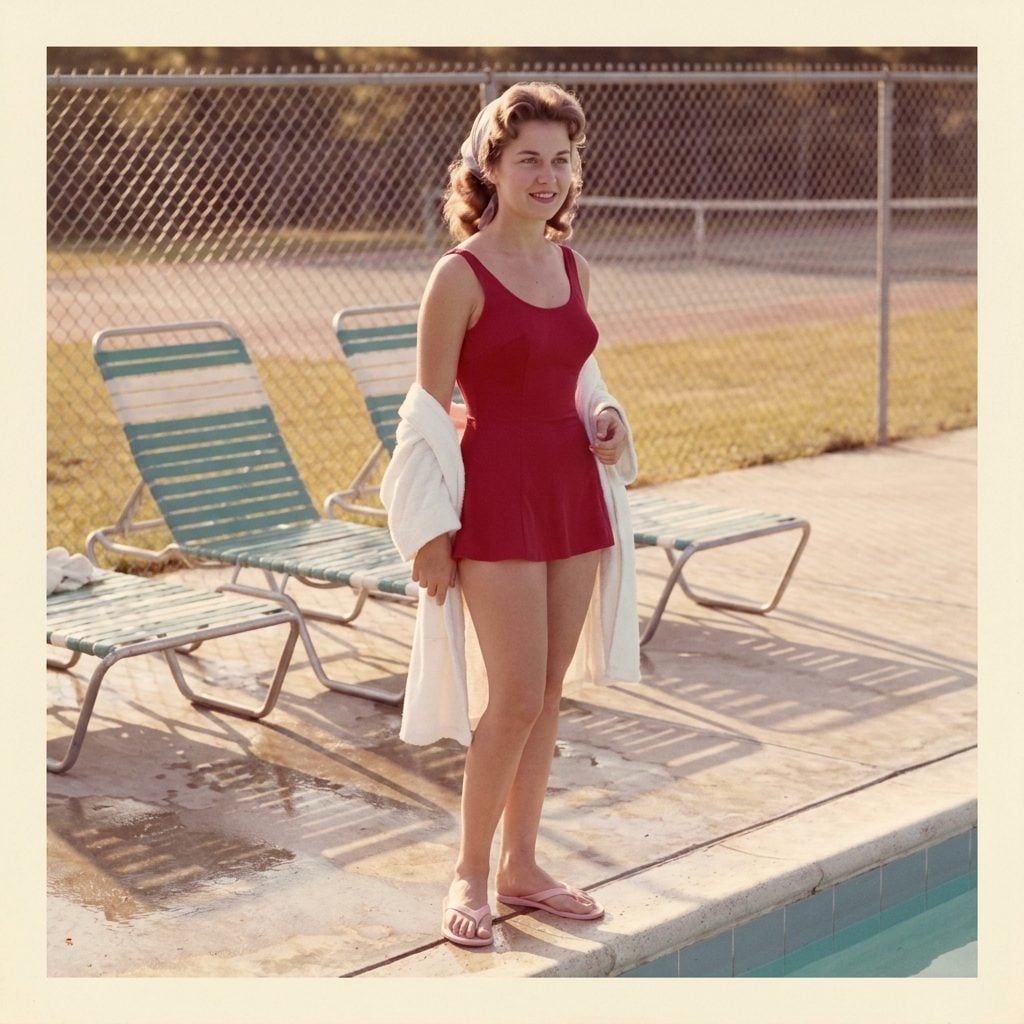
They cost almost nothing and smelled like a tire aisle, and somehow they were the most essential shoe you owned from June through September. Those thin rubber beach sandals, barely a step above barefoot, showed up in every beach bag and poolside tote across America.
The soles were flat as paper. The thong strap between your toes left a tan line that didn’t fade until Thanksgiving. You’d buy a pair at the five-and-dime for less than a dollar, wear them until the strap ripped clean through the sole, and buy another pair the next weekend without a second thought.
They came in solid pastels, mostly. Pale pink, baby blue, a minty green that yellowed fast. Nobody called them “flip-flops” yet. They were just your beach shoes, and they slapped against your heels with every step on the boardwalk like a tiny round of applause.
Short Lace-Up Oxfords in Summer-Weight Leather (Your Mother Approved)
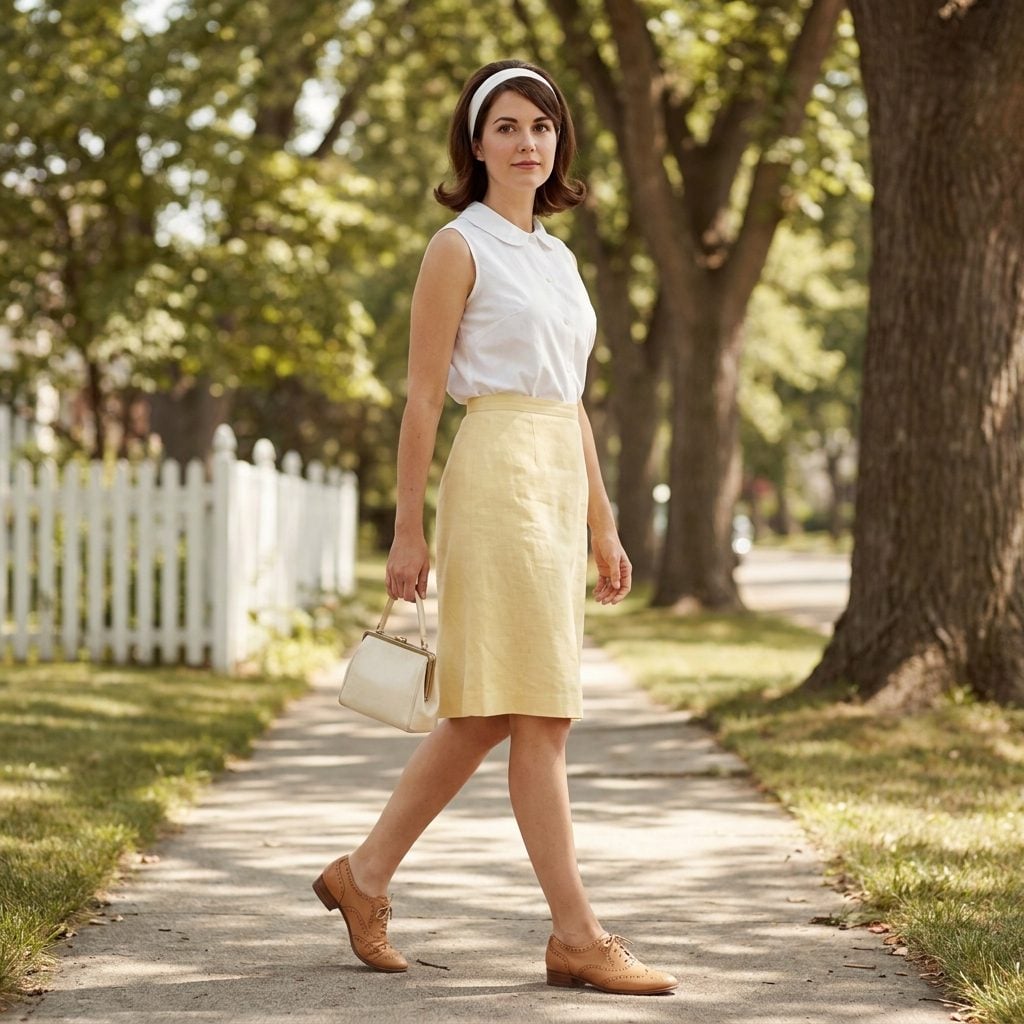
If you wanted to look “put together” in 1963 without suffering through pumps in July, these were the answer. Lightweight leather oxfords with neat lace-up fronts showed up in tan, cream, and bone, offering the kind of respectable polish that let you walk into a department store without getting a look from the sales clerks.
The leather was thinner than their fall counterparts. Softer. Sometimes perforated with tiny punched holes along the toe cap for ventilation, a detail that doubled as decoration. You wore them with A-line skirts and sleeveless blouses, or pedal pushers if you were feeling casual. They paired well with ankle socks or bare legs, depending on how formal the outing demanded.
Decorative Bow-Front Flats That Made Every Outfit Feel Finished
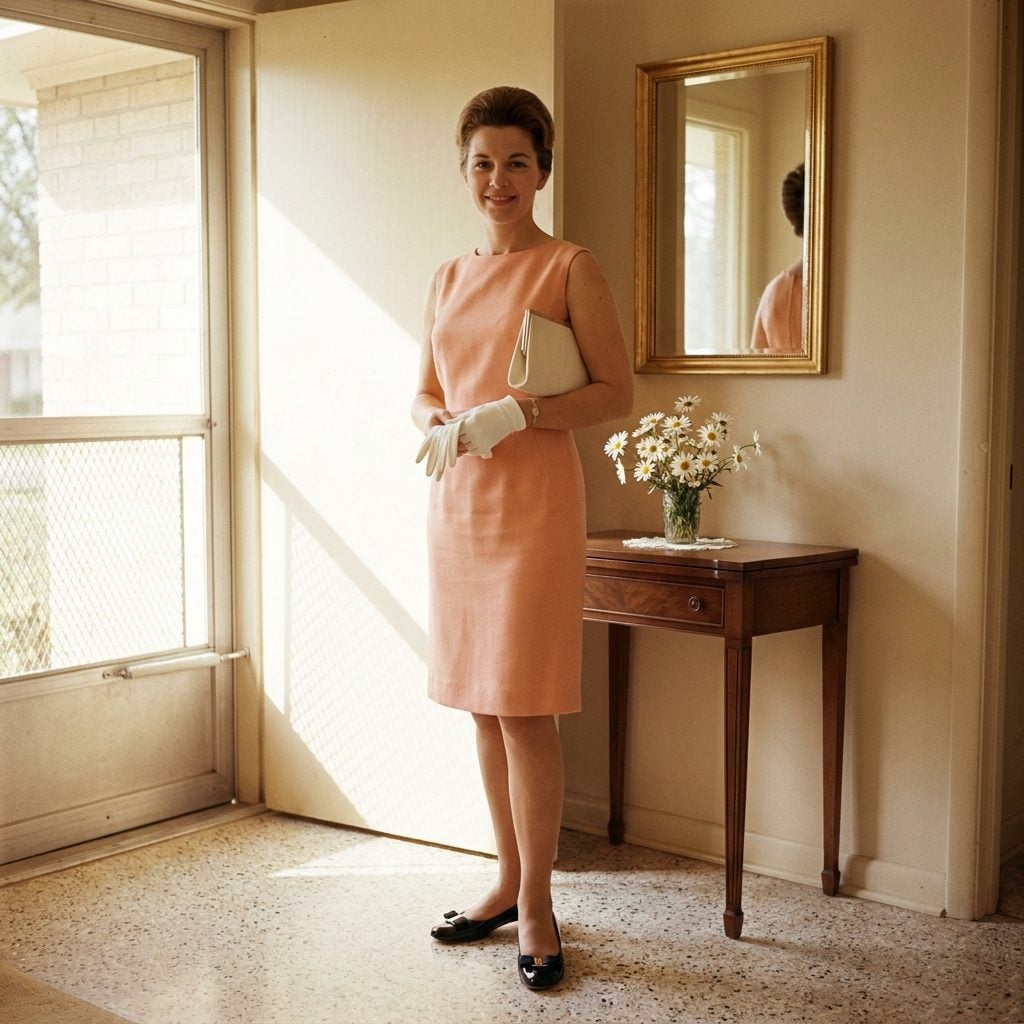
A small grosgrain bow on the toe of a ballet flat. That was it. That was the whole trick, and it worked every single time.
These weren’t statement shoes. They were quiet shoes that whispered “I have good taste” instead of shouting about it. The flat itself was simple, usually a round-toe silhouette in black patent or a soft pastel leather. But that bow, stitched right at the center of the vamp, gave it just enough personality to feel intentional rather than plain. You slipped them on for luncheons, Saturday errands, church socials. They went with everything from a shirtdress to cropped trousers.
The bow was almost always grosgrain ribbon, sometimes the same color as the shoe, sometimes a contrast. Navy shoe, white bow. That kind of small gesture. Audrey Hepburn made them iconic, of course, but your neighbor wore them too, and they looked just as right on her.
White Go-Go Boots That Made You Feel Like the Future Had Arrived
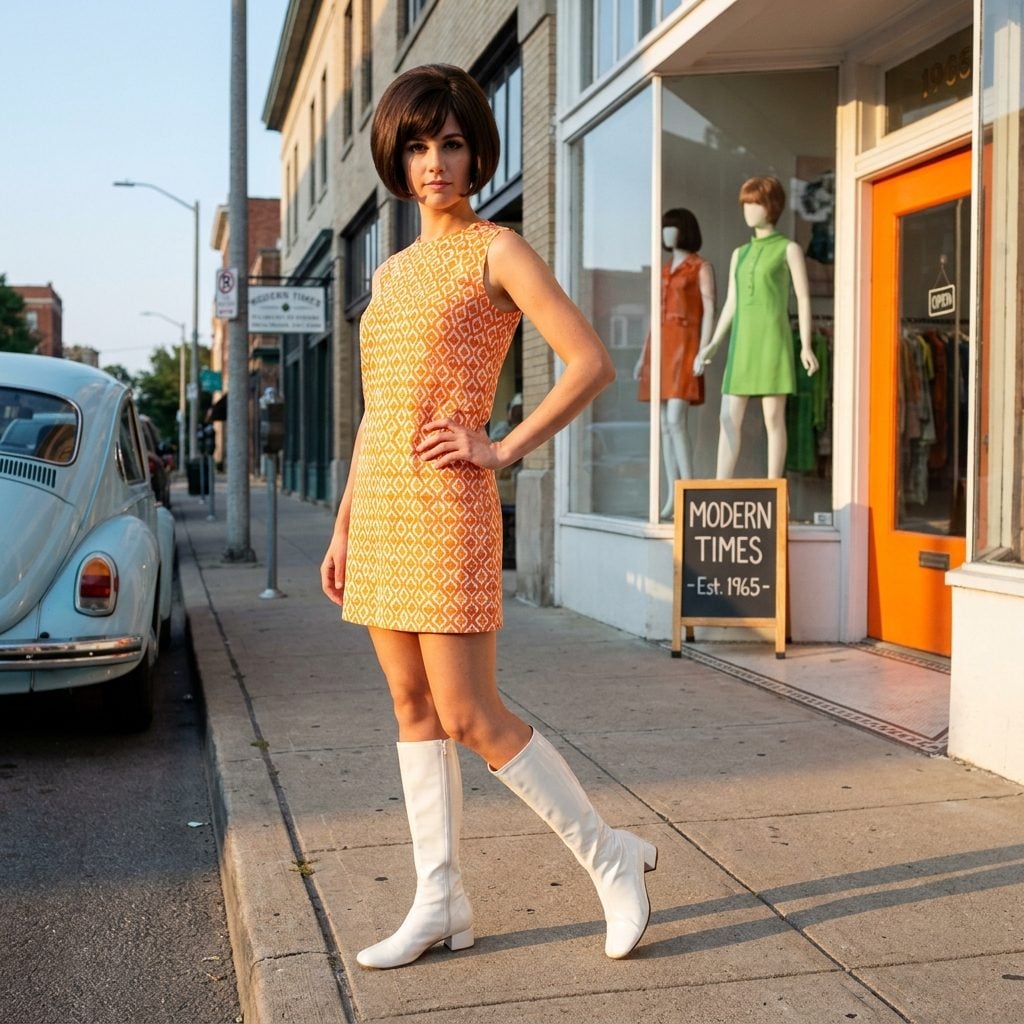
Nothing in your closet made you feel more modern than a pair of white go-go boots. Knee-high, low-heeled, usually in a slightly shiny vinyl or smooth calf leather, they were the shoes that separated “before” from “after” in American fashion. You put them on and you weren’t your mother anymore.
André Courrèges sent them down his Paris runway in 1964, and within a year, every girl with a miniskirt and an opinion owned a pair. The cheap versions from Thom McAn peeled at the seams after three wearings. The good ones, if you could find them, felt like armor.
You wore them with shift dresses. With A-line minis. With tights in winter and bare legs when you were brave. They were impractical and impossible to keep clean and absolutely none of that mattered. White boots meant you were paying attention to what was next.