
❤️ Would you like to save this?
When you constantly adjust your wardrobe based on external validation rather than personal preference, you’re letting the fear of judgment dictate your daily decisions. These behaviors range from changing outfits multiple times before events to selecting uncomfortable pieces simply because they appear trendy or impressive to others. Recognizing these patterns can help you develop a healthier relationship with fashion and build genuine confidence in your personal style choices.
FYI, thanks to AI imagery software, we’re able to create very specific fashion and hairstyle examples to illustrate the points being made. In some cases, imagery is exaggerated to hammer home the point. Also, assume links that take you off the site are affiliate links such as links to Amazon. this means we may earn a commission if you buy something.
22. Frequent outfit changes during a single event

You change clothes multiple times during one event because you’re worried about others’ opinions. This behavior can strain relationships when friends wait for your outfit decisions.
You might switch from casual to formal mid-party or completely change your look between dinner and drinks. This constant changing shows you’re seeking approval rather than feeling confident in your original choice.
21. Using clothing as a shield to mask insecurities
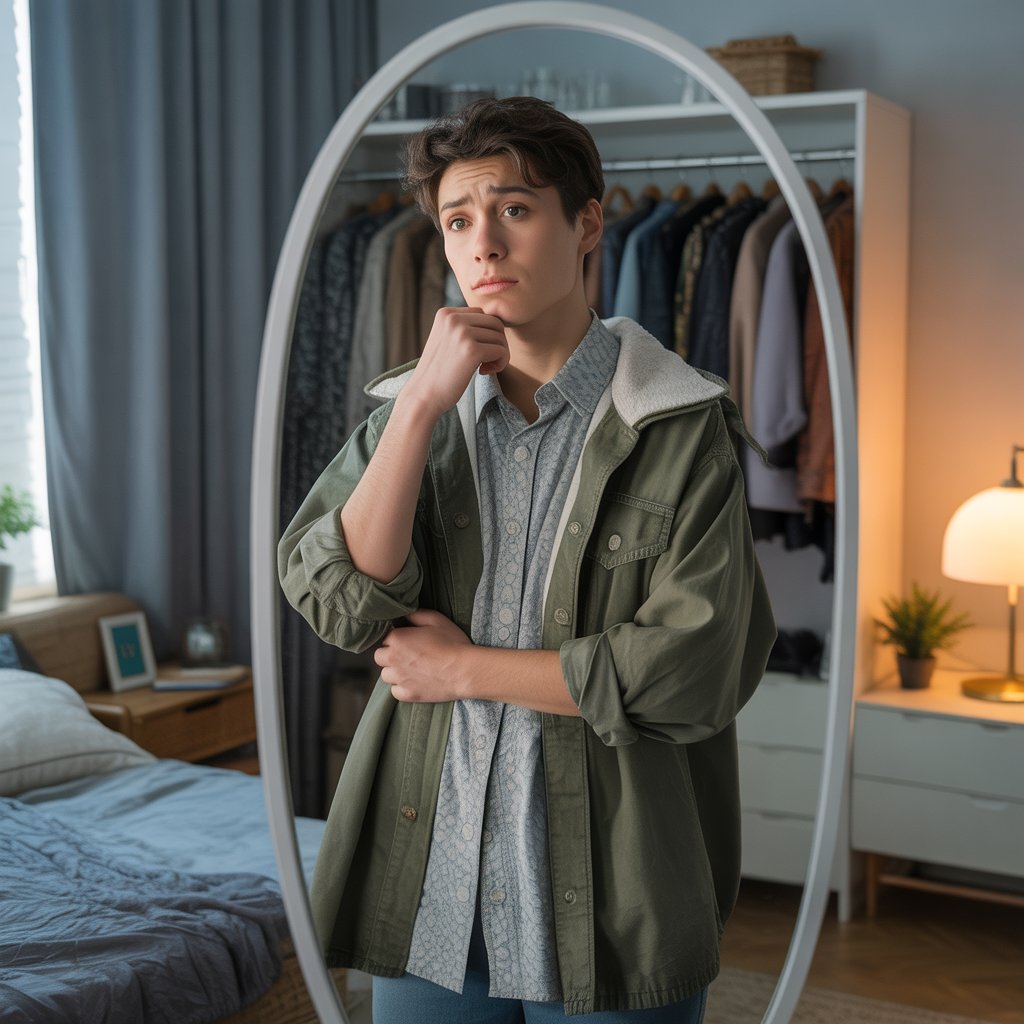
You reach for oversized hoodies to hide your body. Designer labels become your armor against judgment.
This protective dressing reveals deep concern about others’ opinions. You’re using fashion as psychological protection rather than authentic self-expression.
When clothes serve as shields, you’re prioritizing hiding over showing who you really are. Your wardrobe becomes a barrier instead of a bridge to genuine connection.
20. Wearing outdated formal wear to fit into social norms

You might cling to formal fashion rules from decades past because they feel “safe.” This approach shows you’re prioritizing others’ approval over personal style.
Following rigid dress codes that no longer apply makes you appear disconnected from modern fashion. You sacrifice authentic self-expression for outdated expectations.
True confidence comes from adapting formal wear to current standards while maintaining appropriate elegance.
19. Overloading outfits with multiple fashion trends at once

You pile on every trending piece you own, hoping to look current. The oversized blazer clashes with maximalist prints while chunky sneakers compete for attention.
This desperate trend-chasing signals you’re seeking validation through fashion. You worry people will think you’re behind if you don’t wear it all.
The result looks chaotic rather than stylish. Your outfit needs focus, not a runway showcase of every trend.
18. Refraining from wearing bright colors to not stand out
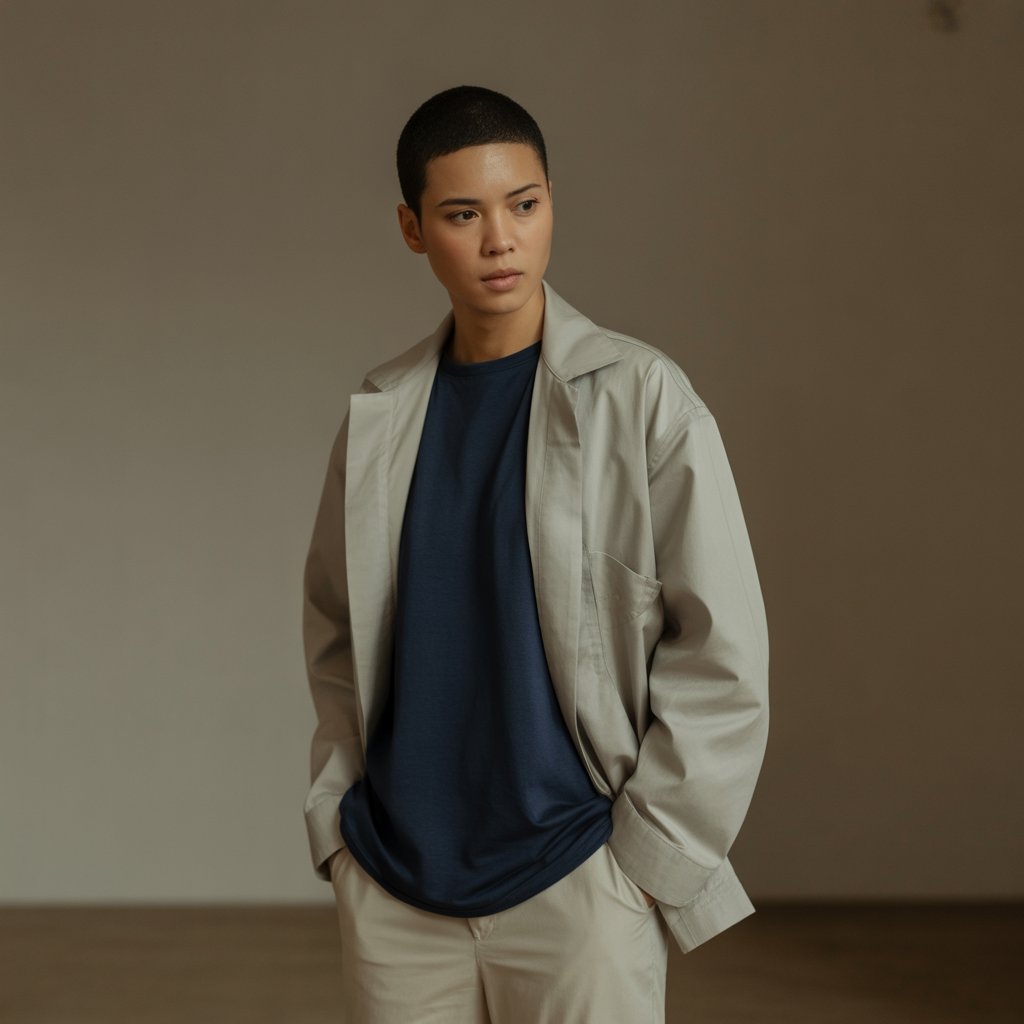
You stick to blacks, grays, and beiges because anything brighter feels risky. Vibrant colors sit unworn in your closet while you choose safe neutrals.
This habit stems from fear of judgment rather than personal preference. You’re prioritizing others’ comfort over your own style choices.
Bold colors express personality and confidence. When you avoid them purely to blend in, you’re dimming your authentic self for social acceptance.
17. Avoiding bold or unique pieces for fear of judgment

You skip the statement necklace and choose basic studs instead. That colorful blazer stays in the store because you worry about what coworkers might think.
Playing it safe with muted colors and simple patterns becomes your default. You talk yourself out of pieces that genuinely excite you, choosing bland options that help you blend in.
This pattern keeps your true style locked away, prioritizing others’ opinions over your personal expression.
16. Changing style drastically based on who you meet
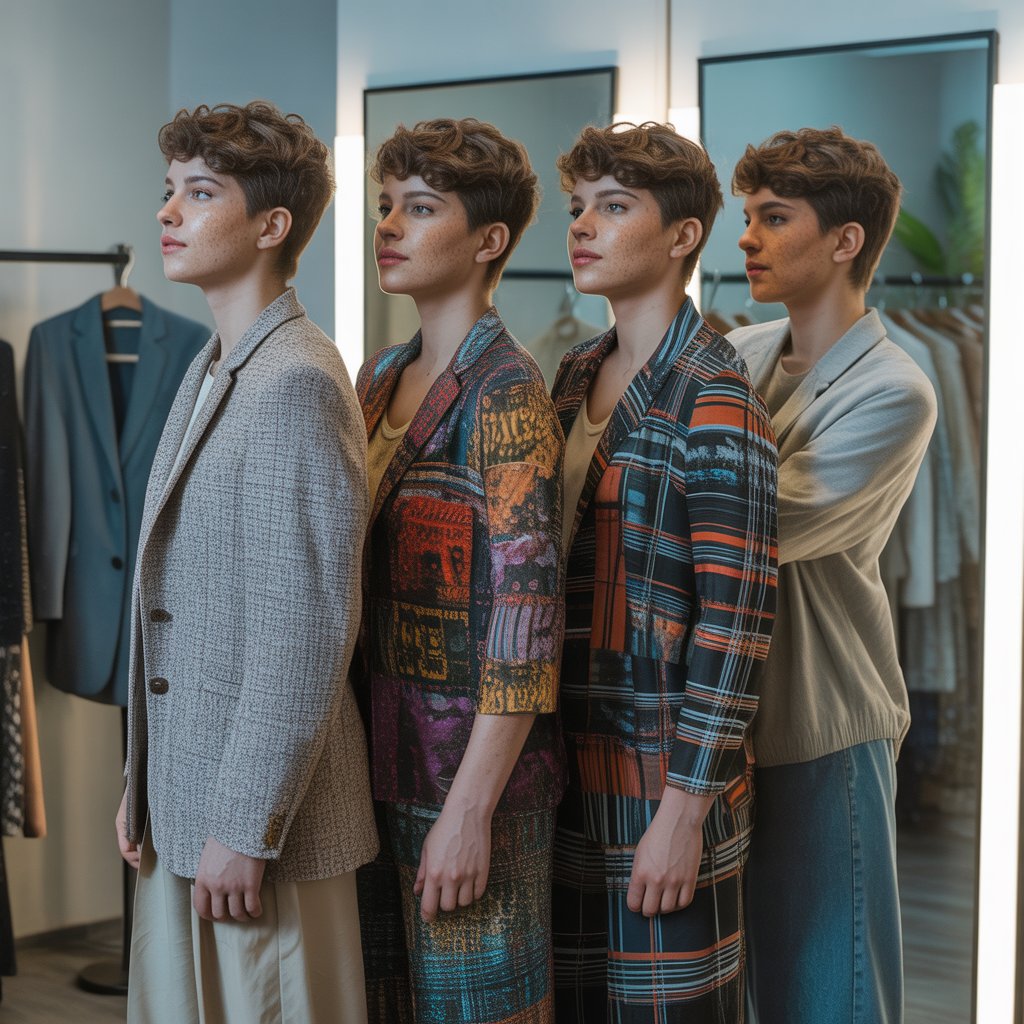
You switch from bohemian dresses to corporate blazers depending on your plans. Your wardrobe becomes a costume collection rather than a personal expression.
This pattern shows you’re prioritizing others’ approval over authentic self-presentation. You exhaust yourself maintaining multiple fashion personas.
True style confidence comes from finding clothes that feel genuinely you, regardless of your audience.
15. Selecting outfits to hide your true personality

You carefully choose clothes that mask who you really are. Instead of expressing your authentic self, you dress to blend in or project a false image.
This pattern shows you’re prioritizing others’ approval over personal authenticity. You might wear conservative pieces when you love bold patterns, or dress formally when casual feels natural.
Your wardrobe becomes a costume rather than genuine self-expression.
14. Constantly checking reflections to adjust your outfit

You catch yourself glancing at every mirror, window, and phone screen you pass. Each reflection becomes a checkpoint where you tug at your sleeves or straighten your collar.
This habit reveals deep concern about maintaining a perfect appearance. You worry that something might be out of place, showing others you’re not put-together.
When you trust your initial outfit choice, these constant adjustments become unnecessary.
13. Layering clothes without considering comfort to look trendy

You pile on multiple pieces just because fashion magazines say layering is sophisticated. Your outfit includes three different textures that look impressive but feel restrictive.
You sacrifice mobility for the perfect street style photo. Those trendy layered combinations leave you overheated indoors and struggling to move naturally throughout your day.
12. Picking colors solely based on what’s ‘in’ rather than what feels good

You scroll through Instagram and immediately add that trendy sage green blazer to your cart. Never mind that it washes you out completely.
Chasing color trends instead of choosing what genuinely flatters you shows you’re prioritizing others’ approval over your own comfort. You end up wearing shades that don’t complement your skin tone or reflect your personality.
Your wardrobe becomes a collection of “right now” colors that feel foreign on your body.
11. Overthinking every detail before leaving the house

You spend twenty minutes adjusting your accessories, questioning if your shoes match perfectly, and second-guessing your hair choice. This mental checklist becomes exhausting.
Every mirror becomes a judgment station where you analyze each detail. You’re seeking approval from people who likely won’t notice these tiny elements.
The constant mental review drains your energy before your day even begins.
10. Wearing only designer clothes to show status

❤️ Would you like to save this?
You rely on expensive labels to communicate your worth to others. Your wardrobe becomes a walking advertisement for high-end brands.
This pattern reveals an inferiority complex where you don’t feel good enough without external validation. You use designer clothes as a strategy to prove your status and value.
The constant need for branded items shows you’re more focused on others’ perceptions than your personal style preferences.
9. Dressing too formally in casual settings to appear classy

You show up to a backyard barbecue in a blazer and dress pants. Everyone else wears shorts and t-shirts.
This signals you’re overthinking your image. True style means reading the room and dressing appropriately for the setting.
Classy casual exists for a reason. It lets you look put-together without standing out awkwardly.
8. Avoiding personal style to copy celebrity looks

You spend hours studying your favorite star’s Instagram outfits. Every shopping trip becomes a hunt for exact replicas of what celebrities wore last week.
Your closet fills with trendy pieces that don’t reflect who you are. You ignore what flatters your body type because you’re focused on recreating someone else’s look.
This pattern shows you’re prioritizing others’ approval over authentic self-expression.
7. Wearing clothes with visible brand names everywhere
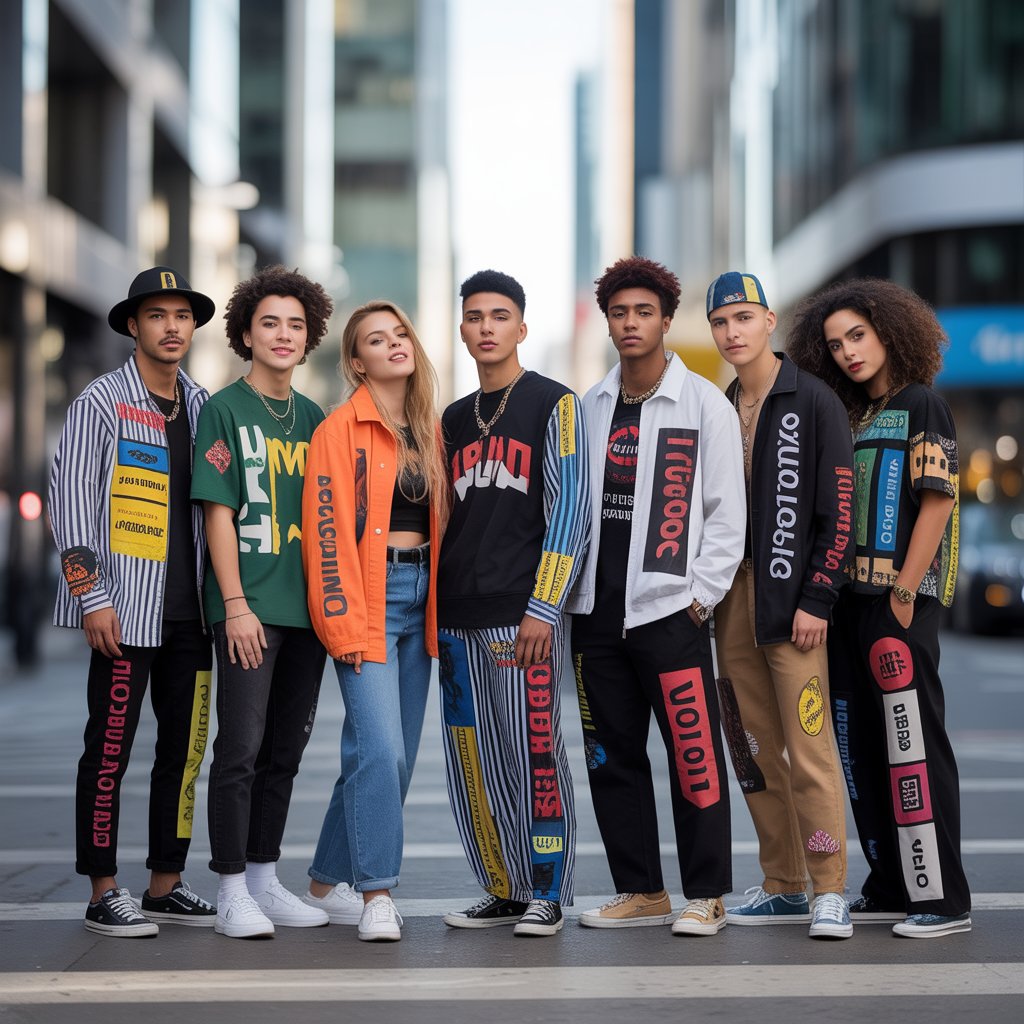
When every piece of clothing displays a prominent logo, you’re essentially turning yourself into a walking advertisement. This approach signals that external validation matters more than personal style.
Constantly showcasing designer labels suggests you’re seeking status recognition from others. Your outfit becomes less about expressing your personality and more about broadcasting your purchasing power or brand affiliations to anyone who notices.
6. Choosing uncomfortable shoes just because they look good
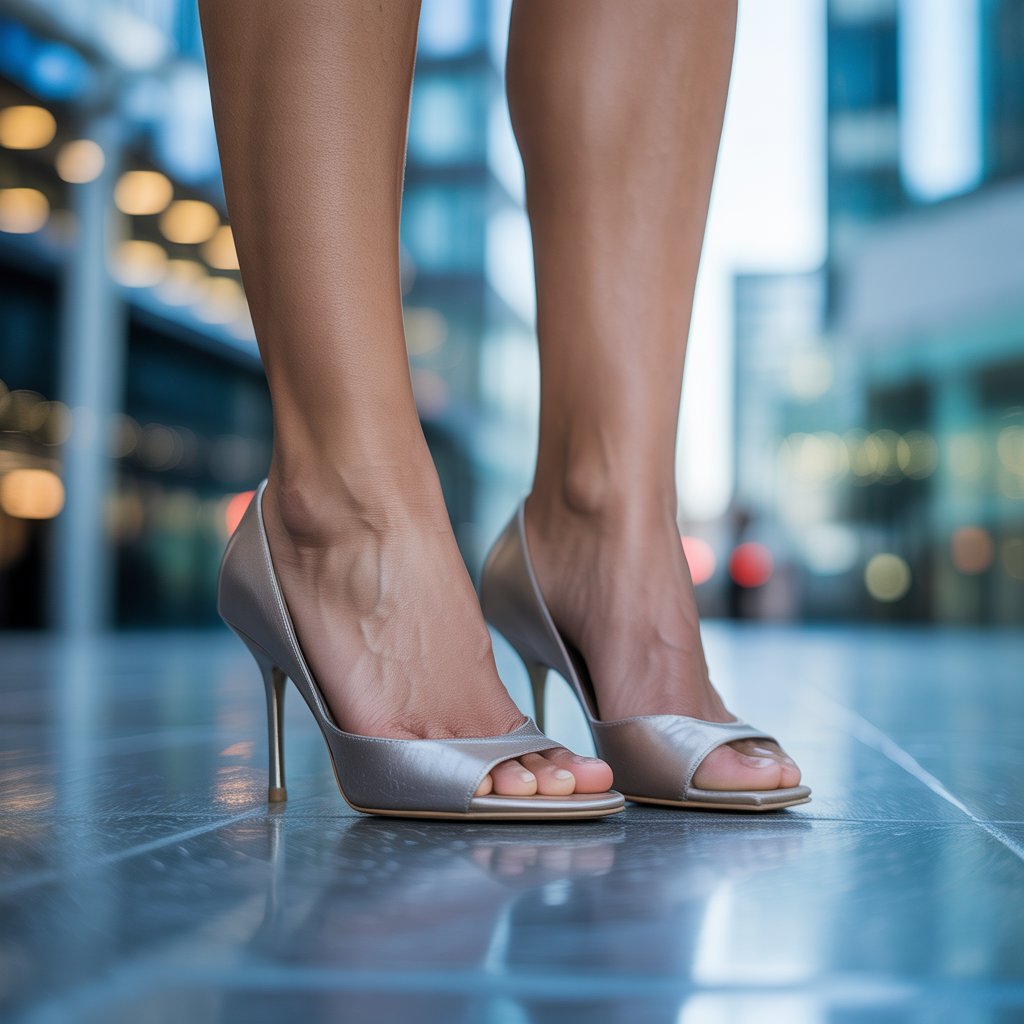
You sacrifice your comfort for appearances when you pick shoes based purely on looks. Your feet suffer through hours of pain just to maintain a certain image.
This choice signals you prioritize others’ opinions over your well-being. Comfortable shoes can be stylish too, and your confidence shows more when you’re not wincing with each step.
5. Over-accessorizing to impress strangers
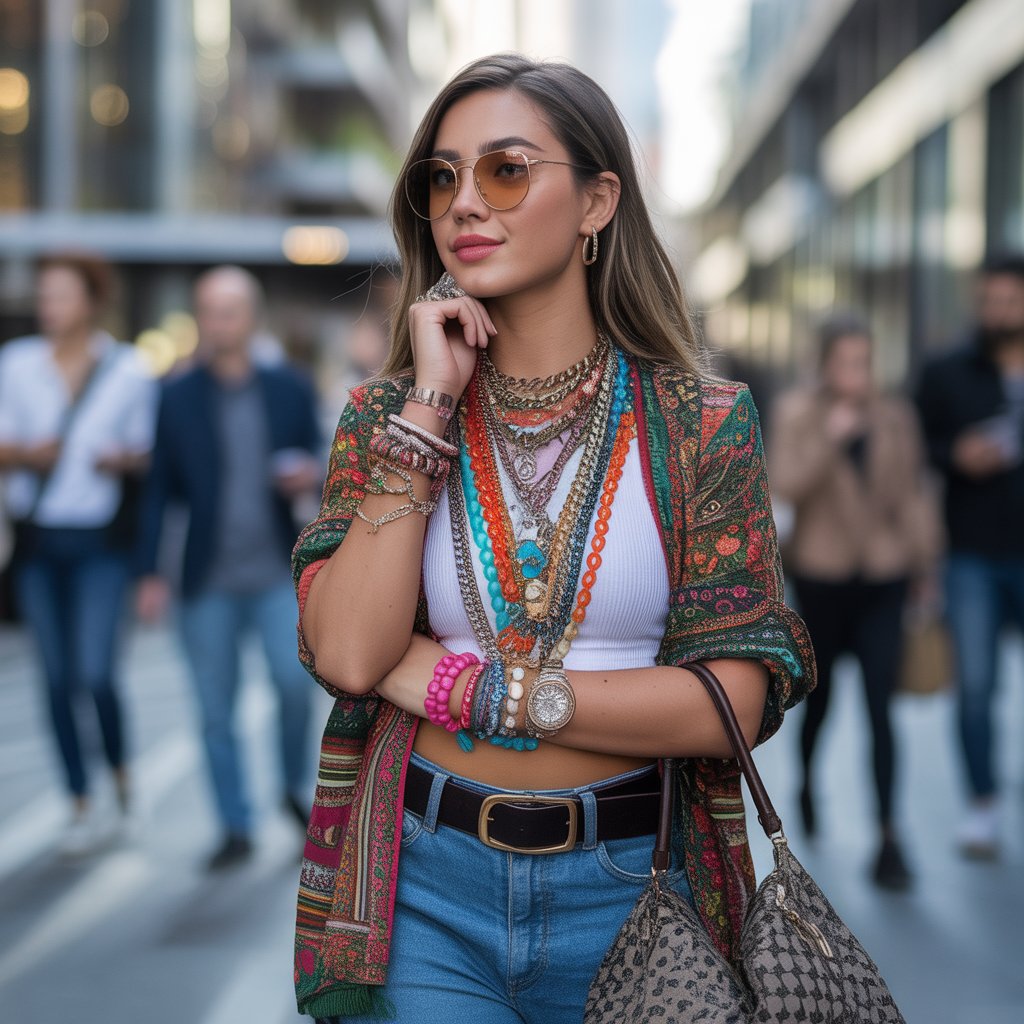
You pile on multiple statement necklaces, oversized earrings, and bold rings all at once. This creates a chaotic look that screams “trying too hard” rather than effortless style.
When you wear too many accessories simultaneously, you’re likely seeking validation from people you don’t even know. The result often appears messy and draws attention away from your natural features instead of enhancing them.
4. Repeating the same carefully curated ‘Instagram outfit’

You’ve found that perfect outfit combination that gets all the likes and comments. Now you wear it religiously to every social event, hoping to recreate that same validation.
This pattern shows you’re more focused on external approval than personal style development. You’re stuck repeating what worked once instead of exploring new combinations.
True confidence comes from experimenting with different looks, not clinging to past social media success.
3. Dressing in entirely monochrome to fit a ‘cool’ persona
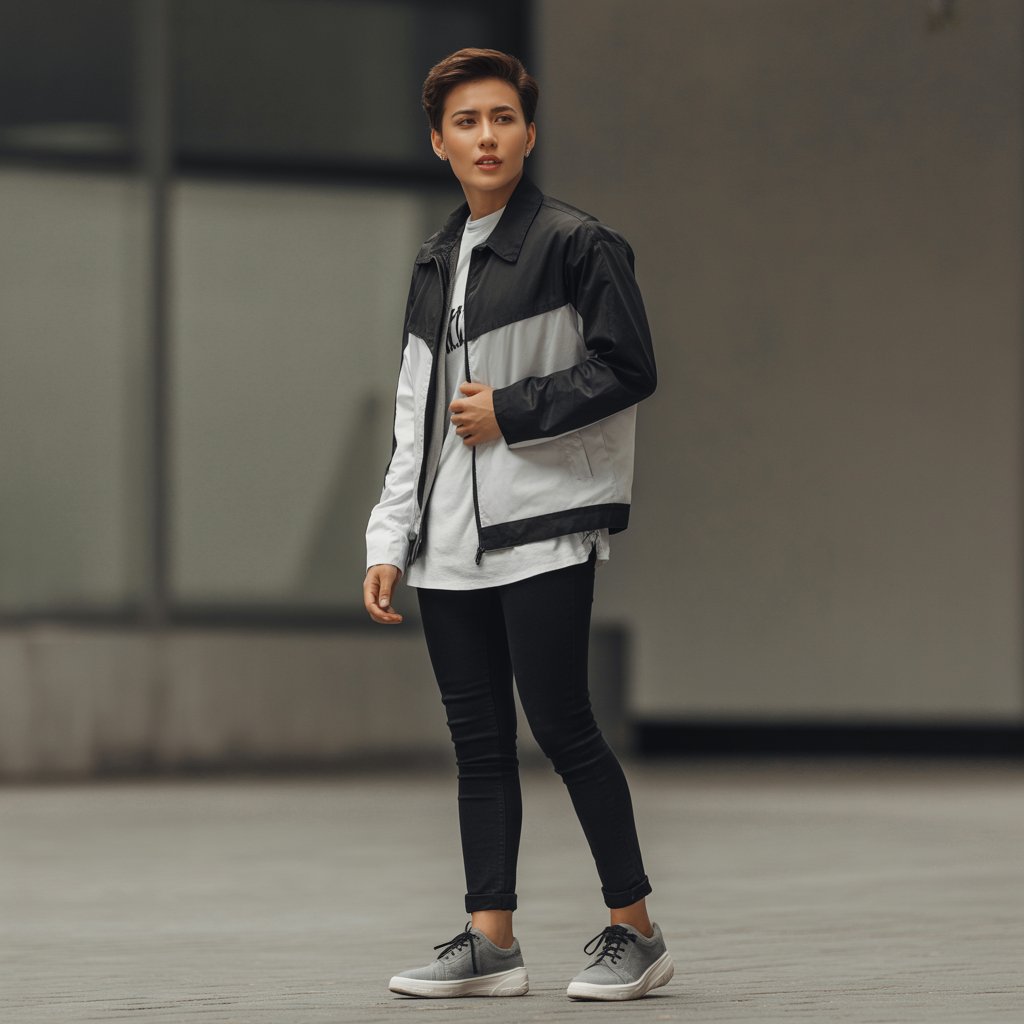
You think wearing all black or one color makes you look effortlessly chic. But when you’re doing it solely to project coolness, it becomes obvious.
Monochrome outfits work best when they reflect your genuine style preferences. If you’re forcing yourself into head-to-toe neutrals just because they seem sophisticated, you’re overthinking it.
True style confidence comes from wearing what feels authentic to you, not what appears trendy.
2. Wearing overly flashy logos to get attention

You might think designer logos announce your success, but they often signal insecurity instead. When you choose clothes based on how visible the branding is, you’re prioritizing external validation over personal style.
Large logos can make you appear more concerned with impressing others than expressing yourself authentically. This approach to dressing suggests you need brand recognition to feel confident about your appearance.
1. Constantly changing outfits to match the latest trends

You refresh your wardrobe every few weeks. New trends appear on social media and you immediately purchase matching pieces.
Your closet overflows with barely-worn items from past seasons. You worry people will notice if you wear something that feels outdated.
This pattern reveals anxiety about social acceptance through appearance. You prioritize others’ potential judgments over personal style preferences and financial stability.