
❤️ Would you like to save this?
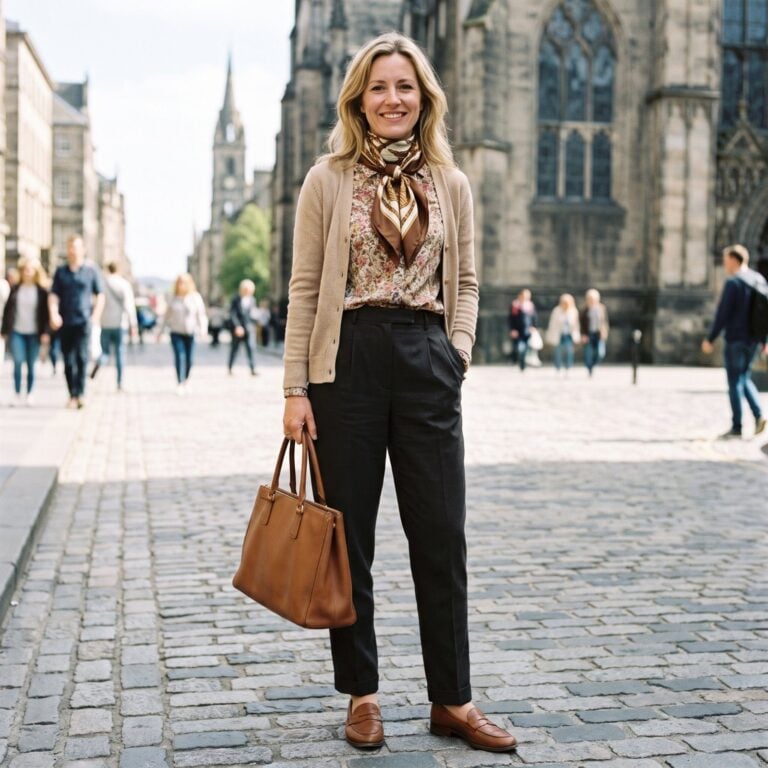
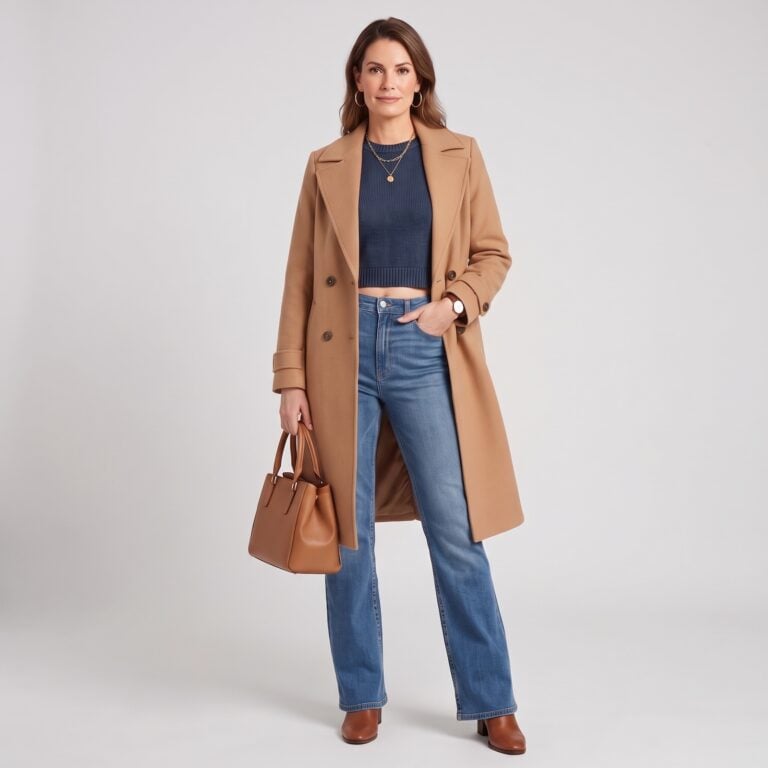
Understanding these subtle patterns can help you recognize when your wardrobe becomes a shield rather than an expression of who you truly are. The habits we develop around fashion, posture, and personal presentation create a language of their own. Whether you’re hiding behind oversized sweaters or using accessories as armor, your style choices might be telling a story you never intended to share.
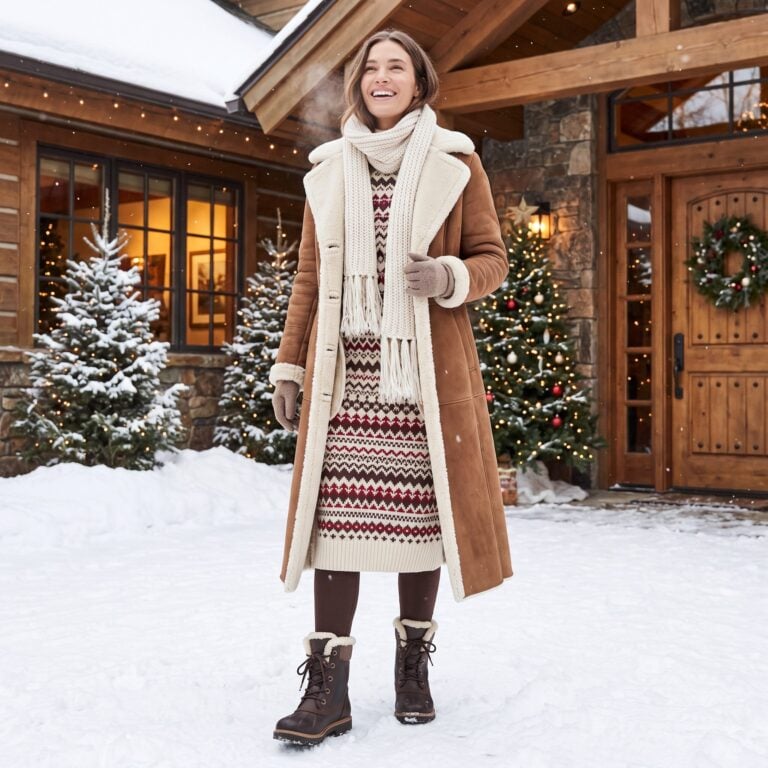
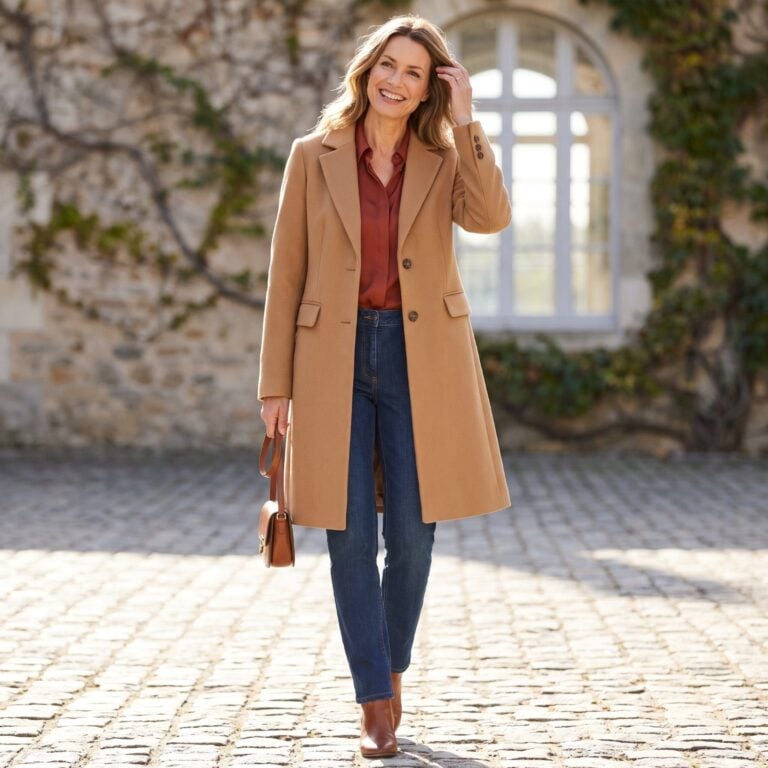
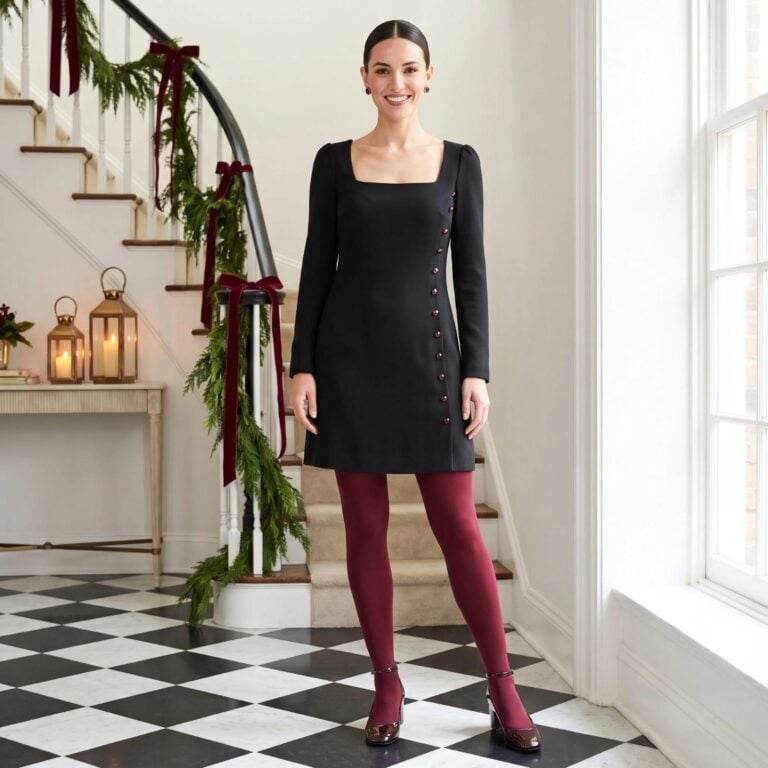
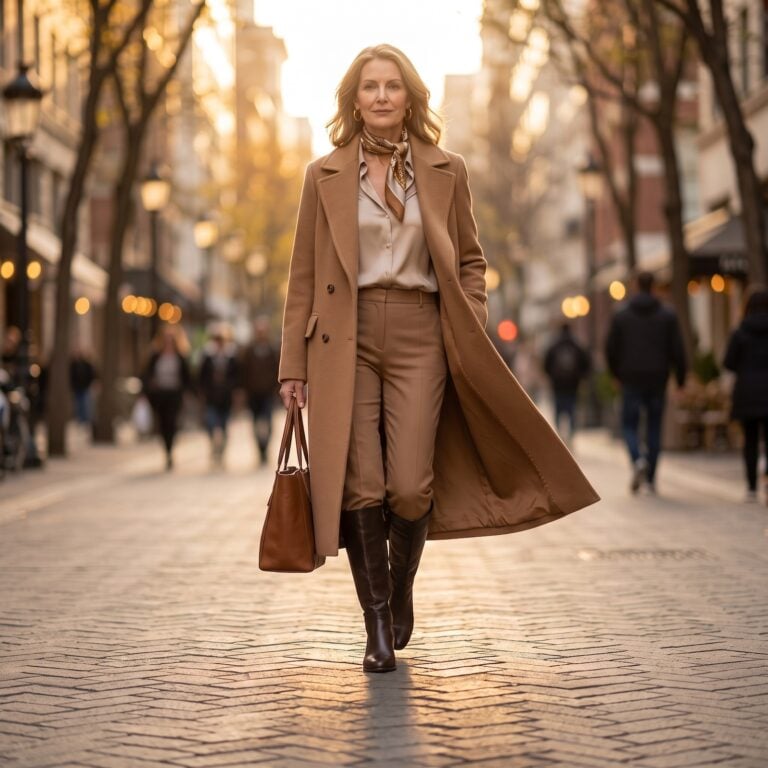
FYI, thanks to AI imagery software, we’re able to create very specific fashion and hairstyle examples to illustrate the points being made. In some cases, imagery is exaggerated to hammer home the point. Also, assume links that take you off the site are affiliate links such as links to Amazon. this means we may earn a commission if you buy something.
19. Wearing sunglasses indoors

You might think sunglasses make you look mysterious or cool. But they actually signal the opposite to others.
People see this habit as a barrier. It suggests you’re hiding something or feel uncomfortable being seen clearly.
The dark lenses prevent genuine eye contact. This makes you appear less trustworthy and approachable in social situations.
18. Covering tattoos or personal marks excessively

You constantly wear long sleeves or makeup to hide tattoos, even in hot weather. This behavior suggests deep regret about past decisions.
Your efforts to conceal body art reveal discomfort with your authentic self. The energy spent hiding these marks often stems from fear of judgment.
When you excessively cover tattoos, you’re essentially rejecting parts of your history and identity.
17. Constantly adjusting your outfit in public

You tug at sleeves, smooth your shirt, or fix straps more often than necessary. People see this as a sign that you’re uncomfortable with how you look.
These constant adjustments draw attention to your insecurity rather than hiding it. Confident individuals trust their clothing without monitoring every wrinkle or seam.
16. Avoiding bright colors entirely

You might think staying away from vibrant hues makes you look sophisticated. But completely avoiding bright colors can signal fear of standing out.
This habit suggests you’re worried about drawing attention or making the wrong impression. Confident people incorporate color strategically without overthinking it.
The key is balance, not total avoidance of anything that might catch someone’s eye.
15. Obsessing over covering arms with long sleeves in summer

You’re reaching for cardigans when it’s 90 degrees outside. Your summer wardrobe consists entirely of three-quarter sleeves and lightweight blazers.
While arm coverage can be stylish, constantly hiding behind fabric screams insecurity louder than any exposed tricep ever could. True confidence comes from finding flattering silhouettes rather than complete concealment.
14. Overusing logos to prove status

When you cover yourself in obvious designer logos, you’re broadcasting insecurity rather than success. The constant need to display brand names suggests you’re seeking external validation.
True confidence doesn’t require advertising. People who feel secure in themselves choose pieces for quality and personal style, not for the logo’s recognition factor.
Logo-heavy dressing often signals you’re trying too hard to impress others.
13. Covering the face partially with hair or accessories

You might find yourself constantly arranging your hair to cover certain facial features. This habit often signals discomfort with your appearance.
Whether it’s long bangs hiding your forehead or strategically placed accessories, these choices reveal underlying self-consciousness. You’re essentially creating a barrier between yourself and the world.
This protective styling becomes a security blanket that quietly broadcasts your insecurities to others.
12. Wearing trends that don’t suit your style

When you chase every viral fashion moment, you reveal uncertainty about your personal identity. Forcing yourself into styles that clash with your natural preferences shows you’re seeking external validation.
Your discomfort becomes visible when trends don’t align with your authentic self. True confidence comes from wearing what genuinely feels right for you, not what algorithms dictate.
11. Hiding your hands or arms

When you stuff your hands in your pockets or keep your arms crossed, you’re sending signals of insecurity. This habit makes you appear closed off and anxious to others.
Your hands naturally want to gesture when you speak. Hiding them suggests you’re uncomfortable or have something to conceal.
Try letting your hands rest naturally at your sides instead. This simple change projects more confidence and openness.
10. Wearing hats indoors to hide hair

You constantly wear hats indoors to cover up a bad hair day or hair insecurities. This habit reveals discomfort with your natural appearance and a desire to hide perceived flaws.
Relying on hats as a shield can undermine your self-confidence over time. It may also prevent you from addressing the root of your insecurity, reinforcing the belief that you’re only presentable when covered.
Building comfort with your natural look can slowly restore confidence and ease.
9. Consistently covering your neck or chest with scarves or high collars
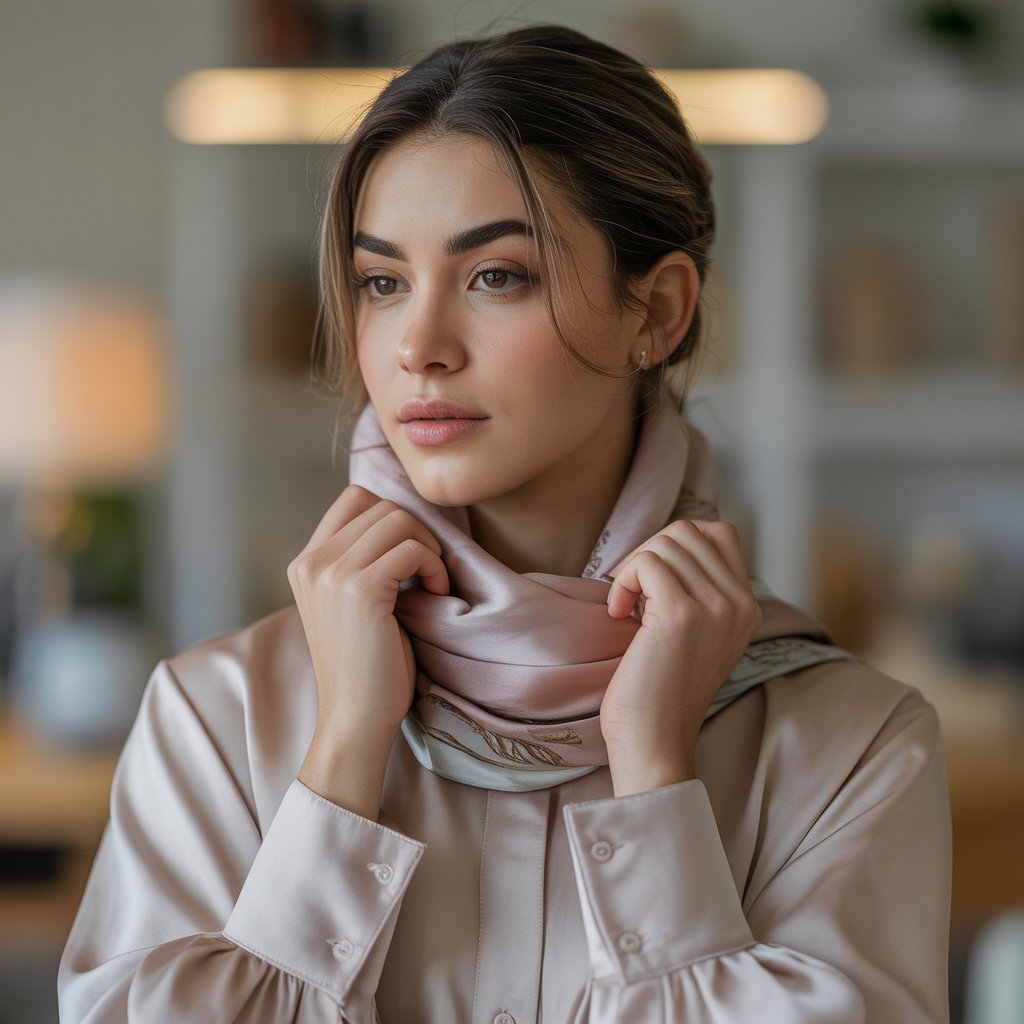
You might reach for turtlenecks and scarves more often than necessary. This habit can signal discomfort with your neck or chest area.
While these pieces are stylish choices, constantly defaulting to them suggests underlying insecurities. You may worry about aging signs, skin texture, or your neckline’s appearance.
Scarves and high necklines become your comfort zone when you feel vulnerable about these areas.
8. Always opting for flat shoes to minimize presence
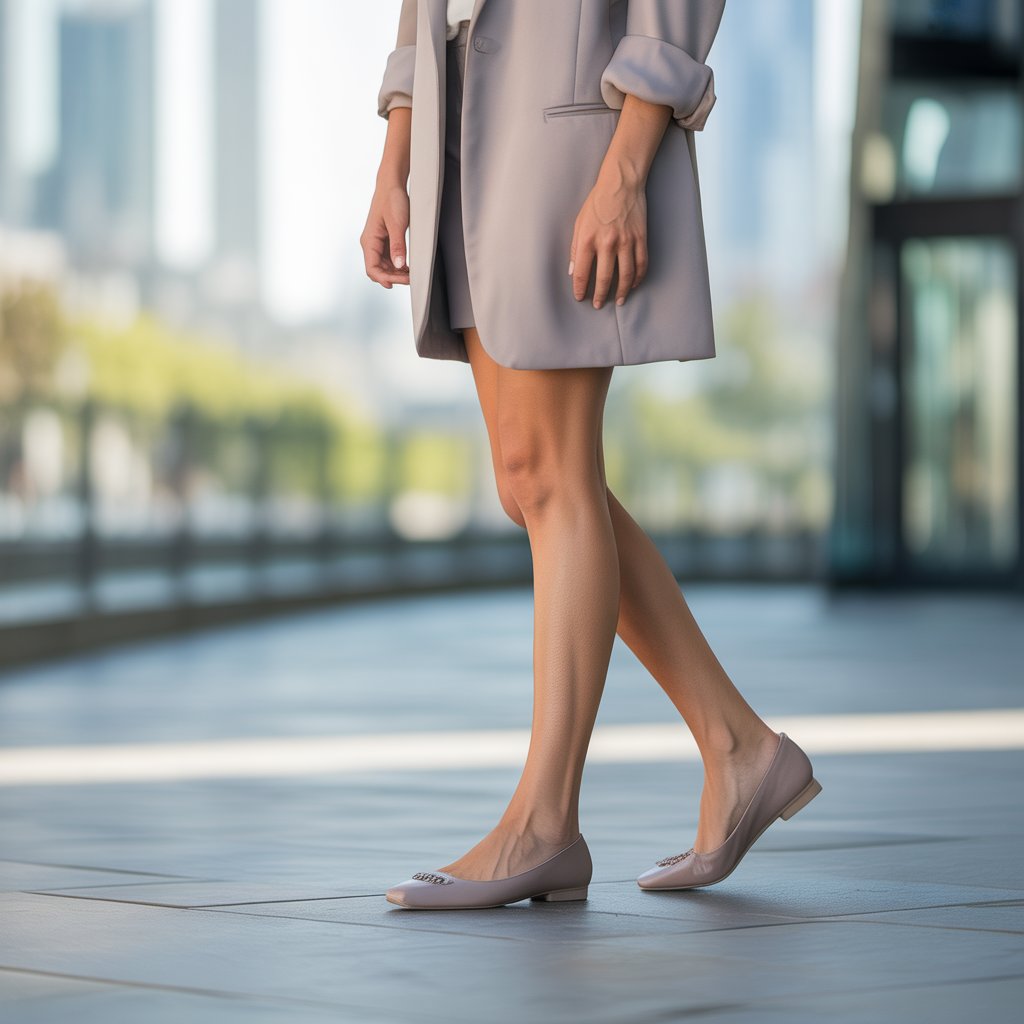
You consistently choose flat shoes because you worry about standing out or appearing too tall. This habit stems from wanting to blend into the background rather than command attention.
Flat shoes become your safety blanket when you fear taking up space. You avoid heels not for comfort, but because height feels too bold or assertive for your comfort zone.
7. Selecting only safe, classic styles with no personal flair

❤️ Would you like to save this?
You stick to blazers, neutral colors, and timeless pieces because they feel secure. While classic style has merit, exclusively choosing safe options reveals fear of judgment.
Your wardrobe becomes a shield rather than self-expression. You avoid anything that might draw attention or seem “wrong.”
This approach masks deeper concerns about standing out or being criticized for bold choices.
6. Wearing the same outfit repeatedly out of fear

You stick to the same outfit or color every day to avoid attention. This habit often stems from anxiety about standing out or making a wrong fashion choice.
Repeating the same look can signal insecurity about your ability to express yourself through clothing, gradually shrinking your comfort zone.
Over time, this pattern can limit your confidence to experiment or evolve, reinforcing the belief that safety only comes from sameness.
5. Always pairing sneakers with dresses to avoid being ‘too trendy’
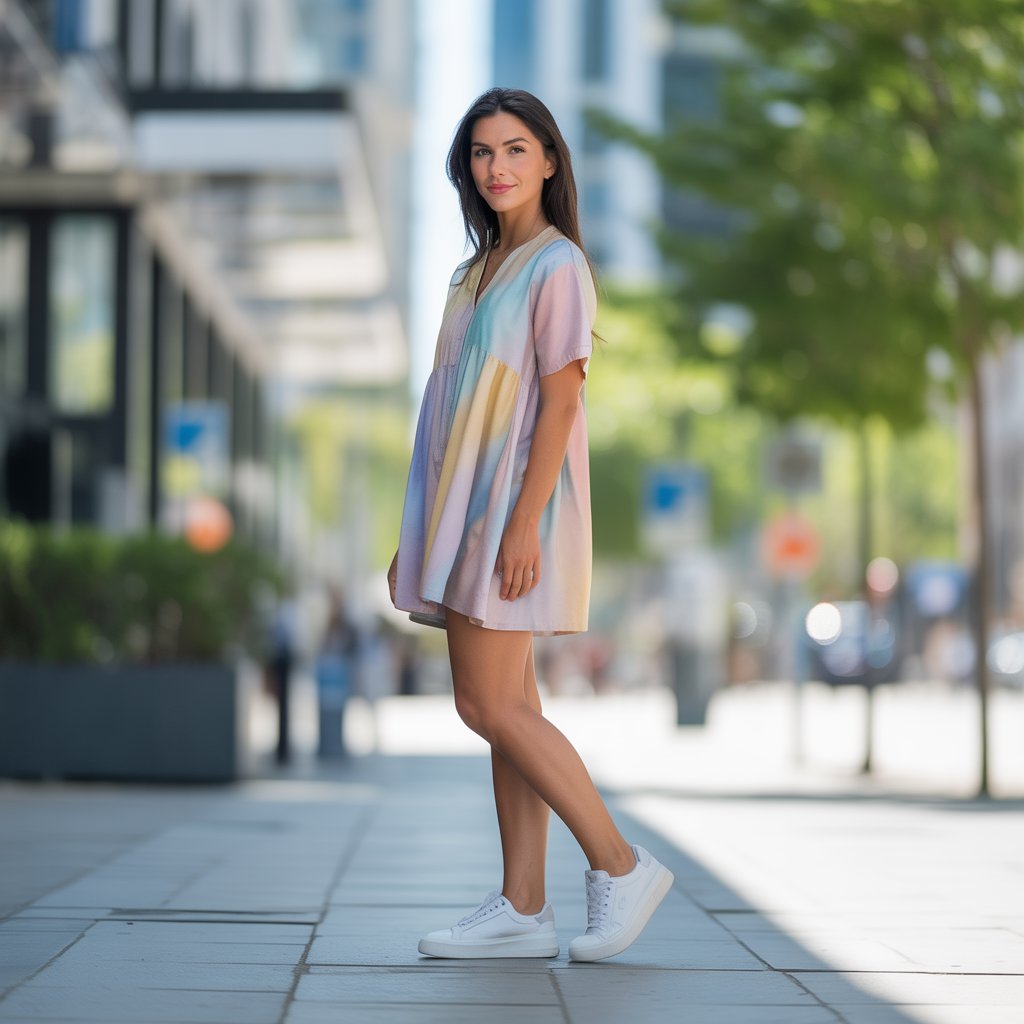
You default to sneakers with every dress because they feel safe and predictable. This choice stems from fear of appearing like you’re trying too hard or following fleeting trends.
Your sneaker-dress uniform becomes armor against fashion judgment. You’ve convinced yourself it’s practical, but you’re really avoiding the vulnerability that comes with experimenting with different shoe styles that might feel more polished or current.
4. Over-accessorizing to appear more put together

You pile on jewelry, scarves, and bags, thinking more equals better. This habit reveals your uncertainty about your personal style.
When you’re unsure what works, you add everything hoping something will stick. True confidence comes from choosing fewer, quality pieces that complement each other.
Over-accessorizing creates visual chaos rather than the polished look you’re seeking. It signals you’re trying too hard instead of trusting your natural sense of style.
3. Constantly choosing black to avoid attention

You reach for black clothes because they feel safe and unnoticeable. Black becomes your shield against unwanted scrutiny or judgment from others.
This choice often stems from social anxiety or low self-confidence. You worry that brighter colors might draw attention you’re not ready to handle.
While black can look sophisticated, using it exclusively to hide reveals discomfort with being seen.
2. Excessive layering to mask insecurities

You pile on multiple layers even when the weather doesn’t call for it. This creates a physical barrier between you and the world.
Extra jackets, scarves, and cardigans become your armor against judgment. You feel safer when more of your body is hidden from view.
This habit often stems from body image concerns or fear of being truly seen by others.
1. Wearing oversized clothes to hide your body shape

When you consistently choose baggy clothing to conceal your figure, it often signals discomfort with your natural shape. This habit can actually work against you.
Oversized pieces without structure tend to add bulk rather than camouflage. The key is finding a balance between comfort and fit.
Well-tailored clothing that follows your natural silhouette typically creates a more flattering appearance than shapeless garments that swallow your frame.