❤️ Would you like to save this?
Close your eyes and picture 1986. Your hair is enormous, your shoulders are wider than a doorframe, and perched on top of all that magnificence is a hat that means business. Not a casual hat. Not a Sunday-errand hat. A hat with feathers, rhinestones, veiling, or all three simultaneously. The 1980s treated headwear like punctuation, loud, declarative, completely over the top. Here are 40 hats and hat details from that decade that any woman who lived through it will recognize instantly.
FYI, thanks to AI imagery software, we’re able to create very specific fashion and hairstyle examples to illustrate the points being made. In some cases, imagery is exaggerated to hammer home the point. Also, assume links that take you off the site are affiliate links such as links to Amazon. this means we may earn a commission if you buy something.
39. Dynasty Picture Hats, Because Subtlety Was for Other People
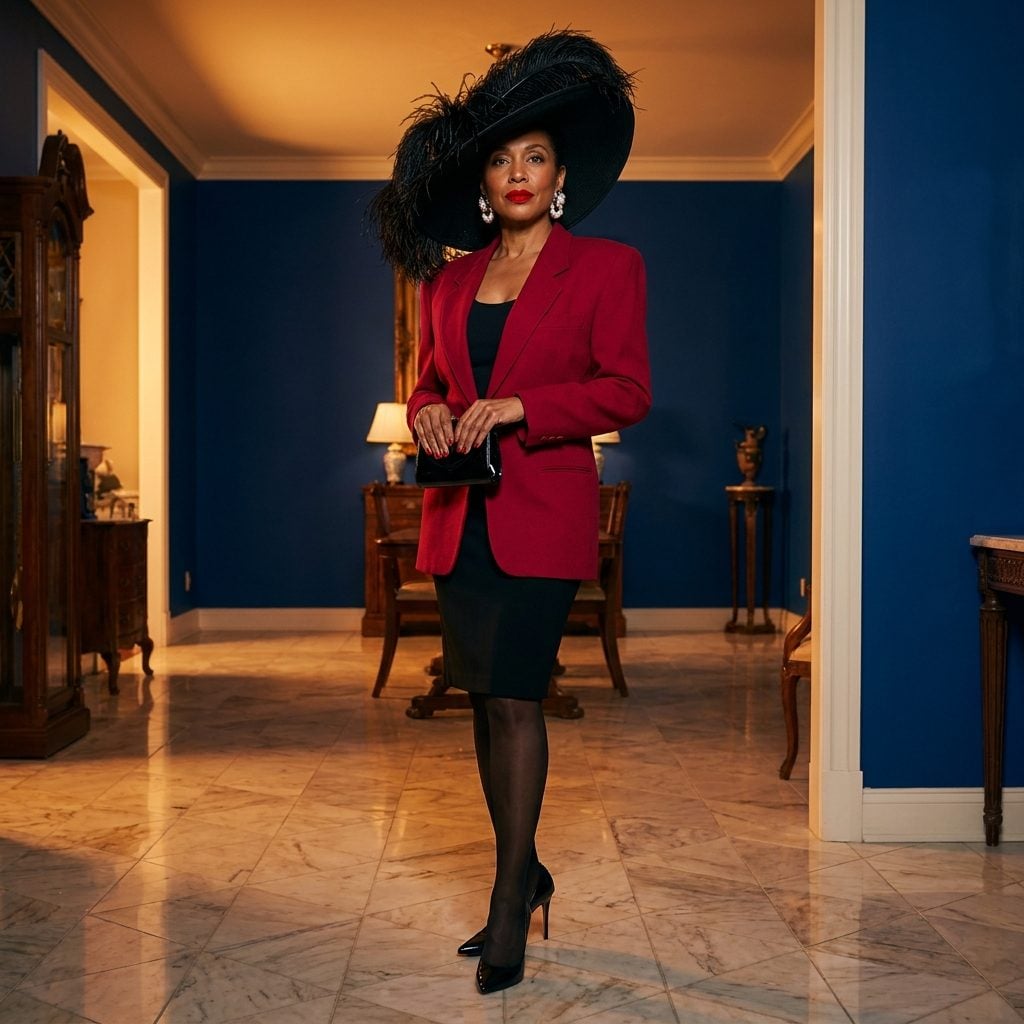
Joan Collins wore one, and that was all the permission anyone needed. The Dynasty-era picture hat was a sweeping wide brim in black or deep crimson, angled at exactly the degree required to block the light from whomever was seated behind you. Ostrich plume trim fanned across the brim like a declaration of war dressed as a fashion accessory.
This was a hat designed not to be worn, to be arrived in. You didn’t put on a Dynasty picture hat. You made an entrance with it. Restaurants, charity galas, the kind of lunch where you wore heels at noon. It was theatrical, unapologetic, and absolutely exhausting to store.
38. The Oversized Basque Beret, Slouchy, Sideways, and Very Pleased With Itself
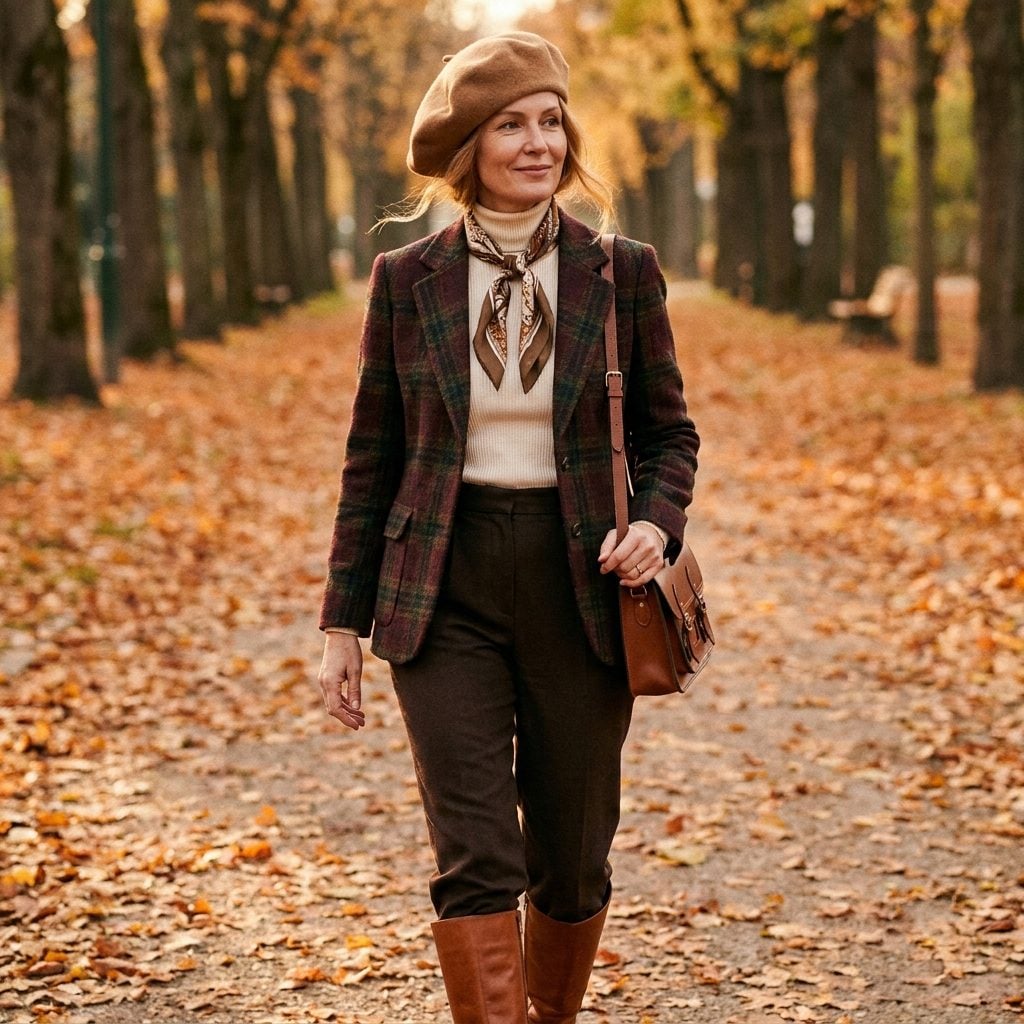
You didn’t just wear the Basque beret, you positioned it. The placement was everything: pulled low over one ear, the excess wool pooling softly to the side, just enough droop to read as artsy but enough structure to signal that you absolutely knew what you were doing. Cream or camel for the preppy set. Burgundy or forest green if you were feeling literary.
This was the hat of women who carried paperback novels in their handbags and had opinions about French cinema. Whether you’d actually seen any French cinema was beside the point. The beret said it for you. Paired with a plaid wool blazer and a silk scarf at the neck, it was the full 1980s intellectual cosplay.
37. The Power Fedora, Sharper Than Your Shoulder Pads
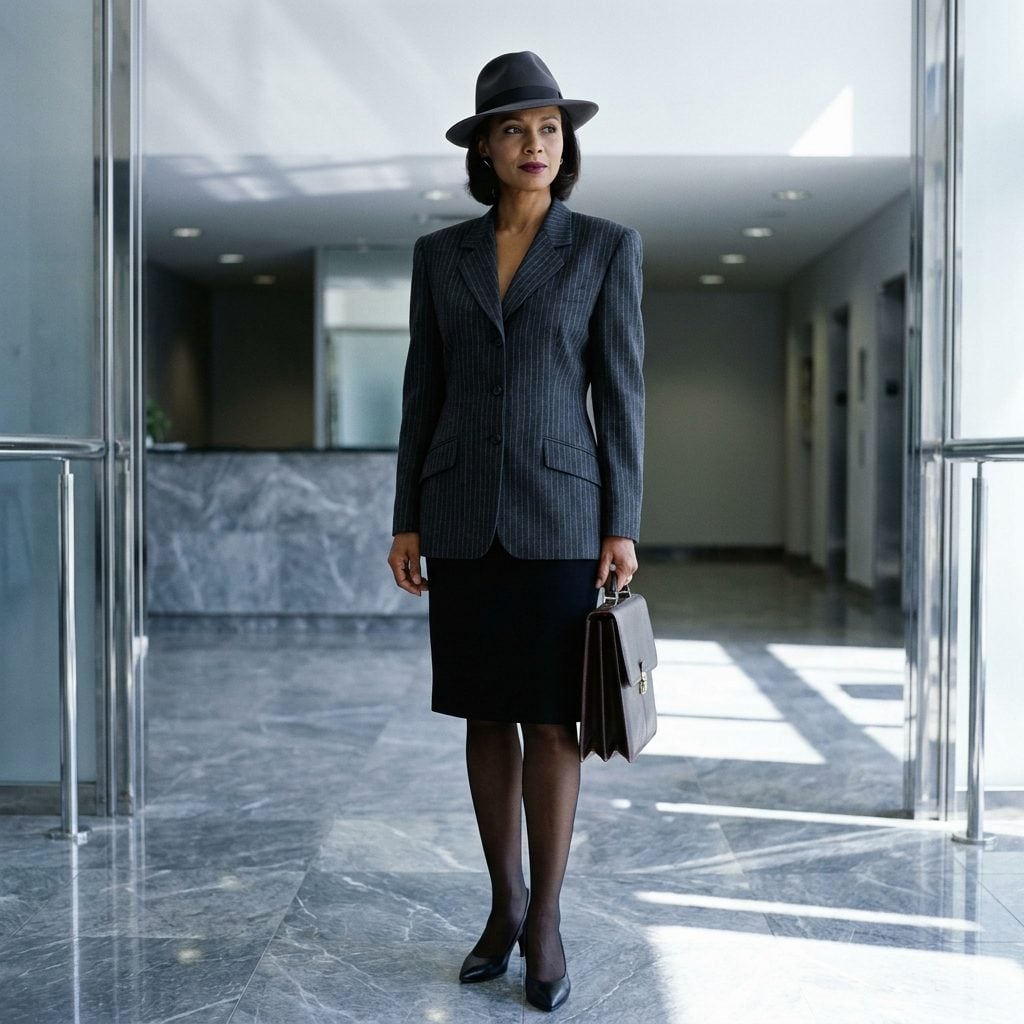
The 1980s power fedora had a deeply creased crown, a stiff downturned brim, and absolutely zero patience for being underestimated. This was not Indiana Jones territory. This was boardroom-adjacent, conference-call-ready, I-have-a-briefcase-and-I’m-not-afraid-to-use-it territory. Wool felt in charcoal, black, or camel. A grosgrain band. Worn with a structured blazer that added four inches to your shoulders.
Women who wore this in the early ’80s were making a very specific argument: that they belonged in every room they walked into. The hat wasn’t the softest version of that argument. It was the sharp one.
36. Birdcage Veil Cocktail Hats, One Eye Mysterious, One Eye Making Direct Contact
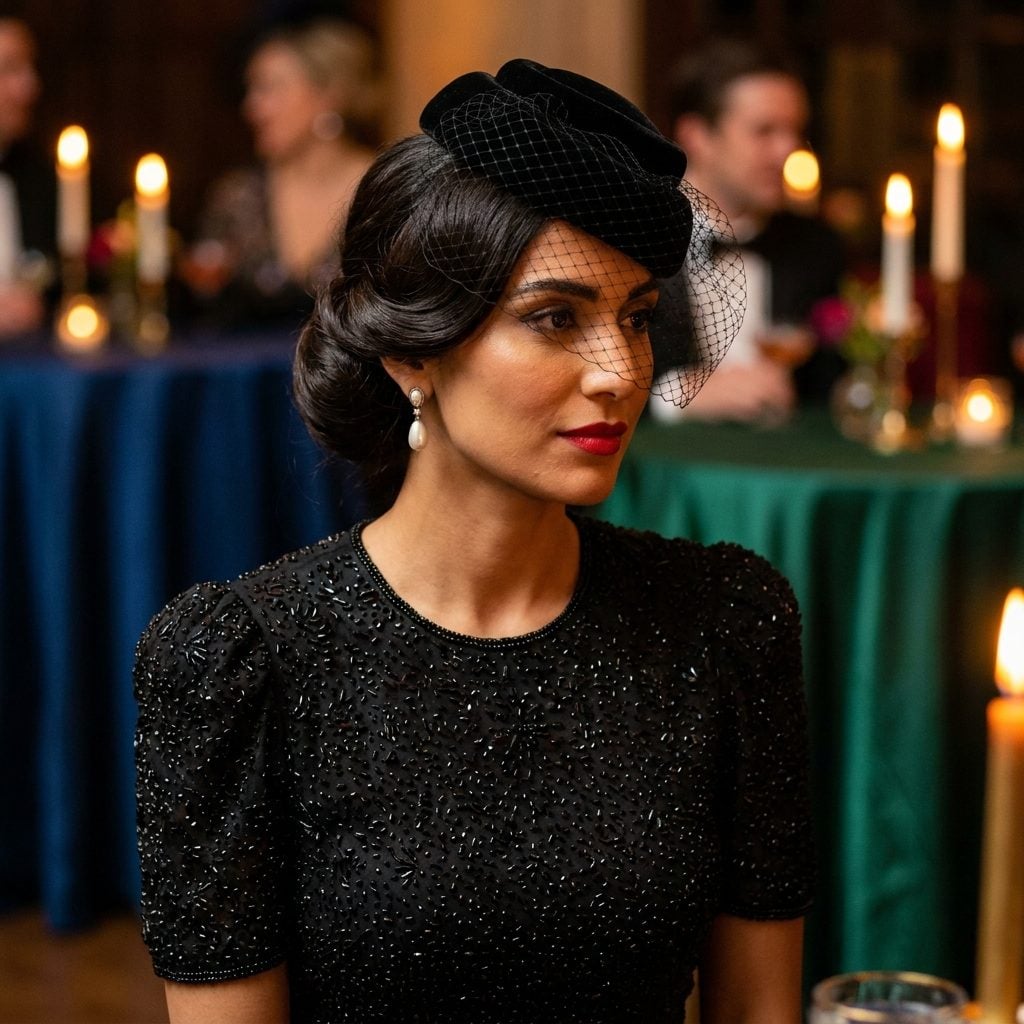
Half the face was the point. These tiny structured cocktail hats, no bigger than a large teacup, perched at a diagonal on the crown of an upswept chignon, dropped a square of French netting across exactly one eye. You could see perfectly well. But you looked like you had a secret, and in 1984, that was a very powerful thing to look like.
These came out for cocktail parties, charity evenings, and the kind of wedding where the venue had a coat of arms. They were pinned in place with a spectacular hat pin, usually pearl-tipped. You spent the whole evening tilting your head slightly to see, which, in retrospect, only made you look more mysteriously unbothered.
35. Satin Bow-Trimmed Pillboxes, The Hat That Asked You to Behave
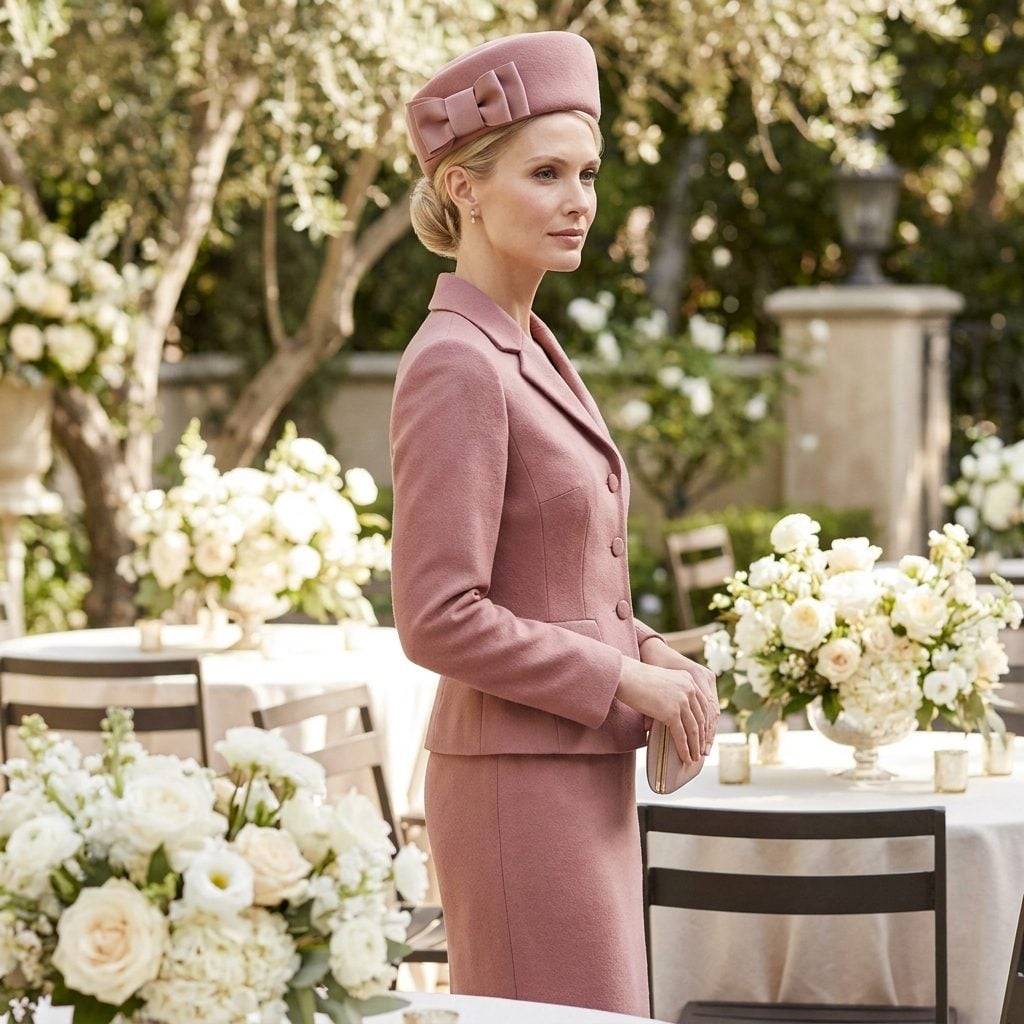
The satin bow was not small. It was architectural. It sat at the front of a compact pillbox crown in a color that matched your suit, dusty rose, powder blue, ivory, and it expected you to stand up straight and project measured elegance at all times. These were the hats you wore to Sunday service, to a formal luncheon, to your friend’s wedding when you were not the bride but intended to look like you could have been.
34. The Western Cowgirl Hat, Country Radio Made It Happen, We All Went Along
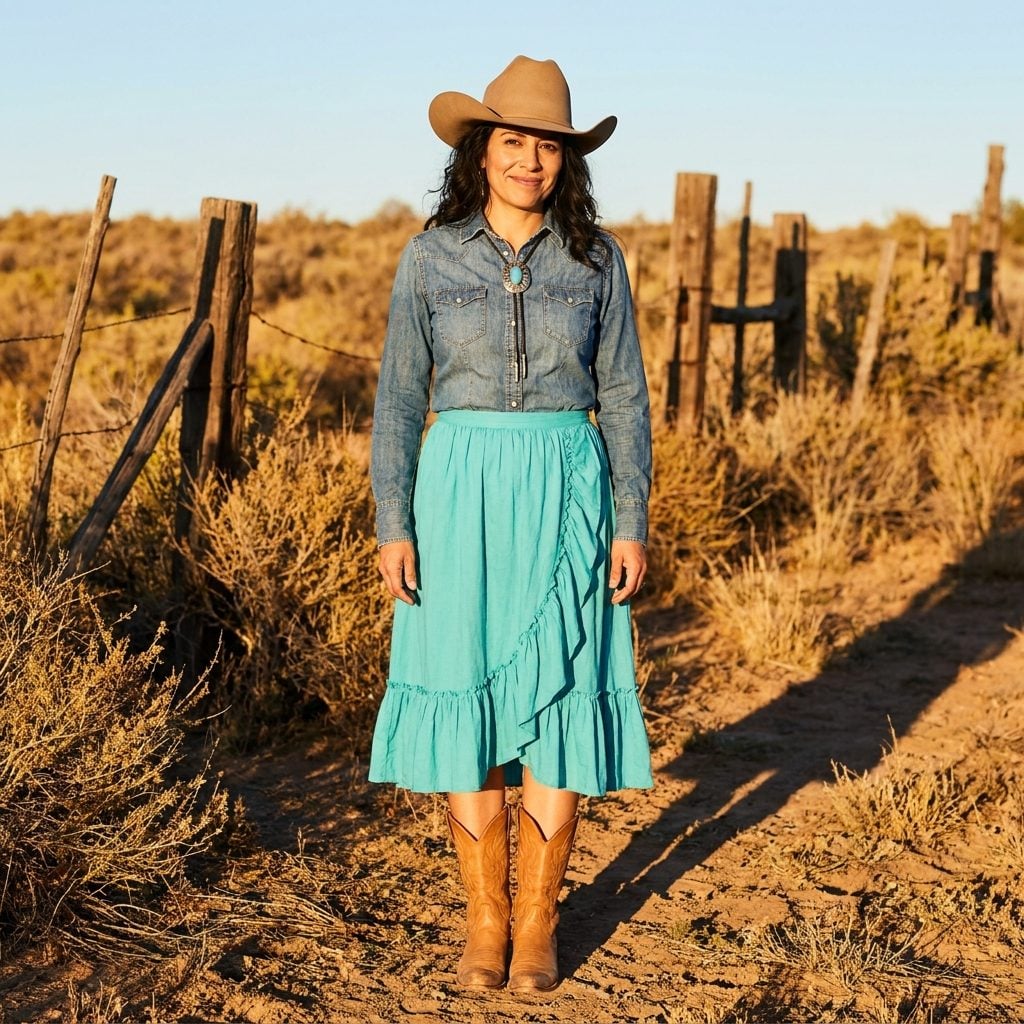
Dolly Parton had something to do with it. So did Emmylou Harris. And then Urban Cowboy came out in 1980 and suddenly you needed a tall-crown felt hat with a cattleman crease and enough attitude to power a full arena tour.
These weren’t costume pieces. They were worn with denim, with prairie skirts, with cowboy boots and bolo ties and the cheerful conviction that this was an entirely coherent fashion statement. The hats were often natural tan, sometimes black, occasionally white. The brim curled at the sides. You tilted it back just slightly, because looking effortless was the whole performance.
33. Curled Ostrich Feather Trims, Drama as an Accessory Category
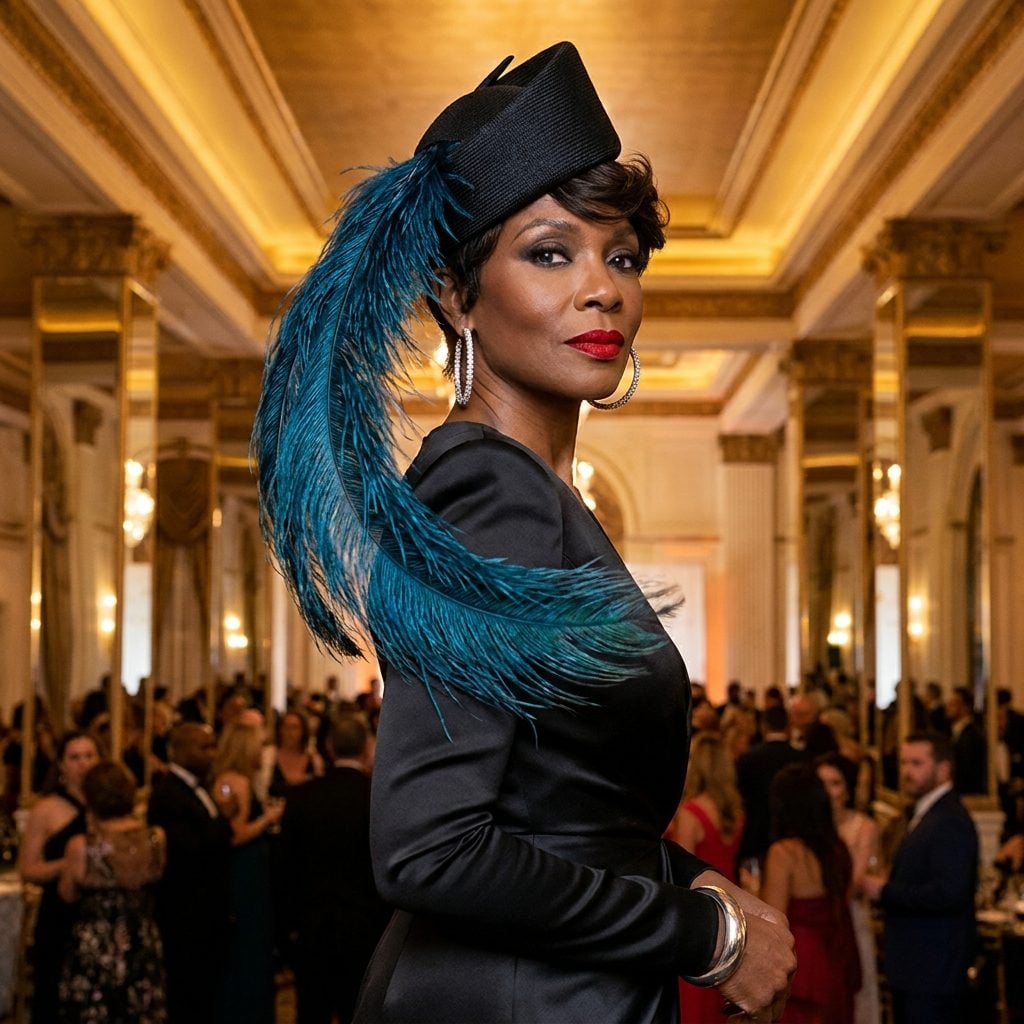
The feather was not decorating the hat. The feather was the hat. A single dramatically curled ostrich plume could sweep from the brim all the way to your shoulder, trailing behind you as you moved in a way that was objectively impractical and entirely irresistible. Dyed in black, peacock, ivory, or that specific shade of dusty mauve that was unavoidable in 1983.
What made this so specifically 1980s was the scale. Other decades had feathered hats. The ’80s had feathered hats that required structural planning. You thought about doorframes. You considered umbrella logistics. You checked whether the ceiling of the venue would accommodate your plumage, and if it wouldn’t, you went to a different venue.
32. The Cloche Revival, Softer Now, But Still Knows Exactly What It’s Doing
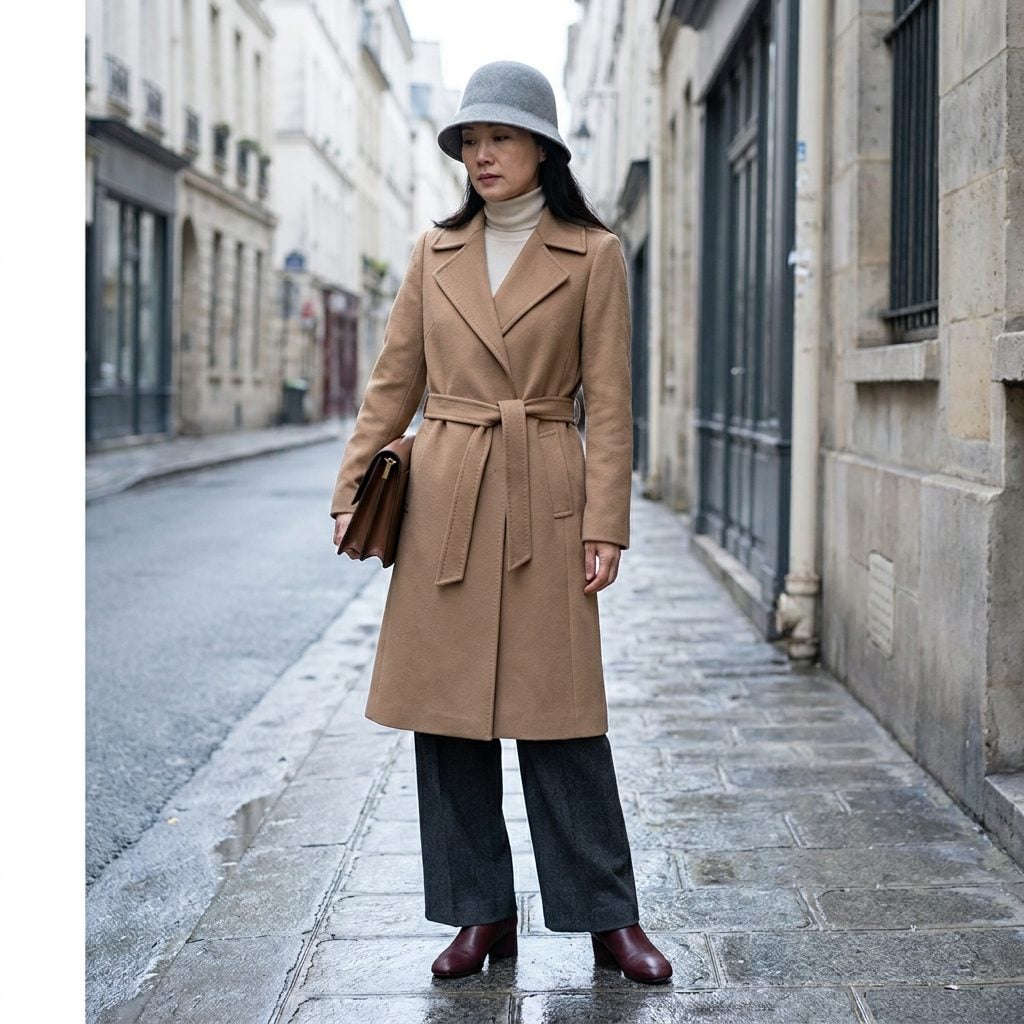
The original cloche was a 1920s invention, rigid, tight, worn pulled down past the eyebrows with jazz-age precision. The 1980s version was looser, softer, made in fine wool or felted cashmere, and worn with the kind of knowing nod that said: I am aware of fashion history and I find it useful.
Where the flapper-era cloche was strict, the ’80s revival draped. The brim had a slight irregularity, the crown didn’t snap to your skull quite so firmly. You wore it with a trench coat or a long wool cardigan and felt like the type of woman who had opinions about architecture.
31. The Kangol 504 Cap, When the Hat Became the Entire Statement
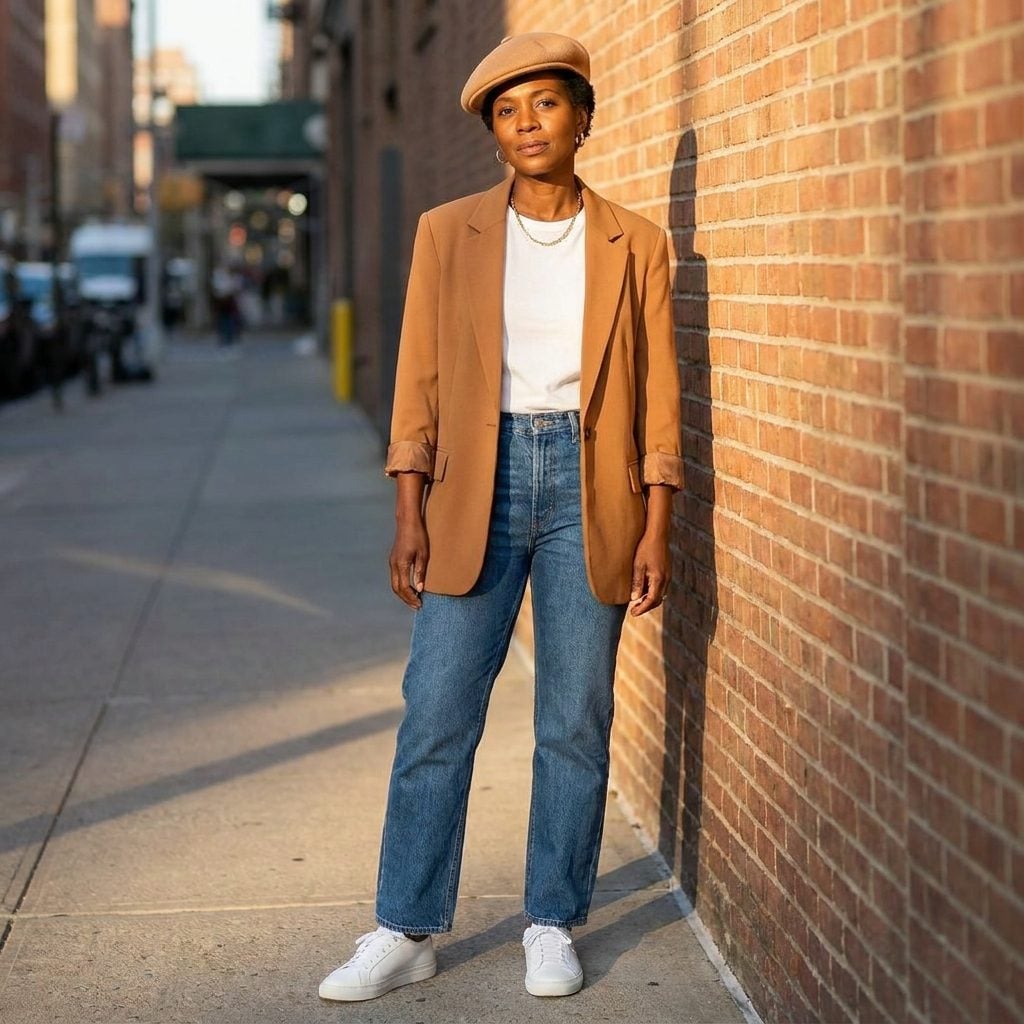
Technically this is a flat cap. Practically, in 1985, it was a personality. LL Cool J wore his backwards and to the side, and the Kangol 504 crossed instantly from streetwear into every mall in America, landing in the wardrobes of suburban women who had precisely zero intention of rapping and every intention of looking sharp.
The wool version in camel or black was the most coveted, but the jersey versions came in enough colors to coordinate with every outfit. Women wore it tilted, wore it backwards, wore it forward with the peak barely visible above oversized square sunglasses. It was the first genuinely androgynous style hat of the decade, and it suited absolutely everyone who was willing to commit to the angle.
30. Tweed Newsboy Caps, Eight Panels of Absolute Intention
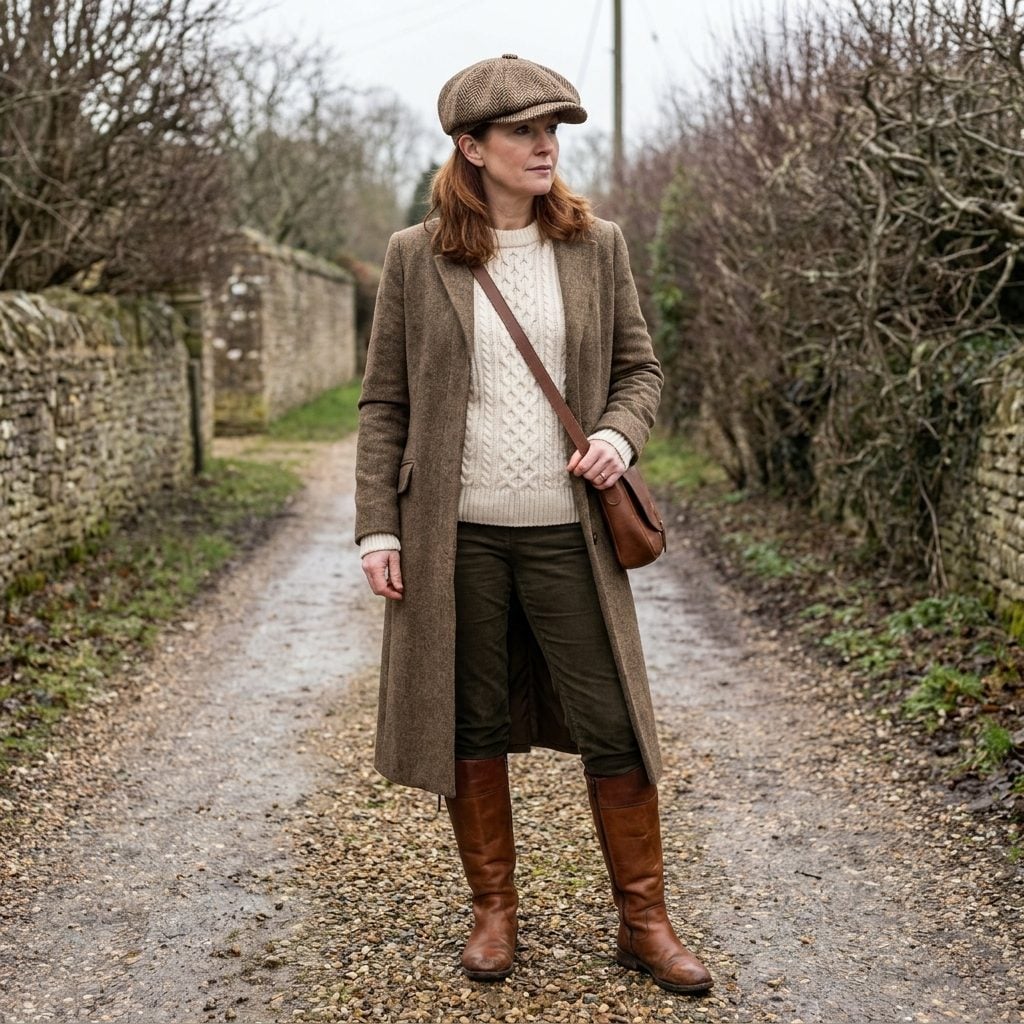
The tweed newsboy cap had a structural logic that we fully surrendered to. Eight fabric panels. A small forward-facing peak. A button at the crown that served no functional purpose but was doing important aesthetic work. Worn slightly oversized, always slightly oversized, so the panels had that soft, gathered droop that distinguished it from anything militaristic.
You wore this with riding boots and a chunky cable-knit, or with a long Highland tweed coat, or with an athleisure style wool-cashmere blend tracksuit that had recently made the leap from country-house weekends to city shopping. The tweed newsboy was the hat that said you were going somewhere countryside-adjacent, even if that somewhere was a farmers’ market in the suburbs.
29. Jeweled Turbans, Silk, Rhinestones, and the Conviction to Carry Both
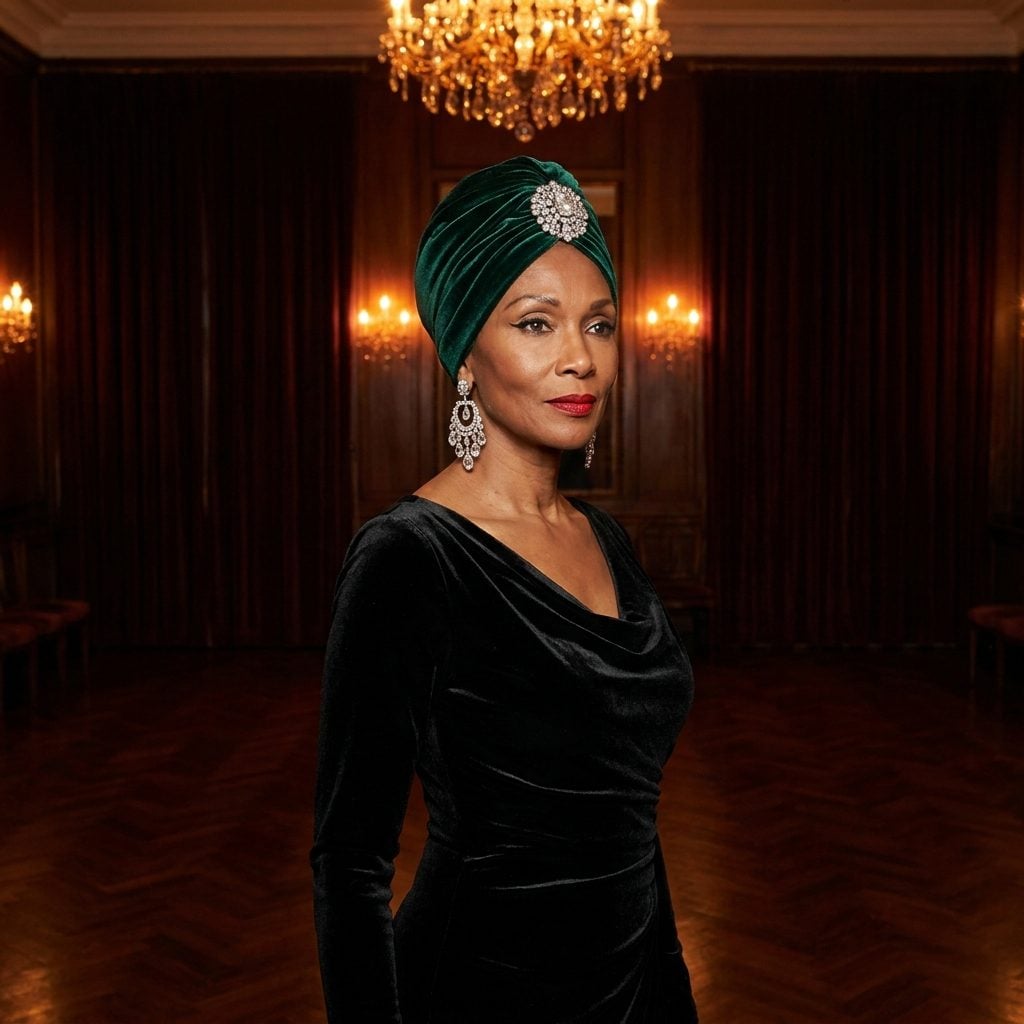
Here is what is remarkable: women pulled these off. A jeweled turban, silk or velvet wrapped and twisted, pinned with a vintage rhinestone brooch or a spray of crystal beading at the front center, required a specific kind of bone structure, yes, but more than that, it required complete certainty. Any hesitation and the whole thing read as costume. Full commitment and it read as the most sophisticated accessory styles decision in the room.
Evening turbans appeared at opera galas and black-tie charity dinners. Daytime turbans in wrapped jersey were more casual, worn with knit dresses and bold earrings. But the defining version, the one that belonged entirely to the 1980s, was the deep jewel-toned velvet wrap with the brooch front, borrowing from Old Hollywood by way of Halston and landing somewhere wholly its own.
28. The Panama Straw Hat With That Perfect Grosgrain Ribbon
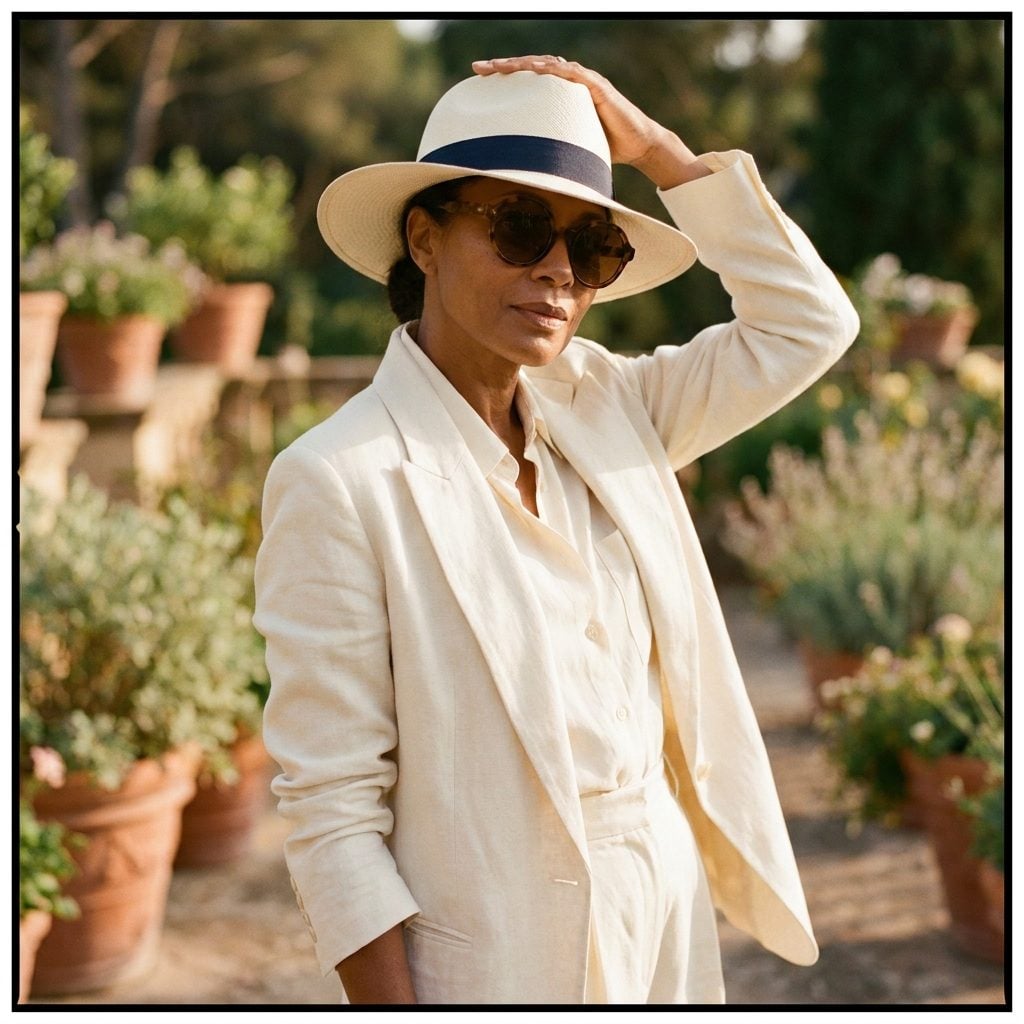
There was a specific summer feeling that came with settling a good Panama hat onto your head, the way the brim dipped slightly at the front, the crisp snap of that grosgrain ribbon band in navy or black, the whole thing telegraphing a kind of effortless sophistication you’d seen in a magazine and were absolutely committing to. We wore them to outdoor concerts, to the farmers market before it was called that, to anywhere with a hint of sun and occasion.
The hat itself wasn’t new, Panama hats go back to the 19th century, but the 80s gave them a certain shoulder-padded confidence. Paired with linen blazers and oversized sunglasses, they felt genuinely chic rather than costume-y. The trick was keeping the brim wide enough. We knew this instinctively.
27. The Slouchy Knit Beret That Took Four Attempts to Get ‘Casually’ Right
❤️ Would you like to save this?
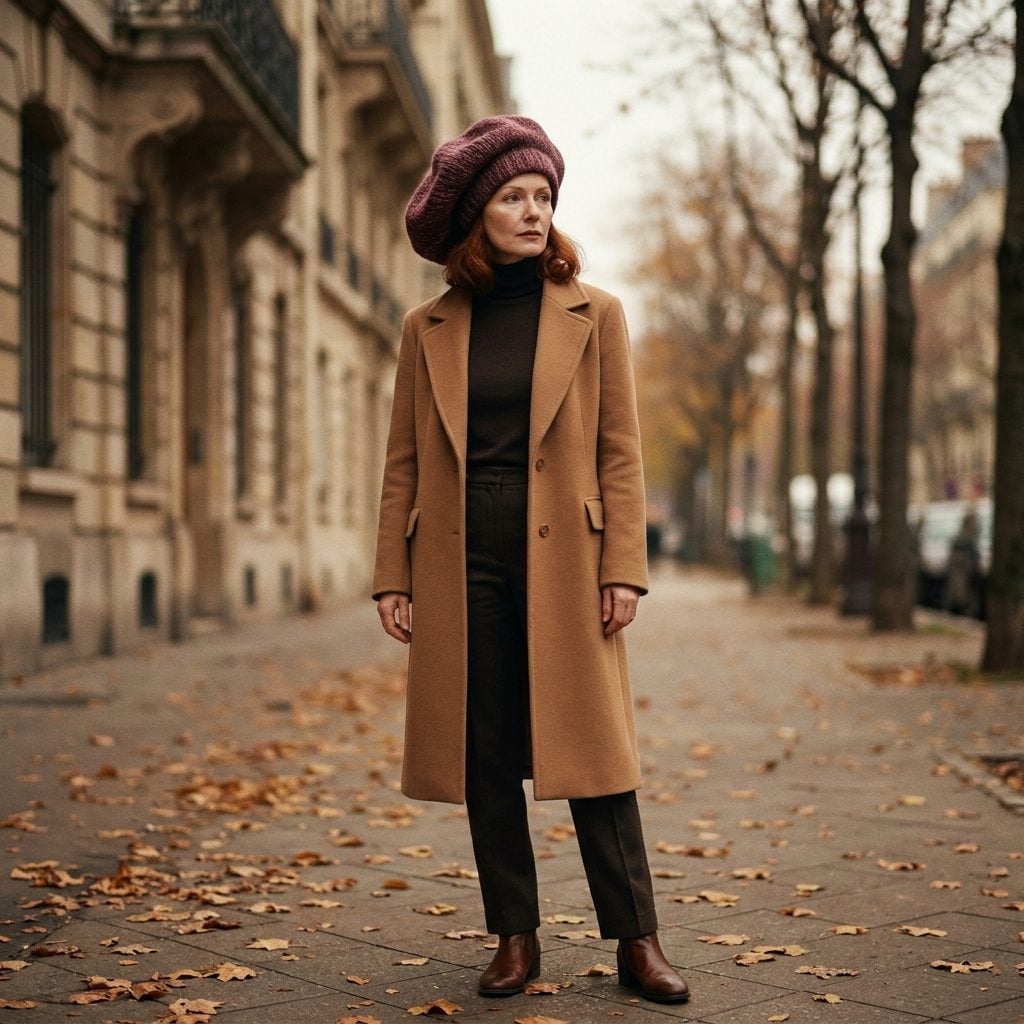
Nobody pulled this one on in under thirty seconds. The slouchy knit beret required actual choreography, you’d tug it slightly left, check in the mirror, tug it further, then spend another three minutes convincing yourself the drape looked accidental. It did not look accidental. It looked like exactly what it was: a carefully considered hat decision by someone who had studied a lot of French cinema.
Oversized and usually in heathered grey, burgundy, or forest green, these were the art-student hat of the decade. You wore them with long scarves, with boyfriend-fit coats, with that particular expression that said you were thinking about something more important than whatever was happening around you. They were also genuinely warm, which helped justify the whole production.
26. Faux Fur Cossack Hats: The Statement That Walked Into Every Room First
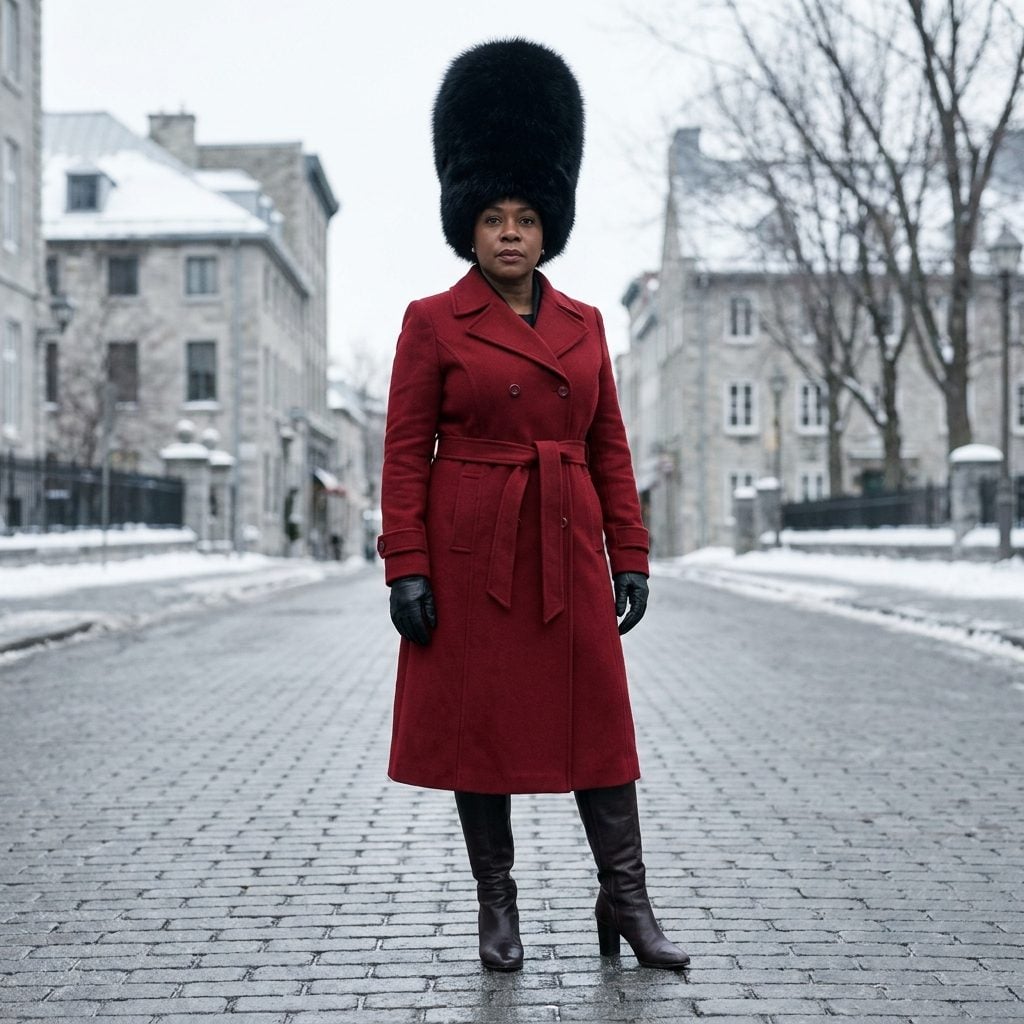
Before you even took off your coat, the hat had already introduced itself. Tall, cylindrical, and unapologetically dramatic, the faux fur Cossack hat was the 1980s in architectural form. You’d seen them on Dallas. You’d seen them in the Sears catalog. And once you had one, usually in a deep chocolate brown or black faux fur with a satisfying plush pile, you understood that some hats are accessories and some hats are statements. This was not an accessory.
Worn with a belted wool coat and serious boots, a Cossack hat communicated a very specific energy: powerful, slightly imperious, not taking questions. It made your head look like the most important thing in any room, which, during the decade of shoulder pads and big hair, was saying something.
25. Madonna Lace Bandanas: The Headband That Started a Thousand Bedroom-Mirror Sessions
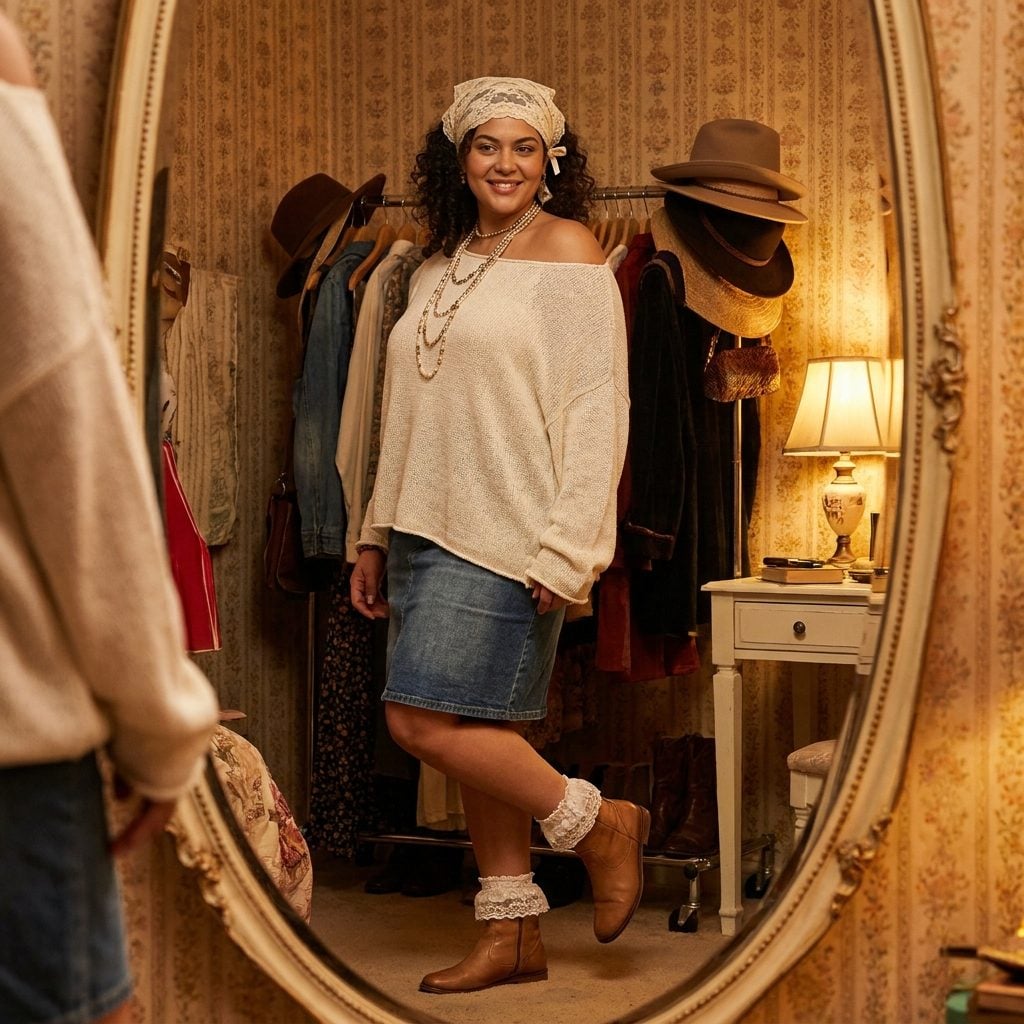
Credit where it’s due: Madonna did this to us. The lace bandana worn as a wide headband over voluminous, slightly chaotic hair, sometimes with a bow tied on top, sometimes with crucifixes layered underneath, was the defining hair accessory of approximately 1984 to 1986. You didn’t just wear it; you constructed it. There was ratting involved. There was Aqua Net involved. The whole thing took time.
The beautiful absurdity of this accessory styles moment was that it required enormous hair to work. The lace bandana was not the star, it was the crown on top of a production. Worn with fingerless gloves, layered rubber bangles, and a slightly torn oversized top, this was the closest mainstream fashion got to actual costume. We wore it to school. On a Tuesday.
24. Neon Terrycloth Visors: Peak 80s in Hat Form
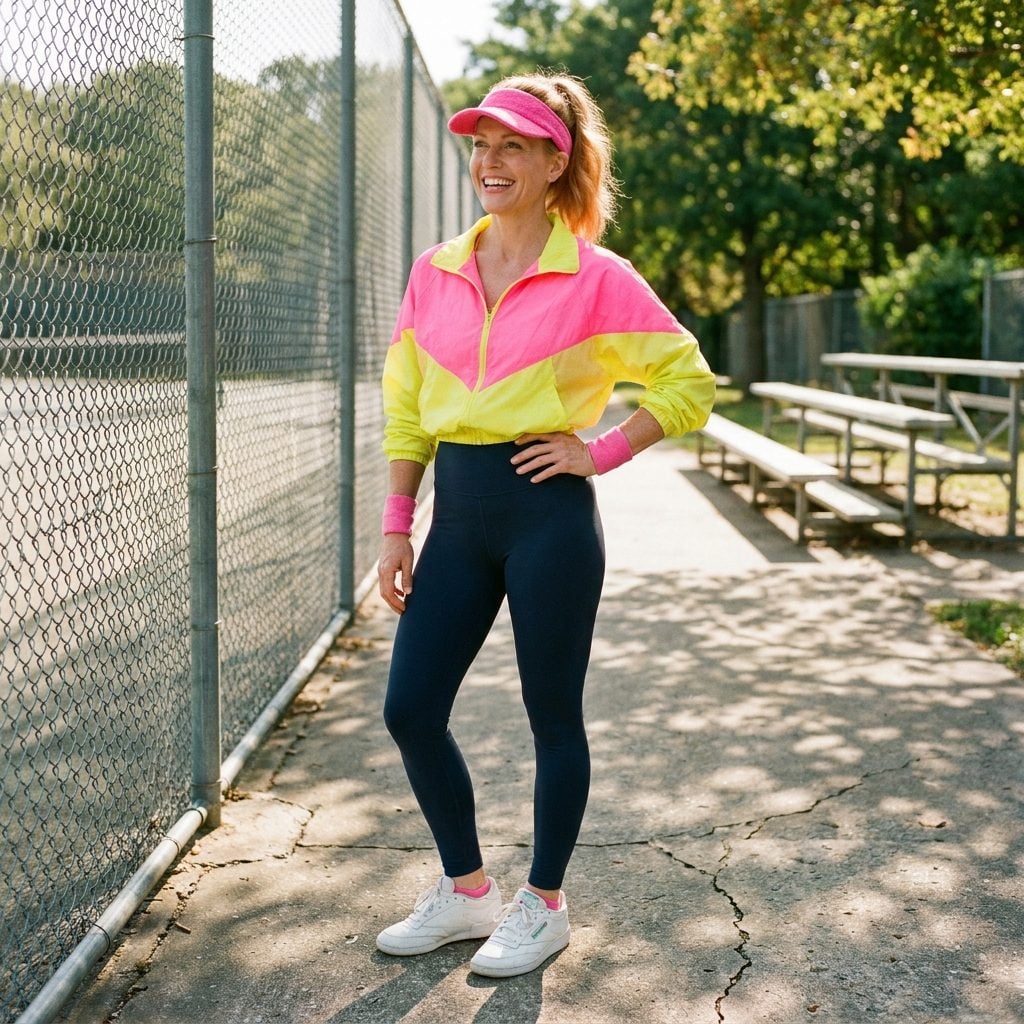
Hot pink. Electric yellow. That specific shade of orange that existed only in the 1980s. The terrycloth visor asked nothing of you except that you commit to the color, and everyone did. Worn at tennis courts, at the beach, at aerobics class, and, once fashion got hold of them, essentially everywhere else, these visors were the athleisure style of the decade before the word existed.
The terrycloth was key. It absorbed sweat in theory, looked sporty in practice, and matched the sweatband on your wrist if you were doing this correctly. Paired with a color-blocked windbreaker and high-waisted workout leggings, the full neon visor look was absolutely, magnificently sincere. Nobody was being ironic. That’s the part that gets me now.
23. The Thick Stretch Sweatband Worn as a Perfectly Positioned Crown
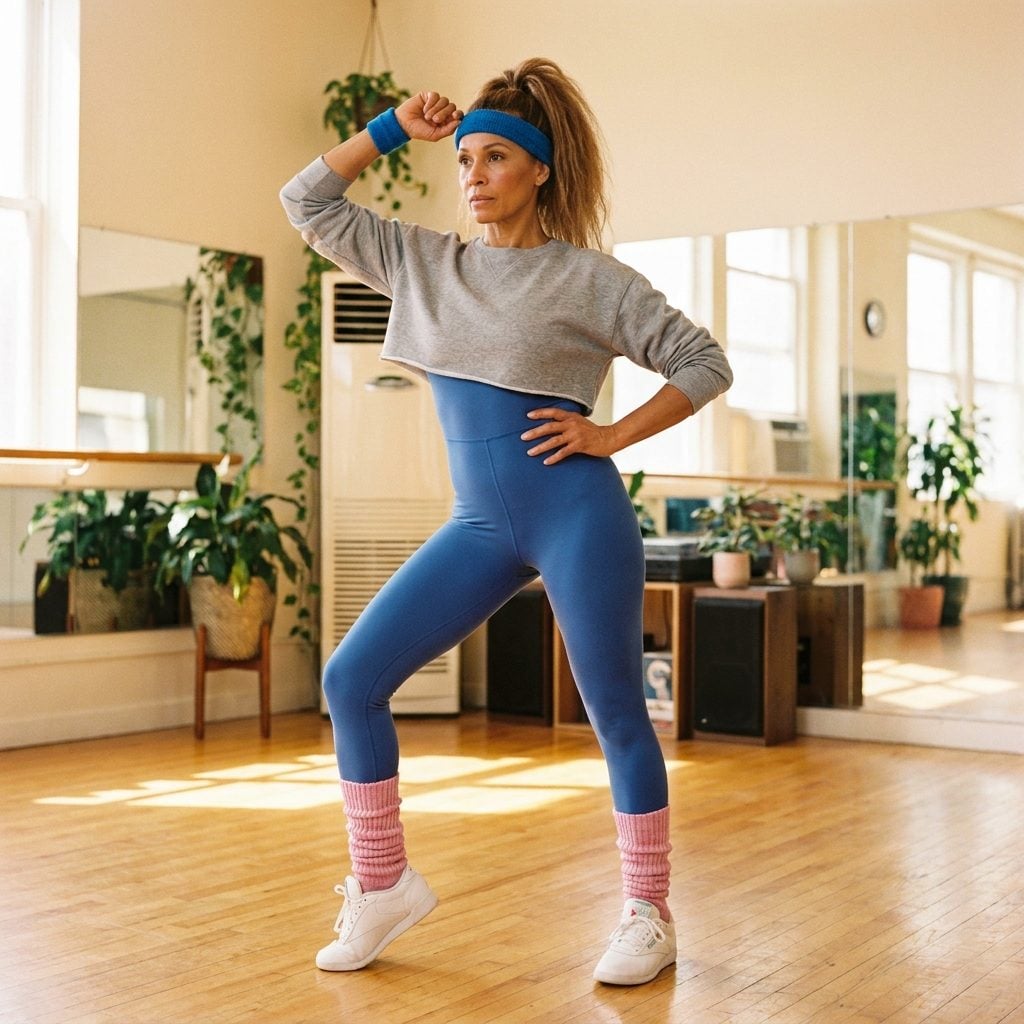
This was not about sweat management. Let’s be honest with ourselves. By the time the wide terrycloth sweatband migrated from the gym to regular life, pulled across the forehead, or worn pushed back at a precise angle over a high ponytail, it had become pure fashion object.
The trendy placement was everything. Too far forward and you looked like you’d just finished a workout. Pushed back just right, with the right volume of hair on top, and you looked like you were in a music video. Given that we were all essentially trying to look like we were in a music video in 1985, the distinction mattered enormously.
22. The Straw Boater Hat You Wore to Feel Like You Were in a Period Drama
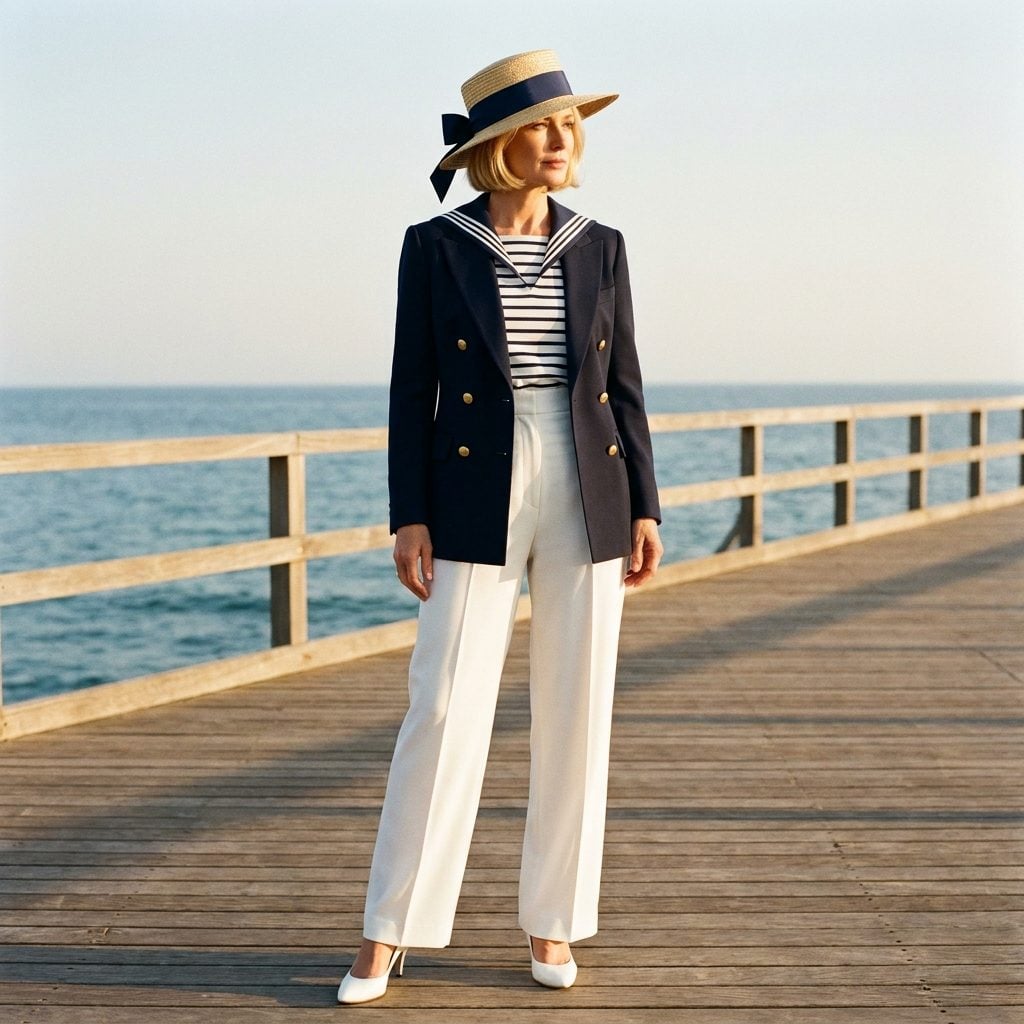
Flat-topped, stiff-brimmed, and ribboned with a precision that felt faintly Victorian, the straw boater sat somewhere between genuine chic and school uniform energy, and we were absolutely fascinated by it. The 80s version came with a wider grosgrain ribbon (often in black or navy with a small bow at the back), and it worked best worn at a very slight tilt, paired with a blazer or sailor-collar top.
There was something about the boater that said: I have opinions about things. It was a structured, confident hat. An architectural hat. The kind of androgynous hat that looked equally plausible on the women in the Vogue spreads we tore out and the girls in our class who were clearly going to have interesting lives. Some of us wanted to be both.
21. The Velvet Evening Beret in Jewel Tones That Made You Feel Like a Main Character
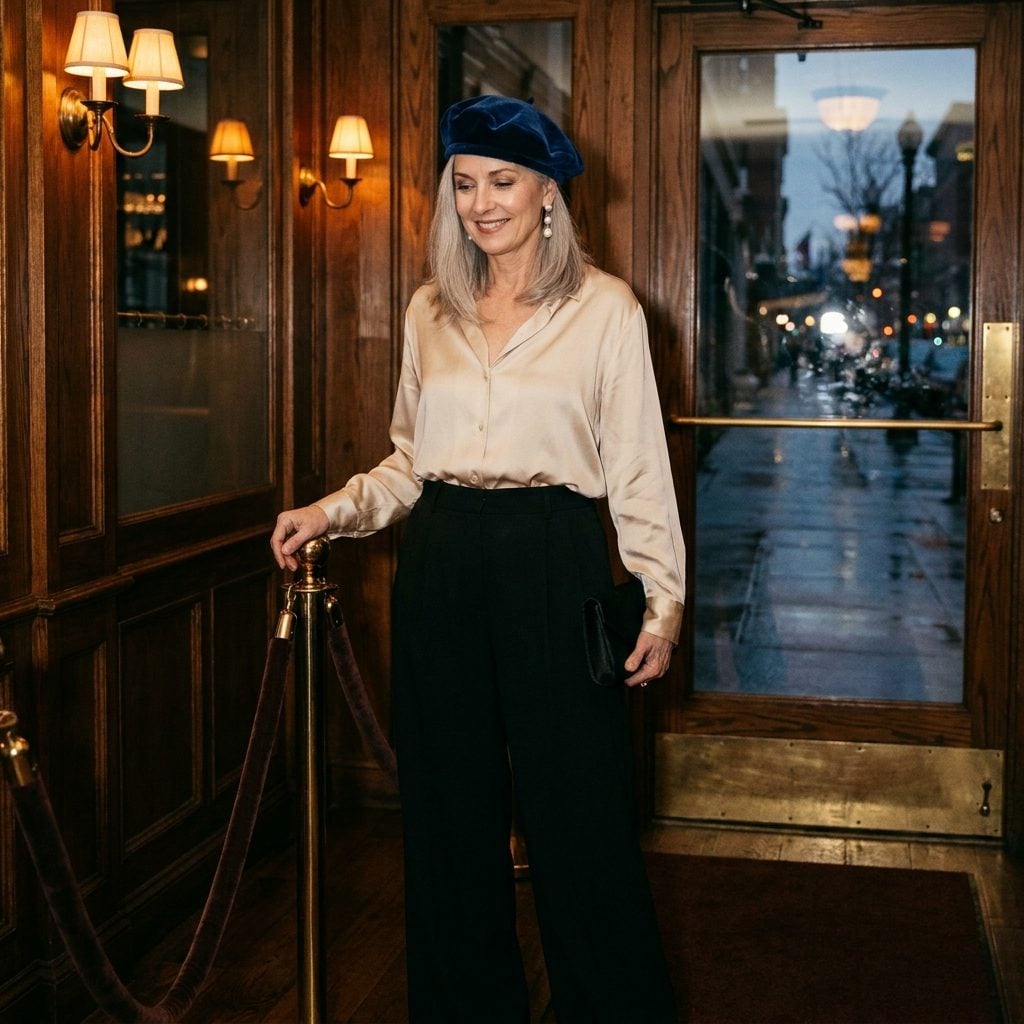
Sapphire, deep plum, forest green, that particular shade of claret that only velvet can pull off properly. The velvet evening beret was the point at which hat-wearing crossed from daywear into occasion dressing, and it did it without any apparent effort. You wore it to dinner, to the theater, to gallery openings, or to wherever in your city passed for those things on a Saturday night in 1987.
Paired with a silk blouse or an off-shoulder dress and serious earrings, the velvet beret gave the whole look a literary quality. Not artist-beret, we’re not talking the floppy daytime version. This was pulled low on one side, with intention. It suggested you had read things. It suggested you might have opinions about French cinema. Both of these were aspirations the decade endorsed fully.
20. Feathered Fascinators: The Most Optimistic Thing to Ever Clip to a Hairstyle
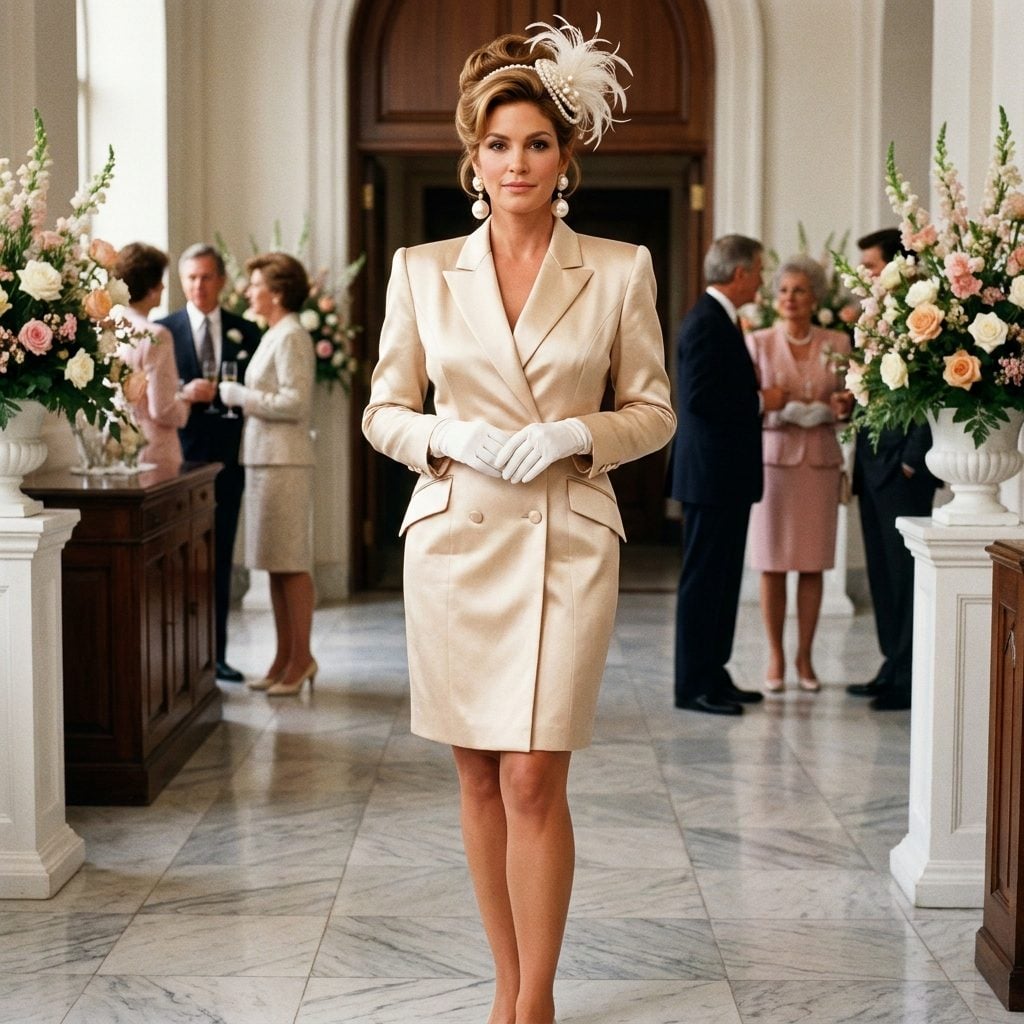
Small enough to be subtle, ornate enough to be completely noticeable, the feathered fascinator was the 1980s’ answer to a question nobody had quite asked. A small comb or clip base, a cluster of net or ribbon, a feather or two (sometimes dyed to match the outfit, because of course), and suddenly your hair was an event.
We wore them for weddings, for church, for Easter Sunday, for any occasion that warranted what we called a hat but couldn’t fully commit to. The fascinator was a compromise, and a charming one. It said: I dressed up, but I still want full use of my head. Paired with the enormous shoulder-padded suit dresses of the mid-to-late 80s, a small feathered fascinator made perfect visual sense, a tiny delicate thing atop a very large structured thing.
19. Lace Headwraps Tied Kerchief-Style, Volume at the Front, Always
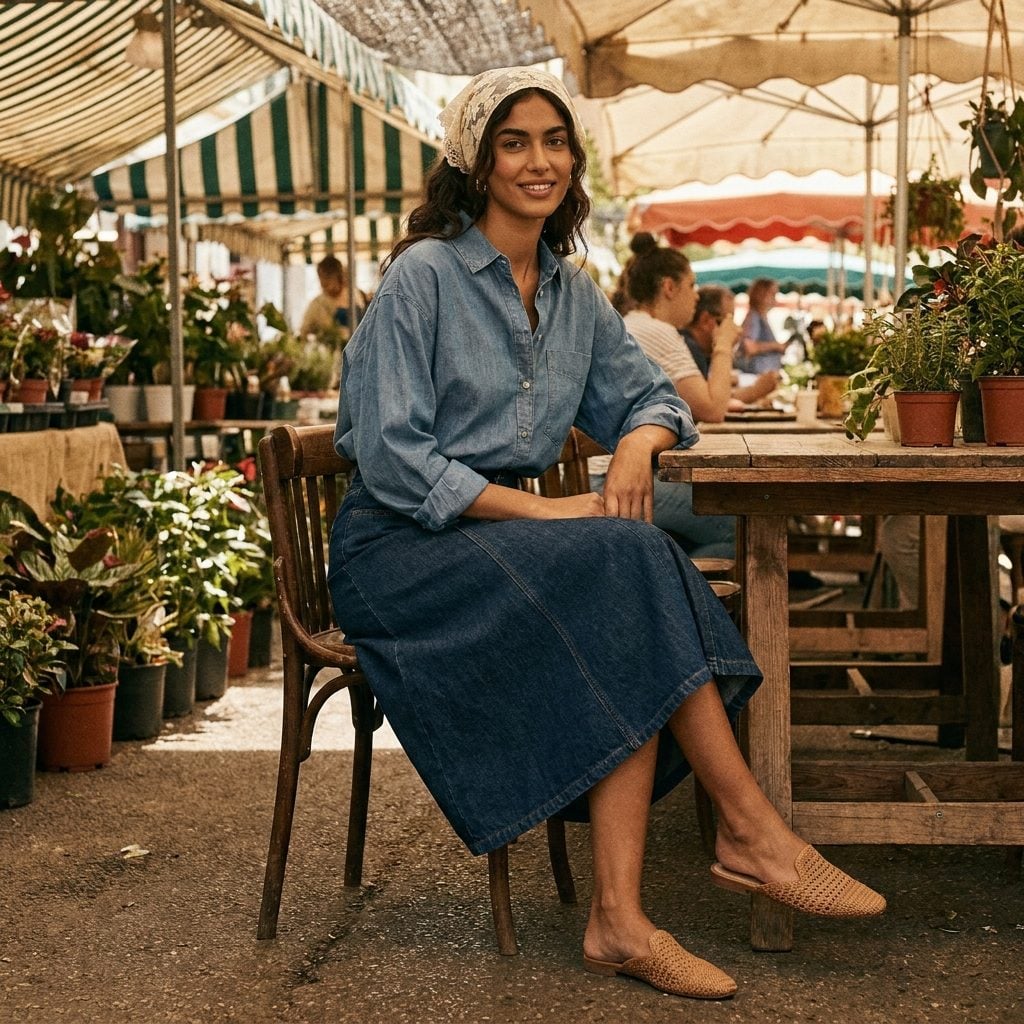
Half headband, half headscarf, completely 1980s. The lace headwrap required a specific technique: gather the fabric, place it at the hairline, tie it at the nape with a loose knot, and coax the front into some amount of architectural lift. The volume at the front was non-negotiable. A flat front meant you hadn’t tried. We had all tried.
These came in cream, in black, in dusty pink, and in that faded floral cotton-lace that looked like it had been made from your grandmother’s curtains in the best possible way. The style worked over big, slightly disheveled hair, the wrap contained the sides while the top kept doing what 80s hair did, which was whatever it wanted. Worn with an oversized top tucked into a denim skirt, it was the bohemian-casual look of the decade before anyone called it that.
18. New Wave Bowler Hats: When the Derby Went Downtown
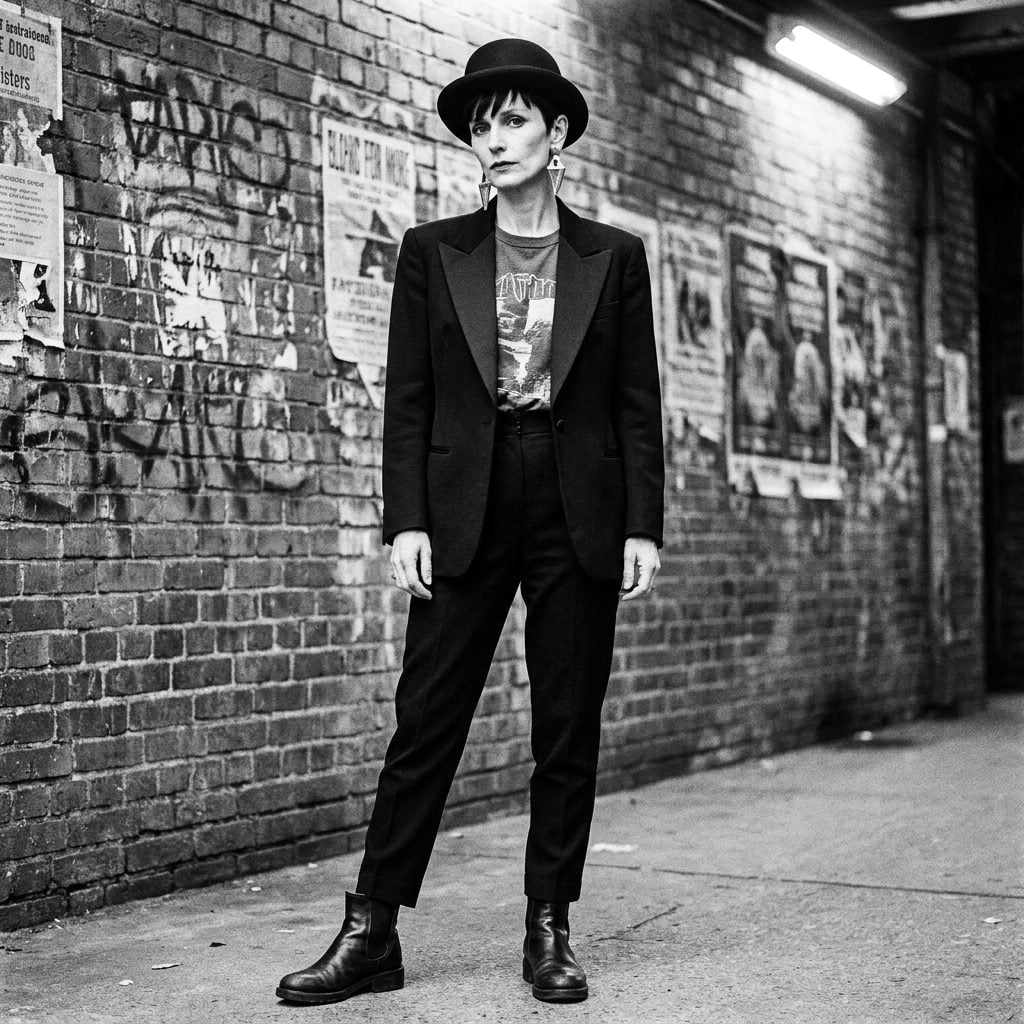
Something strange and wonderful happened when the bowler hat fell into the hands of the New Wave crowd. The rigid, respectable Victorian gentleman’s hat, already a bit of a cultural artifact by the 70s, got repurposed entirely. Now it sat at severe angles atop dramatic hair, sometimes painted or decorated, sometimes worn with band tees and leather jackets, sometimes styled with enough geometric earrings to require structural support.
This was the androgynous style moment that the 80s alternative scene leaned into hard. Siouxsie Sioux. Grace Jones adjacent, if slightly more art-school. The bowler as worn by the New Wave set wasn’t nostalgic, it was aggressively modern, a deliberate collision of eras that felt confrontational and exciting. You wore it because you wanted people to look at you and not quite know what to make of you. Mission accomplished.
17. The Velvet Riding Hat: Country-Club Fantasy With a Crop to Match
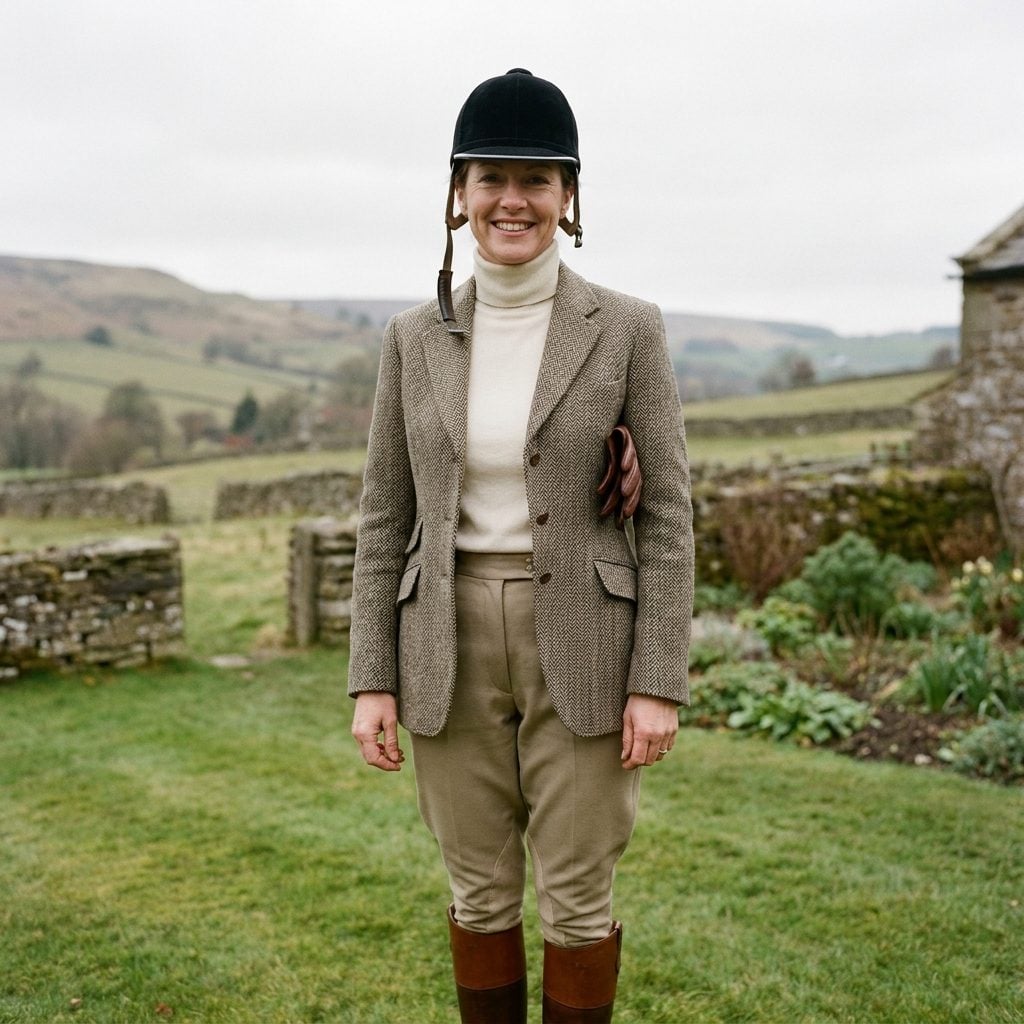
Not everyone rode horses. In fact, statistically speaking, almost nobody in the suburbs of anywhere owned a horse. And yet the velvet-covered riding cap, that beautifully structured, round-crowned helmet-shape with the short brim and the chin strap we always left undone, became genuinely fashionable for women who had never once been on a stable tour.
Country-club prep culture was having a full moment in the mid-80s, pulled along by Ralph Lauren’s increasingly elaborate equestrian fantasies and a general appetite for the trappings of old money, real or implied. The riding hat in dark forest green or black velvet, worn with tweed blazers and tall riding boots, communicated a very specific aspiration.
You weren’t necessarily going riding. You were going to brunch. But you were going as someone who could be going riding, and in the 1980s, that was a distinction worth making.
16. Elaborate Hat Pins: The Tiny Weapons of Mass Fascination
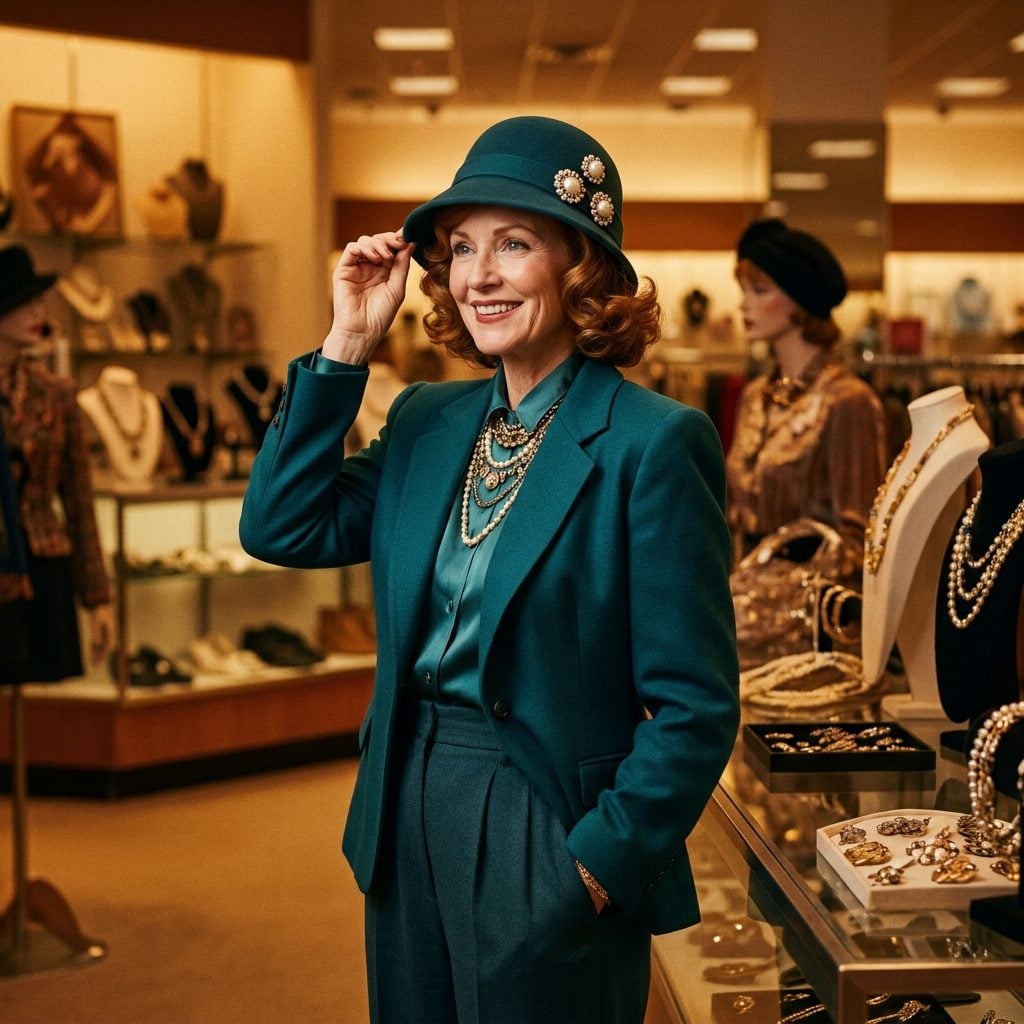
Before anyone knew what a brooch was, we were stabbing our hats with five-inch pins topped with pearl clusters, enamel butterflies, rhinestone starbursts, and tiny cameos. A single hat pin was never enough. You needed at least three, arranged at angles that suggested you had given the matter serious thought.
They came in little cardboard packets at department store accessories counters, usually near the Liz Claiborne scarves. You’d buy the whole set. The slightly terrifying part? Those pins were sharp enough to do real damage, and we wore them on our heads like that was completely fine.
15. The Oversized Floppy Sun Hat That Basically Had Its Own Weather System
❤️ Would you like to save this?
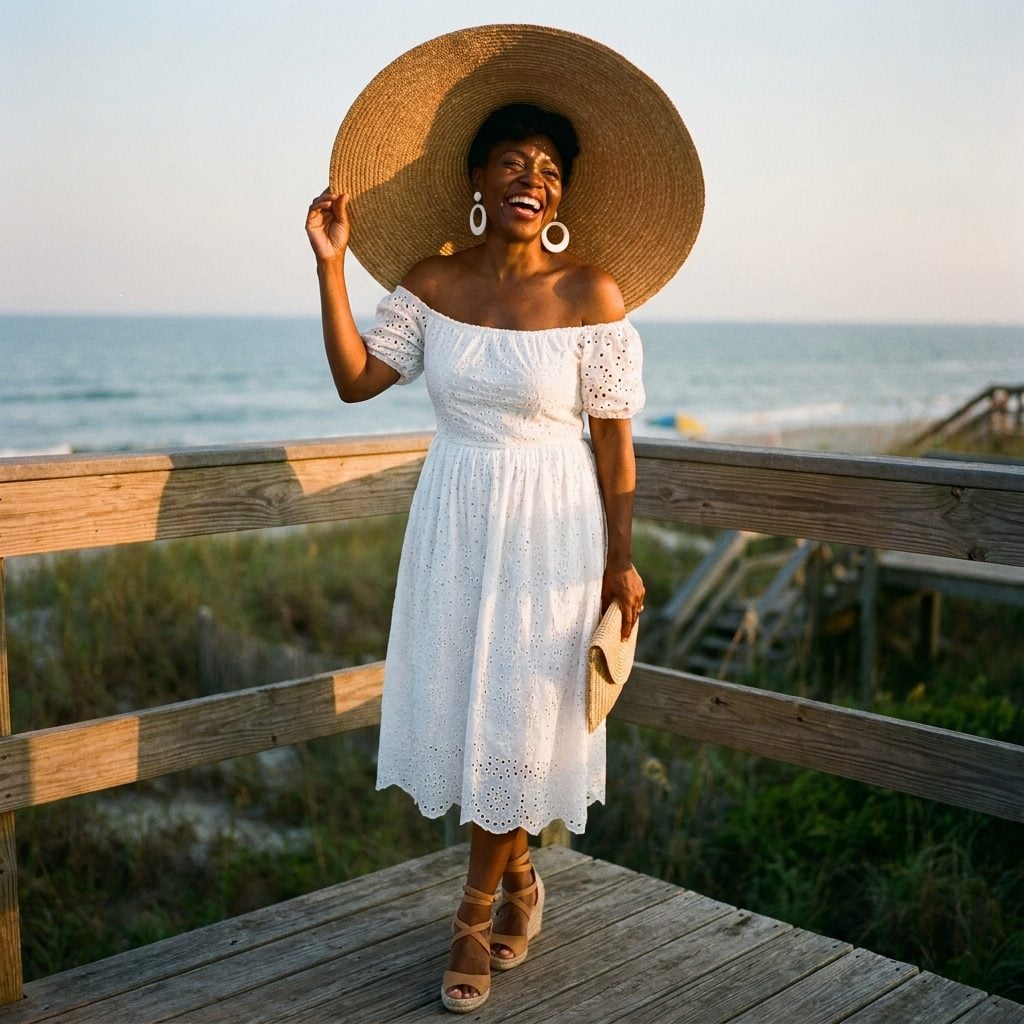
The brim was so wide it cast shade on the people standing next to you. That was the point. Straw, cotton voile, or a slightly-too-stiff synthetic that held its shape heroically through humidity, beach wind, and the back seat of a station wagon, the floppy sun hat of the 1980s was not subtle.
We wore them with off-the-shoulder sundresses or string-tied swimsuit cover-ups and felt absolutely cinematic. They were invariably either white, natural straw, or a shade of coral that matched the lip gloss. You had to tilt your head at a very specific angle to see where you were going. Worth it.
Diana Spencer wore variations constantly in the early part of the decade, and after that, every woman with a summer vacation and a department store charge card wanted one. The hat became shorthand for a certain aspirational leisure, the idea that your life was glamorous enough to require this much shade.
14. Bucket Hats in Colors That Existed Nowhere in Nature
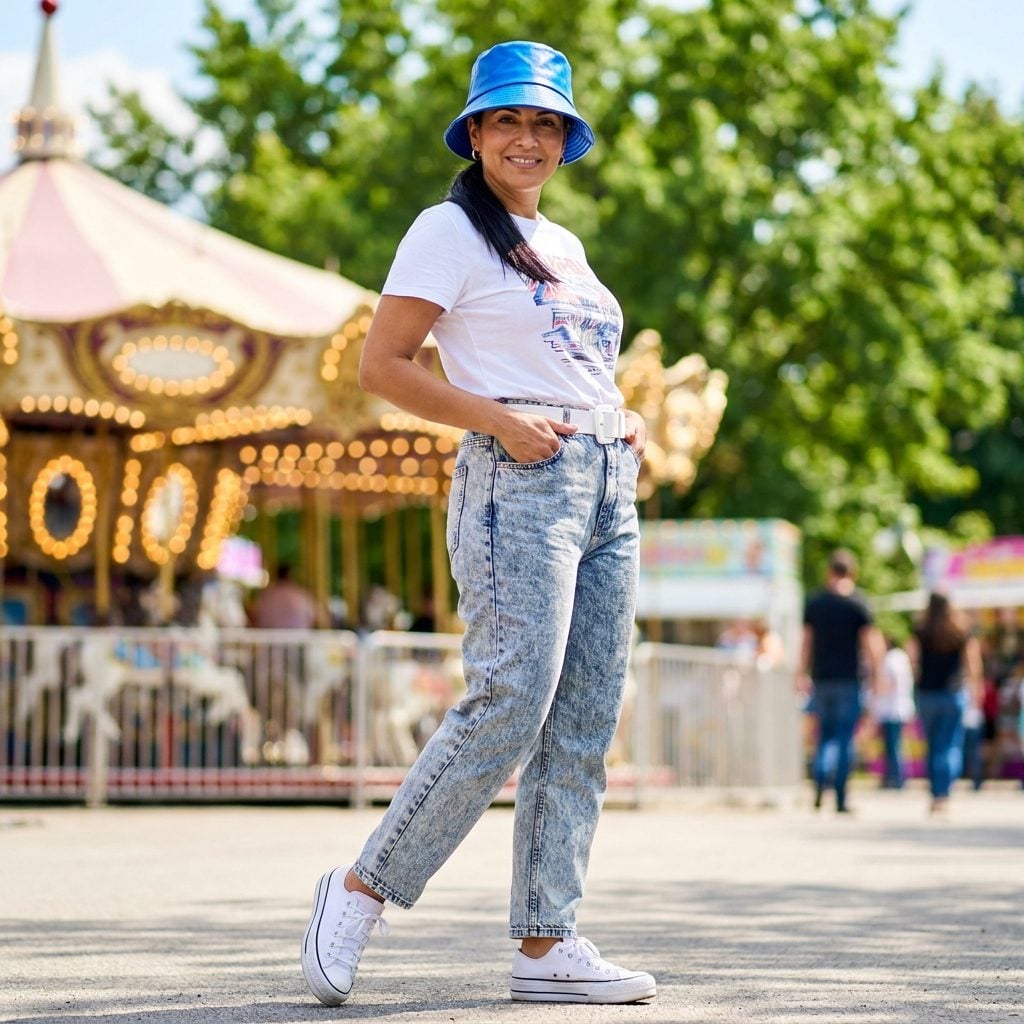
Electric blue. Neon yellow. A specific shade of magenta that had no name but was available at every Icing by Claire’s. The 1980s bucket hat wasn’t the faded-linen version we see today, it was made from a slightly stiff synthetic fabric that held its shape and its color through everything, including repeated exposure to Sun In spray and swimming pool chlorine.
This was considered trendy casual, the hat you wore to the outdoor concert, the fair, or any occasion where you wanted to look like you hadn’t tried too hard but had absolutely tried. Usually worn dead-center on the head, brim flat, with the kind of confidence that only comes from being seventeen and certain you look great.
13. Clear Plastic Visors: The Future Was Transparent (and Slightly Sweaty)
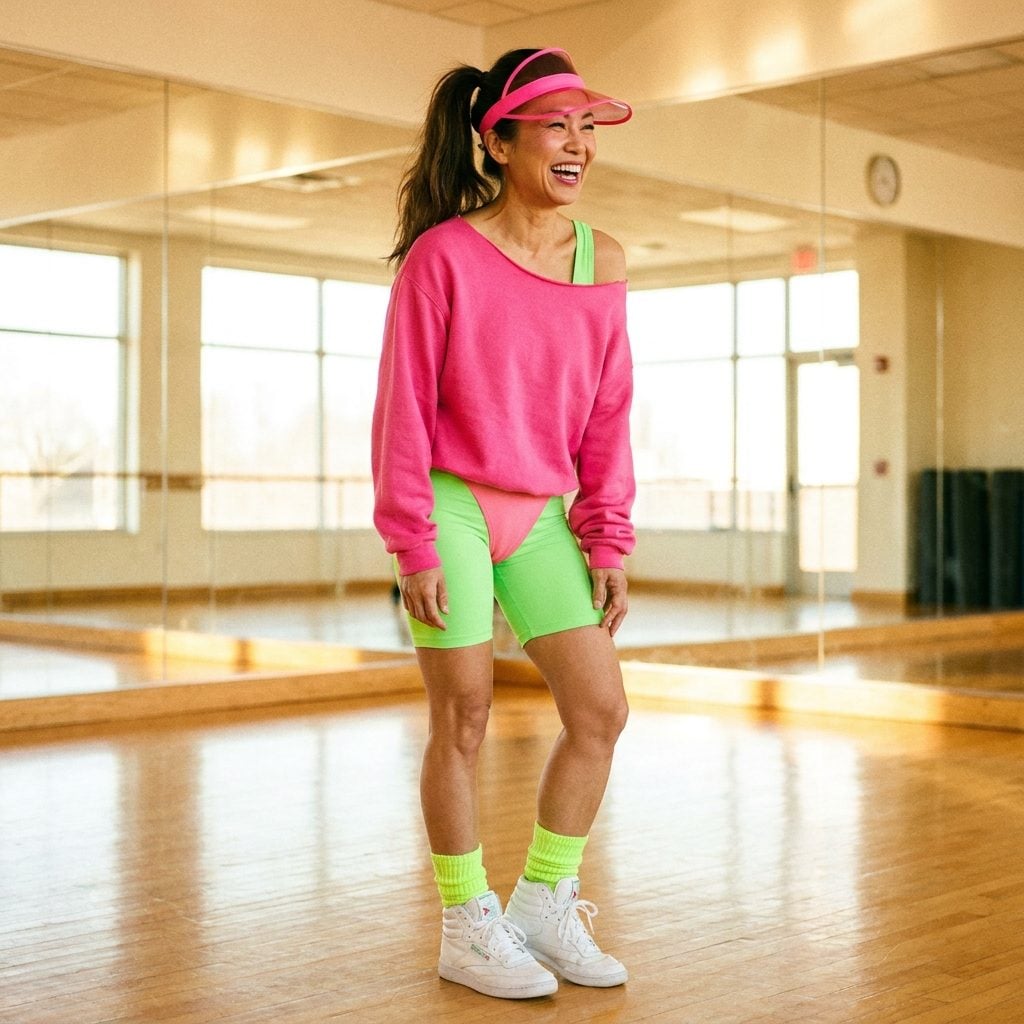
Someone in 1984 looked at a regular visor and thought: what if we could see through it? And somehow, the answer was yes. The clear plastic visor was worn by women who were into aerobics, women who played tennis at the club, and women who just really liked the idea of looking like they were about to board a space shuttle.
They were sold alongside neon headbands and athleisure style pieces in every sporting goods store and at the mall kiosks near the food court. The visor fogged up immediately the moment you started sweating, which defeated the entire purpose, but we wore them anyway because they looked correct with a high ponytail and a neon leotard over bicycle shorts.
12. Faux Fur Statement Hats That Entered the Room Before You Did
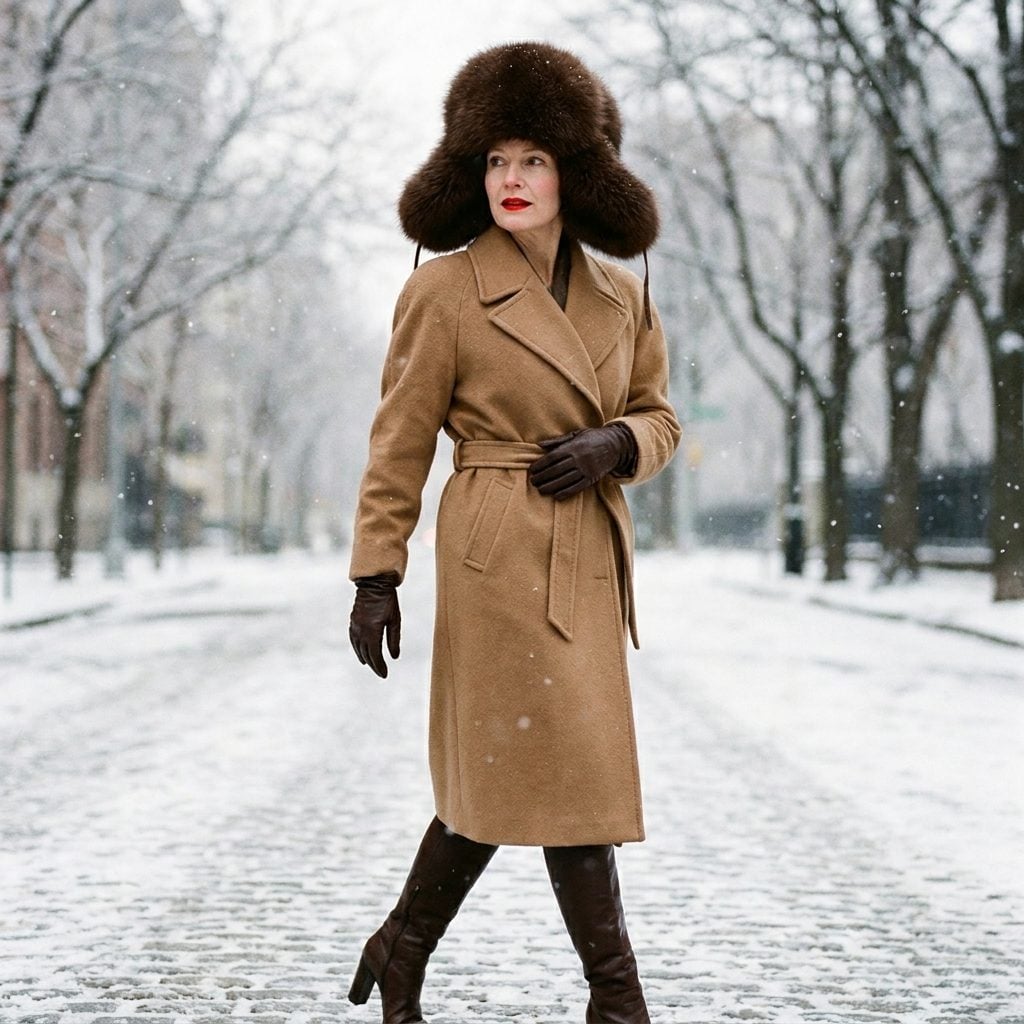
Picture a hat so large, so aggressively furry, it required its own coat check ticket. Faux fur hats in the 1980s came in wide cossack styles, oversized pillboxes with fur trim around the entire brim, and bucket-adjacent shapes that added approximately four inches to your height and infinite personality to any coat.
They came in black, ivory, chocolate brown, and a very specific gray that looked like a friendly bear. Department stores like Nordstrom and Bloomingdale’s stacked them in their winter accessory sections next to fur-trimmed gloves and everyone’s mother owned at least one. Paired with a belted wool coat and leather gloves, this hat made you feel like you were in a movie set in New York in winter, even if you were just going to the grocery store.
11. Hats With Bows So Large They Had Their Own Structural Requirements
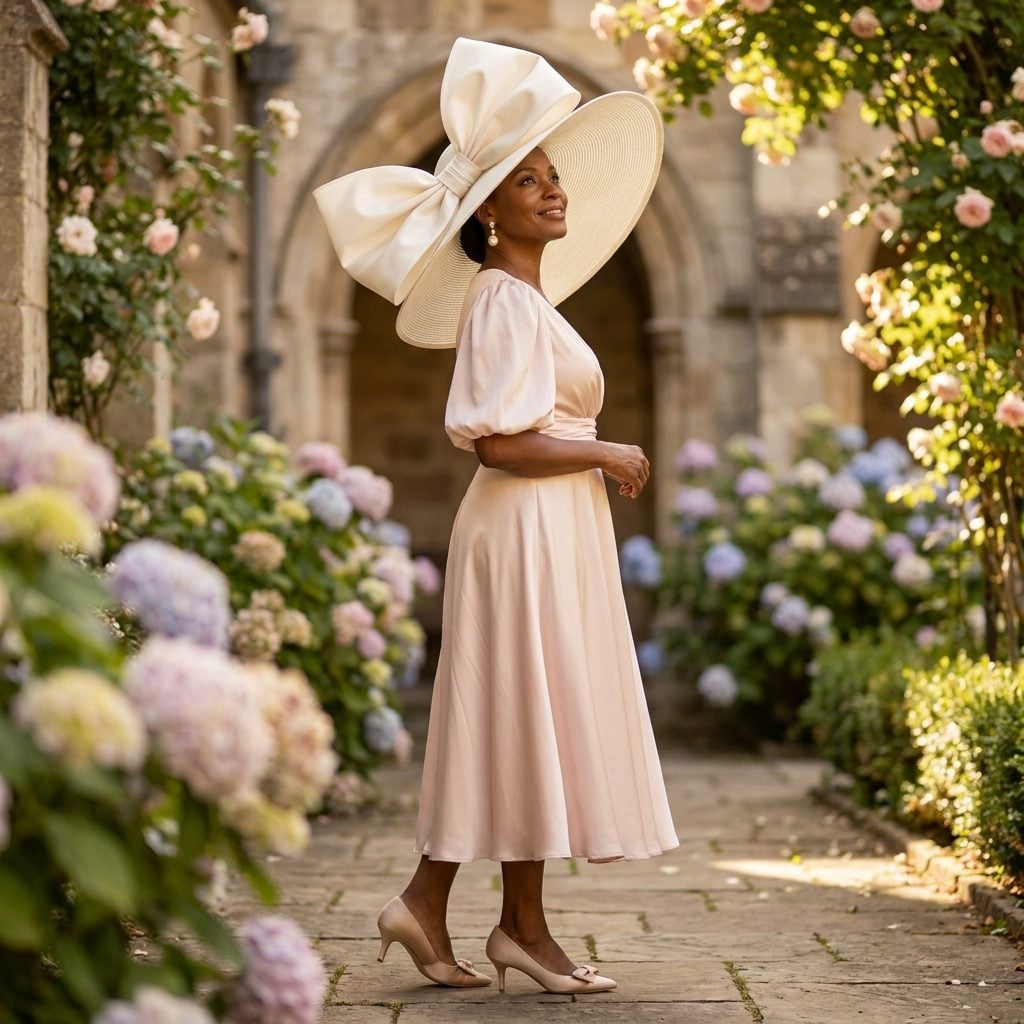
The bow was not an accent. The bow was the entire point. Fabric bows the size of a paperback novel, usually in a coordinating or contrasting silk, taffeta, or grosgrain ribbon, attached to wide-brimmed hats that were already a lot. You’d tilt the hat slightly to one side, let the bow hang a little, and consider yourself dressed for anything from a christening to a summer garden party to, apparently, the mall.
Maggie Thatcher’s hat game pulled inspiration from this era. So did every mother-of-the-bride at any wedding held between 1982 and 1988. The bows were sometimes detachable, a detail that was marketed as versatile and was mostly never used. The accessory styles of the decade leaned into excess so naturally that even a bow this size didn’t look wrong. It looked intentional. It looked like power.
10. Neon Baseball Caps: Because Why Not Announce Yourself From a Block Away
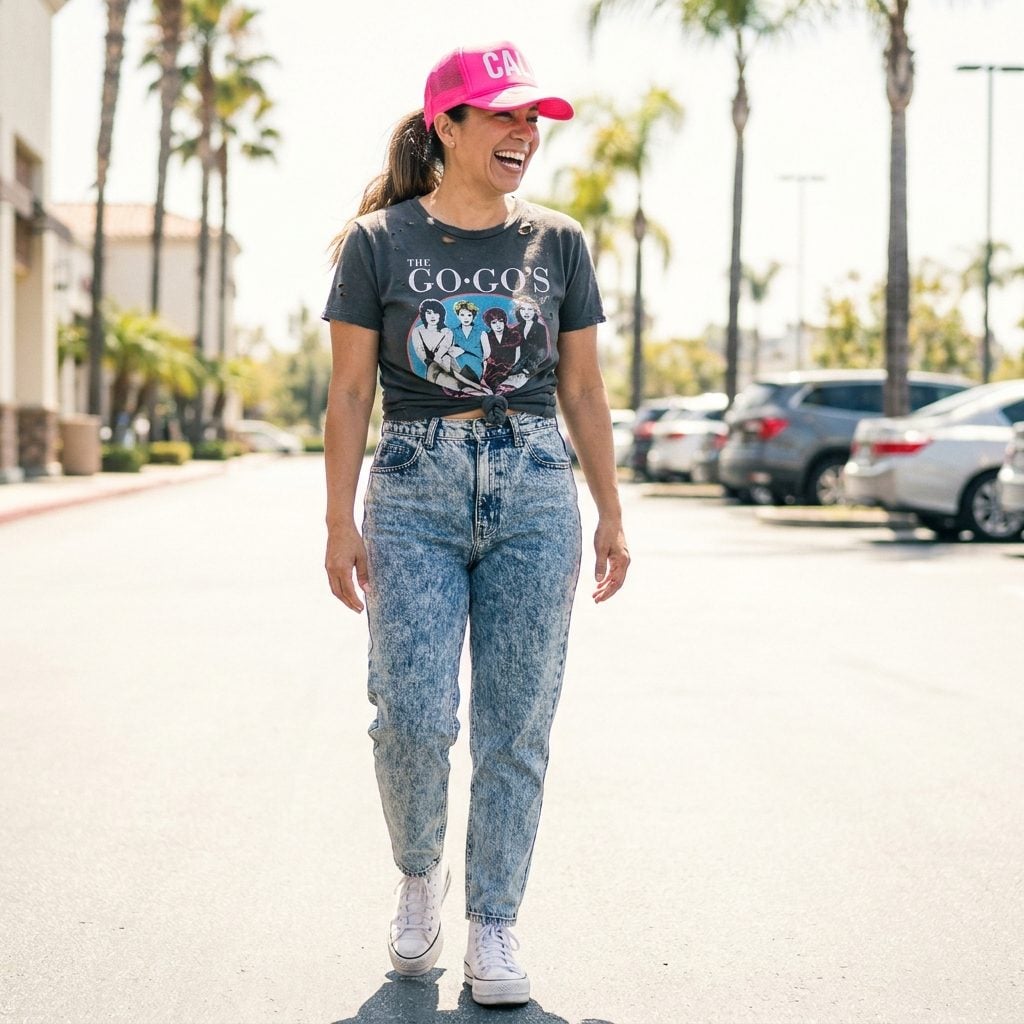
Hot pink. Radioactive orange. A green so bright it had no business existing in the visible spectrum. The neon baseball cap of the 1980s was the daily uniform of anyone who owned a pair of Reeboks, watched MTV before school, or had a best friend who worked at the mall. It came in unstructured soft cotton or a slightly stiffer synthetic and was worn with the brim either forward, tilted at a jaunty angle, or, this was a specific power move, worn backwards before backwards caps were officially a thing.
You could get them at the surf and skate shops even if you had never surfed or skated. The writing on the front might say something like SURF, FLORIDA, or simply a brand logo in block letters. They were $8 to $12 and you treated them like they cost nothing because they did.
9. Acid-Wash Denim Hats: When the Jeans Weren’t Enough
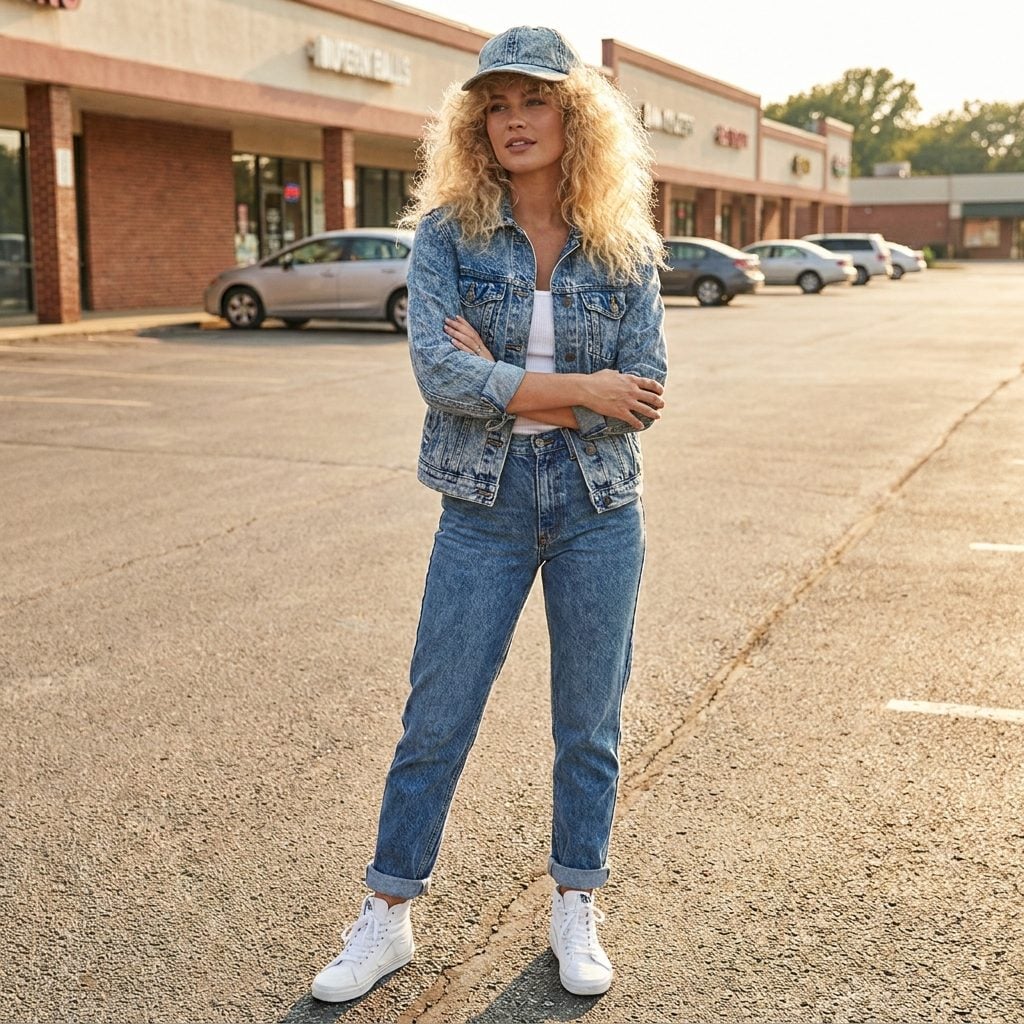
We weren’t satisfied putting acid-wash on just our jeans. Or just our jackets. Someone looked at a baseball cap and thought: this too. And so we ended up with acid-wash denim hats, caps, bucket styles, and even stiff-brimmed fashion hats, all in that distinctive bleached, cloudy, tie-dyed-adjacent denim that defined the back half of the 1980s.
The style was best deployed as part of a full acid-wash situation: matching cap, jacket, and jeans worn simultaneously, assembled with the conviction of someone who had seen every episode of Solid Gold. Whether you bought the set or matched pieces from different stores, the goal was the same. Maximum denim. Maximum drama. Zero irony.
8. Leather Caps: The Edgy Girl’s Answer to Everything
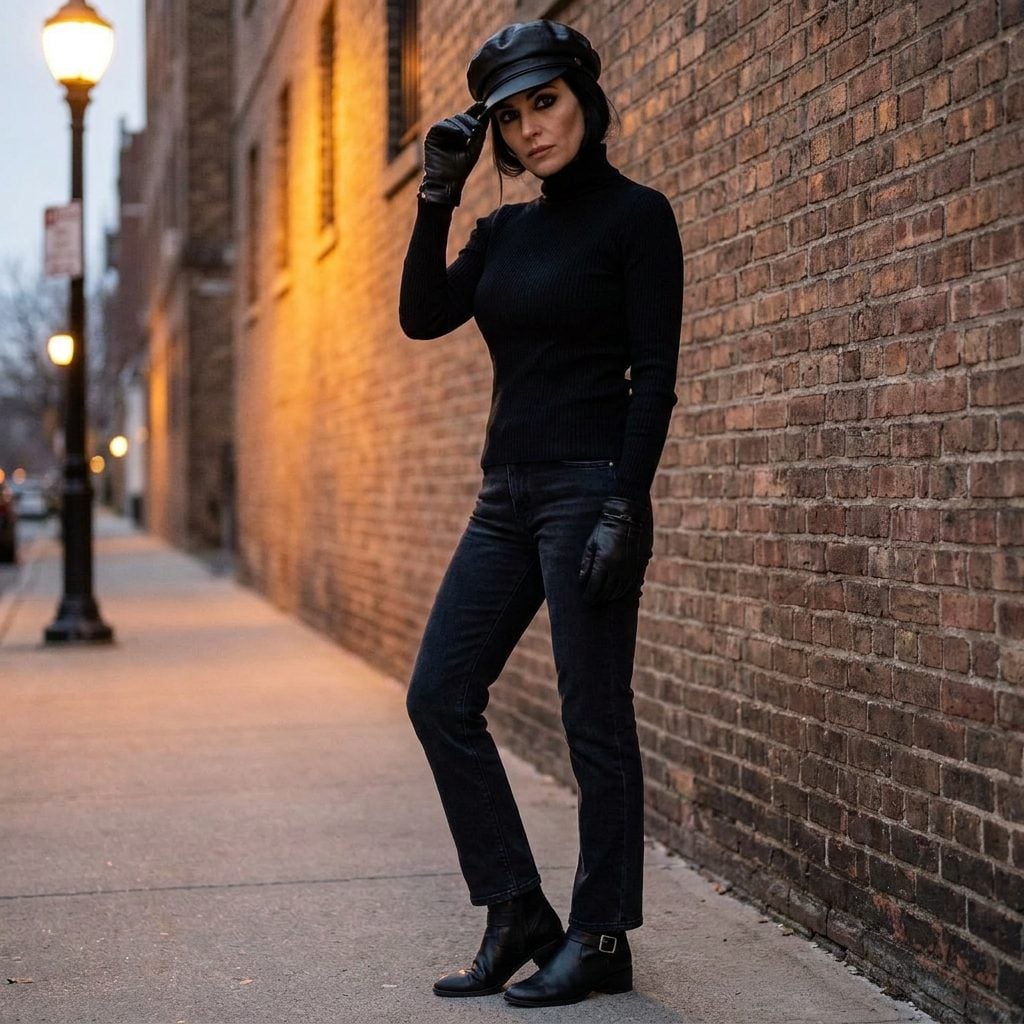
Not everyone wore frills. The leather cap, structured, usually newsboy or driving cap style, in black or dark burgundy, was for the woman who listened to Pat Benatar, wore her eyeliner deliberately smudged, and considered a leather jacket a basic necessity rather than a treat.
These were not soft, worn-in leather. This was stiff, slightly shiny leather with a snap brim and a small center button on top. You’d pull it low over your forehead, angle it slightly, and let it do the heavy lifting on the personality front. Madonna wore variations. So did every woman who idolized her, which was most of us, which tracks.
Paired with a fitted black turtleneck, dark jeans, and boots, this hat conveyed a specific kind of cool that felt very New York even if you had never been. The androgynous style the cap projected was precisely the point, in the 1980s, borrowing from menswear was an act of deliberate power dressing.
7. Crocheted Hats: The Handmade Halo of the Casual Summer Girl
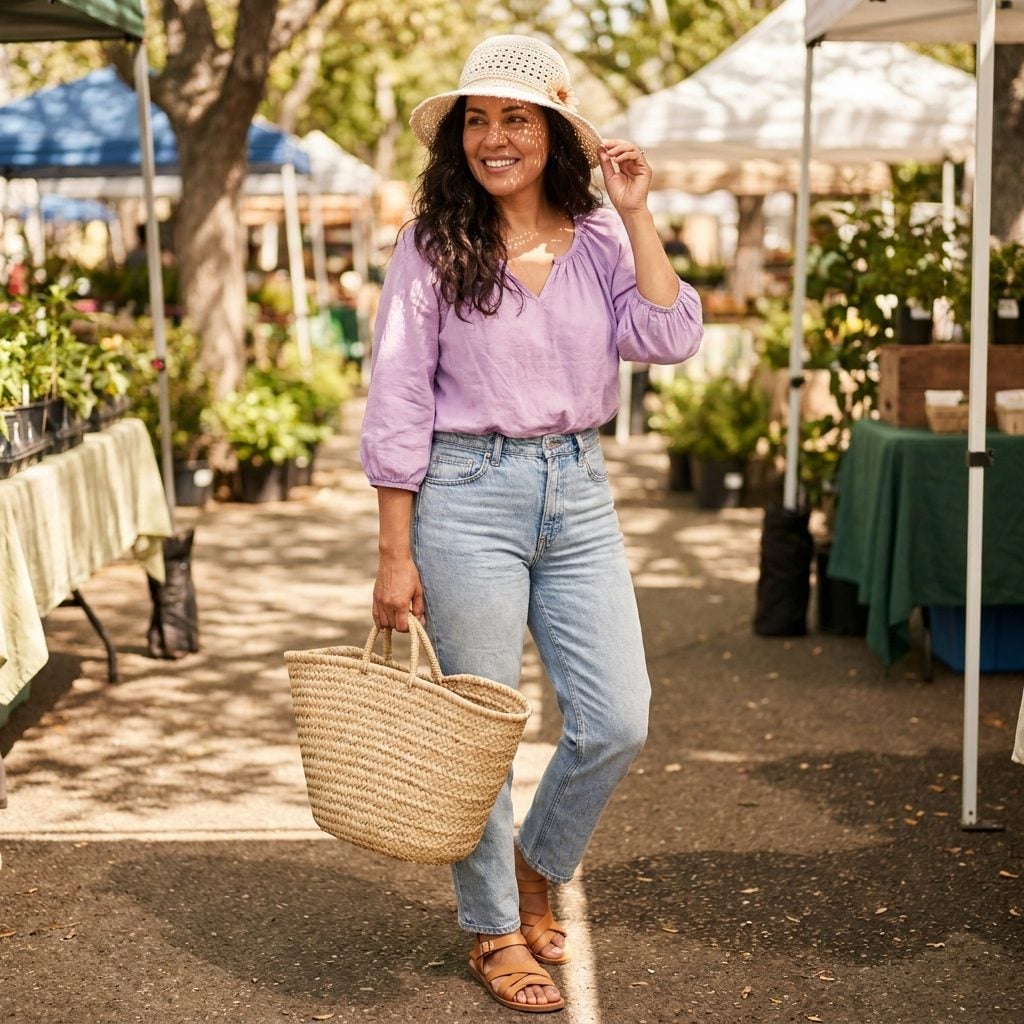
Someone’s grandmother made one. Then it showed up in the Delia’s catalog. Then everyone needed one. The crocheted hat of the 1980s came in natural cotton, pastel yarn, or a slightly scratchy synthetic that would have given a yarn historian pause, and it had the open, breathable weave that let the sun through while technically providing the feeling of wearing a hat. Points for effort.
They came in beanie-adjacent shapes for cooler weather and floppy-brim styles for summer, occasionally with a little crocheted flower attached to the side. Craft store patterns sold millions. Your aunt made them at the kitchen table while watching Dallas. The finished product was usually gifted to you with the energy of someone who hoped you would actually wear it, and the surprise is that we did.
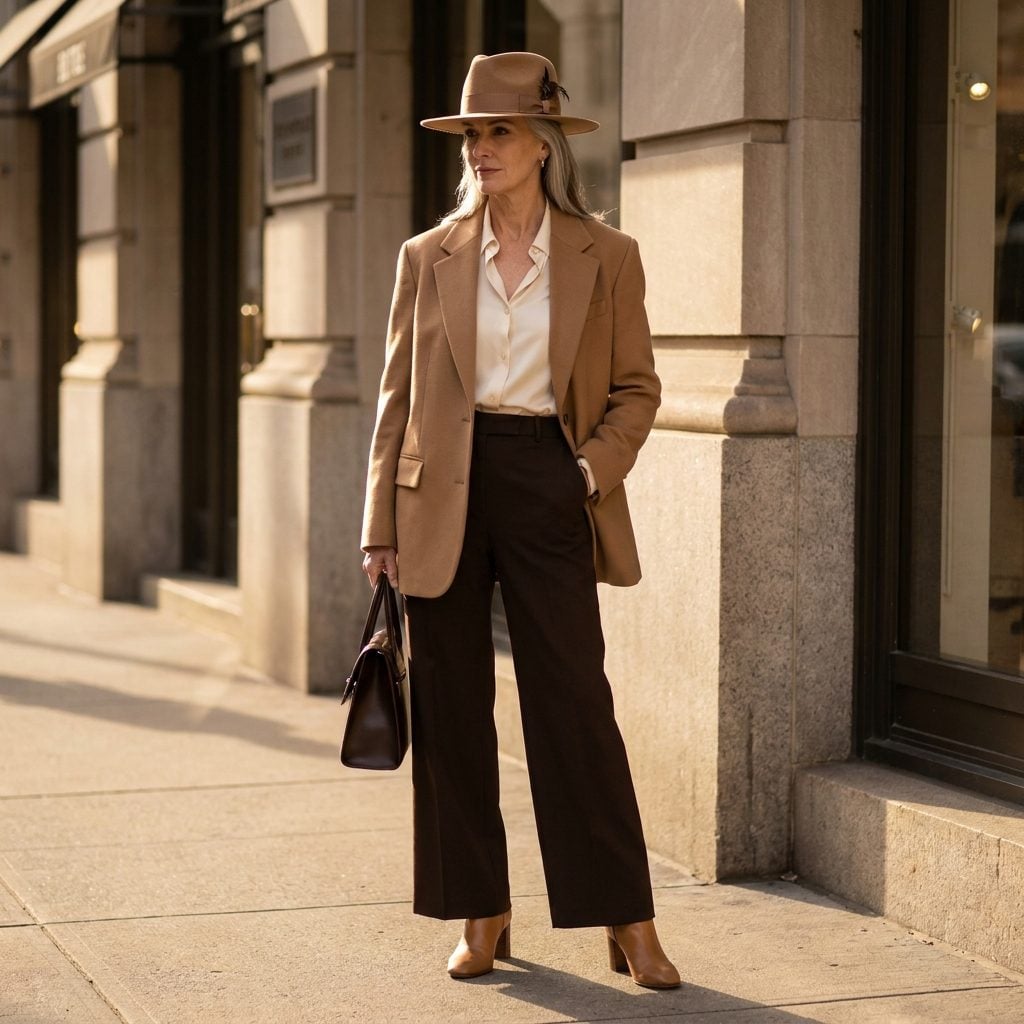
6. The Flat-Brim Fashion Hat: Worn Like a Crown, Not a Shield
❤️ Would you like to save this?
This was not a baseball cap and it was not a sun hat. The flat-brim fashion hat occupied its own particular category: a structured felt or wool style with a flat, rigid brim worn perfectly straight, not tilted, not curled, with the conviction of someone who had rehearsed this in the mirror. It came in black, camel, ivory, and burgundy, usually with a grosgrain ribbon band and occasionally a small feather tucked in at the side.
It was the androgynous hat of its moment, borrowed from men’s fashion, scaled to women’s proportions, and worn with everything from sharp blazers to oversized draped sweaters. The key was the posture it required. You couldn’t slump in one of these. The flat brim demanded you carry your head like you knew something other people didn’t. That specific combination of structure and attitude was very 1980s. Very on purpose. And honestly, not wrong at all.
5. The Lady Di Saucer Hat, Tilted, Feathered, and Utterly Regal
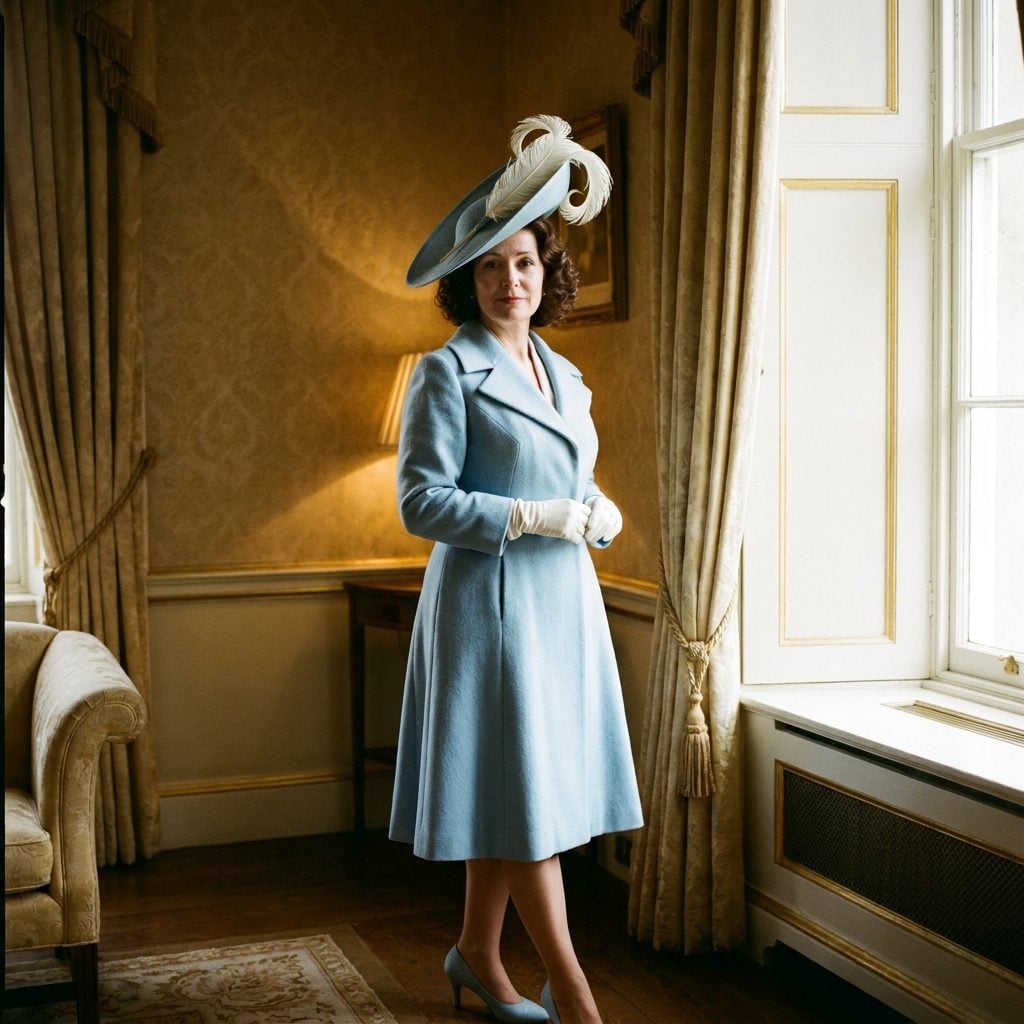
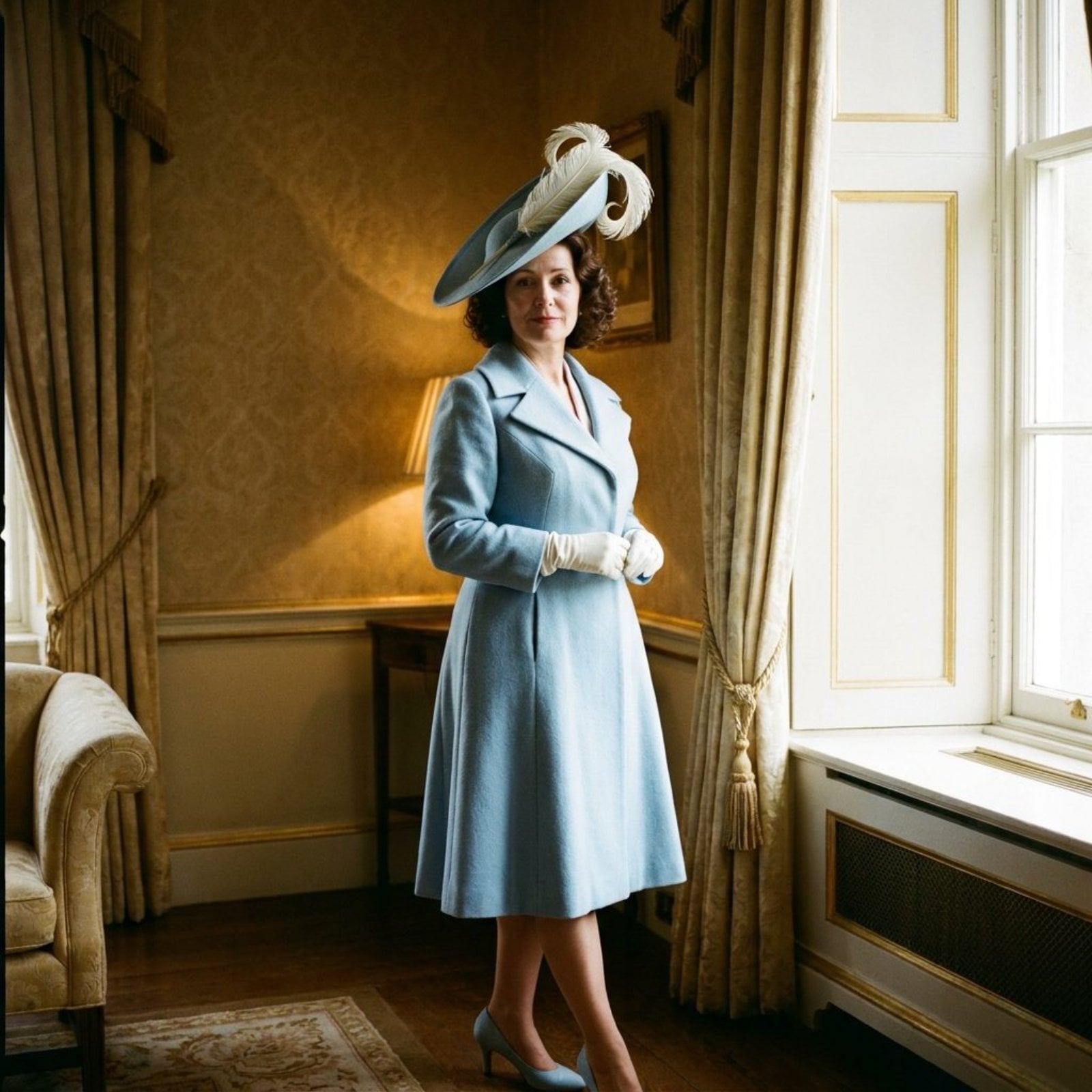
There was exactly one acceptable angle for this hat: aggressively forward, cocked to the left, perched on your head like it was daring you to argue. Princess Diana wore hers to Ascot and Buckingham engagements in that signature powder blue, and within months, every department store from Birmingham to Baltimore had a version on the accessories rail. The curled feather accent wasn’t decorative. It was structural confidence.
Wearing this was a full commitment. You couldn’t eat at a buffet. You couldn’t hug anyone properly. But you looked impeccably, imperiously style-conscious, and in the 1980s, that was worth every awkward logistics problem it created.
4. Floral-Appliqué Hats That Were Basically a Garden on Your Head
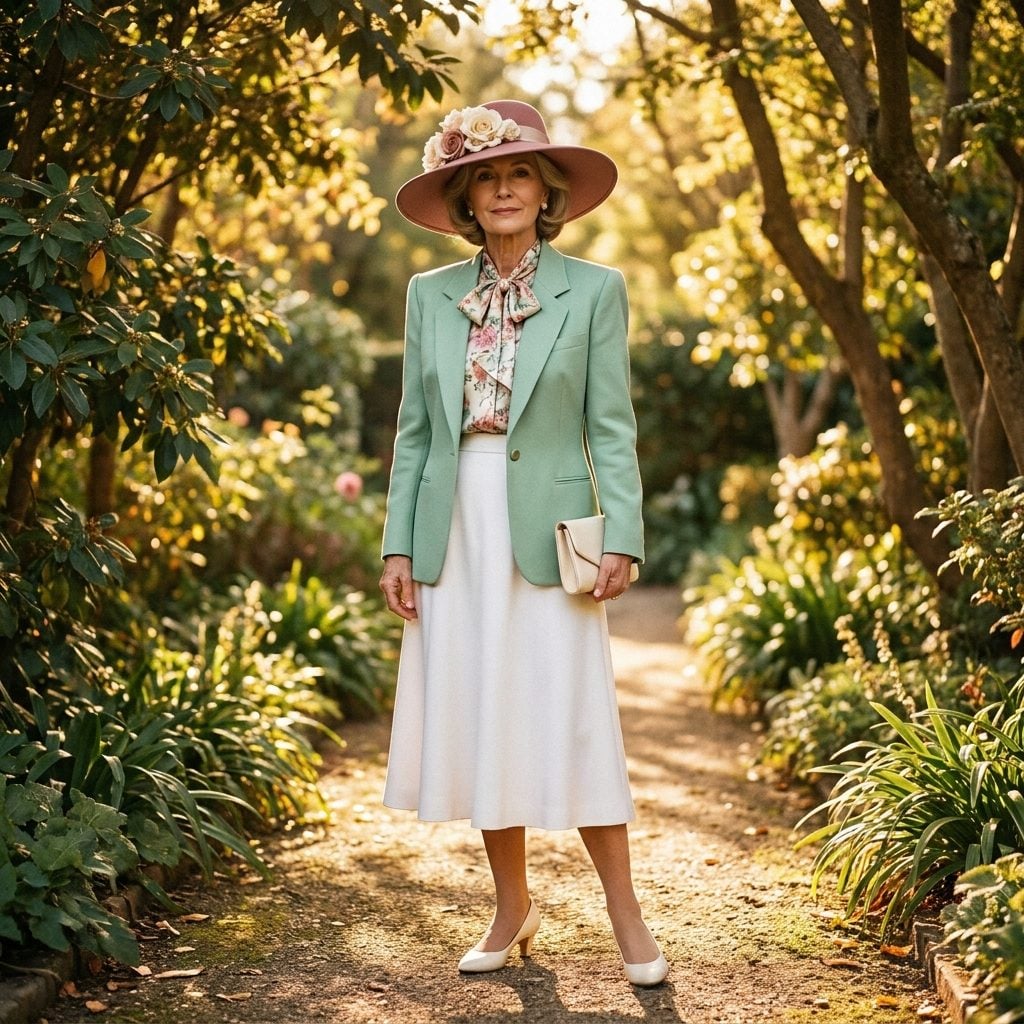
Picture a wide-brim felt hat with three-dimensional silk roses clustered at the band, petals slightly creased from being stored under the bed in a hatbox you definitely inherited from your mother. We wore these to Easter Sunday, to weddings, to “nice” lunches at the mall food court, and felt completely sophisticated doing it. The blooms were always slightly too large. That was the point.
The floral hat was the ’80s answer to maximalism before anyone called it that. If your grandmother had one in dusty rose felt with cream satin roses, you know exactly what this smells like. Faintly of cedar. Faintly of Chanel No. 5. A little bit of church.
3. Color-Blocked Hats With the Kind of Graphic Energy Your Living Room Wallpaper Also Had
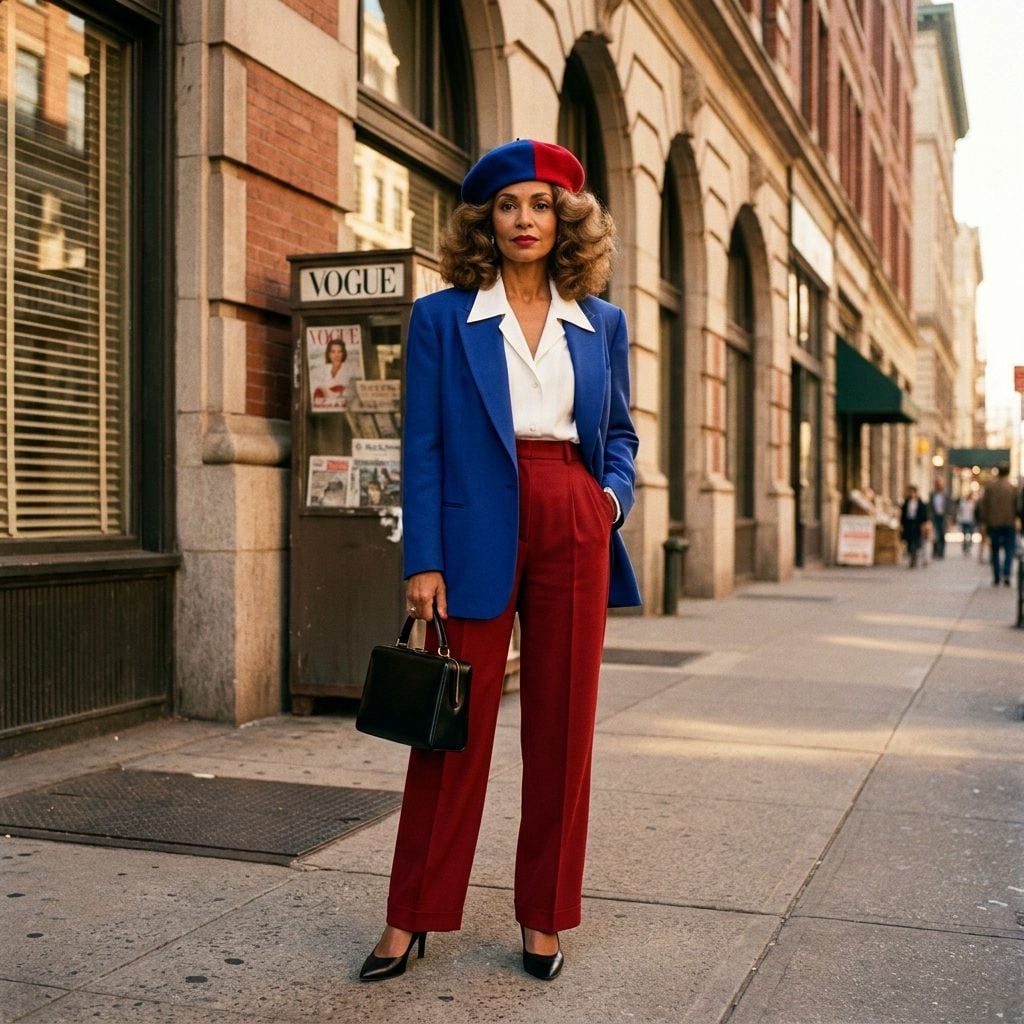
Two colors. Hard edge between them. No apology. The color-blocked hat of the ’80s operated on the same visual logic as the era’s everything else: more contrast, louder geometry, bolder statement. A beret split cleanly between cobalt blue and cherry red. A structured pillbox in black and white panels like a tiny, wearable op-art piece. These were not subtle accessories.
You paired one with a trendy oversized blazer and a matching color in your lip, and you felt like an album cover. The graphic hat was particularly beloved by working women in the mid-’80s who wanted their accessories to signal ambition. It absolutely worked.
2. Pins-and-Badges Hats, Because Your Hat Was Your Personality Inventory
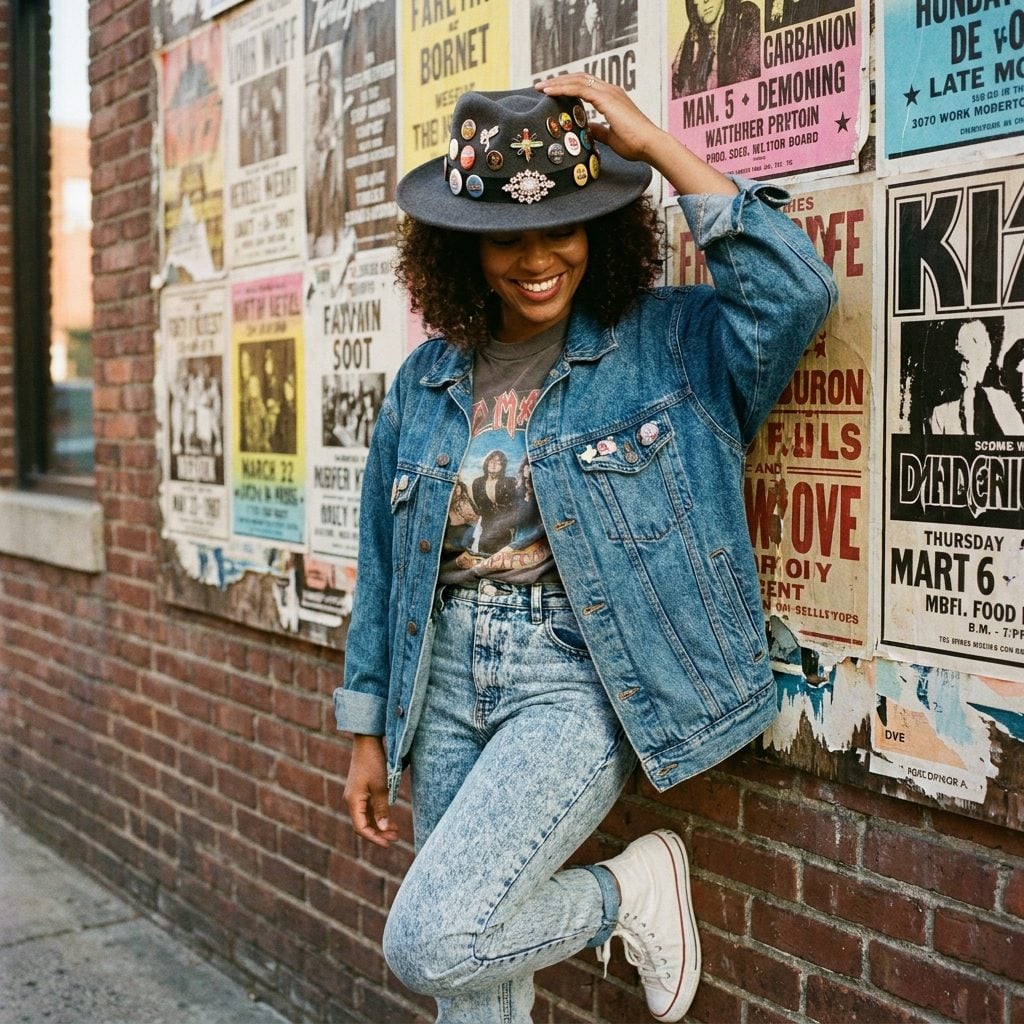
The felt fedora or bucket hat covered in enamel pins was basically a mood board you wore on your head. Band pins, cause buttons, smiley faces, the occasional rhinestone brooch borrowed from your mom’s jewelry box and pinned at a defiant angle near the brim. No two hats were the same, and that was entirely the point: this was style as autobiography.
Teen girls layered pins on floppy canvas hats from the mall, but the look had a more polished version too: a structured boater or cloche with a single statement brooch pinned deliberately at center front. That version said “I accessorize intentionally.” The teen version said “I have been to three concerts and a protest.” Both were correct.
“There was something about the weight of all those pins on a soft brim. You could hear them faintly clicking when you walked fast.”
1. Metallic and Sequined Evening Hats That Caught the Disco Ball Light One Decade Too Late
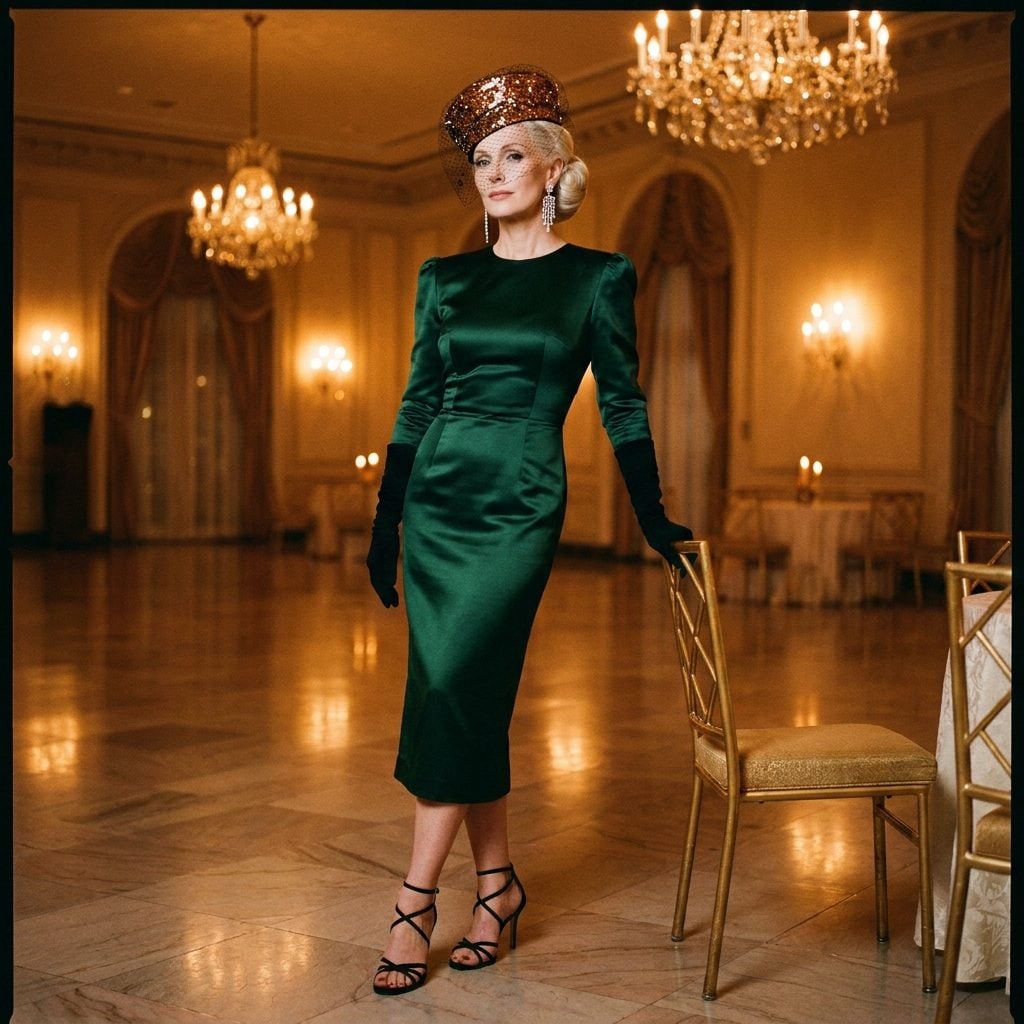
Disco had technically ended, but someone forgot to tell the hats. The sequined cocktail hat of the mid-to-late ’80s was a small, structured pillar of ambition: a pillbox shape or a forward-tilted fascinator base, entirely surfaced in copper sequins or gold lame, sometimes with a short veil attached for maximum drama. You wore it pinned to your updo with approximately seventeen bobby pins and prayed it stayed put through dessert.
These were occasion pieces in the truest sense. Charity galas, New Year’s Eve, anniversary dinners at restaurants with cloth napkins. The accessory styles of this era understood that nighttime called for something your daytime wardrobe simply could not provide.
The sequined evening hat lived in its own hat box, came out perhaps four times a year, and made you feel like someone with a social secretary. Even if you’d driven yourself there in a Buick.