❤️ Would you like to save this?
Color preferences reveal more about your personality and stress management style than you might realize. The shades you gravitate toward in your clothing, home decor, and personal spaces often mirror the psychological strategies you use when facing challenging situations.
FYI, thanks to AI imagery software, we’re able to create very specific fashion and hairstyle examples to illustrate the points being made. In some cases, imagery is exaggerated to hammer home the point. Also, assume links that take you off the site are affiliate links such as links to Amazon. this means we may earn a commission if you buy something.
15. Cool Neutrals Indicate Preference for Calm and Minimalist Stress Relief

Cool neutrals reveal your preference for simple, structured approaches to managing stress. You likely gravitate toward uncluttered spaces and straightforward solutions.
These neutral color palettes create calm, serene atmospheres that match your stress management style. You prefer removing excess rather than adding complexity.
Your chosen palette suggests you handle pressure through organization and minimalism. You find peace in clean lines and open spaces.
14. Rich Greens in Branding Imply a Trustworthy and Healing Stress Strategy

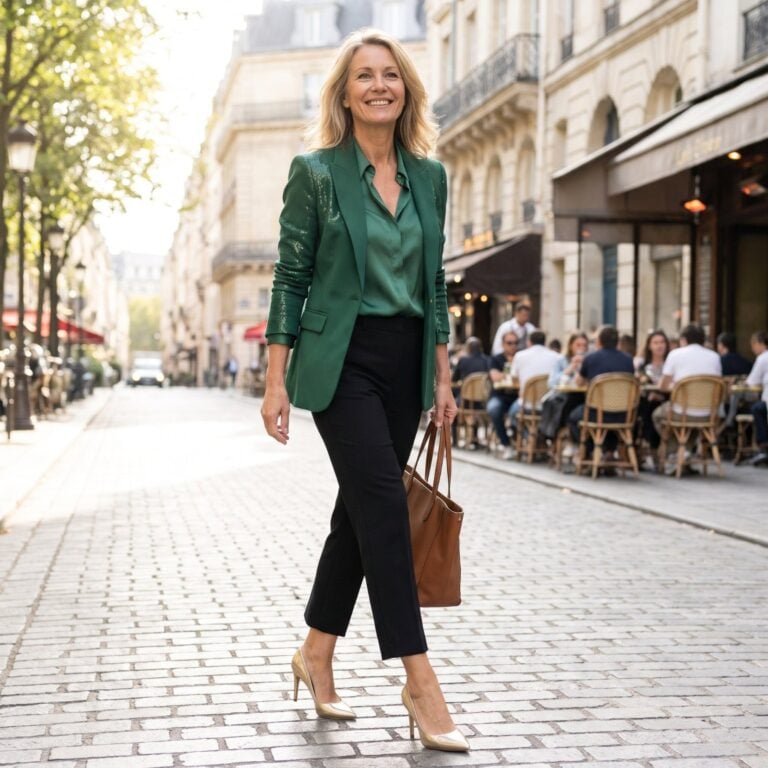
When you choose rich green palettes, you signal a balanced approach to stress management. These deeper emerald and forest tones suggest you handle pressure with wisdom and stability.
Your preference for green’s psychological impact indicates you seek healing methods during stressful periods. You likely turn to nature-based solutions and mindful practices when overwhelmed.
Rich greens reflect your trustworthy character in crisis situations.
13. Muted Blues Combined with Neutrals Suggest Focused and Clear Thinking

When you gravitate toward muted blue and neutral combinations, you likely approach stress with analytical precision. These calming colors like blue support clearer thinking, even during high-pressure situations.
Your preference indicates you process challenges methodically rather than emotionally. You probably create structured plans when facing difficulties.
This palette choice suggests you maintain mental clarity during stressful periods and make decisions based on logic rather than impulse.
12. Soft Yellows Signal Optimism in Facing Stress

Soft yellow in your color preferences reveals your natural tendency to approach stress with hope and positivity. Yellow embodies positivity and has unmistakable energy that transforms challenging situations.
You likely view obstacles as temporary setbacks rather than permanent roadblocks. This optimistic outlook helps you maintain emotional balance during difficult periods.
Pastel yellow brings warmth and friendliness to your stress management approach, making you someone others turn to for encouragement.
11. Gray Tones Reflect a Reserved and Controlled Stress Reaction

Gray preferences indicate you handle stress with measured restraint. You likely process challenges internally before reacting outwardly.
Gray’s neutral nature mirrors your balanced approach to difficult situations. You rarely show panic or emotional extremes under pressure.
Your stress response involves careful analysis rather than impulsive reactions. This methodical approach helps you maintain composure when others might feel overwhelmed.
10. Pastel Pink Shows a Nurturing and Compassionate Handling

When you gravitate toward pastel pink color palettes, you likely handle stress through caring and empathy. This soft hue reflects your natural tendency to seek comfort and connection during difficult times.
Your stress response involves reaching out to others and offering support. Pink communicates warmth, compassion, and nurturing energy, showing you process challenges through relationships and emotional bonds.
9. Deep Purples Suggest an Introspective and Reflective Stress Style

When you gravitate toward deep purple color palettes, you likely handle stress through quiet contemplation and inner reflection.
Your approach involves stepping back from chaotic situations to process emotions internally. You prefer solitude during stressful times, using this space to analyze problems thoroughly.
Purple’s calming properties align with your natural tendency to seek balance through mindful consideration rather than immediate action.
8. Warm Oranges Indicate Energetic but Potentially Anxious Reactions

People drawn to warm orange palettes typically handle stress with high energy and enthusiasm. You likely approach challenges with creative solutions and maintain an optimistic outlook during difficult times.
However, orange has been linked to increased anxiety levels in some research. Your energetic response to stress might sometimes transform into restlessness or nervous tension.
Warm colors like orange can evoke feelings of stress and nervousness because they stimulate increased arousal and brain activity.
7. Bright Reds Can Signal a Fiery and Reactive Stress Response

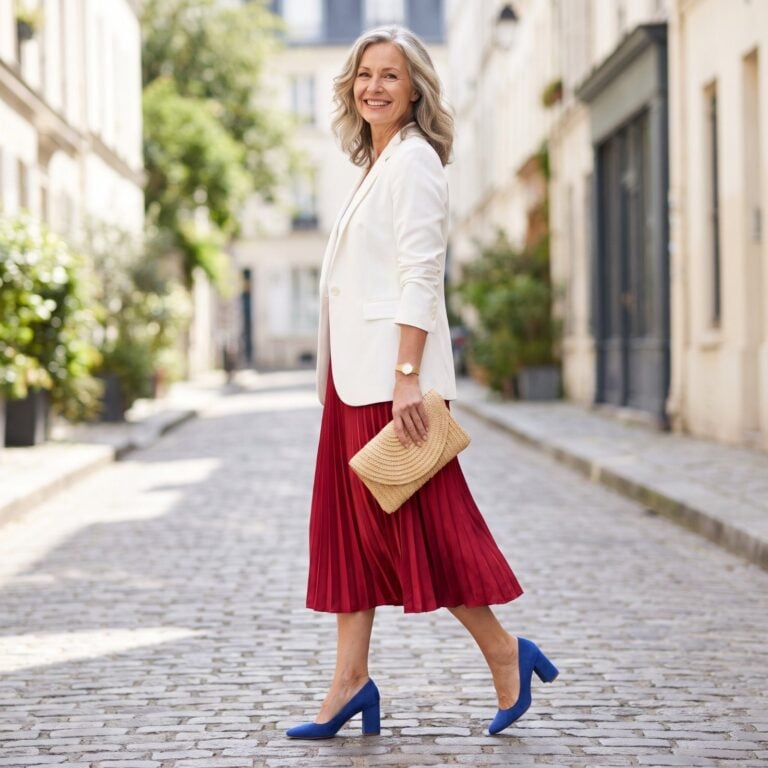
If bright reds dominate your color preferences, you likely experience stress as intense bursts of energy. Your stress response tends to be immediate and passionate.
You probably react quickly when pressure mounts. This can mean speaking up boldly or taking swift action during challenging situations.
Your fiery approach to stress reflects your dynamic personality. You don’t internalize tension quietly but express it outwardly through decisive responses.
6. Taupe Hues Point to a Balanced and Thoughtful Stress Approach

Your preference for taupe color palettes reveals a naturally balanced approach to handling pressure. You likely process stressful situations methodically rather than reacting impulsively.
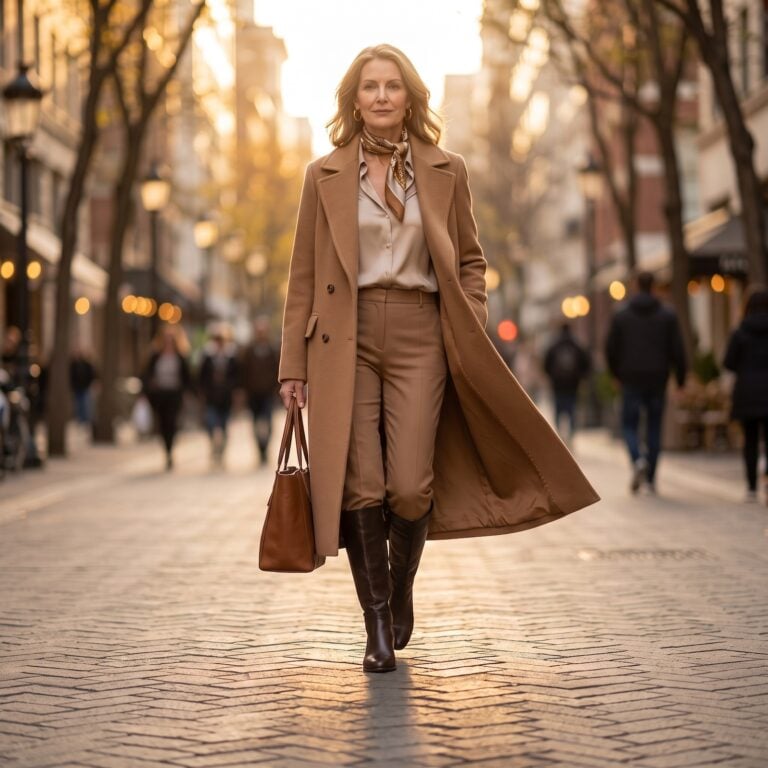
Taupe combines brown and gray elements, reflecting your ability to blend practical thinking with emotional awareness. This neutral tone is associated with calmness and practicality, mirroring how you maintain composure during challenging times.
Your taupe preference suggests you create stability for yourself and others when stress levels rise.
5. Creams and Beiges Reveal a Desire for Stability Under Stress

When you gravitate toward cream and beige color palettes, you’re seeking emotional grounding during turbulent times. These neutral tones reflect your need for stability and predictability.
Beige palettes evoke calmness and simplicity, making them your go-to choice when stress feels overwhelming. You prefer environments that won’t add visual chaos to your already strained mental state.
Your attraction to these understated hues shows you handle stress by creating safe, comfortable spaces around yourself.
4. Lavender Shades Reflect a Gentle and Peaceful Coping Style

When you gravitate toward lavender color palettes, you likely handle stress through calm, thoughtful approaches. This gentle hue reveals your preference for peaceful resolution over confrontation.
Your coping style involves creating tranquil environments and taking time to process emotions. You probably seek quiet spaces when overwhelmed, using lavender’s natural calming properties to restore balance and find inner peace.
3. Muted Earth Tones Suggest Grounded and Balanced Reactions

❤️ Would you like to save this?
If you gravitate toward muted earth tones, you likely handle stress with remarkable composure. These colors reflect your natural ability to stay centered during challenging situations.
Your preference for these calming and refined shades indicates you approach problems methodically rather than reactively. You tend to find practical solutions instead of getting overwhelmed by emotions.
2. Soft Greens Show a Healing and Soothing Response

When you gravitate toward soft green color palettes, you likely handle stress through gentle healing methods. You prefer natural approaches to managing pressure.
Your stress response focuses on restoration rather than confrontation. Soft greens reduce stress and promote healing, matching your instinct to seek balance during difficult times.
You create calm environments when overwhelmed. This color choice reveals your tendency to process stress slowly and mindfully.
1. Cool Blues Indicate Calm and Collected Stress Handling

If you gravitate toward cool blue color palettes, you likely handle stress with composure and thoughtful responses. Blues promote relaxation and reduce stress by creating calm environments.
Your preference for blue suggests you approach challenges methodically. You probably take time to process situations before reacting.
Cool colors like blue have soothing effects on the mind and body, reducing anxiety feelings. This mirrors your natural tendency to remain level-headed during difficult moments.