❤️ Would you like to save this?
The smell of Dippity-Do and the quiet sizzle of a curling iron left on the bathroom counter too long. Your mom’s rollers clicking against each other as she walked to the kitchen for coffee, hair still pinned in neat rows at six in the morning. The 1970s gave us hairstyles that were political, personal, and occasionally dangerous (hello, home perming kits). Some of these looks launched revolutions. Others just launched a lot of hairspray into the ozone layer.
Here are 34 cuts and styles that made the decade unforgettable.
FYI, thanks to AI imagery software, we’re able to create very specific fashion and hairstyle examples to illustrate the points being made. In some cases, imagery is exaggerated to hammer home the point. Also, assume links that take you off the site are affiliate links such as links to Amazon. this means we may earn a commission if you buy something.
34. Pin-Straight, Center-Parted, and Down to Your Waist
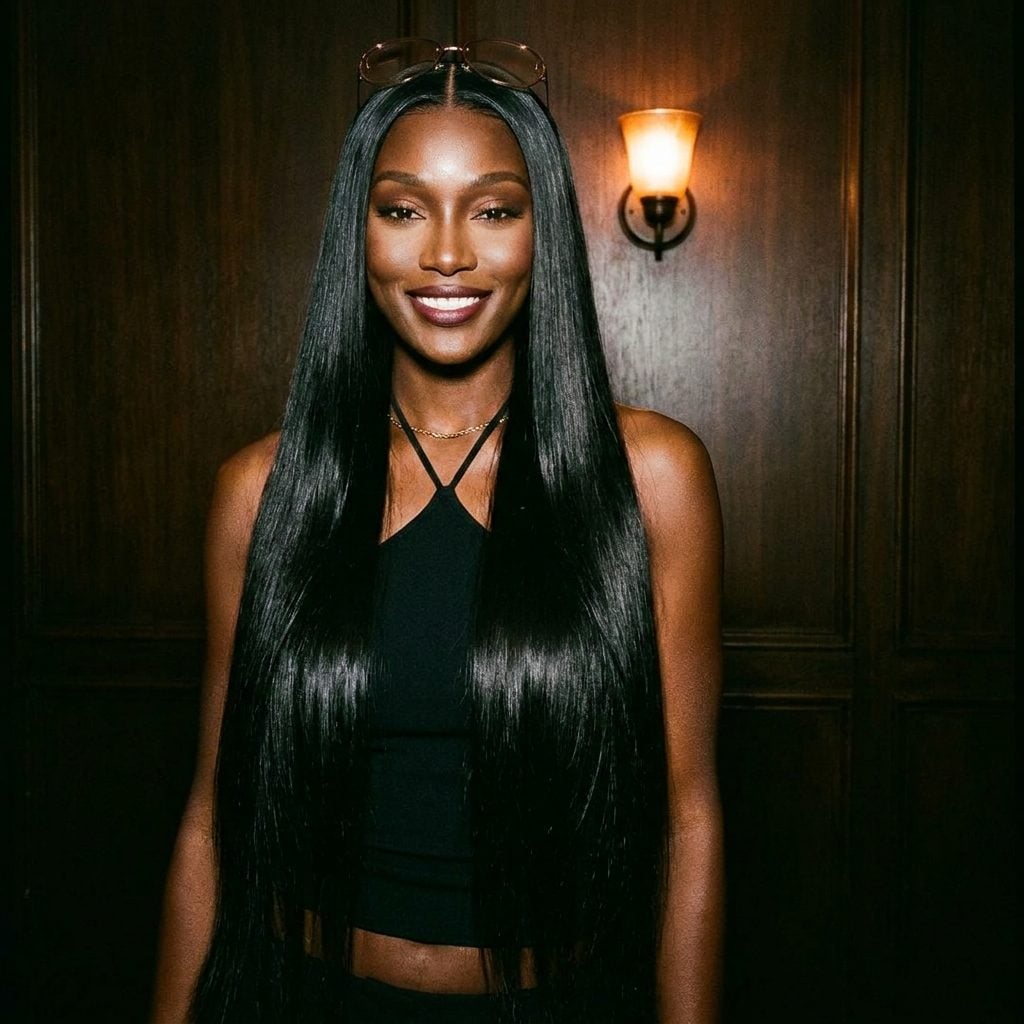
Ironing your hair on an actual ironing board. We did that. We laid our heads down on the board like we were pressing a cotton blouse, and someone ran a hot iron over sections of our hair while we prayed we wouldn’t get burned. That’s how badly we wanted this look.
The center part was non-negotiable. It had to be ruler-straight, dividing your face into two perfectly symmetrical halves. And the length? The longer the better. Past your shoulders was acceptable. Past your bra strap was good. Past your waist was the goal. You’d sit on it, get it caught in car doors, find it in your food. None of that mattered.
33. The Shag That Made ‘Messy’ a Legitimate Hair Philosophy
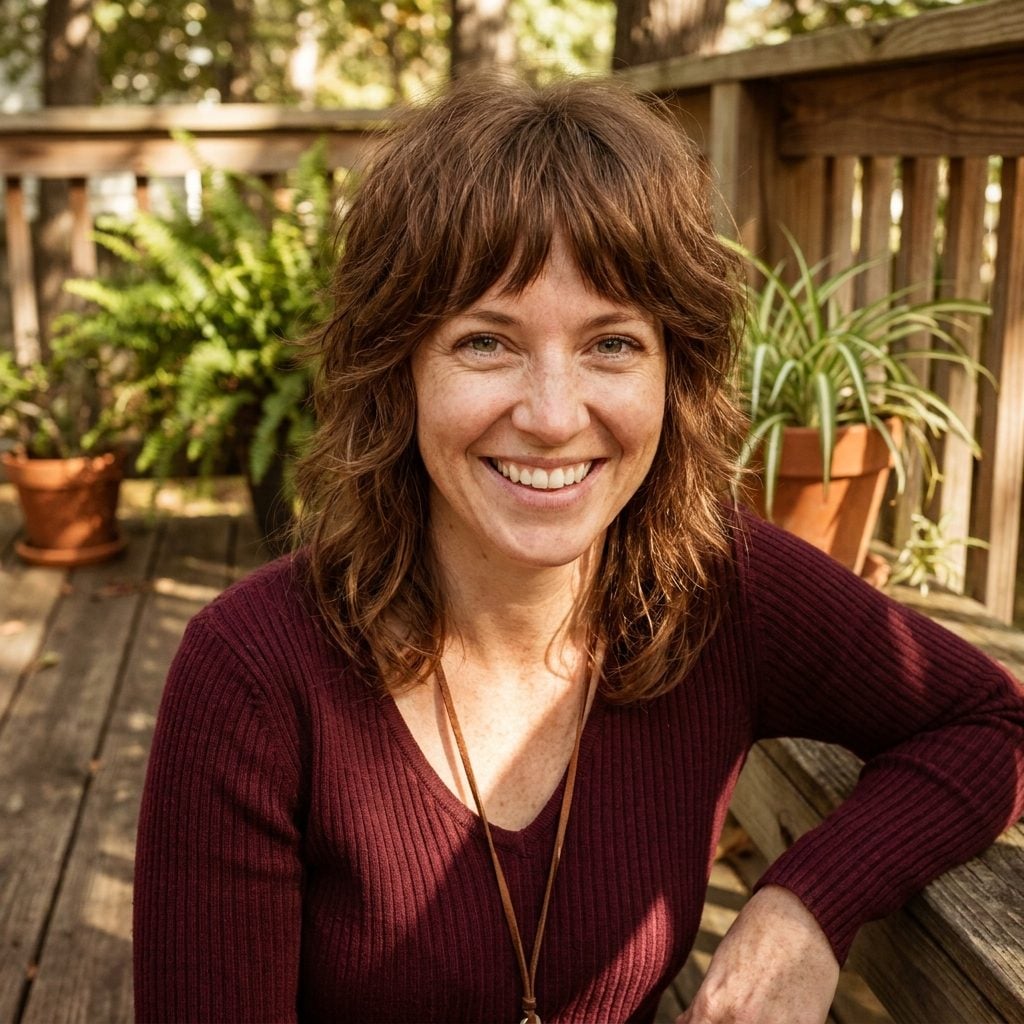
Here’s the thing about the shag: it was supposed to look like you hadn’t tried. But making hair look like you hadn’t tried? That required tremendous effort. Razor-cut layers at six different lengths, bangs you had to train with a round brush every morning, and a specific head-shaking technique after blow-drying that we all perfected in the bathroom mirror.
The brilliance of this cut was its democracy. It worked on thick hair, thin hair, curly hair, straight hair. It didn’t care about your face shape. It just needed to move. And it moved constantly, which was part of the appeal.
32. Sun-Bleached Blonde Waves That Smelled Like Coconut and Freedom
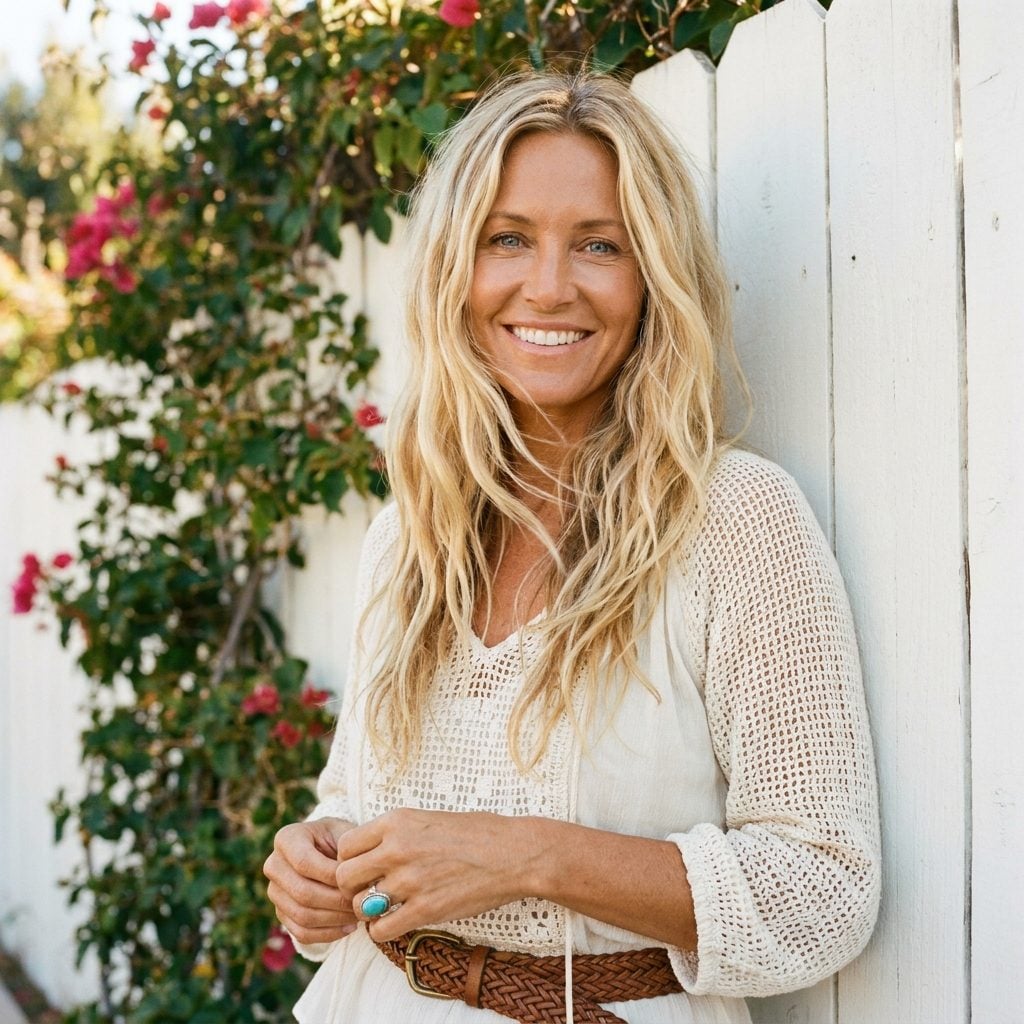
Lemon juice and Sun-In. That was the formula. You’d spray it in before heading to the pool and come home four shades lighter, with hair that felt like straw and looked like California even if you lived in Ohio.
These weren’t salon highlights. They were reckless, DIY, occasionally orange-tinted experiments in self-reinvention. The waves themselves came from braiding damp hair before bed or, if you were lucky, just from the humidity doing its thing. Nobody used the word “beachy” yet. You just wanted to look like you spent your weekends somewhere with a surfboard.
I’m fairly sure my hair didn’t fully recover until 1983.
31. The Salon Blowout You Tried to Recreate Every Single Morning
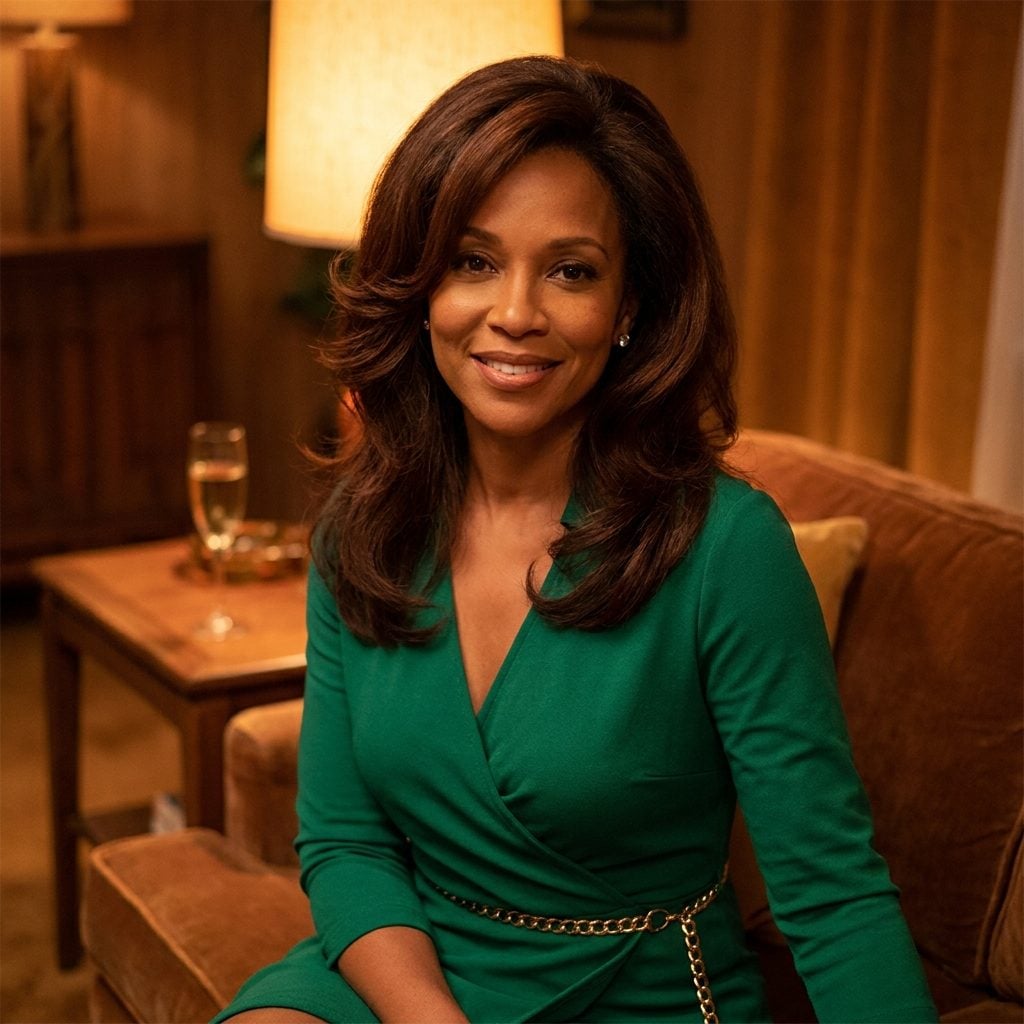
This was grown-up hair. While the rest of us were ironing our strands flat or teasing them into shags, the blowout crowd owned every room they walked into. Smooth, swooping layers that moved like they’d been choreographed. Not a frizz in sight. The kind of hair that made you think, “She has her life together.”
Getting this look required a salon-quality blow-dryer (those heavy chrome ones that could double as a weapon), a large round brush, and patience bordering on sainthood. You’d section your hair into clips and work through each piece, directing the ends into that perfect inward curve. By the time you finished, your arms ached and you were running twenty minutes late. But your hair looked like a shampoo commercial, so it was fine. Everything was fine.
30. The Polished Pageboy That Meant Business (Literally)
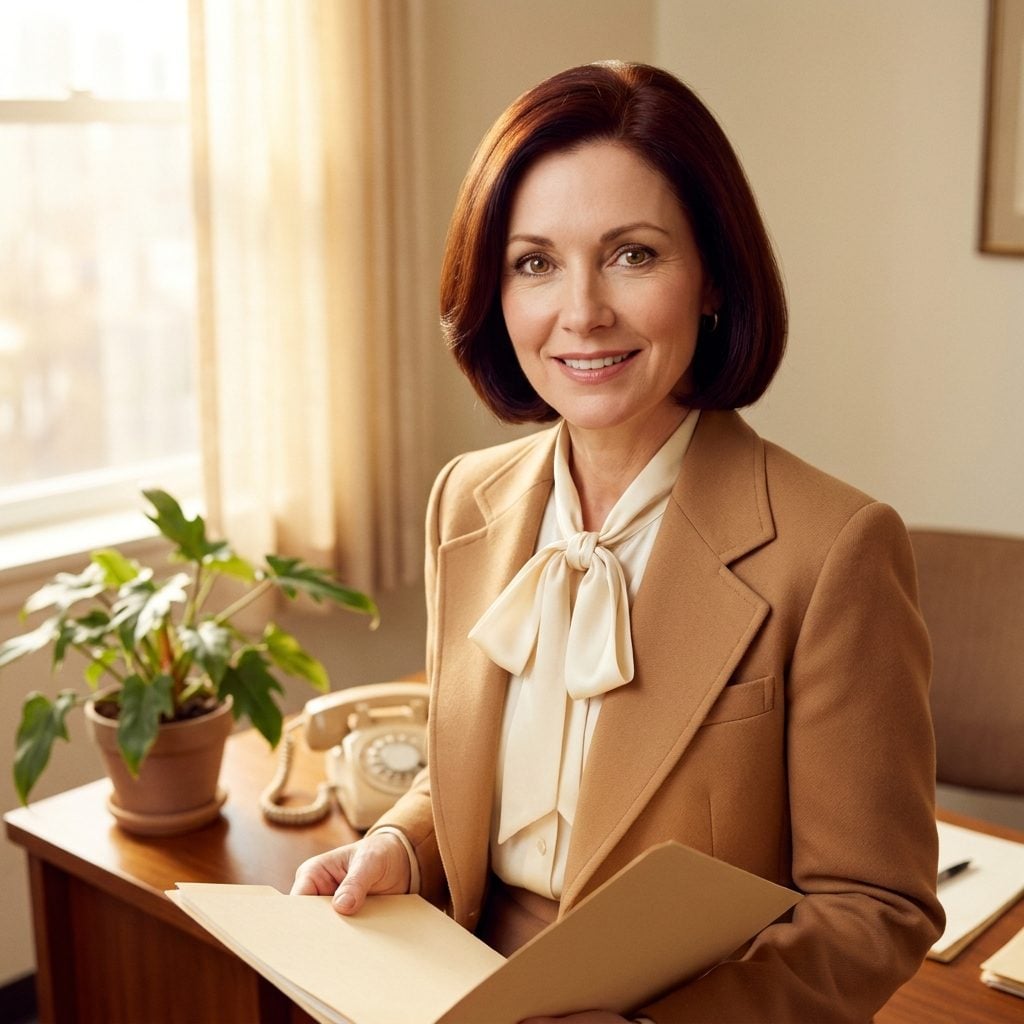
Not everyone wanted to look like they’d just rolled out of a VW van. Some of us wanted to look like we had corner offices. The pageboy was the haircut of women who were walking into workplaces that didn’t entirely want them there, and it said, “I’m serious, I’m competent, and my hair is not going to be a topic of conversation.”
The rounded edges required regular trims. Every six weeks, no exceptions, or the shape fell apart and you just looked like you were growing out a bad decision. It was high-maintenance disguised as low-maintenance, which, honestly, described most working women in the ’70s.
29. The Short Layered Flip Your Mom Definitely Had

Pull out any family photo from 1974 to 1979 and there she is. Your mom, your aunt, your neighbor, your third-grade teacher. All of them had some version of this exact haircut: short enough to be practical, layered enough to have body, with those outward-flipping ends achieved through a combination of hot rollers and sheer willpower.
This was the hairstyle of women who had things to do. Carpools. PTA meetings. Casseroles that wouldn’t make themselves. It said, “I care about how I look, but I have eleven minutes to get ready and three kids who need to find their shoes.”
There’s a tenderness in recognizing it now. That flip wasn’t trying to be iconic. It was just trying to get through Tuesday.
28. The Glorious Afro That Took Up All the Space It Deserved
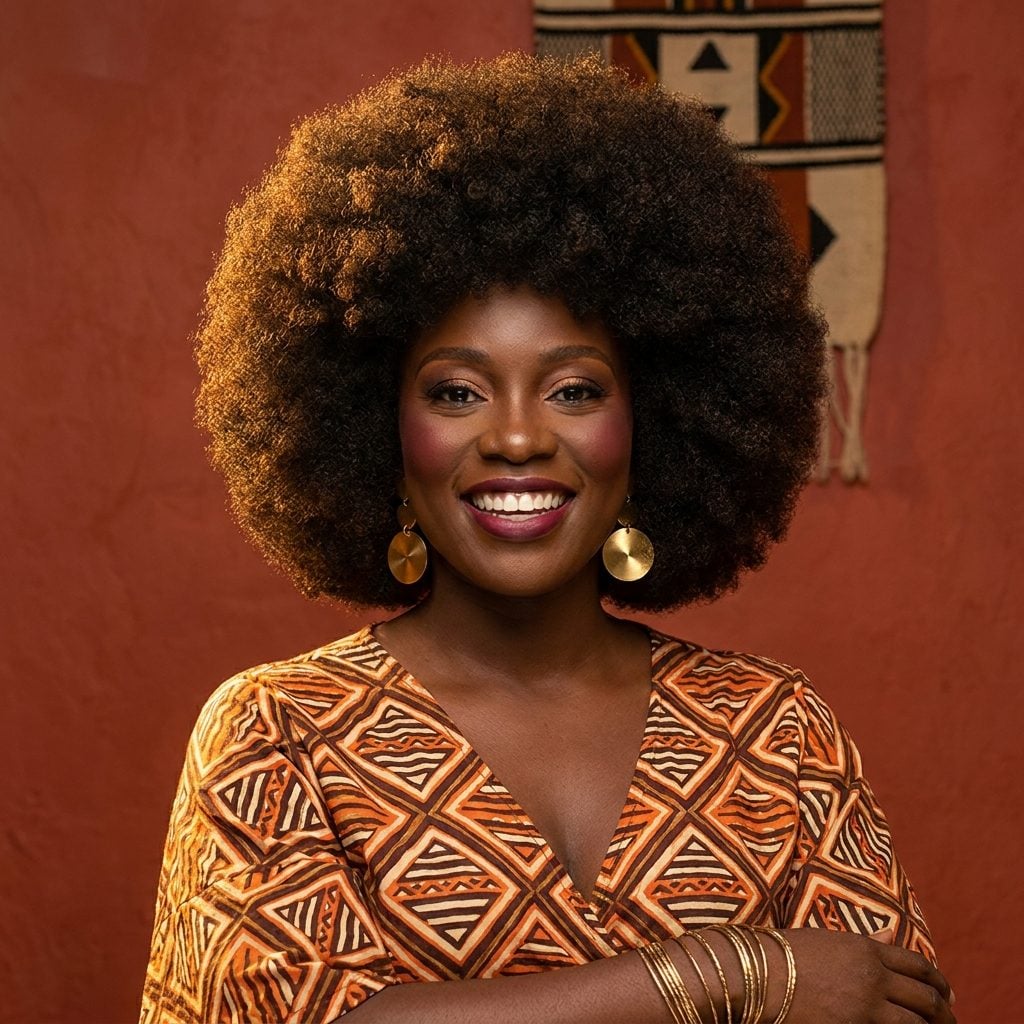
This wasn’t just a hairstyle. You know that. I know that. Everyone who lived through the ’70s knows that. The afro was a declaration, a reclamation, and for a lot of Black women, the first time their natural texture was celebrated in mainstream culture rather than something to be “corrected.”
The maintenance was its own ritual. A wide-tooth comb or afro pick (often with a Black fist handle) tucked into the back pocket. Shea butter or Afro Sheen worked through each section. The careful patting and shaping to achieve that perfect round silhouette. It took time and care, and that care was an act of love.
And the size mattered. Not in a vanity way, but in a “watch me take up space” way. The bigger the afro, the louder the statement. Some women shaped theirs into perfect spheres. Others let the shape go slightly wild. Both were correct.
27. The Wispy Bohemian Layers That Made You Feel Like You Could Front a Rock Band
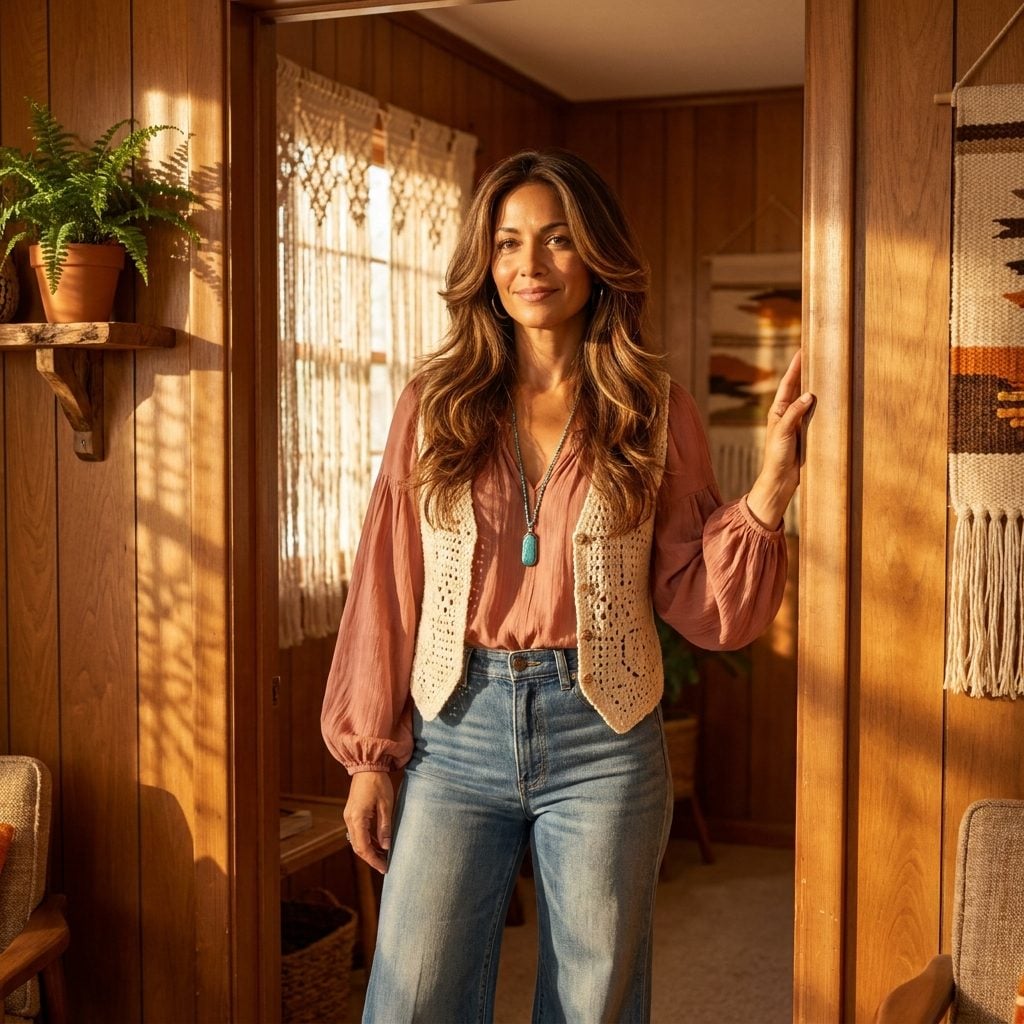
You didn’t just ask for layers. You brought in a worn-out album cover and pointed at it with absolute certainty. The hairdresser would feather everything from the cheekbones down, and you’d leave the salon swinging your head side to side like the hair had somewhere to be.
Those wispy ends were non-negotiable. They had to move. They had to look like you’d just come in from standing on a windy cliff somewhere in Northern California, even if you lived in suburban Ohio and had never seen the Pacific. A center part, always, because anything else felt too structured for the vibe you were building.
26. That Pin-Straight Layered Flip You Ironed on an Actual Ironing Board
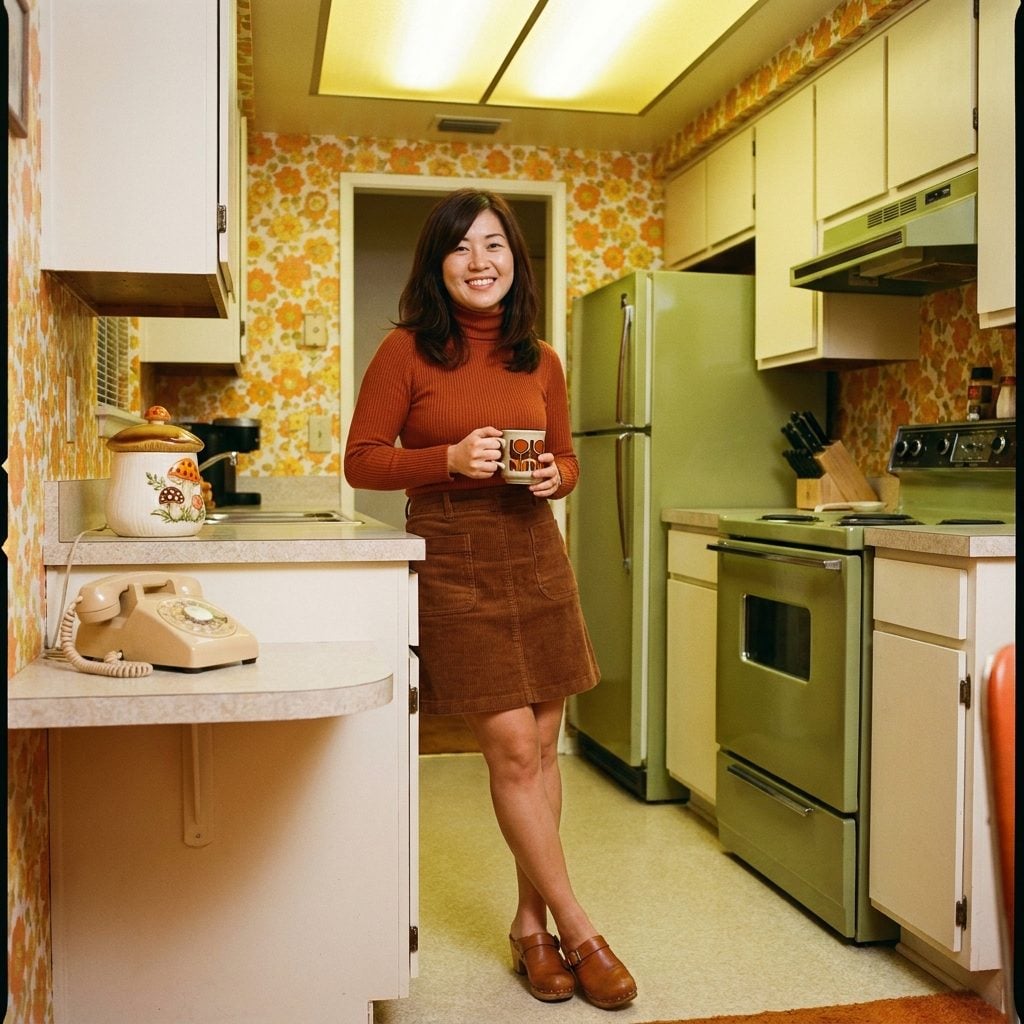
Before flat irons existed in any form a normal person could buy, we literally laid our hair across the ironing board and pressed it with a steam iron. I’m not exaggerating. Someone held the iron. Someone else held very still and prayed.
The result was that impossibly sleek, stick-straight curtain of hair with just the tiniest kick at the ends, flipping outward like it was doing a little curtsy. You’d wrap the ends around orange juice cans overnight to get that flip if the iron method felt too risky. And it was risky. Singed ends were a real thing nobody talked about.
25. The Full-Volume Cascade of Curls That Required Its Own Zip Code
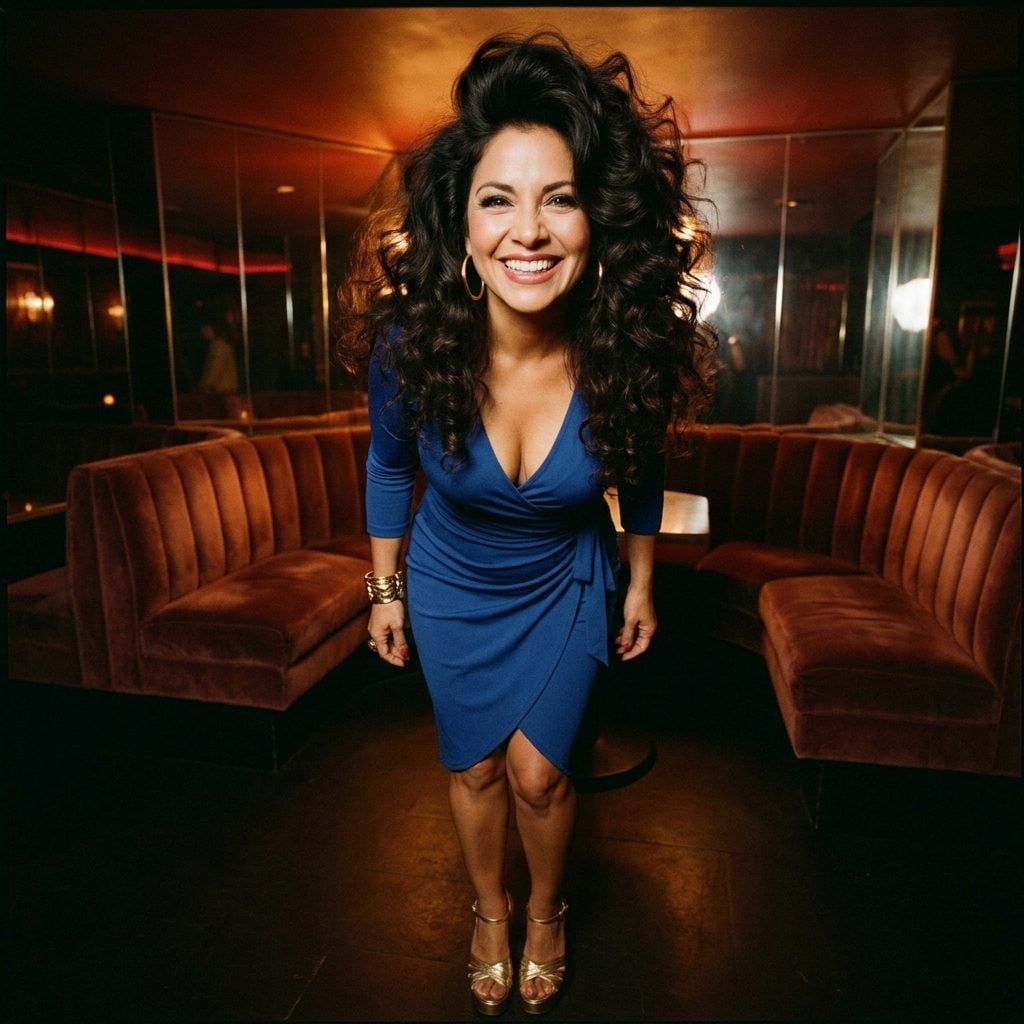
This wasn’t hair. This was architecture. Hot rollers, a diffuser attachment the size of a dinner plate, and a prayer to the humidity gods. You’d spend forty-five minutes on lift alone, teasing the crown until your wrist ached, then locking it all down with so much Aqua Net you could taste it.
The goal was simple: hair so full it moved as a single, glorious unit when you turned your head. Every curl had to be soft, never crunchy, bouncing like it had its own heartbeat. If someone’s hand could disappear into it, you’d achieved the look.
24. The Natural-Texture Center-Part Bob That Whispered ‘I Read Real Books’
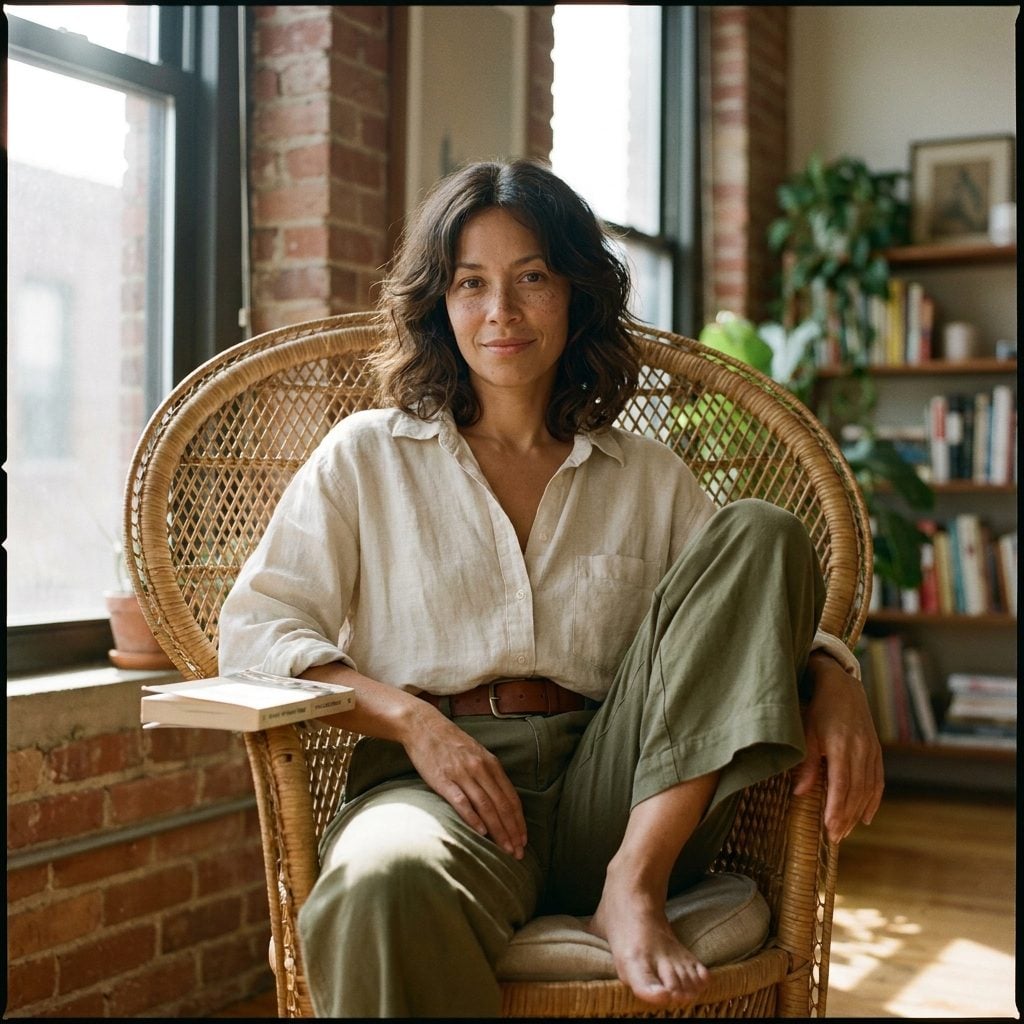
Not everyone wanted the big hair. Some of us wanted to look like we’d just come from a foreign film screening, thoughtful and slightly windswept, carrying opinions about Joni Mitchell’s Blue that nobody asked for but everyone was going to hear.
This bob sat right at the collarbone. Center-parted, always. The natural texture was the whole point. You didn’t blow it out. You washed it, maybe scrunched in a little conditioner, and let it do what it wanted. The style telegraphed something specific: that you cared more about what you were thinking than what you were wearing. Even though, of course, you’d thought about the hair quite a lot.
23. Smooth Layers With That Perfect Little End-Flip You Practiced Every Single Morning
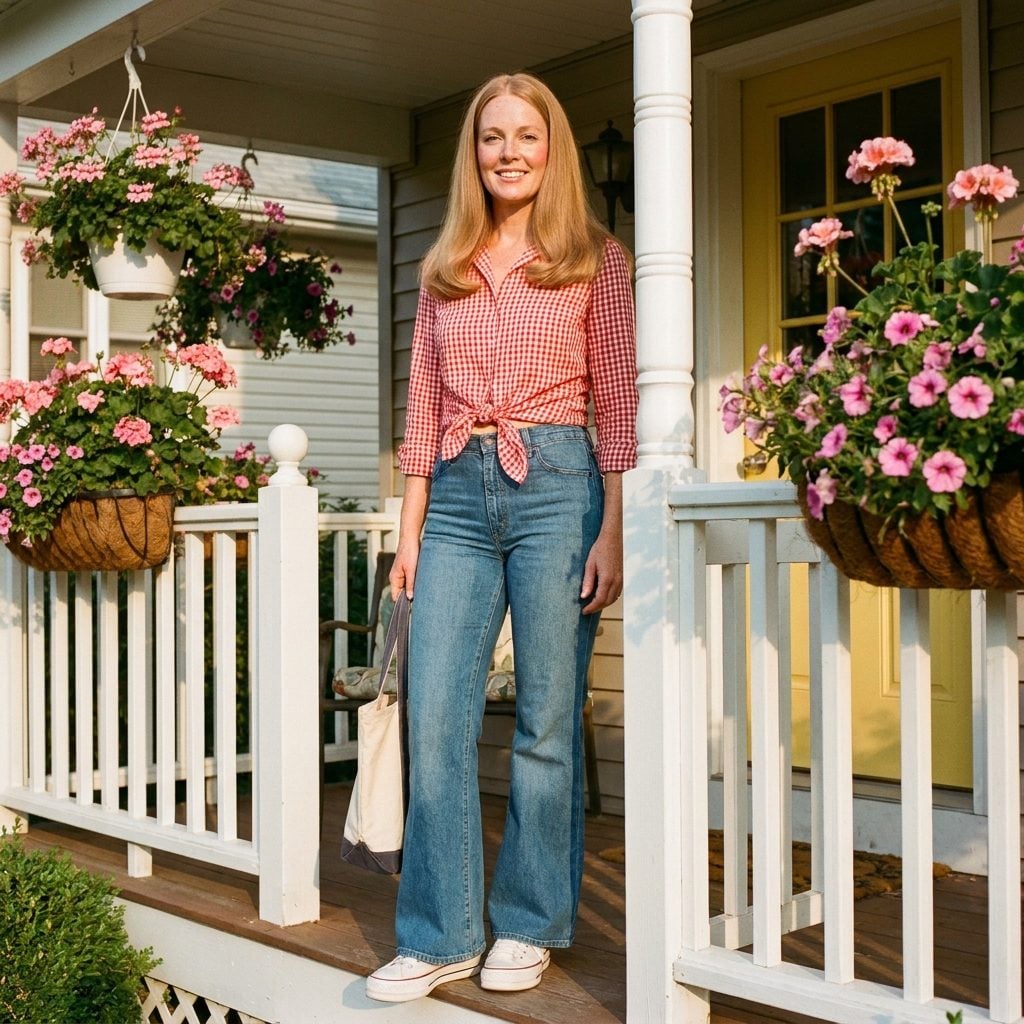
Every girl in your class had a round brush and a blow dryer and spent twenty minutes every morning trying to get those ends to flip just so. Not curl. Not bend. Flip. A specific, deliberate little turn outward, like the hair was waving hello to the person walking behind you.
It looked effortless on television. It was not effortless. It required sectioning, tension, and the exact right moment to release the brush or the whole thing collapsed into something flat and sad. And humidity was the enemy of everything you’d built.
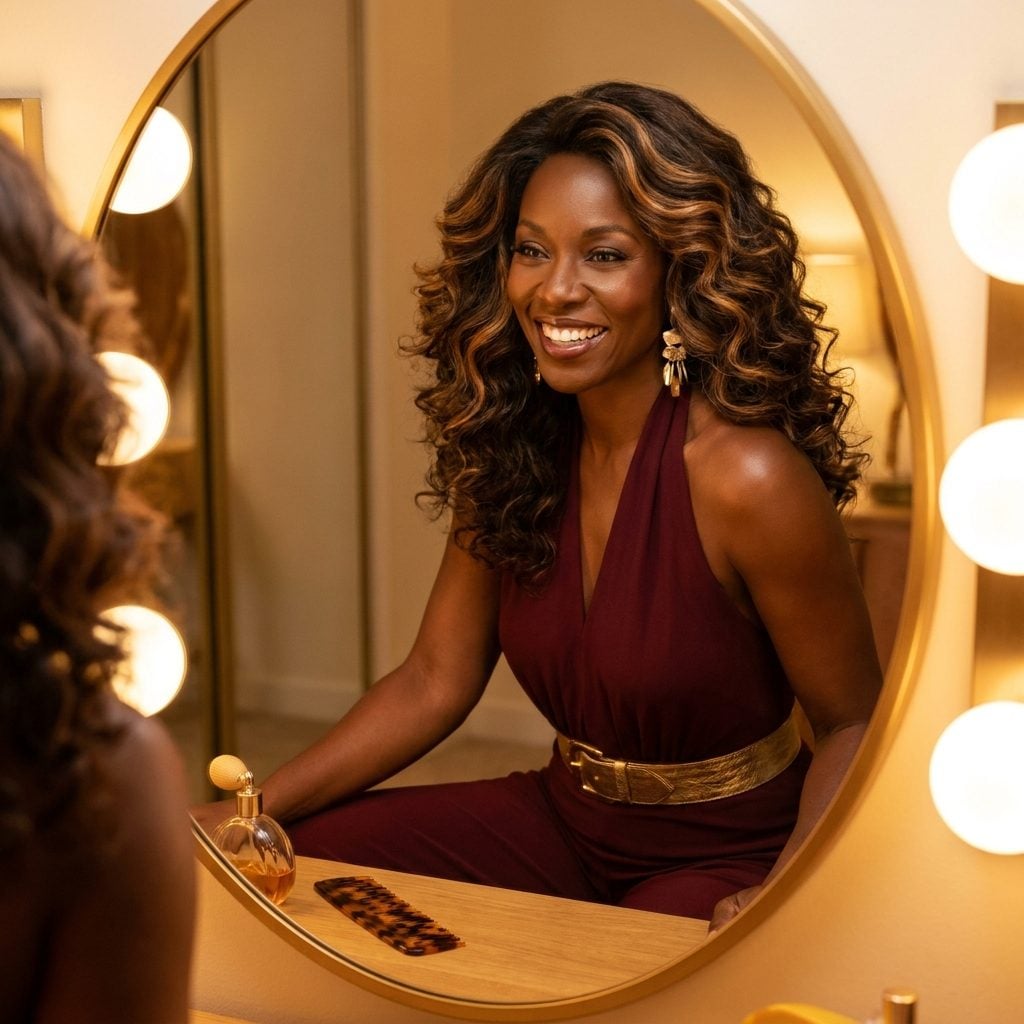
22. The Glamorous Full-Bodied Wave That Made Strangers Ask If Your Hair Was Real
❤️ Would you like to save this?
People stopped you. Genuinely stopped you in the grocery store to ask what you did to your hair. And the honest answer was: a lot. Hot rollers the size of soup cans, pin curls set overnight, a bonnet dryer you sat under while reading an entire magazine, and a final shake-out that felt like a religious experience.
The volume started at the root. Not halfway down, not at the ends. The root. You backcombed, you set, you sprayed, you fluffed. The goal was hair that looked like it was perpetually being tossed by a gentle breeze from a very flattering angle. Glamour wasn’t a special occasion. It was Tuesday.
21. The Shaggy, Piecey, Don’t-Touch-Me Cut That Invented Cool-Girl Hair
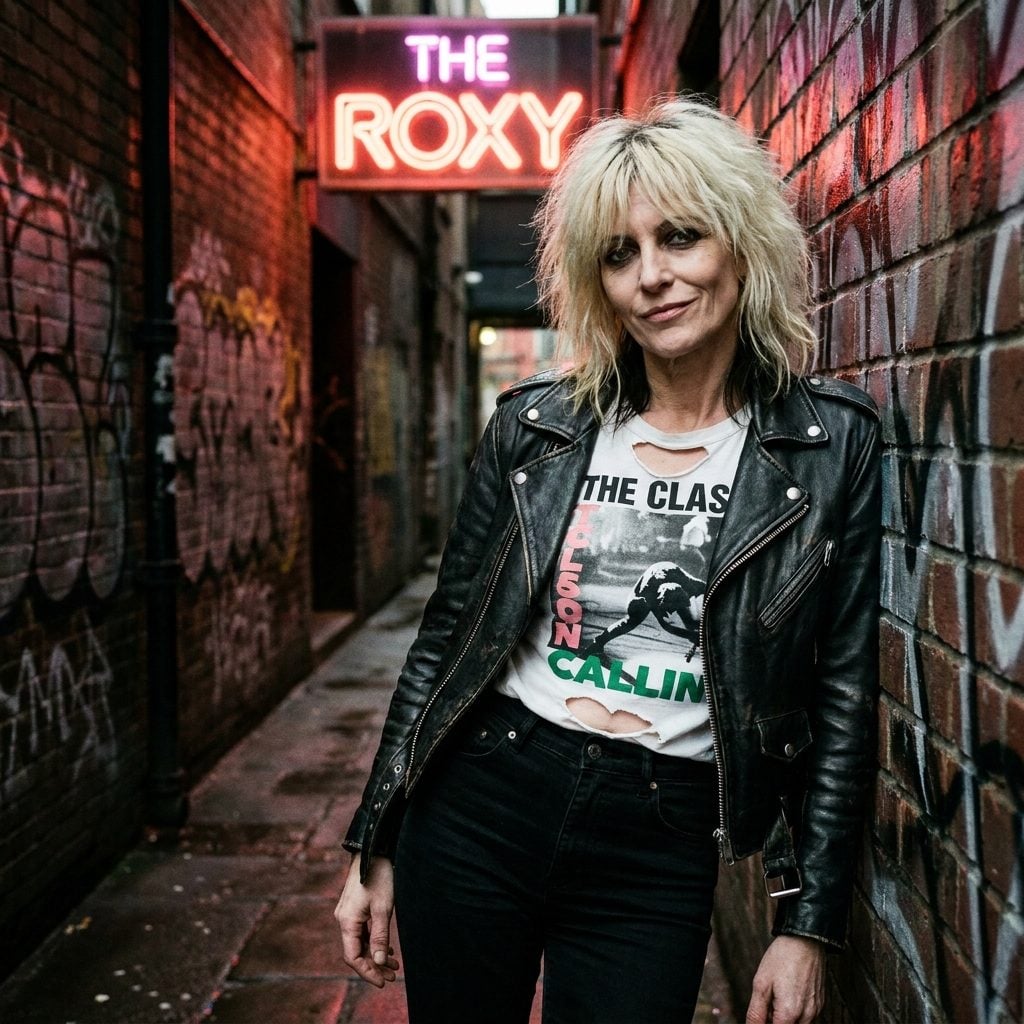
This was the androgynous hairstyle that didn’t ask permission. Razored layers, bangs that fell wherever they wanted, roots showing on purpose. It was the anti-flip, the anti-roller-set, the hair equivalent of not caring what your mother thought about your life choices.
Getting this cut right required a stylist who understood that “messy” is actually harder to achieve than “polished.” Every piece had to look accidental while being completely deliberate. You’d rough it up with your fingers, maybe spray in some salt water or just not wash it for a day, and suddenly you looked like you fronted a band at CBGB, even if you were an accountant in New Jersey.
20. Long, Loose Waves With a Center Part and Zero Apologies
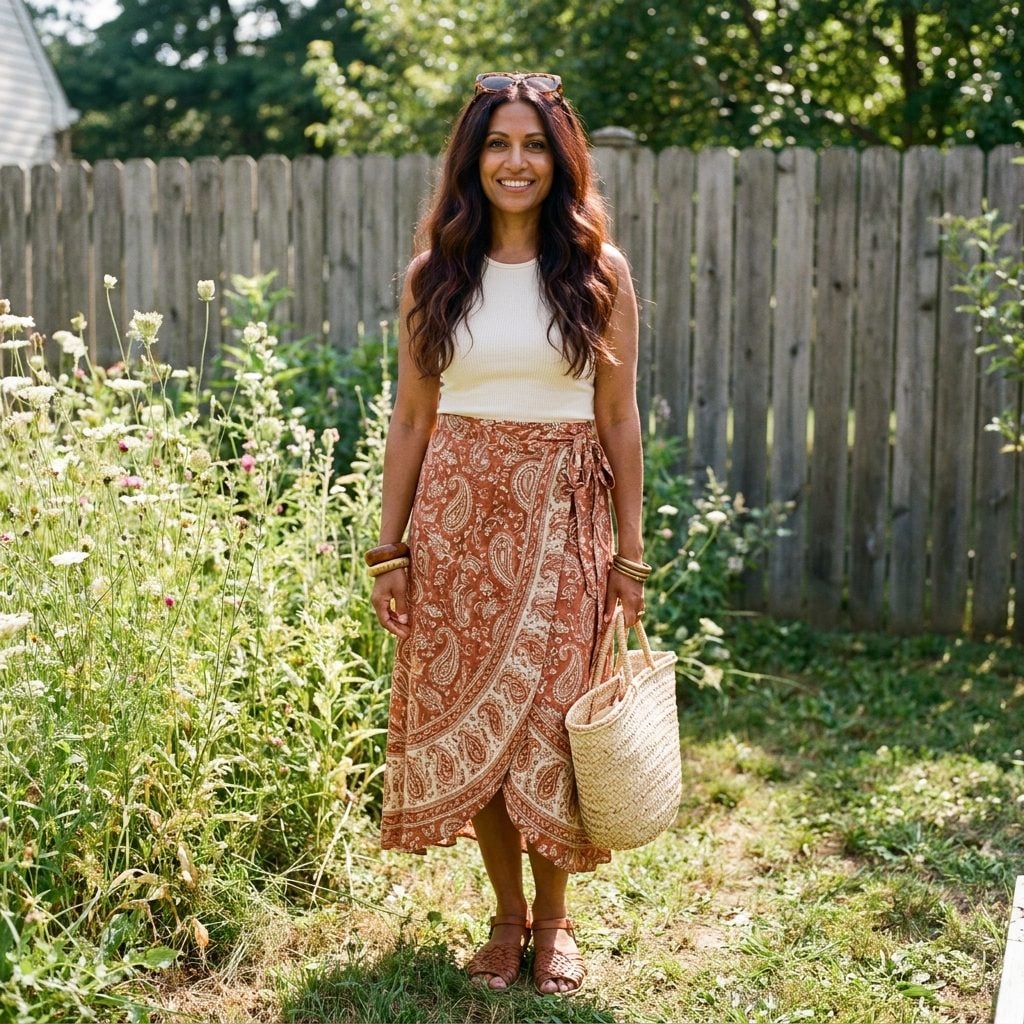
Sometimes the most radical thing you could do with your hair was absolutely nothing. Wash it. Part it down the middle. Walk out the door. No rollers, no dryer, no product beyond maybe a drop of coconut oil rubbed between your palms.
This was hair as philosophy: I am enough as I am, and so is my wave pattern. The center part was essential. It said symmetry, balance, a certain groundedness. Paired with big sunglasses and a wrap skirt, it was the whole quiet-confidence uniform of women who looked like they spent their weekends at open-air markets buying things that smelled like sandalwood. And honestly, a lot of them did.
Of all the ’70s styles, this one aged the best. It still works. It’s never going to not work.
19. The Feathered Shag That Made You Feel Like You Could Roller-Skate Into the Sunset
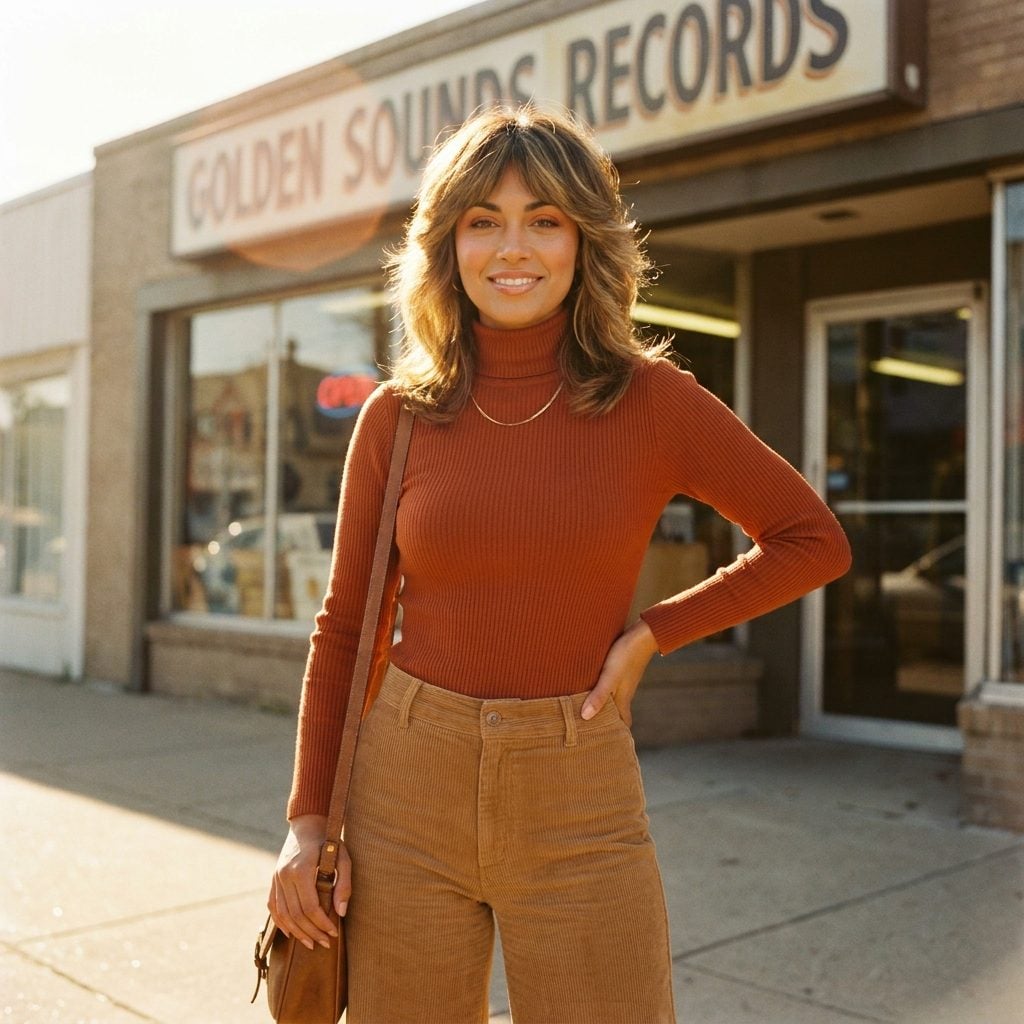
You didn’t just ask your hairdresser for layers. You brought in a magazine clipping, folded twice, already soft at the creases from being handled so many times. The feathered shag was the haircut that promised reinvention. Light, swoopy layers that kicked away from the face, like your hair was permanently caught in a convertible breeze you weren’t actually driving through.
Getting it right required a round brush, a blow dryer angled just so, and about forty-five minutes you’d never admit to. The secret was the feathering at the temples. Too much and you looked like a spaniel. Too little and it was just a regular haircut. But when it worked? You felt untouchable.
18. The Charlie’s Angels Flip You Practiced With a Curling Iron Until Your Wrist Ached
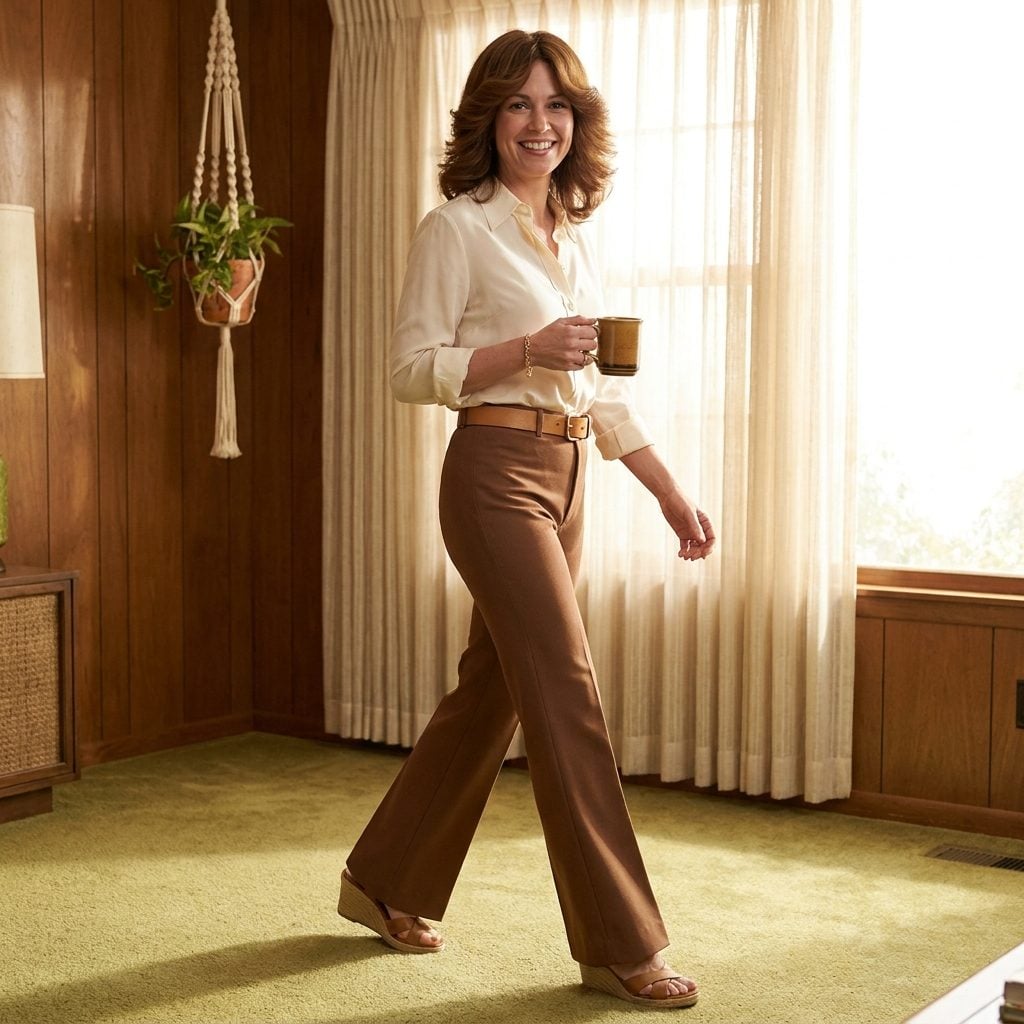
Wednesday nights at 8 PM taught an entire generation of women what hair was supposed to look like. The layered flip, the signature of one particular Angel, required layers that moved independently and ends that curled outward with the precision of a gymnast’s dismount. You needed hot rollers, a vent brush, and the kind of patience that only comes from genuine vanity.
The trick was volume at the crown without height at the sides. A center part was acceptable. A side part was advanced. And those flipped ends had to look effortless, which of course meant they were anything but.
17. The Smooth Pageboy That Whispered ‘Dallas Money’ Before Dallas Even Aired
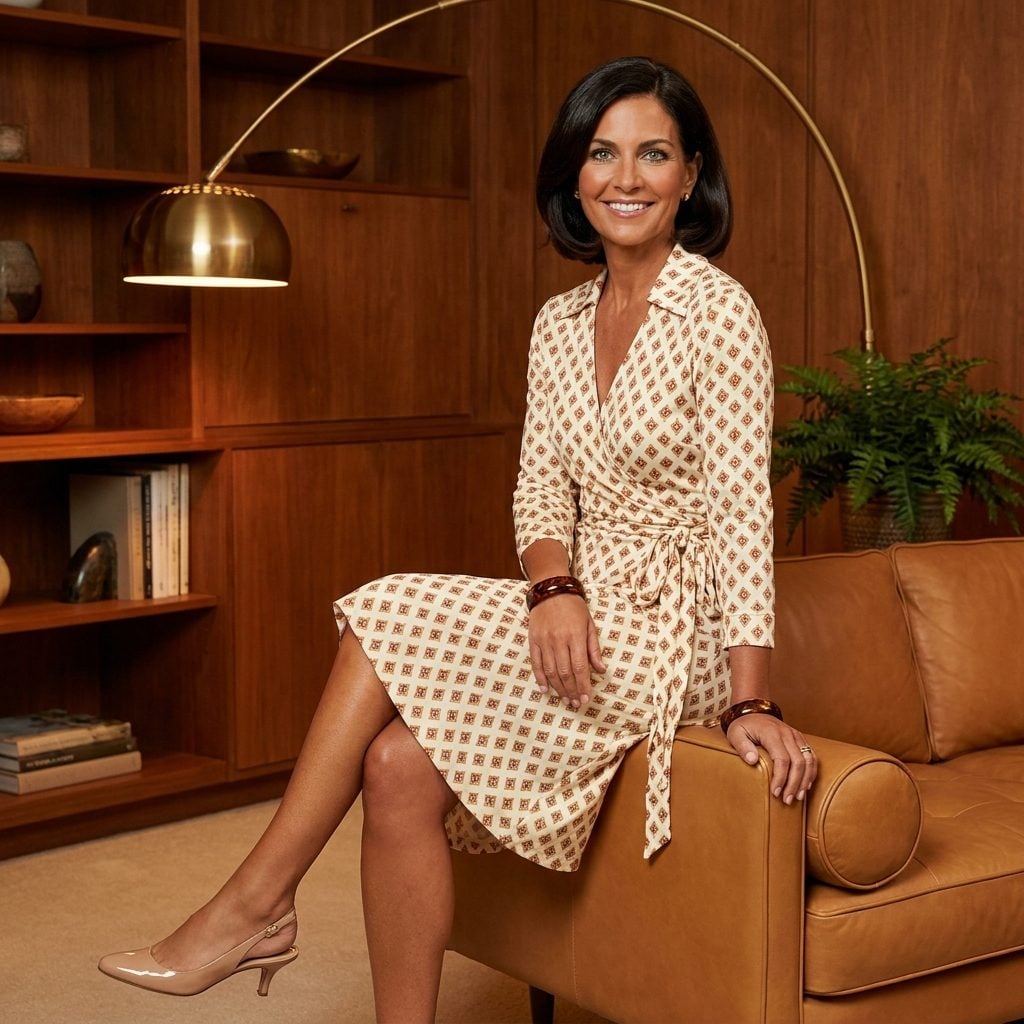
Not everyone wanted volume. Some women wanted control.
The pageboy was the anti-shag. Smooth, tucked under at the ends like a secret being kept, with a shine so deliberate it practically required a non-disclosure agreement. This was the hairstyle of women who owned monogrammed stationery and drove sedans the color of champagne. It said “I have my life together” even if you absolutely did not.
Achieving that perfect inward curl at the ends meant wrapping sections around a round brush while blow-drying downward, then not touching it. Not once. You sealed it with Aqua Net from arm’s length and hoped the humidity would cooperate. I got this wrong for years, always over-curling the bottom until it looked less “polished socialite” and more “helmet.”
16. Long, Straight, and Parted Down the Middle Like a Curtain You Lived Behind
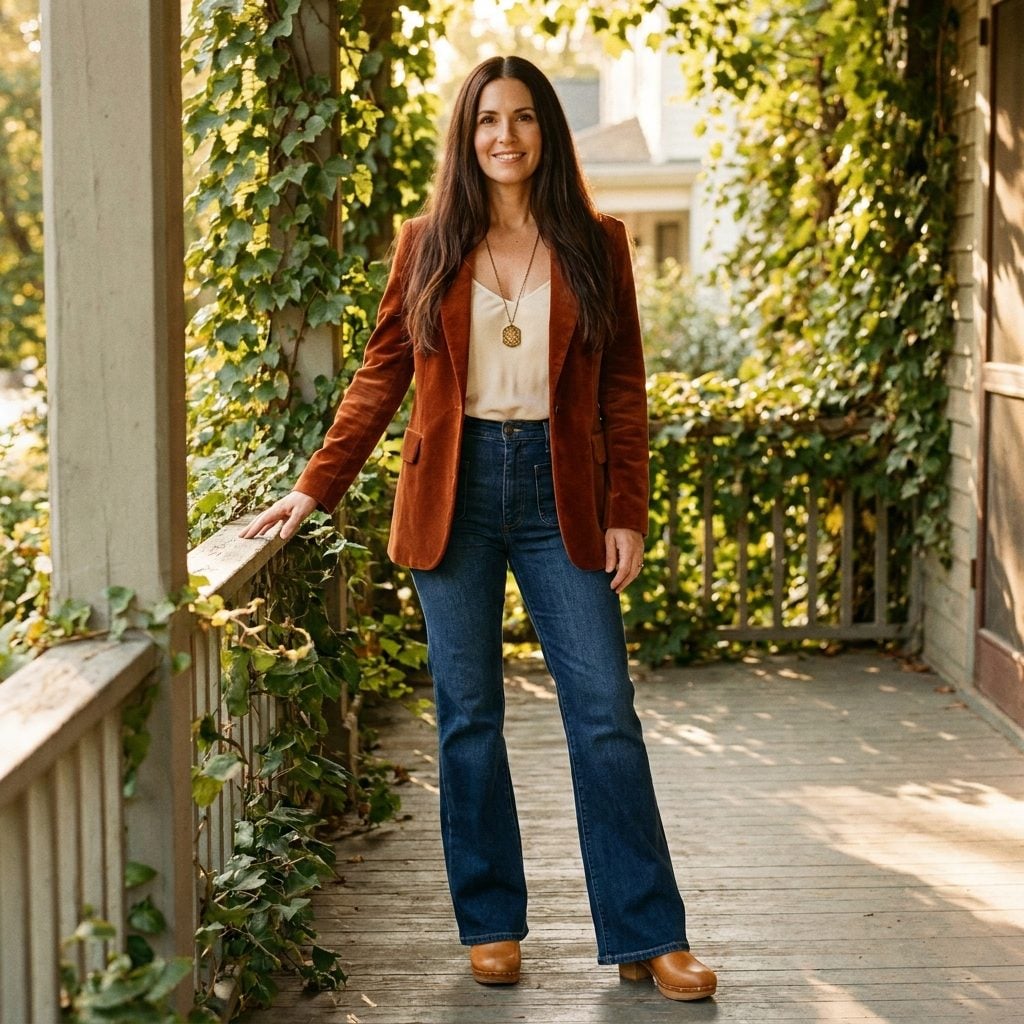
Ironing your hair on an actual ironing board sounds like an urban legend. It isn’t. We did it. Your friend held the iron, you laid your hair flat on the board, and both of you pretended the smell of singed protein was completely normal.
The center-parted curtain of straight hair was the default setting for the early seventies. No product, no tools besides that terrifying iron, no real style beyond “very clean and very long.” The appeal was simplicity, purity, a rejection of the teased and sprayed constructions of the sixties. Your hair just hung there, and that was the whole point.
15. Soft Curls With a Side Part and the Kind of Volume That Just Happened (It Didn’t)
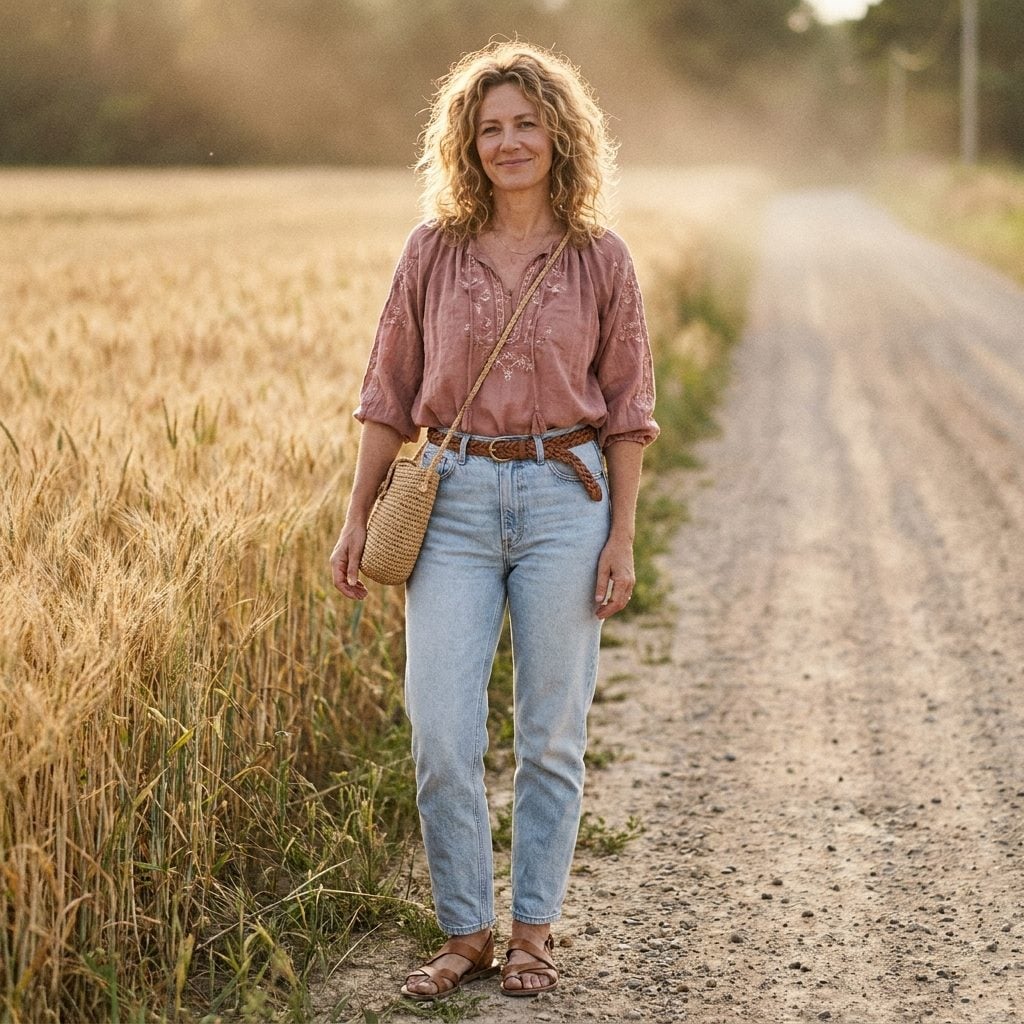
“I just let it air dry” was the great lie of 1975. Nobody’s hair fell in perfectly tousled soft curls without intervention. Behind that casual, bed-head-adjacent look was a complicated ritual involving setting lotion, foam rollers worn overnight, and a careful finger-comb in the morning that could go wrong in seventeen different ways.
But the goal was gorgeous: loose, touchable curls with enough movement to respond to a breeze, a head turn, a laugh. Not bouncy. Not stiff. Just alive. The side part added a hint of mystery, a curtain of hair you could hide behind when you needed to and sweep back when you didn’t.
14. The Boho Waves That Smelled Like Patchouli and Looked Like a Laurel Canyon Tuesday
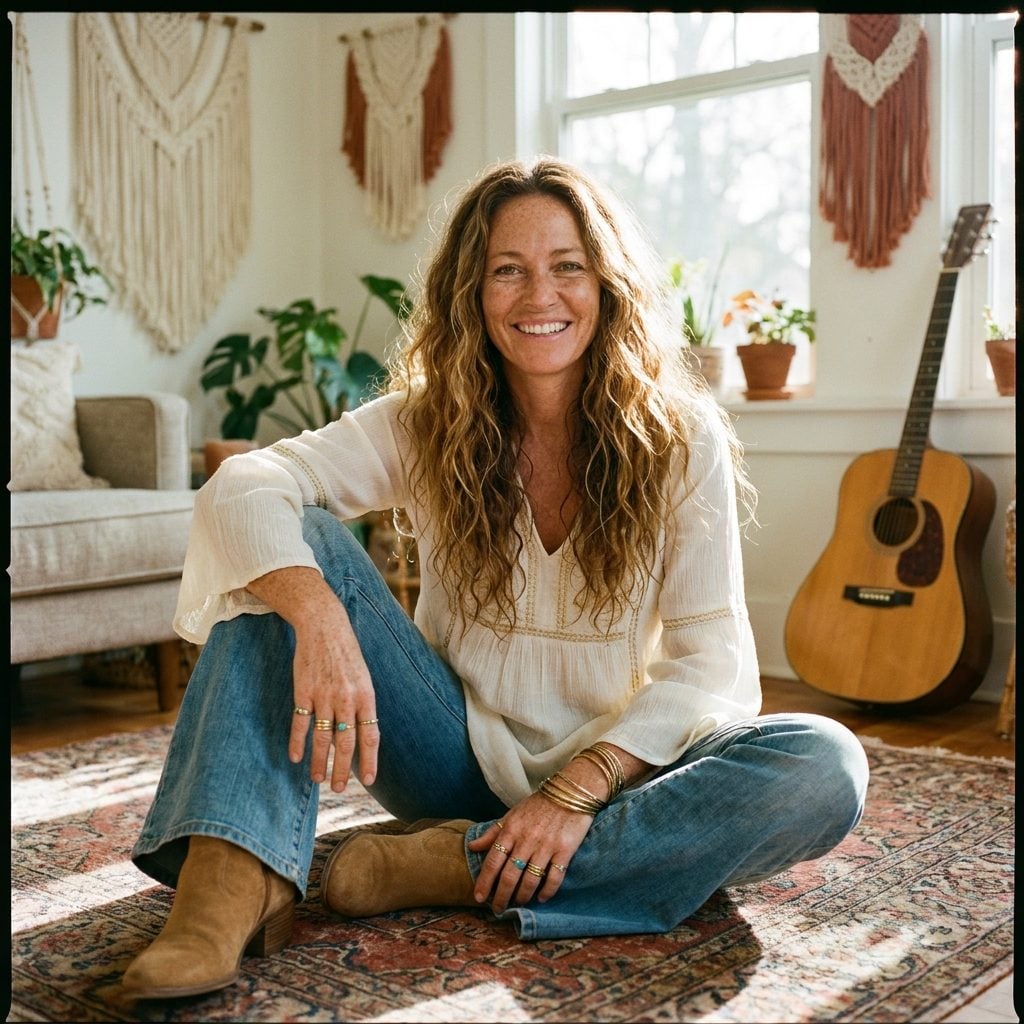
Some haircuts belonged to the salon. This one belonged to the canyon.
Boho waves weren’t a style so much as a philosophy. You didn’t cut your hair, you just let it exist. Split ends were character. Frizz was texture. The whole point was looking like you’d spent the morning hiking or playing guitar on someone’s porch, not standing in front of a mirror. And honestly, most of the women who wore this look probably had.
The androgynous hairstyle conversation wouldn’t arrive for a few more years, but these waves hinted at something free and unstructured that pushed against what “done” hair was supposed to look like. You paired it with turquoise jewelry, a gauze top, and zero hairspray. The wind did the styling.
13. The Sleek Chin-Length Bob That Made You Look Like You Had Opinions (You Did)
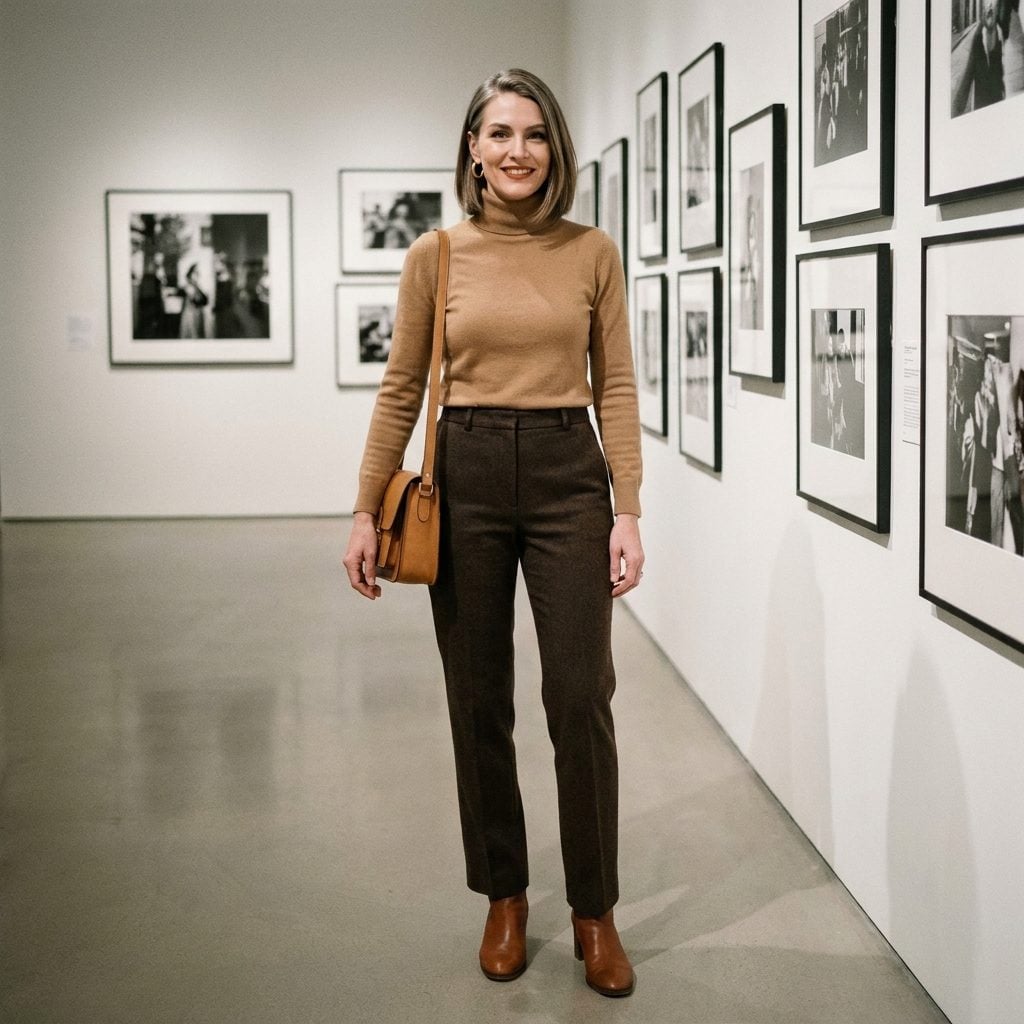
While everyone else was growing their hair to their waist, a certain kind of woman cut hers off at the jaw and never looked back.
The sleek bob was the thinking woman’s hairstyle. No fuss, no curling iron, no forty-minute blow-dry ritual. Just a precise cut, a good conditioner, and the kind of bone structure that a short style either flatters or exposes. There was no hiding behind this one. It said: I’m here, I’m paying attention, and I don’t need hair in my face to feel pretty.
The look required a good stylist and regular trims, which itself was a quiet kind of luxury. There’s something about this cut, even now, that signals a woman who knows exactly what she wants. That hasn’t changed in fifty years.
12. The Voluminous Shag That Made You Feel Like You Could Star in West Side Story All Over Again
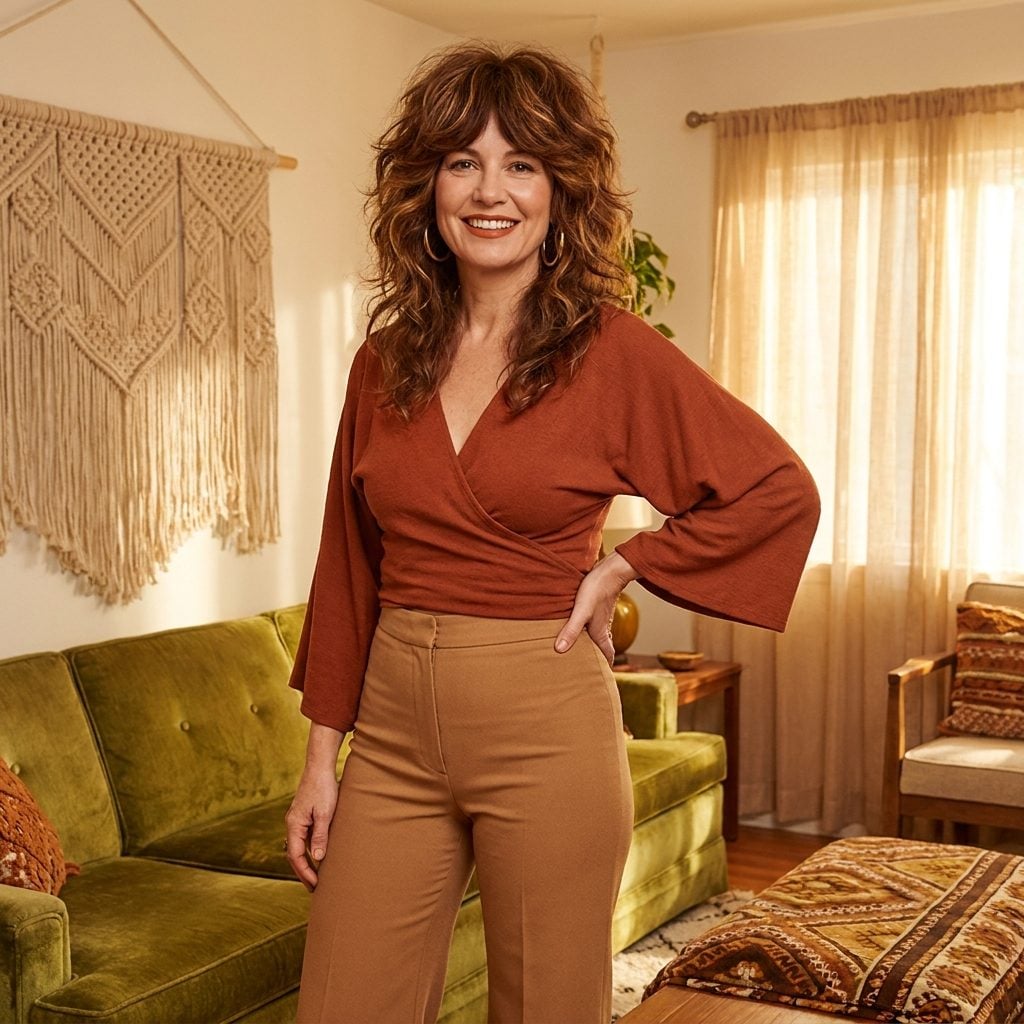
The sound of a blow dryer running for forty-five minutes straight, that’s what this haircut cost you every single morning. Worth it. The shag was the great equalizer of the seventies: curly hair, straight hair, thick hair, fine hair, it didn’t matter. All those razor-cut layers gave everyone the same glorious lion-mane silhouette that bounced when you walked and moved when you turned your head.
You’d sit in the salon chair and say “layers, lots of them,” and the stylist would go to work with those thinning shears until you looked like you belonged on a variety show set. The secret nobody talked about? Sleeping on it actually made it better. Day-two shag was peak shag.
11. Soft Shoulder-Length Curls With That Youthful Bounce Everyone’s Mom Tried to Copy
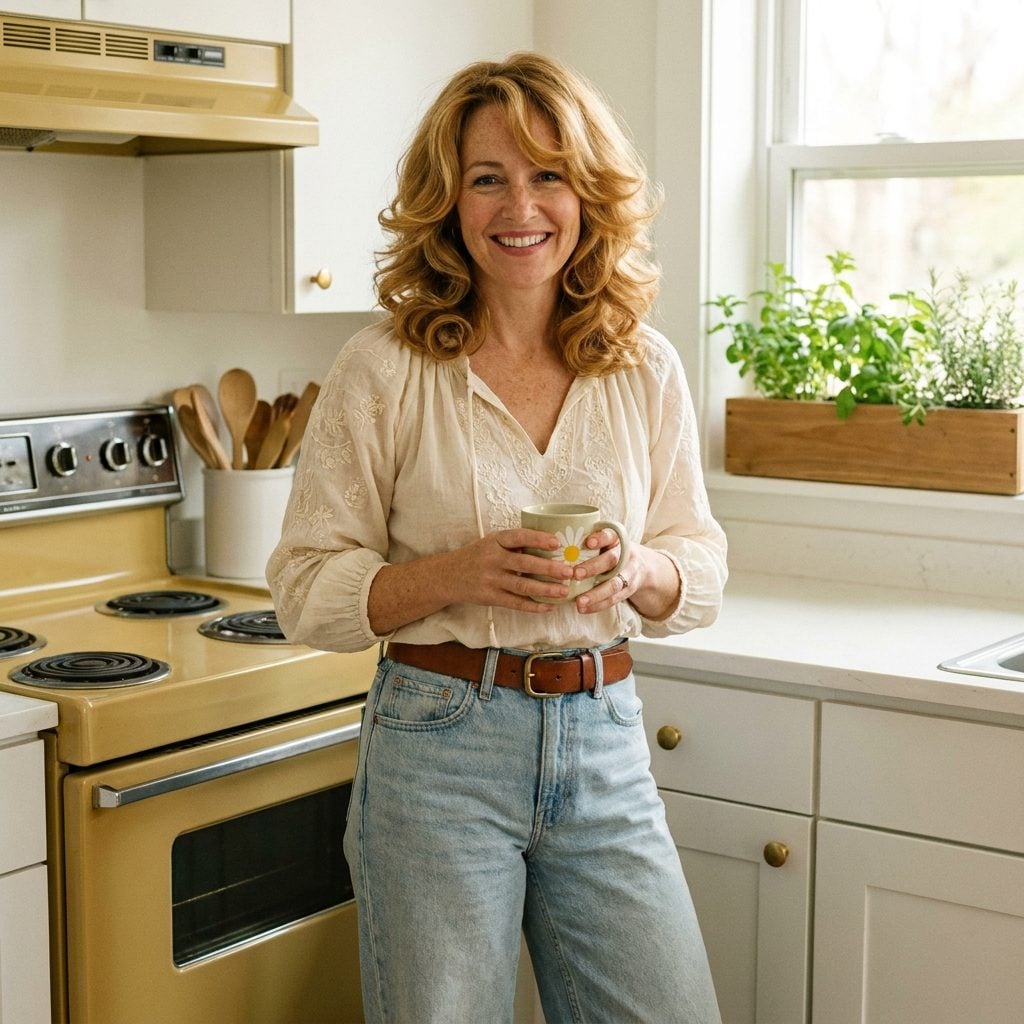
Hot rollers on the bathroom counter by 6 AM. That was the price of this particular brand of wholesome American prettiness. You’d roll the front sections away from your face, the sides back, and pray you timed it right so everything released into those perfect soft curls that flipped at the shoulder instead of just going flat.
This wasn’t a complicated hairstyle. That was the whole appeal. It said “I’m approachable, I’m put-together, I probably bake.” And honestly? Most of us did bake. The Clairol Kindness hot roller set lived in every woman’s bathroom cabinet, right next to the Aqua Net.
10. The Sculpted Natural Afro That Was Power and Beauty in the Same Breath
❤️ Would you like to save this?
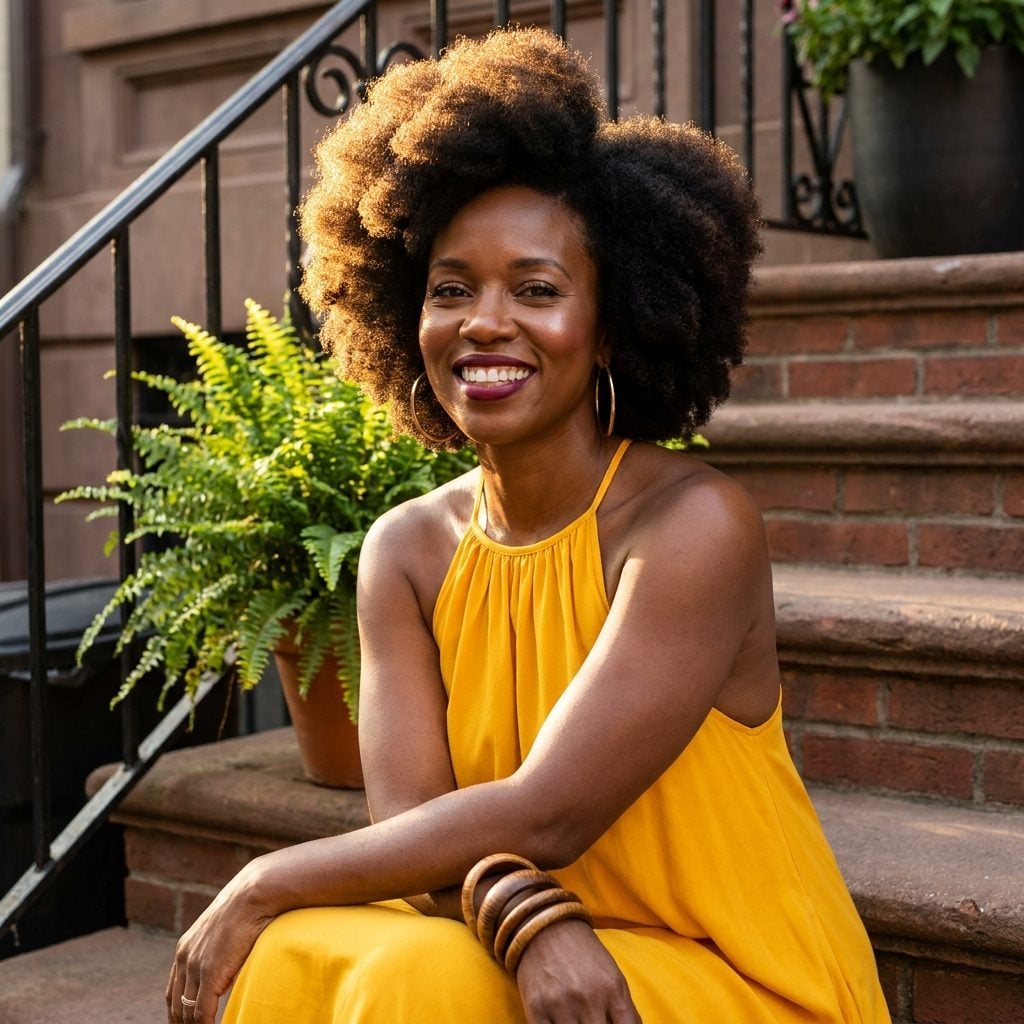
This wasn’t just hair. This was a declaration. The natural afro of the 1970s carried more cultural weight per square inch than any other style of the decade, and every woman who wore one knew exactly what she was saying without opening her mouth.
The afro pick with the fist handle lived in your back pocket or stuck right in the hair itself, which was a style move and a maintenance tool at the same time. You’d shape it in the mirror each morning, patting and lifting until the silhouette was right. Not round like a globe, more organic than that, wider here, fuller there.
The hours of care that went into making it look “natural” were their own kind of quiet dedication. Conditioning with shea butter. Sleeping on satin pillowcases. Pick it out, shape it up, walk out that door like you owned the block. Because you did.
9. Long Center-Parted Layers That Whispered ‘I Have Opinions and a Subscription to Ms. Magazine’
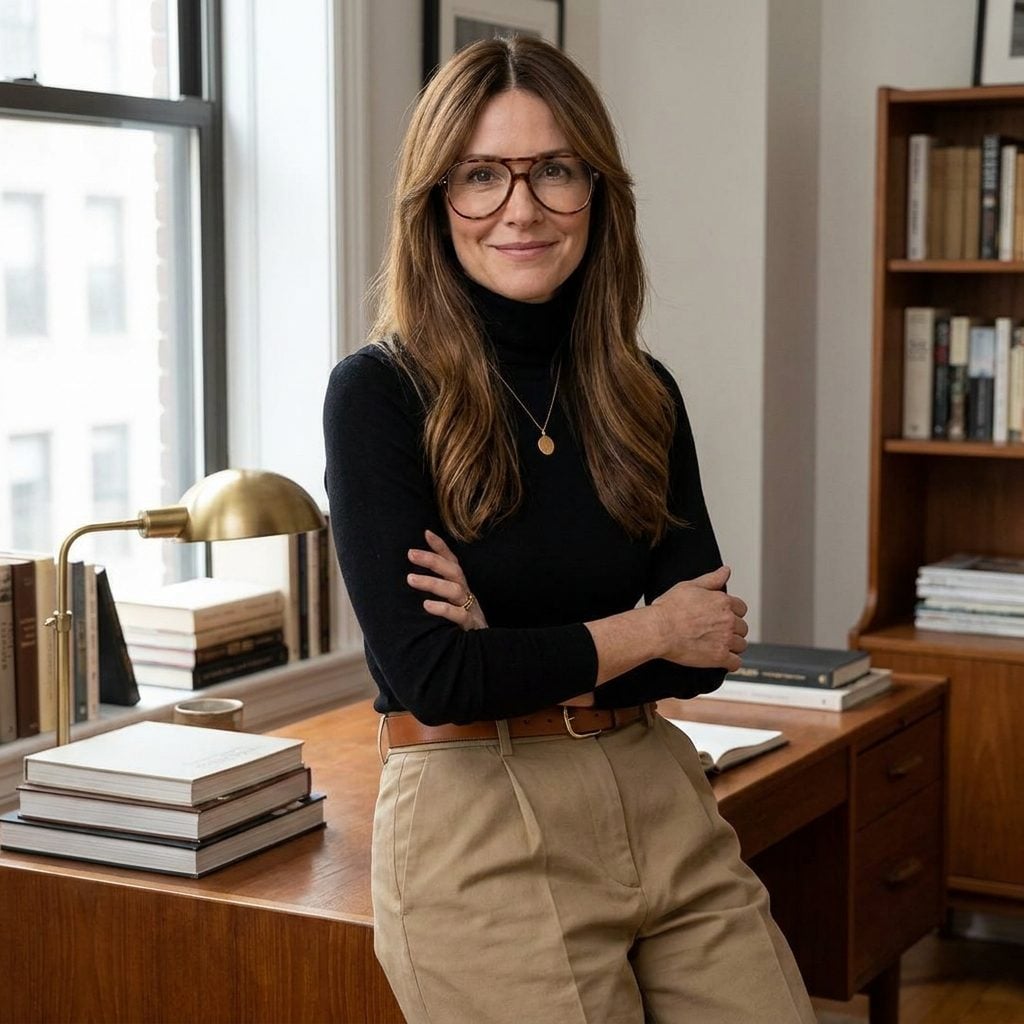
No hairspray. No rollers. No games. The center-parted long layer look was the hairstyle equivalent of showing up to a party with a good book in your bag: unfussy, deliberate, quietly confident that it didn’t need to perform for anyone.
You’d wash it, condition it with something that smelled like herbs, maybe run a wide-tooth comb through it, and let it air dry. The center part was non-negotiable, and it had to be straight enough to suggest you’d thought about symmetry even if you hadn’t thought about it at all. Paired with those oversized tortoiseshell aviator glasses, this look communicated something specific: I read. I vote. I’m not doing this for you.
8. The Flipped-End Blowout That Required an Engineering Degree and a Prayer
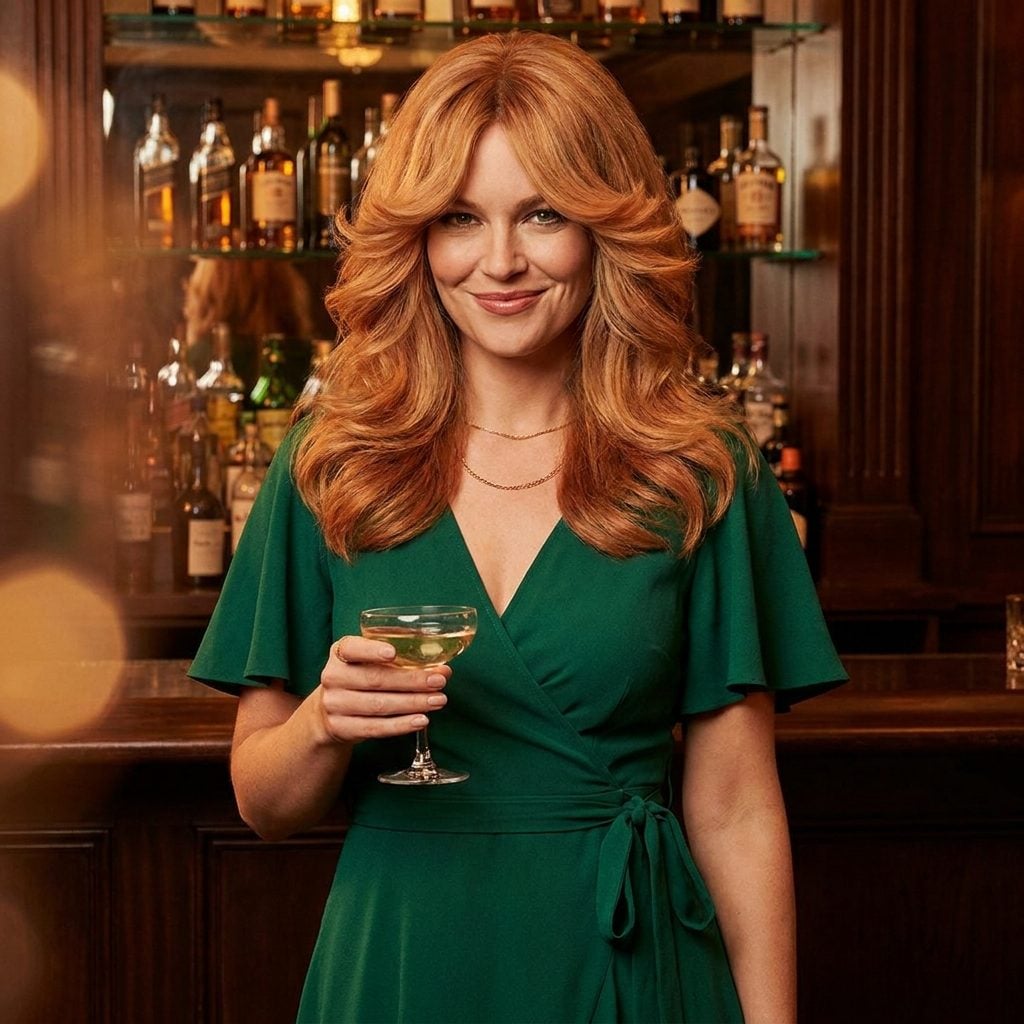
Here’s the thing about the flip. You needed a round brush the size of a coffee can, a blow dryer with the heat of a small furnace, and at least thirty minutes you probably didn’t have. Then you’d roll those ends around the brush, blast them with hot air, pull the brush out at exactly the right moment, and hope gravity cooperated for the next six hours.
It almost never cooperated. Humidity was the enemy. Car windows stayed rolled up. You tilted your head at weird angles to keep the shape intact. And still, one side always flipped more than the other. Always.
But when it worked? When both sides matched and those ends curved out like little wings framing your face? You felt absolutely untouchable walking into a room in that emerald green wrap dress.
7. Glamorous Structured Waves With a Polished Finish That Said ‘I Know Exactly What I’m Doing’
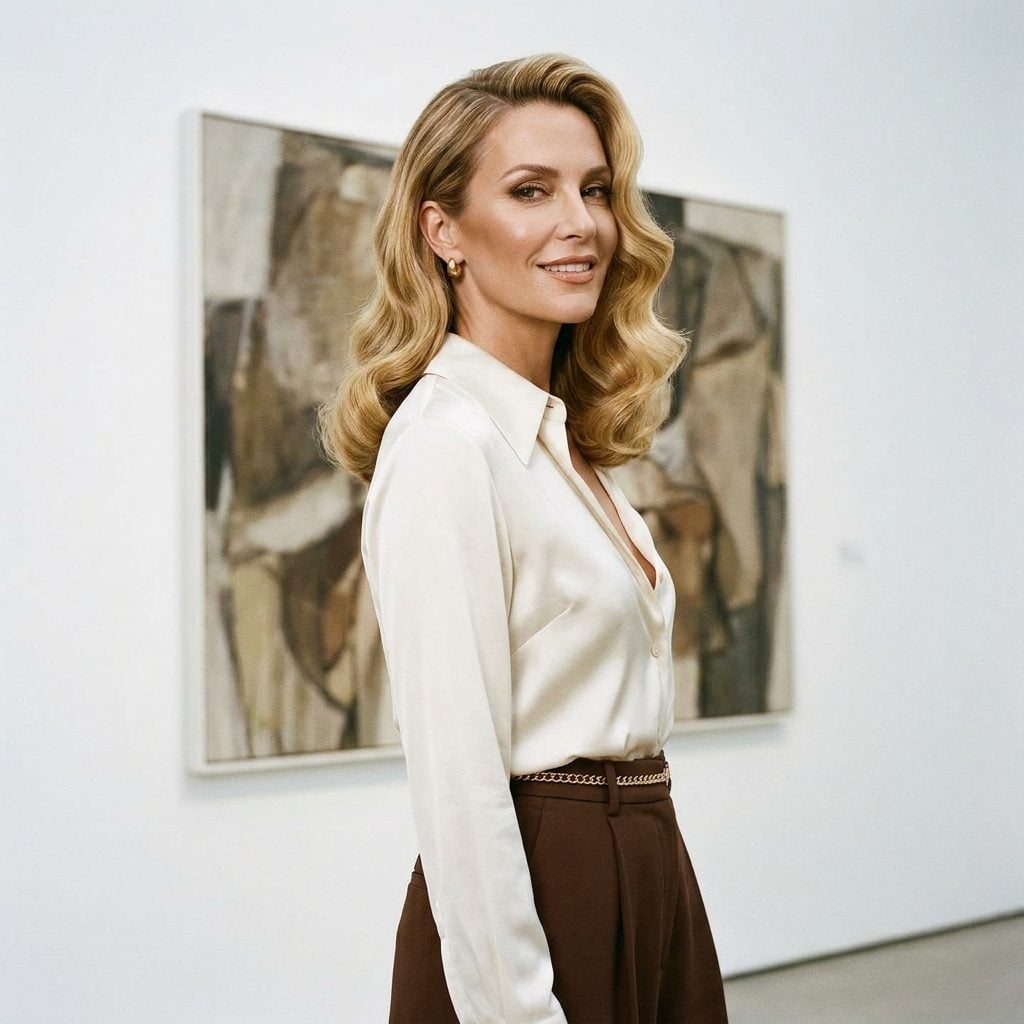
Not everyone could pull off the structured wave. I’ll just say that plainly. This was a high-maintenance look that demanded either excellent genetics or an excellent relationship with your hairdresser, and most of us relied on the latter.
The waves weren’t beachy. They weren’t messy. They weren’t accidental. Each curve was set with intention, usually with pin curls or large-barrel rollers the night before, then brushed out into those wide, deliberate S-shapes that caught the light like something from a perfume advertisement. The deep side part was essential. It gave the whole thing an asymmetry that felt confident rather than precious.
6. The Tousled Layered Bob That Looked Careless But Absolutely Was Not
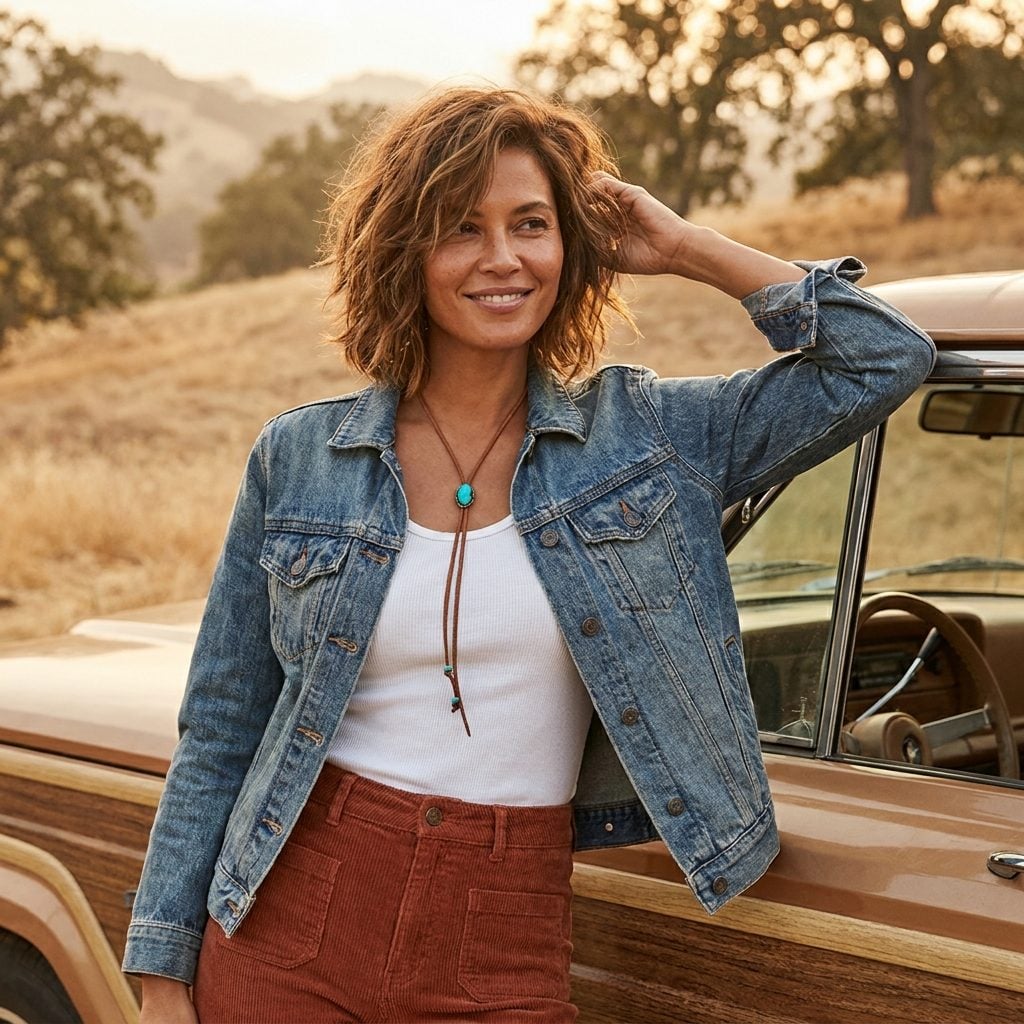
“Oh this? I just woke up like this.” No. No you did not.
The tousled bob required a precise cut with razor-textured ends, a dime-sized amount of mousse scrunched in while damp, and a very specific air-dry technique that involved flipping your head upside down at least twice. Then you’d shake it out, separate a few pieces with your fingers, and pretend the whole thing had happened by accident.
It was the thinking woman’s short hair. Not as committal as a pixie, not as earnest as a blunt bob. Just this perfect chin-length shag of deliberate messiness that photographed well and survived a convertible ride. The turquoise stone pendant and faded denim jacket were basically required accessories.
5. Softly Feathered Mid-Length Layers That Moved Like They Were Permanently Caught in a Gentle Breeze
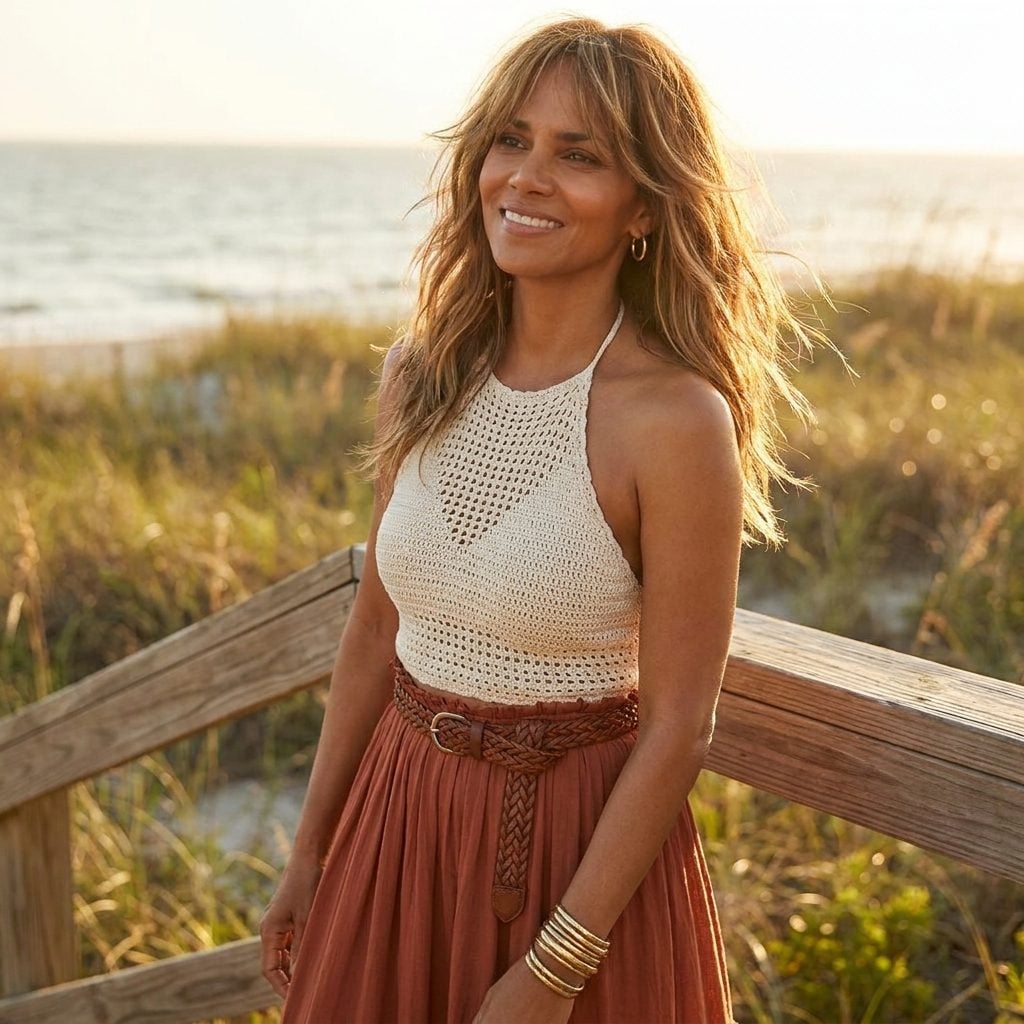
This was the hair that launched a thousand Farrah comparisons, but by the late seventies, the feathered look had evolved past any single reference point. It was softer. Lighter. Less architectural and more organic, like the layers were just suggestions rather than statements.
The trick was the cut itself. Your stylist would hold the shears almost vertically, point-cutting into each layer so nothing ended bluntly. The result was hair that seemed to float, every piece moving independently. You couldn’t fake it with a curling iron alone. And the maintenance was real: regular trims every six weeks or the whole thing grew out into a shapeless curtain.
But on the right day, with the right light? Standing on a beach or just walking across a parking lot, those feathered layers catching air and separating like they had choreography? That was the seventies in a single image. Uncomplicated beauty that was actually deeply complicated, and we all loved every minute of pretending it wasn’t.
4. The Voluminous Layered Blowout That Made You Feel Like a Leading Lady Every Single Morning
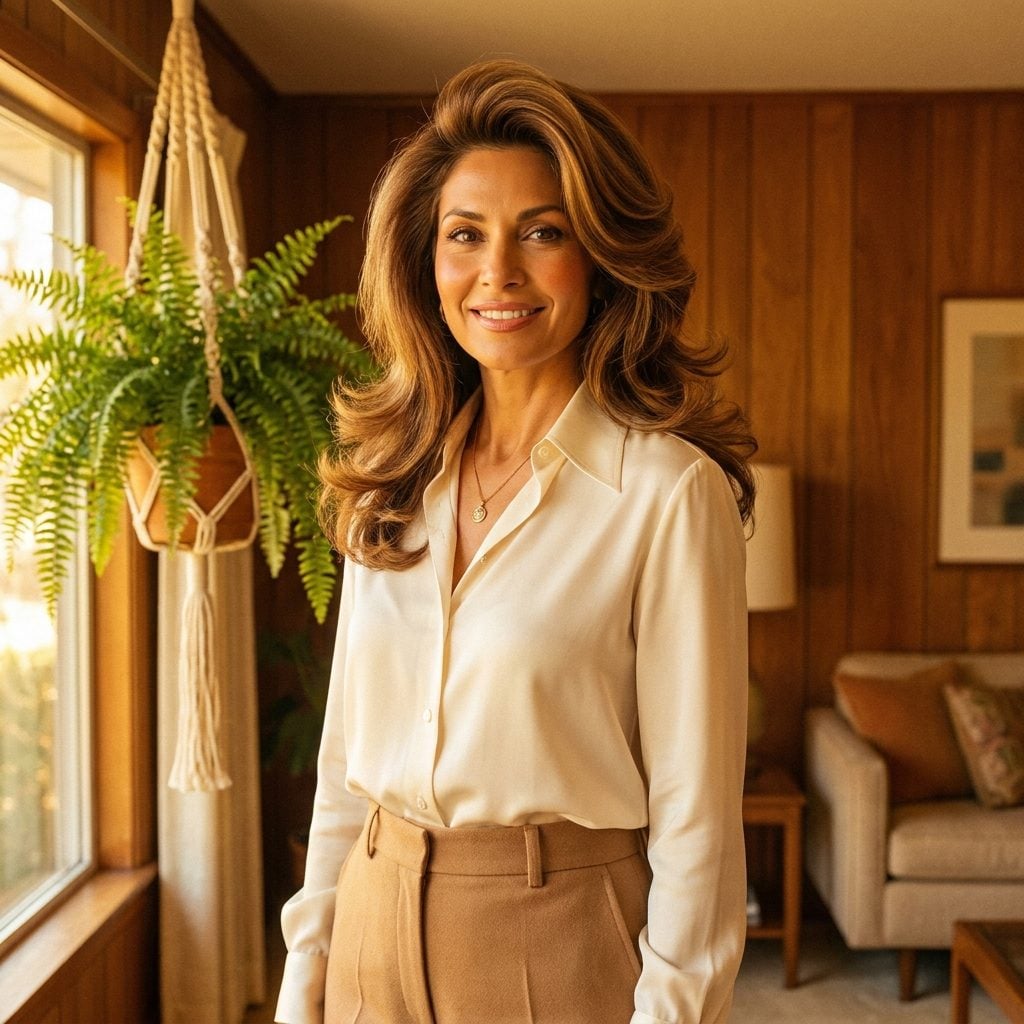
You didn’t just wake up with this hair. You set it in hot rollers the night before, slept on a satin pillowcase (maybe), and then spent twenty minutes with a round brush and a blow dryer so heavy it could double as a weapon. The layers started at the chin and built upward into this magnificent dome of volume that said, “I have places to be and people to impress.”
Every woman in your mother’s friend group had some version of this. The face-framing pieces were non-negotiable. They softened the jawline and caught the light in a way that flat hair simply couldn’t. And the back? Pure cascading drama.
3. The Dead-Straight Center Part That Whispered ‘I Don’t Try This Hard’ (You Absolutely Did)
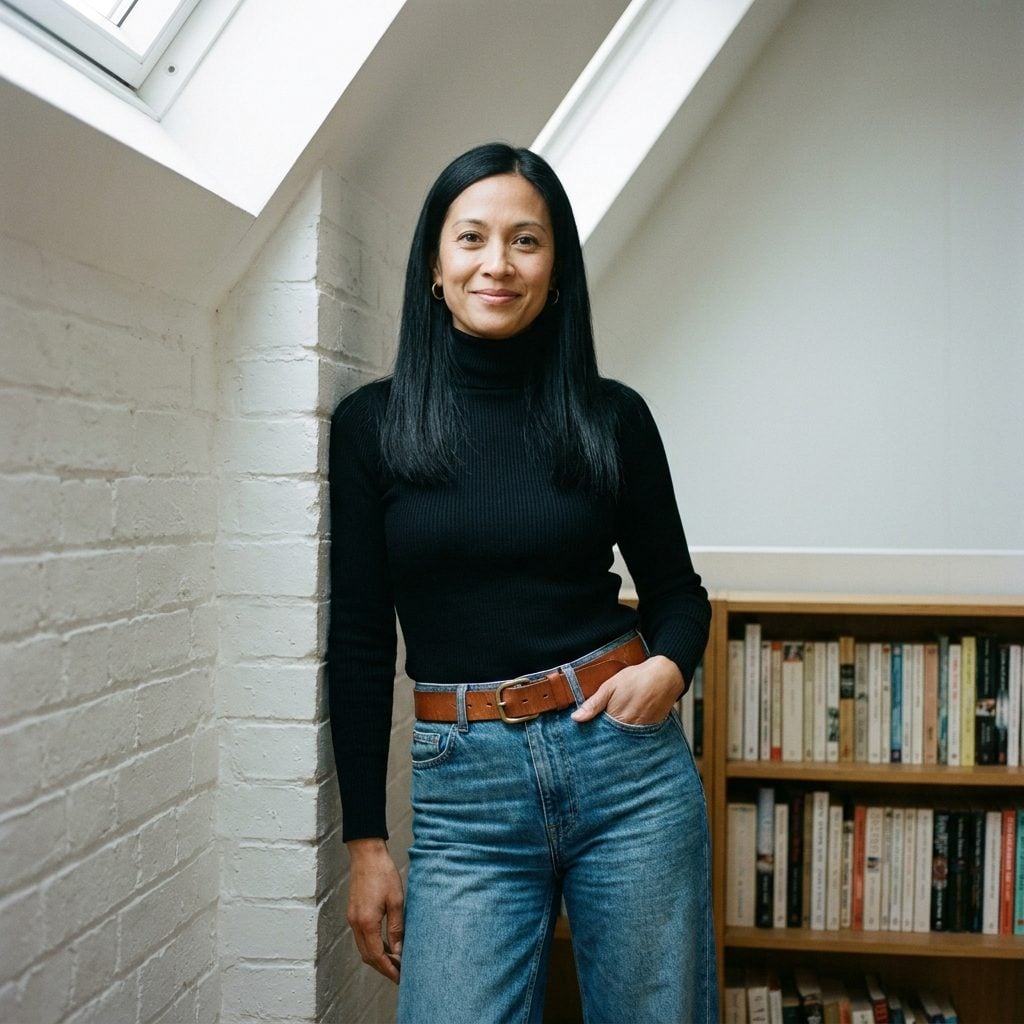
Here’s the thing nobody talks about with this look: straight hair in the ’70s required commitment if your natural texture had any opinion of its own. You ironed it. Literally. On an ironing board, with your head tilted sideways, praying you didn’t burn your ear. Or you wrapped it around orange juice cans overnight like some kind of at-home engineering project.
The result was worth the mild danger. That ruler-straight center part read as cool, unbothered, vaguely countercultural. It was the style of the college-educated woman, the one with strong opinions about Watergate and a dog-eared copy of Fear of Flying on her nightstand. No hairspray. No fuss. Just gravity and good bone structure doing all the work.
2. The Feathered Flip That Launched a Thousand Blow-Dryers
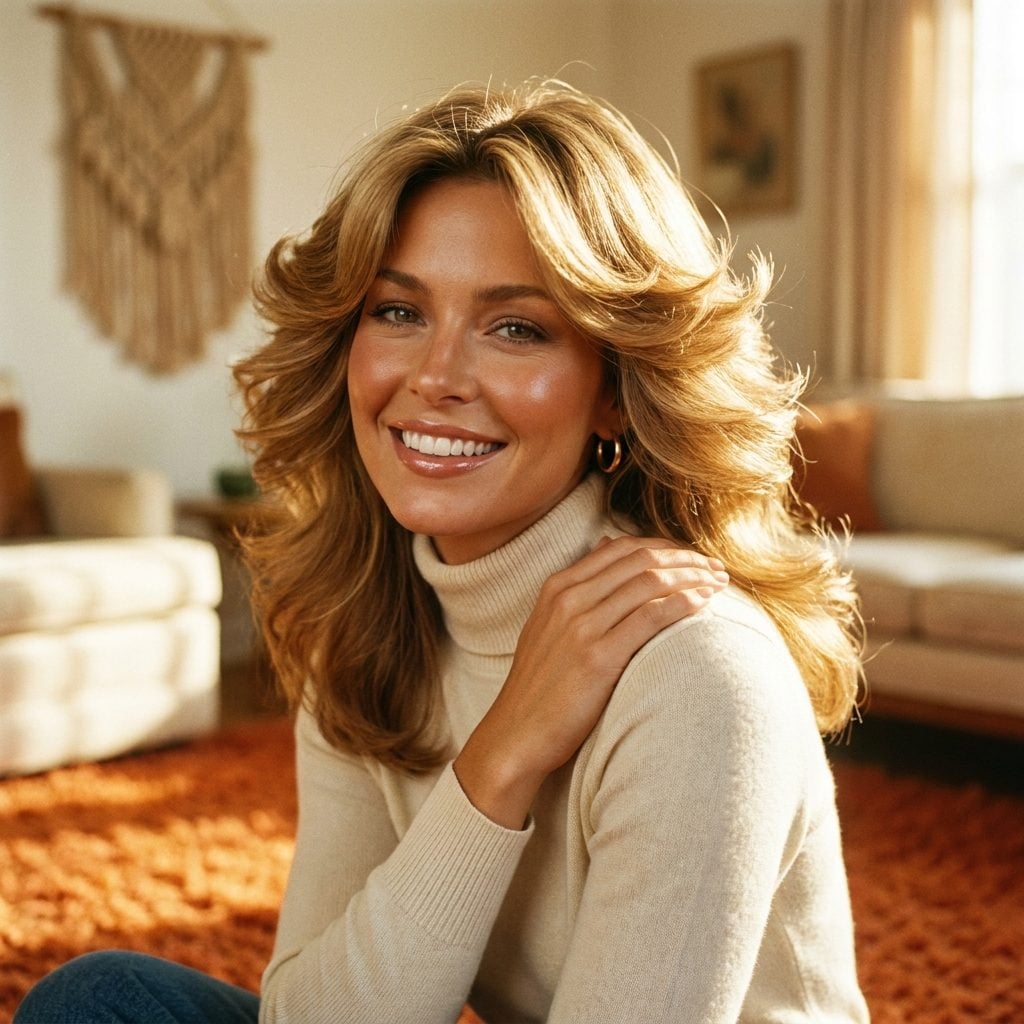
You didn’t just ask for this haircut. You tore a poster out of a magazine, brought it to the salon in your purse like a sacred document, and said “this, exactly this.” The feathered flip was the single most requested hairstyle of the decade, and getting it right required a round brush, a bonnet dryer, and about forty-five minutes you didn’t have on a school morning.
The secret was the layers. They had to be cut at just the right angle so they’d swoop back from your face like wings. Too short and you looked like a boy. Too long and they just hung there, doing nothing. When it worked, though? You felt like you could sell toothpaste on national television.
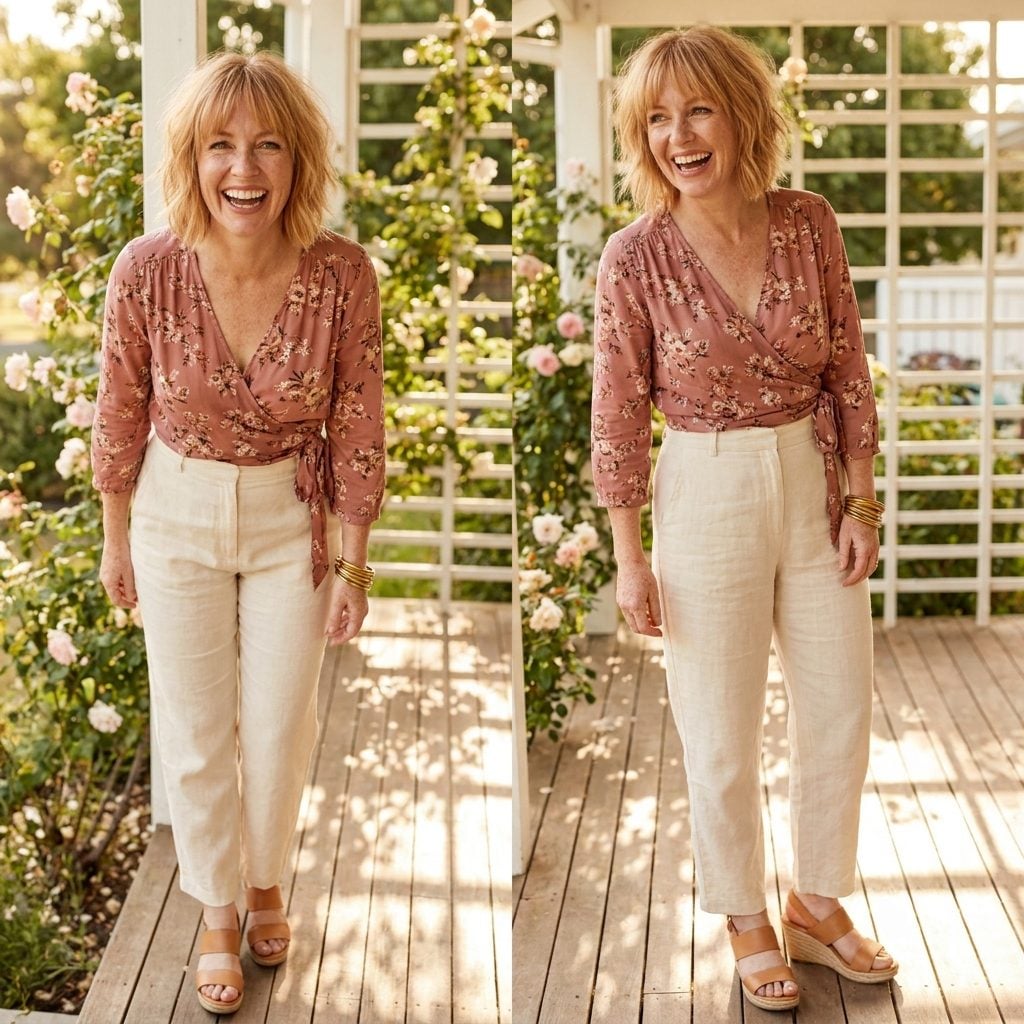
1. The Shaggy, Tousled Bob That Bounced When You Walked and Made Everyone Ask for Your Stylist’s Number
❤️ Would you like to save this?
This was the haircut that changed your whole personality. You walked in with long, shapeless hair and walked out shaking your head side to side in the parking lot like you were in a shampoo commercial. The layers did something almost architectural around the face, short enough to show off your neck but long enough to tuck behind your ears when you needed to look serious.
Keeping it up required a trim every five weeks, and your stylist knew it. The magic was in those razored ends, the way they refused to lie flat, the way the whole thing moved when you turned your head. It looked carefree, which is a funny word for a cut that fell apart completely if you skipped one appointment.