❤️ Would you like to save this?
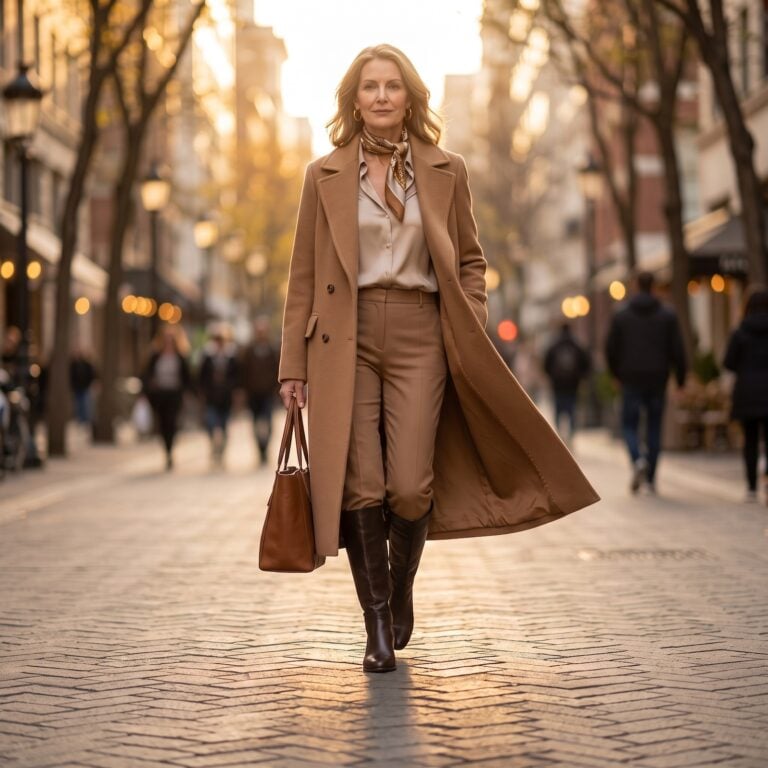
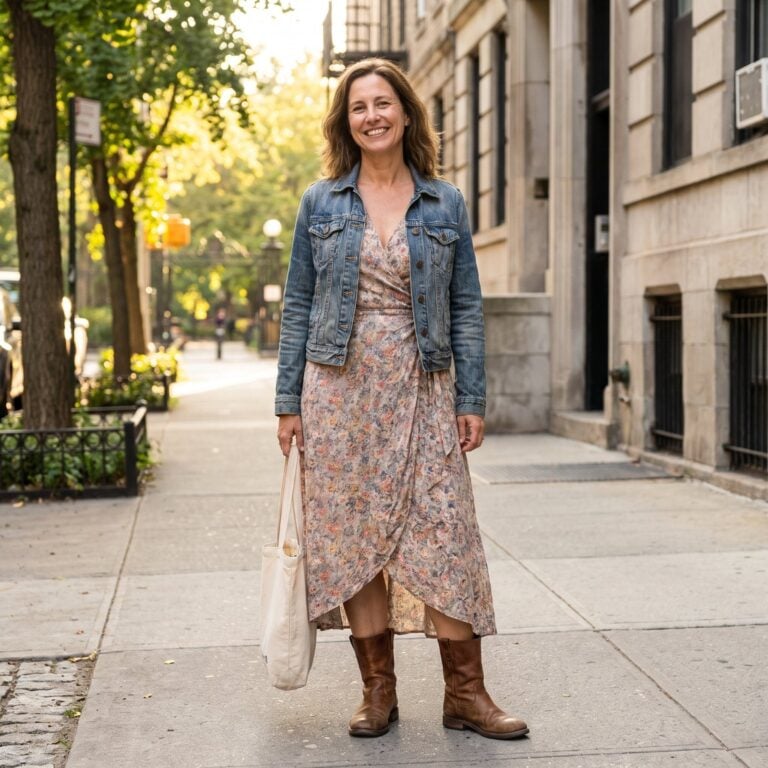
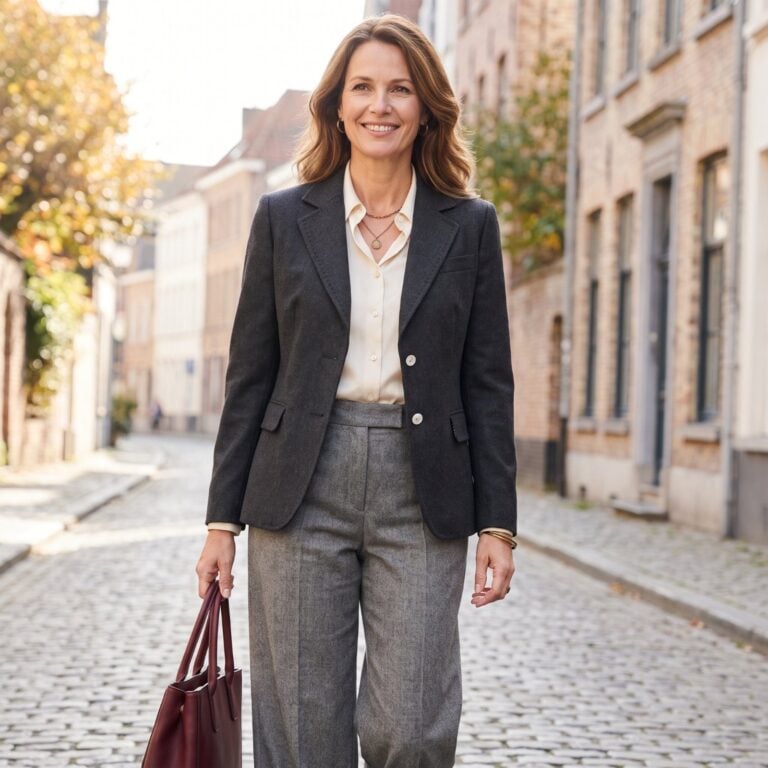
There was a specific feeling that came with throwing on the right jacket in the ’80s. Shoulders squared, collar popped, zipper half-pulled, and suddenly you were someone. Not just dressed, but done. The jacket was never an afterthought back then. It was the whole statement, the punctuation mark, the thing that made every head turn in the school hallway or the office elevator. Here are 39 of them, and we guarantee you had at least a dozen.
FYI, thanks to AI imagery software, we’re able to create very specific fashion and hairstyle examples to illustrate the points being made. In some cases, imagery is exaggerated to hammer home the point. Also, assume links that take you off the site are affiliate links such as links to Amazon. this means we may earn a commission if you buy something.
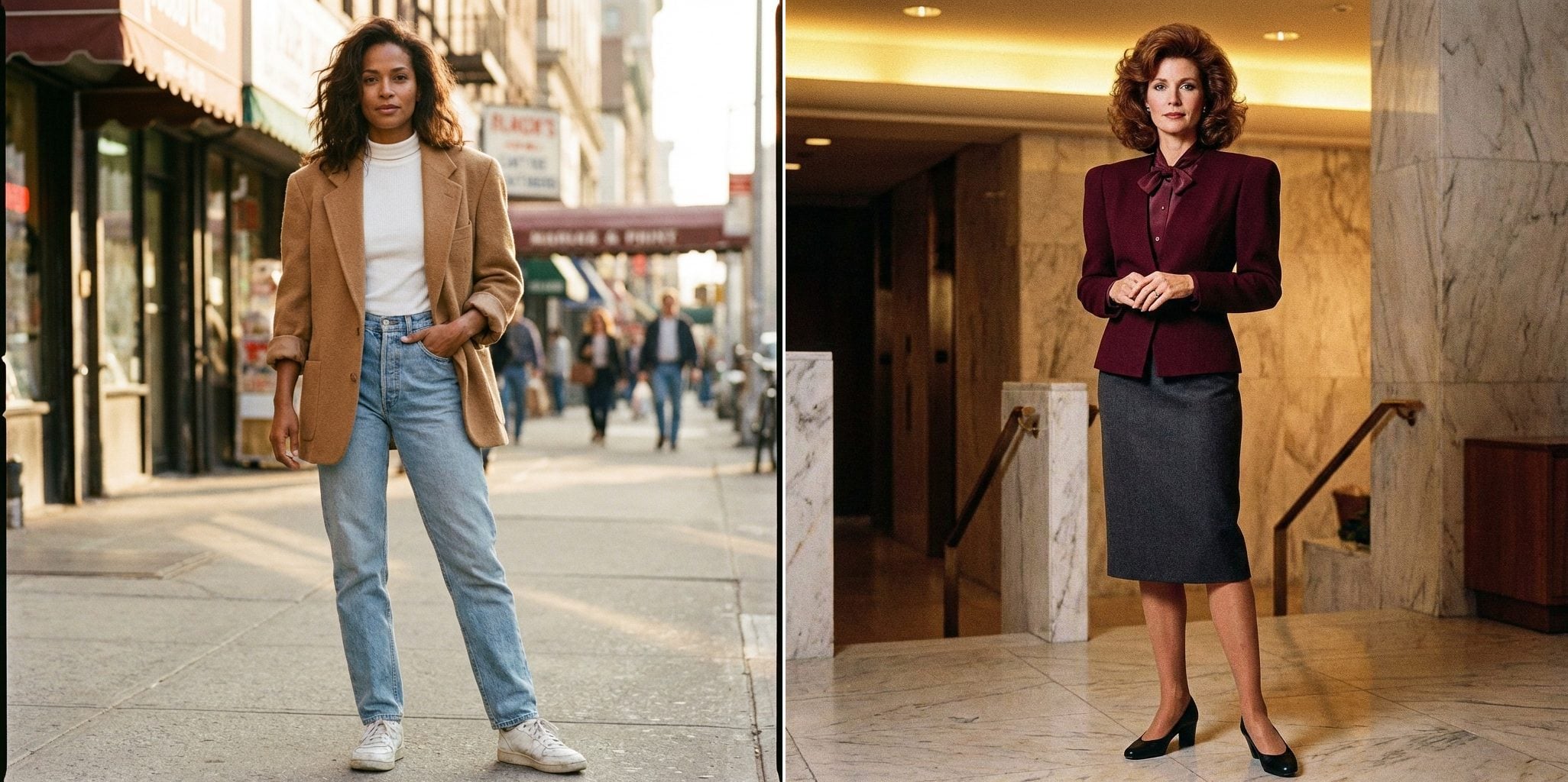
39. The Oversized Blazer With the Sleeves Permanently Rolled to the Elbow
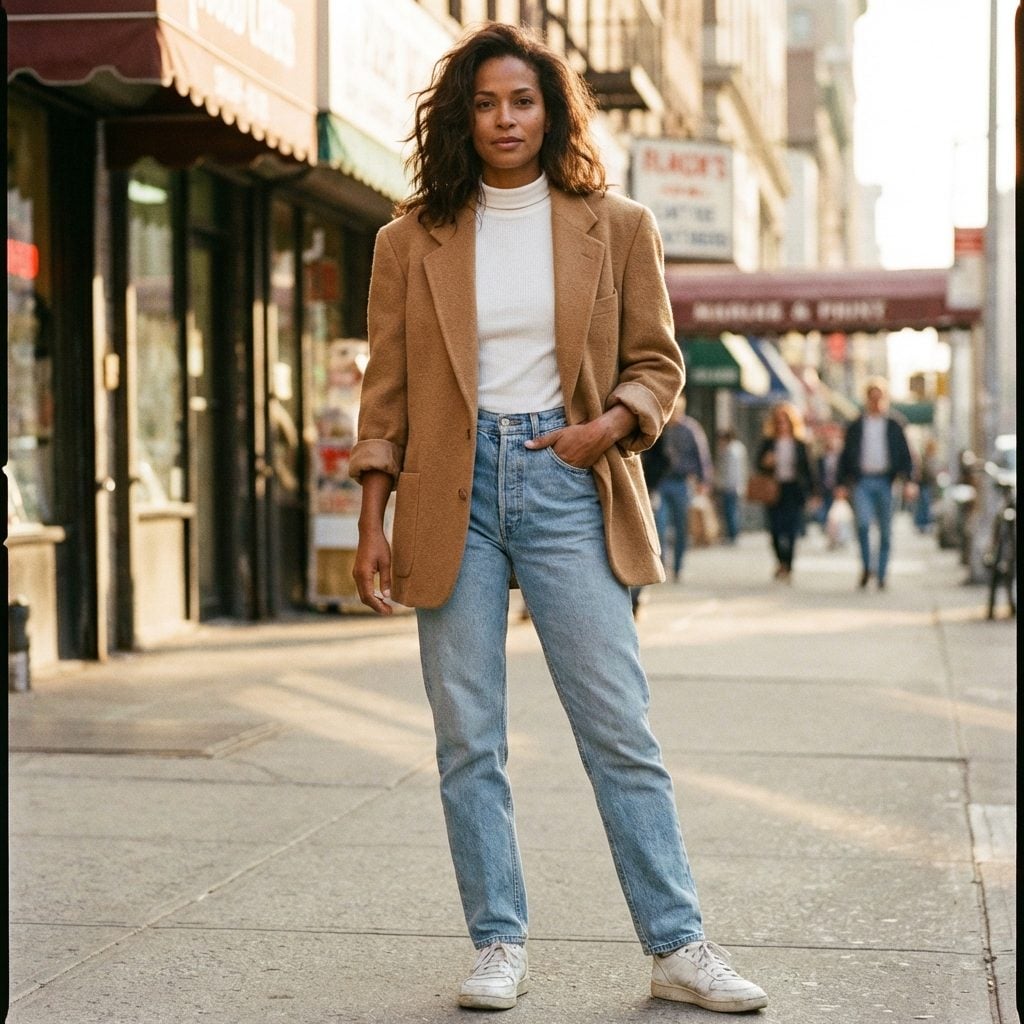
You bought it three sizes too big on purpose. That was the whole point. A jacket that swallowed your shoulders whole, in camel or cream or that particular shade of greige that read as sophisticated when you were seventeen, worn over a tucked-in band tee or a thin ribbed turtleneck. The sleeves got rolled exactly twice, not three times, not once, and pushed firmly toward the elbow where they stayed, mostly.
This was the outfit that made you feel like you had your life together. Something about the proportions, all that blazer, then a flash of wrist, communicated effortless cool in a way no fitted jacket ever could. Don Jonhson’s Miami Vice influence bled straight into women’s fashion, and we were not complaining.
38. Power Shoulders So Structured You Could Barely Fit Through a Doorway
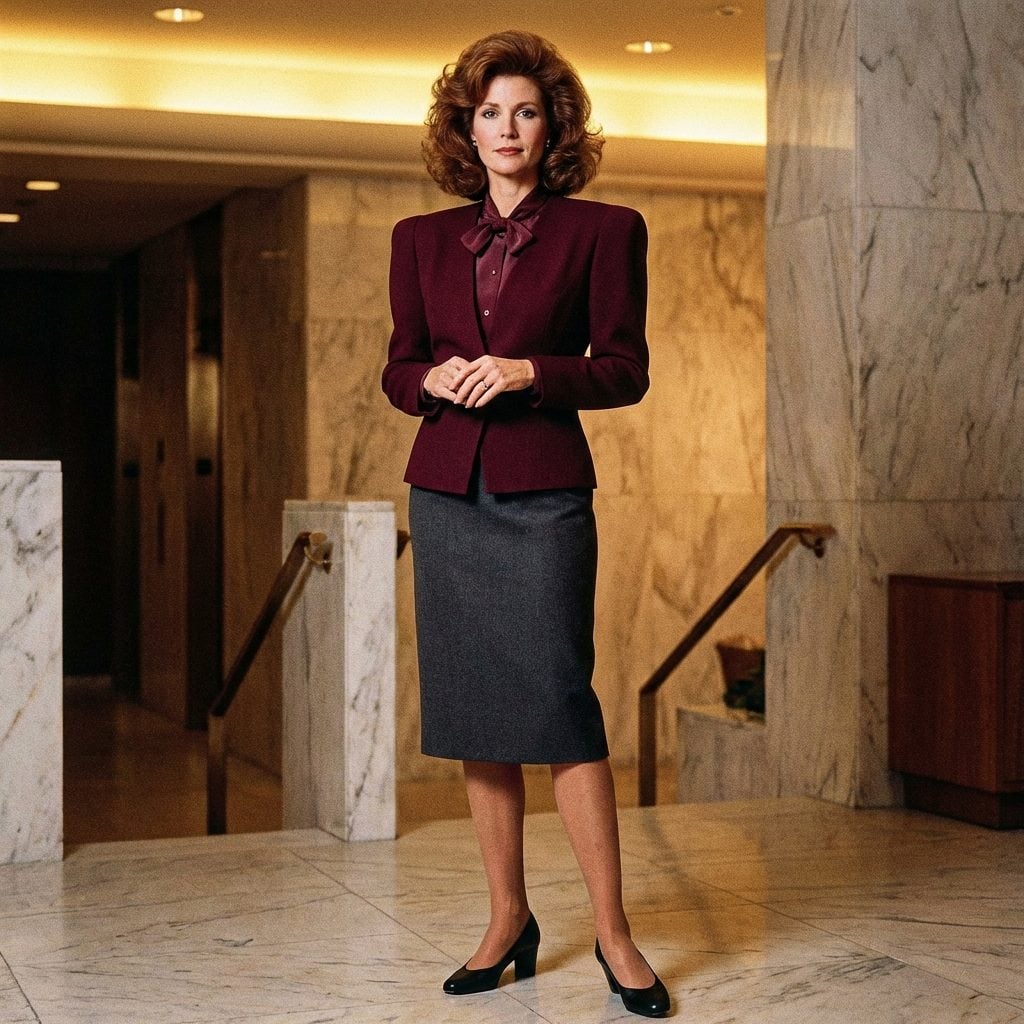
These were not subtle. A jacket with shoulder pads in the ’80s wasn’t just a garment, it was a statement of intent. The padding sat stiff and architectural, lifting your silhouette into a perfect inverted triangle that said, clearly, that you were not to be trifled with.
Dynasty and Dallas did this to us, and honestly, we were grateful. Linda Evans and Joan Collins made boardroom dressing look like a competitive sport, and every woman from the mailroom to the corner office followed suit. You could spot a power-shouldered blazer across a parking lot. That was partially the point.
37. Double-Breasted Power Blazers That Meant Absolute Business
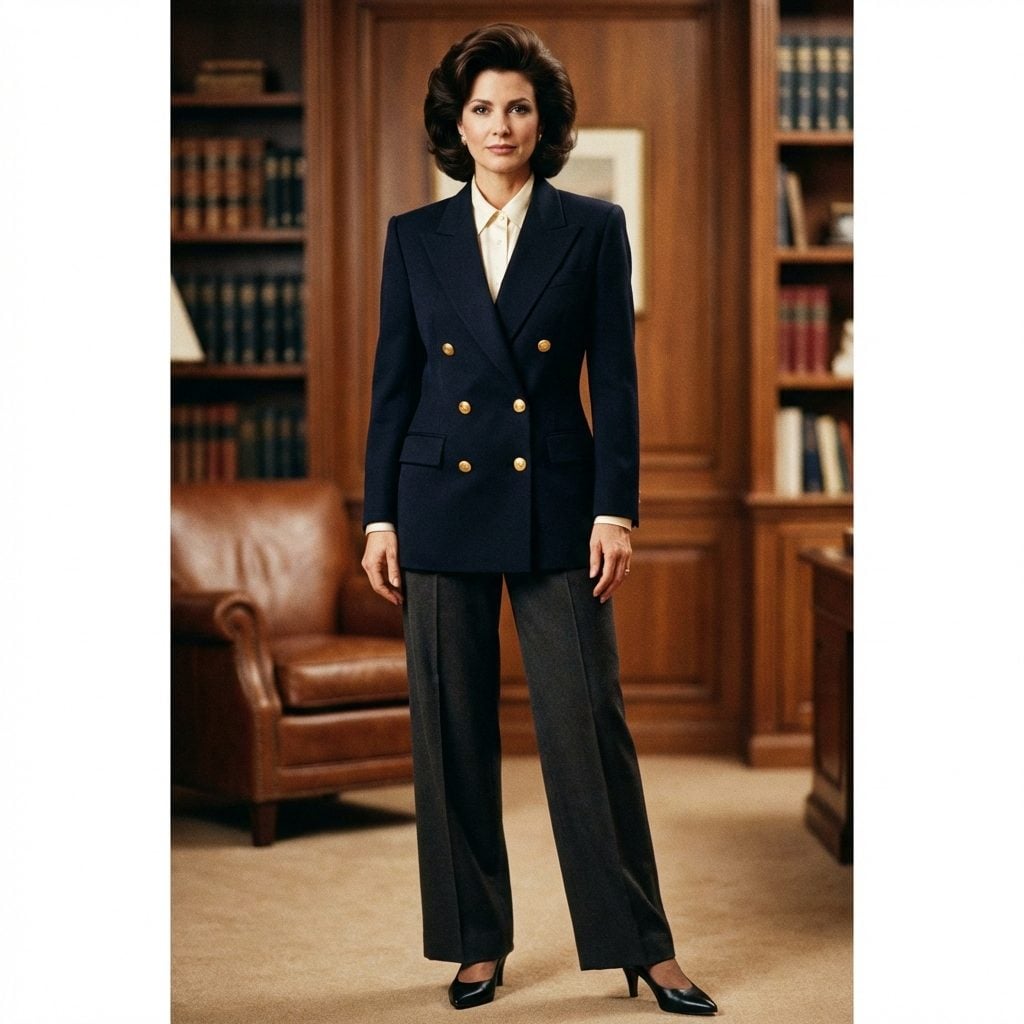
Six buttons. Wide peaked lapels. A silhouette so authoritative it practically filed its own TPS reports. The double-breasted blazer was the ’80s working woman’s armor, and it came in navy, charcoal, and a particular shade of forest green that only made sense against a power turtleneck.
You wore these to job interviews, to client dinners, to any occasion where you needed the room to understand, without words, that you had arrived. Paired with wide-leg trousers or a below-the-knee skirt, it created outfits that create a visual authority that modern minimalism has never quite matched. We miss the drama of it.
36. The Houndstooth Wool Blazer You Thought Made You Look Like a Professor

It did, actually. That was a compliment.
Houndstooth in the ’80s came in black-and-white classics and also in surprisingly aggressive colorways, red and black, navy and cream, brown and mustard, and every single one of them felt like intellectual currency. You paired it with a turtleneck, obviously. Sometimes with accessory trends like a single tortoiseshell brooch pinned to the lapel, which was the height of considered dressing. The fabric had actual weight to it, a satisfying thickness that modern suiting has mostly forgotten how to replicate. Pulling it on in October felt like putting on a personality.
35. Velvet Blazers in Jewel Tones That Owned Every Room They Walked Into
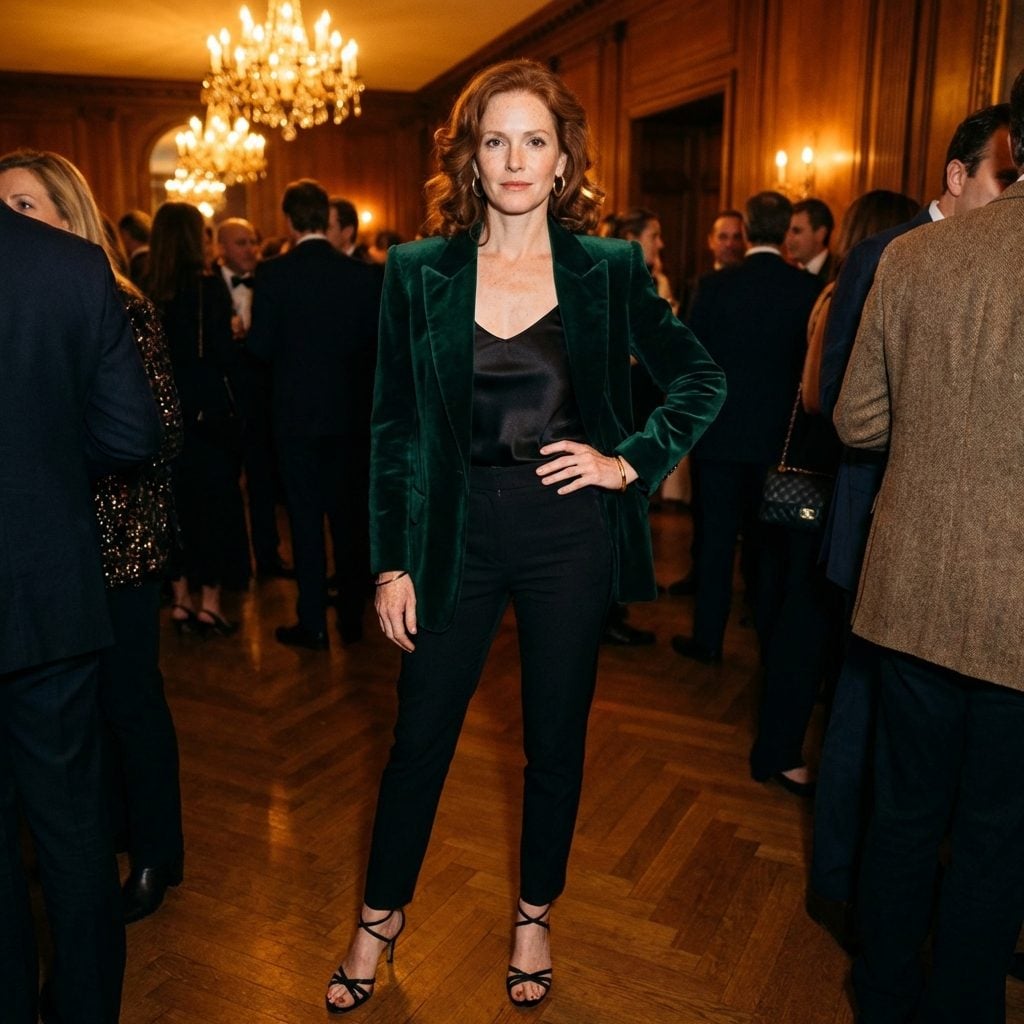
Emerald. Sapphire. Deep plum. Burgundy so dark it was almost black until the light hit it and revealed itself completely. The velvet blazer in the ’80s was evening wear that refused to commit to being a coat, and we wore it over everything from silk camisoles to sequined tops to, occasionally, absolutely nothing interesting at all, because the blazer was the event.
The fabric had a pile deep enough that you could see your hand moving through it, which you did, constantly, at parties. Running your palm against the nap was practically a nervous habit. These blazers hung in the back of closets for years after their moment passed, too beautiful to donate and too much to wear again, until suddenly they weren’t.
‘The velvet blazer didn’t ask permission. It walked in, sat down at the best table, and ordered for everyone.’
34. Metallic Disco Blazers That Were Not Sorry About Anything
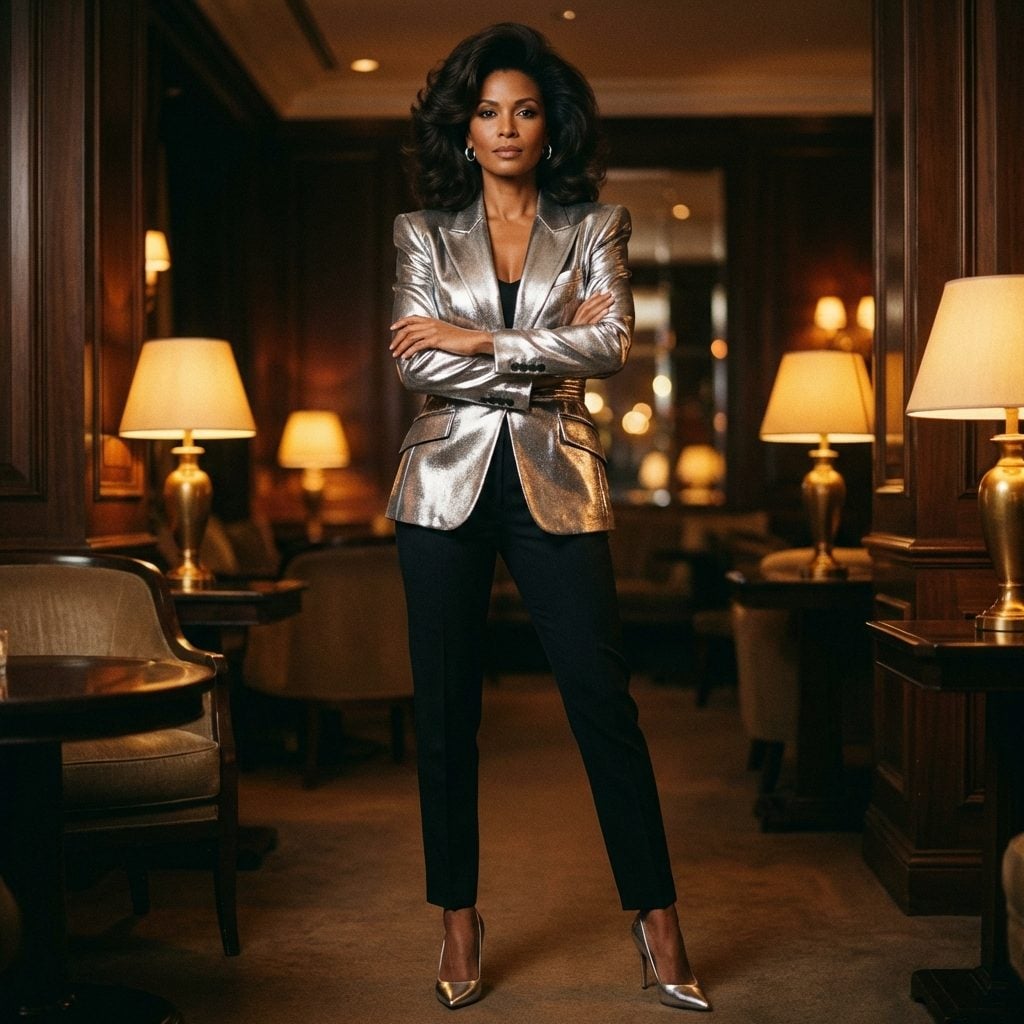
Silver lamé. Gold brocade. That slightly unhinged copper-bronze fabric that looked like someone had stretched a disco ball into a jacket and then added shoulder pads for emphasis. The metallic blazer existed at the intersection of dance floor and dinner table, and it occupied that territory without apology.
Paired with black cigarette trousers and stilettos, it was a complete statement. Paired with jeans, it became a different kind of statement, the kind that said you understood exactly how much was too much and had decided to do it anyway. Which, in the ’80s, was always the correct decision.
33. Lace Overlay Blazers That Were Romantic and Meant It
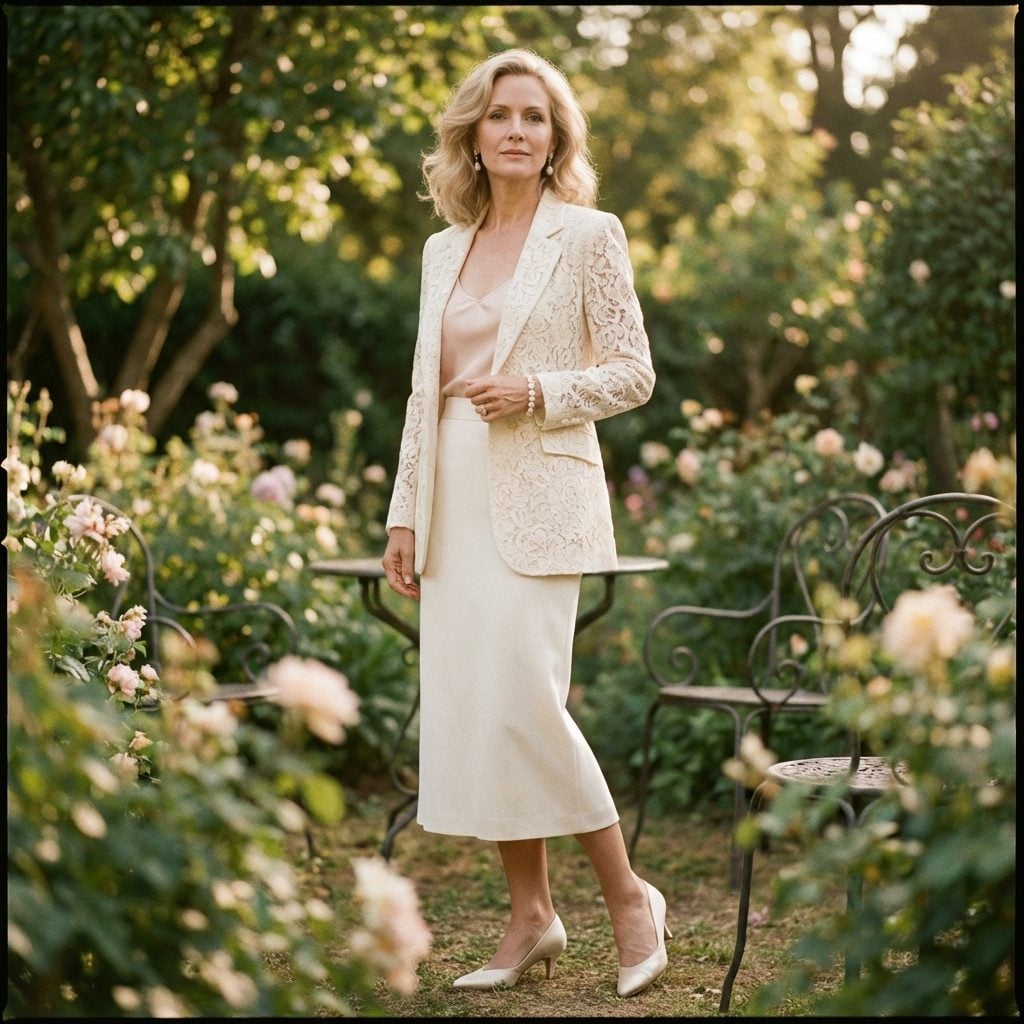
Not every ’80s blazer was trying to take over a boardroom. Some of them were trying to make you feel like the protagonist of a Stevie Nicks song, which is a completely valid and underappreciated goal. The lace overlay blazer, usually a structured base in ivory or blush with a lace panel across the back or shoulders, or sometimes the whole thing constructed of stiff lace over a lining, was the softer, more baroque corner of ’80s power dressing.
You wore it to weddings as a guest, to dressy lunches, to events where you wanted to look considered without looking corporate. The lace caught light differently than sequins. Less flashy, more complicated. It rewarded looking closely.
32. The Peplum Blazer: Architecture for Your Waist
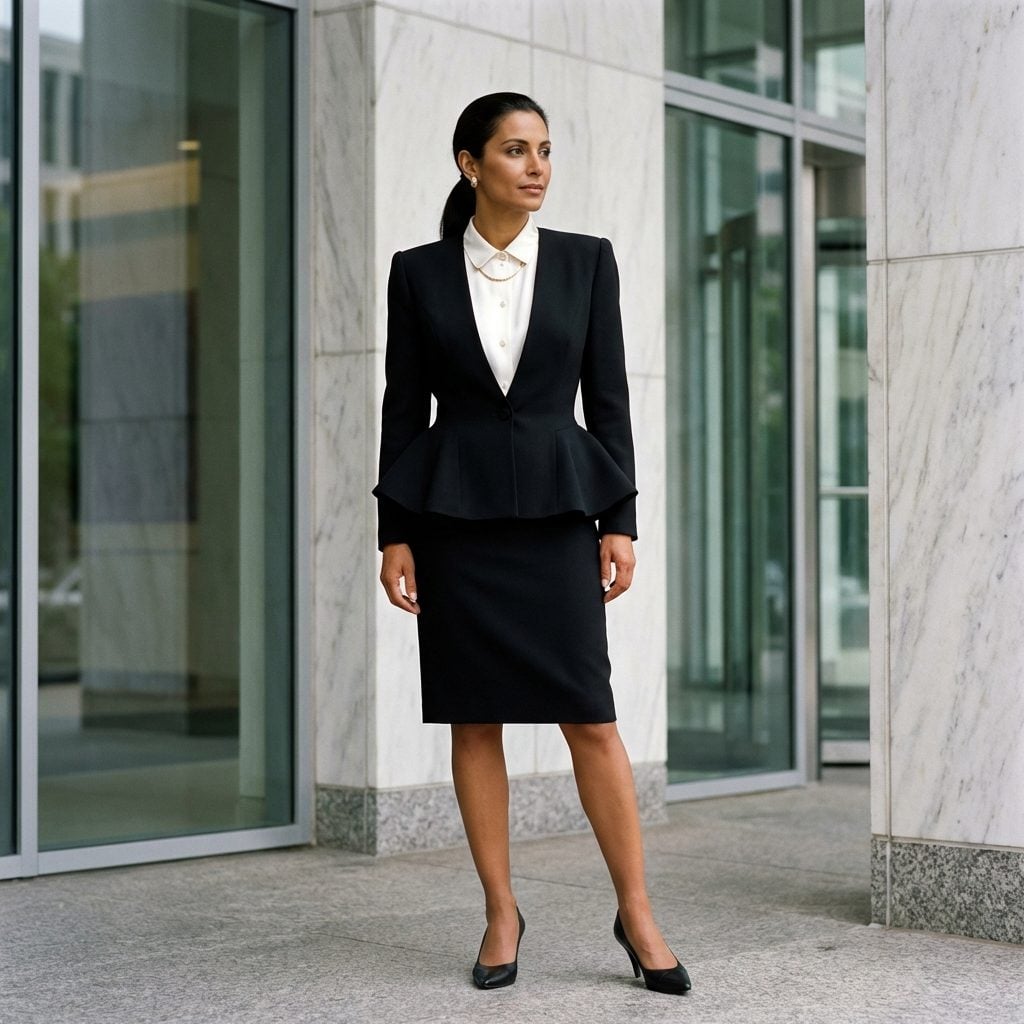
Someone in the early ’80s decided that a jacket needed a small flared skirt attached at the hip, and rather than asking any questions, everyone agreed and bought three. The peplum blazer was simultaneously practical (it created a waist) and slightly absurd (it was a ruffle on a blazer), and it worked precisely because of that tension.
In black or red or that very specific royal blue of the mid-’80s, paired with a pencil skirt, it created an hourglass silhouette that felt both retro and aggressively modern at the time. It came back in the 2010s and it will come back again, because some shapes are just too satisfying to stay gone.
31. Tuxedo-Style Dinner Jackets That Made Every Night Feel Like a Scene
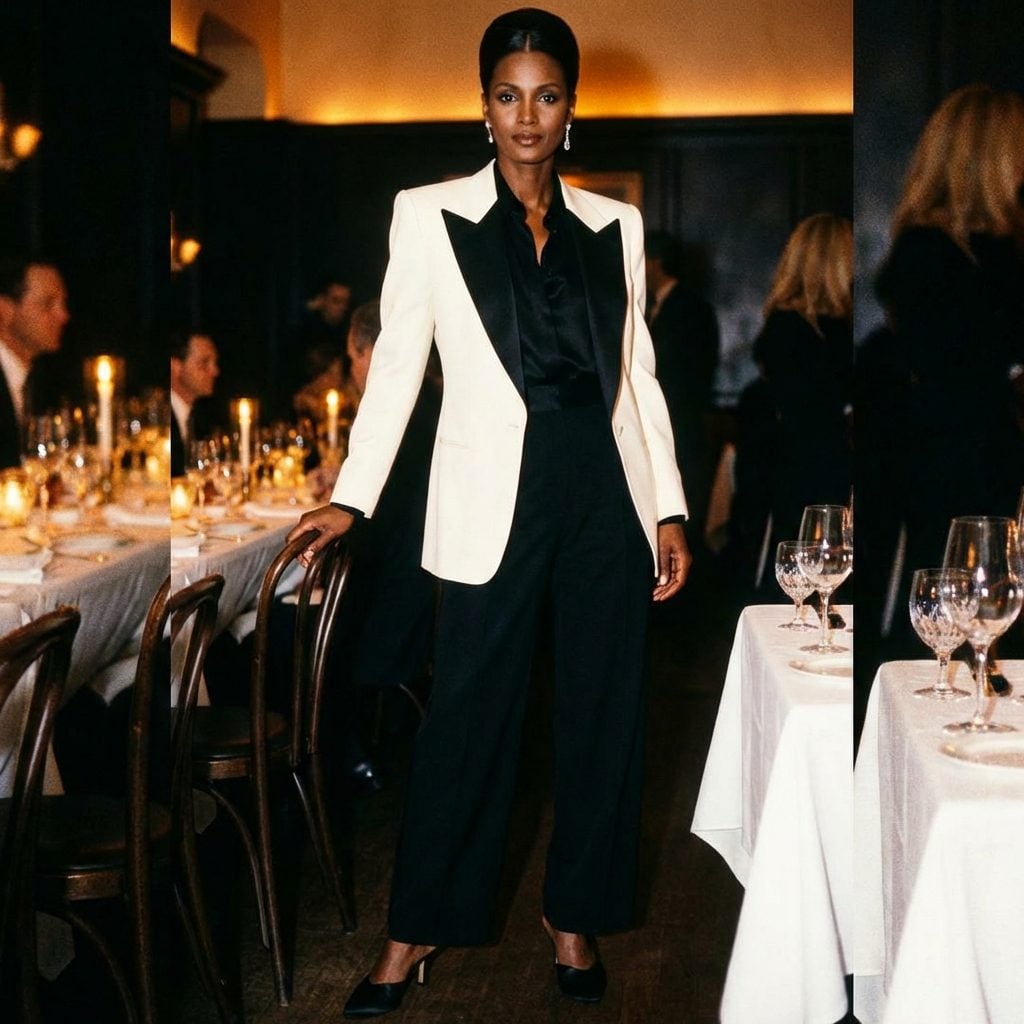
Black satin lapels. Clean white or ivory fabric. A cut borrowed from menswear and remade into something that had no interest in being masculine at all. The women’s tuxedo-style dinner jacket in the ’80s was a direct descendant of YSL’s Le Smoking, filtered through a decade that understood drama and was not shy about using it.
Worn with wide silk trousers and a deeply cut blouse, or daringly with just a bodysuit and nothing else below the belt but confidence, this jacket turned dinner into a production. Which was, of course, the entire idea. You did not put on a tuxedo jacket to blend in. You put it on so that people would remember you were there.
30. Printed Silk Jackets That Carried Their Own Art Gallery
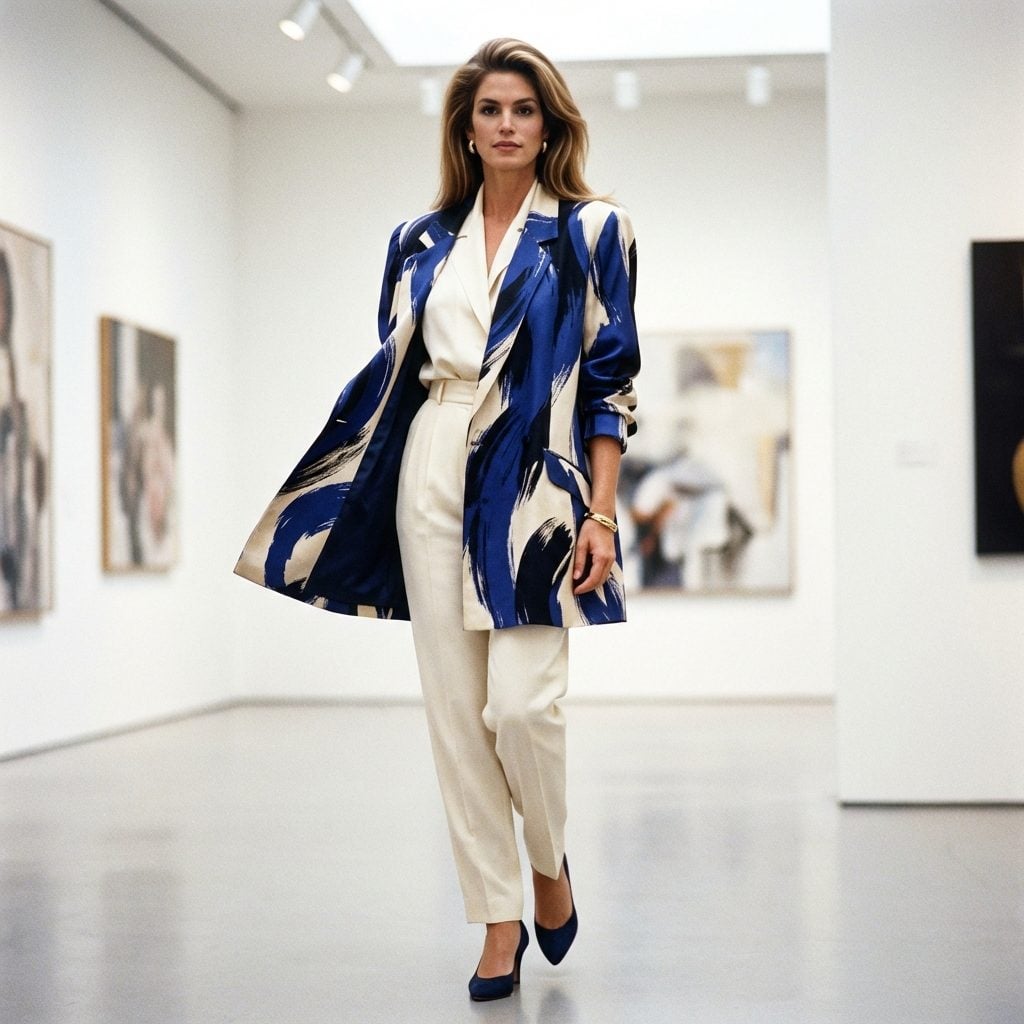
Paisleys large enough to be architectural. Abstract brushstroke patterns in colors that had no business being next to each other and yet. Geometric prints borrowed from Matisse and then amplified. The printed silk jacket of the ’80s was a complete visual statement in itself, which meant everything you wore underneath it had to stand down and let it lead.
You found these at Saks or Neiman Marcus or at that boutique in the good mall that charged twice what everything was worth and you paid it anyway, because you understood value. They came in a particular fluid weight of silk that moved when you walked, and the print shifted and caught light as it moved, so you were never quite the same picture twice.
29. The Cropped Denim Jacket That Lived on Your Body From April to November
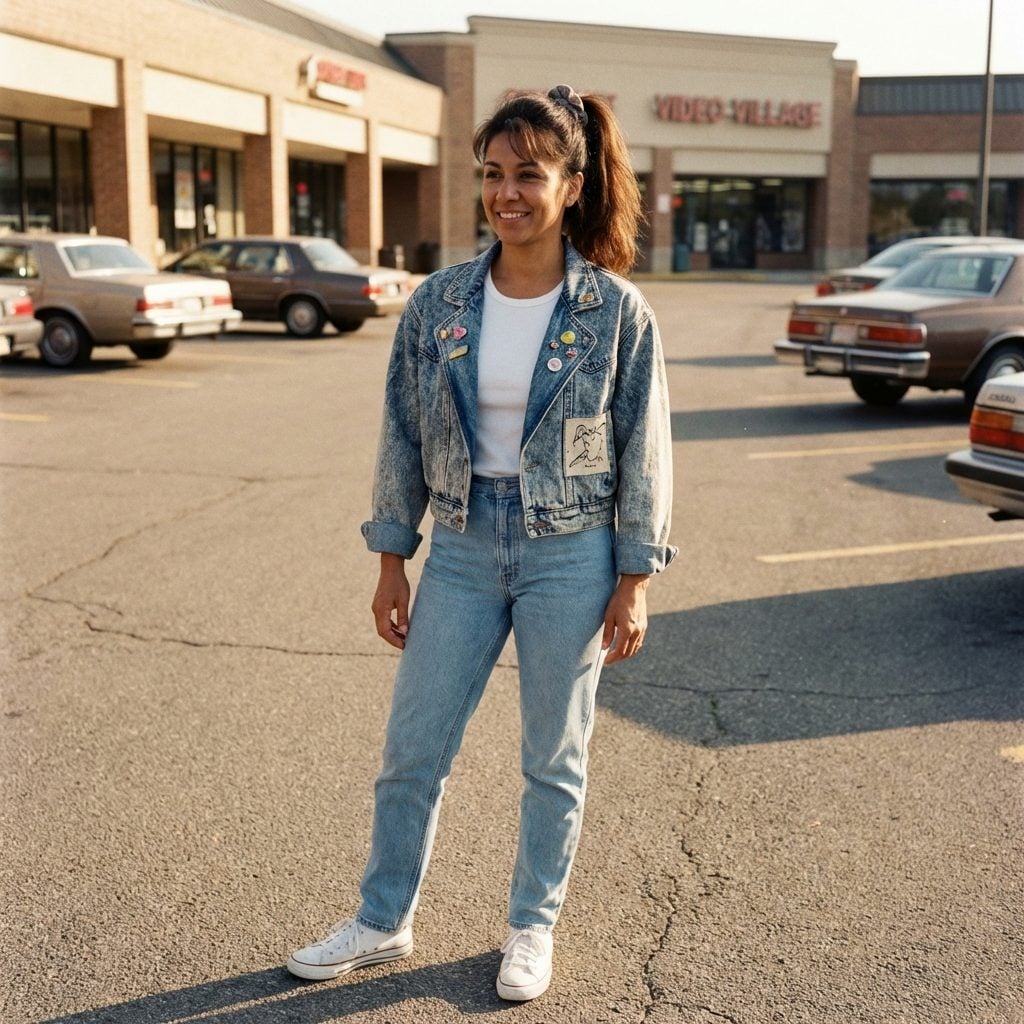
Acid wash or medium rinse or that particular dark indigo before the first wash that stained everything it touched. You bought it slightly too small because cropped meant actually cropped, not just short, it hit somewhere between your ribs and your waist and that was non-negotiable. The sleeves were either too long and needed rolling or exactly right, depending entirely on the brand and the year.
This jacket went over sundresses and over sweatshirts and over everything in between. You wrote on it in fabric pen. You pinned buttons to the collar. A friend embroidered something on the back pocket and you kept the jacket for fifteen years afterward specifically because of that. The cropped denim jacket was not just outerwear. It was a document of who you were at a specific moment, worn on the outside of your body for everyone to see.
28. Acid-Washed Jean Jackets (The One We All Wore Everywhere)
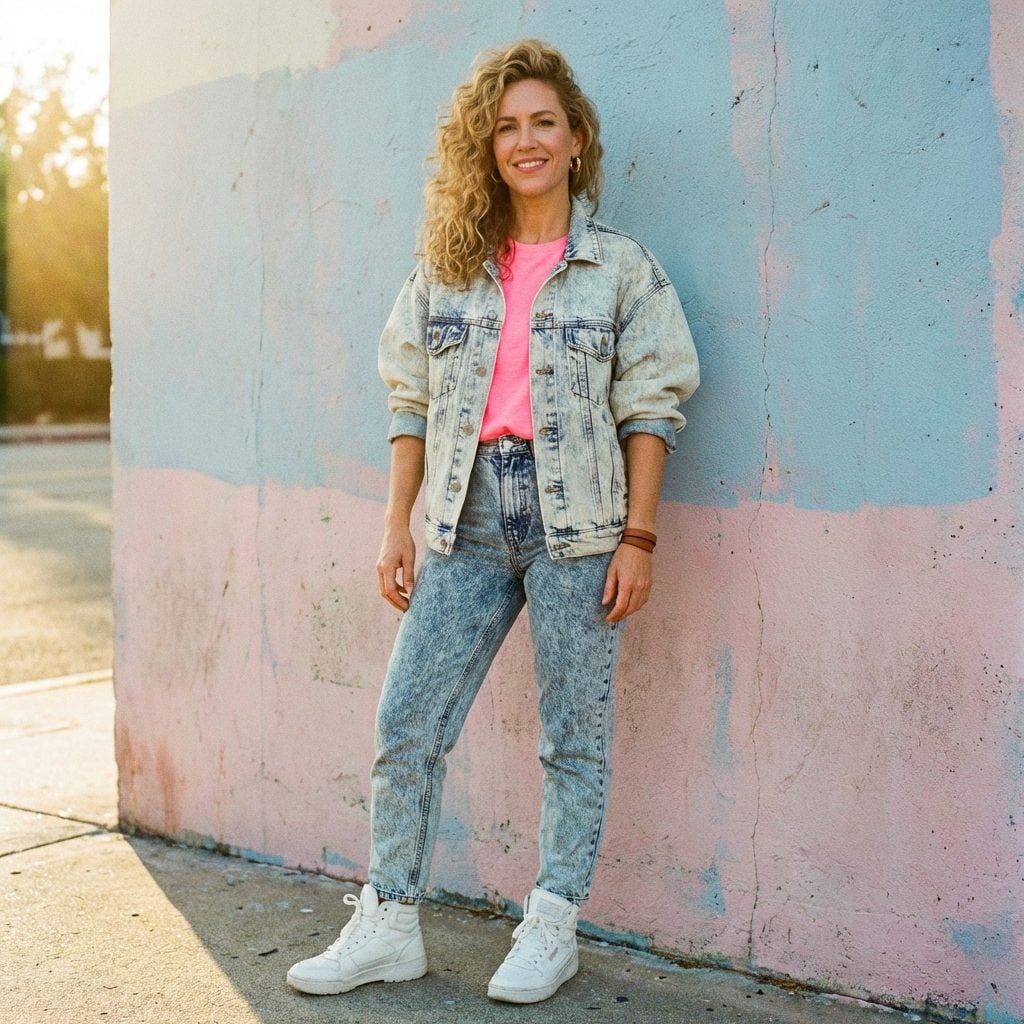
You wore it to school. You wore it to the mall. You probably wore it to a birthday party and convinced yourself it was dressy enough. The acid-washed jean jacket was the great equalizer of the 1980s, it didn’t matter if you were into hair metal, pop radio, or whatever was on MTV that week. Everybody had one.
The bleached-out swirl patterns looked like someone had a very productive afternoon with a bottle of Clorox, and somehow that was the whole point. Paired with acid-washed jeans (yes, full matching set, no shame), this was the outfit that said you were absolutely, completely, unapologetically of your decade.
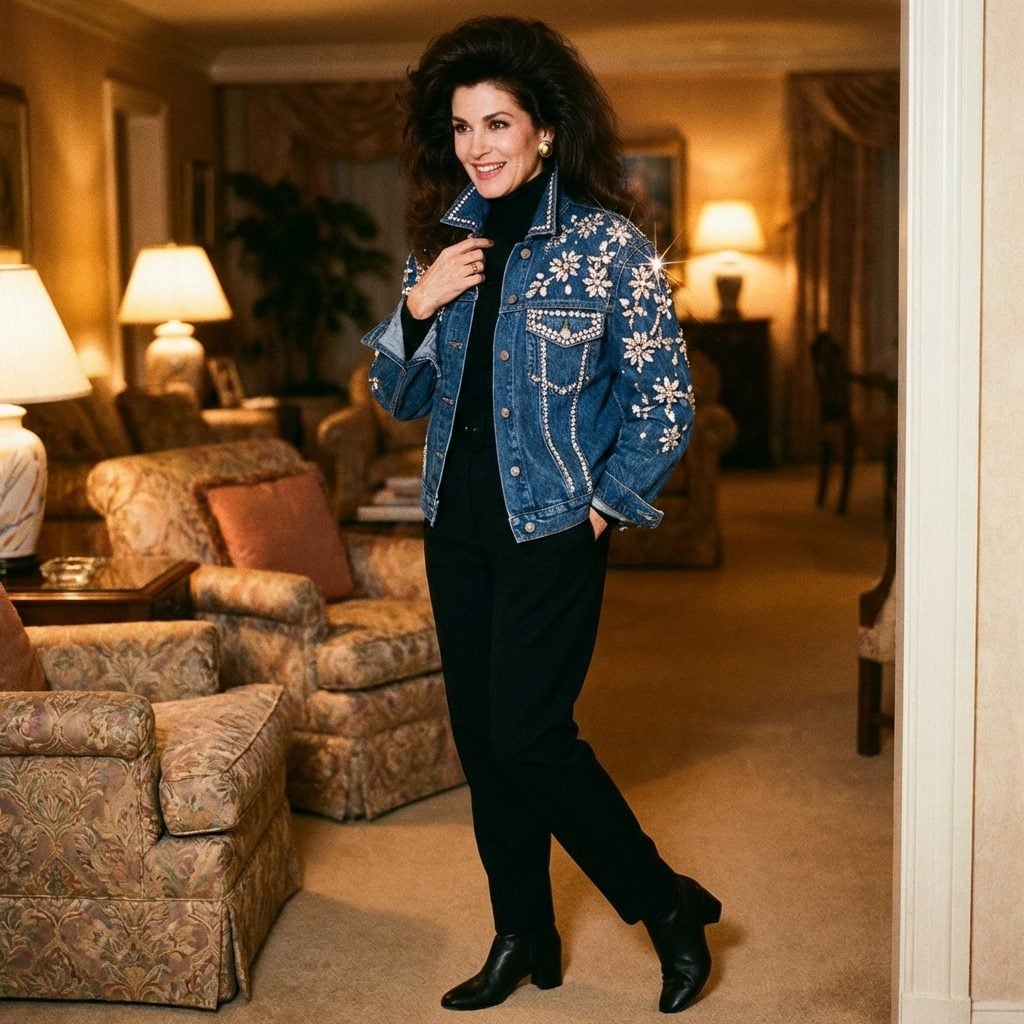
27. Rhinestone-Embellished Denim Jackets That Caught Every Light in the Room
❤️ Would you like to save this?
There was always one girl in sixth period who had them. Rhinestones spelling out her name across the back, or a cascade of crystals down both sleeves, or, the holy grail, a giant bedazzled rose on the left shoulder. We stared. We wanted one desperately.
The rhinestone denim jacket occupied a very specific social tier in the 1980s. You didn’t buy these at the mall. Someone’s aunt did them by hand, or you found one at a craft fair, or you bedazzled your own with a kit from the hobby store and a very patient Saturday afternoon. The result was either spectacular or a cautionary tale, and either way you wore it proudly.
26. Patch-Covered Denim Jackets with Safety Pins Through Everything
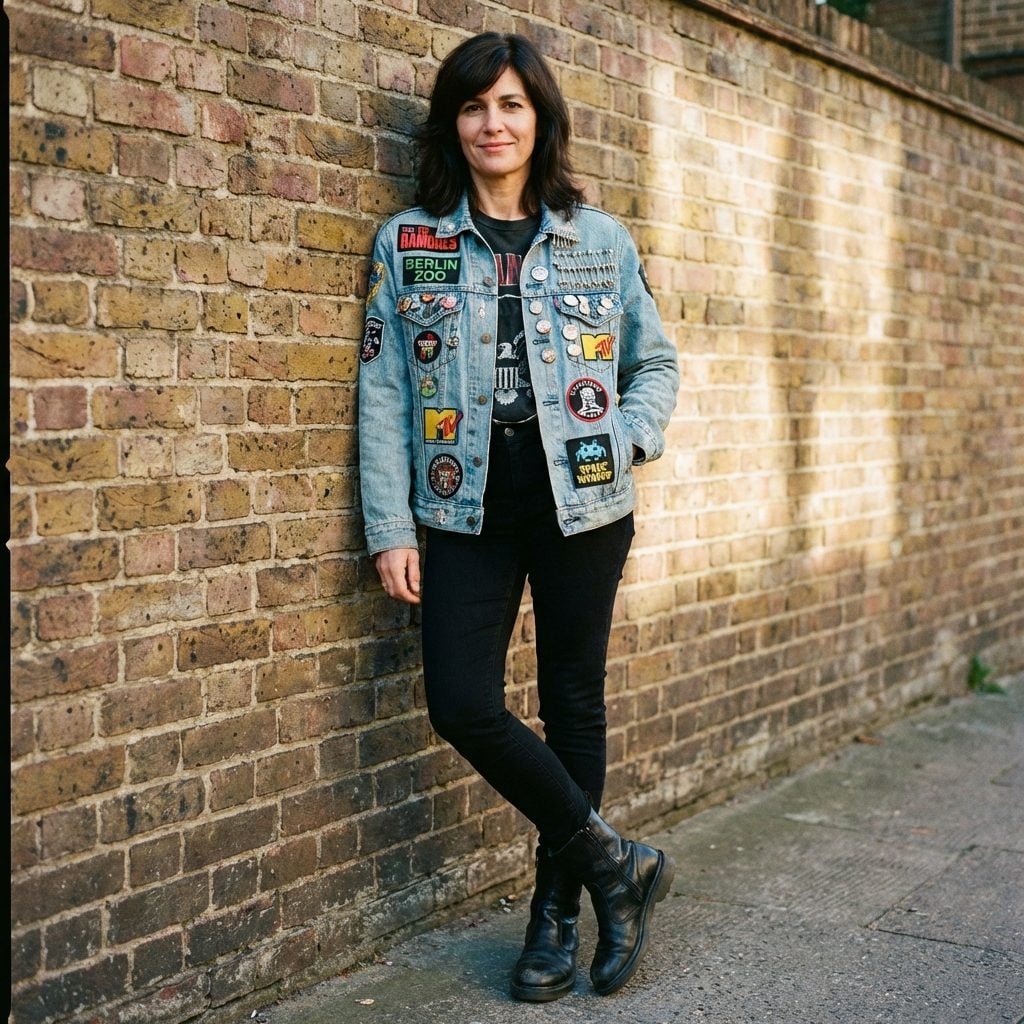
This jacket was a biography. Every patch was a decision: the band you were loyal to, the cause you cared about, the inside joke only your three best friends understood. Iron-on, sew-on, safety-pinned. The back panel was prime real estate.
Some of us went full punk influence with band patches from Duran Duran, The Cure, or Blondie crammed edge to edge. Others went the sentimental route, vacation patches, novelty pins shaped like lip gloss tubes or cassette tapes, a few enamel pins from Claire’s. The safety pins through the collar weren’t functional. They were purely decorative, and we all understood that completely.
Looking back, these jackets were genuinely personal in a way fast fashion can’t replicate. Each one was totally unique. Nobody had your jacket.
25. Leather Moto Jackets with Zippers on Absolutely Everything
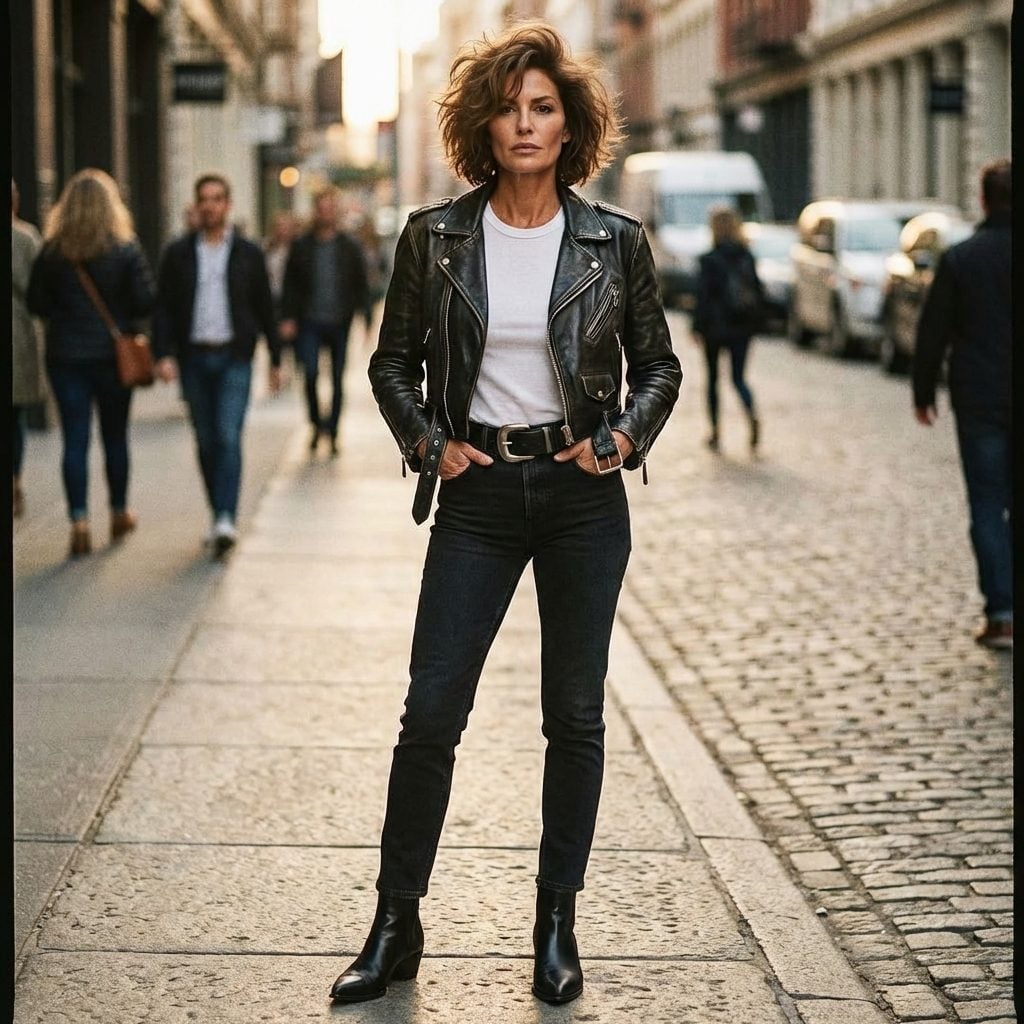
There were zippers on the sleeves. Zippers on the chest pockets. A zipper on the collar. A zipper on the hem. Were any of these functional? About three of them.
The leather moto jacket of the 1980s was an architectural event. The hardware alone weighed half a pound. You bought it from a store like Wilsons Leather at the mall, or if you were very cool, from some mysterious independent shop that smelled like cigarettes and possibility. It came in black. You wore it in black. Always black.
24. Cropped Leather Jackets with Shoulders That Had Their Own Agenda
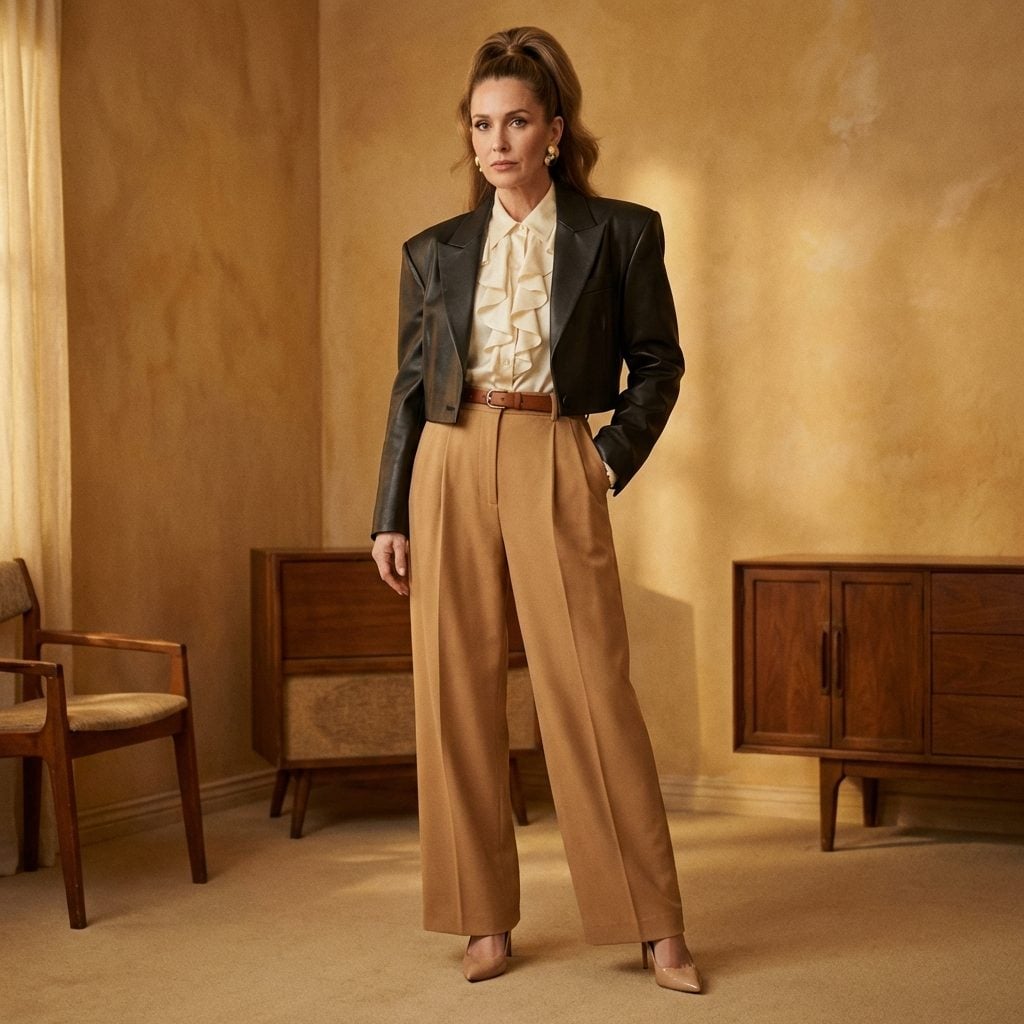
The shoulder pads were already doing the most in every blazer and blouse we owned, but when you added structured shoulder seams to a cropped leather jacket? You became a silhouette. An event. A person who clearly had places to be.
These jackets hit just above the hip, sometimes even shorter, barely grazing the waistband, which meant the proportions only worked with high-waisted everything. Worn over a ruffled blouse or a fitted bodysuit with pegged trousers, the jacket created outfits that create a silhouette that felt genuinely powerful. We weren’t wrong about that part.
23. Fringed Suede Western Jackets (The Rodeo We Were Never Actually Going To)
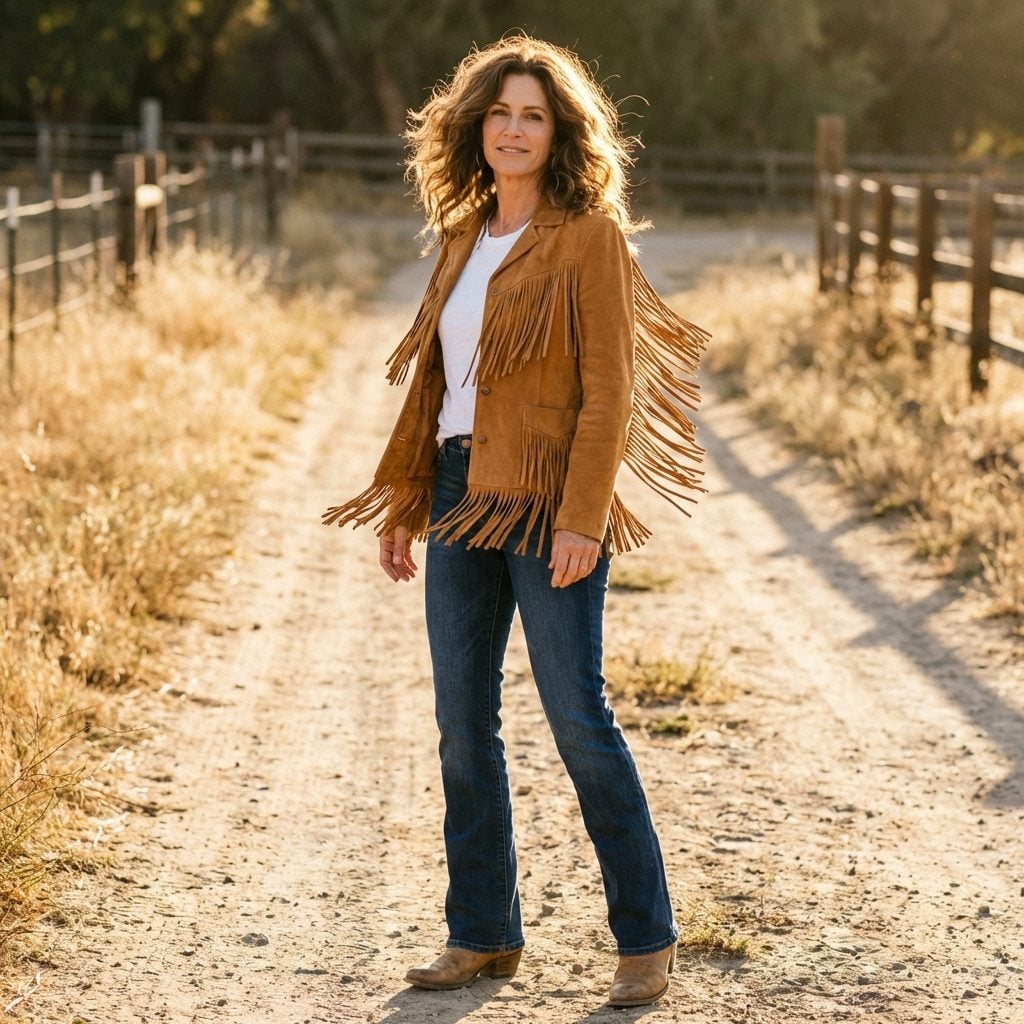
Nobody in our suburb had ever been to a rodeo. That did not stop us from wearing three inches of fringe across every seam of a caramel suede western jacket with absolute conviction.
These came in tan, chocolate brown, and occasionally a dusty rose that was frankly inspired. The fringe swung when you walked. That was the whole point. You tilted your chin up slightly and let the fringe do the talking, and somehow it communicated exactly what you wanted: that you were free-spirited and a little bit country and very much wearing the coolest jacket in the building.
22. Shearling-Lined Aviator Jackets That Made You Feel Like a Fighter Pilot (And Also Very Warm)
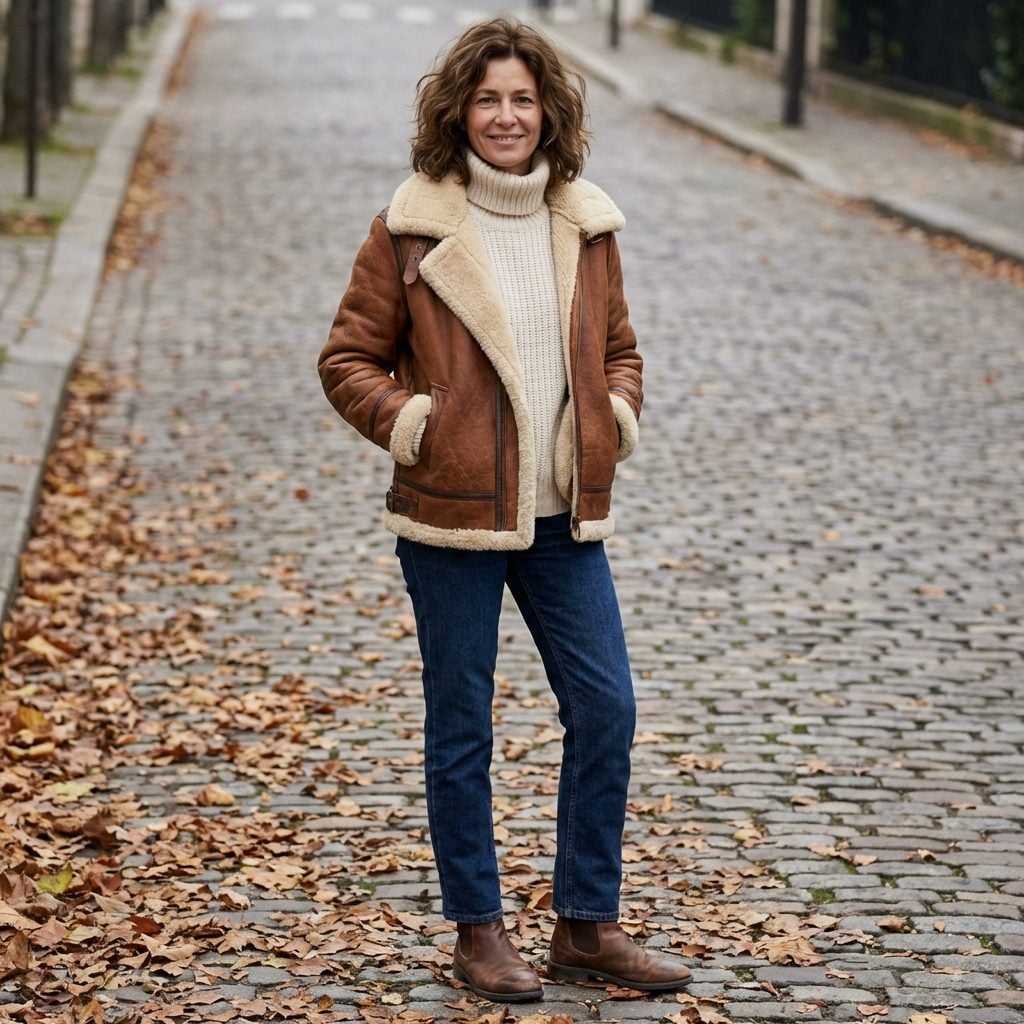
Zip it up, pop the collar so the cream shearling framed your whole jaw, and suddenly the walk from the car to the school entrance felt cinematic. These jackets had weight to them. Real weight. You knew you were wearing something.
The brown leather exterior with its cream or ivory shearling lining was endlessly versatile in a way we didn’t fully appreciate at the time. Under it went everything: oversized sweaters, fitted turtlenecks, flannel shirts. The jacket didn’t care. It made everything look intentional. The B-3 bomber silhouette had been around since WWII, but the ’80s gave it a fashion reboot that landed it in every mid-range department store in America.
21. Members Only-Style Zip-Up Jackets (The Collar That Meant Business)
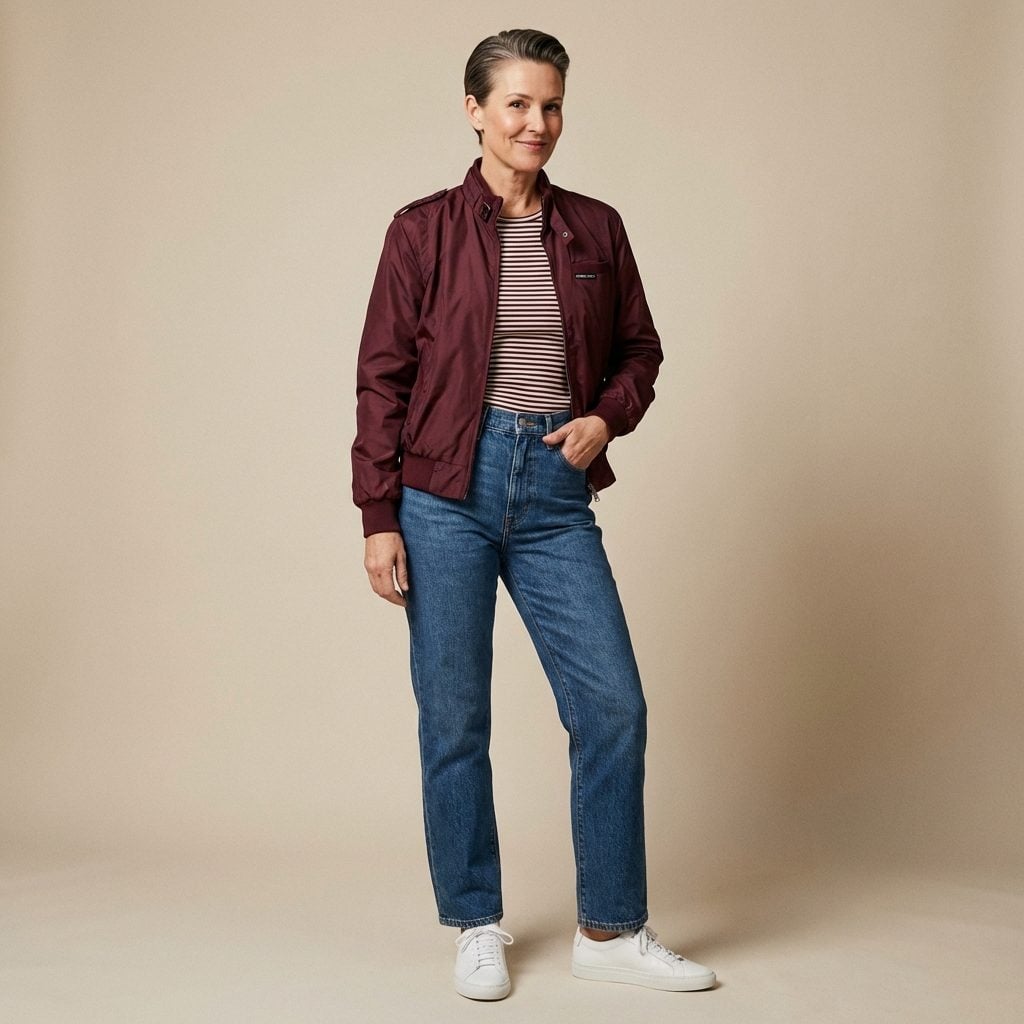
The snap-tab collar was everything. You unsnapped it to look relaxed. You snapped it closed to mean business. You toggled between the two states approximately forty times a day.
Members Only launched in 1975 but absolutely owned the early 1980s, and the ripple of knockoffs that followed meant practically everyone had some version of this jacket regardless of budget. They came in every color, burgundy, navy, khaki, bright red, slate gray. The zip-up front with that distinctive epaulet on the left shoulder said you were put-together without trying too hard. Which was, of course, the entire goal.
“Wearing the jacket was the membership.”, What we all implicitly understood in 1983.
20. Quilted Chanel-Style Jackets That Told Everyone Exactly What You Were Going For
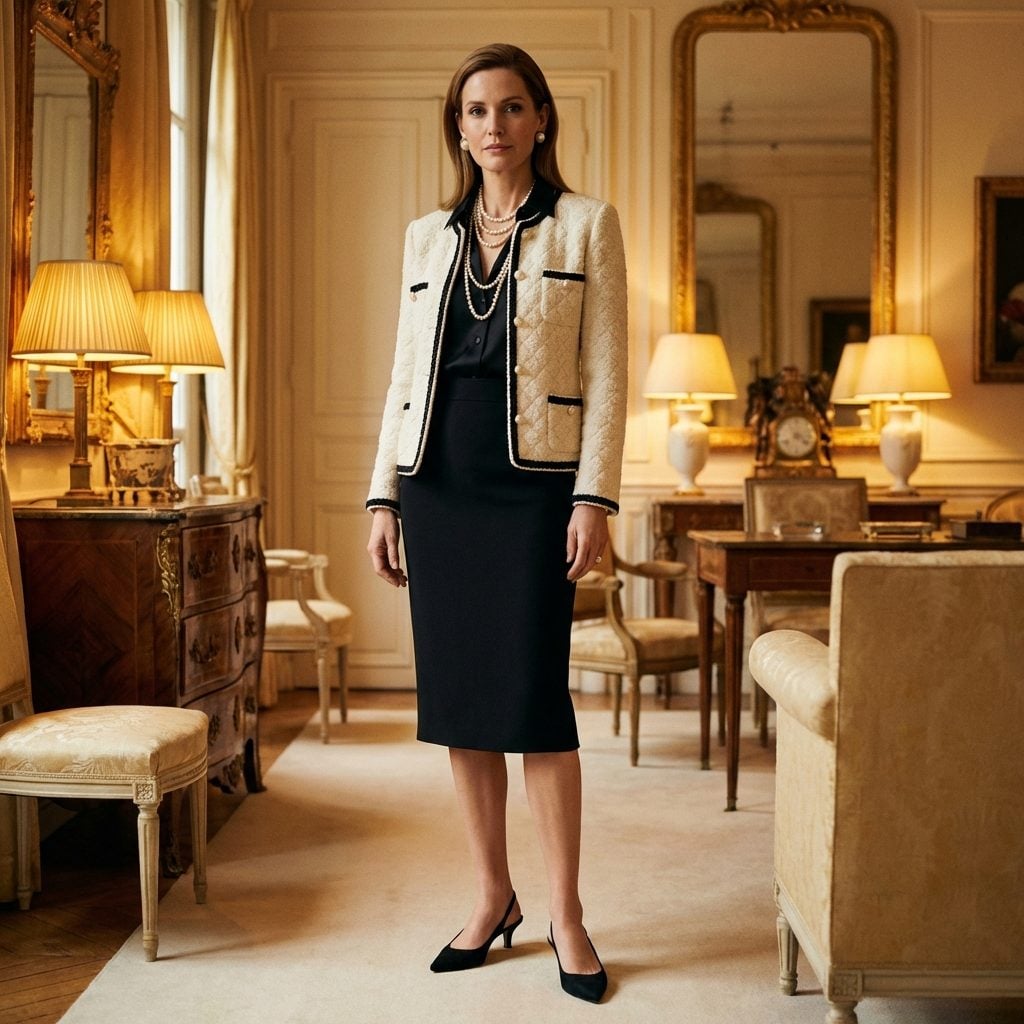
You weren’t necessarily buying Chanel. But you were absolutely buying the idea of Chanel, the diamond-quilted fabric, the contrast braid trim along every edge, the little chain stitched along the hem inside to keep it hanging straight. Department stores carried beautifully constructed versions of this silhouette throughout the decade, and the more self-aware among us knew exactly what we were referencing.
Paired with pearls (obviously), a silk blouse, and a pencil skirt, this jacket was shorthand for a particular kind of pulled-together polish. It was the jacket you wore to a job interview when you were twenty-two and wanted to look like you already had the job. Sometimes it worked.
19. Nehru Collar Jackets in Every Jewel Tone Imaginable
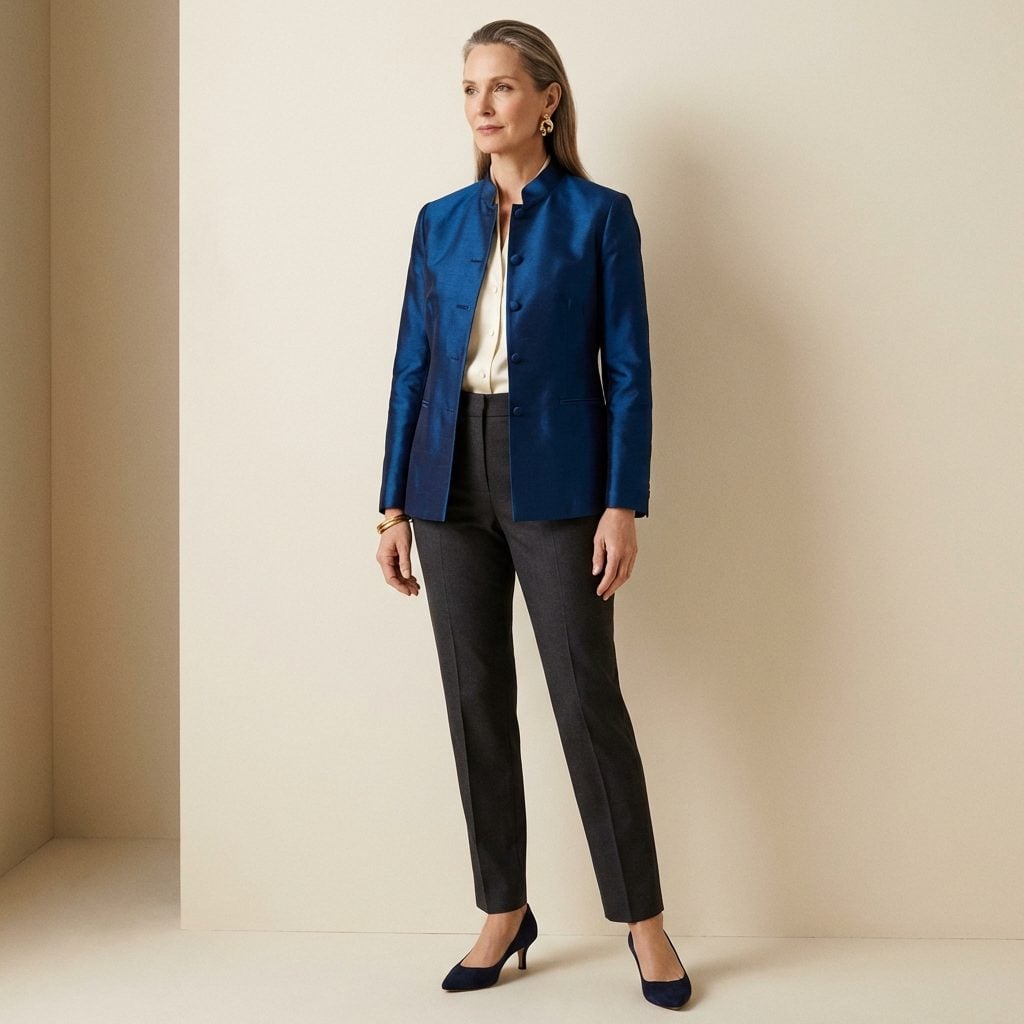
Collarless stand-up necklines, a row of small buttons straight down the front, and always, always, in a jewel tone. Sapphire. Emerald. Amethyst. Sometimes a deep teal that didn’t have a proper name but was perfect.
The Nehru jacket had actually been popular in the late 1960s (the Beatles wore versions; so did Sammy Davis Jr.), but the ’80s brought it back in updated fabrics: structured silk, matte crepe, even velvet for evening wear. It read as sophisticated and slightly exotic in the best way. Worn over a silk blouse or a fitted knit, it had a quiet authority that most of our other fashion choices decidedly did not.
18. Military-Inspired Epaulet Jackets That Were Very Serious About Shoulder Hardware
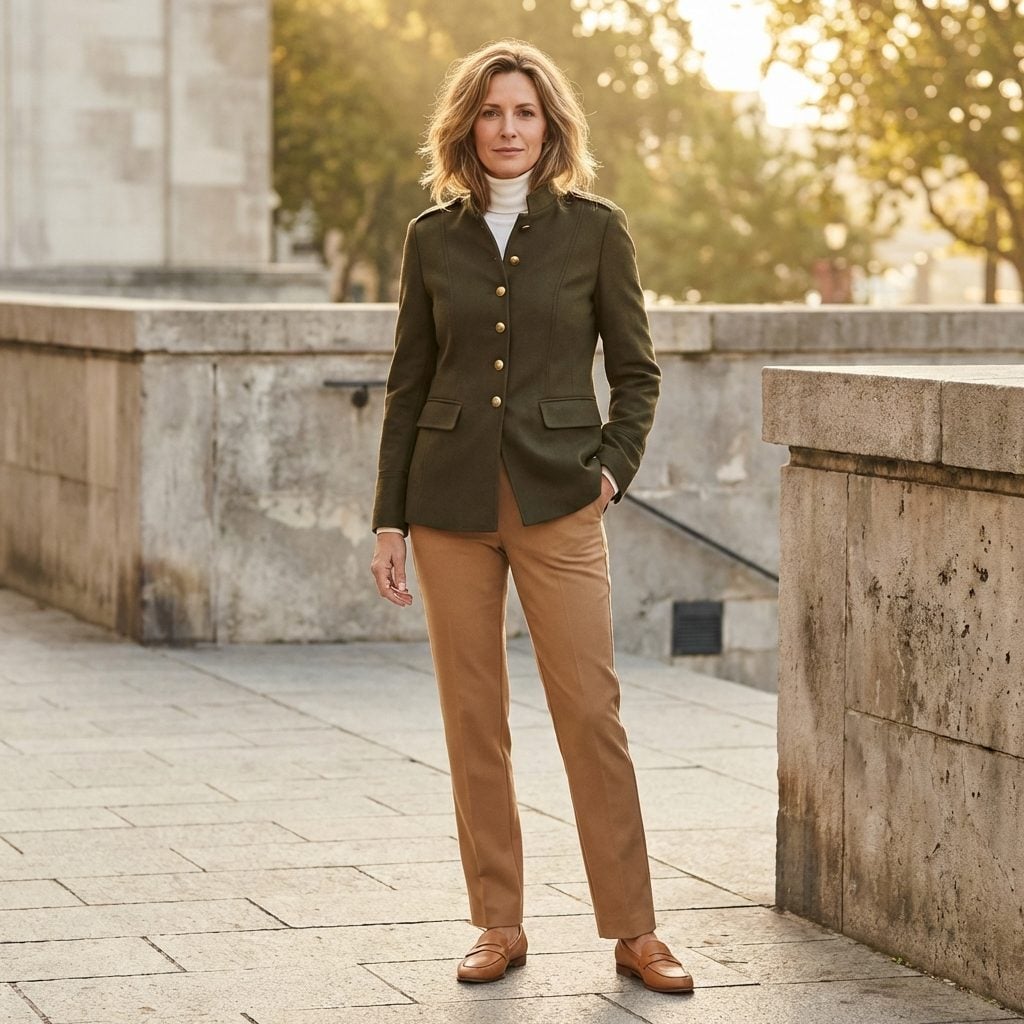
The epaulets meant rank. We weren’t sure what rank, exactly, but definitely a high one.
Military-inspired jackets hit differently in the 1980s because the silhouette already had built-in drama, boxy body, brass button details, structured epaulets on both shoulders, sometimes a belt or half-belt at the back. They came in olive, camel, deep navy, and a sort of khaki-green that worked with absolutely everything.
This was a androgynous outfit moment before anyone was using that language. The jacket borrowed from a masculine uniform tradition and made it emphatically personal. You softened it with a floral blouse, or leaned into the structure with a turtleneck. Either way, you looked like someone who had a plan.
17. Safari Jackets with Cargo Pockets for Things We Never Actually Carried
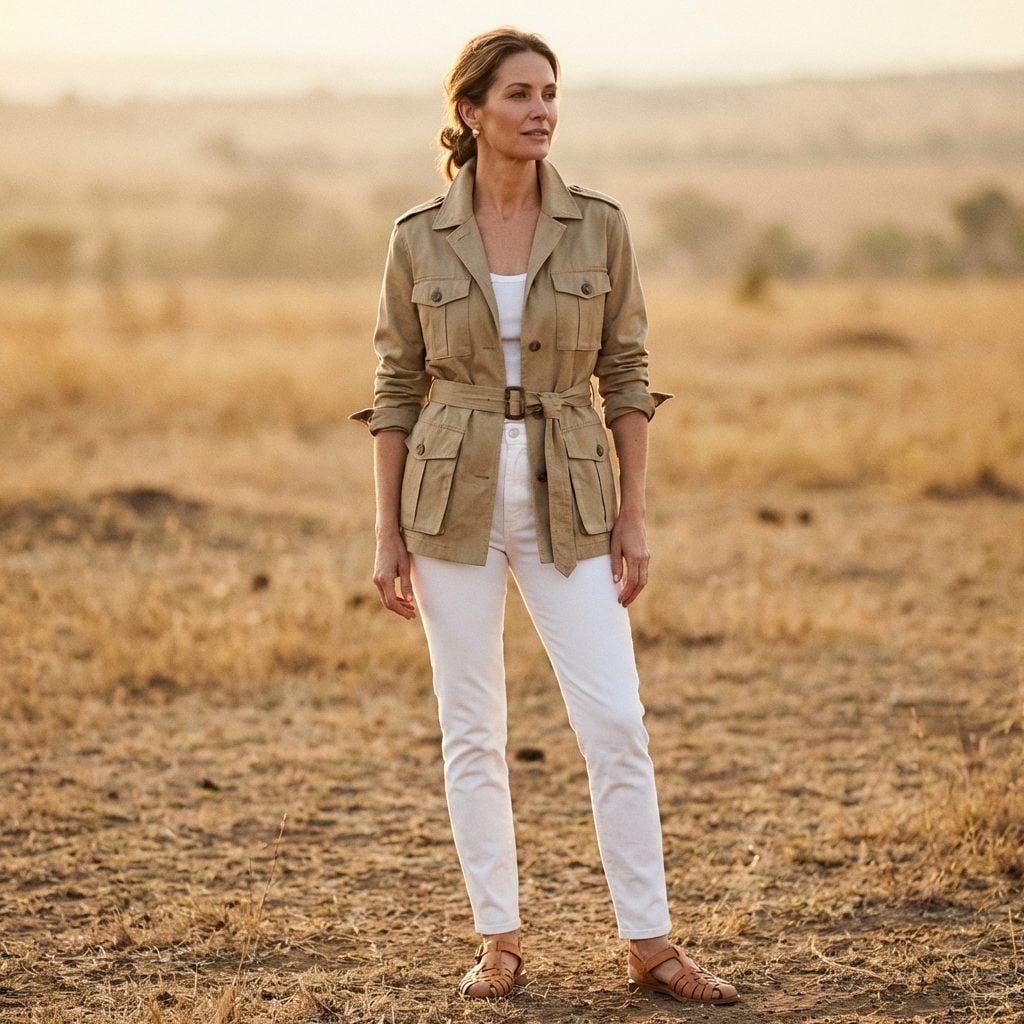
Four chest pockets. Sometimes two more at the hip. Epaulets. A matching belt. Usually in khaki, occasionally in stone white or sand, and once in a great while in a sort of dusty rose that the catalog described as “blush” but was really just pink and we all knew it.
The safari jacket asked a lot of questions that it never answered. Where were you going? What were you planning to carry in all those pockets? (Nothing. Lip gloss, maybe.) Indiana Jones had just happened to the cultural imagination, and we were all quietly dressing for an adventure that was mostly just the 3 o’clock showing of whatever was at the multiplex.
And yet, tucked into high-waisted trousers or belted at the waist over a white tank, the safari jacket had a breezy, capable energy that held up better than most trends of the decade. Some things age well for good reason.
16. The Trench Coat With Lapels So Wide They Had Their Own Zip Code
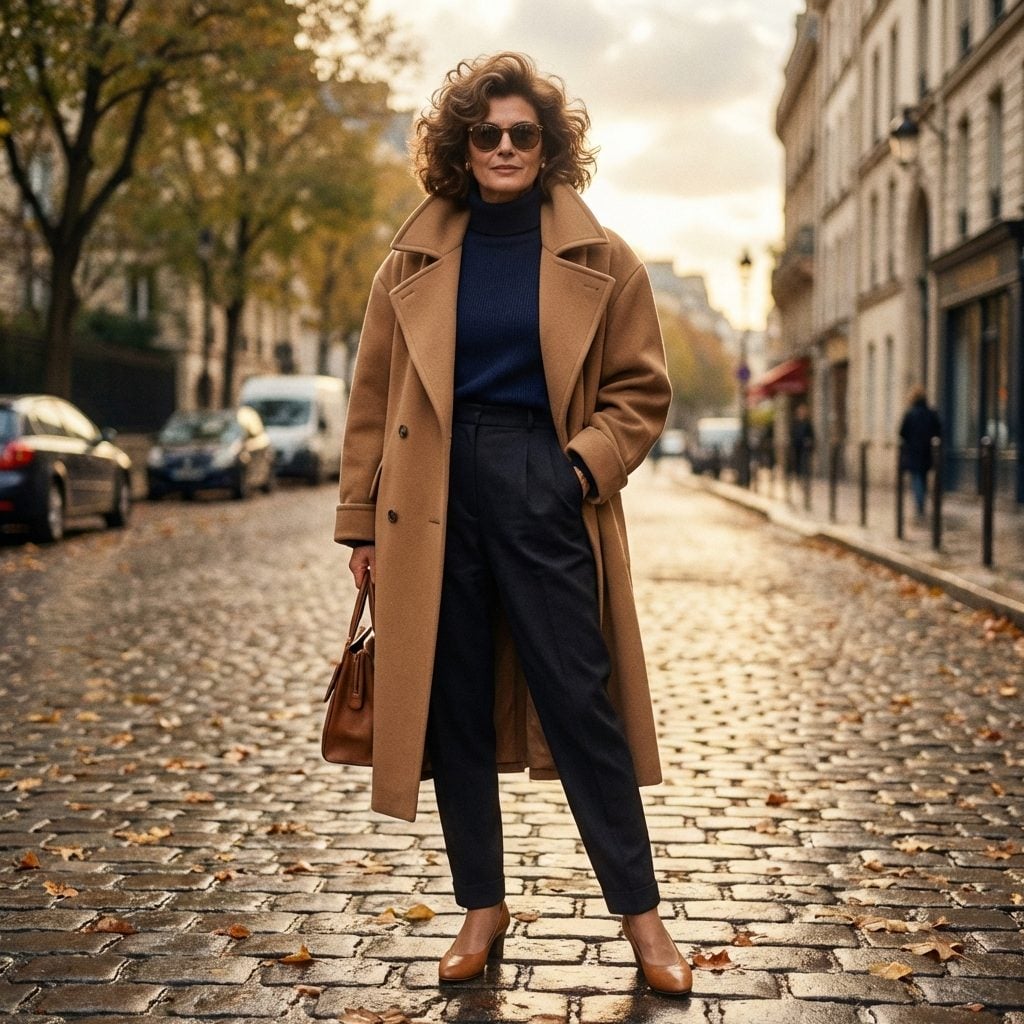
You didn’t just wear a trench coat in the ’80s. You announced yourself in one. Those lapels were wide enough to land a small aircraft on, and we wore them turned up at the back like we were perpetually being chased through rain-soaked streets in a film noir. The belt was always double-knotted and slightly off-center, never actually buckled through the loops, because that was somehow the chicest possible thing to do.
The color was almost always camel or stone, and it lived on the hook by the front door from September through April. Every woman who wore one felt like a very serious person with very important places to be. It was the jacket that made a grocery run feel like a cover shoot.
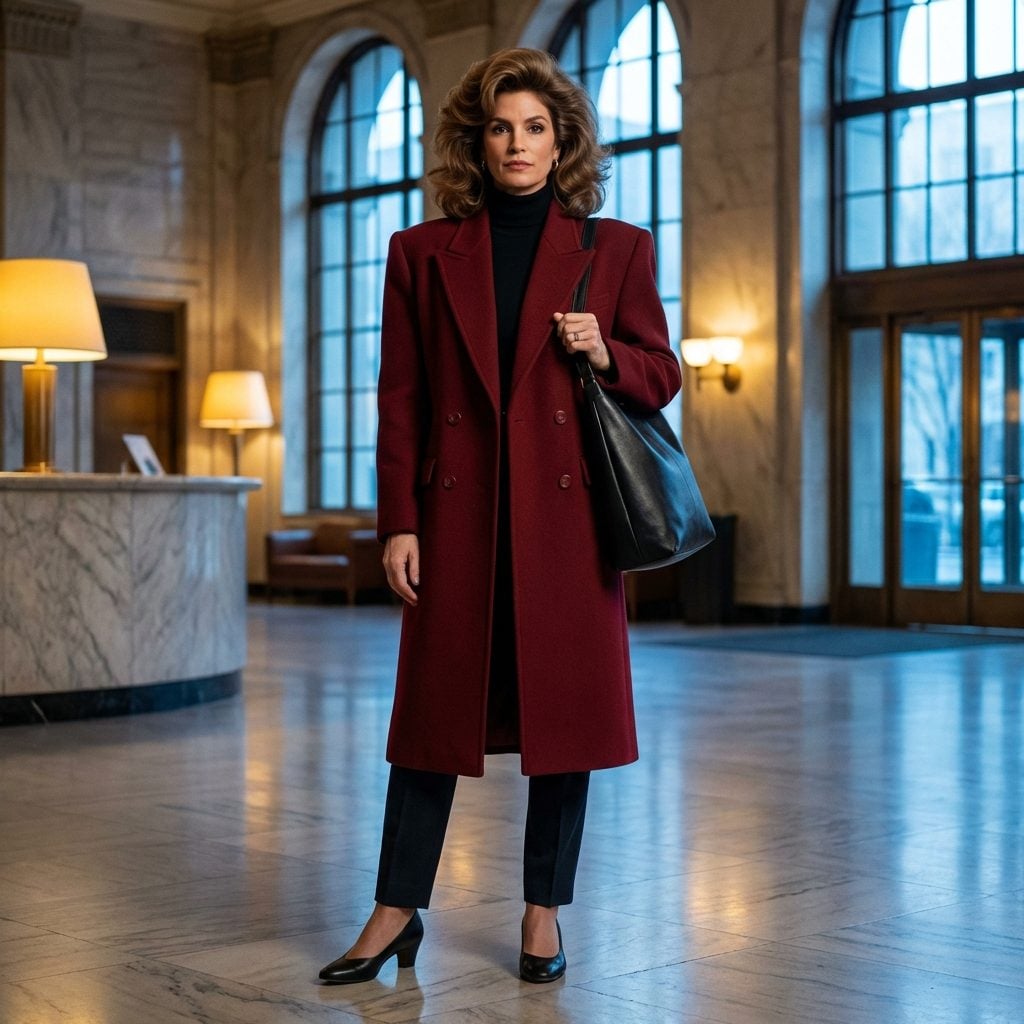
15. Longline Wool Coats With Shoulders That Could Hold Up the Ceiling
❤️ Would you like to save this?
The structure on these coats was architectural. We’re talking padded shoulders so pronounced they reshaped your entire silhouette into something between a linebacker and a high-fashion abstract sculpture. The coat itself hit mid-thigh or below, usually in charcoal, oxblood, or an extremely optimistic shade of cobalt, and the shoulder pads inside were often reinforced so heavily that the coat could practically stand up on its own in the corner of your bedroom.
Worn over everything: power suits, jeans, silk blouses, sometimes a bridesmaid dress on the way to a wedding. It was the outfit multiplier. No matter what you had on underneath, the coat took over and made all the decisions. Dynasty was definitely involved. We have Alexis Carrington to blame or to thank, depending on how you feel about shoulder pads.
14. The Wool Car Coat With Toggle Buttons That Took Three Minutes to Do Up
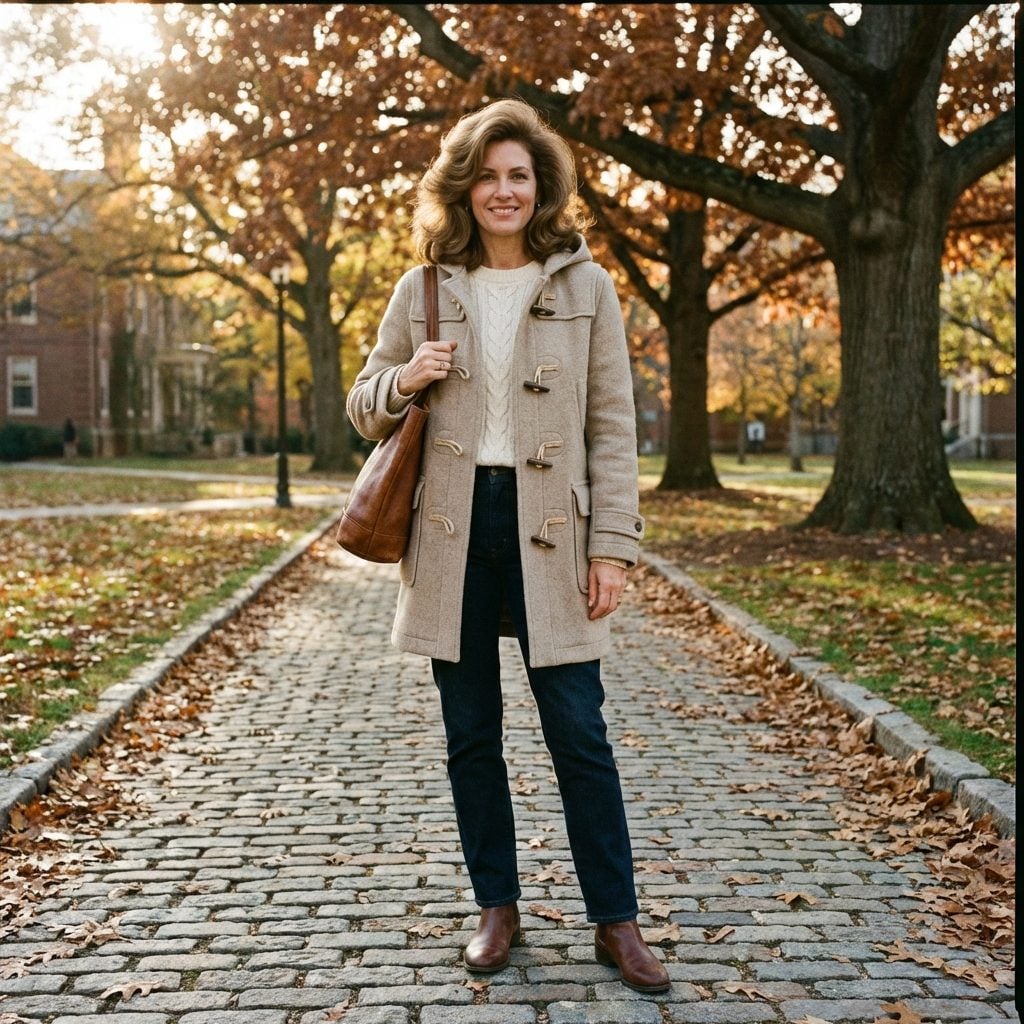
Toggle buttons. Horn-shaped, hanging from loops of woven cord, and absolutely committed to never fastening quickly no matter how cold it was. The androgynous jacket silhouette of the car coat felt effortlessly borrowed from the boys’ department, which was exactly the point. In oatmeal, camel, or a heathered forest green, it hit at the hip and draped over everything from school uniforms to weekend jeans.
There was something deeply satisfying about the weight of it. Heavy, warm, substantial. The toggle loop would eventually stretch out and you’d spend half winter holding the coat closed with your hand instead. Didn’t matter. It still looked better than anything else hanging in the hall closet.
13. Fur-Trimmed Jackets: The Collar That Said You Had Arrived
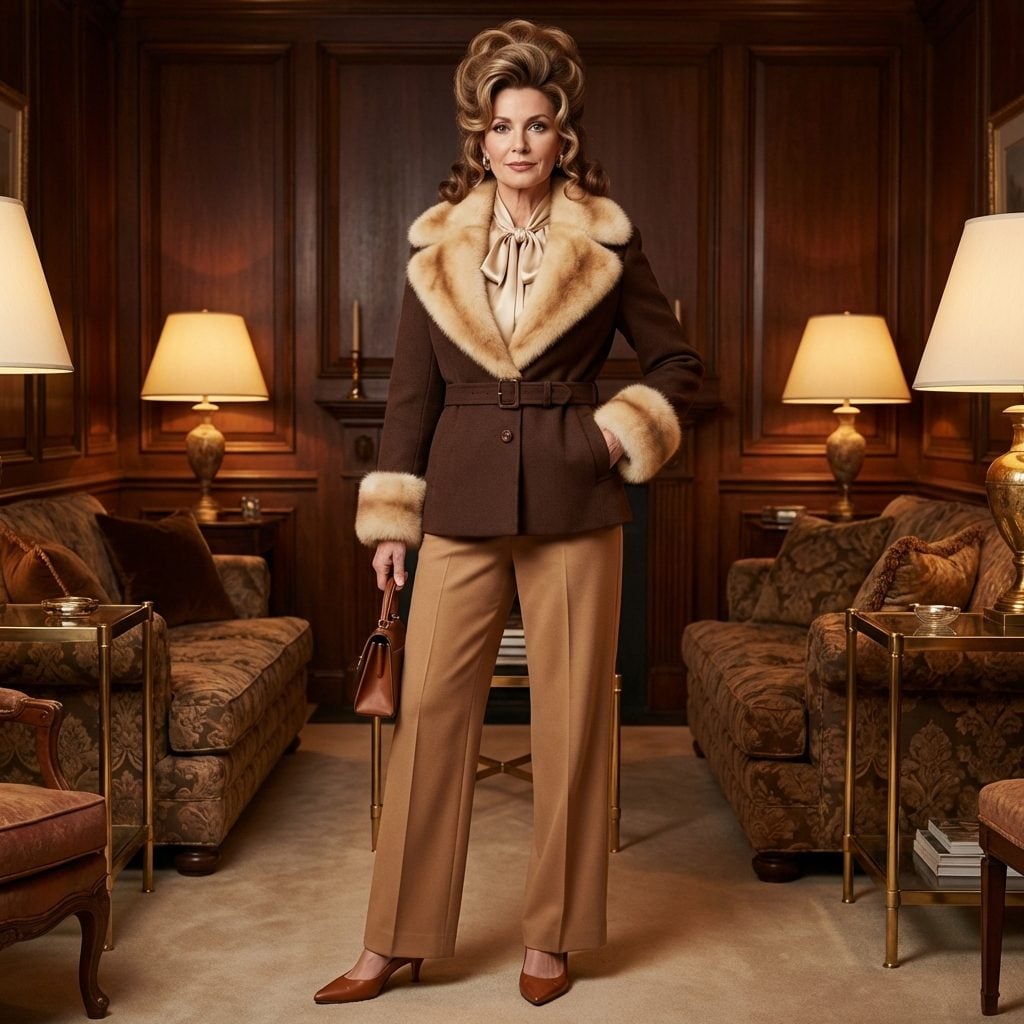
The fur trim was doing a lot of heavy lifting. It didn’t matter if the jacket underneath was a basic wool blazer from a department store sale rail, the moment you attached that strip of fur at the collar or cuffs, the whole thing read expensive. Or at least expensive-adjacent. The trim was sometimes real, sometimes not, and in the ’80s nobody was asking too many questions.
12. Faux Fur Statement Jackets in Colors That Absolutely Did Not Exist in Nature
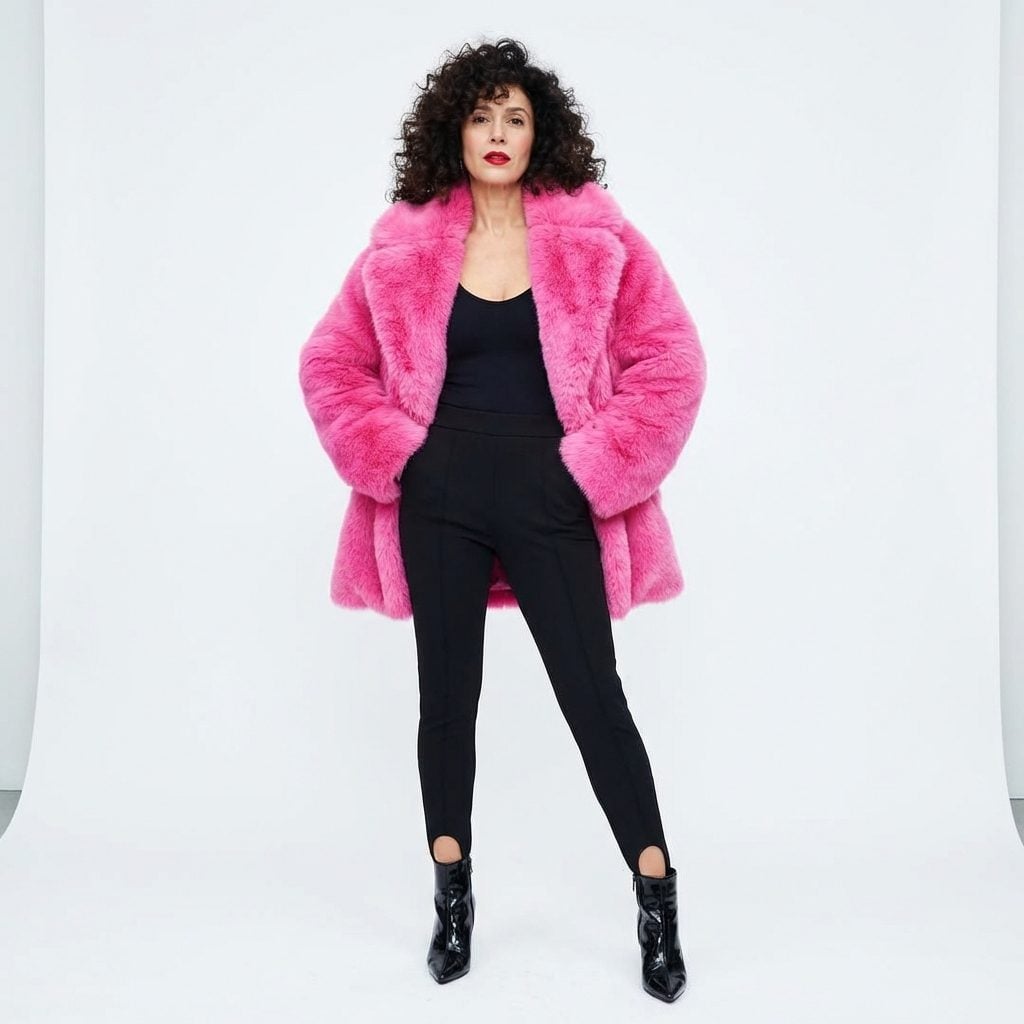
Hot pink. Electric blue. Sherbet orange. The faux fur jacket of the mid-to-late ’80s was not trying to resemble any actual animal that had ever walked the earth. It was trying to stop traffic, which it did. You’d find them at boutiques that smelled of patchouli and had names like Attitudes or Bebe, and they cost more than a week’s wages from your Saturday job, which made the wearing of them feel like a significant occasion.
Paired with black stirrup pants and heeled ankle boots, this was the androgynous outfit nobody actually called androgynous. It was just: the jacket. The jacket that led the entire look. Everything else was support staff.
11. Varsity Letterman Jackets You Definitely Didn’t Earn Yourself
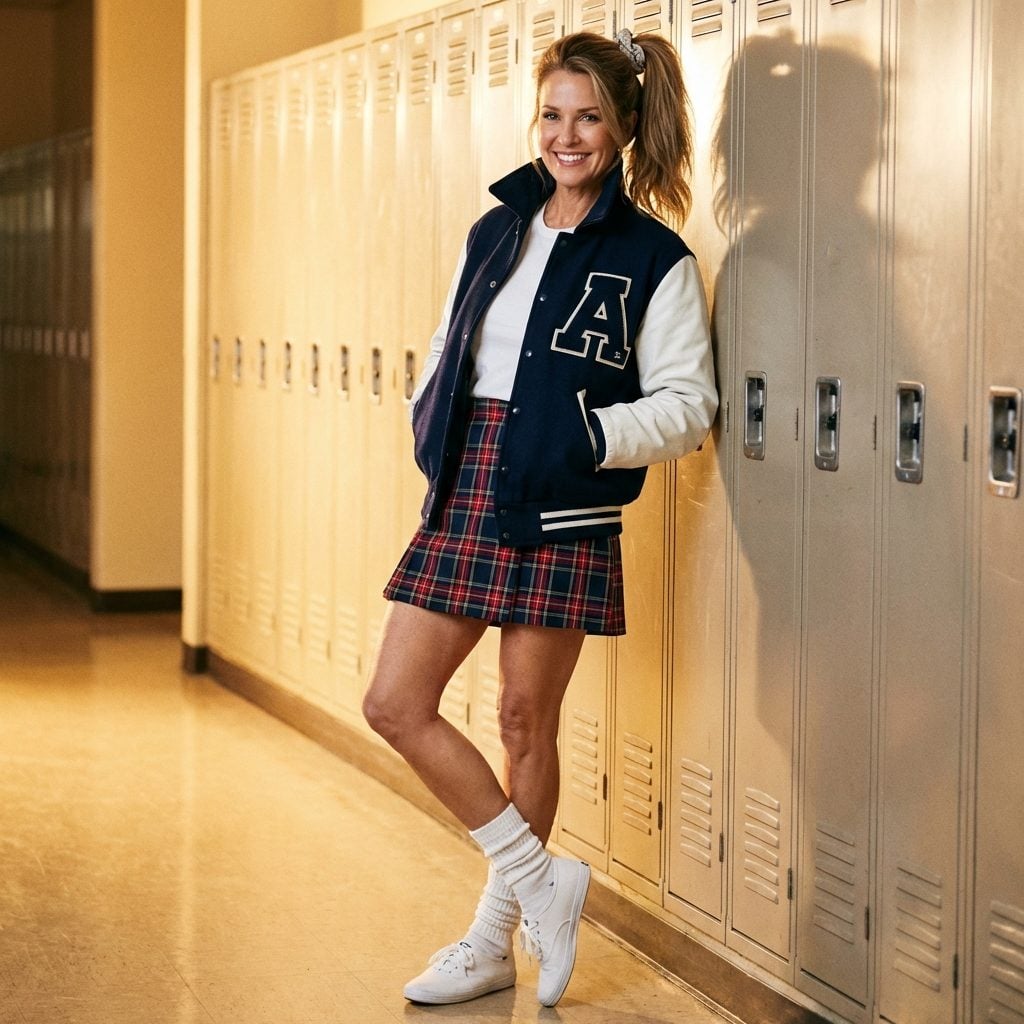
The letterman jacket had one of two origins in your wardrobe: you borrowed it from an older brother who actually played football, or you found one at a thrift store and committed to a fictional backstory. Either way, the moment you paired it with a plaid mini skirt and white slouch socks, it worked. You were the whole teen movie poster.
The chenille letter on the chest was the detail. Not the school name on the back, not the leather sleeves, but that thick embroidered letter in the contrasting color, slightly raised, slightly pilled at the edges. The accessory trends of the era (charm necklaces, friendship pins on the collar) were born to live on this jacket.
10. Color-Blocked Track Jackets in Combinations Nobody Asked For
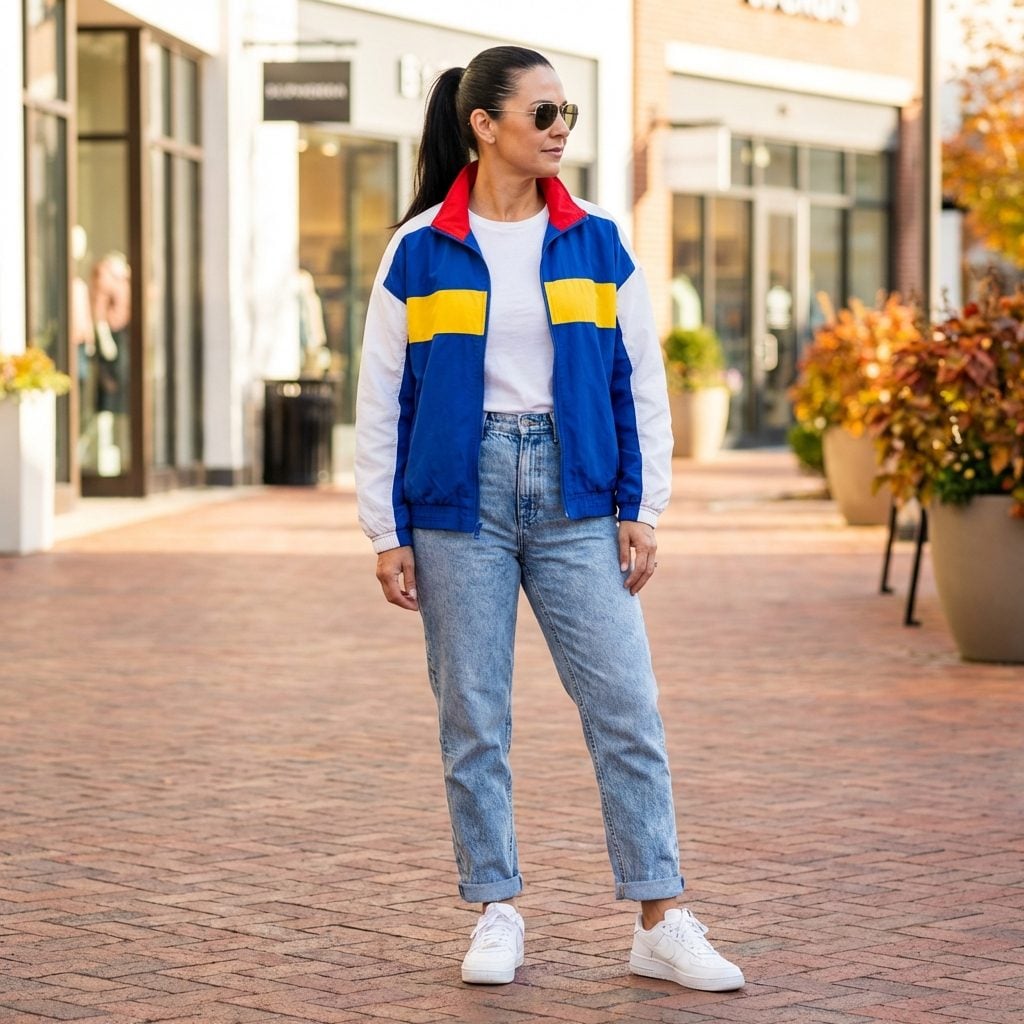
Royal blue, white, and a stripe of canary yellow. Or red, black, and a completely unnecessary panel of forest green. The color-blocking logic on ’80s track jackets operated on its own system, and that system had exactly zero interest in subtlety. They zipped up to the throat, had two pockets that never stayed zipped, and the chest panel was usually a different color from the sleeves, which were a different color from the back yoke.
There was something deeply optimistic about pulling on a jacket that contained every primary color at once.
You wore these to the mall, not the gym. Over a white tee and stonewashed jeans, this was Saturday. This was freedom. This was the entire decade in a single zip-up.
9. Satin Bomber Jackets That Made Every Outfit Feel Like Opening Night
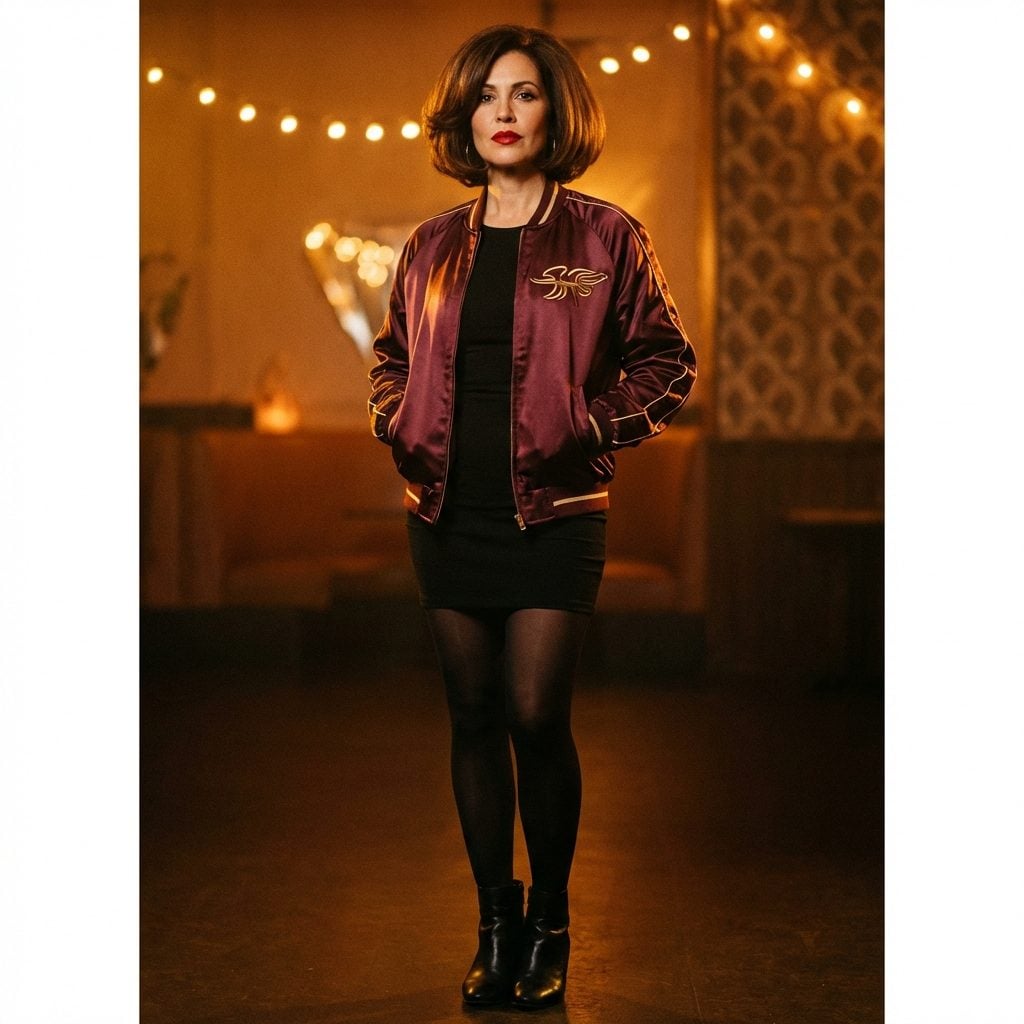
The satin bomber jacket asked nothing of you and gave everything. Black with gold embroidery across the back. Burgundy with contrast piping at the cuffs. Sometimes an embroidered dragon. Sometimes a tiger. Sometimes just your name in script across the left chest, because why not. The fabric had a liquid quality under department store lighting that elevated the simplest outfit into something that felt deliberately chosen.
You wore it over a mini dress to a party and left it on the whole night because it was part of the look, not just warmth. The lining was always something satiny too, in a contrasting color, and the moment you put it on you stood up a little straighter. A androgynous jacket in the truest sense, borrowed equally from pilots and prom culture.
8. Neon Windbreakers That Could Be Spotted From Space
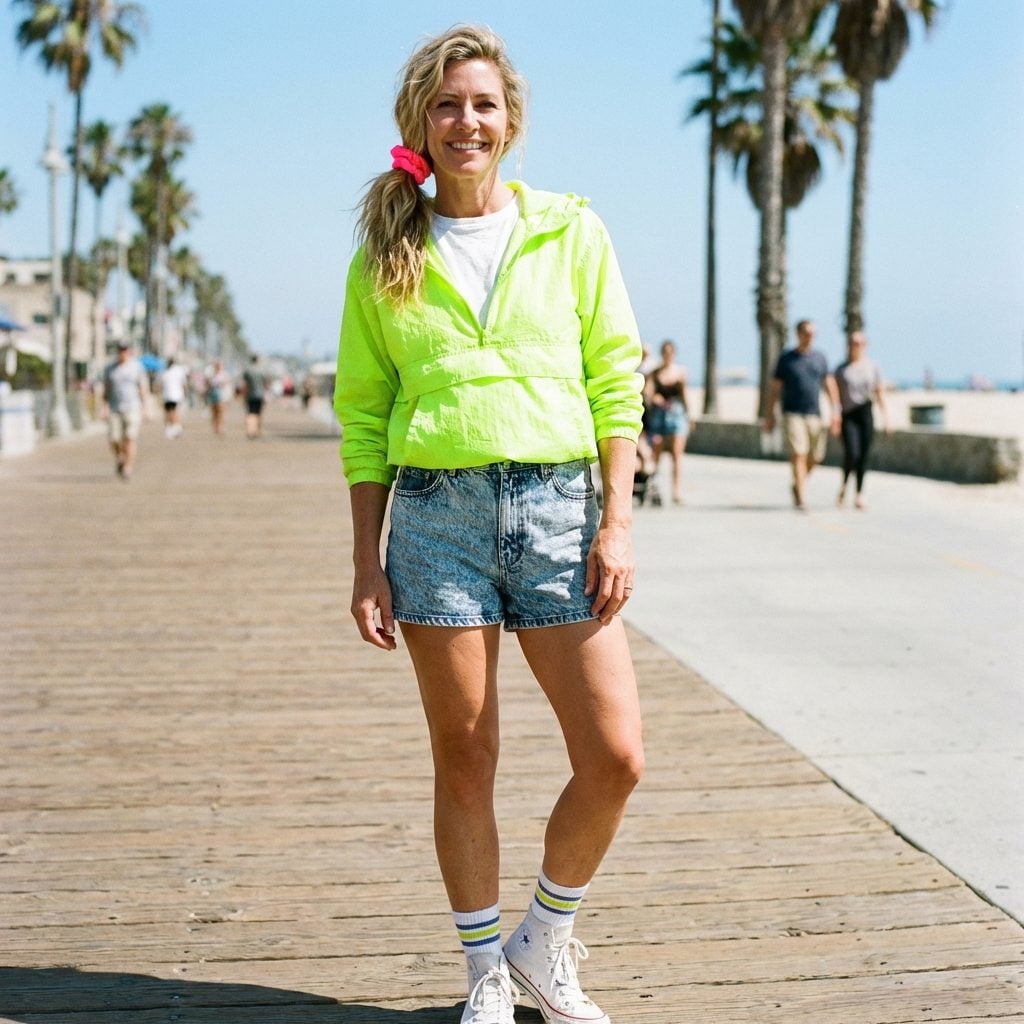
Visibility was not a concern. It was the entire point. The neon windbreaker came in yellow, green, orange, and a pink so electric it registered on the back of your eyelids when you closed them. The material crinkled when you moved, loudly, and the hood cinched with a toggle that never sat right at the back of your neck. You wore it to the park, the pool, the corner shop, and at least one school trip where it showed up in every single group photo, unavoidable and completely unapologetic.
7. Shiny Nylon Athletic Jackets (The Ones That Whooshed When You Walked)
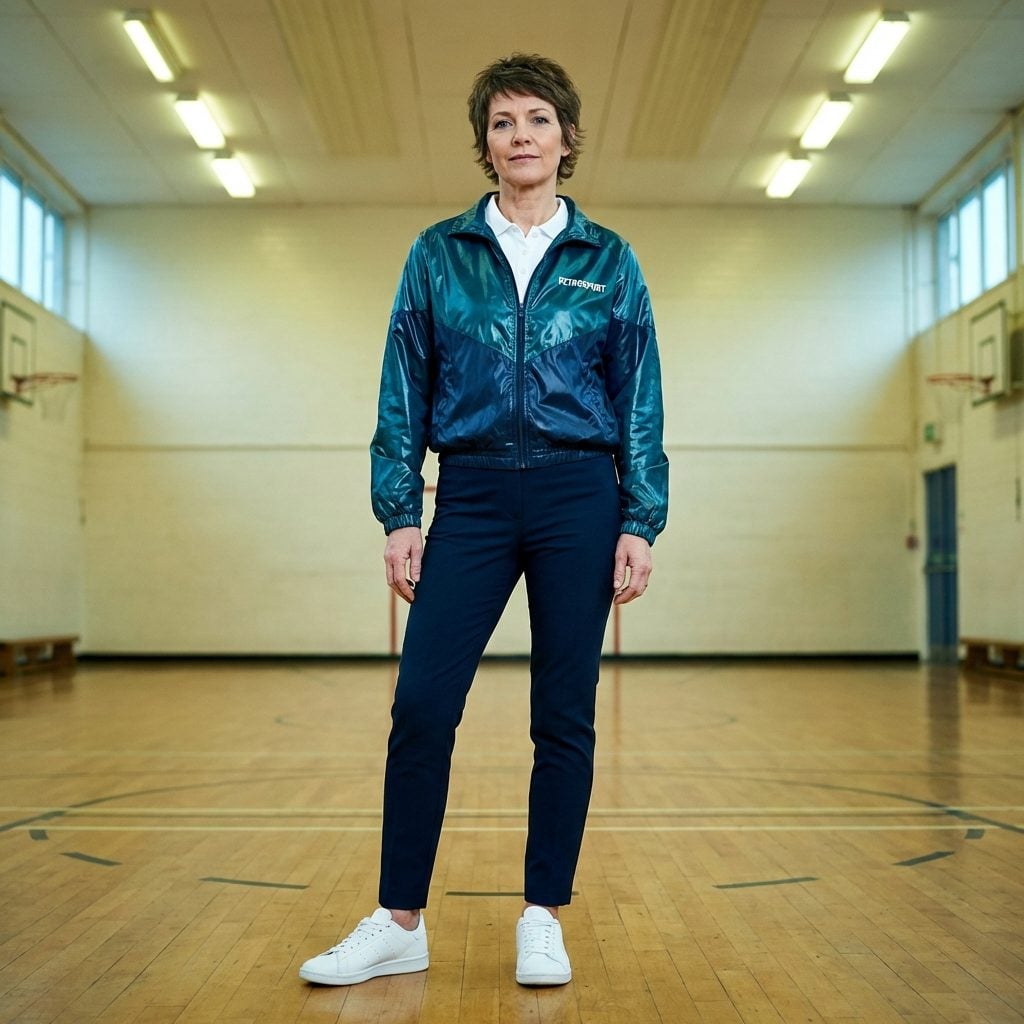
The sound was part of the experience. A soft, consistent whoosh-whoosh as the nylon panels shifted against each other with every step, announcing your arrival before you even opened the door. These jackets came in a very specific palette: navy, teal, black, and a wine red that thought it was burgundy. The cut was boxy, the zips were metal, and the back often had the name of a sports brand in a font that screamed 1987 from across a car park.
They were marketed as athletic wear, but we wore them as outfits that create an entire look from a single piece. Throw one over a bodycon dress on the way to the ice rink and you had exactly the right energy for the decade.
6. The Cropped Bolero Jacket That Went Over Literally Everything
❤️ Would you like to save this?
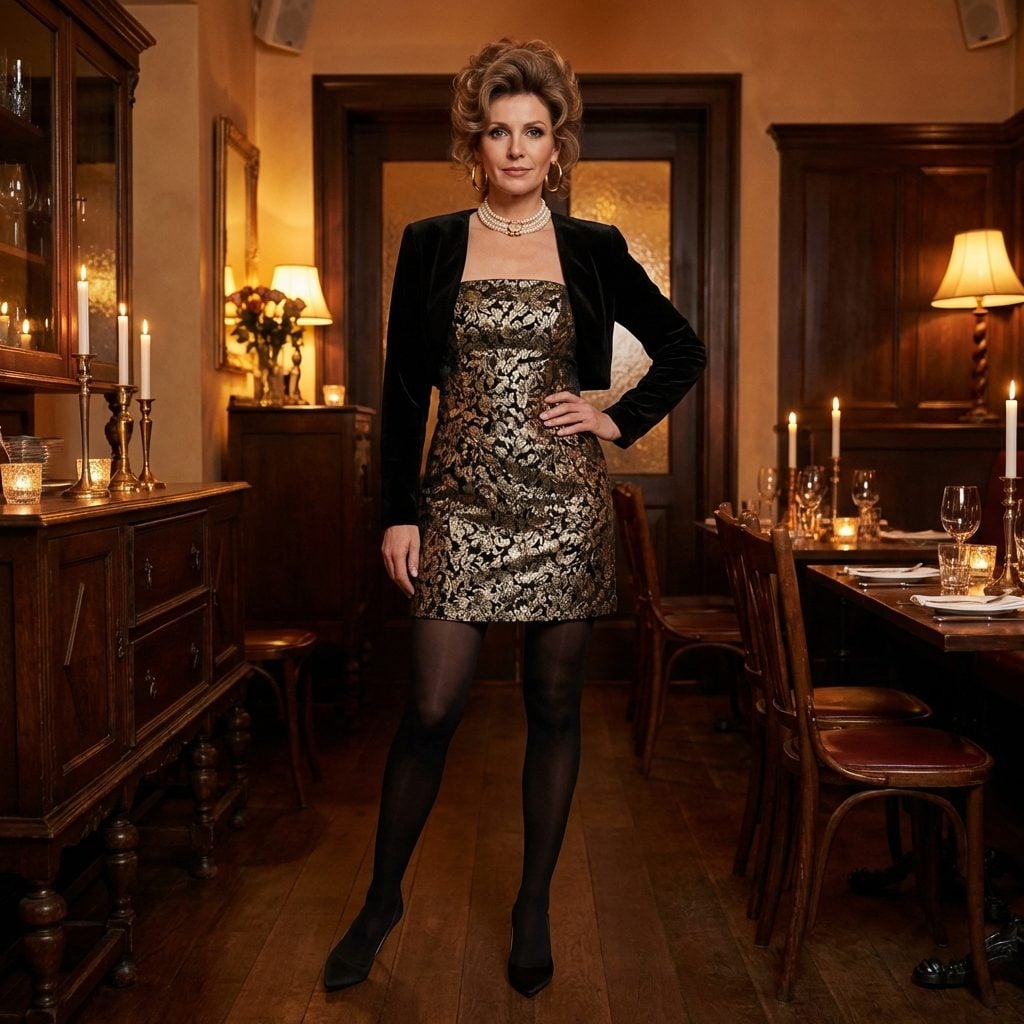
Two inches of jacket. That’s all you needed. The bolero hit just below the bust line, usually in black velvet or tapestry fabric, with a slight flare at the hem that hovered over whatever blouse or dress you’d put underneath. It solved the exact problem the ’80s kept inventing: you had a strapless dress, or an off-shoulder top, or a puff-sleeved number that needed one more layer without covering up the drama beneath.
Formal boleros came in brocade or lace, trimmed at the edge with satin ribbon. Casual ones came in denim with a raw hem and two tiny buttons that were never actually buttoned. Both versions were doing something important: suggesting that a complete, structured jacket was unnecessary and that half a jacket was, in fact, better.
5. The Wrap-Style Belted Coat That Made You Feel Like the Most Put-Together Woman Alive
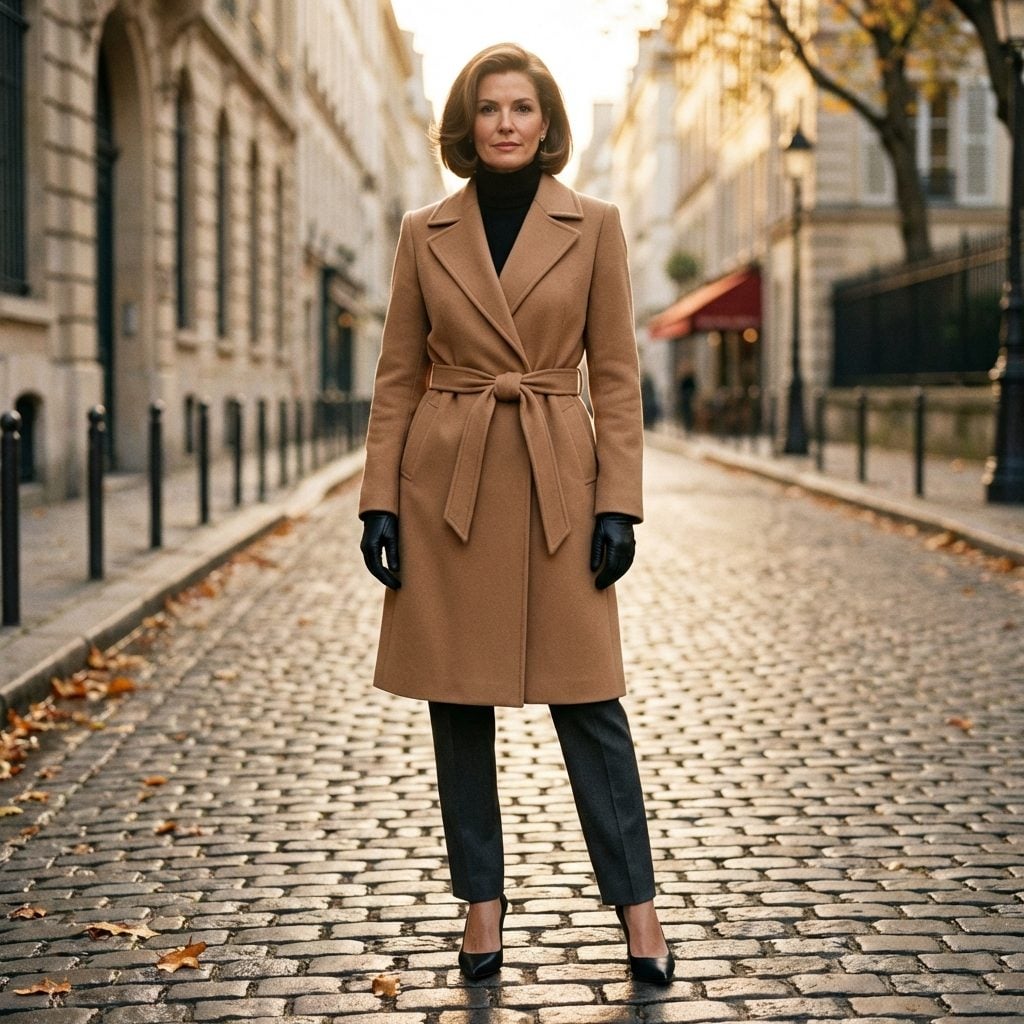
The wrap coat required commitment. You had to actually tie it properly, adjust the lapels, smooth the whole thing down before you left the house. No buttons to rush through, just the belt and your intention. In camel, in charcoal, in a plum so deep it read almost black in low light, these coats were the decade’s clearest signal that you had moved past wanting to look dressed and into actually being dressed.
They photographed beautifully. Every woman who owned one remembers at least one specific photograph of herself wearing it, usually at some transitional moment: a new job, a holiday, someone’s wedding, a Sunday in a city she loved. The wrap coat was the jacket that made you feel like the version of yourself you were still working toward. Somehow, pulling it closed and tying the belt made that version feel closer.
4. Cape-Style Coats With That Dramatic, Stop-Traffic Drape
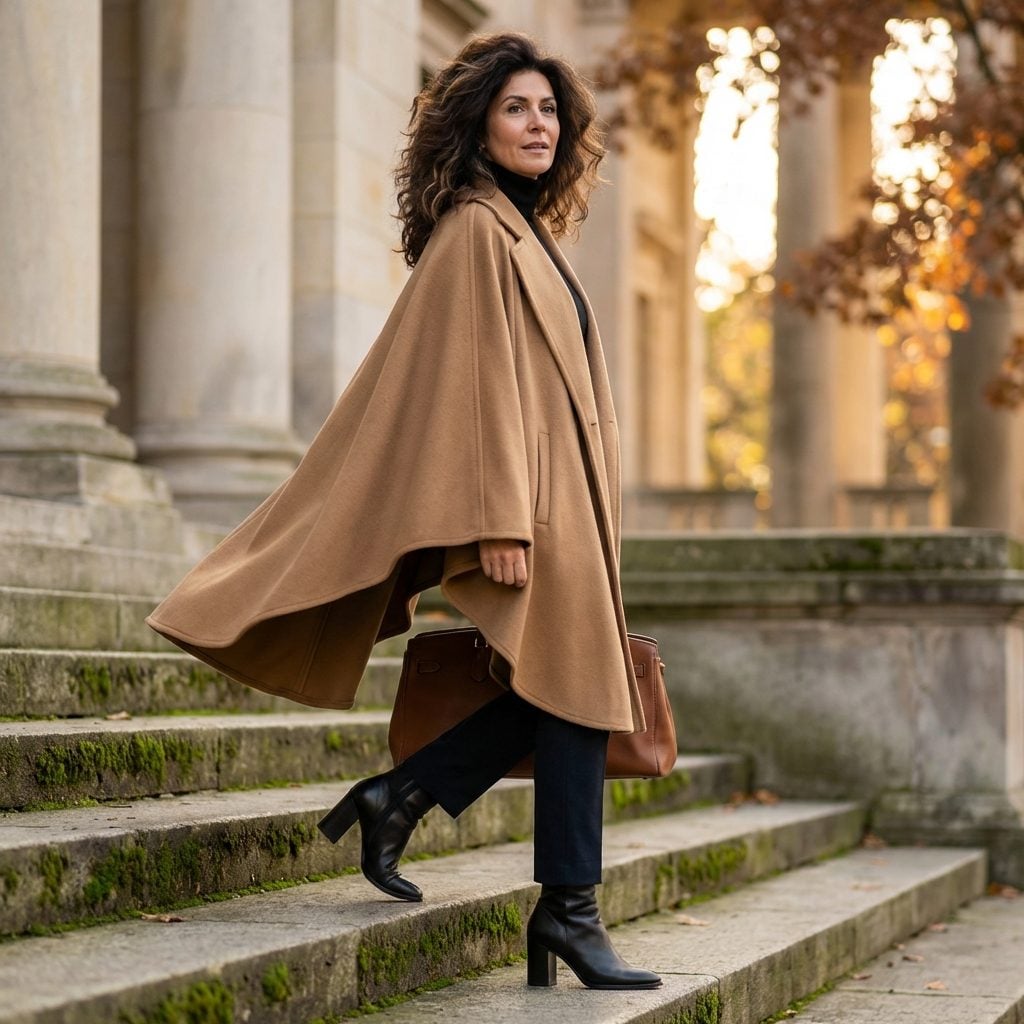
You didn’t walk into a room in a cape coat. You arrived. The whole point was the sweep of fabric behind you as you moved, that theatrical swish that made every entrance feel like the opening of a very good movie. We wore them in camel, in black, in that particular shade of burgundy that felt incredibly sophisticated when we were approximately twenty-two years old.
These were the coats that made you hold your arms slightly out from your body, not because they were too large, but because you wanted the jacket to drape. The silhouette was the whole sentence. Department stores like Nordstrom and Lord & Taylor stacked them near the escalators every October, and every year, we convinced ourselves we needed one more.
3. Oversized Flannel Shirts Worn Open as Jackets (We Were Ahead of the Entire Internet)
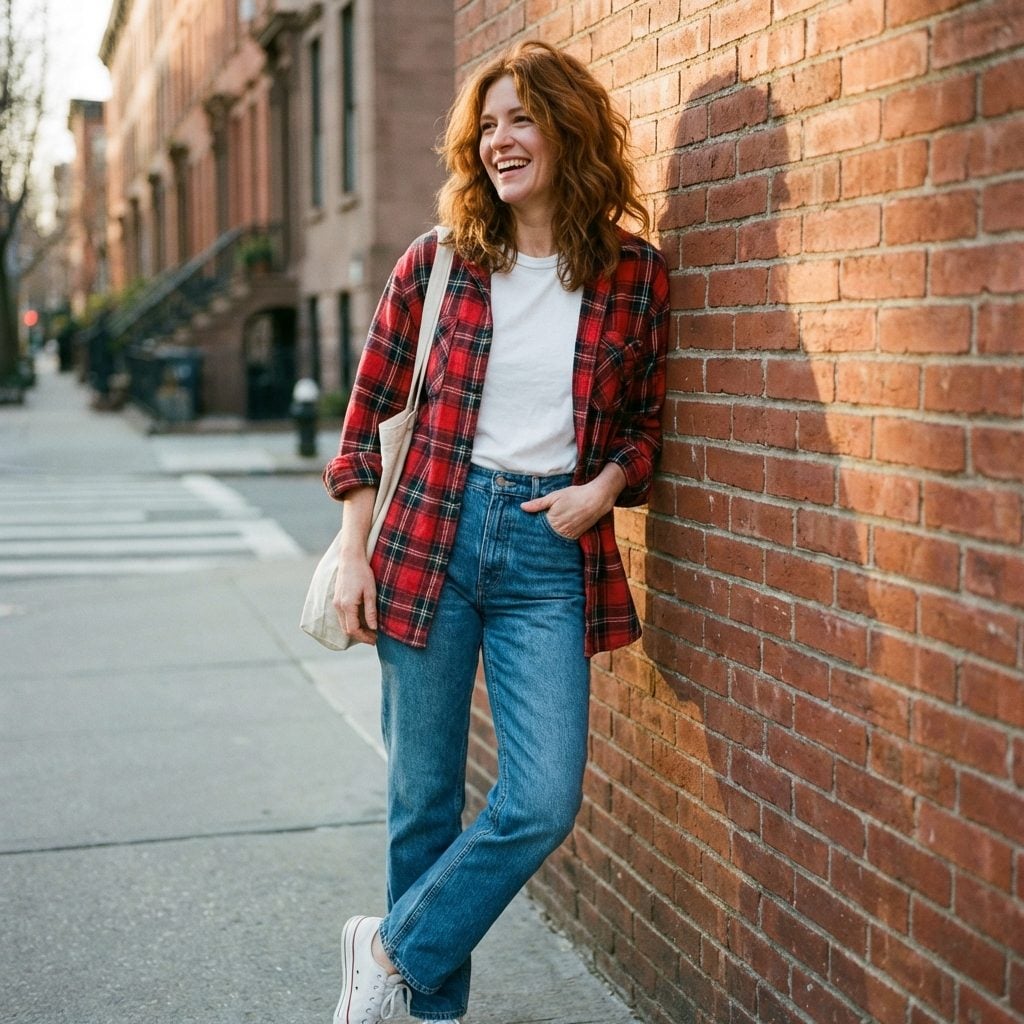
Before anyone called it “grunge” or turned it into a whole aesthetic Pinterest board, we were doing this in 1986 with a shirt lifted from a boyfriend’s closet or bought three sizes too big from the men’s section at Sears. Worn open over a fitted white tee, sleeves pushed up to the elbow, tail hanging out. It wasn’t a look we planned. It was just what you grabbed on the way out.
The flannel-as-jacket moment meant red and black plaid, green and navy plaid, that strange brown and orange combination that somehow worked. Paired with high-waisted jeans and white Keds, this was the outfit that looked like you hadn’t tried, which meant you had tried exactly the right amount.
“Effortless” in the ’80s meant a men’s flannel shirt belted at the waist over stirrup pants. We invented casual chic and got zero credit for it.
2. Embroidered Statement Jackets That Told You Everything About the Person Wearing Them
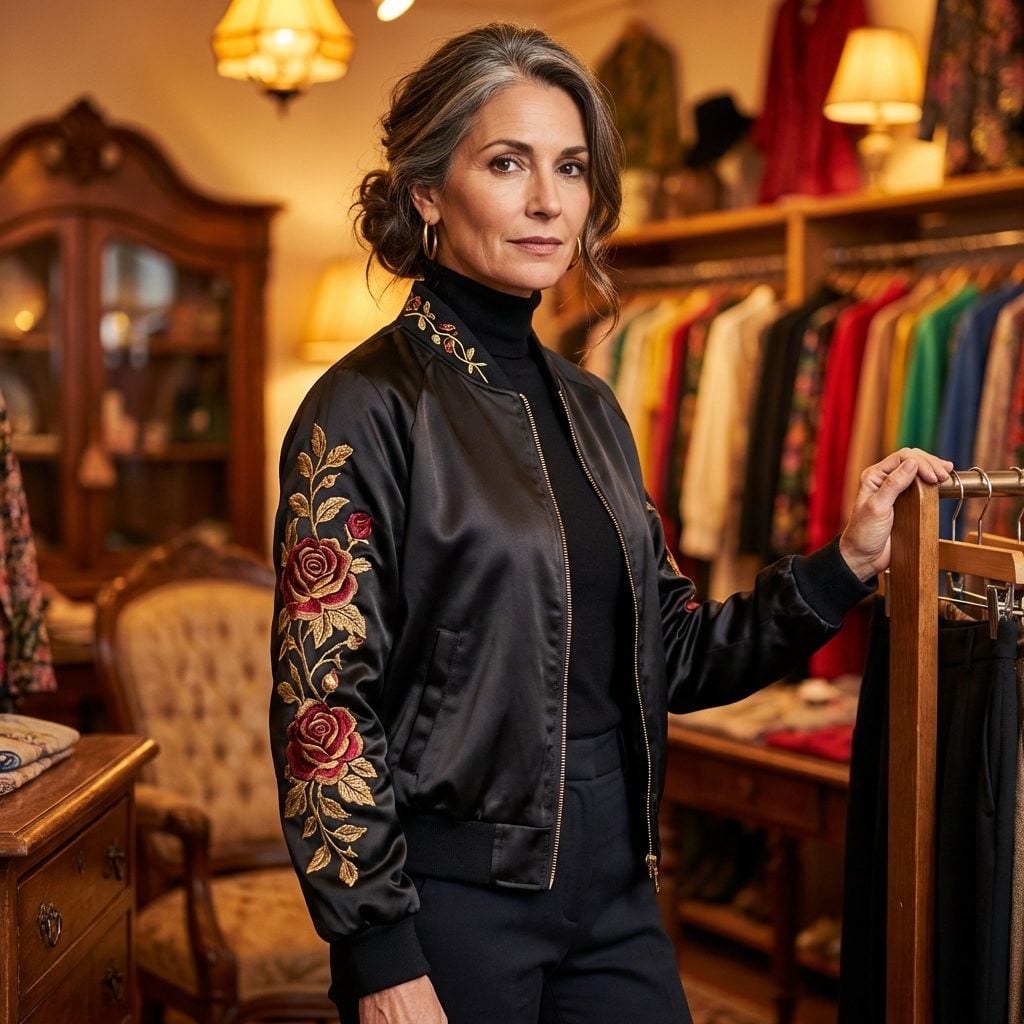
The embroidered jacket was a personal manifesto sewn in thread. Roses climbing up the sleeves. A peacock spread across the back. Geometric shapes in gold and jade green stitched along the lapels of a black satin bomber. You bought these at boutiques that smelled like patchouli and incense, or you found them at craft fairs, or you ordered them through the back pages of fashion magazines that ran quarter-page ads for things you couldn’t find anywhere local.
What you chose to have embroidered said everything. Florals meant romantic. Dragons meant you were interesting. Your own name in script on the chest pocket meant you were either very confident or had just discovered personalization and couldn’t be stopped. These were the original accessory trends that made mass fashion nervous because they couldn’t be copied at scale.
1. Animal Print Faux Fur Coats We Wore Like We Were Absolutely Not Taking Questions
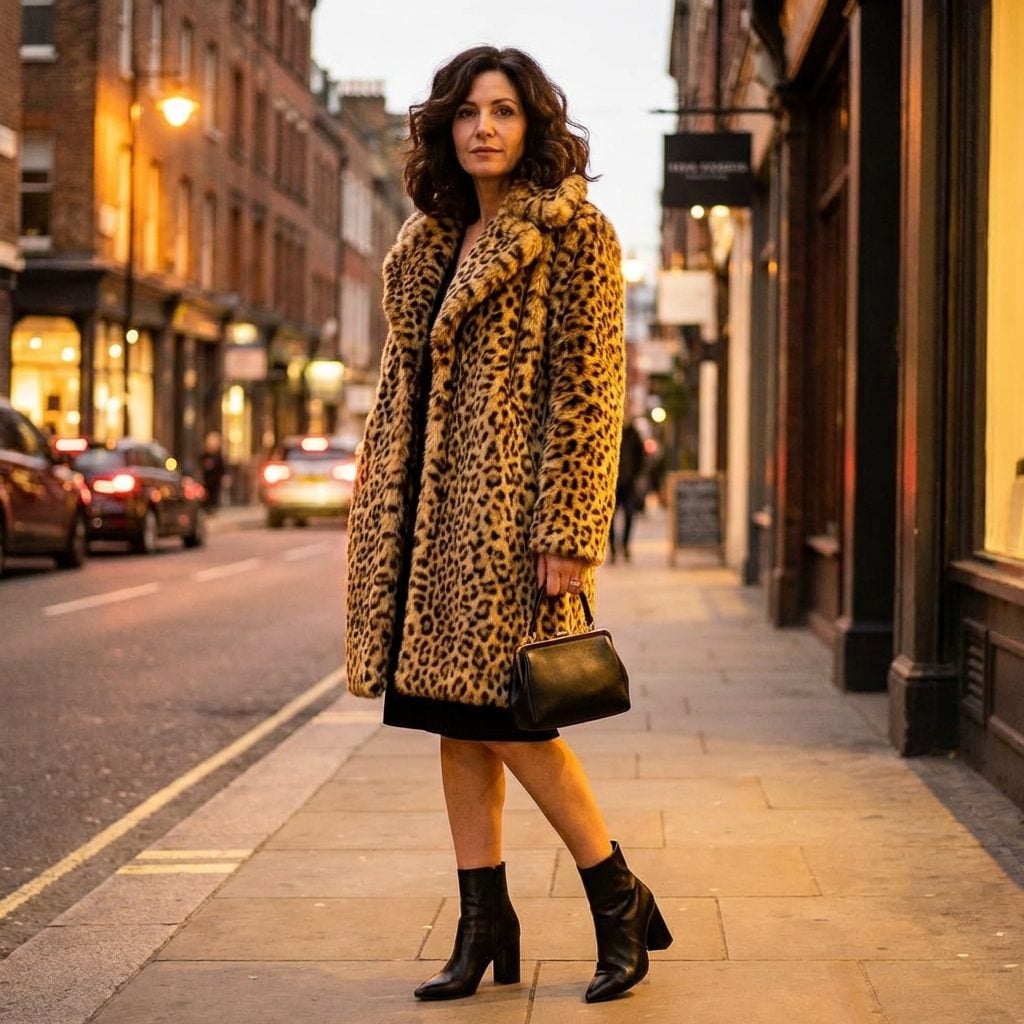
There was no hedging with the leopard faux fur coat. You put it on, and you committed. Worn over everything from a little black dress to jeans and a plain white shirt, it was the piece that did the talking while you ate your dinner in peace. Ours came from places like Icing, from department store sale racks in January, from that one boutique downtown with the red awning where everything cost slightly more than you could actually afford.
The ’80s version was gloriously extra: longer hemlines, dramatic collars, that particular synthetic sheen that photographs like a fever dream. Zebra stripes in black and white. Cheetah spots in tawny gold. The occasional tiger print, which required a certain level of personal confidence to pull off in a suburban setting.
Looking back, these coats were a kind of armor. You wore them when you needed to feel like the most interesting person in the room. And honestly? It worked.