❤️ Would you like to save this?
There was a specific argument that happened in every household at some point in the late ’80s, ’90s, or early 2000s. It involved denim, a mirror, a mother with reasonable concerns, and a daughter who was absolutely certain she knew better. We won most of those fights. We wore the jeans. We thought we looked incredible. The photographs tell a different story.
Somewhere between the waistbands and the washes and the things we did with rhinestones, we lost the plot entirely. Here’s the evidence.
FYI, thanks to AI imagery software, we’re able to create very specific fashion and hairstyle examples to illustrate the points being made. In some cases, imagery is exaggerated to hammer home the point. Also, assume links that take you off the site are affiliate links such as links to Amazon. this means we may earn a commission if you buy something.
16. Low-Rise Jeans So Low They Were Basically a Dare
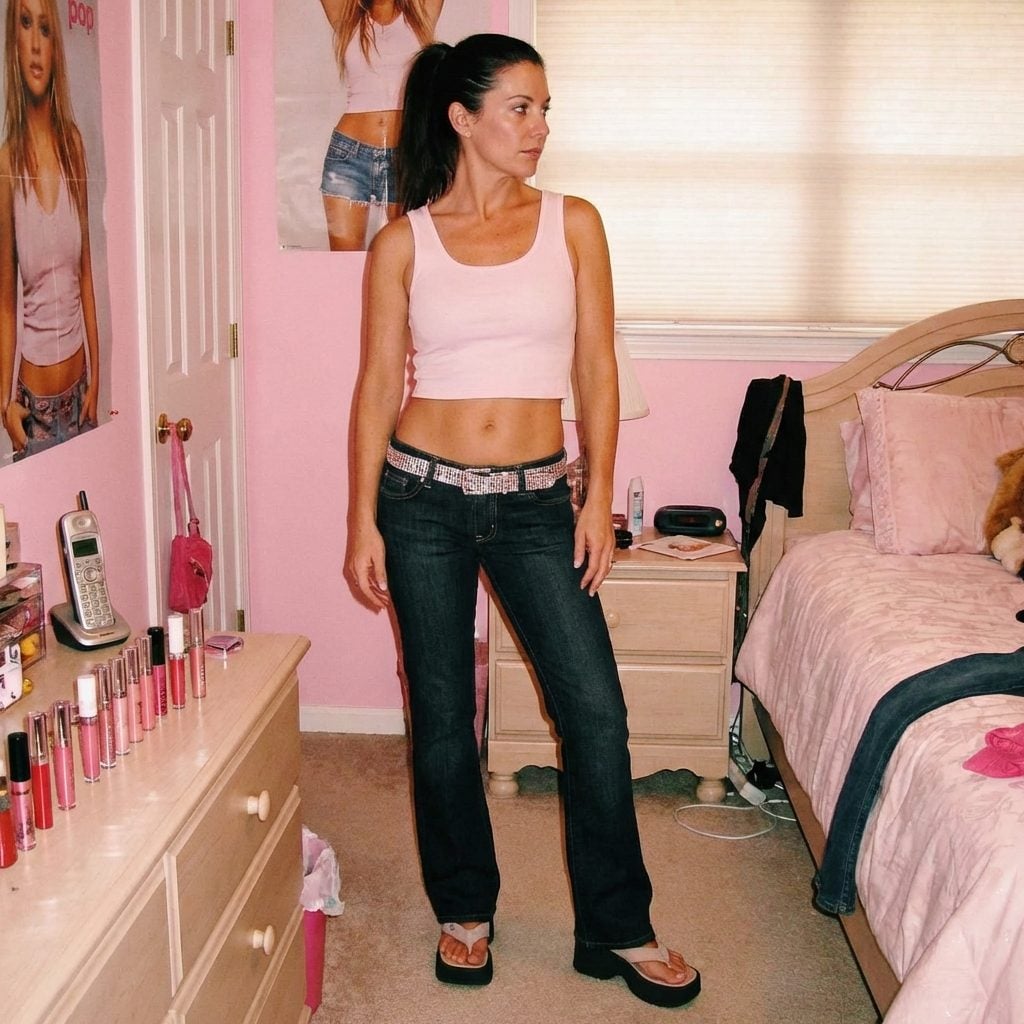
You had to lie on your back on the bed, suck in everything you had, and then lie very still for a moment before attempting to stand. This was not considered a design flaw. This was Tuesday.
Low-rise denim at its most aggressive sat so far below the hip bone that a strong breeze was genuinely a wardrobe malfunction risk. The gap between the waistband and your actual waist was not a styling choice, it was a canyon. We wore them with cropped ribbed tanks from Express and thin belts we never actually buckled properly, and we were completely convinced this was the peak of human fashion. Our moms were not convinced. Our moms were right.
15. Acid-Washed Jeans in That Specific Shade of Pale Despair

Acid wash looked like someone had left a pair of jeans in a swimming pool full of bleach and then decided, actually, perfect. The pattern was random by design, which made every pair technically unique, which we absolutely used as an argument. “No, these are one of a kind.” Our mothers looked at the uneven pale splotches across the thighs and said nothing that we wanted to hear.
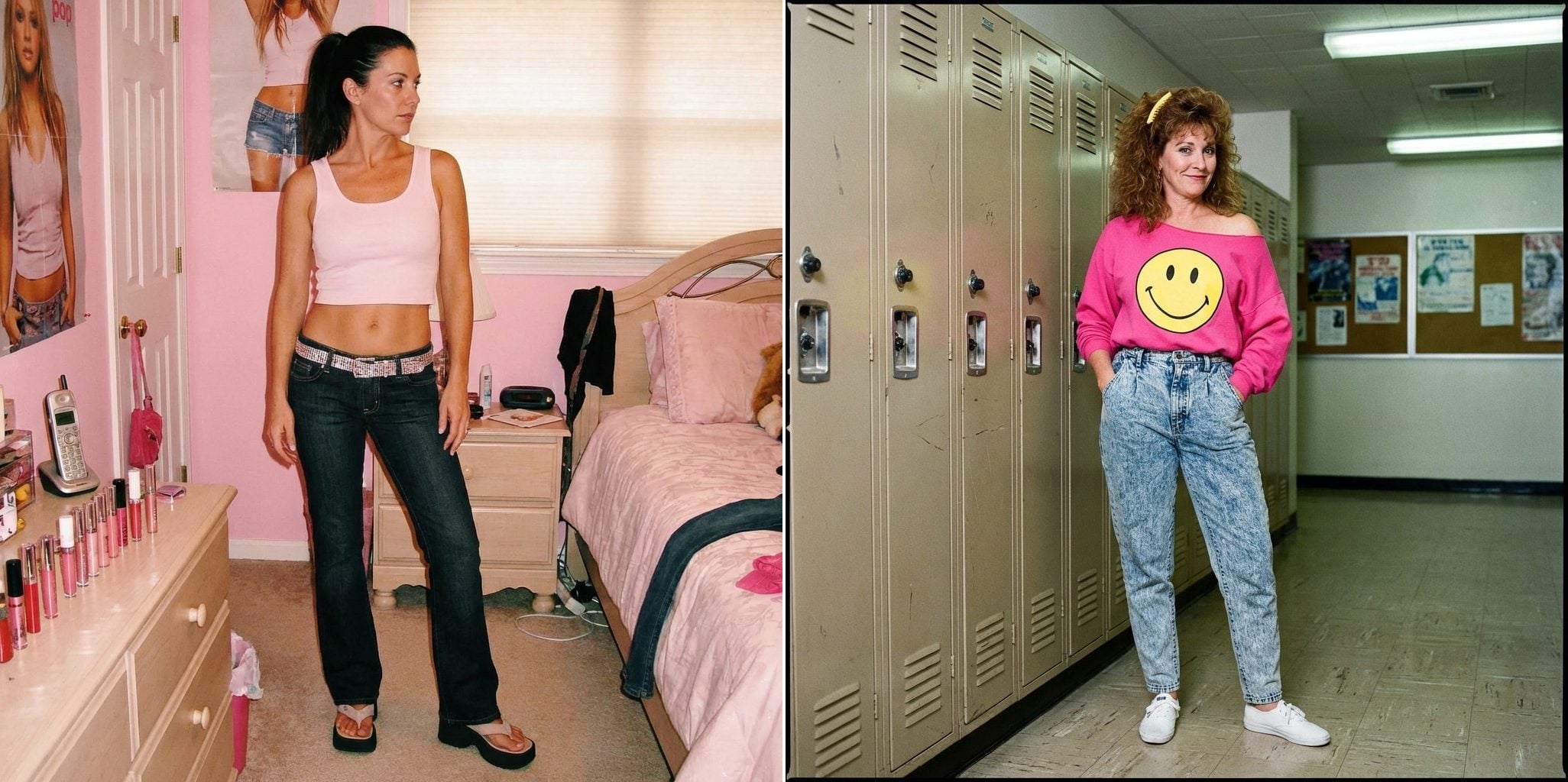
The late ’80s version came tapered at the ankle because apparently one alarming denim choice wasn’t enough. We wore them with oversized sweatshirts pulled off one shoulder and thought about how we looked exactly like someone in a music video. We were not entirely wrong. We were also not entirely right.
14. Embroidered Flares With Flowers Up the Entire Leg
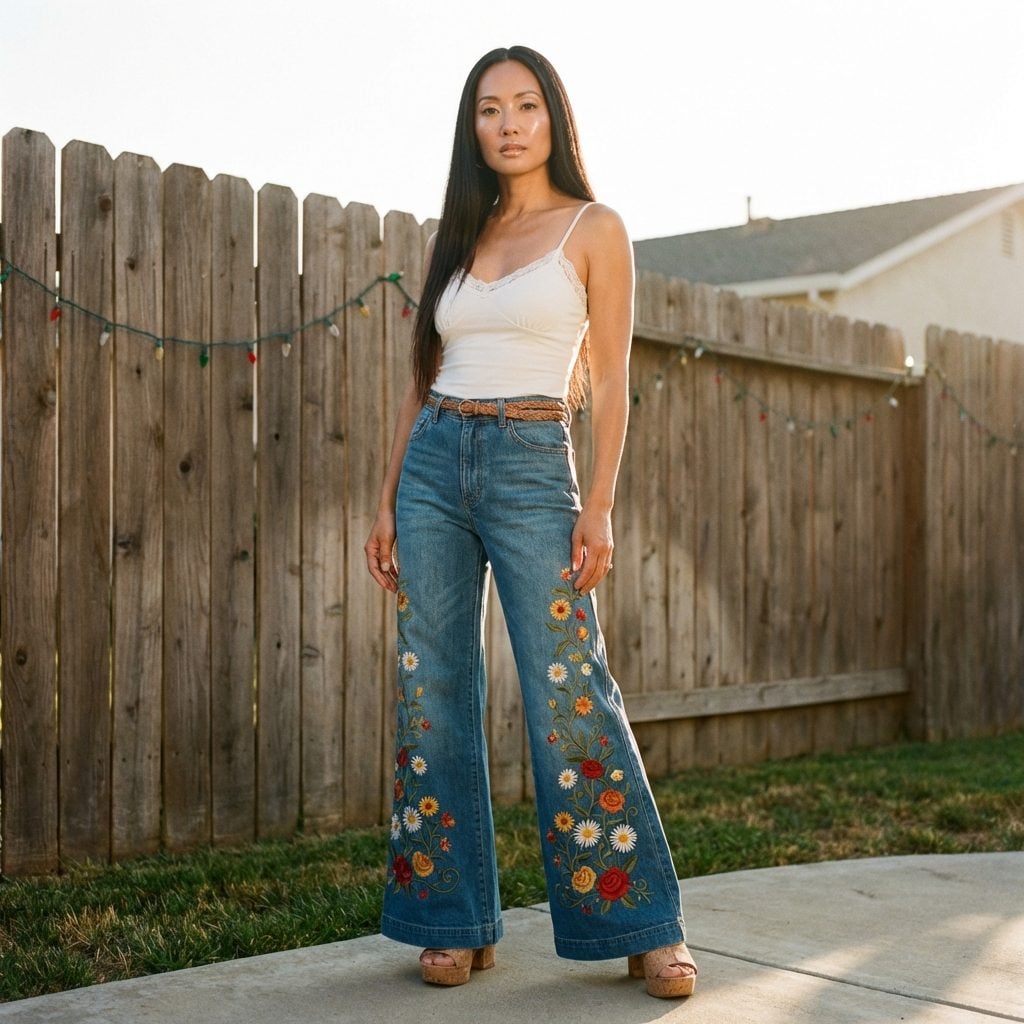
The embroidery was never subtle. We are talking daisies, vines, the occasional butterfly, all of it dense and colorful from the knee to the hem, as if the jeans had spent the summer lying in a meadow and the flowers had simply decided to stay.
These came from places like Delia’s and the more optimistic racks at TJ Maxx, and they were worn with the confidence of someone who had absolutely nailed it. Platform sandals, a white eyelet top, maybe a thin braided belt, the full look said “I am effortless” in a way that required considerable effort. In retrospect, the embroidery was doing a lot of heavy lifting. Whether or not it was doing it well is a conversation for another day.
13. Rhinestone-Studded Everything, Including the Back Pockets

The rhinestones on the back pockets were not an accent. They were a statement. A whole situation. Some were subtle-ish, a tasteful sunburst or a small scroll. Others spelled out words. The word was sometimes “Angel.” The word was sometimes your astrological sign. Once, memorably, it was a horseshoe.
These jeans came from bebe, from Express, from the mid-tier denim brands that understood the assignment was sparkle. You wore them to the mall, to birthday dinners at Applebee’s, to any occasion that warranted dressing up but not actually dressing up. The rhinestones caught the light and that was the whole point.
“We genuinely thought the bedazzled back pocket was a sophisticated choice. It was not a sophisticated choice.”
12. Tapered-Leg Jeans Pegged So Tight at the Ankle They Cut Off Circulation
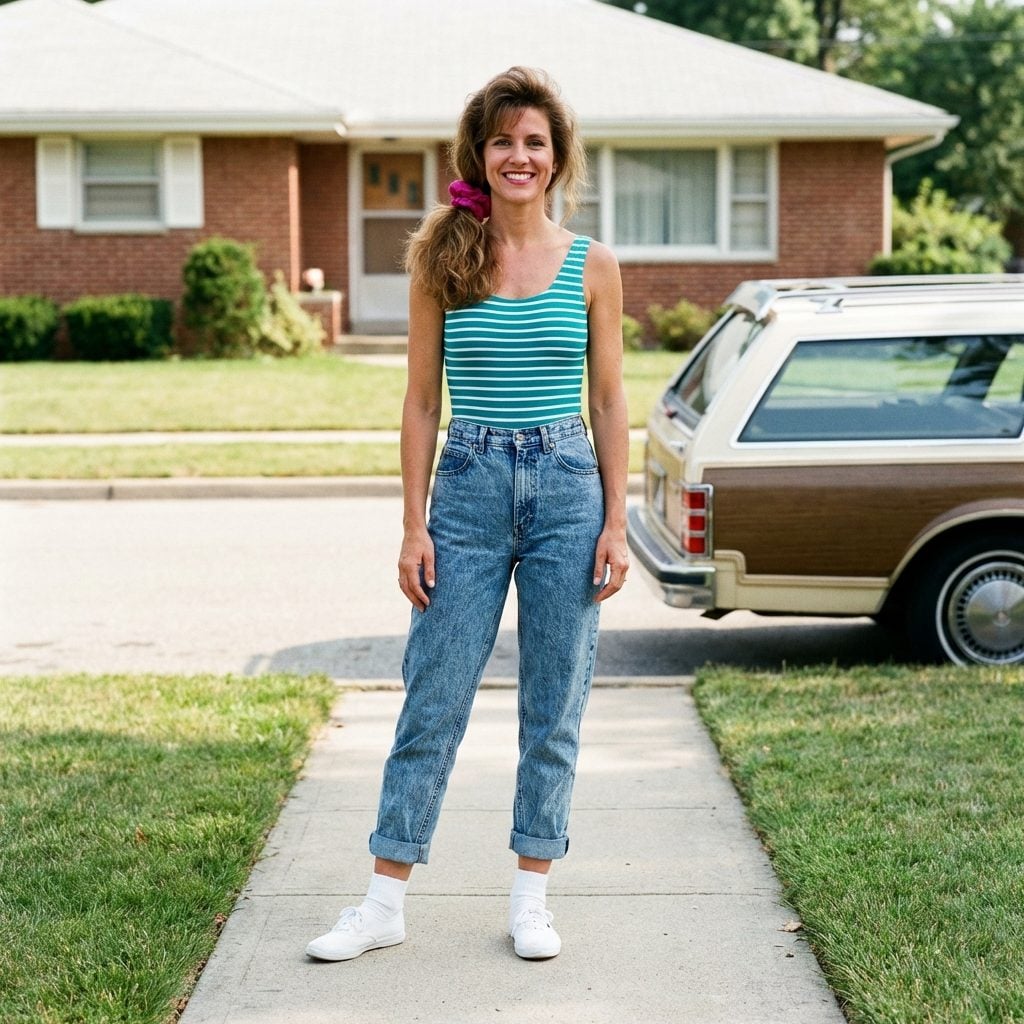
You folded the ankle inward first, then rolled up. Twice. Then you smoothed it so the peg was tight and even and formed a kind of denim tourniquet at your ankle. This was not a comfort decision. This was an aesthetic one, and the aesthetic required mild sacrificing of blood flow.
Pegged jeans were the 1980s high-waisted silhouette taken to its logical extreme, maximum volume at the hip and waist, minimum width at the ankle, resulting in a shape that a generous person might describe as “tapered” and an honest person would describe as “a triangle, but denim.” We wore them with tucked-in bodysuits and Keds and felt completely pulled together. The diagram of what this actually looked like lives in every school photo from 1987 to 1991.
11. Whisker-Washed Jeans With Strategic Creases in Unfortunate Places

Somebody at a denim factory decided to sand lines into jeans so they would look like they had been lived in, specifically lived in by someone whose body creased fabric in the most diagrammatically inconvenient places possible. The whiskers (that’s what the industry called them, actual term) radiated outward from the upper thigh in a pattern that, in retrospect, drew the eye somewhere you didn’t necessarily want the eye to go.
We bought these from The Limited, from Gap, from the denim wall at Macy’s. They cost more than regular jeans because the artificial aging was a premium feature. Our moms looked at the deliberate fake wear marks and said “but they already look dirty” and we explained that was the point and they accepted this without understanding it at all.
10. Bedazzled Bootcut Jeans From a Brand Called Something Like ‘Angel’ or ‘Miss Sixty’
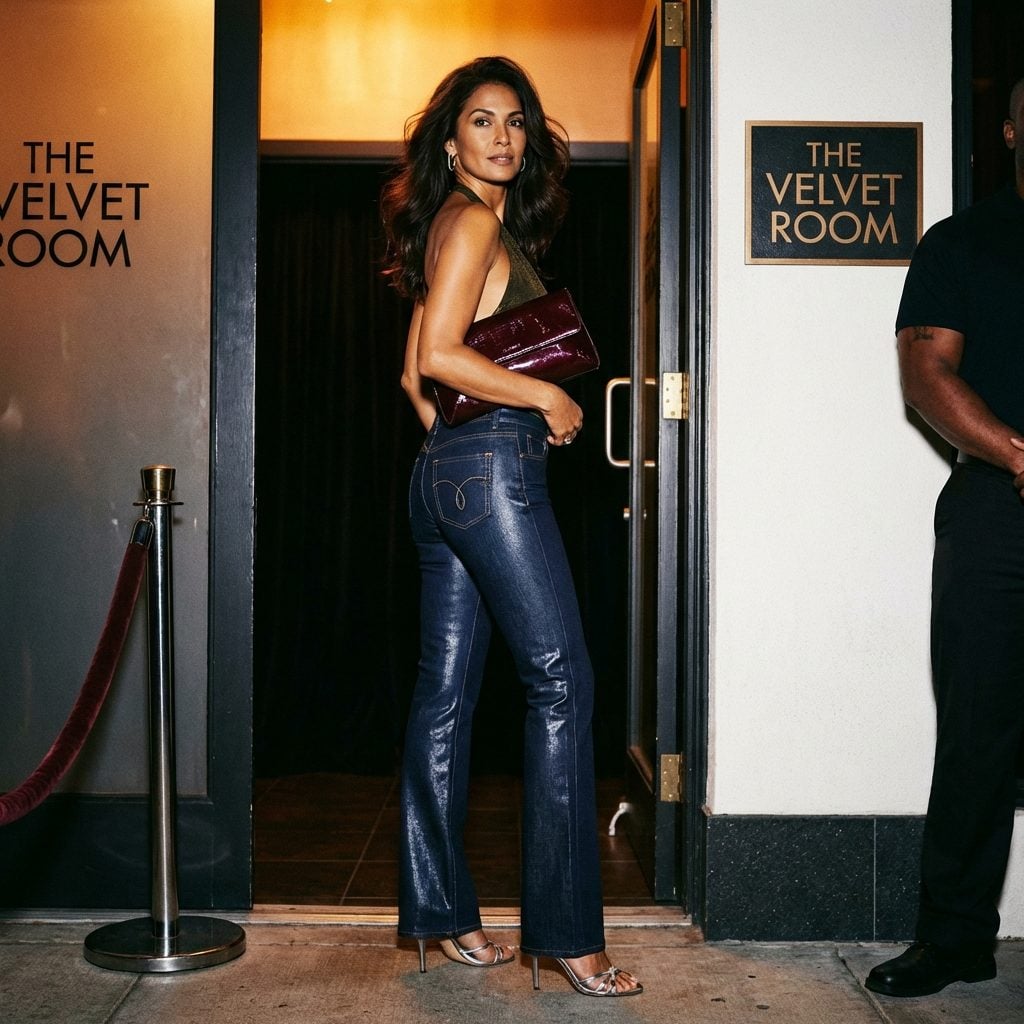
These were not jeans for every day. These were jeans for going out, which is a sentence that would have confused anyone from the 1970s. The distinction between day denim and night denim was briefly but seriously observed in the early 2000s, and brands like Miss Sixty, Seven For All Mankind, and Citizens of Humanity were the gatekeepers.
They came in a darker wash. They had a slight stretch that felt dressed up. The branding was on the back pocket in either embroidery or a small metallic label, and that label cost you an additional forty dollars. You wore them with heeled sandals and a halter top and felt undeniably correct about your life choices.
9. Destroyed Denim With Holes So Large They Were Structural Problems

At a certain point, the holes won. They were no longer an accent or a detail, they were the majority of the jean. The fabric remaining was essentially a denim suggestion around a series of strategic absences. Our mothers, who had grown up darning socks, looked at jeans that cost sixty dollars and had holes big enough to put your hand through and experienced something close to a breakdown.
We bought them that way, or we made them that way, cheese grater, sandpaper, scissors, the internet would eventually provide tutorials but in 1993 we were just improvising. The ideology was grunge-adjacent: deliberate imperfection as a value statement. The reality was very cold knees in October. We stood by it anyway.
8. High-Waisted Mom Jeans We Mocked, Then Missed, Then Desperately Wanted Back

We called them mom jeans with contempt, which was mortifying in retrospect because our moms were wearing them and our moms were fine. The high rise, the full seat, the relaxed taper, all the things we mocked through the low-rise era were, it turned out, extremely comfortable and proportionally sound decisions.
The cultural revenge arc here is almost literary. We spent fifteen years lying on our backs to zip our jeans, and then one day the high-waist came back and we said “oh” in a very quiet voice and bought three pairs. There’s something genuinely funny about the moment you reach your mid-40s, pull on a pair of high-rise straight-legs, and understand, finally, what your mother was trying to tell you in 1997.
7. Bedazzled Back Pockets That Could Blind Someone in Direct Sunlight

Every pair had them: rhinestones, studs, embroidered wings, or scrolling cursive glued and stitched across the back pockets in patterns that somehow made complete sense at the time. Miss Me, Rock Revival, True Religion, they were essentially competing to see who could fit the most hardware onto a four-inch square of denim. We paid extra for this. Sometimes significantly extra.
The whole point was that people would look at your rear end. We understood this implicitly and chose it enthusiastically. There was a specific walk that went with these jeans, a slight swivel, a certain awareness of the room behind you. The jeans were doing half the work. You just had to show up.
6. Paper Bag Waist Jeans Cinched With a Skinny Belt You Could Barely Thread
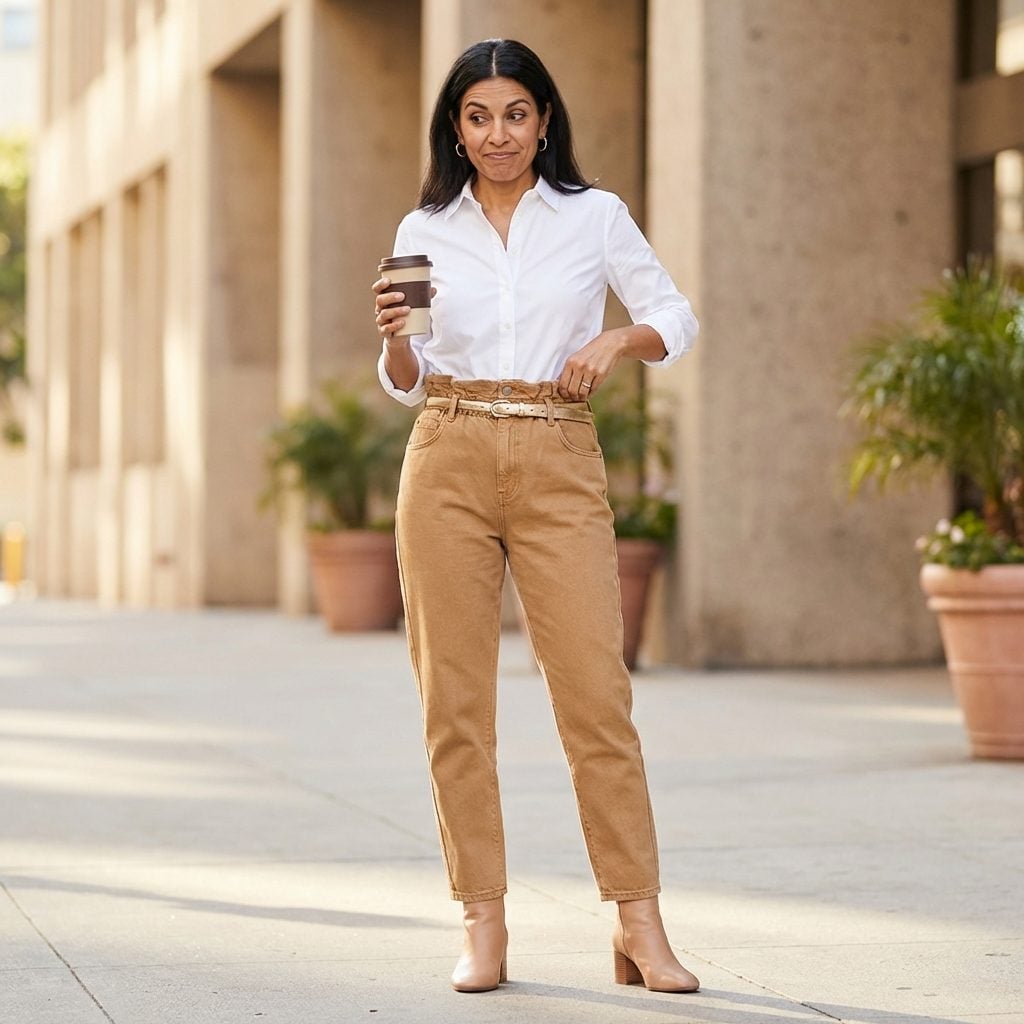
These required a full commitment. The waistband bunched and gathered above your natural waist like a paper lunch bag that had been rolled down, and a tiny belt, maybe half an inch wide, usually nude or metallic, cinched the whole construction at the smallest point of your torso. On a clothing rack, they looked artful. On a human body, the effect was more complicated.
Getting the belt through those microscopic loops took five minutes and the focused patience of someone defusing something. Then you’d spend the day periodically tugging the waistband back into its intended ruched position every time you sat down. The look lasted approximately forty-five minutes before it became a structural project.
5. Carpenter Jeans With the Hammer Loop You Definitely Never Used

That dangling loop on the left thigh was purely decorative. We all knew it. Zero of us were hanging hammers from it. But it signaled something, a kind of studied casualness, a borrowed utility aesthetic that said you were too cool to try too hard. Tommy Hilfiger did a version. JNCO made ones so wide the loop swung freely while you walked. The Gap had a more restrained take that our moms approved of, which immediately made it less appealing.
You wore them with a baby tee and chunky sneakers and felt deeply laid-back in a way that required quite a bit of planning to achieve.
4. Colored Denim in Every Shade the Rainbow Didn’t Ask For

❤️ Would you like to save this?
Mustard. Mint. Coral. Burgundy. A specific shade of cobalt that existed only in the J.Crew catalog and in our hearts. The early 2010s decided that jeans did not need to be blue and we all went along with it with zero resistance. At one point the ideal was to own a spectrum, dark for work, bright for weekends, white for occasions requiring laundry anxiety.
3. The Intentional Frayed Hem That You Either Bought or Created Yourself With Scissors and Optimism
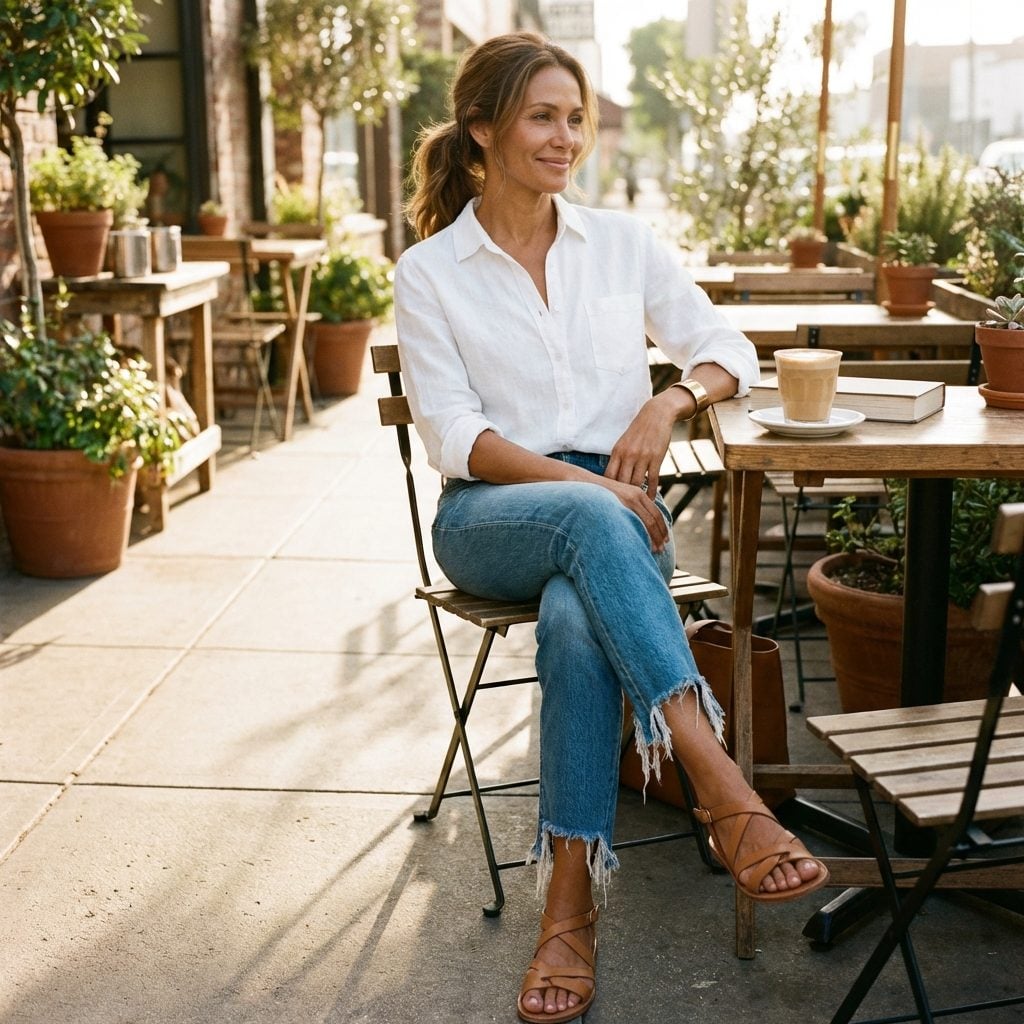
Two kinds of people wore these: people who paid Anthropologie to pre-fray them, and people who took a pair of regular jeans and spent an afternoon pulling threads from the hem with their fingernails while watching TV. The results of the second method were wildly unpredictable. Sometimes you got a chic, uneven raw edge. Sometimes you got a situation that kept unraveling for six months and eventually climbed two inches up the leg.
Either way, we wore them with everything. Heels for a going-out look. Sandals in summer. Boots in fall with the fray peeking out at the ankle. The frayed hem had a remarkable range, and honestly? It holds up better than most things on this list.
2. Ultra-High Waist ‘Mom Jeans’ That We Rejected and Then Desperately Reclaimed

There is no fashion story more humbling than mom jeans. We spent our teens and twenties mocking them, the high rise, the relaxed thigh, the slightly tapered leg, because our actual moms wore them and that was reason enough. Then one day in the early 2010s, young women started wearing them ironically. Then sincerely. Then every brand was making them and they cost more than any jean had a right to.
The cruel joke is that they’re genuinely comfortable. The waistband hits at the natural waist, there’s room to actually sit without the waistband cutting into your stomach, and they make any tucked-in shirt look intentional. We circled all the way back and found out our moms had been right. Nobody is handling this information gracefully.
1. Jeans With a Built-In Elastic Waist Panel Hidden Behind a Fake Outer Waistband
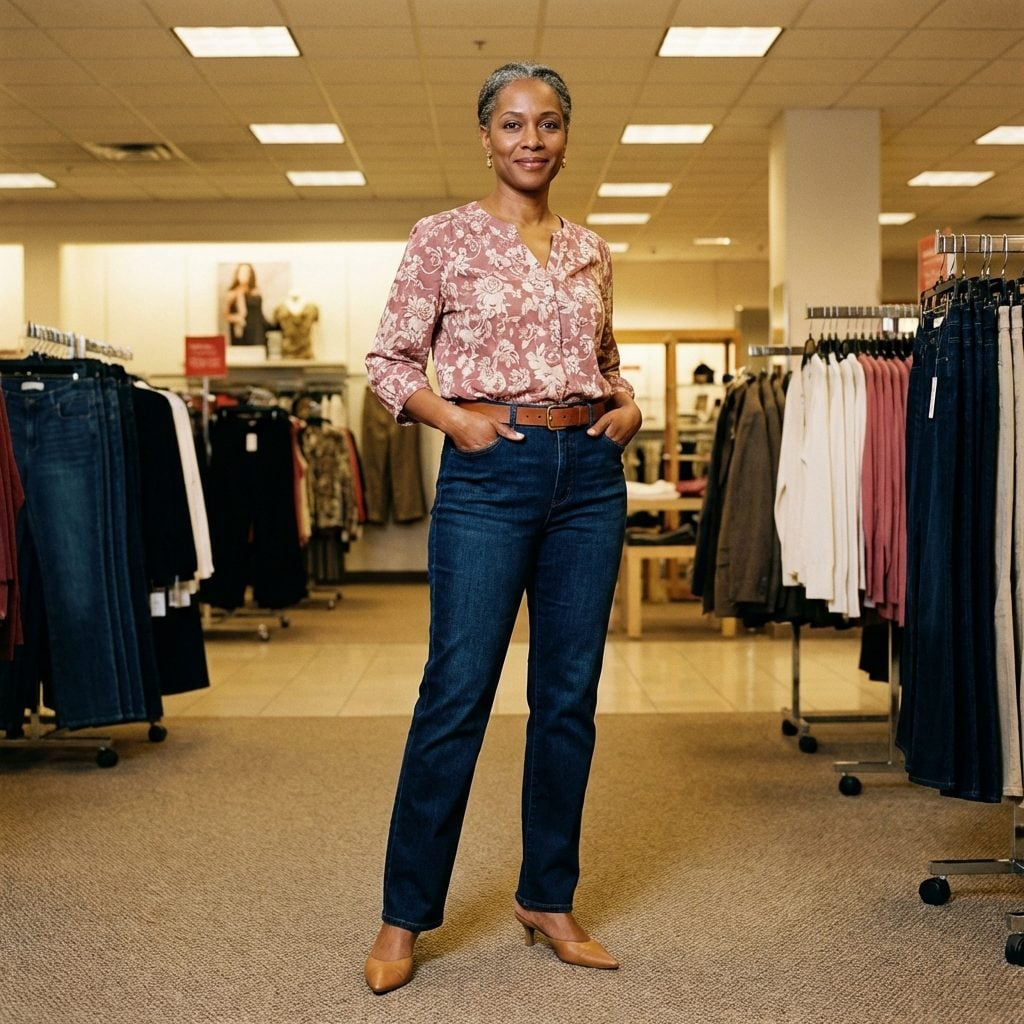
Someone, somewhere, decided we needed a waistband that looked like regular denim on the outside but was secretly a wide elastic panel on the inside, the architectural equivalent of a polite lie. They were marketed under names like “comfort fit” or “hidden stretch” and sold primarily at department stores in the mid-2000s, positioned squarely between the junior section and the misses section as if to say: you are in transition.
To be fair, they were comfortable. The elastic did real work. But there was a specific psychological moment of reckoning that came with owning them, a quiet negotiation between what you wanted your waistband to be and what your waistband needed to be. Most of us landed on: both, discreetly.