❤️ Would you like to save this?
There is a very specific moment when you open your closet and realize you have owned approximately forty-seven pairs of jeans in your lifetime and somehow still feel like you have nothing to wear. The denim industry has been playing us for decades, and we showed up every single time, for the rhinestones, the whiskering, the intentional distressing, the leg openings that ranged from cigarette-thin to actual-bell-tent. Every era had its uniform. You wore all of them.
Here is your full confession. Check off every one you recognize.
FYI, thanks to AI imagery software, we’re able to create very specific fashion and hairstyle examples to illustrate the points being made. In some cases, imagery is exaggerated to hammer home the point. Also, assume links that take you off the site are affiliate links such as links to Amazon. this means we may earn a commission if you buy something.
20. The Low-Rise Flare You Had to Lie Down to Zip
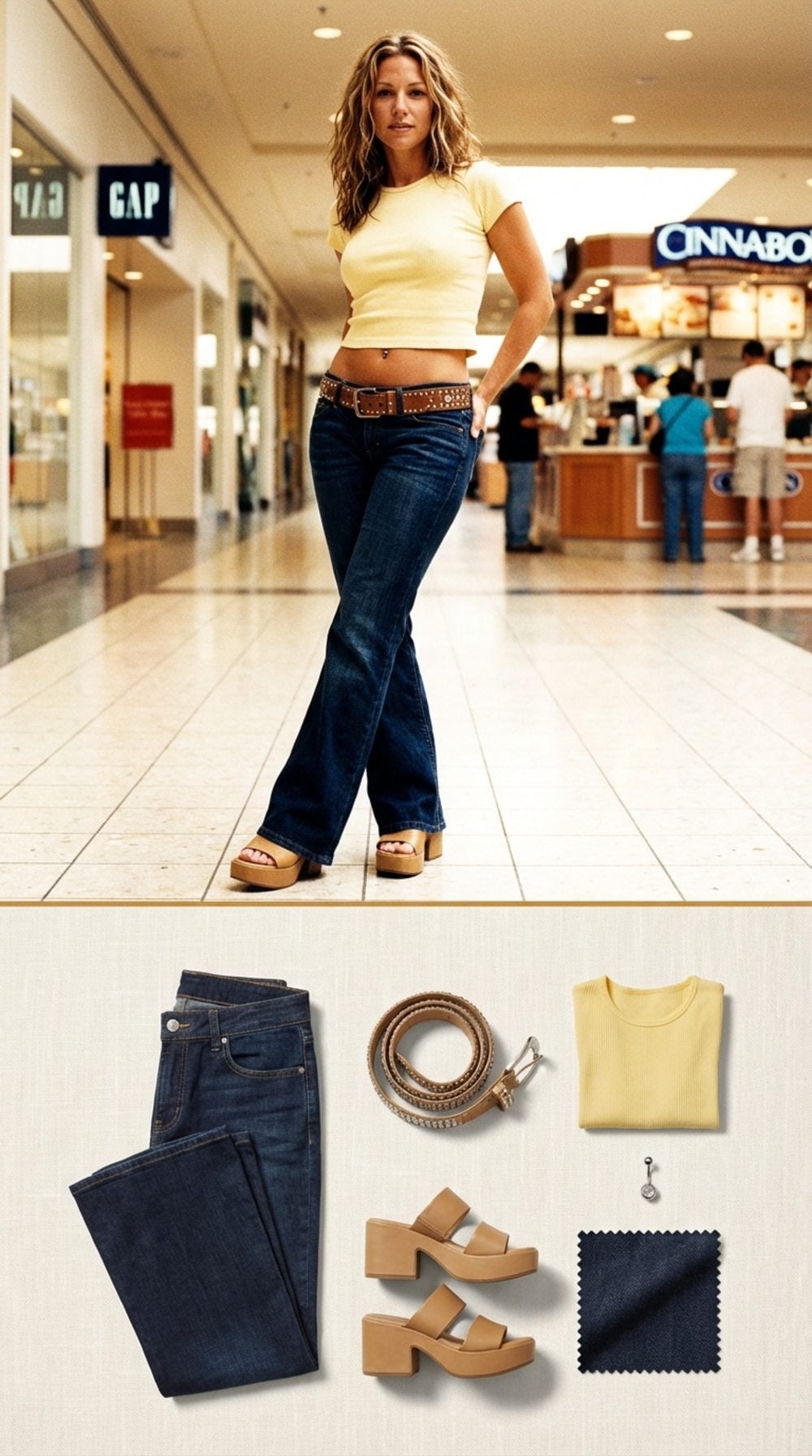
You had to lie down on the bed to get these zipped. Not because they were too small, they were literally designed that way, and everyone pretended this was a completely rational feature of a garment. The button sat roughly two inches above where the laws of anatomy said a waistband should ever go.
These were the jeans that launched a thousand crop tops by necessity. If the waistband was going to live that far south, your top had exactly one option: end at the ribcage. You wore them with the rhinestone belt you never took off, not even to sleep, and a pair of platform sandals that made the flare drag on the ground in a very cool and definitely not filthy way.
Every pair came from Express or the Limited, and there was always a specific size you were reaching for on the table, the one folded perfectly on top of the stack, which was never, ever your size.
19. Mom Jeans (Before They Were Called Mom Jeans, They Were Just Called Jeans)
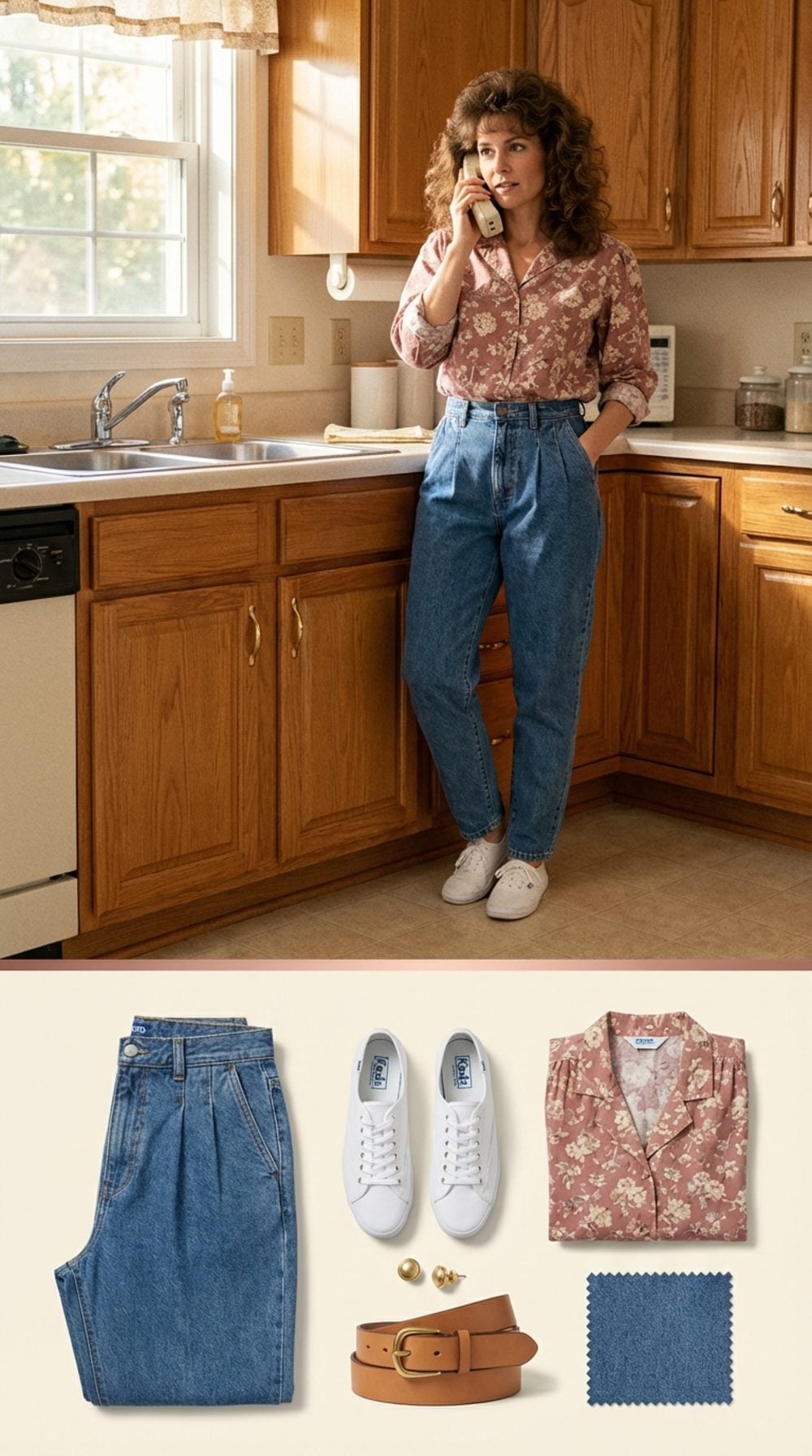
Before the internet came along to name them and make them ironic, these were just jeans. Full stop. High rise, tapered leg, a very generous seat, they had a pleat at the front that your husband said looked fine and your college roommate said nothing about, loudly.
You wore these with a tucked-in blouse and white Keds and felt completely pulled together because you were. There was no self-consciousness attached. These were practical, comfortable, got-things-done jeans. The idea that they would someday be sold back to your daughter at a premium as a retro statement would have made absolutely no sense to you at the time.
18. The Acid-Wash Pair That Looked Like a Blizzard Attacked Your Legs
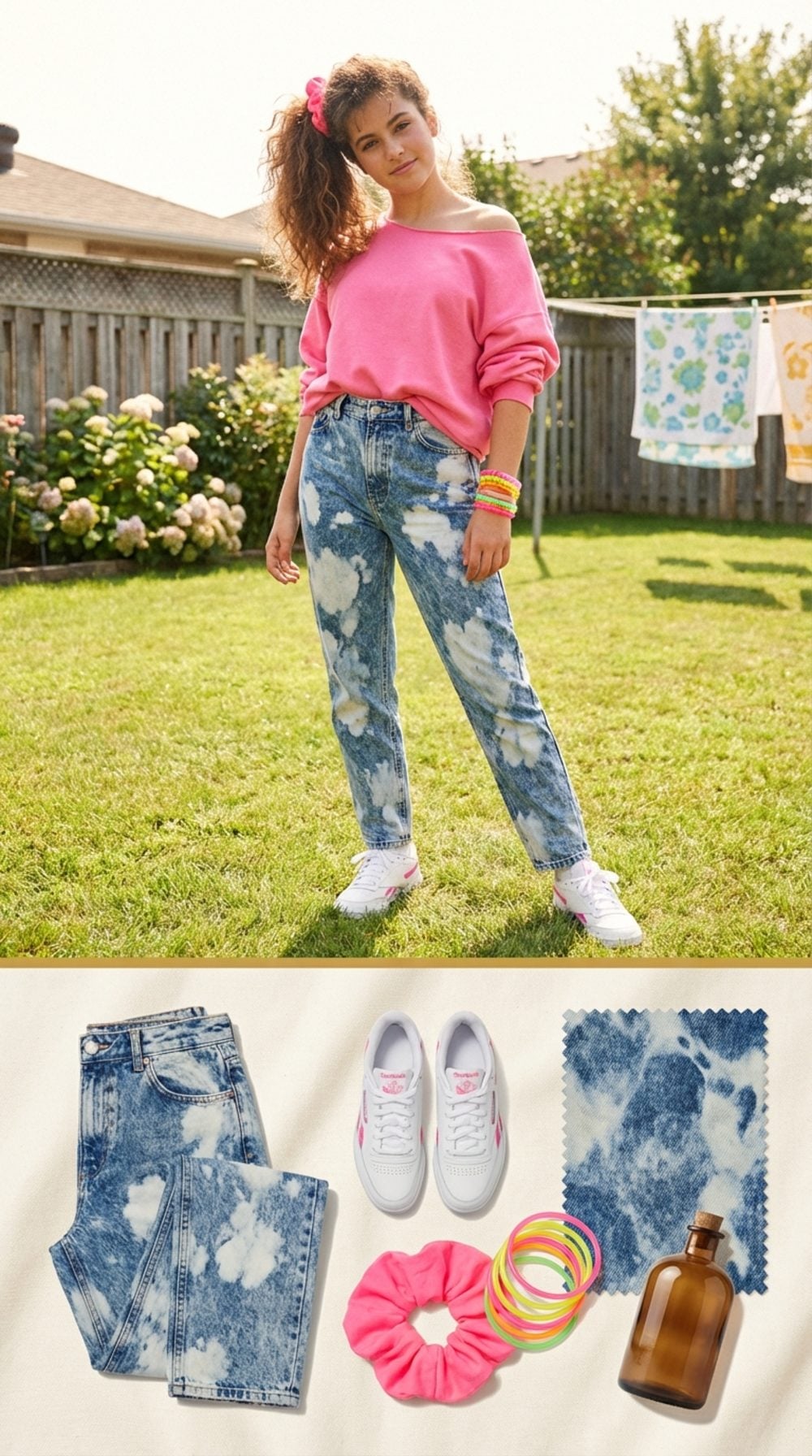
Acid-wash jeans looked like someone had thrown a small bucket of bleach at your legs and then stopped caring, and we absolutely could not get enough of them. The more chaotic the pattern, the better. A pair with a single subtle swipe of fading was practically boring. You wanted the full blizzard effect.
These peaked in 1987 and hung on deep into the early ’90s. You bought them at Merry-Go-Round or Rave and wore them with an off-the-shoulder sweatshirt and white Reeboks, and you were doing exactly what every other girl at your school was doing, which was the entire point.
17. Bootcut Jeans in a Medium Wash, 2003’s True Love
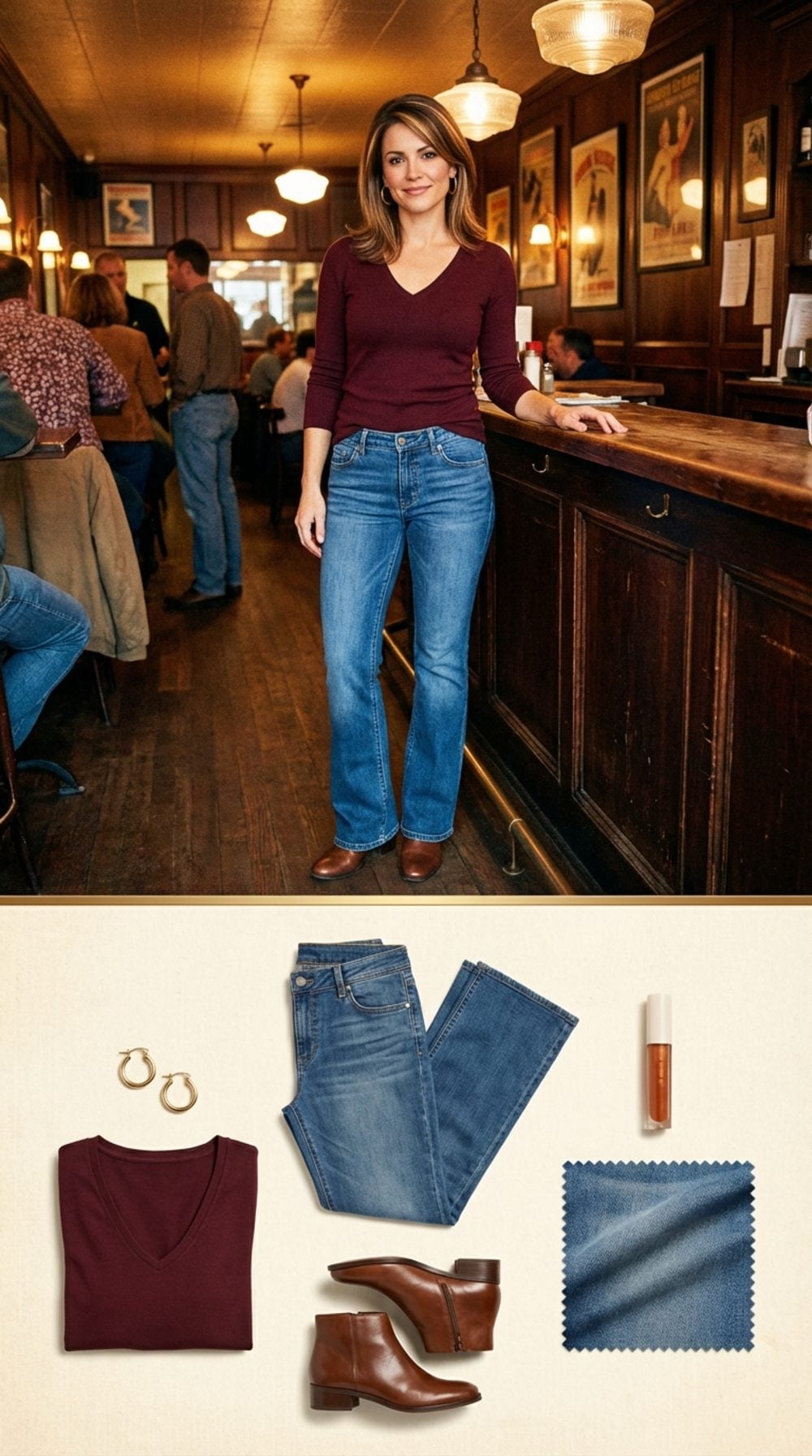
Medium wash bootcut jeans were the reliable center of gravity for an entire decade of dressing. Not too trendy, not too basic, appropriate for literally everything from a work meeting on casual Friday to a first date at a place with a wine list. The bootcut leg opening existed specifically to accommodate the low heeled boot you were also wearing, creating a full system of moderation.
Gap, Express, and the mid-range denim section of every department store sold approximately seventeen million of these between 1999 and 2008. They had front whiskering at the thigh that you thought looked natural and they had a mid-rise that allowed you to breathe, which was a novelty compared to what you had been wearing for the previous five years.
The bootcut jean was not exciting. It was better than that. It was trustworthy.
16. Dark Rinse Straight-Leg Jeans You Dressed Up for Everything
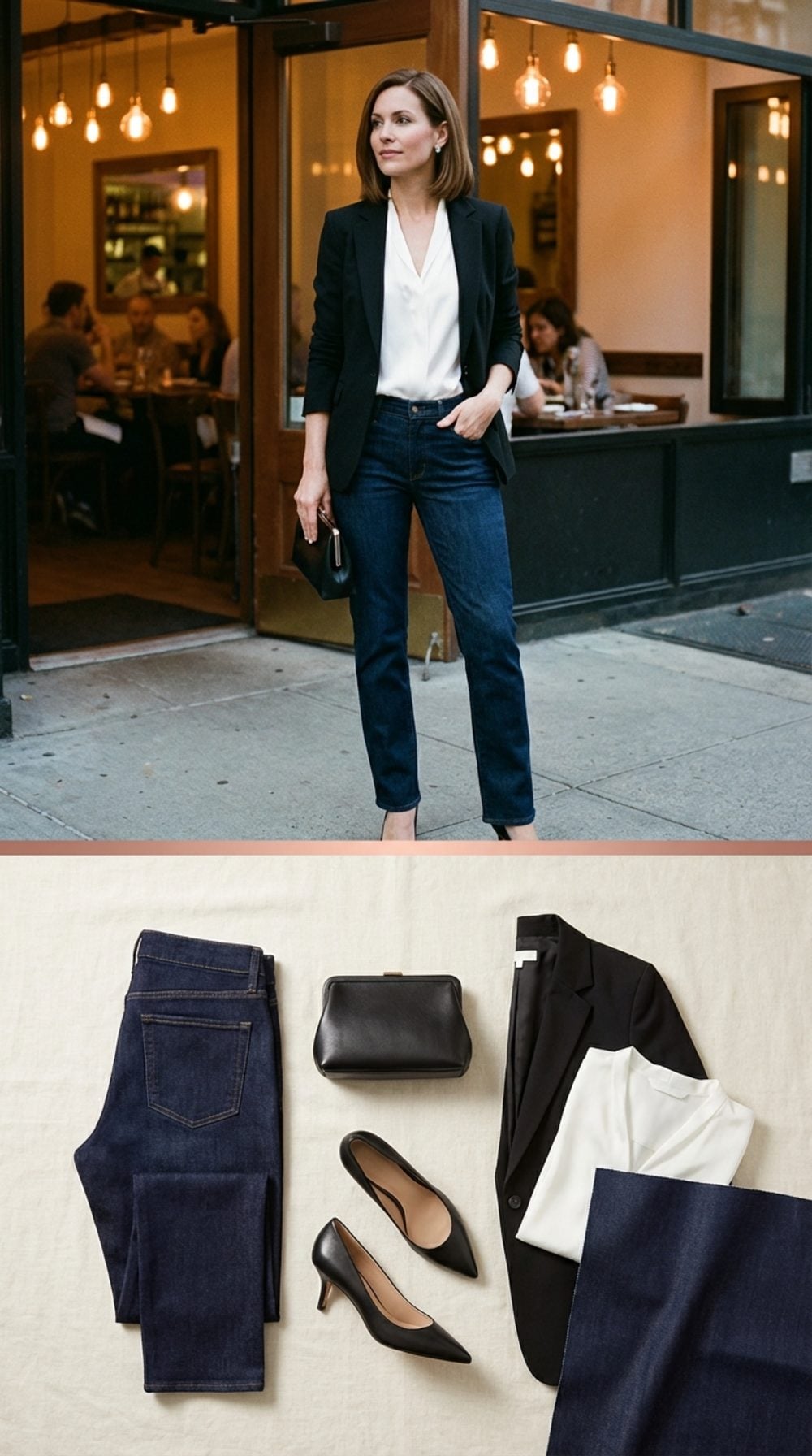
Dark rinse straight-legs were the solution to the question we all kept asking: can I wear jeans to this? The answer, with these, was almost always yes. No distressing, no fading, no embellishment, just clean, dark denim that photographed almost exactly like tailored trousers if you kept the hem at the right length and wore a heel.
These were the first pair of jeans that felt genuinely adult. You bought them from J.Crew or Banana Republic or possibly Nordstrom, which felt significant. You wore them to dinners and holiday parties and parent-teacher conferences and felt like you had cracked the code on smart casual, which you had.
15. Skinny Jeans That Required Thirty Minutes and No Dignity to Get On
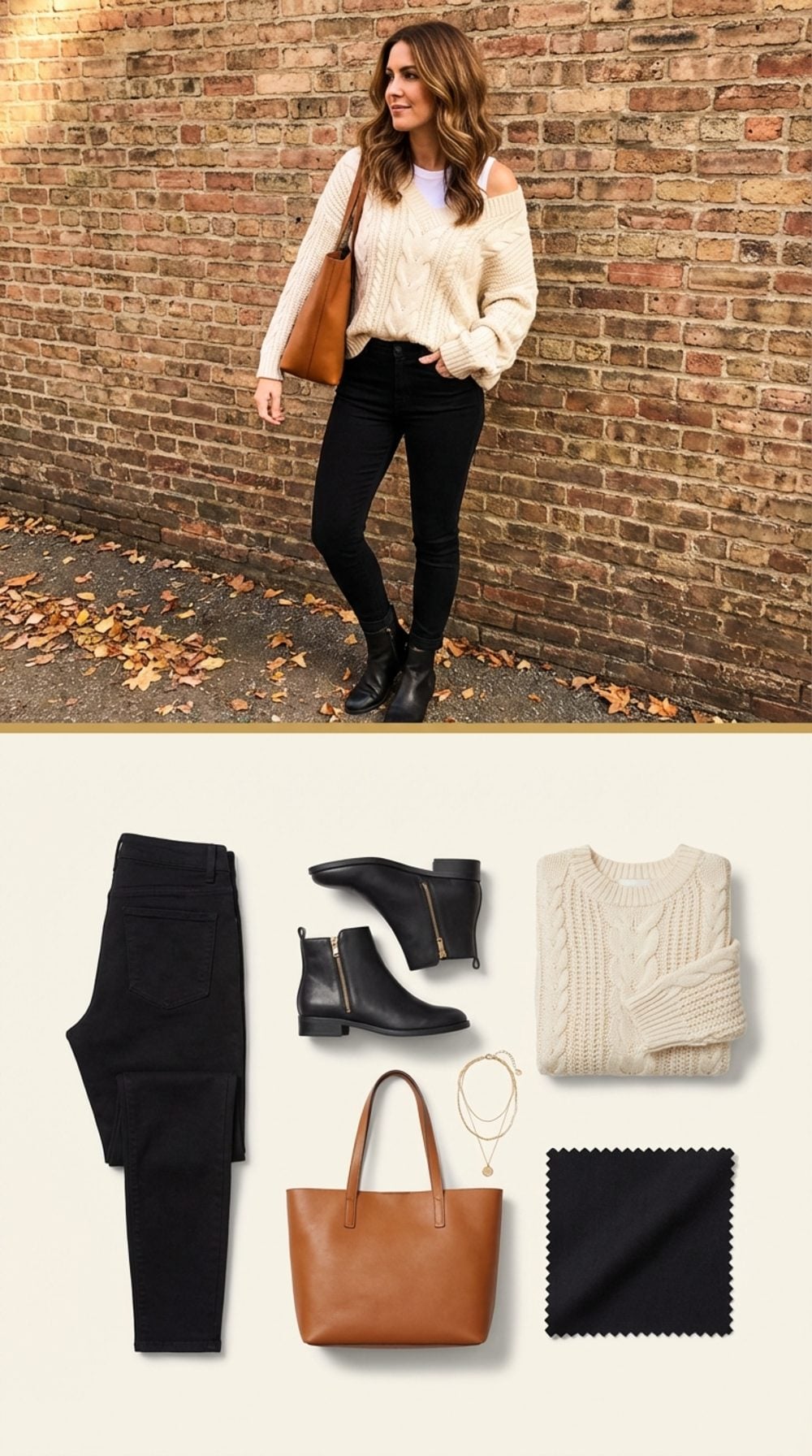
Getting into a pair of skinnies required a specific technique that every woman developed privately and never discussed publicly. You rolled them down like a sausage casing, inserted one leg at a time, and performed a sort of shimmy-hop combination to pull them over the hips. The whole process took between fifteen and thirty minutes depending on the humidity.
Once on, they looked genuinely great, which is why we kept doing it. The skinny jean’s ten-year reign from roughly 2007 to 2018 produced a staggering number of pairs in every woman’s closet, ankle-length black ones, grey ones, a dark denim pair, a white pair for summer, and at least one ill-advised neon pair from a moment you don’t discuss.
The thing about skinnies was that they forced you to think about your shoe, which made everything from the ankle down suddenly very intentional. Ankle boots, pointed flats, high heels, the shoe was visible in a way it hadn’t been since the ’80s, and dressing the bottom half became a whole conversation.
14. The Embellished Pair With Rhinestones, Embroidery, or Both
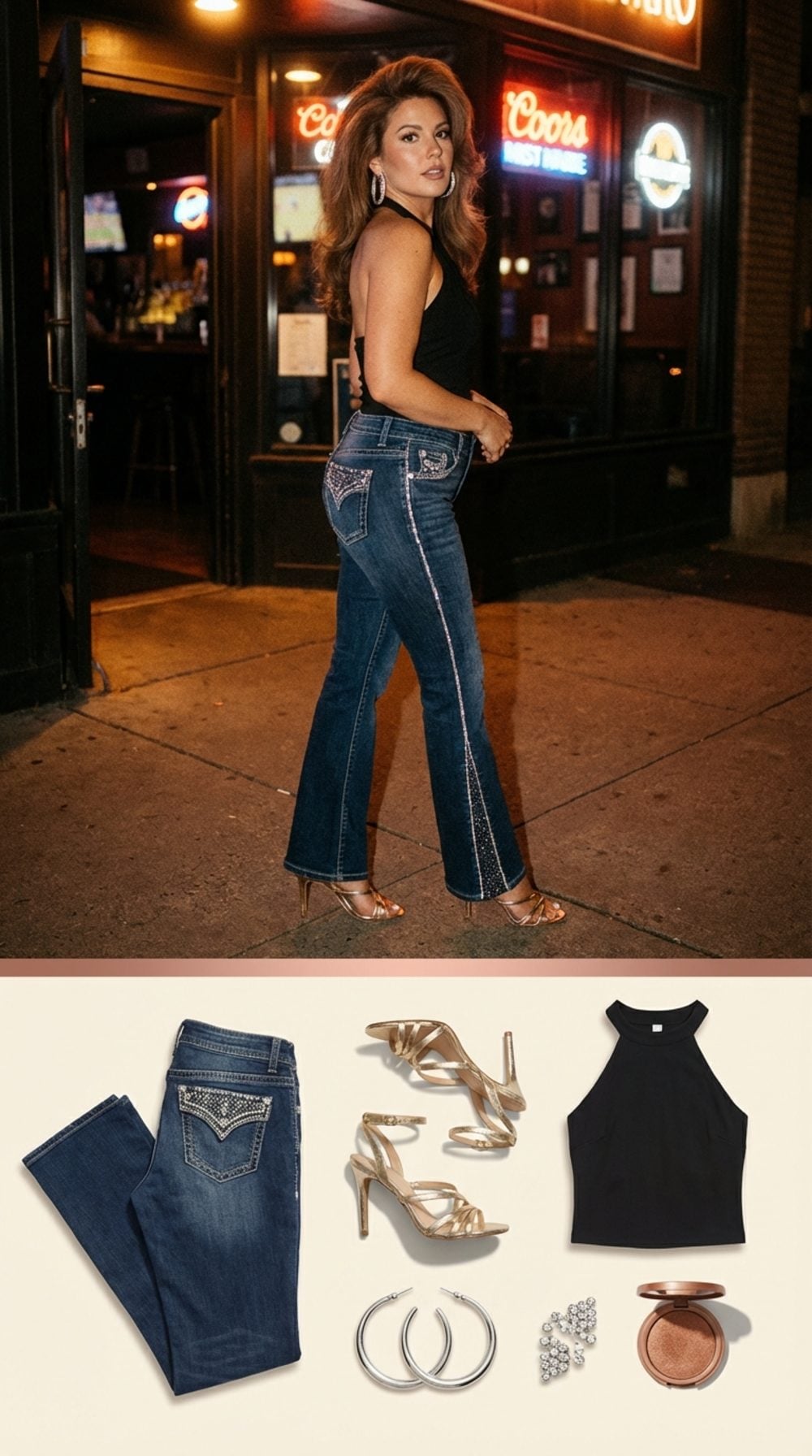
Every pair of embellished jeans from this era was making the same argument: that regular denim was not enough and that the situation required crystals. BCBG, Miss Me, and Rock & Republic were the main dealers, but the fast-fashion versions from Wet Seal and Charlotte Russe were equally committed to the bit. The rhinestones were typically concentrated on the back pockets, where they caught light and drew the eye in the direction the wearer presumably wanted it to go.
Embroidery was a parallel track: flowers, paisleys, vines curling up the outer leg. Some pairs featured both, rhinestones AND embroidery, and those were the ones you saved for occasions that technically didn’t require them but you wore them to anyway.
13. Wide-Leg Jeans With the Floor-Length Hem That Destroyed Every Pair
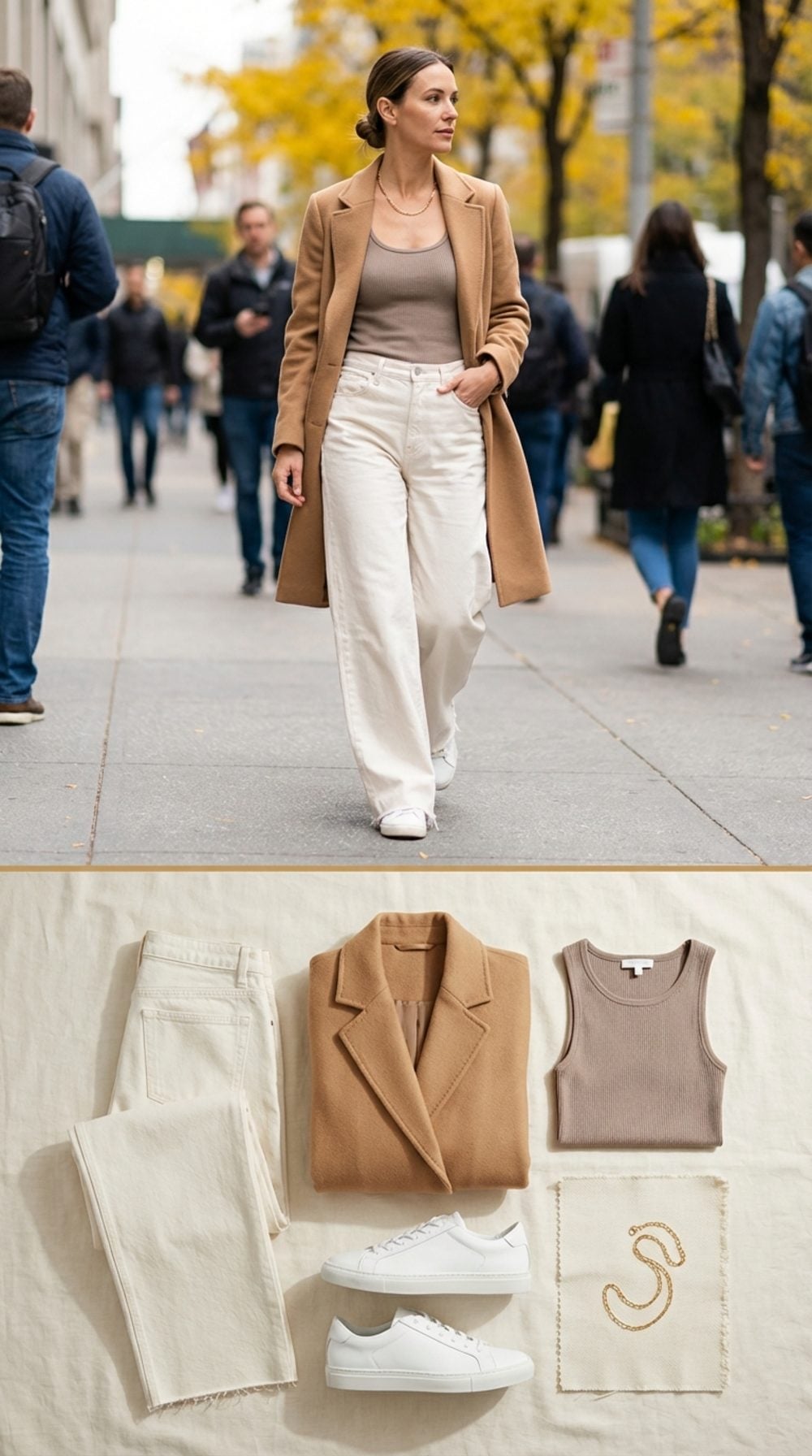
The wide-leg denim moment that arrived in the early 2020s came for every woman over 40 who had secretly been uncomfortable in skinnies for three years but didn’t know what to do instead. Here was the answer: enormous. The leg opening on these jeans was roughly the circumference of a small umbrella, and the hem was intentionally long enough to act as a dust mop.
The length was the part that got everyone. You couldn’t hem these, the whole point was the drag. So you either owned them in your exact barefoot height and wore them with the right heel, or you destroyed the hem within two weeks of wear, and the fraying became the look.
12. The Distressed-to-the-Point-of-Structural-Concern Pair

At some point, “a little distressing” became “the structural integrity of this garment is genuinely in question” and we followed that trajectory all the way to its logical end. The knees weren’t just worn, they were wide open, both of them, with artful fraying that somehow cost an extra $60 over the intact version.
Zara, Topshop, and ASOS were producing jeans with more hole than denim by 2016. You’d buy them, put them on, and a voice in the back of your head that sounded like your mother would ask what exactly the point of them was, and you had no answer, and you wore them anyway.
11. The Cropped Straight-Leg in Every Color, Because Why Stop at Denim
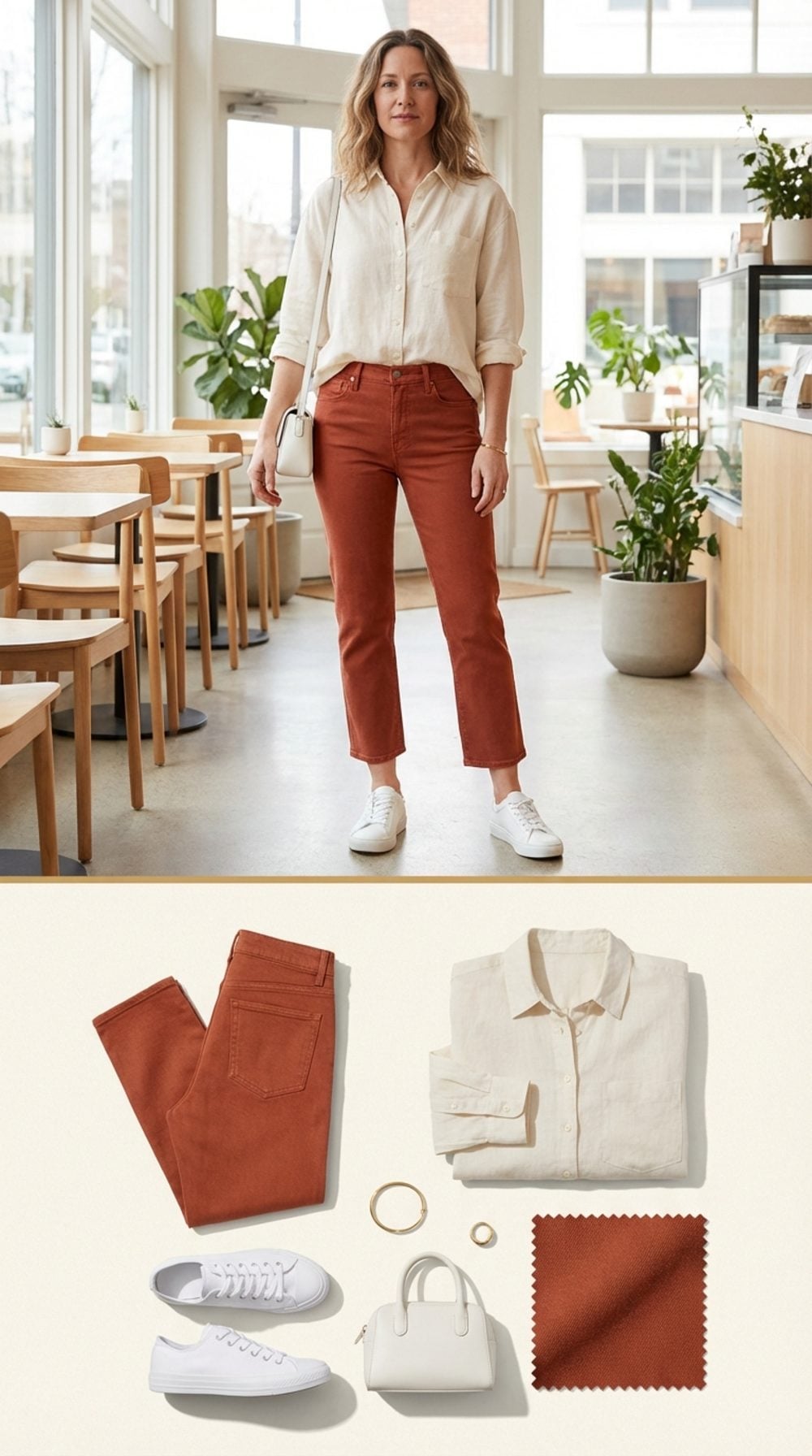
Once the fashion industry figured out that women would buy straight-leg cropped jeans in dark indigo, it asked the obvious next question: what if we made them in literally every color? Terracotta, sage green, pale yellow, dusty rose, white, black, slate blue, the cropped straight leg became a silhouette that existed entirely independently of denim’s usual color range.
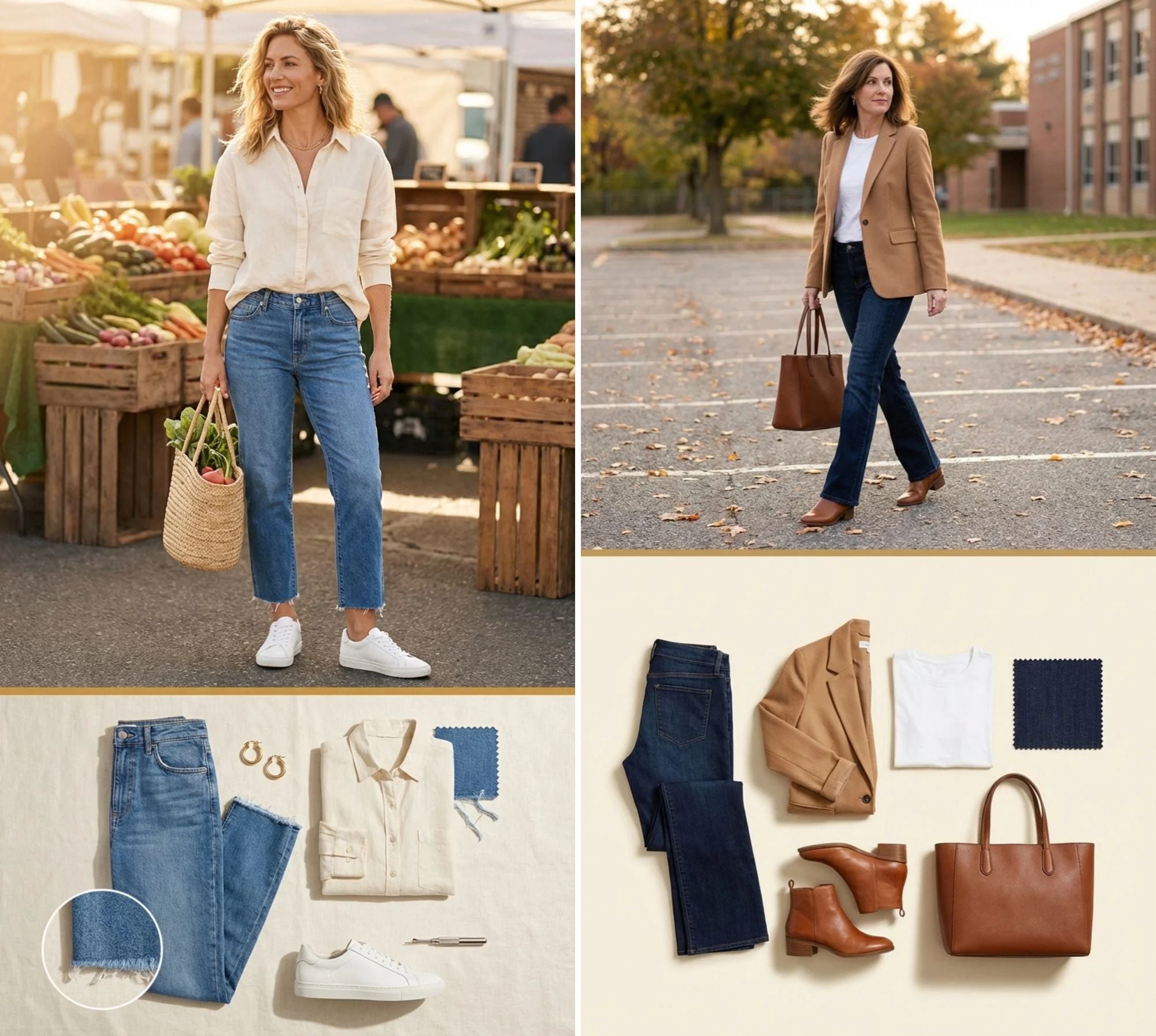
These were the jeans of the late 2010s that actually worked for women over 40. The crop hit at the narrowest part of the leg. The straight leg was clean and undemanding. The color did all the talking, which meant the rest of the outfit could stay quiet. You wore them with a linen shirt and sneakers and felt like someone who had a very sorted life.
10. The Carpenter Jeans With the Dangling Side Hammer Loop You Never Used
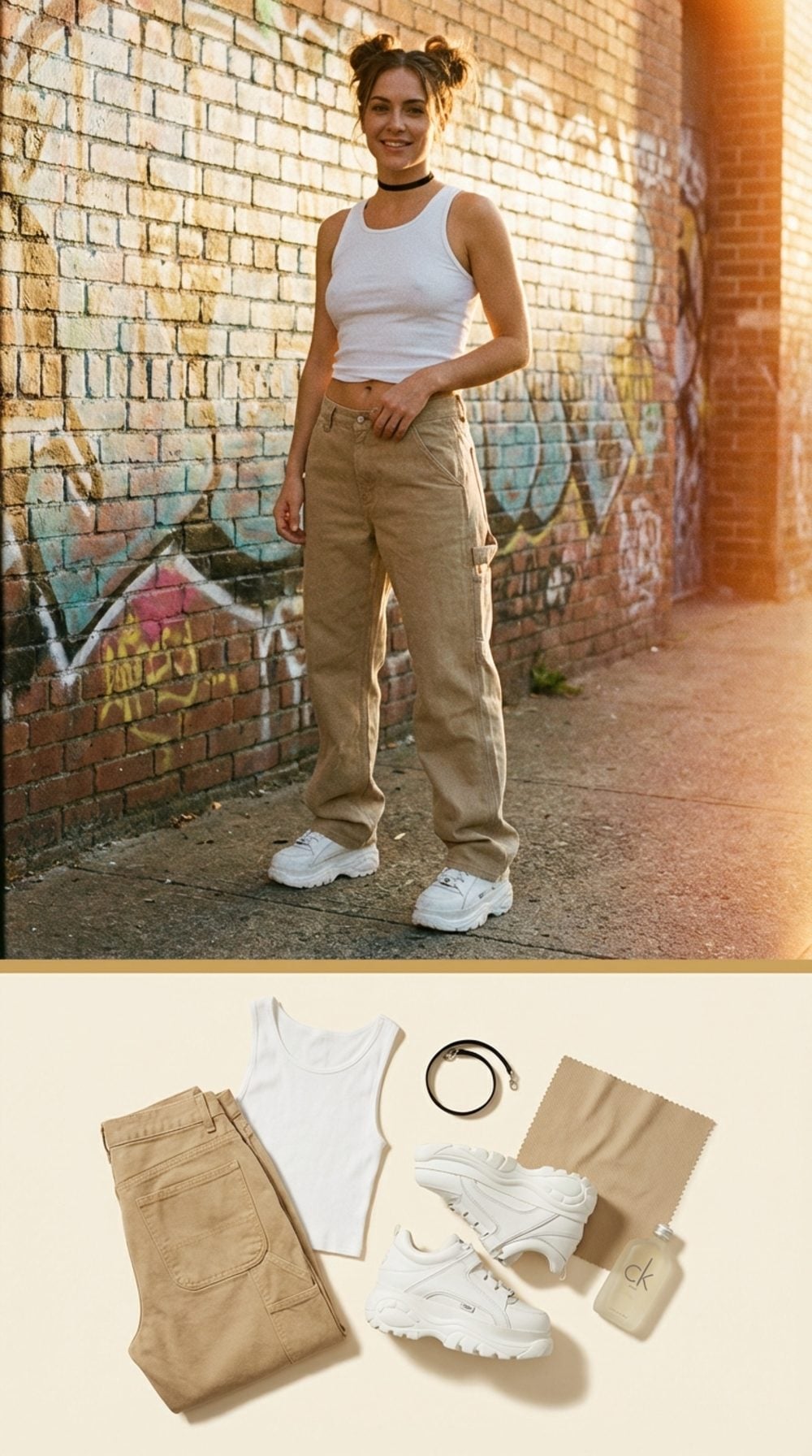
There was no hammer. There was never a hammer. But you wore those carpenter jeans from Gap or Old Navy in 1998 like you were about to build something, that extra loop swinging against your thigh with every step through the food court. The fit was boxy in a way that felt intentional, wide through the leg, slightly dropped crotch, multiple pockets you could actually fit things in.
TLC wore them. Aaliyah wore them. That was the only endorsement anyone needed. You paired yours with a cropped ribbed tank and platform sneakers and felt genuinely cool in a way that required zero explanation. The utilitarian detail was the whole point, fashion borrowing from workwear before we had a word for that.
9. Low-Rise Straight Leg Jeans That Hit Exactly One Inch Below Your Hip Bone
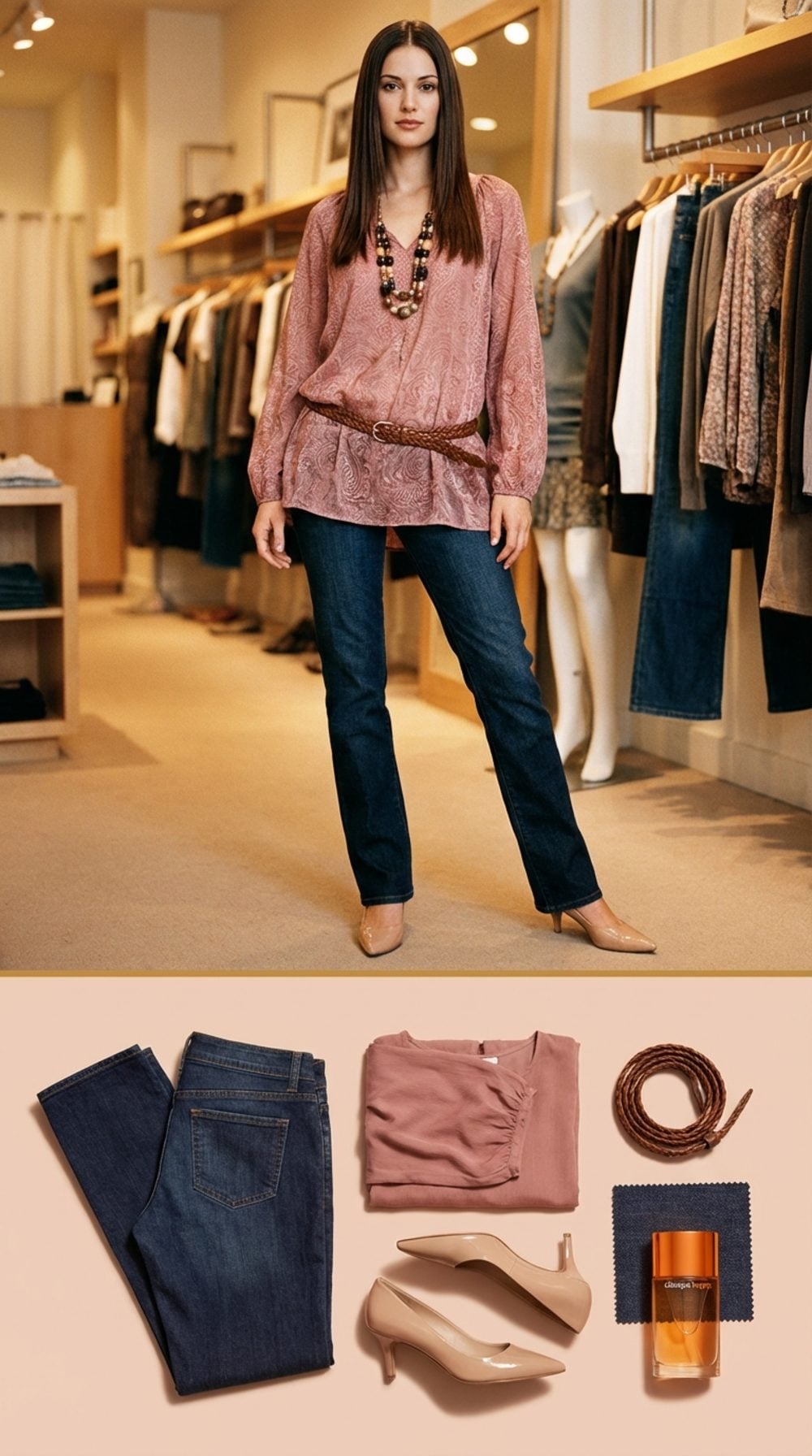
Not bootcut. Not flared. Straight. The ones that sat so low on your hips that your hip bones were load-bearing architecture, they held the jeans up, full stop. You wore a thin belt threaded through the loops even though the belt was purely decorative. It was doing nothing structural.
These were the mid-2000s workhorse. Every brand made them: Express, Banana Republic, Citizens of Humanity if you were flush. They looked best with a long tunic top worn untucked, which covered the gaping waistband at the back that appeared every single time you sat down.
The back pocket placement was critical. Two tiny pockets positioned high and close together were the goal. You knew this. You checked before purchasing every single time.
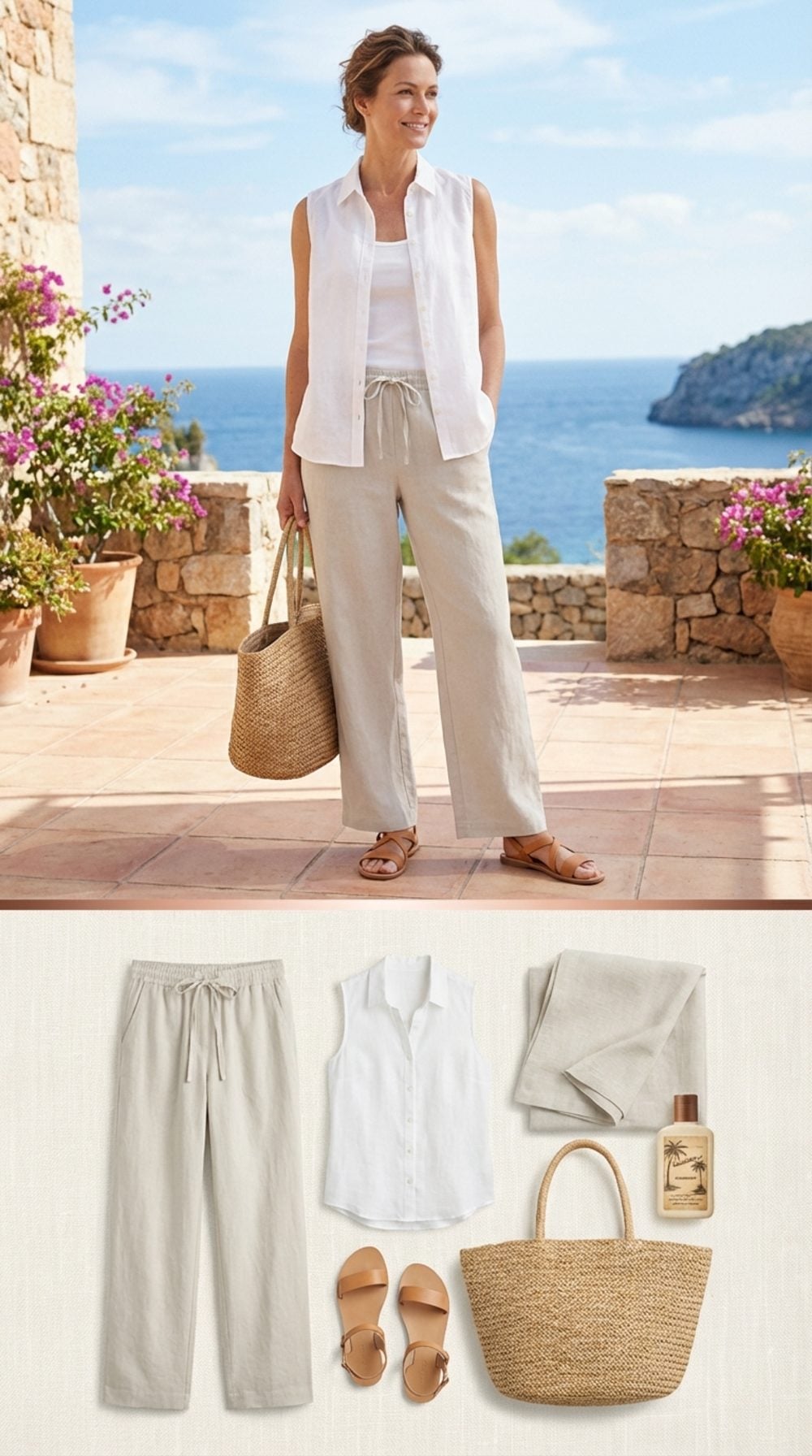
8. The Drawstring Linen-Blend Jeans You Called ‘Casual’ But Were Really Just Uncomfortable Pants
❤️ Would you like to save this?
These were sold to you as the relaxed alternative, linen-blend fabric with a soft drawstring waist, technically denim-adjacent but breathable. They came in light stone, washed white, or that specific pale blue that photographed beautifully on a European terrace.
The reality: linen wrinkles aggressively. Within twenty minutes of putting them on, the knees had ballooned outward and the seat had gone slack in a way that no amount of pulling could fix. But you kept wearing them to outdoor dinners every single summer because the idea of them was just too good to abandon.
7. Colored Skinnies in Every Shade the Rainbow Forgot to Name
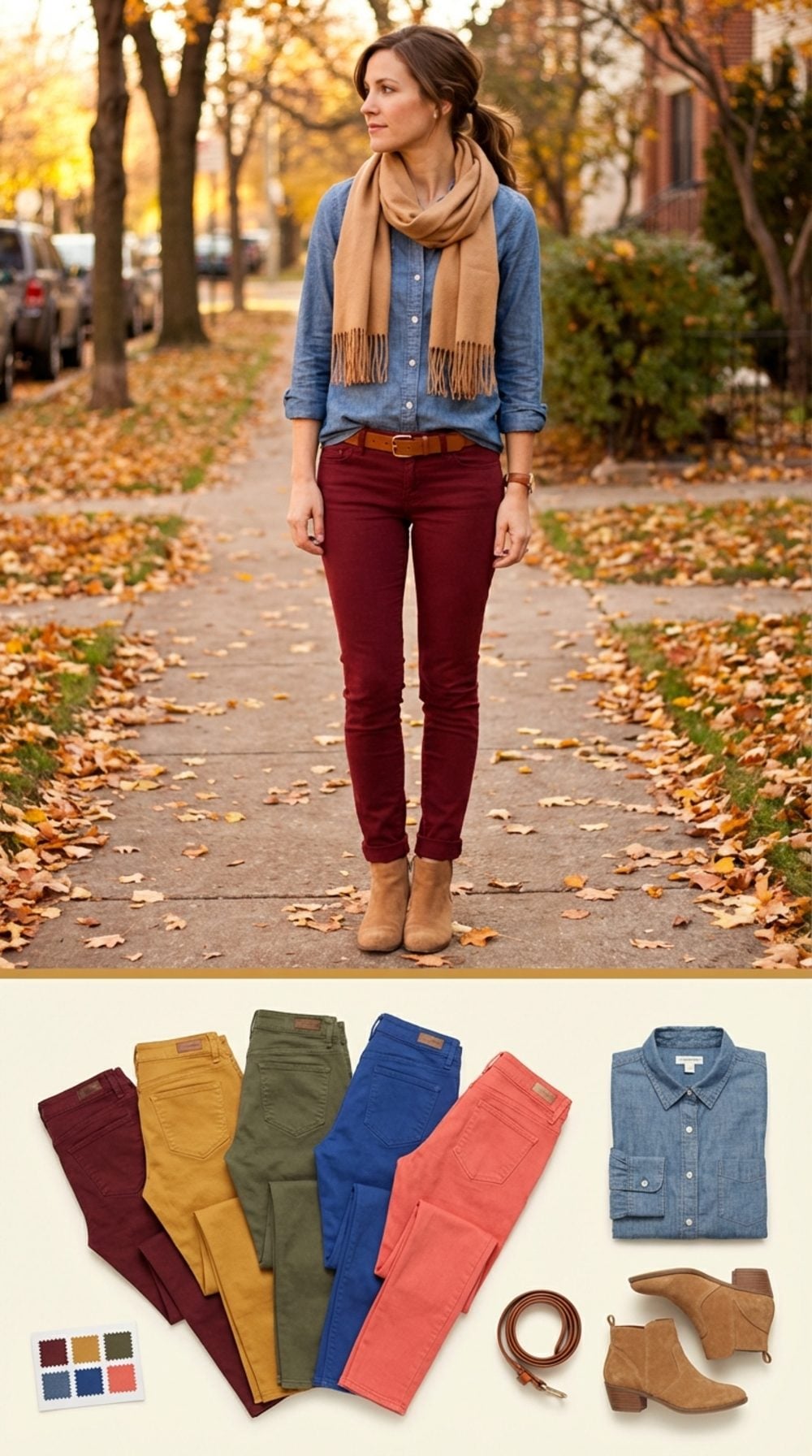
Somewhere around 2011, denim stopped being blue. You owned skinnies in oxblood, mustard, army green, coral, cobalt, and a color that the tag called “aubergine” but was really just dark purple. They were everywhere: J.Crew, Gap, Old Navy had a whole wall of them. The idea was to build a wardrobe of them like paint chips.
You wore the oxblood ones with a chambray shirt and felt incredibly put-together. The mustard ones were harder to style and you knew it but kept trying. The coral ones made exactly one appearance before being folded back into the drawer permanently.
6. The Bedazzled Pocket Jeans That Made Your Back Pockets a Art Installation
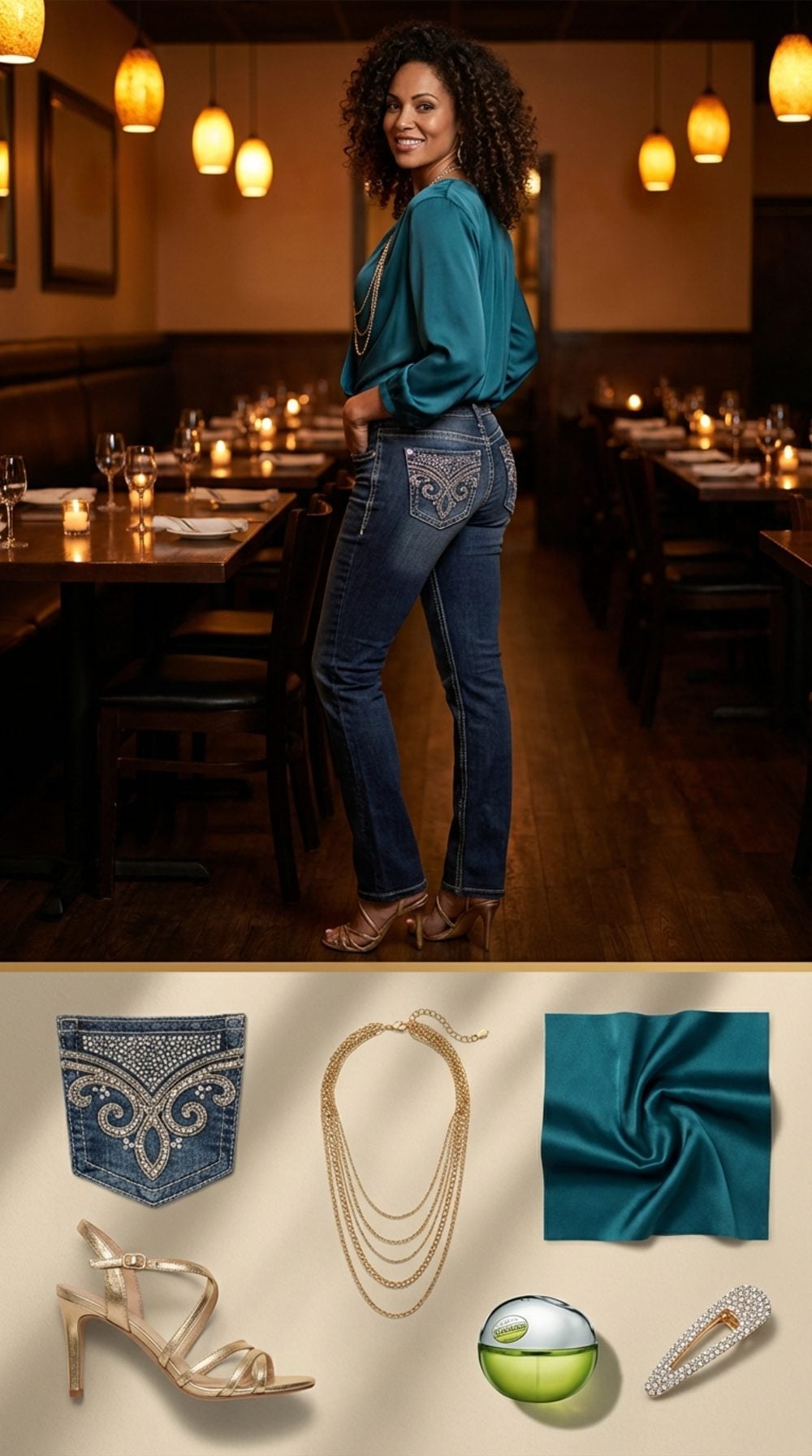
Miss Me. Rock Revival. Affliction. The brands were different but the commitment was identical: your back pockets would have rhinestone wings, elaborate scrollwork, or an embroidered paisley design that took up the entire pocket and then some. These were not subtle jeans. They announced themselves from thirty feet away and that was entirely the point.
They cost way more than plain denim, sometimes $150, sometimes more, and the price was the premium on the sparkle. You wore them out to dinner, to the casino, to anywhere that had mood lighting that would catch the crystals. Under fluorescent lights they were a lot. Under candlelight they were everything.
5. Wide-Leg Trouser Jeans That Were Technically Denim But Acted Like Dress Pants
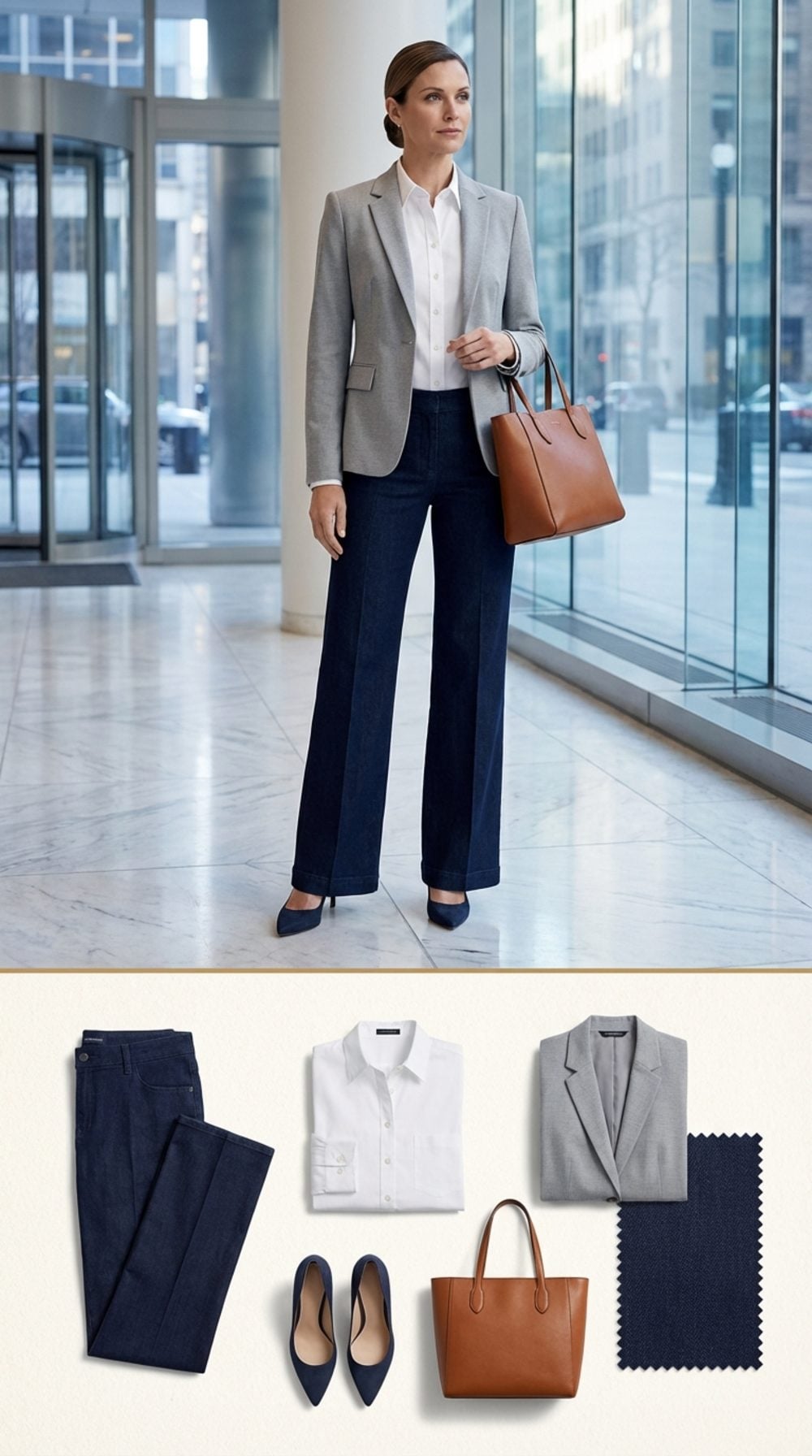
These were the professional compromise. A full wide trouser leg in a pressed dark denim, sometimes with a subtle front crease, always with a clean inseam, that let you wear jeans to work without technically wearing jeans to work. You bought them from Ann Taylor, Talbots, or that specific rack at Nordstrom that catered to women who needed options.
4. The Paper Bag Waist Jeans With the Gathered Fabric and the Bow Belt
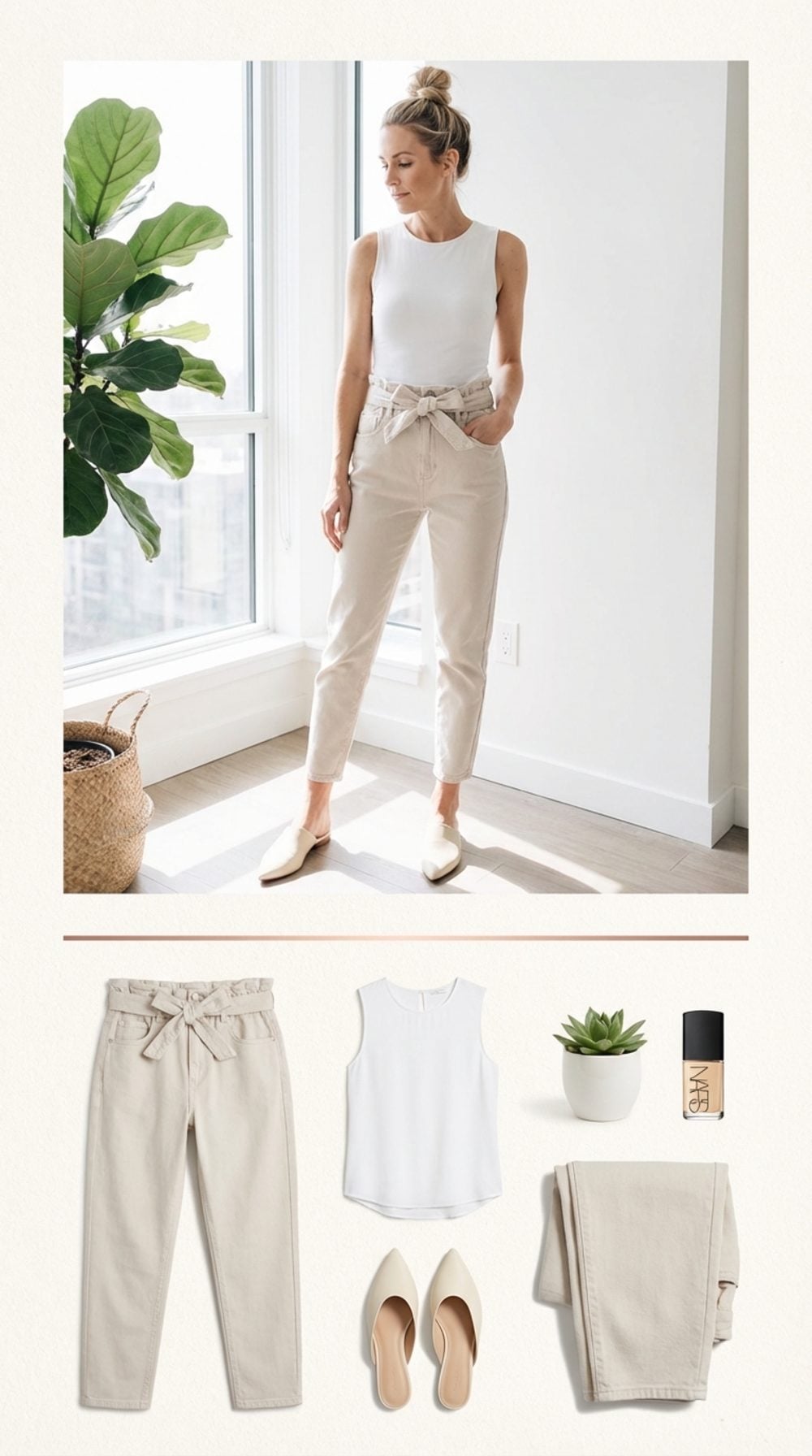
Around 2018 these appeared on every Instagram influencer between the ages of 28 and 45 and they looked so unexpectedly good on the screen. The high gathered waist, the soft bow tied at the front, the slightly tapered leg. You ordered a pair. You tried them on. The gathered fabric at the waist added volume exactly where you didn’t need it and you stood in your bathroom mirror for four full minutes trying to make them work.
Some women wore them beautifully. Those women had the exact right proportions and you respected that. You donated yours after two attempts and kept your regular high-rise skinnies without guilt.
The bow was the problem. It was always slightly too large and it pointed outward instead of lying flat and it made the whole look feel like a wrapped gift that hadn’t been tied correctly.
3. Stretch Bootcut Jeans in Rinse-Wash Dark Blue You Wore to Every Parent-Teacher Conference
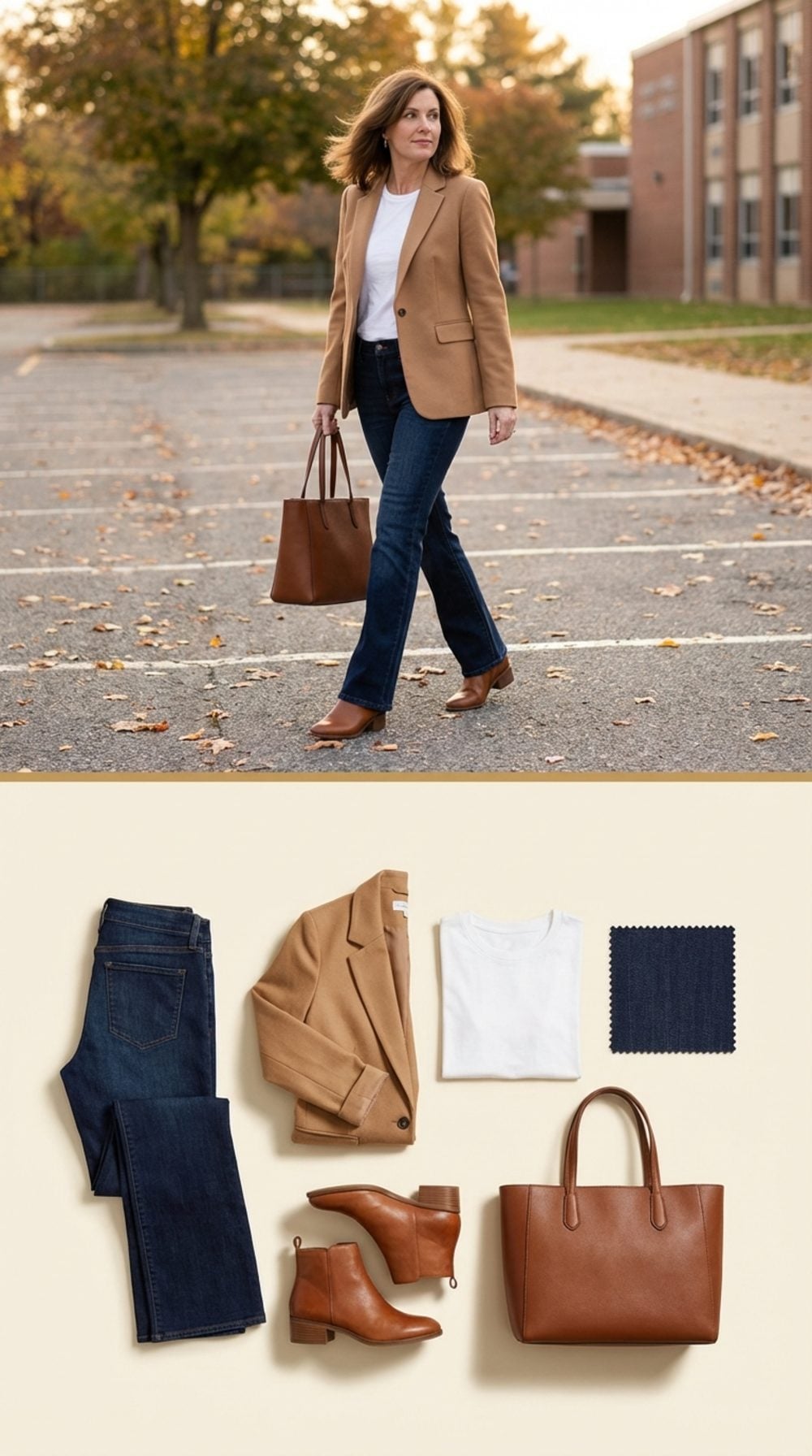
This was the reliable one. The pair that lived at the front of the closet because you could wear them with anything and they always looked pulled-together without trying. Dark rinse, slight stretch, bootcut opening just wide enough to go over a low heel. Not exciting. Not meant to be exciting.
You wore these to school pickups, to casual dinners, to the grocery store when you needed to look like a functioning adult. Lane Bryant, Chico’s, and Talbots made versions. So did every other brand that understood what busy women actually needed from their denim.
“This was the pair that made you feel like you had it together even on the days you very much did not.”
2. Cropped Raw-Hem Straight Jeans That You Had to Artfully Fray Yourself
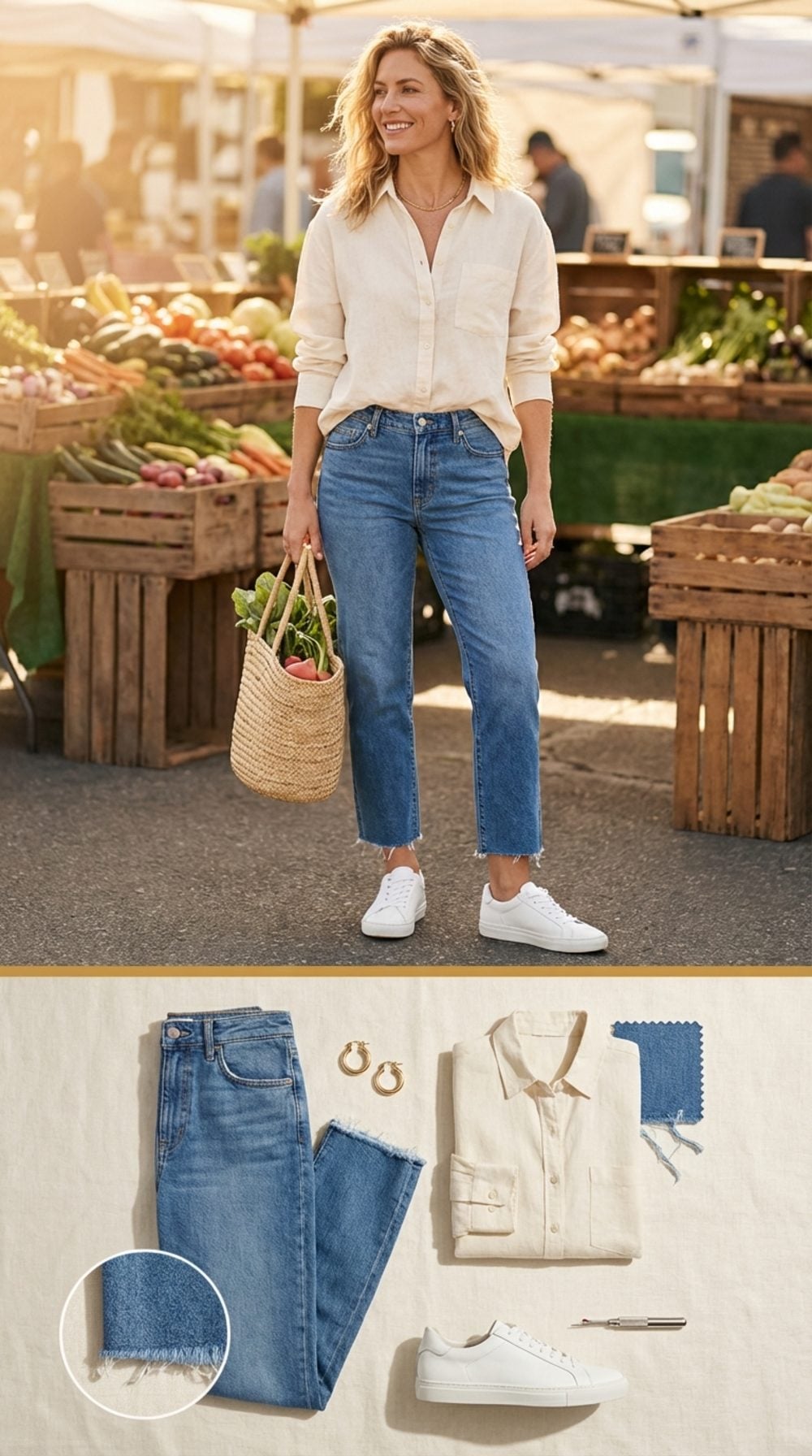
The raw hem was the defining detail of approximately 2016 to 2019. You bought the jeans, got them hemmed at exactly the right length, usually right at the ankle bone, and then either paid extra for a raw-edge finish or stood over the bathtub with a seam ripper pulling threads out yourself for twenty minutes.
The goal was a hem that looked effortless but wasn’t. A controlled fray. You wanted it to look like the jeans had simply lived this way, not like you had performed surgery on them in your bathroom while watching Netflix.
1. The Vintage Levi’s 501s You Found at a Thrift Store and Wore Until They Disintegrated
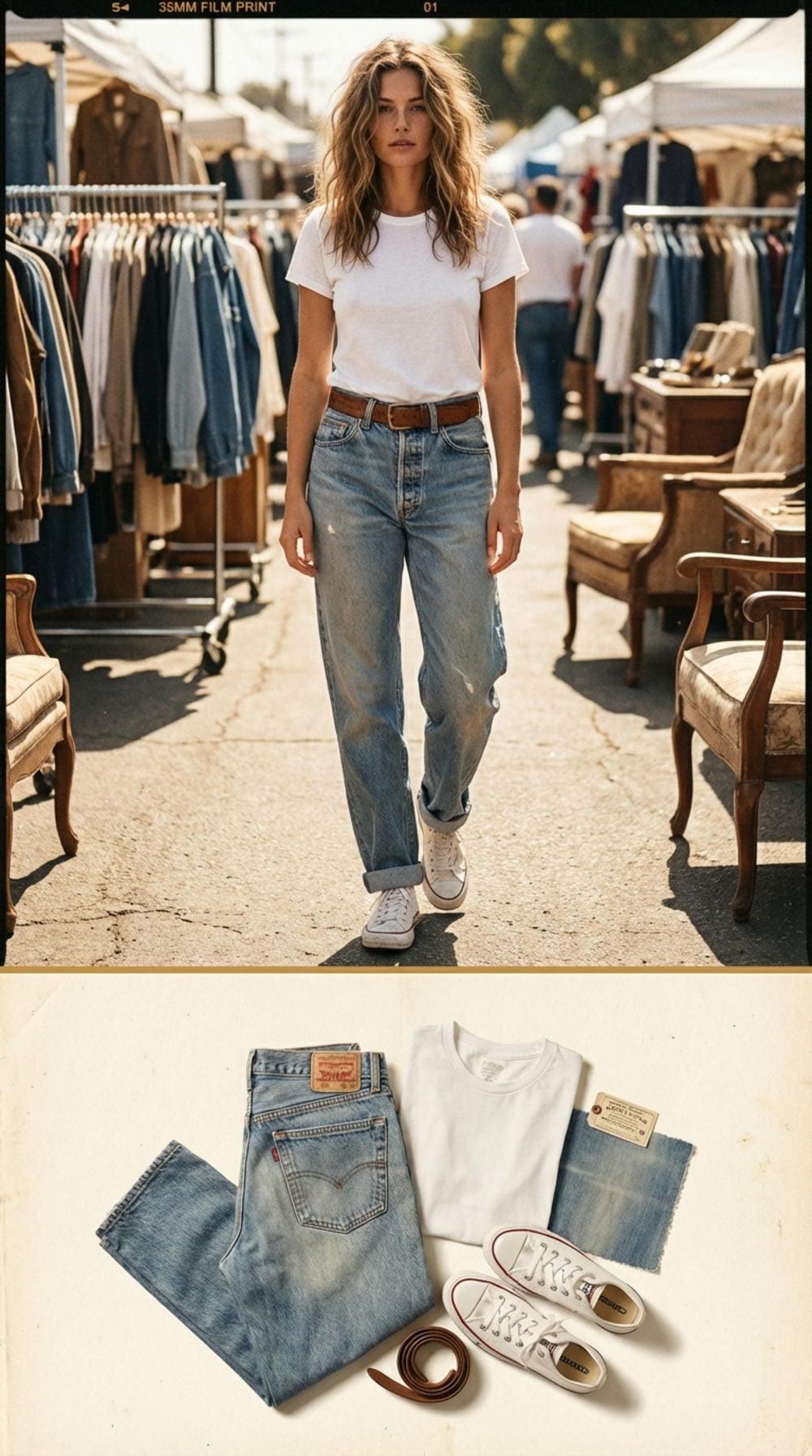
These were different from every other pair on this list because you didn’t buy them new. You found them, at a Goodwill, a vintage shop, a church rummage sale, and they fit in that specific way that only decades-old denim fits: softened to your body over a lifetime of someone else wearing them, the cotton broken in past the point that any new pair could replicate. The fading was real. The wear lines at the thighs and knees were geological.
A perfect pair of vintage 501s was a score. Women traded information about where they found them like stock tips. The waist-to-hip ratio on older Levi’s cuts was different from anything currently in production and this was known information among those who knew.
You wore them until the inner thigh gave out entirely and then you wore them a little longer after that.