❤️ Would you like to save this?
Most of us think we have a personal style. We follow certain accounts, save certain looks, shop with intention. But there’s a quiet difference between being inspired and being dependent, and it’s easier to miss than you’d think. After 40, you’d expect to know yourself well enough to dress from the inside out. Yet so many women are still dressing for an audience, chasing validation, and building wardrobes that belong to someone else’s vision. These 36 signs are specific, honest, and a little uncomfortable. Read them slowly. Your gut will know which ones land.
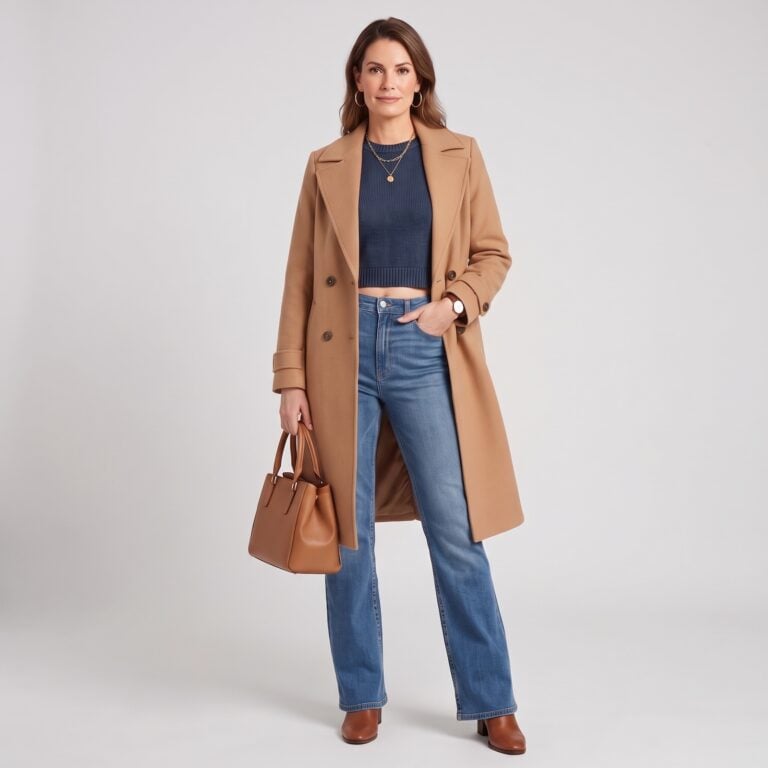
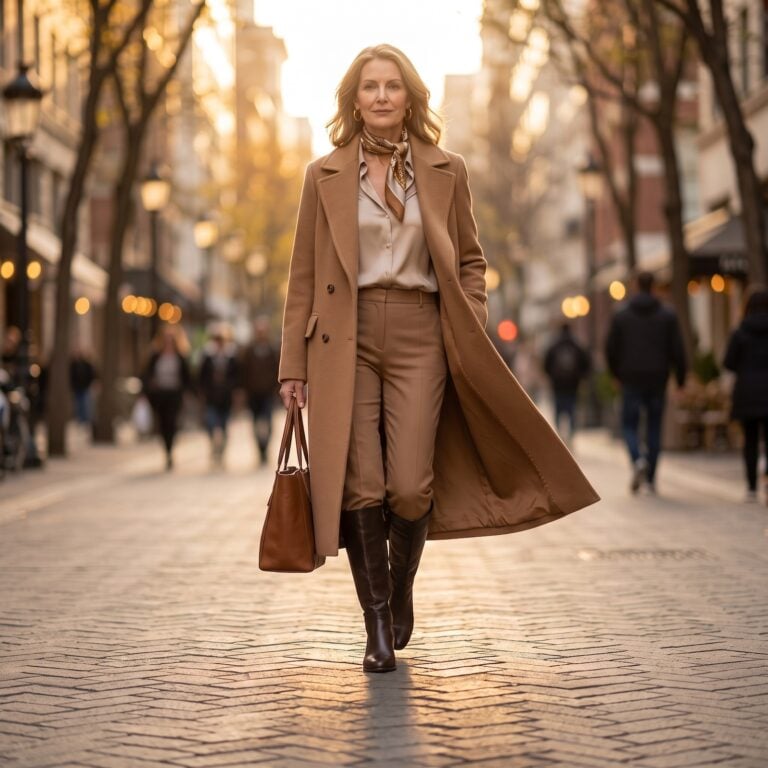
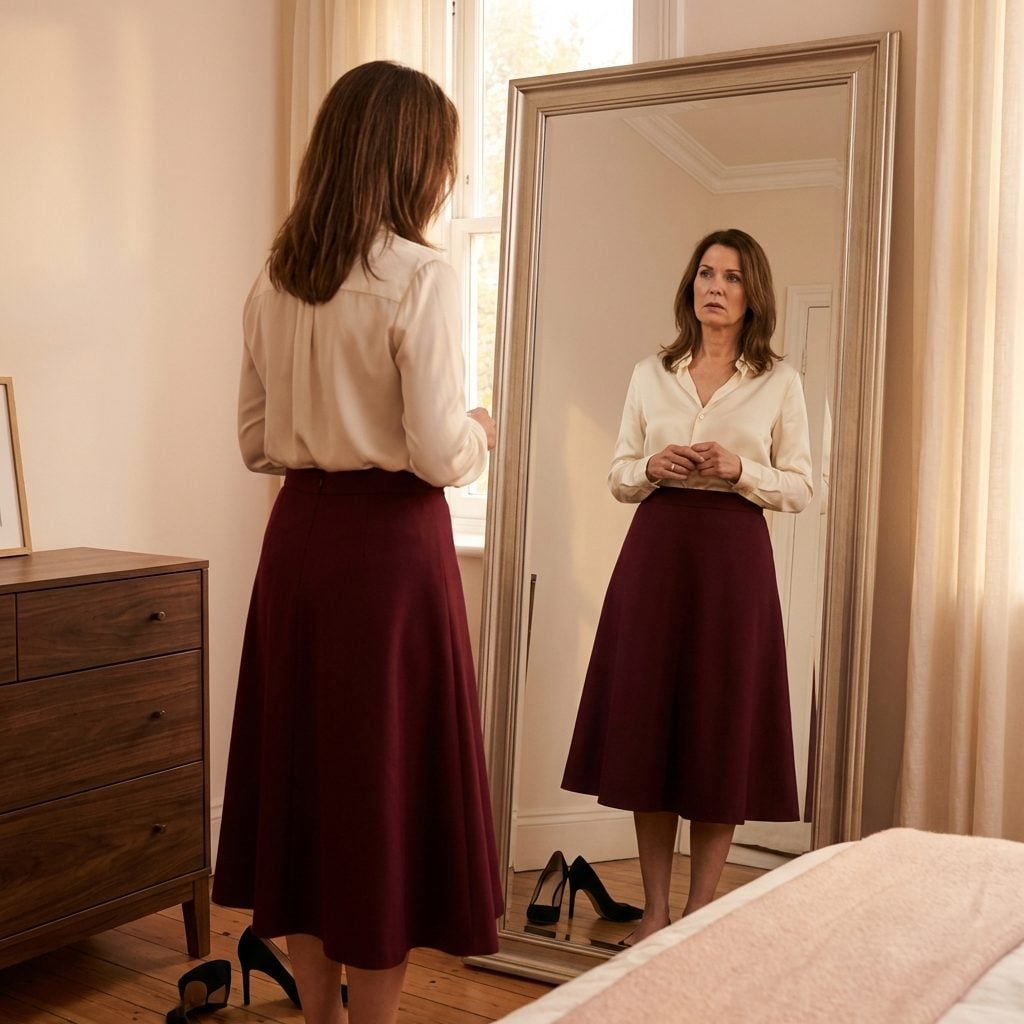
FYI, thanks to AI imagery software, we’re able to create very specific fashion and hairstyle examples to illustrate the points being made. In some cases, imagery is exaggerated to hammer home the point. Also, assume links that take you off the site are affiliate links such as links to Amazon. this means we may earn a commission if you buy something.
36. You Buy the Exact Outfit You Saw on Someone Else and Call It Inspiration
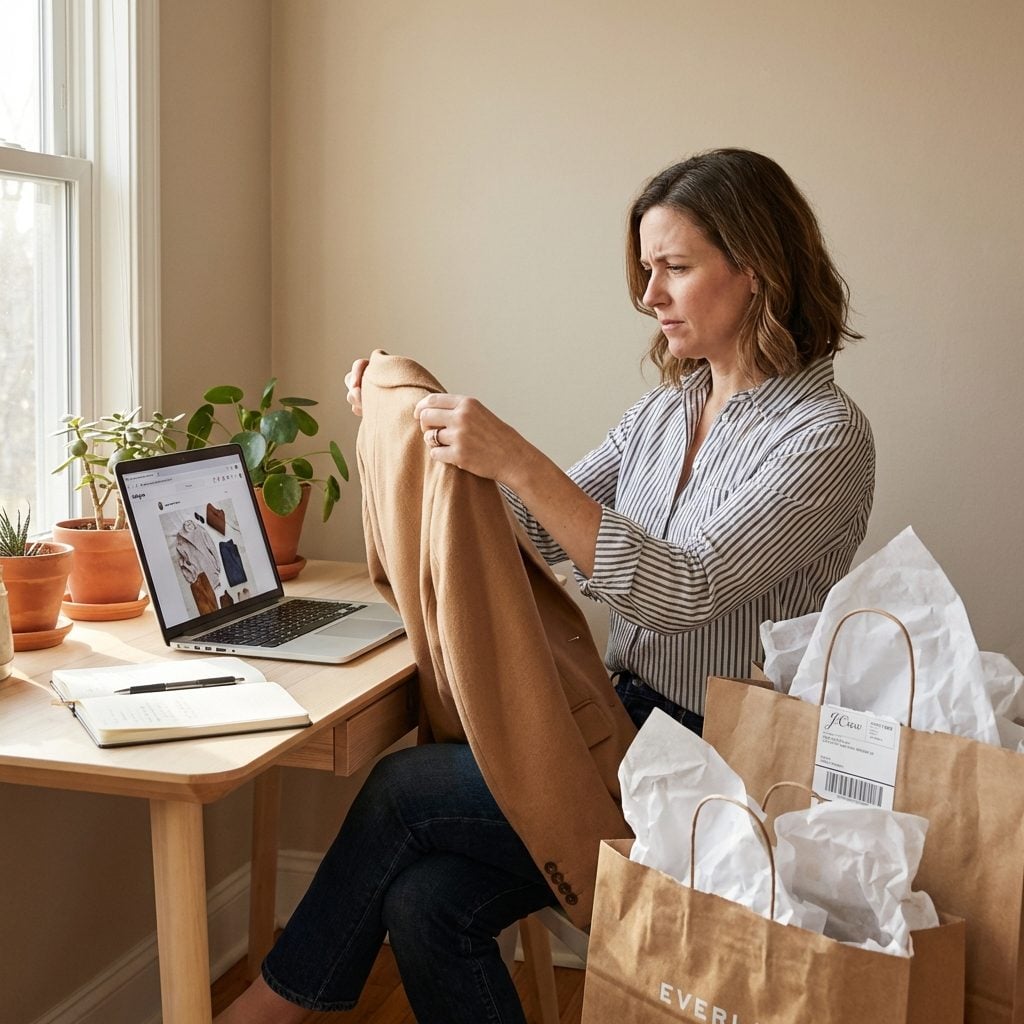
There’s a difference between being inspired by someone’s style and recreating it item for item. If you’ve ever screenshot an outfit, tracked down every piece, and purchased them as a set, only to tell yourself later that you “made it your own” with different earrings, that’s not interpretation. That’s replication with a side of self-persuasion.
The rationalization is the tell. Real style decisions don’t need convincing. When you’re shopping from your own instincts, you don’t have to talk yourself into ownership of the choices. The pieces feel like yours before they’ve even arrived. If you’re doing mental gymnastics to claim a tailored blazer or a specific wide-leg trouser as a personal expression, the starting point wasn’t really you.
35. Your Closet Is a Physical Timeline of Whatever Was Trending That Month
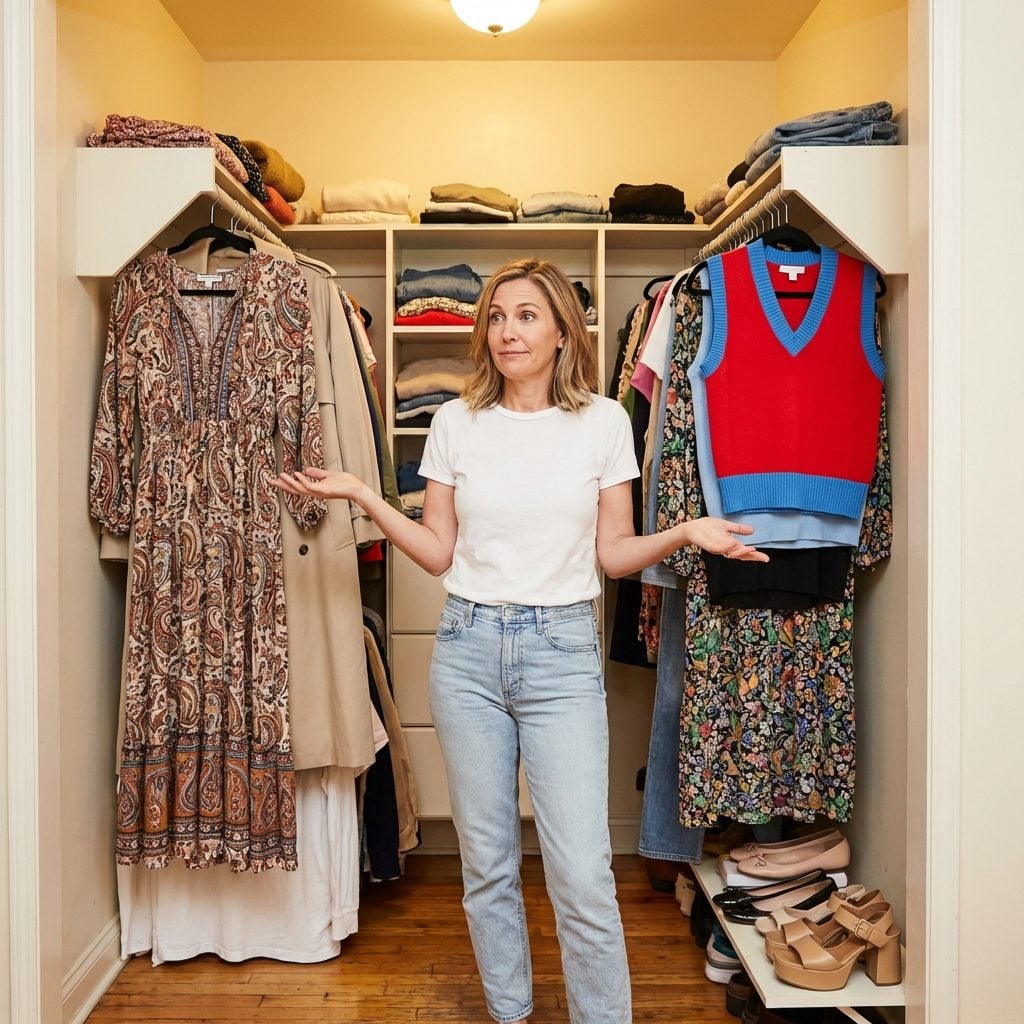
Pull out five things you bought in the last two years. Now ask: did you reach for these because they spoke to something in you, or because they were everywhere at the time? If your closet reads like a mood board for internet trends rather than a consistent point of view, that’s data.
A wardrobe built on trend cycles has a very particular feeling: full but confusing. You can’t get dressed easily because nothing coheres. The oversized linen shirt from the “quiet luxury” era sits next to the colorblock knit vest from the “dopamine dressing” week, next to the ballet flat phase. Each piece is a timestamp, not a choice.
34. You Know Exactly Who Influenced Each Piece but Not Why You Actually Bought It
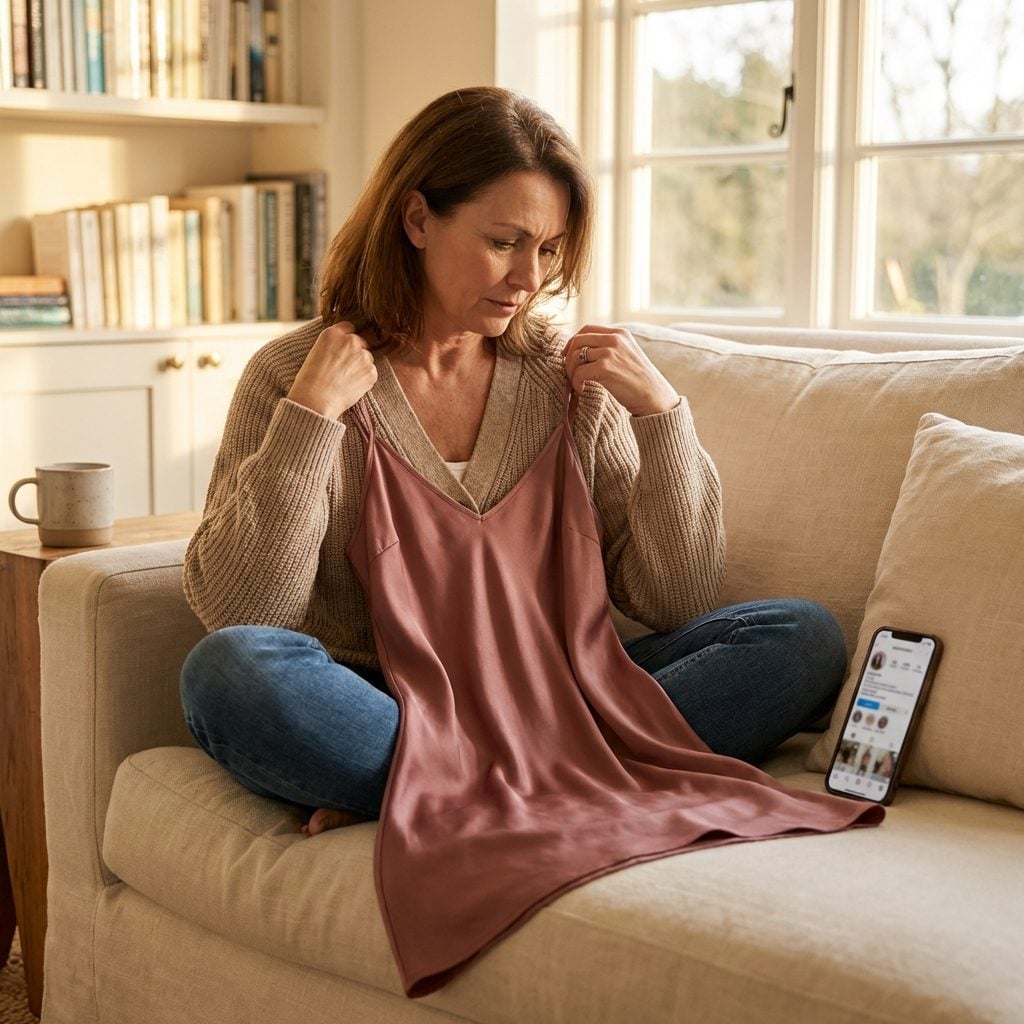
Ask yourself this: if you had to explain why you own each item in your closet, how many of those explanations start with a person’s name rather than a feeling or need?
“I got this because I saw it on her” is a provenance story, not a style story. The women who dress with real authority can tell you what a piece does for them, how it fits into the texture of their actual life. Not who wore it first.
This isn’t about rejecting outside influence, everyone is influenced. The question is whether you ran the influence through your own filter before purchasing, or skipped that step entirely. A silk slip skirt looks one way on a 25-year-old influencer and means something completely different on you. Did you think about that translation? Or did you just want the original image?
33. Your First Instinct Is to Google “What to Wear” Instead of Checking In With Yourself
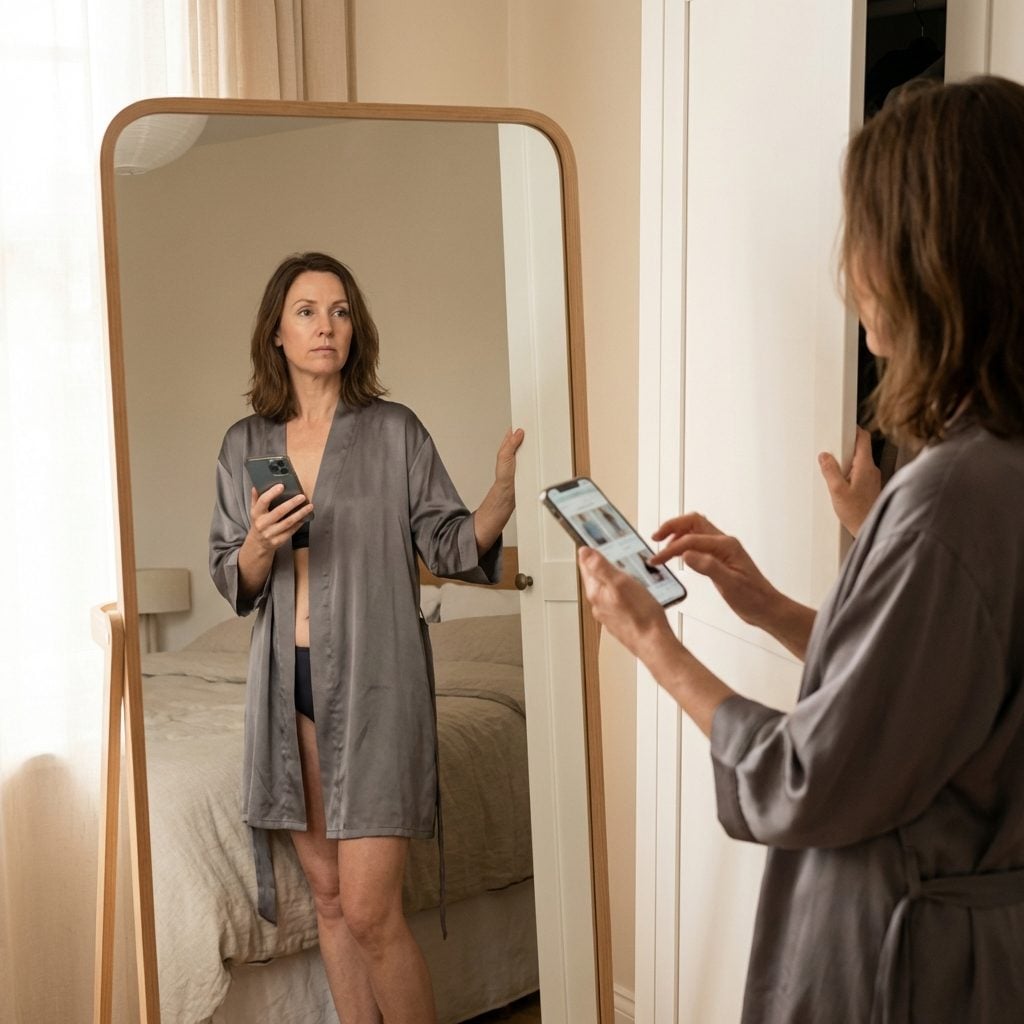
Before you open a single app or tab, there’s already an answer somewhere in you. You know if you feel like something structured or loose, dark or light, dressed up or pulled back. The instinct exists. The question is whether you trust it enough to start there.
Defaulting immediately to outside sources isn’t neutral habit. Over time it trains you to distrust your own read on yourself. The more you outsource the starting question, the quieter your own voice gets, until getting dressed requires a search engine just to feel confident. That’s a sign worth paying attention to.
32. Your Entire Aesthetic Shifts the Moment You Start Spending Time Around Someone New
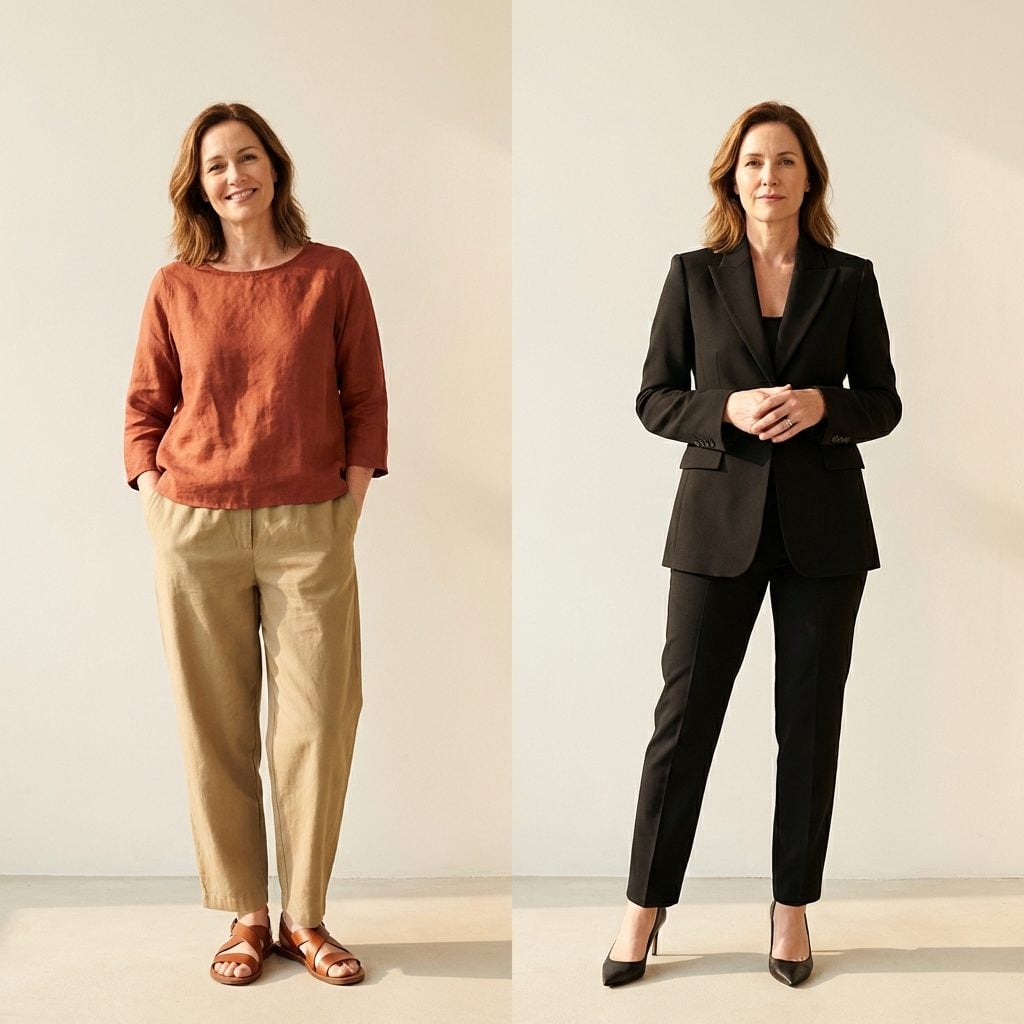
A new friendship, a new colleague you admire, a new relationship, and suddenly your wardrobe takes a hard turn. You start wearing things the other person would approve of, or that match their energy, their world, their aesthetic. It feels like growth. Sometimes it is. But if the shift is total and quick, it’s worth asking what you left behind.
Personal style isn’t what you wear around people you want to impress. It’s what you wear when no one’s watching.
Women who’ve done real style work have a core that doesn’t evaporate when the social context changes. The details might shift, a slightly bolder statement earring for one crowd, a cleaner line for another, but the foundation stays consistent. If the whole thing changes, the foundation may not exist yet.
31. You Can Name Every Micro-Trend But Go Blank When Asked What You Actually Like
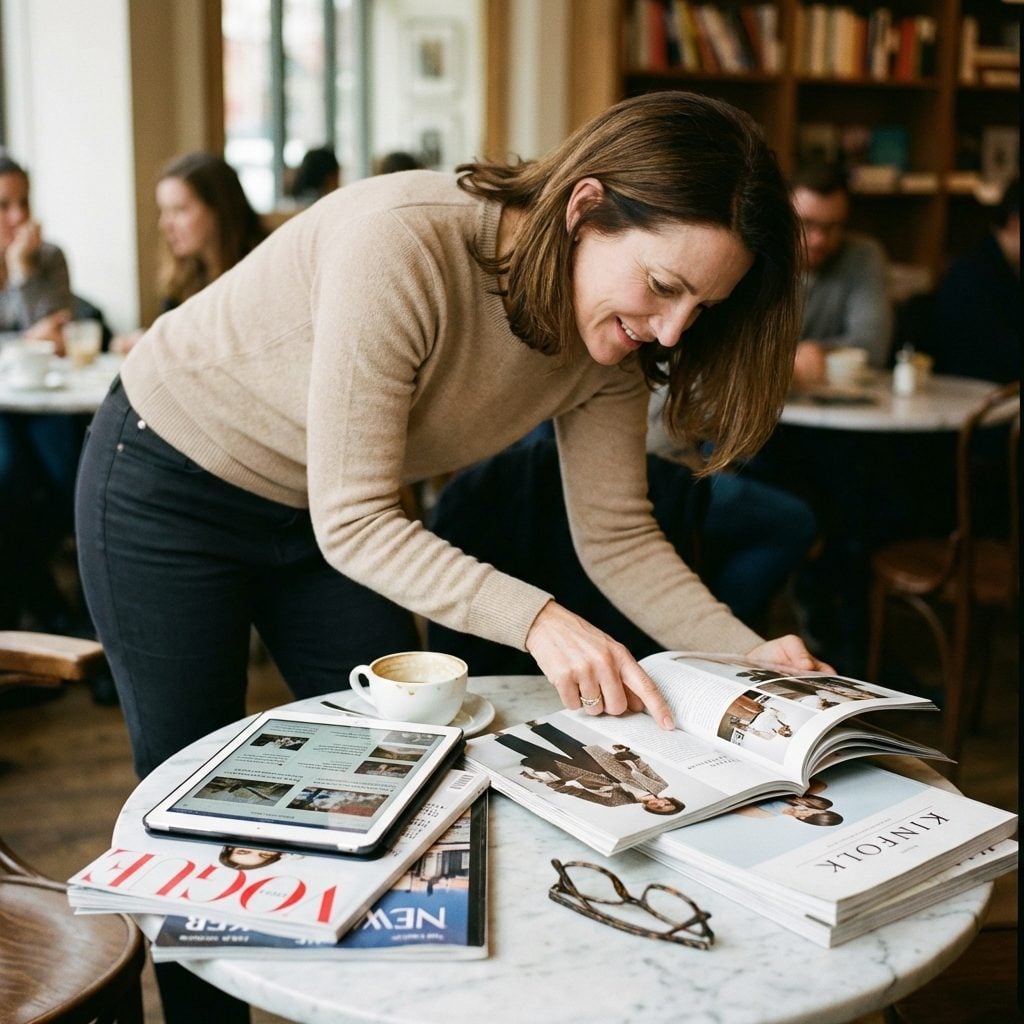
There’s a particular kind of fashion fluency that’s all input and no output. You know what’s cycling through right now, you can name the silhouettes, the “it” colors, the pieces every editor is wearing this season. And yet, if someone asks you what your actual preferences are, divorced from what’s popular, the answer stalls.
Trend literacy is genuinely useful. But it’s a tool, not a substitute for self-knowledge. The women who dress best at this stage of life don’t necessarily follow trends less. They just have a clear enough sense of their own preferences that they can evaluate trends against that baseline and decide what’s relevant to them specifically.
If you’re better at describing what’s current than what’s yours, that gap is the work.
30. You Bought It Because She Wore It, Not Because You Wanted It
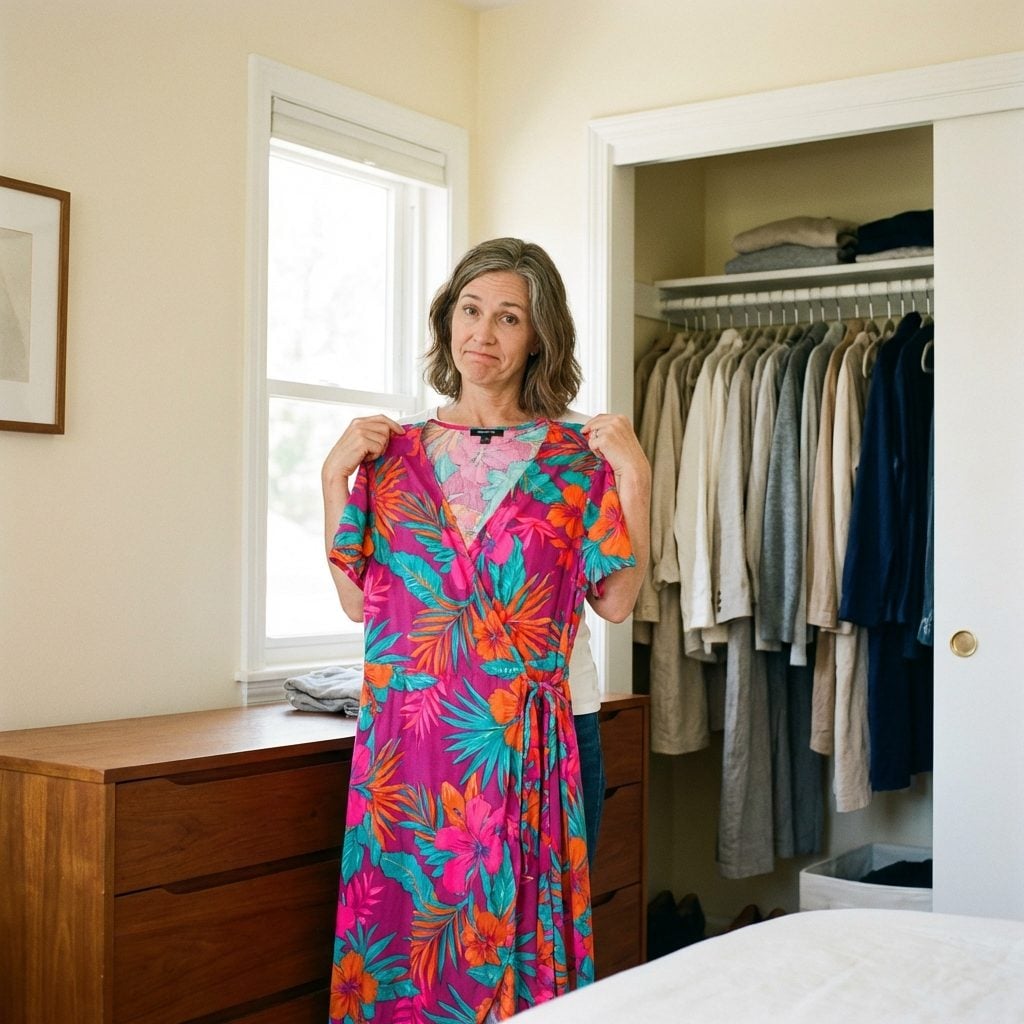
The celebrity endorsement, or more accurately, the celebrity proximity effect, is one of the oldest tricks in fashion psychology. And it works precisely because it bypasses rational preference. You’re not responding to the object; you’re responding to the person wearing it and what you associate with them.
The clearest version of this: you own something you’ve never actually liked wearing. It sits in the drawer, tries on occasionally but never quite makes it out the door. That piece didn’t come from you. It came from wanting to be adjacent to someone else’s image, their confidence, their authority, their perceived freedom.
29. Every Style “Phase” You’ve Had Leads Directly Back to a Person You Were Watching
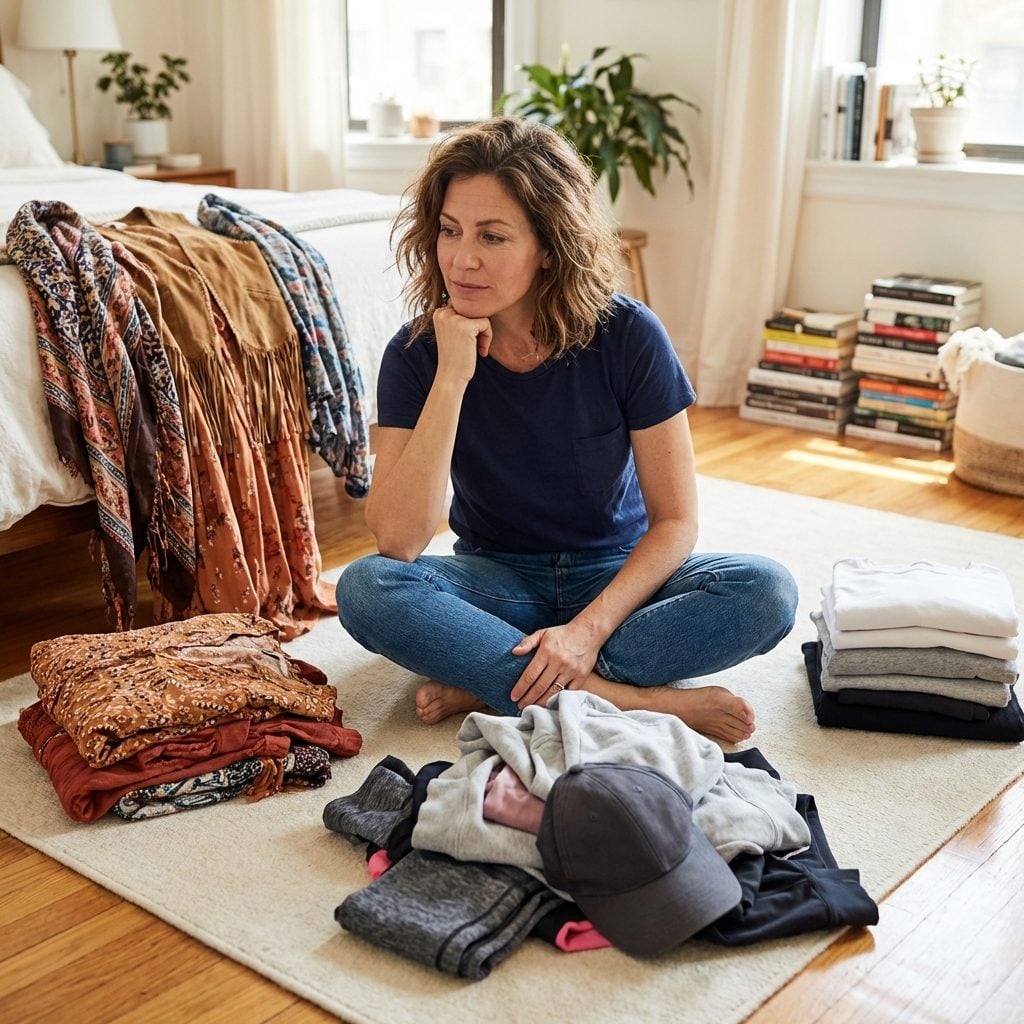
Think back through the distinct chapters of your wardrobe. The minimalist phase. The vintage phase. The “I only wear neutrals now” period. The brief athleisure style detour that surprised everyone including you.
Now ask: was each one sparked by a personal realization about what you love, or by a person you were orbiting, a friend, an account you followed, someone whose life looked like something you wanted? If every style evolution has a face attached to it, your wardrobe is less a story of self-discovery and more a series of tributes.
That’s not shameful. It’s just useful to see clearly. The most interesting personal style usually comes from synthesizing many influences through a consistent self, not adopting each one wholesale in rotation.
28. You’re Getting Dressed for the Room, Not for Yourself
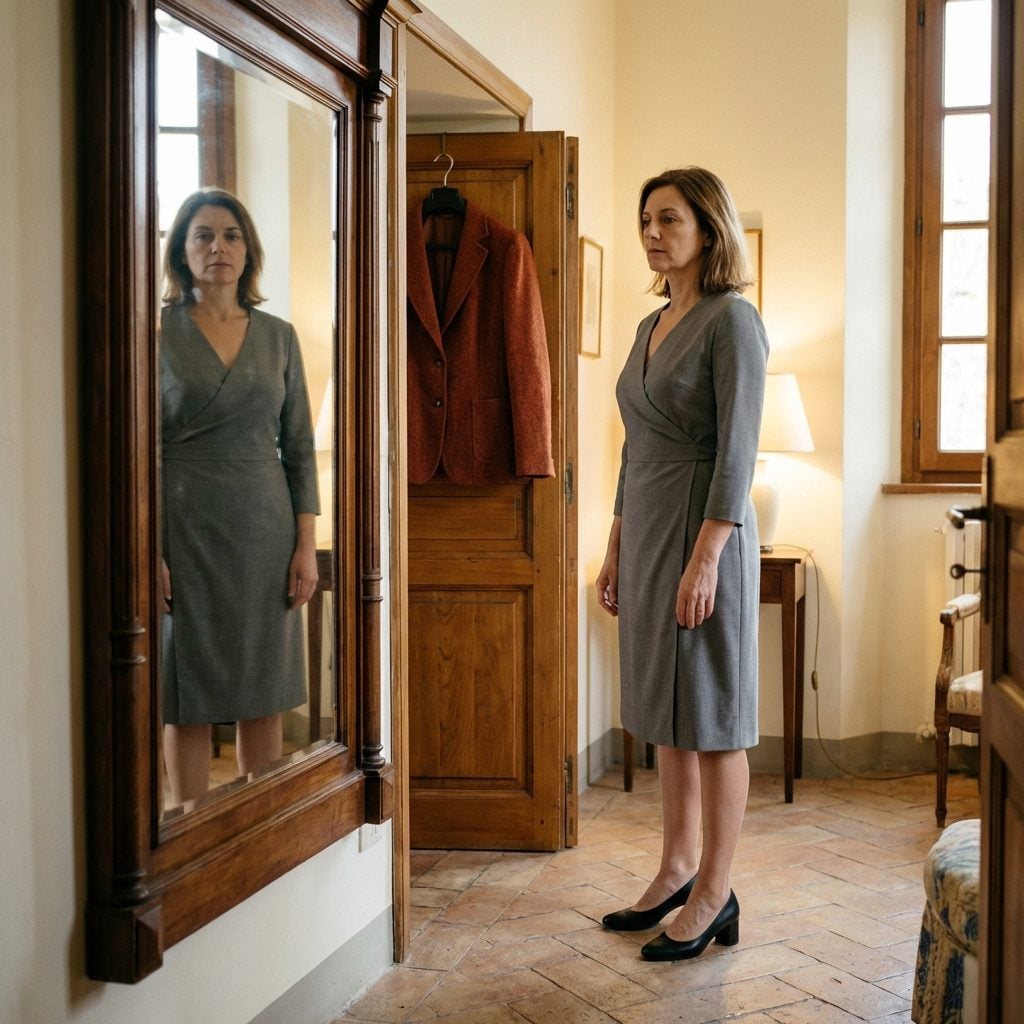
There’s nothing wrong with wanting to look appropriate for a context. But there’s a line between reading the room and erasing yourself for it. When every outfit decision starts with “what will people here think” rather than “what do I actually want to wear today,” the clothes stop being about you at all.
This tends to intensify in your 40s and beyond, when social contexts feel more loaded, professional environments, certain social circles, events where image feels high-stakes. The athleisure style you actually love gets swapped out for something that “reads better.” The color you’re drawn to gets replaced by something safer. Piece by piece, you style yourself into someone else’s comfort zone.
27. You Still Wear It Even Though You Don’t Like It, Just to Prove the Purchase Was Right
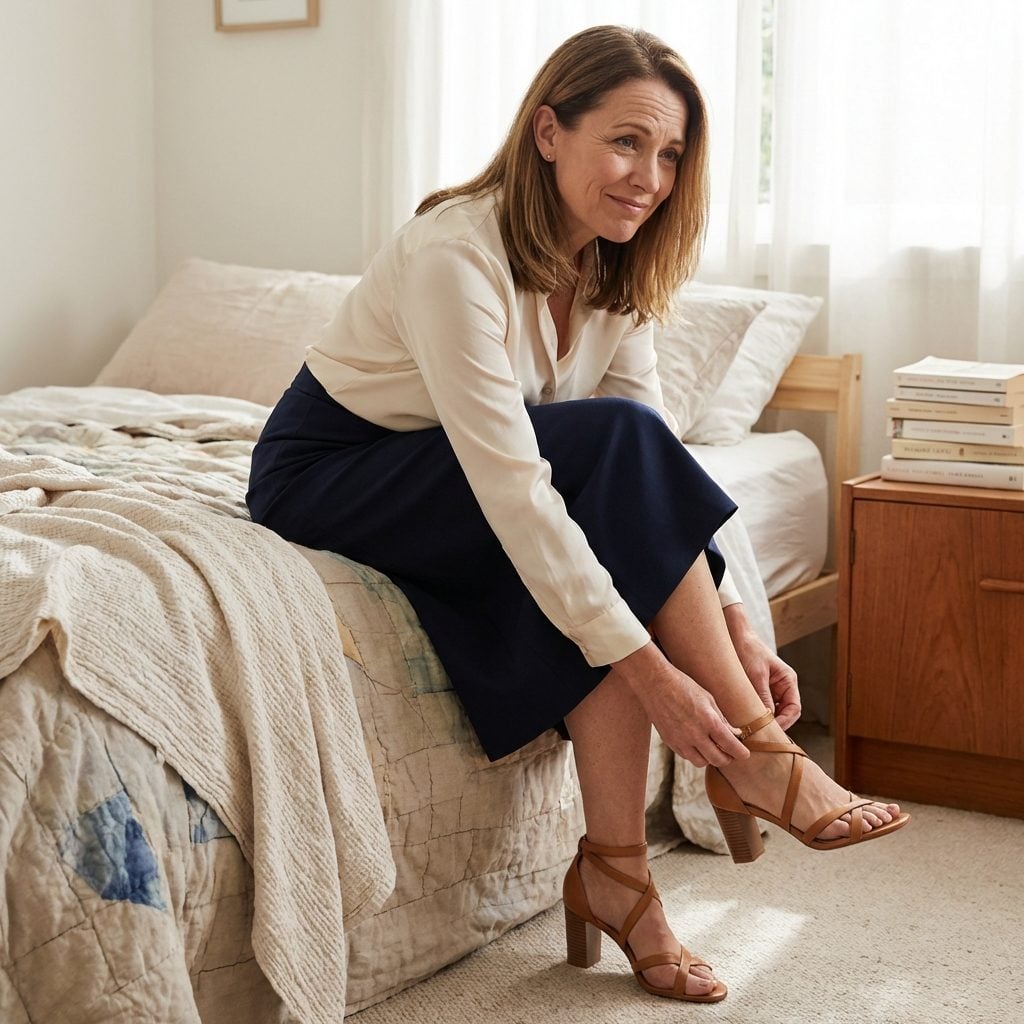
Sunk cost dressing is real, and it’s one of the most quietly draining things a wardrobe can do to you. You bought it because someone else’s influence made it feel essential. Now you don’t love it, but getting rid of it means admitting the purchase was a mistake. So it keeps cycling through your rotation, uncomfortable, never quite right, a small tax you pay every time you reach for it.
The structured midi skirt that looked perfect on the person who inspired you but sits wrong on your body. The ankle-strap heeled sandals you never feel comfortable in but keep wearing because they were expensive. Each one is a reminder of a purchase that started outside of you. Donating them isn’t waste. It’s clarity.
26. Your Saved Folders and Mood Boards Show Someone Else’s Life, Not Yours

Open your saved posts, your Pinterest boards, your screenshot folders. Look at the life inside them. Is it yours? Not the aspirational version, the actual version, the life you live in your actual body, city, schedule, and context.
Mood boards built on borrowed lives are one of the most seductive traps in personal style. The images are beautiful precisely because they’re coherent: someone has built a whole life around a look, and it photographs with internal logic. But you’re not building a photoshoot. You’re getting dressed every Tuesday.
The most useful inspiration references things that are already close to your actual life but slightly better, not a completely different person’s existence. If your board could belong to a different woman in a different decade with a different personality, it’s time to rebuild it from scratch, starting with things you own and actually reach for.
25. You Won’t Wear Something Until You’ve Seen Someone Else Pull It Off First
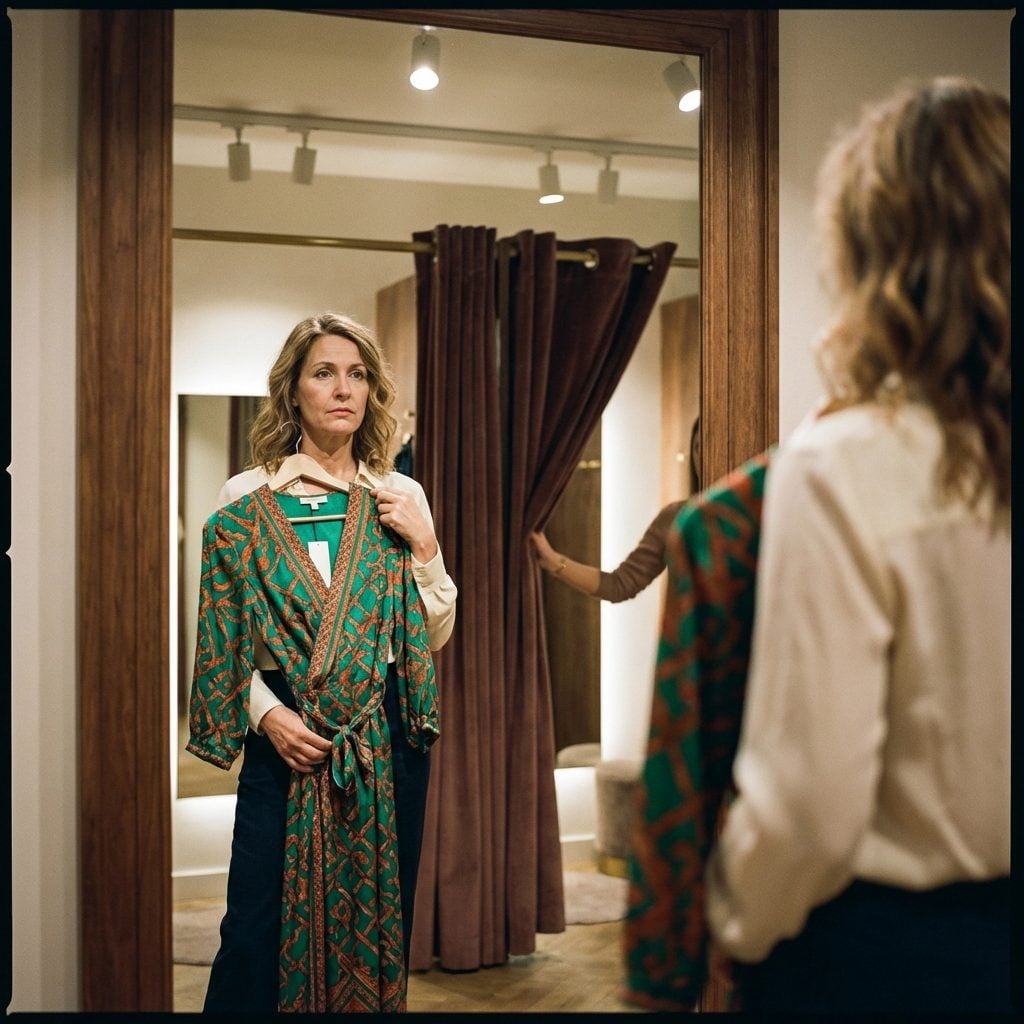
Some things need to be seen on a person before you can picture them working, that’s just how visual processing works. But there’s a specific hesitation that goes beyond that: the refusal to try something until it has social proof. Not “I need to see how this fits a body” but “I need to see that it’s safe, approved, validated.”
This sign is easy to spot. The bold-print wrap dress you loved in the store but put back because you’d never seen anyone in your circle wear it. The beach look you wanted to try but abandoned because it felt too “out there” without evidence it was acceptable. The deep plum leather bag you considered for months, then finally bought only after an influencer made it feel safe.
The pieces that define personal style rarely come with a permission slip. They come from a moment of trusting your own read over everyone else’s.
24. You Use Words Like ‘Classic’ and ‘Timeless’ But Can’t Define What That Actually Means to You

❤️ Would you like to save this?
Ask yourself: if someone pressed you to describe your style in three sentences without using borrowed vocabulary, could you do it? Words like “classic” and “timeless” have become placeholders, comfortable enough to sound intentional, vague enough to mean nothing. They’re the fashion equivalent of saying you like “all kinds of music.”
Real personal style has texture. It references specific things: the way you feel in a well-worn linen shirt on a Saturday morning, or why you keep reaching for that one particular shade of olive. If your style vocabulary is borrowed entirely from magazines and influencer captions, that’s worth sitting with.
23. Trends Ending Feels Like a Personal Crisis, Not a Non-Event
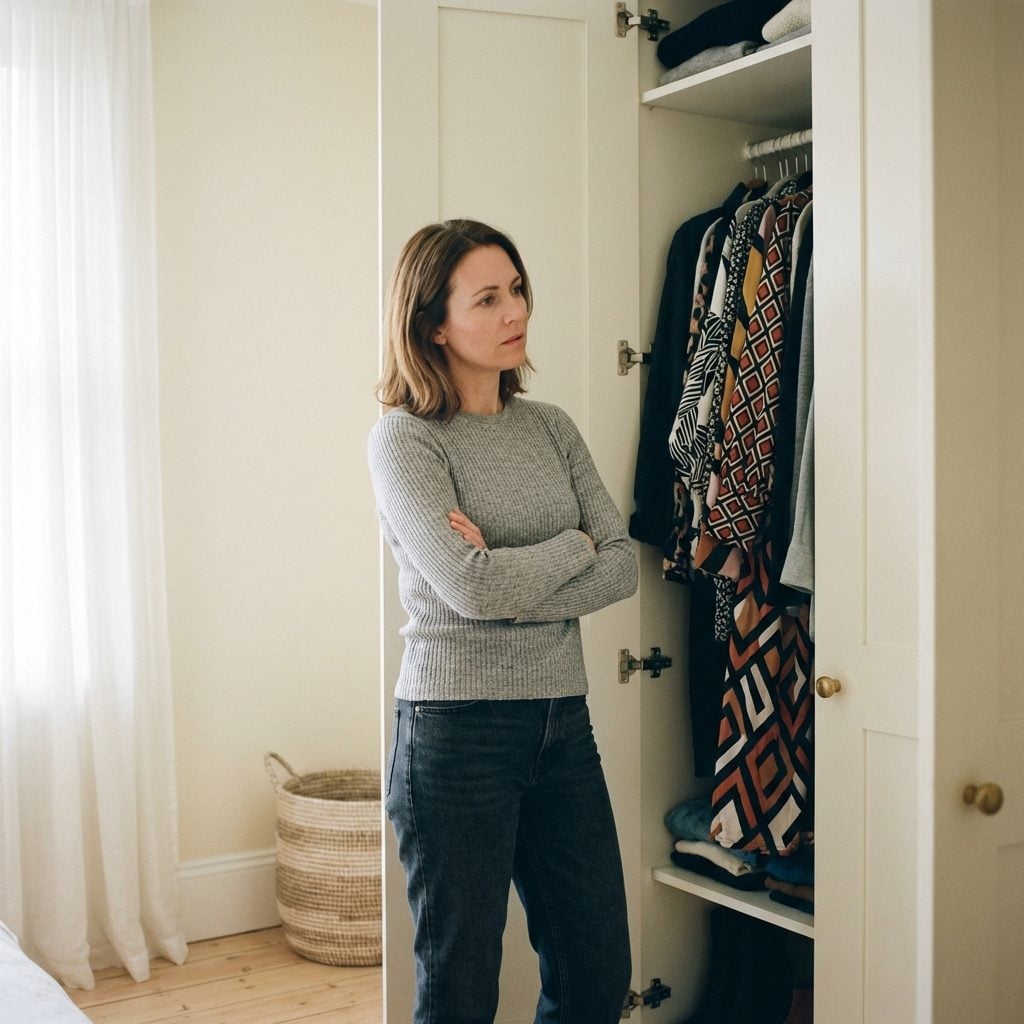
When a trend fades and your wardrobe suddenly feels irrelevant, that reaction is data. A woman with a defined personal aesthetic barely notices when the style world moves on. She might observe it with mild interest, the way you notice a neighbor rearranging their garden. But if a trend dying leaves you feeling lost, disoriented, or urgently like you need to shop, it means your sense of looking like yourself was tied to looking like everyone else.
The tell is in the urgency. Suddenly nothing feels right. The pieces you wore confidently three months ago now seem like evidence of something. That’s not a wardrobe problem. That’s a borrowed identity problem.
22. You’ve Talked Yourself Out of a Piece You Loved Because It Hadn’t Been ‘Approved’ Yet
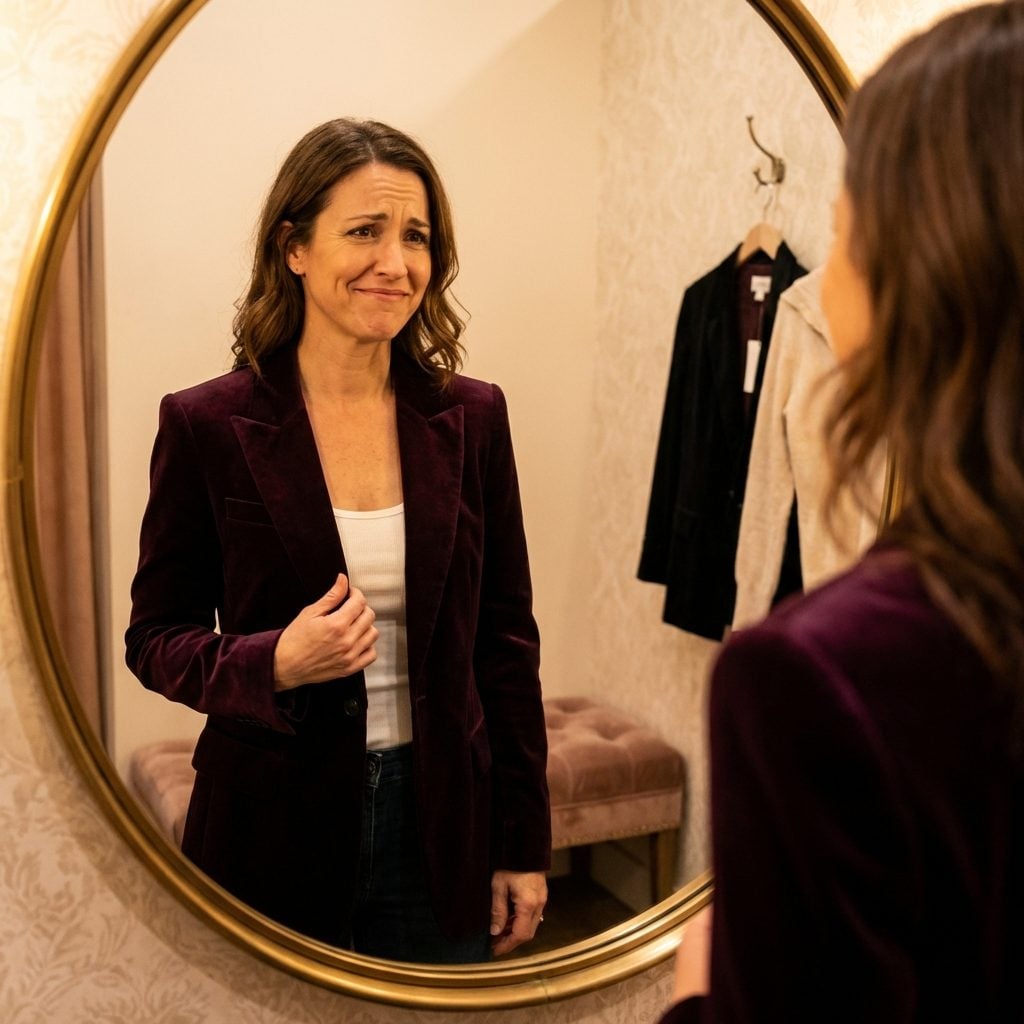
There’s a specific kind of regret that lives in the back of a closet, or more accurately, in the store you walked out of empty-handed. You saw something that made your pulse lift. Maybe it was a velvet blazer in a deep plum, or a pair of wide-brim trousers cut in a way you’d never seen on anyone you knew. You tried it on. It looked right. And then the internal committee convened.
Is anyone else wearing this? Has it been featured anywhere? What would people think?
You put it back. That moment of self-censorship, when your gut said yes and your social antenna overruled it, is one of the clearest signs that your taste is waiting on permission from someone who isn’t in the room.
21. You Shop to Avoid Looking Wrong, Not to Discover What Feels Right
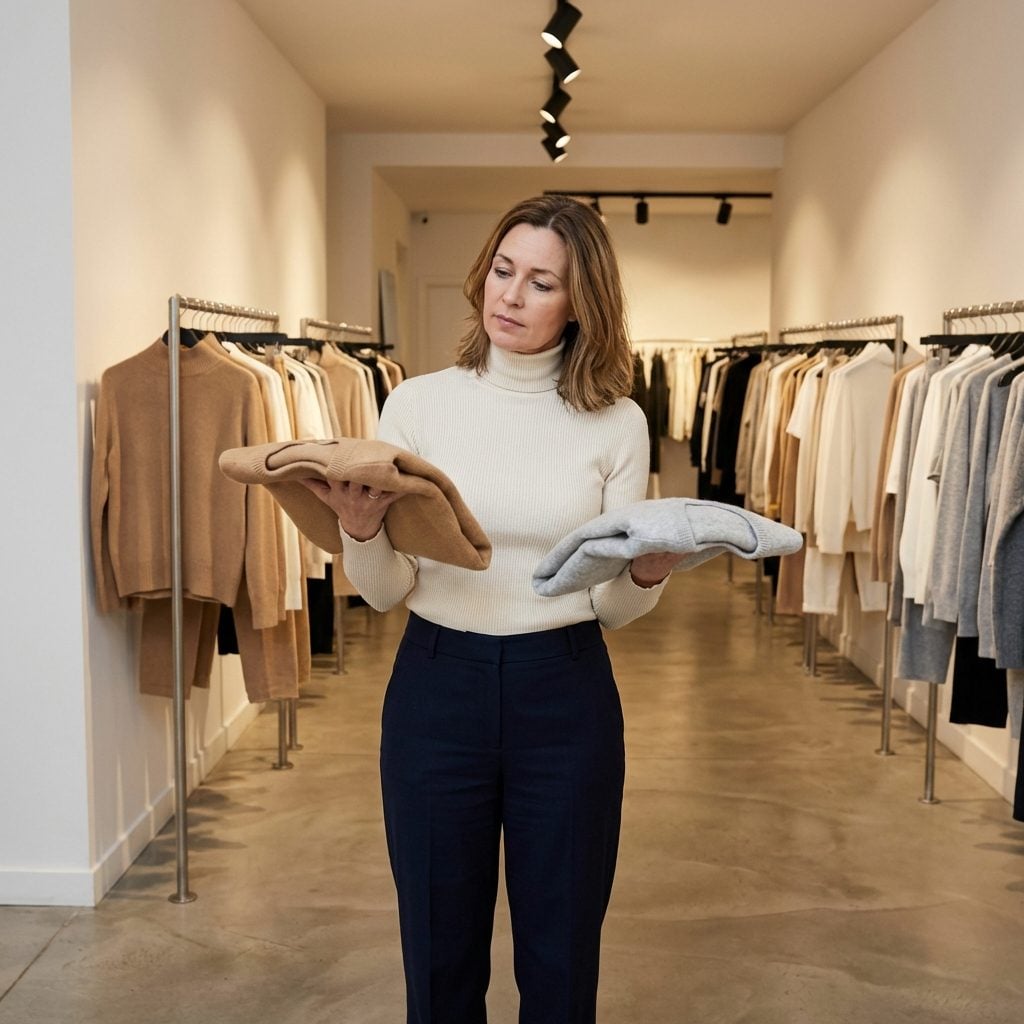
Defensive shopping is real, and it has a very specific feel. You’re not browsing with curiosity. You’re building a case against criticism. Every purchase is vetted for safety: Will this read as too much? Too little? Too young? Too “trying”? The result is a wardrobe that’s technically correct but privately underwhelming.
Women who shop from fear and women who shop from desire can end up with similar-looking wardrobes on the surface. The difference shows up in how they feel getting dressed. One woman pulls on her outfit and feels like herself. The other pulls on her outfit and feels like she passed inspection.
20. Your Most Interesting Outfit Ideas Never Make It Past Your Own Imagination
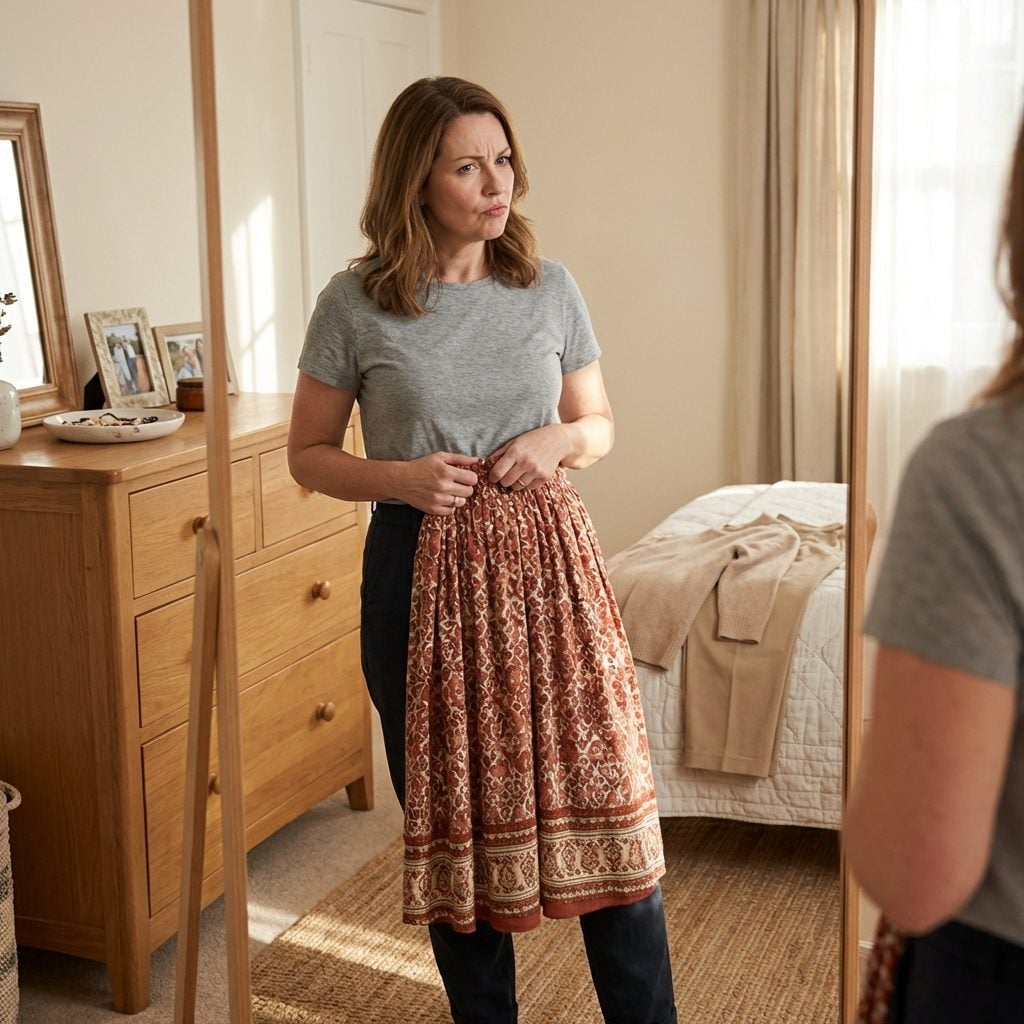
You’ve thought about it. You’ve pictured how it would look. You even sketched it mentally on your morning commute. Then you wore something safe instead.
The gap between the outfits you imagine and the outfits you actually leave the house in is worth measuring. For some women, it’s a small gap, the creative risk they took yesterday was tame but intentional. For others, the gap is a canyon. The bold printed midi skirt stays on the hanger. The unexpected layering idea gets abandoned. The shoes that would make the outfit interesting get swapped for the ones that won’t raise eyebrows.
Original combinations require you to trust your own eye before you’ve received external confirmation. That’s the part that’s hard. But it’s also the exact place where a personal aesthetic gets built.
19. Your Closet Contains an Entire Life You Don’t Actually Live
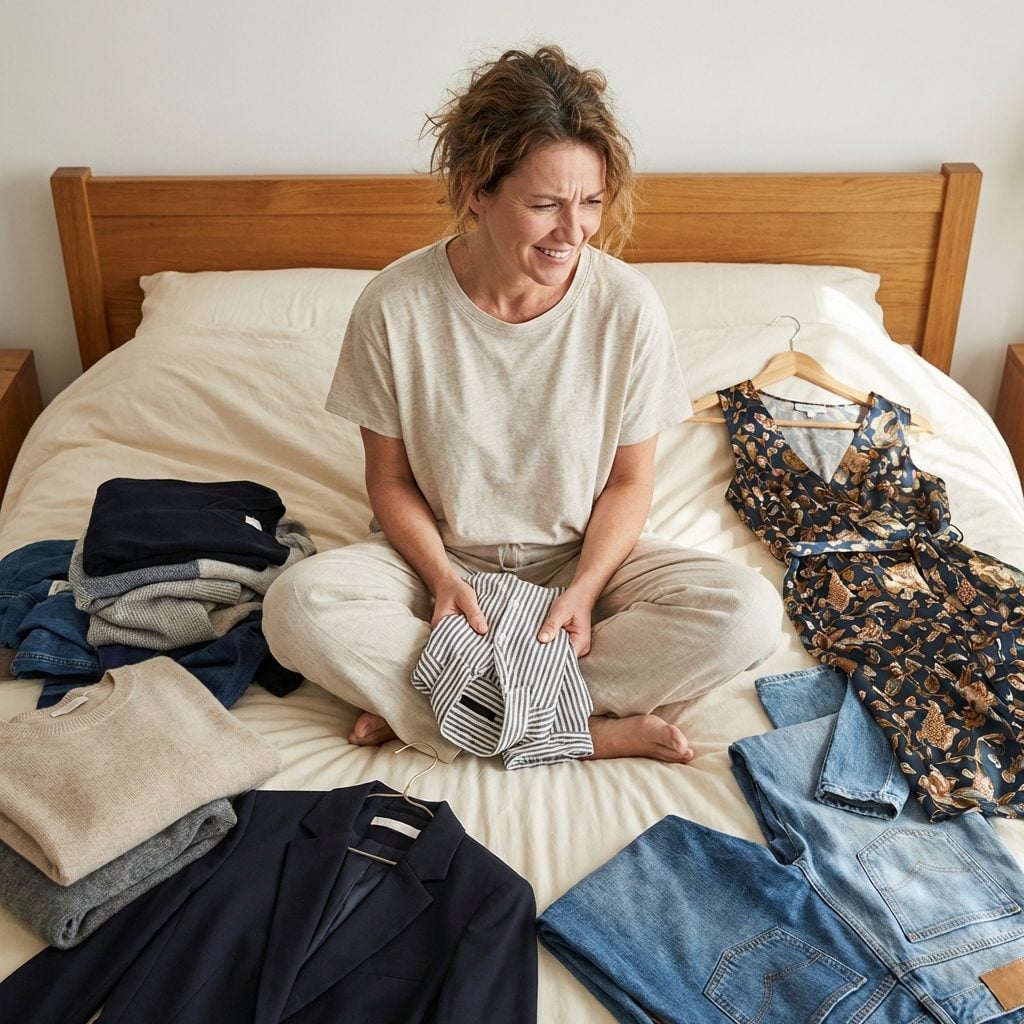
This one can sneak up on you. The blazers for a corner office you’ve never occupied. The silk wrap dress for a Parisian dinner that hasn’t happened. The athleisure style capsule for a gym routine you started twice. Every piece made sense in the context of someone you were trying to become, usually someone whose life looked impressive from the outside.
There’s nothing wrong with aspiration. But aspiration-only dressing means a significant portion of your wardrobe is performing for an audience that doesn’t exist yet, leaving the actual you, the one who needs to get dressed this Tuesday morning, poorly served.
18. You Scan What Others Are Wearing Before You Decide If Your Outfit Still Works
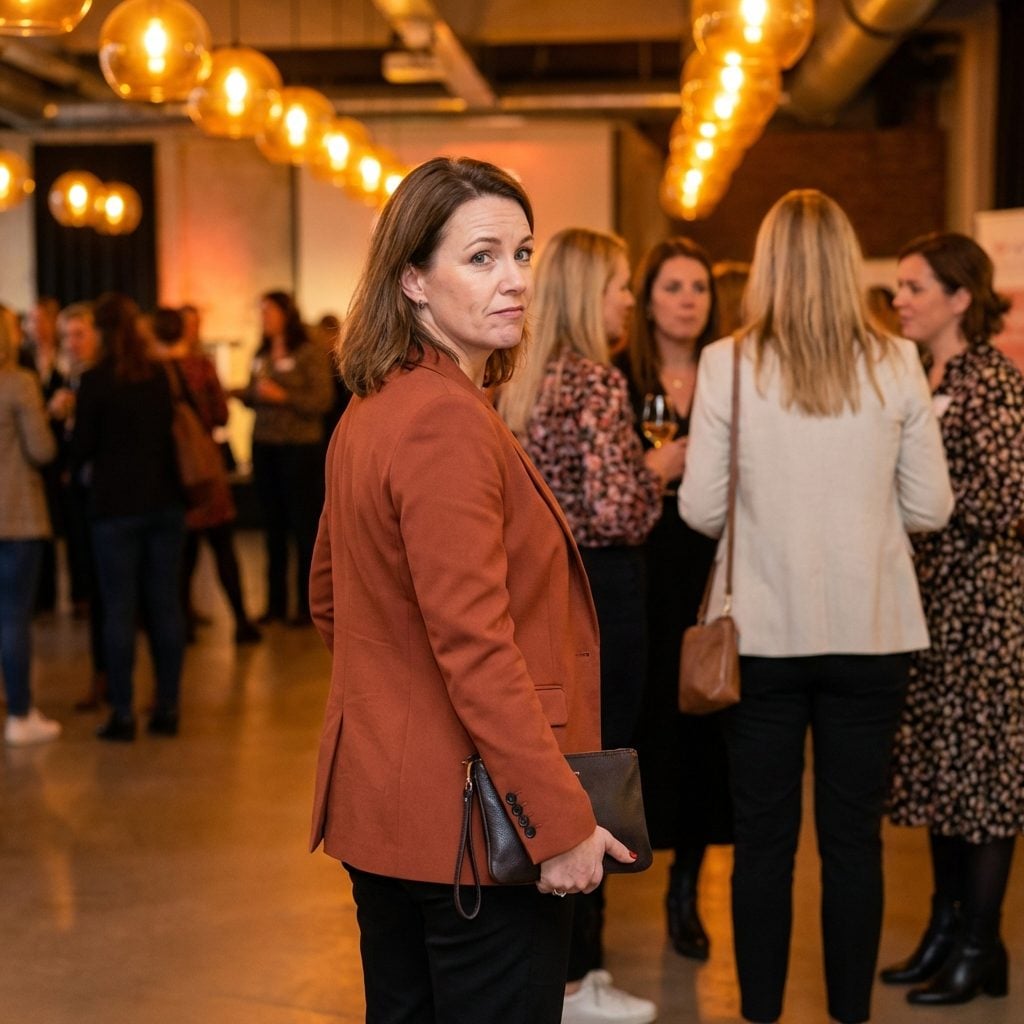
It happens in the second before you walk into a room. You clock what other women are wearing and run a quiet calibration check against your own outfit. Too dressed up? Not enough? Did someone already wear this better?
Dressing with reference to the room is a social instinct, and it’s not entirely without logic. But when it consistently overrides your own judgment, you’ve outsourced the job of deciding what looks good on you to whoever showed up first. The look that made you feel completely confident walking out your front door suddenly feels conditional.
17. You Own Three Versions of the Same Safe Purchase and Call It a Capsule Wardrobe
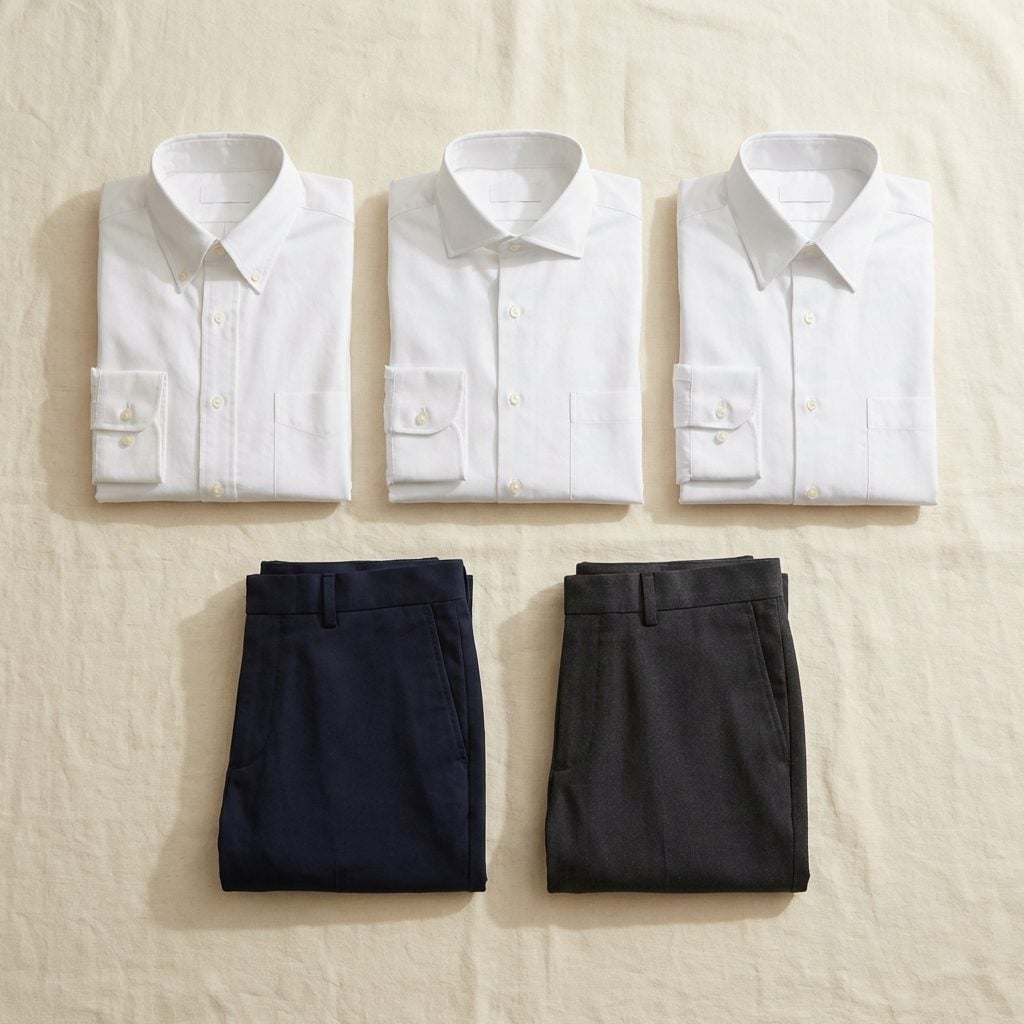
A white tee, another white tee (but with a slightly better neckline), and a third white tee you bought because it was on sale. Repeat across navy trousers, beige trousers, and oatmeal trousers. This isn’t minimalism. It’s the same purchase made multiple times because it felt safe the first time and the reflex stuck.
True wardrobe building involves some evolution, a willingness to try something adjacent to what you know, to see if it works. When every “new” purchase is really just a replacement unit for something you already own, your style isn’t growing. It’s circling.
A wardrobe that never surprises you is telling you something.
16. You’ve Completely Changed Your Outfit After Seeing Someone Else’s at the Same Event
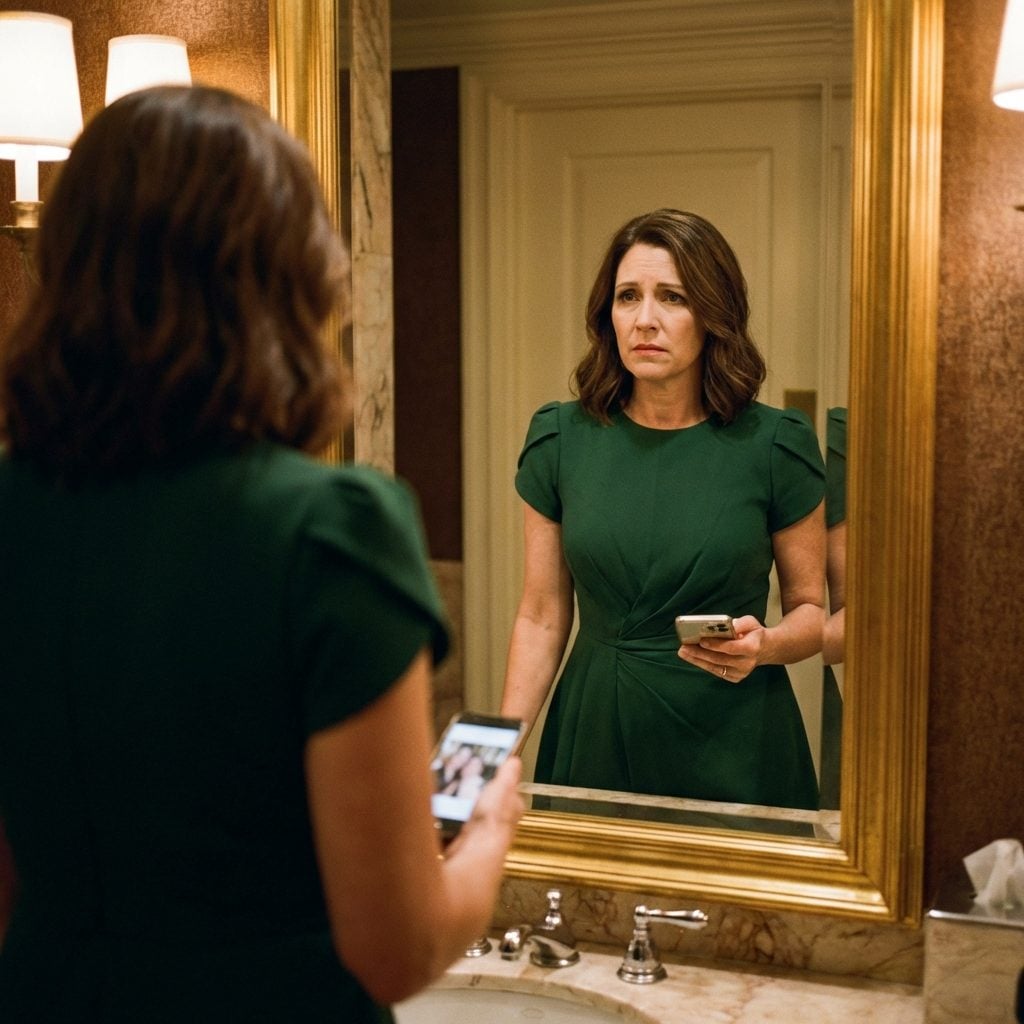
Not adjusted. Not swapped one piece. Completely changed.
This is one of the most honest moments of style dependency there is. You felt good getting ready. You made a deliberate choice. Then you arrived, saw what someone else was wearing, and the confidence dissolved. The outfit didn’t change. Your certainty did.
What shifted wasn’t the actual suitability of your clothes. It was the absence of a strong enough internal voice to hold your ground when comparison showed up. That internal voice is precisely what develops when you build a real personal aesthetic, one you’ve lived in long enough to trust.
15. You Describe Your Style by Naming Other People Instead of Describing Yourself
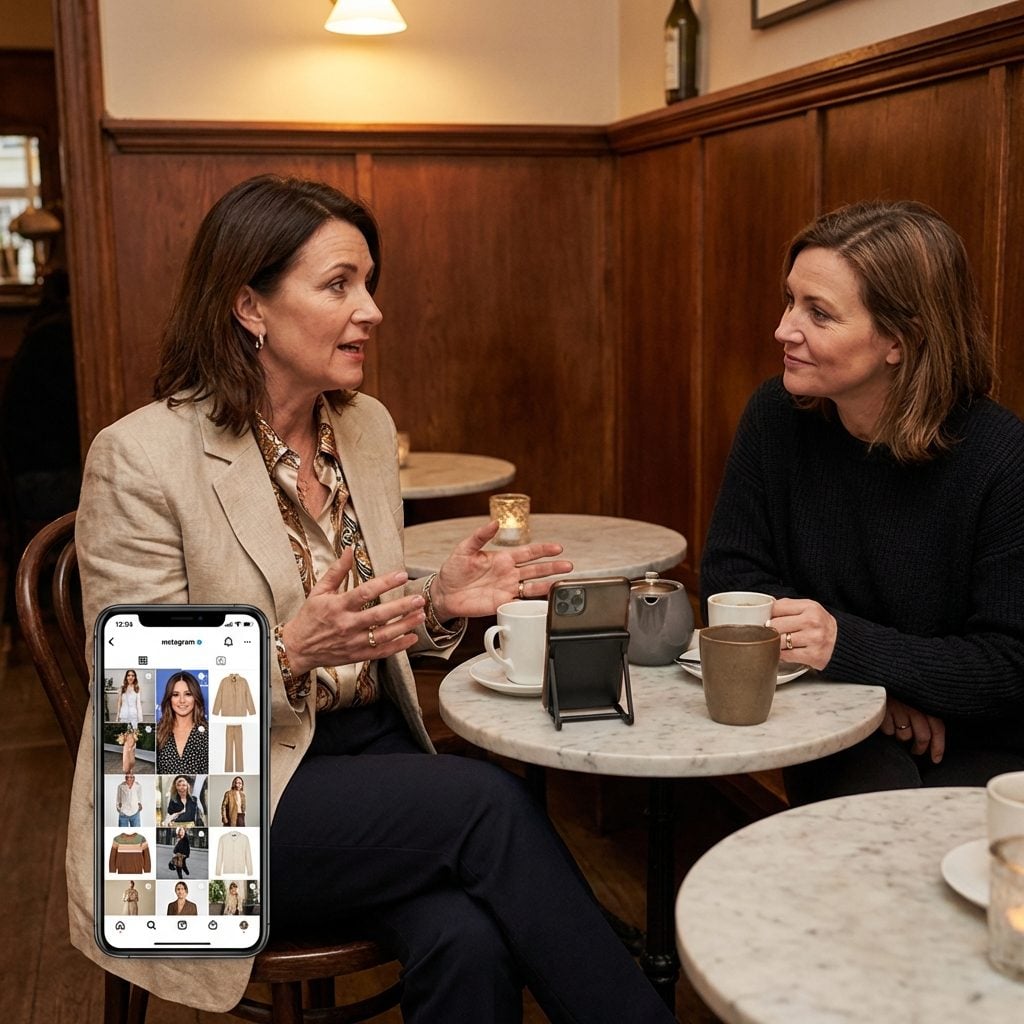
“I dress like a French woman.” “My style is very Carolyn Bessette-Kennedy.” “Think quiet luxury, like what you see on The Row’s moodboard.” There’s a difference between drawing inspiration from references and using them as a substitute identity. One enriches what you already know about yourself. The other fills the space where self-knowledge would be.
References are useful starting points. But at some point, the interesting question becomes: what do you bring to the reference? What gets filtered through your actual body, your actual life, the specific colors that make your skin look alive? If the answer is “nothing, I just try to replicate it,” the reference has become the style rather than serving it.
14. Something Finally Feels Like ‘You’, and You Still Wait for Someone Else to Confirm It
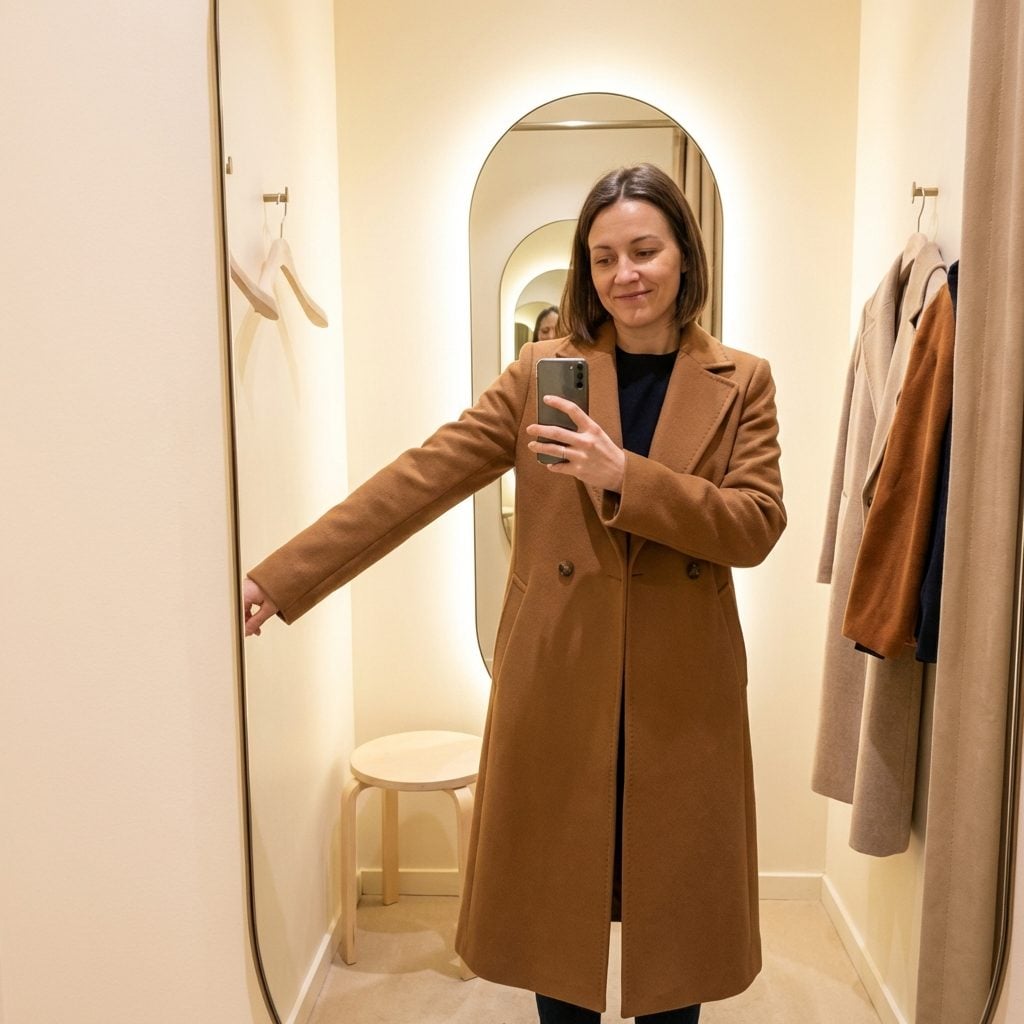
This is the quiet one. You found a piece that felt unmistakably right. Not trend-right, not influencer-right, but you-right. The kind of right that makes you stop moving in the dressing room and just stand there for a second. And then, instead of buying it, you texted a photo to three people.
Needing outside validation for something that already resonated internally is a tell. The moment of recognition was real and personal. The hesitation is social. Learning to hold onto the first moment, before the committee convenes, is one of the most direct ways to start building a style that’s actually yours.
13. Before Wearing Anything Outside Your Comfort Zone, You Need Someone to Say It’s Okay First
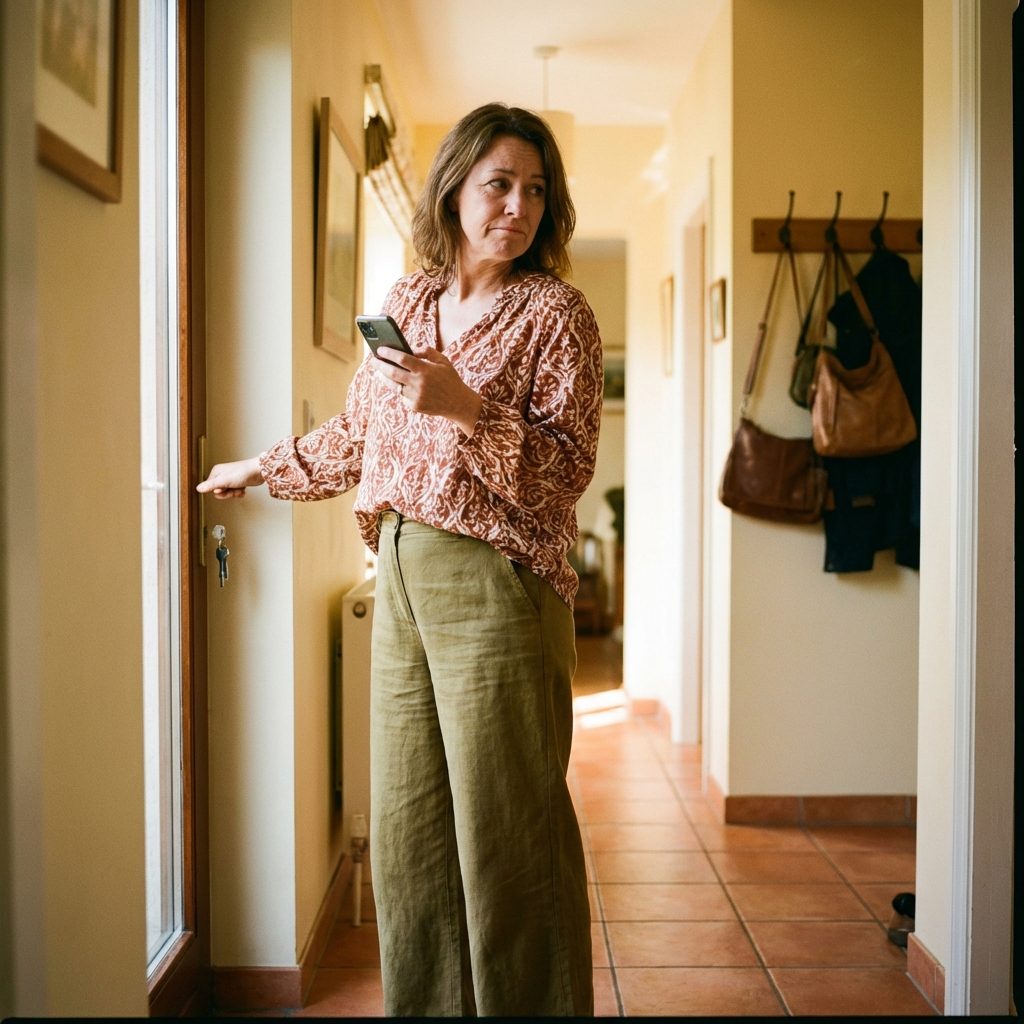
Reassurance-seeking before wearing something new is so normalized it barely registers. You send the photo, you ask the question, you wait for the reply. But what you’re actually doing is handing over the final say on your own appearance to someone who doesn’t know your body, your day, or your intentions for that outfit.
There’s a specific kind of confidence that comes from wearing something before anyone has approved it and discovering that you were right. That experience, small as it sounds, is one of the ways a real aesthetic gets reinforced.
- Wear the thing once without telling anyone you tried it.
- Notice how you actually feel in it, not how you think you look.
- Let that data count more than the poll result.
Confidence in your own taste grows the same way any skill does: through practice, not through permission.
12. The Pieces You Chose Alone Are the Ones That Feel Most Like You
❤️ Would you like to save this?
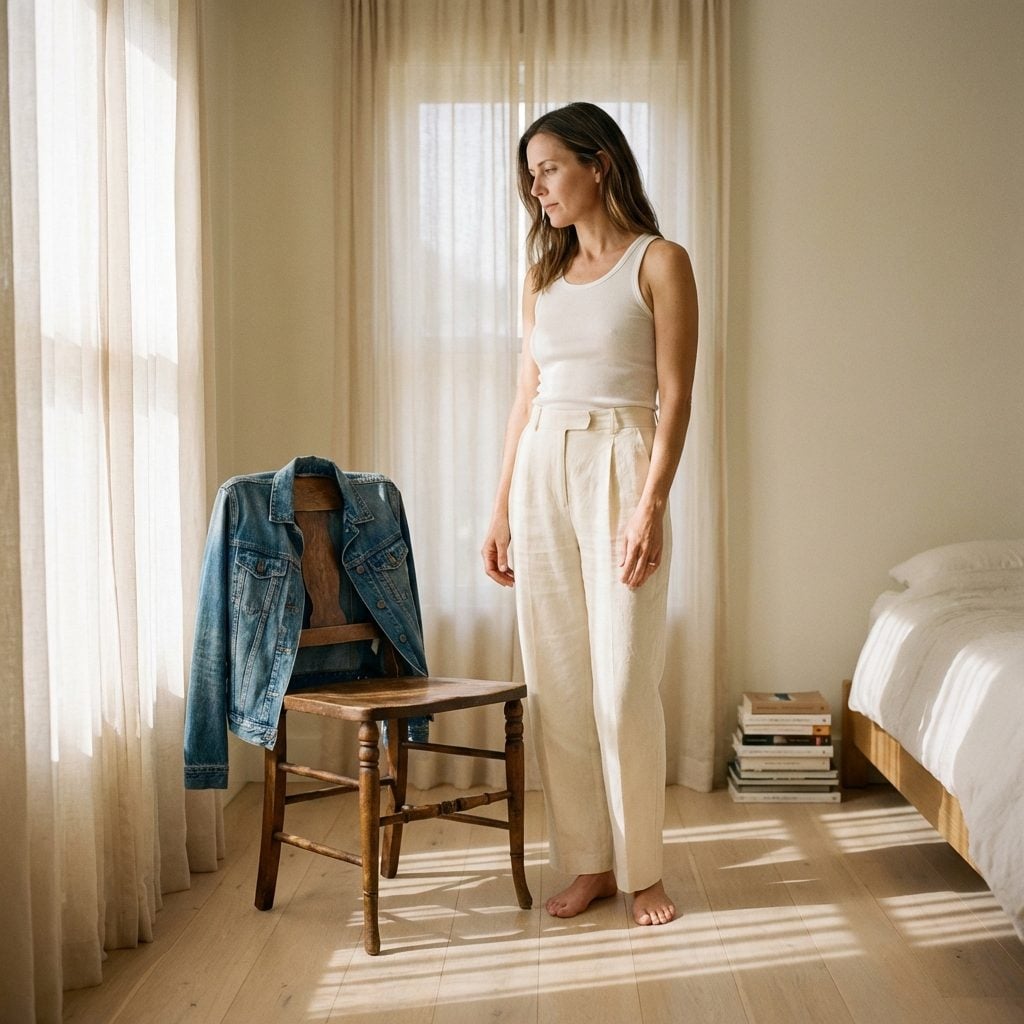
Think about the items in your wardrobe that you bought without texting anyone a photo first, without scrolling for a reference, without asking a single person’s opinion. That vintage-washed denim jacket you grabbed on a whim. The silk slip dress you found on a Tuesday and wore that Friday. Those pieces carry a different energy than everything else because they came from you, not from a group consensus.
Authenticity in dressing isn’t a philosophy. It’s a feeling. And the feeling shows up most clearly in the clothes that had no committee behind them. If the most alive parts of your wardrobe are also the most solitary decisions, that’s not a coincidence. That’s your actual style trying to surface.
11. You Deflect the Compliment Straight to the Person You Borrowed the Idea From
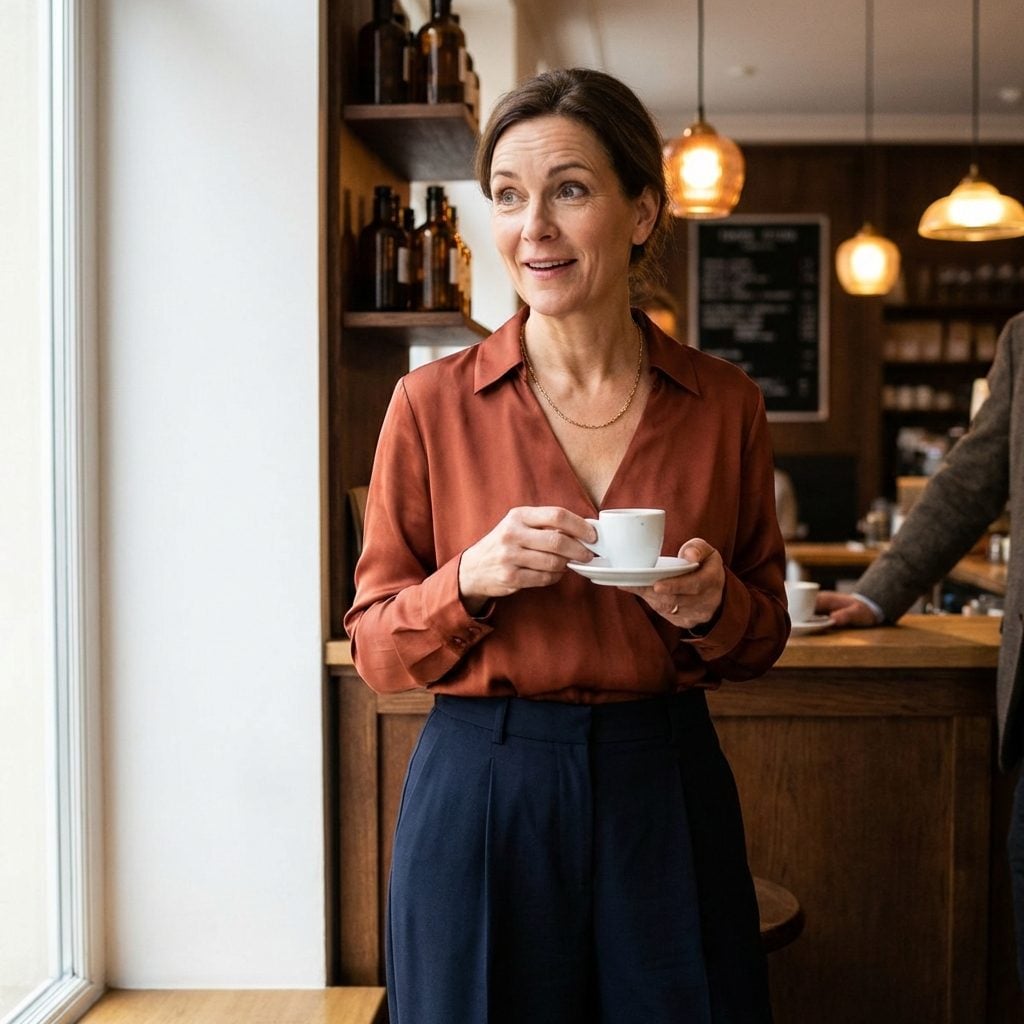
Someone tells you your outfit looks incredible and your immediate response is: “Oh, I saw it on someone I follow online” or “My friend styled it this way.” That reflex says something worth sitting with. Not because giving credit is wrong, but because you’ve essentially erased yourself from the equation entirely.
You wore it. You dressed in it this morning. You chose it from a closet full of options. The fact that you can’t accept the compliment without rerouting it suggests you don’t fully believe the look belongs to you.
10. You Can’t Try Something New Without Finding Someone Who’s Already Done It First

The reference look has become a prerequisite. Before you’ll try a wide-leg trouser, you need to see three other women pull it off. Before you’ll wear a bold color, you need proof it works on someone your age, your build, your coloring. The research isn’t practical at that point. It’s permission-seeking.
There’s a difference between drawing inspiration from what you see and refusing to move until someone else has gone first. One is creative curiosity. The other is outsourcing confidence. If you’re spending more time building a case for an outfit than actually wearing it, the reference look isn’t helping your athleisure style or any other part of your wardrobe grow. It’s just delaying the moment you decide to trust yourself.
9. You Wait for Proof That a Trend Works Before You’ll Give It a Shot
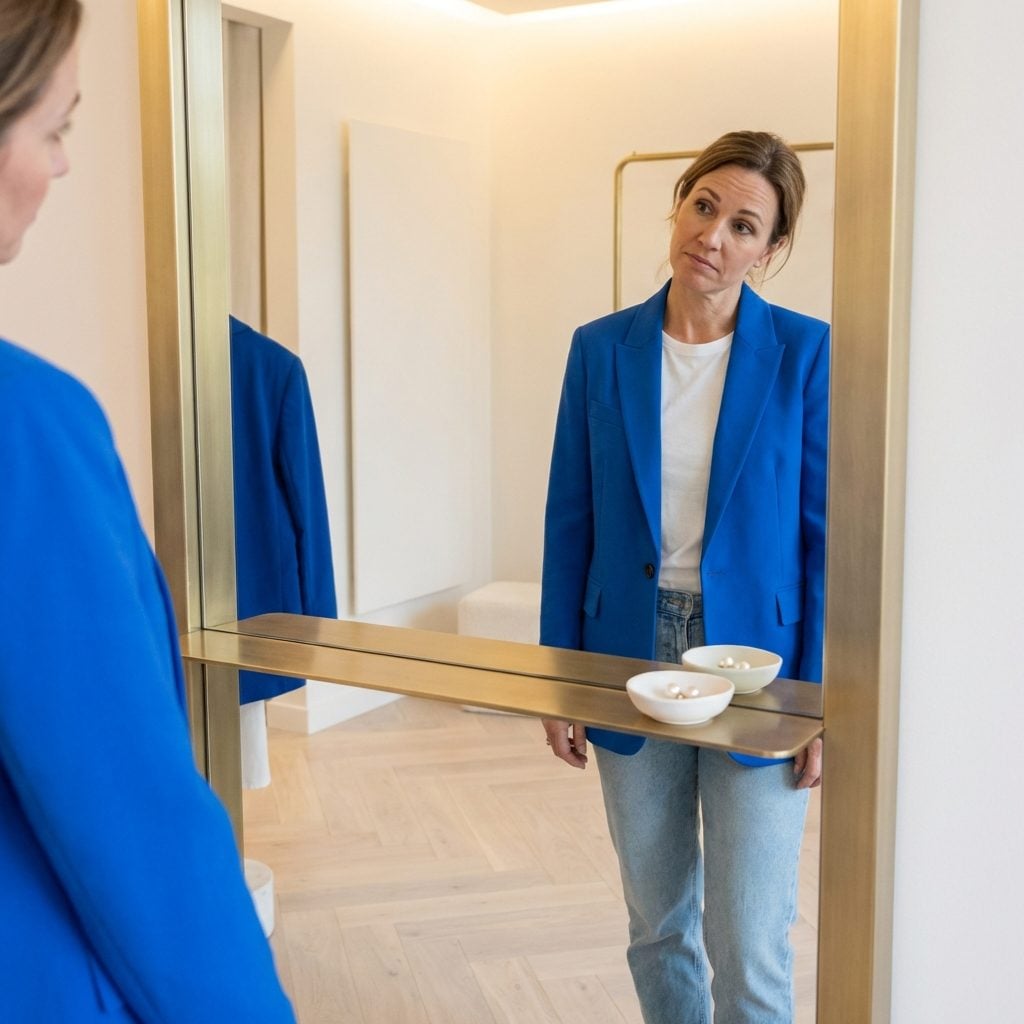
Waiting for something to be “proven” before you try it sounds cautious. It’s actually a form of fear dressed up as practicality. The thought pattern usually goes: if enough people are wearing it, it must be safe. But fashion that feels safe rarely feels personal.
There’s a reason the pieces that define someone’s look are almost never the ones everyone was already wearing. The women with the most magnetic wardrobes are the ones who made a choice before the consensus caught up. You don’t need to be early for the sake of it. But waiting for mass approval before you’ll wear something means your wardrobe will always be one step behind what actually excites you.
8. Blending In Feels Like Protection and Standing Out Feels Like Risk

This one is quieter than the others, but it runs deep. When getting dressed means managing visibility, the goal stops being expression and starts being camouflage. You choose the beige because it asks nothing of anyone. The navy because no one will comment. The outfit that passes without remark, which also means it passes without presence.
“Invisibility in dressing is never neutral. It’s a decision with its own kind of weight.”
Women over 40 are especially prone to this particular trap because the culture has spent decades suggesting that being noticed is a young woman’s territory. That is not a fact. It is a habit of thought. The women who dress with the most authority at any age are the ones who stopped treating visibility as a gamble and started treating it as a right.
7. You Recreate the Whole Outfit, Not Just the Part That Spoke to You
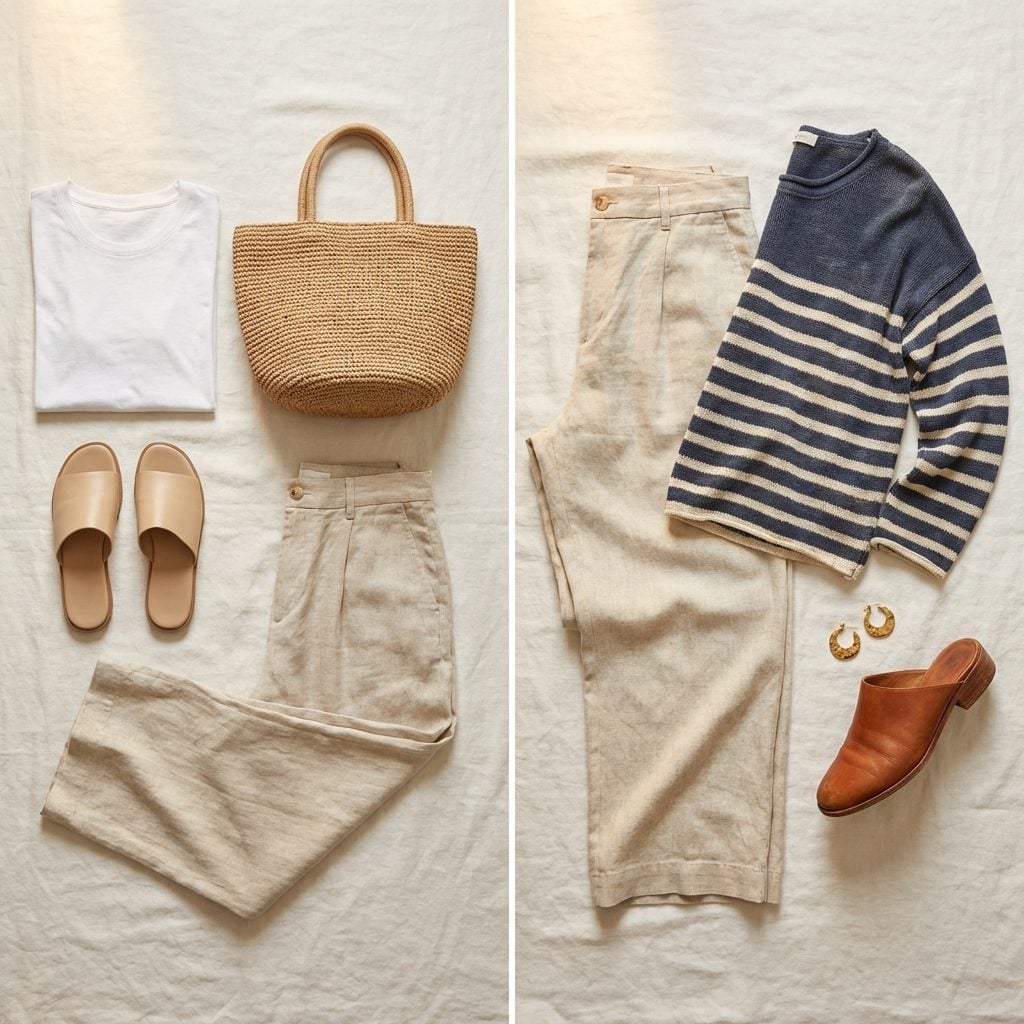
Inspiration becomes imitation the moment you stop asking what you actually liked about a look and start replicating it wholesale. You saw someone in a wide-leg linen trouser with a fitted white tee, a woven tote, and tan sandals. What you actually loved was the trouser. But you bought the tote, the sandals, and the tee too, because the full picture felt safer than editing it down to the one piece that genuinely resonated.
Real personal style lives in the edit. It’s knowing that you love that wide-leg linen trouser but you’d wear it with a worn leather mule and a striped knit top because that’s what’s actually yours. Copying the full outfit isn’t styling. It’s cosplay.
6. Your First Instinct Gets Overruled Before It Even Gets a Chance
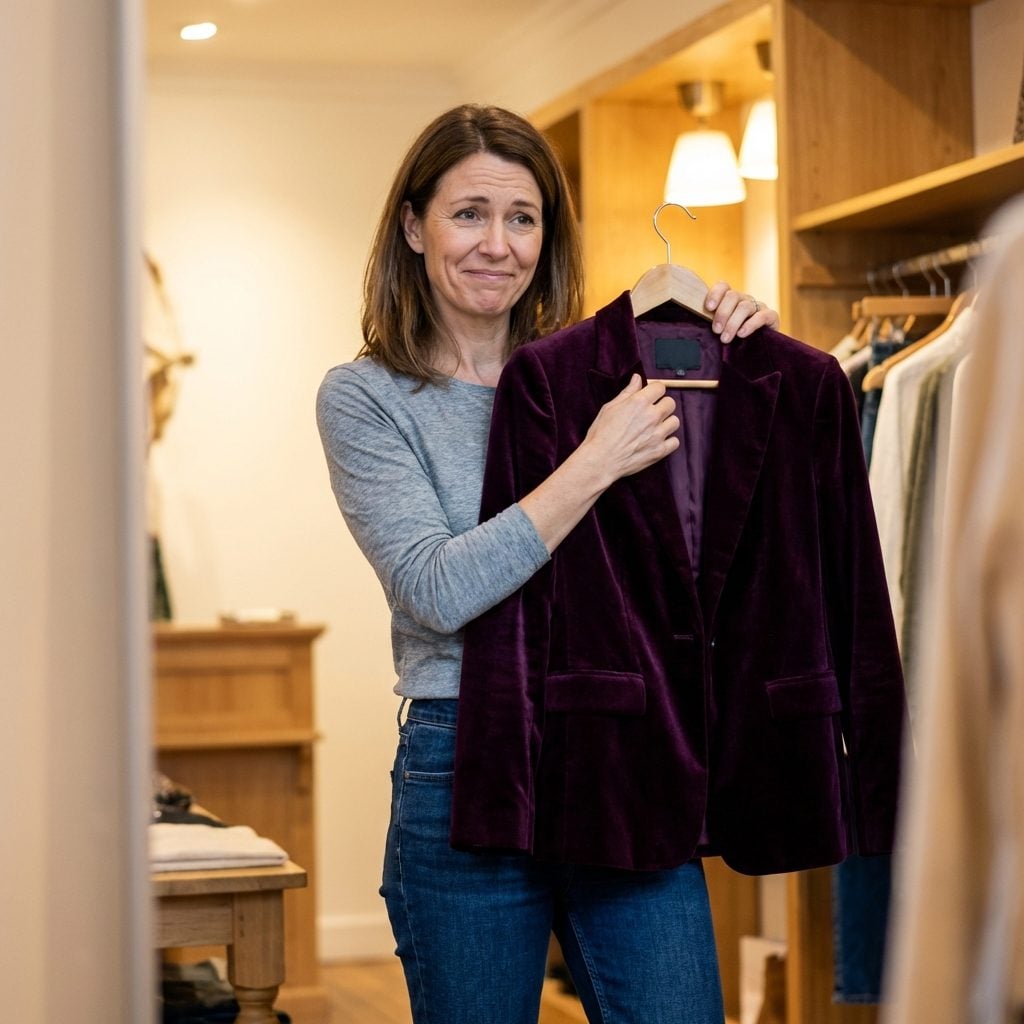
You pull something from the rail and feel a spark. Then you talk yourself out of it before you’ve even tried it on. Too much. Too different. Not sure if it’s you. The first instinct gets buried under a pile of second-guessing so quickly that most days, you don’t even notice it happening.
That initial pull toward something, before logic kicks in, is actually one of the most reliable signals you have. It’s not random. It’s your sensibility, unfiltered. The problem isn’t the instinct. It’s the belief that the instinct needs to be verified before it’s valid.
Try tracking it. The next time you feel that initial yes toward a piece and then talk yourself out of it, write down what it was. After a month, you’ll have a clearer picture of your own aesthetic than any mood board has ever given you.
5. Without a Feed to Scroll or an Account to Follow, You Don’t Know What You’d Wear
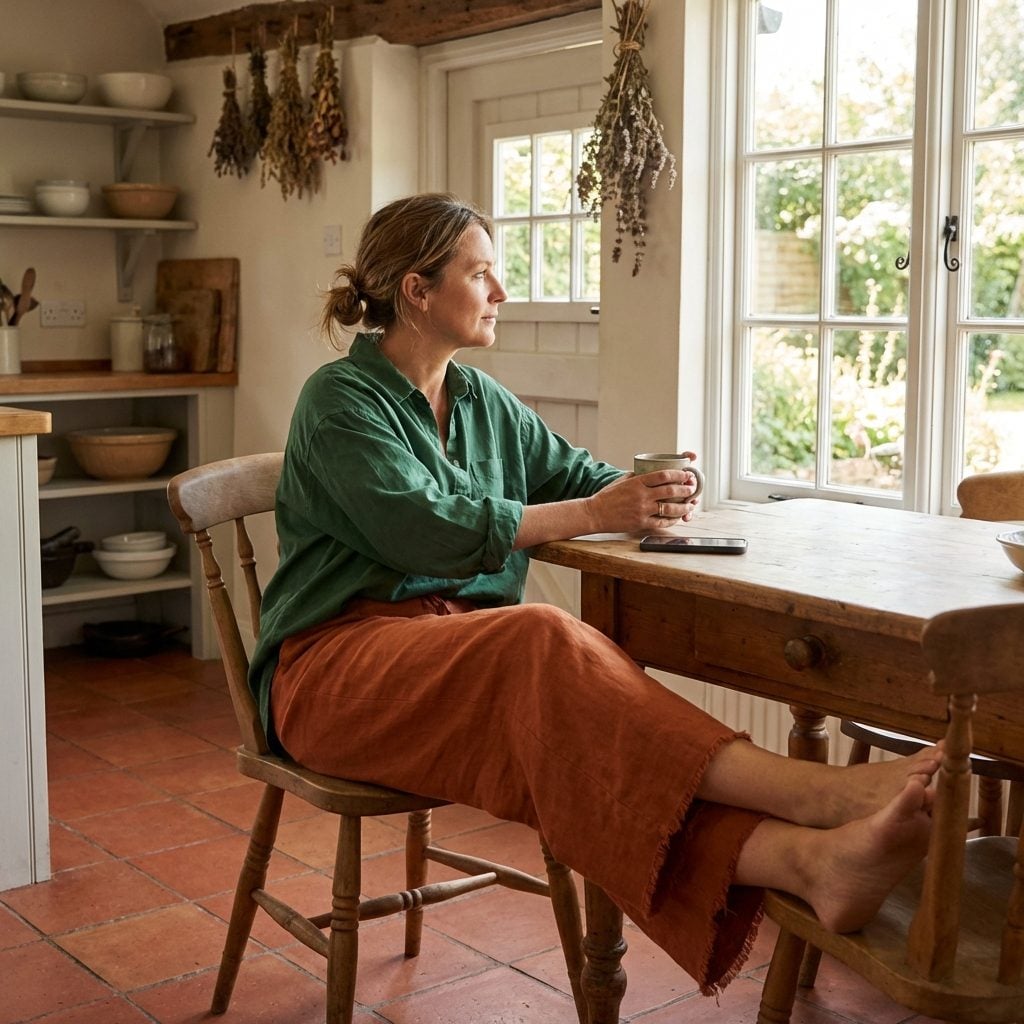
Take away the external input and what’s left? If the honest answer is “not much,” that’s a meaningful piece of information. Style built entirely on external reference is more like a subscription service than an identity. It requires constant renewal from outside because there’s no internal library being built.
A personal aesthetic develops from lived experience: things you’ve loved, places you’ve been, fabrics that have felt like skin and ones that haven’t, colors that have made you feel sharp and ones that have made you disappear. That accumulation doesn’t happen on a feed. It happens in the actual wearing. The women with a genuinely distinct point of view in how they dress aren’t necessarily more creative. They’ve just been paying a different kind of attention.
4. Getting It Right Has Become More Important Than Getting It Yours
At some point, dressing became a test with right and wrong answers. The right silhouette, the right proportions, the right shoes for the occasion. Getting dressed stopped being expressive and became something closer to a performance review. That anxiety isn’t about fashion. It’s about approval.
“Right” in fashion is usually just “familiar.” And familiar is a very low bar if what you actually want is to feel like yourself.
3. You Arrive and Immediately Start Adjusting to What Everyone Else Is Wearing
❤️ Would you like to save this?
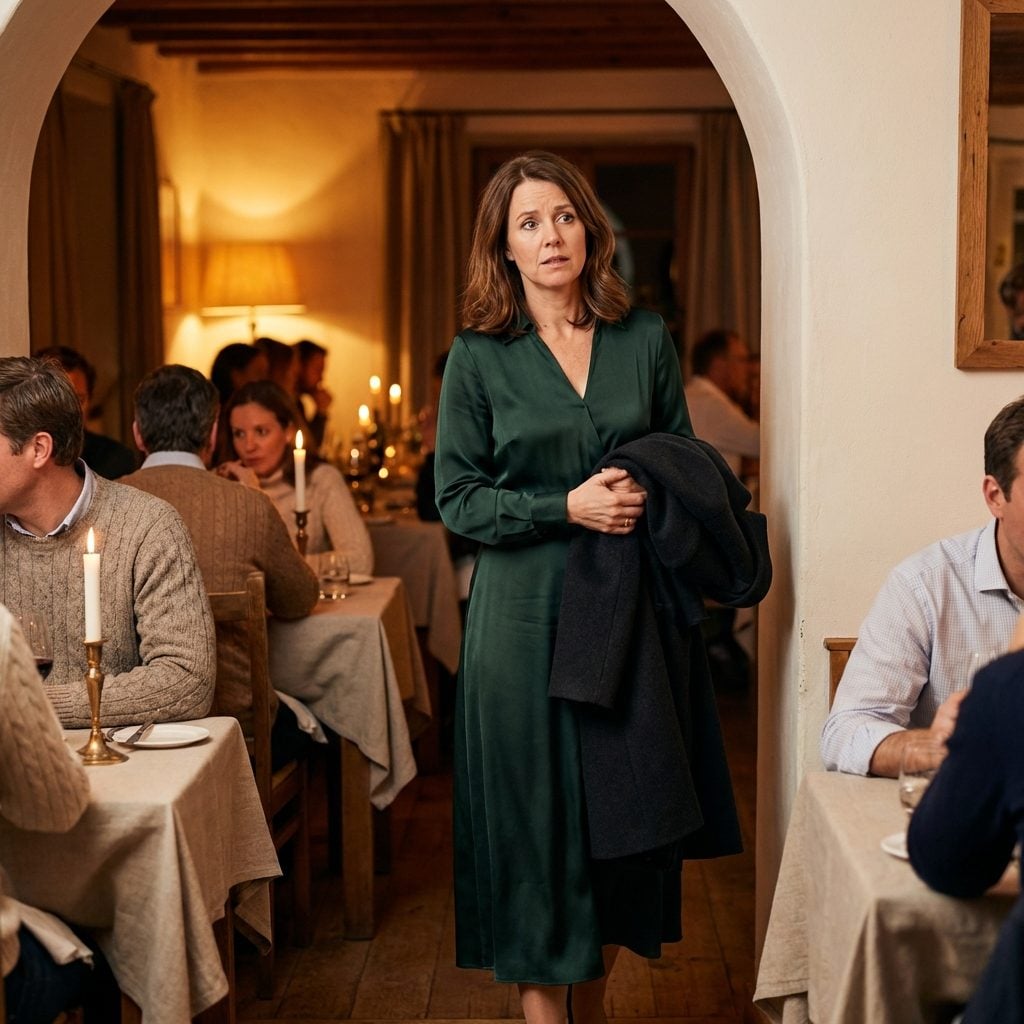
You dressed at home with intention. You felt good about it. Then you walked in the room and started cataloguing what everyone else was wearing and doing the mental math on whether you fit. Within ten minutes you’ve decided you’re overdressed, or under-dressed, or the only one in color, and the confidence you had at the door has quietly evaporated.
This is one of the clearest signs that your style identity is still largely external. Style you own doesn’t shift based on the room. It doesn’t require the room’s confirmation. The athleisure look you wore because it felt right on a Saturday morning shouldn’t need justification the moment you see someone else in a blazer. Dressing from the inside out means the room is data, not a verdict.
2. You Can’t Recall the Last Time You Built an Outfit From Scratch, Just Your Own Ideas
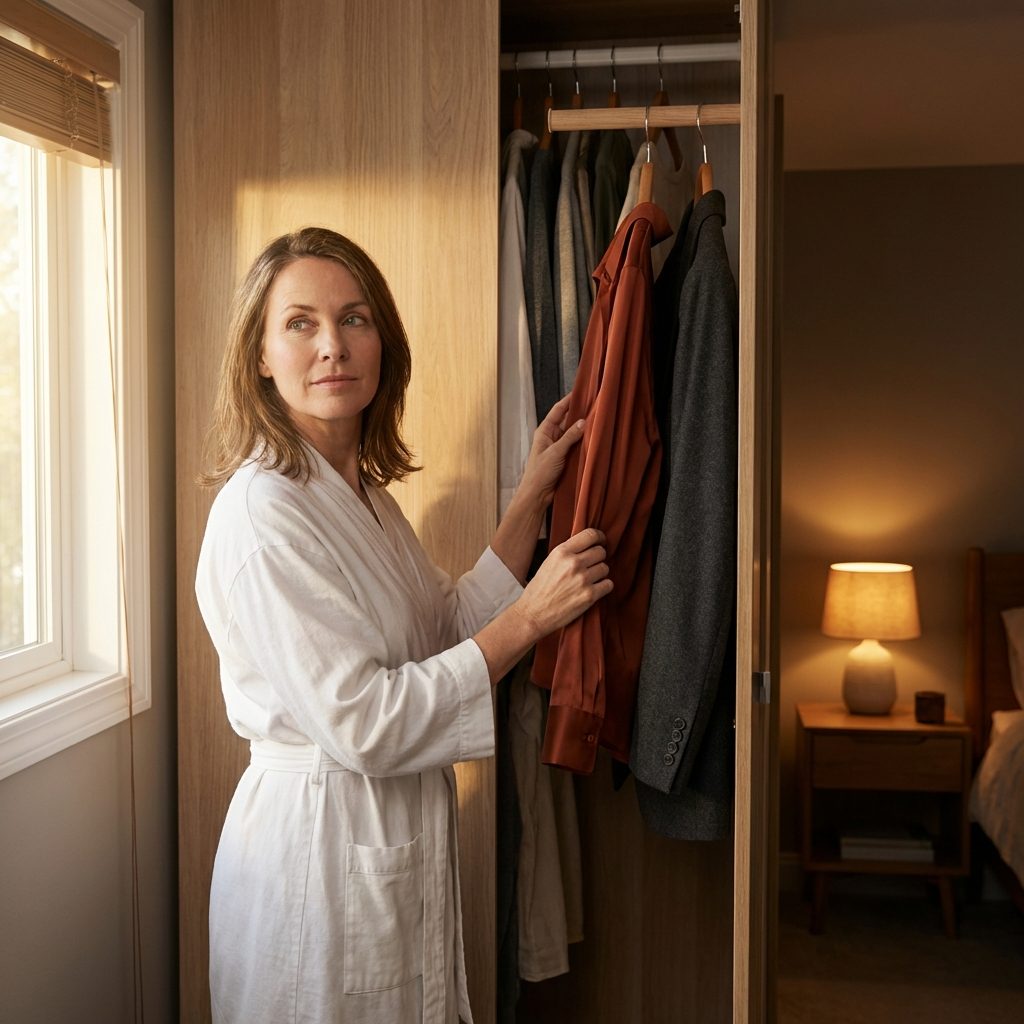
Not inspired by a photo. Not based on what worked last time. Not borrowed from a friend’s wardrobe or an influencer’s reel. Just you, your clothes, and a clear, quiet decision about who you feel like today. Can you remember when that last happened?
For a lot of women, the answer is genuinely unclear, and that’s worth sitting with. Building an outfit from your own ideas is a skill, and like any skill, it atrophies if you outsource it constantly. The creative muscle involved in dressing originally doesn’t come back automatically. You have to use it. One morning, no phone, no reference, just the question: what do I actually want to wear today?
1. The Moment Something Doesn’t Match Anything You’ve Seen, You Talk Yourself Out of It
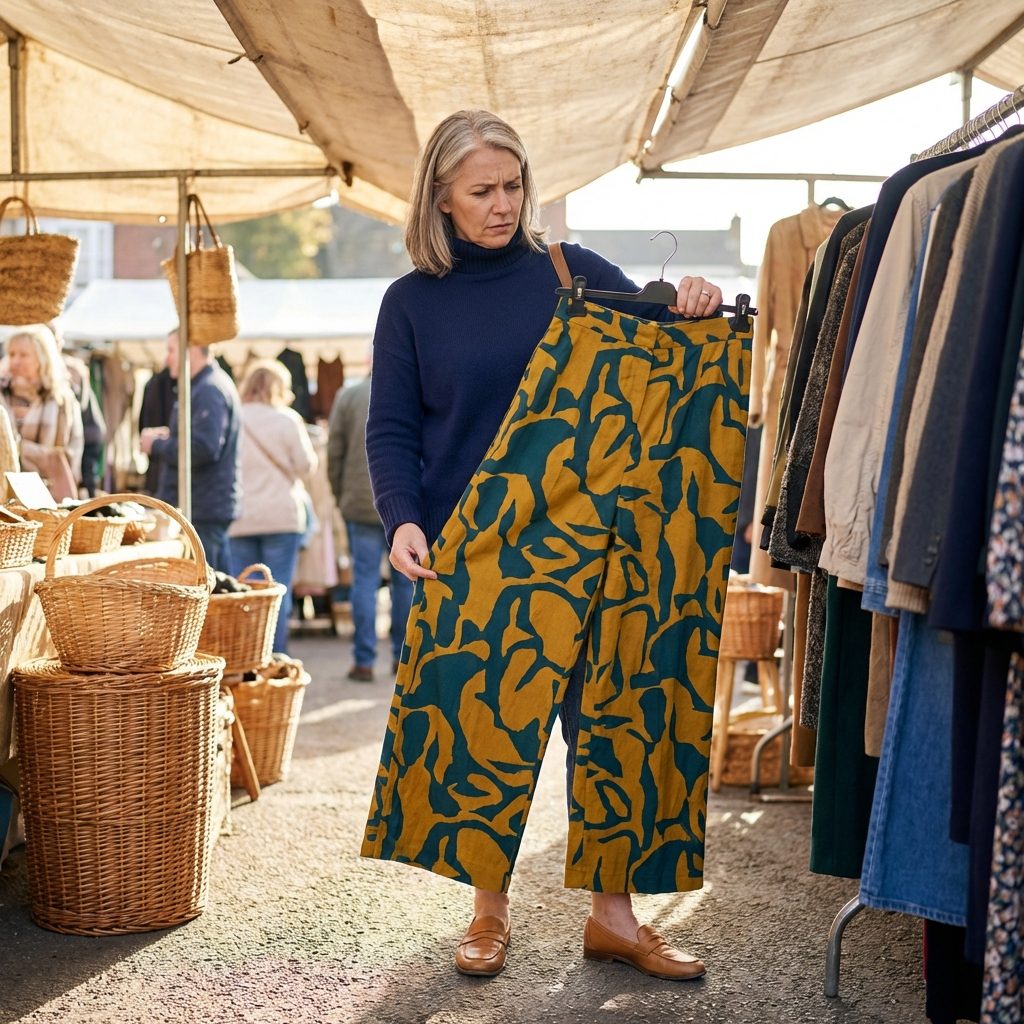
The piece is right in front of you. Something about it pulls at you. But you can’t place it. You haven’t seen anyone wear it this way. There’s no mental file for it. So you put it back.
This particular habit is one of the most effective ways to guarantee your wardrobe never evolves beyond the familiar. The unplaceable pieces, the ones that don’t map to a reference, are often the most interesting choices you could make. They’re not unplaceable because they’re wrong. They’re unplaceable because they’re new to you.
The androgynous androgynous look you couldn’t categorize. The printed trouser you’d never seen styled the way you were imagining it. The oversized linen coat that didn’t match any reference but felt exactly right. Those are the precise moments where a genuine point of view begins. The unfamiliar isn’t a red flag. It’s an opening.