❤️ Would you like to save this?
Most of us believe we dress for ourselves. We tell ourselves we love fashion, that we have a point of view, that the choices we make in the morning are personal. But there are quiet, uncomfortable signs that something else is driving the decisions, a need for approval that got so deeply woven into the ritual of getting dressed that it started to feel like preference. These 35 signs are not about vanity or shallowness. They’re about recognizing a pattern that, once you see it, changes everything about how you shop, how you stand in a room, and how you feel when no one’s watching.
FYI, thanks to AI imagery software, we’re able to create very specific fashion and hairstyle examples to illustrate the points being made. In some cases, imagery is exaggerated to hammer home the point. Also, assume links that take you off the site are affiliate links such as links to Amazon. this means we may earn a commission if you buy something.
35. The Logo Is the Point and You Know It
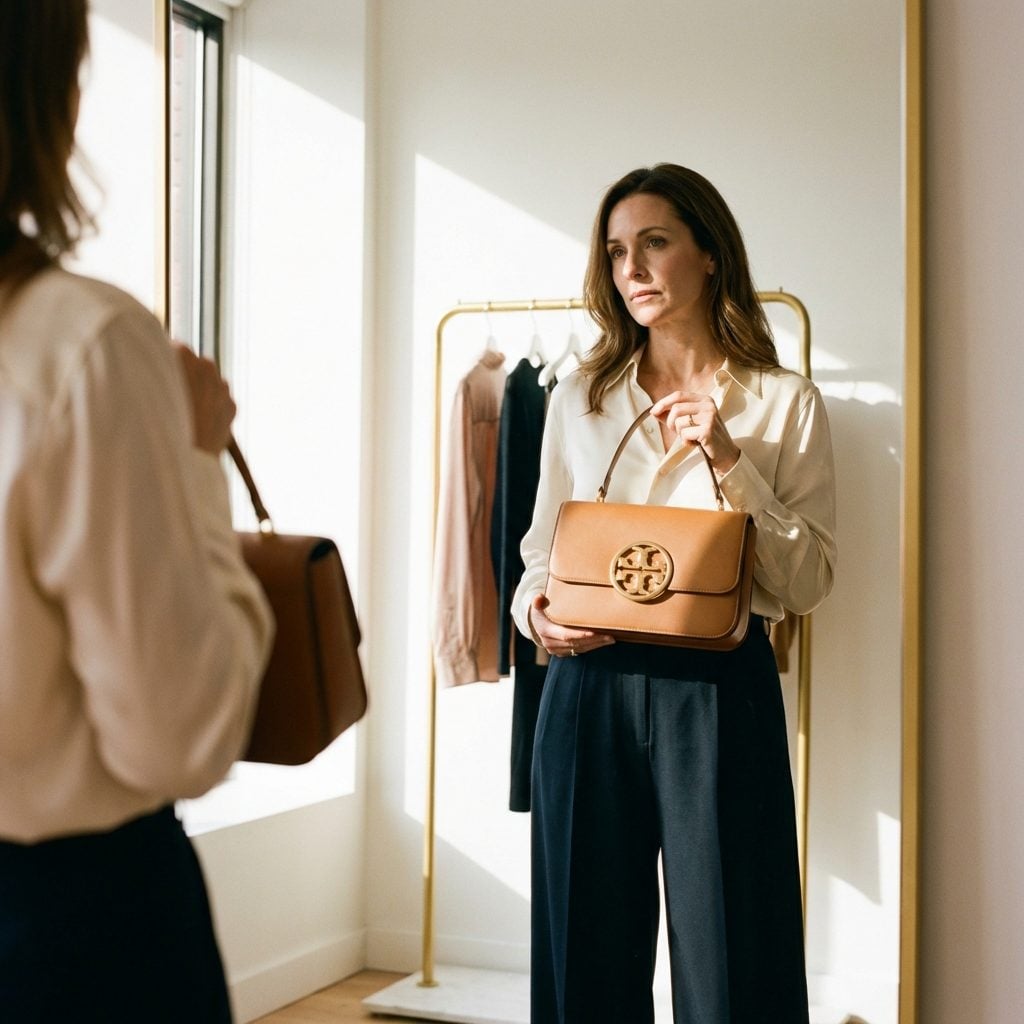
There’s a specific feeling that comes with reaching for a bag, a belt, or a black style staple that you’d never buy in a generic version. It’s not the leather. It’s not the cut. It’s the monogram, the interlocking letters, the unmistakable hardware that reads as expensive from across a room. If the brand made the same piece with no visible logo, you wouldn’t want it as much, and you know that.
This isn’t about quality appreciation. It’s about wearing a price tag that others can decode. There’s a psychological term for it: conspicuous consumption, coined by economist Thorstein Veblen in 1899. Over a century later, we’re still doing the same thing, just in subtler fonts.
34. You Can’t Relax in an Outfit Until Someone Says Something
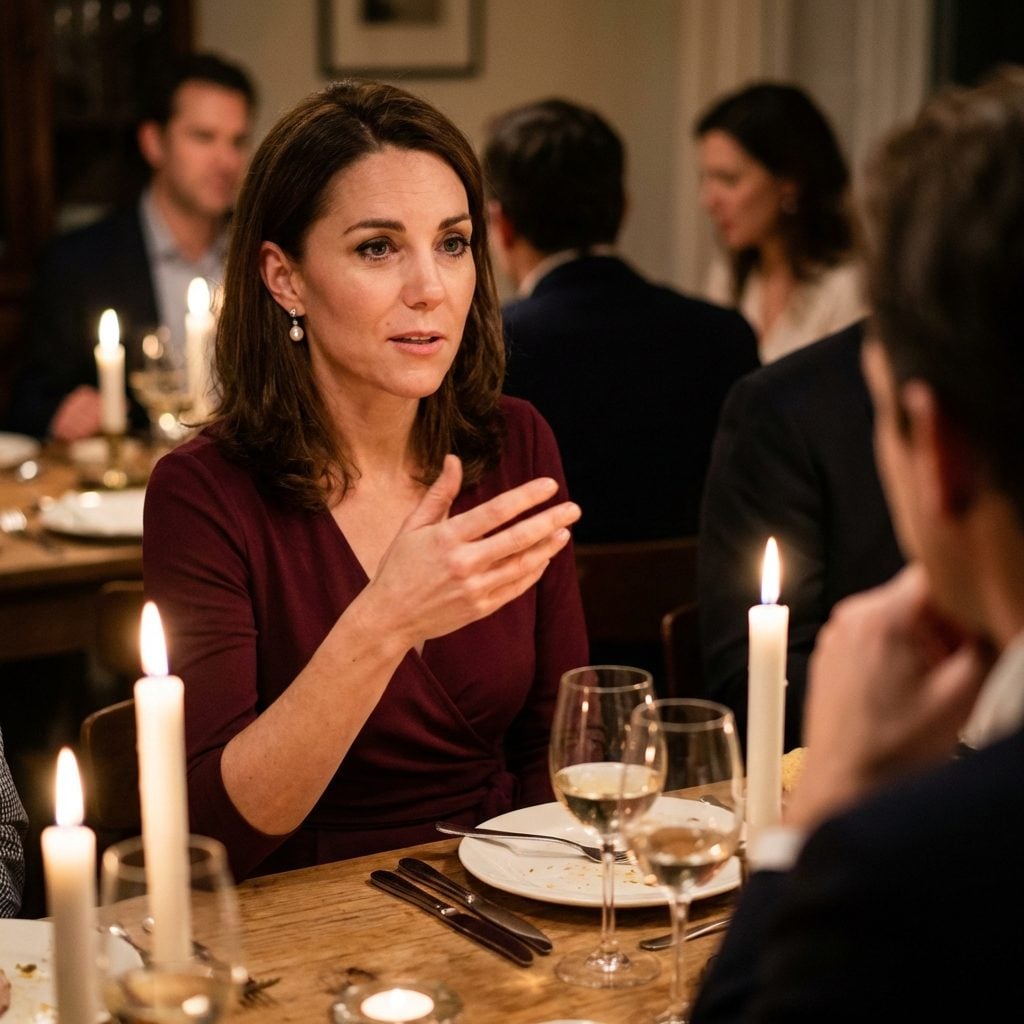
You chose the look. You know it took thought. But until someone says “you look amazing” or at least glances twice, there’s a low hum of unease running under the whole evening. The validation isn’t confirmation. It’s the actual goal.
This sign is subtle because it disguises itself as social awareness. But there’s a difference between enjoying a compliment and needing one to feel settled. Notice next time you’re dressed well and no one mentions it, does the outfit still feel like the right choice?
If the outfit needs an audience to feel like it’s working, the outfit was always for the audience.
33. Your Wardrobe Has a Different Personality for Every Person in Your Life
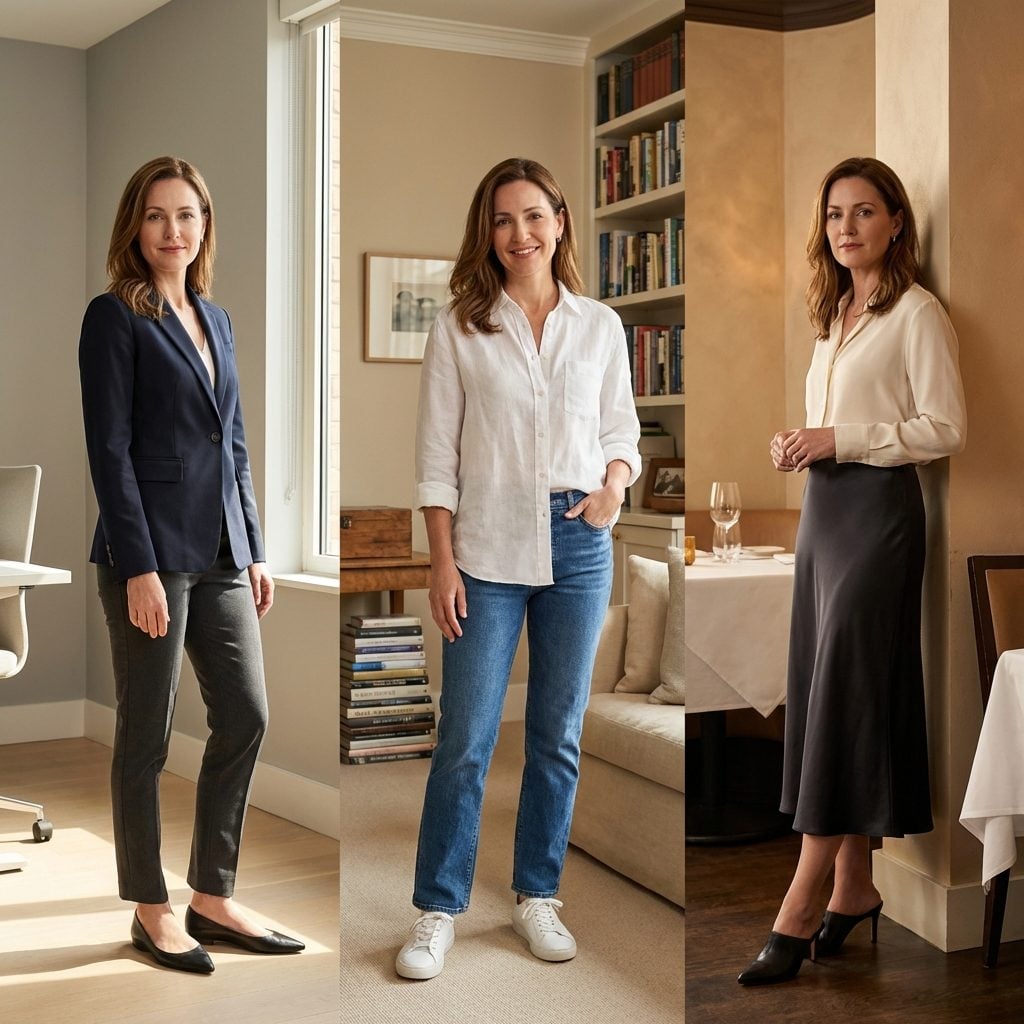
There’s the version of you that shows up to see your sophisticated friend, the one who works in finance, the one whose apartment looks like a magazine spread. For her, you’re in tailored blazer and pressed trousers. Then there’s the version of you that shows up to the neighborhood barbeque. Then the version for your mother-in-law. Then the version for work drinks.
None of these versions are necessarily wrong. But if you asked yourself what you’d wear if you were seeing no one in particular today, and the answer is genuinely different from all of the above, that gap is worth noticing. Style built on other people’s expectations shifts with every room you walk into. Style built on your own taste doesn’t need to.
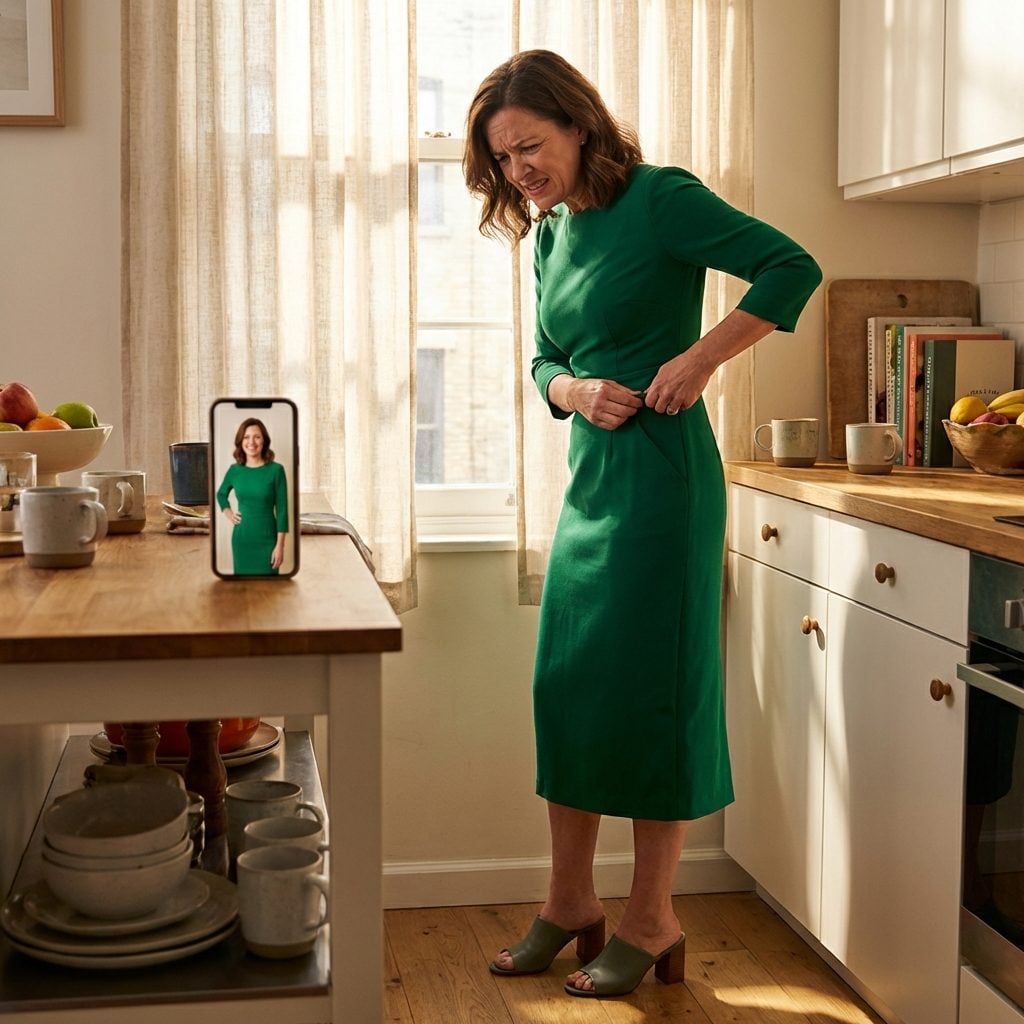
32. The Dress Fits Beautifully and Hurts Every Single Time You Wear It
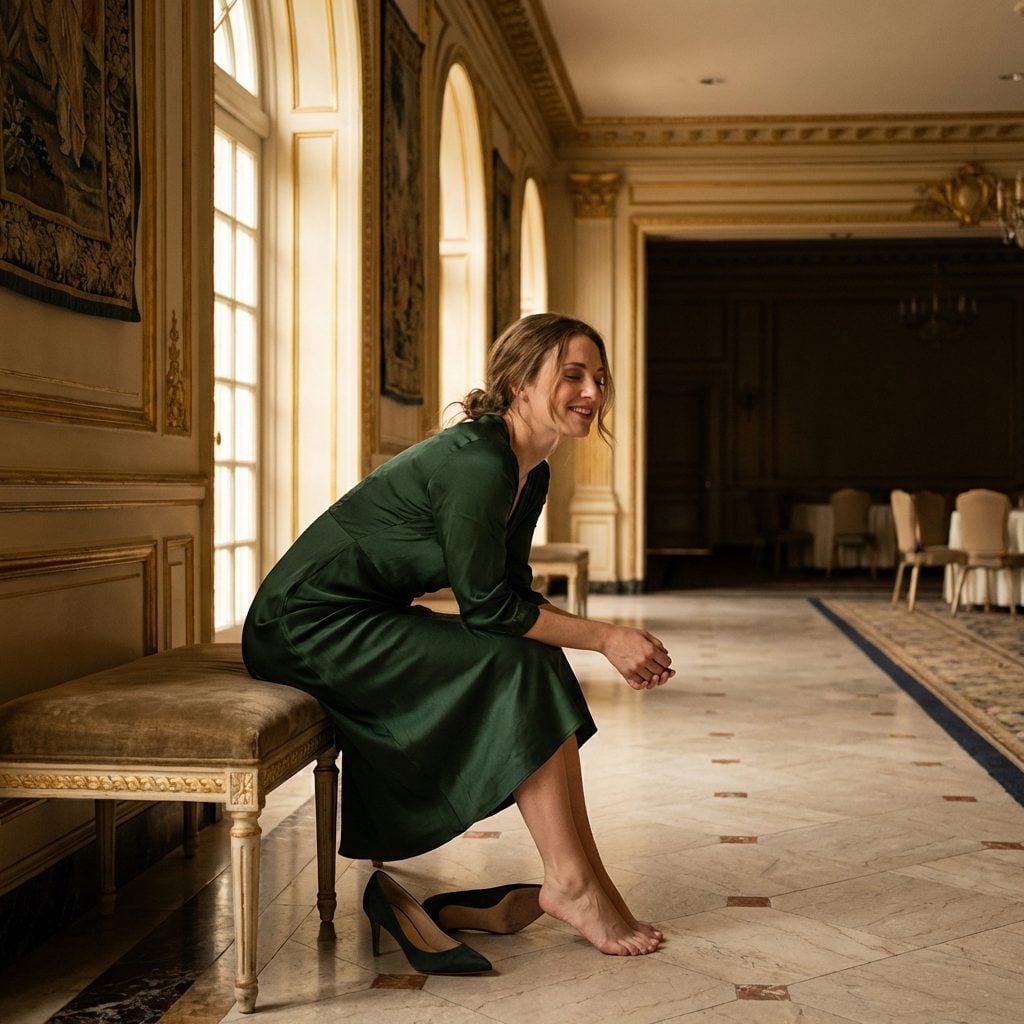
It’s hanging in your closet right now. You know the one. The waistband that digs. The fabric that pulls across the shoulders by hour two. The shoes, oh, the shoes, that looked so right with it and feel so wrong by noon.
You’ve worn this outfit multiple times. Not because you forgot. Because the response it gets makes the discomfort feel like a fair trade. That’s the part worth sitting with: somewhere along the way, the visual effect became worth more than your physical comfort. That’s not a personal failing, it’s a pattern. And patterns, unlike tight waistbands, can actually be loosened.
31. When No One Notices, the Whole Outfit Feels Like It Failed
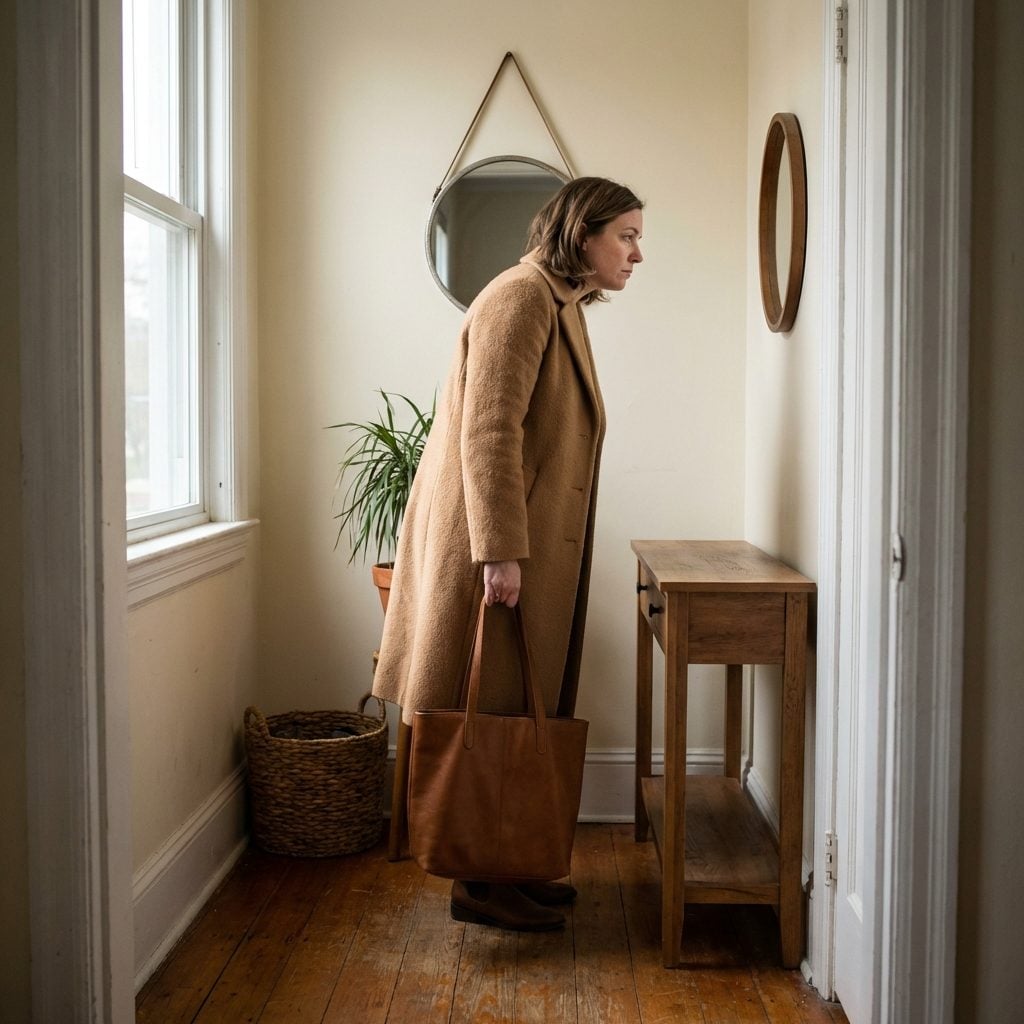
It’s a specific kind of deflation, not sadness exactly, more like the outfit lost its point. You tried something new, maybe a different silhouette or a color you rarely wear. You felt good leaving the house. Then an entire day went by and no one said a word.
By the time you get home, you’re not sure the piece is even worth keeping. The irony is that feeling good leaving the house was real. The doubt that came after was constructed entirely from the absence of someone else’s opinion.
30. Your Shopping Frequency Spikes the Moment an Event Appears on Your Calendar
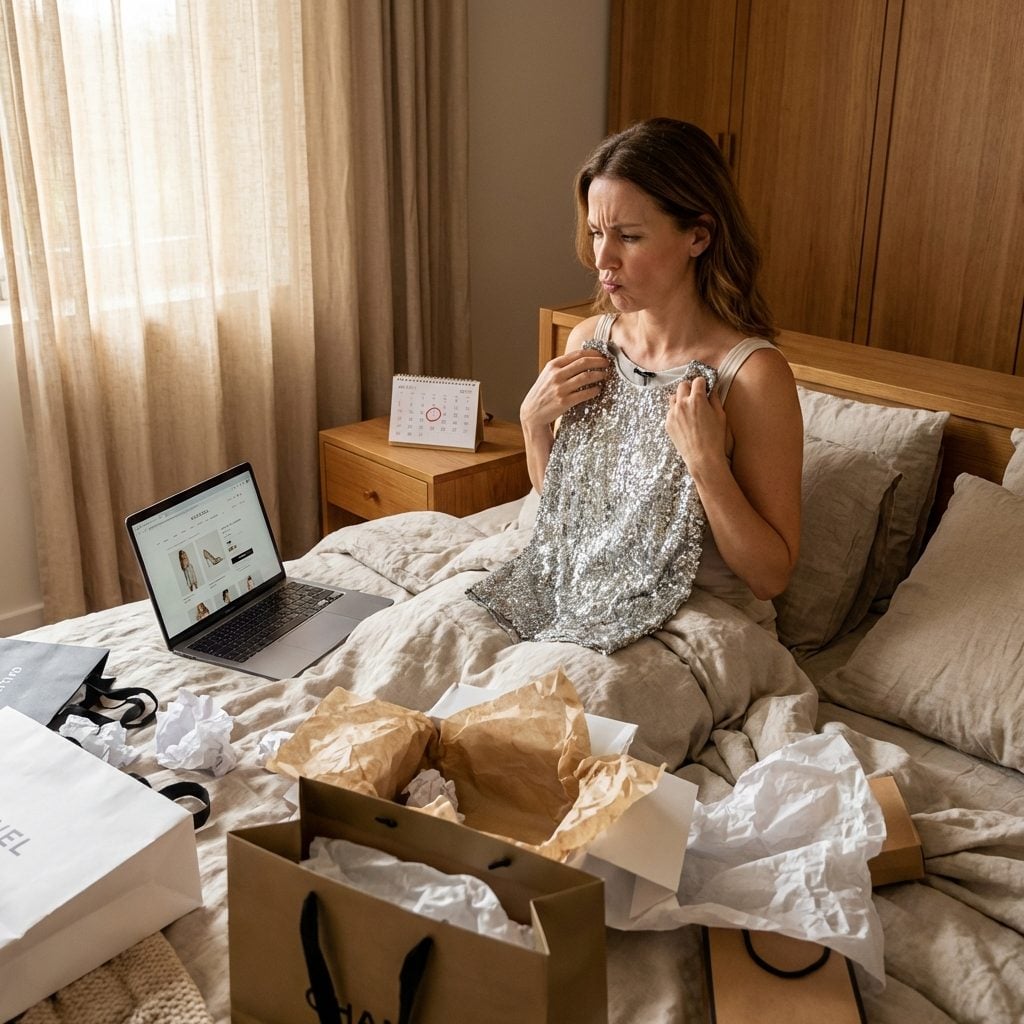
A dinner reservation appears. A birthday party. A work conference. And within 48 hours, you’ve opened at least three shopping tabs.
It’s not that you need something, your closet is full. It’s that being seen by a specific group of people in something they’ve already seen you in feels like a problem that requires solving. Shopping becomes event prep, not personal expression.
29. The Brand Isn’t on the Label Anywhere and Somehow the Whole Look Feels Less
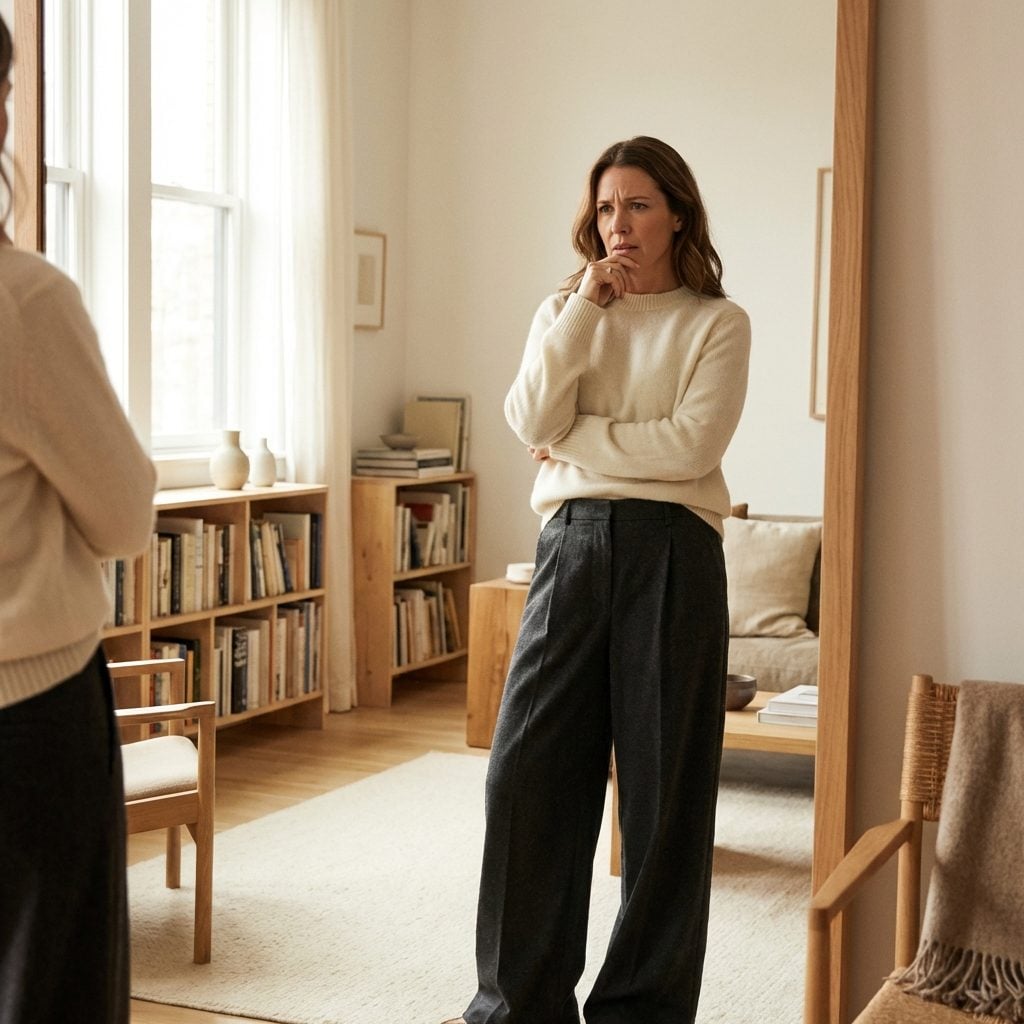
You’ve worn expensive, well-made pieces that no one could identify and felt somehow less dressed than you do in something visibly branded. The quality is real. The construction is excellent. But if no one can place it, it registers internally as less significant.
This is one of the more uncomfortable signs to notice because it reveals that for some purchases, you’re not actually buying the garment. You’re buying the social signal. That’s not shallow, it’s honest. The fashion industry runs on exactly this dynamic. But recognizing it means you can choose which purchases are actually for you.
An unmarked piece that fits you perfectly does more for your actual appearance than a logo that fits everyone else’s expectations.
28. You’re Looking in the Mirror to See What They’ll See, Not What You Feel
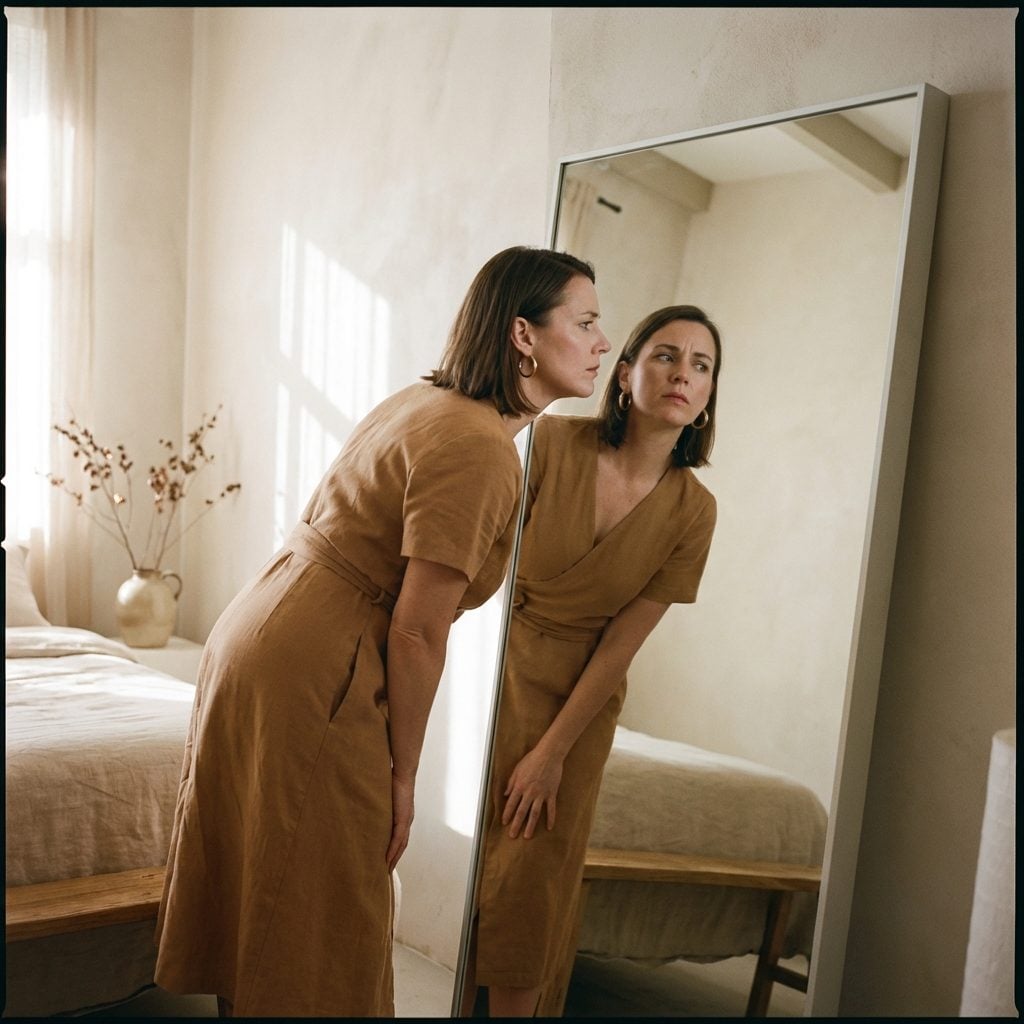
Most people assume mirror-checking is self-assessment. But there are two very different things happening when you look: one is asking “does this feel like me?” and the other is running a mental simulation of how someone else will perceive you walking through a door.
The second one involves a constant mental reshuffling, would your boss read this as polished enough? Would your ex find this impressive? Would the women at the school pickup think this was try-hard or effortless? You’re not getting dressed. You’re casting yourself in someone else’s mental image.
27. You’ve Walked Miles in Shoes That Were Punishing You From Hour One
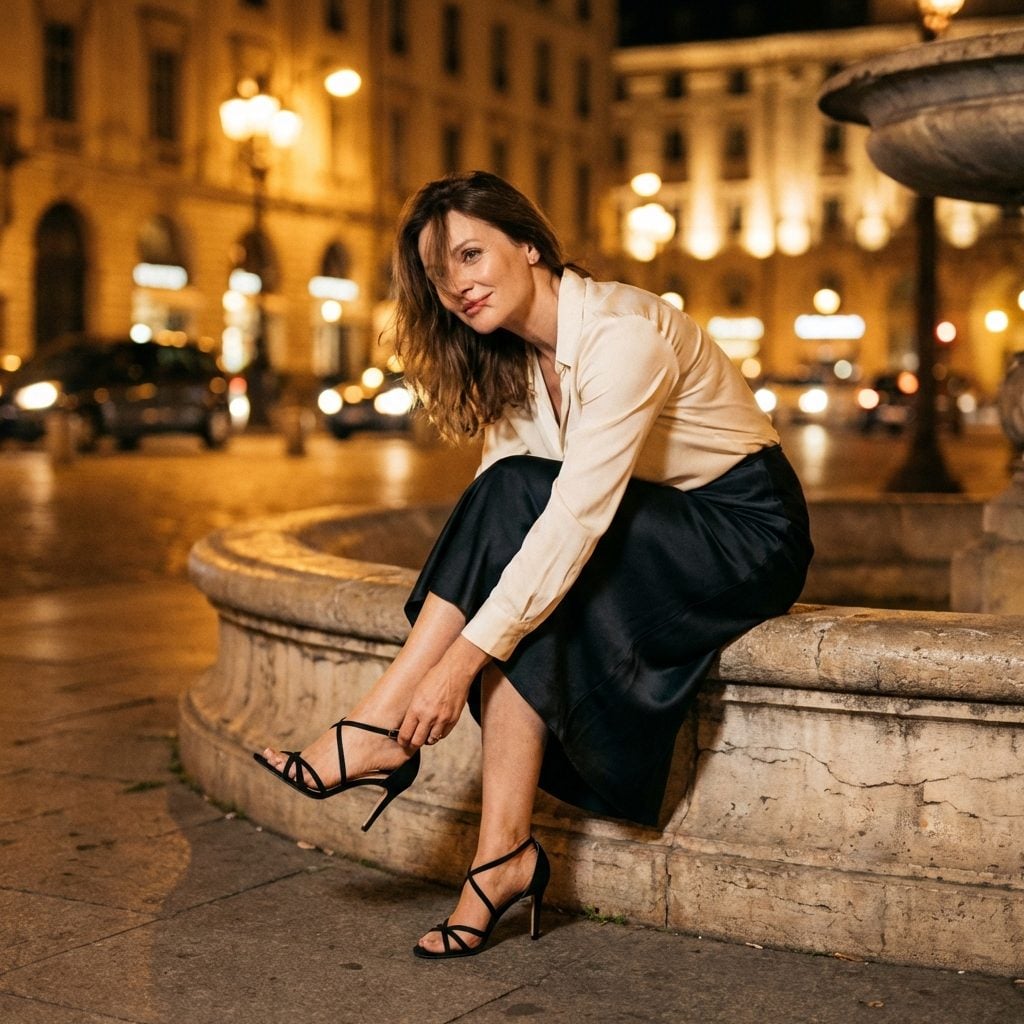
Not mildly uncomfortable. Actually punishing. The kind where you’re calculating whether you can make it to the next seated opportunity, where every step is a small negotiation. And you stayed in them the entire time.
What keeps the shoes on isn’t stubbornness. It’s the picture you built before you left the house, the one where the heels are part of the visual and removing them feels like dismantling the whole look. The look became more important than your feet, which are, notably, attached to your body and carrying you through the world.
A pair of block heel mules or leather kitten heels can give you the elevated silhouette without the four-hour contract with pain. The best-dressed women in any room are the ones who move freely.
26. You’re Wearing a Trend You Actively Don’t Like Because It’s Everywhere
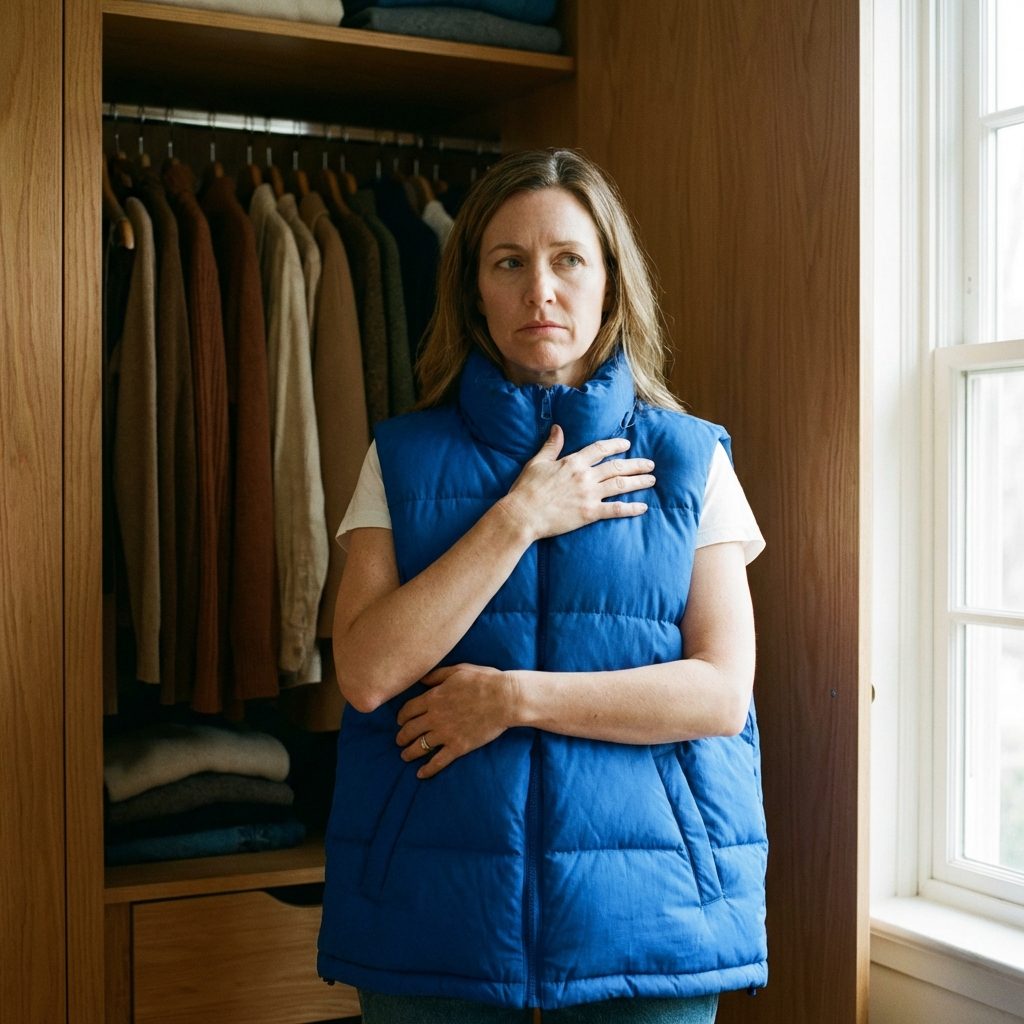
You saw it on everyone. You saw it called “the look of the season.” You bought it. You put it on, looked in the mirror, and felt… nothing. Maybe even slightly wrong.
But you wore it anyway, because wearing it meant you were current, in-the-know, not behind. This is one of the most common ways external validation hijacks personal style, not through single compliments, but through the ambient pressure of what’s visible and praised in the culture right now.
For women building a lasting wardrobe, athleisure style and other trend-driven categories can be genuinely great fits for some, and genuinely wrong for others. The question was never “is this trending?” It was always “is this mine?”
25. Someone Asking ‘Where Did You Get That?’ Fixes Something in You
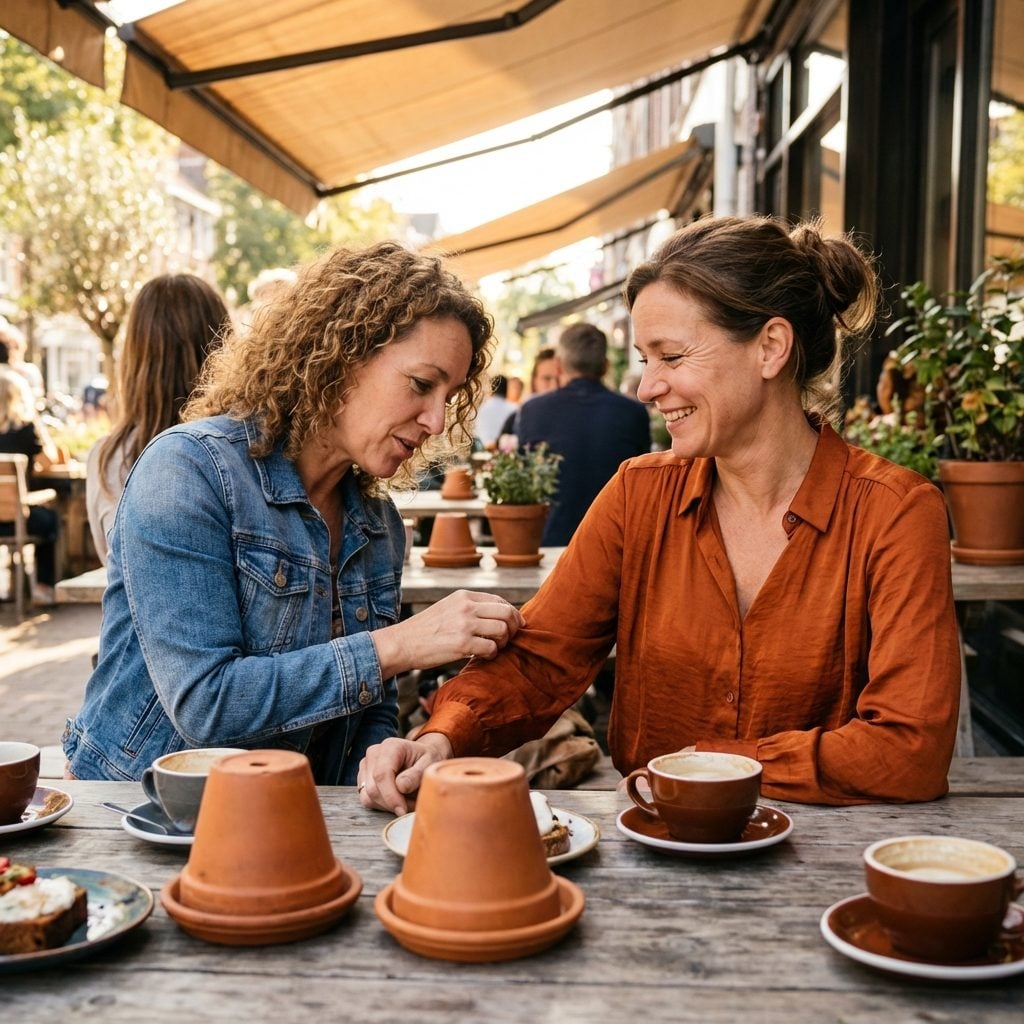
The question lands and something genuinely settles. Not just pleasure, relief. Like a bet that just paid out.
Enjoying the moment when someone admires what you’re wearing is completely human. The sign here is subtler: notice whether the relief feels disproportionate to the compliment, or whether the absence of that question over a long stretch makes you question your choices. That calibration, where other people’s curiosity becomes the actual measure of whether you got dressed well, is the thing worth looking at.
24. You Returned Something That Felt Right Because One Person Said Meh
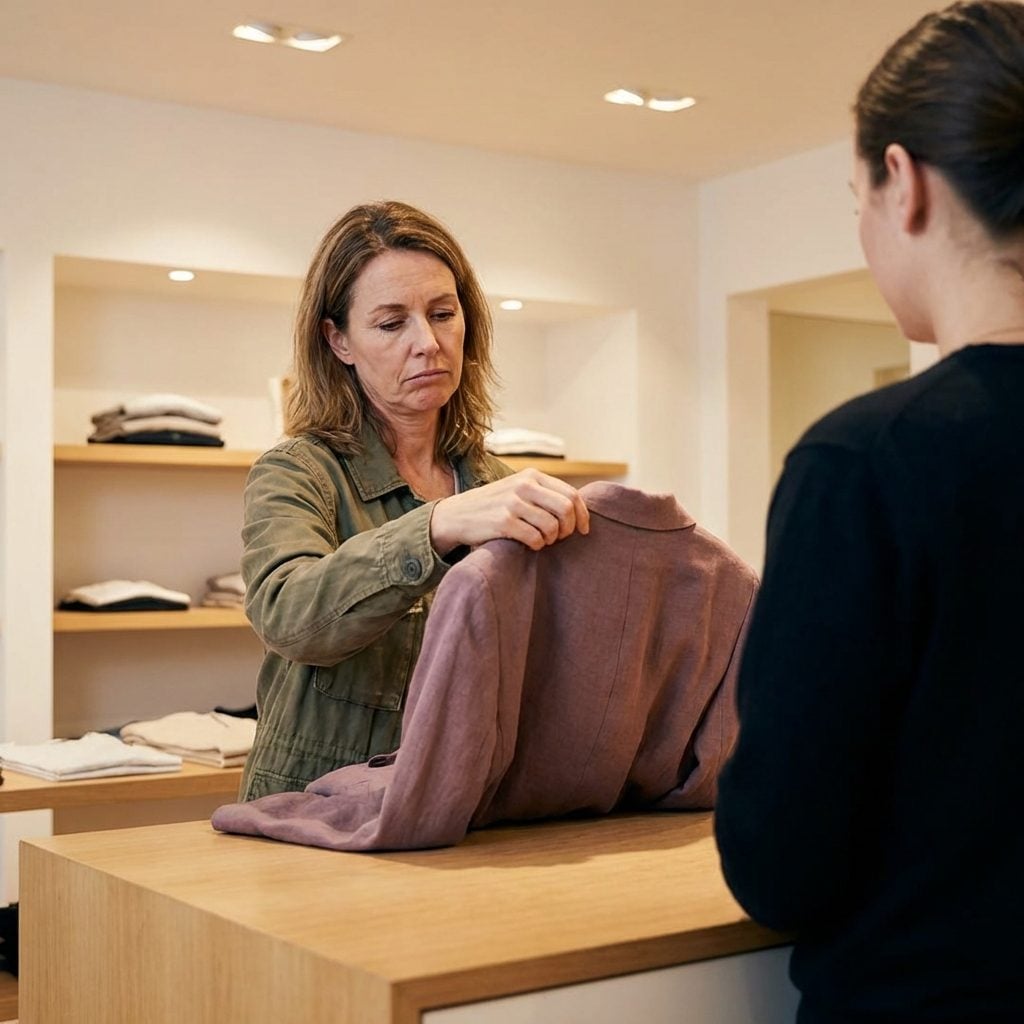
You tried it on and that click happened, the one where the fabric falls exactly where it should and the color makes sense with your skin and you look like yourself, just more so. Then you showed a friend, or described it, or sent a photo. And their response was lukewarm. So you took it back.
Buying clothing based on your own instinct is one of the more advanced forms of self-trust, harder to build than it sounds, especially after years of dressing partly for approval. A blush style palette or any soft, personal choice often registers as quiet to an outside eye, even when it’s exactly right for you. One person’s “meh” is not data. It’s just one opinion from someone who isn’t wearing your body.
23. You’re Dressing for the Photo, Not the Twelve Hours That Follow
❤️ Would you like to save this?
The outfit looks perfect in the mirror at 8am. By 10am, you’re shifting in your seat, tugging at the waist, counting down until you can change. But you got the shot on the way out the door, and somehow that made the discomfort feel worthwhile. This is one of the more telling signs that style has slipped from personal expression into performance.
When the camera becomes your primary audience, every choice gets filtered through what reads well rather than what feels right. Textures that photograph beautifully but feel scratchy. Heels that look proportional in a grid but destroy your feet by noon. A structured blazer you love visually but never actually want to wear for eight hours straight. Real style lives in the hours after the photo. That’s where the truth is.
22. Your Closet Has a VIP Section Nobody Has Ever Seen
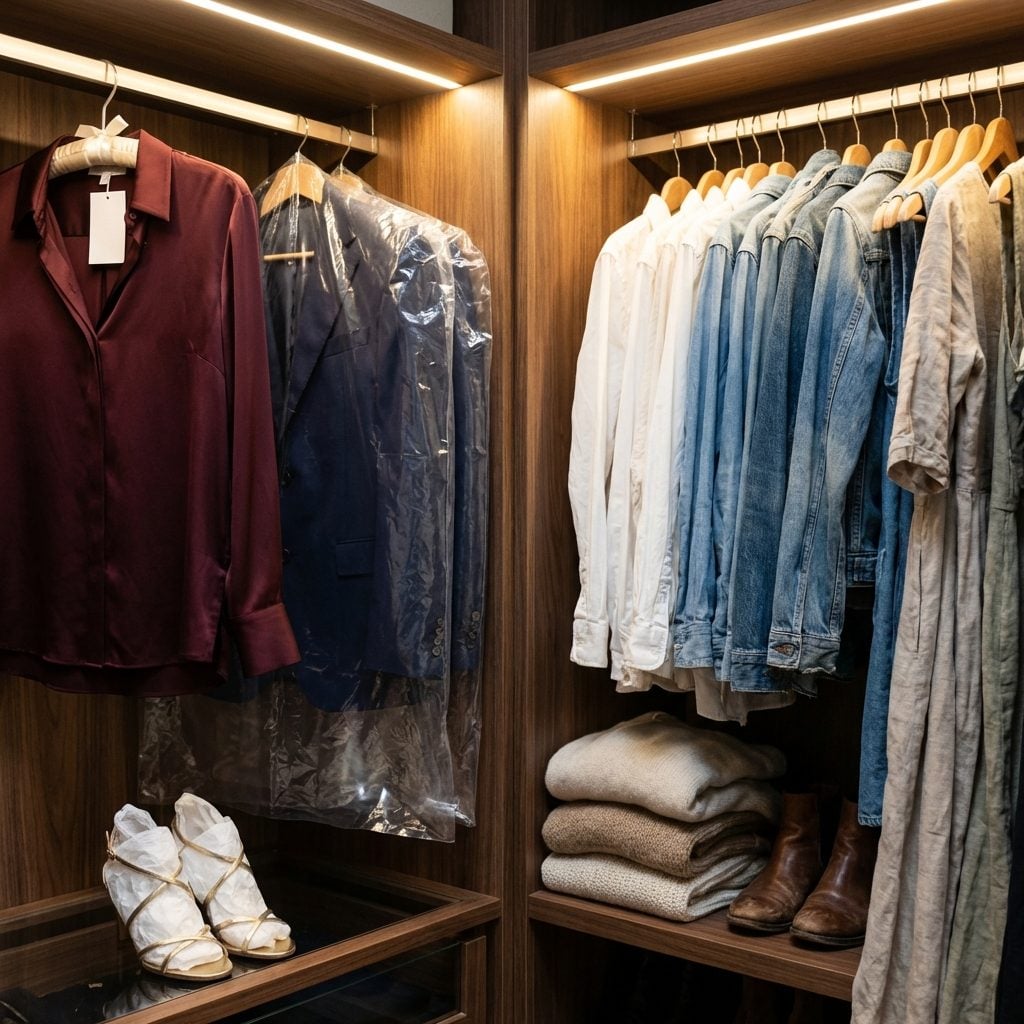
There’s a part of your wardrobe that functions less like clothing and more like a display case. Pieces with tags still attached, things preserved in dry-cleaning bags, shoes still wrapped in tissue. You bought them. You loved them in the store. But the occasion worthy of their debut has never quite materialized.
The truth is, the occasion isn’t really the point. The fantasy of being seen in that piece is. Every unworn item in your closet is a quiet vote for the version of you that exists in other people’s eyes, not the one getting dressed on a Tuesday morning.
21. You Track What Your Friends Are Wearing Like It’s a Competition
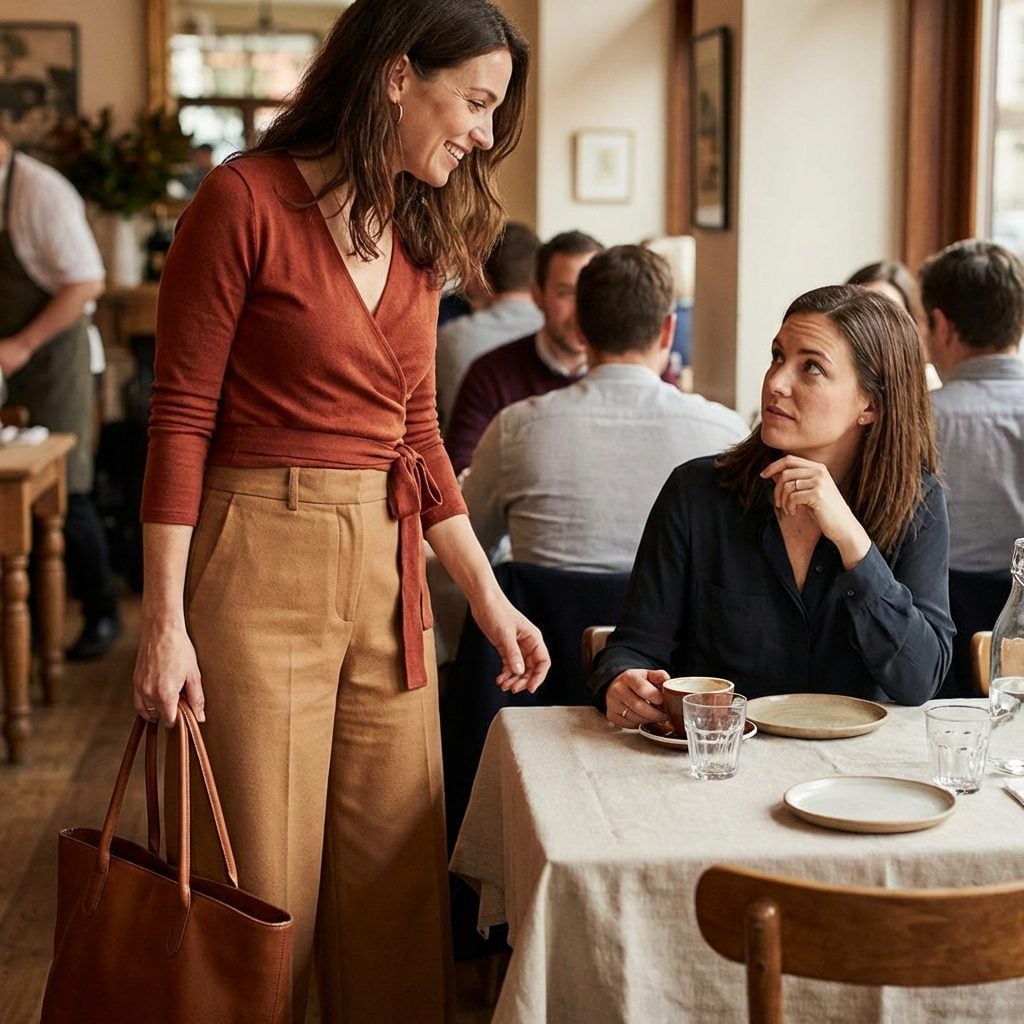
She walks in wearing something unexpected and beautiful, and before you’ve even said hello, there’s a small, uncomfortable inventory happening in your head. How does this compare to what I’m wearing? Did I dress well enough? The warmth you feel toward her is genuine, but it gets tangled up in something that feels closer to rivalry than admiration.
This isn’t a character flaw. It’s a symptom. When your style is tied to how you rank rather than how you feel, other women’s outfits stop being a source of inspiration and start feeling like a threat. The shift from competition to genuine admiration is one of the most liberating things that happens when you start dressing for yourself.
“The moment you stop keeping score, getting dressed becomes interesting again.”
20. You’re Wearing the Trend Even Though It Was Never Made for You
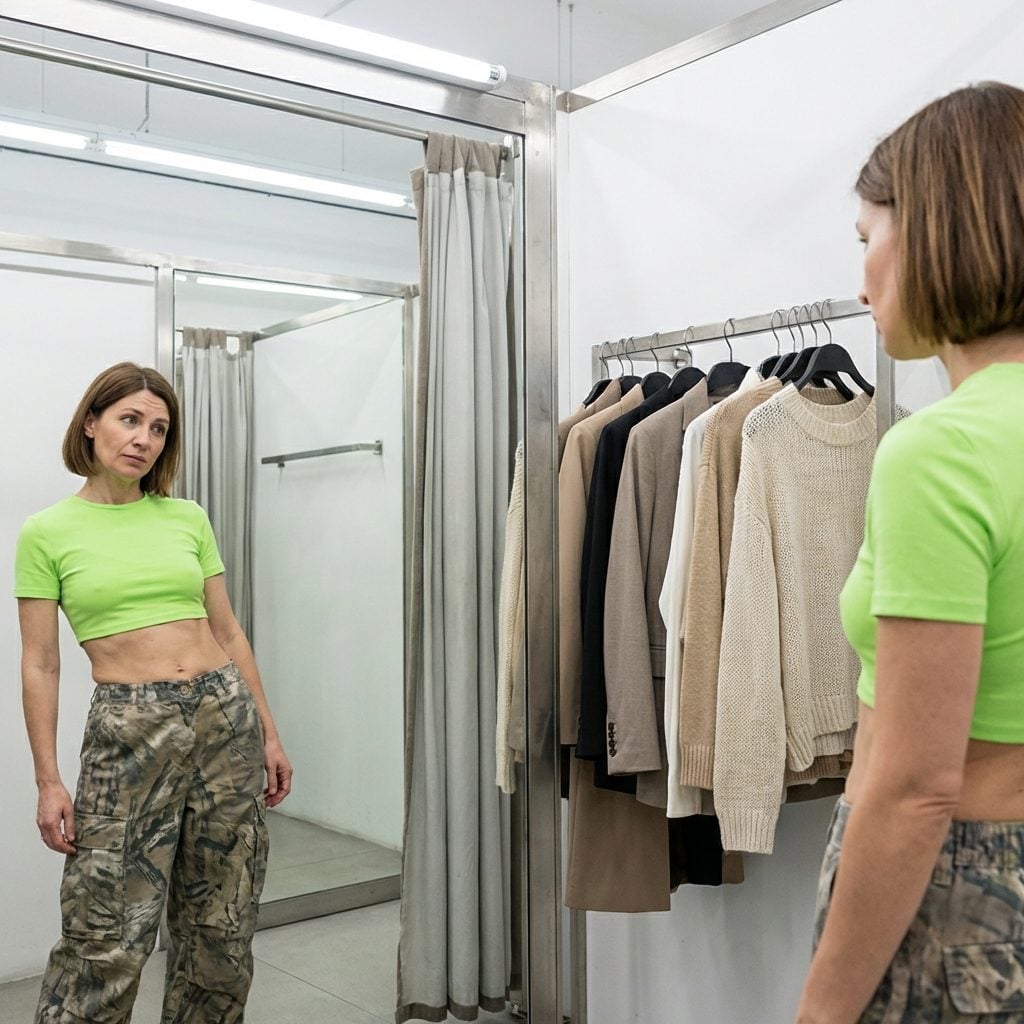
Not every silhouette works on every body. Not every color palette suits every skin tone. These are not limitations, just facts, the same way a song in the wrong key is still a good song. But somewhere along the way, “it’s stylish” became more important than “it works on me.”
Wearing something because it’s having a cultural moment, while quietly knowing it doesn’t flatter you or feel comfortable, is one of the clearest signs that other people’s opinions are driving your wardrobe. The women who look most themselves are never the ones wearing every trend. They’re the ones who know which ones are actually for them.
19. You Bought It Because Someone Else Got a Compliment Wearing It
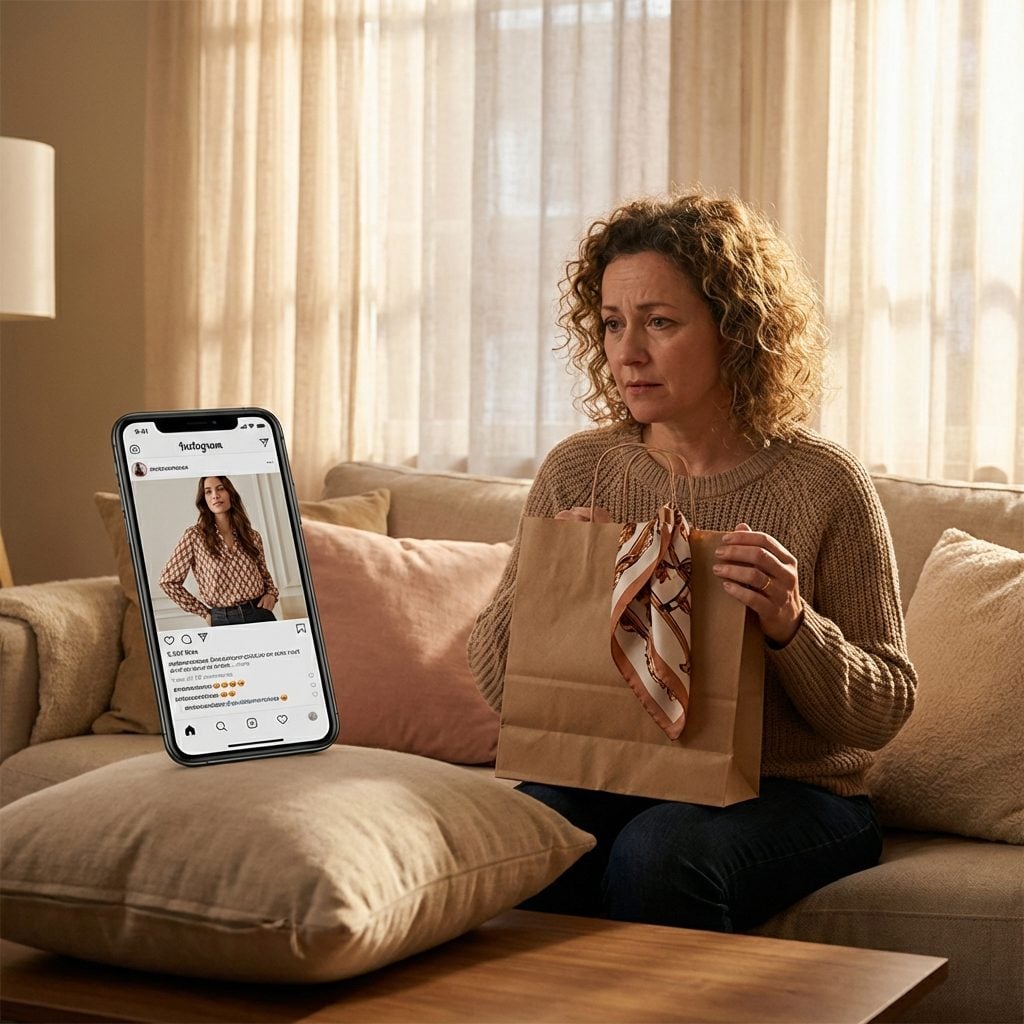
You saw it on a colleague, a friend, a woman at a party. Someone said “I love that” and you watched her light up, and something in you decided you wanted that too. Not the piece exactly, but the reaction. The item became secondary to the experience of being noticed for it.
18. Wearing the Same Outfit Twice Feels Like Showing Up to a Test Without Studying
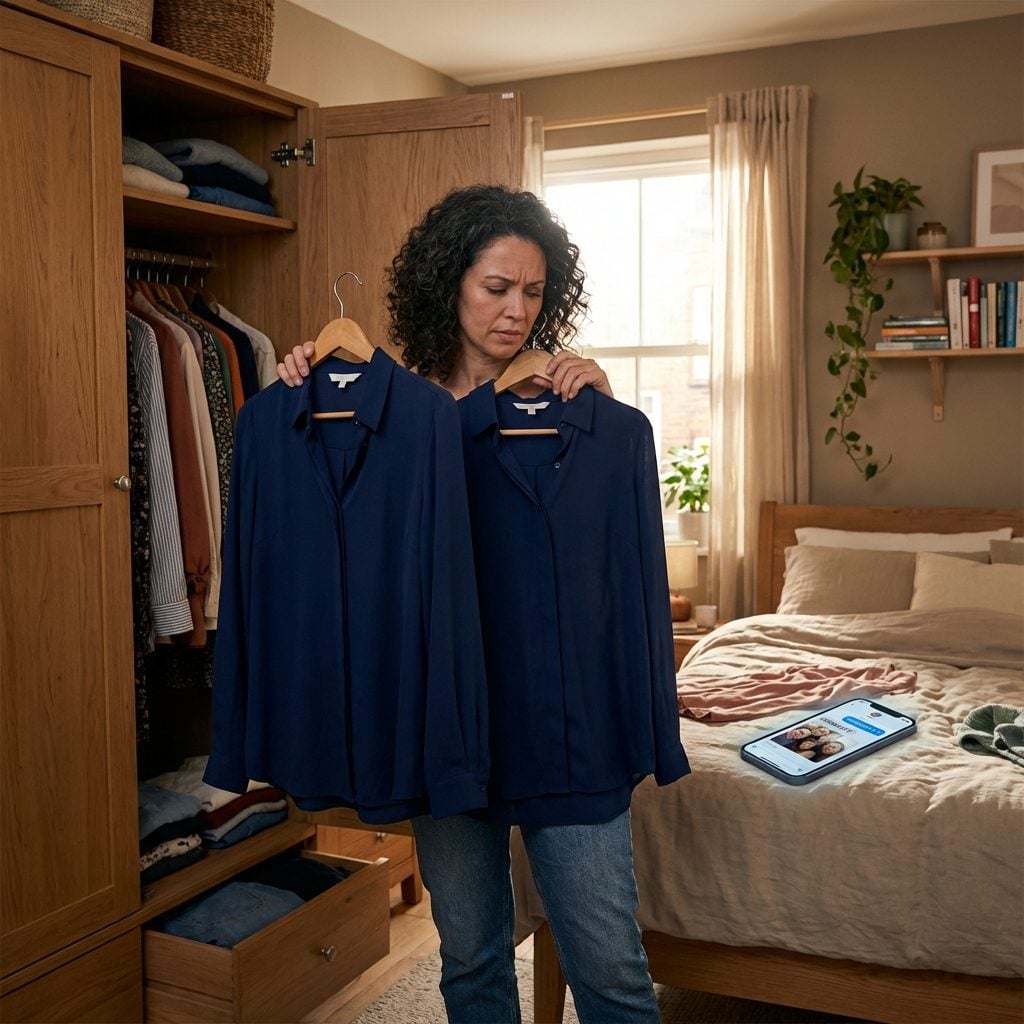
The logic goes: they’ve already seen this. They’ll notice. They’ll think I don’t have anything else, or worse, that I didn’t put in effort. So the perfectly good outfit you wore last month gets quietly retired from rotation when the same group is involved.
Here’s what’s worth sitting with: most people are far too preoccupied with their own outfits to catalog yours. The anxiety about being seen in a repeat is almost entirely generated by your own internal audience, not the real one in front of you.
- Repeating a well-fitting outfit is a sign of confidence, not scarcity.
- No one is keeping a spreadsheet of what you wore to the book club in March.
- The most stylish women in history were known for wearing the same pieces repeatedly, not for having unlimited wardrobes.
17. You Lead With the Price Tag, Not the Feeling
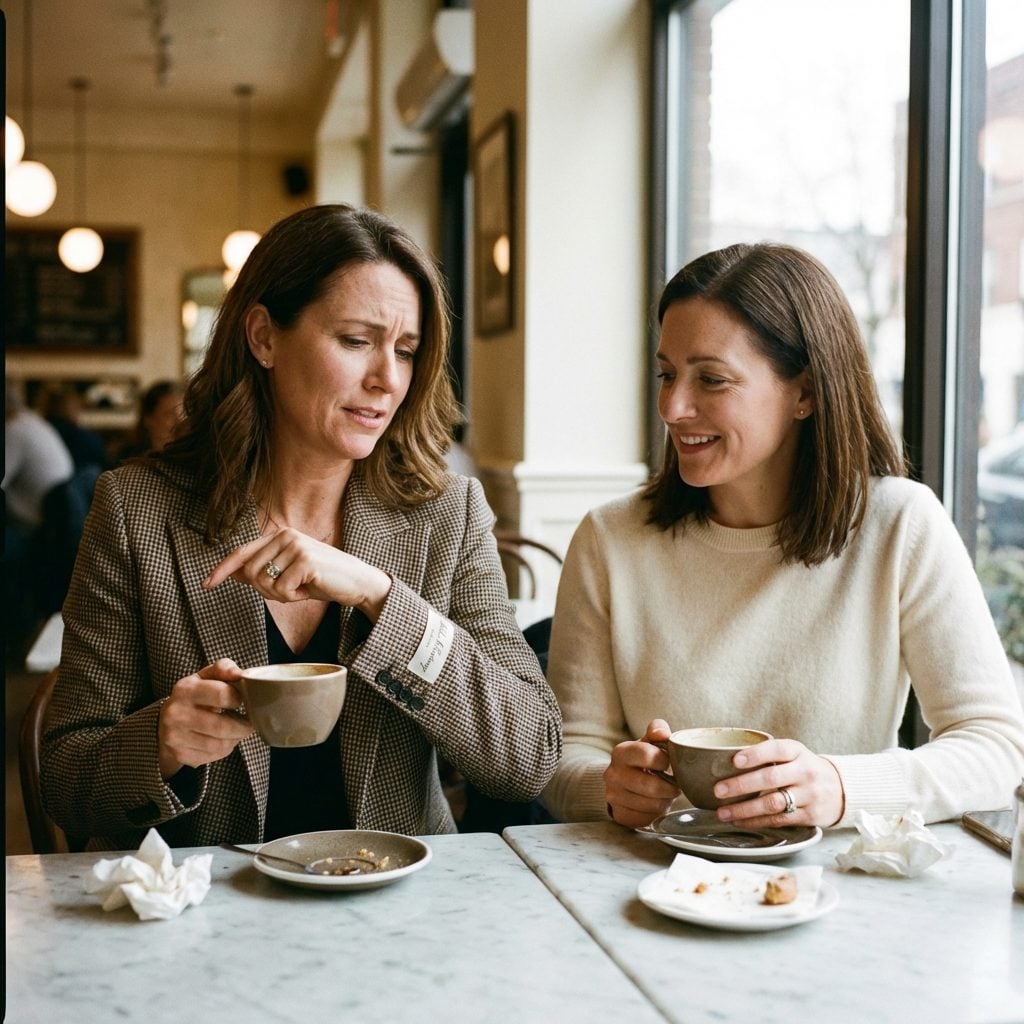
“It’s Totême.” “These are the Khaite ones.” “It was on sale but still cost more than my electricity bill.” If the brand or the cost is the first thing you reach for when someone compliments something you’re wearing, it’s worth asking why the price point feels more important than what you actually think of the piece.
Clothes that are described primarily through their labels are clothes that haven’t fully become yours yet. The pieces you genuinely love, you tend to describe by how they move, or the color, or where you were when you found them. Price is information. It isn’t identity.
16. The Moment You Put On Something Comfortable, You Feel Like You’ve Disappeared
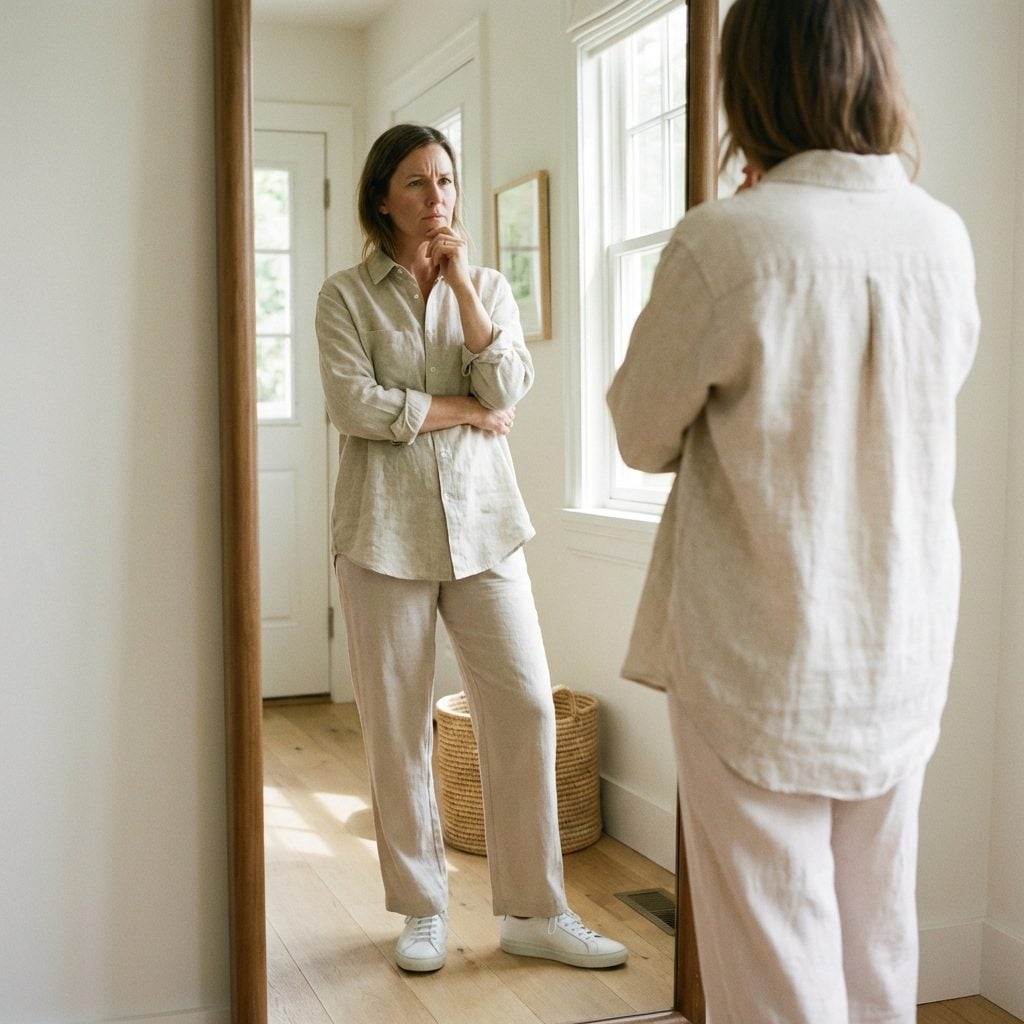
Linen trousers and a simple white tee and suddenly you’re convinced no one will look at you. Not because the outfit is bad, but because it doesn’t perform loudly enough. You walk into a room and feel somehow reduced, as if comfort automatically reads as not trying.
This is one of the most revealing signs on this list, because it exposes the belief underneath everything else: that being seen requires effort that others can witness. That dressing well and dressing comfortably are somehow mutually exclusive. They’re not. But untangling that takes a real shift in how you understand what your clothes are actually for.
15. You Talked Yourself Out of the Outfit You Actually Loved
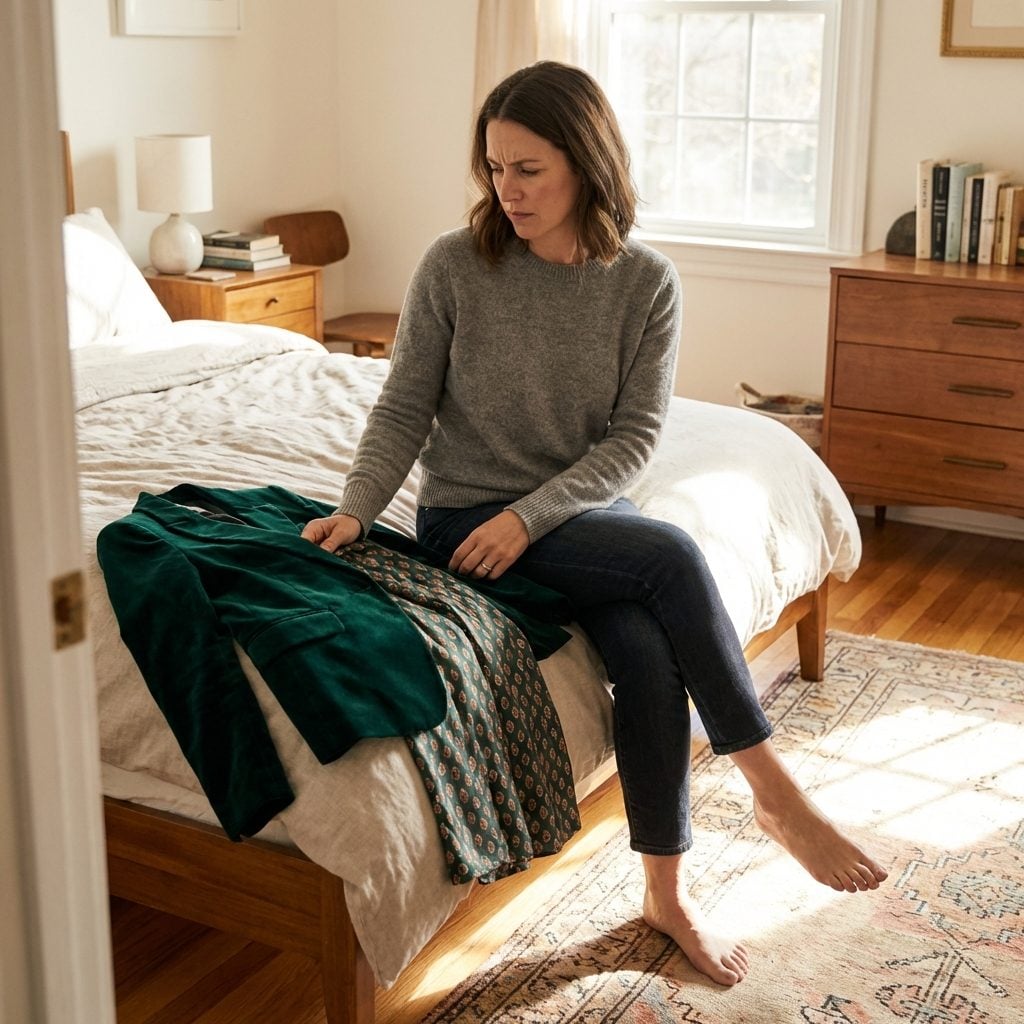
It was sitting right there. You’d worn it before and felt completely yourself in it. But that morning, some internal editor arrived and started cross-examining the choice. Is it impressive enough? Will it read as trying too hard, or not hard enough? By the time you left the house, you were wearing something safer, more legible to other people’s expectations, and marginally less you.
The outfits you talk yourself out of are worth paying attention to. They’re often the ones that are most genuinely yours. The discomfort around them isn’t about the clothes. It’s about visibility on your own terms, which is a more complicated thing to risk.
14. You’ve Already Scripted the Compliments Before You Walk In the Room
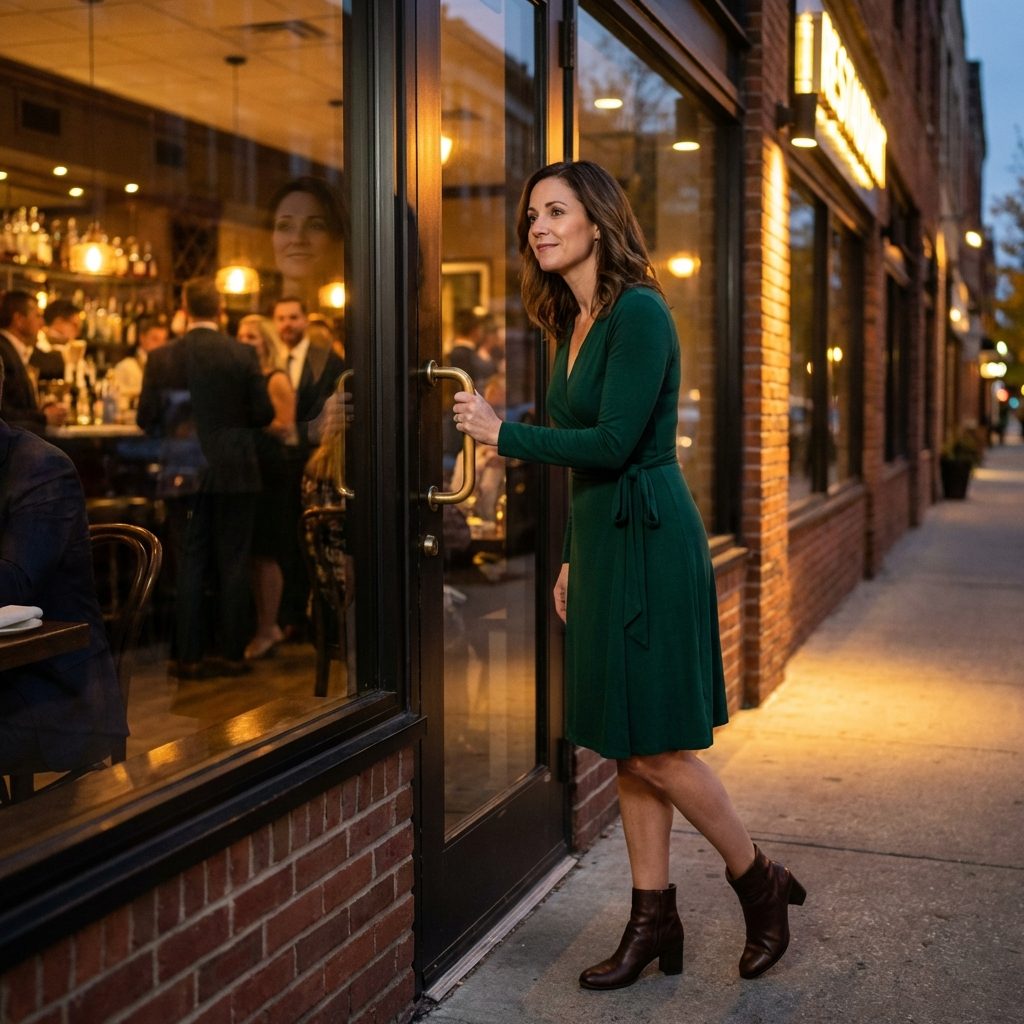
The outfit is decided. But so, on some level, is the reaction. You’ve already imagined who will notice, what they’ll say, how you’ll respond. The anticipation of the compliment is half the reason for the choice. This isn’t vanity exactly, it’s more like dressing as a social strategy, using clothes to engineer a specific response rather than to express something true.
The clearest version of this: when you walk in and no one comments, you feel like the outfit failed. Not because you didn’t look good, but because the performance didn’t land. When a great outfit requires an audience to feel worthwhile, that’s the sign to look at.
13. New Clothes Make You Feel Like a Different Person. Old Favorites Just Feel Like You.
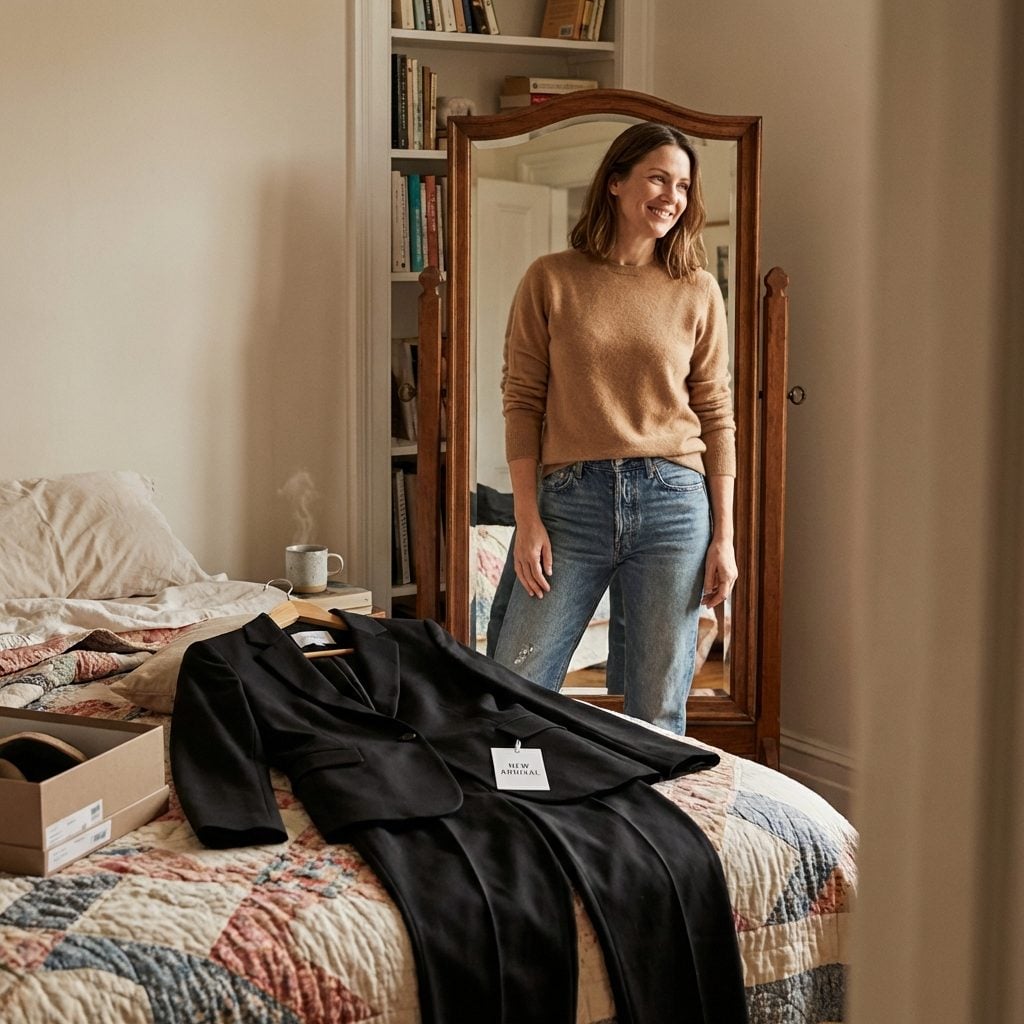
There’s a specific high that comes from something unworn. The tags are still attached, the fabric is crisp, it hasn’t learned your shape yet. And in that newness is the temporary feeling of reinvention. You feel more confident not because the garment is better, but because it’s still carrying the projection of who you might be, not the reality of who you are.
The pieces you love, worn soft and washed to the right texture, broken in and shaped to your actual body, those don’t deliver the same rush. They just feel like you. And for a lot of women, “feeling like yourself” has quietly become less exciting than “feeling like a better version of yourself that other people might find impressive.”
The athleisure style world actually figured this out early: comfort and familiarity create a different but equally valid kind of confidence, one that doesn’t require novelty to sustain itself.
12. You’re Dressing for a Version of Yourself That Lives in Other People’s Imaginations
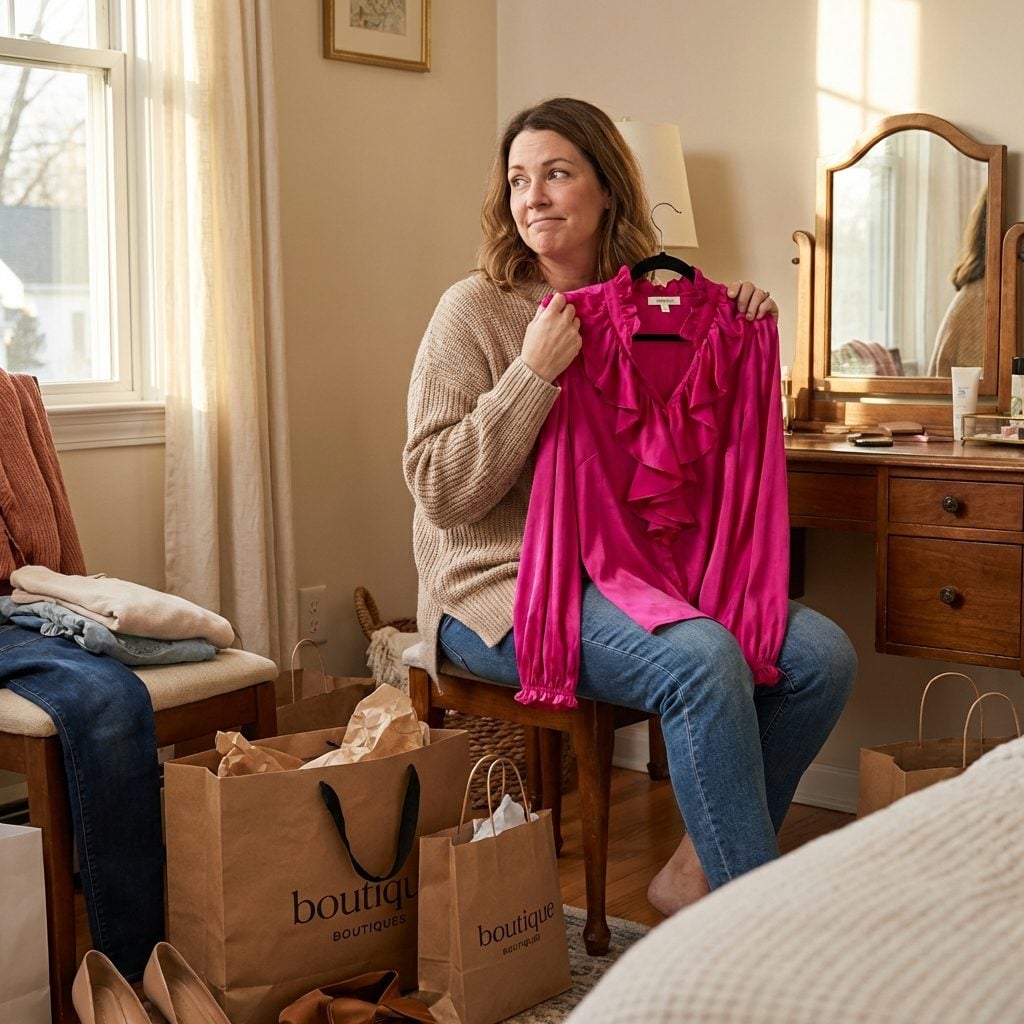
This is the deepest one. There’s a character you’ve been slowly building through your wardrobe: polished, put-together, a certain kind of successful or creative or refined. And you buy for her. You make choices based on what she would wear, this hypothetical version of you that others would find impressive or aspirational.
The problem is that she doesn’t actually exist. She’s a composite of other people’s expectations, social comparisons, and the version of yourself you think would finally be enough. The clothes in service of her tend to sit unworn, feel slightly wrong, and require an audience to justify.
Dressing for the woman you actually are, at this specific age and life and body and preference, is harder and rarer than it sounds. But the wardrobe that comes out of it is one you actually use, and reach for with something that feels less like strategy and more like recognition. The blush style movement got something right here: ease and authenticity register differently on a person than effort and performance, even when the quality of the clothes is identical.
11. You’ve Dropped What You’re Wearing Into a Conversation That Had Nothing to Do With Clothes

❤️ Would you like to save this?
It starts casually. Someone asks how your weekend was, and you mention the dinner, and then somehow, almost before you realize it, you’ve mentioned that you wore the silk blouse you found at that little boutique. Nobody asked. But you needed them to know. There’s a specific hunger behind that impulse: the need for the outfit to be witnessed, not just worn.
Fishing for compliments about your appearance isn’t vanity so much as it is anxiety dressed up as conversation. It signals that the clothes haven’t done their internal job yet. You wore them, but they didn’t settle anything for you. You’re still waiting for the verdict from someone else’s mouth.
10. A Room Full of Well-Dressed Women Makes You Feel Like You Showed Up in the Wrong Body

You got dressed carefully. You thought you looked good. And then you walked into the room.
Suddenly the outfit you felt confident in an hour ago feels like a costume you assembled wrong. You scan what everyone else is wearing. You do math, who’s more polished, who spent more, who looks like they just know something you don’t. The anxiety isn’t really about clothes. It’s about belonging, about whether you deserve to take up space alongside people who seem to have it figured out.
The telling detail: your discomfort doesn’t track with how you actually look. You can be wearing something genuinely considered and still feel exposed. That’s the sign. When your confidence lives entirely outside yourself, no outfit can hold it in place.
9. You Follow Influencers Not Because They Inspire You, But Because They Tell You What’s Safe to Wear

There’s a difference between following someone because their style sparks something in you and following someone because they remove the risk of getting it wrong. One is creative fuel. The other is outsourcing your taste.
If your relationship with the accounts you follow is more about permission than curiosity, that’s worth sitting with. You screenshot outfits not to interpret them but to replicate them exactly, down to the brand. You treat their captions like instructions. You feel relief when something they wear matches what you already own, as if their approval retroactively validates your closet.
Real style inspiration leaves room for your own instincts. It shows you a direction, not a destination. When influencers function as a safety net rather than a spark, you’re not building a personal aesthetic. You’re renting someone else’s.
8. You’ve Justified an Outfit You Couldn’t Afford by Telling Yourself You Needed It
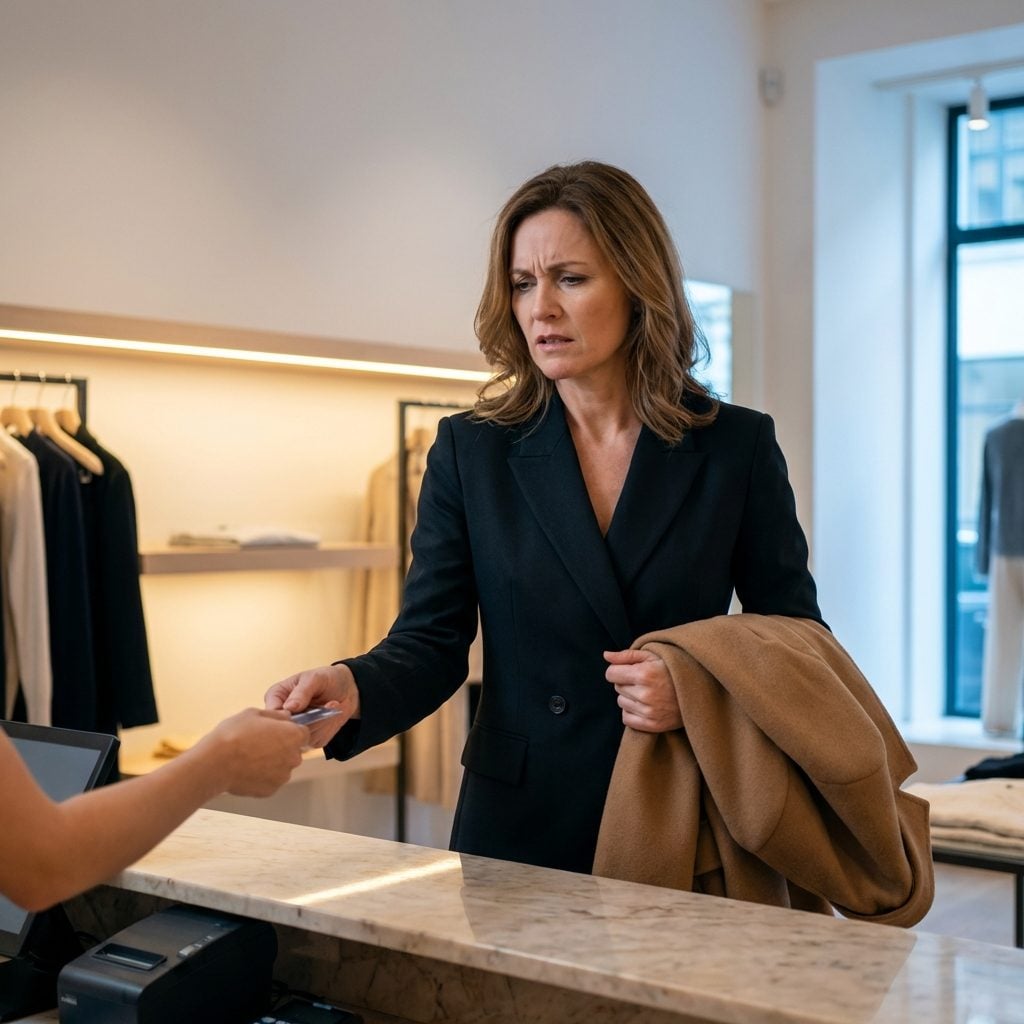
The internal negotiation goes something like this: it’s an investment, it’ll last forever, you’ll wear it constantly, you deserve it. And underneath all of that, quieter and more honest: you need to look like someone who can afford this.
Spending beyond your means to project a financial image you don’t actually have is one of the most direct signs that your wardrobe is doing emotional labor it was never designed to handle. Clothes can signal taste. They cannot actually change your bank balance or your status, though the desire for them to do so is deeply human and not something to feel ashamed of.
The outfit that costs more than your grocery budget isn’t a power move. It’s a question: whose approval are you buying it for?
7. Your Self-Worth Goes Up and Down With How Put-Together You Look That Day
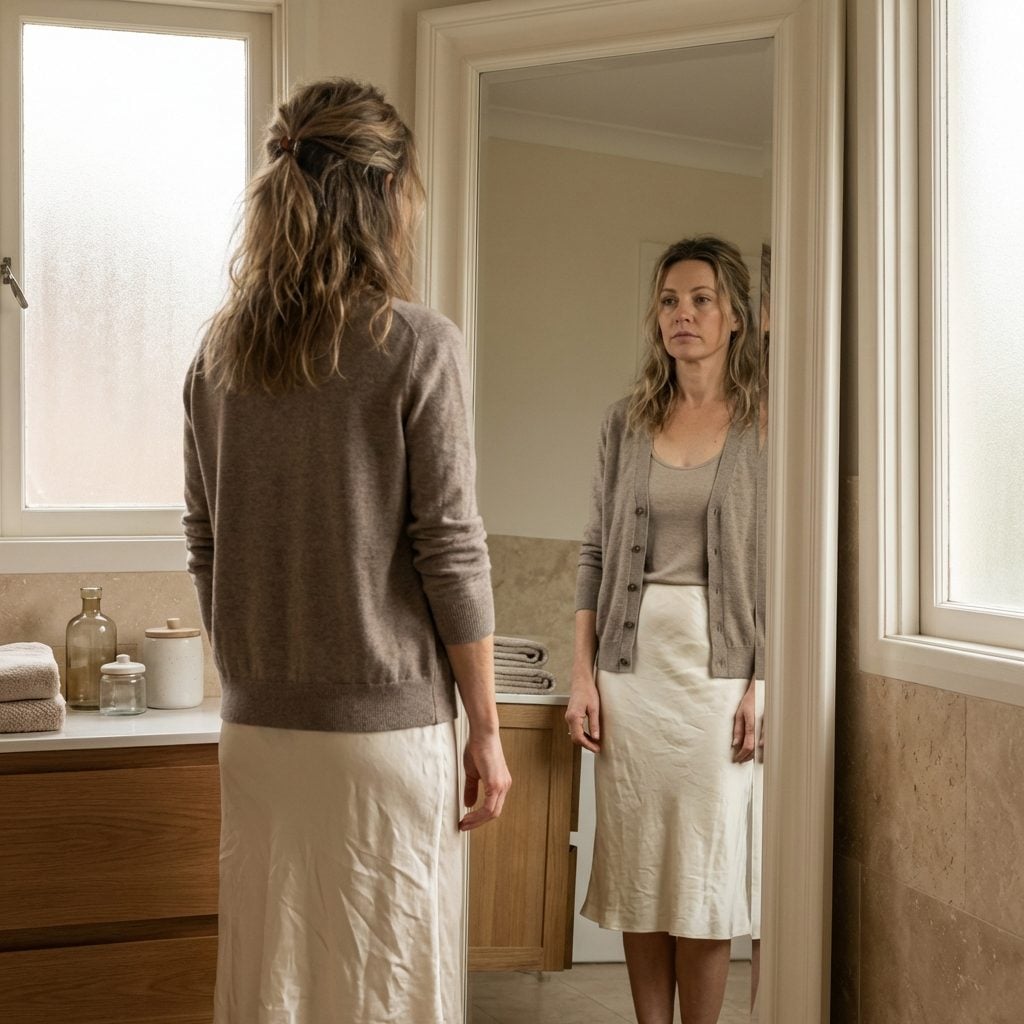
On the mornings you pull it together, the right outfit, hair cooperating, everything cohesive, you feel capable, ready, like yourself. On the mornings you don’t, something heavier follows you out the door. It’s not just about looking disheveled. It’s that without the external armor in place, you feel genuinely less valuable as a person.
This is worth naming plainly: appearance and worth are not the same thing, even when decades of messaging have tried to make them feel synonymous. The slippery, habitual tie between how you look and how much you matter is one of the more insidious things fashion culture does to women, particularly as they age and the pressure to “keep up” intensifies.
If a bad hair day can derail your confidence entirely, the issue isn’t the hair.
6. You Own Outfits That Look Incredible on a Screen and Feel Wrong Every Time You Actually Wear Them
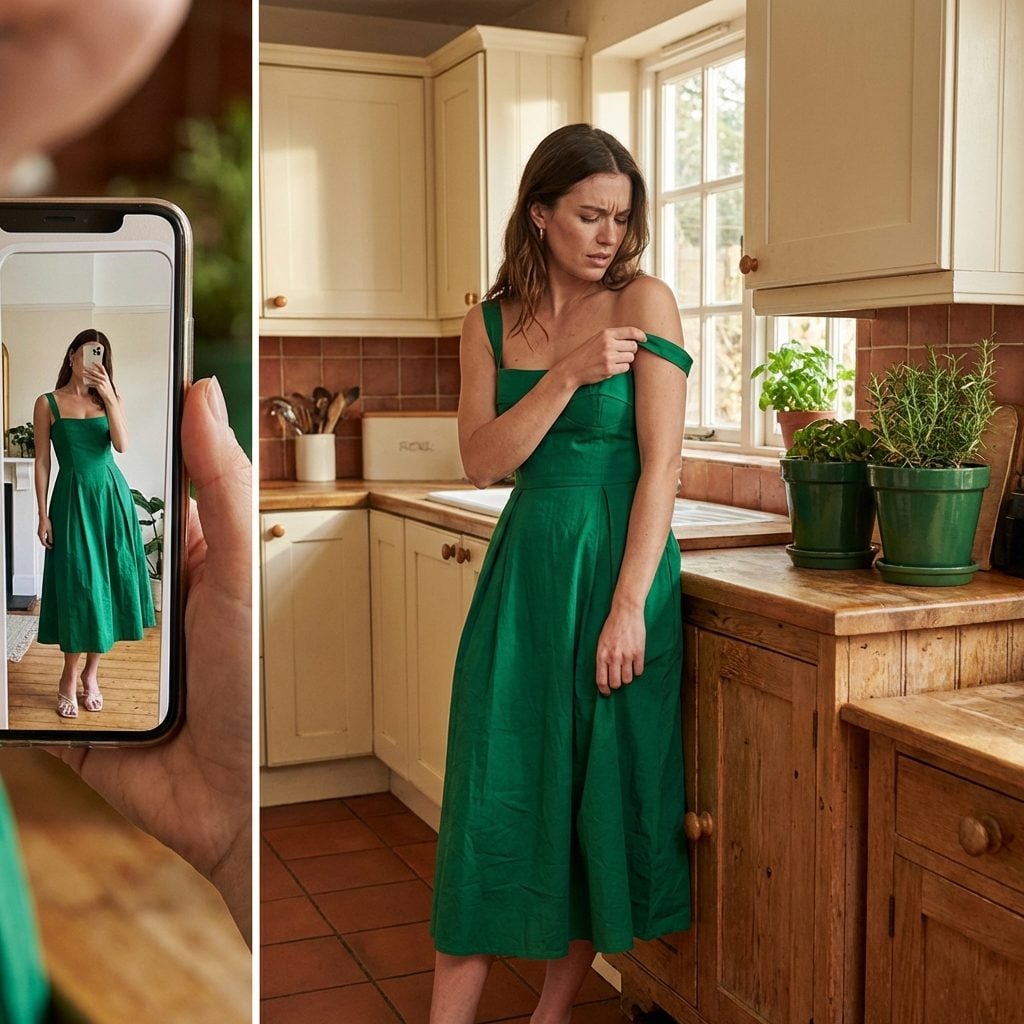
You bought it because it photographed like a dream. The color popped. The silhouette was editorial. In every flat-lay and mirror selfie it looked exactly like the life you wanted to be living. Then you wore it to an actual Tuesday, and something was off the entire time: the waist sat wrong, the fabric was noisier than you expected, you kept pulling at it.
Dressing for the camera rather than for your body and your day is a specific modern condition. It didn’t exist twenty years ago. Social media created a parallel version of getting dressed where the audience is the algorithm, not the actual moment.
5. You’ve Quietly Changed Before Your Partner Gets Home So They Don’t See the Comfortable Version of You
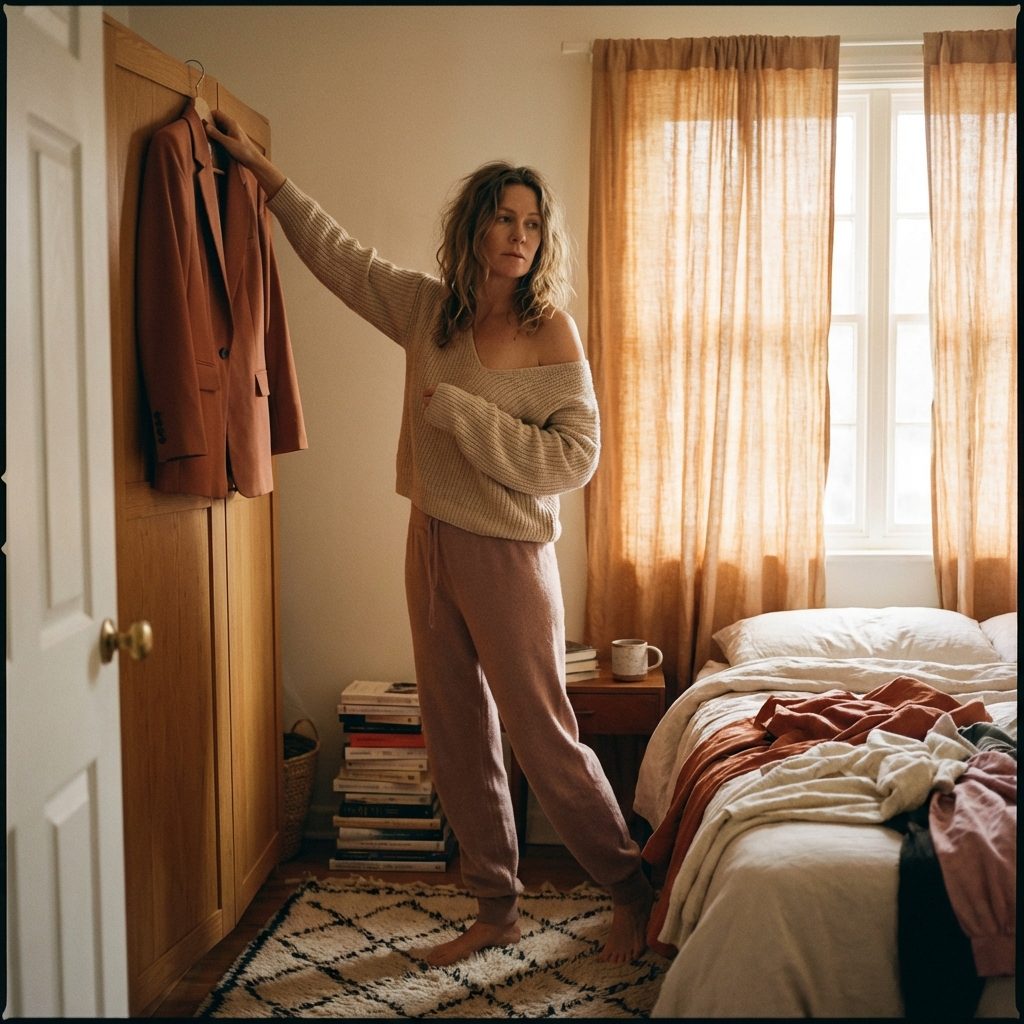
The day clothes go back on. The comfortable trousers get swapped out. You run a brush through your hair. You tell yourself it’s just about looking nice, that you care about how you present, that there’s nothing wrong with it. And maybe that’s all true some of the time.
But if the comfortable version of you is something you consistently hide from the person who knows you best, it’s worth asking why. The clothes you wear when nobody is watching are often the most honest wardrobe you own. The athleisure style you pull on the second you get home, the oversized knit you live in on weekends, the flat shoes you sigh into with relief: those are data points about who you actually are.
4. You Talked Yourself Out of the Thing That Was Actually You Because It Felt Like Too Much
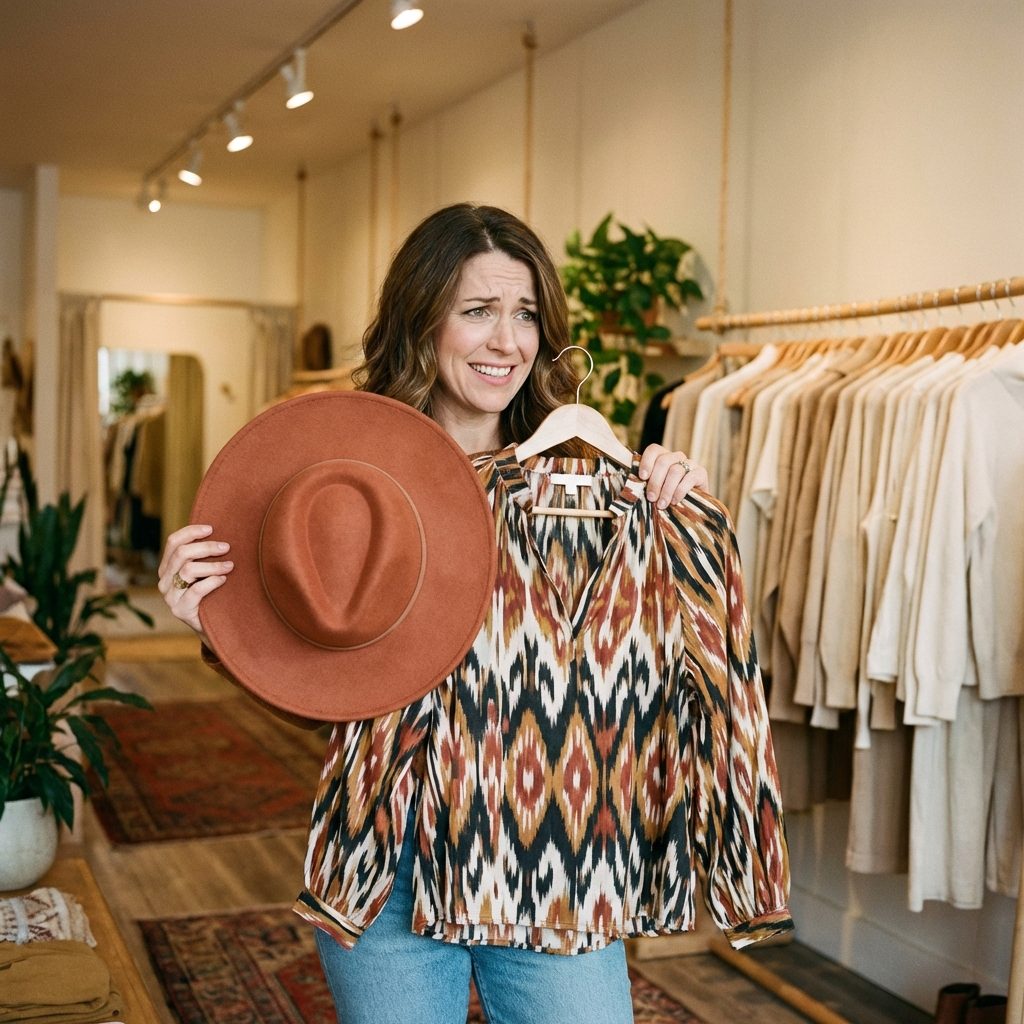
You found it. A piece that felt genuinely, viscerally right. Maybe a richly patterned blush style coat, or a wide-brim hat, or something with a silhouette that made you stop mid-scroll. And then the voice came in: too loud, too much, too old for that, who do you think you are.
Talking yourself out of what genuinely resonates, in favor of what you predict will be approved of, is one of the quieter betrayals in a wardrobe built for other people. The things you dismissed as “too much” are often exactly the things that would have made your style distinct.
Personal style has an edge of risk in it. If everything you wear is something nobody could object to, you’ve designed a wardrobe for a committee, not for yourself.
3. You Only Feel Good About What You’re Wearing After Someone Else Says You Look Good
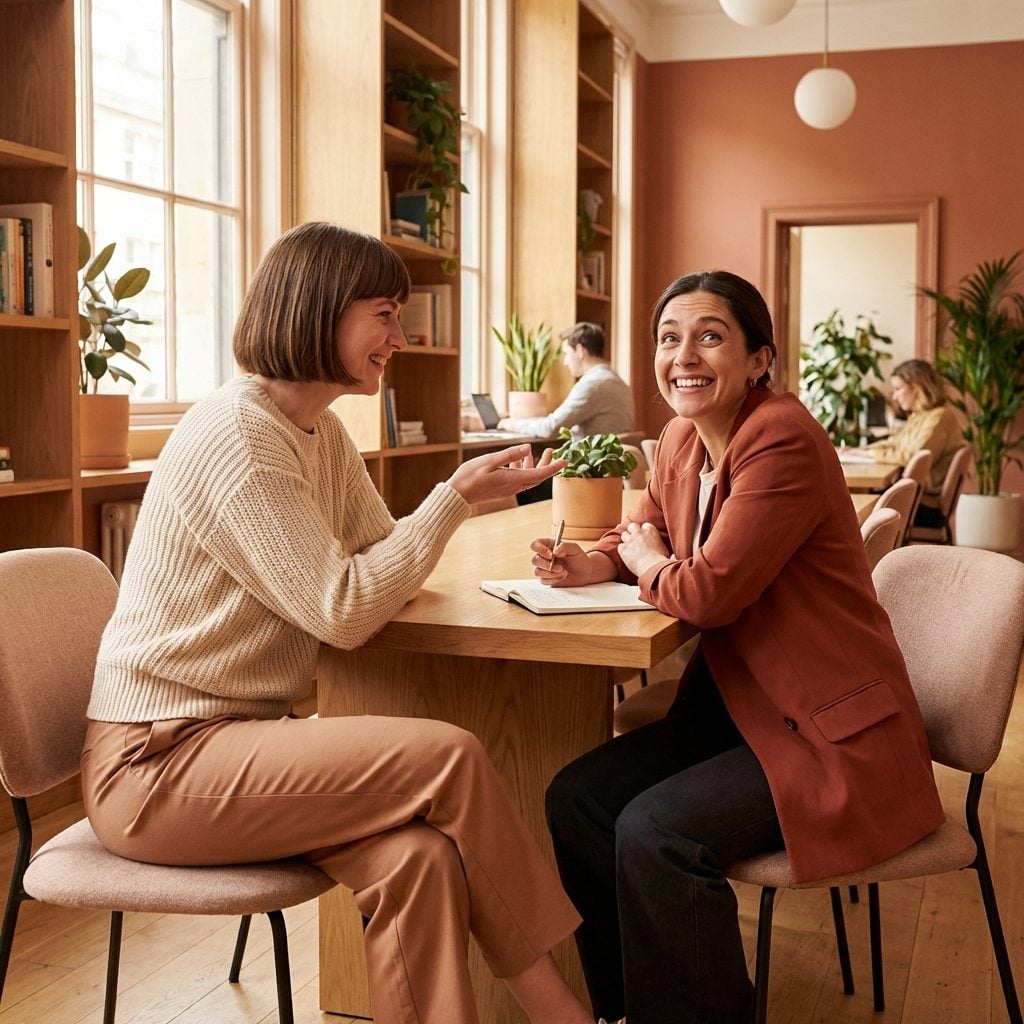
There’s a specific hollowness to this one. You get dressed, you feel fine, you go about your morning. Then someone says “you look great today” and suddenly the outfit clicks into place. You feel it now. The confirmation arrived and now the clothes feel like they fit properly.
That dependency is the sign. Not the pleasure of a compliment, receiving one graciously is lovely and normal. But when the compliment is what activates your confidence rather than amplifying an existing feeling, you’re handing over the ignition key to your self-perception.
Real satisfaction with how you look tends to arrive before anyone else’s opinion does. It’s quieter and more settled, and it doesn’t dissolve when nobody mentions it.
2. Your Wardrobe Is Dressed for a Version of Your Life That Mostly Exists in Your Head
❤️ Would you like to save this?
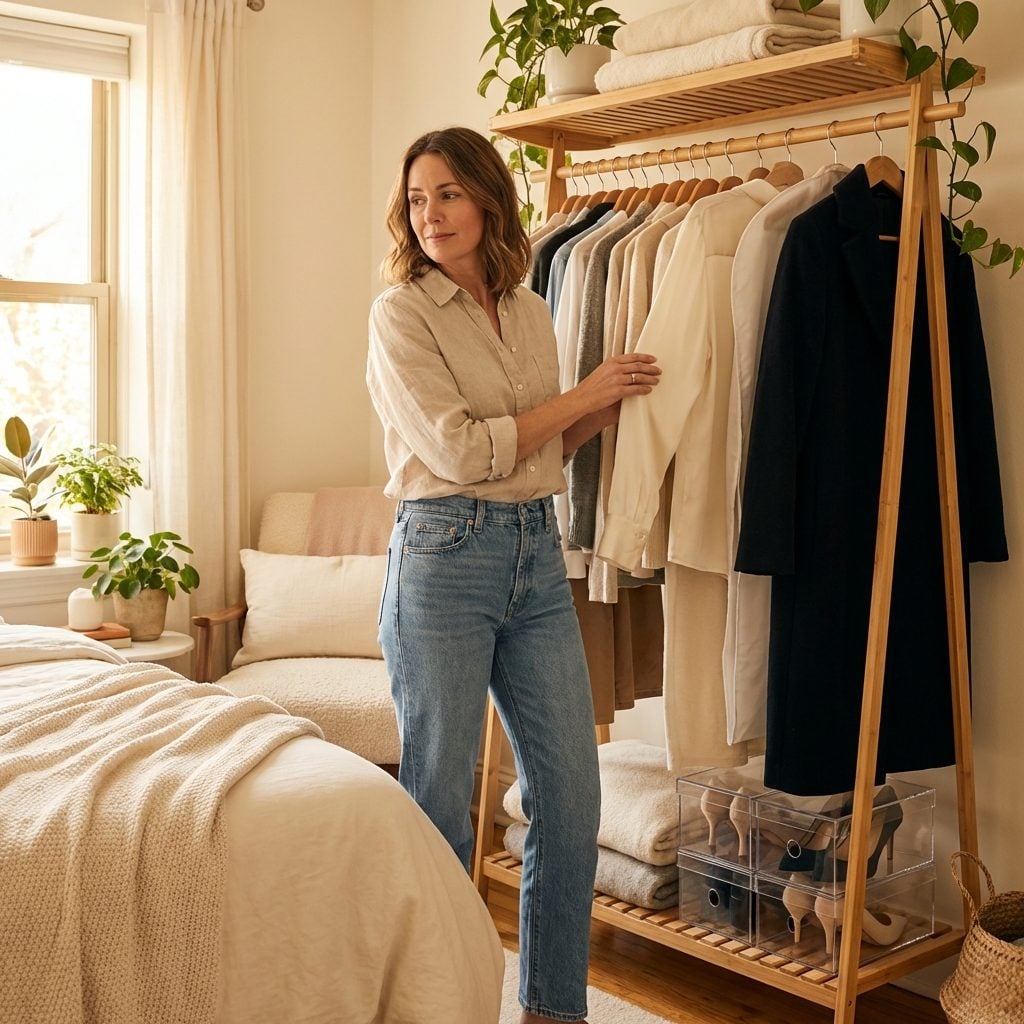
The silk blouses you’re saving for the right occasion. The heels you bought for a confidence you were planning to grow into. The beige style trench coat that lives in the dry-cleaning bag because nothing in your actual week feels worthy of it. There’s a whole fictional life hanging in your wardrobe, populated by events that haven’t arrived yet.
Dressing for the life you want others to believe you have, rather than the one you’re actually in, creates a closet that’s always slightly wrong. Not because the pieces aren’t beautiful, but because they don’t connect to anything real.
1. You Cannot Actually Remember the Last Time You Got Dressed With No Audience in Mind
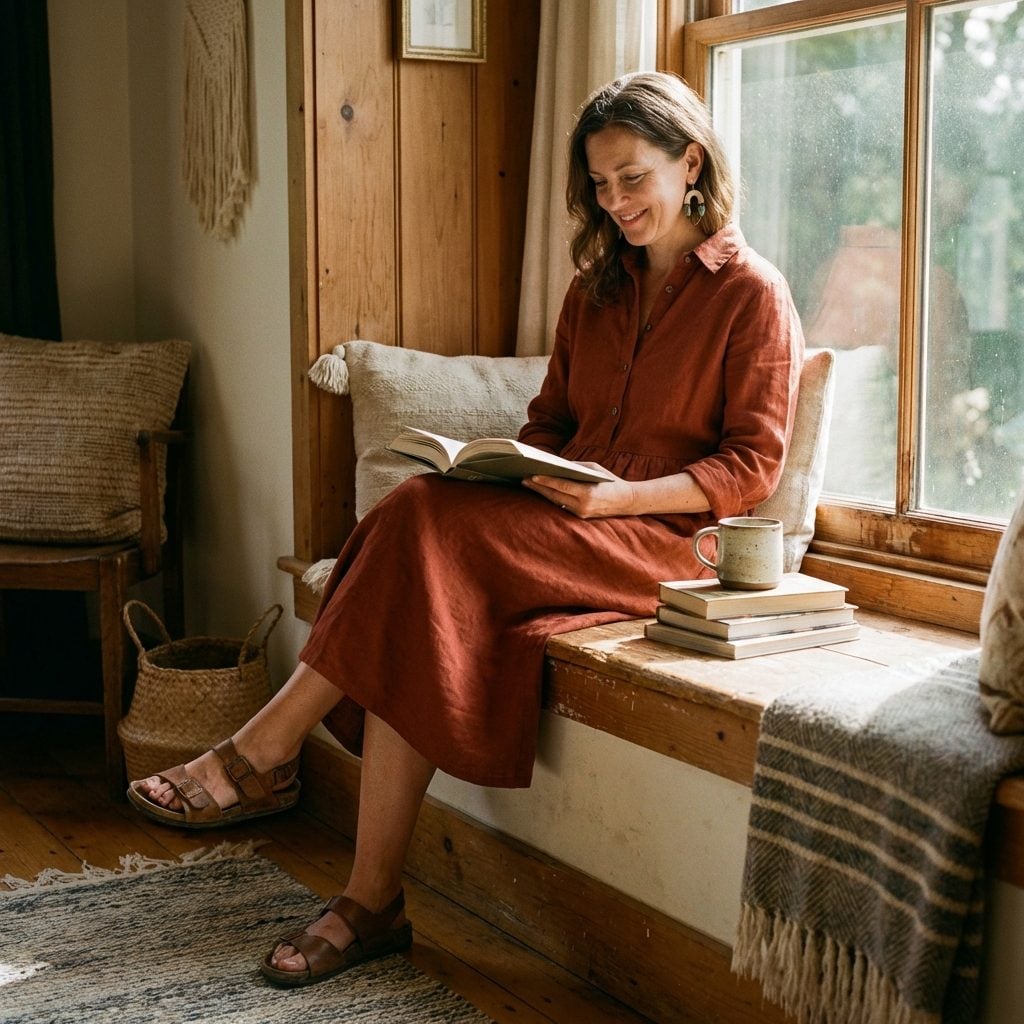
Think back. Not a memory of looking good, a memory of getting dressed purely because you felt like it. Because the color made you happy. Because the fabric felt right against your skin. Because the silhouette matched your mood, and the mood wasn’t performing anything for anyone.
For many women, that memory is harder to locate than it should be. Getting dressed has been social for so long that the private version of it barely exists anymore.
This is worth reclaiming, not as a grand act of self-discovery, but as a small, regular practice. Wear the thing that makes no sense for the occasion. Choose the color that’s just for you. Put on the earrings even if you’re only going to the garden. Those small acts of dressing for yourself, with nobody watching and nothing to prove, are often where your actual style starts to surface.