❤️ Would you like to save this?
The smell of Aqua Net is a Proustian madeleine for anyone who came of age in the 1980s. One whiff and you’re back in front of a bathroom mirror with a round brush, a diffuser, and an optimism about hair volume that bordered on religious conviction. We teased, we crimped, we permed, we frosted, and we did all of it with complete confidence. Here are 36 hairstyles that defined a decade, captured on film, and lived rent-free in our memories ever since.
FYI, thanks to AI imagery software, we’re able to create very specific fashion and hairstyle examples to illustrate the points being made. In some cases, imagery is exaggerated to hammer home the point. Also, assume links that take you off the site are affiliate links such as links to Amazon. this means we may earn a commission if you buy something.
34. The Big Feathered Blowout That Required Its Own Shelf of Hairspray
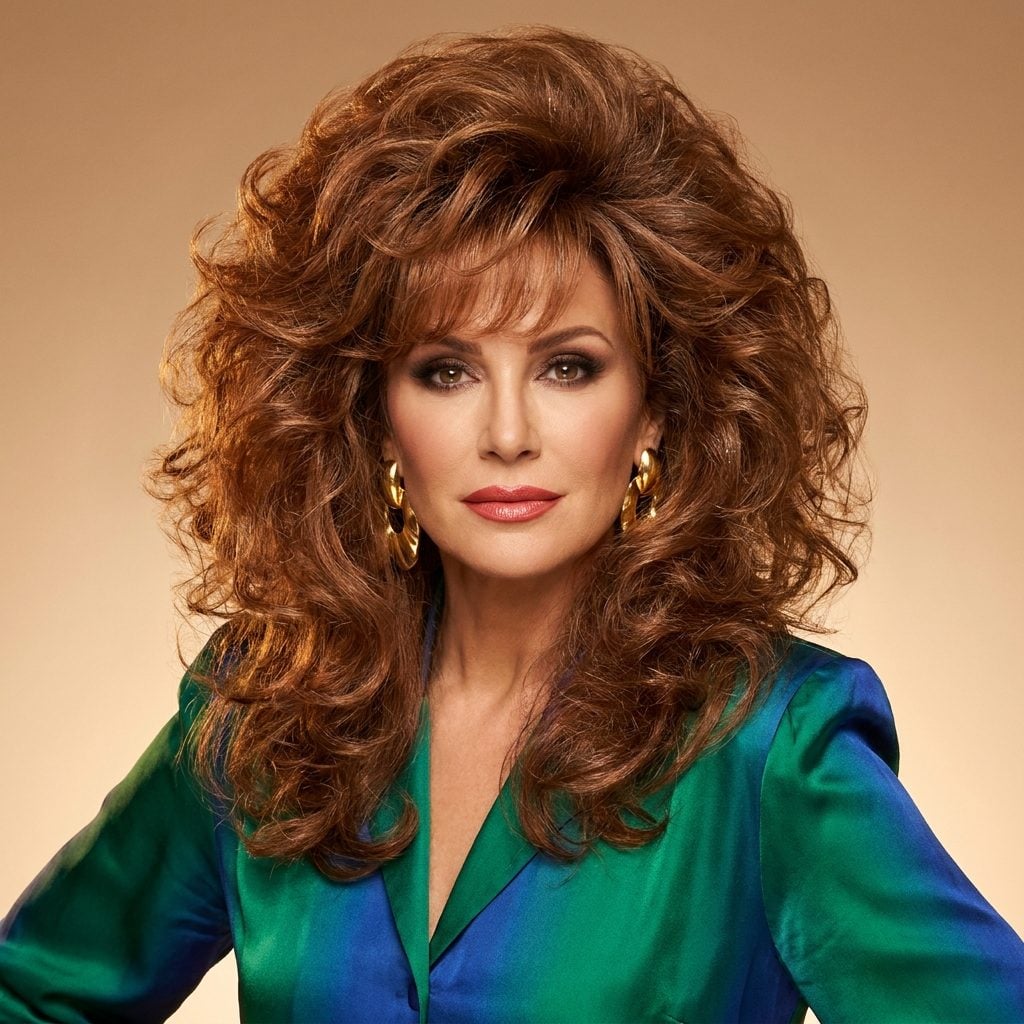
The can of Aqua Net was not a hair product. It was a load-bearing structure. You sprayed before the blowout, during the blowout, and then one more time for good measure while your mom yelled from the hallway that you were going to asphyxiate the whole family. The result was a helmet of perfectly feathered wings that could survive a wind tunnel.
Every woman with access to a round brush and a 1500-watt dryer was attempting this look, and the goal was always more: more height, more separation, more shine. Farrah Fawcett had set the template in the late 1970s and the 1980s just turned up the volume, literally. You could judge the decade by the width of a woman’s hair silhouette.
33. Mall Bangs: The Structural Engineering Project That Lived Above Your Forehead
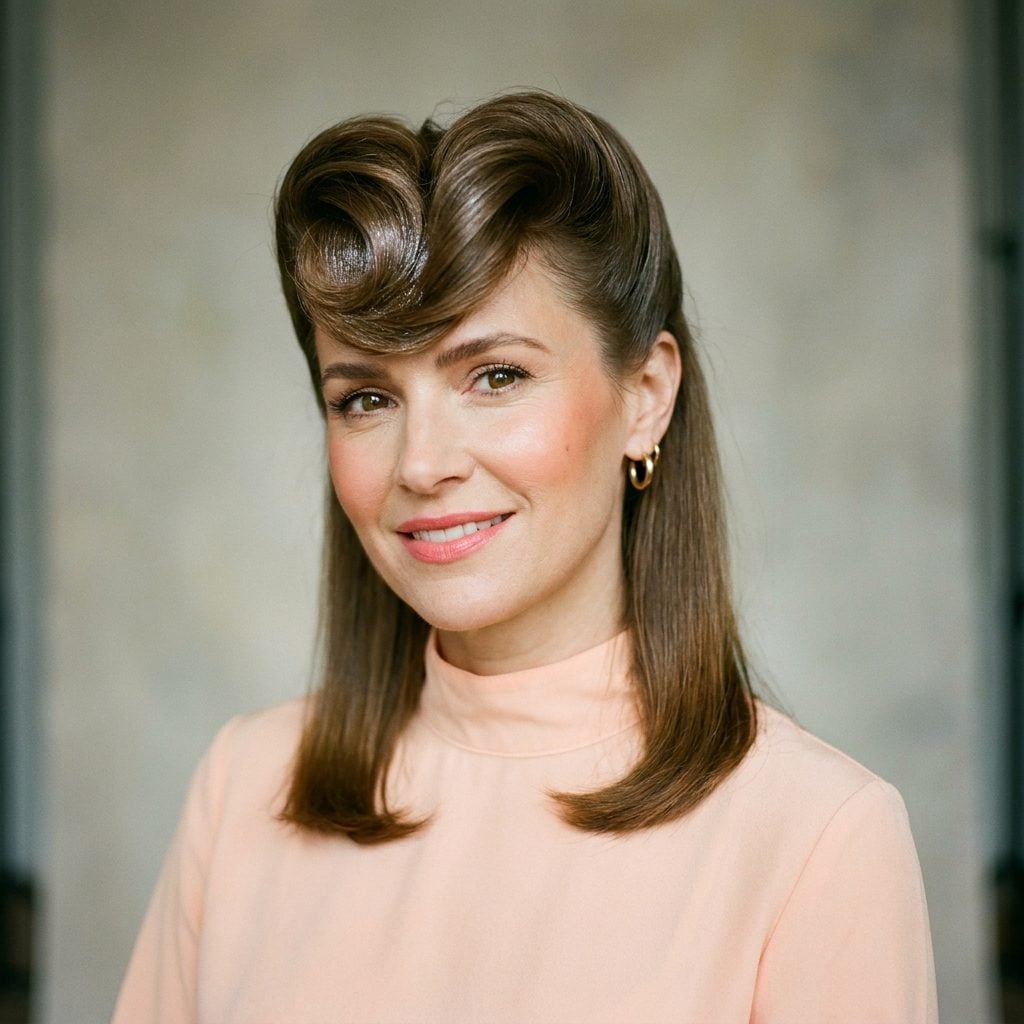
Getting mall bangs right required a curling iron, a rat-tail comb, a full can of Rave, and about twenty minutes of construction work you absolutely did not have before first period. The finished product was a thick horizontal wave that defied gravity by roughly three to four inches, rolled under at the tips and then swept dramatically upward like a wave that had changed its mind.
The rest of your hair was completely irrelevant. It just hung there, straight and unremarkable, while the bangs did all the talking. This was the universal signal at every mall food court from 1984 to 1991 that you were putting in effort. No one questioned the physics. We just kept spraying.
32. Crimped Hair from Root to End, Because Smooth Was Simply Not the Goal
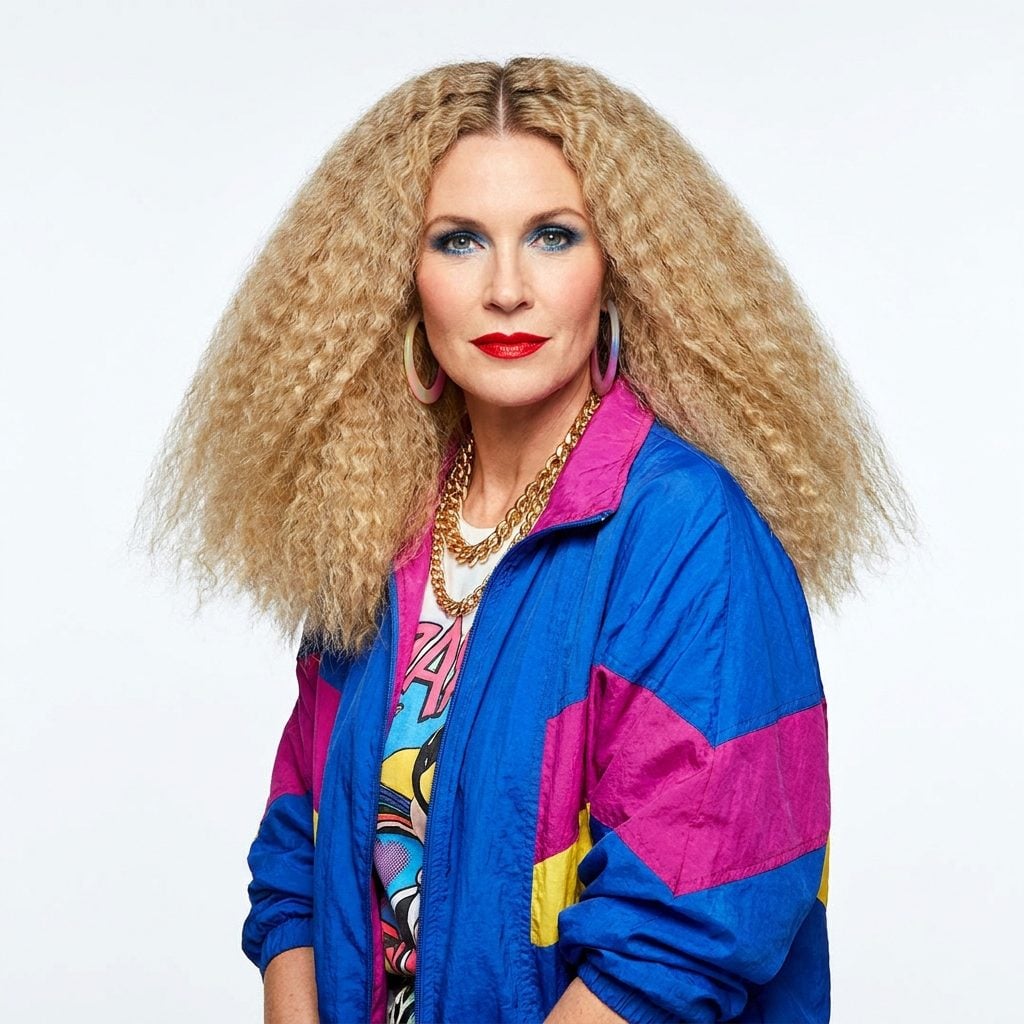
The crimping iron was sold as a styling tool. It was actually a texture machine that turned ordinary hair into something resembling a lasagna noodle from root to end, and we were obsessed with it.
You did not crimp a section for accent. You crimped everything. The goal was total coverage, a dense field of identical zigzag ripples stacked into a triangular silhouette that got wider as it got longer. Combined with a center part, the whole arrangement had the structural integrity of a novelty tent.
Cher had been doing a version of this since the 1970s, but by 1985 the electric crimping iron brought the look to every bathroom vanity in America. The balayage styles of today feel almost restrained by comparison.
31. The Side Ponytail with a Scrunchie the Size of a Small Animal
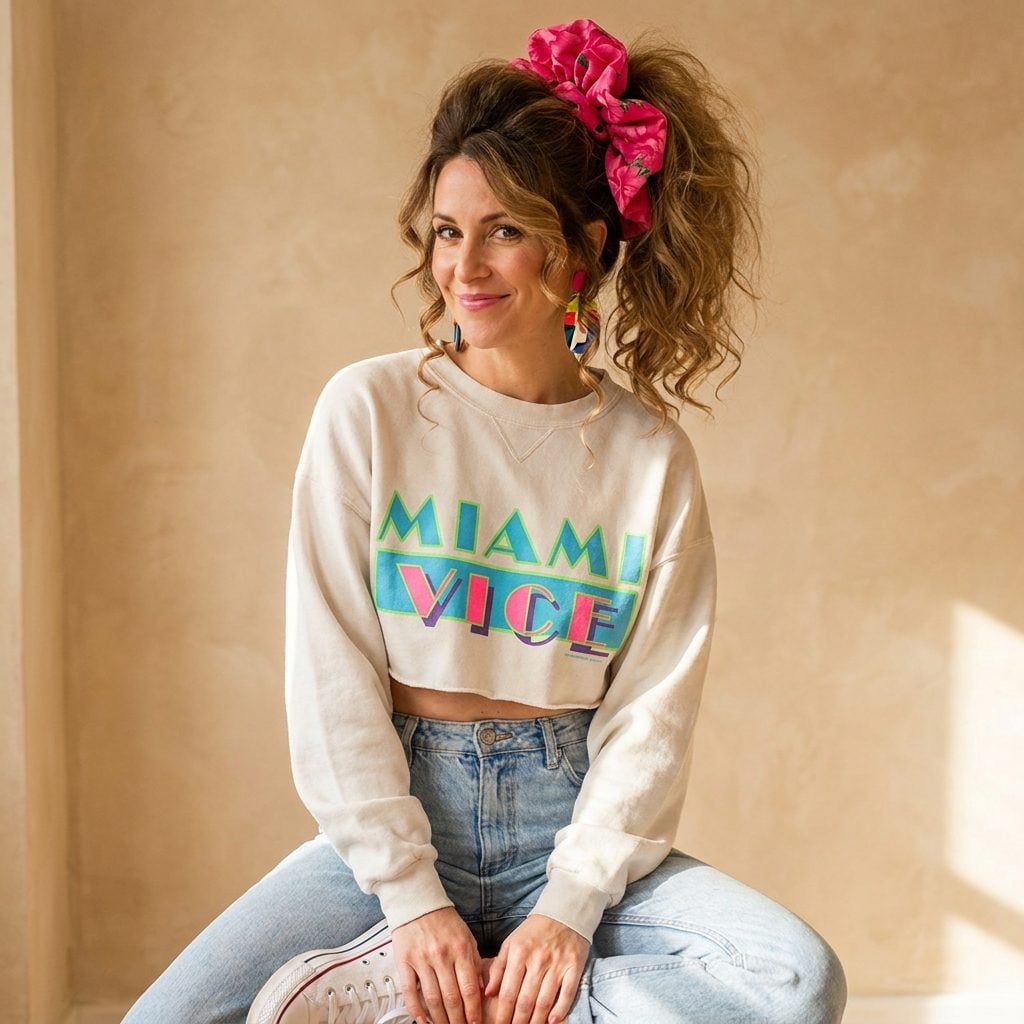
Placement was everything. A center ponytail was neutral. A low ponytail was giving up. A high side ponytail secured with a fabric scrunchie roughly the diameter of a softball meant you had somewhere to be, specifically the roller rink or the mall, and you had prepared accordingly.
The scrunchie had to be large enough to function as a visual statement on its own. Velvet ones were for fall. Neon satin ones were for summer. The plaid and floral cotton ones you got in a pack of six from Claire’s were for every other occasion. You could tell a lot about someone’s social situation by the size and pattern of their scrunchie, and we all absolutely knew this.
30. The Female Mullet: Business in Front, an Entire Personality in the Back
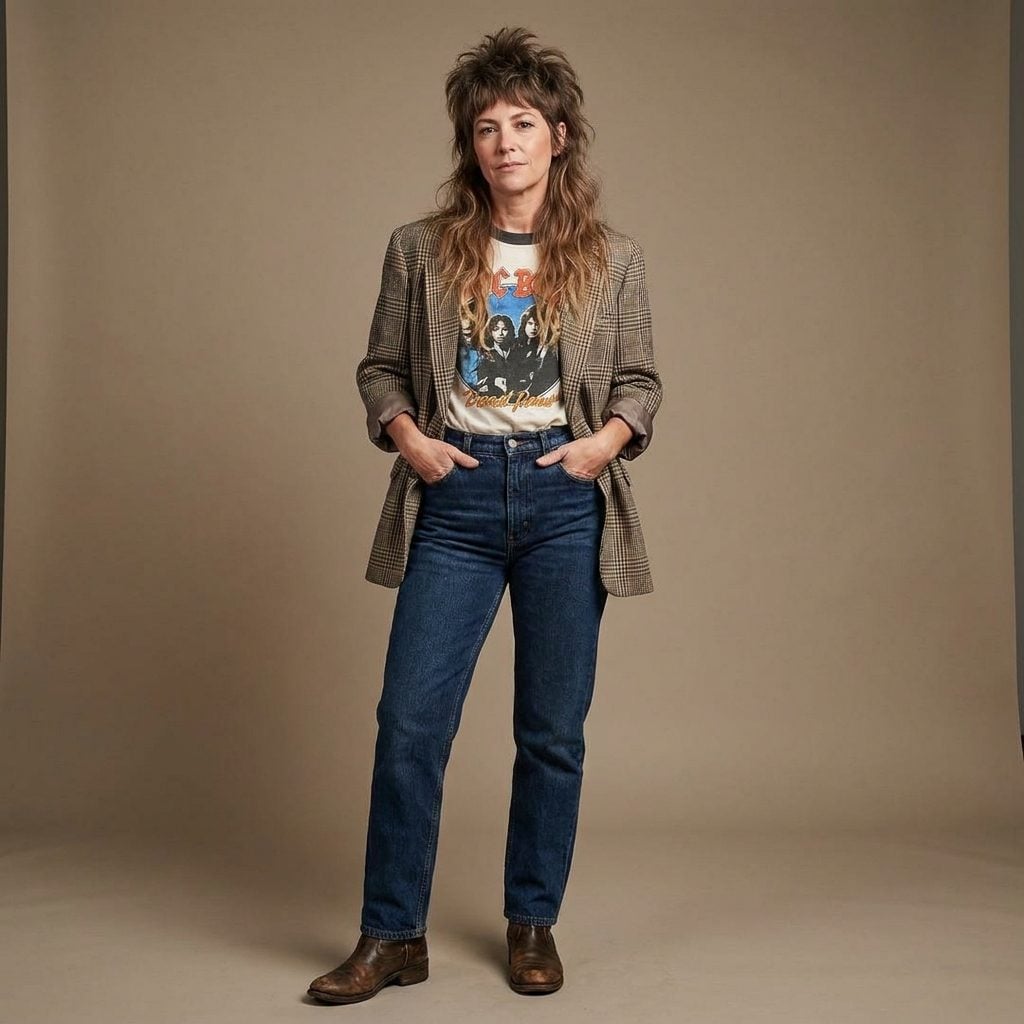
It had a lot of names. The shag. The bi-level. The modified cut. Nobody called it a mullet to your face in 1986, because in 1986 it was simply a haircut that a very large number of women had, including at least one of your aunts, your gym teacher, and roughly half the women in the Sears catalog.
The androgynous style of it was part of the appeal. Short enough to look modern, long enough in the back to feel feminine. It photographed well in yearbooks. It grew out awkwardly. It was everywhere.
29. The Spiral Perm That Turned Your Hair Into a Permanent Special Occasion
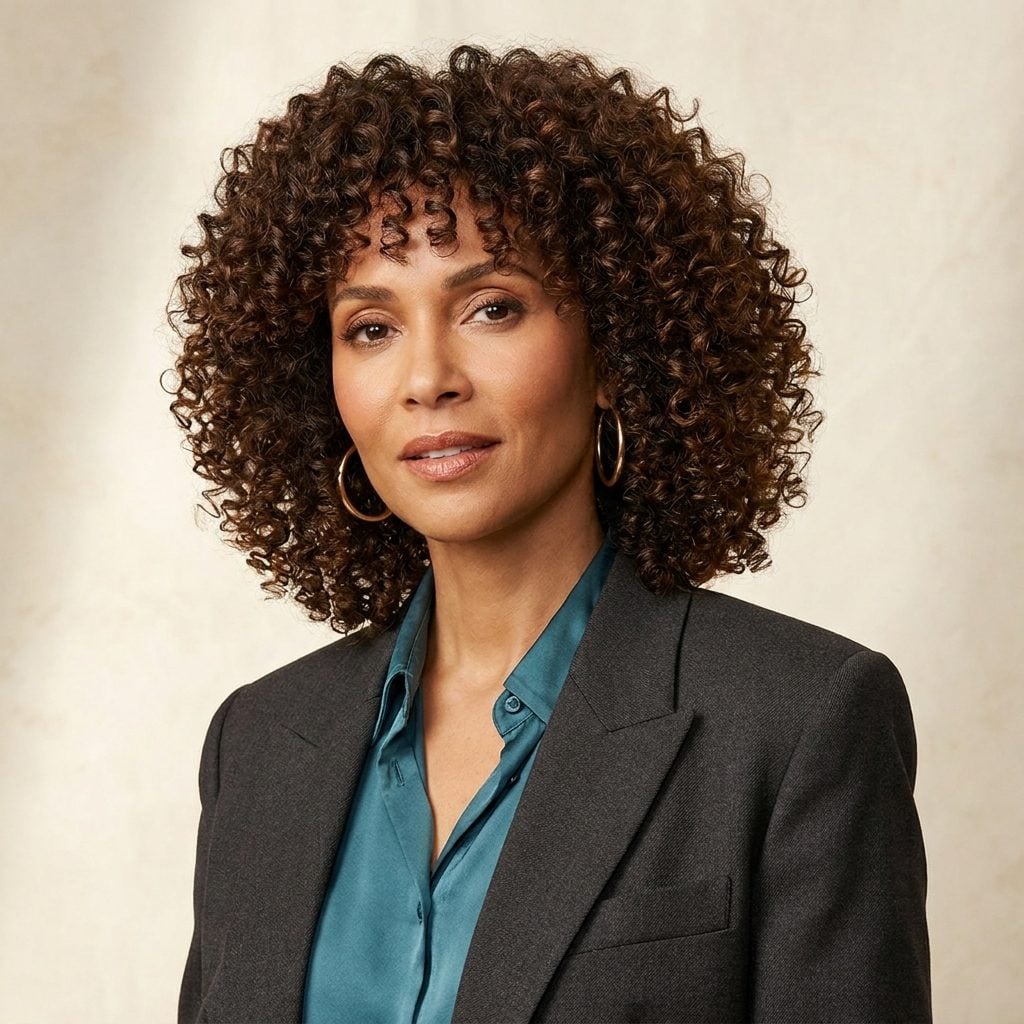
Sitting in that salon chair for three to four hours while your scalp processed through whatever chemical miracle a spiral perm required was genuinely a commitment. You smelled like permanent wave solution for two days. Your pillow had a particular texture for a week. And the result was a head of tight, springy corkscrew curls that bounced when you walked and required a diffuser and a prayer every morning thereafter.
Everyone who got one was told not to touch it while it was setting. Everyone touched it. The ones who came out best were the ones with naturally thick hair that held the curl pattern through humidity, rain, and approximately eighteen months of morning diffusing sessions before it finally grew out into something unclassifiable.
28. The Dorothy Hamill Wedge, Updated for a Decade That Liked Things Sharper
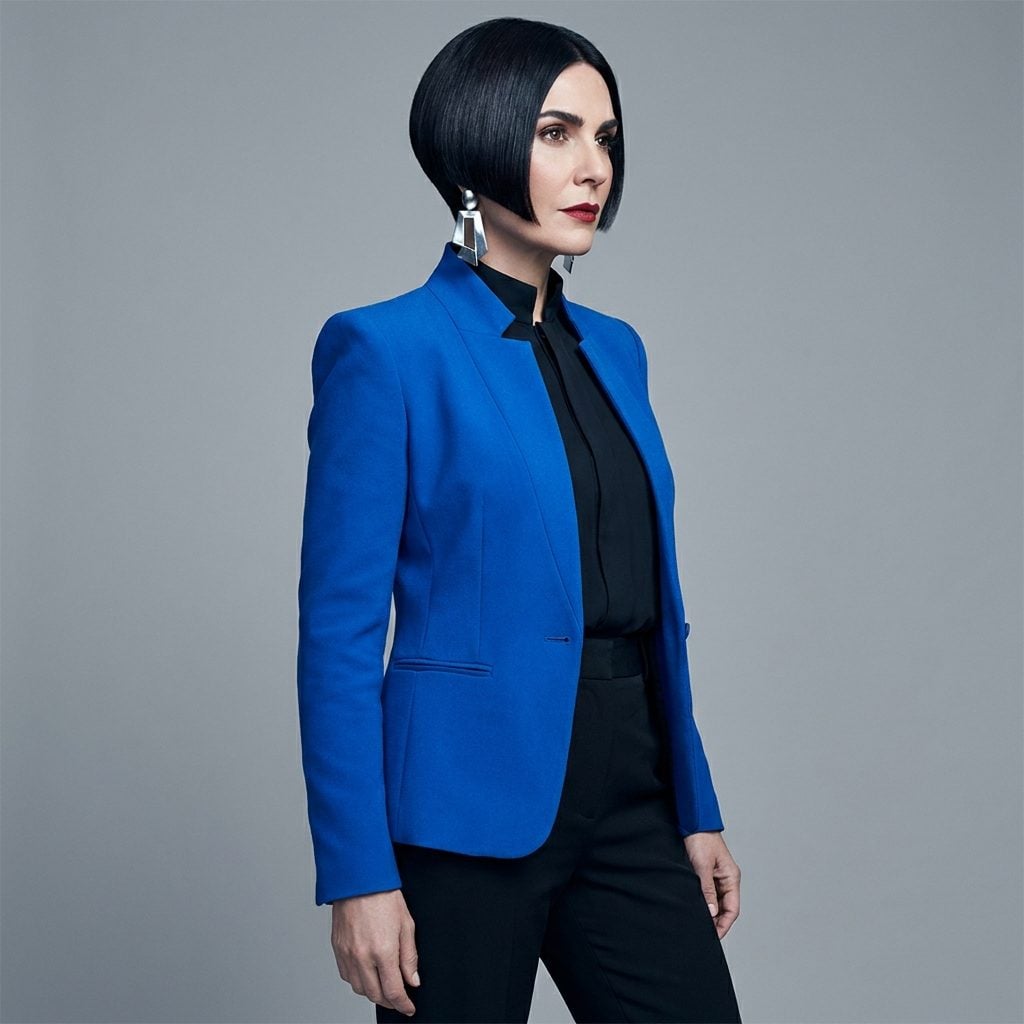
Dorothy Hamill won the gold medal at the 1976 Olympics and took about half the women in North America along with her, stylistically speaking. By the early 1980s the wedge had evolved: sharper angles, more defined lines, a side-swept fringe that sat precisely where it was supposed to sit and did not move.
It was the androgynous hairstyle that women in their 30s and 40s gravitated toward when they were done maintaining larger styles. Low effort relative to everything else on this list. No diffuser required. A good cut and a small round brush and you were sorted. The women who had it always looked like they had their lives together, which in retrospect may have been the point entirely.
27. The Asymmetric Cut That Announced You Were Not Playing Around
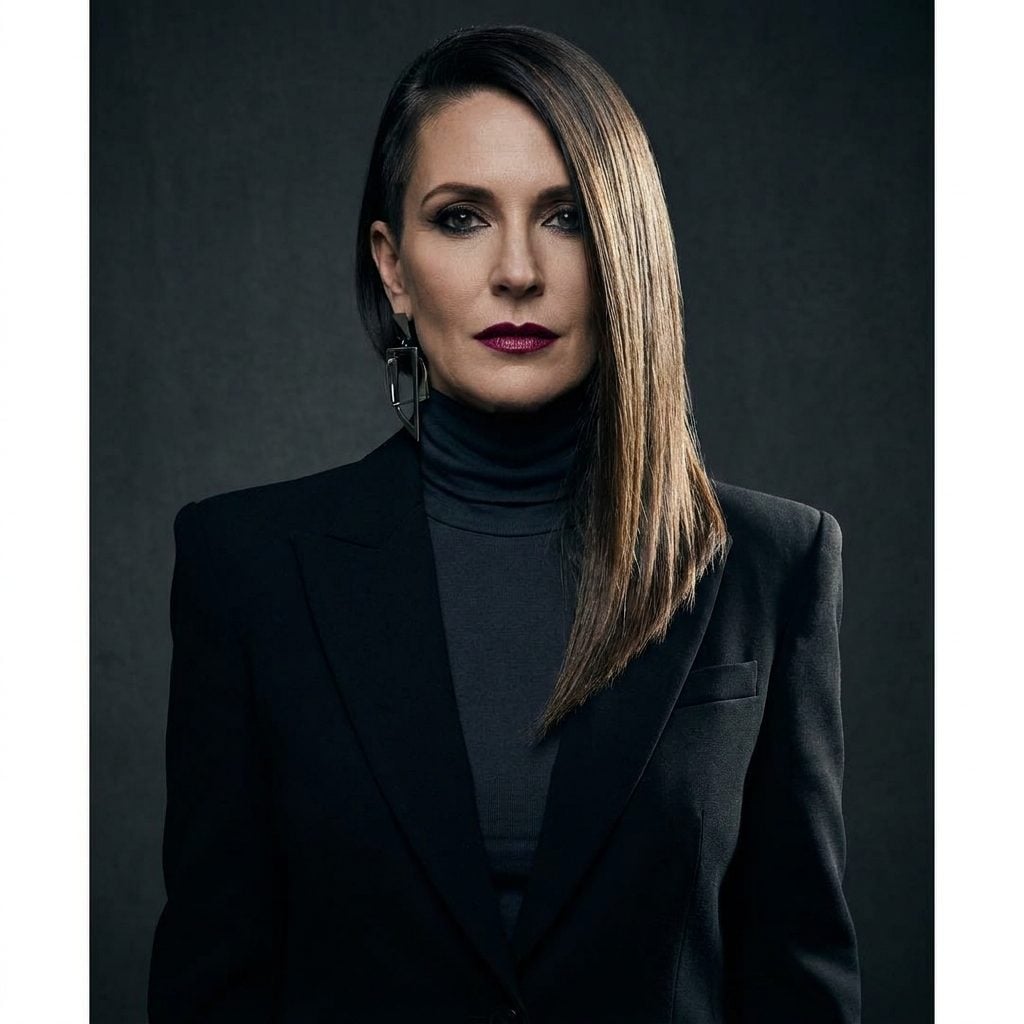
This was not a haircut you accidentally got. You brought in a picture. You sat in the chair and had a conversation with your stylist. You possibly showed your mother and she said absolutely not and you did it anyway. The asymmetric cut was a declaration.
One side short, one side long, and the difference between them was the entire message. Grace Jones had been making this kind of architectural statement since the late 1970s, and by the mid-1980s it had filtered down from avant-garde club culture into suburban salons where it still felt genuinely radical.
The women who wore this well wore it with intention: sharp eyeliner, big earrings on the short side, nothing accidental. It was one of the few hairstyles of the decade that actually looked better as you got more confident. Some looks age badly. This one just gets more interesting.
“One side short, one side long, and the difference between them was the entire message.”
26. The Feathered Wings That Farrah Built (And We All Tried to Copy)
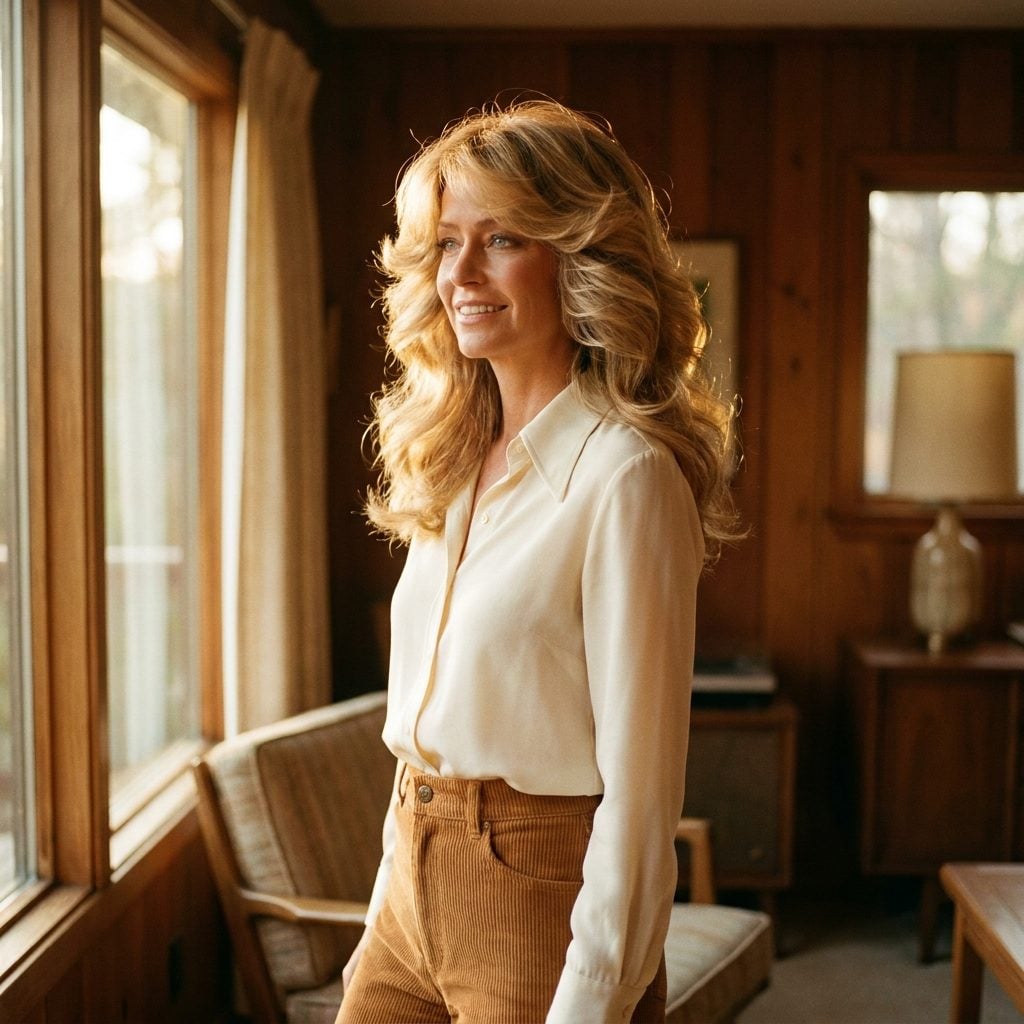
You practiced this in the bathroom mirror every single morning. The wide-barrel curling iron. The rattail comb. The half a can of Aqua Net. Getting those wings to flip back symmetrically on both sides was genuinely one of the defining challenges of our teenage years, and we treated it with the seriousness it deserved.
Farrah launched it on a poster in 1976, but this hair owned the entire first half of the 1980s. Every girl wanted it. Most of us achieved a lopsided version where one side flipped and the other just sort of… flopped. We told ourselves it was the humidity.
25. The Short Feathered Crop That Said ‘I Have Places to Be’
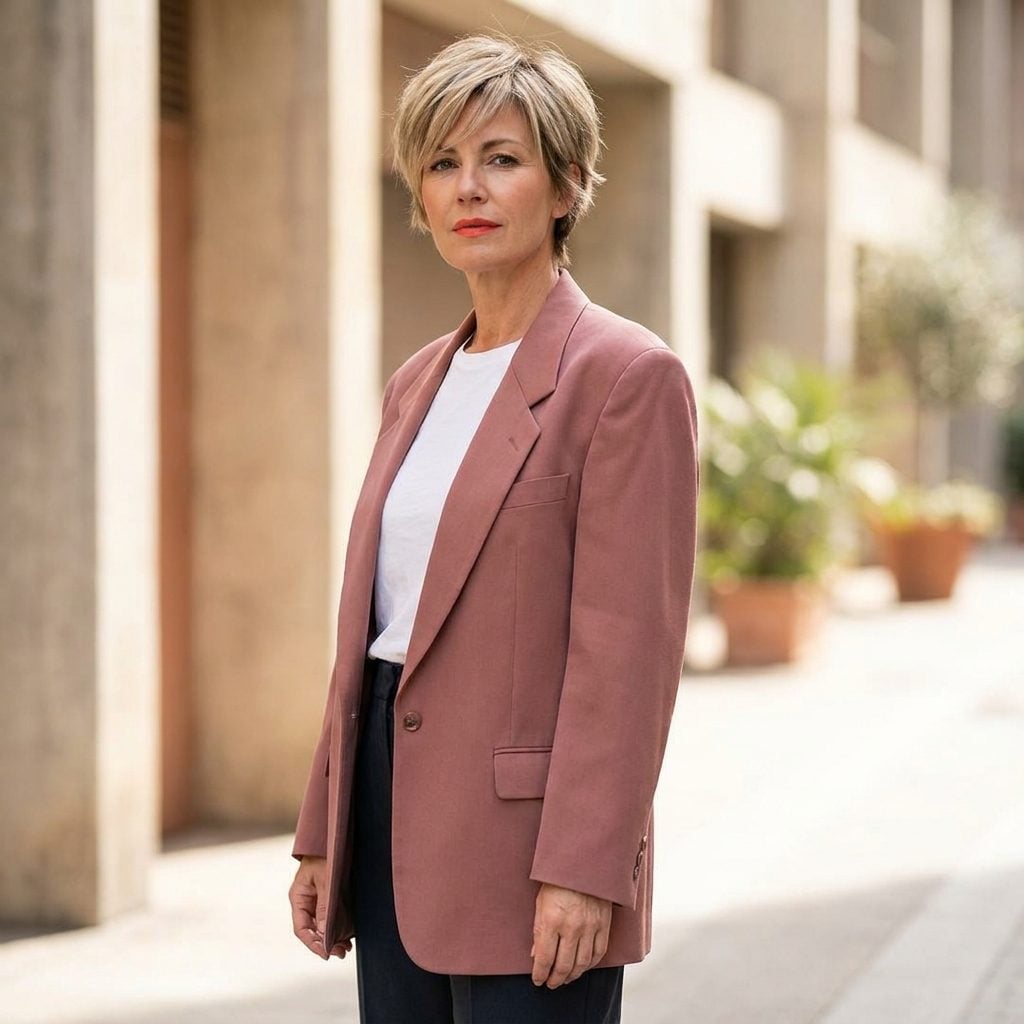
This wasn’t the glamour cut. This was the working woman’s cut. If feathered long hair was the prom queen, this short feathered crop was her friend who already had a job and a savings account. It was practical, polished, and you could blow-dry it in six minutes flat.
You saw it on news anchors, on mothers who’d recently rediscovered themselves, on the PE teacher who absolutely did not take any nonsense. The side-swept fringe was key, too blunt and you looked severe, too messy and you looked tired. There was a very narrow window of perfection and somehow everyone found it.
24. The Bandana-Across-the-Forehead Look That Was 100% Madonna’s Fault
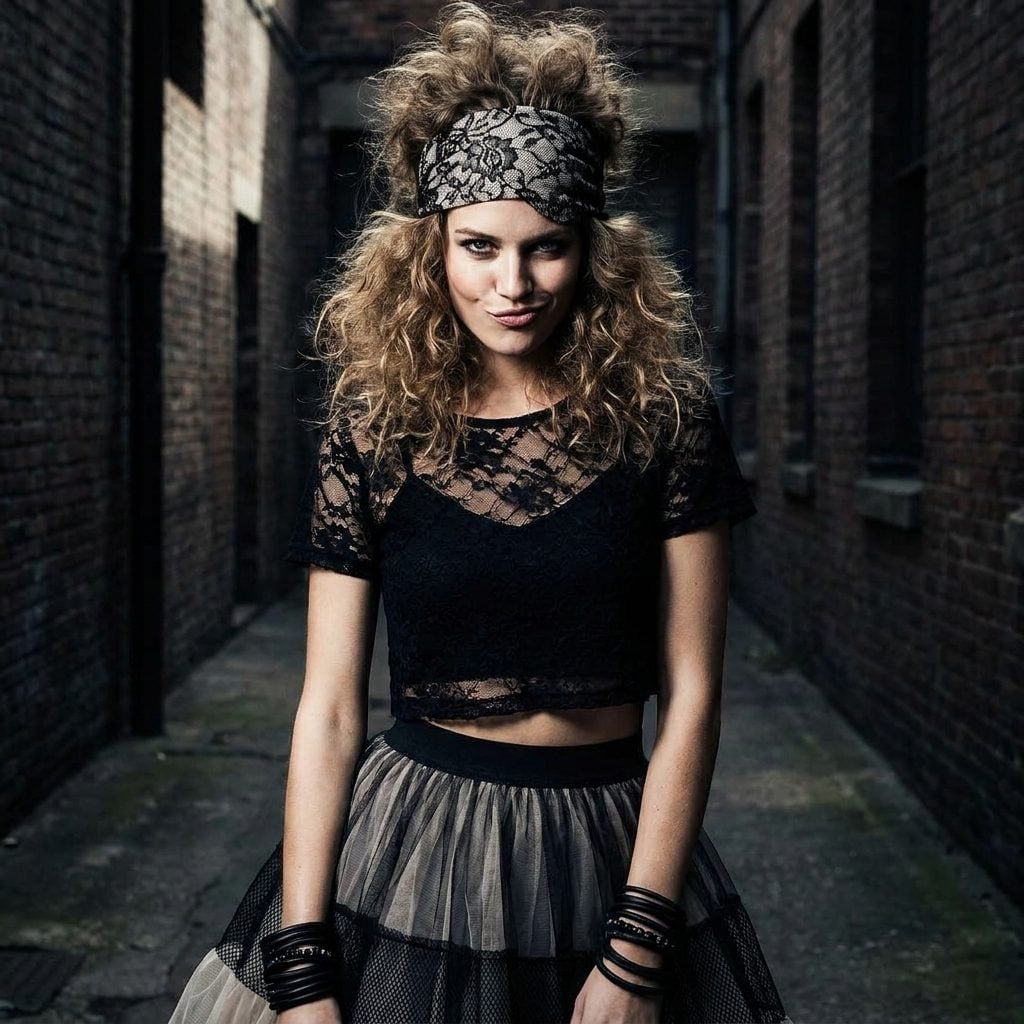
Let’s be direct about this: we all saw the ‘Lucky Star’ video and the ‘Holiday’ video and we went immediately to our mothers’ fabric drawers in search of something tie-able. The lace bandana across the forehead was not a subtle look. It was a declaration.
It said: I know about things. I’ve seen the future and it involves rubber bracelets. The messier the curls behind it, the better it worked, which was genuinely liberating after years of trying to make hair look neat and blow-dried. This trend gave us explicit permission to be chaotic, and we were grateful.
‘The messier the hair, the more intentional the bandana had to look. That was the whole secret.’
23. The Jheri Curl: The Most High-Maintenance Hair of the Decade (Worth Every Second)
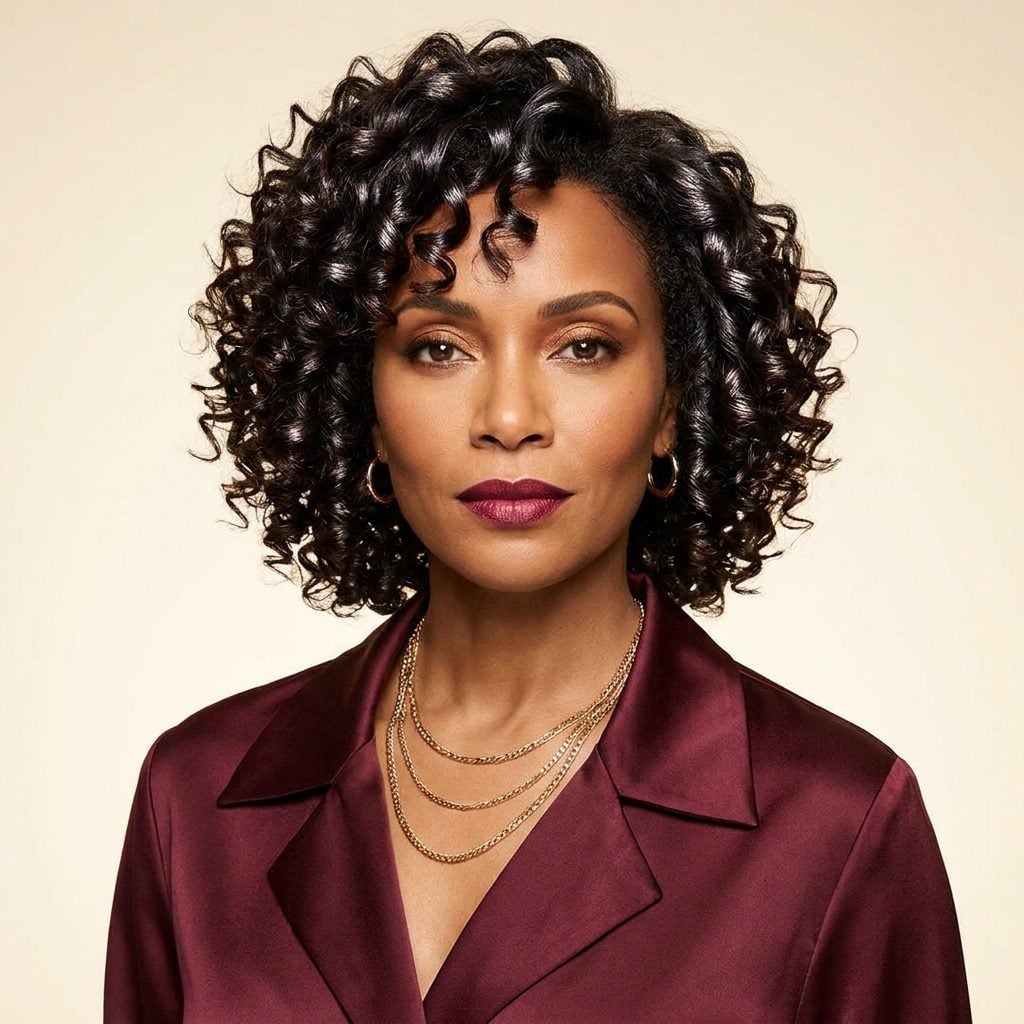
Nobody who had a Jheri curl will let you underestimate what went into it. This was a two-part chemical process, a dedicated moisturizing routine, a specific pillow situation, and an absolute commitment to curl activator that would not be negotiated. The results, though, that glossy, defined, impossibly shiny texture, were genuinely beautiful.
The Jheri curl dominated Black hair culture in the early-to-mid 1980s, with Michael Jackson and Lionel Richie among its most famous wearers. By mid-decade it had become a true cultural touchstone, celebrated in music videos and on magazine covers.
If you had one, you were meticulous about maintenance. The activator spray was never far from reach. Your satin pillowcase was non-negotiable. And the final look, those loose, perfectly formed, luminous curls, was worth every single step.
22. The Permed Hair Era, When Every Woman Decided She Needed More Volume
❤️ Would you like to save this?
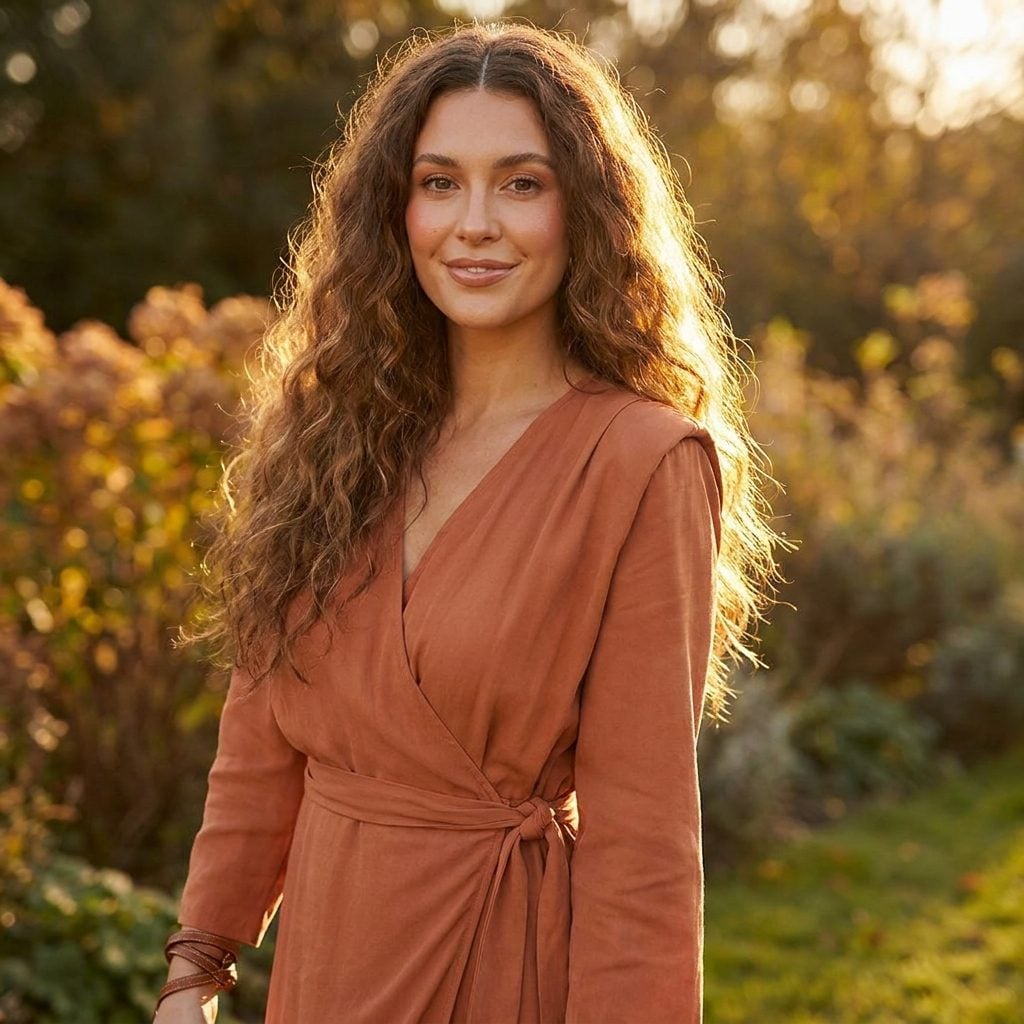
At some point in the early 1980s, a collective decision was made: flat hair was over. Every woman in America, and most of Europe, booked a perm appointment. Long permed hair became the aspirational default, the thing you were working toward if you didn’t have it naturally and maintaining aggressively if you did.
The smell of the perm solution is a full sensory memory. Ammonia and something slightly burnt, sitting under a plastic cap in a salon chair for what felt like geological time. Then the reveal: the curls. Loose, romantic, center-parted, lifted at the roots. The balayage styles of today have nothing on what a fresh perm with a blowout looked like catching afternoon light.
21. The Big Teased Half-Up Ponytail That Meant You Were Trying (And It Worked)
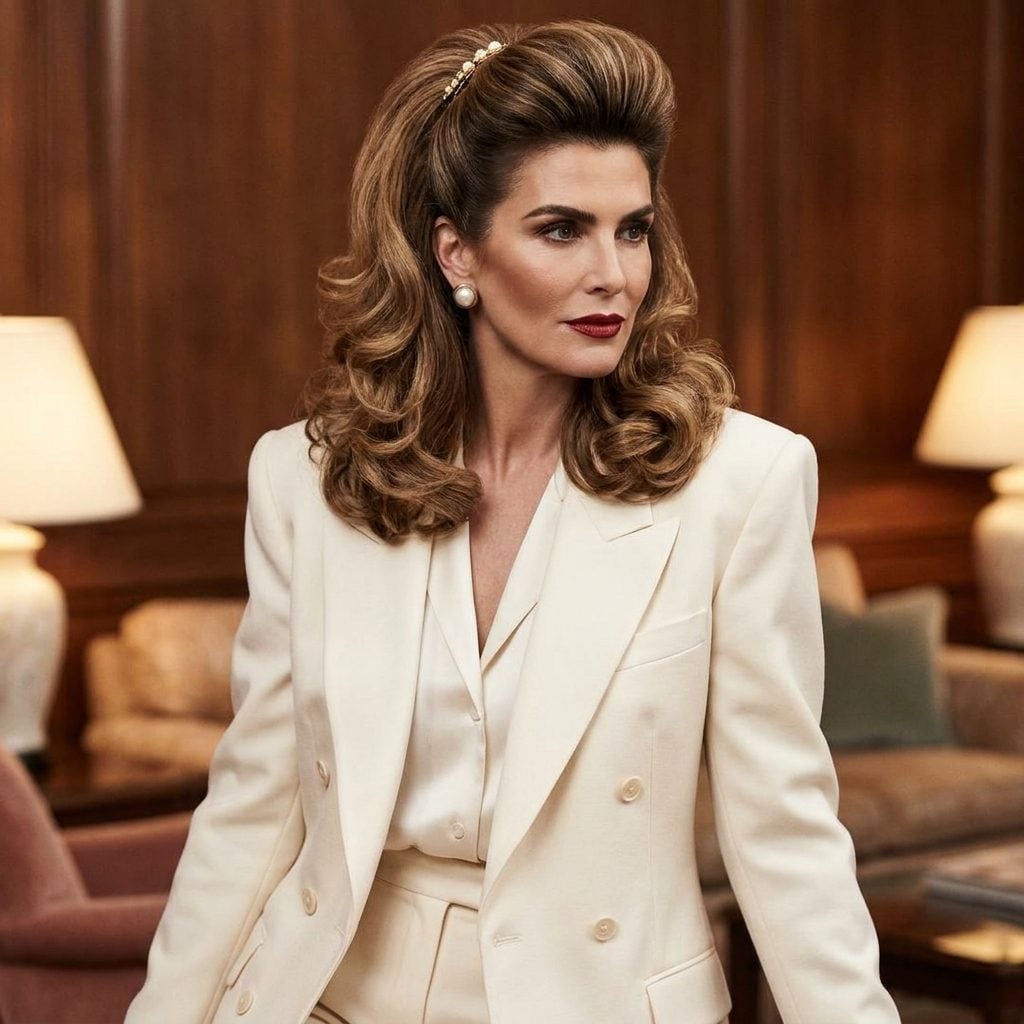
This was the hair of women who had things handled. You’d tease the crown section, lacquer it into a state of near-architectural firmness, clip it back with something that cost more than you’d admit, and leave the bottom half in curls that said ‘yes, I still have fun, I’m just also in charge.’ It was power dressing for your scalp.
The key was the volume-to-clip ratio. Too much tease with a small clip and you looked like you’d had a fright. Not enough tease and the whole point was lost. Getting it right took practice, and about half a Saturday morning, but when it worked, you walked differently. The style carried something that purely loose hair just couldn’t deliver: intention.
20. The Oversized Bow Updo That Was the Exclamation Point of Every Special Occasion
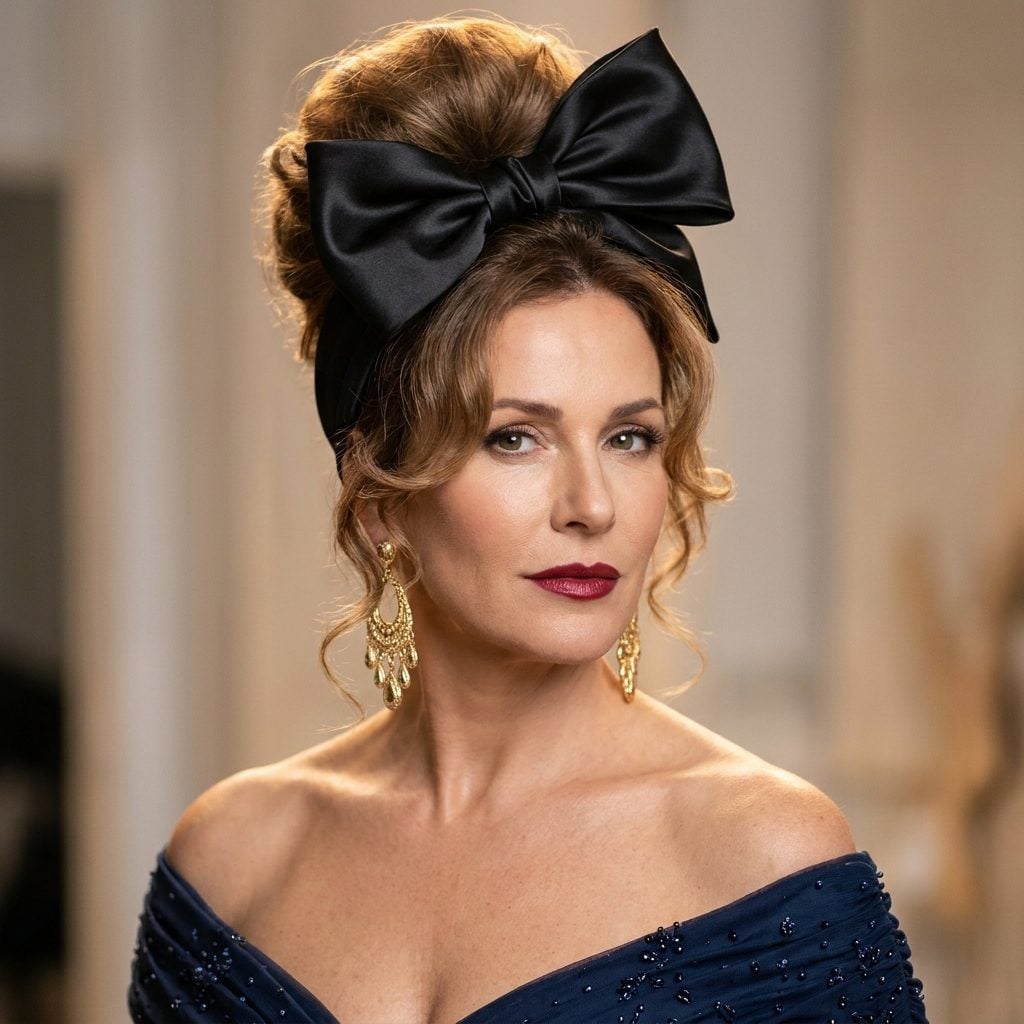
The fabric bow at the crown of an updo was the 1980s saying: we are not being subtle tonight. This was not a hair accessory. It was an announcement. You were going somewhere, you were going to be noticed, and you had very specifically decided that the top of your head was where the drama should live.
Madonna wore them. Grace Jones wore a version so sculptural it barely qualified as a bow. Every prom, every holiday party, every formal occasion of the decade had at least three women in the room with a giant ribbon pinned into their updo. The androgynous hairstyle aesthetic was the polar opposite of this look, which was unabashedly, theatrically feminine, and completely glorious for it.
19. The Tousled Lion’s Mane That Ate Half the Decade
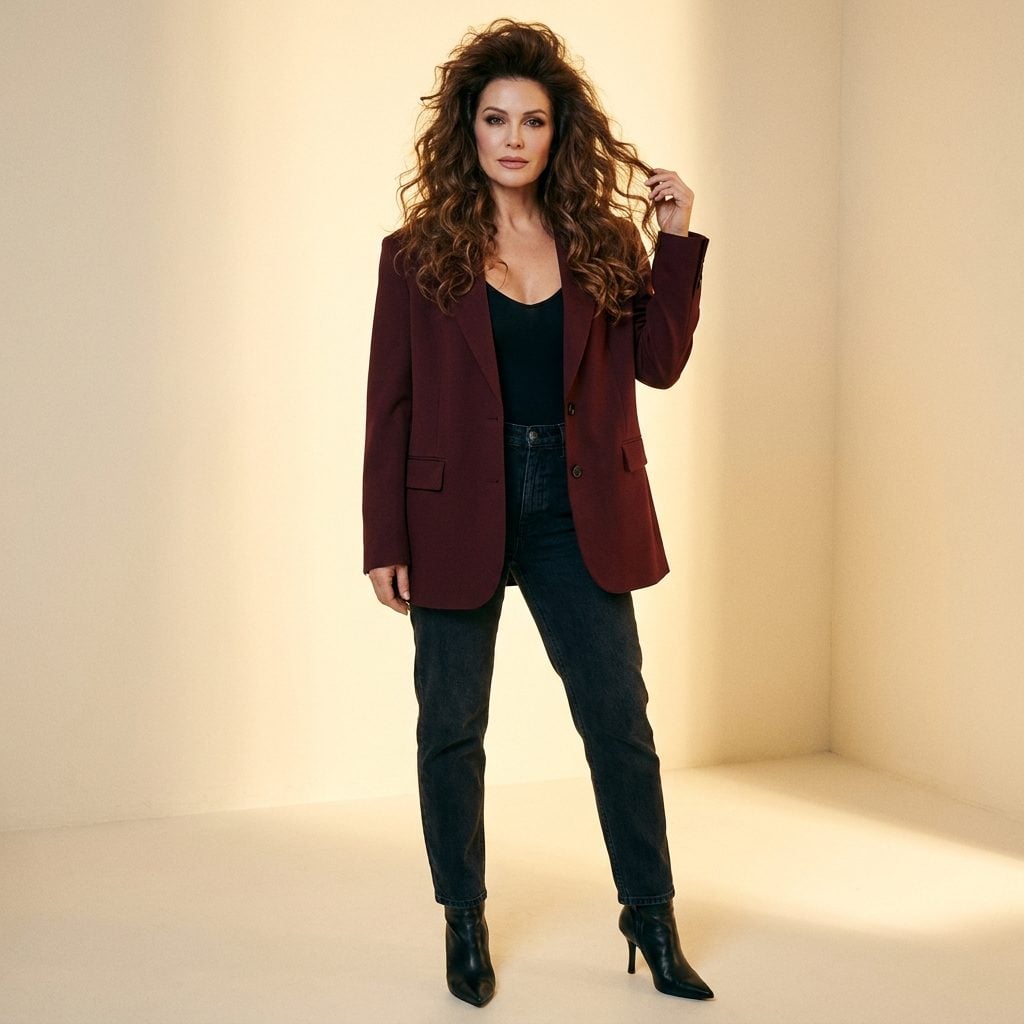
There was no such thing as too much hair in the 1980s, and this style was proof. The volume started at the crown, teased up, sprayed into place, and then sprayed again for good measure, before tumbling down into loose, face-framing waves that hit somewhere around the shoulder blades. The longer the better.
The secret weapon was the blowout: you flipped your head upside down, diffused until your arms gave out, then flipped back up and hit the roots with a rattail comb like you were conducting an orchestra. Every woman we knew had a can of Aussie Scrunch Spray somewhere in her bathroom, and most of us went through one a week. The style peaked somewhere around 1986 and never really said a clean goodbye.
18. The Spiky Pixie That Said ‘I Am Not Here to Be Cute’
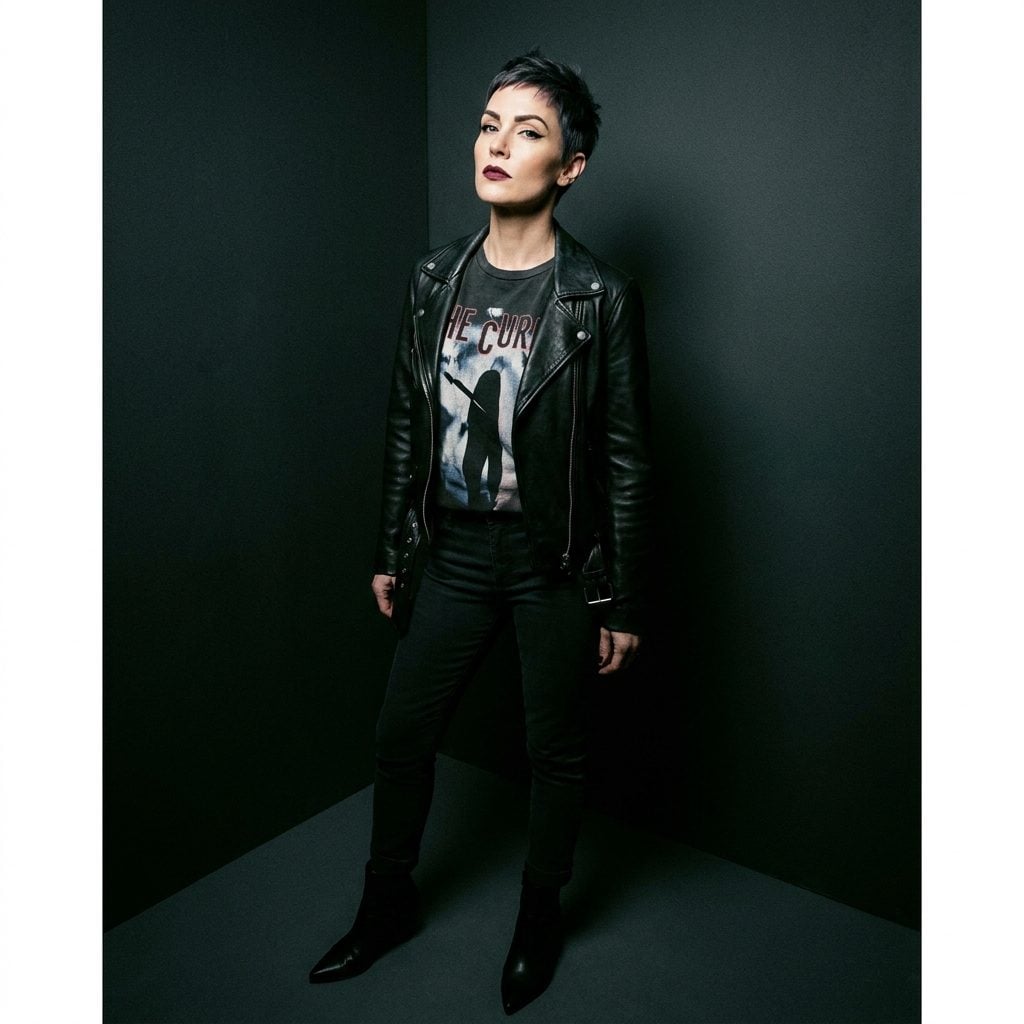
Choosing this cut in 1984 was a statement, whether you meant it as one or not. The spiky pixie was the androgynous hairstyle that made your mother nervous and your friends intensely jealous. It required actual skill to maintain, you couldn’t just grow it out and forget about it. Every two weeks, back to the salon.
Annie Lennox owned this silhouette, and a whole generation of women followed. You spiked the points with a tiny dab of gel, ran a wide-tooth comb through the sides, and walked out of the house feeling like you could take on anyone. The tapered sides were the detail that separated the committed from the curious. No faking those.
17. The Natural Afro That Was Pure, Unapologetic Architecture
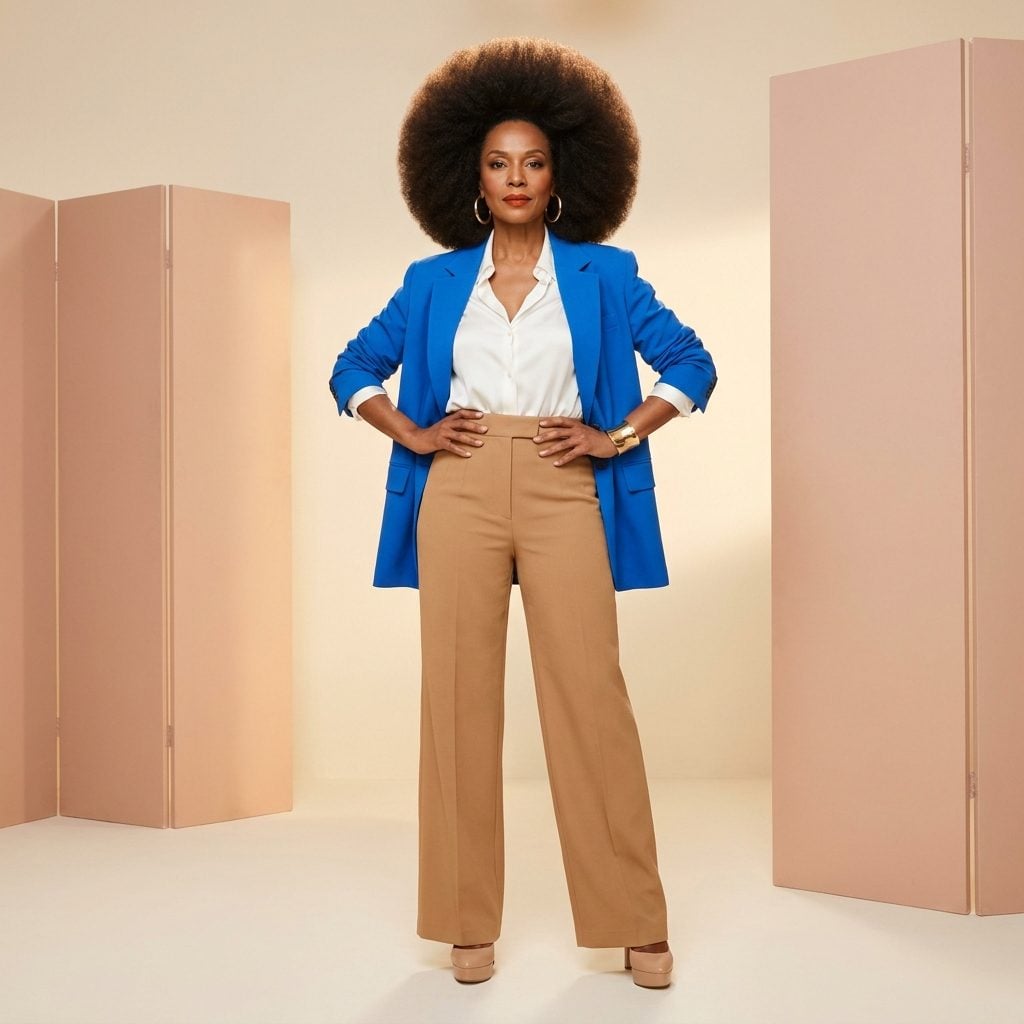
The natural afro in the 1980s wasn’t a throwback, it was a choice, made loudly and beautifully. The halo shape took real effort: the right products, the right pick, and a patience with your own hair’s particular behavior that most people never develop. When it was done right, it stopped a room.
The key detail was the gloss. Not crunchy, not flat, each coil defined with a curl cream or oil sheen spray that caught light like it was doing it on purpose. Pair it with strong shoulders and gold jewelry and you had something that still looks remarkable forty years later. This style holds up. Most things from this decade don’t.
16. The Side-Swept Glamour Curls That Belonged on a Movie Poster
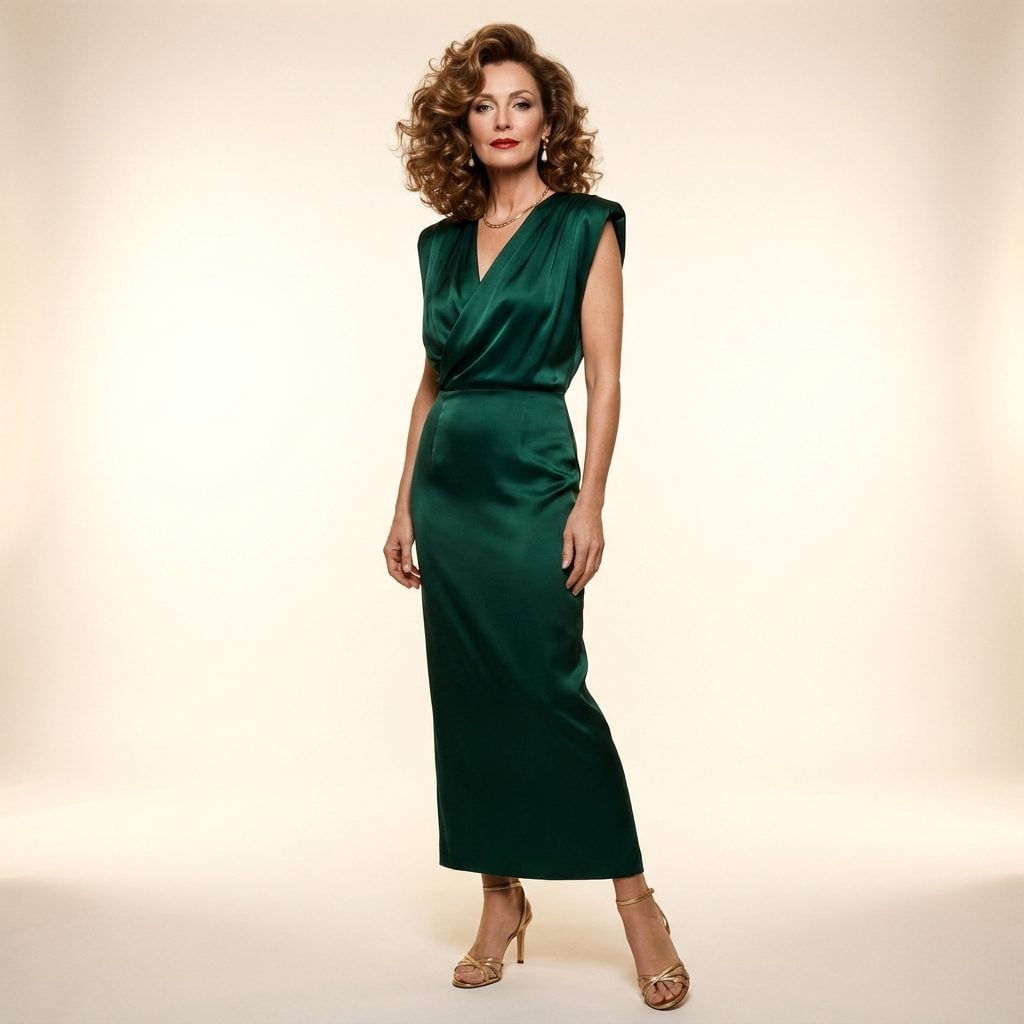
This was the hair you wore when you meant business socially. The side-swept curl set required actual hot rollers, a setting lotion you bought at the drugstore in a pink bottle, and about forty minutes you spent sitting absolutely still so nothing moved. Then you swept everything to one side, secured the crown with half a can of hairspray, and walked out feeling like a film extra who got accidentally bumped to lead.
The lifted crown was the non-negotiable part. Flat on top meant the whole thing collapsed into something that just looked like bad hair. Height at the roots kept the structure, and structure was the whole point. Worn to proms, holiday parties, first dates, and one memorable casual Friday that everyone talked about for a month.
15. The Wild Frizz-Cloud That Refused Every Category
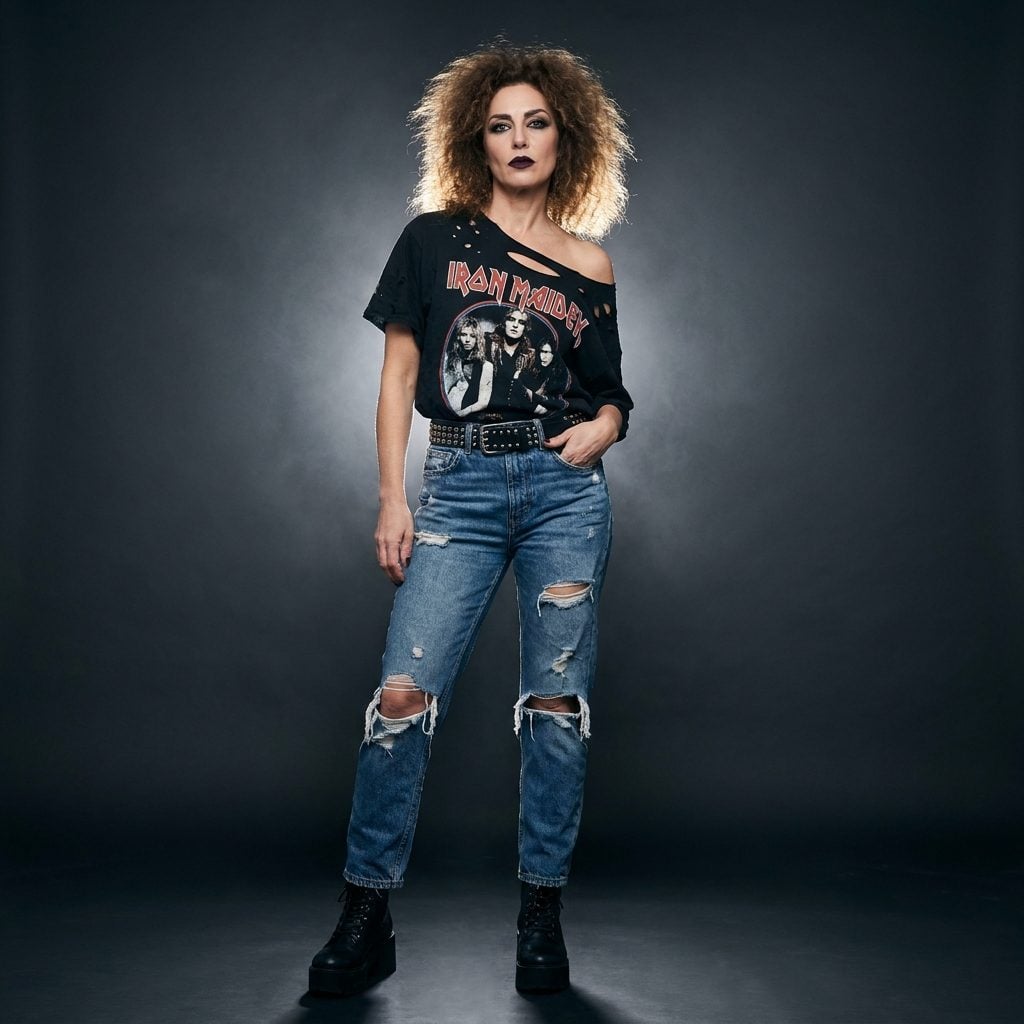
Calling it “frizzy” was missing the point entirely. This was a deliberate rejection of the hot-roller-and-hairspray industrial complex, a decision to let your hair do what it actually wanted to do and dare anyone to say something about it. Pat Benatar had a version of this. So did half the women at every rock show in 1983.
The backlighting in every photo made it look like a halo, which it basically was. You used nothing, or you used mousse and then a diffuser and then nothing else, because touching it again would only make things worse. The irony is it took just as long as the polished styles, it just looked like it didn’t. That was the whole performance.
14. The Teased-Out, Sprayed-Stiff Lion Silhouette That Defied Physics
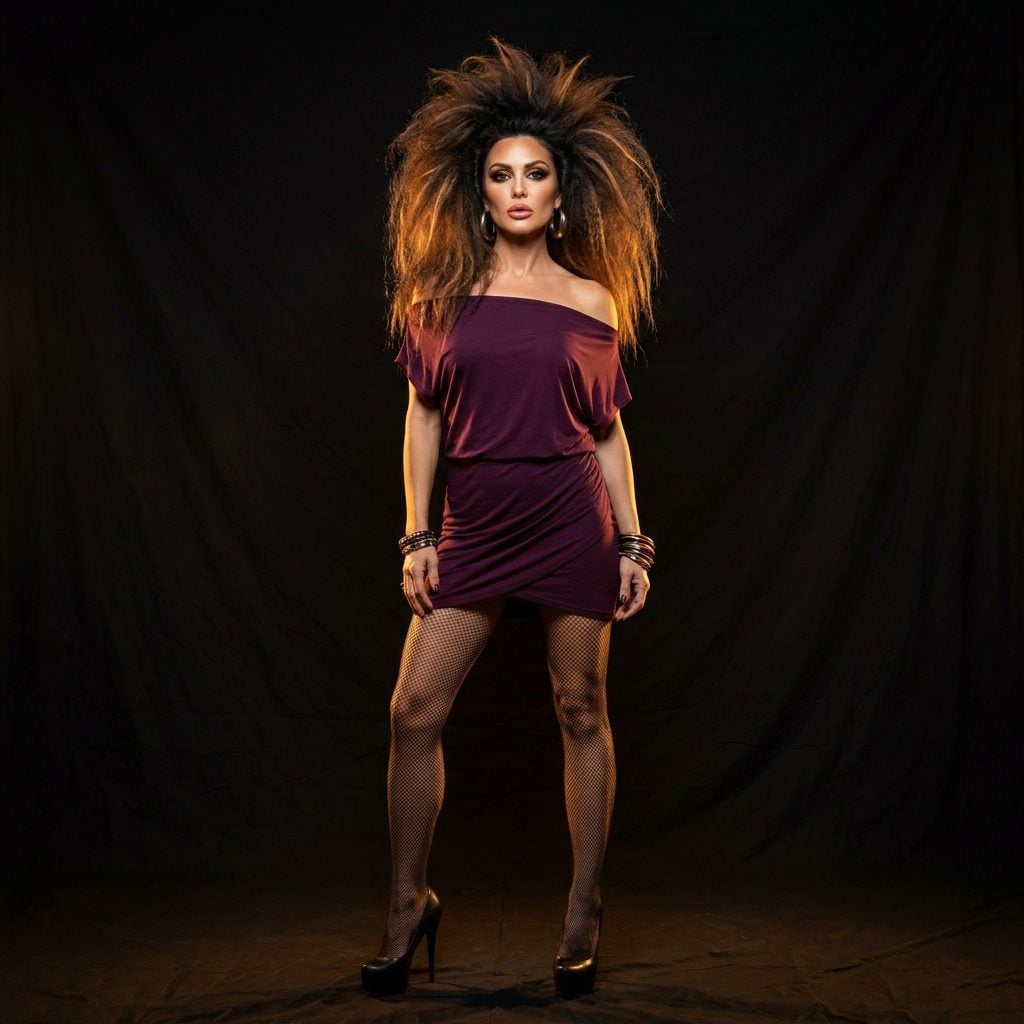
Achieving this silhouette was a ritual. You backcombed section by section from the roots, working outward until the hair stopped obeying gravity and started obeying you instead. Then the spray: three passes minimum, sometimes four, tilting the can at different angles like you were applying lacquer to a sculpture. Because you were.
This was the rock-and-roll cousin of the big hair family, and it had a specific attitude that the softer styles didn’t. The highlighted pieces catching light against a dark backdrop is permanently lodged in the visual memory of anyone who was near a concert venue or a nightclub between 1984 and 1989. It was impractical, it was borderline architectural, and honestly, it was cool.
“You backcombed section by section until the hair stopped obeying gravity and started obeying you instead.”
13. The Choppy Dark Shag That Was Basically a Personality
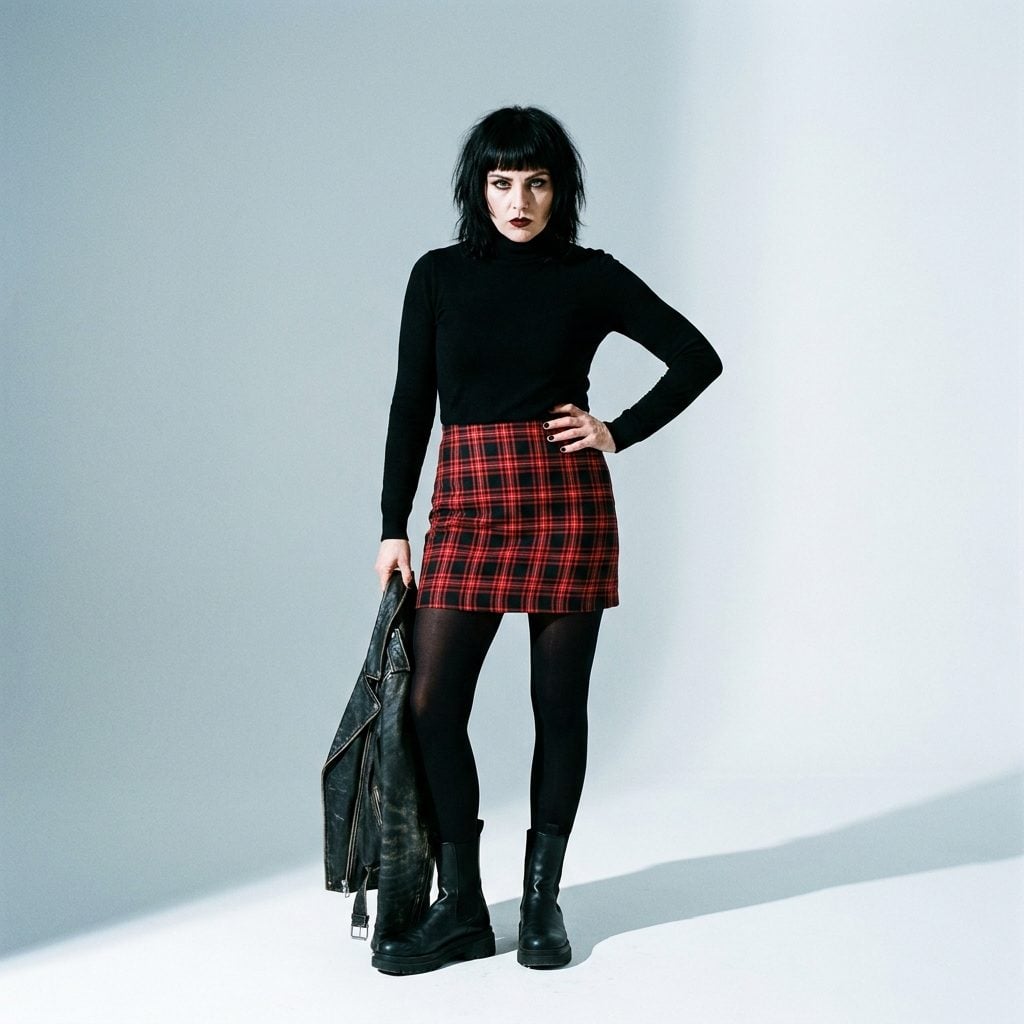
There were two kinds of choppy shag in the 1980s: the one you got at a proper salon and paid for, and the one your friend cut in her bathroom with craft scissors while someone played The Cure on a boombox. Both were valid. Both looked intentionally ragged. That was the point.
The blunt bangs were the signature detail, cut heavy and straight across the forehead in a way that made your face look more angular and your intentions less legible. You could style this with almost anything and it landed right. It was the androgynous style moment before anyone was using that word in a complimentary sense.
12. The Feathered Messy Shag That Looked Accidental and Wasn’t
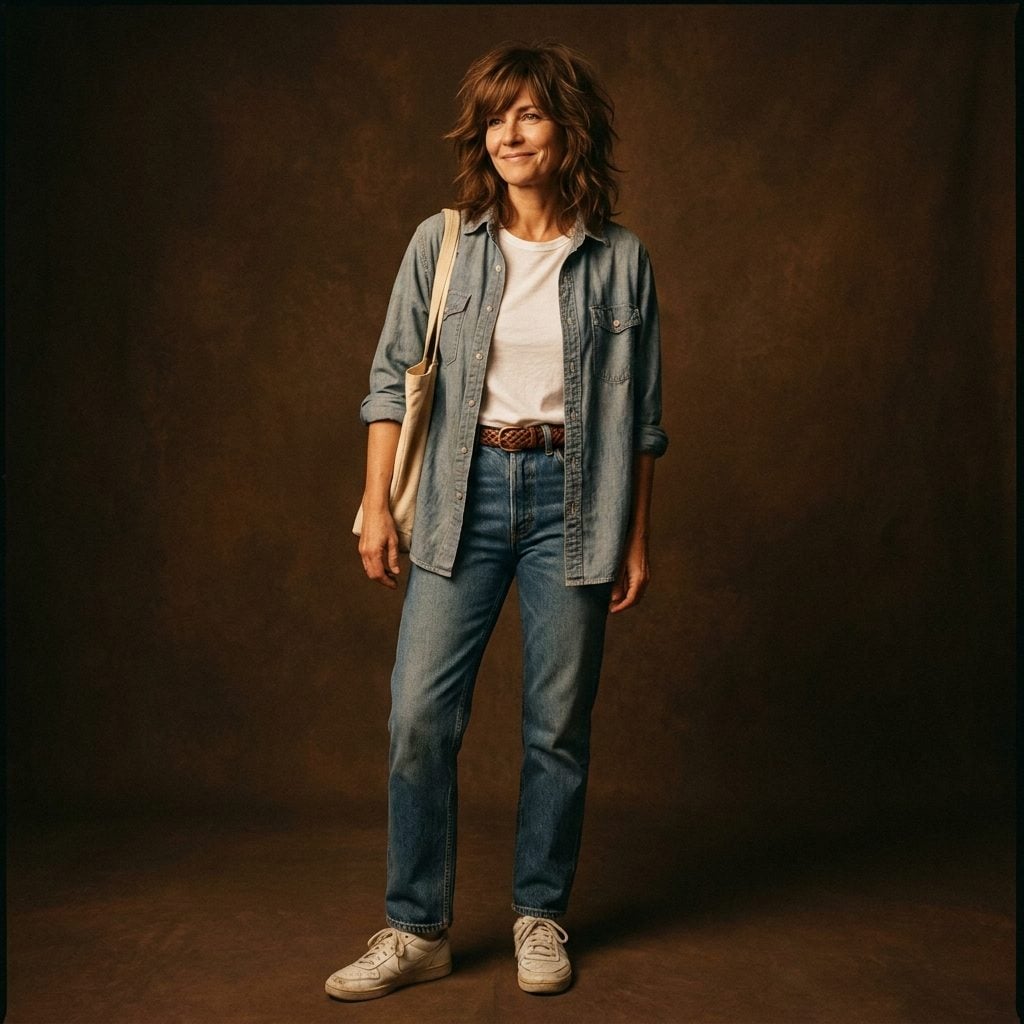
Every woman who had this cut told people she just woke up like that. Nobody woke up like that. The feathered shag required a round brush, a blow dryer, and a very specific flicking motion at the ends that took a few weeks to get right. Once you had it, though, you had it, and the side-swept fringe became completely automatic.
This was the accessible version of the decade’s big hair moment, volume without infrastructure, texture without commitment. It suited people who didn’t want to be perceived as trying too hard but still wanted their hair to do something. The slightly-disheveled quality was built into the cut itself, which is a different and more interesting problem than the perfectly set styles. These were the accessory styles of haircuts: unassuming, present everywhere, quietly holding the whole look together.
11. The Punk Asymmetric: One Side Shaved, One Side Dangerous

You didn’t accidentally get this haircut. You sat in that chair and told the stylist to shave one side, and you watched their face in the mirror while you did it. The asymmetric punk cut was a declaration, the kind you couldn’t take back by Monday morning, which was entirely the point.
The choppy layers on the longer side were non-negotiable, and the color streaks (bleached platinum, electric blue, or that specific shade of burgundy that only existed in the 1980s) turned the whole thing into something between a hairstyle and a manifesto. Siouxsie Sioux made it feel like art. The rest of us made it feel like a very stressful phone call home.
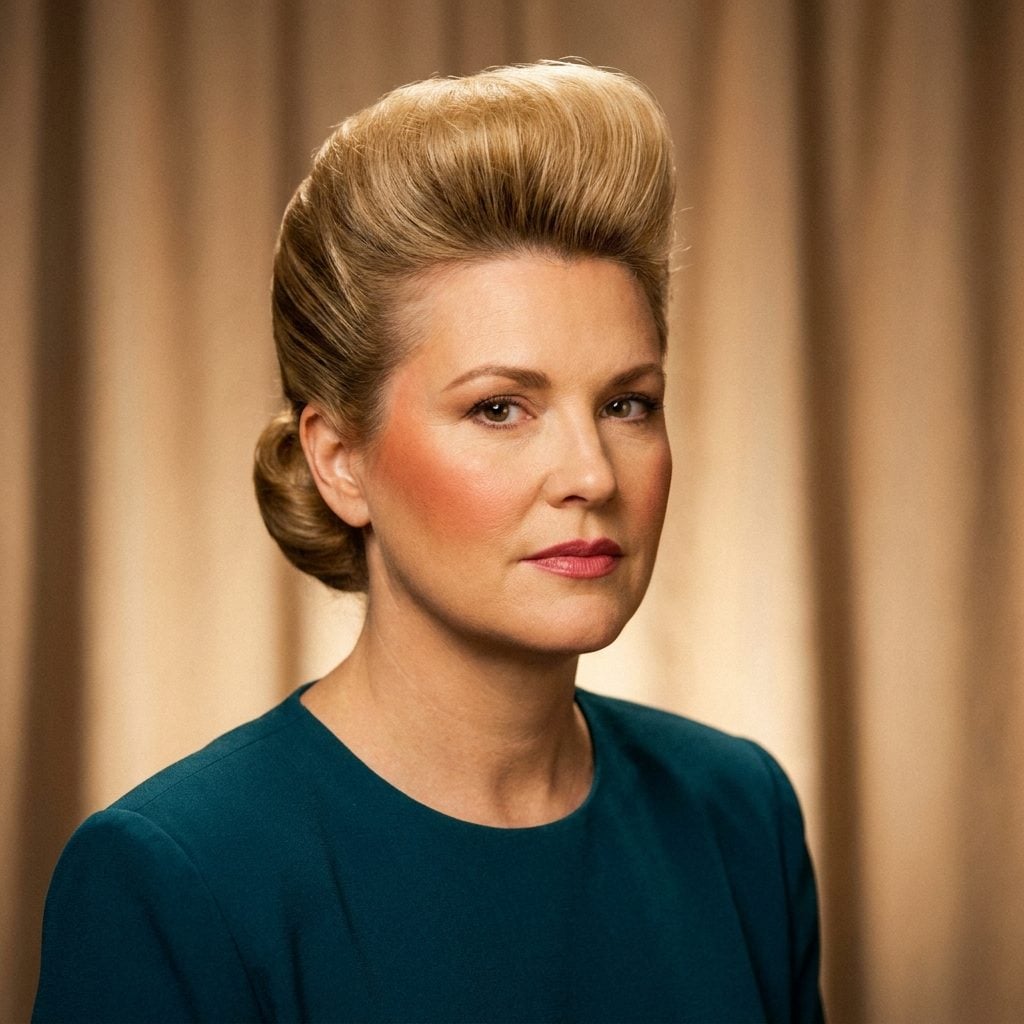
10. The Pompadour Bang That Defied Physics (and Gravity)
❤️ Would you like to save this?
A full can of Aqua Net went into this bang. Sometimes two. You teased the roots up, sprayed, teased again, sprayed again, then stepped back and assessed the tower like an architect reviewing load-bearing calculations. It had to be tall. It had to be hard. It had to survive an entire school day without flinching.
The pompadour bang was the signature move of the mid-1980s, and the social math was simple: the higher the bang, the more effort you’d made, the more seriously you took your own presence in a room. We were seventeen years old and building monuments on our foreheads, and we thought it was the most natural thing in the world.
9. Slicked Back and Soaking Wet: The Gel Look That Meant Business
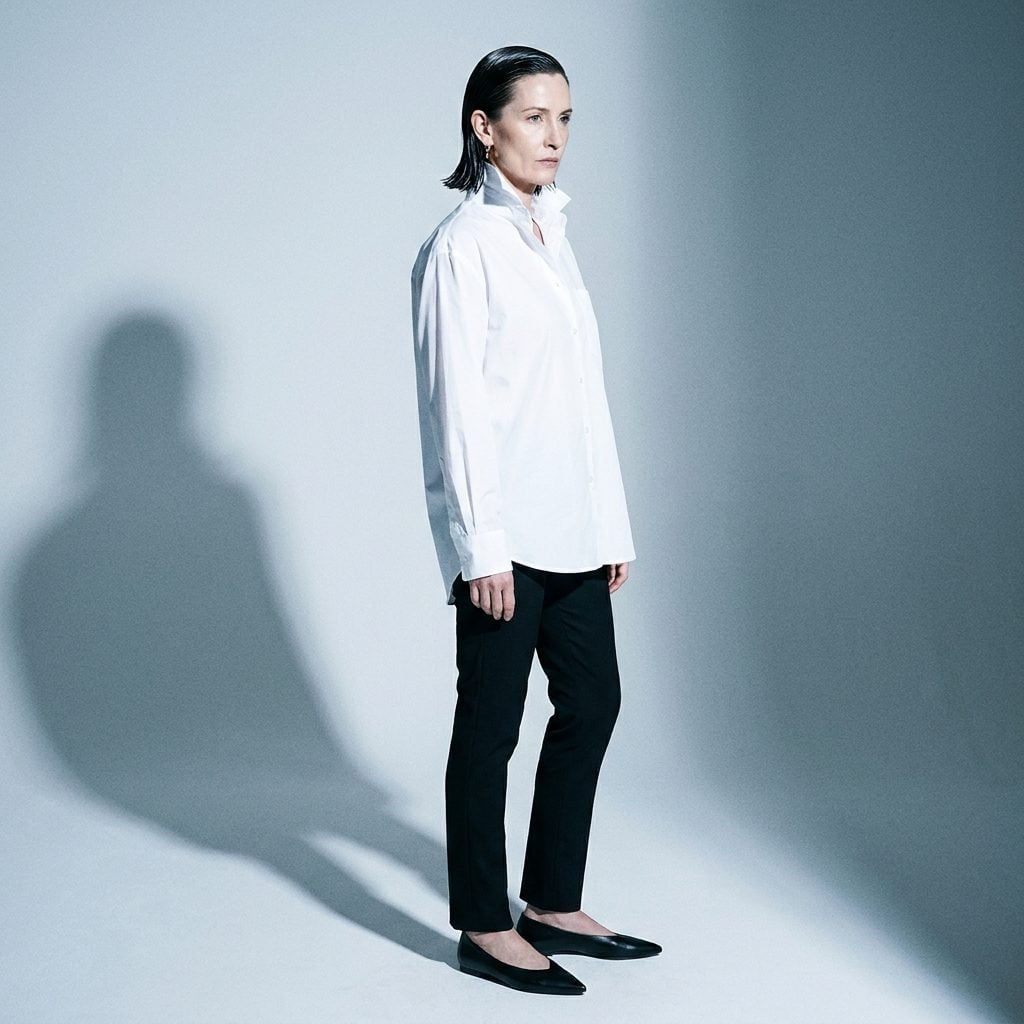
This was not a casual look. The wet-look required commitment, a generous handful of sculpting gel worked through damp hair, then a fine-tooth comb pulled everything back from the face with complete authority. The result was a kind of controlled severity that felt very much like the 1980s’ idea of a powerful woman.
It peaked somewhere around 1987 and lived at the intersection of high fashion and downtown club culture. You’d see it in Vogue, then see it again at the kind of bar that had a velvet rope. If you were brave enough to pull it off in the suburbs, people either thought you were very cool or very confused, and the line between those two things was never as thin as it was in that decade.
8. The Aerobics Perm With a Headband Wide Enough to Land a Plane
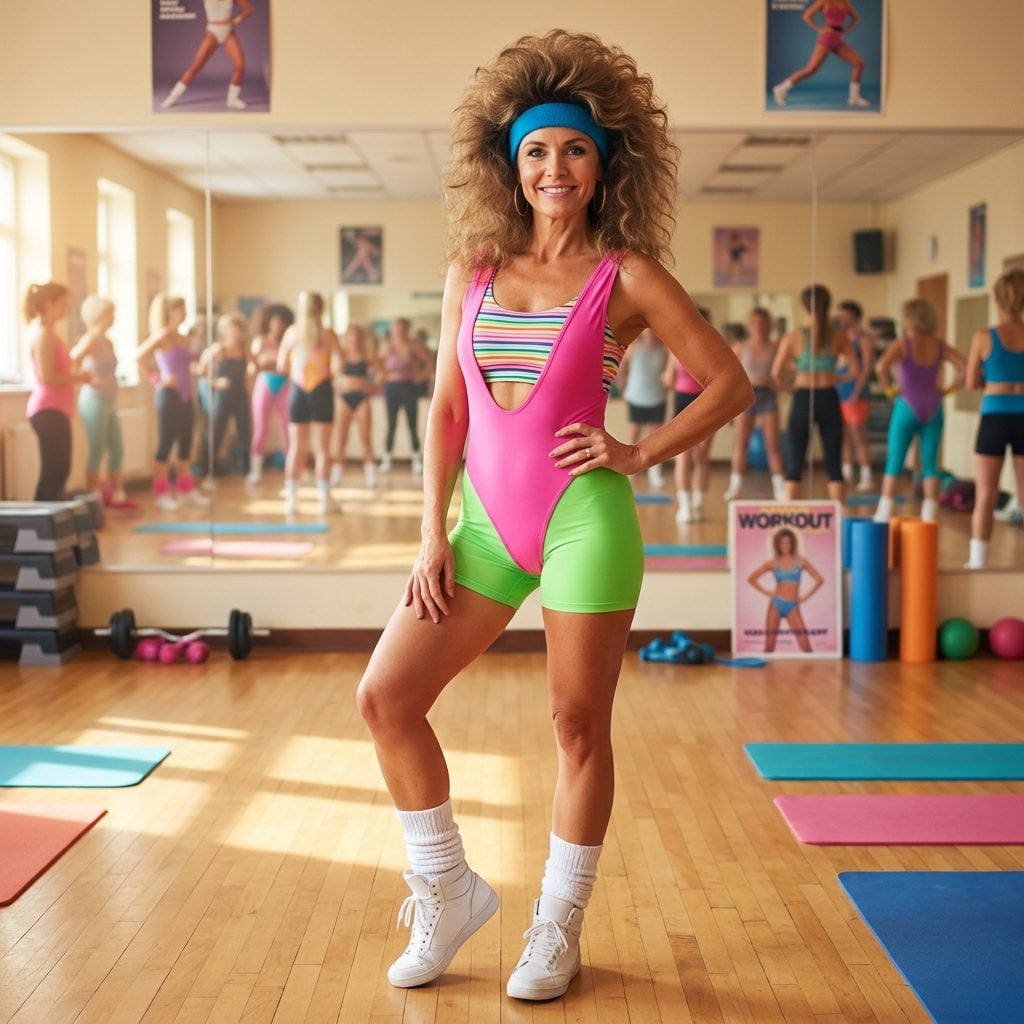
The perm and the workout headband were a package deal, and nobody questioned it. You’d spend two hours at the salon getting your hair set into tight spiral curls, then tease the whole thing out to twice its natural size, clamp a four-inch-wide terrycloth headband across your forehead, and head to an aerobics class where the instructor looked exactly like you.
Jane Fonda started it. Every woman in a strip-mall fitness studio carried it forward. The athleisure style of the 1980s was louder, tighter, and more committed to coordinated separates than anything we’ve produced since, and the hair was always the wildest part of the outfit.
7. The Soft Layered Cut That Actually Made Everyone Look Nice
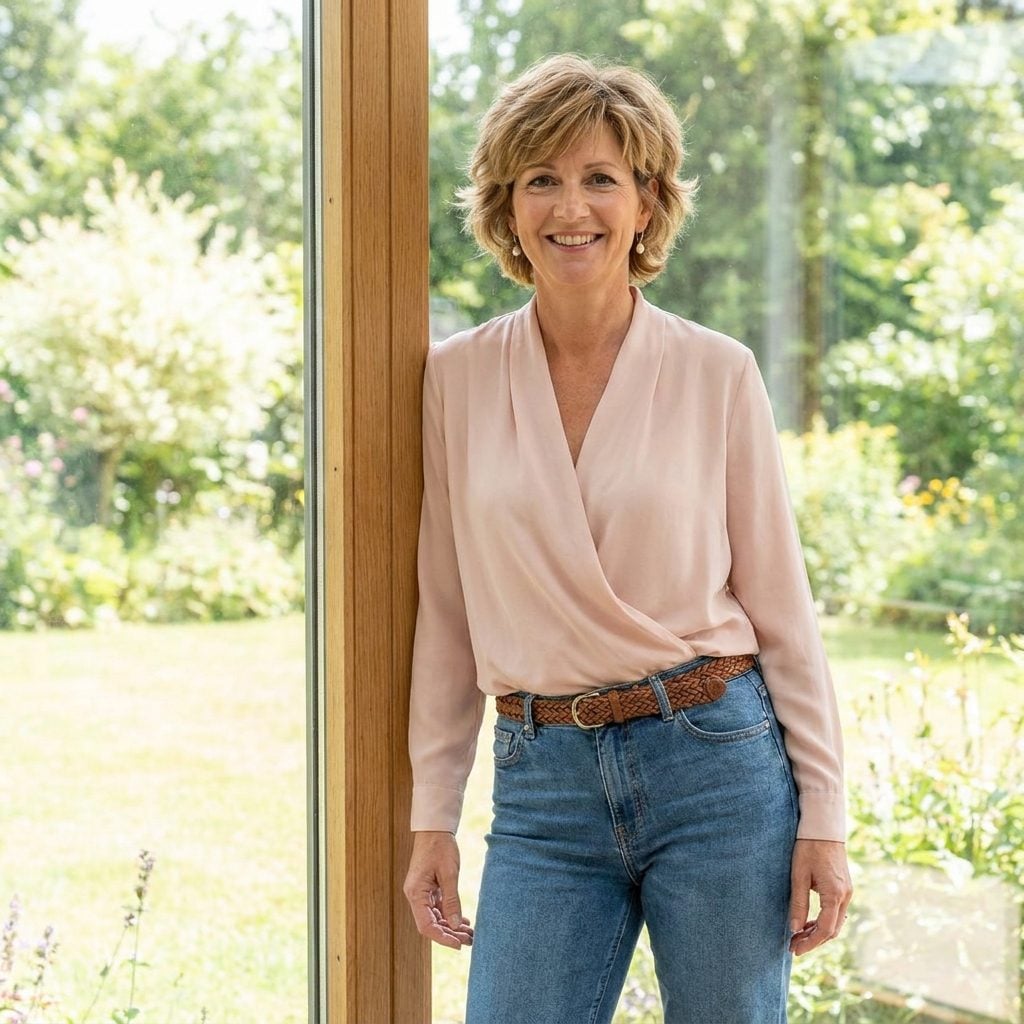
Not everyone was out here shaving the sides of their heads. For a lot of us, the 1980s looked like this: a layered cut from a salon that also sold Redken products, a side-swept fringe that required exactly one minute of effort in the morning, and enough soft wave to count as a style without demanding anything dramatic from your social life.
This was the haircut your mom had. It was also, genuinely, a good haircut. Easy to maintain, flattering on a wide range of face shapes, and completely comfortable. Some trends survive on pure charm, and the androgynous hairstyle energy of the layered cut was one of the decade’s quietly enduring moves. We might not Instagram it, but we wore it well.
6. The Power Bob: Blunt, Glossy, and Absolutely Not Taking Questions
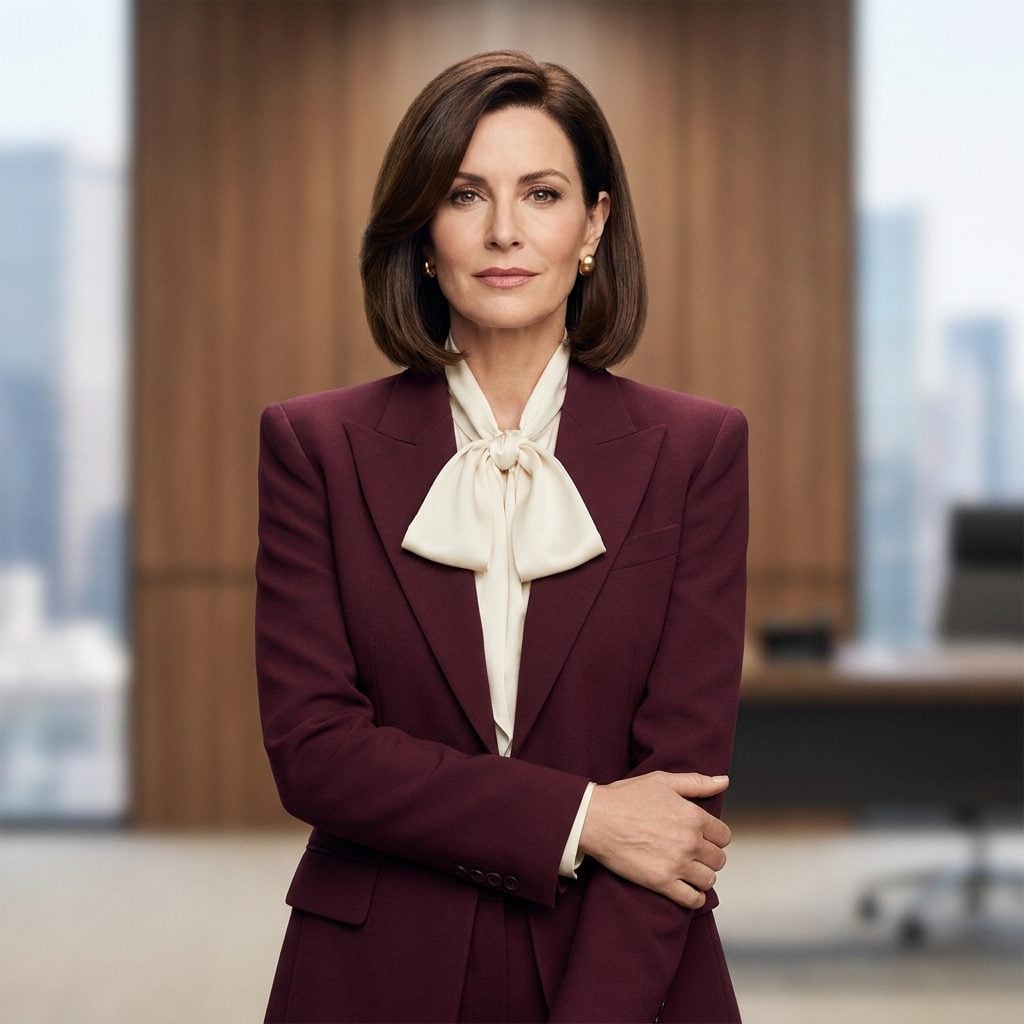
This bob came with a matching attitude. The crown volume was non-negotiable, you teased it up and lacquered it into place every single morning because a flat crown meant you weren’t trying, and not trying was not an option if you were wearing shoulder pads to work. The blunt ends were precise. The whole thing was precise.
Joan Collins had a version of it. So did your boss, and your boss’s boss. The power bob was the haircut that said you had somewhere to be and people who needed to know that. If you want to style it for today, the bones are still there, and honestly, the volume still works.
5. The Half-Up Prom Crown: Teased on Top, Cascading Curls Below
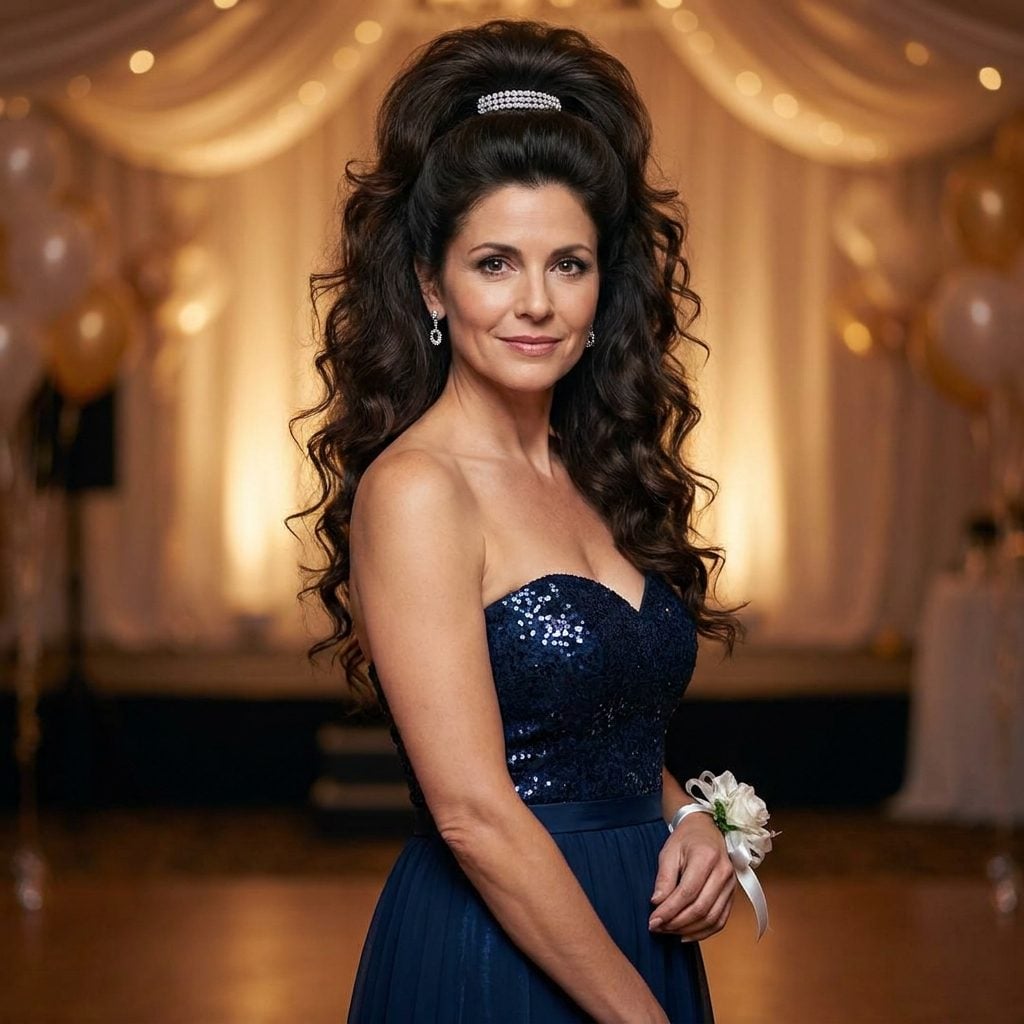
There was a specific ritual to this. You set the bottom half on hot rollers two hours before you needed to leave. While those cooled, you teased the crown section up and pinned it, adjusting the height until it looked like the magazine photo but also like you. Then you unwound the rollers one by one and arranged the curls over your shoulders with your fingers, because a brush would have destroyed everything.
The half-up prom style was the crown jewel of 1980s formal dressing. It required patience, product, and at least one friend to help with the pins at the back. The accessory styles that went with it, rhinestone clips, pearl pins, satin scrunchies, were as important as the hair itself.
If you wore this to prom, you remember standing in front of your mirror that night and thinking you looked exactly right. You did.
4. The Curly Mullet: Business in Front, Party Everywhere Else
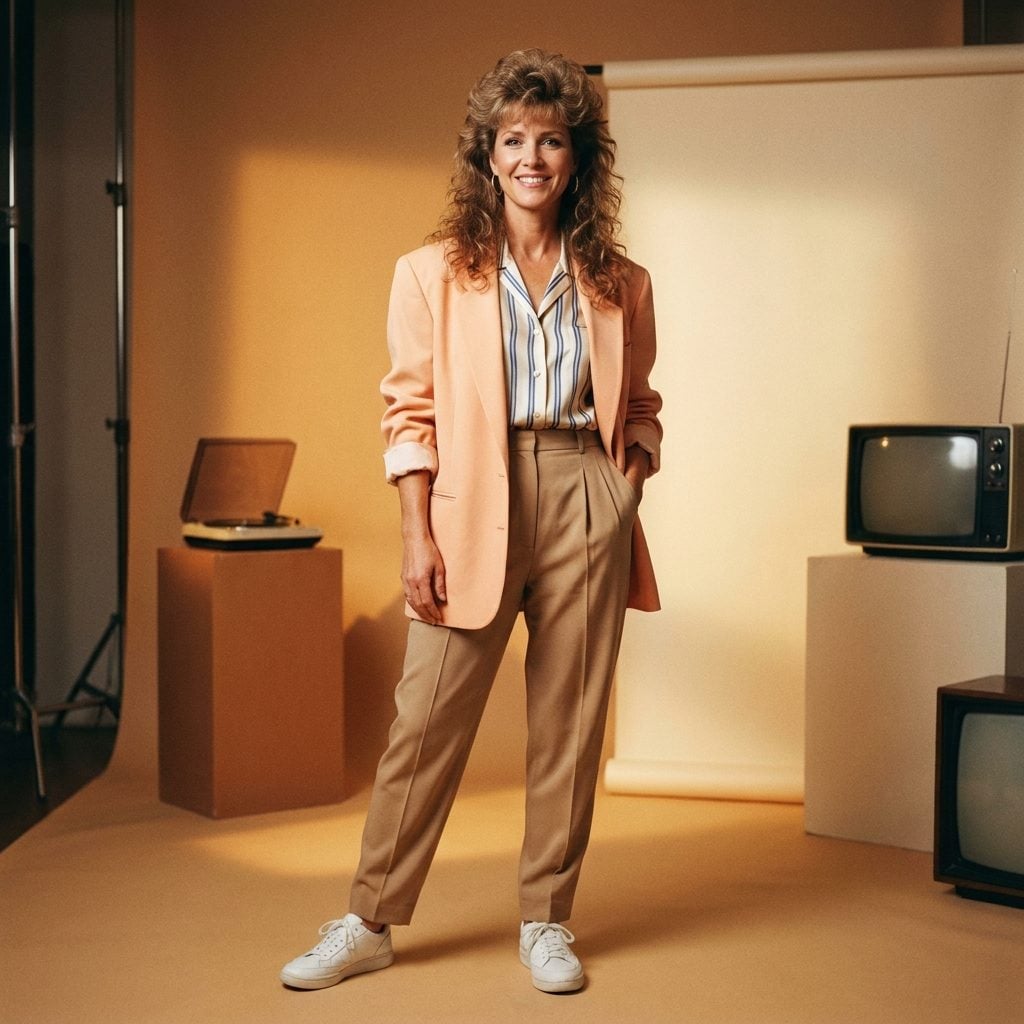
You didn’t ask your stylist for a mullet. You asked for something fashion forward, and somehow this is what happened, and honestly? You wore it with complete conviction for three years running. The curly mullet was the hairstyle equivalent of having it both ways: short enough to feel edgy at the top, long enough in the back to toss over your shoulder during an argument.
The perm was non-negotiable. Those tight, permed top layers gave the crown a lift that no amount of Aqua Net alone could manufacture. Paired with a boxy blazer and high-waisted trousers, this cut made you look like you had somewhere extremely important to be. You did not. You were going to the mall.
3. The Tight Perm Bob That Lived on Every Class Photo Day
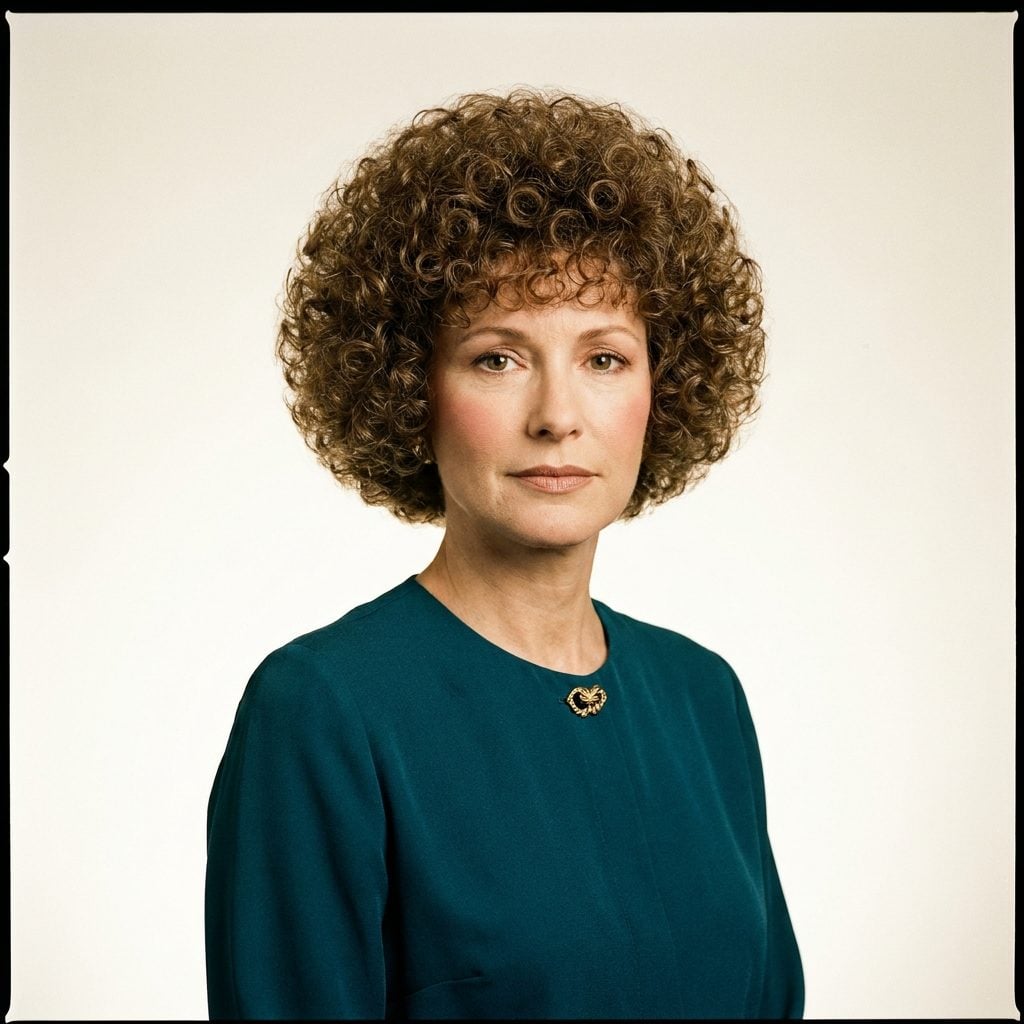
Every single woman in your mother’s office had this haircut. Every teacher. Every aunt who showed up to Thanksgiving looking “done.” The short curly perm bob was the 1980s version of having your life together, and the more perfectly spherical the shape, the more together your life apparently was.
Getting it meant sitting under a plastic cap in a chemical cloud for forty-five minutes, walking out smelling faintly of ammonia, and being told by the stylist that the curls would “loosen up a little” once you washed it. They did not loosen up. They got tighter. You wore a silk scarf to bed every night for a month. It was completely worth it.
2. The Long Layered Blowout That Took Forty-Five Minutes and Zero Apologies
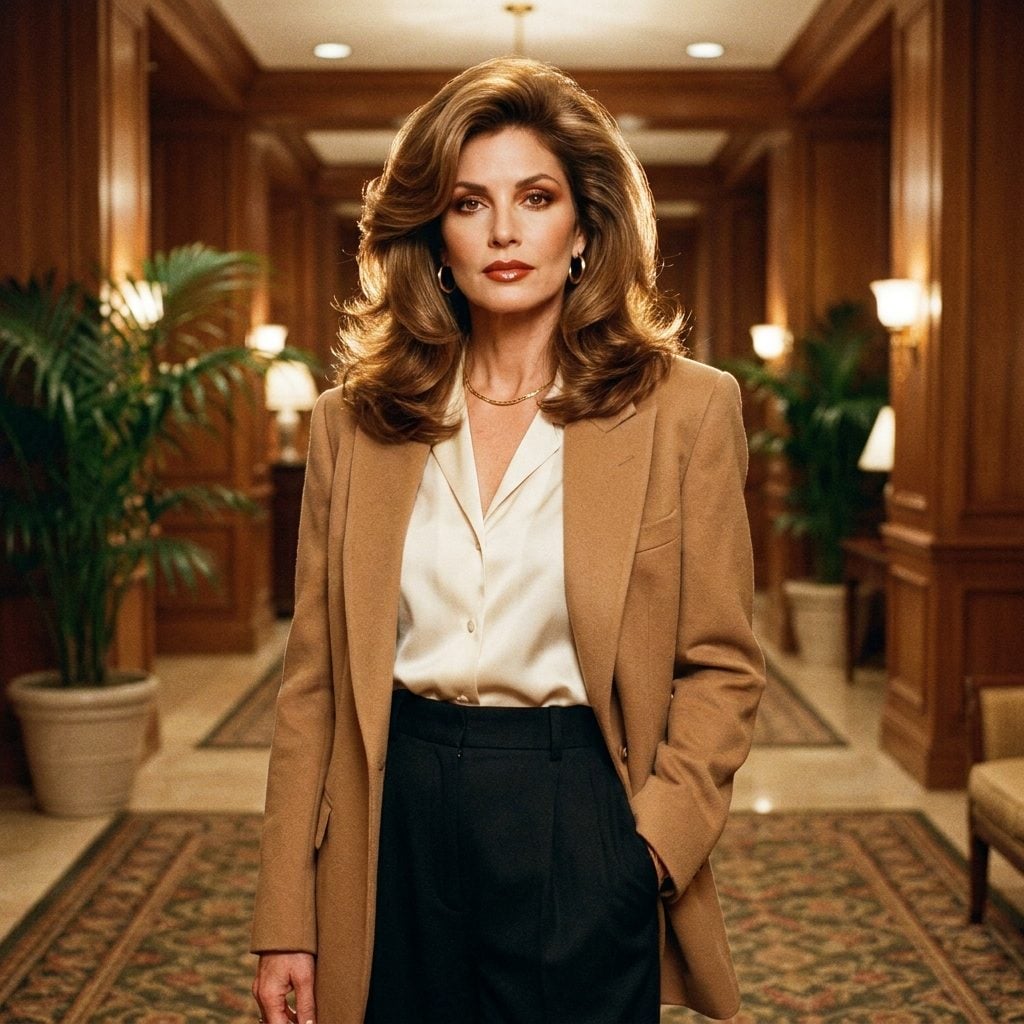
This was the hair of women who had arrived. Not necessarily arrived anywhere specific, but arrived in the general sense of having purchased a good round brush and learned how to use it. The long layered blowout with flipped ends was the style statement that said: I have time for this, and I am not apologizing for any of it.
The volume started at the root and didn’t quit. Those feathered, flipped-out ends were achieved with a Conair dryer on high heat, a round brush the size of a small melon, and genuine commitment. You could spend forty minutes on this hair and still have it deflate by third period. But the fifteen minutes it was perfect? Absolutely worth documenting.
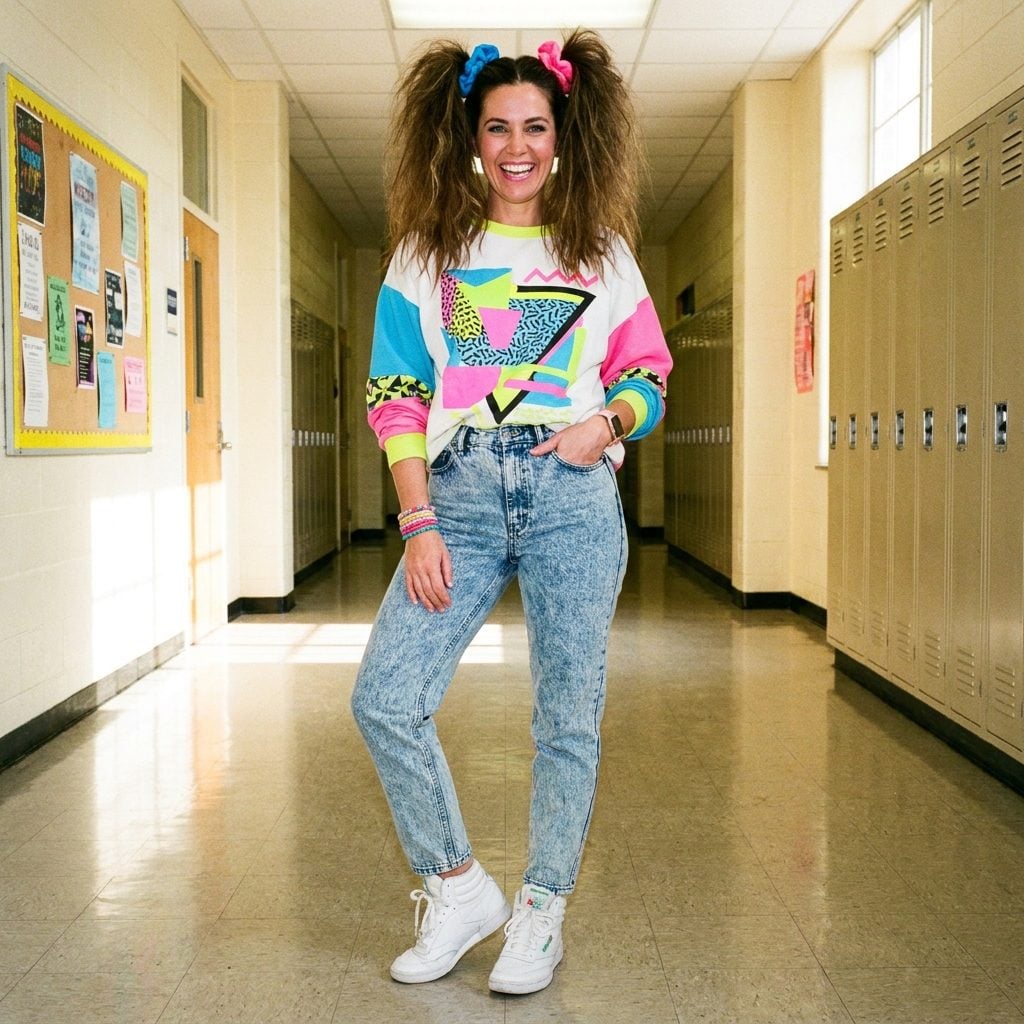
1. Double High Ponytails: The Hairstyle That Ran on Pure Optimism
❤️ Would you like to save this?
Two ponytails. Both of them as high as physically possible. Teased at the roots until the volume was structurally questionable, curled ends springing out in opposite directions. This was a look that required planning, two matching scrunchies, and the kind of confidence that only comes from being fourteen years old and completely certain that you look incredible.
The teased roots were the key detail. You couldn’t just throw your hair into two high pigtails and call it done, the lift at the crown had to be aggressive enough to hold its shape through sixth period gym class. Pair this with an athleisure style combo of neon bike shorts and a boxy sweatshirt, and you were the visual definition of a specific Saturday morning in 1987.
‘Two scrunchies, teased roots, curled ends. We thought we’d invented something.’