
❤️ Would you like to save this?
There was a specific kind of confidence required to walk out of the house in a pair of translucent jelly sandals, your feet visibly sweating inside solid plastic, and feel like the most stylish person on the block. And we did it. Repeatedly. The 1980s produced a summer shoe lineup that was part beach club, part fever dream, and entirely sincere. If you wore any of these without irony, congratulations. This list is for you.
FYI, thanks to AI imagery software, we’re able to create very specific fashion and hairstyle examples to illustrate the points being made. In some cases, imagery is exaggerated to hammer home the point. Also, assume links that take you off the site are affiliate links such as links to Amazon. this means we may earn a commission if you buy something.
41. Jelly Sandals in Every Blinding Translucent Color Imaginable

They came in red, yellow, blue, and a shade of green that had no name but lived rent-free in your memory forever. Jelly sandals were the shoe equivalent of a hard candy, colorful, a little sticky in the heat, and somehow irresistible. You picked your color like it was a personality statement. Hot pink meant something. Clear meant you were sophisticated. Purple meant you were going places.
The blisters were real. The puddles of foot sweat at the end of a July afternoon were very real. And yet we kept wearing them, every summer, because nothing else caught the light quite the same way when you walked through the sprinklers in someone’s backyard.
40. Plastic Flip-Flops With Neon Straps and Zero Arch Support
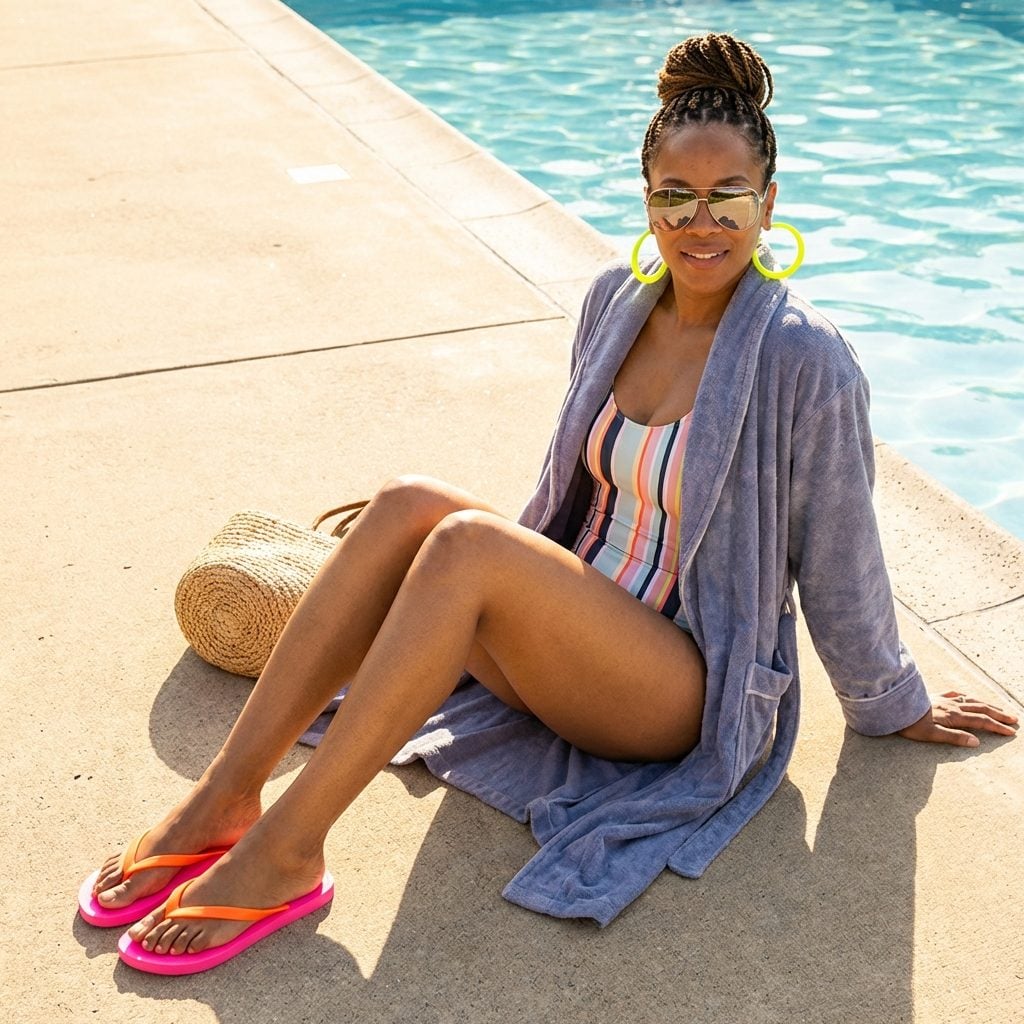
The thinnest possible slab of rubber, held to your foot by two straps in a color that technically did not occur in the natural world. These were the official shoe of summer before anyone had opinions about podiatry. You bought them at the drugstore near the register, usually in a two-pack, usually for under three dollars, and you wore them until the straps snapped, which happened faster than you’d think, and then you got another pair.
The flip-flop sound on hot pavement was the soundtrack of every summer. Every pool deck. Every grocery store trip in August when no one had the energy to put on real shoes. These were basically foot jewelry with a thin rubber backing, and somehow that was enough.
39. Terry Cloth Flip-Flops That Felt Like Tiny Towels on Your Feet
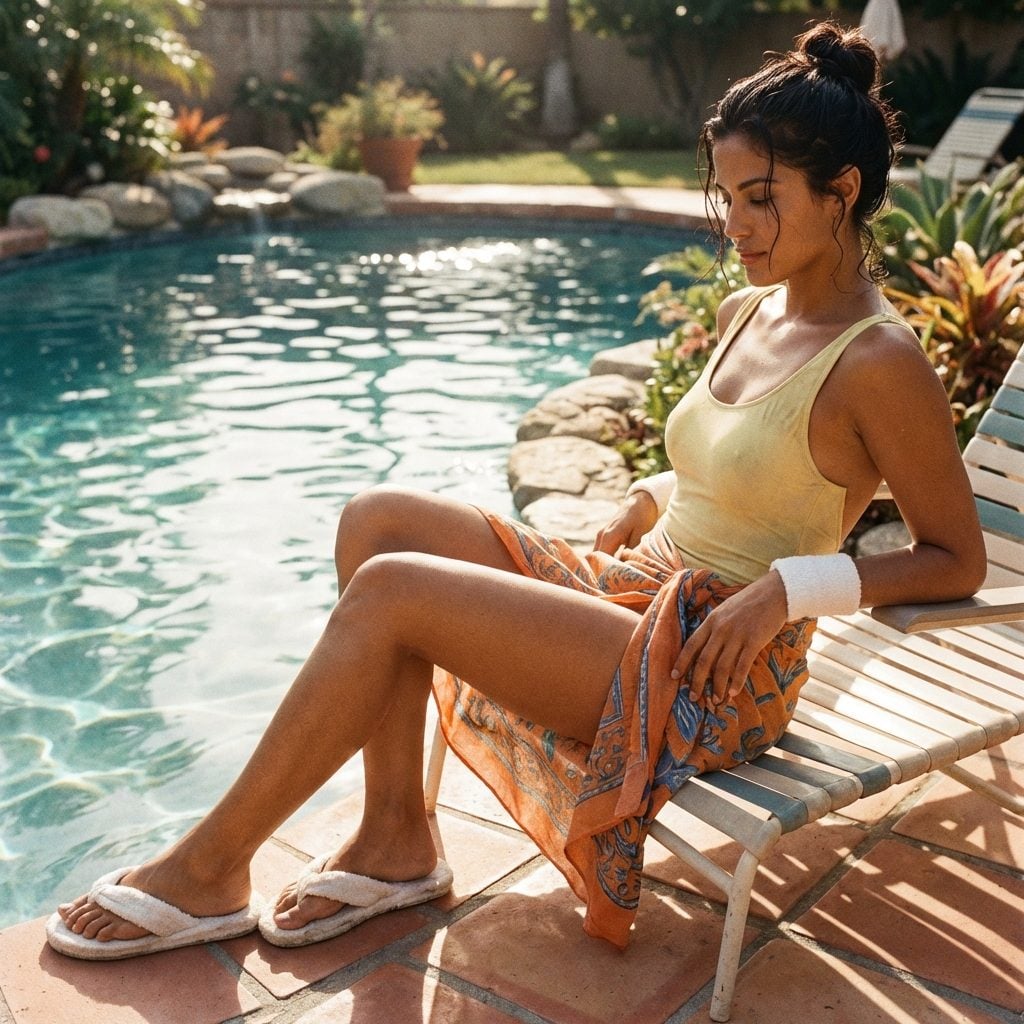
Someone decided that the best possible material for pool footwear was the same material as your bath towel, and honestly, they weren’t wrong. Terry cloth flip-flops were the softest, squishiest, most comforting shoe you owned, and they smelled permanently of chlorine after the first week of summer, which was somehow not a deterrent.
They came in white, yellow, and a pale blue that matched nothing you owned but everything you felt. You wore them from the pool to the snack bar to the car without a second thought. They were the footwear equivalent of a hug.
38. Rubber Thongs With a Single Wide Strap Across the Toe
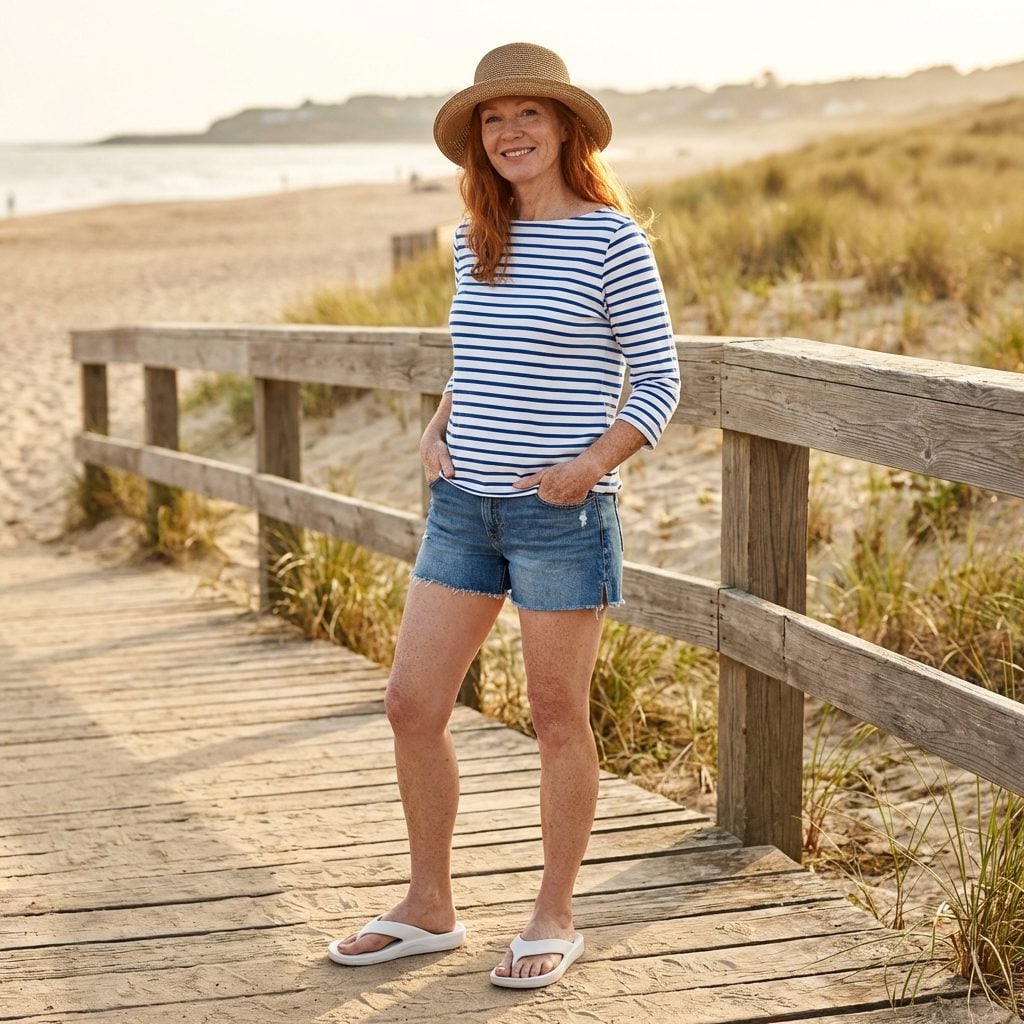
Before the word “thong” meant something else entirely, it meant this: a flat rubber sandal with one broad strap across the front of the foot, attached to a sole that was maybe a quarter-inch thick. That was it. That was the whole shoe. Beach, backyard, corner store, summer barbecue, same shoe. Non-negotiable.
37. Rubber Pool Slides That Belonged Exclusively to the Locker Room
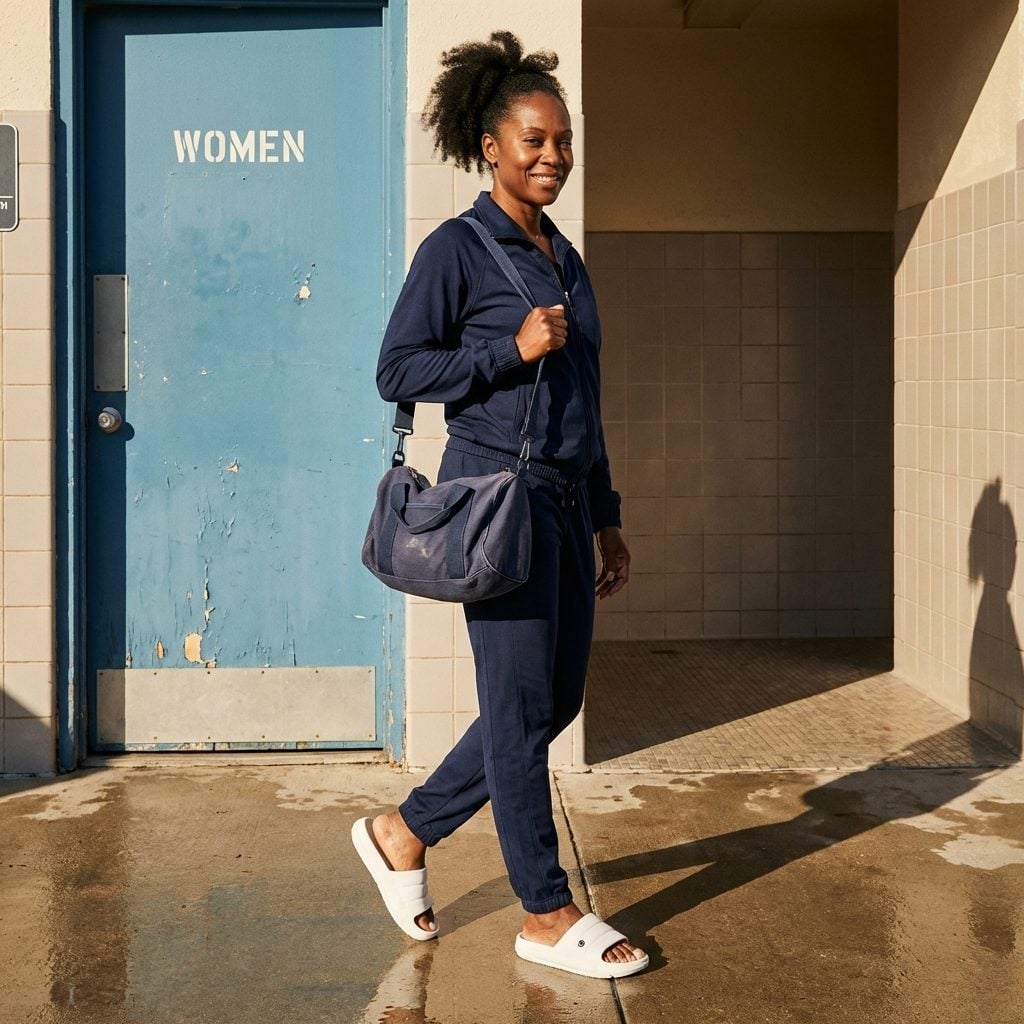
These were technically hygiene footwear. Officially for the pool changing room, the gym locker, the campground shower. But by 1986, someone had started wearing them to the grocery store, and then to the beach, and then frankly everywhere, and no one stopped them because they were incredibly comfortable and also a little bit sporty in a way that felt new.
The rubber was thick and slightly textured on the sole for grip. The single band across the top was molded, not fabric. They came in white, black, and a utilitarian navy that felt almost intentional. These were the ancestors of every pool slide sold at every streetwear store today, the original, the unglamorous template for a billion-dollar trend.
36. Slide Sandals With a Single Wide Metallic Strap
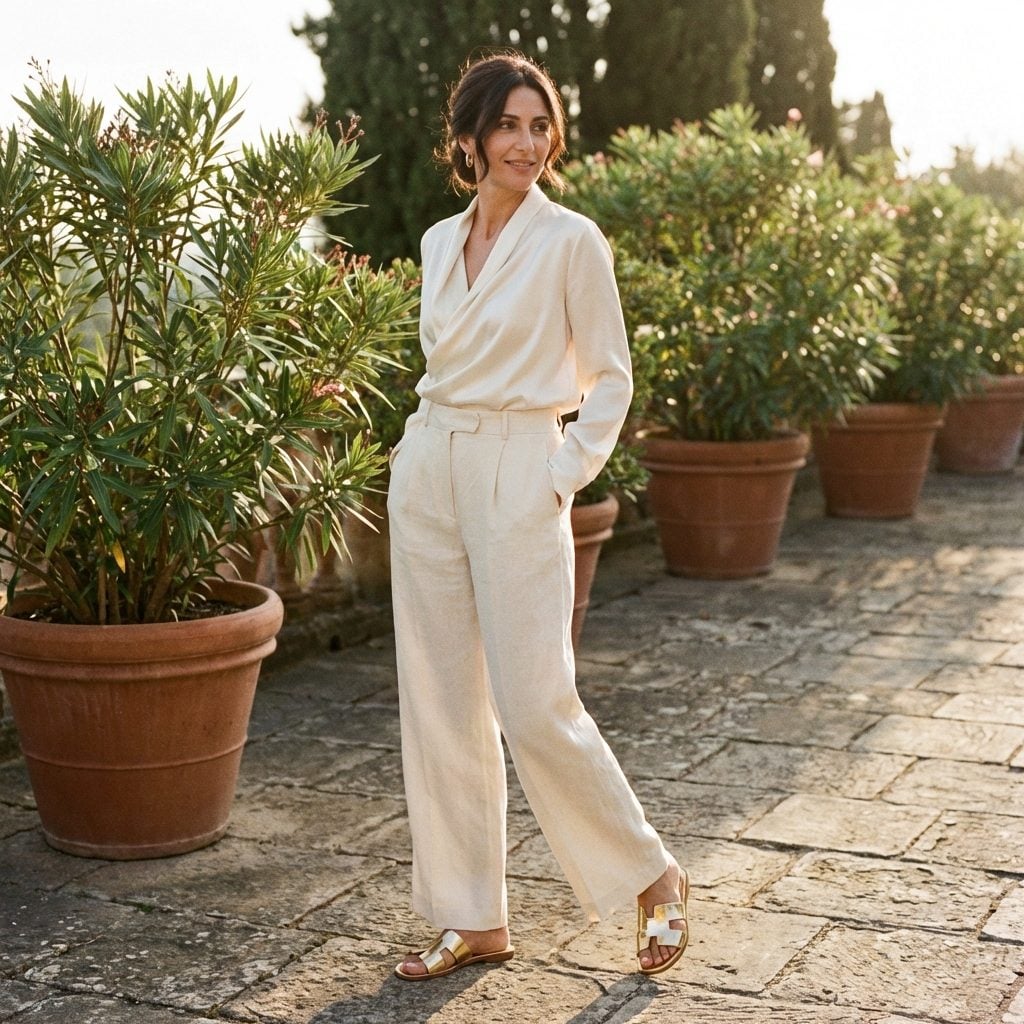
The glamour version of the pool slide, same silhouette, completely different energy. The metallic strap (gold being the preferred choice, silver for the more restrained among us) elevated what was essentially a house slipper into something you could wear to a backyard dinner party and feel entirely justified. These showed up at every mall in America around 1985 and immediately became the “fancy casual” shoe of the decade.
You wore them with a sundress. You wore them with high-waisted linen trousers. You wore them when you wanted to look like you’d made an effort without technically making an effort. They were the original quiet-luxury summer shoe, except nothing about the 1980s was quiet, so they were more like loud-luxury in a very thin gold strap.
35. Bandana-Print Flat Sandals That Matched Everything (In Theory)

The bandana print was having a major moment in the mid-1980s, migrating from neckerchiefs and headbands onto literally any surface that would hold a pattern, including the straps of flat leather or canvas sandals. Red and white paisley. Blue and white. That deep rust color that looked sun-faded before it even left the store. You bought these at a beach boutique or a craft market and they matched your bandana hair wrap if you planned ahead, which you did, because this was a look you had assembled on purpose.
There was something very “summer of 1986 at a lake house” about these sandals. They had a handmade quality even when they weren’t. They signaled a vibe: relaxed, a little free-spirited, definitely someone who rolled their jeans up to exactly the right point on the calf.
34. Thong Sandals With an Oversized Toe Ring That Announced Your Arrival
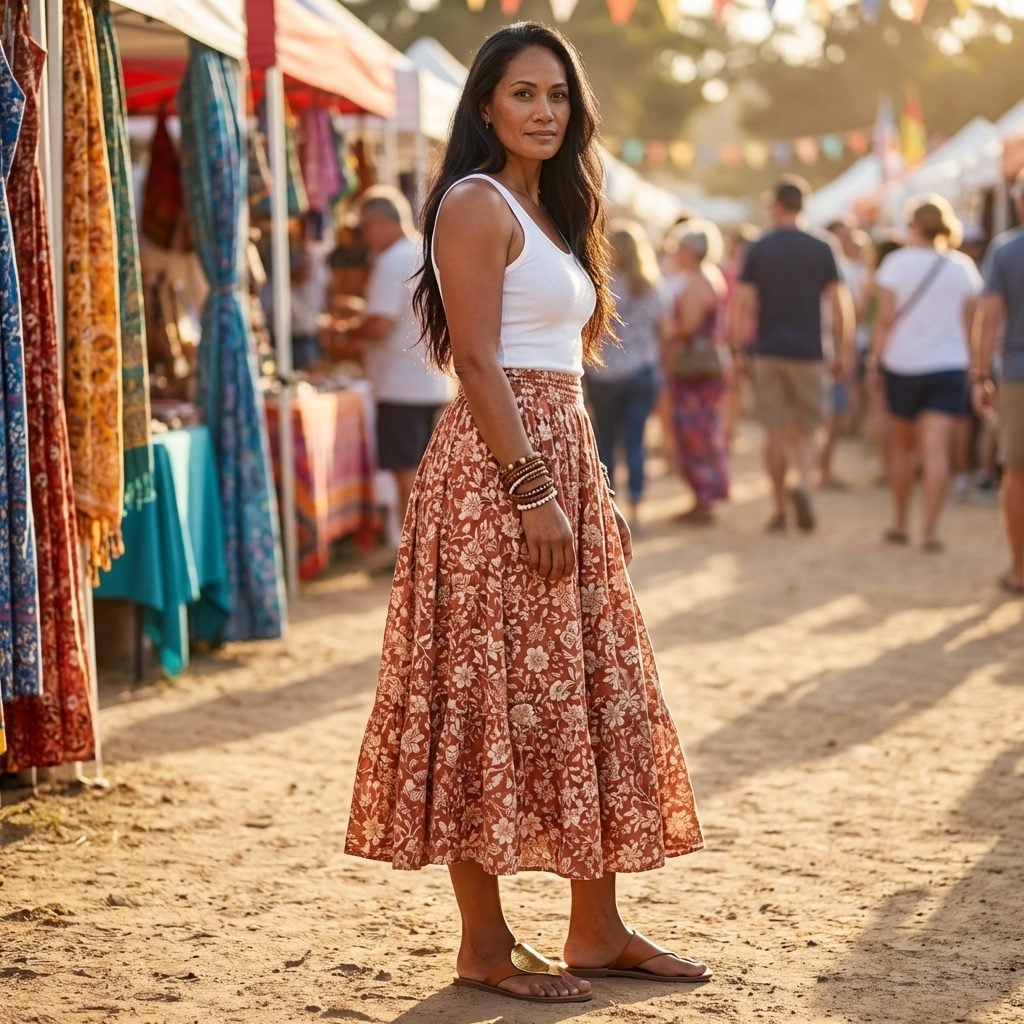
The toe ring on a sandal was not subtle. It was a large decorative ring, sometimes shell, sometimes hammered brass, occasionally a plastic bead cluster in multiple colors, that sat at the center of the thong strap where it met between your first and second toe. It served no structural purpose. It was purely there to say: I am wearing a sandal and I have opinions about it.
These were the sandals you bought at a beach craft fair from a woman with incredible silver earrings who also sold wind chimes. They felt artisan. They felt slightly boho before the word existed in that context. And the ring at the toe was the finishing touch that said you had chosen this sandal, it had not simply happened to you.
33. Toe-Ring Flat Sandals in Braided Leather That Made Your Feet Look Like Artwork
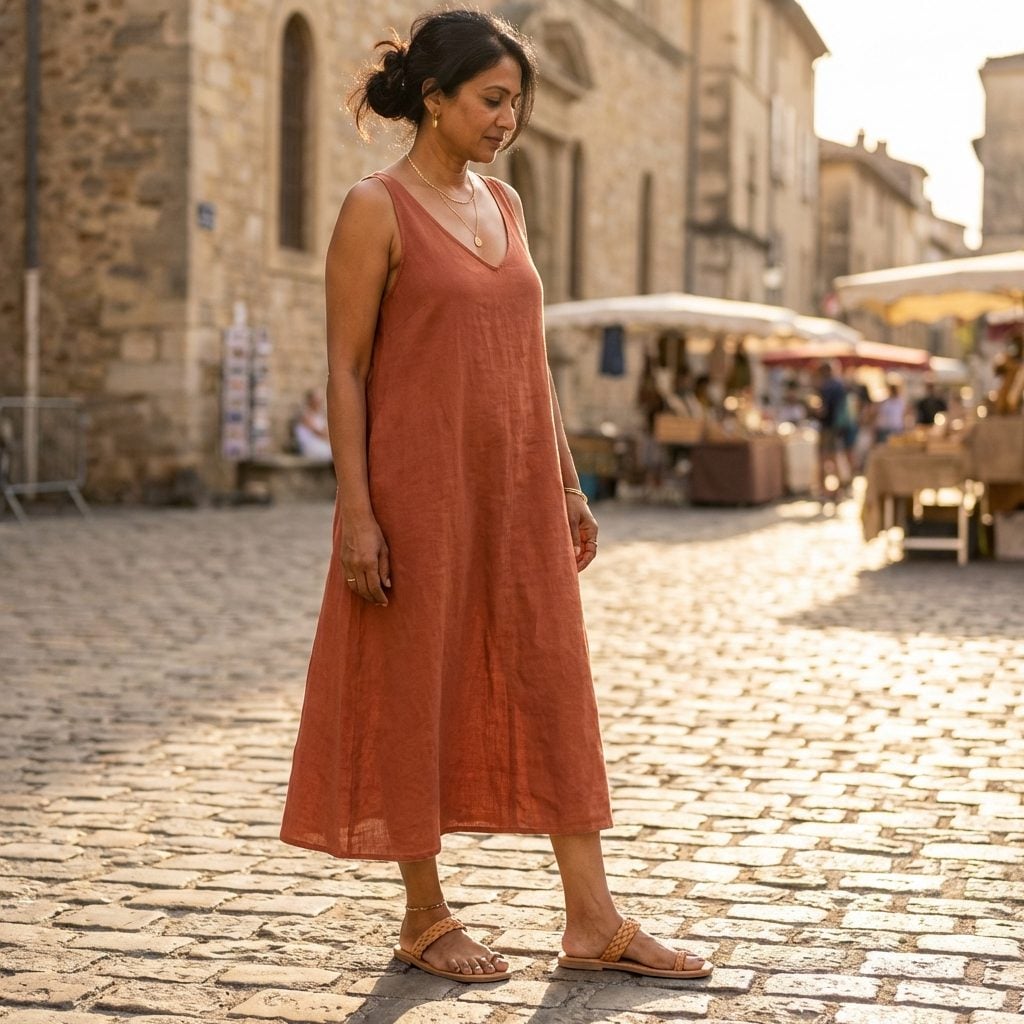
Braided leather flat sandals with a toe ring were the grown-up cousin of every jelly and rubber thong that came before them. They were the sandal you graduated to. The leather was worked into a thin, intricate braid across the straps, natural tan, sometimes cognac, sometimes a deep caramel that darkened with wear. They felt handmade. They smelled like a leather goods shop. They were the shoes you packed for a trip to Europe and then wore every single day.
The toe ring here was different from the costume-jewelry version, smaller, integral, a thin loop of the same braided leather or a simple metal ring that felt sculptural rather than decorative. These sandals had the quality of something artisanal, even when they came off a rack at a department store. Pairing them with sundresses, linen, or rolled-up chinos, they elevated every summer look without trying to. They were the sandal equivalent of a good leather watch.
32. High-Heeled Thong Sandals (The Ones That Felt Like Walking on a Dare)
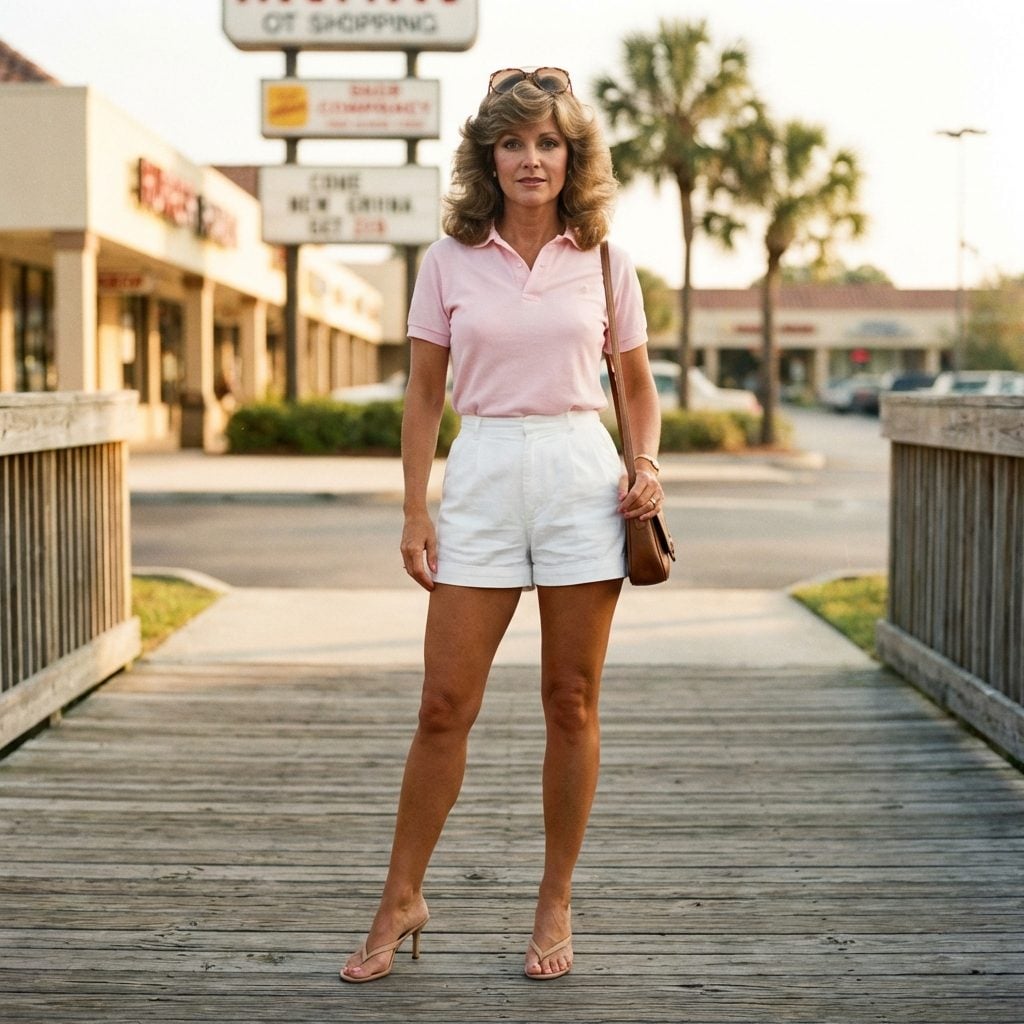
Two thin leather straps, a heel that had no business being that tall, and absolutely zero arch support. We wore these to the mall, to outdoor concerts, to anywhere we wanted to feel like we had our lives together. The thong between the toes left a permanent indentation by August, and we pretended it was fine.
They came in every color at Kinney Shoes and Thom McAn: strappy heeled sandals in white, gold, and that very specific coral-pink that existed only in the 1980s. Paired with white cotton shorts and a tucked-in polo, this was the unofficial uniform of summer 1984.
31. Gladiator Sandals With Five Straps Too Many
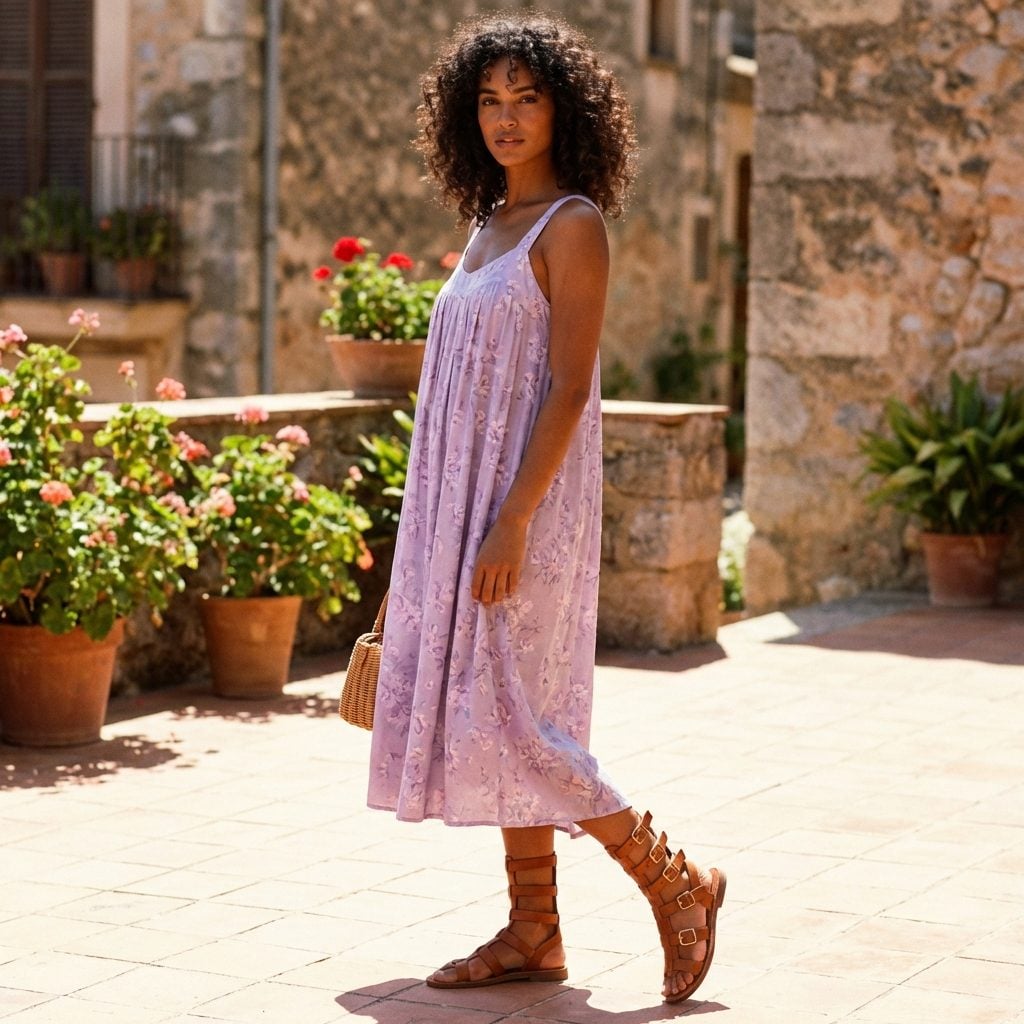
Long before every fast fashion brand revived them in 2008, we were already buckkling ourselves into gladiator sandals that took a solid four minutes to put on. Multiple straps crossing the ankle, sometimes two or three climbing the calf, all in tan or cognac leather that stiffened in the heat and left geometric tan lines we were genuinely proud of.
These showed up everywhere from the Sears catalog to the pages of Seventeen magazine. You wore them with a breezy sundress and felt like a extra in a Duran Duran video. The buckles always caught on each other, but the look was absolutely worth it.
30. Huarache Sandals in Woven Natural Leather
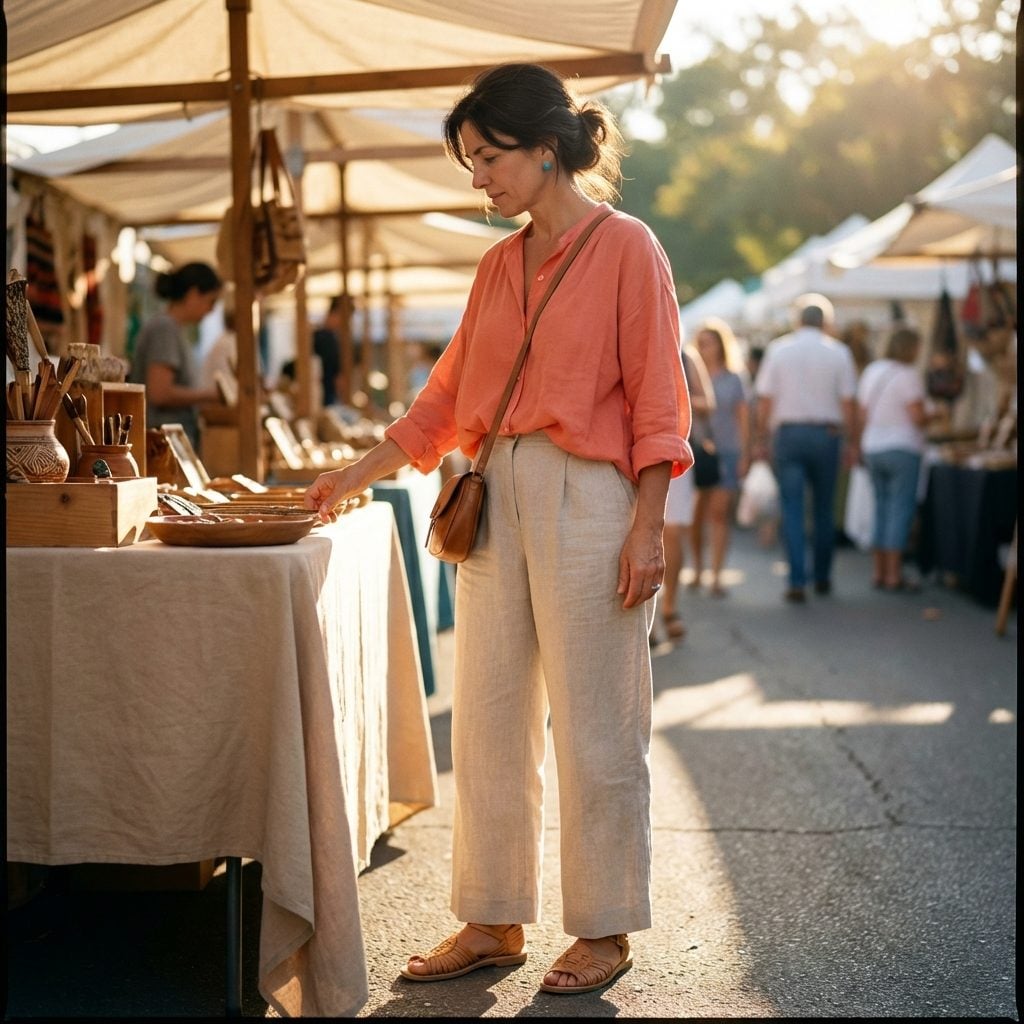
There was something almost meditative about putting on huaraches. The woven leather top, the flat rubber sole, the way they molded to your foot after a week of wear until they fit like nothing else in your closet. Every girl who spent any time in southern California or the Southwest in the 1980s owned at least one pair, usually picked up at a craft fair or a shop that smelled reassuringly like raw leather and patchouli.
They were the crunchy-cool counterpoint to the decade’s more aggressively styled footwear. You wore them with everything: linen trousers, sundresses, even with high-waisted jeans cuffed at the ankle. The woven pattern left a waffle impression on the top of your foot that lasted until dinner. It was a badge of summer.
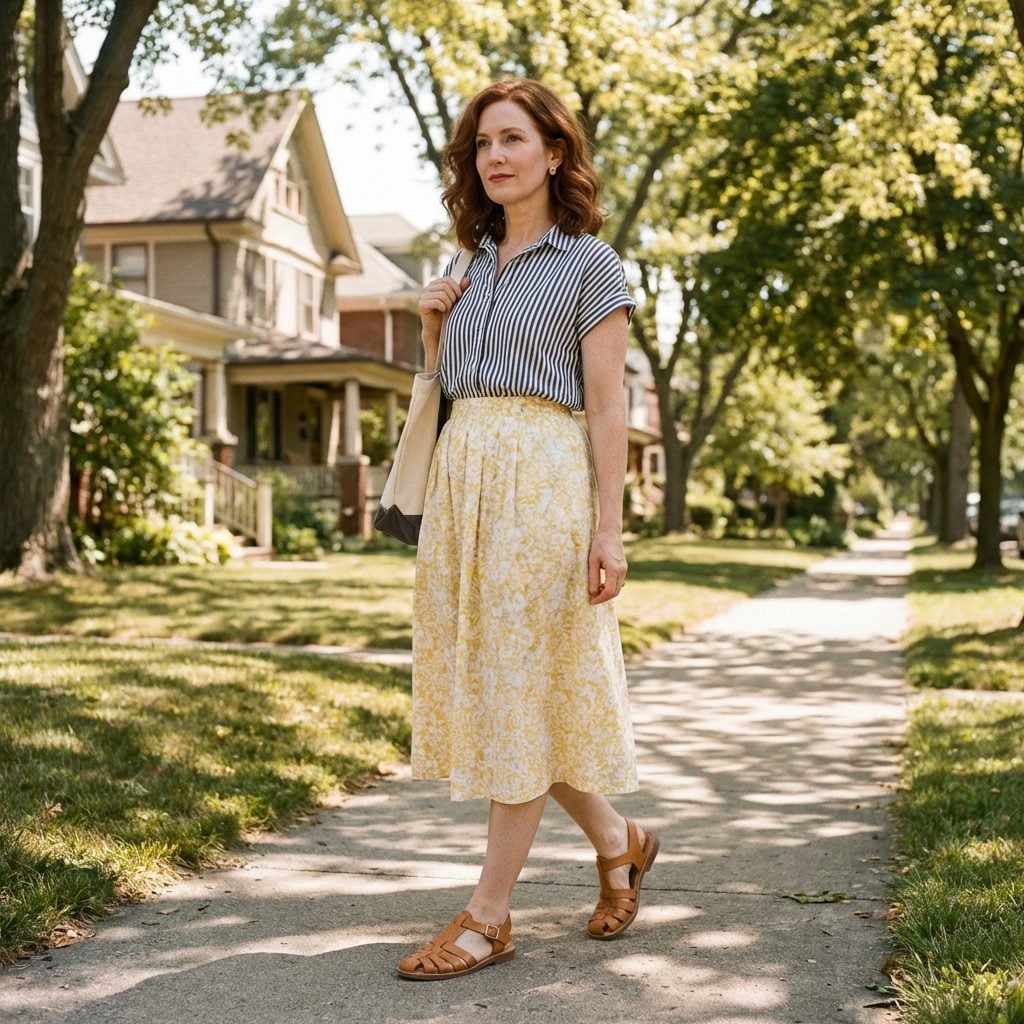
29. Fisherman Sandals in Tan Leather (The Sensible Ones We All Owned)
❤️ Would you like to save this?
These were the sandal you actually walked in. The closed-toe design with the woven leather straps across the top felt practical in a decade that wasn’t always asking for practical. Birkenstock adjacent before Birkenstock was cool, fisherman sandals in honey tan or dark cognac leather were the workhorse of the summer shoe drawer.
Every preppy girl who read Glamour had them. They came from Dexter, from Bass, sometimes from the leather shop at the mall that also sold belts with your name stamped on them. Worn with socks? Absolutely not. Worn with white ankle socks and a denim skirt? Absolutely yes, and we knew exactly what we were doing.
28. Woven Leather Sandals With a Stacked Wooden Heel
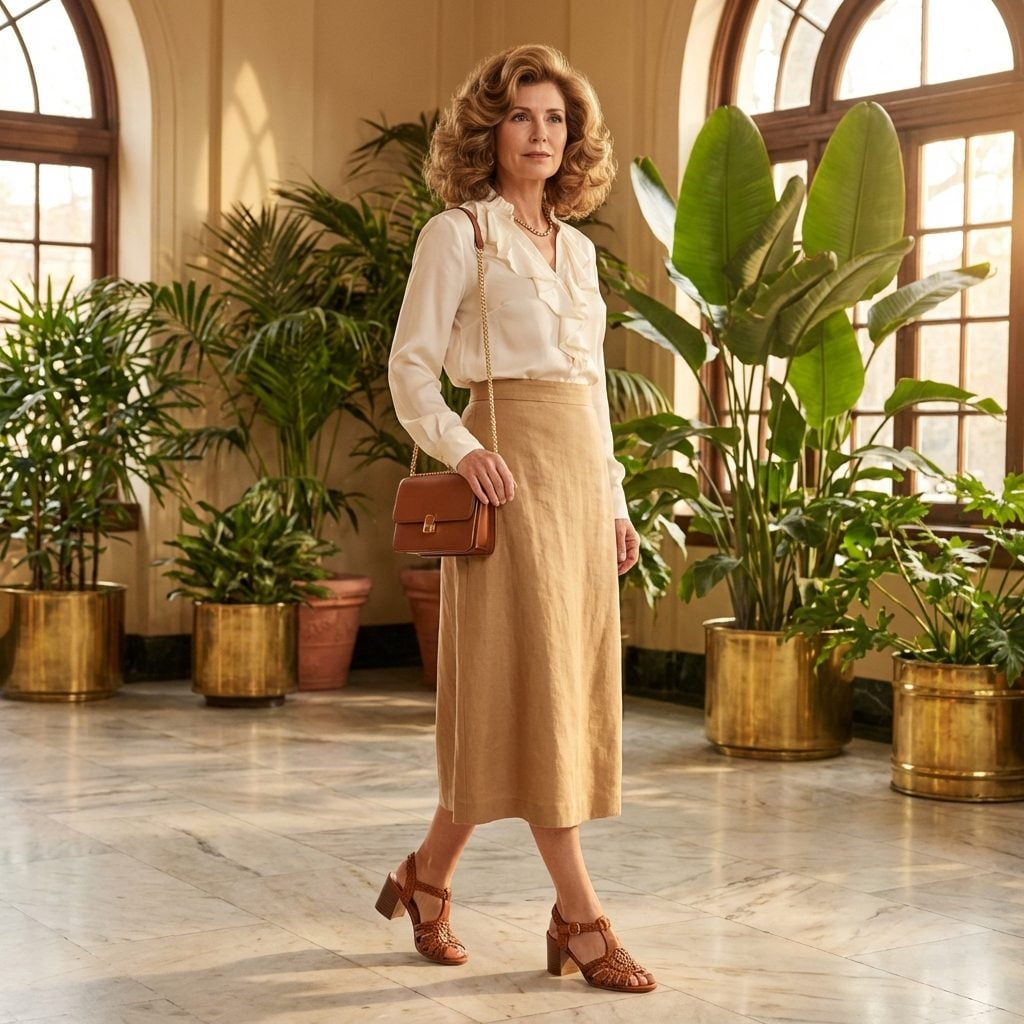
The stacked heel was the 1980s compromise between a flat and a proper stiletto: a chunky, layered wooden or cork heel that added two or three inches without turning your commute into a liability. Pair it with woven leather straps across the foot and you had the decade’s most versatile warm-weather shoe.
These were the ones you wore to work on a Friday in July, then kept on for happy hour. Woven leather heeled sandals in tobacco brown and tan were the Bandolino and Life Stride staples of the mid-decade catalog. The heel made a satisfying clack on office floors, and you walked with the specific confidence of someone who had dressed appropriately for every occasion simultaneously.
27. Two-Tone Leather Sandals With a Single Gold Buckle
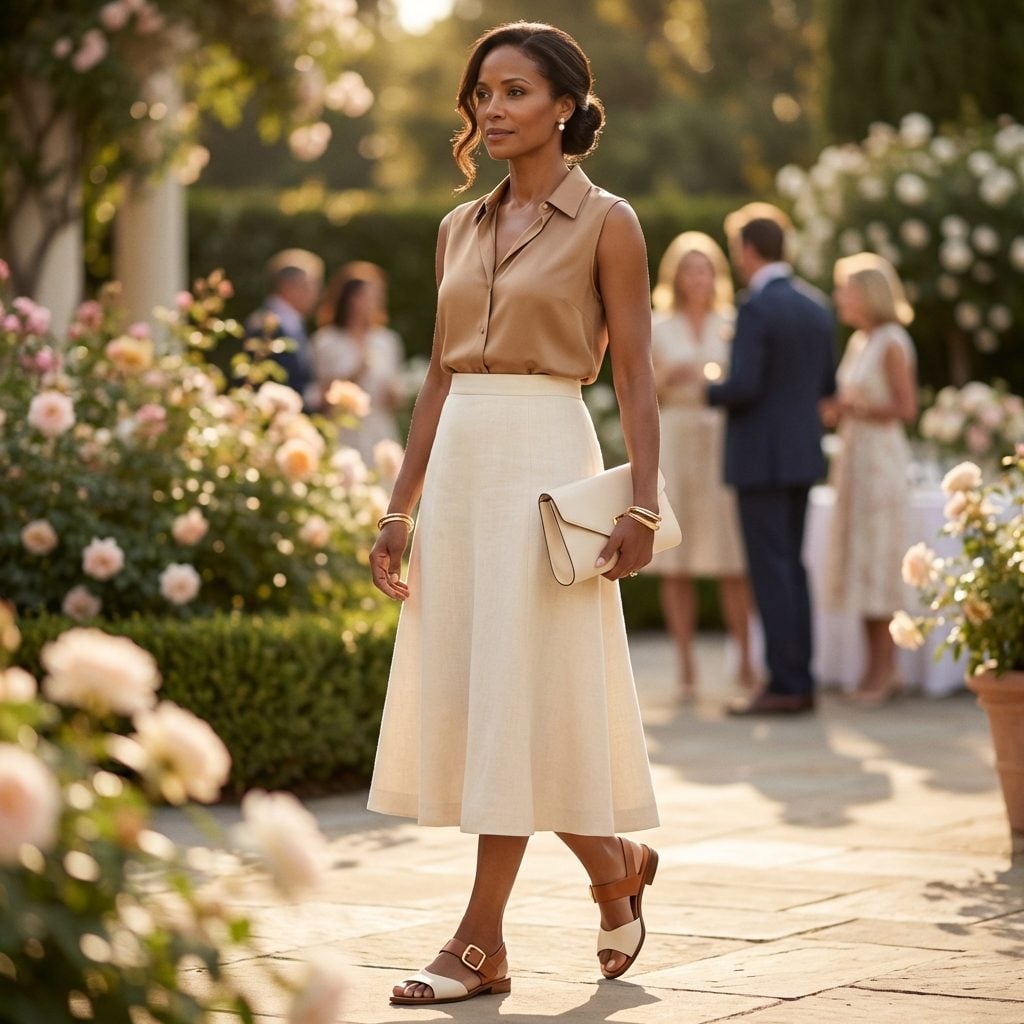
There was a very specific category of 1980s sandal that felt dressed up without trying too hard, and the two-tone leather buckle style was its purest expression. Cream and tan, white and gold, navy and white, the contrast straps gave the shoe its personality, and the single gold or brass buckle at the ankle or across the vamp was the punctuation mark.
These lived at the dressier end of the summer shoe spectrum. You wore them to graduation parties, to Sunday dinners at relatives’ houses, to anything that required effort. Brands like Bandolino and Naturalizer did them well, and the accessory trends of the era meant you matched the buckle tone to your jewelry without even thinking about it.
26. Fringed Suede Sandals (The Western Fantasy We All Had)
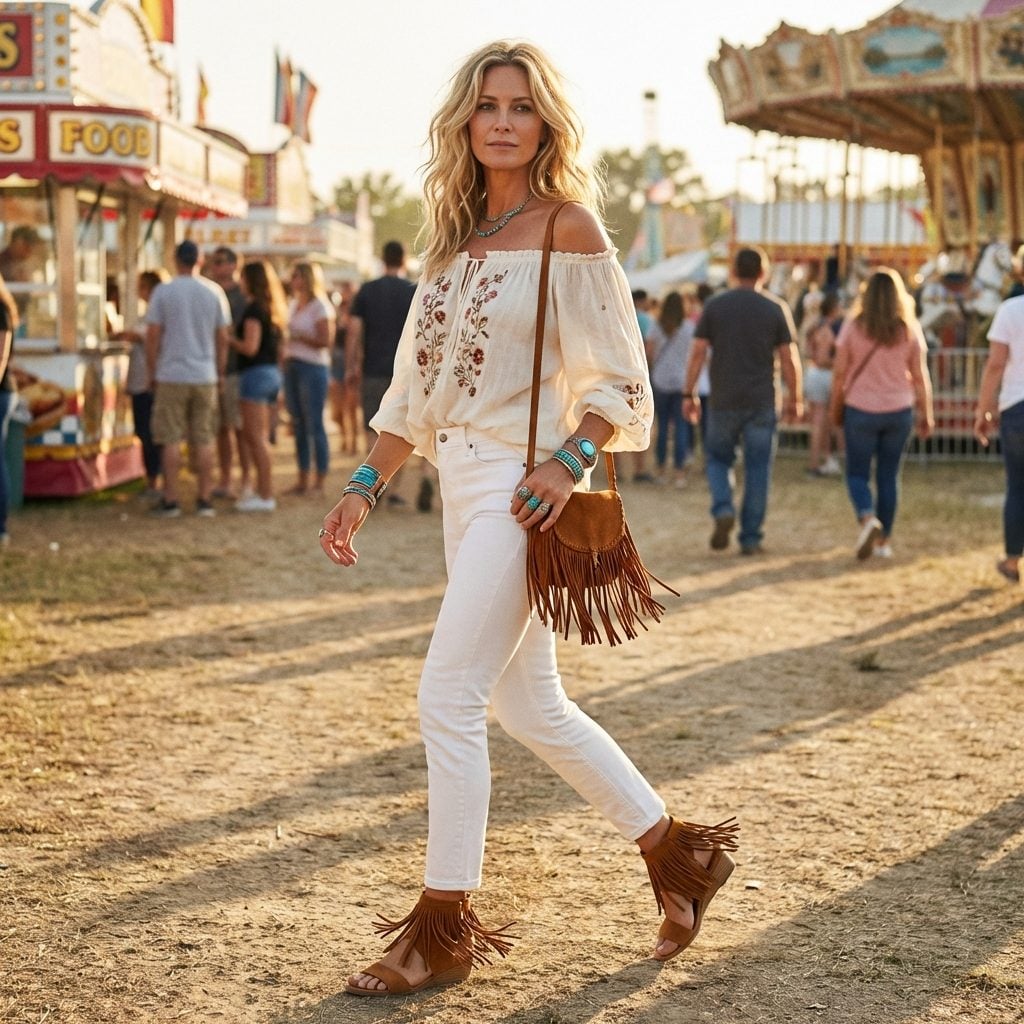
Somewhere between Stevie Nicks and a Sears catalog, the fringed suede sandal occupied a very specific niche in 1980s summer footwear. Flat or with a low wedge, the suede upper would sprout fringe along the toe strap or around the ankle, swaying when you walked in a way that felt deeply satisfying.
They came in tobacco brown, rust, and a faded turquoise that nobody has ever been able to fully explain. You wore them with white jeans and a peasant top and felt like you were one acoustic guitar away from a desert music festival. The suede got wet the first time it rained and that was essentially the end of your summer, but the fringe had been worth every moment.
25. Vinyl Strap Sandals in Colors That Should Not Have Existed
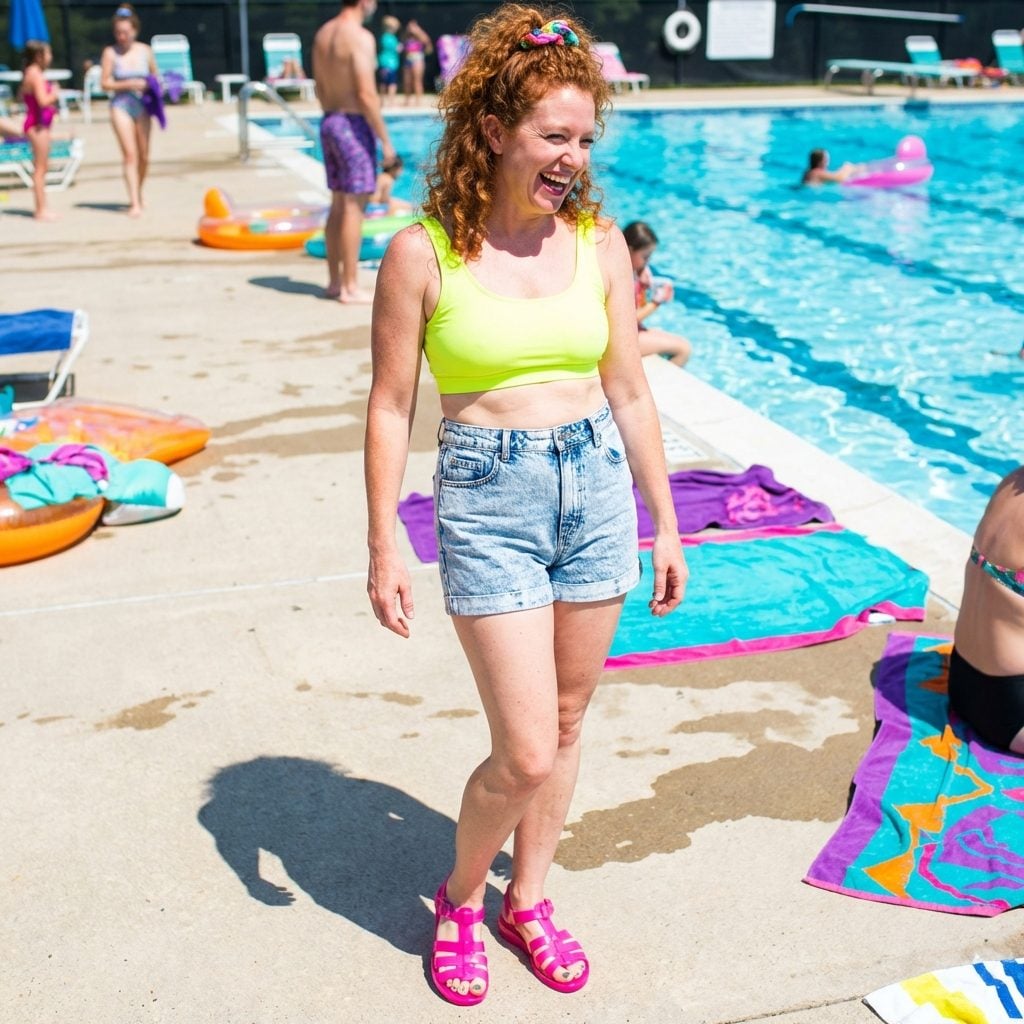
Hot pink. Electric blue. Metallic purple. The vinyl strap sandal of the 1980s came in colors that a sensible shoe had no business being, and that was entirely the point. These were cheap, cheerful, and purchased at places like Payless and Fayva without any guilt whatsoever. The vinyl straps were shiny, slightly sticky in the heat, and left marks on your feet that lasted into autumn.
“They were $8.99, they came in electric blue, and they were perfect for exactly one summer.”
Worn with acid-wash shorts, neon swimsuit cover-ups, or literally whatever you had on when you decided to go to the pool. Nobody was precious about bright vinyl sandals. That was their entire appeal. You’d lose one at the beach and be mildly annoyed for about four minutes.
24. Clear Plastic Heeled Sandals (The Cinderella Delusion)
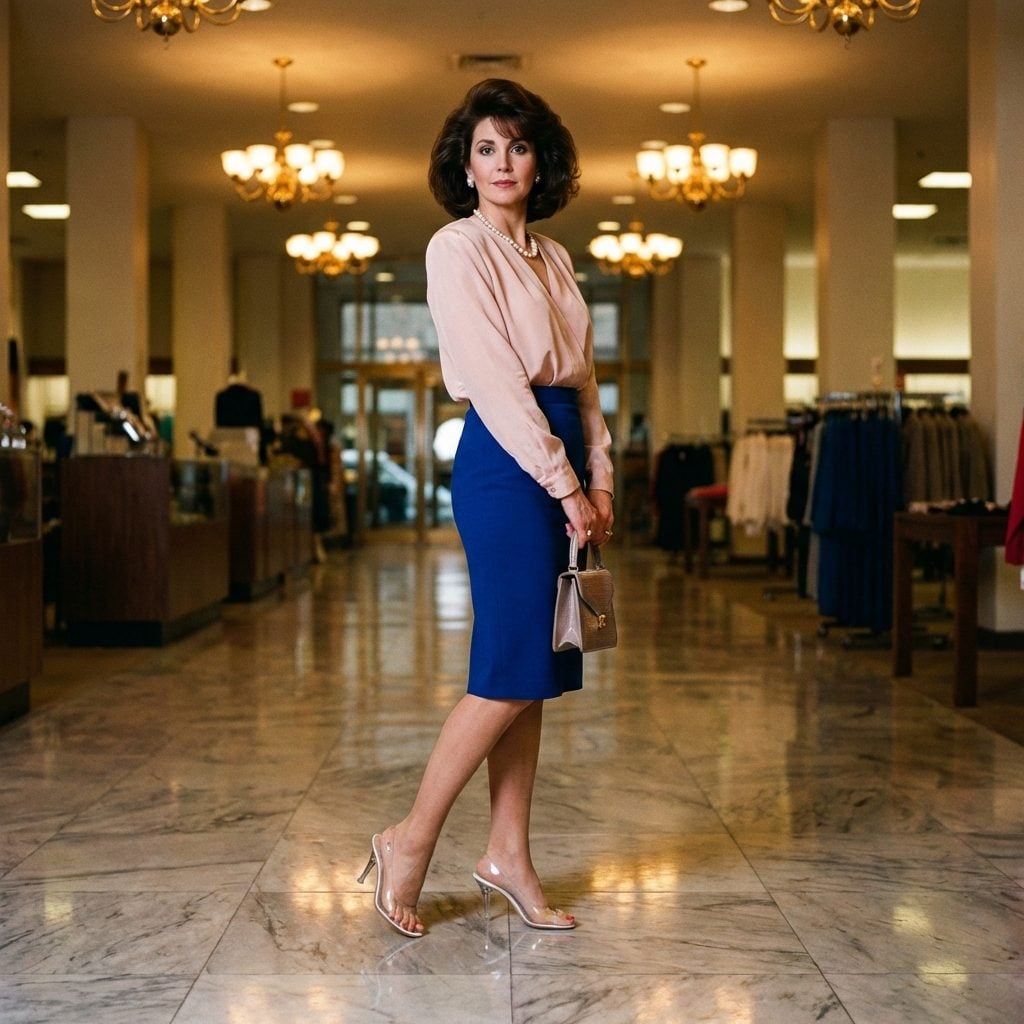
The idea was: invisible shoe, legs look endless, every outfit works. The reality was: visible sweat pooling inside a plastic shoe by 11am, a squeaking sound with every step on a smooth floor, and a blister situation that required medical attention by day two.
And yet. We kept buying them, because in the store, under the fluorescent lights, they genuinely looked magical. Clear heeled sandals with a stiletto or block heel were a mid-1980s staple at every strip mall shoe store, and they had a very specific customer: women who had seen something similar in a catalog and believed, completely, that this was going to be the shoe that changed everything.
23. White Patent Leather Sandals With an Ankle Strap
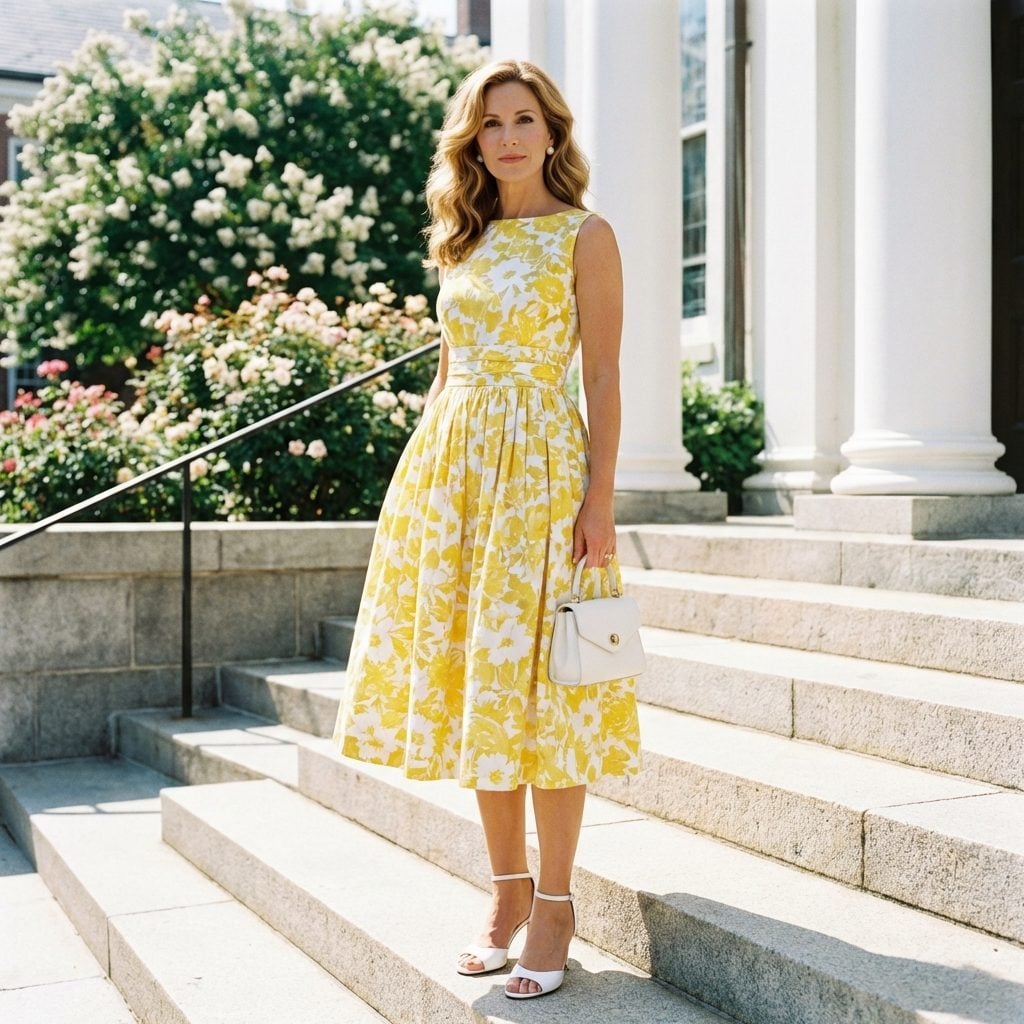
White patent leather in summer was a rule, not a suggestion. The ankle-strap version was the most classic iteration: a low kitten heel or slight wedge, patent leather that gleamed like it meant business, and a slim ankle strap with a small gold or silver buckle. These were the shoes you wore to church, to your cousin’s outdoor wedding, to any occasion where your mother had an opinion about your footwear.
The patent finish showed every scuff by the end of the night, which meant the walk to the car was always slightly anxious. But worn fresh out of the box with a floral dress and white patent ankle-strap sandals, there was genuinely nothing that felt more like summer done correctly.
22. Ankle-Strap Sandals With a Chunky Block Heel
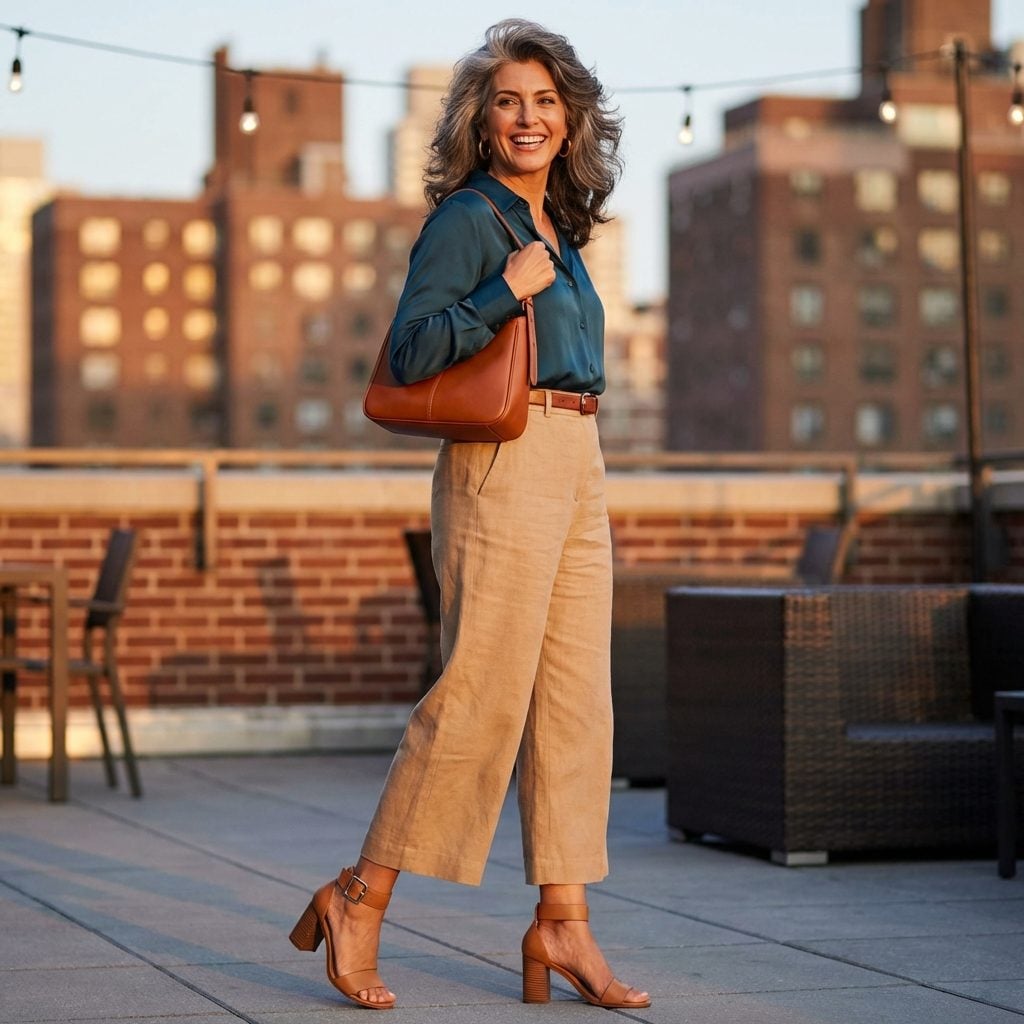
The block heel was the shoe that made you feel powerful without sacrificing your ability to stand for three hours. Chunkier than a stiletto, sturdier than a wedge, the ankle-strap version with a two or three inch block heel was a fixture of late-1980s summer dressing: practical enough for an outdoor barbecue, polished enough for a work event with the word “casual” buried somewhere in the description.
They came in every material: leather, woven jute, even canvas. Brands like Nine West and Easy Spirit built much of their 1980s summer catalog around exactly this silhouette. You wore them with a linen blazer and cropped trousers and felt, correctly, like you had solved summer dressing.
The ankle strap added the finishing detail that made the whole thing feel intentional. These weren’t just shoes. They were a statement that you had, at some point, looked in a mirror and thought: yes, this is the one.
21. Peep-Toe Slingbacks: The Shoe That Thought It Could Do Everything
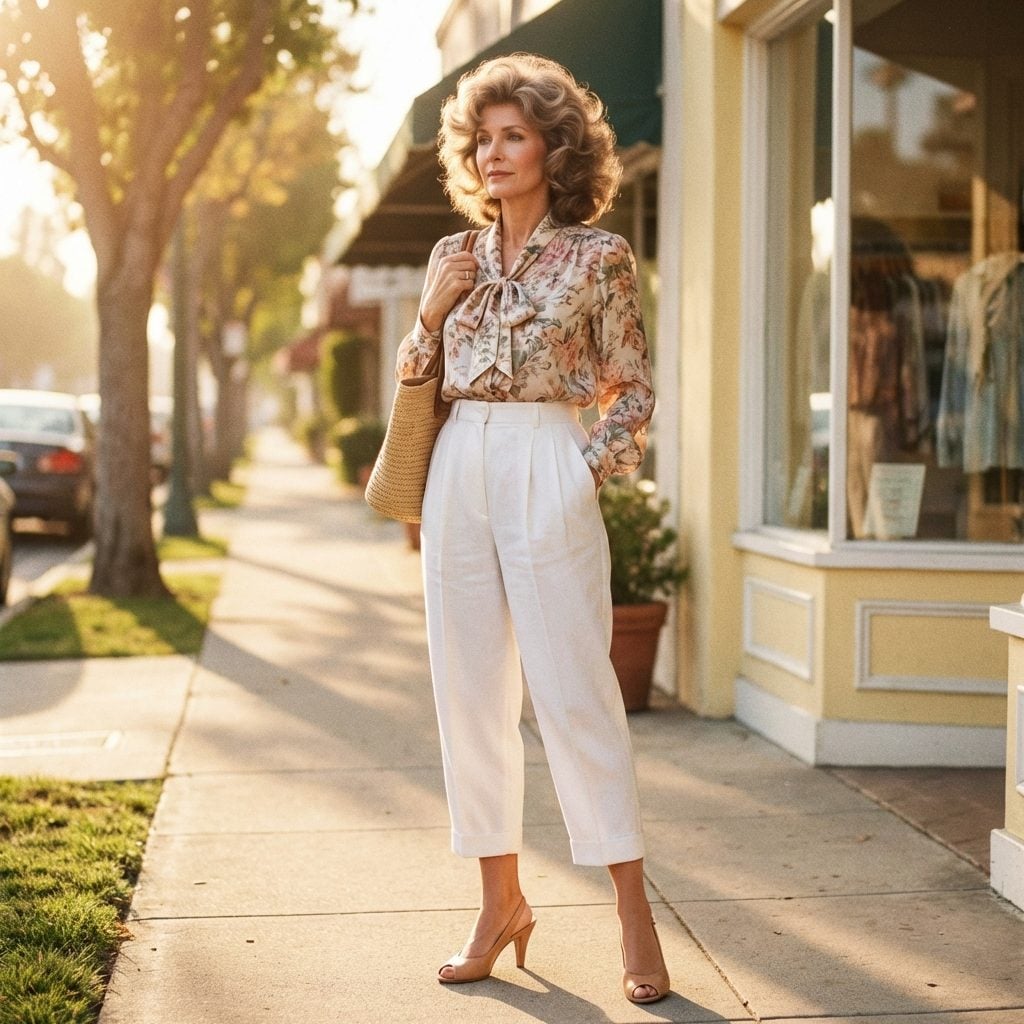
The peep-toe slingback was the Swiss Army knife of 1980s summer footwear. You wore it to the office with a linen blazer, to a Saturday afternoon barbecue with white capri pants, and somehow to a wedding with a ruched chiffon dress. The elastic slingback strap was always slightly too loose or slightly too tight, slapping against your heel at inopportune moments.
Every shoe store from Payless to Nine West had a wall of them in every color. The tiny peep-toe opening felt sophisticated in a way that was hard to explain. We all had at least three pairs.
20. Open-Toe Mules With the Kitten Heel That Clacked on Every Hard Floor
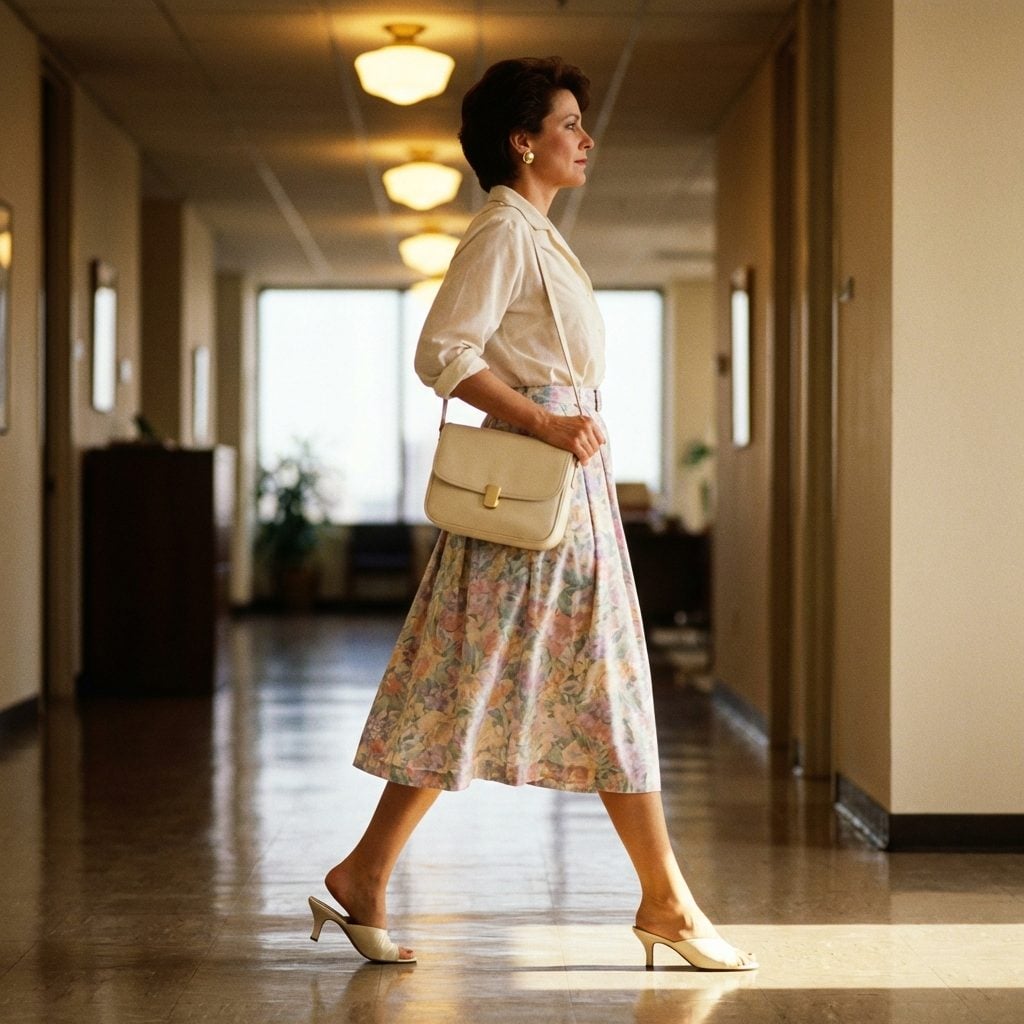
That sound. Anyone who lived through the 1980s knows the specific clack of an open-toe mule on a linoleum floor. The backless design meant a very particular walk, a half-shuffle you perfected by June of whatever year you bought your first pair.
These came in every imaginable fabric: patent leather, canvas, a brocade-adjacent fabric that felt fancy but cost eleven dollars. The mule was the shoe that said you were relaxed and pulled-together simultaneously, which was a very specific 1980s aspiration. You lost them constantly because they slid off the moment you sat down anywhere.
19. Spike-Heeled Mules in Pastel Colors That Had No Business Existing

Mint green. Baby lavender. Powder blue. These were real shoes that real women wore to real places in the summer of approximately 1984 through 1988. The spike heel on a mule was an engineering contradiction: an extremely aggressive heel on a shoe with zero grip or structure to hold it to your foot. Every step was an act of faith.
You found these at stores like Baker’s or Lerners, usually displayed on little plastic stands in a rainbow wall of pastel peril. The heel was thin as a pencil and tall as your ambition, and somehow they went with everything. Paired with a mint-green skirt set, you were, objectively, dressed.
18. Low Kitten Heels With Pointed Toes: Sensible, Except They Weren’t

The logic was: a low heel is practical. A pointed toe is elegant. Together they are the perfect summer shoe. The actual result was a shoe that looked like a stiletto had been gently sat on, and that pinched four of your five toes into a space designed for two.
Every professional woman owned a version of these in black, navy, and at least one questionable color. The heel was low enough to feel responsible but still did something unpleasant to your Achilles after six hours on your feet. Anne Klein made beautiful ones. So did Charles David. We bought them anyway, every summer, cheerfully.
17. Metallic Gold or Silver Sandals: The Every-Occasion Summer Shoe of the 1980s

❤️ Would you like to save this?
These were the great equalizer. A flat metallic gold sandal in 1985 could take you from a daytime beach party to a rehearsal dinner with approximately zero outfit changes required. We trusted metallic leather the way this generation trusts a good white sneaker.
The flat version had thin straps and barely-there structure. The heeled version came out for evenings and weddings and was sometimes platform-adjacent. Either way, the gold or silver finish felt dressed-up enough for almost any occasion, which was either a fashion insight or a sign that our standards were calibrated differently. The key accessory brands for these were Bandolino and Naturalizer, though by mid-decade, every department store had a version near the summer display.
16. Chunky Platform Sandals That Were Actually a Late-80s Preview of the 90s
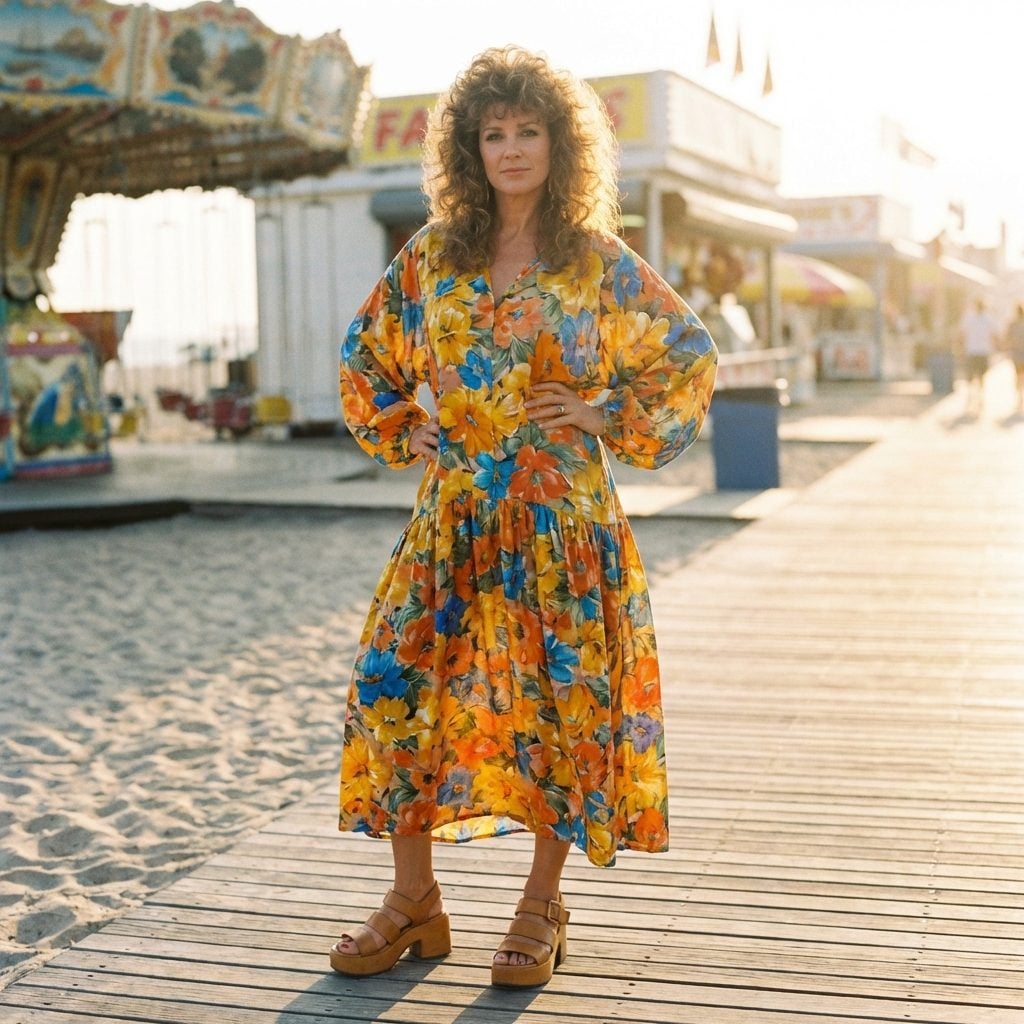
By the late 1980s, the platform was quietly staging a comeback, appearing on summer sandals in the form of thick cork or rubber soles that added two to three inches without technically being a heel. This felt like a loophole, and we used it enthusiastically.
The strappy platform sandal at the end of the decade had a slightly different energy than the cork wedge, it was chunkier, more deliberate, and paired naturally with the oversized silhouettes starting to appear in summer dresses. If you bought a pair in 1988 or 1989, you basically owned a shoe that was already 1993 in spirit.
15. Wooden-Soled Clogs: The Summer Shoe That Announced Your Arrival Three Rooms Away
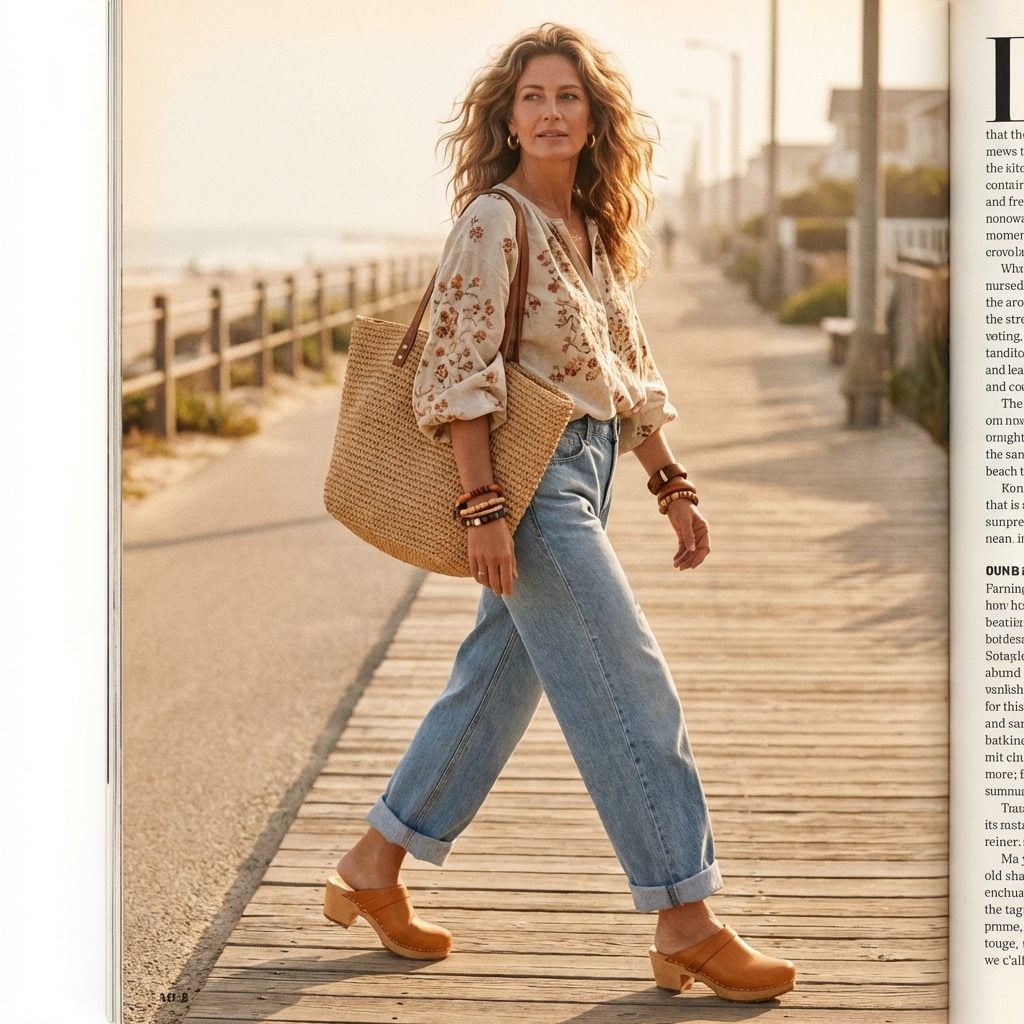
You heard a woman in clogs before you saw her. That percussive wooden knock on a hard floor was unmistakable, and in the 1980s it meant someone was coming who had made a specific aesthetic choice and was fully committed to it.
Swedish Hasbeens were aspirational but most of us worked with what the mall provided, which was usually a leather upper in a rich tan or a painted floral design mounted on a carved wooden sole. The open back meant the same shuffle-walk discipline required of the mule. The sound was non-negotiable.
Summer clogs occupied a particular fashion space: they read as casual but had a folk-craft quality that felt slightly artistic. You wore them with wide-leg jeans and a linen tunic and felt like you were living in a slightly European version of your life.
14. Canvas Espadrilles With Ankle-Tie Ribbons: The Ballerina’s Summer Off
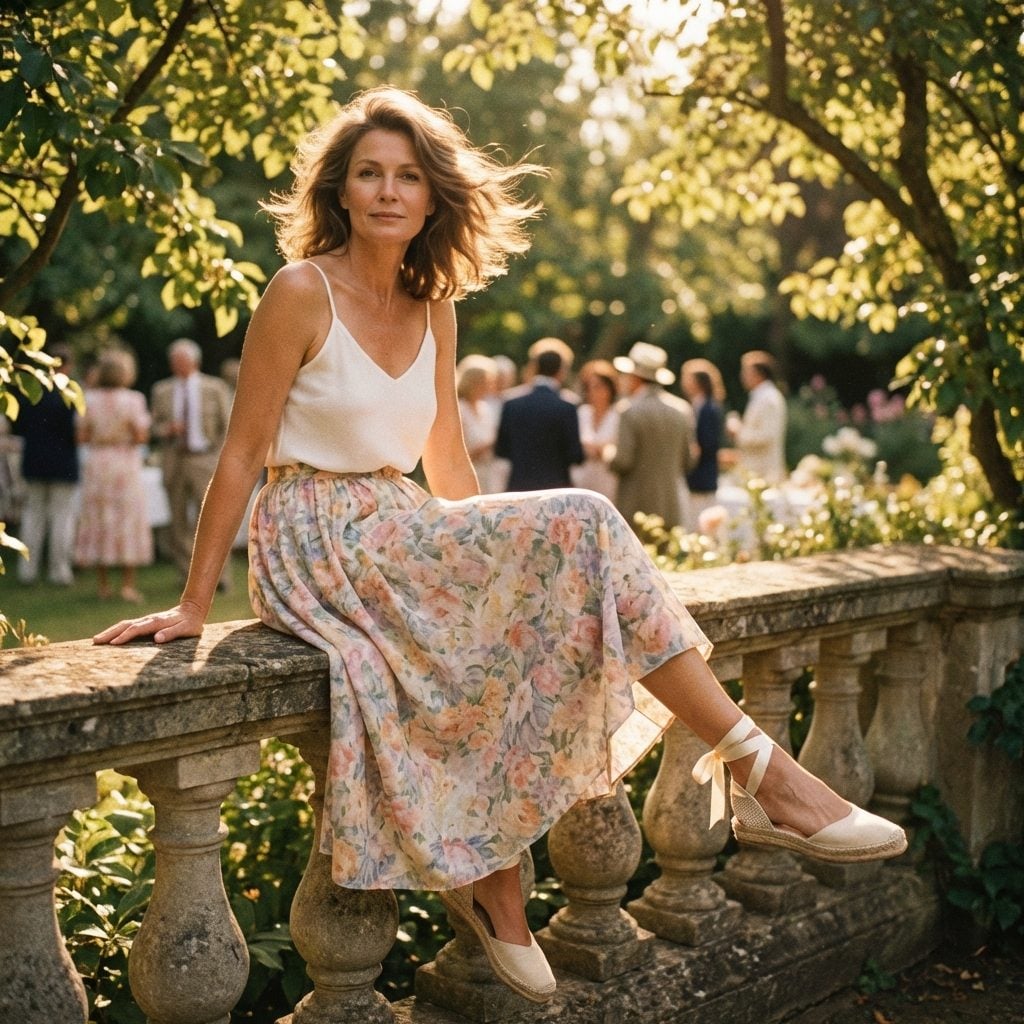
These were the shoe equivalent of a soft landing. Flat canvas espadrilles with a jute sole and long grosgrain or satin ribbons that you wound up your ankle and tied in a bow at the front, the back, or in a little knot on the side. Every tying configuration felt like a different mood.
They came from beachy boutiques and catalog pages featuring women on European terraces. The fantasy was that you were in the South of France. The reality was usually a backyard in Ohio, but the shoes still worked. What did NOT work was walking more than four blocks in them, because the jute sole had the structural integrity of a damp cracker after any contact with heat or mild moisture.
13. Espadrille Wedges in Nautical Stripes Because One Theme Was Never Enough
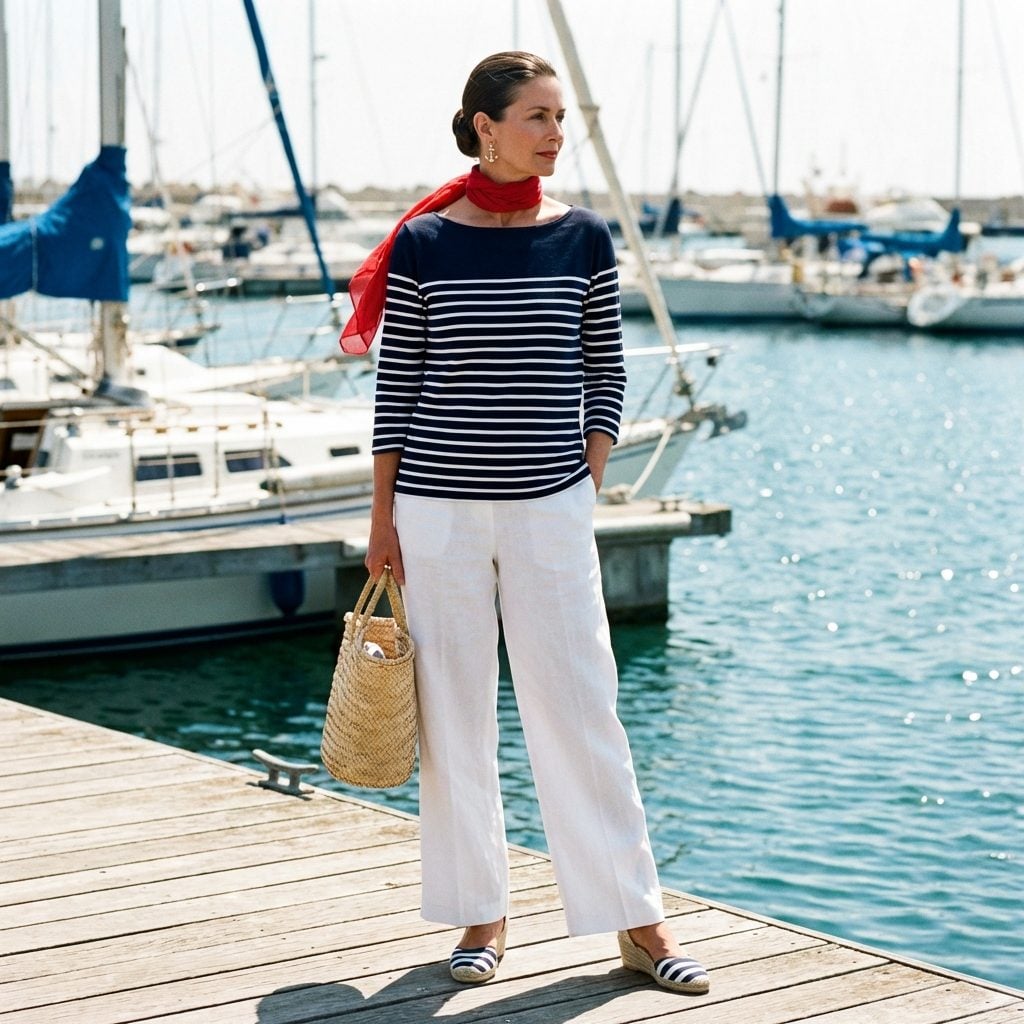
The espadrille wedge committed to a point of view. Add a nautical stripe upper, in navy and white or red and white, and you had a shoe that was technically footwear but also a declaration of summer identity.
These were everywhere in the early-to-mid 1980s and paired exclusively with other nautical things: striped Breton tops, white wide-leg trousers, boat-neck linen dresses. The fully coordinated nautical outfit was a real phenomenon, and the espadrille wedge was its foundation piece. Gloria Vanderbilt jeans made appearances. So did Lacoste polo shirts with turned-up collars. The wedge itself had a wrapped jute heel anywhere from two to four inches, and it was sturdy enough to actually walk in, which distinguished it from most of its espadrille cousins.
12. Platform Espadrilles in Canvas: The Shoe That Made You Six Feet Tall for a Whole Summer
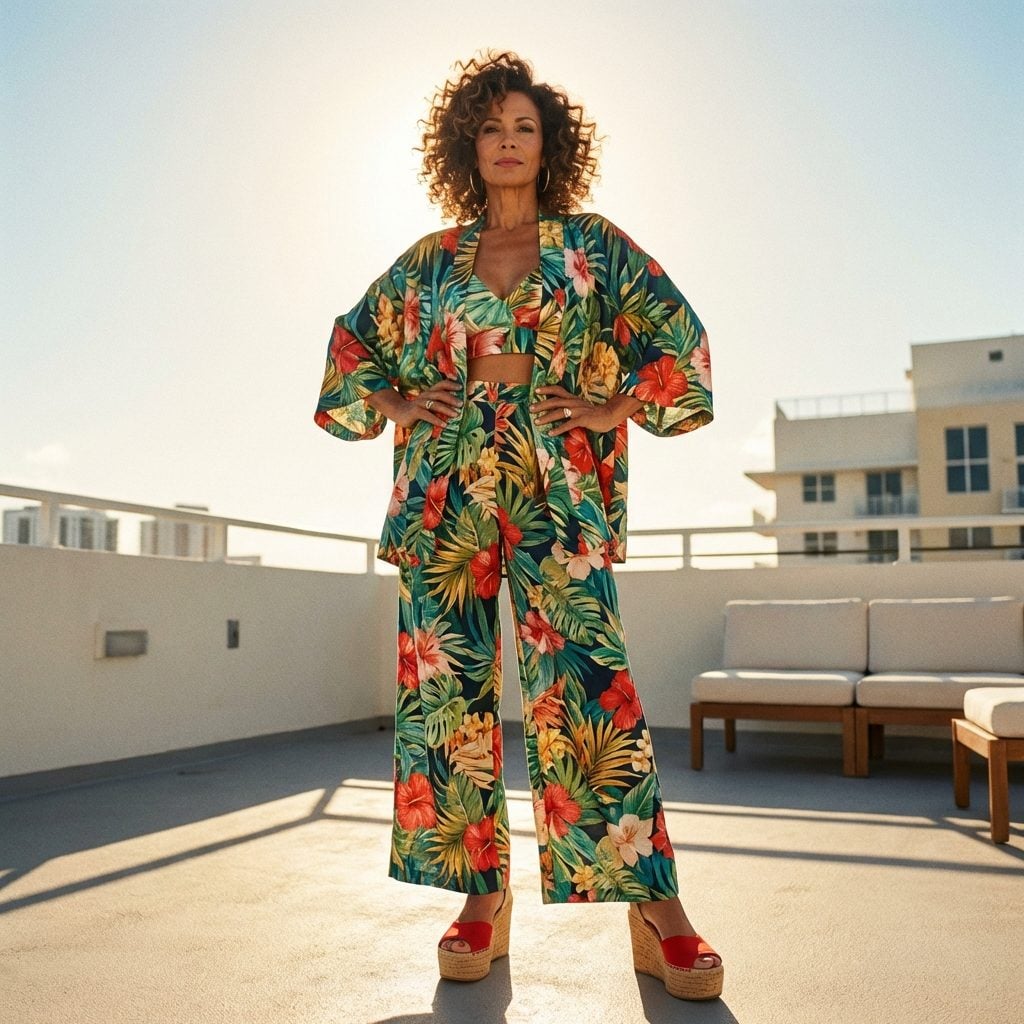
The platform espadrille was the espadrille’s more ambitious sibling. Same jute sole, same canvas upper, but the platform base went from polite wedge to a full cork or jute platform that could add four inches of height. You were taller than your boyfriend at every outdoor function from June through Labor Day, and this felt correct.
These had a specific wobble to them, a slight side-to-side instability on the platform base that you compensated for by widening your stance slightly. A few catalog brands made elegant versions. Most of us got ours from the summer shoe section at Mervyn’s or Kmart and wore them until the canvas split at the toe seam, which was always the weak point. They went with everything flowy and lightweight, which was conveniently most of what we owned in summer.
11. White Leather Keds That Had to Stay Perfectly White at All Times
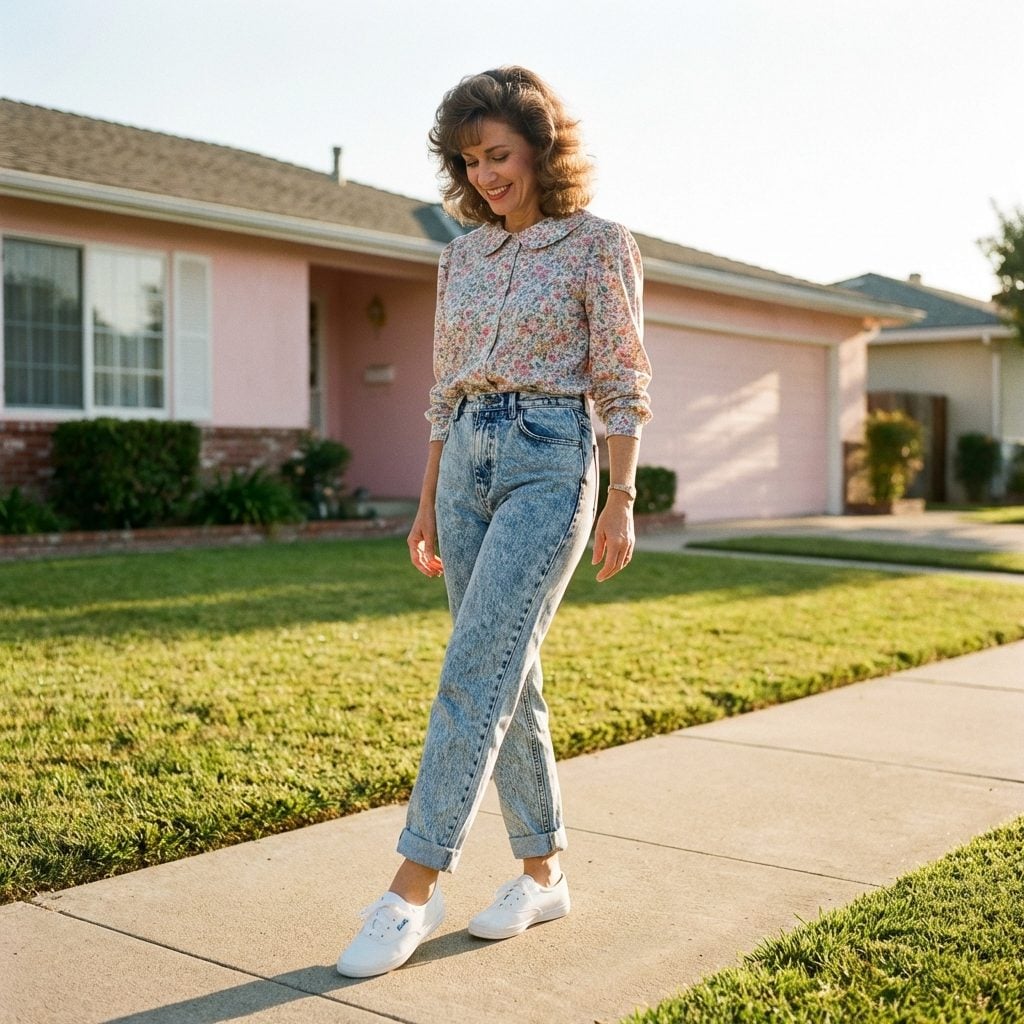
The ritual was non-negotiable: you pulled out that little tube of white shoe polish every single Sunday night and buffed those Keds back to factory brightness. One scuff on the toe and the whole look was ruined. We wore them with everything, acid-wash jeans, floral skirts, oversized camp shirts, and somehow they went with all of it.
There was a very specific status attached to white leather sneakers that were pristinely clean. Dirty Keds meant you weren’t paying attention. Clean Keds meant you cared, but not too much. It was a whole philosophy, really.
10. High-Top Canvas Sneakers in White or the Softest Pastel You Could Find
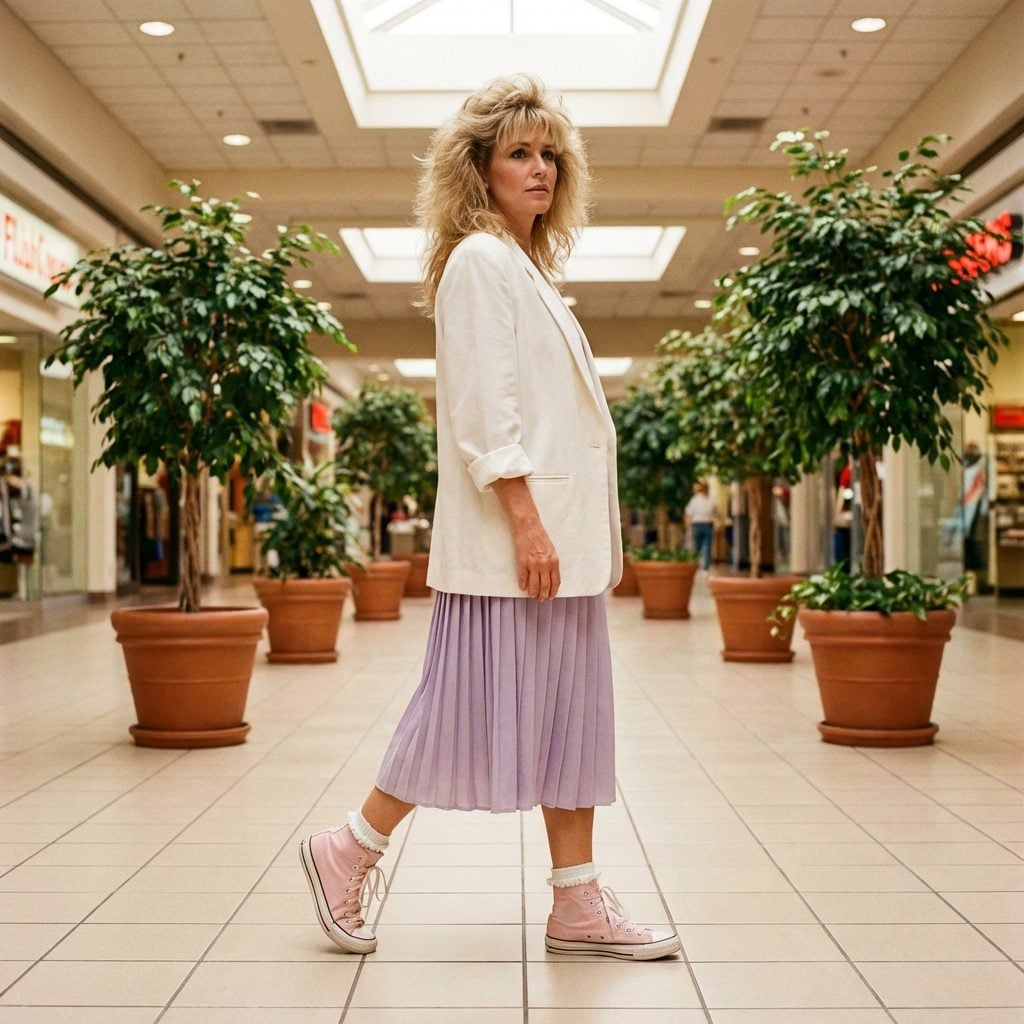
These were not athletic shoes. Nobody was doing anything athletic in them. You laced them up loosely, sometimes leaving the top eyelets completely undone, let the tongue flop forward, and wore them with ankle socks that had a little lace ruffle peeking out above the ankle cuff. The whole construction was intentionally casual in a way that took a surprising amount of effort to achieve.
Baby pink was the holy grail. Pale yellow was acceptable. White was always correct. High-top canvas sneakers in mint green felt genuinely adventurous, like you were someone with a real personality. We absolutely believed that.
9. Slip-On Canvas Sneakers With That Little Elastic Gore Panel Nobody Talks About

That V-shaped stretch panel cut into the sides of the shoe was a design solution so humble it became invisible. You just slipped them on in about four seconds and went about your day. No laces, no fuss, no sitting on your front steps trying to get the bunny ears even.
They came in navy, red, white, and a kind of dusty green that the catalog always called “sage” but was really just gray-green. Paired with white canvas shorts and a rugby shirt, this was peak casual 1980s dressing. Every convenience store, every beach boardwalk, every summer barbecue.
8. Canvas Slip-Ons With That Rubber Toe Cap (Aka the Unofficial Shoe of Summer)

❤️ Would you like to save this?
Every surf shop from Malibu to New Jersey had a wall of these. The rubber toe cap was supposedly protective but was really just a design detail that said “I am relaxed and I am near a body of water.” Vans made the version everyone wanted, but there were fifteen cheaper imitations sold at every discount retailer, and honestly the differences were invisible once you were standing in the sand.
7. Mesh Sneakers in Colors That Could Be Seen From Space
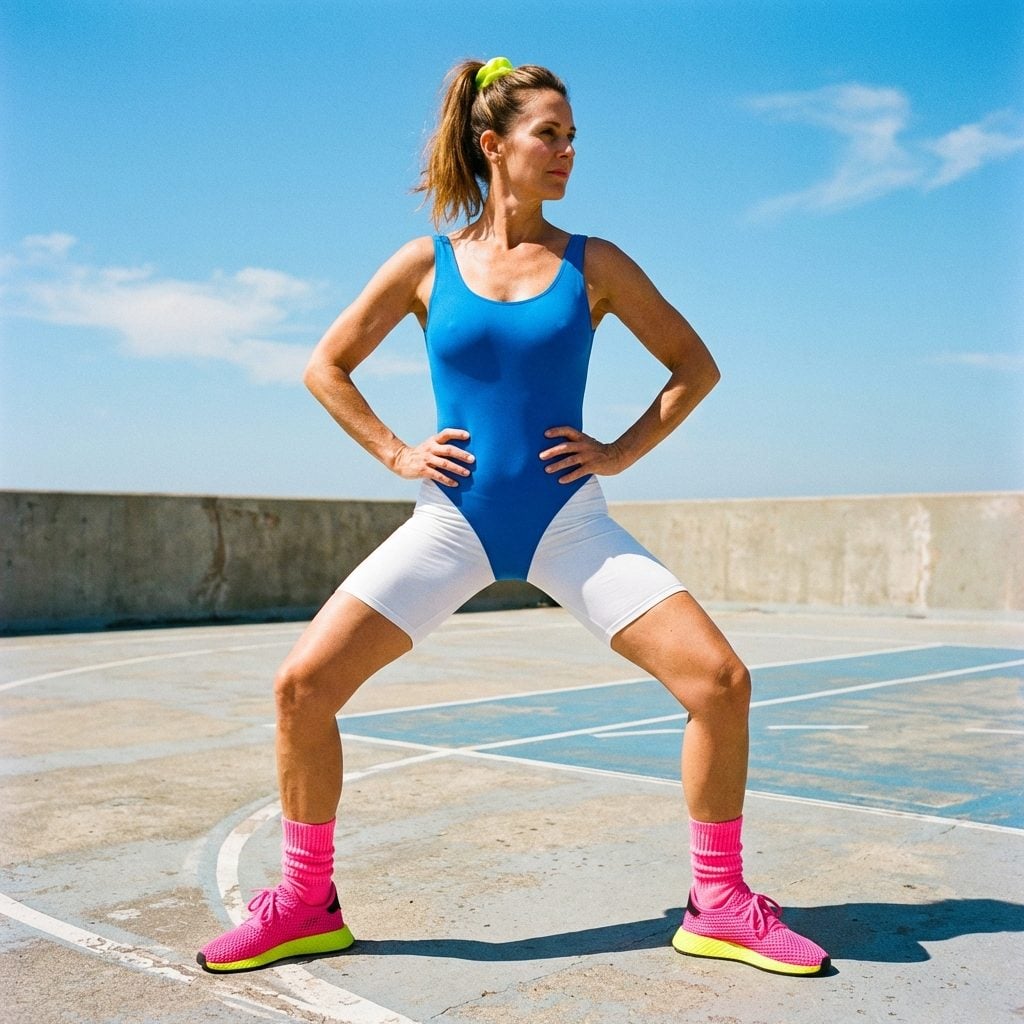
Hot pink mesh over a neon yellow sole. Electric blue uppers with a fluorescent orange stripe. These were not subtle choices and nobody was trying to make them subtle. The mesh panels were marketed as breathable, which they were, technically, but the real point was that they looked like they were plugged into something.
LA Gear put out some of the most aggressively colored versions, and wearing them was basically a statement that you had watched enough MTV to know what was cool. The neon shoe matched the neon sock, which matched the neon scrunchie. It was a complete system.
6. Color-Blocked Athletic Sneakers That Looked Like a Geometry Lesson
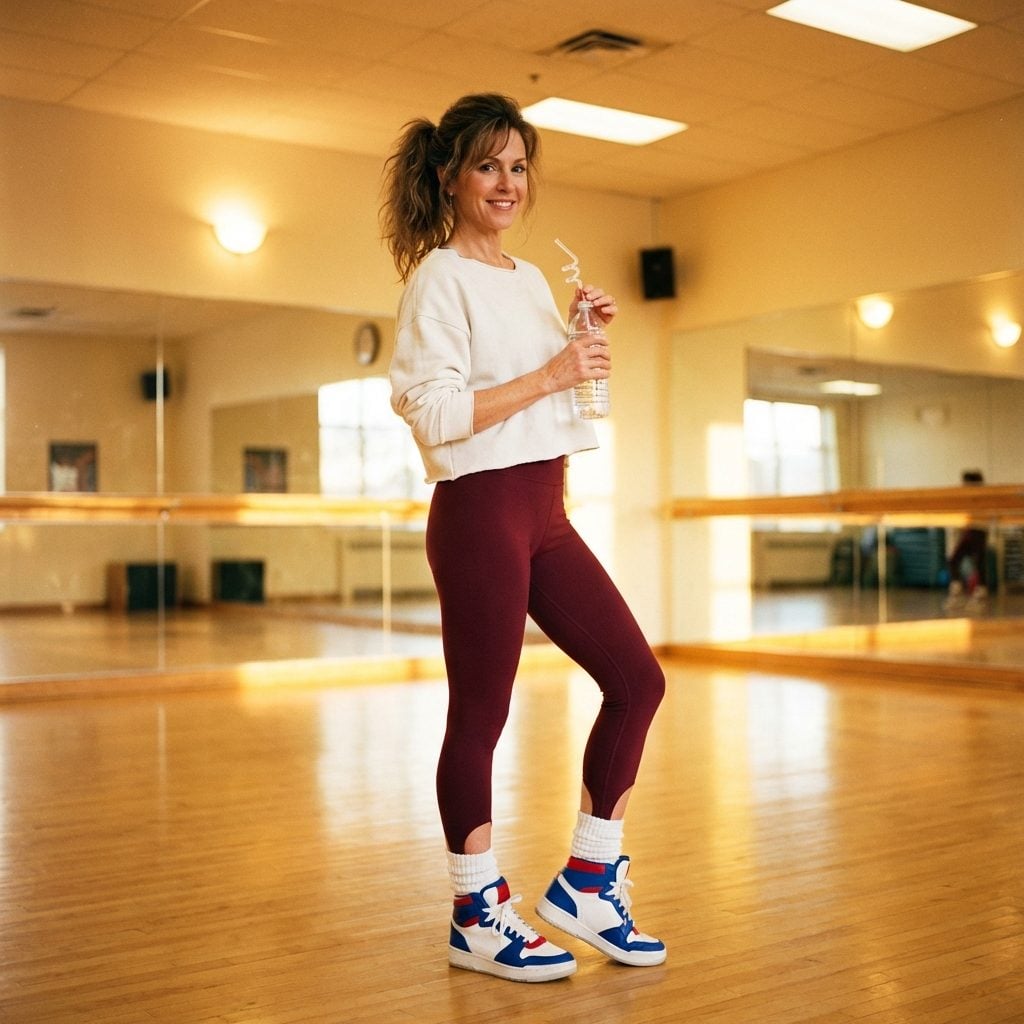
The design logic was: take three colors that have no business being on the same shoe, divide the upper into distinct geometric zones, and present the result as innovation. And it worked. We bought it completely.
Reebok Freestyle was the prestige version. The color-blocked panels, usually some combination of white, cobalt, and red, or white, teal, and purple, made the shoe look fast even when you were just walking to the frozen yogurt shop. Which was usually where we were going.
“Color-blocked sneakers were proof that the 1980s genuinely believed more colors meant more quality.”
5. Bow-Adorned Ballet Flats (The More Bows the Better, Apparently)
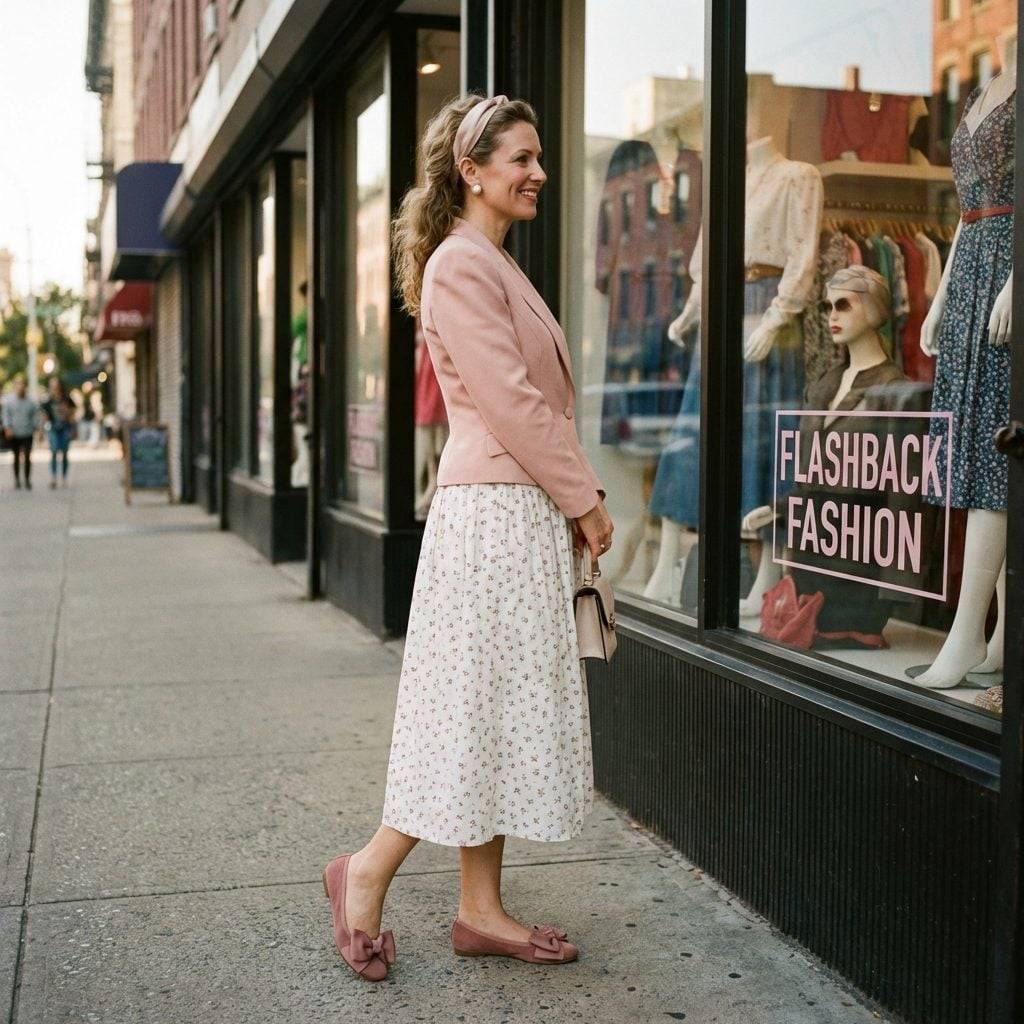
One bow at the toe was the baseline. Some styles had bows at the heel too. Some had small bows all the way up a low ankle strap. The absolute pinnacle was a grosgrain ribbon bow large enough to be structurally implausible, sitting right at the toe box like a gift tag on a shoe.
Capezio made the versions that felt genuinely luxurious. Pink, black, ivory, and that particular shade of dusty rose that was on everything in the mid-80s. You wore these with everything from denim skirts to cocktail dresses and the bows just tied the whole thing together, literally and figuratively.
4. Soft Leather Moccasins Worn So Flat They Had No Sole Left by August

By mid-July, the sole on these was approximately the thickness of a piece of cardboard and you could feel every pebble on the driveway through them. That was somehow fine. You wore them anyway. The leather got softer and darker with use and by end of summer they were practically a second skin.
Minnetonka was the name on everyone’s tongue, though half of us had the discount version from a craft fair. The fringe across the toe was important. The suede lacing was important. The tiny bead detailing some styles had was optional but appreciated. These were the shoes you wore when you were trying to look like you weren’t trying, which in 1986 was the most important thing of all.
3. Beaded Sandals That Took Forty-Five Minutes to Put On and Were Worth Every Second
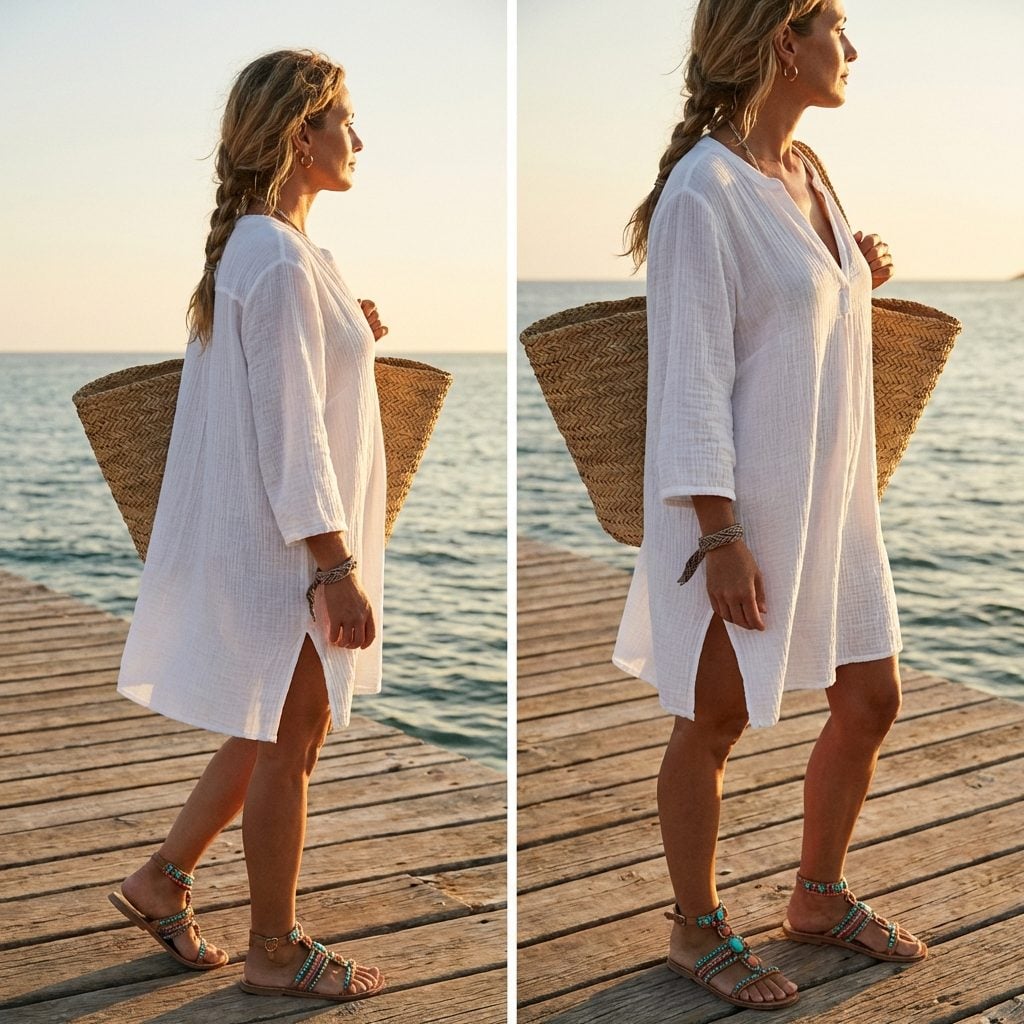
Multiple thin straps crossing the foot in slightly chaotic patterns. Small seed beads in turquoise, coral, and gold threaded onto every single strap. A tiny buckle at the ankle that required fine motor skills and good lighting to close properly. These sandals were an event to put on, and you did it gladly because they were the most beautiful thing you owned for about $12 from a beachside shop.
The accessory trends of the mid-1980s leaned heavily into this kind of handcrafted-looking detail, and beaded sandals sat right at the center of that. They went with the gauze cover-up, with the linen shorts, with the cotton sundress. They jingled faintly when you walked, which felt very intentional and very good.
2. Docksiders Worn Without Socks, Always Without Socks, Socks Were Not the Point
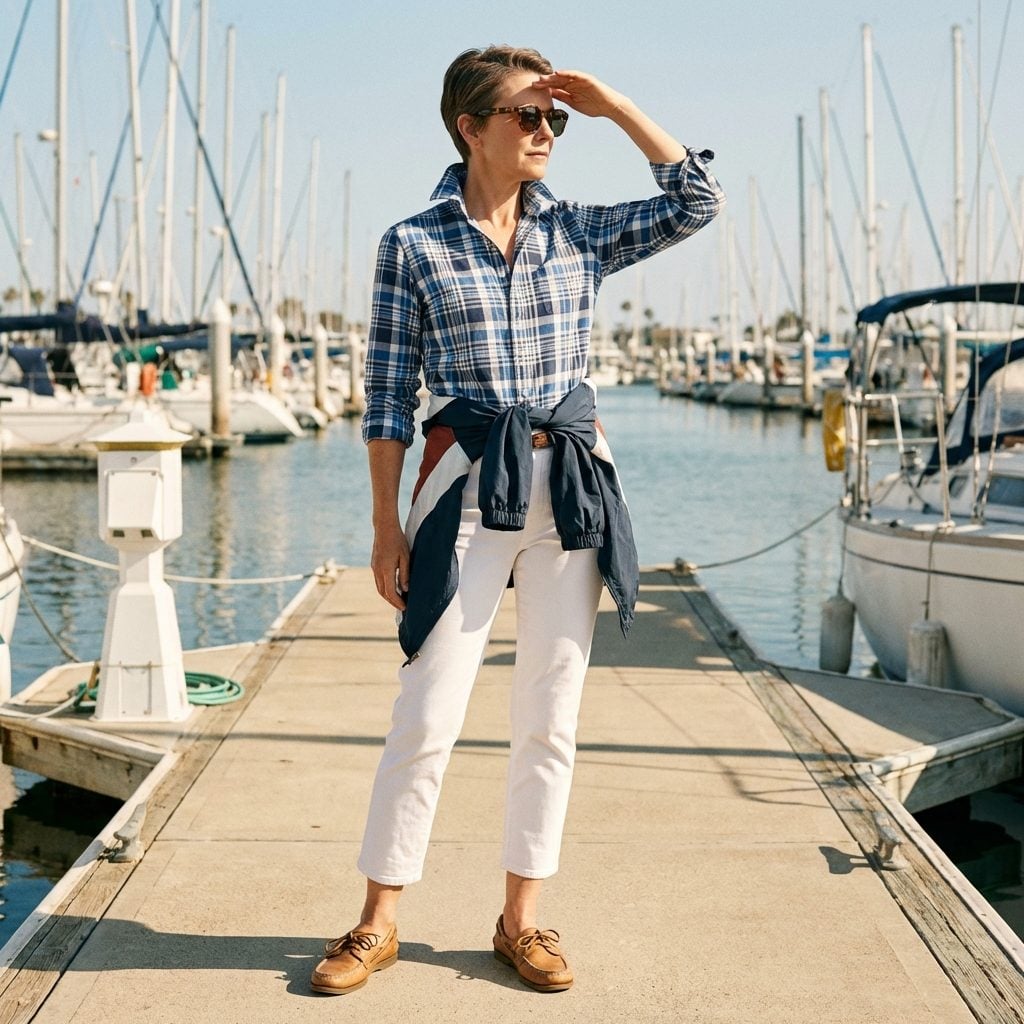
The lace-around-the-sole construction of Sperry Top-Siders existed for nautical grip and most of us had never been on a boat in our lives. Didn’t matter. You wore them with white jeans, or with a madras skirt, or with khaki shorts, always with bare feet inside them, always slightly scuffed on the toe, and always with a small amount of sand permanently lodged under the insole.
The Docksider communicated a very particular kind of effortless-preppy confidence. It said: I summer somewhere. I own a windbreaker. I know what a regatta is, probably. The worn-in version always looked better than the new one, which was unusual for shoes in a decade that generally preferred everything crisp and new.
1. Loafers With No Socks and Cuffed Pants (The Move That Required Zero Effort and Maximum Attitude)
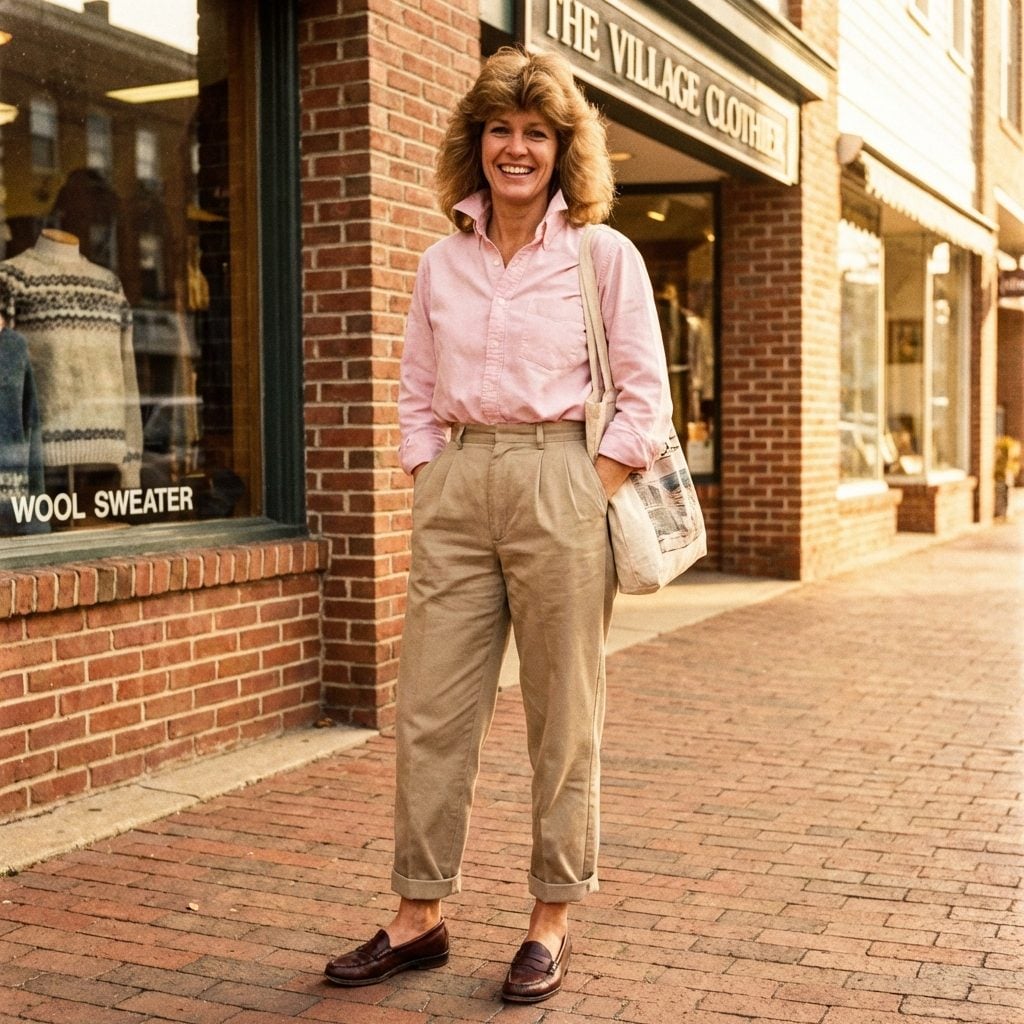
You didn’t just wear loafers without socks in the ’80s. You rolled your pants, positioned the cuff at exactly the right height, and walked out the door like you’d invented casual cool. Penny loafers were the classic choice, but the real flex was a pair of rich burgundy leather loafers or deep forest green ones that nobody else had yet.
The bare ankle was the whole point. It said: I know the rules, and I have decided not to follow them. Paired with high-waisted tapered trousers or pleated khakis with a single deliberate cuff, this was the unofficial uniform of every girl who thought she was slightly more sophisticated than everyone else at the mall. She was usually right.