❤️ Would you like to save this?
There was a specific smell to the mall in 1986. Auntie Anne’s pretzel dough, carpet cleaner, and about forty competing perfume counters doing battle somewhere near the food court. You pushed through those heavy glass doors and the fluorescent hum of it all just hit you. You had a plan, you always had a plan, and that plan involved at least six stores, most of your allowance, and possibly a new pair of slouch socks before your mom picked you up at four.
Some of these places no longer exist. Some were swallowed by bigger chains. Some just quietly vanished between one Saturday and the next, leaving a brown paper-covered storefront and a vague sense of grief. Here are the ones we still think about.
FYI, thanks to AI imagery software, we’re able to create very specific fashion and hairstyle examples to illustrate the points being made. In some cases, imagery is exaggerated to hammer home the point. Also, assume links that take you off the site are affiliate links such as links to Amazon. this means we may earn a commission if you buy something.
20. Merry-Go-Round: The Store Where You Became Someone Else for $24
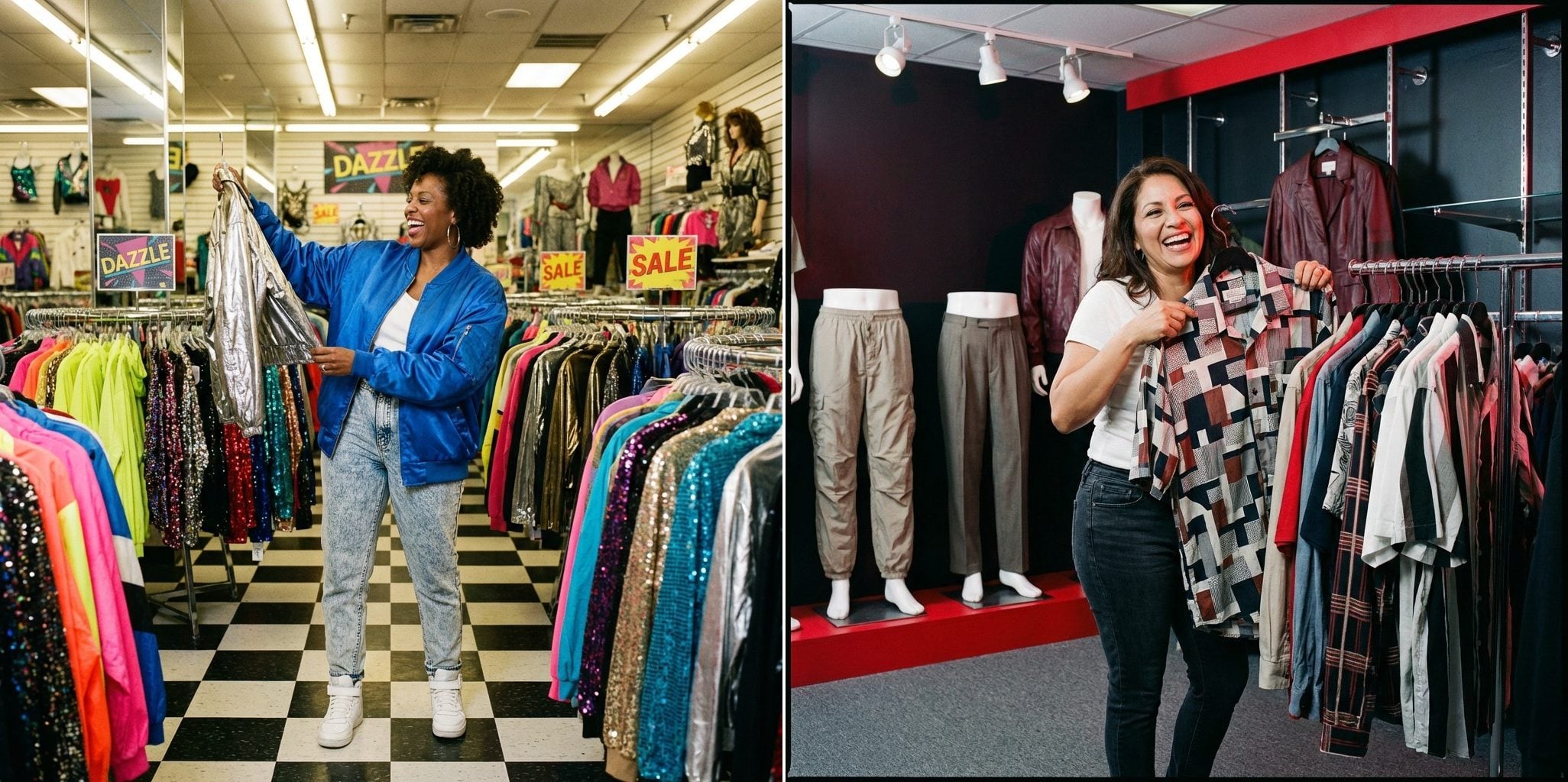
Merry-Go-Round lived in the most central, highest-traffic spot in the mall, and it knew it. The racks were jammed so tight you had to turn sideways to move through them, which meant you were always accidentally pressing your face into someone’s sequined blazer. Everything was slightly too much. The colors were wrong in the best way. Neon yellow satin, acid-washed everything, oversized blazers with shoulder pads that required you to turn sideways through doorways.
This was the store where you went when you wanted to feel older, more dangerous, more interesting than you actually were. For one afternoon, surrounded by those mirrored walls, it worked completely.
19. Chess King: For Boys Who Wanted to Dress Like the Guy in the Flock of Seagulls Video
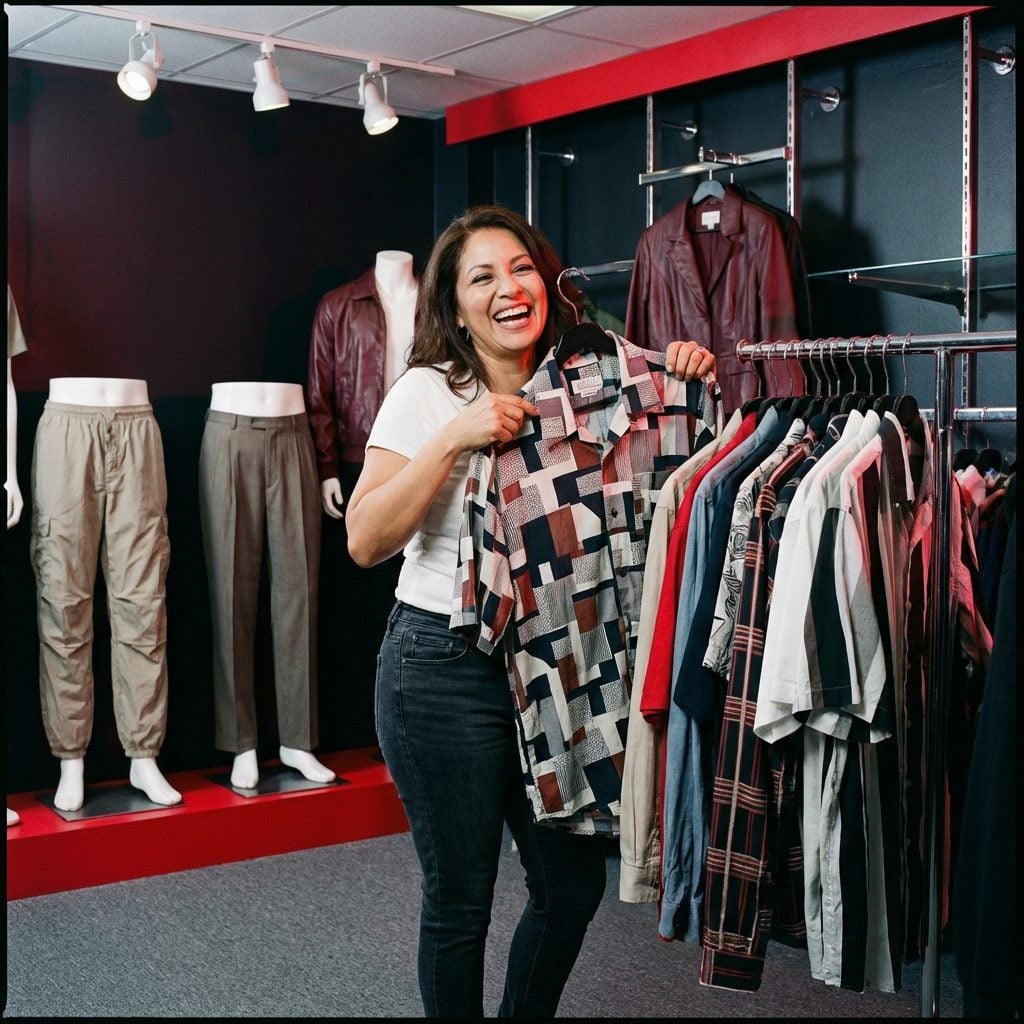
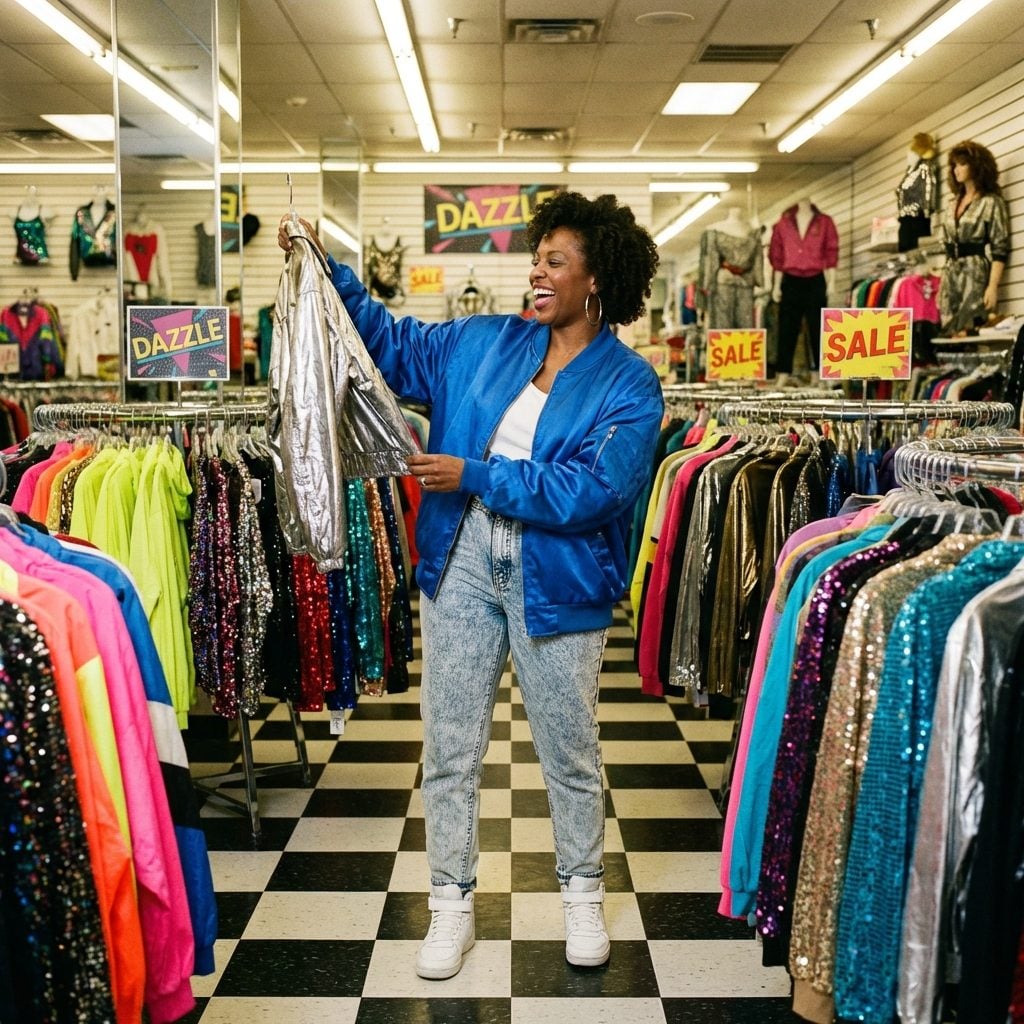
Chess King was technically menswear, but if you had a boyfriend, a crush, or a brother you were dragging along on your Saturday mall trip, you ended up in there at some point. It was aggressively masculine in a way that now seems like performance, burgundy leather-look jackets, printed button-downs with geometric shapes that looked like hieroglyphics, tapered trousers in unusual colors like mauve.
The real question Chess King asked was: what if clothing tried too hard to be cool? And the answer was: still kind of cool, actually. For about four years. Then completely not.
18. Icing: The Jewelry Store Where Every Surface Glittered and Nothing Cost More Than $9
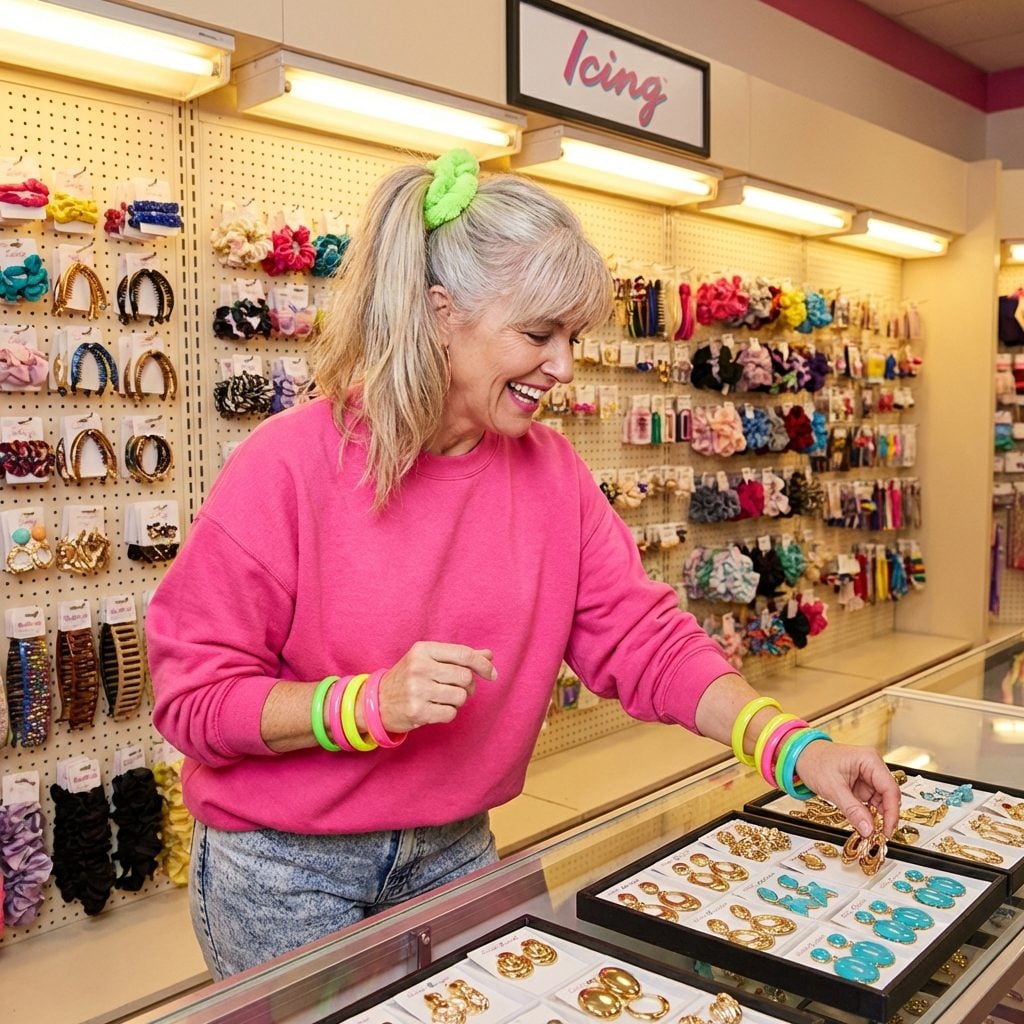
Icing, and its sister store Claire’s, the two great jewelry democracies of their time, operated on one sacred principle: everything must be visible at once. Nothing was tucked away. Every earring, every bangle, every rhinestone brooch the size of your palm was out there under the light, competing for your attention simultaneously.
You could walk in with $4 and walk out wearing something new on your wrist. The neon bangle bracelets weighed nothing and made a satisfying plastic clatter. The oversized clip-on earrings left red impressions on your earlobes. None of this mattered at all.
17. Sam Goody: Where You Stood in Front of the Cassette Racks for an Hour Making the Most Important Decision of Your Life
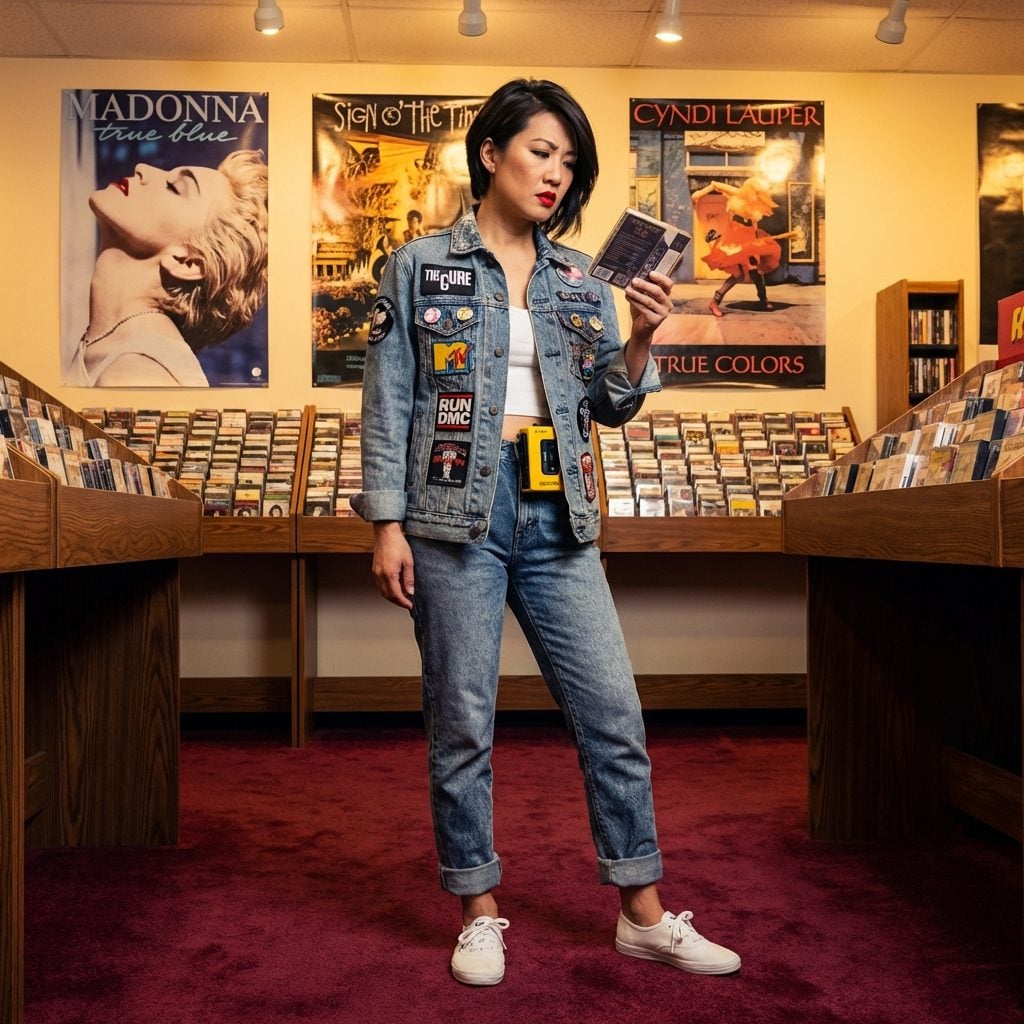
Sam Goody was the most democratic form of cultural authority a mall could offer. You walked in knowing what you wanted and walked out with something completely different because the display had turned you around. That was the entire point, the tactile, unhurried ritual of picking up a cassette, reading the track listing, putting it back, picking up another one. No algorithm involved. Just your instincts and twelve dollars.
The Walkman clipped to your waistband was the other half of the Sam Goody relationship. You bought the tape, you threaded the headphones through your collar on the way home, and by the time your mom pulled into the driveway, you had opinions.
16. Contempo Casuals: The Store Between Spencer Gifts and the Food Court That Shaped Our Entire Aesthetic
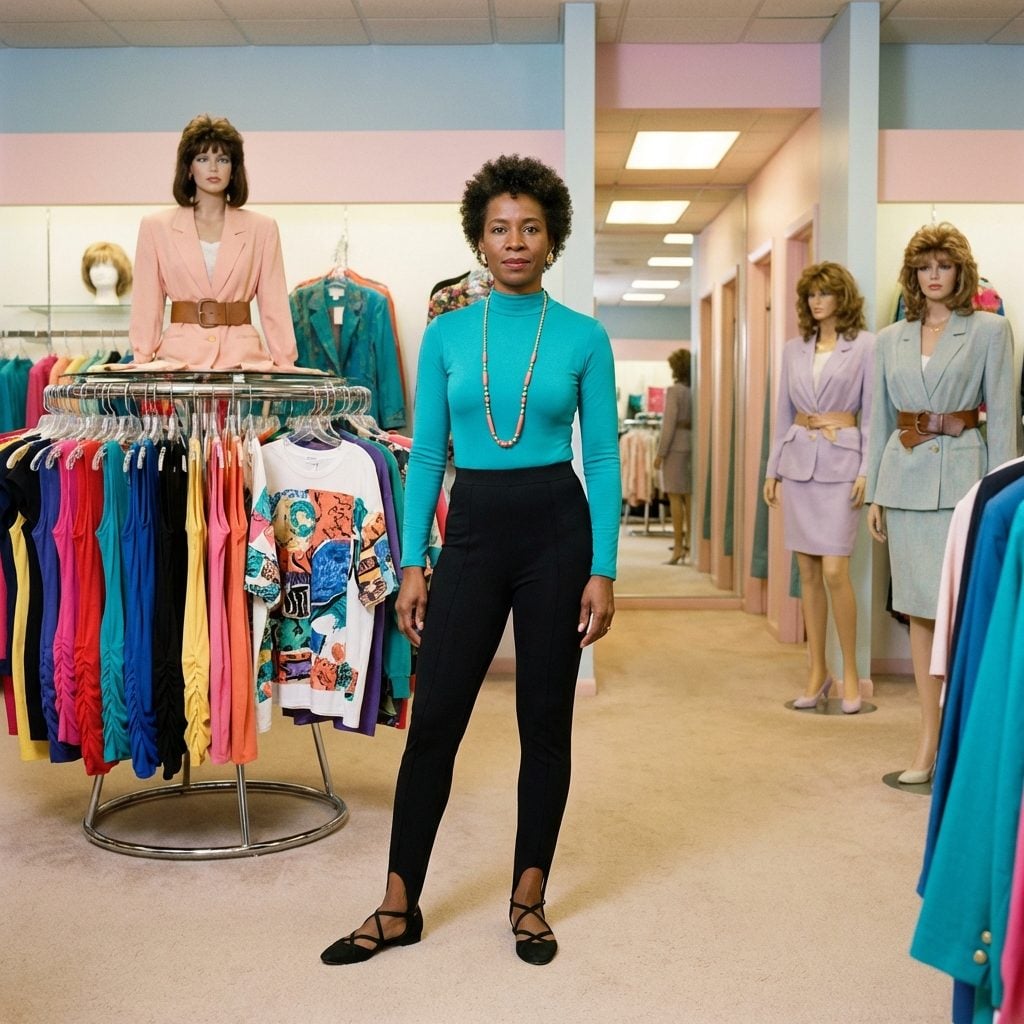
Contempo Casuals occupied a very specific lane: slightly older than Limited Too, slightly cheaper than Express, and somehow managing to look like what you imagined a grown woman wore to an important meeting in a city you hadn’t been to yet. The stirrup pants were a staple. The mock-neck bodysuit that snapped at the crotch was another. Every item solved a problem you didn’t know you had.
It was acquired by Wet Seal in 1995, which was fine, technically. But it wasn’t the same. It never quite had Contempo’s specific gift for making you feel like you’d figured something out.
15. Afterthoughts: The Accessories Store That Proved You Could Never Have Too Many Scrunchies
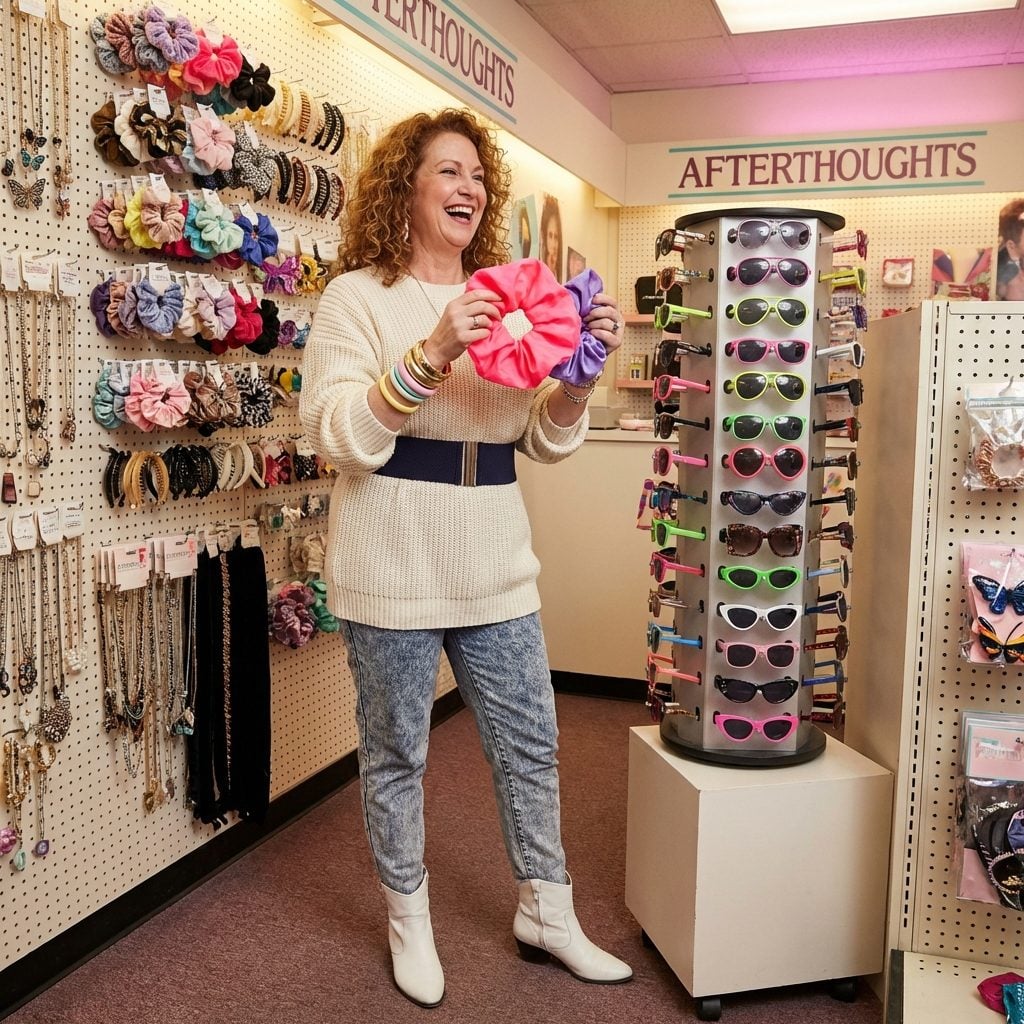
Every mall had one. Afterthoughts, or Icing, or some closely related cousin, the accessories shop where the walls were entirely covered in pegboard and the pegboard was entirely covered in things that clipped into your hair. You never went in needing anything specific. You went in because you were killing time before your ride showed up, and you left with a banana clip, a rhinestone brooch shaped like a flamingo, and a pair of plastic hoop earrings in four different colors.
The scrunchie selection alone required serious consideration. Velvet, silk, neon, printed, oversized, miniature. Choosing wrong felt consequential.
14. B. Dalton Bookseller: The Quiet Room at the Center of All That Noise
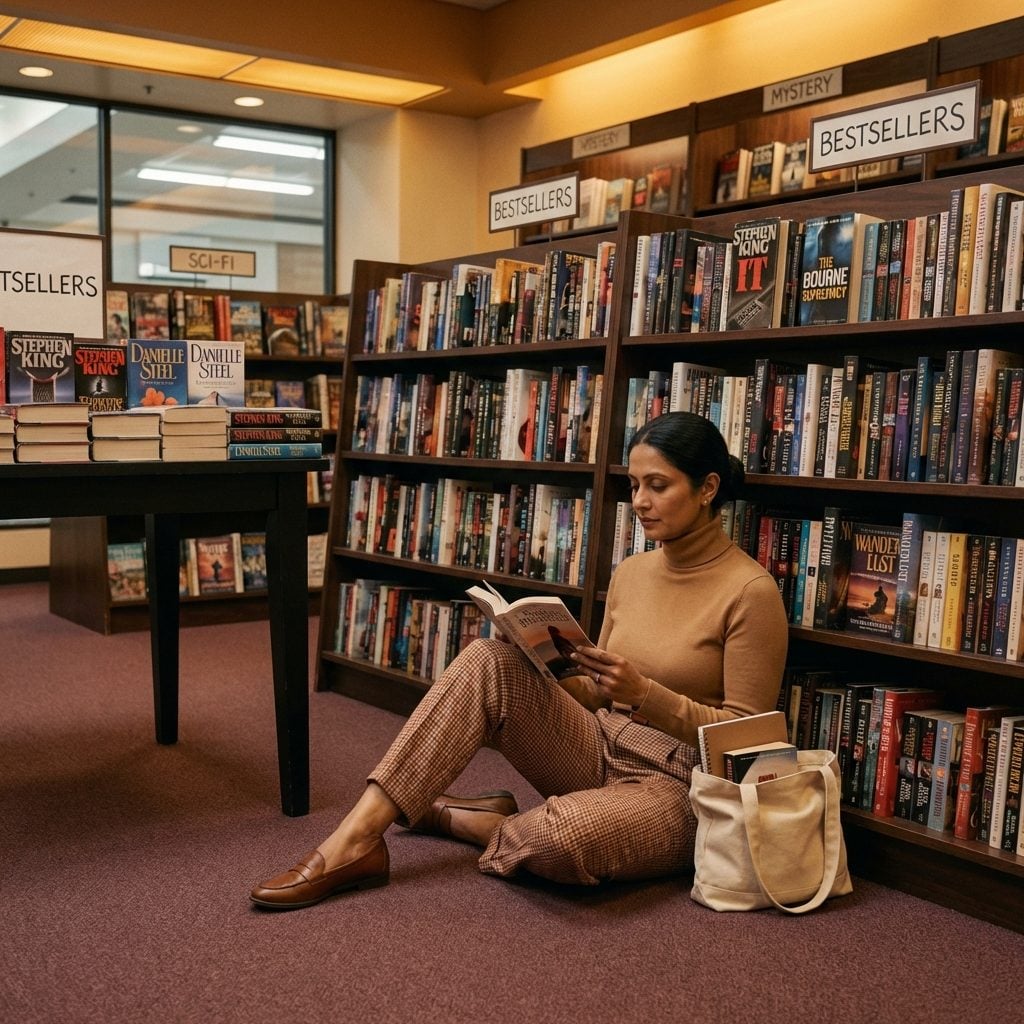
B. Dalton was where you went when the mall got to be too much. It had carpet that muffled everything, shelves that muffled everything more, and the reliable smell of paper and whatever cleaning product they used that somehow always smelled faintly like vanilla. You could spend forty minutes in there and not buy a single thing and the staff never bothered you.
Paperback romances at the front. Stephen King spines facing out in the middle. Calendars near the register every November. It was deeply ordinary and completely essential.
13. Waldenbooks: The Other One, With Slightly Different Shelving Decisions
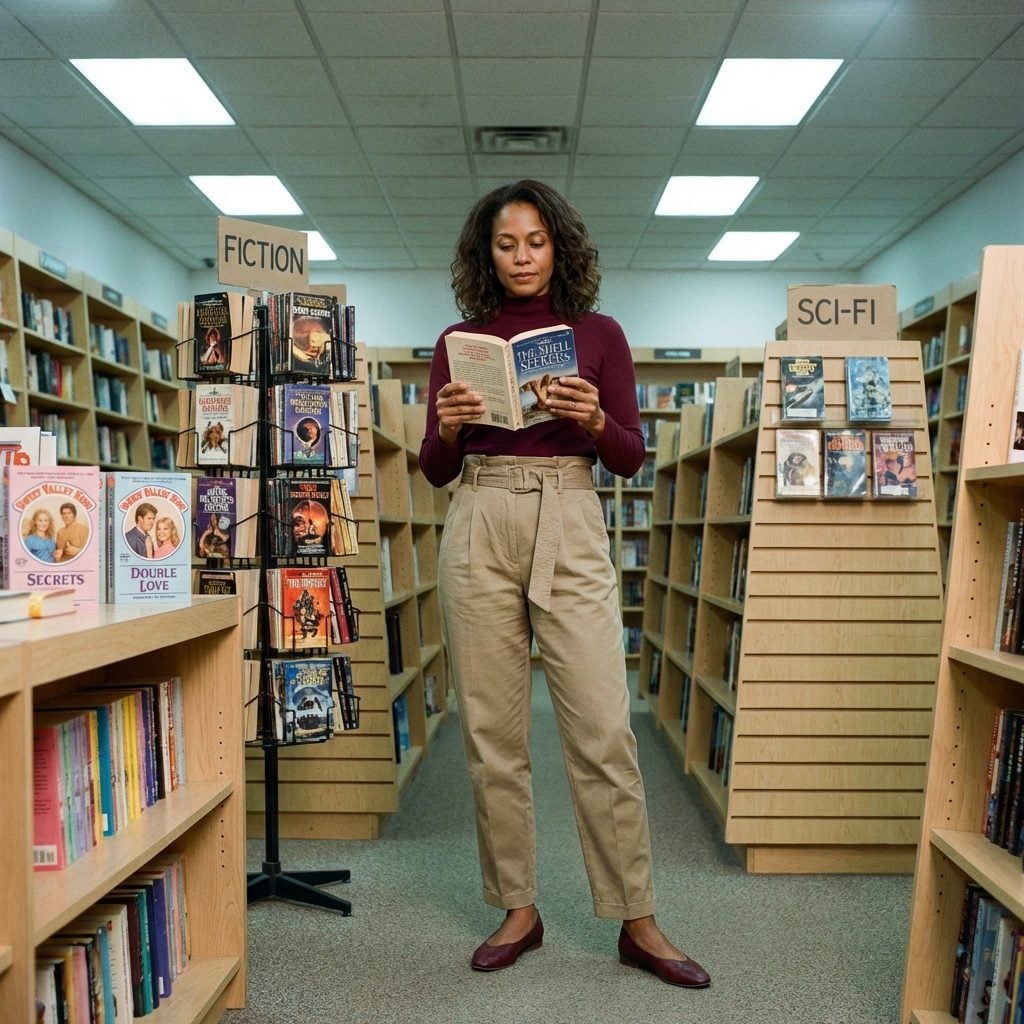
The great debate of the ’80s mall was Waldenbooks versus B. Dalton, and the answer was whichever one your specific mall happened to have. Waldenbooks had the Sweet Valley High spinner rack, the Choose Your Own Adventure display, and that specific organizational logic that only made sense to the person who built it. Series fiction was its superpower. You could find whatever you needed in the series if you knew to look on the third shelf from the left.
12. Spencer Gifts: The Store Your Parents Technically Didn’t Know You Were Going Into
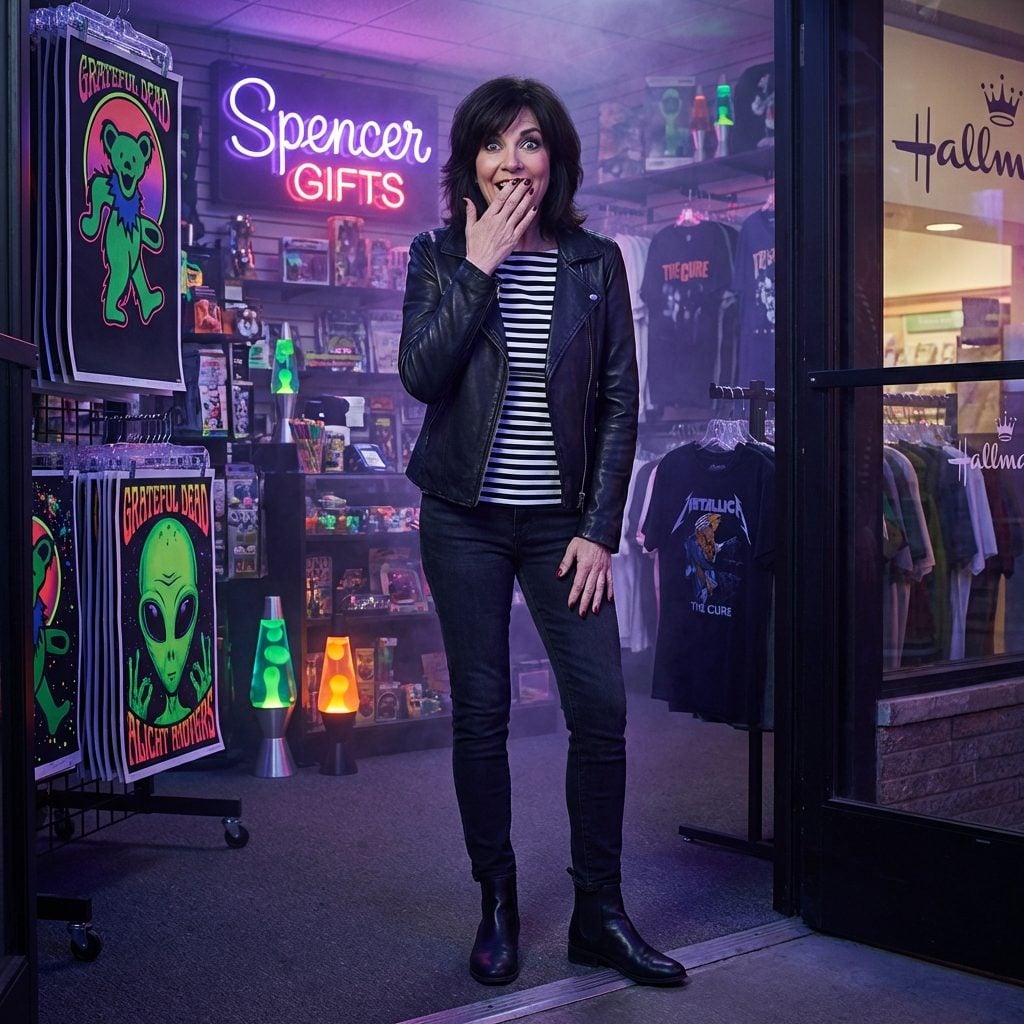
Spencer Gifts did not ask how old you were. Spencer Gifts did not care. The store sat in the mall like a rumor, usually tucked between something completely innocent, lit in perpetual near-darkness, stocked with blacklight posters, fake vomit, whoopee cushions, and a back wall you pretended you weren’t looking at.
You went in for the gag gifts. You left having looked at approximately everything. There was a specific skill to browsing Spencer’s with a completely neutral expression in case a parent walked by outside.
‘You went in for the gag gifts. You left having looked at approximately everything.’
11. Hit or Miss: The Store With the Best Name and the Most Confusing Target Customer
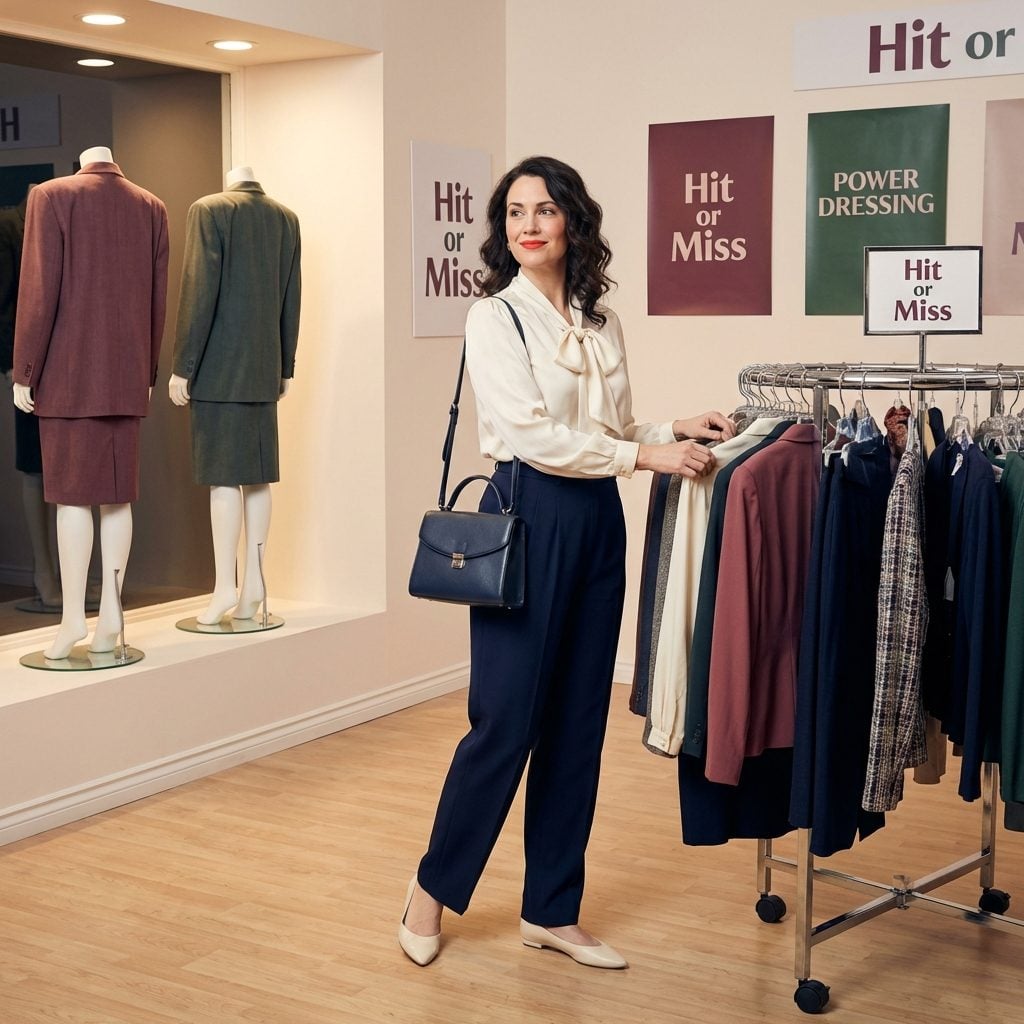
Hit or Miss was aimed at women who wanted to dress professionally and couldn’t yet afford Ann Taylor. The name was deeply self-aware for a fashion retailer, or maybe not self-aware at all, which somehow makes it better. The clothes leaned heavily into the power-dressing aesthetic of the mid-’80s: oversized blazers, big shoulder pads, coordinating skirts in serious colors like burgundy and forest green.
You felt grown-up buying something there. That was the point and it worked. The blouse with the bow collar photographed beautifully, and it cost $18, and you wore it to every occasion that required you to look like you knew what you were doing.
10. Musicland: Same Cassettes as Sam Goody, Different Carpet
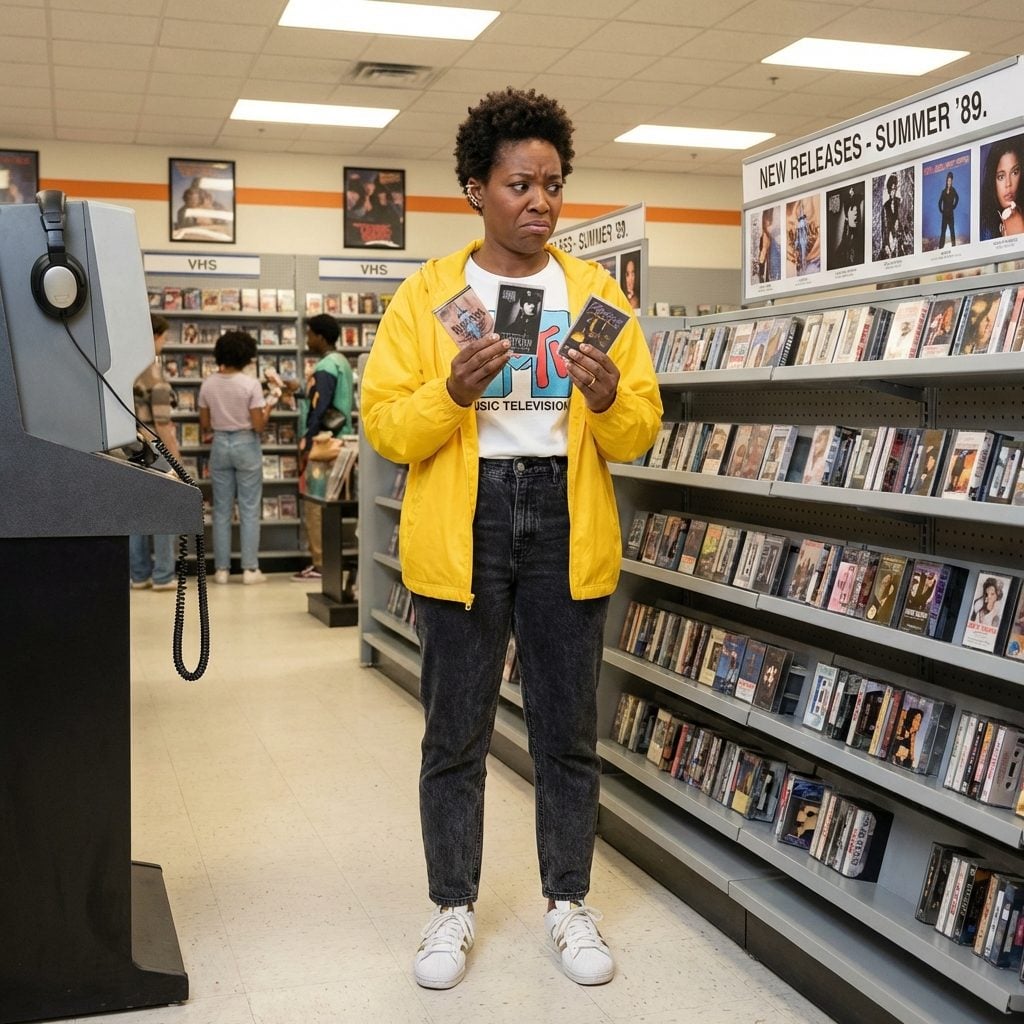
If your mall had both Sam Goody and Musicland, you had a whole thing about which one you preferred, and the reasoning was always slightly circular. Musicland had different displays. Slightly different lighting. A VHS section that ran deeper. A different carpet color. The cassettes were identical, the prices were identical, and yet choosing your store was a matter of identity.
This is a completely rational way to have lived. Music was serious. Where you bought it was serious.
9. The Limited: The Store That Taught Us What ‘Sophisticated’ Meant Before We Were Ready for It
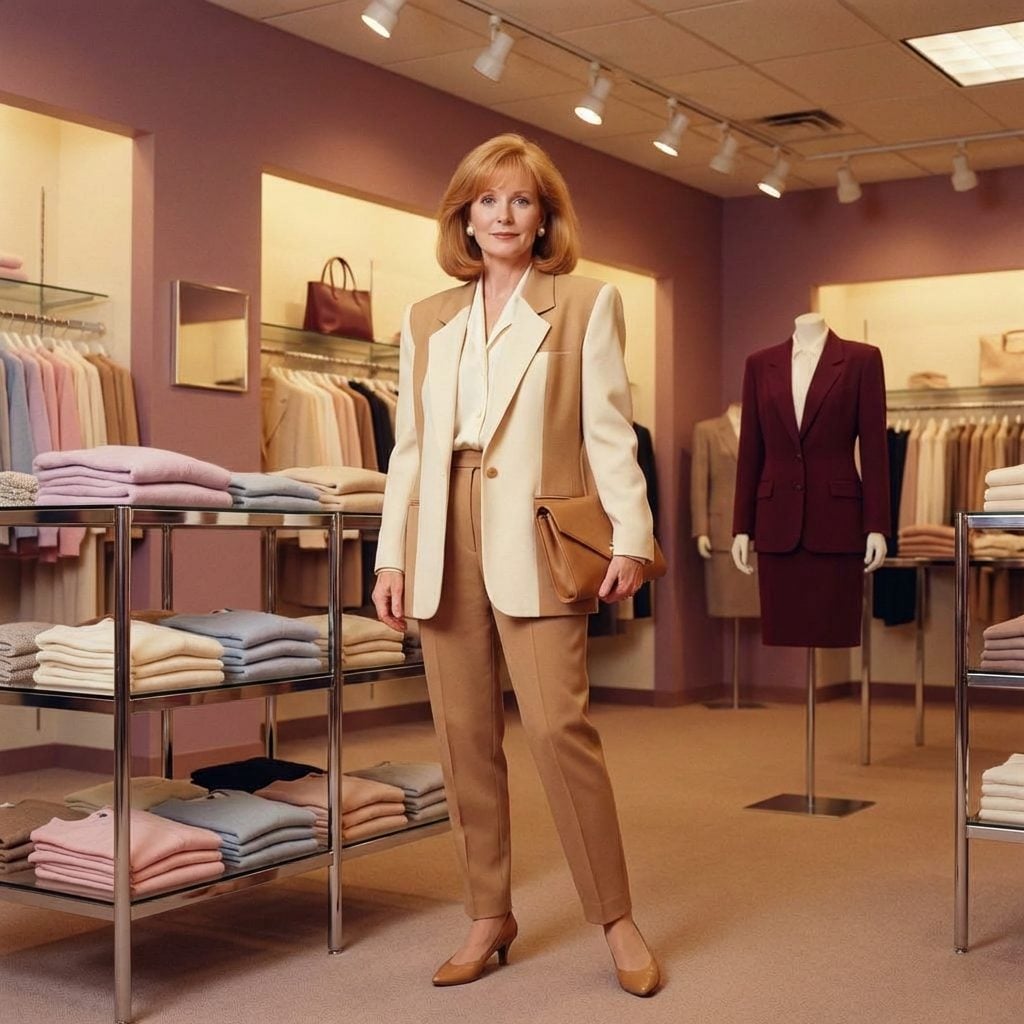
The Limited was the mall’s aspirational ceiling when you were in high school, the place where, if you saved up enough, you could buy one piece that made your whole closet look like it had a plan. The blazers had those magnificent shoulder pads. The separates coordinated without matching exactly, which felt advanced. Everything was folded on those glass-topped display tables in color-sorted stacks that you always slightly ruined trying to pull your size.
There was something almost architectural about the store itself. It didn’t feel like a teen shop. It felt like somewhere serious people bought serious clothes, and being allowed in meant something.
8. Foxmoor: The Store That Closed Before Most of Us Were Old Enough to Miss It
❤️ Would you like to save this?
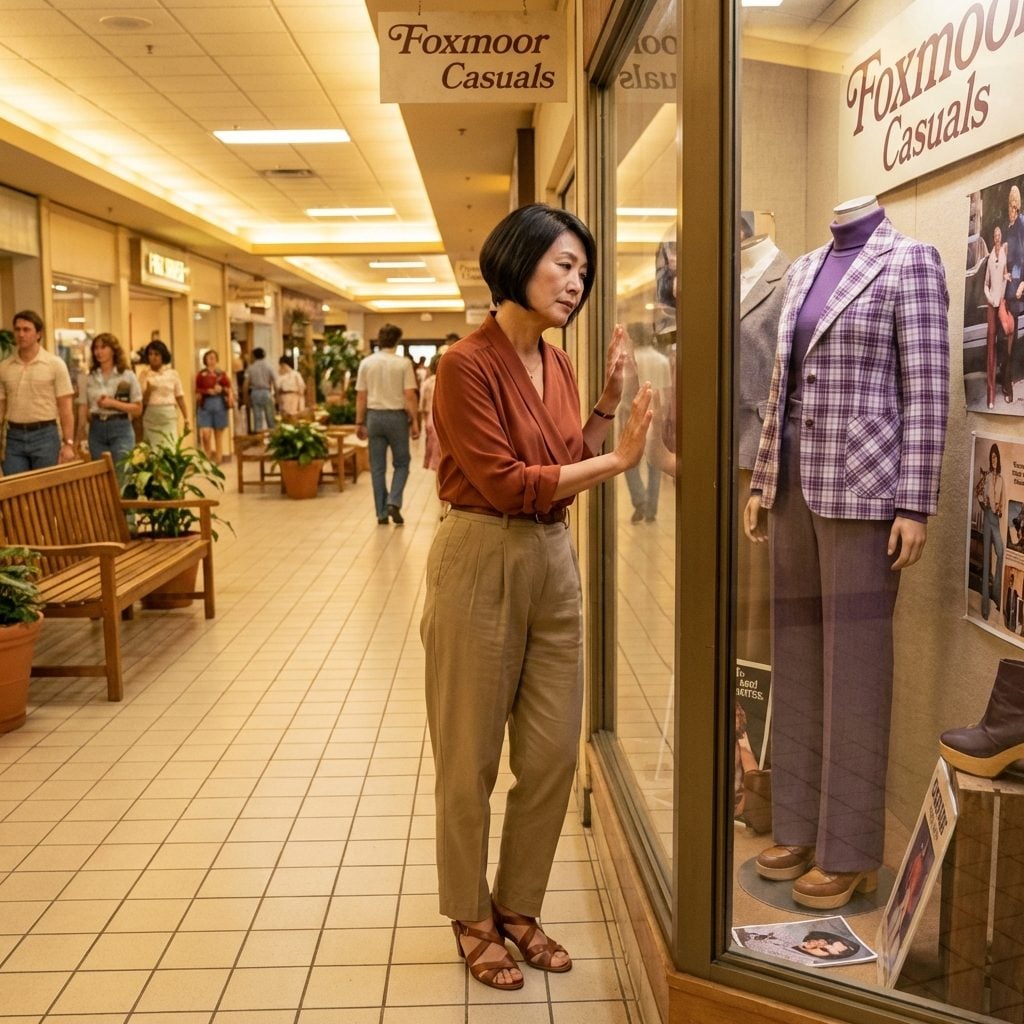
Foxmoor existed at the cusp of the decade, early ’80s, stretching back into the late ’70s, which means it closed before many of us were old enough to shop there independently. But if you had an older sister, you went in. Wide-leg trousers with plaid blazers, the last of the earth-tone fashion moment before neon took over completely. Wooden-soled platforms. Wrap blouses in rust and purple.
It filed for bankruptcy in 1982. Most of the locations were gone by 1984. You had to be paying a very specific kind of attention to have known it at all.
7. Lerners New York: Where Your Mom Shopped and You Swore You Would Never, Until You Did
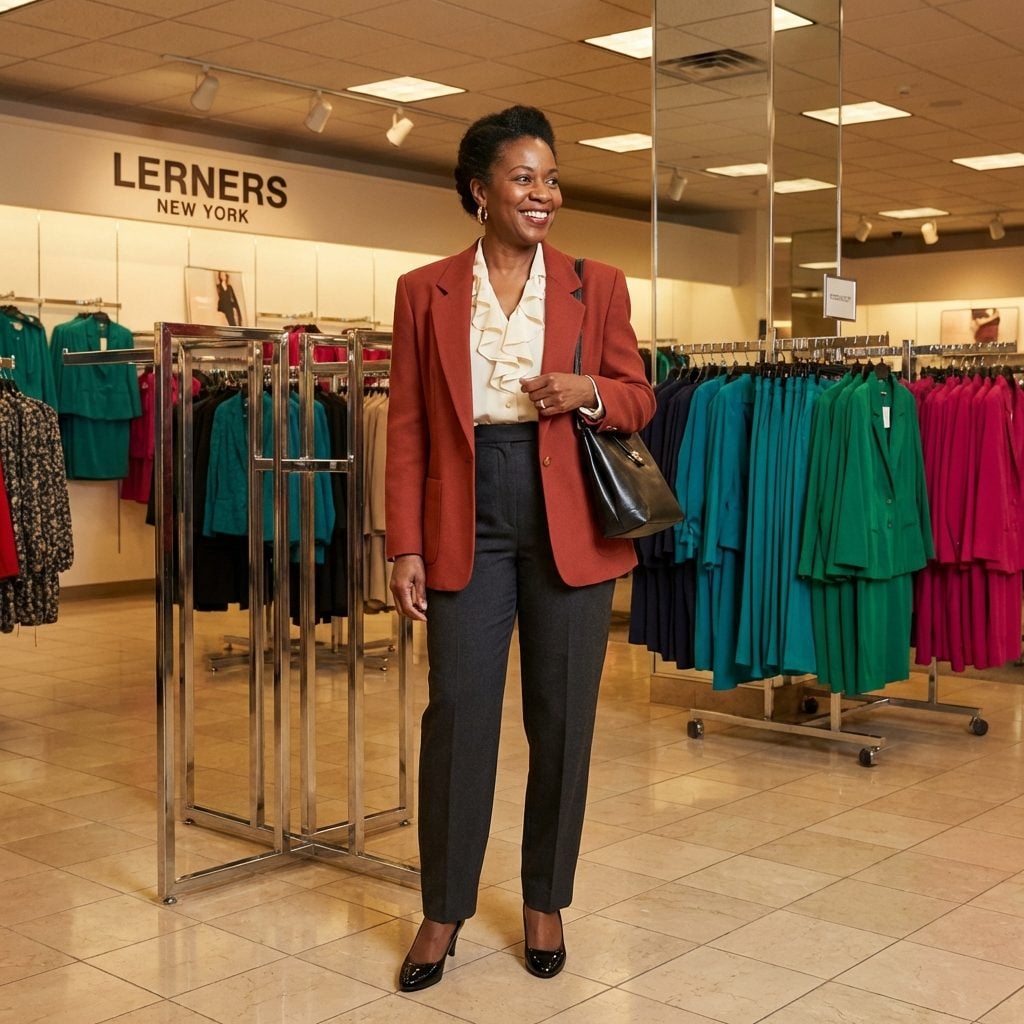
There came a moment somewhere in your mid-20s when you walked past Lerners, which had become New York & Company by then, and the blazers looked different than you remembered them looking from the outside at fifteen. They looked correct, actually. They looked like what you needed for the job interview you had on Thursday.
Your mother had been right about this store the entire time. You just needed to arrive at the realization yourself, on your own schedule, pretending it was a discovery.
6. Tape World: The Third Cassette Store, For When the Other Two Didn’t Have What You Needed
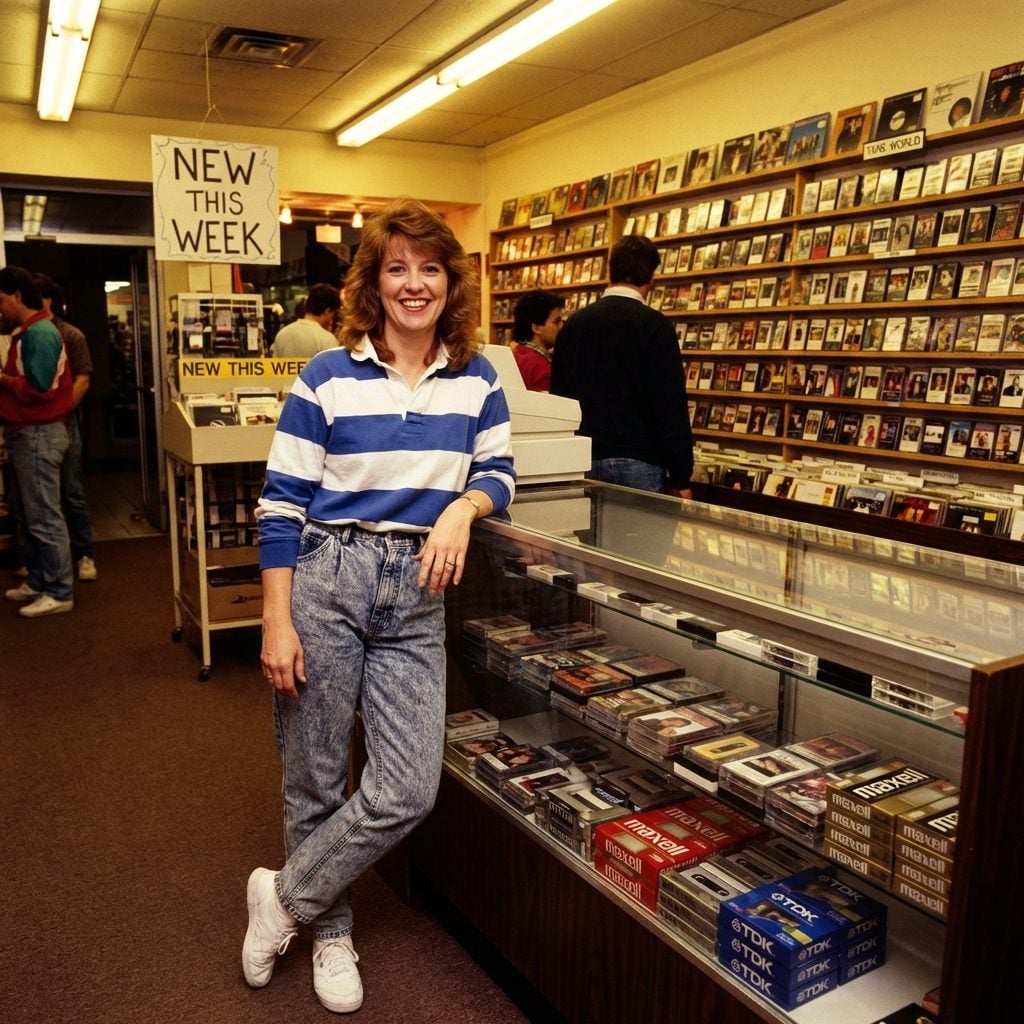
Tape World was proof that the market for cassette tapes in the 1980s could support literally any number of stores selling the same product. Sam Goody didn’t have it, Musicland was sold out, but Tape World, usually smaller, sometimes just a kiosk, always lit slightly differently than the others, had exactly what you needed.
The blank tape section was its own art form. The TDK versus Maxell versus Sony debate was real and ongoing and people had strong opinions. Choosing the wrong blank tape for a mixtape felt like a moral failure.
5. Sam Goody: The Record Store Where You Stood There Listening to a CD for 45 Minutes and Bought Nothing
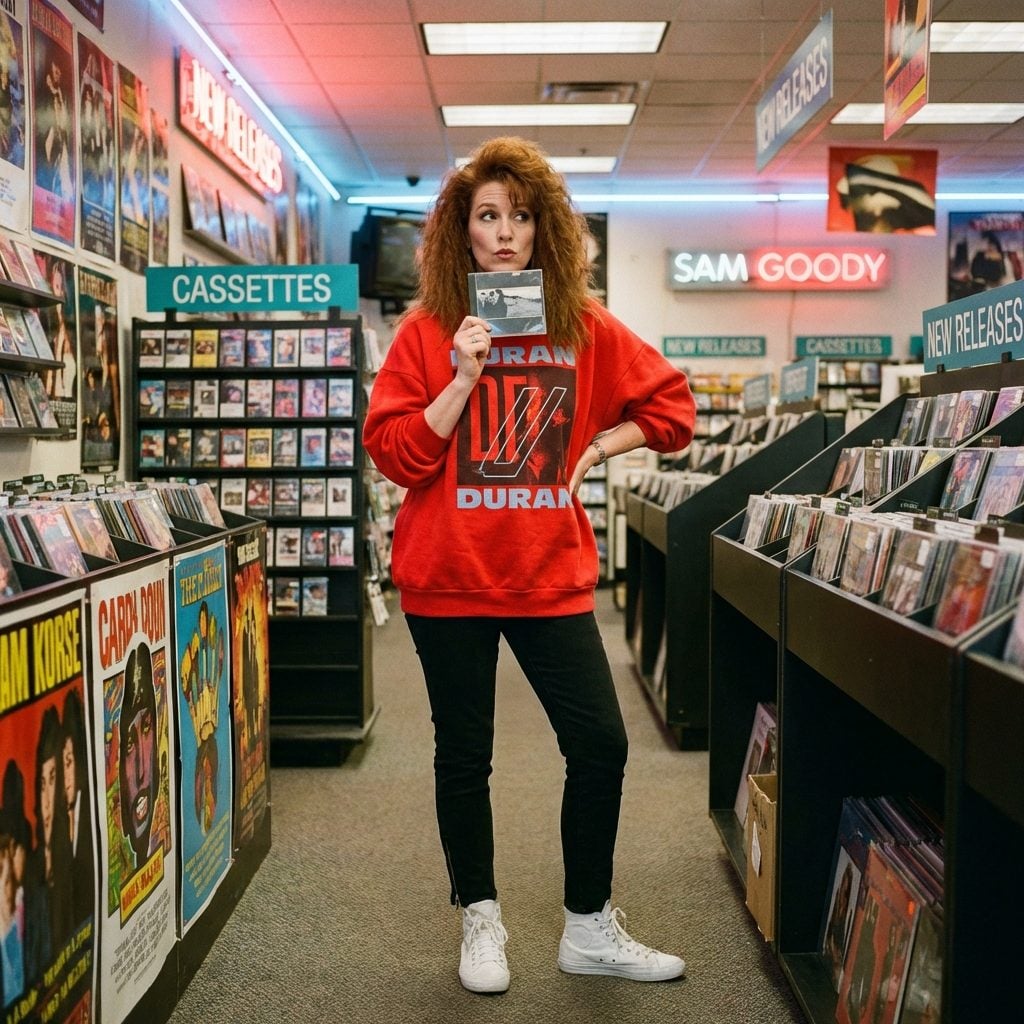
Those little listening stations. You’d stand there with the chunky headphones pressed over whatever hairstyle you’d spent an hour on, previewing a CD you absolutely could not afford, while Sam Goody played music videos on a screen mounted near the ceiling like it was the world’s most beautiful time-wasting machine.
The stores smelled like plastic jewel cases and carpet. The staff wore black. Every wall was stacked with cassettes transitioning into CDs in real time throughout the decade. You could find the obscure stuff here that your local record shop didn’t carry, and the price tags were wild even then. Sixteen dollars for a single album felt like extortion. We paid it anyway.
4. Icing by Claire’s: Claire’s Cooler Older Sister Who Dated Someone with a Motorcycle
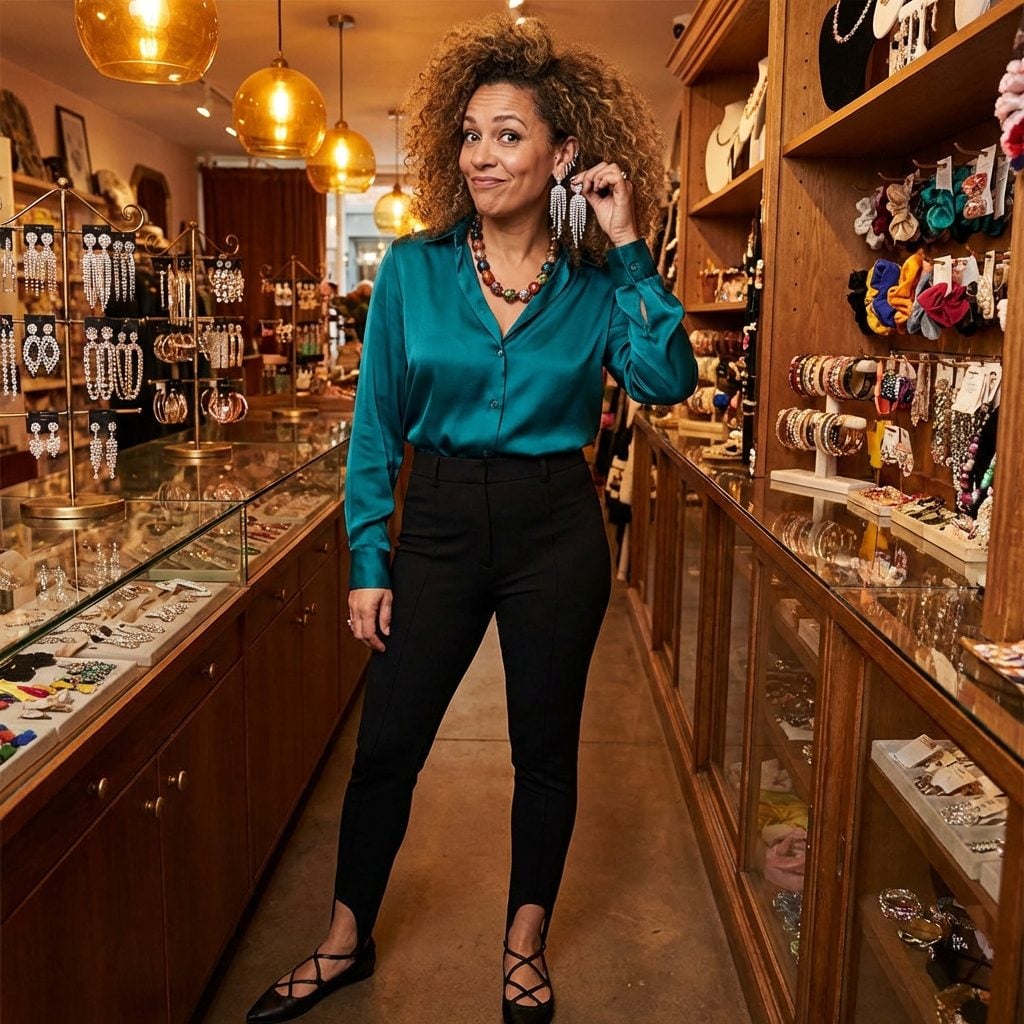
Claire’s was for the younger crowd. Icing was for the girls who thought they were too old for Claire’s but still absolutely needed a rhinestone butterfly clip and a faux-suede choker at 2pm on a Saturday. Same parent company, same general chaos, slightly more grown-up packaging on the same plastic earrings.
The lighting was always dim and gold-toned, which made every piece of costume jewelry look more expensive than the three-dollar price tag suggested. You’d walk in for one thing and leave with a basket full of items you’d need a whole new personality to justify. Icing quietly closed most of its locations by the mid-2010s, but Claire’s soldiered on. Somehow that feels backwards.
3. Afterthoughts: The Accessories Store That Was Basically a Science Fair for Bad Decisions
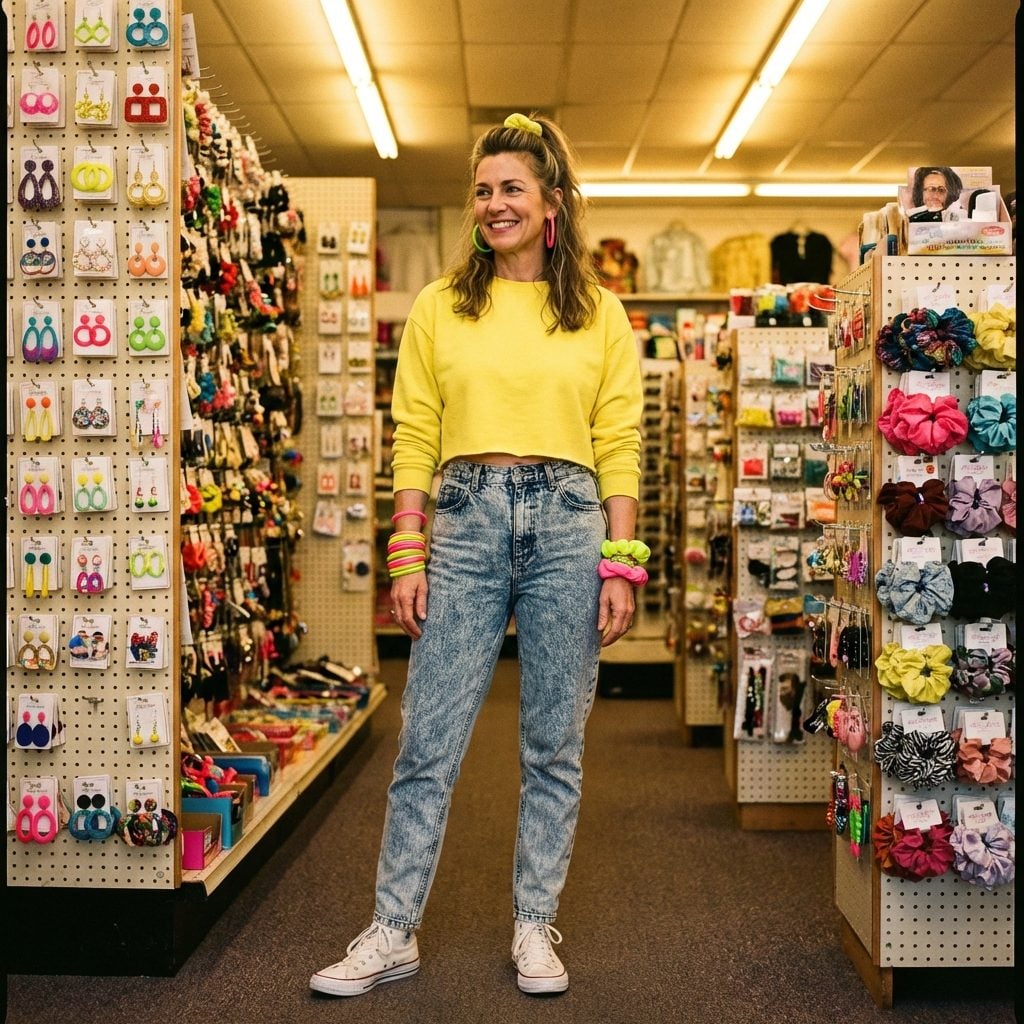
If you grew up anywhere near a mid-sized American mall in the 1980s, Afterthoughts was where you learned what it felt like to want something desperately and have enough cash to actually get it. The per-item price point was low enough that even your allowance could do real damage. Neon scrunchies. Plastic bangles stacked to the elbow. Those enormous clip-on earrings that left dents in your earlobes for three days.
Afterthoughts merged into Claire’s in 1993 and the name quietly disappeared. But for about a decade it was the beating heart of the mall accessories economy, selling a very specific vision of who you could be for under ten dollars. That version of you wore a lot of electric blue.
2. Camelot Music: The One With the Listening Stations and the Staff Who Judged Every Purchase
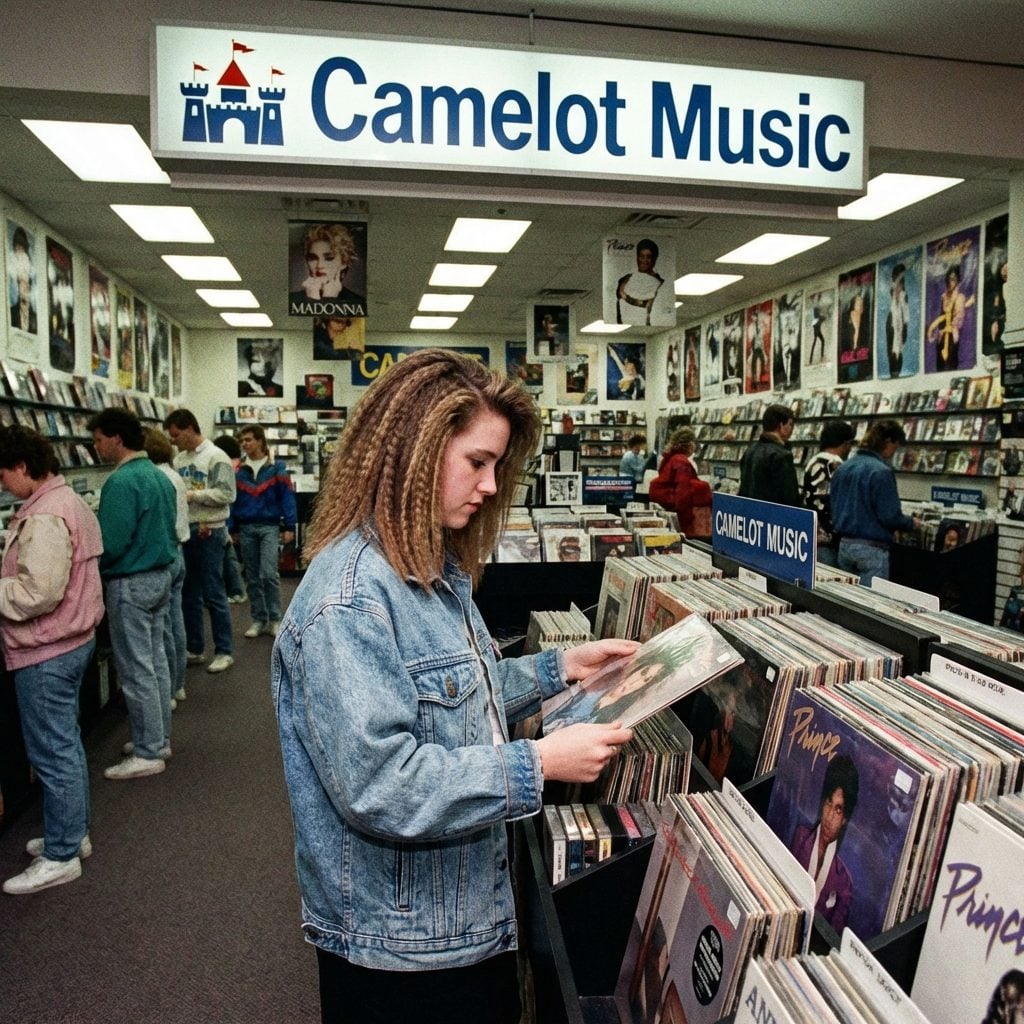
Every mall had a Sam Goody and a Musicland, but Camelot Music was the one with the listening stations, which meant it was the one where you could spend forty-five minutes listening to something you had already decided not to buy. The headphones were enormous. The sound quality was genuinely terrible. You listened anyway.
What set Camelot apart from its cassette-rack competitors was the staff energy, which ran the full spectrum from deeply indifferent to mildly hostile. If you carried a Tiffany tape to the register you got a look. If you carried a Siouxsie and the Banshees tape you got a completely different look. Either way, someone was forming an opinion about you, and honestly, that felt like part of the experience.
1. Wilsons The Leather Experts: Because Every Teen Needed a Fringed Jacket Immediately
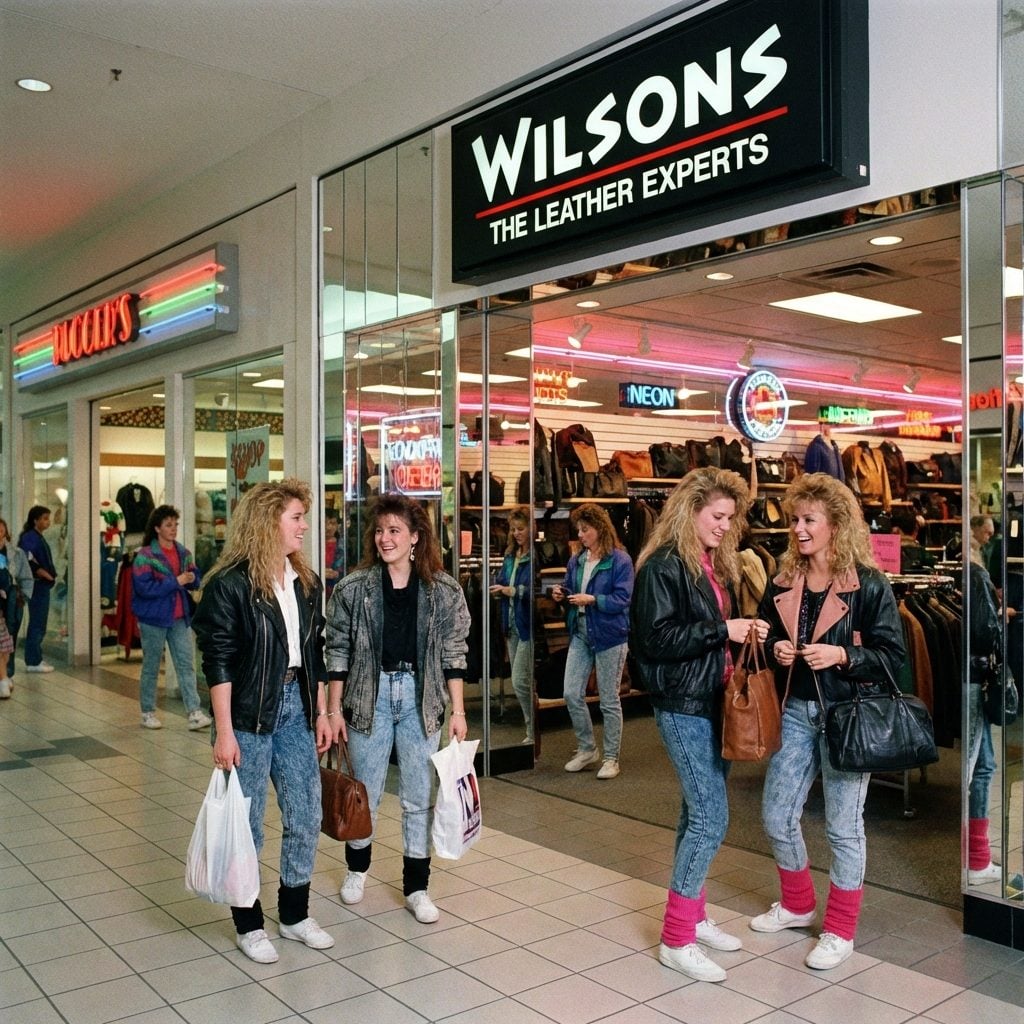
The smell hit you from six stores away. Real leather, pleather, leather conditioner, and something else underneath all of it that was probably just ambition. Wilsons The Leather Experts had a leather jacket in every color that leather jackets were ever produced in the 1980s, which meant burgundy, fire-engine red, forest green, electric blue, and approximately forty-seven variations of brown.
The fringed jacket was the gateway item. You walked in for a keychain and left having tried on four jackets and negotiated with your mother about whether a fringed leather jacket counted as a practical purchase. (It did not. You made the argument anyway.) The cognac leather ankle boots were a separate negotiation entirely.
Wilsons was proof that the right material in the right mall context could feel genuinely luxurious at a price point your babysitting money could reach if you saved for two months. That math made the jacket mean something.