❤️ Would you like to save this?
Your neck deserves better than the hair crimes you might be unknowingly committing against it. While you’re busy perfecting your skincare routine and investing in anti-aging serums, your hairstyle could be working overtime to make your neck appear shorter, thicker, or simply nonexistent.
The wrong haircut, styling choice, or even hair accessory can dramatically compress your neck’s visual length, aging your entire silhouette in ways that no amount of expensive concealer can fix. From blunt cuts that act like visual guillotines to heavy layers that pile up like neck-strangling scarves, these common mistakes can sabotage even the most carefully curated look. As we age, the way our hair interacts with our neck’s proportions really starts to matter—every choice either flatters or, well, not so much. Natural elegance gets lost in the shuffle if you’re not paying attention.
FYI, thanks to AI imagery software, we’re able to create very specific fashion and hairstyle examples to illustrate the points being made. In some cases, imagery is exaggerated to hammer home the point. Also, assume links that take you off the site are affiliate links such as links to Amazon. this means we may earn a commission if you buy something.
28. Avoiding shorter hairstyles like pixie cuts or neck-length bobs that actually elongate
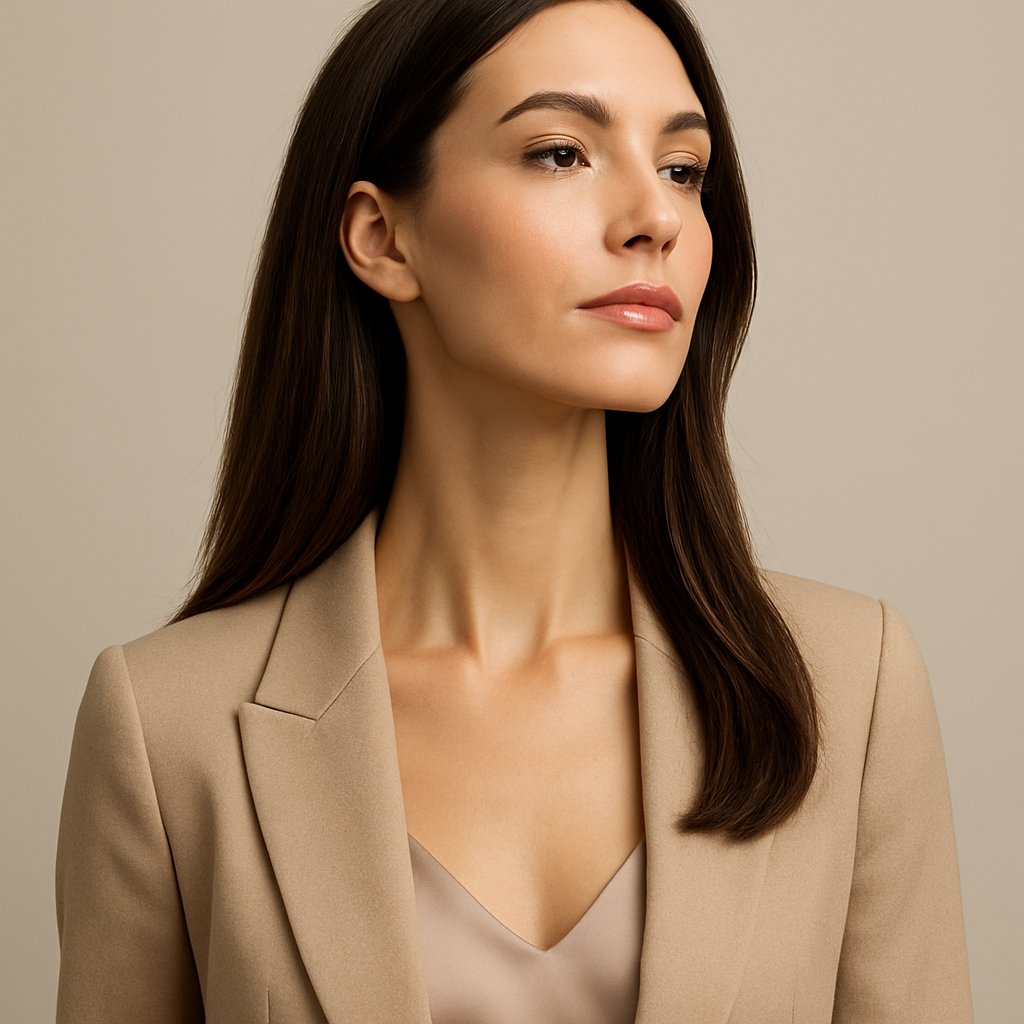
A lot of women think short hair always makes their neck look shorter. That myth keeps people stuck in longer styles, which can actually work against them.
The reality? Strategic pixie cuts can create vertical lines that pull the eye up and give your neck a longer, more graceful vibe.
Neck-length cuts offer the perfect middle ground—not too dramatic, not too heavy. These cuts clear out the bulk around your shoulders, giving your neckline some breathing room.
What really matters isn’t the length, but how the cut is done. A well-crafted pixie with textured layers adds lift and movement, which helps elongate your silhouette.
Avoiding common pixie cut mistakes is key. Bad cutting can add bulk, but a good stylist knows how to balance it out.
If you’re clinging to longer, heavy styles out of fear, you might be missing out on your most flattering option. Heavy, shoulder-length hair can actually squash your neck area and make you look shorter overall.
27. Ignoring the power of side-parting to create asymmetry that adds neck length
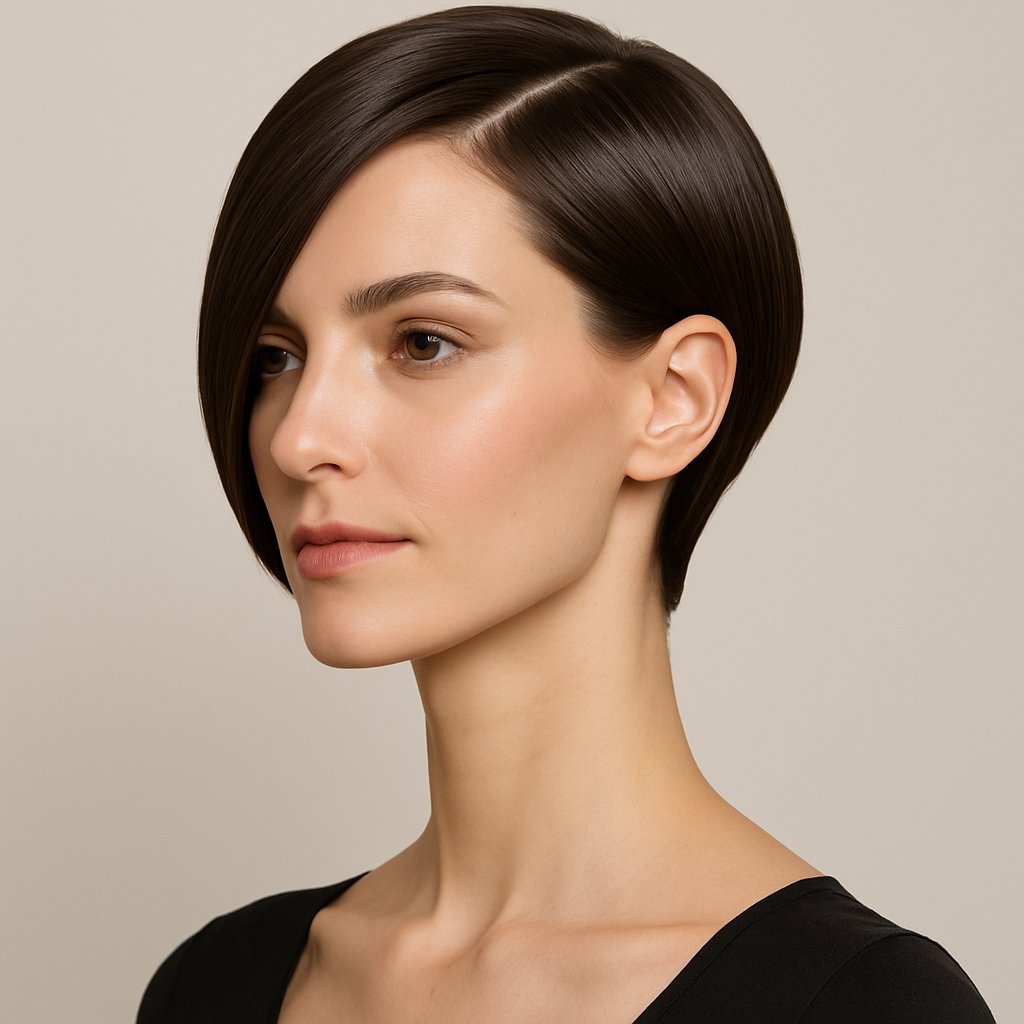
Still rocking a center part? It might be time for a switch-up. That symmetrical look isn’t doing your neckline any favors. A smart side part brings in asymmetry, which pulls the eye upward and gives your whole silhouette a boost.
Try an asymmetrical bob with longer sections on one side. This uneven shape interrupts that straight-across line a center part creates, making your neck look longer.
Go for a deep side part that drapes across your forehead. That diagonal line naturally lifts the eye up, instead of splitting your face in half.
Side-part bobs add structure and polish and really nail that asymmetrical effect. But don’t go halfway—commit to the part. No wishy-washy, almost-center stuff.
Your stylist can tweak the angle and length to suit your face shape. Just keep in mind, growing out an asymmetrical cut means you’ll have to deal with some awkward in-between phases where things need frequent trims.
26. Blending hair color tones that make the hair-neck boundary vanish in a messy blob
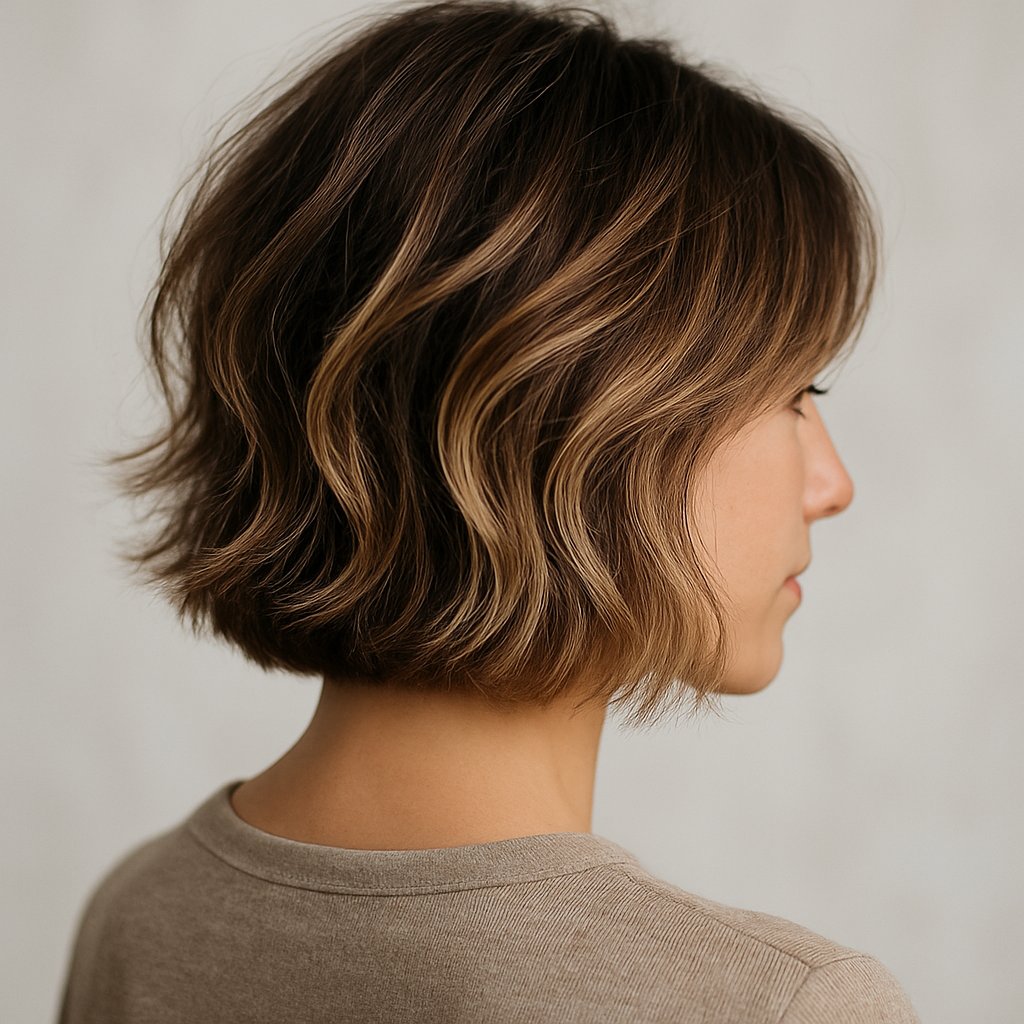
Sometimes, colorists get a little too enthusiastic with gray blending techniques, and you end up with a muddy mess. When tones blur together without any plan, you lose all definition between your hair and neck.
Those heavy-handed highlights that blend everything into one shade? They make your hair disappear into your neckline, leaving a blurry, unflattering blob.
Bad color weaving techniques can make your neck and hair merge into one. You need some contrast to define where your hair stops and your skin starts.
The fix? Place color strategically and keep some darker tones at your nape to carve out separation. You don’t want seamless blending that erases all boundaries.
Professional gray blending should make your features pop, not create a “color soup” that swallows your neck. Clear lines between hair and skin help keep things polished and youthful.
25. Wearing bulky collars or scarves that don’t complement your hair’s neck silhouette
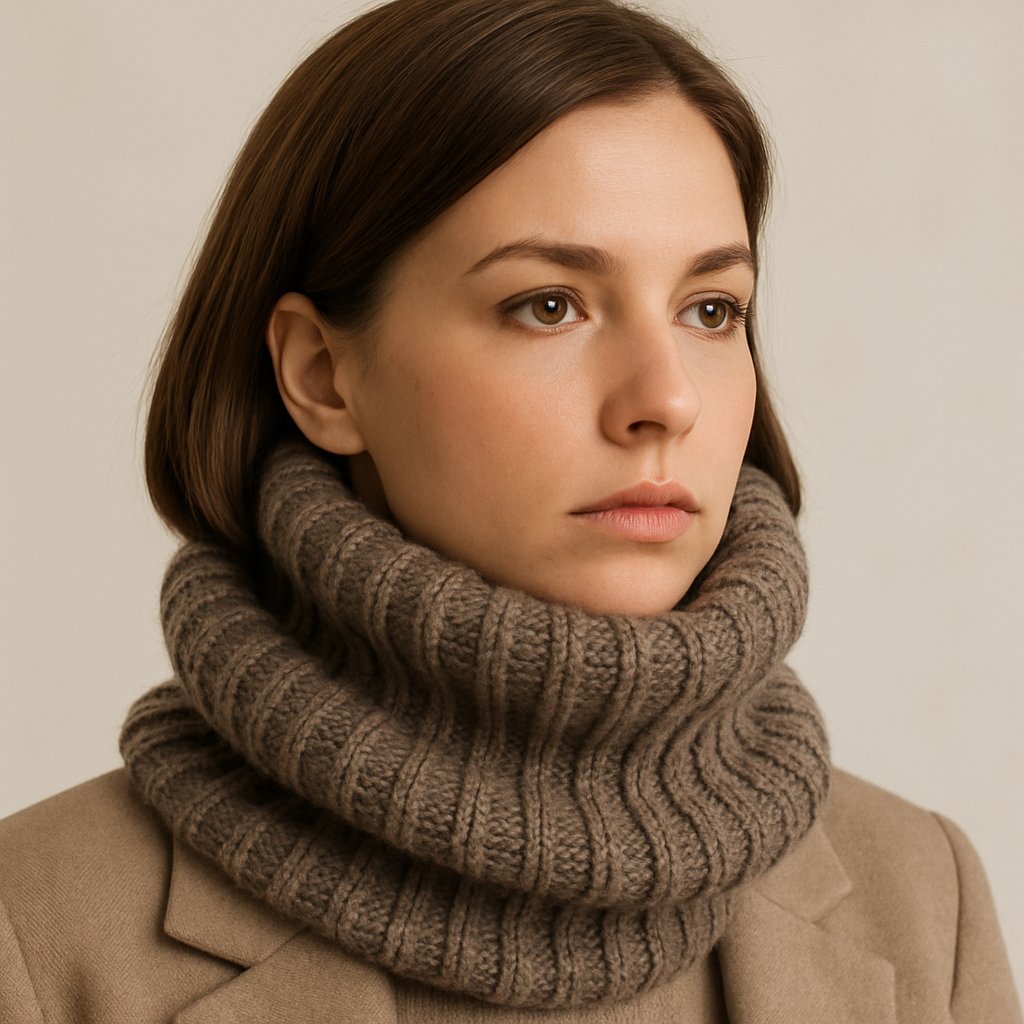
Chunky turtlenecks and oversized scarves feel cozy, but let’s be honest—they’re not helping your neck. All that bulk piles up and shortens your silhouette, chin to shoulder.
Proportions matter. When you add fabric around your neck, you need to style your hair to counteract the bulk.
Chunky scarves require specific styling techniques if you don’t want to look overwhelmed. Try letting your hair create vertical lines to stretch out your neck area.
Don’t tuck all your long hair inside high collars. That “disappearing neck” look isn’t flattering.
Let a few strands fall over bulky collars to break up the harsh lines. Side-swept styles work great with chunky knits because they add some diagonal movement.
Lower necklines give your neck more room, so this isn’t as big a deal then. But with high-neck pieces, updos that add height—not width—can help.
Aim for balance: if your clothes add bulk, your hair should bring in length and movement.
24. Neglecting a little neck peek with loose strands for that graceful elongation effect
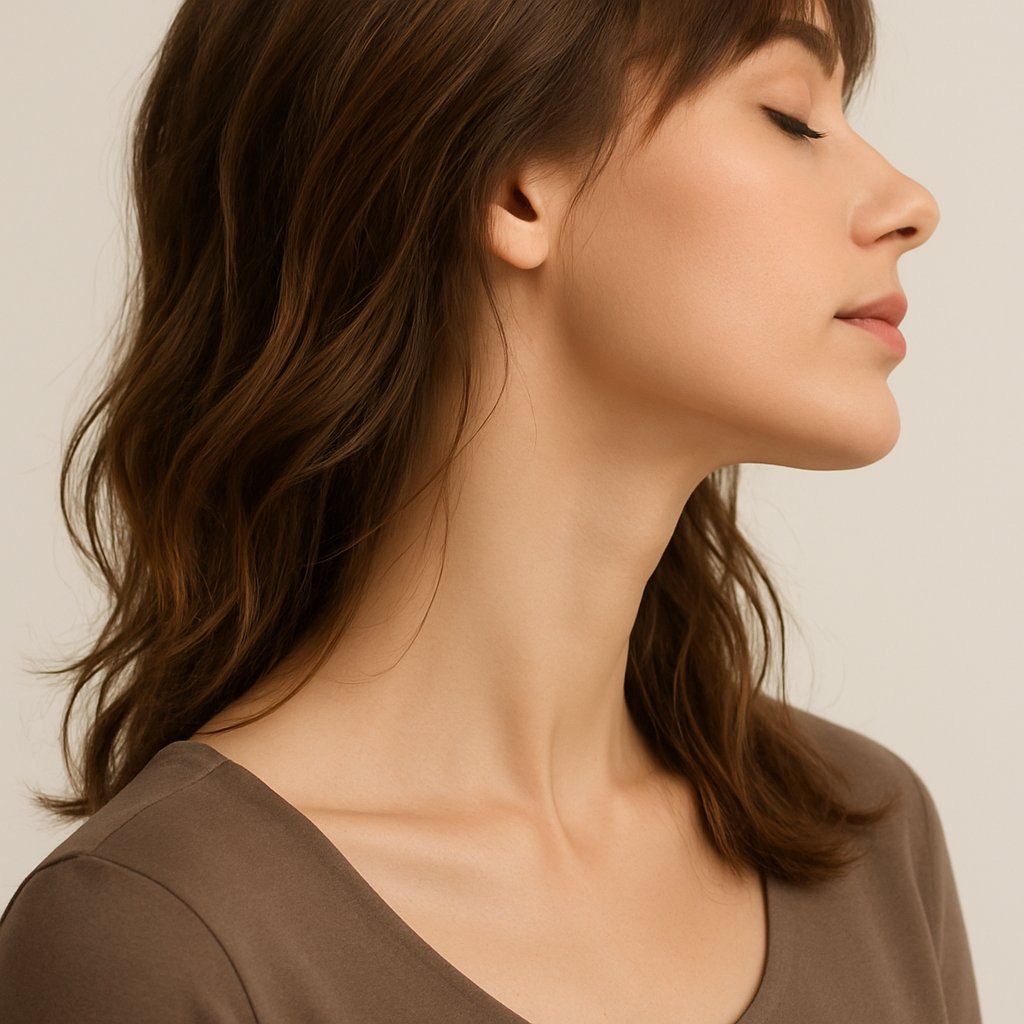
You’ve nailed the perfect blowout, but if you’re hiding your whole neck, what’s the point? Those loose strands along your neckline aren’t just cute—they’re working optical magic.
Pulling every hair back into a tight, rigid style creates a harsh line that chops your neck visually, making it look shorter and wider.
A few intentional wisps along your neckline create vertical movement, drawing the eye down and suggesting length—even if you don’t have much to start with.
The trick is purposeful messiness, not chaos. After styling, pull out a couple of face-framing pieces and twist them gently around your finger.
Your neck needs as much love as your face when it comes to skincare and aging. Why hide it, when a little styling can make it look so much longer?
Those loose strands soften the line between your hair and décolletage, creating one smooth, elongated flow.
23. Overly heavy hair accessories piled right at neck level—visual clutter alert
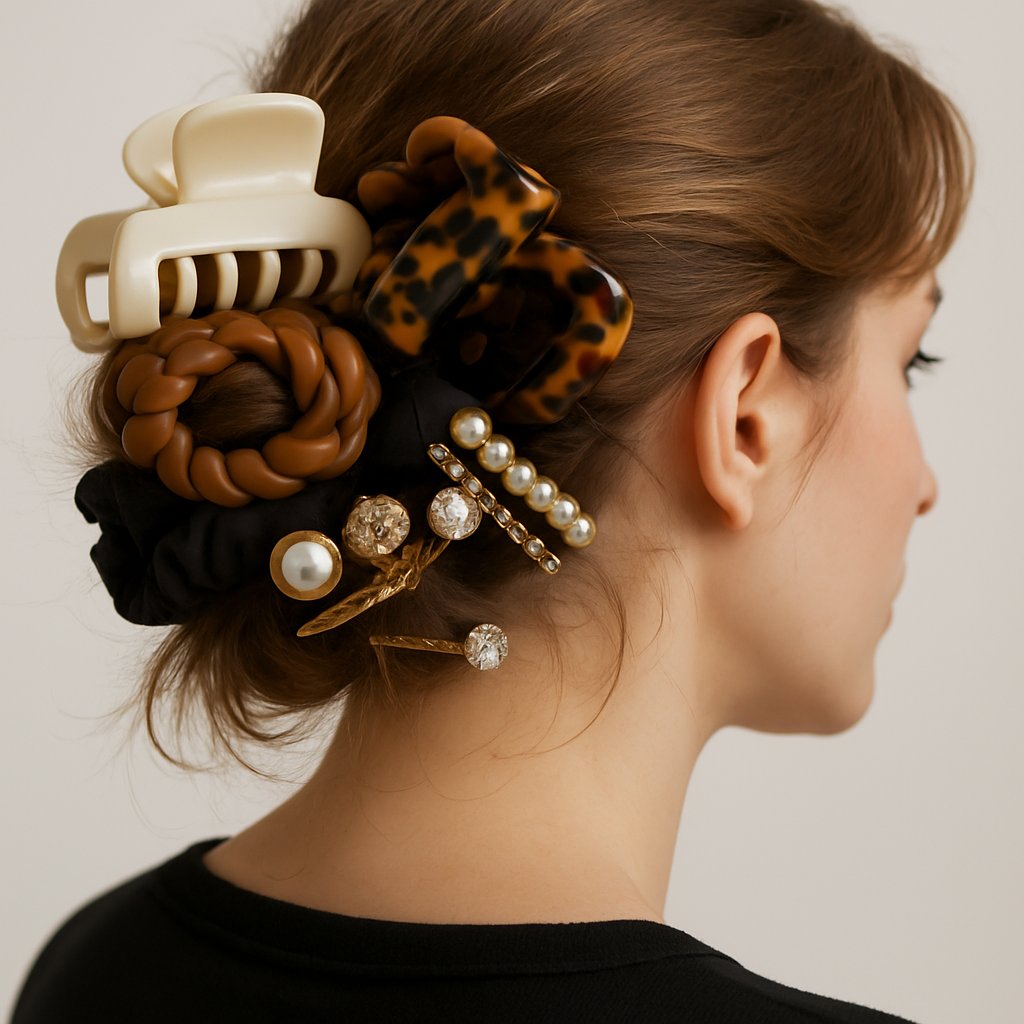
That big statement barrette at your nape? It’s not helping. When you stack heavy hair accessories at neck level, you’re basically building a visual roadblock that chops your neckline in half.
Clustered clips create what I call the “hardware store effect.” All that noise distracts the eye, stopping it from following your silhouette.
Heavy combs, thick scrunchies, and big bow clips—especially when worn low—draw a horizontal line that shortens your neck. It’s like wearing a chaotic choker.
And it’s not just about looks. Some hairstyles and accessories can add neck strain, especially if you already wear tight updos.
Try moving statement pieces higher up, or pick delicate accessories that won’t fight your neckline. Less is more; you want elegance, not a craft store explosion at your nape.
22. Ignoring the magic of subtle layering to create cues that lengthen neck appearance
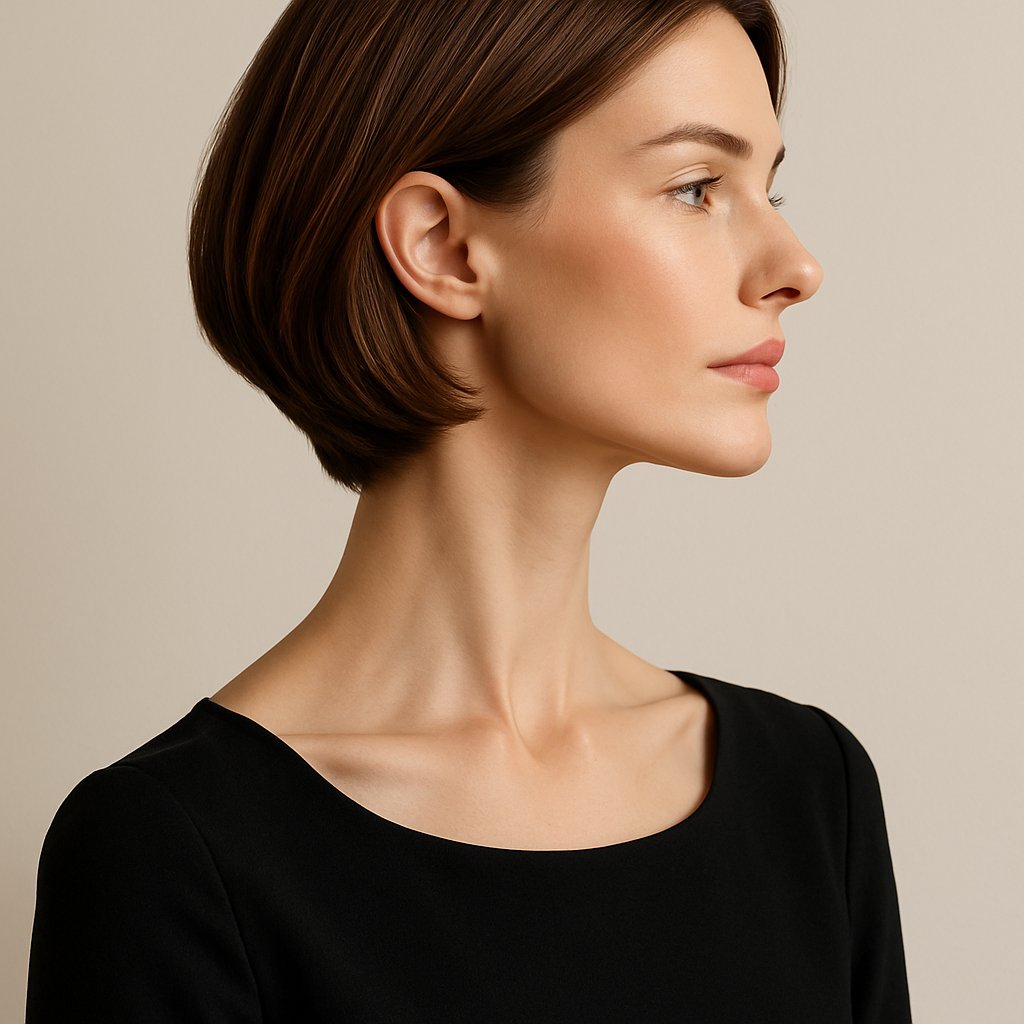
If you’re skipping subtle layers, you’re missing out. These aren’t those chunky, obvious layers from the early 2000s.
Invisible layers work by creating vertical movement that gently draws the eye up. Think of them as little tricks for your neckline.
Placement matters. Layers that start below your jaw just drag everything down. Aim for layers that begin around your collarbone or lower.
Ghost layers are a secret weapon. They add movement but don’t create harsh lines that chop up your look.
When your hair moves in one heavy block, it creates a wall at your shoulders. Subtle layering breaks that up, letting your hair flow and suggest length.
The best results come when layers create soft, cascading movement instead of blunt stops. This is especially helpful if you’re over 45 and your hair’s lost some bounce.
A good stylist will cut these layers to work with your natural texture, so they flatter your hair’s real personality.
21. Failing to add lift or movement in your hair to keep that neck poised and proud
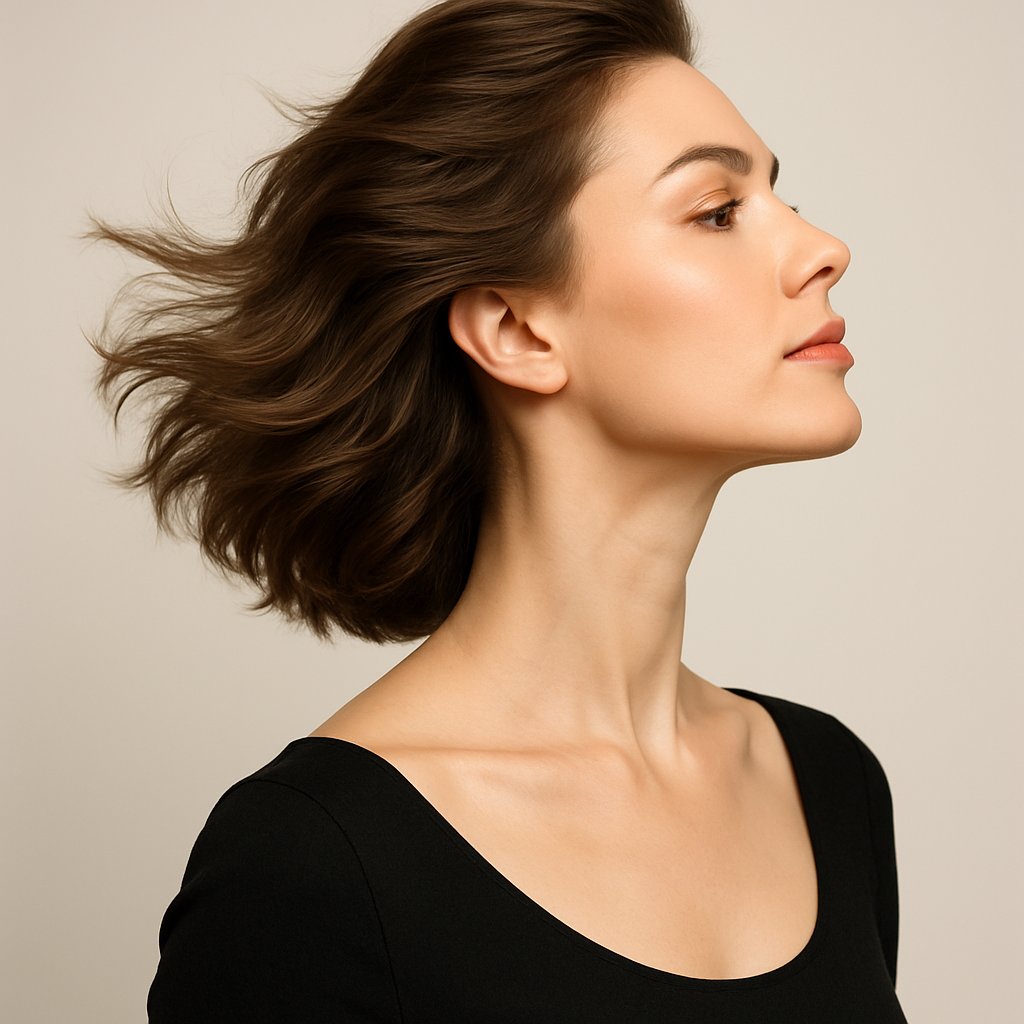
Flat hair drags everything down—especially your neckline. When your hair just hangs there, it weighs on your whole look and shortens the neck visually.
Choppy layers create movement and body, giving your hair a bit of life. The trick is in layering smartly so you get some dimension without the mess.
Volume at the crown? That’s your cheat code. Teasing or lifting the top section creates vertical lines, which stretch out your whole silhouette.
You don’t need to go full-on Hollywood glam every day. Even flipping your hair to the other side of your part can add some quick lift and a touch of interest.
Try texturizing products for grip and body. A bit of volumizing mousse at the roots before blow-drying can make limp hair perk right up.
Even just a little movement helps. A soft curl at the ends or some gentle waves catch the light and give the illusion of a longer, more graceful neck.
20. Choosing hairstyles that cover your neck completely, suffocating it into oblivion
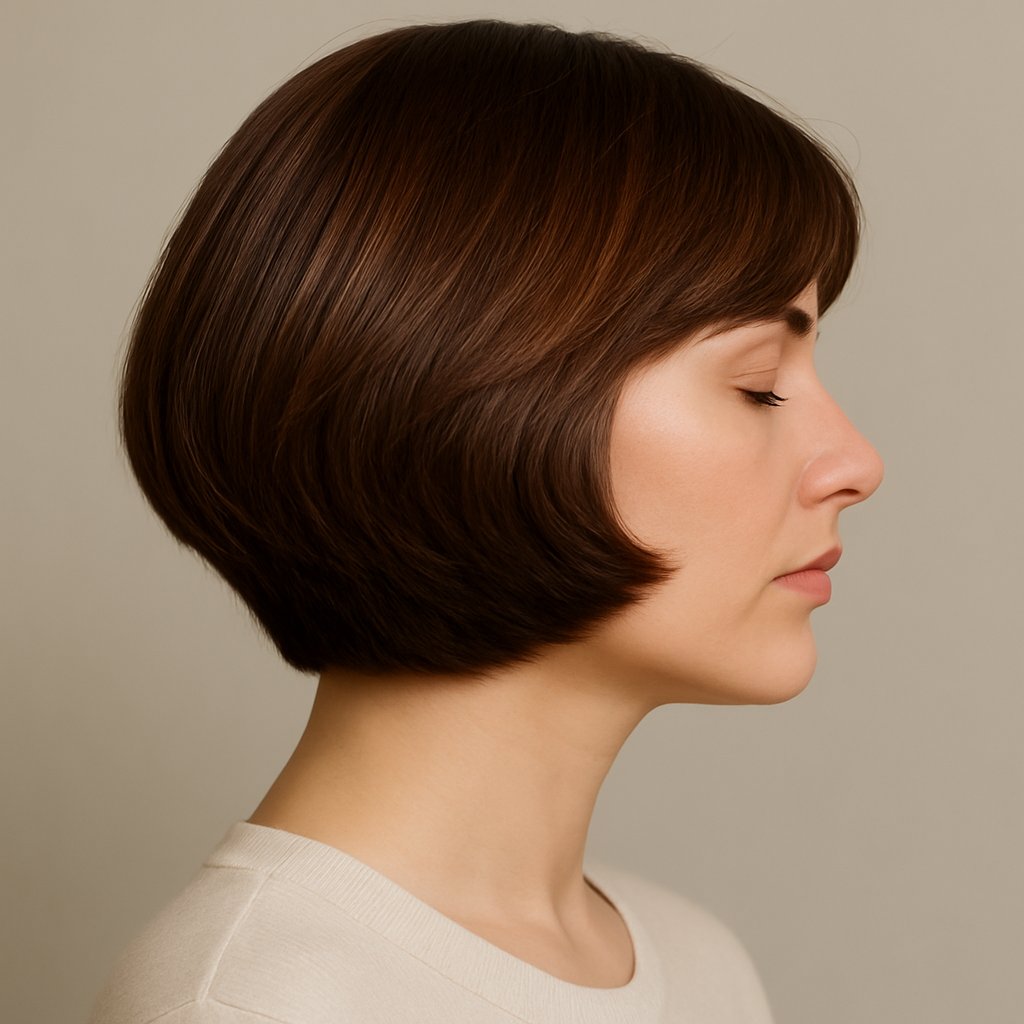
If you’re wrapping your hair around your neck like a scarf, you’re hiding one of your best features. Heavy, neck-hugging styles put up a wall that shortens your silhouette.
Let’s be honest—when your jawline and neck vanish under a curtain of hair, you lose that elegant swan vibe and end up with a helmet of hair.
Heavy layers sitting right on your shoulders? They’re the usual suspects. Those horizontal lines visually chop your neck in half.
Long, blunt cuts ending at the base of your neck don’t help either. They form a hard stop that makes everything look squished.
You need breathing room. Hairstyles with vertical lines pull the eye up and down, not side to side.
Try styles that hang well below your collarbone or sit above your shoulders. That way, your neck gets a chance to shine instead of getting lost.
19. Skipping the wispy, textured ends that breathe life and length into your neck area
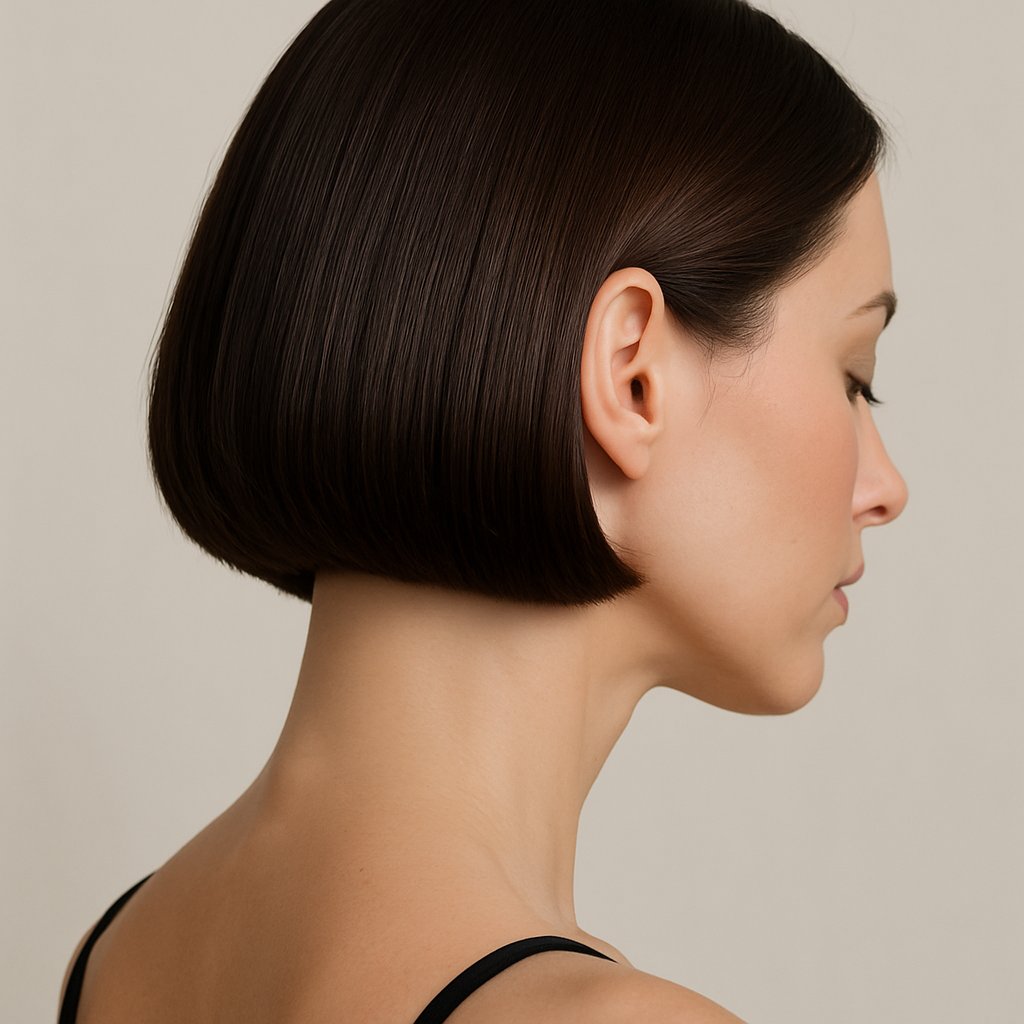
Blunt, heavy ends just sit there, but textured, wispy ends work magic. Wispy haircuts bring movement and effortless chic with their feathery, light finish.
Those choppy ends aren’t just trendy—they’re smart. They break up harsh lines that can make your neck look short and stubby.
Short wispy haircuts add movement and softness, which is super flattering as we get older. Textured ends draw the eye downward, helping your neck look longer.
Your stylist should point-cut the ends for that soft, face-framing texture, not just hack straight across. It adds dimension and keeps hair from looking like a helmet.
Wispy layers have a lived-in, airy vibe that’s way more flattering than severe, blunt lines. The irregular edges catch light and add a little intrigue.
Textured ends? Your neck’s new best friend. They give the illusion of length and keep things looking sophisticated but not stuffy.
18. Hairstyles stopping exactly at the chin, which is a neck-shortening tragedy
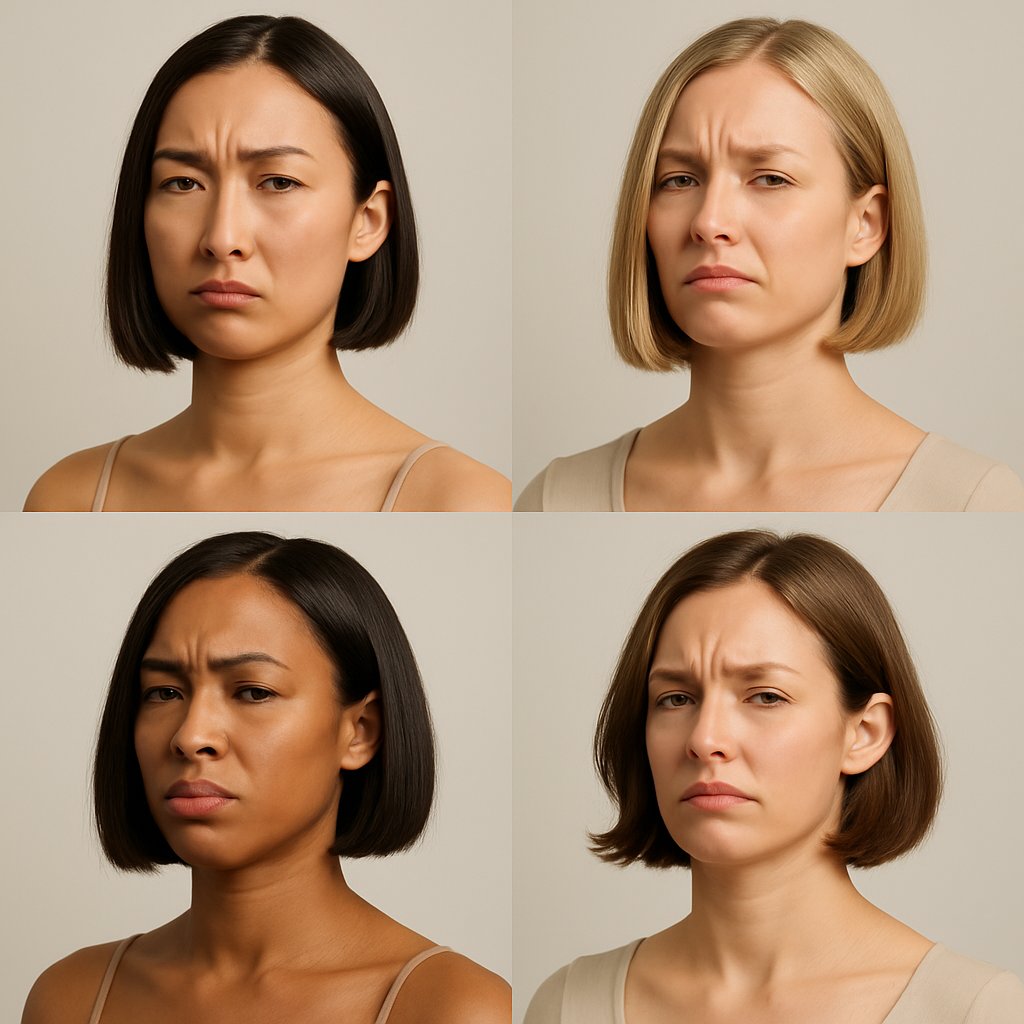
That chin-length cut might seem stylish, but honestly, it’s not doing your neck any favors. When hair ends right at your chin, it creates a hard, horizontal break that chops your neck visually.
Our eyes pick up on those proportions. That blunt edge at chin level draws attention to the shortest part of your neck, making everything below look compressed.
Hairstyles with vertical lines are much better for stretching your silhouette. Go for length that either sits above the chin or drops well below it.
The worst offenders are those perfectly blunt bobs at chin level. It’s like wearing a stripe across your jaw—not great if you want to look longer.
Instead, try a bob that lands just below your jawbone. Even adding an inch or two can make a massive difference.
If you’re all about short hair, neck-length cuts that fall between chin and shoulders give you much more flattering proportions than that abrupt chin stop.
17. Straight-across bangs that chop your neck’s visual flow like a weedwacker
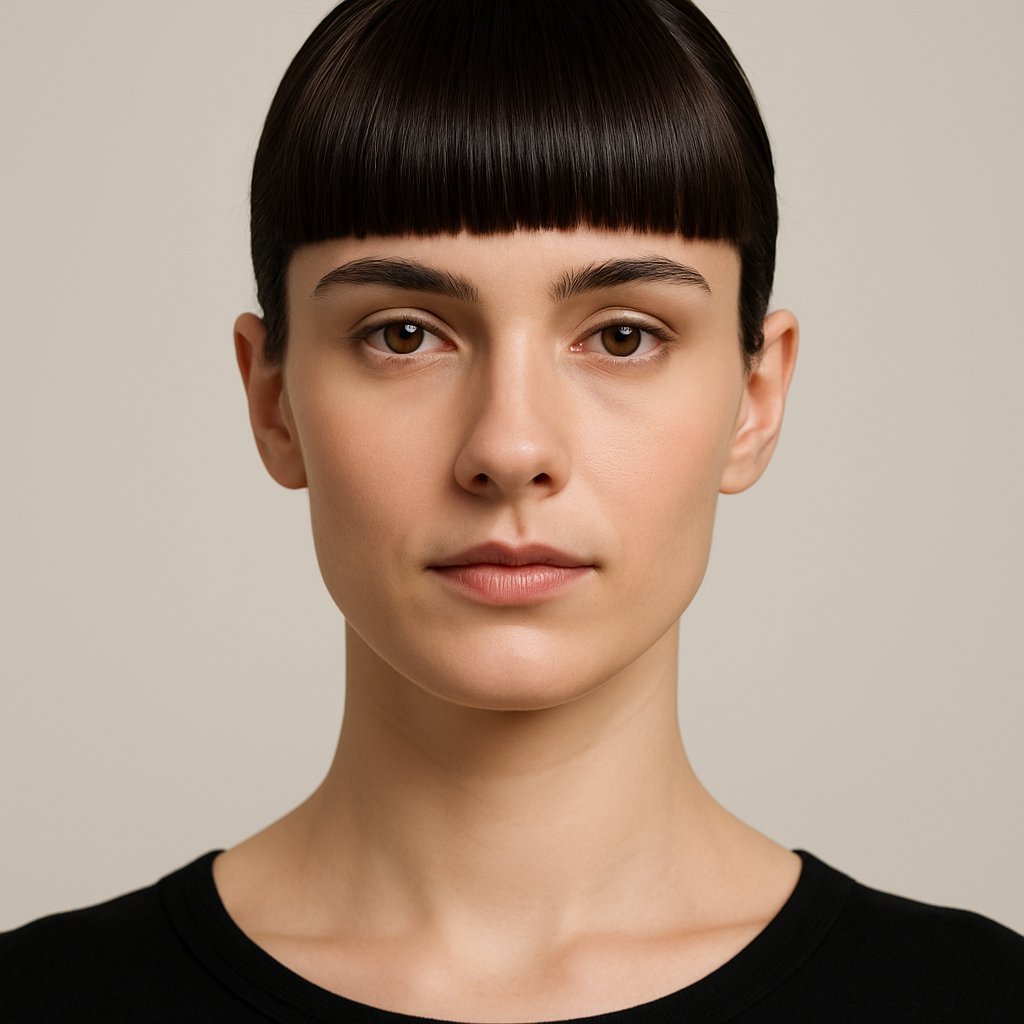
Straight-across bangs are a tough one—they create a harsh line that just stops the eye. Suddenly, your neck looks shorter and kind of boxed in.
Pair blunt bangs with shorter hairstyles, and your face gets trapped in a frame that leaves no room for elegance.
Unlike side-swept bangs that offer versatility, straight bangs wall off your forehead and compress your upper body visually.
That sharp geometric line emphasizes width, not length. Your neck loses its graceful column look and ends up looking stubby.
Try arched bangs with a gentle curve instead. They guide the eye downward and create movement.
If you love bangs, go for ones that are a little longer at the sides. You still get the fringe, but your neck keeps its natural grace.
16. Ignoring hair volume at the crown, dooming your neck to invisibility
❤️ Would you like to save this?
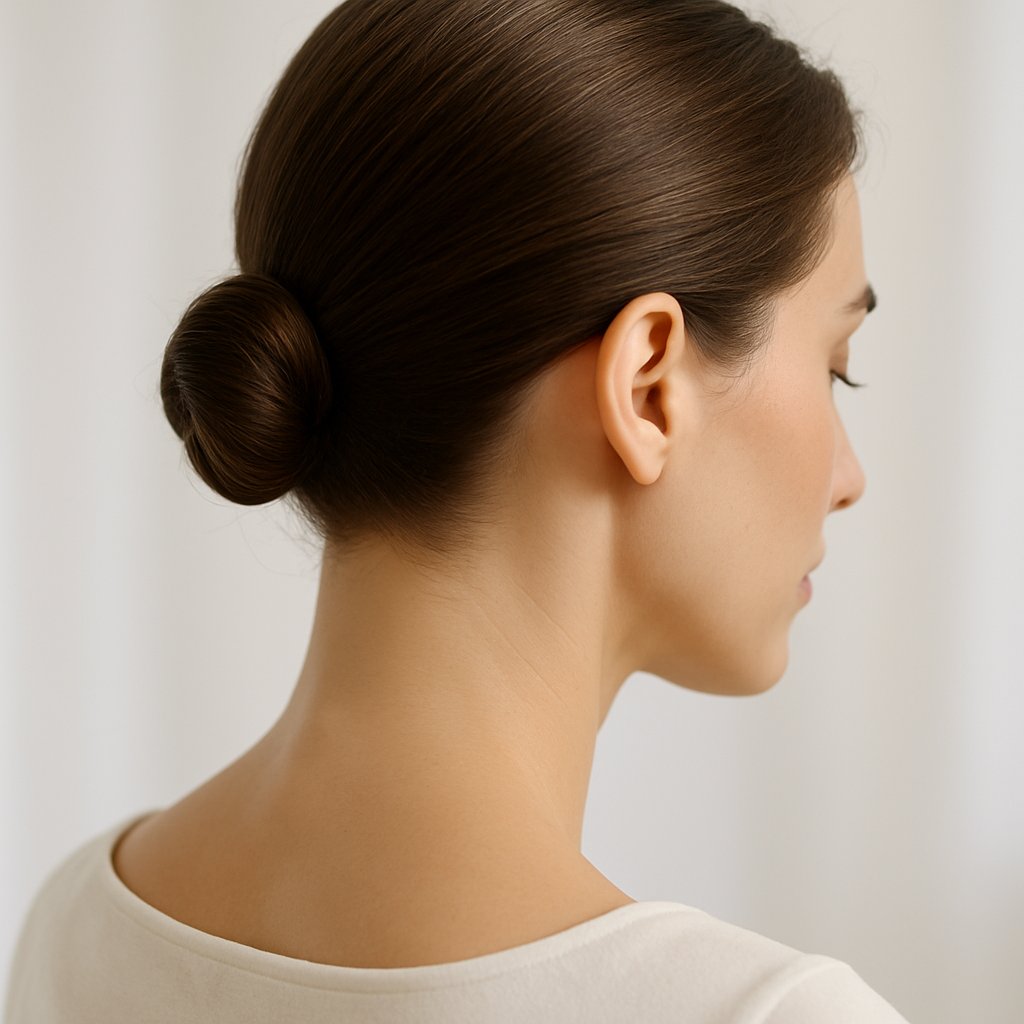
Let your crown go flat and your neck just blends into your shoulders—poof, gone. No lift means no length.
Creating volume at the crown is extra important as we get older. Hair thins out a bit, and the crown can start looking deflated.
A flat crown makes your whole silhouette look shorter. Without that upward lift, the eye goes side to side instead of up and down.
Stylists know that shorter pieces at the crown push up the longer ones, keeping natural-looking volume. Shorter hair is just stronger and gives better support.
The fix? It’s not rocket science. Tease the roots a bit, use mousse on damp hair, or ask your stylist for some subtle crown layering.
Even fine, straight hair can get crown volume with the right tricks. Work with your texture, not against it.
Flat crown, invisible neck. Give yourself that little boost and suddenly, your neck’s back in the spotlight.
15. Flat ponytails locking your neck in a horizontal prison
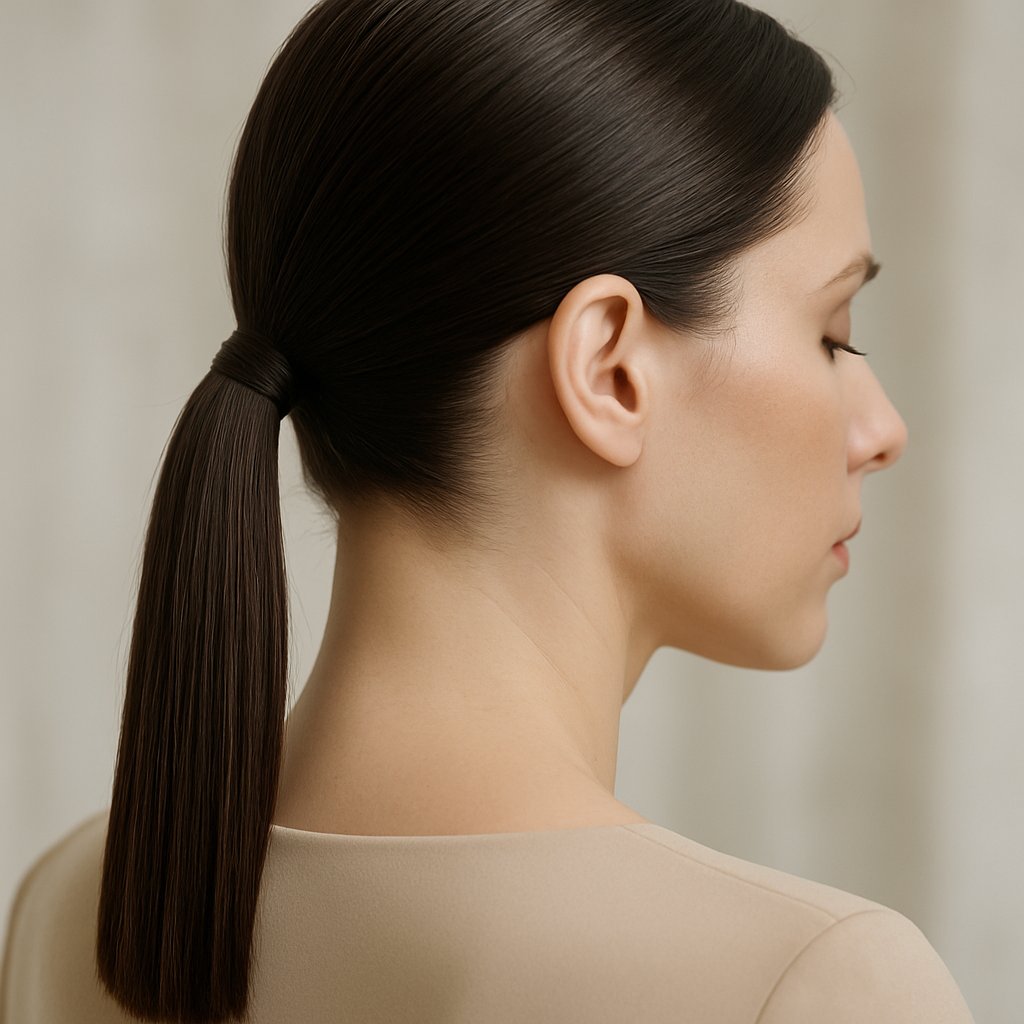
Flat ponytails are like a horizontal stripe slapped across your neck. They cut your neck visually, making it look shorter and chunkier.
When you slick your hair back into a flat ponytail, you lose any vertical movement that could help elongate your neckline. The hair just sits flat, with no lift or dimension.
It might seem sleek and chic, but honestly, it’s not helping your neck’s proportions. The horizontal focus sends the eye sideways, not up.
Stylists will tell you—vertical lines pull the eye up, making the neck look longer. Flat ponytails do the opposite, creating a harsh break.
Instead, add a bit of height at the crown before pulling your hair back. Even a little lift can totally change how your neck looks, both from the front and in profile.
14. Unstructured waves piling hair at neck height, causing serious visual congestion
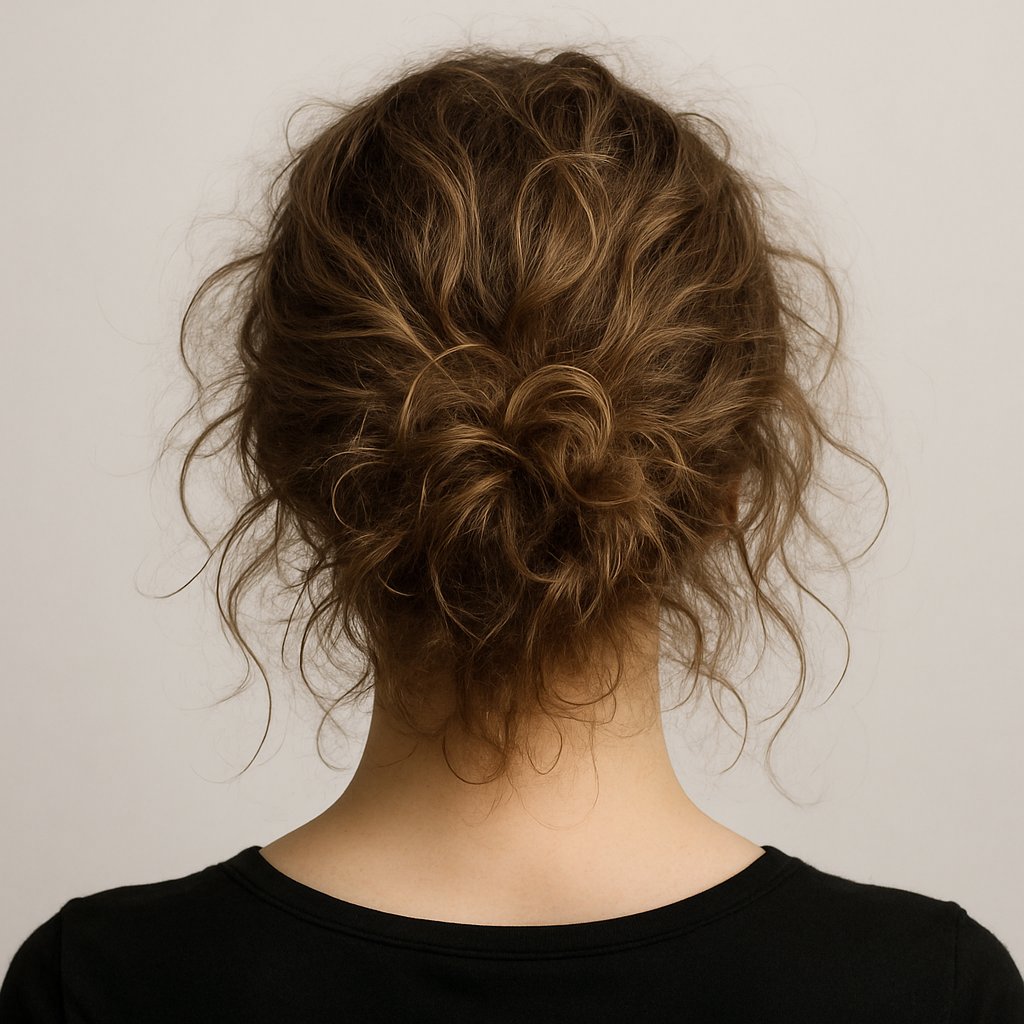
Messy, undone waves might look effortlessly cool on twenty-somethings, but after 45, unstructured hair just creates a traffic jam at your neckline. The visual weight lands right where you wish it wouldn’t.
Waves that bunch up around your neck compress your silhouette, making your eye stop at that congested point instead of gliding down from your face to your shoulders. When waves lack definition or direction, your hair turns into a shapeless mass that shortens your neck and adds bulk to your jawline. Medium-length hair gets hit hardest, since it lands right where your neck meets your shoulders and creates the most visual interference.
If you want to fix it, add some structure and movement to your waves. Well-defined waves guide the eye downward, instead of setting up a horizontal roadblock. Try subtle layers for direction, or gentle texturizing to help hair move away from your neck. Your waves should enhance your neckline—not hide it under a cloud of chaos.
13. Neglecting side-swept styles that add elongation without effort

Let’s get real—skipping side-swept styles is like passing up a free neck-lengthening trick. Side-swept hairstyles offer endless versatility and instantly draw the eye diagonally across your face, which naturally lengthens your neckline without any drama at the salon.
The secret is asymmetry. Hair falling to one side breaks up the horizontal line that straight-across styles create around your shoulders and neck. And you don’t need to master any fancy techniques. Side styling can be as easy as sweeping your hair behind your neck and pinning it.
Side-swept looks require minimal effort for maximum payoff. Whether you’ve got a pixie or long layers, just moving your style to one side creates that vertical line that makes your neck look longer and, honestly, just a bit more elegant.
12. Avoiding up-styles that give your neck a much-needed vertical spotlight
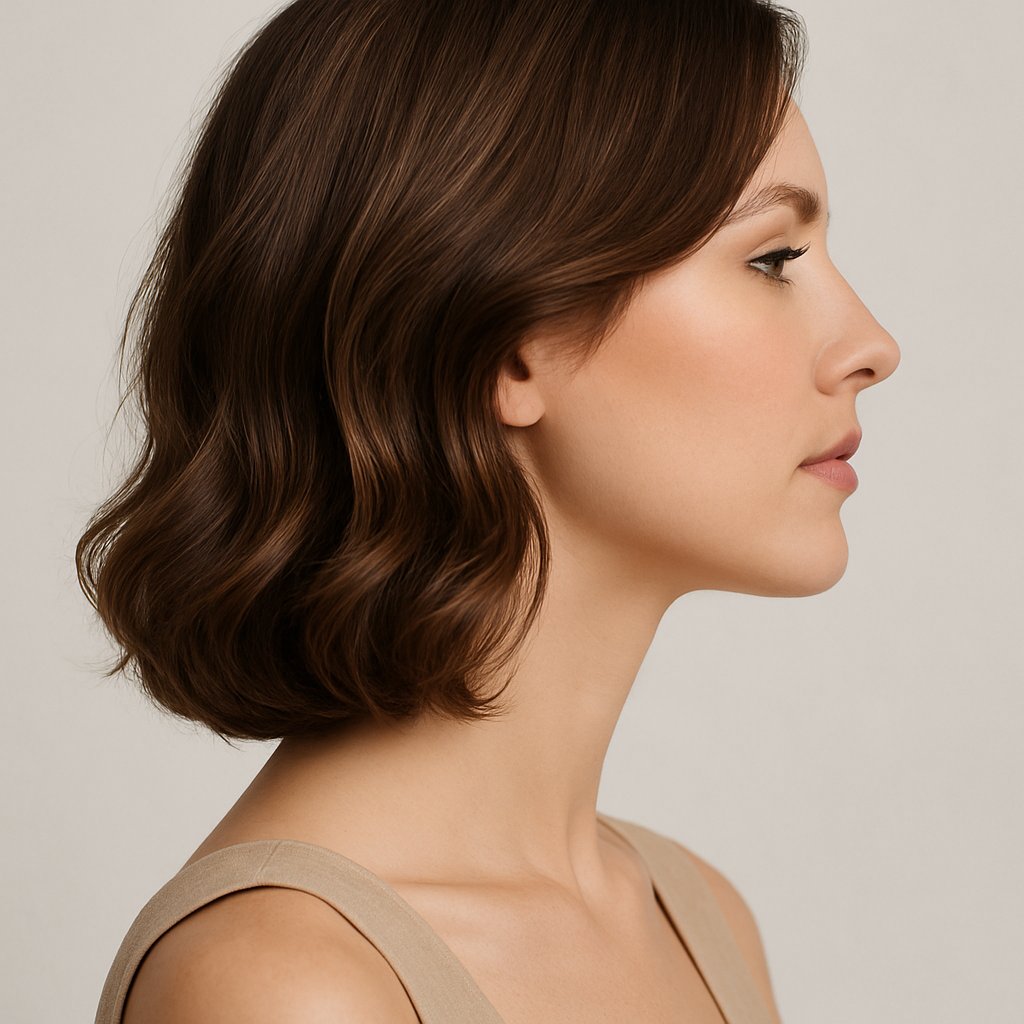
Skipping updos? You’re missing one of the best tricks out there. Up-styles keep the neck visible and create vertical focus, which elongates your neckline in a snap.
That messy bun you think looks too formal? It’s actually your neck’s best friend. Piling hair up and away from your shoulders creates clean vertical lines that draw the eye upward. Updos show off your neck’s natural curve, and even a simple high ponytail can work wonders. The main thing: get your hair off your neck to create an uninterrupted line from shoulders to jawline.
Don’t stress about perfection. Loosely pinned or slightly textured styles often look more modern and flattering than anything too polished. The higher your hair goes, the more neck you reveal—and suddenly, your neck looks longer and more graceful.
11. The dreaded blunt cut that makes the neck look as long as a stubby matchstick
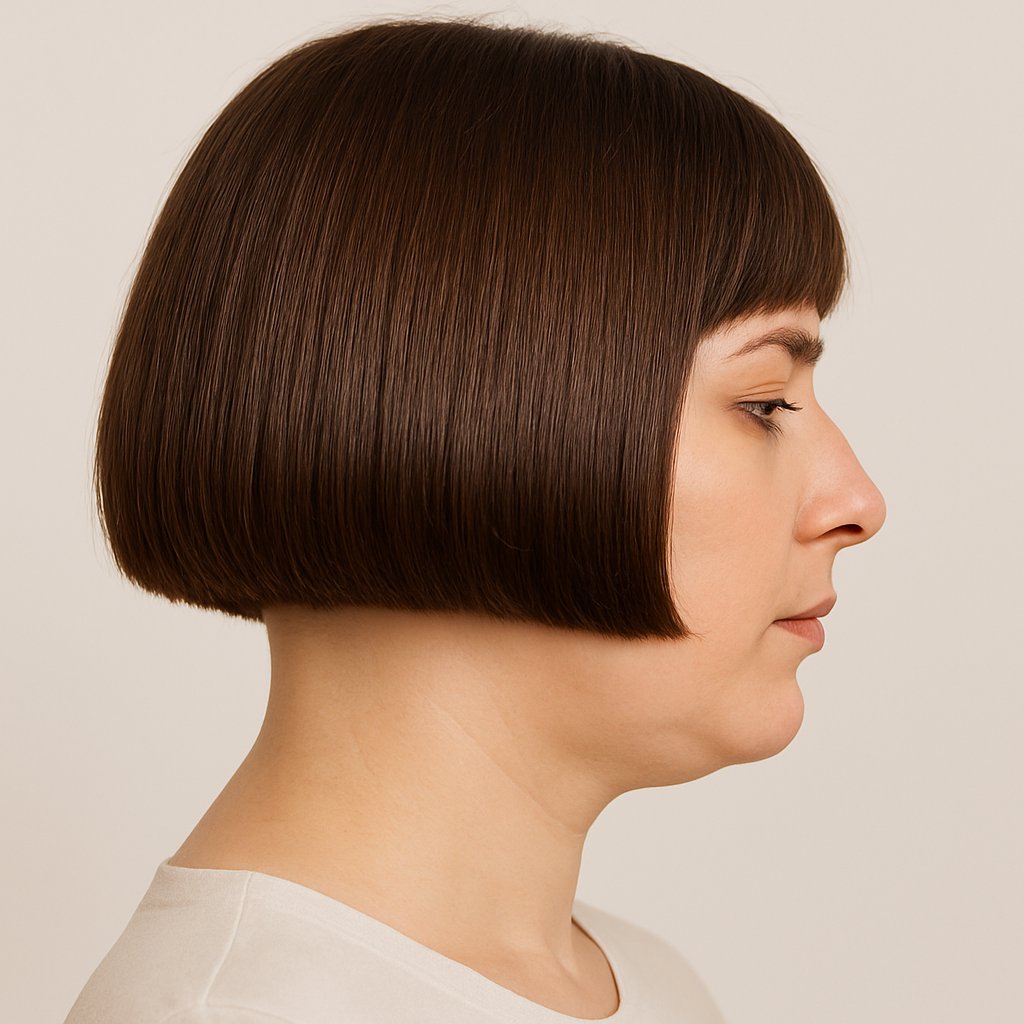
Blunt cuts can look amazing, but they’re notorious for chopping your neck down to size when done wrong. That razor-sharp horizontal line acts like a visual stop sign right where your neck meets your shoulders.
Geometry is the culprit here. When blunt cuts hit at neck length, they form a harsh barrier that interrupts your silhouette. Your eye gets stuck at that edge, instead of moving gracefully down your neckline.
Long blunt cuts aren’t much better if you’re petite—blunt cut long hair can overwhelm a small frame and make your neck vanish under all that weight. If you look at photos and wonder where your neck went, that’s a sign. That solid wall of hair is making your torso look like it starts at your chin.
If you love the blunt look, ask your stylist for subtle texturing. Point cutting can keep things from getting too helmet-y while still giving you that sleek finish.
10. Over-brushed hair that flattens and shortens the neck silhouette
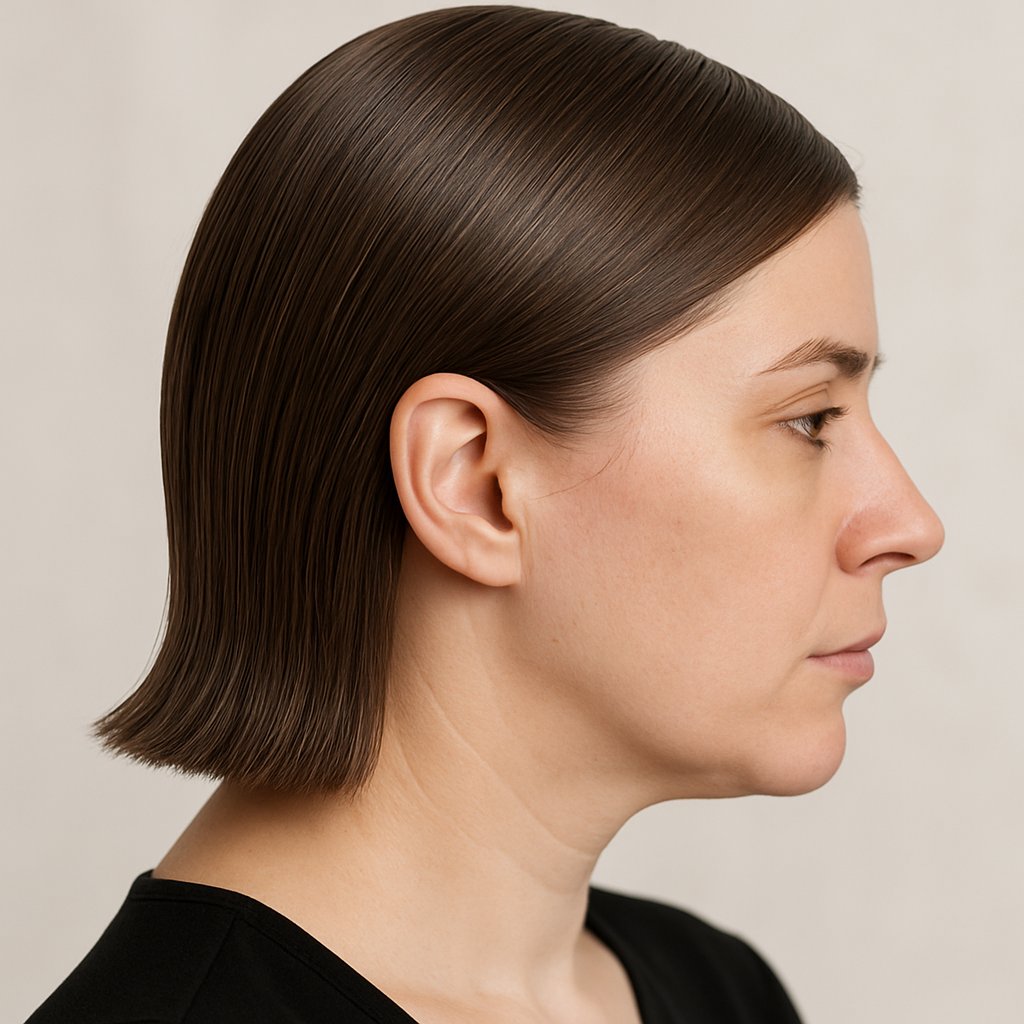
Remember being told to brush your hair 100 times for shine? Time to let that myth go. Over-brushing leaves you with flat-head syndrome—hair clinging to your scalp like plastic wrap. All that sleekness wipes out any volume that might give your neck some length.
When hair lies flat against your head, it creates a horizontal line that visually chops your neck off. It’s like wearing a hair helmet that stops right where you need the most flattering vertical lines.
Graduated bobs and layered cuts add volume and movement, but brushing too much strips away that crucial texture and lift. Instead, use your fingers to gently separate strands after styling. Sometimes a little head shake does more for your neck than any brush ever could.
Save heavy brushing for detangling when hair’s wet, then let your hair do its thing—natural texture and volume are your friends.
9. Perms or curls that bulk out around the neck like a fluffy neck pillow
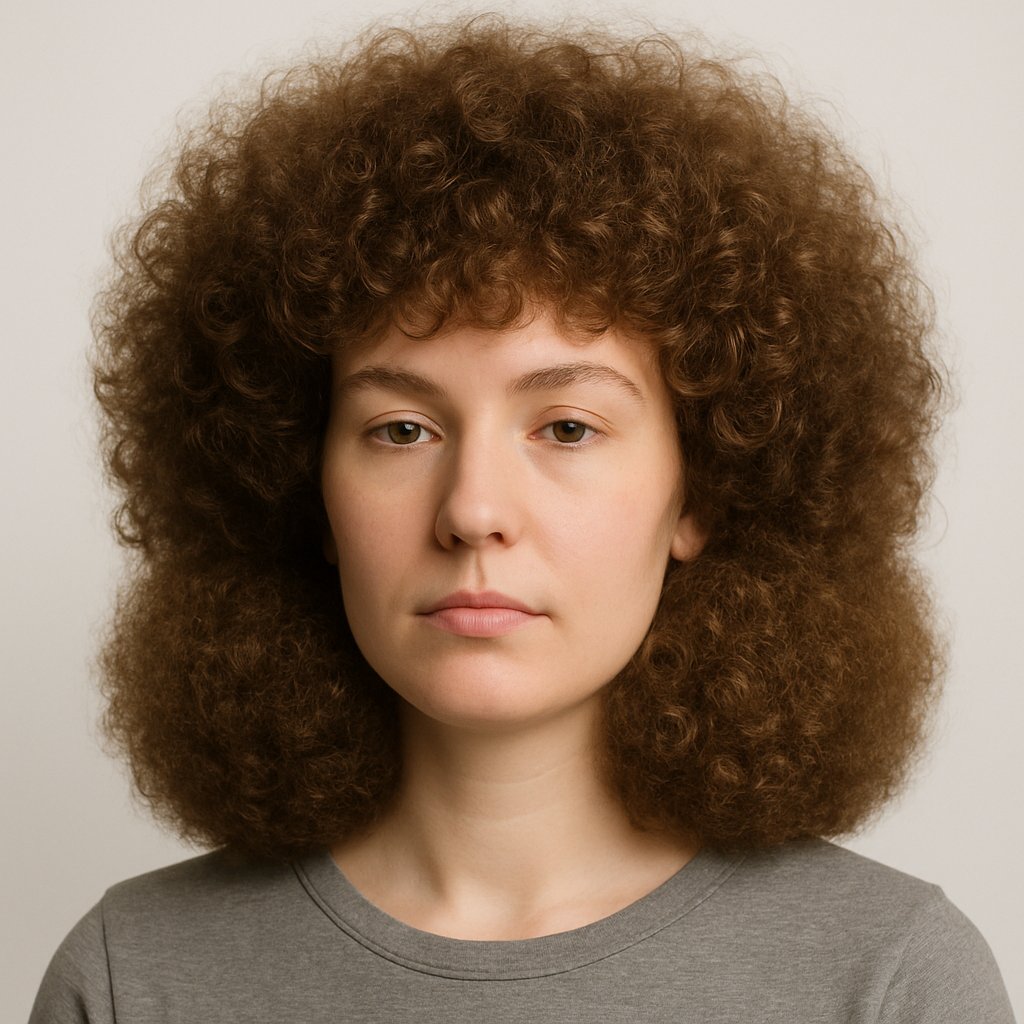
Those voluminous curls that seemed so glamorous on Pinterest can turn your neck into a vanishing act. When perms add too much bulk at jaw and neck level, they basically shorten your whole silhouette.
Tight, frizzy curls are usually to blame—they add horizontal width instead of vertical movement. Sometimes stylists go overboard with curl size or processing, and suddenly you’ve got a fluffy neck pillow instead of a chic look.
Modern perm techniques aim for natural-looking waves that don’t swallow your frame. The trick is to choose curls that lift up and away from your neckline, not ones that settle in like a scarf.
If you’re stuck with pillow-neck curls, try lifting sections while blow-drying upward. Texturizing spray can help move volume higher on your head. For future perms, ask for loose waves that start below your ears. Your neck will finally get some breathing room.
8. Too many choppy layers creating a hornet’s nest rather than a flattering frame
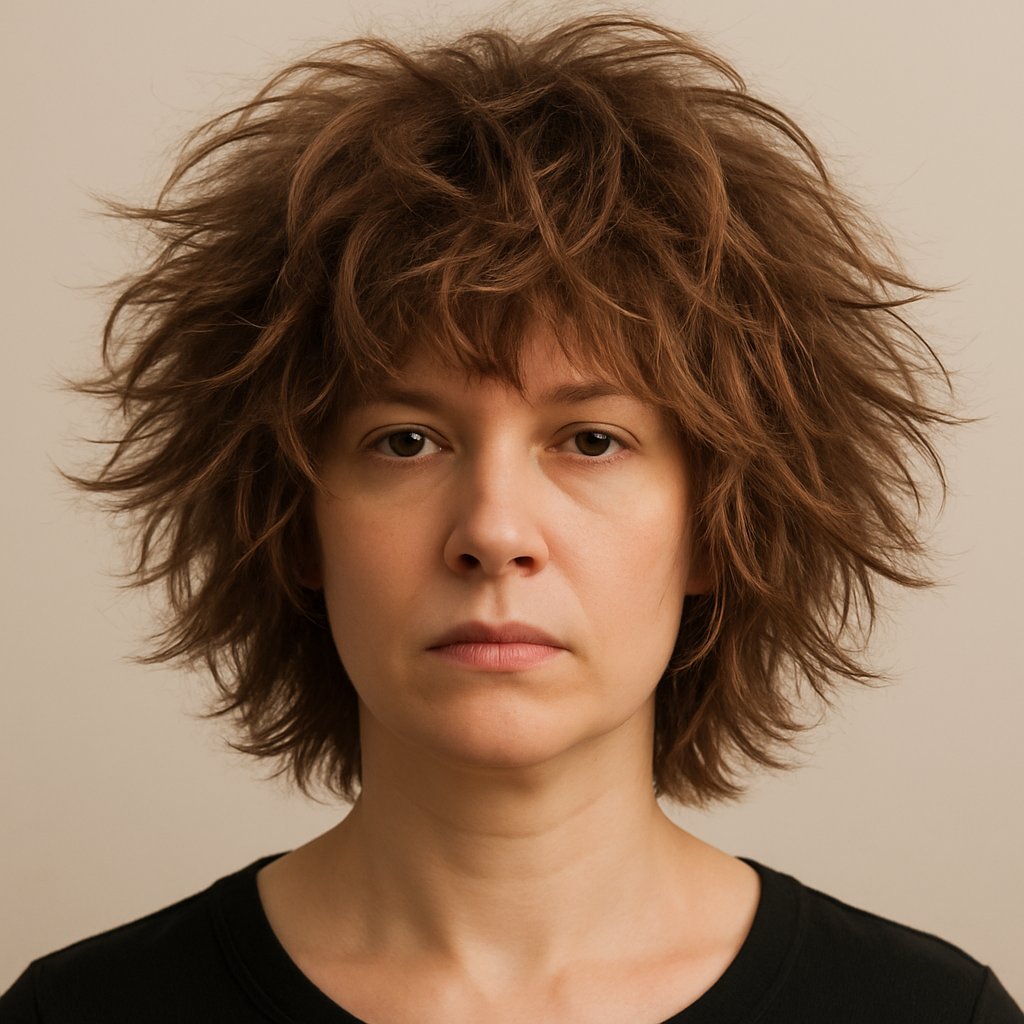
Nothing screams “DIY gone wrong” quite like too many choppy layers creating chaos around your neckline. These disjointed lengths look accidental, not intentional, pulling the eye everywhere except where you want it.
When a stylist gets layer-happy, you end up with a wild, uneven silhouette that shortens your neck. It’s like each piece of hair is doing its own thing, and none of it’s working for you. The problem gets worse if stylists cut too many layers without thinking about your hair texture or face shape—what should add movement just adds mayhem.
Smart layering means placing layers strategically, not just chopping away. You want a flow, not a hornet’s nest.
If you’re already there, a pro can help. Fixing choppy layers usually means blending the worst bits or trimming things to a more even length.
7. Not adding vertical lines through layers—or basically, missing the neck elongation memo
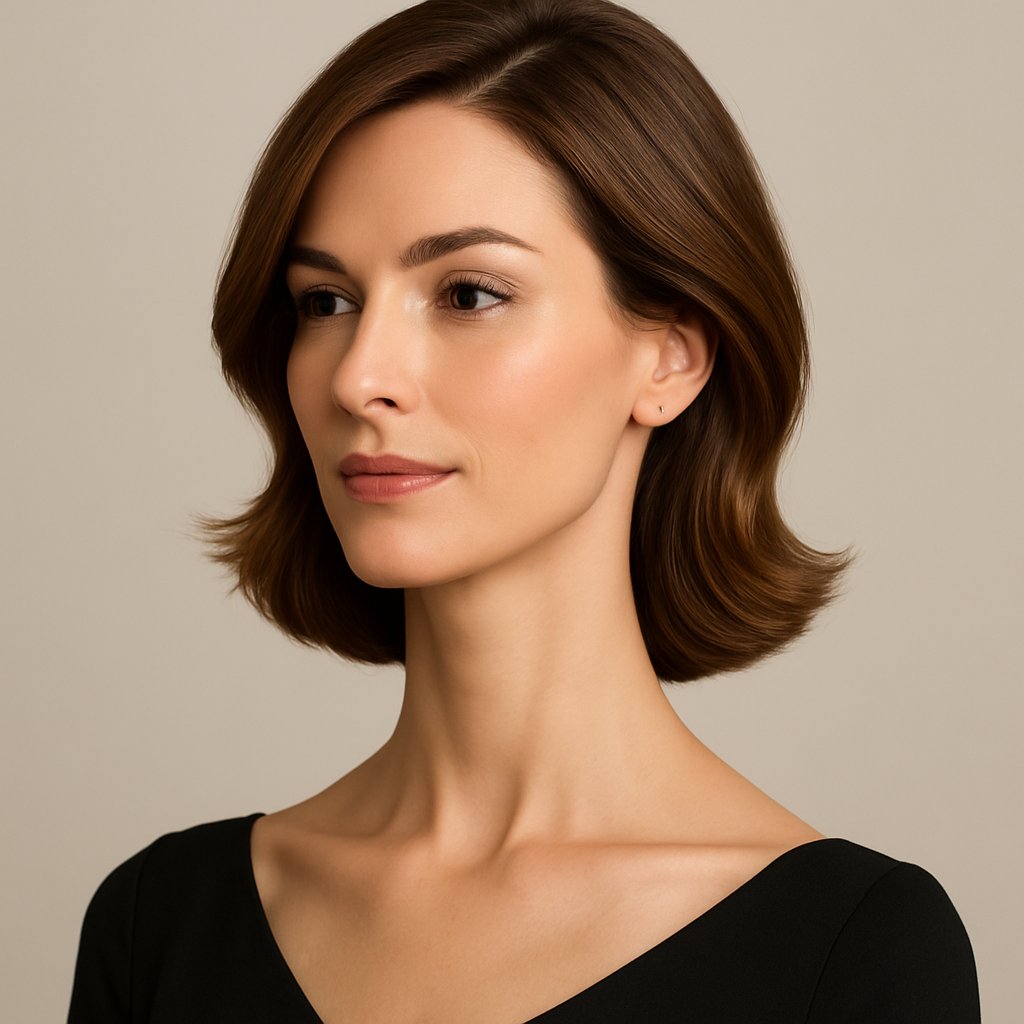
If your stylist keeps cutting horizontal layers, they’re drawing invisible lines that chop your neck in half. Not exactly what you want if you’ve noticed gravity working its magic.
Vertical layering uses up-and-down cutting lines to create movement that draws the eye downward. Think vertical stripes versus horizontal ones—same idea, just on your head.
Layers that fall in vertical sections create natural shadows and highlights, elongating your silhouette. Your hair becomes a gentle cascade, not a series of blunt shelves at your jawline.
The trick is to ask for layers that flow downward. Different layering techniques can totally change how your hair frames your face and neck. Skip the “one size fits all” approach where every layer hits at the same horizontal spot. Go for vertical layering and get that swan-neck vibe—who doesn’t want that?
6. Excessive bangs that drown your neck like a bad seaweed salad
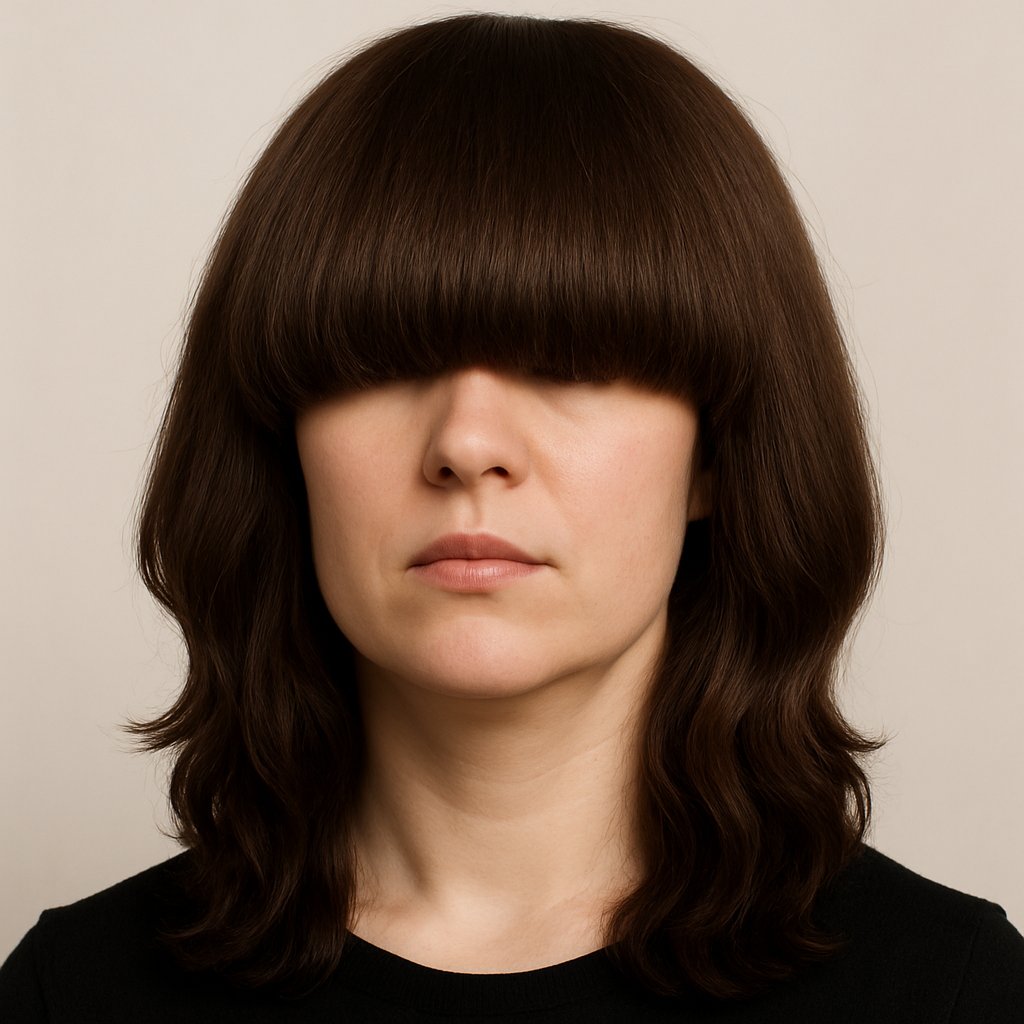
Heavy, thick bangs slap a visual wall across your forehead and just stop the eye in its tracks. That blunt line? It slices your face in half and kills any sense of flow from your hairline down to your neckline.
When bangs are too dense or wide, all that weight sits right on top, throwing off your balance and making everything below look squished. If you’re already dealing with a shorter neckline, thick fringe can basically erase your neck in a haze of hair.
You want bangs that lift and flatter, not ones that swallow your features. Wispy, side-swept styles let the eye travel diagonally, softening the effect and adding some length back into the picture.
Think about your face shape and how long your neck is before diving into dramatic fringe. A good stylist will help you pick the right density and length, so you don’t end up with that dreaded “mushroom cap” look that eats your neck alive.
5. The infamous center part with zero volume—neck compression at its finest
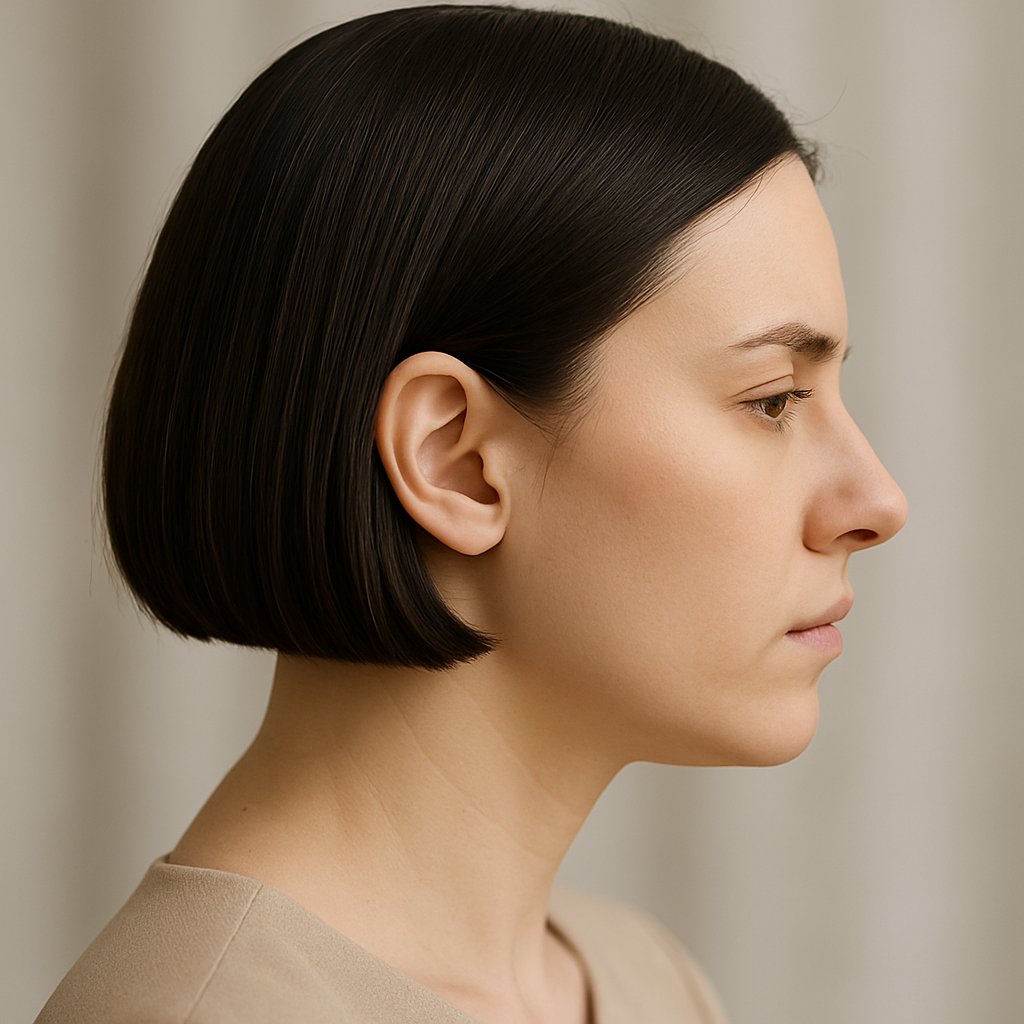
Oh, the center part. Let’s be honest: slicking your hair straight down the middle with all the volume of a pancake just drags everything downward. That line? It draws the eye straight to your jaw and skips any chance of lift around your face.
Flat hair against your scalp creates what I’ve always called the “wet seal” effect. There’s no break between your head and neck—it’s just one continuous, flat plane.
And when you don’t have volume at the crown, there’s nothing to separate your hair from your neck. It’s like wearing a vacuum-sealed helmet.
This gets worse as we age, since hair naturally thins out. A flat center part just makes your neck seem to start at your ears. Not exactly the look most of us are after.
You don’t have to ditch the center part entirely—just add some root texture or shift your part a smidge. Even moving it a little off-center can create the kind of lift that lets your neck breathe again.
4. Long, straight hair that stops mid-neck and screams ‘shorten me!’
❤️ Would you like to save this?
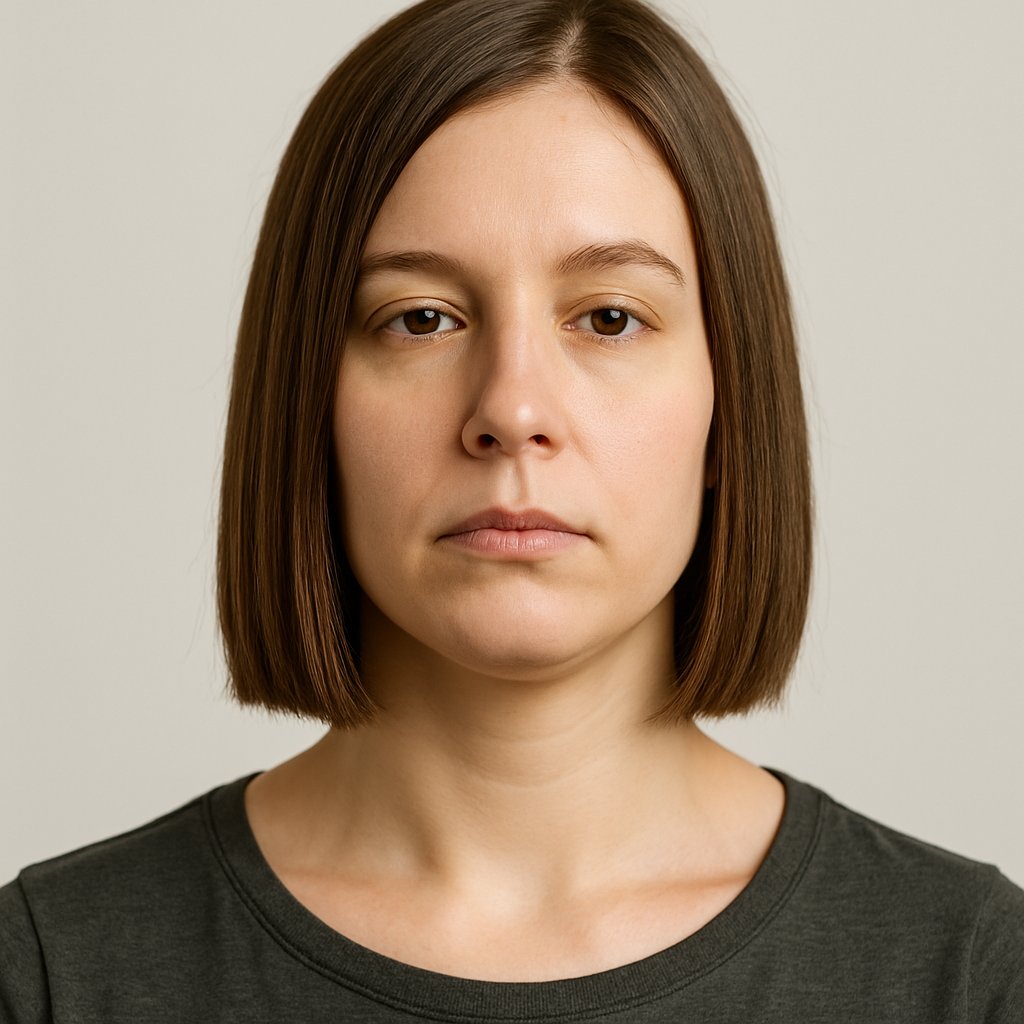
Picture this: poker-straight hair that lands right at mid-neck. It’s like drawing a horizontal line across the least flattering part of your neck and calling it a day.
That length just chops your neck out of existence—your hair becomes a curtain at the worst possible spot. It sits where your neck curves into your shoulders, so it emphasizes width instead of the elegant length you probably want.
When hair ends in this zone, it creates the illusion that your torso starts higher. You look more compressed, less graceful. And if your hair is stick-straight, there’s no movement to soften that harsh cutoff.
If you’re attached to keeping your hair long, let it fall well past your shoulders or add some layers for movement and shape (here’s how). Just skip the mid-neck length unless you’re actively trying to make your neck vanish.
3. Ignoring your hair texture when choosing layers—you’re begging for a neck smothering
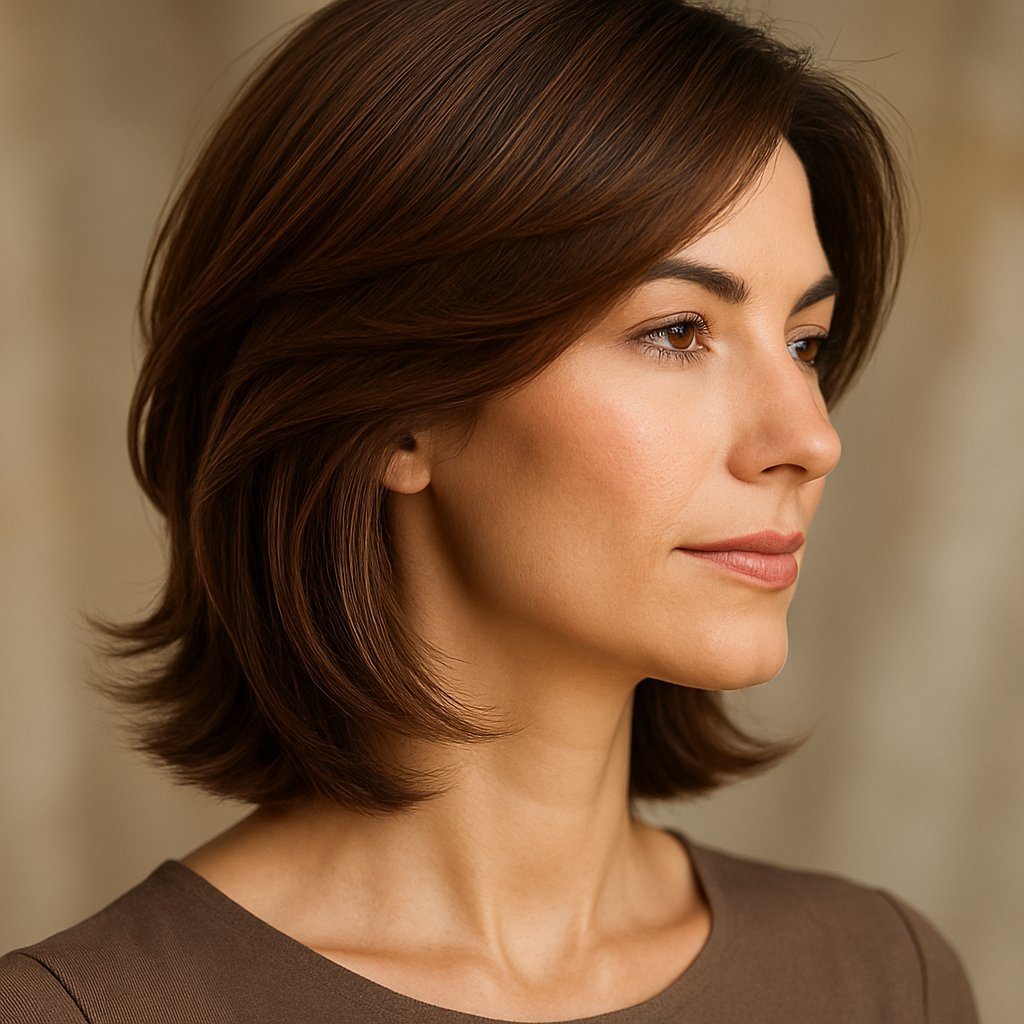
Even the best stylist can’t outsmart physics. Fine hair with too many layers ends up wispy and clinging to your neck like static. Thick, coarse hair needs careful layering—otherwise, you get that helmet effect and your neck disappears.
Curly hair? That’s a whole other beast. Face-framing layers on your straight-haired friend might turn into a triangle that eats your neckline.
The smartest thing you can do: bring photos of people with your exact hair texture (seriously, it helps). Tell your stylist about your hair’s quirks—wavy and fine, thick and straight, whatever it is.
Not all stylists have experience with every texture, so ask. What works on Instagram might be a disaster in real life. Your neck deserves better than being buried under layers that fight your hair’s natural tendencies.
2. Bulky, heavy haircuts that suffocate your neck’s glorious length
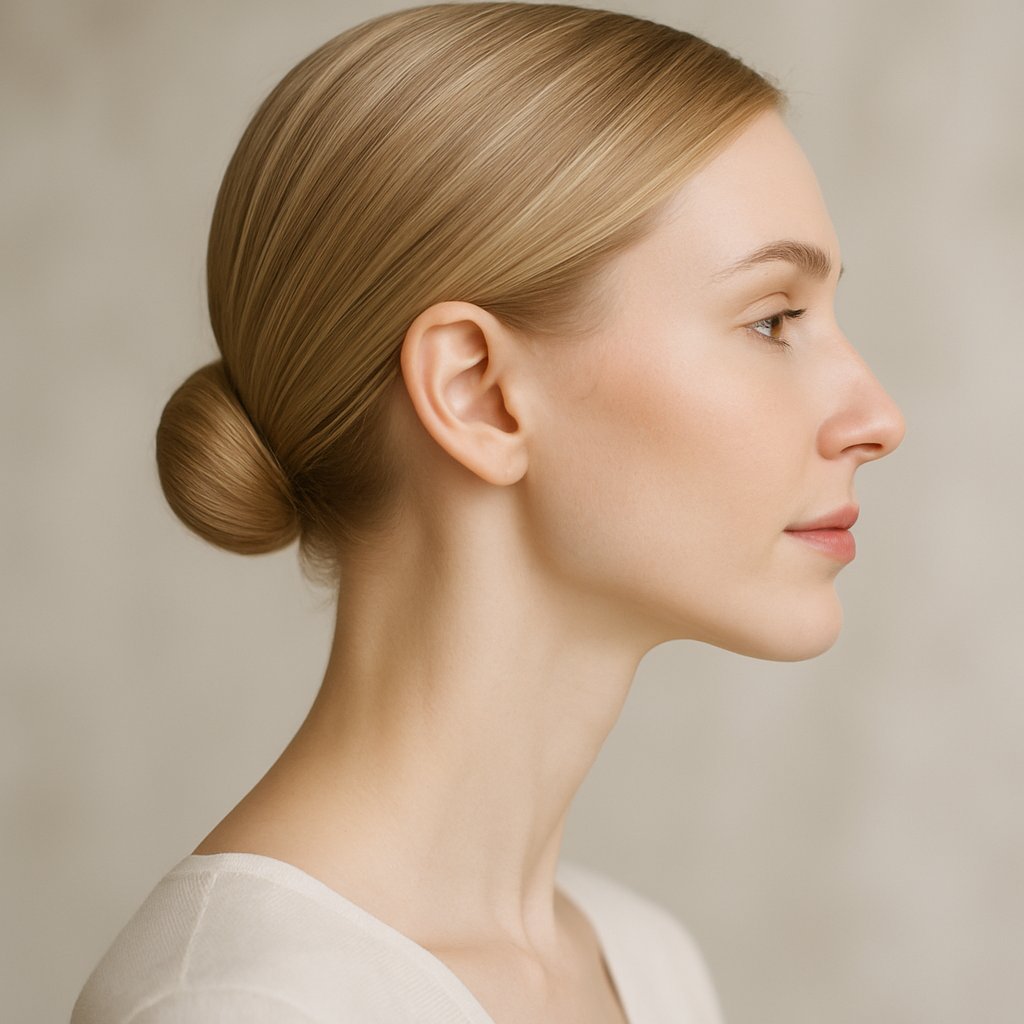
Heavy, thick haircuts just pile up at your neckline like an unwanted scarf. All that bulk forms a horizontal line that cuts your neck off at its most vulnerable spot.
If stylists don’t remove enough weight from dense hair, you end up with a chunky perimeter that swallows your neck. Blunt bobs at the jawline are the worst—they build a wall of hair that keeps the eye from traveling down your neckline.
One-length cuts in thick hair just turn into a dense curtain, casting shadows that make your neck look even shorter. Even layers can add bulk if they’re stacked too heavily.
The fix? Ask your stylist to thin out the interior while keeping the outer shape you love. Strategic texturizing makes all the difference.
1. Over-layering that turns your neck into a swamp of hair chaos
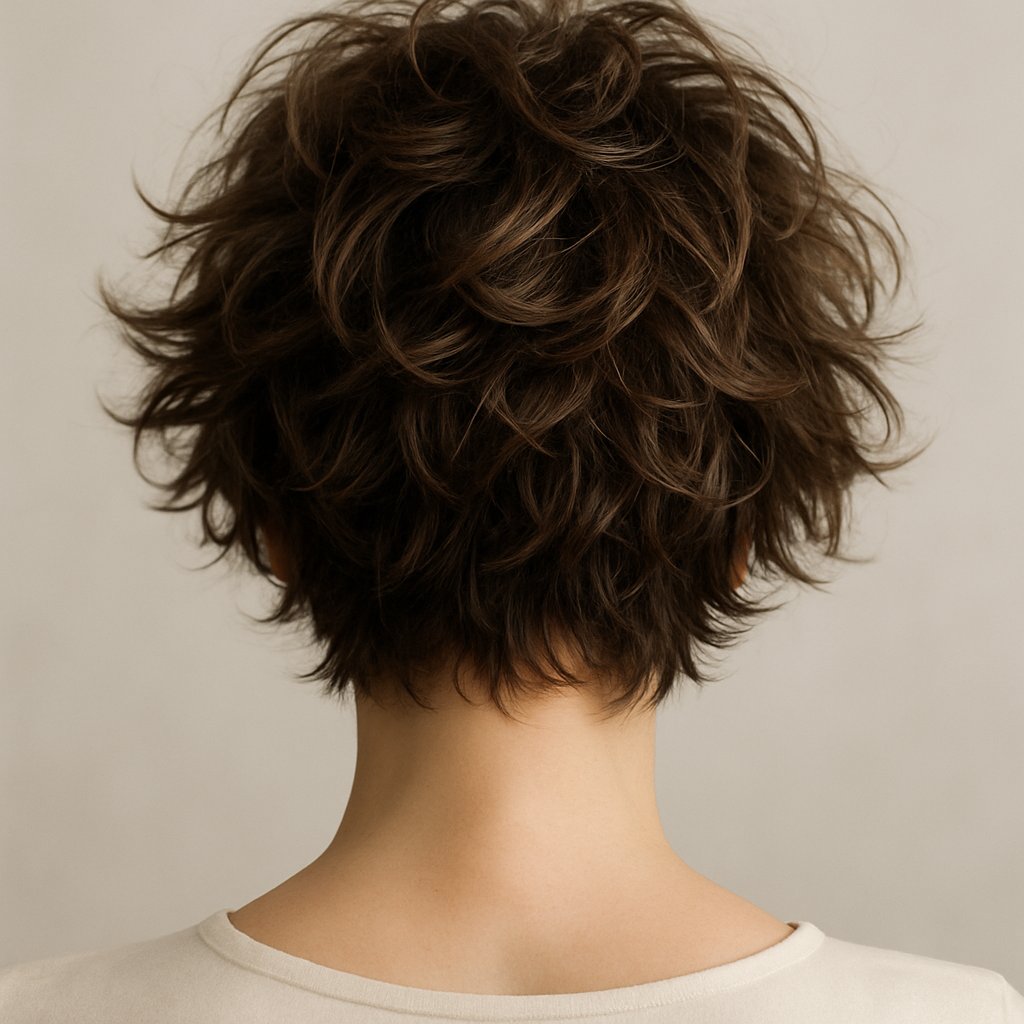
Ever had a stylist go wild with the scissors and suddenly your neck’s buried under a mess of uneven chunks? Over-layering is real—it strips away too much, leaving a sparse chaos that drowns your neckline.
Aggressive layers around your neck and shoulders pile up visual weight right where you don’t want it. Your neck just gets swallowed in a jumble of lengths.
This is even worse for fine hair. Those wispy, see-through layers create a fuzzy cloud that makes your neck look stumpy instead of elegant.
Don’t ignore your hair’s texture and density when layering (here’s why). What flatters thick, coarse hair can turn fine hair into a disaster zone.
Smart layering should frame your face and give your neck some space, not create a horizontal mess. Ask about strategic placement that works with your hair’s natural fall and your neck’s proportions.
How Hair Choices Influence Your Neck’s Visual Length
Your hair frames your neck and either elongates or compresses it, depending on how you cut and style it. The right hairstyle can create vertical lines that draw the eye upward, while the wrong one makes even a swan neck disappear.
The Science of Proportions: Face, Neck, and Hair
Your face, neck, and hair need to get along. If your hair ends at your jaw or chin, it draws a line that cuts your neck in half.
Bone structure and neck length matter a lot in how a haircut looks in real life. Your natural proportions decide whether certain lengths help or hurt your neck’s appearance.
Some quick proportion tips:
- Let your hair end above the collarbone or way below it
- Skip lengths that hit mid-neck or right at your shoulders
- Think about your torso length when picking hair length
If your hair ends right where your neck starts, you’ve basically erased your neck.
Why Neckline and Hairline Placement Matter
Your hairline sets the starting point for how long your neck looks. A low, heavy hairline at the nape shortens your neck immediately. A clean, high nape does the opposite.
Bangs can be tricky—thick, blunt bangs make a horizontal line that compresses your upper body. Wispy or side-swept bangs keep the vertical flow going.
Neckline tricks:
- High nape cuts show off more neck
- Graduated layers at the nape avoid harsh lines
- Asymmetry adds diagonal lines for extra length
Heavy or bulky hairstyles around the neck just make it look shorter. That’s the last place you want to add weight.
The Power of Layers and Texture
Layers are your secret weapon for faking a longer neck—if you do them right. Long, sweeping layers that start below the chin create movement and guide the eye down, making your neck look longer.
Texture adds dimension without piling on bulk. Fine, face-framing pieces soften lines, and smart layering avoids that dreaded “helmet head” that sits on your shoulders.
Texture moves that help:
- Razor cutting for soft, feathery edges
- Point cutting to break up heavy lines
- Graduated layering starting at the cheekbone
You want movement and flow, not a solid block of hair. Let your hair hint at elegance instead of shouting, “I stop here!” at your neckline.
Flattering Solutions for Every Neck Shape
Making your neck look longer comes down to clever cuts, parting that suits your face, and accessories that highlight your neckline instead of hiding it. Get the right combo, and you’ll add visual inches to your neck—plus, you’ll flatter your whole silhouette.
Selecting the Right Cut for a Longer-Looking Neck
Short, layered cuts with a bit of asymmetry can really help draw the eye upward. Graduated bobs—shorter in the back, longer in the front—are especially good for this.
Pixie cuts and chin-length bobs? Absolute neck-lengthening champs. These styles give you those crisp lines that let your neckline breathe a little.
Try to avoid hair that sits right at your shoulders. That creates a horizontal line and, honestly, just slices your neck in half visually. If you want to keep your hair longer, start the layers below your collarbone.
Volume at the crown matters a lot here. Flat hair just… makes everything look shorter, neck included. Tease at the roots a bit or ask your stylist for layers that give a little lift.
Sharp bob cuts with forward-moving lines can be great if you’re worried about your neck. The trick is to keep the movement going upward, not sideways.
Dramatic Parting: Side, Middle, and The Optical Illusion
Where you part your hair? It’s practically free plastic surgery. A deep side part gives you instant height on one side, which adds some nice vertical dimension.
Middle parts suit oval faces best and create a balanced look. If you’ve got strong cheekbones, a middle part can really show them off.
For round faces, a side part—about two inches off center—helps add asymmetry and length to both your face and neck.
Zigzag parts? They’re fun. They add texture and make your hair look fuller, especially if it tends to lie flat.
Skip the perfectly straight, severe parts. They just look harsh and kind of unnatural. Mess things up a bit with your fingers or spritz on some texturizing spray for a softer, fuller vibe.
Accessorizing Wisely: Scarves, Earrings, and More
Vertical earrings are a neck’s best pal—dangles, drops, anything that moves down. Wide hoops or chunky studs? Not so much.
Wear scarves loose and drapey, or go for long, flowing styles. Tight chokers or thick cowl necks just slice your neck in half—those can stay in the drawer.
V-neck tops and dresses frame your face and stretch your neck visually. Scoop necks and boat necks? Not your friend if you want length.
Layering delicate necklaces at different lengths creates those vertical lines you want. Start with a short choker and add longer pieces to pull the eye down.
Hair accessories like headbands or clips work best when you place them higher up. That way, they pull attention up and away from your neckline.
Frequently Asked Questions
People have all sorts of ideas about neck-lengthening hairstyles, and honestly, some of them are pretty wild. There’s confusion about collar heights, hair accessories, and styling tricks that can totally change how your neckline looks.
Is it true that high-neck tops are a no-go if you’re trying to avoid the stubby-neck illusion?
Yeah, that’s spot on. High-neck tops just cut your neck right off, visually speaking. Even the most elegant neck can disappear under a turtleneck.
It’s all about hairstyles that balance with your neckline, not fight it. Pairing a turtleneck with the wrong haircut is like putting up a stop sign at your collarbone.
V-necks or scoop necklines are the way to go. They make those vertical lines that work with your hair, not against it.
How could I have been so blind to the impact of horizontal stripes on my neck’s perceived length?
Horizontal lines—whether in clothes or hair—just add width. That’s the opposite of what you want if you’re trying to elongate your neck. Blunt cuts, straight bangs, and even some hair accessories can create those pesky lines.
Striped tops near your neckline? Same problem. The eye just follows those stripes sideways.
Stylists know that layering and asymmetry move the eye up. That’s what you want.
What’s the verdict on chunky hair accessories when you’re sporting a microscopic neck?
Big, heavy accessories are just not it. Oversized headbands, thick scrunchies, huge earrings—they all add bulk right where you don’t want it.
They draw attention away from the length you’re trying to create, and everything starts to look more cramped.
Go for delicate, long accessories instead. Thin headbands, small studs, or long pendants will help you get that length.
Can you believe some stylists still push the ‘bob-cut for every face shape’ myth when it comes to elongating your neckline?
Honestly, the “bob for everyone” thing has stuck around way too long. It’s one of those hair mistakes that can age you and make your neck look shorter. Not all bobs are created equal.
A blunt bob at the jawline just draws a line across your neck. Not flattering if you’re after length.
The right bob should have some layers, maybe a little asymmetry, and definitely not end at the shortest part of your neck.
Tell me, darling, at what point did ‘turtle’ become part of our neck vocabulary with wrong hair layering choices?
Bad layering can make your neck vanish into your shoulders—kind of like a turtle hiding in its shell. If the layers are too chunky at the bottom or there’s no smooth transition, it just adds bulk.
Disconnected layers pile up around your neckline, and your hair ends up looking like a heavy cape.
Good layering gives your hair movement and lets your neck peek through in all the right places.
Why do some people insist on flat-ironing their tresses to oblivion, unaware of the neck-shrinking sorcery they’re committing?
When you over-straighten your hair, it just clings to your neck and shoulders, leaving no space or shape between your hair and your body. Everything kind of blurs together, and suddenly your neck looks shorter than it really is.
With no movement or texture, hair turns into this heavy curtain that hides your neckline. Honestly, you miss out on that subtle, elegant contrast between hair and skin.
Avoiding common styling mistakes really comes down to letting some natural texture and movement show. A bit of volume or a few layers can keep your neck visible and, dare I say, a little more graceful.