❤️ Would you like to save this?
As you navigate your style journey after 45, choosing the right hairstyle becomes increasingly important for maintaining a youthful and polished appearance. Your hair naturally changes with age, and certain cuts or styling choices that may have worked in your twenties or thirties can now work against you, adding years to your look or drawing attention to areas you’d rather not emphasize.
Understanding which hairstyles to avoid can help you make informed decisions that enhance your natural beauty rather than detract from it. From overly processed color treatments and unflattering cuts to styling techniques that lack polish, there are numerous hair choices that can inadvertently age you or create an unkempt appearance that doesn’t reflect your best self.
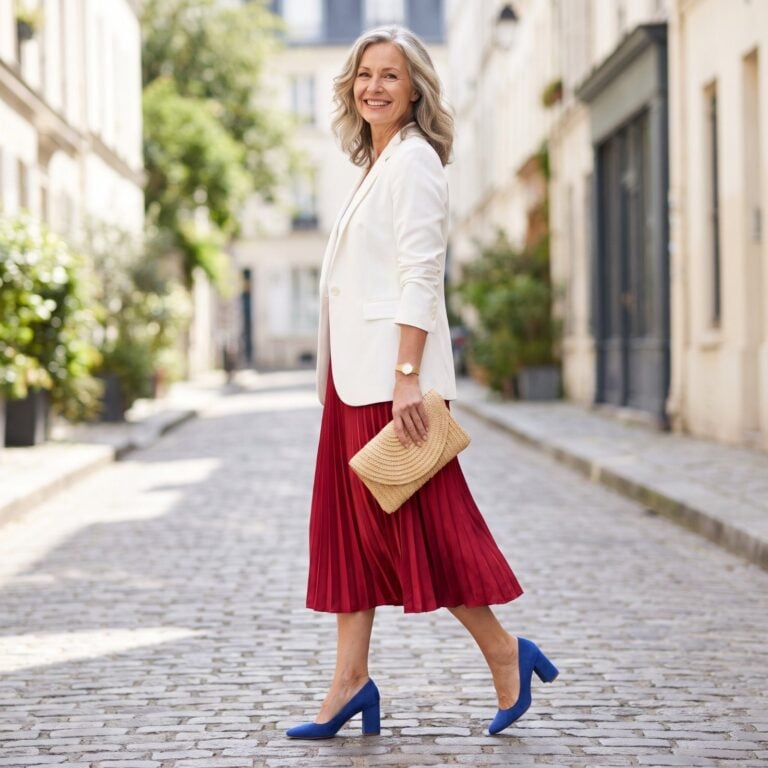
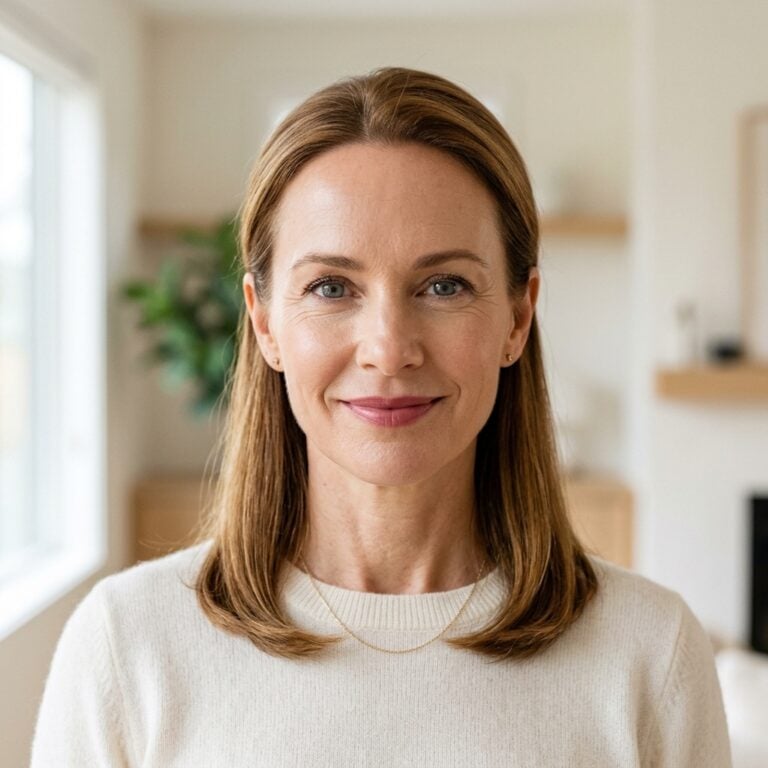
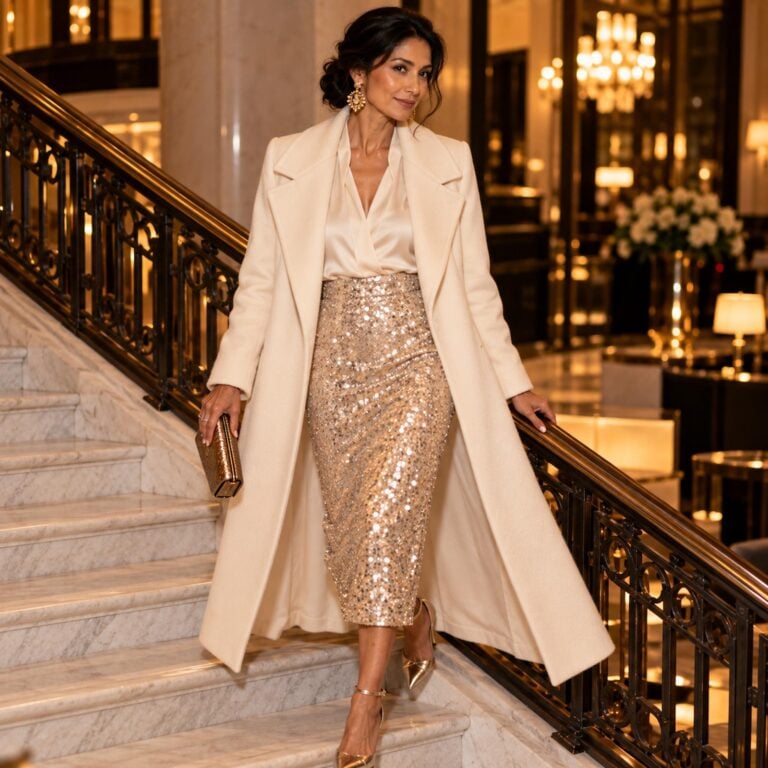
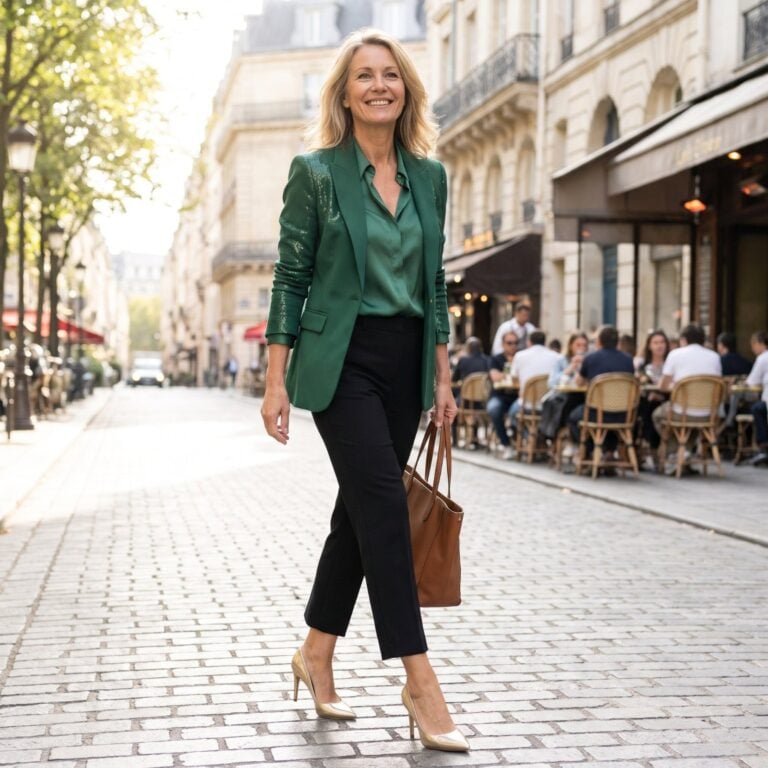
FYI, thanks to AI imagery software, we’re able to create very specific fashion and hairstyle examples to illustrate the points being made. In some cases, imagery is exaggerated to hammer home the point. Also, assume links that take you off the site are affiliate links such as links to Amazon. this means we may earn a commission if you buy something.
50. Haphazard balayage jobs
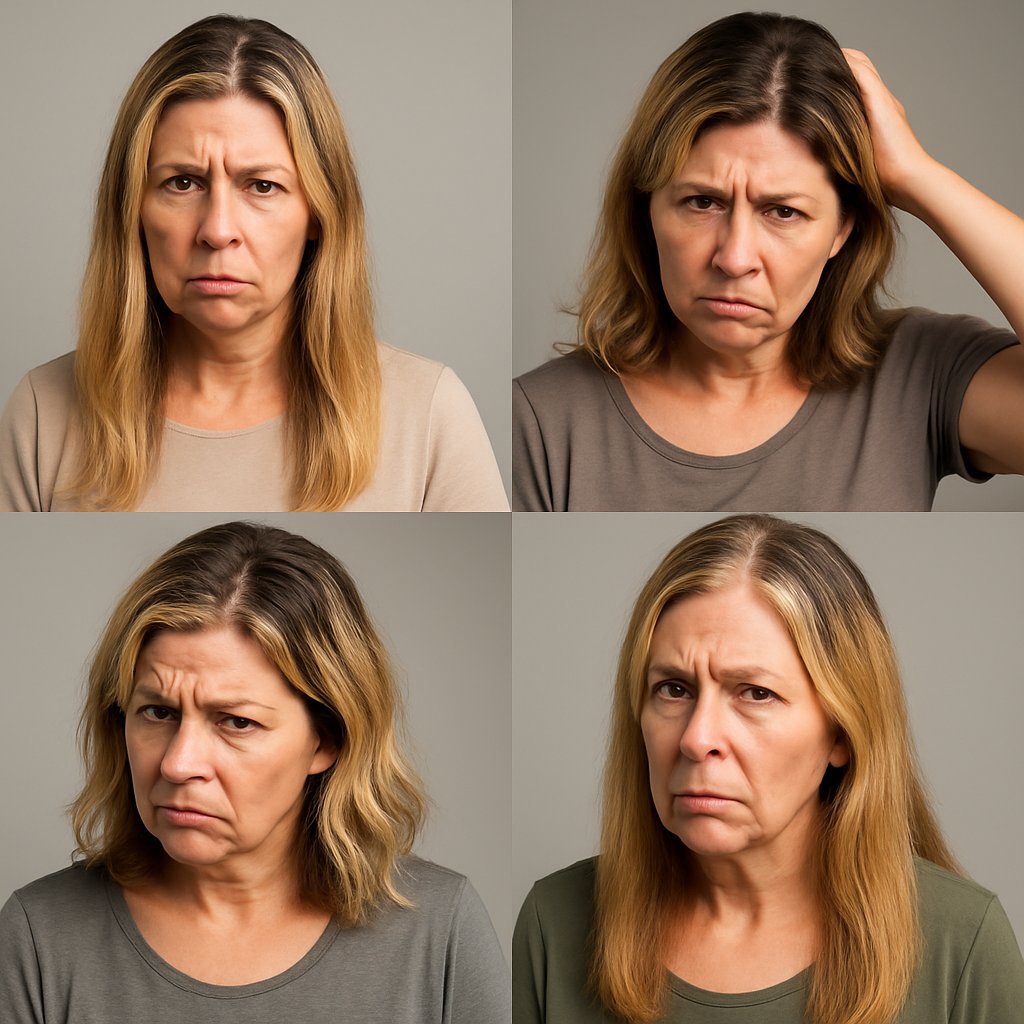
Poorly executed balayage can age you dramatically. The technique requires skilled placement to create natural-looking highlights that complement your face.
When balayage is done carelessly, it creates harsh lines instead of seamless blends. These choppy transitions make your hair look damaged and unprofessional.
Bad balayage often results in brassy, uneven tones. The color appears patchy rather than sun-kissed, drawing attention to the artificial nature of the highlights.
Haphazard placement can also create unflattering contrasts around your face. Dark roots paired with overly light pieces can wash out your complexion and emphasize fine lines.
The maintenance of poor balayage becomes a nightmare. You’ll need frequent touch-ups to fix color inconsistencies and tone corrections.
Choose an experienced colorist who understands balayage techniques. Look at their portfolio to ensure they can create the natural, graduated effect you want.
Well-executed balayage should enhance your natural hair movement. It should brighten your complexion without looking obvious or artificial.
If you’re dealing with a bad balayage job, consult a professional colorist immediately. They can help correct the color and restore your hair’s natural beauty.
49. Flat top cuts without lift
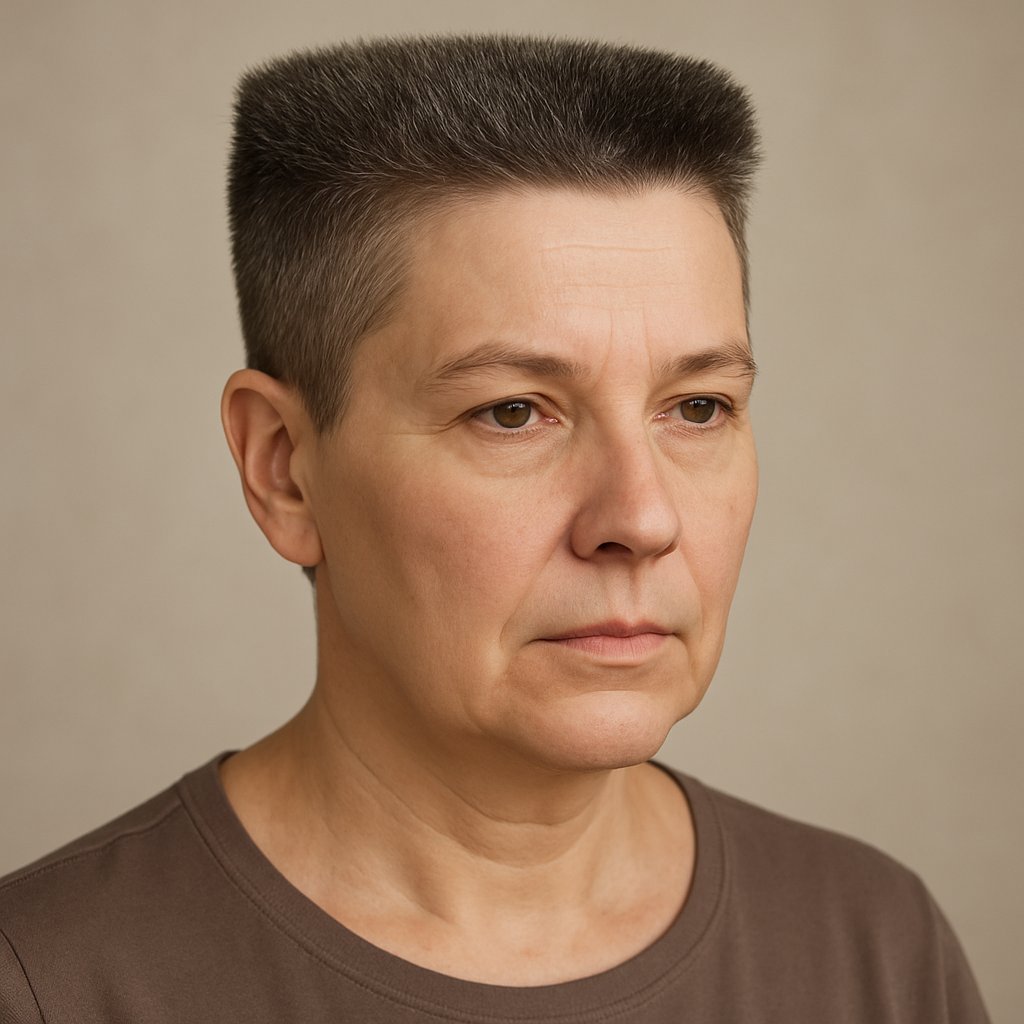
Flat top cuts without any lift or volume can make your hair appear lifeless and dull. These styles sit heavily against your scalp, creating an unflattering silhouette that ages you.
When your hair lacks height at the crown, it draws attention downward to your jawline and neck. This effect can emphasize sagging skin and create harsh lines around your face.
Hair stylists note that flat cuts without layering can make tresses look dull and lifeless, inadvertently adding years to your appearance. The lack of movement and texture makes your hair appear thin and tired.
Your face needs the softening effect of volume and lift to balance your features. Flat tops create a masculine appearance that doesn’t complement feminine facial structure.
These cuts also limit your styling options significantly. Without natural lift or layers, you’ll struggle to create any variation in your daily look.
The weight of flat-cut hair pulls everything down, making your entire head shape appear smaller. This compression effect is particularly unflattering as it emphasizes the contrast between your hair and face.
Consider asking your stylist for graduated layers or texturizing techniques instead. These alternatives will give you the movement and lift that flatters your face shape.
48. Dry, brittle looking highlighted hair

Highlighted hair can look stunning when properly maintained, but it becomes unflattering when it appears dry and brittle. Over-processed highlights often result in hair that looks damaged and aged.
Chemical treatments like bleaching strip moisture from your hair strands. This leaves your hair feeling rough and looking lackluster.
Hair becomes drier and more brittle as we age, making highlighted hair even more prone to damage. The combination of aging and chemical processing creates a perfect storm for unhealthy-looking hair.
Brittle highlighted hair often breaks easily and won’t hold styles well. You might notice your hair feels rough to the touch and lacks its former shine.
The contrast between damaged highlights and your natural hair color becomes more obvious when hair is dry. This creates an uneven, unkempt appearance that can add years to your look.
Professional colorists recommend deep conditioning treatments between highlight sessions. Regular protein treatments can also help restore strength to over-processed hair.
Consider spacing out your highlighting appointments to give your hair time to recover. Your colorist can suggest gentler alternatives like lowlights or balayage techniques that cause less damage.
47. Short bobs with no face-framing layers
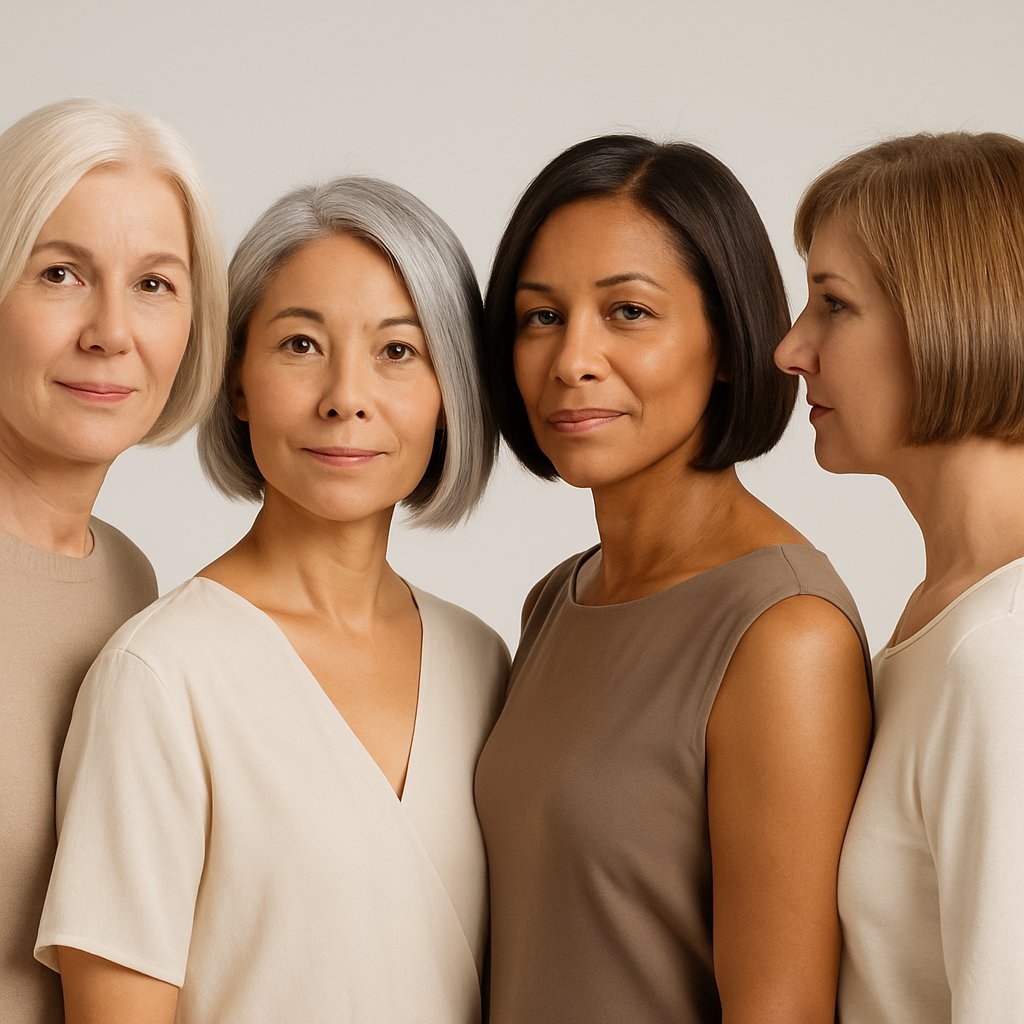
Short bobs without face-framing layers can create a harsh, unflattering look for women over 45. These blunt cuts often lack the softness needed to complement mature features.
A blunt bob lacks the softness needed to complement mature features. It can make your face appear squarer and more severe than desired.
The absence of layers around your face removes the natural movement that helps soften facial features. This rigid structure can emphasize jaw lines and make your overall appearance look too stern.
Without face-framing layers, short bobs can draw attention to areas you might prefer to minimize. The straight, even cut creates sharp lines that contrast poorly with the natural curves of your face.
Your neck and jawline become more prominent with this style. The blunt edges can make these areas appear more defined in ways that may not be flattering.
Face-framing layers are essential for creating a youthful, soft appearance. They add dimension and movement that helps balance your facial proportions naturally.
Consider asking your stylist for subtle layers around your face instead. This small adjustment can transform a harsh bob into a more flattering, age-appropriate style.
46. Dead-end split hair with no trim
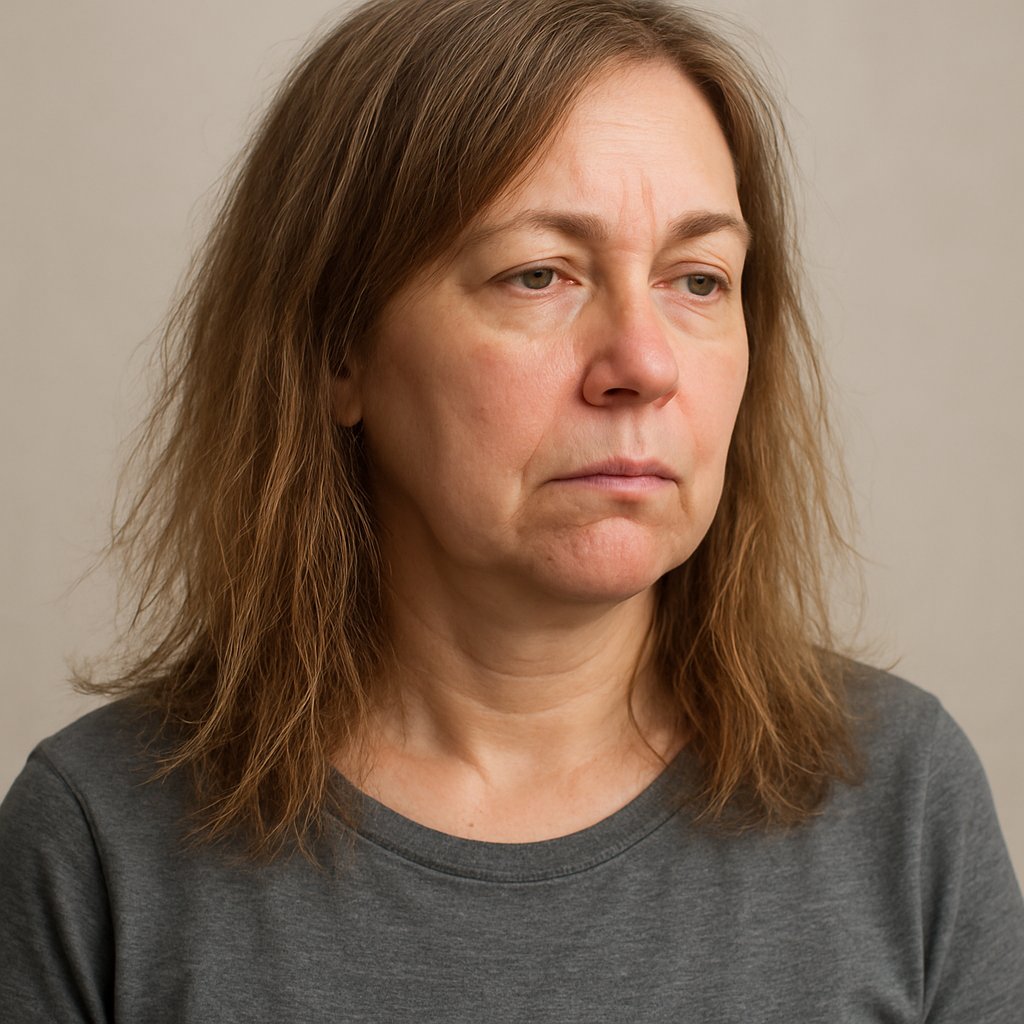
Split ends make your hair look damaged and unkempt, especially after age 45. When you skip regular trims, these frayed ends become more noticeable and can age your appearance significantly.
Dead ends create a stringy, lifeless look that draws attention to hair’s declining health. Your hair appears thin and brittle when split ends are left unchecked for months.
Long, straight hair without proper maintenance loses its luster and movement. Split ends travel up the hair shaft, causing more breakage and making your hair look even shorter over time.
Your hair needs regular trims every 6-8 weeks to maintain its shape and health. Even if you’re growing your hair out, small trims prevent split ends from worsening.
Fresh cuts create the illusion of thicker, healthier hair. Clean ends reflect light better, giving your hair more shine and vitality.
Ignoring split ends also makes styling more difficult. Your hair won’t hold curls or waves properly when the ends are damaged and frayed.
Regular maintenance keeps your hairstyle looking polished and youthful, regardless of length or texture.
45. Overly messy chignons lacking polish
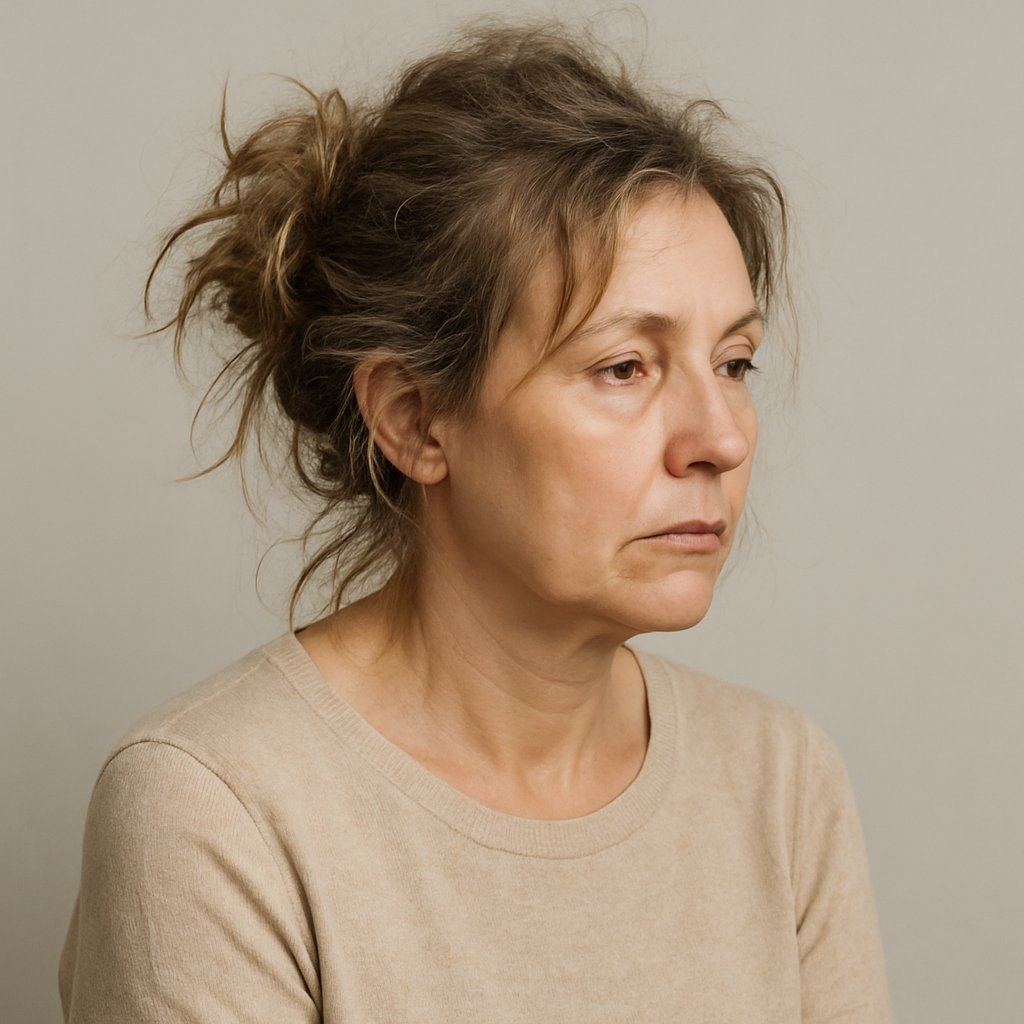
While messy chignons can look effortlessly chic, going too far with the disheveled approach often backfires after 45. An overly messy chignon without structure can appear sloppy rather than stylish.
The key difference lies in intentional messiness versus genuine disarray. A well-executed messy chignon maintains underlying structure while appearing relaxed. When hair strands fall too randomly or the bun lacks definition, it creates an unkempt appearance.
Your face needs some framework from your hairstyle to look polished. Excessively messy chignons can draw attention away from your features in an unflattering way. They may also emphasize areas you’d prefer to minimize, like neck lines or jawline changes.
Consider opting for a structured yet relaxed chignon instead. This approach gives you the casual elegance you’re seeking while maintaining sophistication. A few strategically placed loose pieces can create movement without sacrificing the overall polished look.
Professional settings particularly call for more refined versions of messy styles. Save the ultra-casual chignons for weekend activities when a completely relaxed appearance works better with your overall look and setting.
44. Sharp razor cuts around face
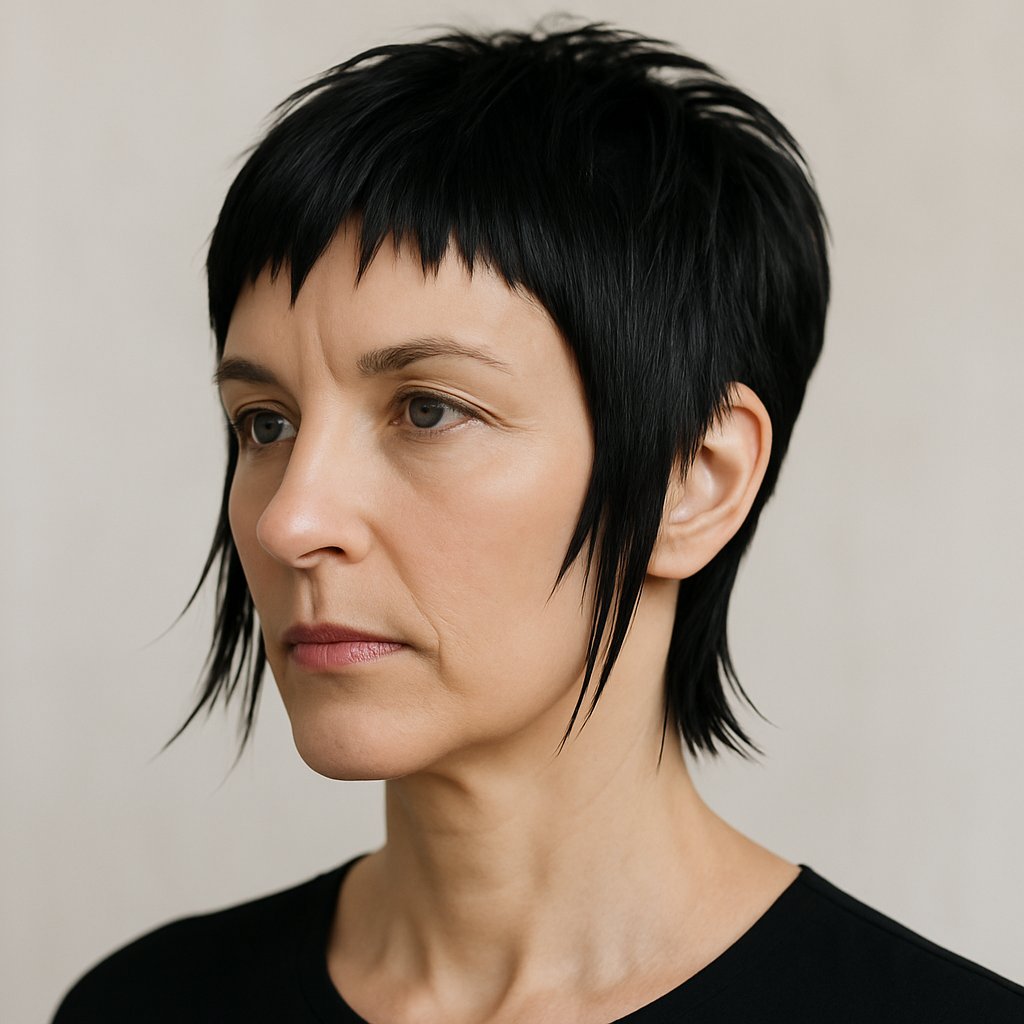
Sharp razor cuts create harsh lines that can age your appearance dramatically. These cuts often emphasize facial imperfections rather than softening them.
The razor technique removes too much hair around your face, creating stark contrasts. This leaves you with unflattering edges that draw attention to wrinkles and fine lines.
Your facial features need gentle framing, not severe cutting. Razor cuts can be particularly unflattering and aging when applied too aggressively around the face area.
The sharp angles created by razor cutting clash with natural facial curves. This creates an unbalanced look that appears harsh and unforgiving.
These cuts also grow out poorly, creating choppy, uneven sections. You’ll find yourself needing frequent touch-ups to maintain any semblance of style.
Instead of razor cuts, opt for softer layering techniques. Scissors create gentler transitions that complement your facial structure better.
Professional stylists can achieve texture without using razors. Ask for point cutting or slide cutting techniques that add movement while maintaining softness around your face.
The key is choosing cuts that enhance your natural beauty rather than creating artificial harshness.
43. Perms with overly tight curls
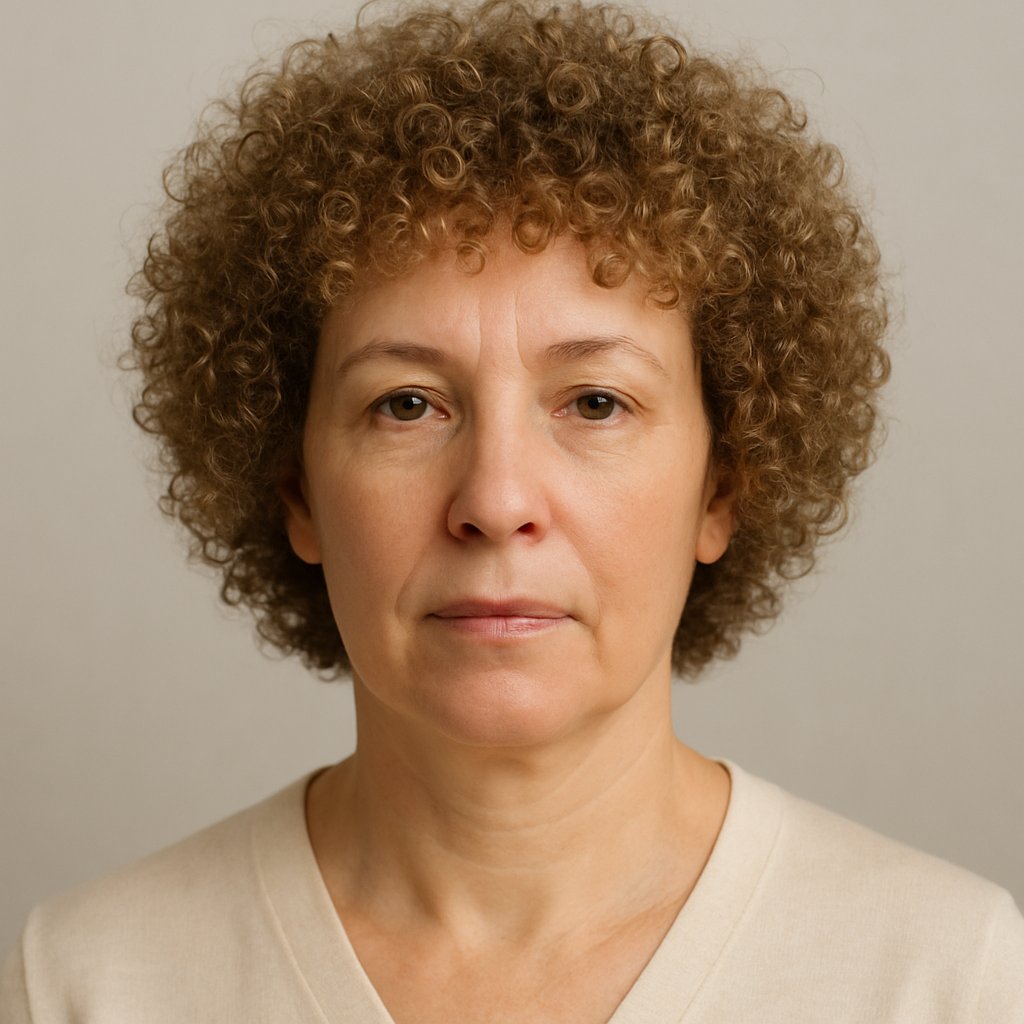
Tight, uniform curls from perms can instantly add years to your appearance. These tightly coiled, all-over perms reminiscent of the ’80s create an aging effect that’s hard to ignore.
The problem with overly tight perms is how they emphasize thinning hair. Tight ringlet curls draw attention to your scalp, hairline, and noticeably thinner hair.
These uniform tight curls often result in a frizzy, damaged appearance. They lack definition and modern style, making your hair look outdated rather than refreshed.
The texture becomes too harsh for mature faces. Instead of adding flattering volume, overly tight perms create a rigid, unnatural look that overwhelms your features.
Your hair needs movement and softness to complement your face. Tight perms eliminate this natural flow, creating a helmet-like effect that’s far from flattering.
If you want curls, consider looser, more natural-looking waves instead. These give you volume and texture without the harsh, aging effect of tight ringlets.
42. Harsh side-swept bangs that look forced
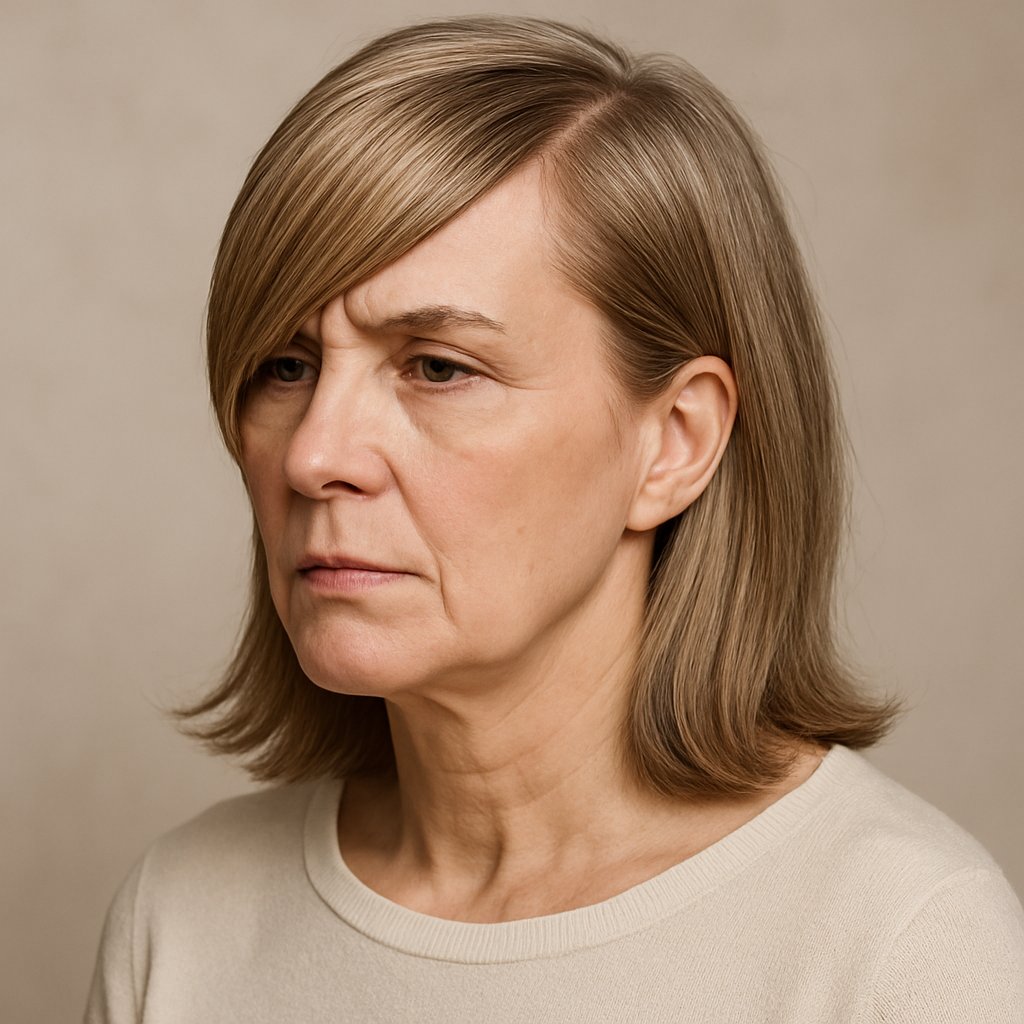
Side-swept bangs can be incredibly flattering, but when they’re cut too bluntly or styled too severely, they create an unnatural appearance that works against you.
The problem with harsh side-swept bangs is their rigid, artificial look. When bangs are cut in a straight line and then simply pushed to one side, they lack the natural flow that makes this style work.
Side-swept bangs should blend seamlessly into your hair rather than sitting like a separate piece. Forced bangs often create an obvious line of demarcation across your forehead.
The styling makes a huge difference too. Heavy products or aggressive brushing can make your bangs look stiff and unnatural. They should move with a soft, effortless quality.
Your face shape matters when choosing how dramatic to make the sweep. What looks natural on one person might appear forced on another due to different hairlines and facial structures.
Well-executed side-swept bangs add softness and elegance to your look. The key is working with your natural hair growth patterns rather than fighting against them.
Consider asking your stylist for graduated lengths that create movement rather than a blunt, uniform cut.
41. Overly layered hair with frizz
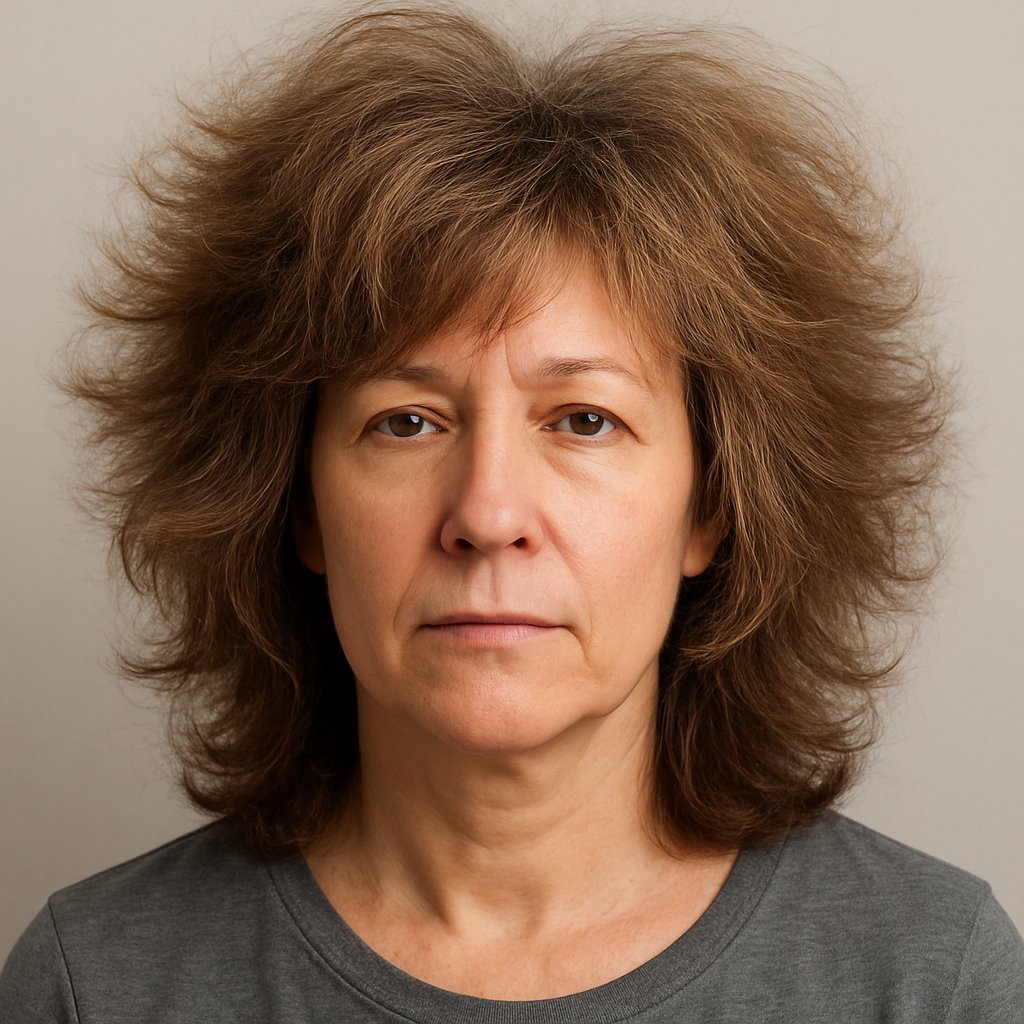
Excessive layering combined with frizz creates a chaotic look that adds years to your appearance. The multiple layers amplify existing frizz, making your hair look unmanaged and dated.
When layers are cut too heavily throughout your hair, they remove weight that normally helps control frizz. This results in a puffy, triangular shape that lacks polish.
Frizzy, over-layered hair often appears dry and damaged. The choppy cuts create uneven texture that emphasizes split ends and breakage.
This combination is particularly unflattering because it draws attention to hair problems rather than your best features. The disheveled appearance can make you look older and less put-together.
Layered hairstyles can be flattering for women over 50, but only when done strategically. Too many layers without proper styling creates the opposite effect.
The key issue is that overly layered, frizzy hair lacks the clean lines and smooth finish that create a youthful appearance. Instead, it creates visual chaos that detracts from your natural beauty.
If you have naturally frizzy hair, fewer layers with proper smoothing treatments will give you a more polished, age-appropriate look.
40. Sprayed stiff styles that look fake
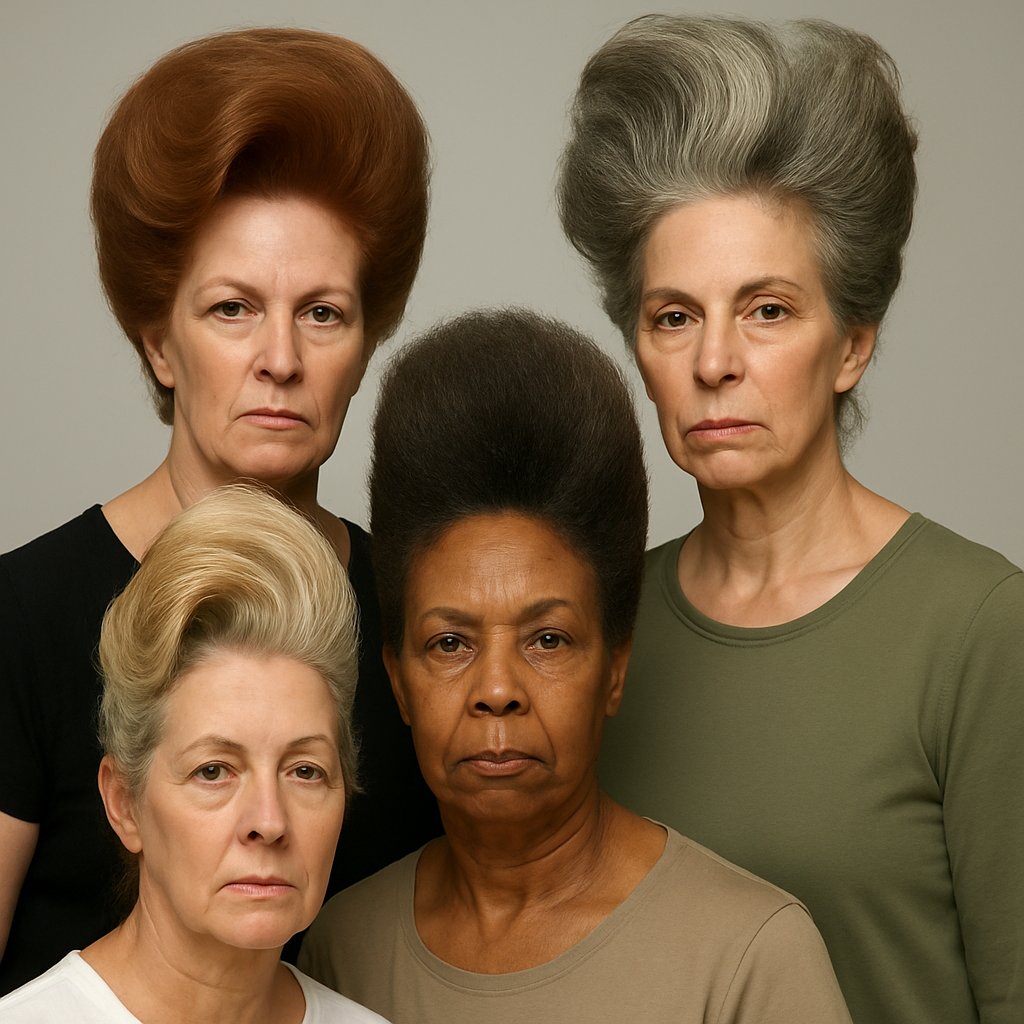
Heavy hairspray can turn your hair into a helmet-like creation that moves as one solid piece. This stiff and outdated look appears unnatural and draws attention for all the wrong reasons.
When you use too much product, your hair loses its natural movement and bounce. The result is a rigid style that looks more like a wig than real hair.
Over-sprayed hair often appears shiny in an artificial way. This creates an obvious contrast with your natural hair texture and can make your entire look seem forced.
The problem becomes more noticeable in photos and bright lighting. Your hair may appear almost plastic-like, which ages your overall appearance significantly.
Instead of drowning your style in hairspray, use light-hold products that allow for natural movement. A gentle texturizing spray or light mousse can provide hold without the stiffness.
Focus on working with your hair’s natural texture rather than fighting against it. This creates a more youthful and authentic look that moves gracefully throughout the day.
Remember that less is often more when it comes to styling products. Your goal should be hair that looks styled but still feels touchable and natural.
39. Long straight hair with no waves
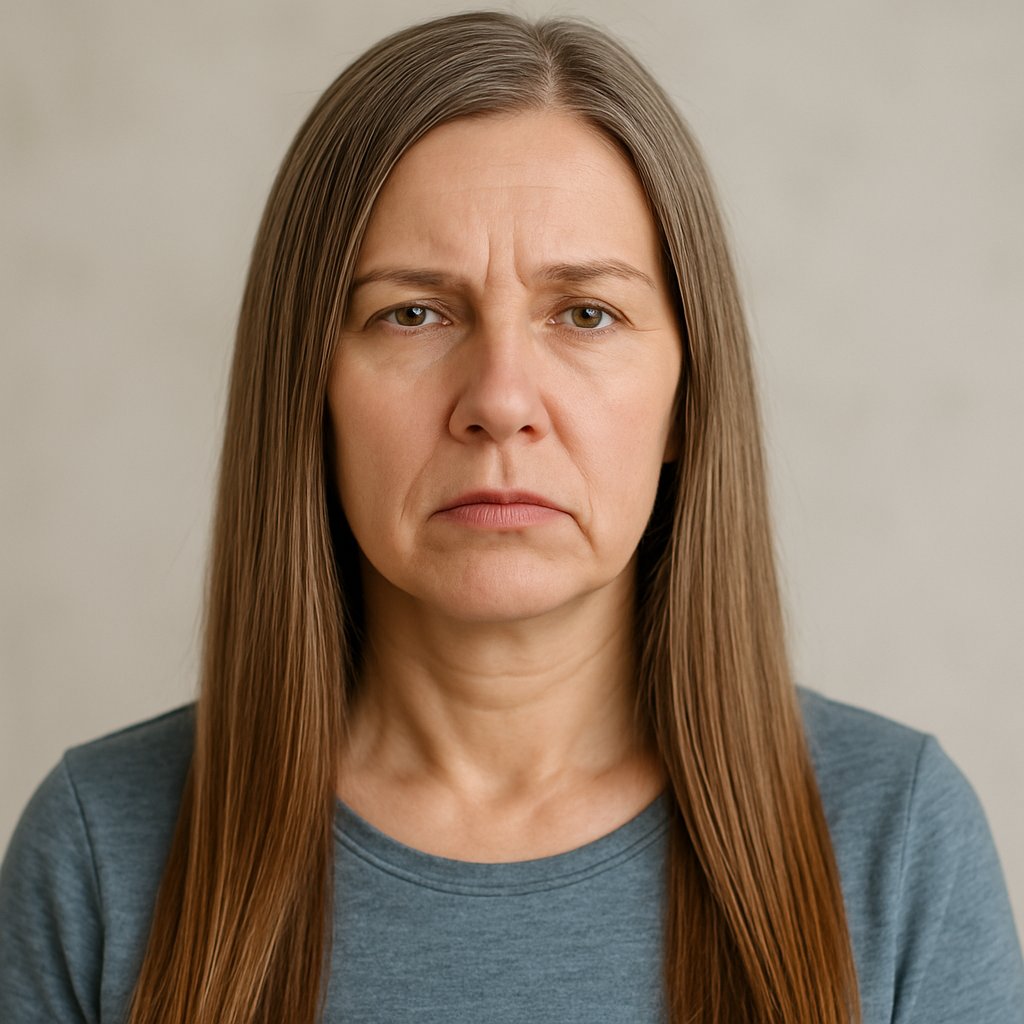
Long straight hair without any texture or movement can be particularly unflattering as you age. This style tends to emphasize thinning hair and creates a flat, lifeless appearance that lacks dimension.
Hair gets thinner as we age, and long straight styles make this more noticeable. The lack of volume draws attention to areas where your hair may be losing density.
Straight hair also frames your face more severely than textured styles. This can highlight fine lines and create harsh angles that aren’t as flattering as softer, more flowing looks.
Loose, beachy waves are a much better alternative because they make hair appear fuller and more youthful. The movement and texture create visual interest and body.
If you love having long hair, consider adding layers or gentle waves to break up the monotony. Adding long layers creates movement and prevents that flat, one-dimensional look.
You can easily transform straight hair with styling tools, texturizing products, or even a slight wave pattern to create more flattering dimension and movement.
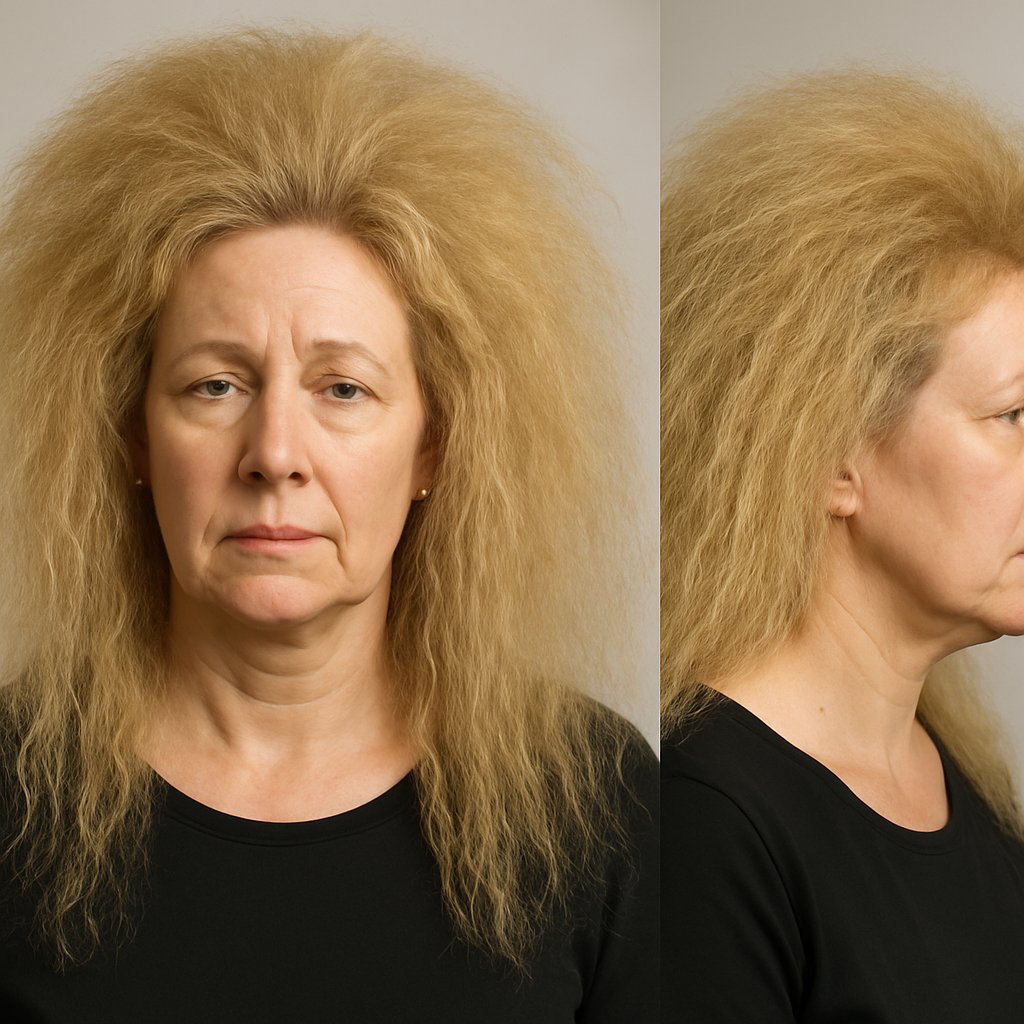
38. Heavy synthetic hair extensions
❤️ Would you like to save this?
Heavy synthetic hair extensions can instantly age your appearance and create an unnatural look that draws unwanted attention. These extensions often lack the movement and texture of natural hair, making them appear stiff and obvious.
The weight of synthetic extensions can pull down your natural hair and create tension at the roots. This pulling effect can make your face appear longer and emphasize sagging around the jawline.
Synthetic materials typically have an artificial shine that looks plastic under natural light. This creates a stark contrast with your natural hair texture and makes the extensions clearly visible to others.
Hair extensions for women over 50 work best when they blend seamlessly with your natural hair. Heavy synthetic options rarely achieve this natural integration.
The bulk from thick synthetic extensions can overwhelm your facial features and create an unbalanced silhouette. This effect is particularly unflattering for mature women who benefit from softer, more natural-looking volume.
Consider lightweight human hair extensions or clip-in options instead. These alternatives provide volume and length without the obvious artificial appearance that heavy synthetic extensions create.
37. Matted curls with no definition
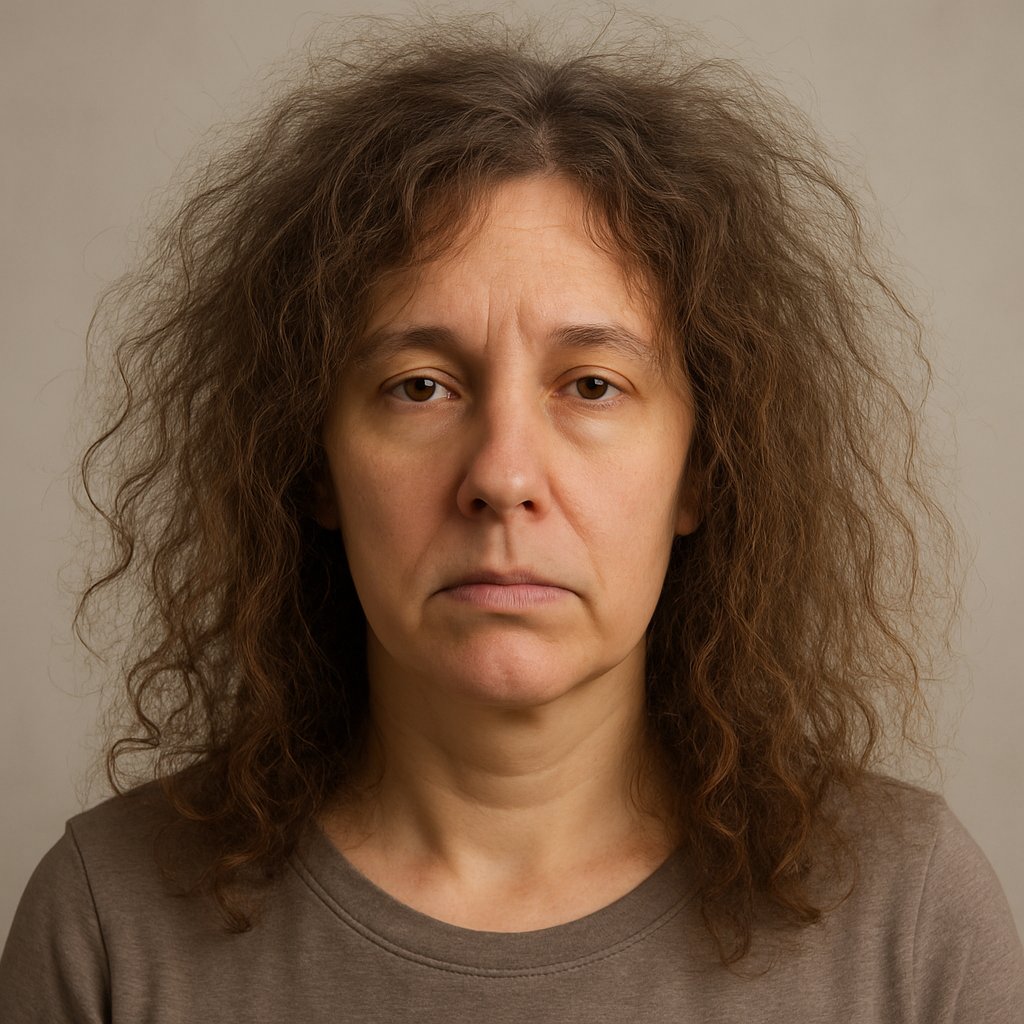
Matted curls without definition create a messy, unkempt appearance that adds years to your look. When curls clump together without proper care, they lose their natural bounce and vitality.
This unflattering style makes your hair appear dry and damaged. The lack of definition creates a flat, lifeless texture that doesn’t complement your facial features.
Poor curl maintenance often leads to this problematic look. Without regular conditioning and proper styling products, your curls become tangled and lose their shape.
Curly hairstyles for women over 50 should highlight your natural texture instead of hiding it. Well-defined curls create movement and dimension that flatters your face.
Instead of letting your curls mat together, use curl-enhancing creams and leave-in conditioners. These products help separate and define each curl while adding moisture.
Regular trims prevent damaged ends from creating tangles. A good stylist can shape your curls to create better definition and movement.
Consider low-maintenance curly styles that work with your natural texture. Proper care transforms matted curls into beautiful, defined spirals that enhance your appearance.
36. Unevenly cut layers creating bulk
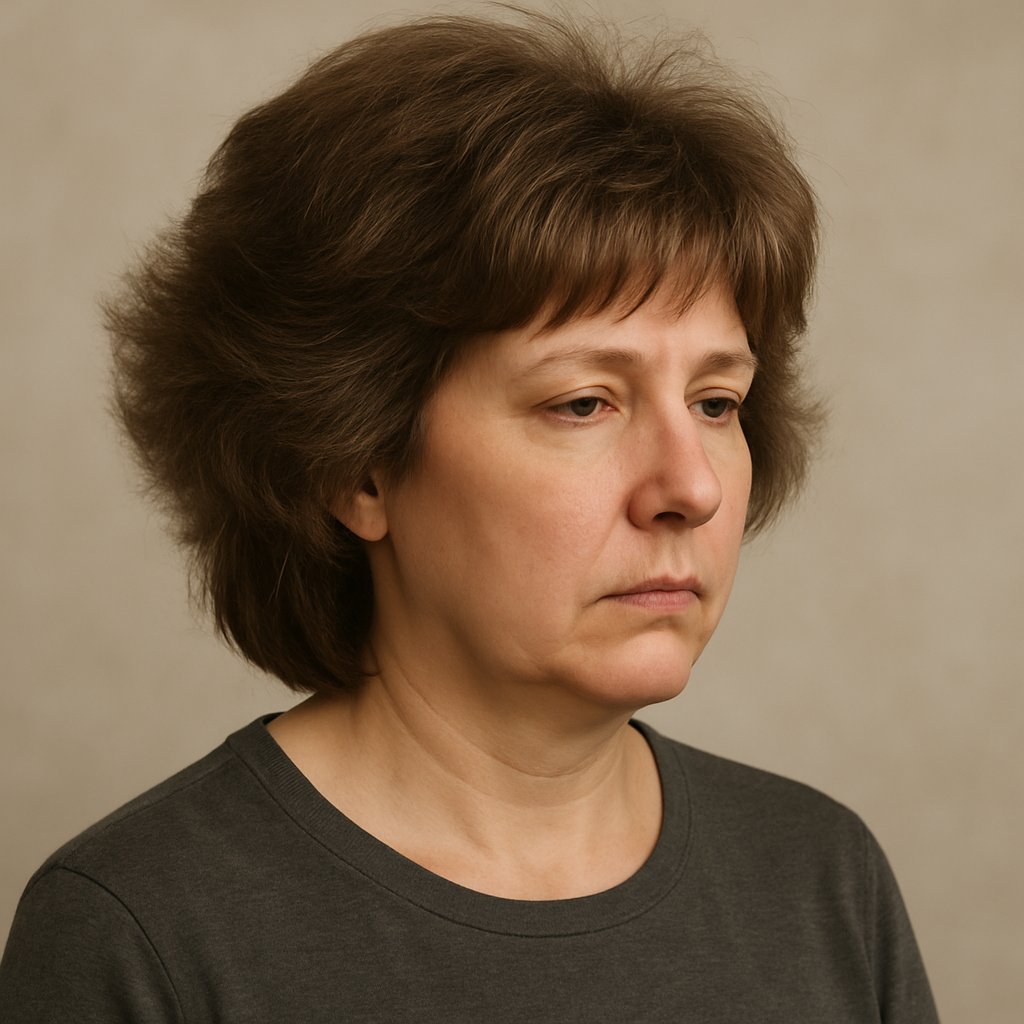
Unevenly cut layers can add unwanted bulk in all the wrong places. When layers aren’t properly executed, they create thickness where you need movement instead.
Poor layering technique often results in choppy, disconnected sections. These uneven cuts make your hair appear heavier and less refined.
The problem becomes more noticeable as hair texture changes with age. Fine or thinning hair suffers most from poorly executed layering that creates a stringy appearance.
Strategic layers remove bulk where you don’t want it while creating movement where you do. Professional stylists understand how to blend layers seamlessly.
Avoid stylists who use only scissors without proper sectioning techniques. Rushed cutting often leads to uneven results that require months to grow out.
Ask your stylist to show you how they plan to layer your hair before they begin cutting. A skilled professional will explain their technique and work methodically through each section.
Well-executed layers should flow naturally from one length to another. The best cuts create subtle transitions that enhance your hair’s natural movement rather than fighting against it.
35. Overly blunt lob with no softness
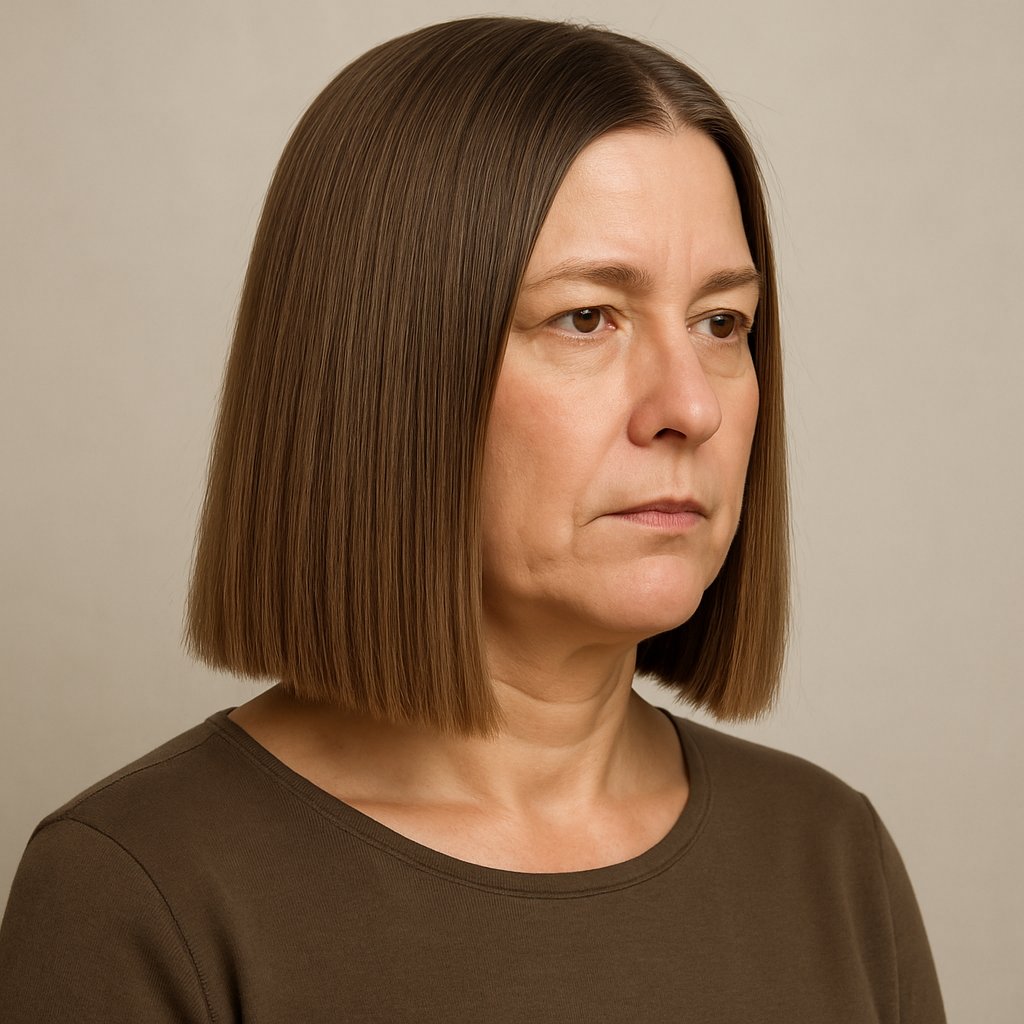
The lob can be a fantastic choice for women over 45, but blunt cuts lack the softness needed to complement mature features. When your lob is cut too severely without any layering, it creates harsh lines that can make your face appear more angular.
A completely blunt lob often emphasizes the jawline in an unflattering way. The straight, sharp edges can draw attention to areas where you might prefer a softer focus.
This rigid style also tends to highlight facial imperfections rather than gently framing your features. The lack of movement in overly blunt cuts can make your hair appear heavy and lifeless.
Instead of a harsh blunt cut, consider asking your stylist for subtle layers within your lob. These layers will add movement and create a more flattering silhouette around your face.
Soft, face-framing pieces can also help break up the severity of a blunt cut. A slight angle or gentle texturing at the ends will give you that modern lob look while maintaining the softness that complements your mature beauty.
34. Severe undercuts with stark contrast
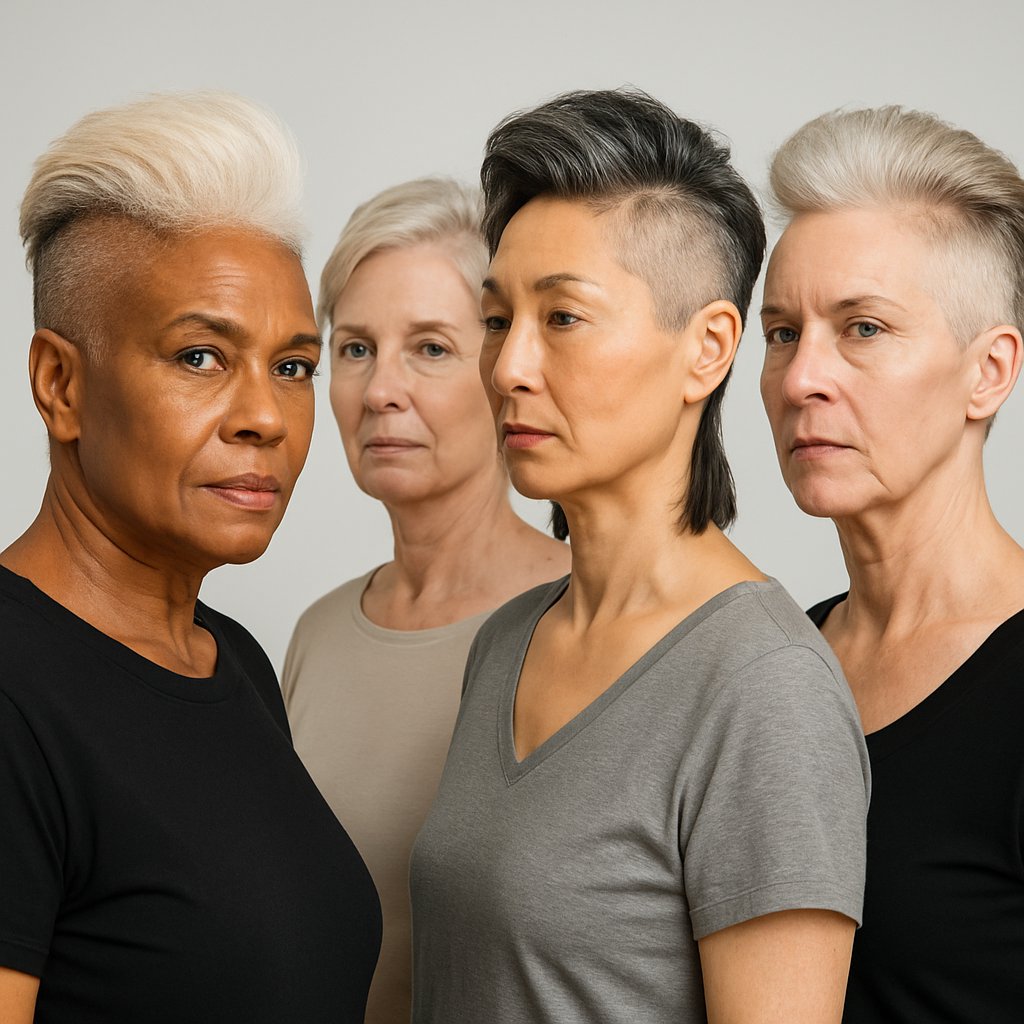
Undercuts with dramatic contrast can work against you after 45. The sharp difference between very short sides and longer top sections creates harsh lines that may clash with mature features.
Extreme undercuts can create a stark contrast that doesn’t blend well with a mature appearance. These high-maintenance styles can also be challenging to grow out gracefully.
The severity of this cut draws attention to facial changes that naturally occur with age. Instead of softening your features, the stark contrast emphasizes angles in ways that aren’t always flattering.
Consider how the dramatic difference between hair lengths creates visual tension. Your eye gets drawn to the contrast rather than your best features.
These cuts require frequent salon visits to maintain their sharp edges. As hair grows, the contrast becomes even more pronounced and unflattering.
A softer approach works better for your age group. Textured undercut styles that blend gradually create a more harmonious look while still offering modern edge.
Choose subtle undercuts that fade gently into longer sections. This creates interest without the harsh contrast that can age your appearance.
33. Super high-volume teased hair
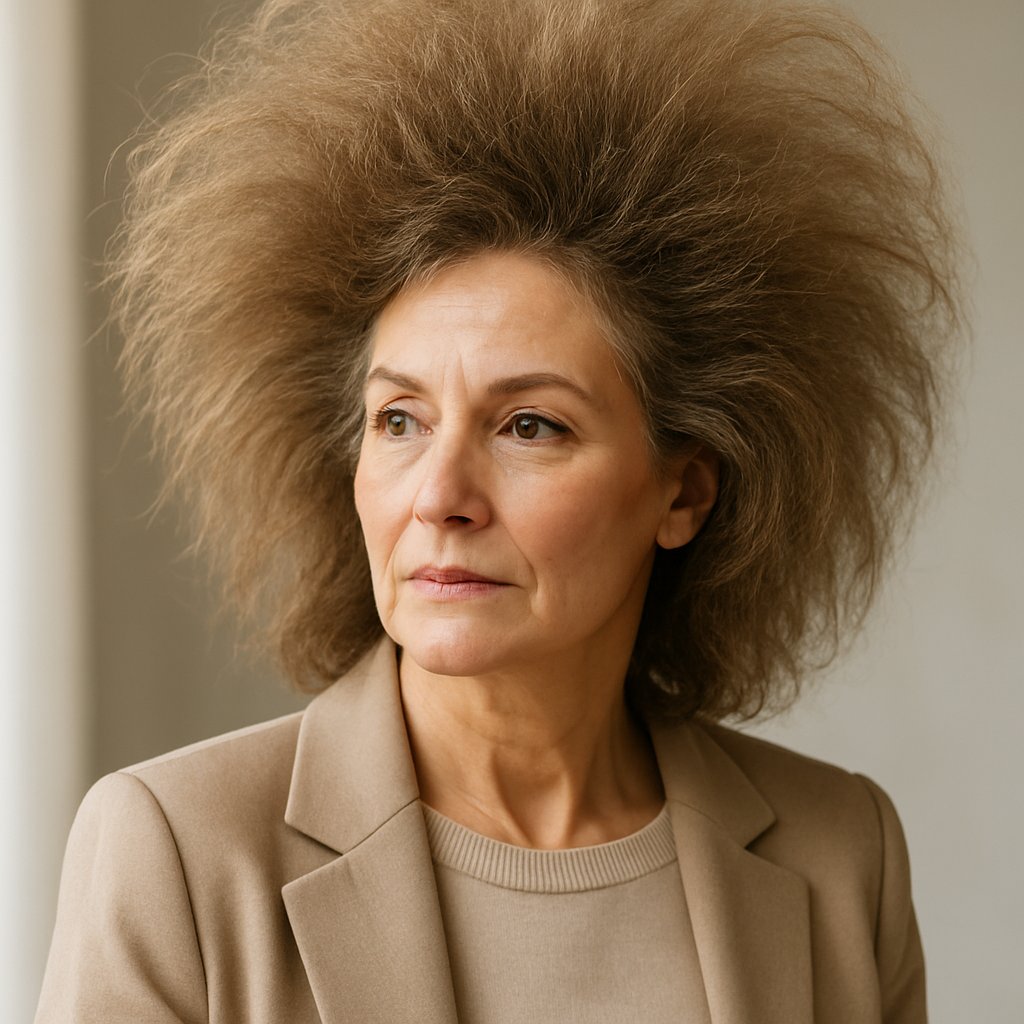
Over-teased hair with excessive height at the crown creates an outdated look that can age you unnecessarily. This style dominated certain fashion moments but now appears dated and unflattering.
The extreme volume draws attention upward in an unnatural way. It can make your face appear smaller by comparison and creates an imbalanced silhouette.
Heavy teasing also damages your hair structure over time. The constant backcombing weakens strands and can lead to breakage and thinning.
A slight lift at the roots is perfectly fine and can help with volume. Light teasing can be especially helpful if you have thinning hair and want natural-looking fullness.
The key is keeping the rest of your hair soft and natural-looking. Modern volume techniques focus on subtle lift rather than dramatic height.
Consider volumizing products or gentle blow-drying techniques instead. These methods give you body without the harsh, artificial appearance of over-teased styles.
Your hair will look healthier and more contemporary with moderate volume that complements your natural texture.
32. Unnatural hair colors like bright reds
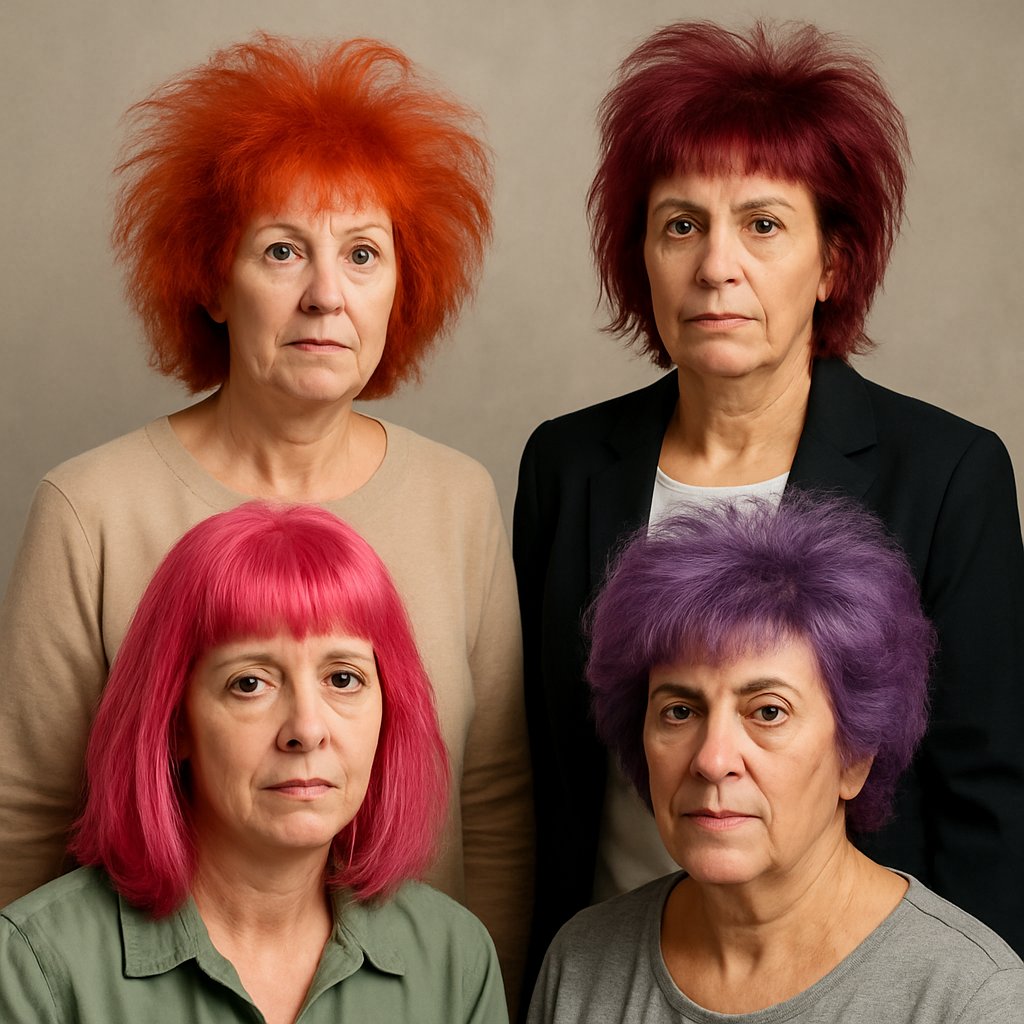
Bright, vibrant red hair colors can be challenging to pull off after 45. These bold, unnatural shades often clash with changing skin tones and can appear harsh against mature features.
Your skin naturally loses collagen and elasticity over time. Intense red hues can emphasize redness in your complexion or make you look washed out.
Unnatural hair colors require significant maintenance and frequent touch-ups. This constant processing can damage your hair, which may already be more fragile with age.
The contrast between bright red and graying roots becomes particularly noticeable. You’ll need salon visits every 4-6 weeks to maintain the color’s vibrancy.
Instead of electric or neon reds, consider softer alternatives. Rich auburn, copper, or strawberry blonde tones provide warmth without the harshness of artificial colors.
These more natural red variations complement mature skin better. They offer dimension and interest while appearing more sophisticated and age-appropriate.
Professional colorists can help you find red tones that work with your skin’s undertones. This approach gives you the warmth you want without the unflattering effects of overly bright, unnatural shades.
31. Long, unstyled hair lacking shape
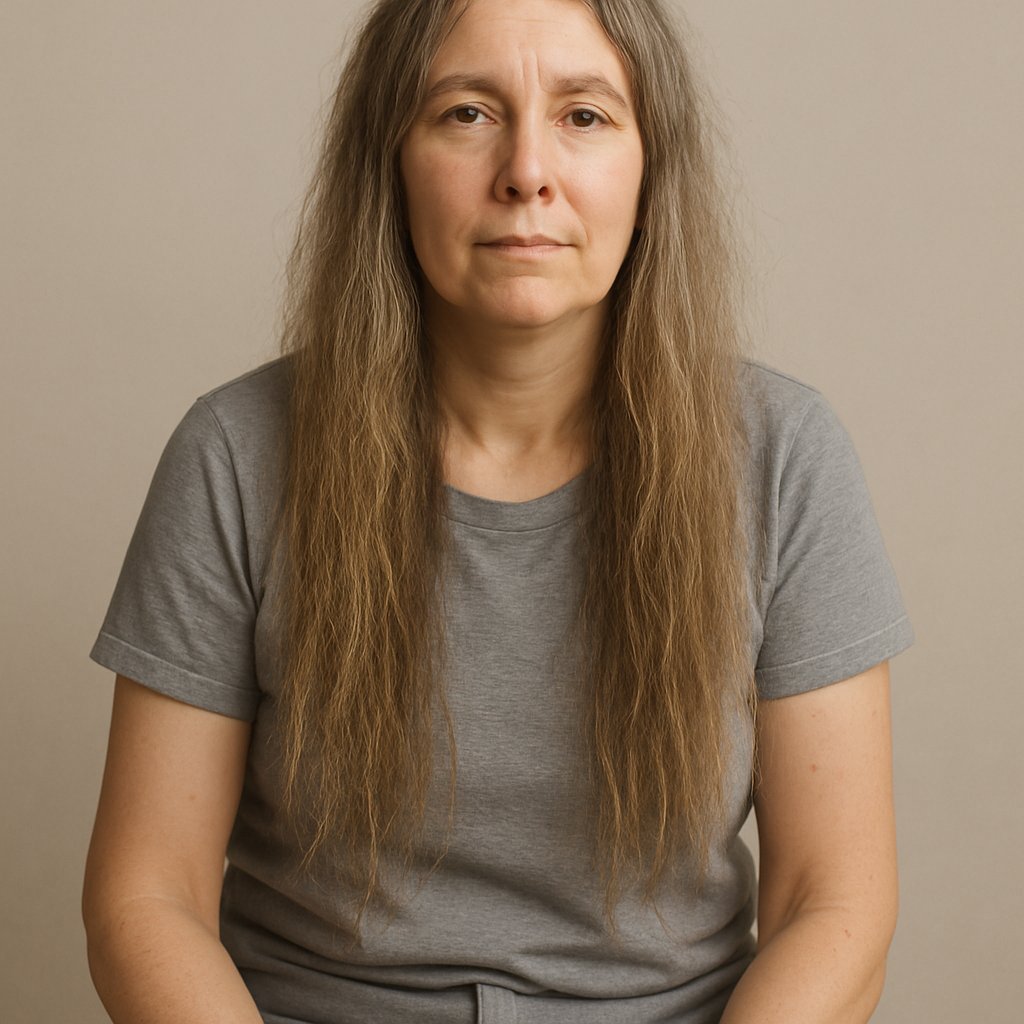
Long hair without proper styling or shape can add years to your appearance. When hair hangs straight down without any layers or movement, it creates a flat, lifeless look that doesn’t complement mature features.
Long hairstyles for women over 50 work best when they’re designed to address texture and thinning issues. Unstyled long hair often emphasizes these natural changes rather than working with them.
Hair that lacks shape tends to pull your face downward. This creates an aging effect that makes you appear tired or older than you actually are.
The key problem with shapeless long hair is its lack of dimension. Without layers, waves, or strategic cutting, your hair appears one-dimensional and heavy.
Long, straight hair can lengthen the look of the face and narrow it, which isn’t flattering for most women over 45. This style can make your features appear drawn or gaunt.
Adding layers, texture, or gentle waves transforms unstyled long hair into a more youthful, vibrant look. These elements create movement and bounce that complement your natural beauty rather than detracting from it.
30. Fringes cut too short or uneven
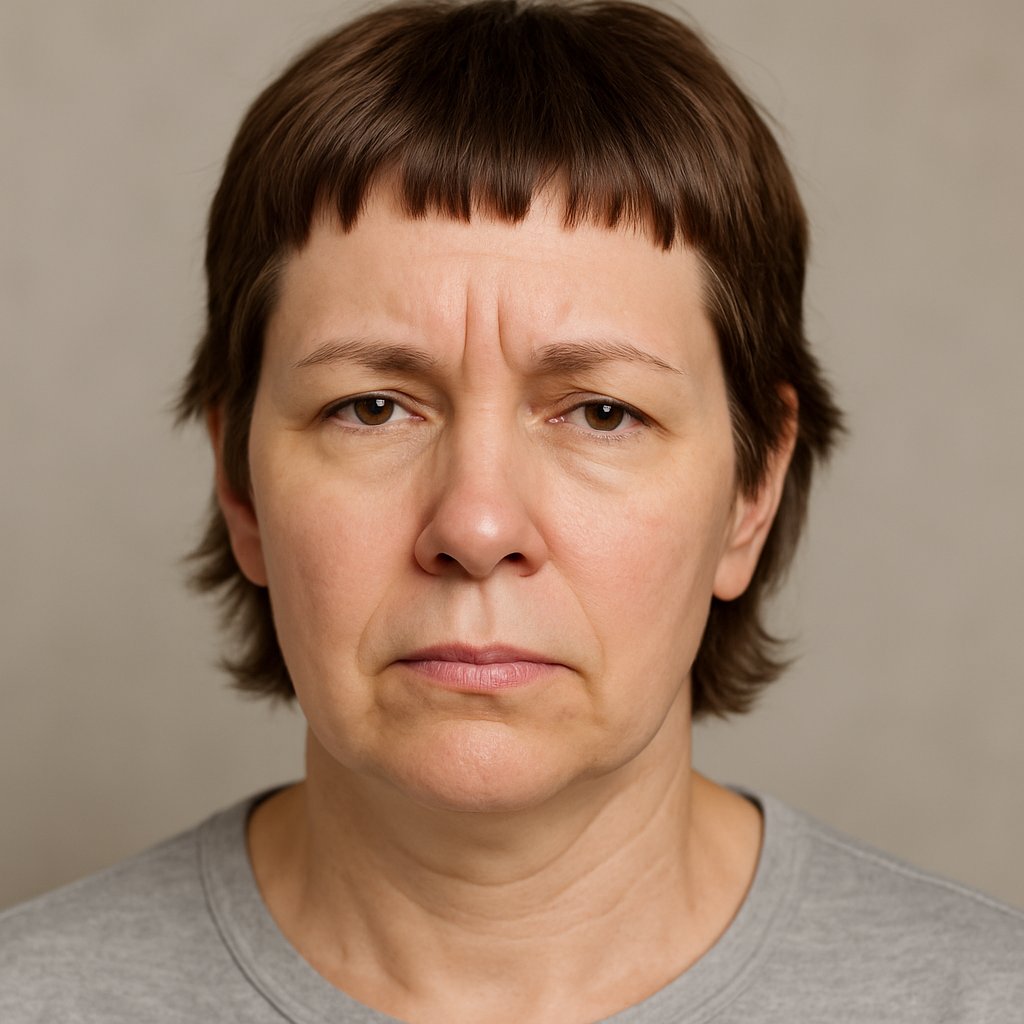
Short or uneven fringes can instantly age your appearance and draw unwanted attention to facial imperfections. When your fringe sits too high above your eyebrows, it creates an unflattering proportion that makes your forehead look larger.
Uneven fringes are particularly problematic because they look unprofessional and unkempt. Your eyes naturally focus on the irregular line, which can make you appear older and less polished.
Hair specialists warn against unflattering fringe styles that don’t complement mature features. A fringe that’s too short can emphasize fine lines and wrinkles on your forehead rather than concealing them.
The key issue with choppy, uneven cuts is that they lack the softness needed to complement changing facial features. Your fringe should enhance your natural beauty, not distract from it.
Instead of extremely short or jagged fringes, consider longer, wispy styles that graze your eyebrows. These create a more flattering frame for your face while maintaining a youthful appearance.
Professional cutting is essential for achieving the right fringe length and shape for your face structure.
29. Thick blunt bangs hiding brows
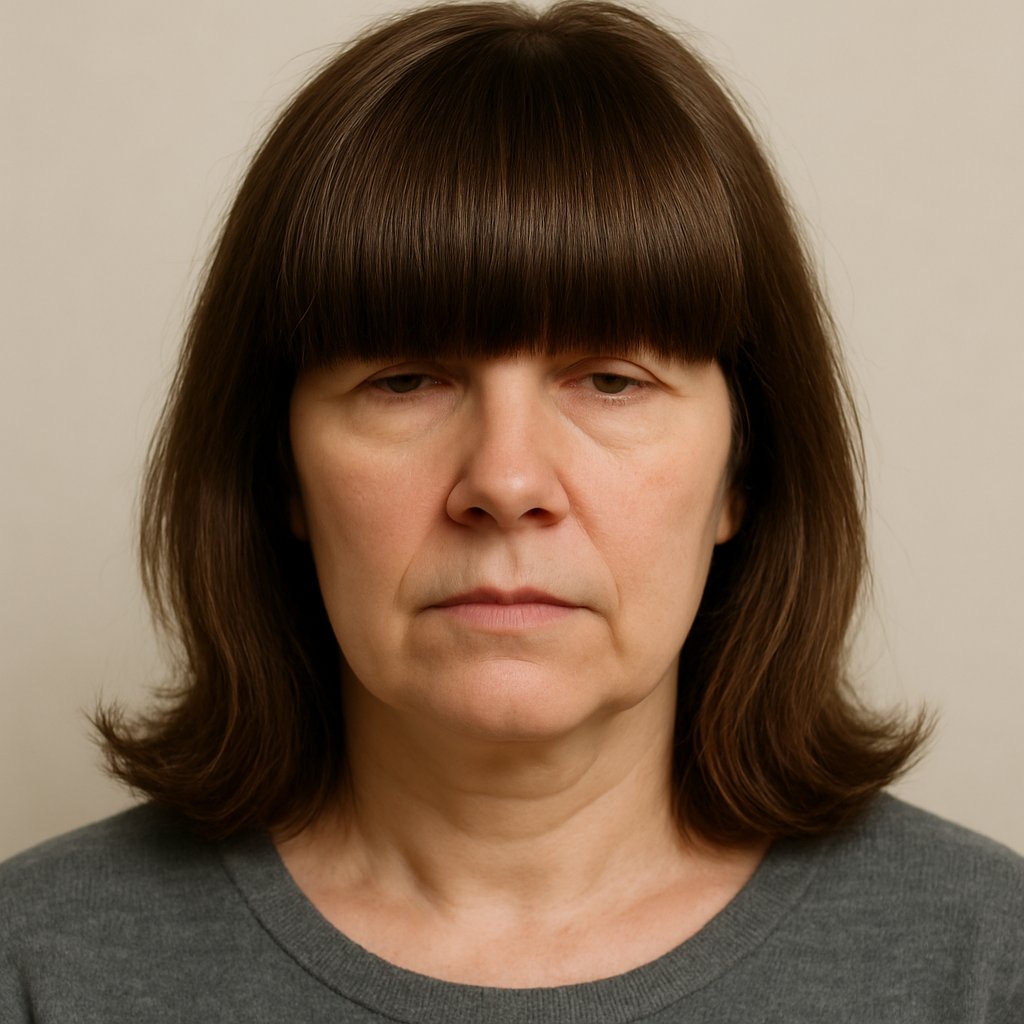
Thick blunt bangs that completely cover your eyebrows can be particularly unflattering after 45. These heavy bangs create a harsh horizontal line across your forehead that draws attention downward.
When your eyebrows are completely hidden, you lose one of your most important facial features. Your brows naturally frame your eyes and help define your face shape.
Blunt bangs are thick and heavy, drawing attention to fine lines on the lower half of your face. This weight can make your features appear droopy or tired.
The solid wall of hair across your forehead also makes your face look shorter and wider. This effect becomes more pronounced as facial structure changes with age.
Instead of thick blunt bangs, consider wispy or side-swept options that allow your brows to peek through. These softer alternatives maintain the youthful benefits of bangs without the harsh appearance.
Long bangs can frame your face in the best possible way when styled correctly. They offer coverage while preserving your natural facial proportions and keeping your look fresh and modern.
28. Flat roots with big poofy ends
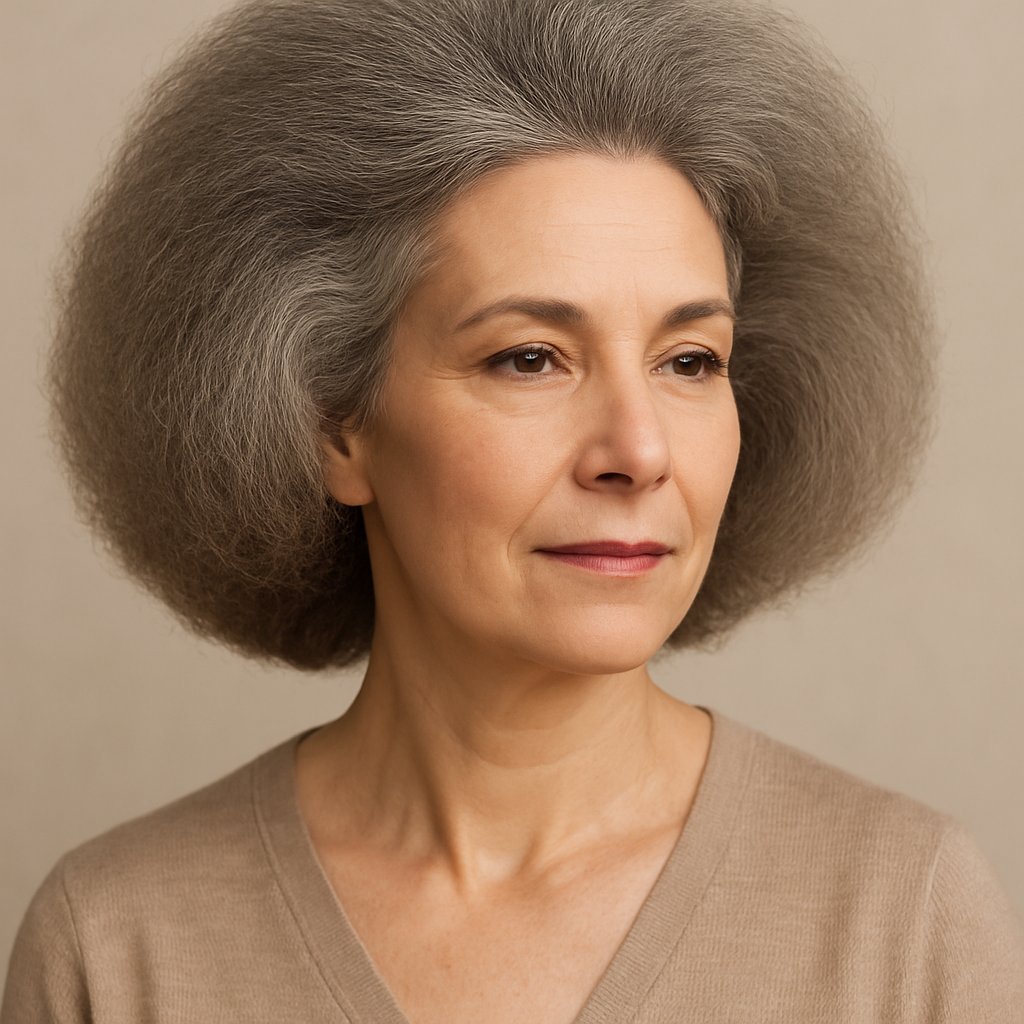
This hairstyle creates an unflattering triangle shape that weighs down your overall appearance. The contrast between limp roots and voluminous ends makes your hair look unbalanced and outdated.
Flat roots often occur when you use too much heavy conditioner near your scalp. The weight pulls your hair down at the crown while products build up over time.
Big poofy ends happen when you focus all your styling efforts on the bottom half of your hair. This creates an unnatural silhouette that doesn’t complement mature facial features.
The style draws attention to thinning areas at your hairline and crown. It makes these problem spots more noticeable rather than creating the illusion of fuller hair throughout.
Your face can appear longer and narrower with this unbalanced look. The lack of volume at the top emphasizes any sagging around your jawline and neck area.
Instead of this unflattering combination, ask your stylist for layers that create movement throughout your hair. Focus on adding volume at the roots while keeping ends softer and more controlled.
Consider a volumizing mousse applied to damp roots before blow-drying. This will lift your hair at the crown while avoiding the heavy, weighed-down appearance that leads to flat roots.
27. Overly tight braids on aging scalp
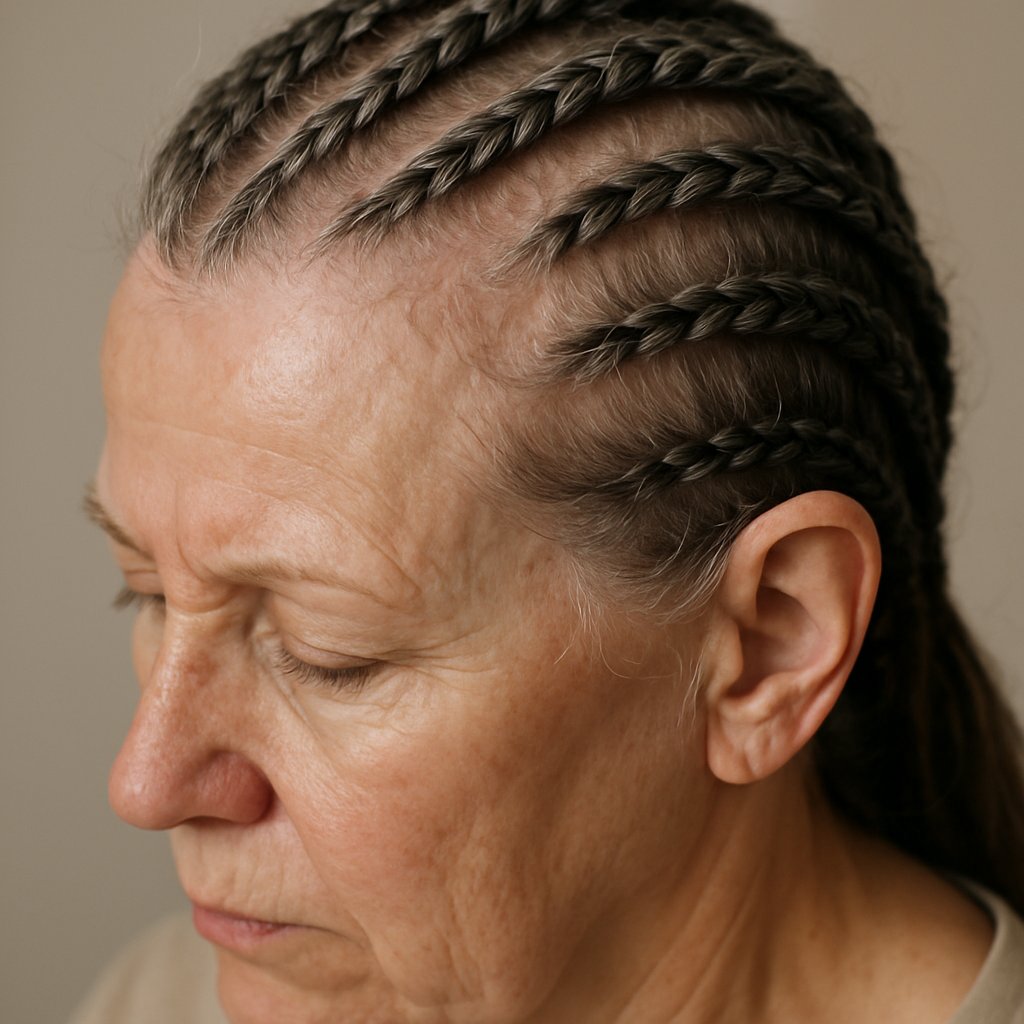
Tight braids can put excessive strain on your scalp, especially as you age. Your hair follicles become more delicate over time, making them vulnerable to damage from pulling and tension.
Overly tight braids eliminate natural volume and can draw unwanted attention to your hairline. The severe pulling creates an unflattering look that lacks the softness needed for mature features.
Your aging scalp produces less oil and has reduced elasticity. When you pull your hair too tightly, you risk traction alopecia, which can cause permanent hair loss around your temples and edges.
Tight braiding also flattens your hair against your head, removing any youthful bounce or movement. This creates a harsh appearance that can make you look older than your years.
Instead of tight braids, opt for looser braiding techniques that allow for natural texture and movement. Braids for women over 50 can be both elegant and protective when done correctly.
Leave some slack in your braids to maintain circulation to your scalp. This approach protects your hair health while still giving you a polished, put-together appearance that complements your maturity.
26. Overly Short Cropped Styles with No Volume
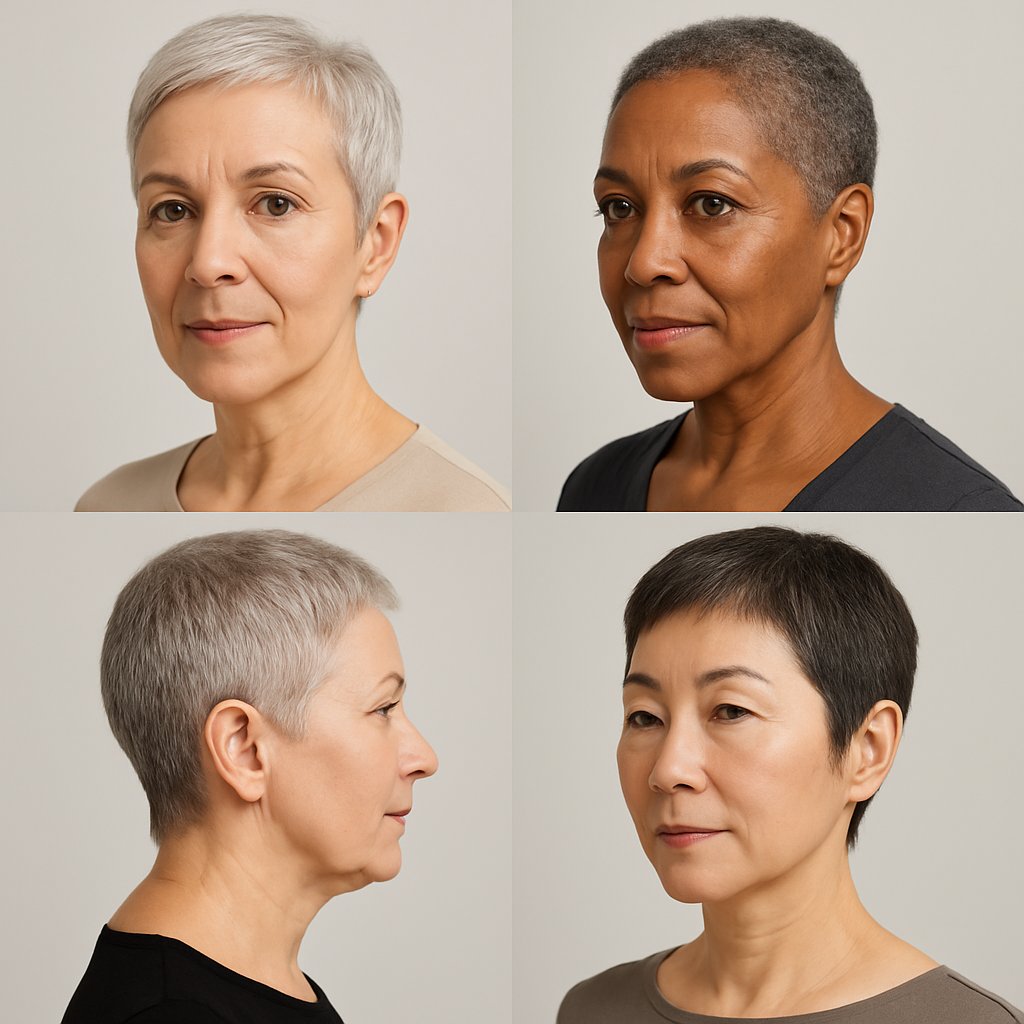
❤️ Would you like to save this?
Ultra-short cropped cuts without volume can create an unflattering appearance that emphasizes facial imperfections. These styles often lack the substance needed to frame your face properly.
Too-short pixie cuts can highlight facial imperfections and create unwanted effects. Without adequate length, your hair may appear sparse or thin against your scalp.
The absence of volume in cropped styles can make your face look wider or rounder than it actually is. This effect becomes more pronounced as facial structure changes with age.
Your hair texture plays a crucial role in how these cuts appear. Fine or thinning hair particularly struggles with ultra-short lengths because there isn’t enough hair to create natural body or movement.
Consider styles that maintain some length while still being short and manageable. A slightly longer pixie or textured crop can provide the volume you need while keeping maintenance simple.
Adding layers or texture to short cuts helps create the illusion of fullness. This approach gives your hair more dimension and prevents the flat, lifeless appearance that comes with overly cropped styles.
25. Boxy cuts that don’t frame face
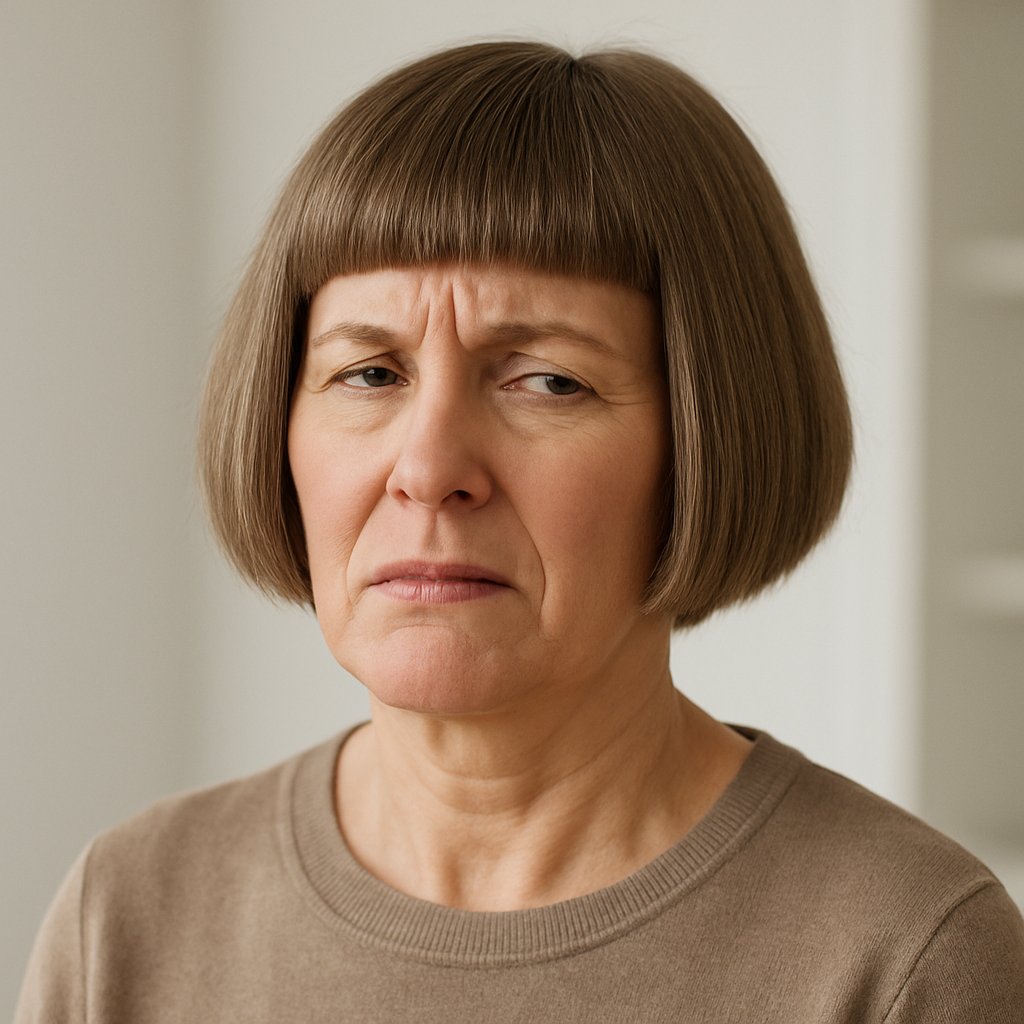
Boxy haircuts create harsh geometric lines that can make your face appear more angular than it actually is. These cuts lack the soft layering needed to complement mature facial features.
The box bob creates a square structure that’s too blunt for many face shapes. It emphasizes aging features rather than softening them.
When your haircut forms a rigid box shape, it draws attention to jaw tension and neck lines. The lack of movement makes the style appear dated and unflattering.
Your face needs gentle curves and angles that work with your natural bone structure. Boxy cuts do the opposite by creating artificial edges that compete with your features.
These cuts also tend to make your hair look thicker in all the wrong places. The weight sits heavily around your face instead of creating lift and volume where you need it.
Consider asking your stylist for soft layers that angle toward your face instead. This creates a more flattering silhouette that enhances your natural beauty rather than hiding it behind geometric lines.
24. Overly long, unlayered hair
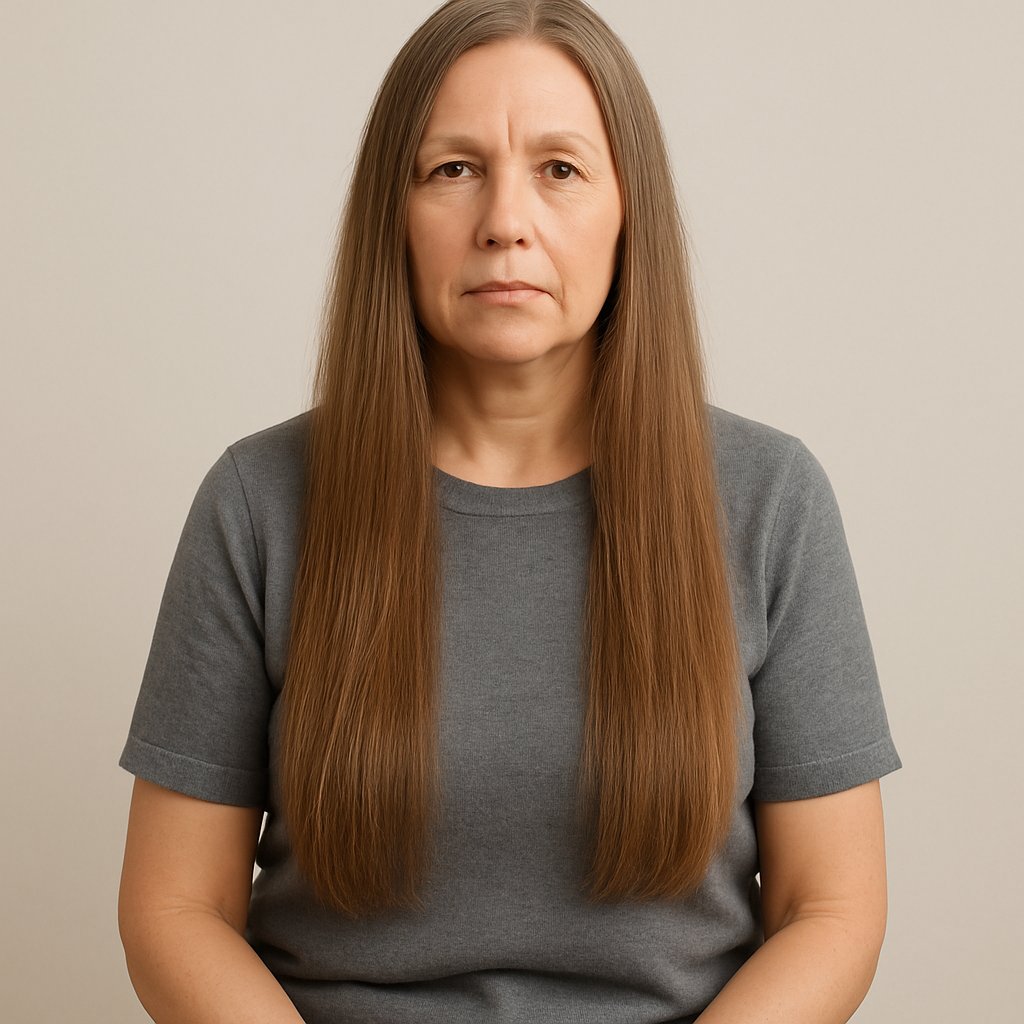
Long hair without layers can weigh down your features and make you look older than your years. The lack of movement and dimension creates a flat, lifeless appearance that doesn’t complement mature faces.
Unflattering long hairstyles often lack the structure needed to frame your face properly. Without strategic cuts and layers, hair can appear heavy and drag down your overall look.
Your hair texture naturally changes with age, becoming finer and losing volume. When you keep extremely long hair without any layering, it emphasizes these changes rather than working with them.
The weight of unlayered long hair can also make thinning areas more noticeable. It pulls down from the crown, creating an unflattering silhouette that lacks the lift and body your hair needs.
Long hairstyles for women over 50 work best when they include layers and texture. These elements add movement and create a more youthful, dynamic appearance that enhances your natural beauty.
Consider adding some strategic layers to break up the length and create visual interest. This small change can transform your look from dated to fresh and modern.
23. Straight heavy bangs covering forehead lines
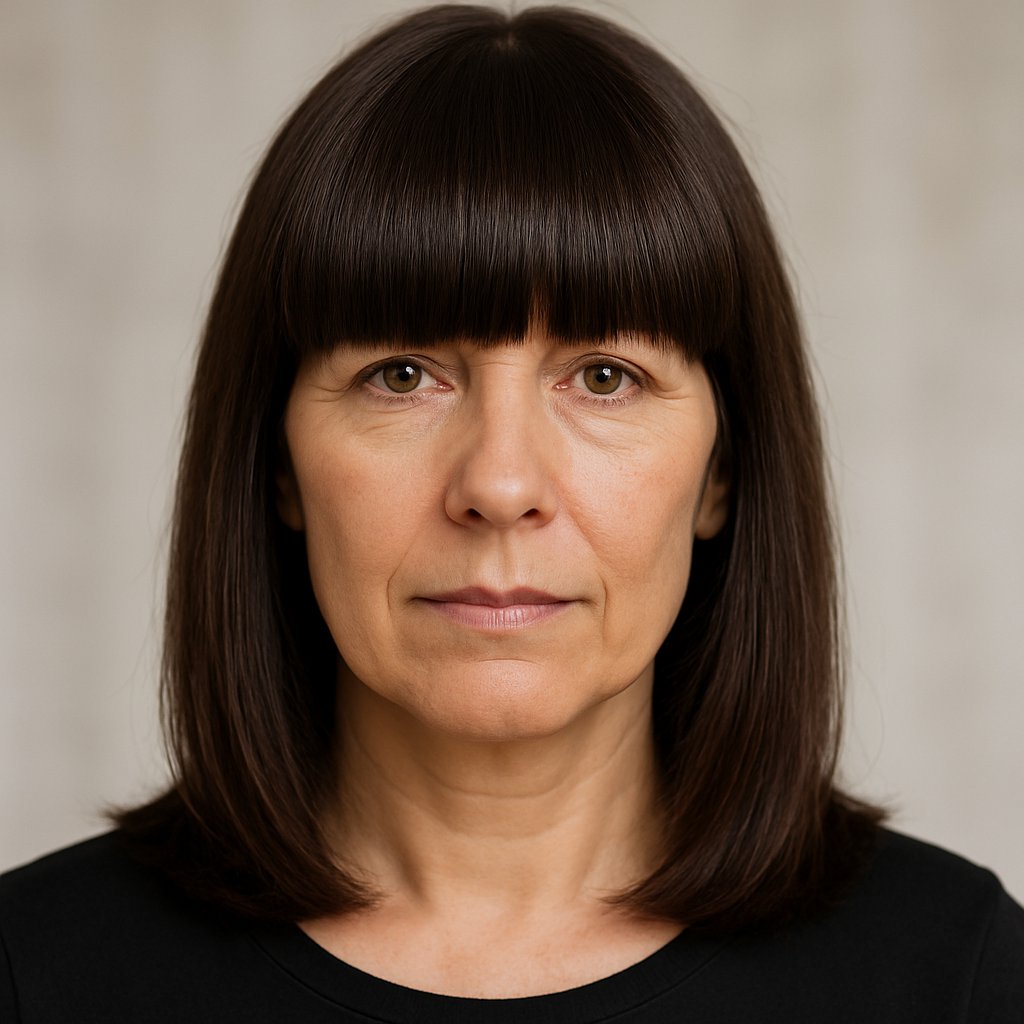
While you might think heavy straight bangs will hide forehead wrinkles, this approach often backfires. Heavy, straight-across bangs cut too thick and too short create a severe frame that emphasizes rather than softens aging features.
These blunt cuts draw attention directly to your eye area and can make fine lines more noticeable. The harsh horizontal line across your forehead creates an unflattering contrast against natural facial contours.
Blunt, straight-across bangs can make a bold statement, but they’re not always the most forgiving, especially as we age. This style tends to shorten your face and can look particularly harsh if you have fine hair.
Heavy bangs require frequent trimming and styling to maintain their shape. They often separate throughout the day, revealing the very lines you’re trying to conceal.
Instead of thick straight bangs, consider softer alternatives. Side-swept bangs or wispy, textured fringe can provide coverage while maintaining a more natural, youthful appearance that flatters your features.
22. Heavy, dense curls without shape
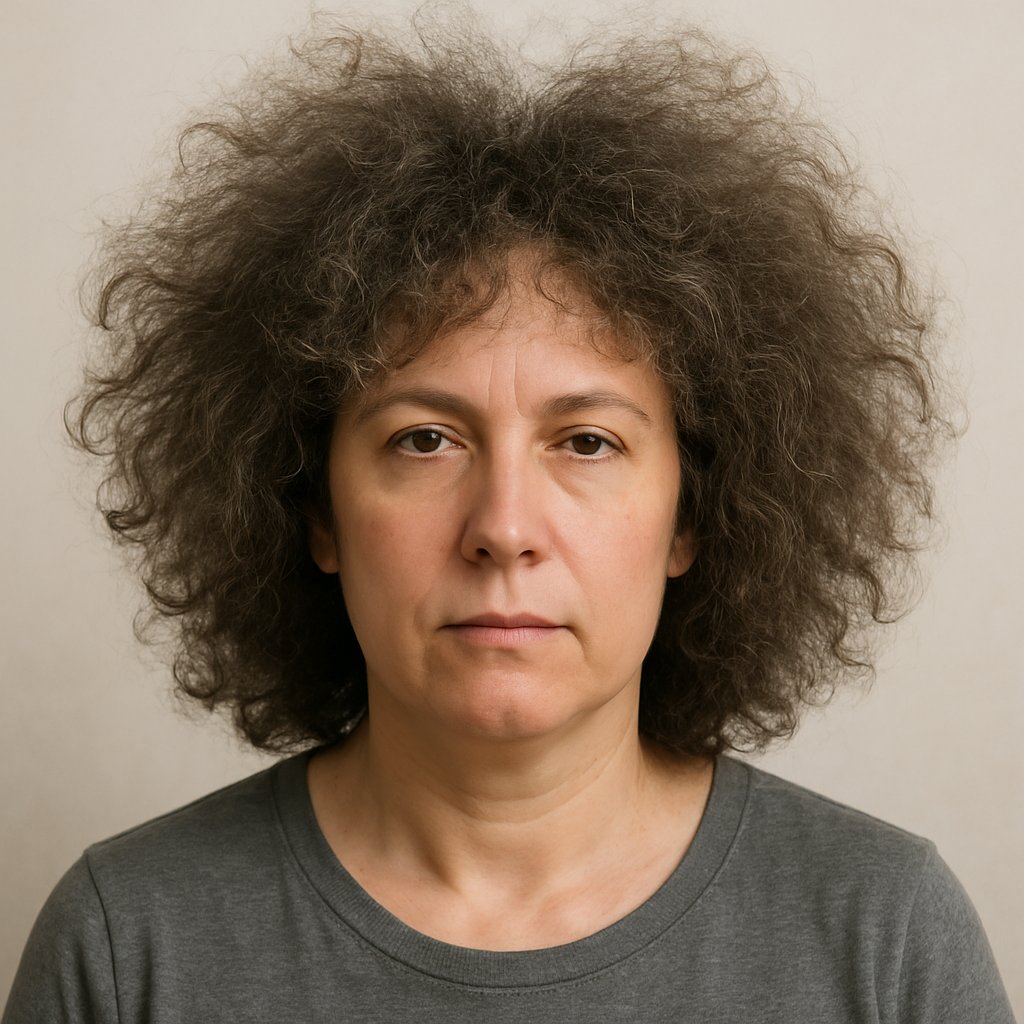
Heavy, dense curls that lack proper shaping can overwhelm your facial features and create an unflattering silhouette. This type of hairstyle often appears as a mass of unstructured curls that sit heavily on your head.
When curls don’t have a defined shape or strategic layering, they can drag your face downward. The weight of unshaped curls tends to flatten at the crown while creating bulk around the sides.
Dense curls without proper cutting techniques can make your hair look outdated and add years to your appearance. Short bouncy curls with proper shape work much better for creating lift and movement.
The key issue with shapeless dense curls is their lack of structure. Without strategic layers or tapering, the curls create a triangular or pyramid effect that’s particularly unflattering.
Consider a curly tapered cut instead, which maintains length on top while trimming the sides shorter. This creates volume and dimension without the overwhelming heaviness.
Professional styling can transform dense curls into a more flattering shape that frames your face beautifully rather than hiding it.
21. Sharp choppy layers that age
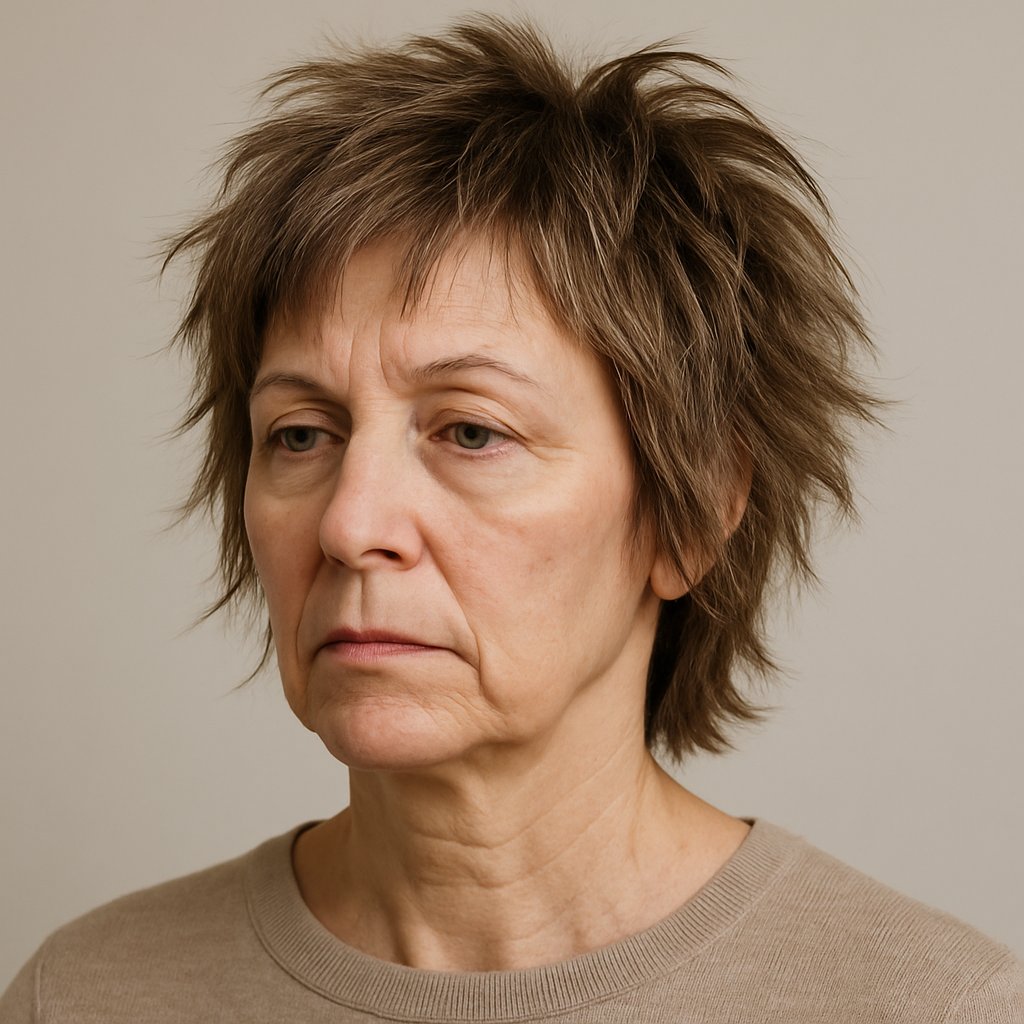
Sharp choppy layers can instantly add years to your appearance. These harsh, disconnected cuts create unflattering angles that emphasize facial lines and imperfections.
The problem lies in poor blending between layers. When layers are cut too abruptly, they create a jagged, unfinished look that appears dated and severe.
Choppy layers with poor blending can frame your face in an unflattering way. The harsh transitions draw attention to areas you’d rather minimize.
These cuts often lack the softness needed for mature faces. Sharp edges can make your features appear harder and more angular than they naturally are.
The geometric nature of poorly executed choppy layers creates a bowl-cut effect. This style dominated the 1970s but looks outdated today.
If you love textured hair, opt for softer layered styles instead. Well-blended layers with gentle transitions can add movement without the aging effect.
Professional stylists can create subtle texture that enhances your natural beauty. The key is asking for gradual layering rather than dramatic choppy cuts.
20. Old-fashioned feathered layers
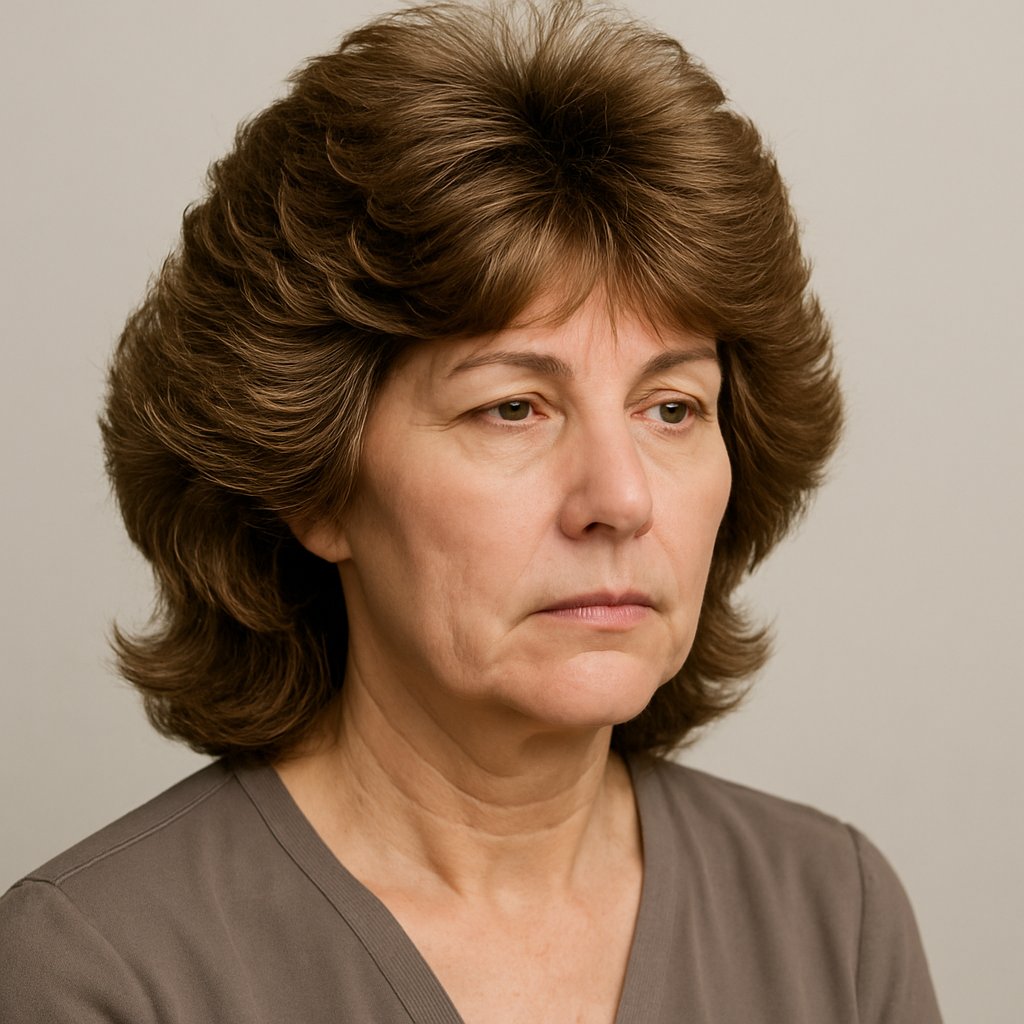
Feathered layers were the height of fashion in the 1970s and 1980s, but this heavily structured style can now make you look dated. The technique involves cutting hair at sharp angles and feathering it back from the face.
This retro cut requires significant styling time with hot tools and hairspray. You’ll need to blow-dry each section backward while using a round brush to achieve the signature feathered look.
The problem with old-fashioned feathered layers is that they can appear stiff and unnatural. Modern hair trends favor softer, more relaxed textures that move naturally with your face.
Instead of traditional feathered layers, consider contemporary layered cuts that offer volume without the rigid structure. These updated versions create movement and dimension while looking effortlessly chic.
Your hair will benefit from subtle layering that enhances your natural texture rather than fighting against it. Modern layered styles require less maintenance and look more sophisticated than their heavily feathered predecessors.
If you love the volume that feathered layers provide, ask your stylist for face-framing layers with soft graduation. This approach gives you lift and movement without the outdated styling requirements of traditional feathered cuts.
19. Dull, faded hair color without dimension
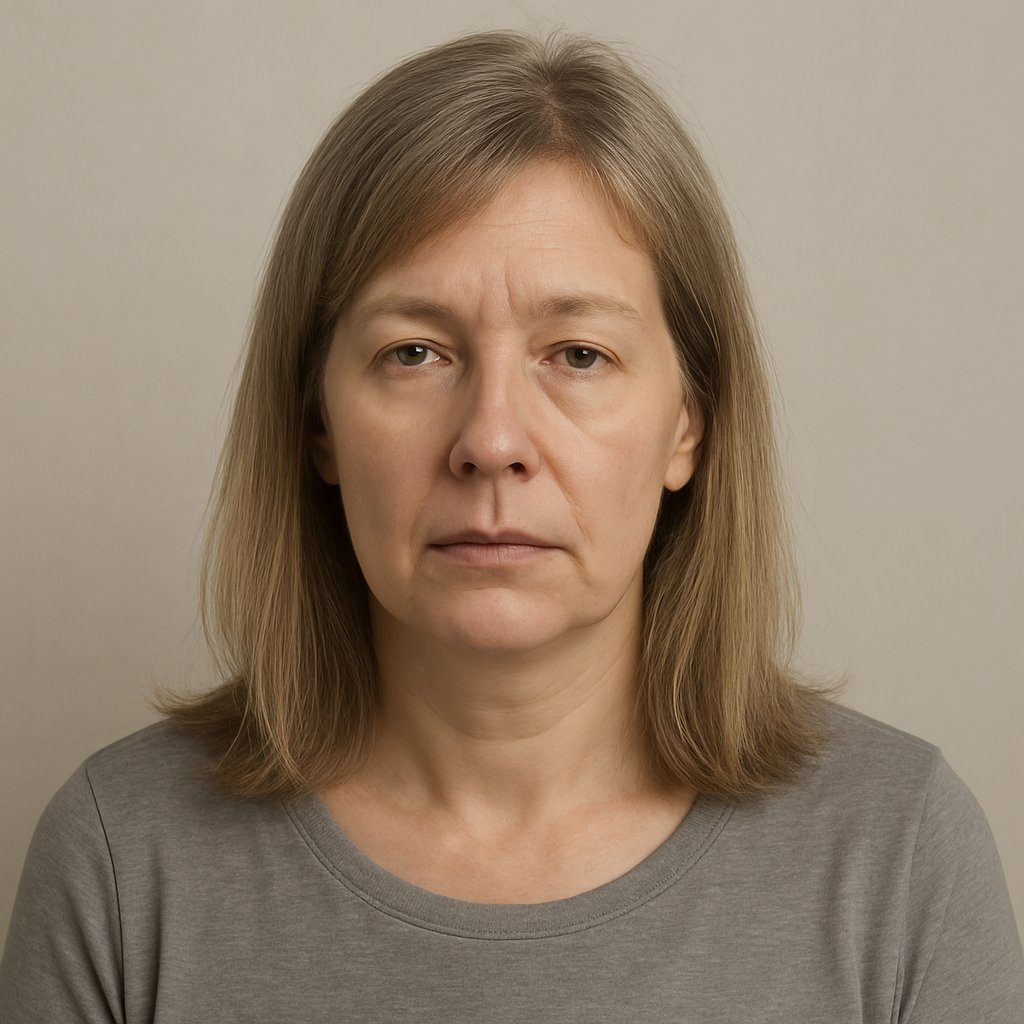
Flat, one-dimensional hair color can instantly add years to your appearance. When your hair lacks depth and vibrancy, it creates a washed-out effect that drains color from your complexion.
Single-process color without any variation appears artificial and harsh. This type of coloring fails to mimic how natural hair catches and reflects light.
Dull hair becomes more common after 50 as natural oils decrease and hair texture changes. Your once-vibrant color may appear lifeless and flat against your skin.
The absence of highlights, lowlights, or tonal variation makes hair look monotonous. This creates an aging effect that emphasizes fine lines and tired-looking skin.
Soft balayage or subtle highlights add dimension and create natural-looking depth. These techniques blend seamlessly and enhance your hair’s warmth.
Multi-tonal coloring mimics how sunlight naturally lightens hair. This creates movement and interest that brings life back to your overall appearance.
Consider adding gentle highlights around your face to brighten your complexion. Even subtle dimension can transform dull, flat color into something that looks fresh and youthful.
18. Extreme low ponytails
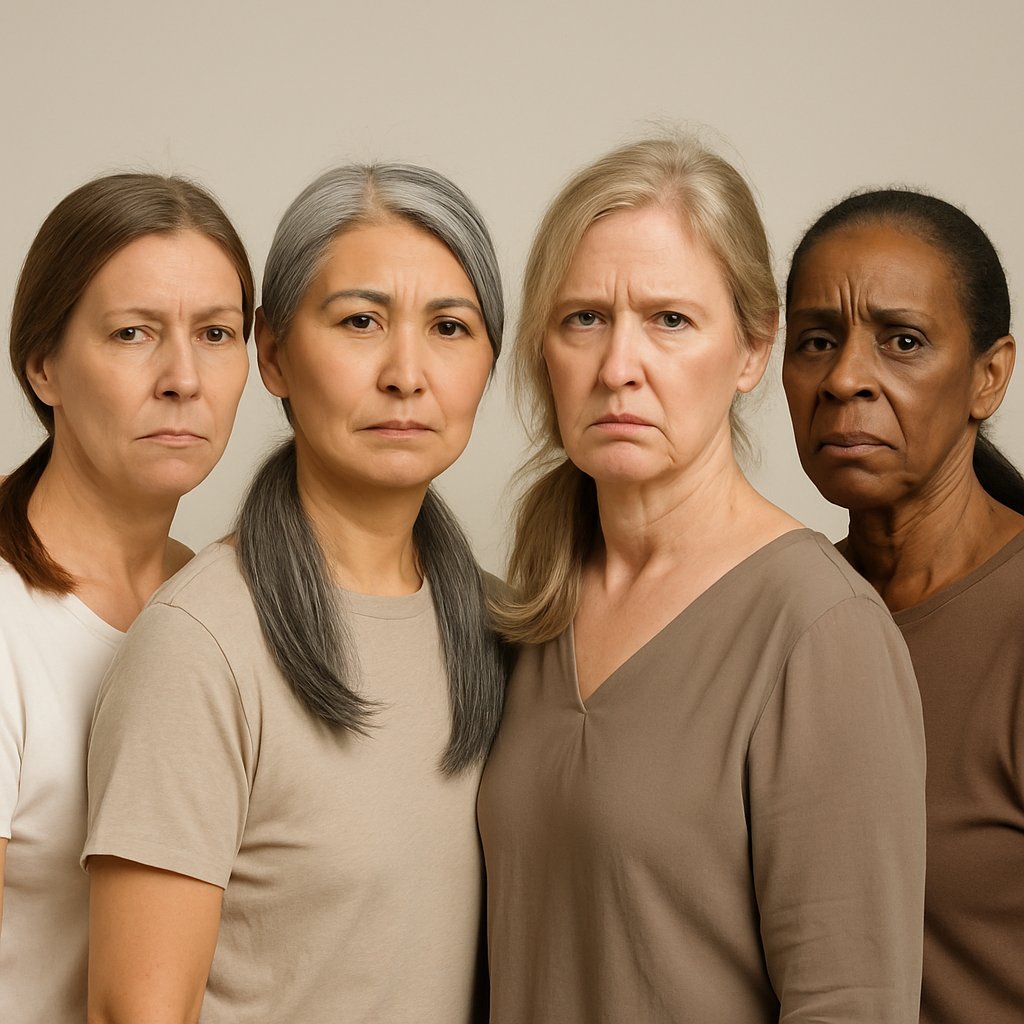
Extreme low ponytails sit at the very base of your neck or even lower. While low ponytails can be versatile, taking them to the extreme creates unflattering results for women over 45.
These ultra-low styles drag your facial features downward. They create a visual weight that pulls attention away from your face and toward your neck area.
The positioning emphasizes any sagging skin around your jawline and neck. This becomes more noticeable as skin naturally loses elasticity with age.
Extreme low ponytails also make your neck appear shorter and thicker. The hair bunched so low creates bulk in an area that should remain clean and elongated.
Your hair may look limp and lifeless when gathered this low. The style lacks the lift and volume that would complement mature features better.
Slicked-back ponytails that sit extremely low age women over 50 by emphasizing thinning hairlines. They highlight facial lines rather than softening them.
Consider positioning your ponytail slightly higher for a more flattering effect. Even a small adjustment upward can create better proportions and enhance your natural beauty.
17. Wide, dramatic side parts
❤️ Would you like to save this?
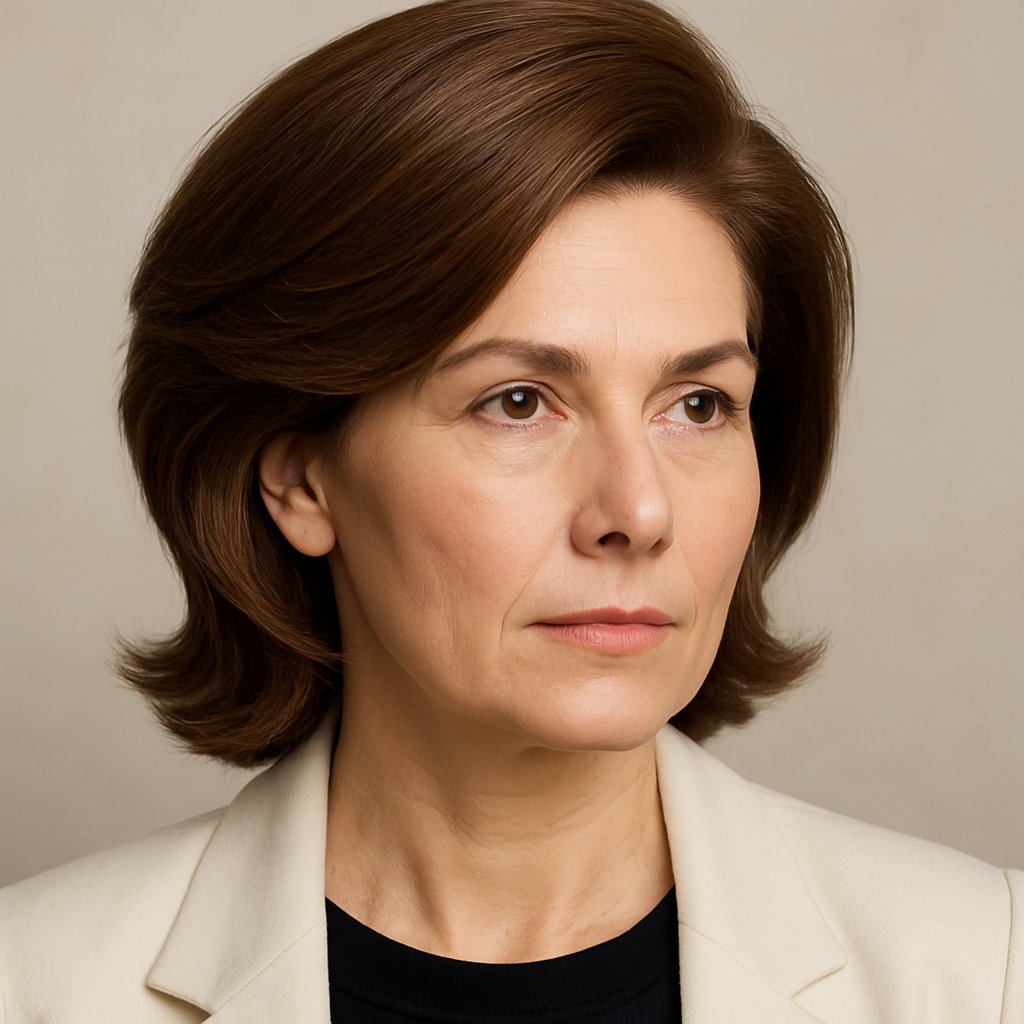
Wide, dramatic side parts can create an unbalanced look that doesn’t flatter women over 45. This extreme parting style tends to emphasize one side of your face while creating an asymmetrical appearance that can look harsh.
The deep side part draws attention to fine lines and wrinkles on the exposed side of your forehead. It can also make thinning hair more noticeable by creating a stark contrast between the heavy and light sides of your hairstyle.
This styling choice often makes your face appear lopsided rather than adding the sophistication you might be seeking. Experts agree that certain hairstyles can add years to your appearance instead of enhancing your natural beauty.
The dramatic side part can also create an outdated look that feels too severe for mature women. Your hair may appear flat on one side while looking bulky on the other, which disrupts the natural flow and movement that creates a youthful appearance.
Instead of this extreme parting, consider a softer, more subtle side part that creates gentle movement without the harsh contrast. A slightly off-center part provides dimension while maintaining balance across your face.
16. Over-processed bleached hair
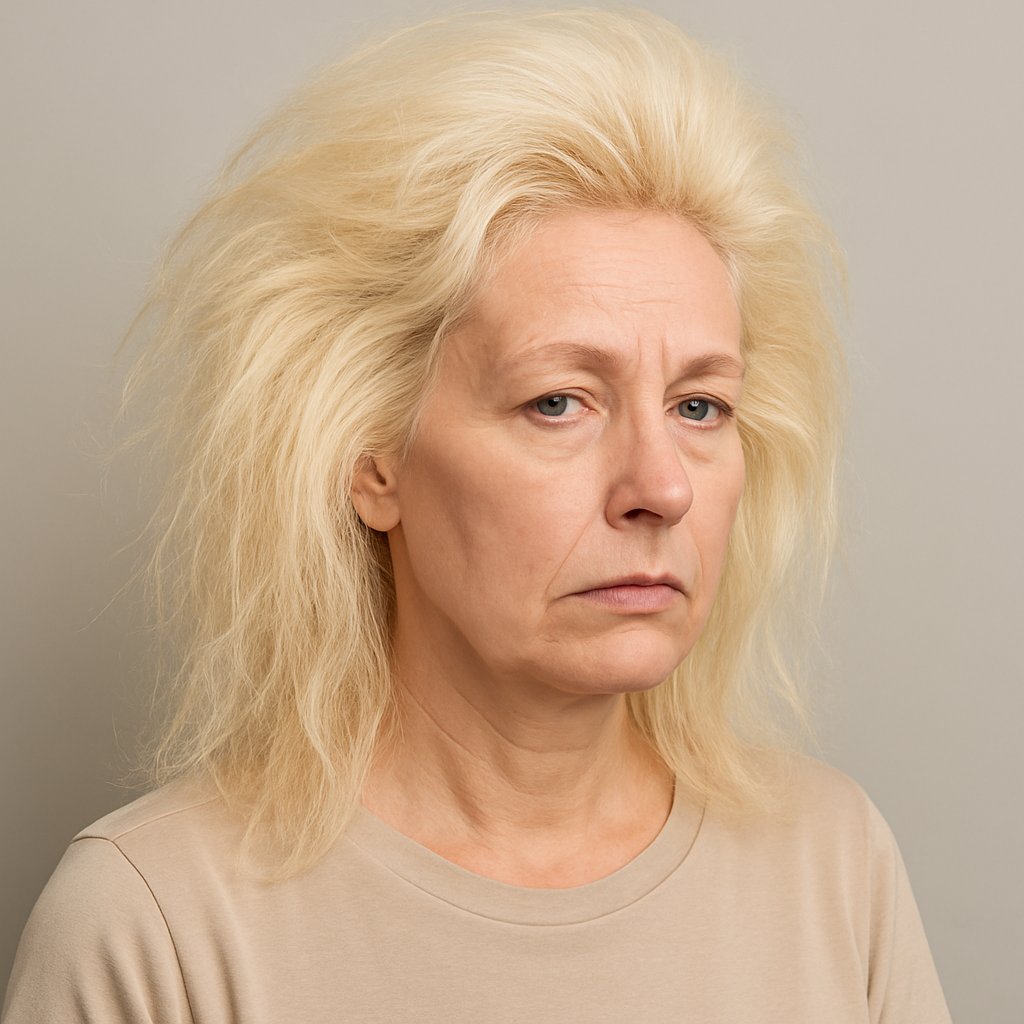
Over-processed bleached hair can age you significantly, especially after 45. The harsh chemicals used in bleaching weaken your hair structure and create a damaged appearance.
Bleach blonde hair can often appear damaged and overly processed, particularly for mature women. The harsh color might not complement your skin tone, leading to a washed-out look.
Your hair becomes brittle and prone to breakage when over-bleached. This creates an uneven, frizzy texture that’s difficult to style and maintain.
The stark contrast between bleached hair and mature skin can be unflattering. It often emphasizes fine lines and creates a harsh frame around your face.
Repeatedly bleaching your hair strips away natural oils and proteins. This leaves you with dry, straw-like strands that lack shine and movement.
If you want lighter hair, consider gentler alternatives like highlights or lowlights. These techniques add dimension without the damaging effects of full bleaching.
Professional colorists can help you achieve a softer, more natural-looking blonde. They use techniques that work with your skin tone rather than against it.
15. Uneven homemade trims
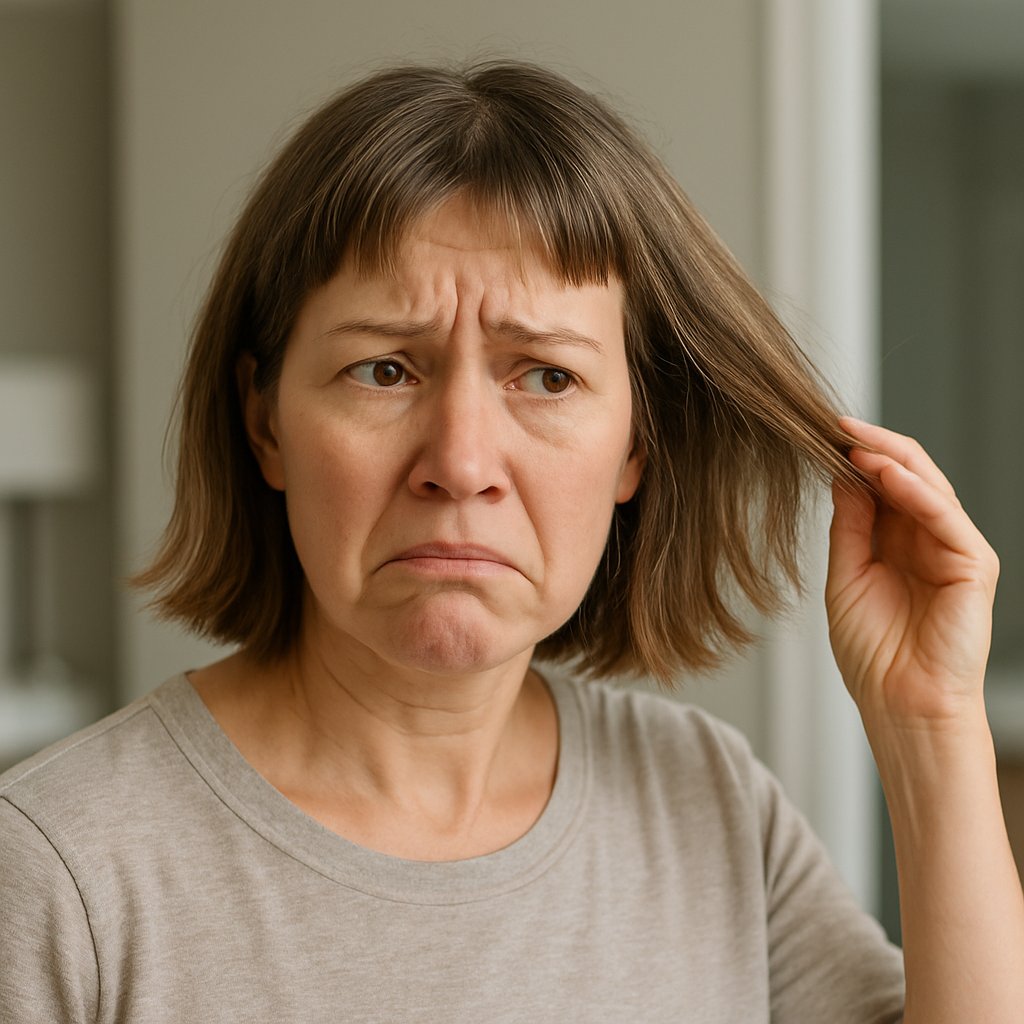
Cutting your own hair at home can seem like a simple money-saving solution. However, uneven homemade trims often create more problems than they solve.
When you attempt to trim your hair yourself, achieving even lengths becomes challenging. The angles and perspectives make it difficult to see what you’re actually cutting.
Uneven cuts draw attention to imperfections rather than enhancing your natural beauty. These choppy, lopsided results can add years to your appearance and make your hair look unkempt.
The back sections of your hair are particularly tricky to reach and trim evenly. You might end up with one side shorter than the other or create unwanted layers.
Professional stylists understand how to work with your hair’s natural growth patterns and face shape. They can create clean, even cuts that complement your features.
If you’re dealing with an uneven homemade trim, resist the urge to keep cutting. Book an appointment with a qualified stylist who can correct the damage and create a flattering shape.
Your hair deserves professional attention, especially as it changes texture and growth patterns with age. Invest in regular salon visits for the best results.
14. Shiny, greasy-looking roots
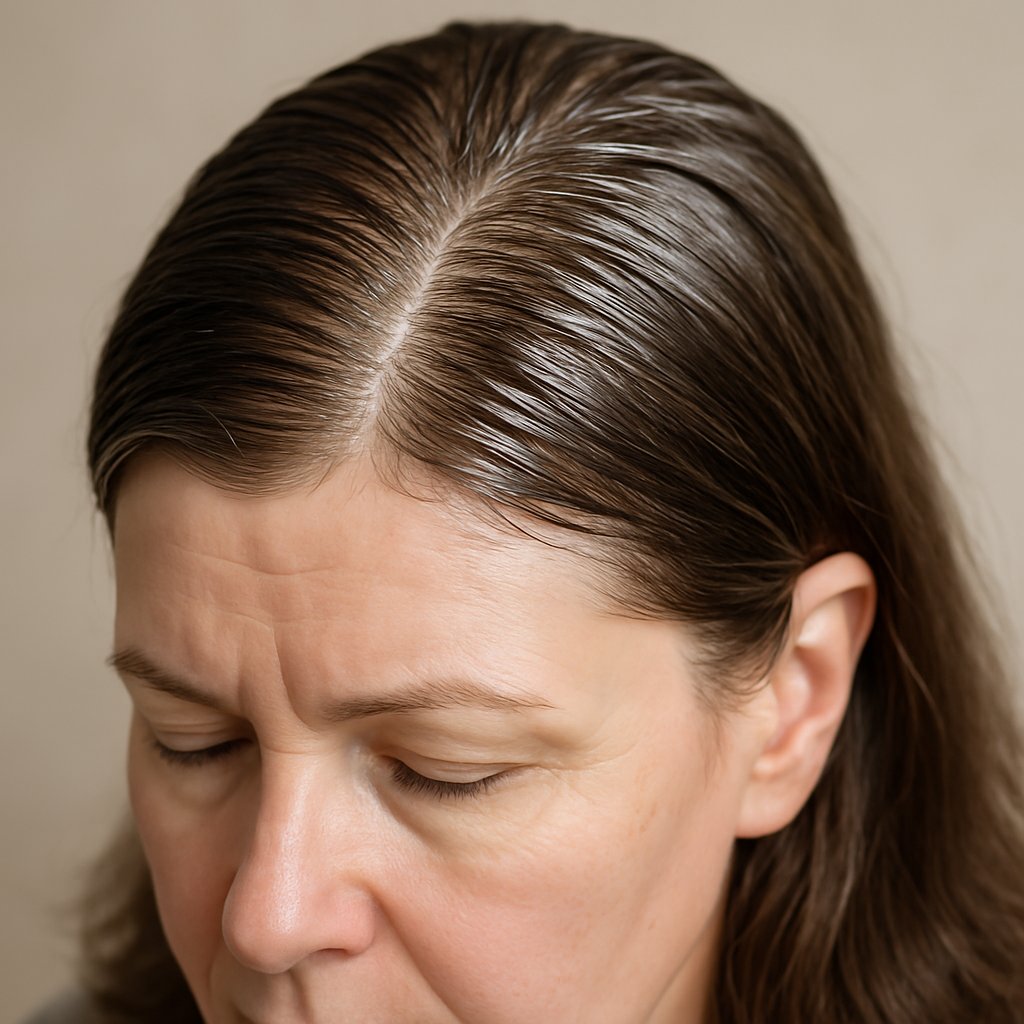
Nothing ages your look quite like oily, shiny roots that catch the light in all the wrong ways. This unflattering appearance makes your hair look unwashed and unkempt, regardless of how recently you shampooed.
Greasy roots become more noticeable as you age because your scalp’s oil production changes with hormonal shifts. The contrast between oily roots and the rest of your hair creates an uneven, messy appearance that draws attention to your scalp rather than your face.
This style particularly affects women who need low-maintenance haircuts but haven’t adjusted their washing routine. The shine from excess oils reflects light harshly, making your hair appear limp and lifeless.
You can avoid this look by using dry shampoo between washes or adjusting your hair care routine to match your scalp’s current needs. Consider switching to a clarifying shampoo if your regular formula isn’t removing buildup effectively.
The key is finding the right balance for your changing hair. Your roots should look clean and matte, not glossy or slick, to maintain a fresh and youthful appearance that complements your features.
13. Super short pixie cuts with no softness
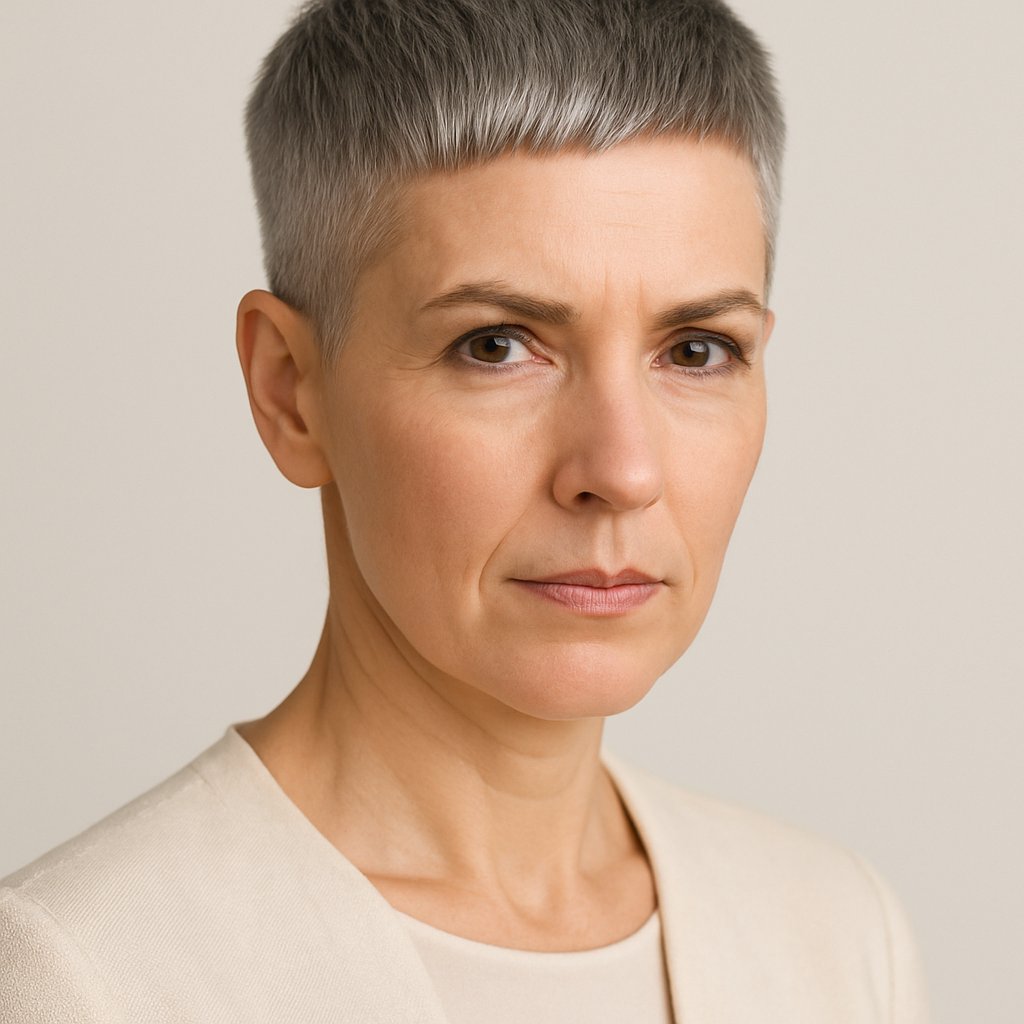
Super short pixie cuts without any softening elements can be particularly harsh on women over 45. These ultra-cropped styles lack the gentle touches that help balance mature facial features.
The problem with extremely short pixie cuts is their tendency to emphasize every angle of your face. Without layers or texture to create movement, these cuts can appear severe and unflattering.
Hard-edged pixie cuts often expose more of your neck and jawline than desired. This can draw attention to areas where skin may have lost some elasticity over time.
While pixie cuts can be flattering for women over 50, the key is choosing styles with some softness. Face-framing layers and gentle texture make a significant difference.
Super short cuts without any styling versatility can also feel limiting. You lose the ability to adjust your look for different occasions or face shapes.
Consider pixie cuts with subtle layers or longer pieces around the face instead. These modifications provide the low-maintenance benefits of short hair while maintaining a more flattering, feminine appearance that works better with mature features.
12. Heavy, thick fringe hiding eyes
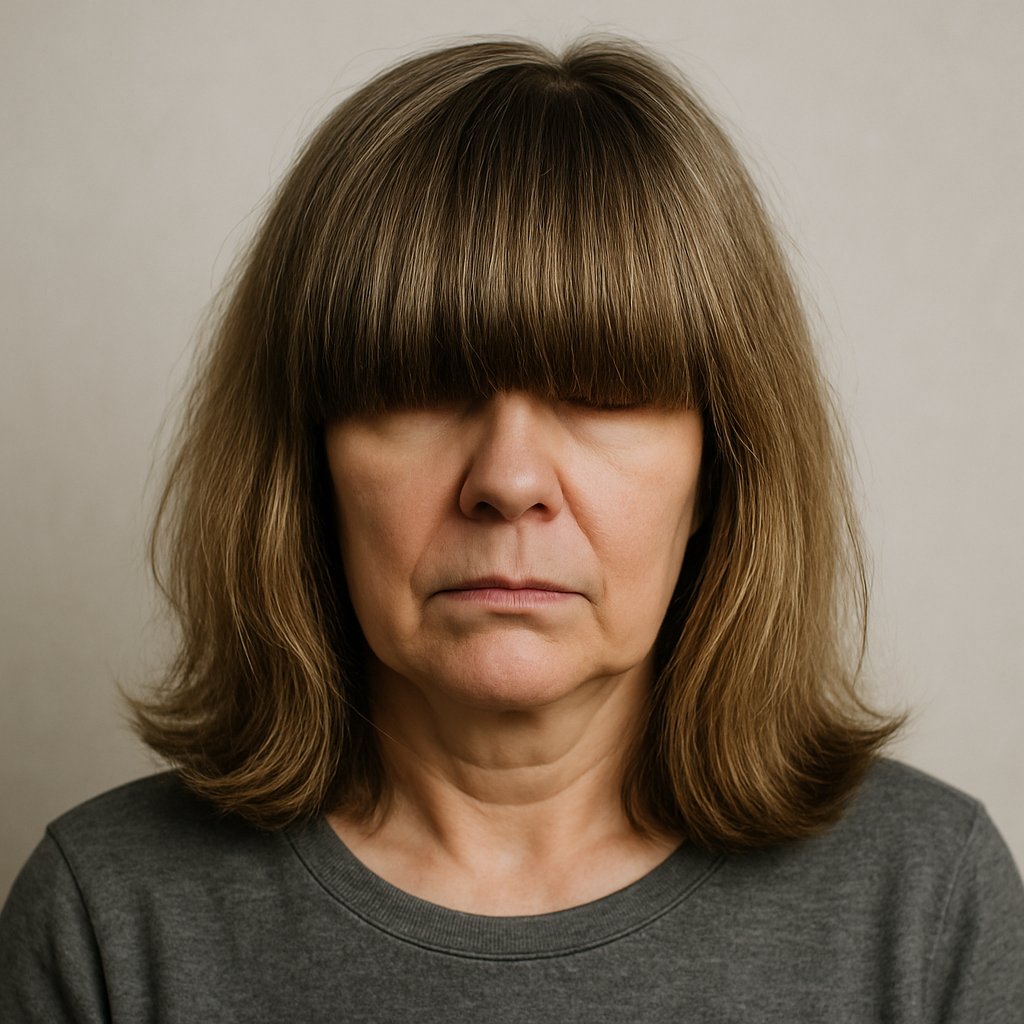
Heavy, thick bangs that cover your eyes can make you look older and tired. This style creates a shadow across your upper face that diminishes your natural glow.
When bangs are too dense, they hide one of your most expressive features – your eyes. This can make your face appear smaller and less vibrant.
The weight of thick fringe can also emphasize forehead wrinkles when the hair shifts throughout the day. It draws attention to areas you might prefer to soften.
Hair experts warn that baby bangs with lobs can be particularly unflattering for women over 45. The heavy appearance can overwhelm delicate facial features.
Instead of thick, blunt bangs, consider wispy or side-swept fringe. These lighter options frame your face without hiding your eyes.
You can also try curtain bangs that part in the middle. They provide coverage while keeping your eyes visible and bright.
If you love bangs, ask your stylist for texture and movement. This prevents the heavy, flat appearance that can age your overall look.
11. Overly sharp angled cuts
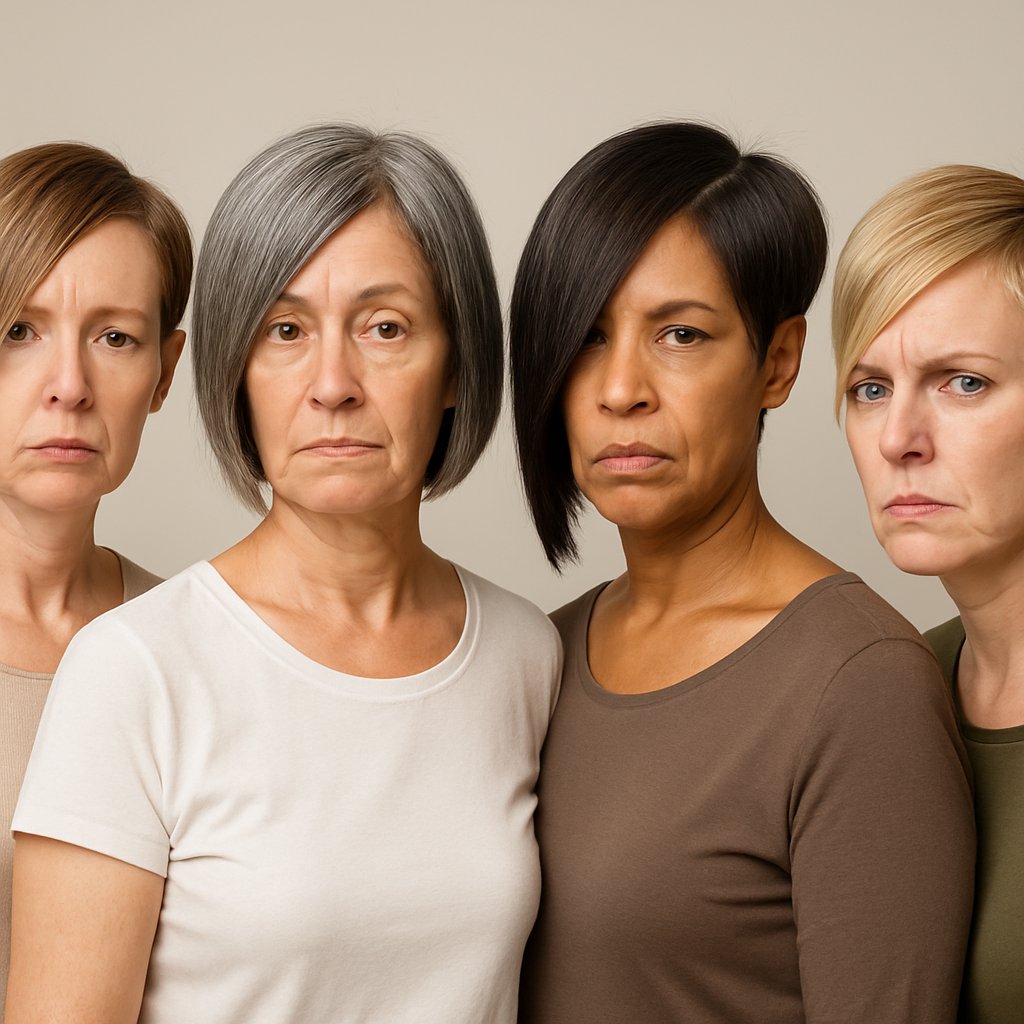
Sharp angled cuts can create harsh lines that don’t complement mature features. These severe angles often draw attention to facial imperfections rather than enhancing your natural beauty.
The dramatic contrast between lengths can appear too edgy for women over 45. While angled bobs can be flattering, extremely sharp cuts lack the softness that works better with aging skin.
These cuts require frequent maintenance to keep their precise shape. When they grow out, the harsh lines become even more unflattering and choppy-looking.
The severe angles can emphasize jawline imperfections or jowls. They also tend to make your face appear more angular and less feminine than softer styling options.
If you love the angled bob concept, opt for gentler angles instead. Subtle angled cuts with softer transitions maintain the modern look while being more age-appropriate.
Ask your stylist for graduated layers rather than stark geometric cuts. This approach gives you movement and shape without the harshness that can age your appearance.
10. Mushroom-shaped perms
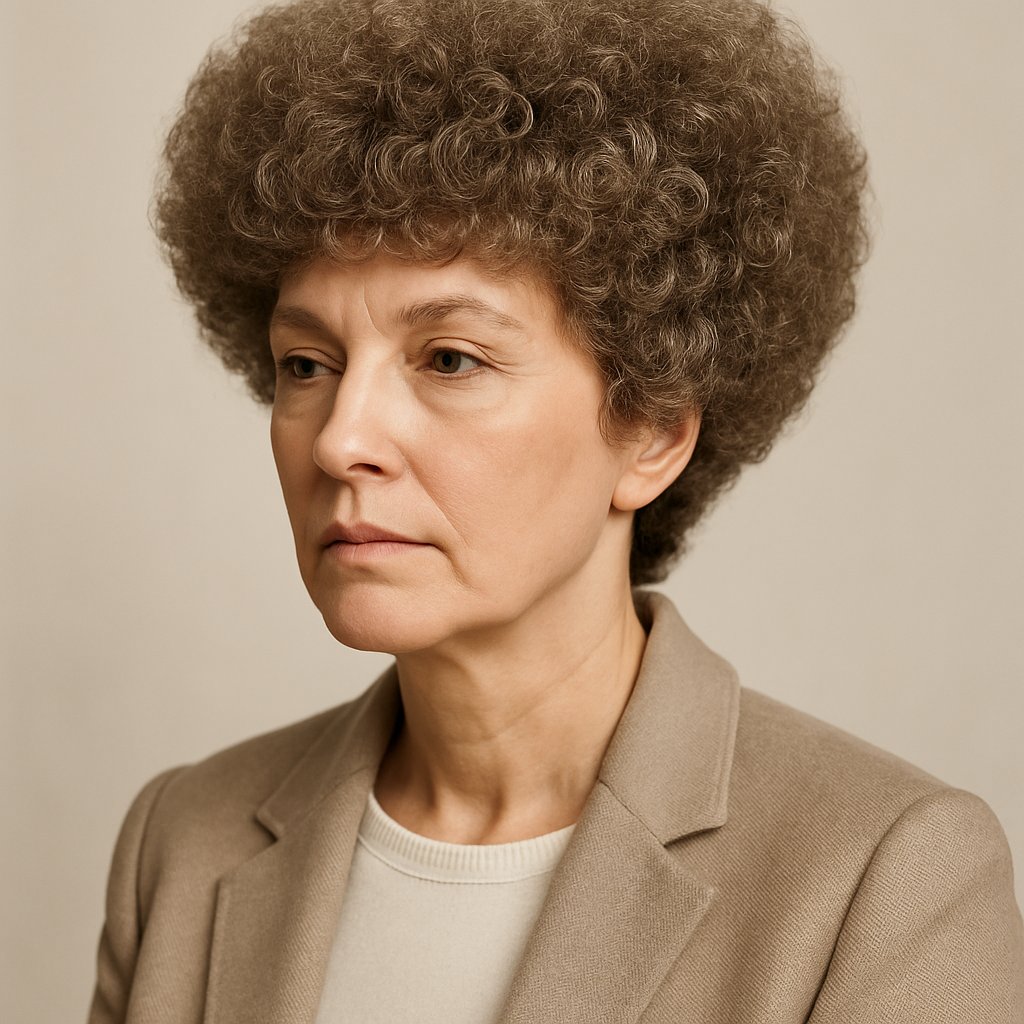
Mushroom-shaped perms combine two challenging elements that can work against women over 45. The rounded, bowl-like silhouette creates a helmet appearance that adds visual weight around your face.
This style’s perfect circular shape tends to emphasize facial fullness that naturally develops with age. The mushroom-shaped bowl cut creates a helmet-like appearance that does little to complement mature features.
The tight curls of a perm paired with the mushroom cut’s blunt edges create an outdated look. This combination can make you appear older rather than enhancing your natural beauty.
Your facial features need softer, more flattering shapes as you age. The harsh geometric lines of a mushroom perm work against this principle by creating rigid boundaries around your face.
Modern perm hairstyles for women over 50 focus on softer textures and more natural movement. These alternatives provide volume without the unflattering mushroom shape.
Consider asking your stylist for layered cuts with gentle waves instead. This approach gives you texture and body while maintaining a more youthful, contemporary appearance that complements your mature features.
9. Overly tight updos showing wrinkles
Pulling your hair back too tightly creates an unforgiving frame around your face. This harsh styling technique draws attention to areas you might prefer to downplay.
Tight updos emphasize facial features that naturally change with age. The severe pull exposes your entire face without any softening elements.
When you slick your hair back tightly, you eliminate the natural volume that helps balance facial proportions. This can make your face appear longer or more angular than desired.
The tension from tight styles also highlights your hairline. If you’re experiencing any thinning or recession, this styling choice will make it more noticeable.
Instead of completely avoiding updos, consider softer alternatives. Leave some gentle pieces around your face or create a looser, more textured bun.
You can still achieve an elegant updo without the harsh pull. Try twisting sections loosely or allowing some natural movement in your style.
The goal is creating a polished look that works with your features rather than against them. A softer approach to updos will be much more flattering.
8. Center parts with thin hair
Center parts can be particularly challenging if you have thin hair. The harsh line down the middle of your head draws attention directly to areas where your hair may be sparse or lacking volume.
When your hair is already thin, a center part exposes your scalp more prominently. This creates an unflattering focus on the widest part of your head rather than your best features.
Stylists warn that severe center parts can age you instantly, especially when combined with fine or thinning hair. The stark division emphasizes any gaps or thin spots along your hairline.
Your hair appears even flatter when parted directly down the center. This eliminates any natural volume or movement that could help disguise thinning areas.
Instead of a center part, try a deep side part to create asymmetry and lift. You can also experiment with a slightly off-center part that still feels modern but adds more body to your style.
Switching your part to one side helps redistribute your hair’s weight. This simple change can make your hair look fuller and more voluminous without any cutting or styling products.
7. Very high ponytails pulling skin
Very high ponytails can create an unflattering pulling effect on your facial skin. The tight upward tension stretches your face in an unnatural way that emphasizes fine lines and wrinkles.
This style often requires significant hair product to maintain the sleek look. The excessive pulling can cause discomfort and potential damage to your hair follicles over time.
High ponytails may accentuate thinning hair since the style relies heavily on volume for visual impact. If your hair has become finer with age, this becomes particularly noticeable.
The severe upward pull can make your facial features appear harsh rather than soft and youthful. Your neck and jawline become more prominent, which may not be the most flattering angle.
Tight ponytails can be tough on your hair and potentially cause real damage from the constant tension. This repeated stress can lead to breakage and hair loss around your hairline.
Consider a lower, looser ponytail instead. This alternative maintains the practical benefits while being gentler on both your hair and facial appearance.
6. Excessively teased crown area
You might remember the sky-high hair trends from decades past, but over-teased hair with excessive height at the crown now appears outdated and unflattering.
This dramatic styling technique can make your hair look artificial and harsh. The extreme volume draws attention away from your natural beauty and creates an unbalanced silhouette.
Teasing your hair slightly at the roots for gentle lift is perfectly fine, especially if you have thinning hair. The key difference lies in moderation versus excess.
When you tease too much, you risk damaging your hair’s texture and creating a dated appearance. The rigid, sculptural look doesn’t move naturally and can appear stiff throughout the day.
Your best approach involves keeping the rest of your hair natural looking and soft. This creates a more modern, flattering style that enhances your features rather than overwhelming them.
Consider gentle root lifting techniques instead. These methods give you volume without the artificial height that can age your overall appearance.
Focus on creating movement and texture rather than dramatic height. This approach will give you a fresh, contemporary look that flatters your face shape.
5. Severe all-one-length cuts
All-one-length cuts can create a harsh, unflattering appearance that adds years to your look. These blunt styles lack movement and dimension, making your hair appear flat and lifeless.
The sharp, uniform line draws attention to any imperfections in your facial structure. Without layers or texture, these cuts can emphasize a square jawline or make your face appear wider than it actually is.
Severe center parts and blunt cuts are particularly aging because they create stark lines that lack softness. Your features need gentle framing as you age, not harsh geometric shapes.
One-length cuts also tend to highlight thinning hair rather than disguising it. The uniform weight can make sparse areas more noticeable, especially around your crown and temples.
Instead of an all-one-length style, consider adding subtle layers or texture to create movement. Even minimal layering can transform a severe cut into something more flattering and youthful.
Soft, face-framing pieces work better than blunt edges for mature women. These gentler approaches complement your natural features while maintaining a polished, sophisticated appearance that enhances rather than detracts from your beauty.
4. Flat, lifeless straight hair
Flat, straight hair can make you look older and drain the vitality from your face. This style often emphasizes facial lines and creates a harsh, unflattering frame around your features.
When your hair lacks volume and texture, it tends to hang limply against your head. This creates an aging effect that draws attention to sagging skin and fine lines.
Long, straight hair can drag down facial features, emphasizing areas you’d rather minimize. The weight of straight hair pulls everything downward, creating an unflattering silhouette.
Flat hair also makes your face appear wider and rounder. Without any lift or movement, your features lose definition and appear less youthful.
The problem becomes more pronounced if you have fine or thinning hair. Straight styles reveal sparse areas and make your hair look even thinner than it actually is.
Instead of embracing flat, lifeless straight hair, consider adding layers or gentle waves. These alternatives create movement and dimension that will lift your features and restore a more youthful appearance.
Volume and texture are your friends when it comes to flattering hairstyles after 45. They help create the illusion of fuller hair while softening your overall look.
3. Tiny baby bangs on thick hair
Tiny baby bangs can create significant challenges when you have thick hair. The combination often results in a heavy, overwhelming look that draws attention away from your best features.
When you have thick hair, baby bangs tend to appear blunt and severe. The natural density of your hair makes these ultra-short bangs look like a solid wall across your forehead.
Thick hair with baby bangs requires constant maintenance to prevent the fringe from becoming too heavy. You’ll find yourself needing frequent trims to keep the style from looking overgrown and unkempt.
The weight of thick hair pushes baby bangs down, making them sit lower on your forehead than intended. This can make your face appear shorter and create unflattering proportions.
Consider wispy bangs instead, which are light and softly feathered. These work beautifully with thick hair because they reduce bulk while still framing your face attractively.
Side-swept bangs also work better with thick hair texture. They allow you to maintain some fringe without the harsh line that baby bangs create across your forehead.
2. Shoulder-length hair with heavy bangs
Heavy bangs paired with shoulder-length hair can create an overwhelming look that ages you unnecessarily. The thick, blunt fringe often makes your face appear smaller and draws attention to fine lines around your eyes.
This combination tends to feel dated and can make your features look harsh. The weight of heavy bangs pulls down your facial features, creating a tired appearance that works against your natural beauty.
Unlike flattering shoulder-length cuts with softer bangs, heavy bangs create a stark horizontal line across your forehead. This can make your face look wider and shorter than it actually is.
The maintenance required for heavy bangs is also demanding. You’ll need frequent trims to keep them looking neat, and they can become greasy quickly due to their thickness.
Consider alternatives like wispy bangs or curtain-style bangs instead. These softer options provide face-framing benefits without the harsh, aging effect of heavy bangs.
Your hair texture and face shape deserve a more balanced approach that enhances rather than overwhelms your features.
1. Overly blunt bob with no layers
An overly blunt bob creates harsh lines that can work against mature features. The straight-across cut lacks movement and softness that naturally complements women over 45.
This style tends to emphasize facial angles rather than soften them. Blunt bobs can make the face appear squarer and more severe, which isn’t ideal for most mature women.
The rigid structure of a blunt bob draws attention to areas where aging naturally occurs. Your jawline and neck area become more prominent with this unforgiving cut.
Without layers to create dimension, your hair appears flat and one-dimensional. This can make thinning hair look even more sparse and lifeless.
The maintenance required for keeping blunt lines crisp can be demanding. You’ll need frequent trims to maintain the sharp edges, making it both time-consuming and expensive.
A layered alternative would serve you much better. Layered bobs add movement and soften the overall look, creating a more youthful and flattering appearance.
Consider asking your stylist for subtle layers that maintain the bob’s structure while adding gentle movement around your face.