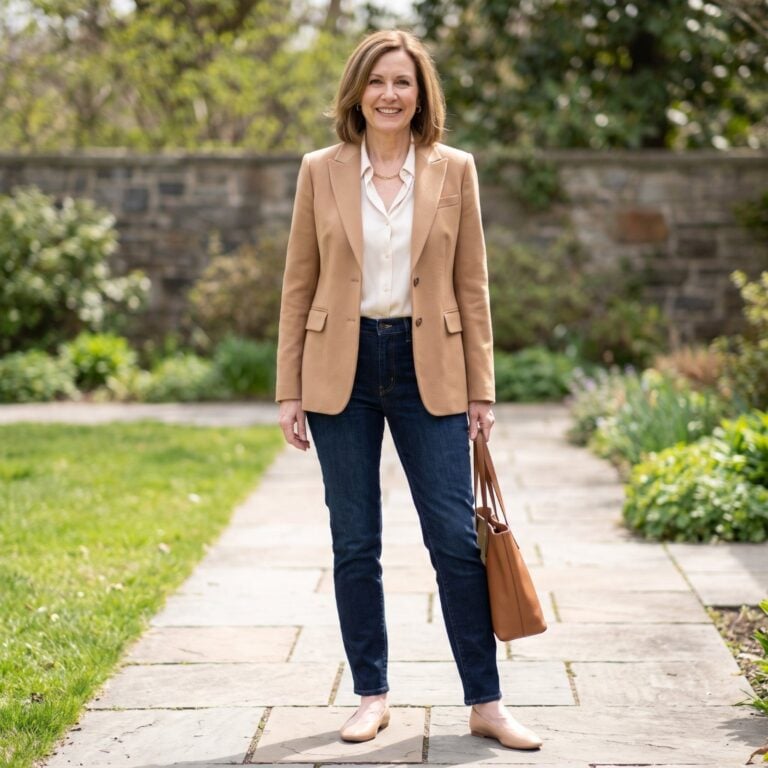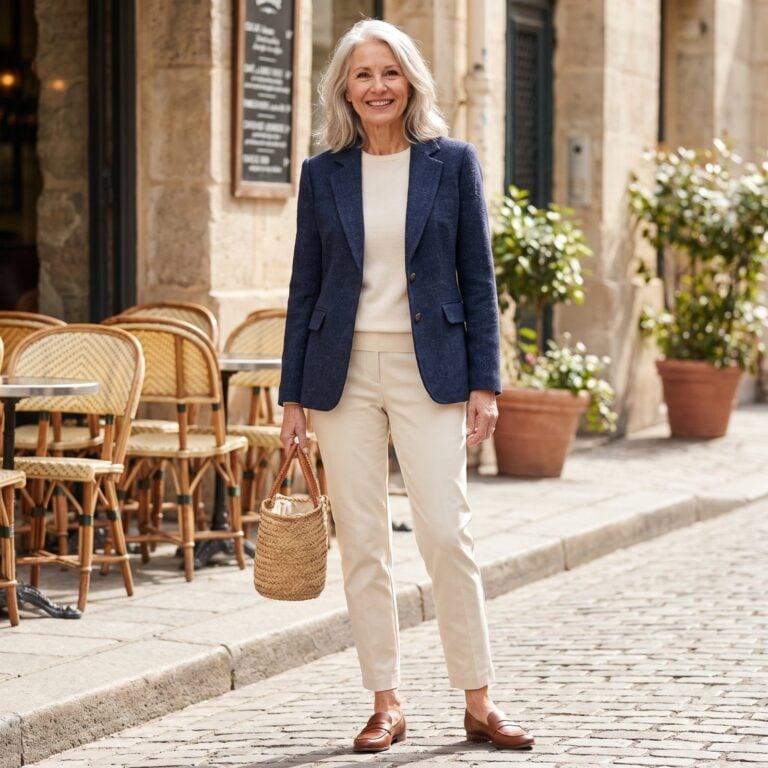

❤️ Would you like to save this?
Your hairstyle has way more control over your face shape than you probably think. The thing is, so many of the cuts and styles we gravitate toward actually end up making our faces look wider. The wrong haircut, color placement, or styling trick can play optical games that widen your features. Blunt cuts that highlight your jaw, heavy products that flatten your hair—these little mistakes can undo even the best-laid beauty plans.
Trying to figure out why certain hairstyles make your face look broader while others slim and flatter matters more as you deal with hormonal changes that mess with your hair and face shape. Maybe you’ve noticed your hair color suddenly changes how your face looks, or a certain cut puts a spotlight right where you don’t want it. Spotting these haircut mistakes that instantly age women can help you dodge them next time you’re in the salon chair.
FYI, thanks to AI imagery software, we’re able to create very specific fashion and hairstyle examples to illustrate the points being made. In some cases, imagery is exaggerated to hammer home the point. Also, assume links that take you off the site are affiliate links such as links to Amazon. this means we may earn a commission if you buy something.
29. Not Adjusting Hair for Face Shape After 45 – Ignoring hormonal hair changes worsens the widening effects unintentionally

Your hair just doesn’t behave the same after 45, but a lot of us keep styling it like we’re still 30. Not the best idea.
Hormonal shifts during perimenopause mess with both your scalp hair and where facial hair shows up. Curls that used to bounce might drop or loosen up, leaving you with a totally different volume around your face.
As your androgen to estrogen ratios shift, your hair grows in new places and falls differently. When you ignore these changes and stick with outdated styles, your face ends up looking wider.
Hair that once curved around your jaw might now just hang there, limp and straight, creating harsh lines that broaden your whole look.
Lightening up around your face becomes a lifesaver as your skin loses its glow. Pulling dark hair tight just makes shadows and emphasizes width and hollow spots.
What worked for you before probably worked because your hair texture backed you up. Now, you need to work with your current hair reality, not against it.
28. Layered Curls That Hit Exactly at Jawline – This cut literally maps out the widest part of your face and celebrates it
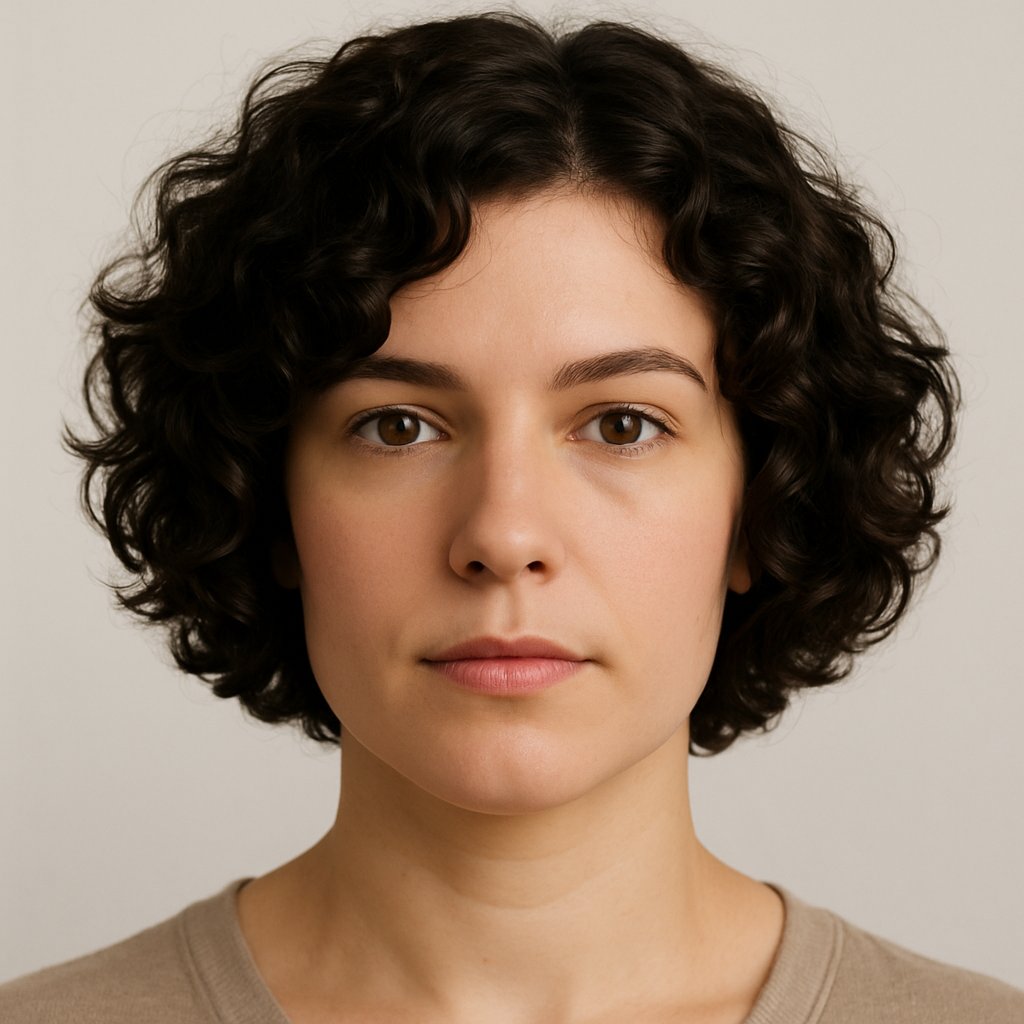
Let’s be honest about jawline-length curly layers—they basically put a spotlight on the widest part of your face. Not exactly the look most of us want, right?
When layered curly haircuts stop right at your jaw, they draw a horizontal line that pulls the eye straight across your face’s broadest point. Classic geometry at work.
Curly layers at jaw level add bulk exactly where you’d rather not have it. Instead of making your face look longer, this cut just makes it look wider and more square.
Jaw-length layered curly bobs create fullness around your jaw, which sounds nice, but in reality, it just emphasizes width.
Curly hair already brings more volume than straight hair. When all that volume sits at jaw level, it stretches your face at its widest point.
27. Too-Much Product Weighting Hair Down – Heavily styled or product-laden hair loses bounce and body, widening the face visually
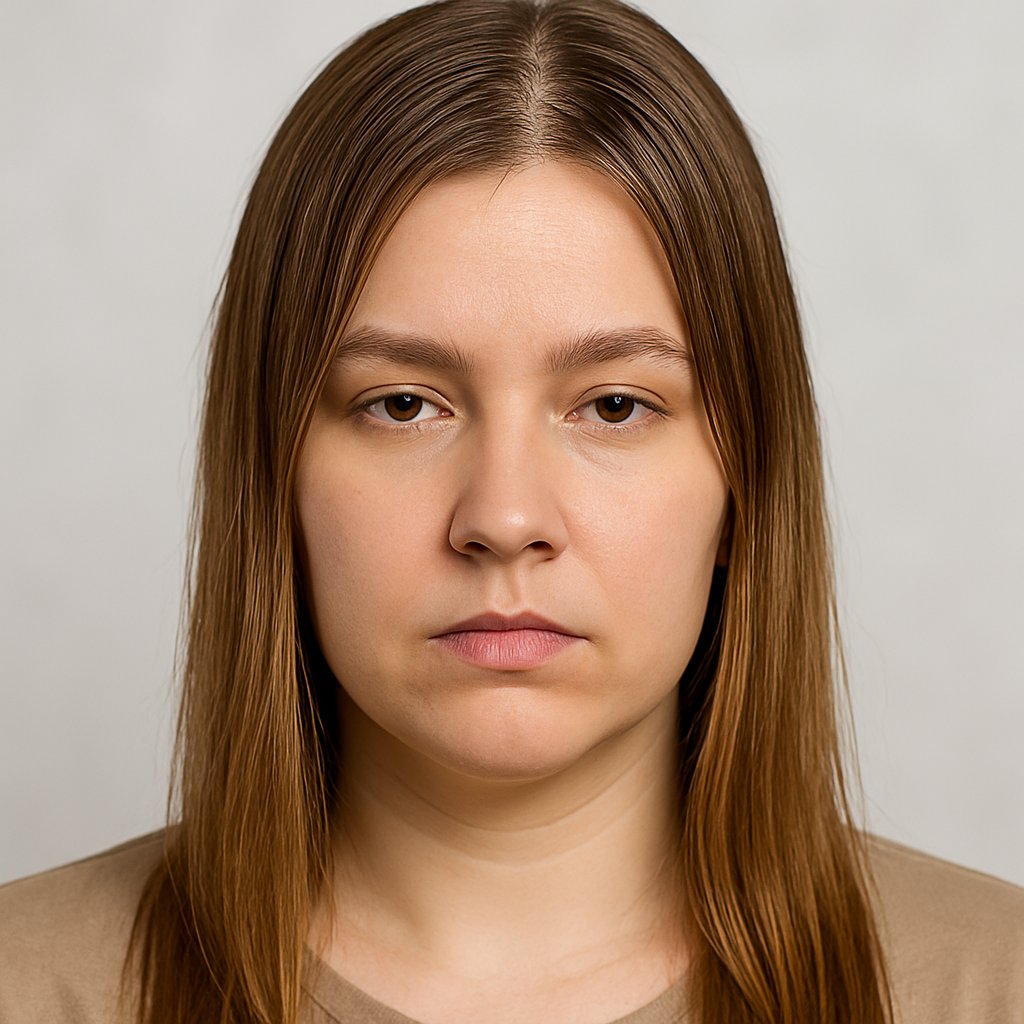
Sometimes, your styling routine does more harm than good. When you pile on too much product, your hair loses its bounce and life.
Heavy creams, gels, and serums drag your hair down, leaving it flat and stuck to your head. You lose that volume at your temples and crown—the stuff that makes your face look longer.
Product buildup makes hair greasy and heavy, so your whole face gets pulled wider, not longer.
It’s all about balance. Use just enough product to control things, but not so much that gravity takes over.
Start small and add more if you need it. Focus on the mid-lengths and ends, not the roots—roots need that volume!
Too much conditioner can also weigh hair down, and even curls can look greasy if you overdo it.
Your hair should have some movement when you turn your head—not just stay stuck in place like a helmet.
26. Bob Cut With Blunt Ends – Sharp blunt ends corporately shout, ‘Here’s my wide cheekbones,’ loud and clear
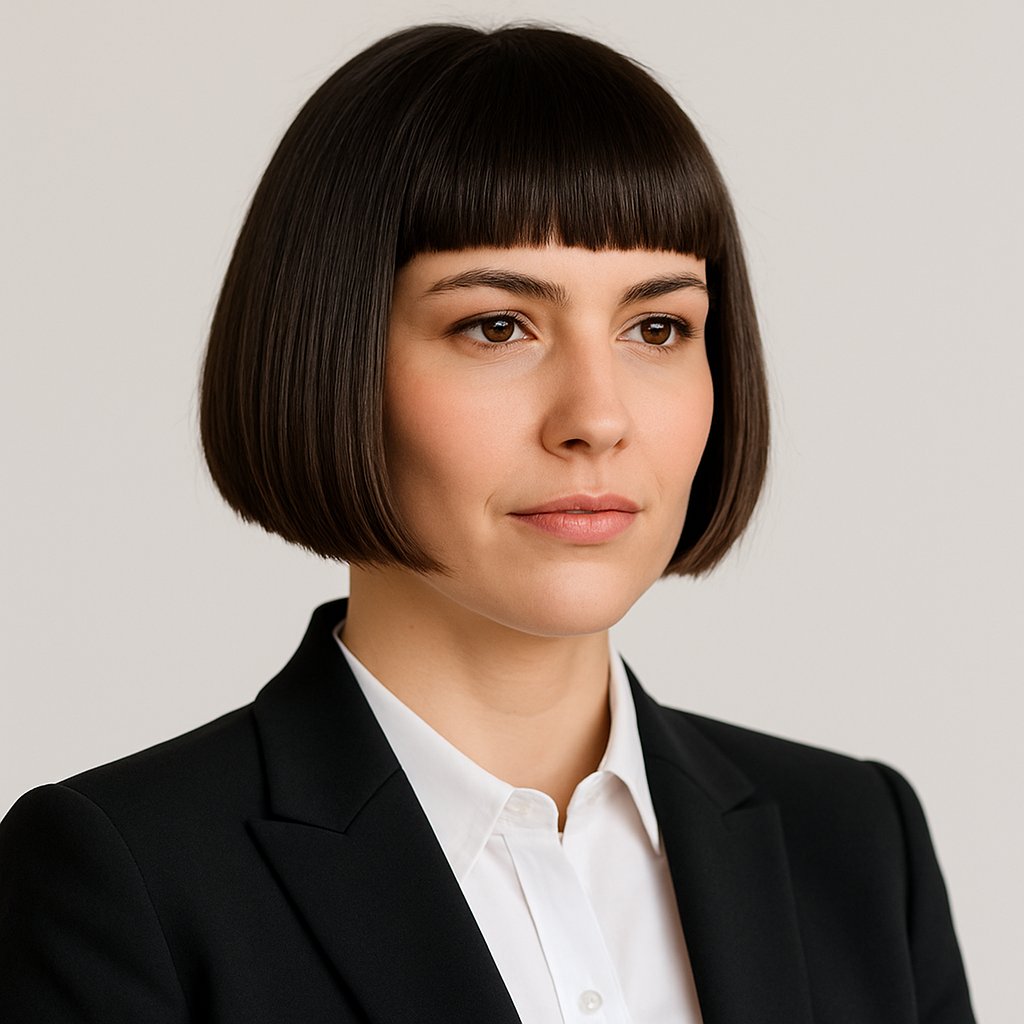
The blunt bob gives you a straight line at the ends, and honestly, it’s like drawing a ruler across your face. Those sharp edges pull all the focus to your cheekbones.
After 45, your face shape changes. A blunt bob just makes your face look wider because it creates a hard stop right at cheek level.
No soft layers means your eye can only go sideways. Blunt cuts without layers box in your face, which isn’t great if you’re already worried about width.
Your jawline gets lost behind that harsh, straight line. The cut basically builds a geometric frame that makes your face look broader.
Some stylists love blunt bobs for heart-shaped faces, but if you’re trying to minimize width, it’s not your friend. The straight-across cut just doesn’t have the movement needed to draw the eye up and down.
25. Over Thick Bangs That Cover Forehead – Hiding the forehead cuts the face’s verticality, making the width more noticeable
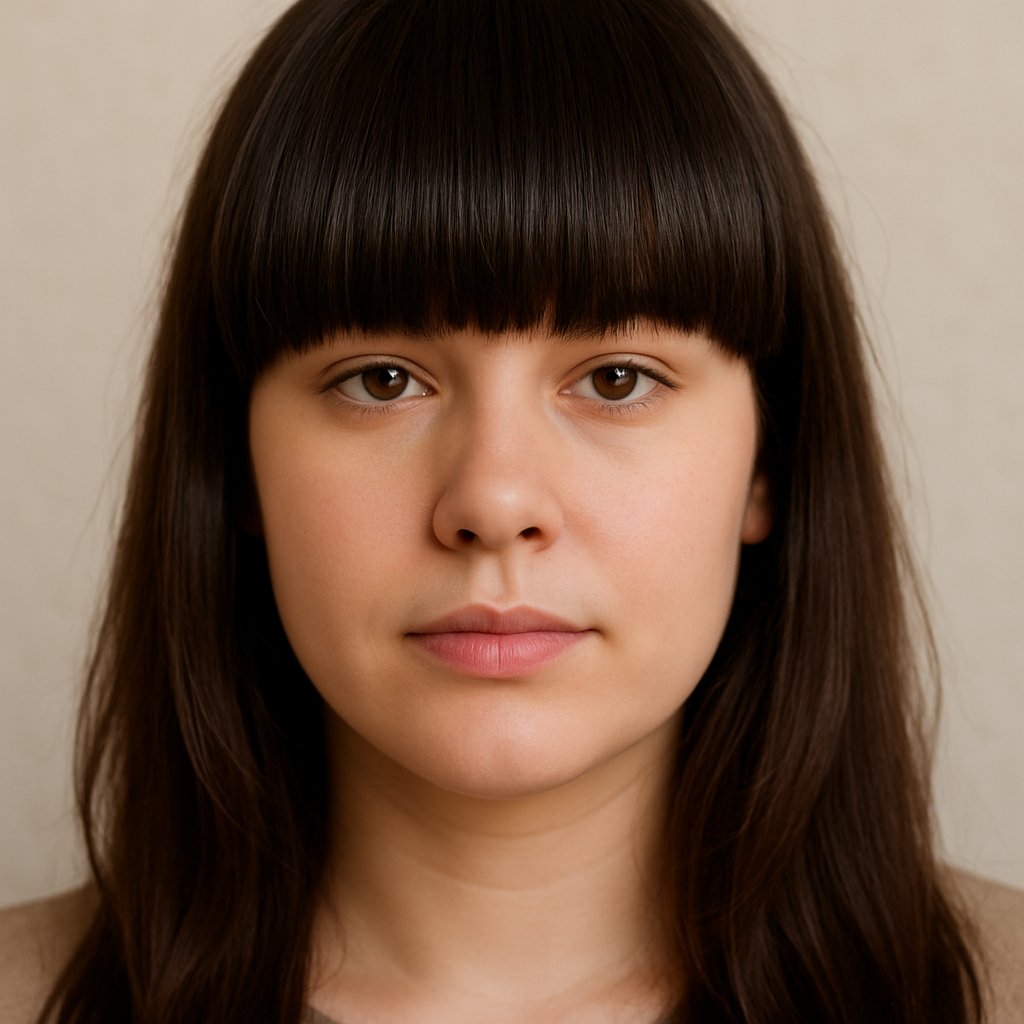
Heavy, blunt bangs that swallow up your whole forehead really don’t do you any favors if you’re after a slimmer look. Your forehead is prime real estate for adding vertical length.
When you hide it behind a thick wall of hair, you shrink your face’s vertical space. Suddenly, the width stands out even more.
It gets worse when bangs that cover forehead are super dense. That weight across your brow creates a hard line, drawing all the focus sideways.
Your face needs some room to breathe. Overly thick bangs just box you in and make your features look heavier.
Try wispy bangs that just skim your forehead instead. Let some skin peek through to keep that vertical space.
Side-swept bangs are a solid option too—they add diagonal movement and keep your features looking balanced.
24. Lack of Volume at Roots – Flat on top means no vertical lift, so the face visually expands sideways
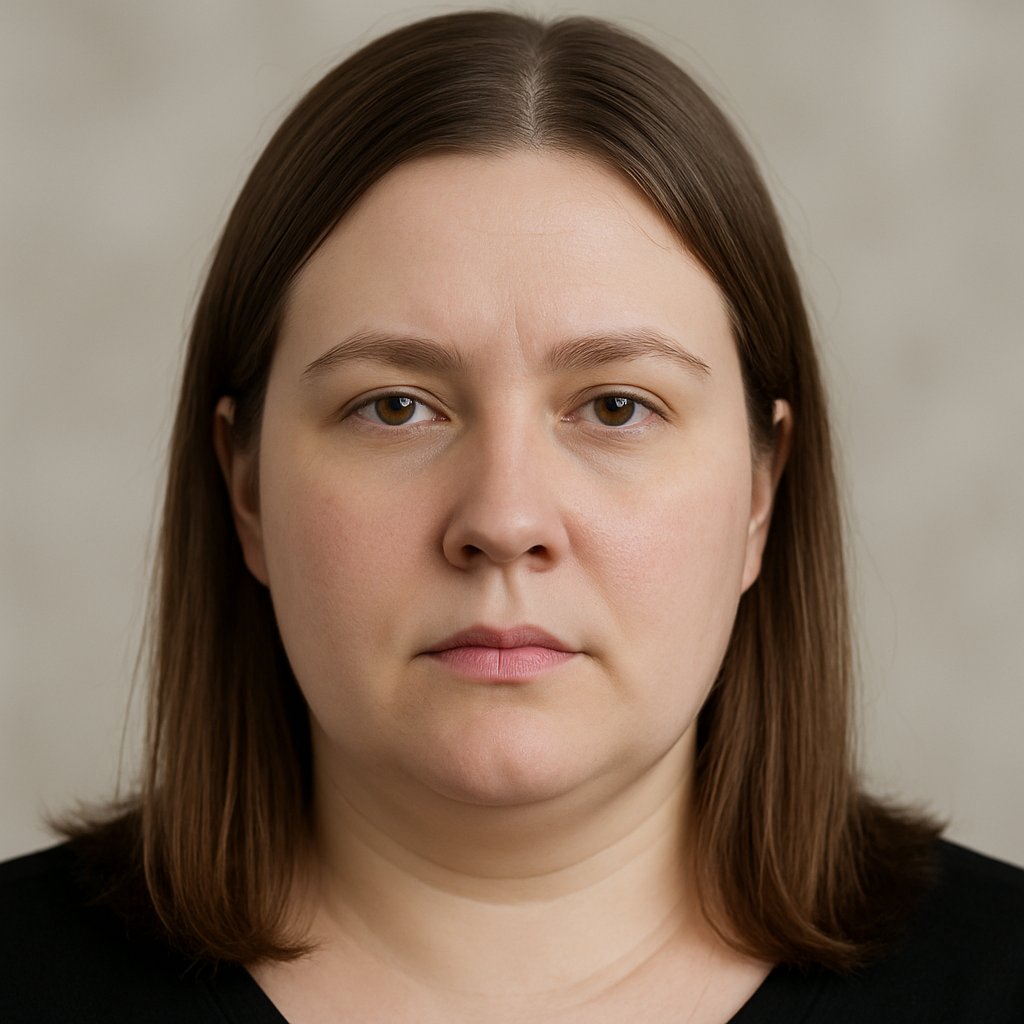
Nothing ages you faster than hair stuck to your scalp like you just ran through a downpour. When you don’t have volume at the roots, your face loses its vertical lift and starts to look wider.
Flat roots hit curly hair hard, but straight-haired women over 45 feel it even more. Hair naturally thins out with age, so this gets worse over time.
It’s pretty simple: without height at the crown, the eye moves across instead of up. That’s how you get the illusion of extra width.
Adding root volume takes a little strategy right out of the shower. Root-lifting products aren’t just nice to have—they’re your secret weapon against gravity.
Try the clip lifting trick while your hair dries. Velcro rollers at the crown can help too, even if you feel a little silly for twenty minutes.
The payoff? Lifted roots give you a vertical line that makes your face look longer and brings back those youthful proportions.
23. Hair Pulled Back Too Tightly – This stresses every contour and puff, dragging out face width instead of sculpting it
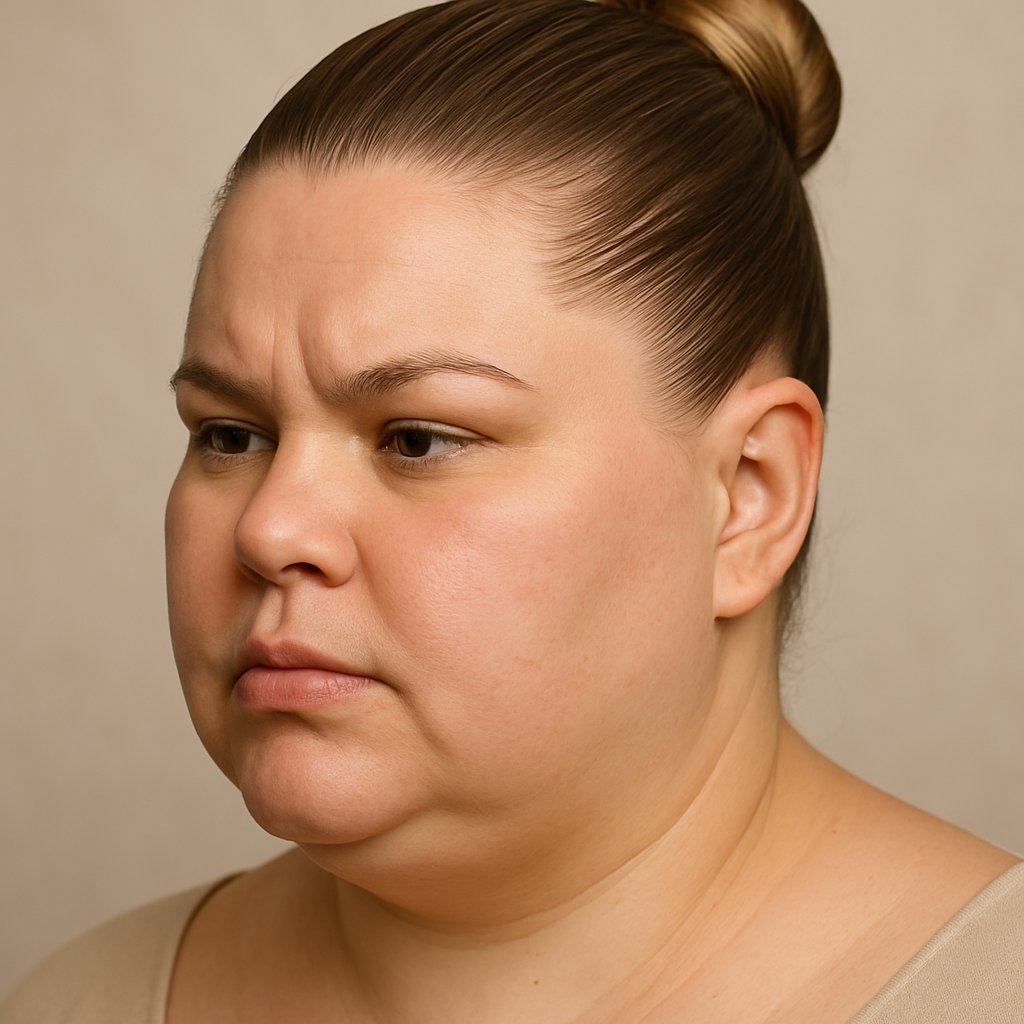
That slicked-back ponytail you think looks sophisticated? Honestly, it just puts every facial asymmetry out there for everyone to see.
Pulling your hair back with military precision takes away the natural softness that loose strands give your face. Suddenly, your features are on full display, no camouflage, no mercy.
Tight styles create this weird optical illusion—where your hair meets your scalp, that severe horizontal line pulls the eye sideways instead of giving you any vertical lift.
Cheekbones, which should be your secret weapon, end up looking wider when you don’t have hair breaking up all that space. The tension pulls your facial skin tight and just emphasizes width over length.
Constantly pulling hair tightly can lead to traction alopecia, and even before that, your face shape is definitely not benefiting.
A softer approach feels so much better. Try a low ponytail with some loose, face-framing pieces, or maybe a side-swept look to create diagonal lines instead of those harsh horizontals.
Your face will seriously appreciate the breathing room.
22. Dull, Lifeless Hair Without Shine – Lacking shine and dimension flattens hair against the face, emphasizing width
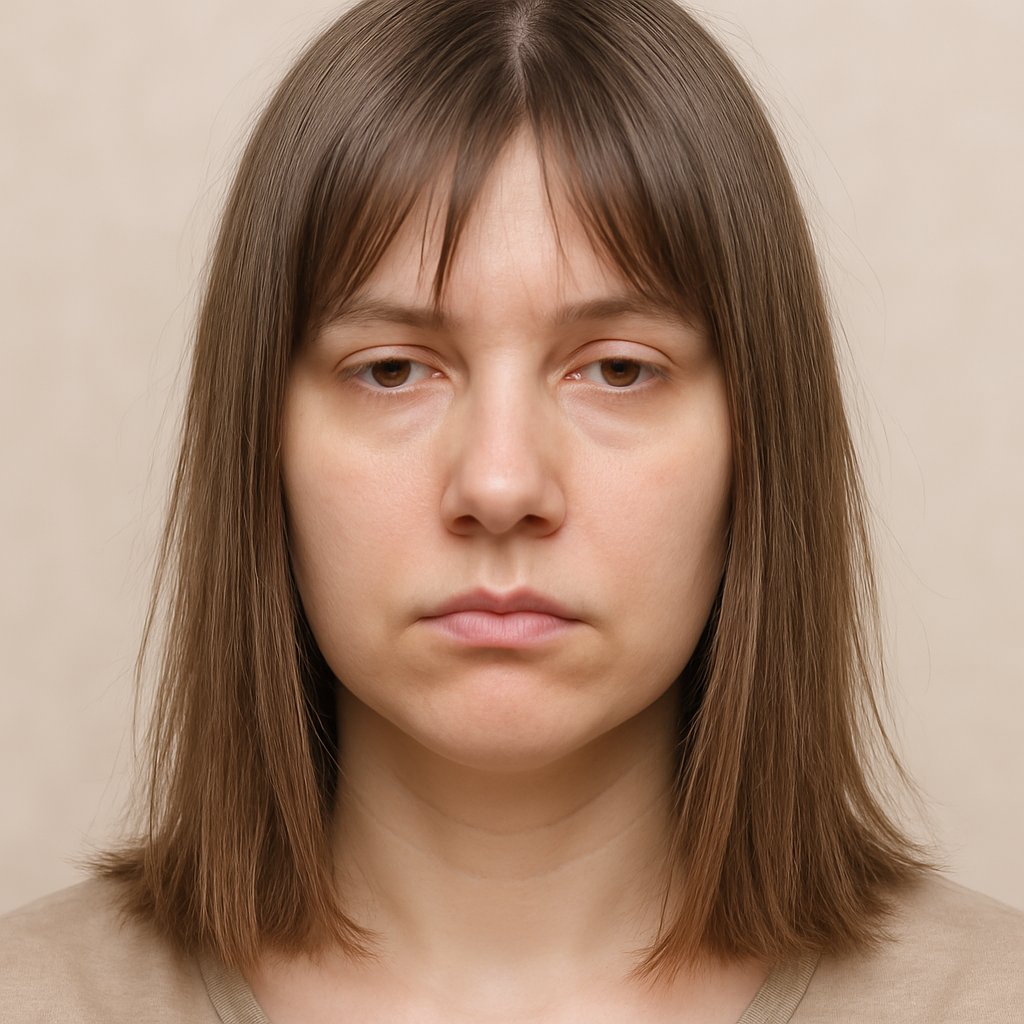
When hair loses its shine, it just sits there—flat, one-dimensional, and not exactly doing your face any favors. It’s like the difference between a matte wall and one with a glossy finish. Which one catches your eye?
Dull hair lacks moisture, shine, and body, so it just flops against your head, no movement, no life. This makes your face look wider than it actually is, which is… not ideal.
Shiny hair, on the other hand, reflects light and gives you those natural highlights and lowlights that add depth. When hair’s dull, it turns into a dark backdrop, making your face the only thing people see.
Usually, over-styling, product buildup, and lack of moisture are to blame. Heat tools strip away your hair’s oils, and heavy products just weigh everything down.
Chemical treatments like coloring and perming can damage the hair shaft, making hair look lifeless. Even skipping out on good nutrition can leave you with blah, lackluster locks that don’t flatter your features at all.
21. Middle-Heavy Balayage Without Face-Framing Highlights – Without lighter strands around the perimeter, the face looks dense and wide

Your colorist might be aiming for artistry by packing all that gorgeous balayage in the middle of your hair, but honestly, it just puts all the visual weight right at the widest part of your face.
If you skip face-framing highlights around your hairline, you miss the trick that draws light to your features. The darker perimeter acts like a shadowy frame, making your face look broader.
It’s kind of like wearing a dark turtleneck instead of a V-neck with a bright scarf. The color in the middle pulls the eye in, while the dark edges make your face look wider.
Face-framing blonde highlights create dimension and break up that heavy border. The lighter pieces catch the light and move around your face, so you don’t just fade into the background.
Ask your colorist to bring some of those balayage tones closer to your hairline. Your face will love the extra glow.
20. Straight Bob That’s Box-Shaped – It’s less Bob, more square, making your face mimic the same geometry unwittingly
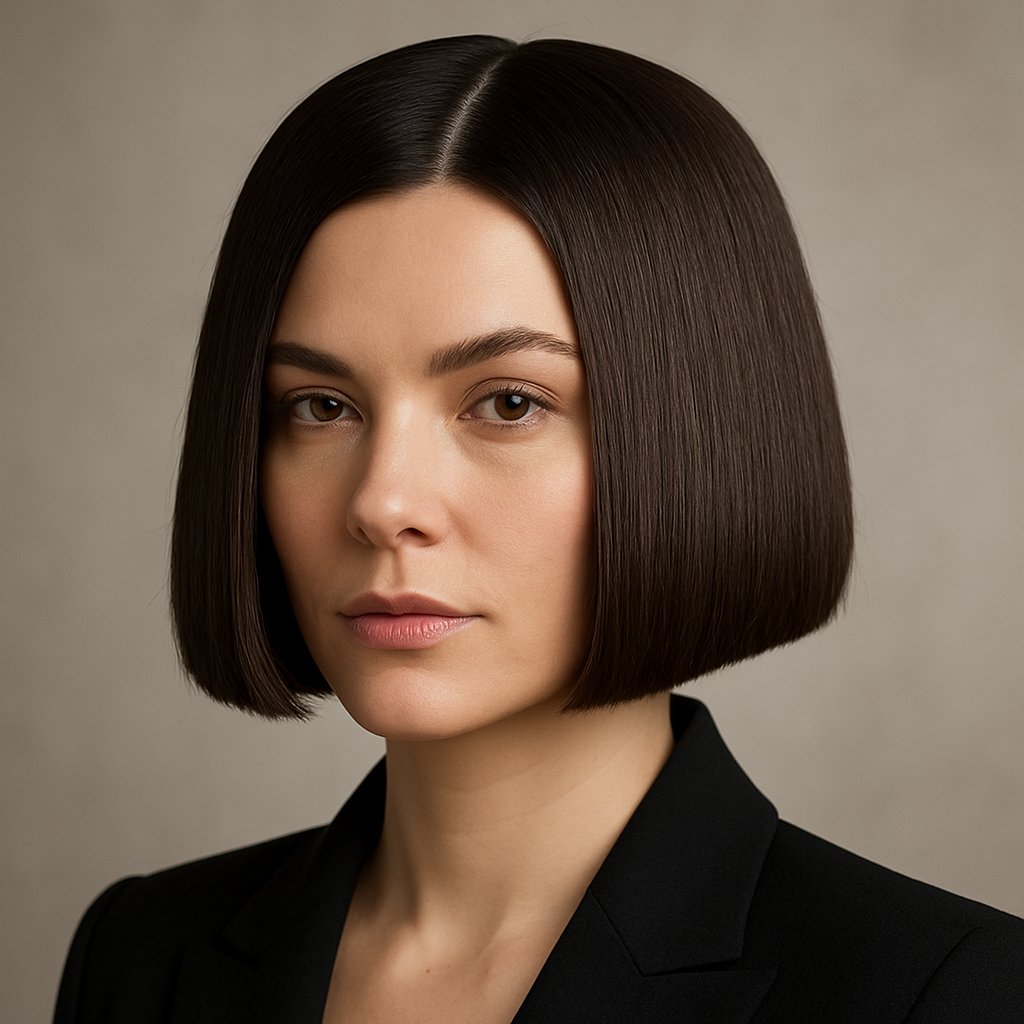
The box bob’s straight, blunt-cut ends create a square appearance around the jawline. Stylists might love its geometric precision, but your face doesn’t need to copy that math.
This cut keeps everything one length, barely any layers. What you end up with is a rigid frame that boxes in your features.
When your haircut draws harsh horizontal lines at your jaw, it visually spreads everything above it. Suddenly, your cheekbones and forehead look broader than they really are.
The structured short haircut that stops at the chin acts like architectural framing. Instead of softening your look, it creates a foundation that makes your face mimic the cut’s boxiness.
Softer bobs with layers or a little movement don’t have this problem. The box bob just keeps things stiff and geometric. Every time you look in the mirror, it feels like your natural curves are up against sharp, artificial angles.
The irony? This trendy cut gaining momentum promises modern sophistication, but it really just makes your face look wider—definitely not what most of us want.
19. Heavy Frontal Curtain Bangs – These bangs frame but also thicken the middle, broadening the face rather than slimming it
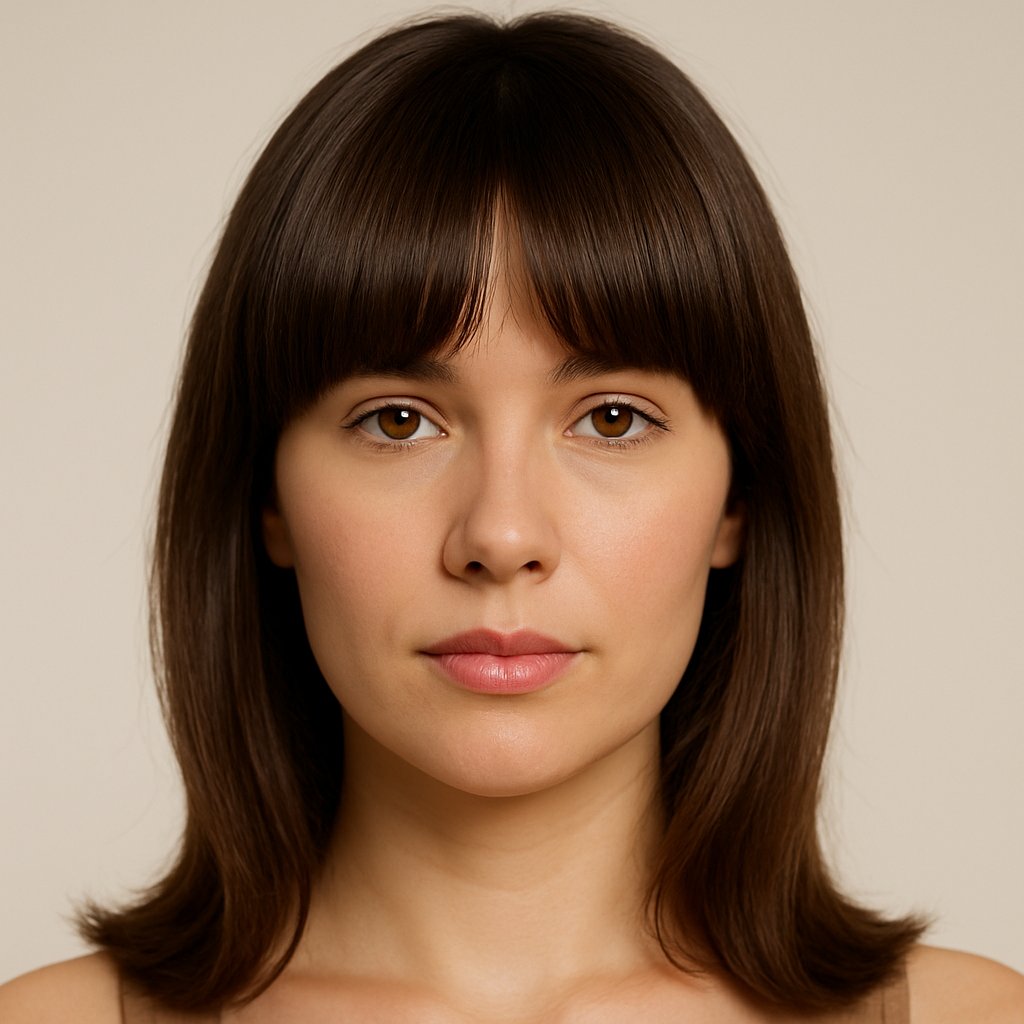
Curtain bangs can complement pretty much any face shape, but those heavy, frontal versions just add visual weight exactly where you don’t want it. Thick, blunt curtain bangs sit across your forehead like a horizontal bar.
That density pulls attention to the widest part of your face. Instead of the soft, wispy framing that flatters, heavy curtain bangs create a block of hair that makes your face look wider.
Your eye naturally follows the line they make, which just exaggerates width—especially if you’ve got a round or square face.
Heavy bangs weigh down your features, too. That compression makes everything look shorter and wider.
Face-framing curtain bangs work best when they’re subtle, not heavy. You want softness and movement, not a thick curtain cutting your face in half.
Maybe ask your stylist to thin out those heavy bangs or let them grow a bit for a more flattering vibe.
18. Cutting Hair Too Short in the Back – A tight back short cut throws all the volume to the sides, banking on width
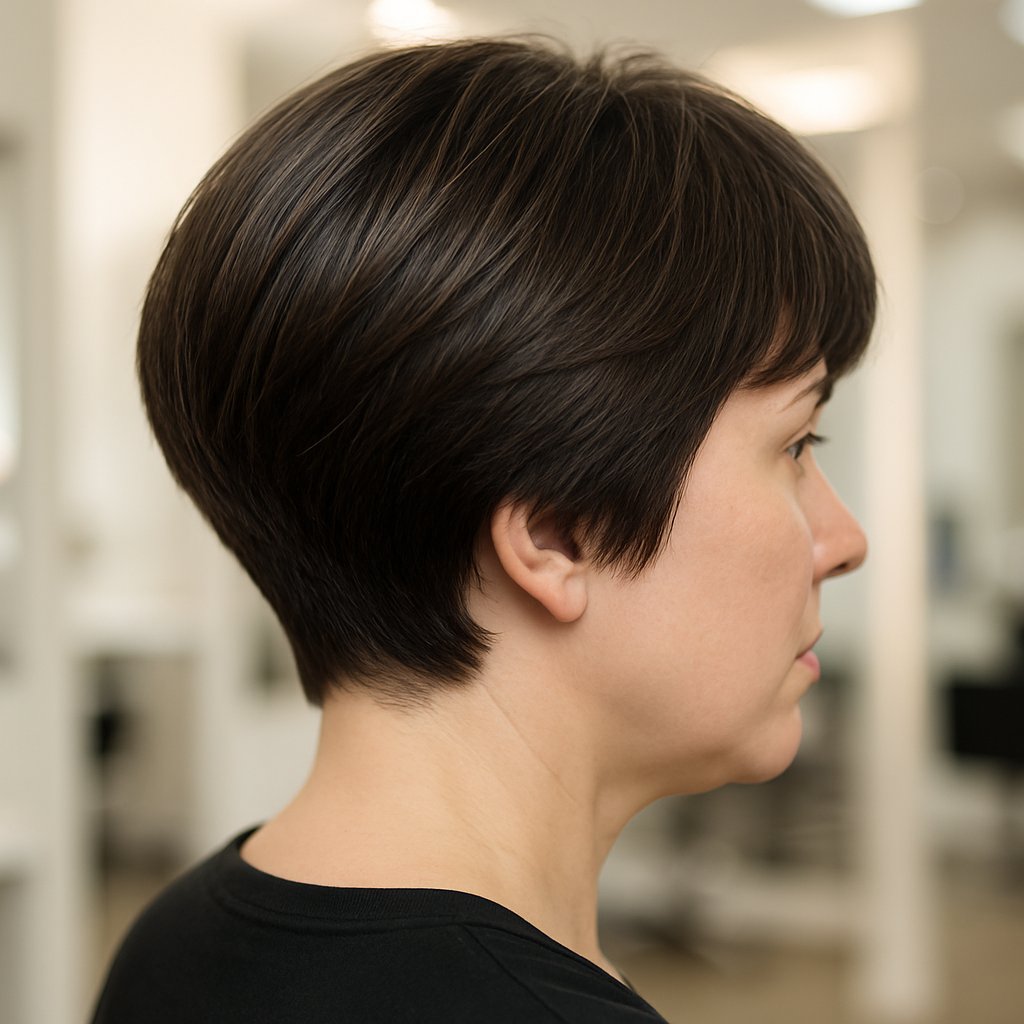
That pixie cut sounded like a great idea until your stylist went wild with the scissors in the back. Now you’ve got what I call the “triangle effect.”
When the back gets cropped too tight, all your hair’s natural volume pushes forward and outward. It’s just physics—the hair has nowhere else to go.
This leaves you with a silhouette that emphasizes the widest part of your face. Suddenly, your cheekbones and jawline steal the show, whether you want them to or not.
Professional stylists often warn about this mistake because it’s so common and, honestly, not flattering. The back of your head needs a bit of length to balance out your face.
Think of your haircut like architecture. If there’s no support in the back, everything collapses forward into a pancake shape. Not cute.
If this just happened to you, don’t try to fix it yourself. Let a pro handle it, or just wait for it to grow out.
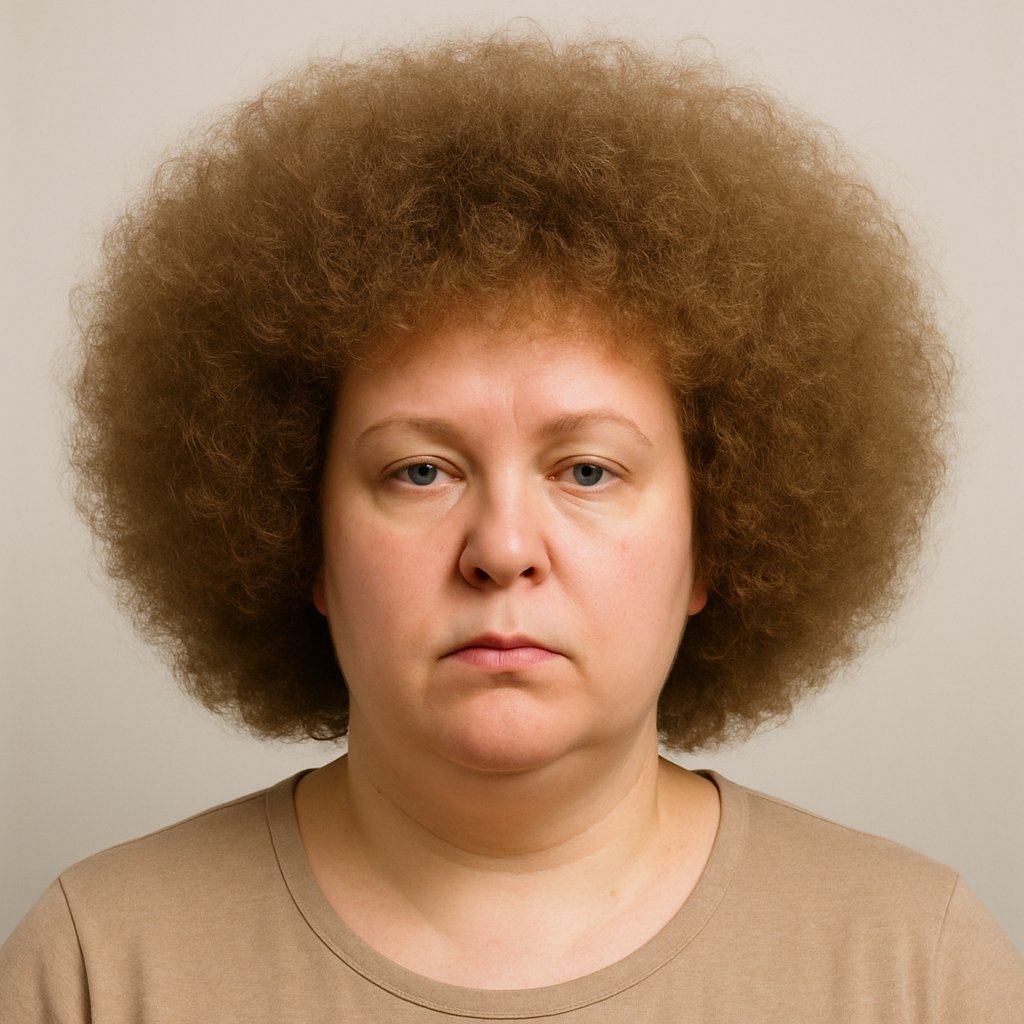
17. Permed Hair That Puffs Evenly Around Head – Failure to sculpt the perm means you end up with a 360-degree width enhancer
❤️ Would you like to save this?
When your perm creates uniform volume all around your head, you basically end up with a hair helmet. Some stylists treat every section the same during the perm, and that’s where things go sideways.
What happens? Your face gets swallowed by puffiness that adds width at your temples, cheeks, and jawline—all at once.
Several factors can cause sections of permed hair to turn out differently, but when everything puffs up equally, it’s just as bad.
Good stylists mix up rod sizes and placement to shape hair in a way that flatters your features. Smaller rods at the crown give you lift, while bigger ones at the sides keep your face from expanding horizontally.
Troubleshooting common perm issues really starts with realizing one size doesn’t fit all. Your perm should work with your best features, not turn your head into a perfect circle.
You’ll need some strategic cutting and styling to break up that uniform volume.
16. Overgrown Roots With No Blending – The stark line across the scalp draws horizontal attention that widens the visual face width
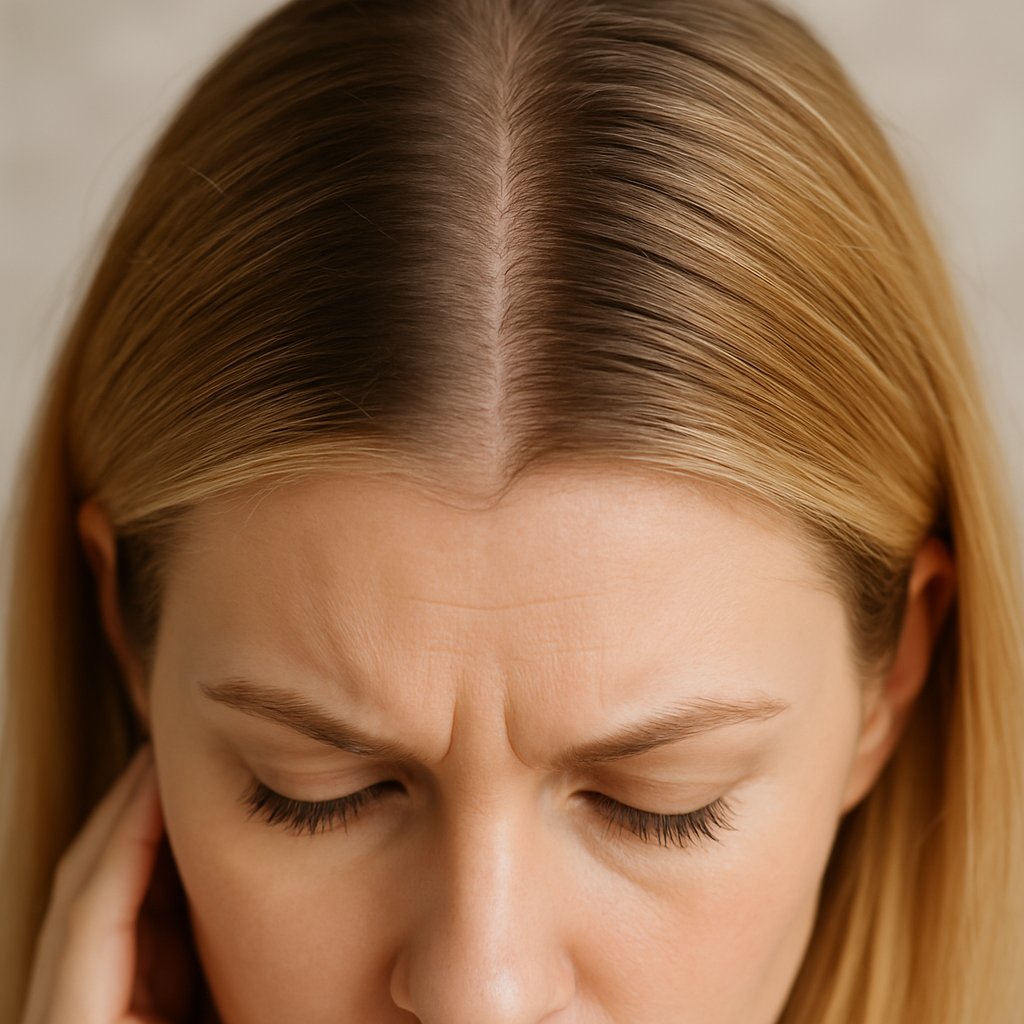
Nothing yells “I’ve skipped my colorist for months” like a harsh demarcation line across your scalp. That stark contrast between roots and colored hair grabs attention in the worst way, dragging the eye horizontally.
When roots grow out with no blending, they create what pros call a “line of demarcation.” Suddenly, your hairline is the main event—just not in a good way.
That horizontal emphasis tricks the eye, making your face look wider. It’s just how our brains work—horizontal lines expand, vertical lines slim.
Professional colorists always avoid stark roots without proper blending. They want smooth transitions, not interruptions in your hair’s flow.
Instead of letting roots become a statement piece, get regular touch-ups every 6-8 weeks. Ask about shadow roots or root smudging for softer transitions.
Your face deserves better than a big horizontal stripe. Keep the focus on your features, not your roots.
15. All Dark Hair With No Dimension – Uniform darkness lacks dimension, which can sometimes visually spread out features
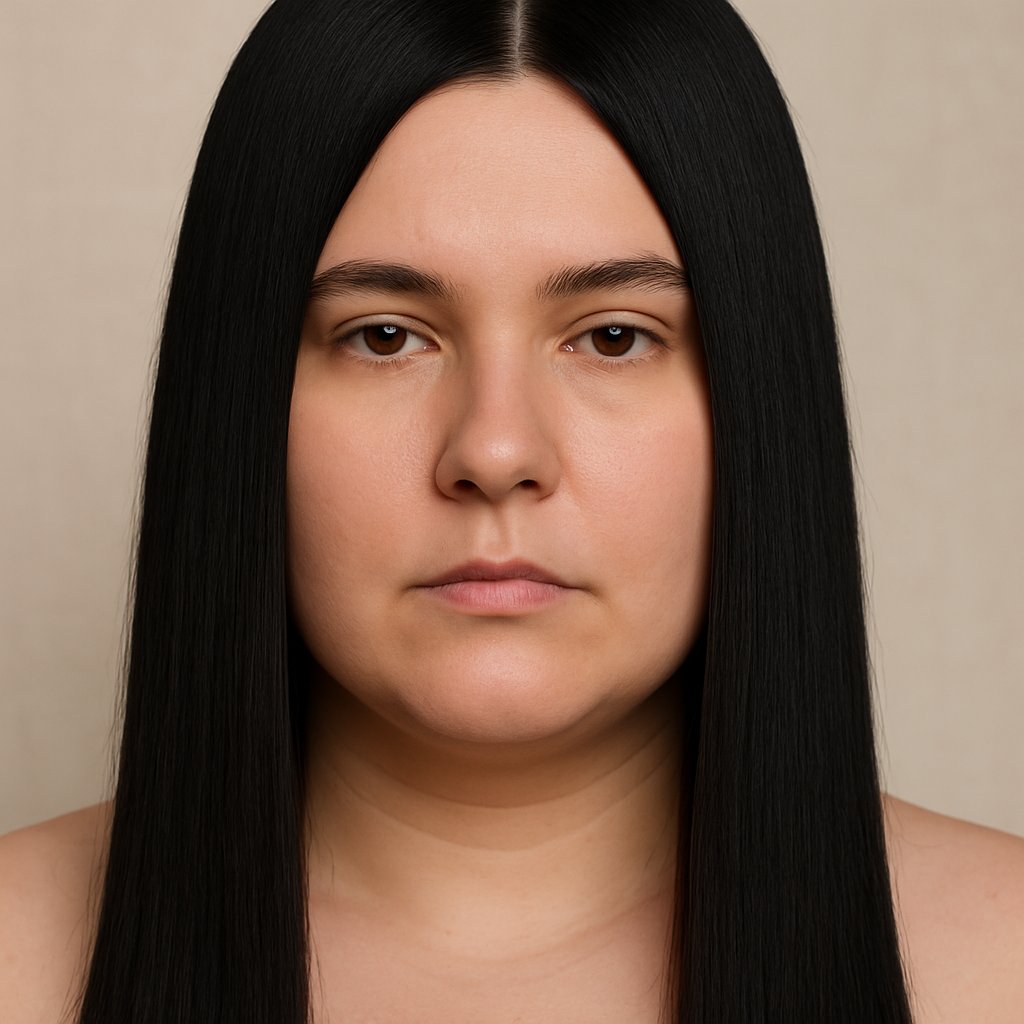
Let’s be honest: flat, one-dimensional dark hair feels a bit like wearing a black hole on your head. It frames your face so harshly, your features can look wider than they really are.
When hair has zero tonal variation, it just forms a solid block of color. That block adds visual weight, spreading out sideways instead of creating those flattering vertical lines most of us want.
The trick? Add subtle dimension without losing your beautiful dark base. Even a 10% variation can keep things interesting while letting you stay true to your overall look.
Try working in lowlights—think espresso or chocolate—rather than jumping to dramatic highlights. These little differences catch the light in a more dynamic way and give your hair some movement and texture.
Where you add those tones matters too. Face-framing pieces with just a hint of variation can actually make your face look more narrow, pulling the eye inward.
Even if you’re a die-hard dark brunette, dimensional color does wonders. Caramel ribbons or deep burgundy undertones add depth without looking like you just spent hours at the salon.
You don’t need to go lighter; just break up that solid wall of color to keep your hair from feeling heavy and flat.
14. Tousled Waves Without Height – Waves without volume on top or crown flatten the vertical dimension, broadening the face
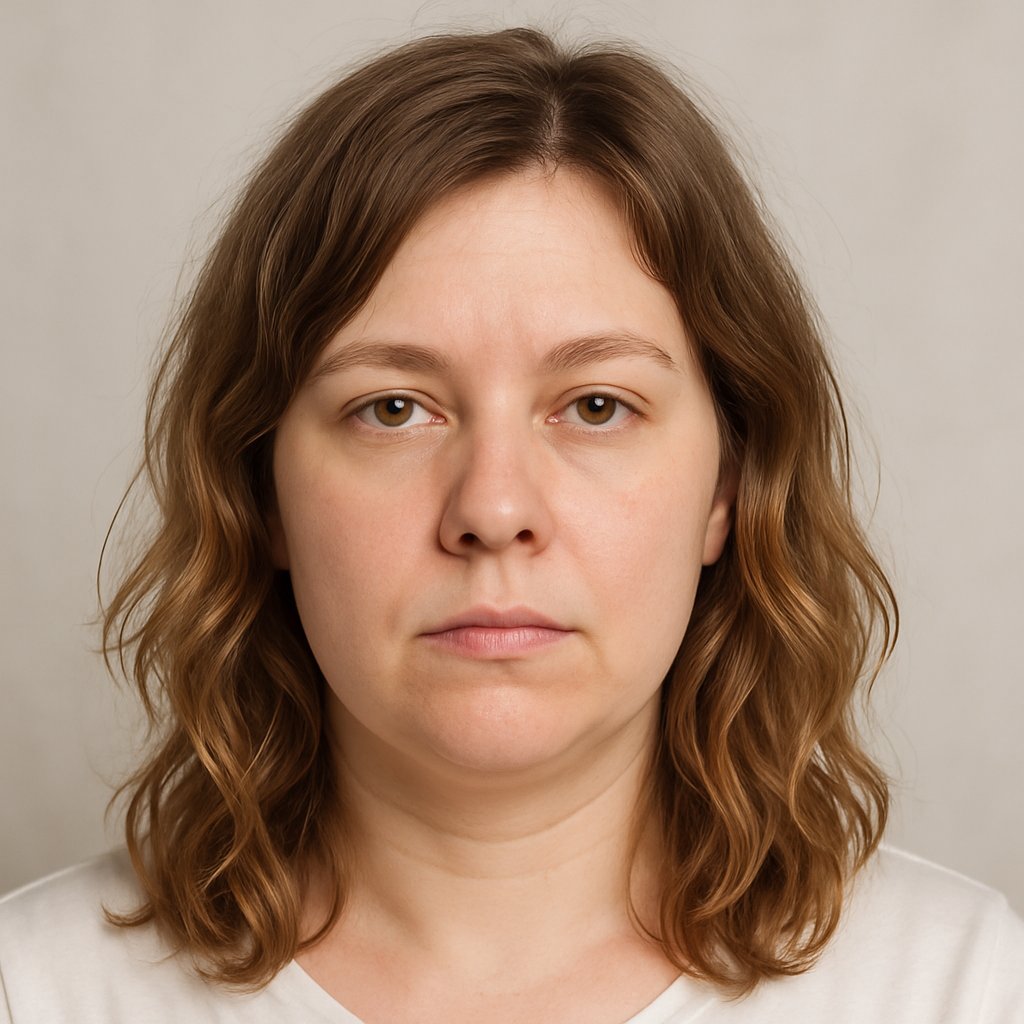
Tousled waves are gorgeous, but if they’re flat at the crown, they might be working against you. Without any lift on top, even the prettiest waves end up emphasizing width instead of length.
It’s all about proportion. When hair lacks vertical dimension, your eye goes side to side across those waves, which makes your face seem wider.
This gets trickier as we get older, since hair naturally loses volume. Creating beachy waves that actually flatter your face takes some effort at the roots.
Start with your styling routine. When you’re using heat tools, lift your hair up at the crown before making waves. That gives your face the vertical boost it needs.
Don’t forget products. A little mousse or root lift spray at the roots can give you the foundation for height, so your tousled waves look lively instead of limp.
13. Heavy Hair Accessories on Sides – Oversized clips or barrettes anchor attention on cheeks, making them look broader
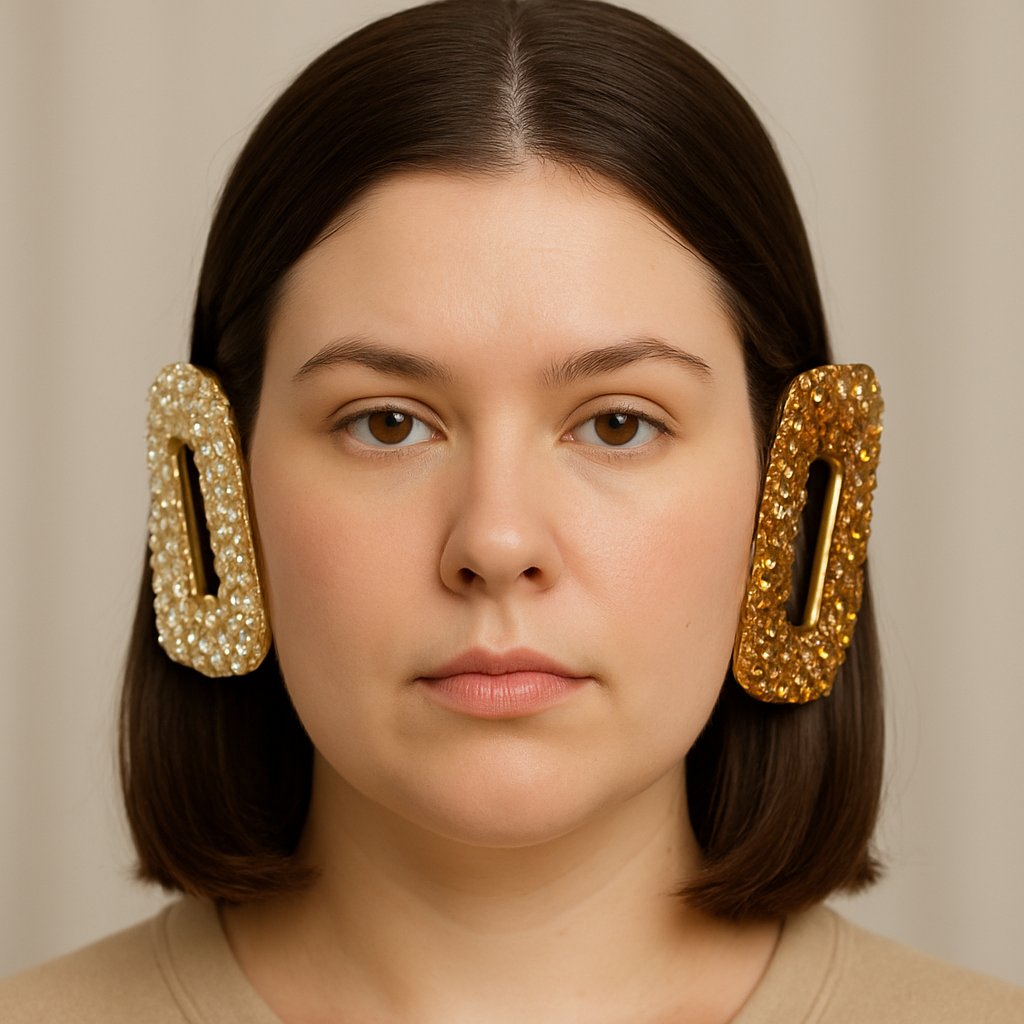
Those statement barrettes you snapped up at the boutique? If you wear them at ear level, they’re just not doing your face any favors.
Oversized clips and barrettes add bulk right where you don’t want it. They draw the eye to the widest part of your face, making your cheekbones look even more prominent.
Accessories act like little spotlights. When you stick chunky hardware on the sides of your head, you’re basically saying, “Hey, look over here!”
The bigger and shinier the accessory, the more attention it steals. That metallic barrette? It’s a beacon.
Instead, try placing hair clips at your part line when you wear your hair down. That creates vertical interest and doesn’t widen things out.
Save those big, bold pieces for updos, where they add a little drama without making your face look broader.
12. Tight, Small Curls All Around – Instead of framing, they create a perimeter that adds visual bulk
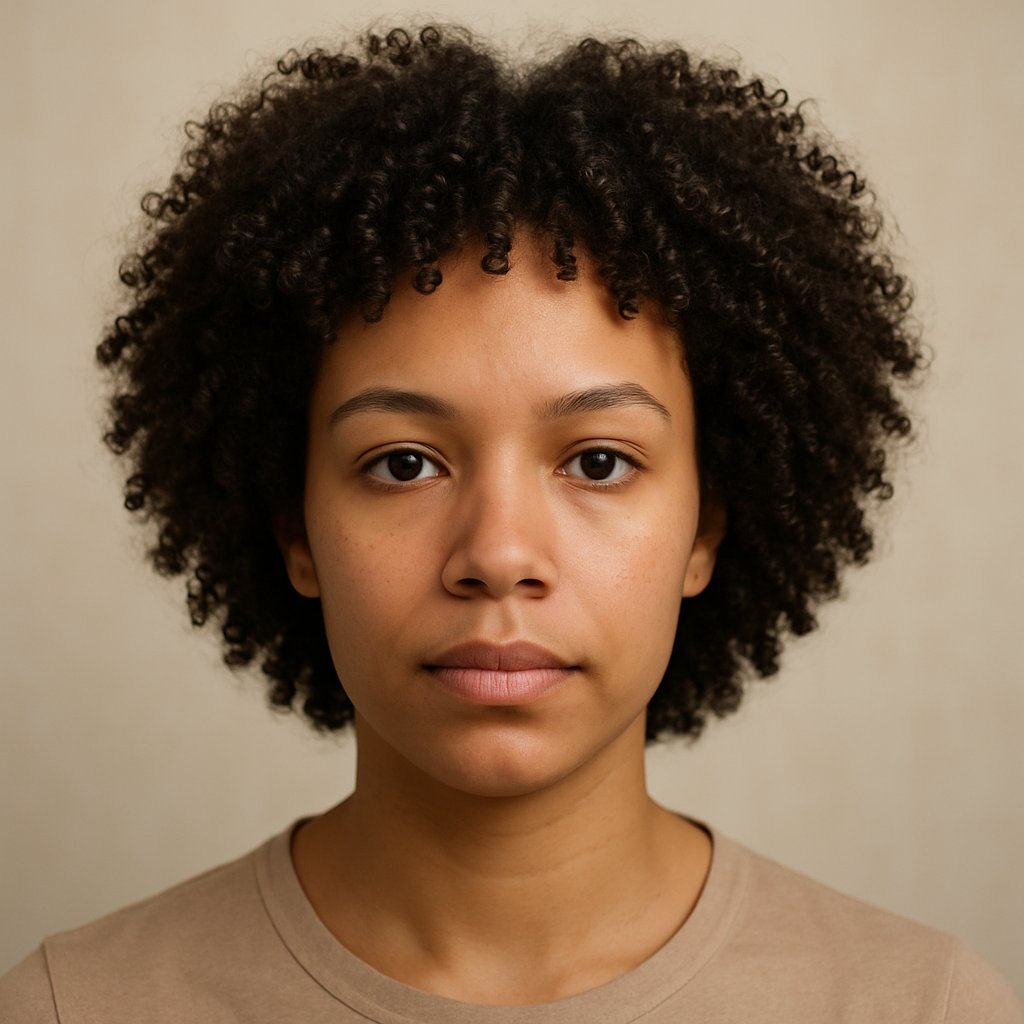
Those spiral perms from the 80s? They’re back, but honestly, they don’t always flatter every face shape.
Tight curls that wrap uniformly around your head build what stylists call a “visual perimeter.” Your hair forms a rounded boundary, and that can make your face look wider than it is.
Here’s the thing: when every curl is the same size and tightness, you lose natural face framing that gives shape without adding bulk.
Your hair basically turns into a textured helmet. The uniform curl pattern pushes out from your face, not up, so you lose any vertical lift.
If you’re a curl lover, try mixing up curl sizes around your face. Looser waves near your cheeks and tighter curls toward the back can add dimension. That way, you get texture without all that extra width.
The trick is to break up that solid perimeter with some variety in curl size and placement.
11. Straight Hair Hung Flat – Gravity’s not your friend here; it drags your hair down and makes the face seem wider
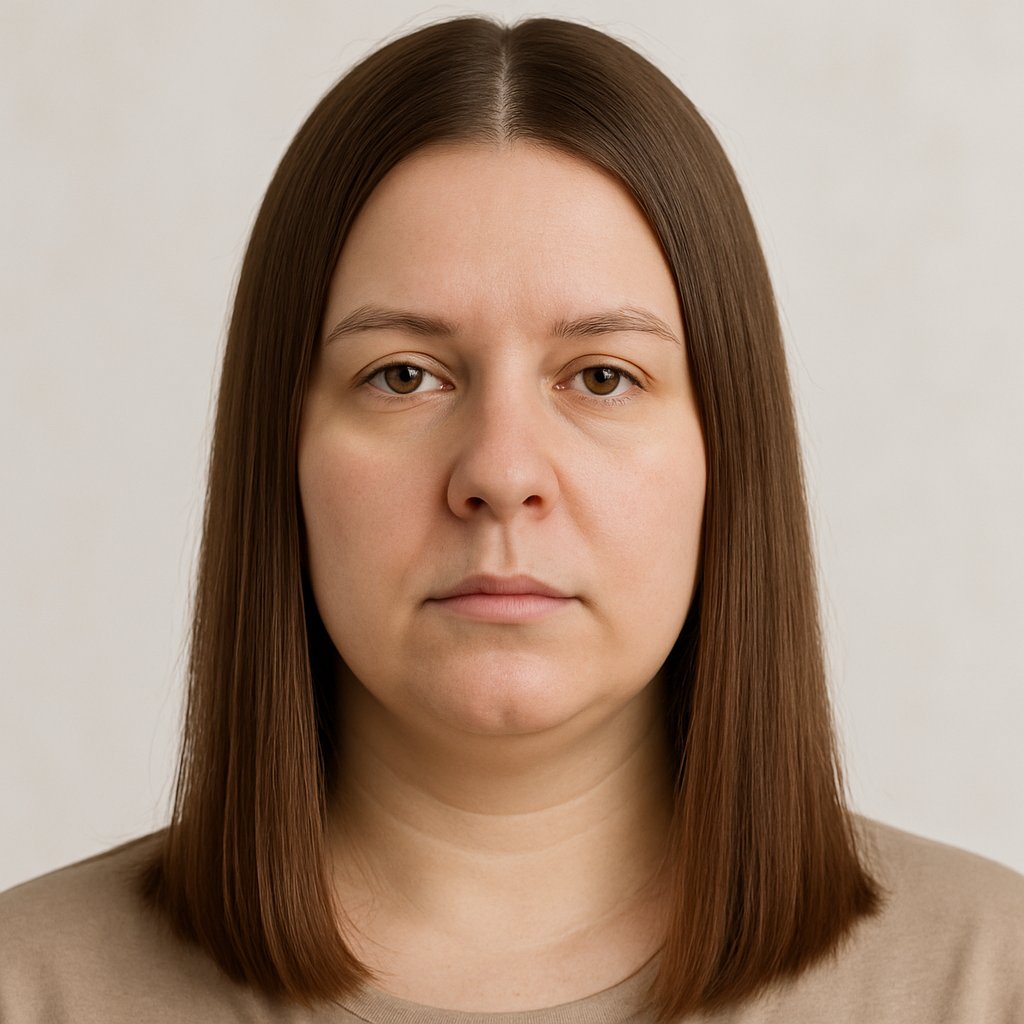
When straight hair just hangs there like wet curtains, gravity really doesn’t do you any favors. All that downward pull creates lines that drag your features down, too.
Flat, straight hair misses out on the volume and movement that could balance your face shape. Instead, it sets up a heavy frame that widens everything out.
Long, shapeless hair can pull your face down and make your features look less lifted. The sheer weight of straight hair tugs everything south, including the lines of your face.
Your hair needs a little body and texture to work with your bone structure. When it’s flat against your head, you lose the illusion of height that can lengthen your face.
You don’t have to ditch straight styles. Add some layers, use volumizing products at the roots, or toss in a few gentle waves for personality and lift.
10. Sharp Angular Cuts Without Softness – Harsh edges say ‘width here’ and don’t give your face a chance to soften and slim
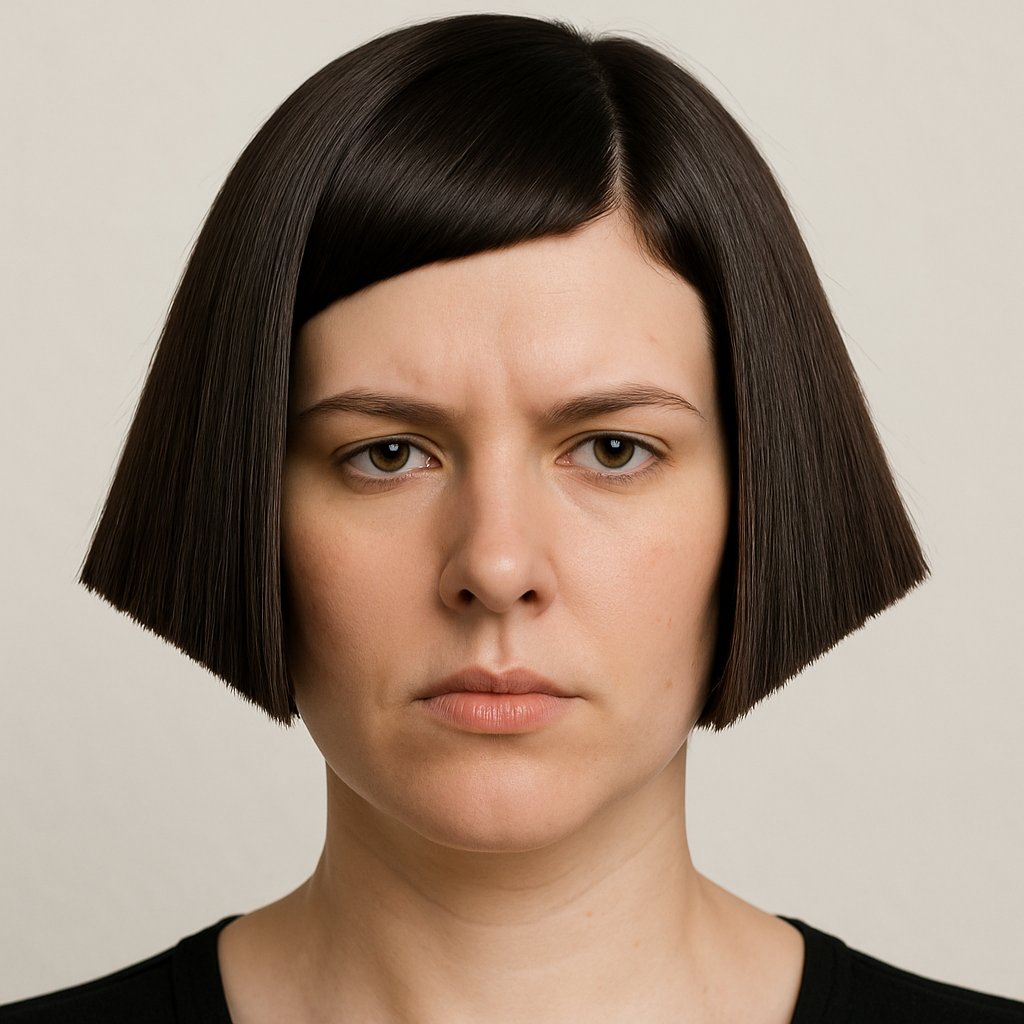
Blunt bobs and razor-sharp edges might look amazing in magazines, but let’s be real—they don’t do your face any favors. These cuts carve out hard horizontal lines that spotlight the widest parts of your face.
Go for angular cuts without any softening, and you’re basically drawing a blueprint of width across your features. The eye follows those harsh lines, making your face look broader than it is.
Feathered layers that curve around your face move in a way that softens those angles. Without them, your haircut becomes a geometric statement that’s at odds with your natural shape.
Would you hang a perfectly square painting in a round room? Probably not. That same kind of tension happens here.
Ask your stylist for subtle layers, soft angles, or textured ends to break up harsh lines. Even bold cuts get better with a little softness that lets your features breathe.
Hair should help your face, not compete with it for attention.
9. Excessive Highlights on Cheek Area – Adding lighter strands right over cheeks can spotlight the width like a radar
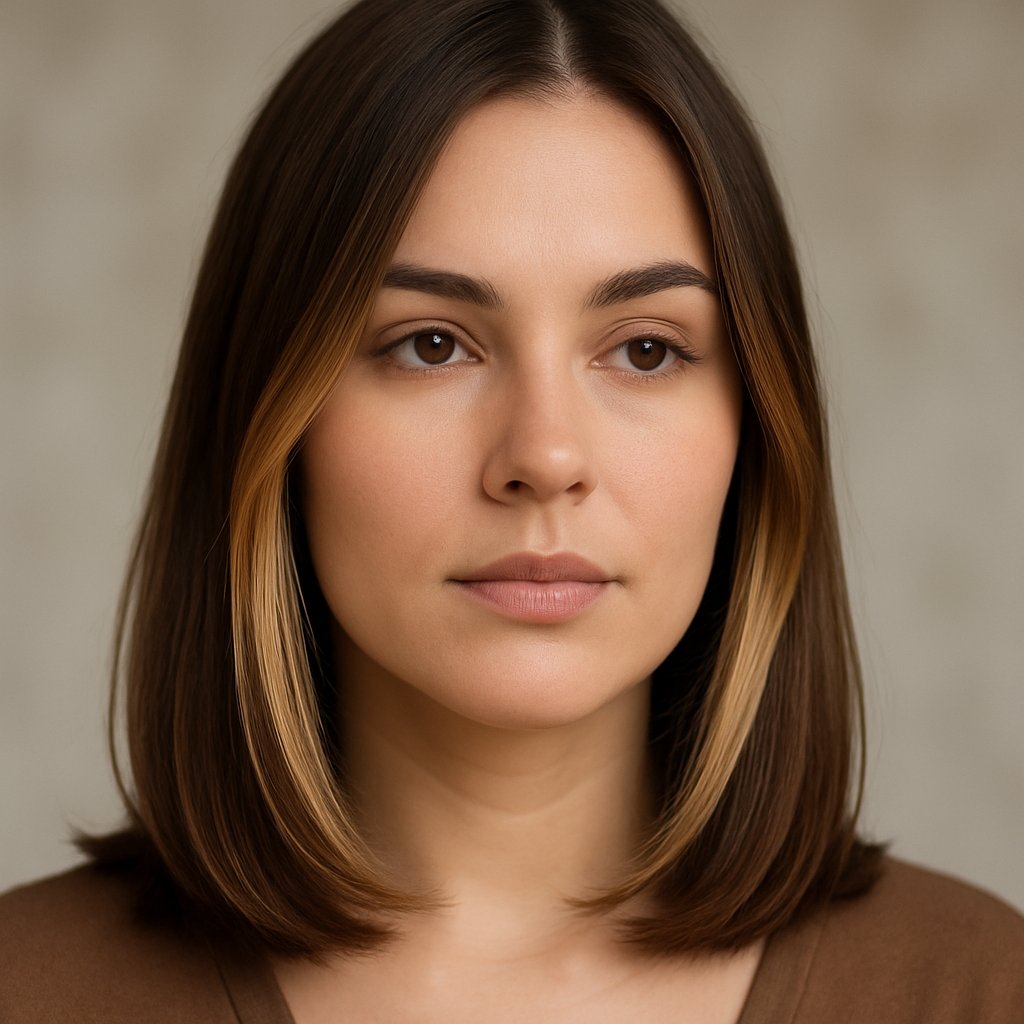
Think of how stage lighting works: highlights right at cheek level do the same thing for your face. Light colors pop forward, so whatever they frame looks broader.
When your colorist goes wild with highlights around the cheekbones, you end up with two vertical bands of brightness. These lighter pieces draw the eye across your face, not up and down.
It’s pretty straightforward—contrast pulls focus. Blonde streaks at your cheeks become focal points, emphasizing width instead of working with your bone structure.
Keep highlights near your hairline and crown to draw attention upward and create length. That’s the sweet spot.
If you already have cheek-level highlights, ask your stylist to add some lowlights. A few deeper tones mixed in will break up the brightness and soften the effect.
Highlights should flatter your features, not turn them into a neon sign.
8. Short Hair Ending at Jawline – This length decides your face needs a little more width, and obliges generously

Let’s talk about the jaw-length cut. It’s like that well-meaning friend who somehow always gives you the worst advice.
This length draws a hard line right across the widest part of your face. It’s basically saying, “Hey, check out this jawline—we’re making it look even broader.”
The blunt edge at jaw level stops the eye in its tracks, parking all the attention right where you don’t want it. Instead of creating length, it just adds width.
Jaw-length cuts with blunt edges are especially tricky because those sharp lines echo your jaw. Rather than softening or balancing, they double down on the width.
If you’re set on going short, try styles that end above your chin or well below your jawline. That keeps things out of the danger zone.
Choosing the right hair length can actually highlight your jawline in a flattering way if you get the placement right.
7. Overly Thick Curls Piled High – Without shape, curls can balloon out and make your face feel like it’s in a cage
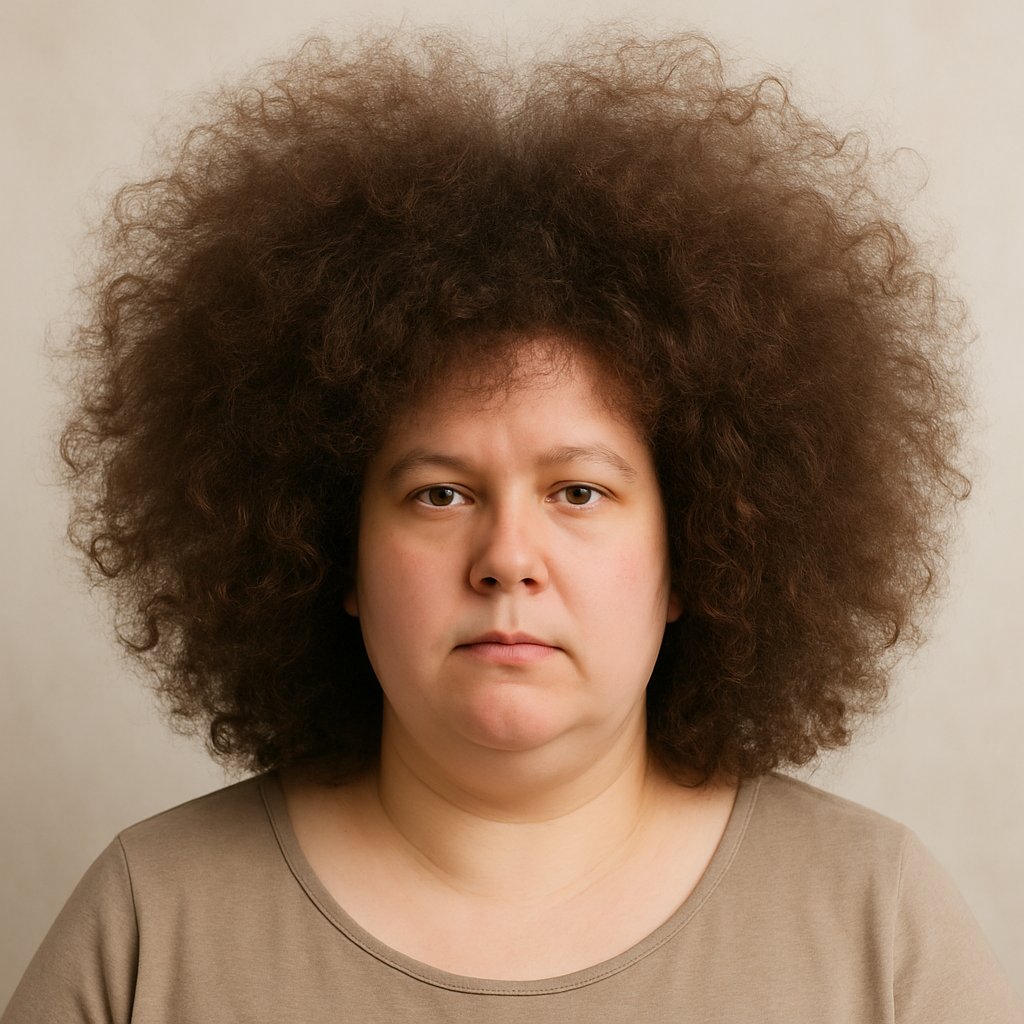
Okay, let’s be honest about those giant curls stacked on your head. If you pile thick curls up without any thoughtful layering or shaping, you basically end up wearing a hair helmet that hides your face.
Your curls themselves are beautiful—the trouble starts when there’s no structure. Skip the right cutting techniques, and your curls just clump together, making your face look wider than it is.
Curls naturally want to expand outward, especially if you don’t give them any direction. Your stylist should thin out certain sections and mix up the lengths, so you don’t wind up with that “face in a cage” look.
When all your curl volume sits at the same height by your face, it draws a horizontal line that makes your features look broader.
Instead of fighting your curls’ urge to poof, find a stylist who really gets how to avoid those all-too-common curl mistakes. Strategic layers and the right products can turn that wild pile into volume that actually flatters your face, not swallows it up.
6. Lack of Layers – Hair all one length can create a frame that’s just… too square, widening your entire face
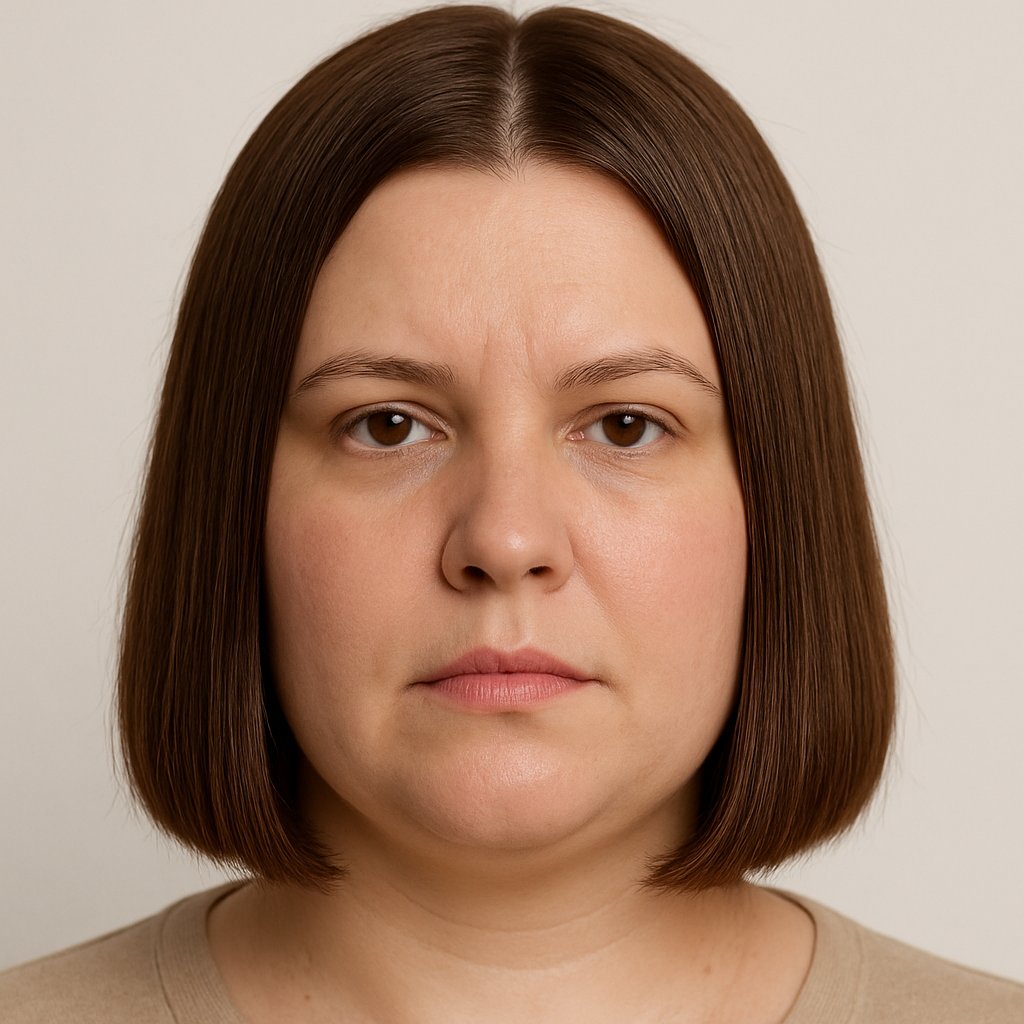
Hair that’s all one length just hangs there, heavy and unforgiving, kind of like a curtain that blocks out the light. Those sharp lines end up making your face look wider, not longer. Honestly, it’s like putting on horizontal stripes when you’d rather look taller.
Long, one-length hair without layers exaggerates thinning and gives you a blocky, unflattering frame. That blunt edge draws your eye sideways, which isn’t doing your face any favors.
No layers means no movement or dimension—it’s just a wall of hair sitting against your jaw and cheeks, highlighting width instead of softening it.
You’ll want layers that break up those harsh edges. Ask for face-framing layers starting around your chin; they pull attention to your features and add some movement.
Even a little graduation through your hair helps. You don’t lose length, but you get more dimension and visual interest. Suddenly, your hair looks lively instead of just… there.
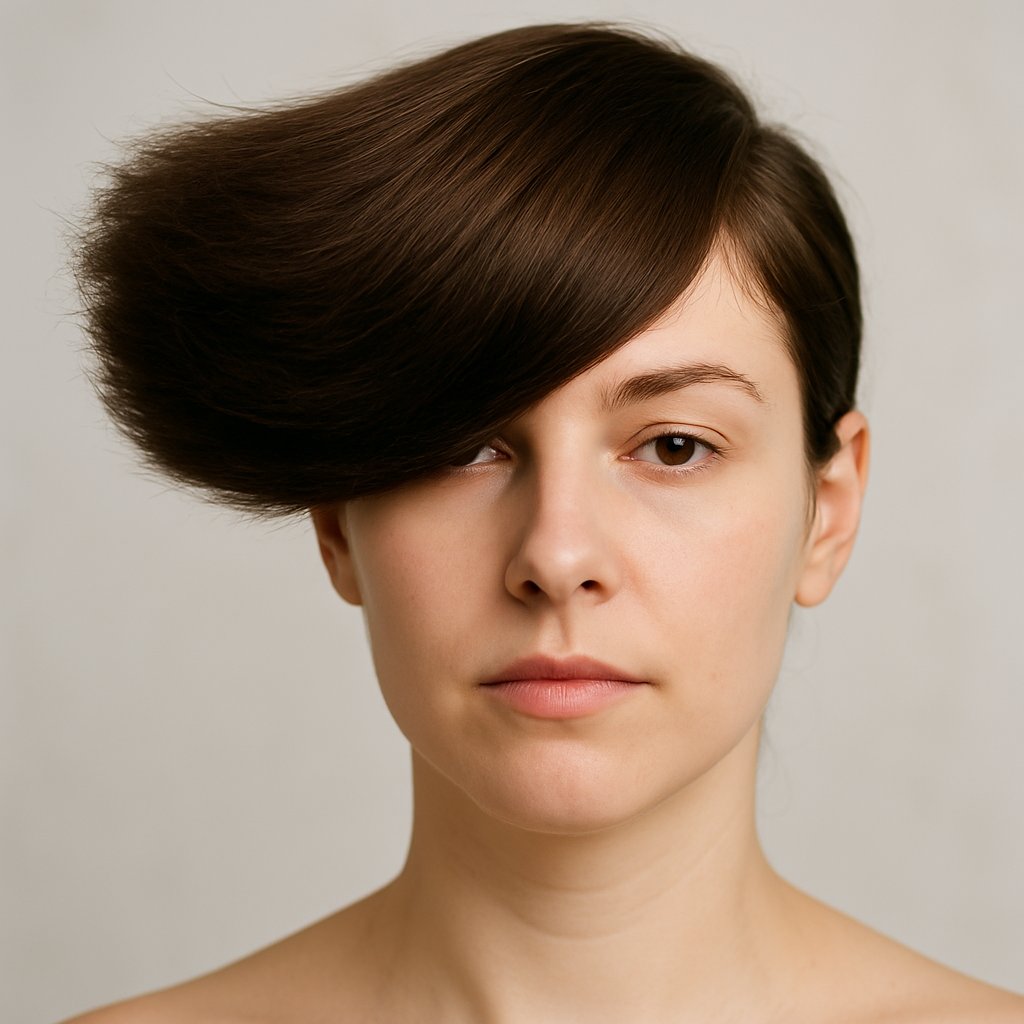
5. Heavy Side Swept Bangs That Stick Out – They add bulk on the side, like a cheeky little weightlifting companion
❤️ Would you like to save this?
Chunky side-swept bangs might sound cute, but when they start sticking out, it’s like you’ve got curtains rebelling against your face. If bangs are too thick or blunt, they add horizontal weight and make your face look wider.
It gets worse when your bangs refuse to cooperate and just sit there, stiff and obvious. Instead of that soft, face-framing vibe, you get a shelf of hair that everyone notices first.
Heavy bangs end up competing with your features, not complementing them. Your eyes get lost behind all that hair, and the bulk just pulls attention out to the sides.
You’ll want to ask for wispy, feathered bangs. Softer, side-swept bangs add movement and dodge that blocky, helmet-like look.
Texturizing helps, too. Techniques like point cutting or razor cutting lighten up the bangs, so they blend in instead of sticking out like a visor.
4. Center Part with Flat Hair – Straight down the middle without lift? Boom, face looks wider and longer simultaneously
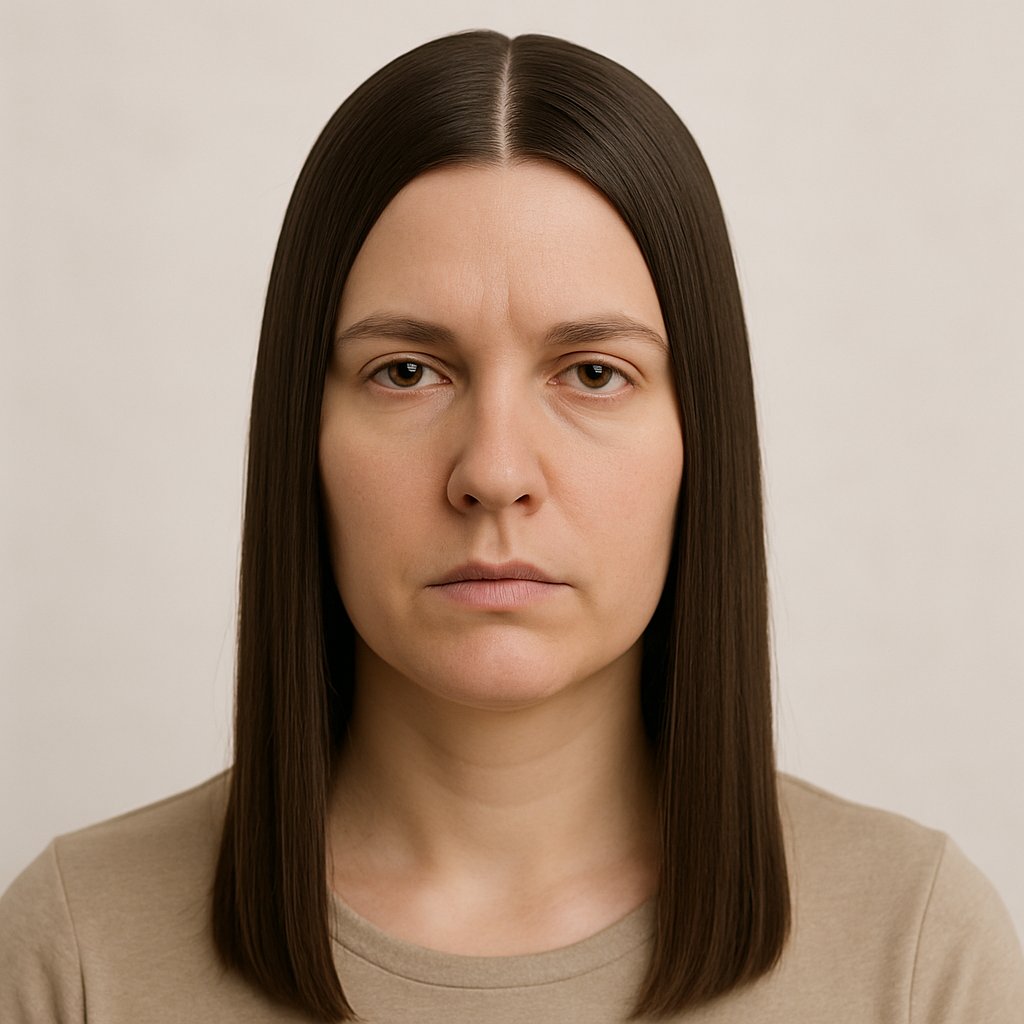
That pin-straight center part with flat hair glued to your scalp? It’s not doing you any favors. It draws a sharp line down your face, making it look longer and wider at the same time.
If you style your hair straight with a middle part and skip the volume, you create a curtain effect that hugs your face too tightly. Your hair just falls, and your facial proportions go with it.
The real issue is the total lack of root lift. Flat hair wipes out any dimension or movement that could help balance your features.
Try shifting your part just a little off-center. It softens that severe line but still keeps the middle part vibe.
Add some volume at the crown—tease a bit, use volumizing products, or blow-dry strategically. Lifting your hair off your scalp gives your face a boost and avoids that pancake-flat look that can age you.
3. Too-Much Volume on the Sides – This side puff adds width instead of drama, turning you into a majestic puffball
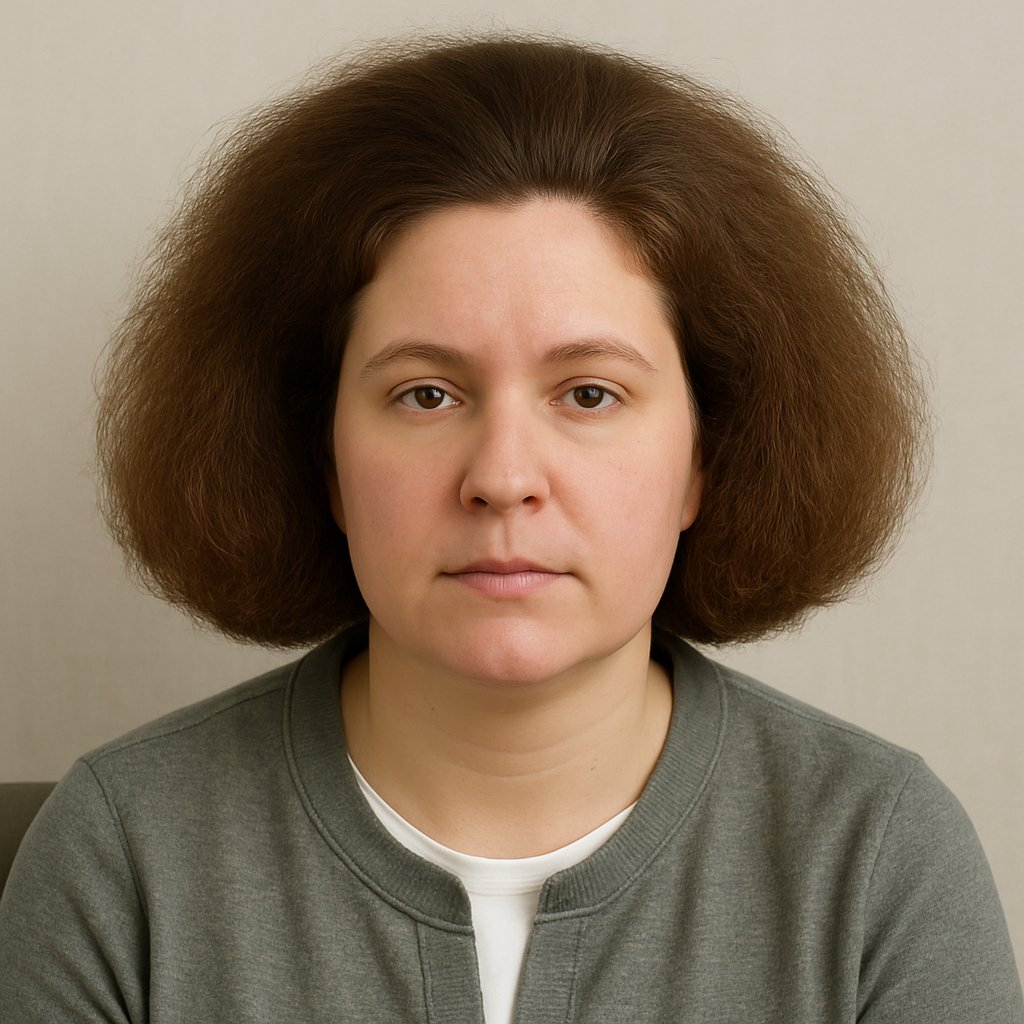
Too much volume on the sides? Instant width. That side puff you hoped would look dramatic just ends up making your face look rounder.
When hair puffs out from your temples and ears, it adds bulk right where you don’t want it. The eye follows the hair’s outline, so your face seems wider.
People with thicker or stick-straight hair (especially certain Asian hair types) often deal with this, but honestly, anyone can get caught by surprise with too much side volume.
Instead of fighting your hair’s natural growth with more product, work with it. Keep the sides sleeker and focus any volume at the crown, not the sides. This draws the eye up, not out.
You want vertical lift, not horizontal spread. Your face will look more balanced, and you’ll feel a whole lot less like a puffball.
2. One-Length Bob That Ends at the Chin – It’s the hairstyle equivalent of a hat too small, highlighting every cheek and jawline curve
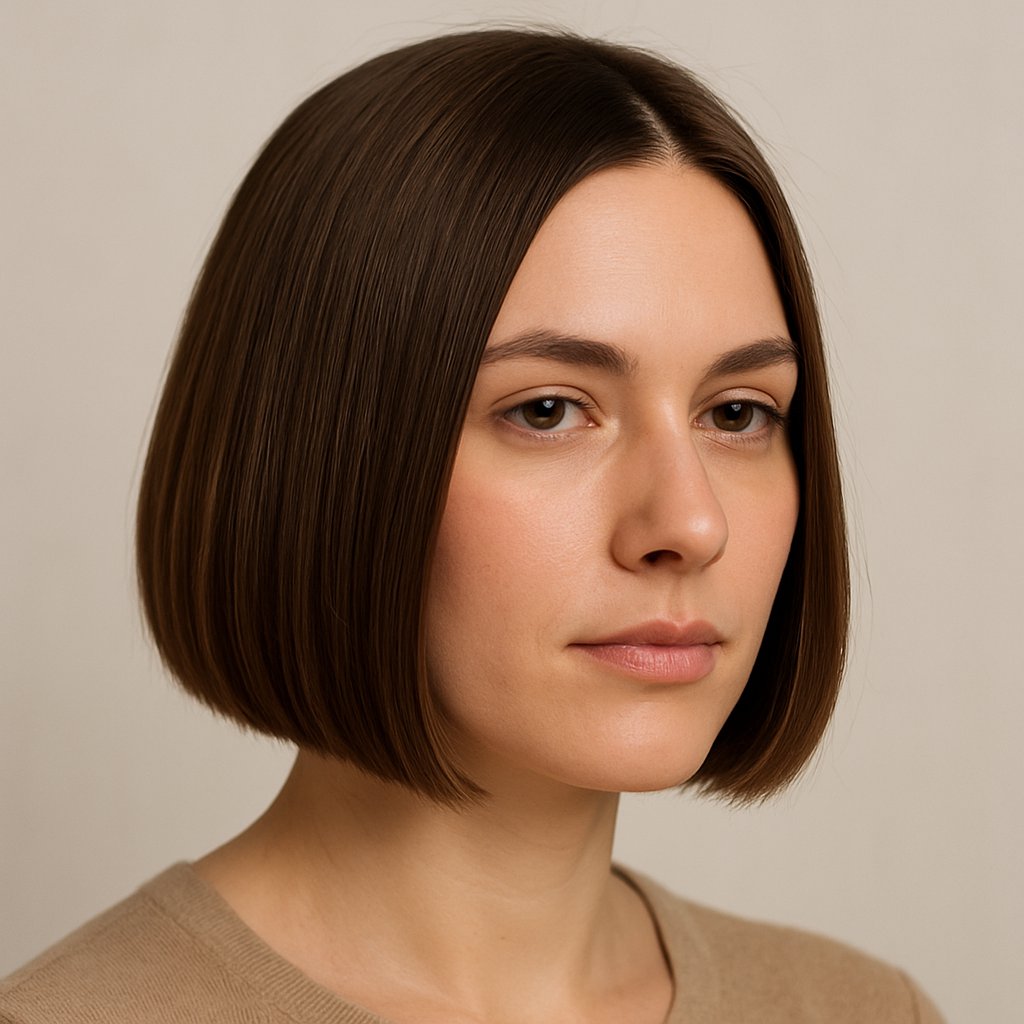
The chin-length, one-length bob sits right at your widest point and creates a hard line that frames everything you’d rather play down.
When hair ends at your chin, it draws attention straight to your jawline. No layers or angles means nothing softens that line, so it just highlights width.
One-length bobs can look amazing on narrow faces that need a little extra width. But if your face is already full or round, this cut just adds to the problem.
That blunt, geometric edge puts all the focus at chin level. Your eyes follow the line, and suddenly your whole face looks broader.
It’s like putting horizontal stripes on your hips when you’d rather slim them down. The chin-length bob does the same thing for your face.
Try adding some layers, going a bit shorter, or growing it out past your jawline for a more flattering effect.
1. Blunt Bangs That Cut Across the Forehead – They chop your face horizontally, making cheeks shout ‘Look at me!’
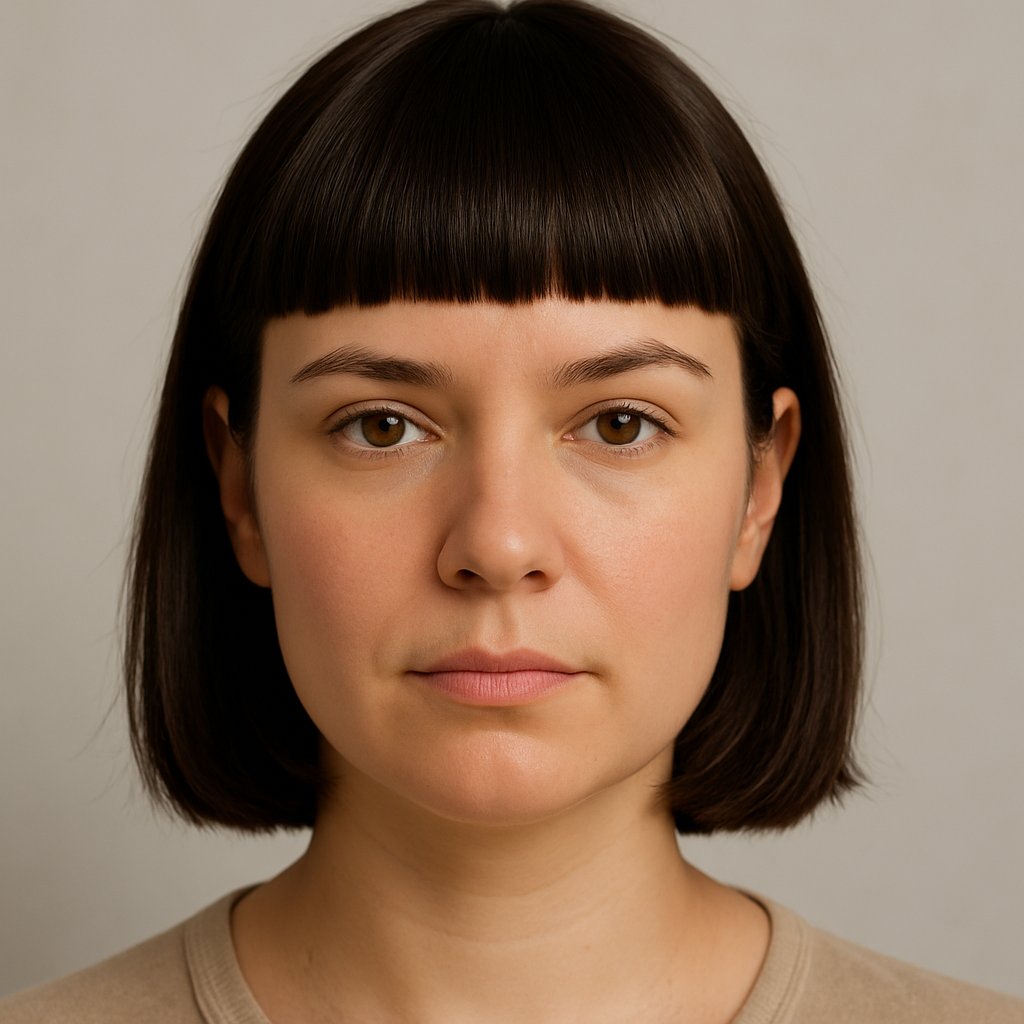
Blunt bangs cut straight across your forehead make a bold, horizontal statement that splits your face in two. That sharp line draws attention sideways—not up and down.
The cut acts like a big arrow pointing at your cheekbones and jaw. Instead of adding length, it just emphasizes width.
Imagine drawing a thick black line across a photo. Your eye can’t help but follow it, making everything below look even broader.
These strong, sleek bangs look great on oval or heart-shaped faces that don’t mind a bit of width. But if you want to minimize facial width, blunt bangs are working against you.
You don’t have to give up bangs altogether. Try side-swept or wispy styles that angle across your forehead—they add movement and soften that harsh line.
A good stylist should always think about your face shape before cutting a pin-straight fringe. Sometimes the most dramatic cut just isn’t the most flattering one.
The Science Behind How Hairstyles Affect Facial Width
Our brains process faces differently than anything else, searching for patterns and proportions that signal balance (or not). The way you place your hair can totally change how people see your facial dimensions.
Understanding Face Shapes and Proportions
Hairstyling is all about proportions—even the golden ratio from art and design comes into play when deciding ideal hair length and where it should fall. Your face has its own set of mathematical relationships between features that shape how it’s perceived.
Key facial measurements:
- Forehead width vs. jawline width
- How much your cheekbones stand out
- Face length compared to face width
Hairstyles frame your face, just like a picture frame can make a painting pop by matching its proportions. The real goal is to balance your features and highlight your strengths, while quietly minimizing anything you’re less thrilled about.
When you add width at your temples or jawline with your hairstyle, you actually shift the boundaries of your face. Your brain sees those new lines as the true edge of your facial structure.
Visual Tricks: Balance, Light, and Shadow
Our brains naturally hunt for patterns and proportions when we look at faces, which is probably why some haircuts seem to slim your face while others do the opposite. Hair throws shadows and catches the light in ways that totally change how you see depth and shape around your features.
Visual effects that impact width perception:
- Volume at temples makes your forehead look wider
- Hair tucked behind both ears puts your whole face on display
- Blunt cuts at jaw level draw a hard line straight across
- Side parts break up symmetry and balance things out
Light hair bounces more light around, so those areas look bigger and stand out more. Darker hair soaks up light, casting shadows that help hide width.
Some hairstyles can make faces look rounder or wider than they really are. It all comes down to how your eye moves along your face—where it pauses or keeps going.
How Hair Color and Texture Influence Face Shape
Where you place color and how you handle texture can totally change how wide your face looks. One bad choice here and suddenly, all the width you wanted to hide is front and center.
The Role of Highlights and Lowlights
Let’s be honest: a lot of people still think hair color doesn’t matter much for face shape, but the way you use light and dark tones? That changes everything.
Vertical highlights that run from root to tip pull the eye up and down, making your face look longer. Place them carefully around your face for the best effect.
Chunky horizontal highlights are a disaster if you’re trying to slim your face. They chop your face into sections and make it look wider.
Dark colors can slim your face, especially if you have cool undertones and bold features. But if your skin’s really light, going too dark just washes you out.
Highlighting mistakes to skip:
- Face-framing highlights that are too thick
- Flat, uniform color with zero dimension
- Highlights that start at ear level (they make your jaw look wider)
The Impact of Volume and Layers
Where you put volume decides if your face looks wider or more balanced. Most people pile on volume in all the wrong places.
Crown volume is your secret weapon—it makes your face look longer and draws the eye up. Side volume at the temples? That’s just going to make your face look wider.
Layered cuts can work wonders for your features if you get them right. Long layers that start below your jawline help pull things in and narrow your face.
Texture mistakes that widen faces:
- Blunt cuts at jaw level
- Layers that flip out
- Too much puff at the sides
- Pixie cuts with too much texture
Smooth, sleek hair usually slims better than wild, textured styles. If you’ve got curly hair, just think about how your curl pattern shapes your face.
Frequently Asked Questions
People always have questions about hair mistakes and why some styles just don’t work for their face shape. Turns out, there’s a lot of confusion about what really makes a face look wider.
Why does pulling my hair back too tightly make my face appear broader than the Grand Canyon?
When you yank your hair into a tight ponytail or bun, you basically put a spotlight on your face. There’s nothing left to soften your features or add any length—just your face, front and center.
Without any vertical lines or texture, your face becomes all about width. That slicked-back look just highlights every horizontal line.
Honestly, after 45, this gets even harsher. We lose volume in certain spots as we age, and a tight style can make cheeks look puffier and draw attention to jawline changes.
Is it true that flat hair is the nemesis of a narrow-looking face, or is that just pillow talk?
Flat hair is absolutely the enemy of a slimmer face—it’s not just a myth. When your hair sticks flat to your head, it creates a horizontal line at ear level that makes your face look wider.
It’s kind of like the difference between a lampshade and a cylinder. Flat hair gives you that lampshade effect, while some volume gives you length.
If you use too much product and weigh your hair down, you lose all movement and bounce. Suddenly, your whole head looks wider from every angle.
Could my obsession with chunky highlights be secretly sabotaging a slimmer face illusion?
Honestly? Chunky highlights probably are working against you. Thick, bold streaks create horizontal stripes that make your face look wider instead of longer.
Those dramatic color blocks pull the eye side to side, not up and down. The sharp contrast between light and dark just adds more bulk at face level.
Blended, subtle highlights work way better—they add depth without harsh lines. You want color that moves down, not color that stops the eye at your cheeks.
Tell me, does over-layering hair have a ballooning effect on my cheeks or am I just full of hot air?
You’re not making this up—too many layers can totally puff up your face. When layers are cut too heavy or in the wrong spots, they add bulk right where you don’t want it.
Layers that end at your jawline are especially tricky since they frame the widest part of your face. The layers basically outline your facial width.
If you over-layer, you also lose the weight that pulls hair down. Without it, your hair just springs out and adds volume at your cheeks.
How does a deep side part transform my face shape faster than a magician’s trick?
A deep side part really does work some magic. It creates an off-center line that tricks the eye into seeing more length than width. That diagonal part draws attention up and across, breaking up any horizontal lines.
You’ll get more volume on one side, which adds height and keeps things interesting. The uneven look stops your face from looking wide and symmetrical.
The trick is to go bold with your part. A timid side part barely makes a difference, but a dramatic one can actually change how your face looks.
In the quest for a more oval visage, am I committing cardinal hair sins with the wrong bangs?
Honestly, choosing the wrong bangs can totally wreck your face-slimming game. I see it all the time—people go for those blunt, straight-across bangs, and suddenly their face looks way wider than they’d like. That harsh line just draws attention to the width.
If you want something more flattering, wispy or side-swept bangs usually do the trick. They bring in some movement and those nice diagonal lines, softening your forehead without making it look boxy.
And let’s talk about those thick, heavy bangs that hit right at the eyebrows. They basically build a box around your face—why do that to yourself? It makes everything look more angular and kind of wide, which is probably not the vibe you’re going for.