❤️ Would you like to save this?
Your hair color choices can either be your secret weapon for looking fabulous or the culprit behind adding unwanted years to your appearance. While you’ve likely mastered the art of skincare and wardrobe by now, hair color remains one of those tricky areas where small missteps can have major consequences for how youthful and vibrant you look.
The right hair color adjustments can instantly take years off your face, while common mistakes can age you faster than forgetting to wear sunscreen in your twenties. From choosing shades that clash with your skin tone to neglecting proper maintenance routines, these color blunders are more common than you might think. Whether you’re dealing with gray coverage, seeking more dimension, or simply trying to refresh your look, understanding these pitfalls will help you make smarter choices that enhance your natural beauty rather than work against it.
FYI, thanks to AI imagery software, we’re able to create very specific fashion and hairstyle examples to illustrate the points being made. In some cases, imagery is exaggerated to hammer home the point. Also, assume links that take you off the site are affiliate links such as links to Amazon. this means we may earn a commission if you buy something.
30. Forgetting to lighten around the face for a youthful halo effect
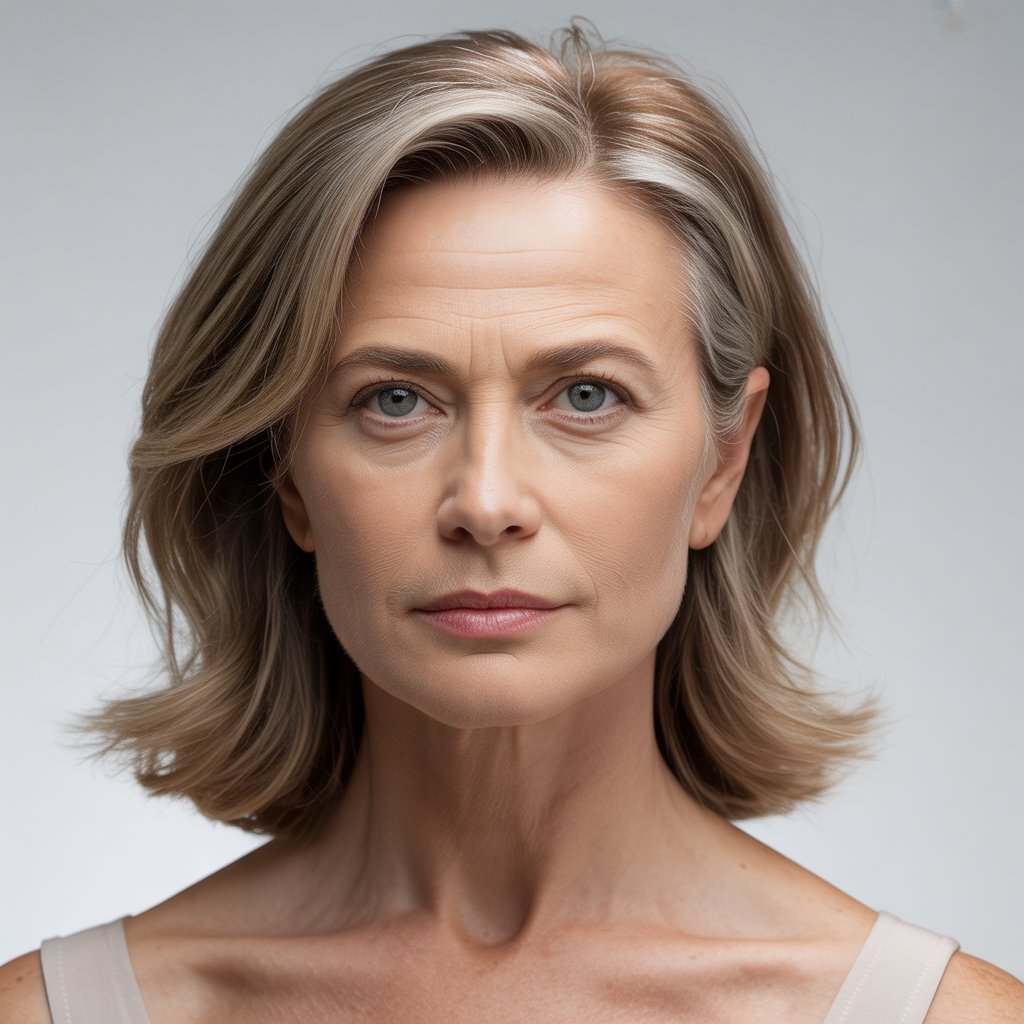
Listen, darling, I’ve watched too many women walk out of salons with beautifully colored hair that somehow makes them look tired. The culprit? No strategic lightening around the face.
Your face needs light to bounce off it, especially after 45 when our skin naturally loses some radiance. Dark hair pulled tight against your face creates shadows that emphasize every line and hollow.
Hair color experts recommend techniques like adding caramel or honey highlights around the hairline. These lighter pieces create a soft halo effect that instantly brightens your complexion.
Think of it as strategic face-framing rather than full highlights. You don’t need blonde streaks throughout your entire head. Just a few well-placed lighter pieces around your temples, cheekbones, and jawline work magic.
The halo highlighting technique focuses specifically on this face-brightening effect. It’s subtle but transformative, giving you that lit-from-within glow that makes people guess your age wrong by a decade.
Don’t let your gorgeous hair color hide your face in shadows.
29. Ignoring gray coverage options that look natural
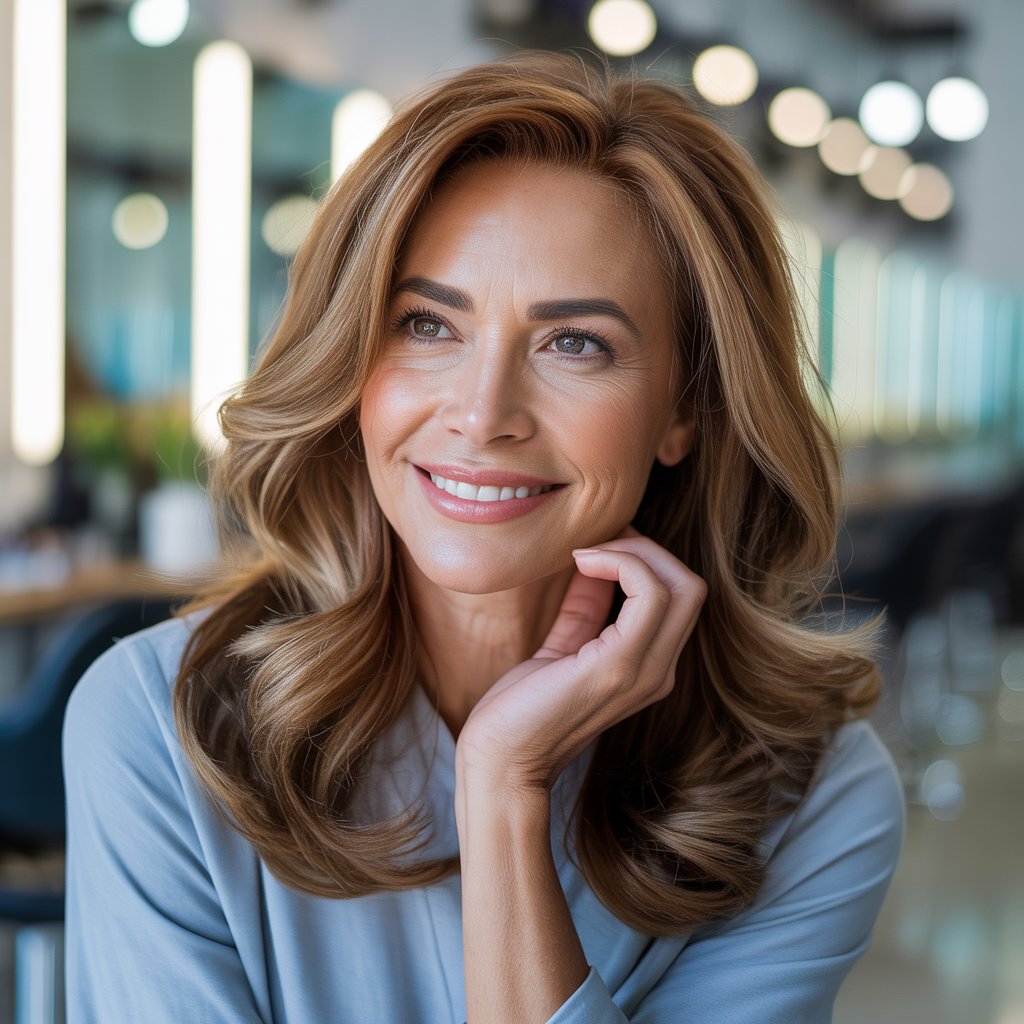
You don’t have to choose between harsh box dye and visible roots. The beauty industry has evolved beyond those limiting options.
Hair mascara and brush-in colors work perfectly for small gray areas along your hairline. These temporary solutions blend seamlessly without the commitment of permanent color.
Demi-permanent formulas offer another smart alternative. They fade gradually while revealing your natural gray instead of creating harsh regrowth lines.
The key is matching your base tone correctly. Cool grays need ash-based colors, while warm grays work better with golden undertones.
Strategic highlighting can also camouflage gray without full coverage. Lowlights add depth while highlights brighten, creating dimension that makes sparse gray less noticeable.
Root touch-up powders provide instant coverage between salon visits. They wash out easily but photograph beautifully for special occasions.
Your goal should be enhancement, not transformation. Natural-looking coverage maintains your authenticity while boosting confidence.
Professional colorists understand how to blend gray seamlessly. They can create custom formulas that work with your natural color rather than fighting against it.
28. Skimping on color-protecting shampoos and conditioners
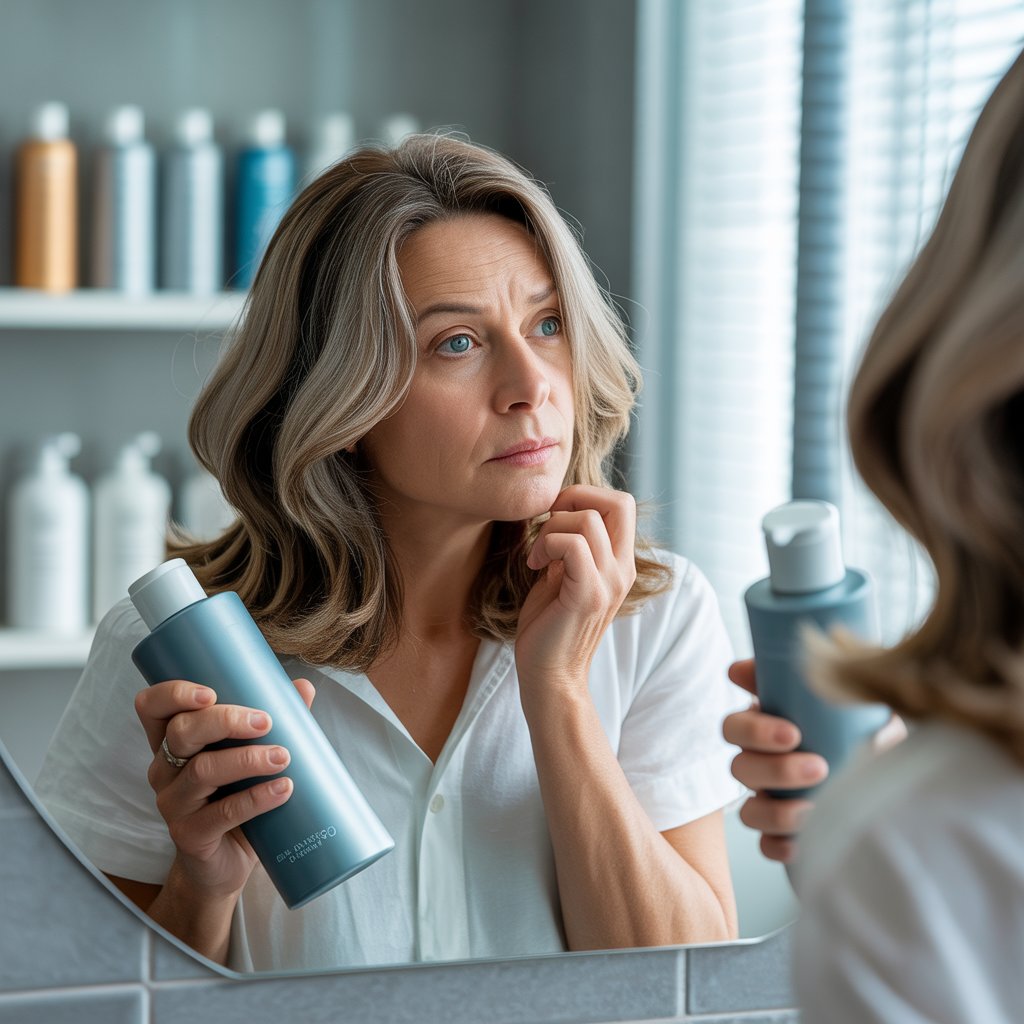
Here’s the truth nobody tells you about that $15 drugstore shampoo. It’s stripping away your expensive salon color faster than your teenager empties the fridge.
Regular shampoos contain harsh sulfates that fade color-treated hair quickly. Your beautiful highlights become brassy. Your rich brunette turns muddy.
Color-safe shampoos and conditioners work differently. They cleanse gently without stripping color molecules from your hair shaft.
Yes, they cost more upfront. But consider this math: salon touch-ups every six weeks versus every ten weeks. The specialized products pay for themselves.
Investing in color-safe products prolongs vibrancy between appointments. Your colorist will notice the difference.
Look for sulfate-free formulas specifically labeled for color-treated hair. Skip anything with sodium lauryl sulfate listed in the first five ingredients.
Your hair color is an investment in looking younger and more polished. Protect that investment with products designed for the job.
27. Choosing a hair color that clashes with your eyewear
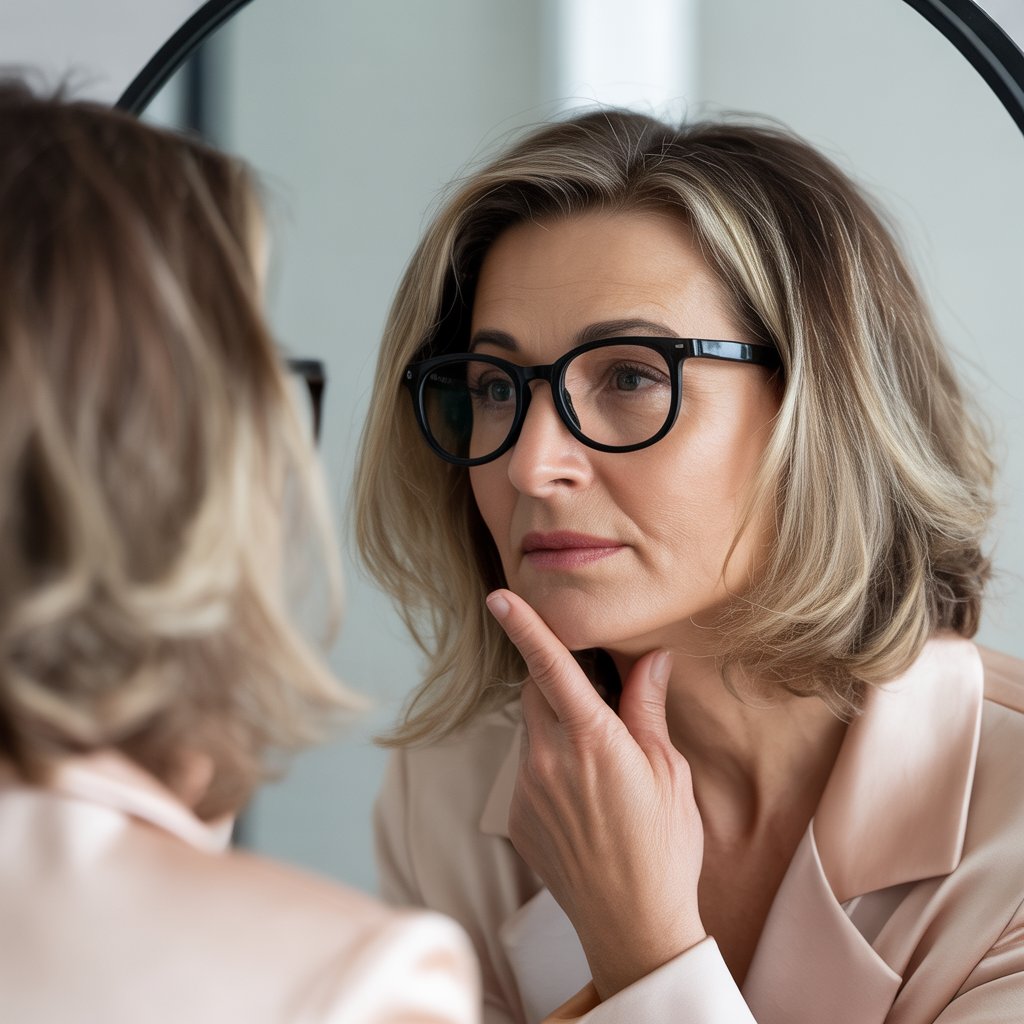
Your gorgeous new honey blonde might look stunning in the mirror, but paired with those rose gold frames, you’re creating a color collision that ages you instantly.
Warm hair colors like golden browns and copper reds can make cool-toned silver or gunmetal frames look harsh against your face. The contrast creates an unflattering visual tension that draws attention to fine lines.
Similarly, if you’ve gone platinum or ash blonde, those tortoiseshell or amber frames suddenly look muddy and outdated. Black glasses work well with any hair color, making them the safest choice when you’re unsure.
Consider your eyewear as part of your overall color palette. Cool hair tones pair beautifully with silver, black, or jewel-toned frames. Warm hair colors complement gold, bronze, or rich tortoiseshell patterns.
If you wear glasses daily, bring them to your colorist appointment. A professional can help you choose shades that complement both your natural features and your frames for a cohesive, youthful look.
Your eyewear investment deserves a hair color that enhances it, not fights it.
26. Overlooking the importance of correcting brassiness ASAP
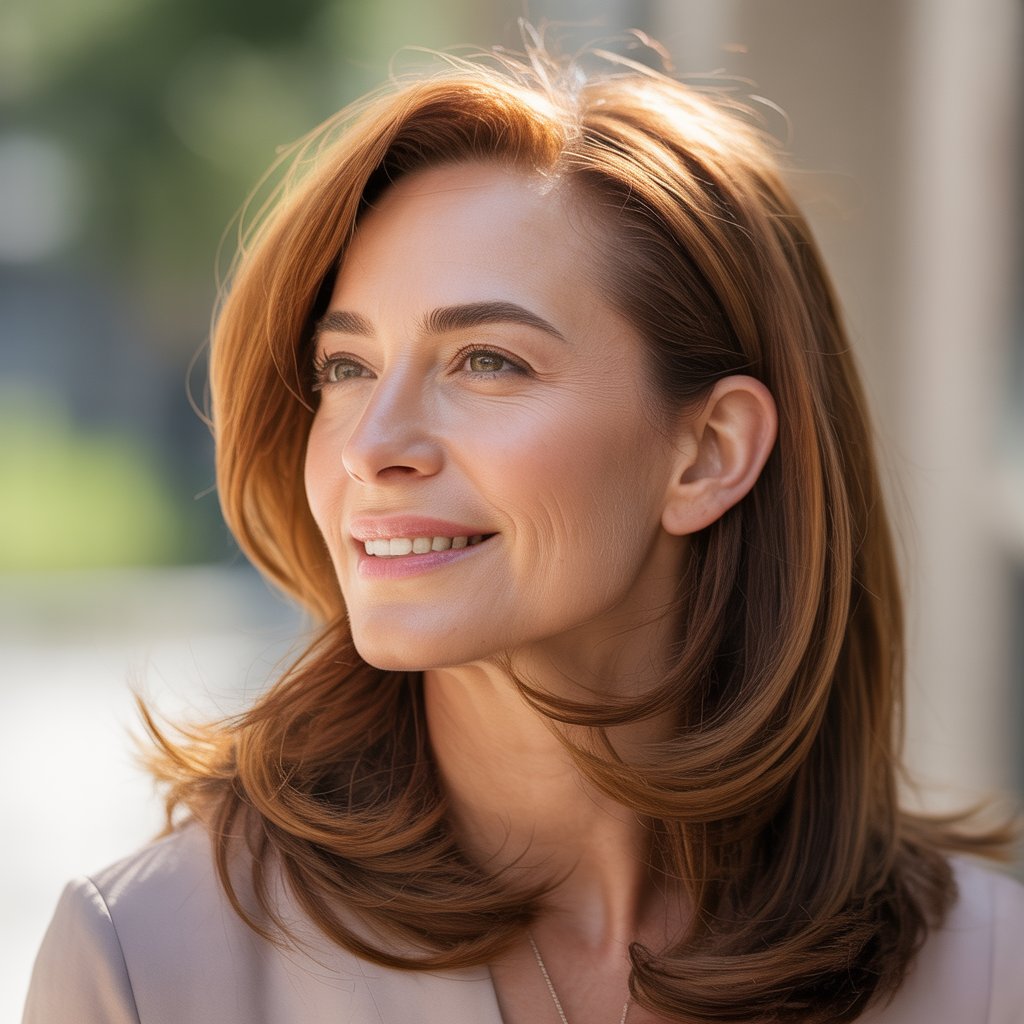
Nothing screams “I gave up” quite like letting your blonde go brassy. Those unwanted yellow and orange tones don’t just look unflattering—they age you instantly.
Brassiness develops when hair shows unwanted warm tones, typically yellow in blondes and orange-red in brunettes. The longer you ignore it, the more dated your look becomes.
Your colorist didn’t spend hours perfecting those cool tones for you to let them turn muddy. Professional toner treatments can neutralize these unwanted undertones when applied promptly.
At home, purple shampoo becomes your best friend. Use it weekly to maintain cool tones between salon visits.
Heat damage and sun exposure accelerate brassiness. Protect your investment with heat protectant and UV-filtering hair products.
The truth? Brassy hair makes expensive color look cheap and sophisticated women look careless. Addressing brassiness quickly keeps your color fresh and your appearance polished.
Don’t let procrastination turn your gorgeous highlights into something that belonged in 2003.
25. Neglecting the power of subtle balayage or babylights
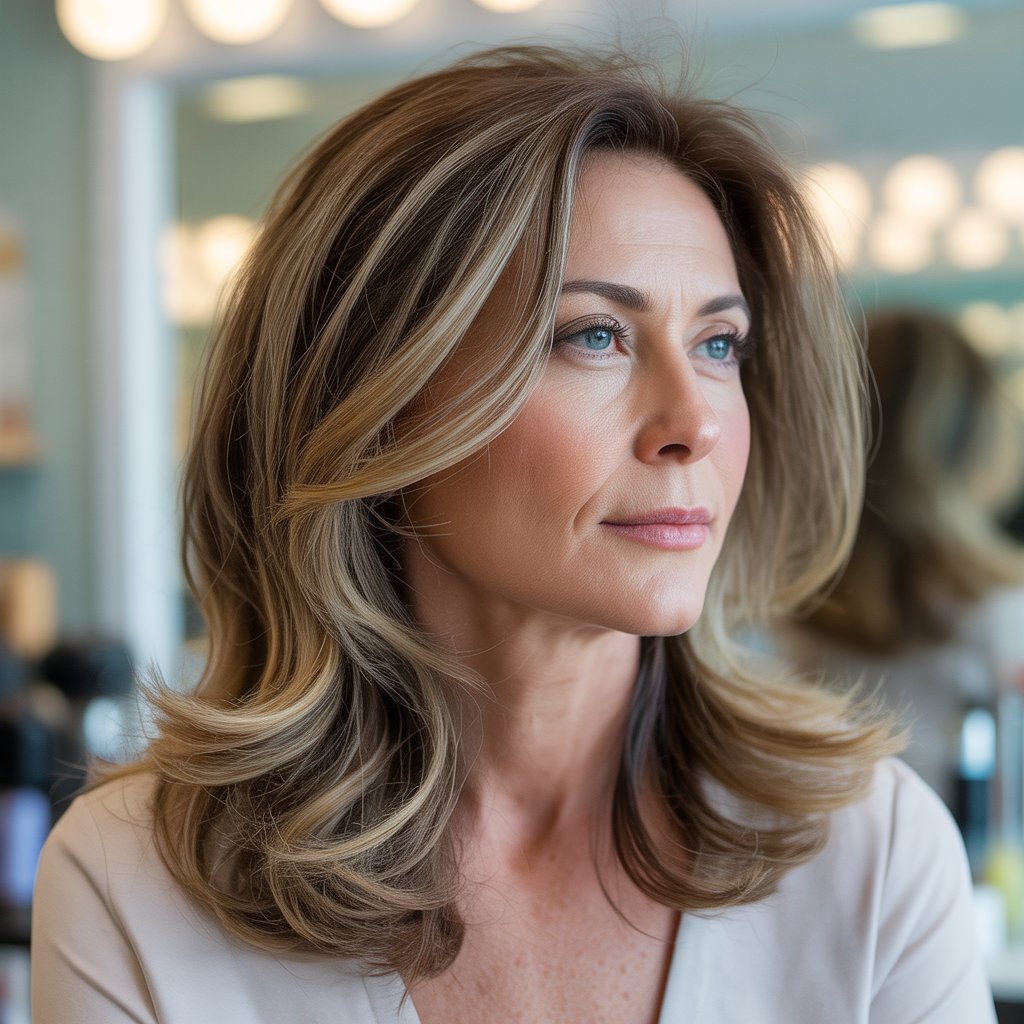
You know that flat, monochromatic hair color that screams “I haven’t updated my look since 2005”? That’s what happens when you skip the magic of dimensional color techniques.
Babylights are ultra-fine highlights that mimic natural sun-kissed lightening. They add subtle brightness without the harsh lines that can look dated on mature women.
Balayage uses a hand-painting technique to create natural-looking highlights with softer regrowth lines. This means fewer touch-ups and a more forgiving maintenance schedule for your busy life.
The beauty of these techniques lies in their subtlety. Babylights create a delicate and youthful look while adding dimension without drastic changes.
Your colorist can strategically place lighter pieces around your face to brighten your complexion. This creates the illusion of healthier, more vibrant hair that catches light beautifully.
Unlike traditional foil highlights that can appear stripy, these techniques blend seamlessly with your base color. The result is hair that looks naturally sun-touched rather than obviously processed.
24. Picking matte shades instead of luminous finishes
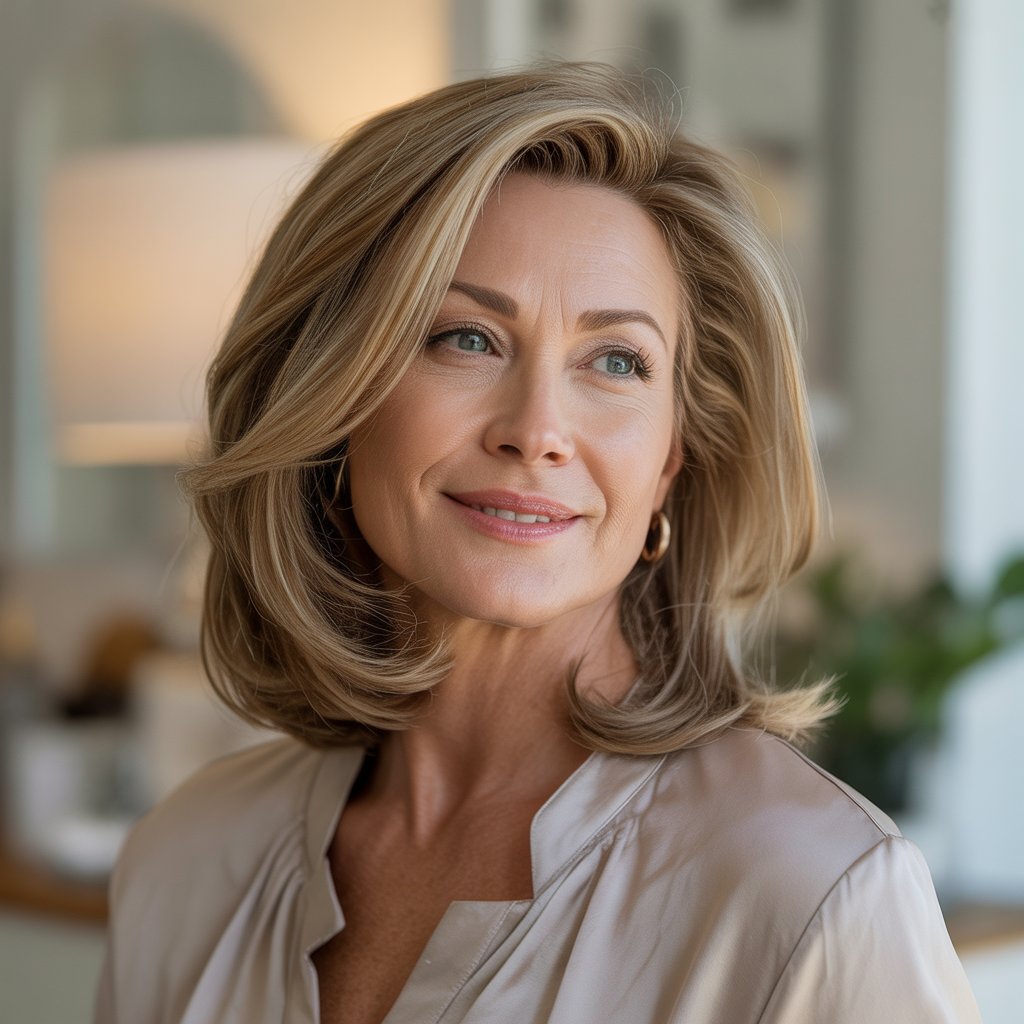
Your hair has been through decades of styling, and matte finishes aren’t doing it any favors. While younger women can pull off flat, muted colors, mature hair needs all the help it can get to look vibrant and healthy.
Glossy finishes reflect light and create the illusion of fuller, more youthful hair. Matte colors absorb light, making your hair appear dull and lifeless—exactly what you’re trying to avoid.
Think of it this way: would you choose foundation with a matte finish that emphasizes every fine line? Your hair deserves the same consideration.
Glossy, rich colors like chocolate brunette add sophistication while reflecting light beautifully. These luminous shades make your hair look healthier and more dimensional.
The texture of aging hair naturally becomes more porous and less reflective. Fighting this with matte colors is like swimming upstream—pointless and exhausting.
Instead, embrace glossy formulations that condition while coloring. Your colorist can recommend demi-permanent options that add shine without damaging your hair further.
Remember, luminous doesn’t mean artificial-looking. It means your hair catches light like it did when you were younger.
23. Ignoring root contrast that can actually make you look younger
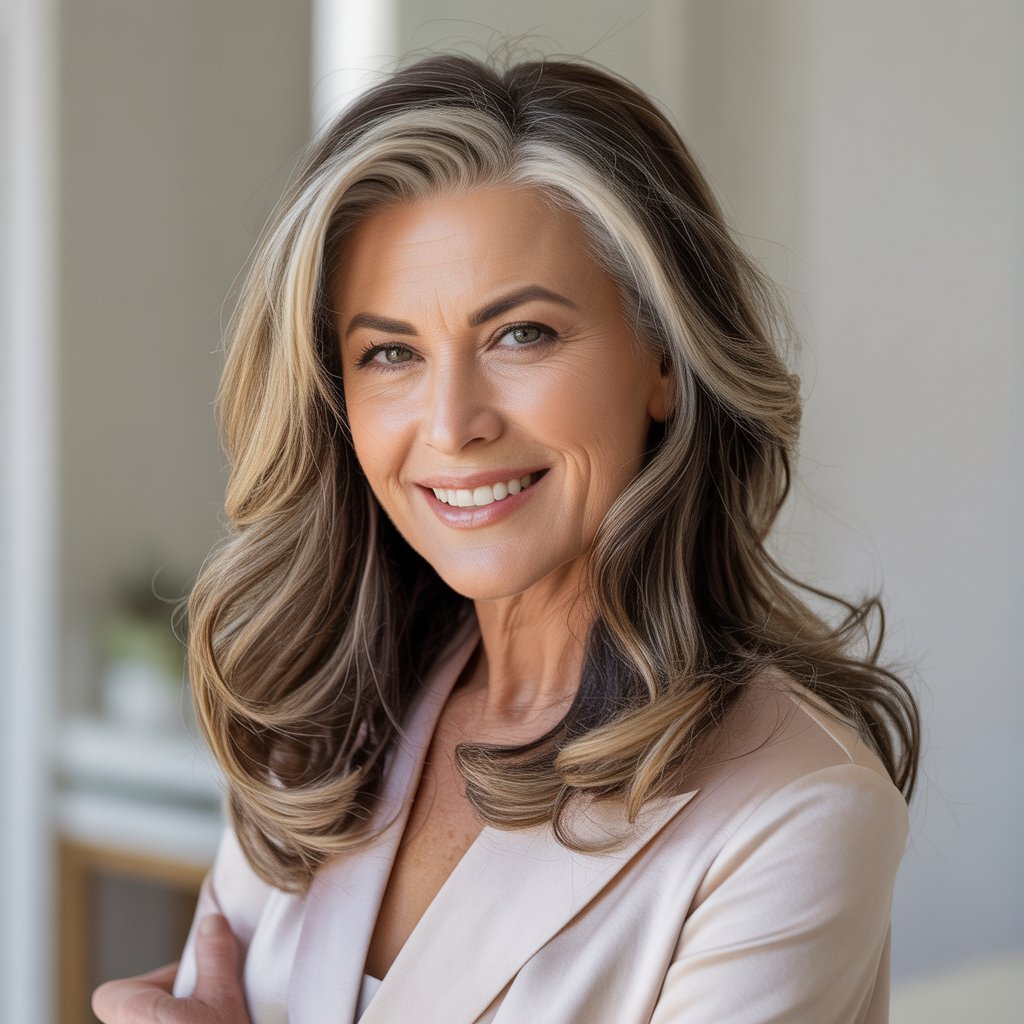
Most women panic at the first sign of roots showing. You’ve been programmed to think perfectly matched color from root to tip equals sophistication.
Actually, slight root contrast can be your secret weapon. Natural hair darkens closer to the scalp, and mimicking this pattern creates depth that flatters mature faces.
The key is strategic contrast, not accidental neglect. A shade or two darker at the roots adds dimension without looking unkempt. This technique is called shadowing or root melting in salon speak.
Flat, one-dimensional color makes hair appear lifeless and can wash out your complexion. Hair color mistakes that make you look older often include monochromatic shades with no variation.
Consider asking your colorist for intentional root depth instead of perfect matching. Your hair will look fuller and more natural. Plus, you’ll spend less time touching up regrowth between appointments.
This works especially well with blonde and brunette shades. The contrast creates visual interest that draws attention upward to your face rather than highlighting any imperfections.
22. Using color that fades unevenly due to sun damage
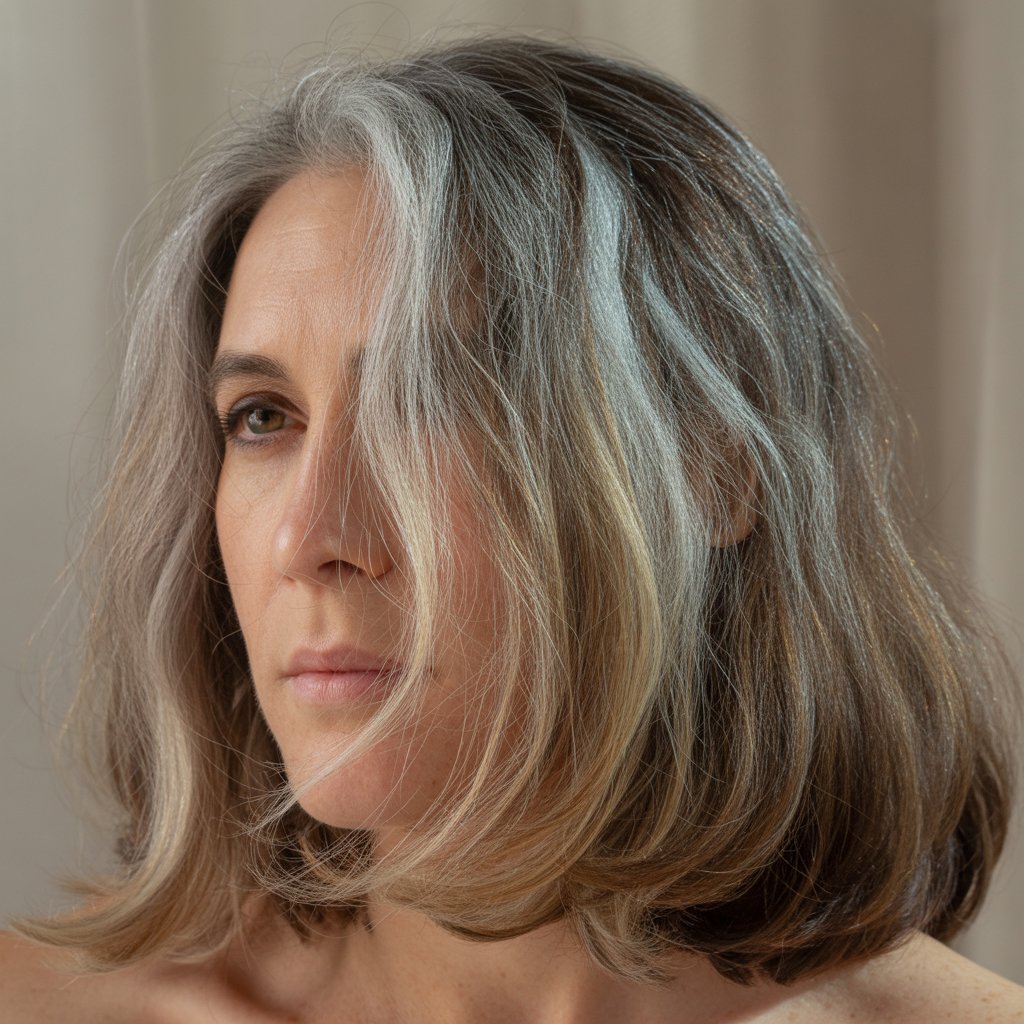
Nothing screams “I gave up on maintenance” quite like patchy, unevenly faded hair color. Sun damage doesn’t discriminate, but it certainly plays favorites with different parts of your head.
Your crown and face-framing pieces take the biggest UV beating. These sections fade faster than the underlayers, creating that telltale stripey effect that adds years to your appearance.
Hair dye does indeed fade when exposed to sunlight, and the damage becomes more noticeable as we age. Our hair texture changes, making it more porous and vulnerable to UV rays.
The solution isn’t hiding indoors like a vampire. Strategic timing helps enormously – UV rays are strongest between 10 a.m. and 4 p.m., so plan outdoor activities accordingly.
Invest in color-preserving hair care products specifically formulated for treated hair. They’re not just marketing gimmicks – they genuinely help maintain even color distribution.
Consider protective styling when you know you’ll be outdoors for extended periods. A chic scarf or hat beats looking like you dunked half your head in bleach.
21. Going for dramatic reds without subtle dimension
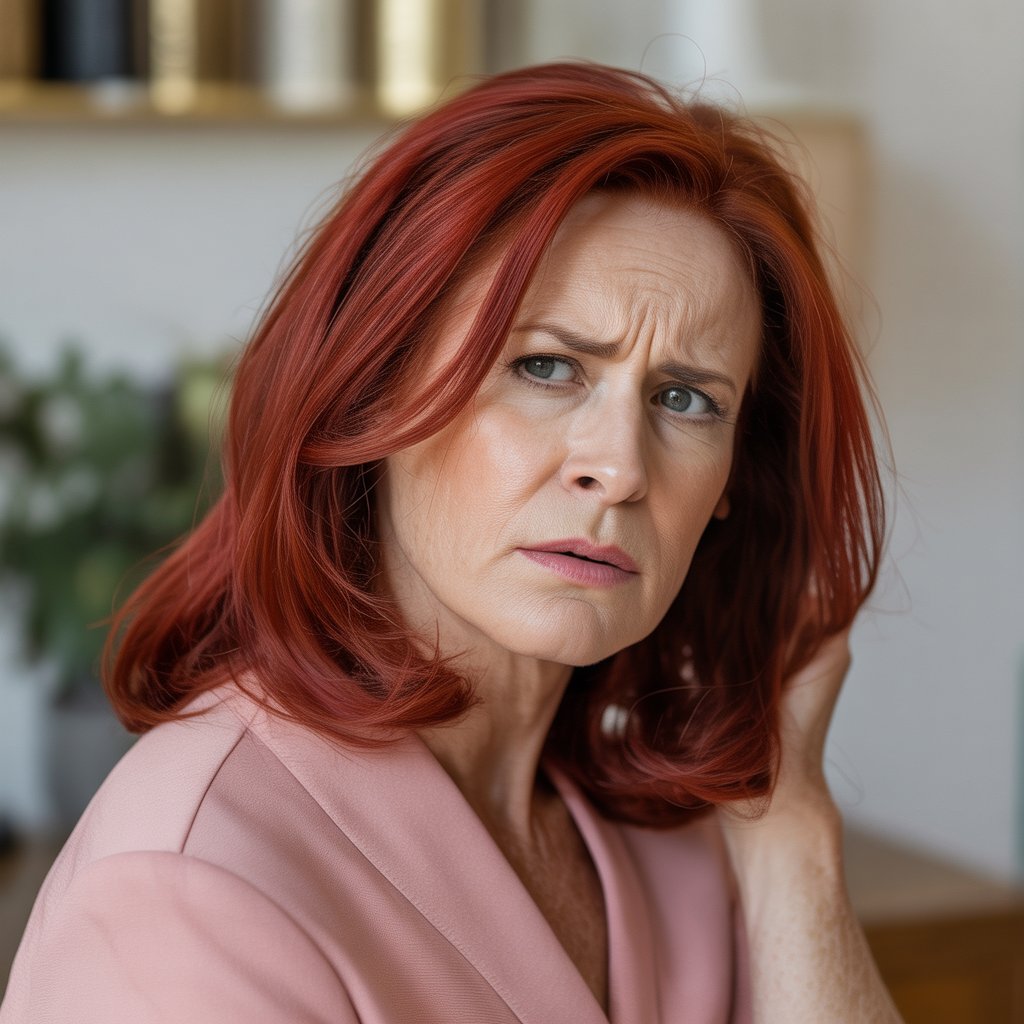
That fire engine red you’re eyeing might seem like the perfect way to turn back the clock. But flat, one-dimensional red can actually highlight every line and make your complexion look washed out.
Red hair is making a dramatic comeback in 2025, but the key is choosing shades with depth. Single-process reds can appear harsh against mature skin.
Your best bet? Add lowlights or highlights to create movement. Wine red with subtle purple hints offers richness without overwhelming your features.
Consider your undertones carefully. Cool reds work beautifully on pink undertones, while warm coppers complement golden skin.
Deep burgundy-infused brown creates subtle dimension that shifts under different lighting. This sophisticated approach gives you red without the “look at me” intensity.
The goal is dimension, not drama. Multi-tonal reds reflect light better and create a more youthful, natural appearance than solid color blocks.
Talk to your colorist about adding depth through strategic placement. Your face will thank you for the subtlety.
20. Not adjusting hair color seasonally as skin tone changes
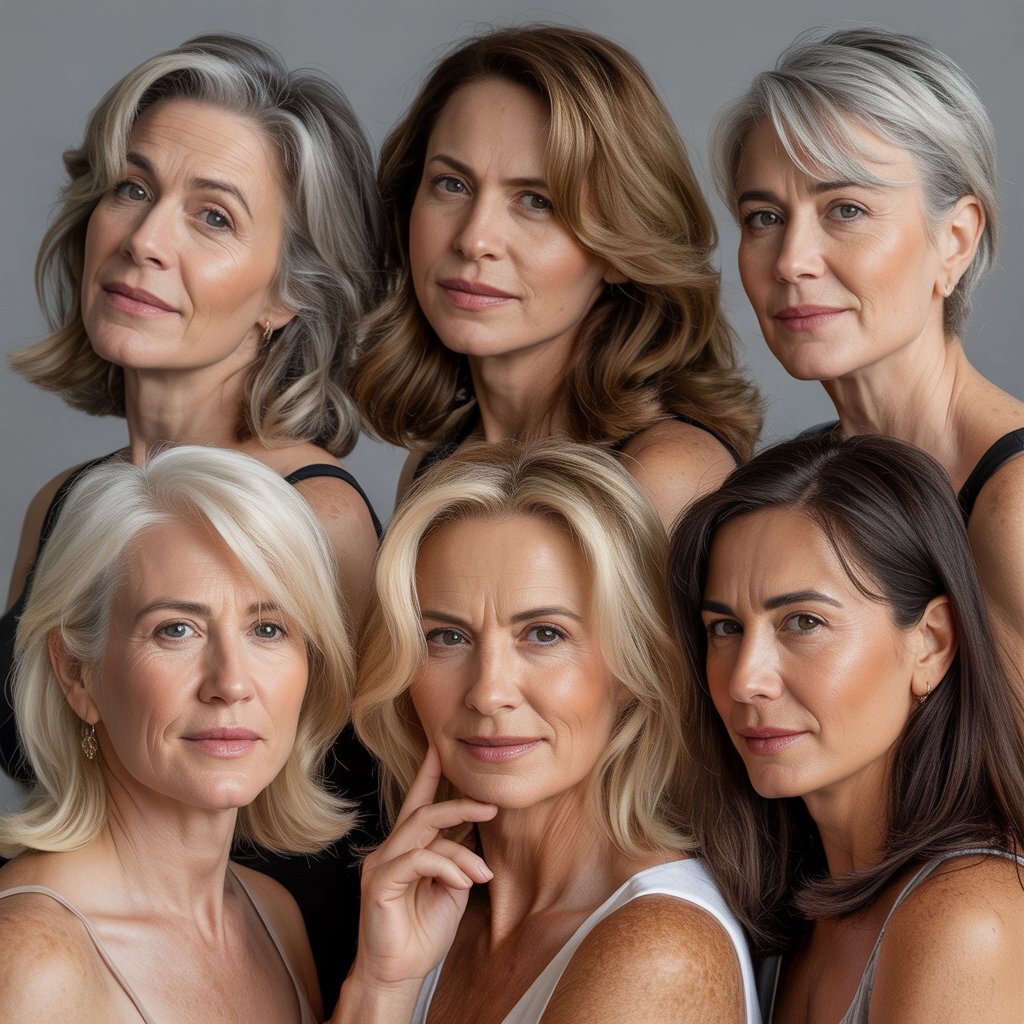
Your skin tone shifts with age, but your hair color doesn’t have to stay frozen in time like a bad 1990s photo.
As you get older, your complexion naturally becomes more muted. That vibrant auburn that looked stunning at 30 might now be competing with your skin instead of complementing it.
Your seasonal color category doesn’t change, but the intensity within that season should adjust. Think of it as turning down the volume, not changing the station entirely.
Winter skin that once handled jet black hair beautifully might now prefer deep espresso. Spring complexions that loved golden blonde may look fresher in honey tones.
The key is recognizing when your faithful shade starts working against you instead of with you. If people keep asking if you’re tired, your hair color might be the culprit.
Consider adjusting your color’s intensity every few years rather than clinging to the exact shade from your driver’s license photo. Your colorist can help you stay within your seasonal palette while making subtle shifts that honor your evolving complexion.
Small tweaks make a significant difference in looking current rather than stuck in a time warp.
19. Skipping regular deep conditioning treatments post-color
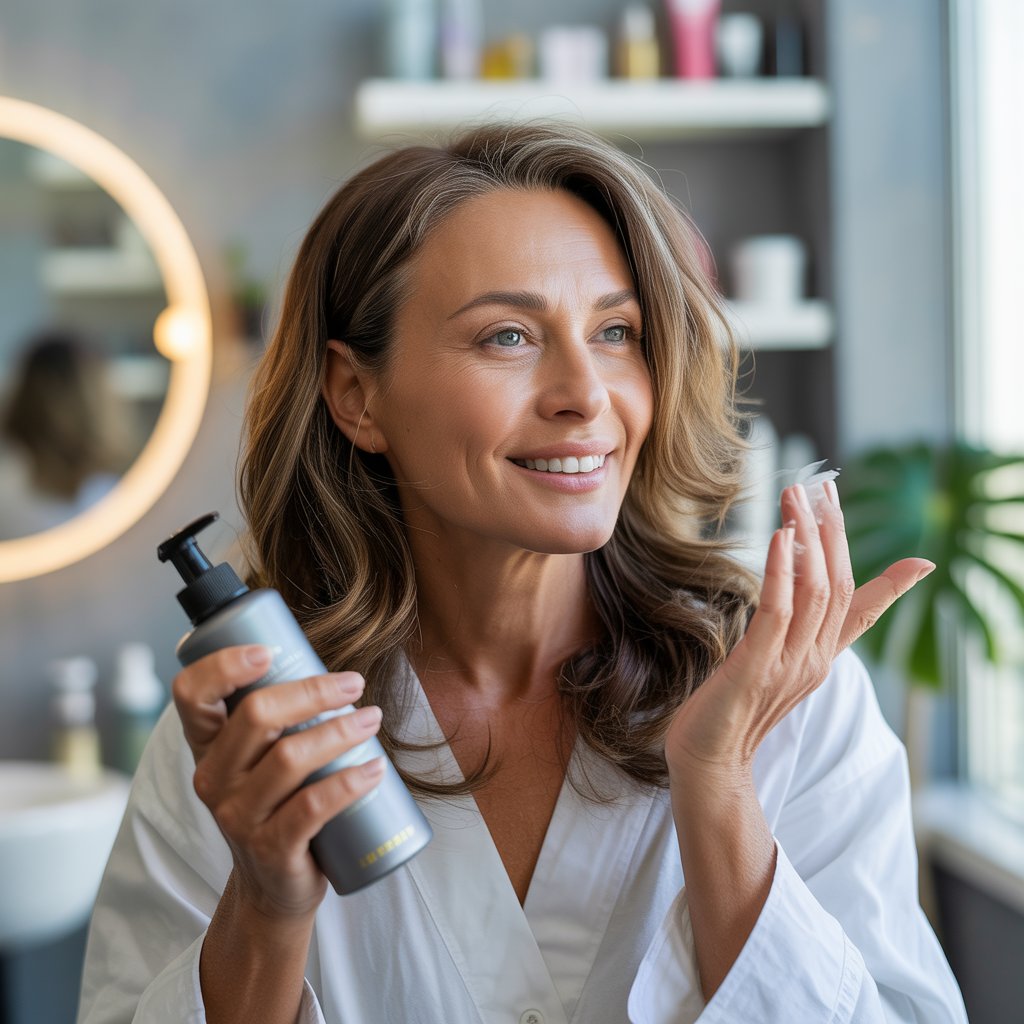
Your fresh color job looks gorgeous walking out of the salon, but three weeks later it’s giving you major regrets. That’s what happens when you skip the deep conditioning routine your colorist probably mentioned while you were busy admiring your reflection.
Color processing strips your hair of natural oils and moisture. Without proper conditioning, your locks turn dry and brittle faster than your patience with bad fashion advice.
Deep conditioning treatments are crucial after coloring because the chemical process leaves hair damaged and parched. Your strands need intensive moisture to bounce back from the trauma.
Neglecting this step makes your color fade prematurely and your texture feel like straw. Nobody over 45 needs their hair adding years to their appearance because it looks fried and lifeless.
Schedule weekly deep conditioning sessions for the first month after coloring. Your hair will thank you by staying vibrant longer and feeling softer to the touch.
Regular moisture treatments help repair damage and maintain your investment. Think of it as skincare for your strands.
18. Using permanent color when semi-permanent works better for aging hair
❤️ Would you like to save this?
Your hair changes after 45, becoming more fragile and porous. Yet you’re still reaching for that box of permanent dye like it’s 1999.
Permanent color penetrates deep into the hair shaft, which sounds great until you realize your mature hair can’t handle that level of chemical invasion. The ammonia and high peroxide levels in permanent hair color can better penetrate dense hair but often leave aging strands brittle and damaged.
Semi-permanent color sits on the hair’s surface instead of forcing its way into the cortex. This gentler approach means less damage to your already delicate strands.
The irony? Semi-permanent hair color simply sits on the hair’s surface to enhance shine and tone hair, giving you a more youthful glow without the harsh chemicals.
Your hair texture has likely changed since your twenties. What once required heavy-duty permanent color might now respond beautifully to a lighter touch. Semi-permanent options can refresh your look without the commitment or potential for over-processing that ages your appearance.
17. Sticking to a hair color from your twenties—hello, time traveler!
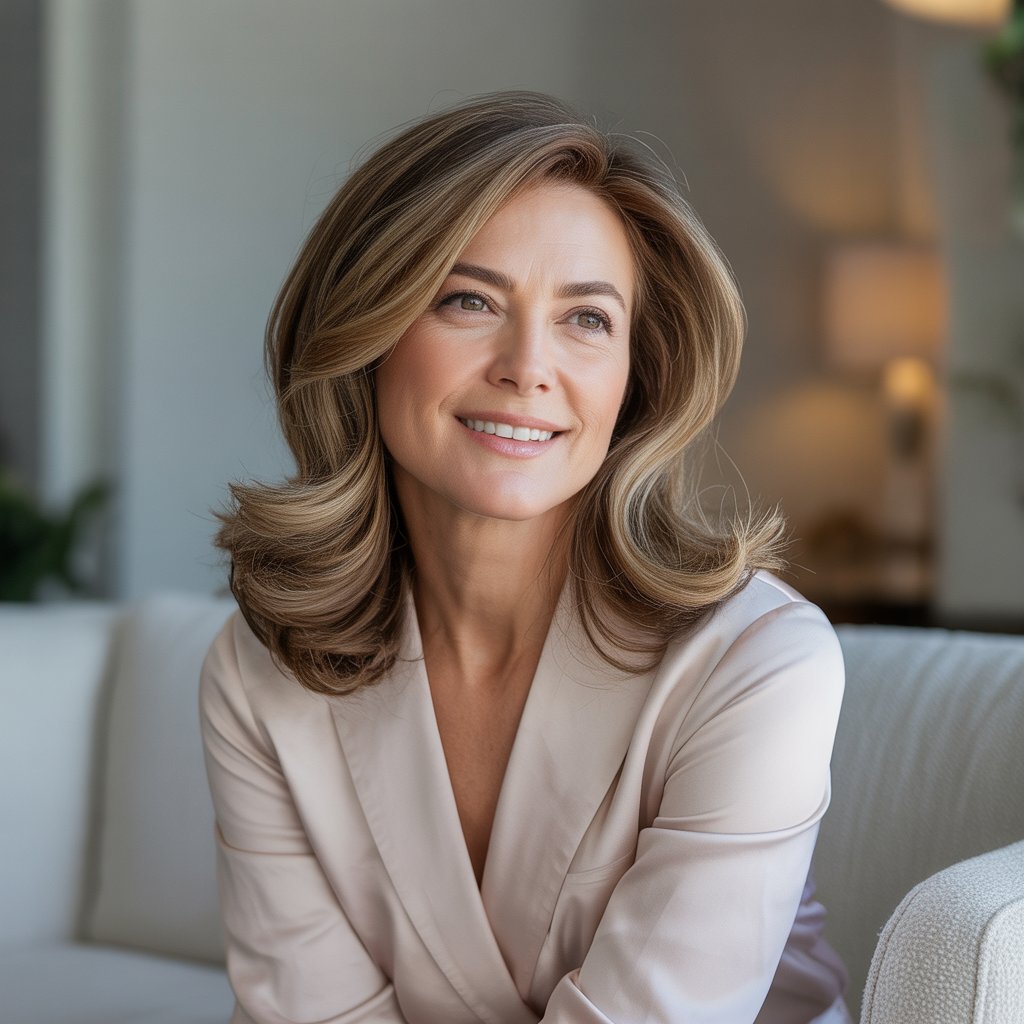
That platinum blonde or jet black hair that made you feel like a goddess at 25? It’s now making you look like you’re stuck in a time warp.
Your skin tone changes as you age. What once complemented your youthful complexion can now create harsh contrasts that emphasize fine lines and age spots.
The maintenance required for dramatic colors becomes increasingly unforgiving. Those dark roots against bleached hair that you could get away with in your twenties now look like neglect rather than edgy style.
Hair colors that age you often include those extreme shades from decades past. Your face needs softer, more nuanced tones now.
Consider this your permission slip to evolve. The coal-black hair that matched your rebellious spirit might need to soften into rich espresso. That bright blonde could transition into warm honey tones.
Your twenties hair color was perfect for your twenties face. Honor where you are now by choosing colors that flatter your current skin tone and lifestyle. Trust me, your mirror will thank you.
16. Avoiding soft caramel or honey tones that add warmth
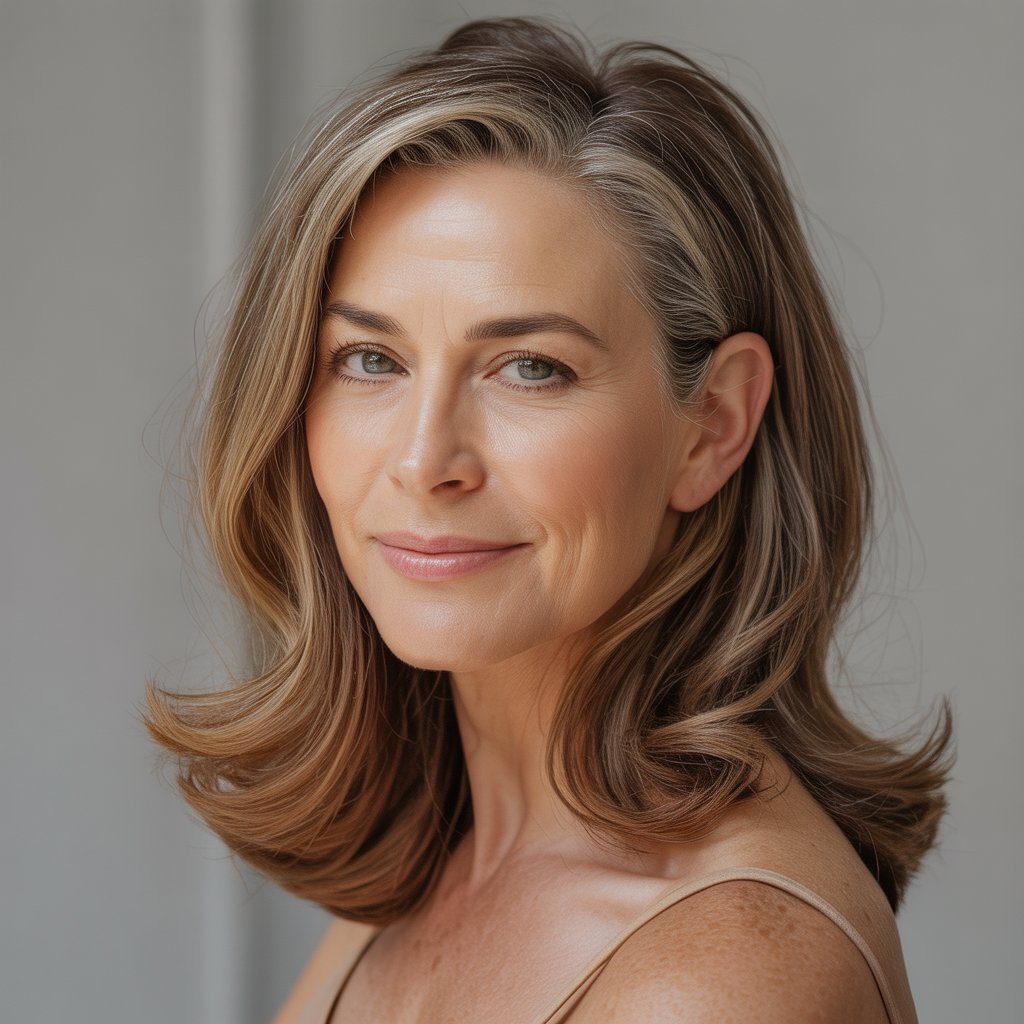
You know what’s aging you faster than forgetting to wear sunscreen? Clinging to those harsh, cool-toned hair colors that drain every bit of life from your complexion.
Warm hair colors like caramel and honey are having a major moment, and there’s a reason why. They add depth and dimension that cold, flat colors simply can’t match.
Honey caramel highlights are particularly transformative for women over 45 because they brighten your overall appearance without requiring dramatic changes. Think of it as Instagram’s warm filter, but for your hair.
The magic happens in how these tones interact with your skin. Those with warm undertones are naturally complemented by caramel and honey blonde shades, which enhance your natural glow instead of competing with it.
A lived-in caramel balayage creates soft, natural contrast that adds movement and shine. It’s sophisticated without trying too hard – exactly what your hair routine should be at this stage of life.
15. Ignoring fine lines by pairing wrong color near the face
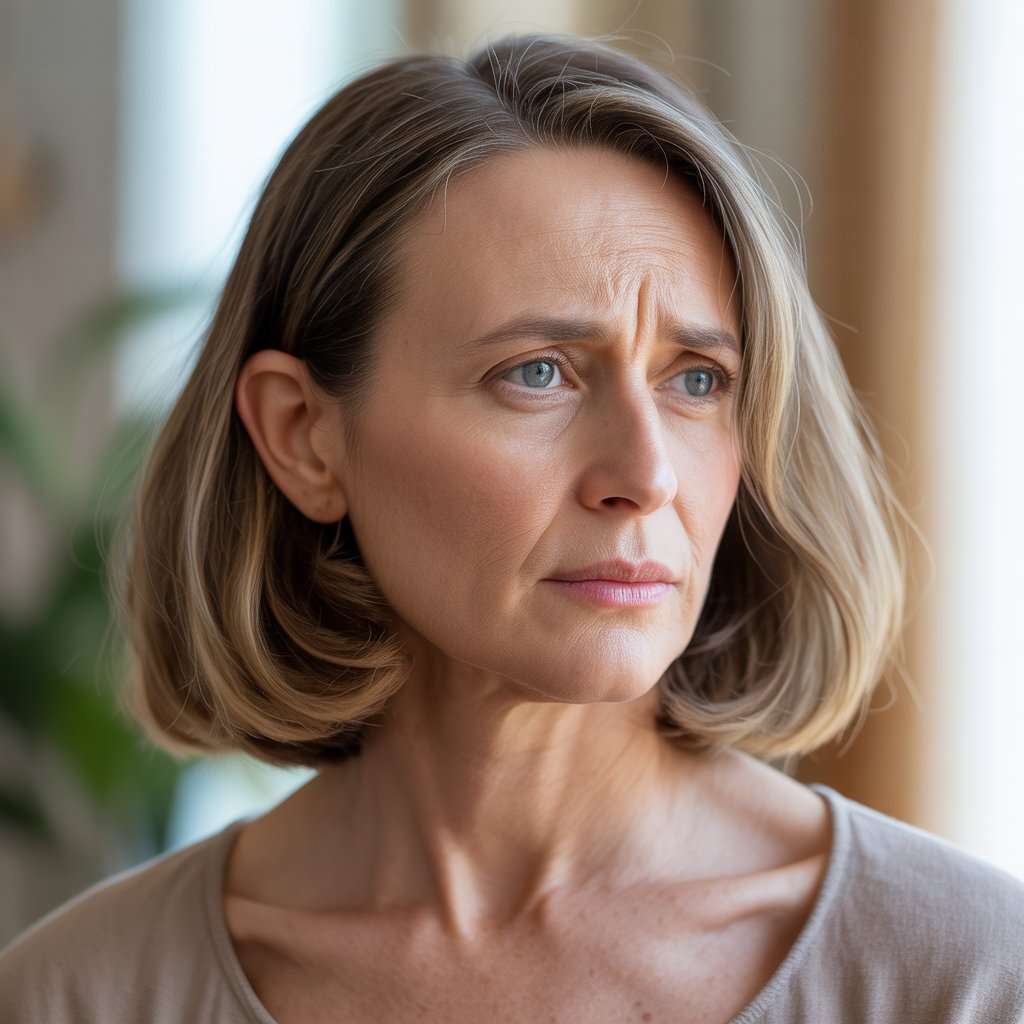
You know those tiny lines around your eyes and mouth that seem to multiply overnight? Well, the wrong hair color can turn them into billboard advertisements for your age.
Dark, harsh colors create stark contrast against aging skin. This contrast acts like a spotlight, illuminating every fine line and wrinkle you’d rather keep subtle.
The wrong hair products and colors can make wrinkles more visible on your face. It’s basic color theory working against you.
Jet black hair next to pale skin creates the harshest frame possible. Your face becomes a canvas where every imperfection stands out in sharp relief.
Similarly, overly light colors can wash you out completely. When your hair color doesn’t complement your skin tone, it drains all warmth and vitality from your complexion.
The solution lies in choosing colors that create harmony rather than conflict. Softer tones that blend with your natural coloring will minimize the appearance of fine lines instead of emphasizing them.
Your hair should frame your face like a flattering filter, not harsh lighting that reveals every detail you’d prefer to keep private.
14. Neglecting hair porosity affecting color absorption
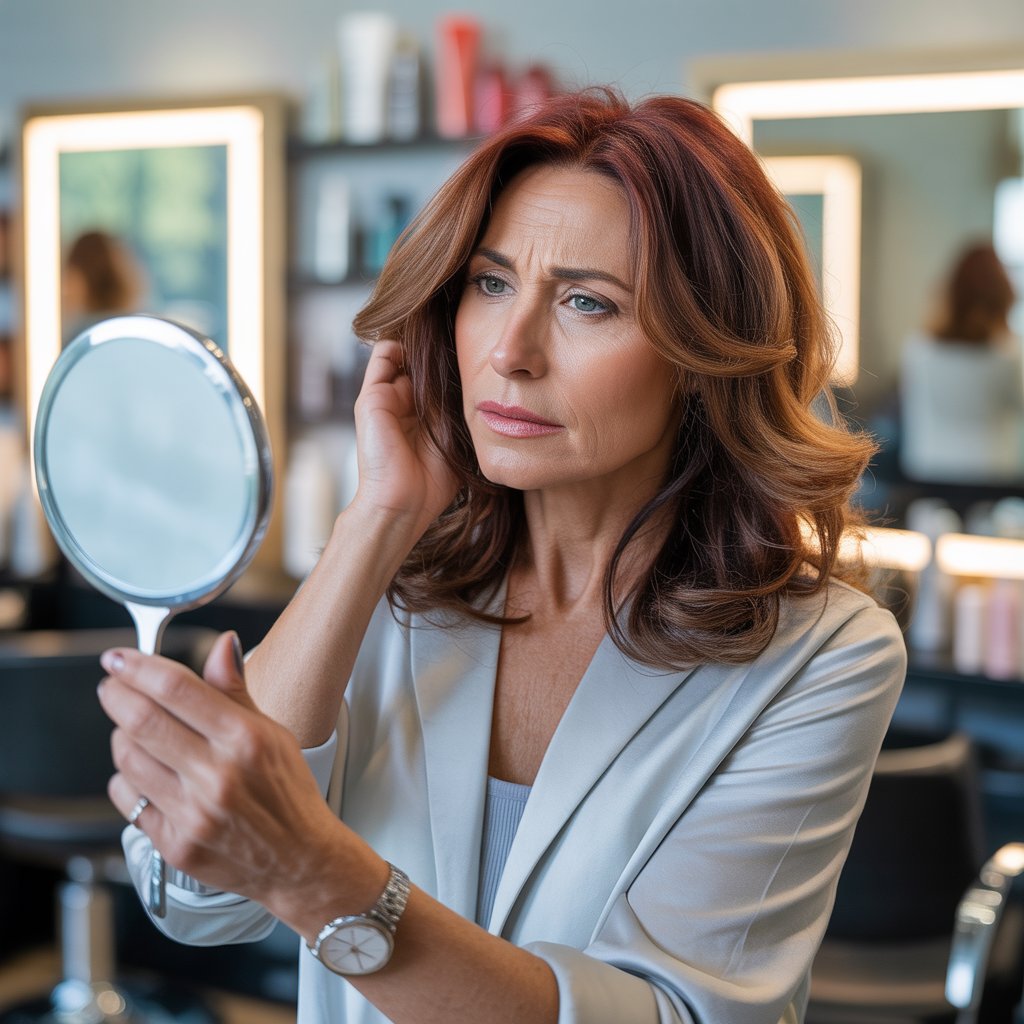
You know that friend who gets the exact same color as you but somehow looks completely different? She’s not living in an alternate universe – it’s probably porosity.
Hair porosity determines how your hair absorbs and retains color, yet most women over 45 have never heard of it. Your stylist should be testing this before mixing your color.
High porosity hair grabs color too quickly, creating muddy or overly dark results. The lifted cuticle layers make it prone to uneven color absorption.
Low porosity hair does the opposite – it resists color penetration completely. You’ll sit there for hours wondering why nothing’s happening.
Medium porosity hair is the goldilocks of hair types – it takes color predictably without drama.
The fix? Ask your colorist to do a strand test first. High porosity hair needs shorter processing times, while low porosity requires heat or longer development time.
Skip this step and you’re gambling with expensive color results.
13. Choosing a color too close to your skin tone causing a washed-out look
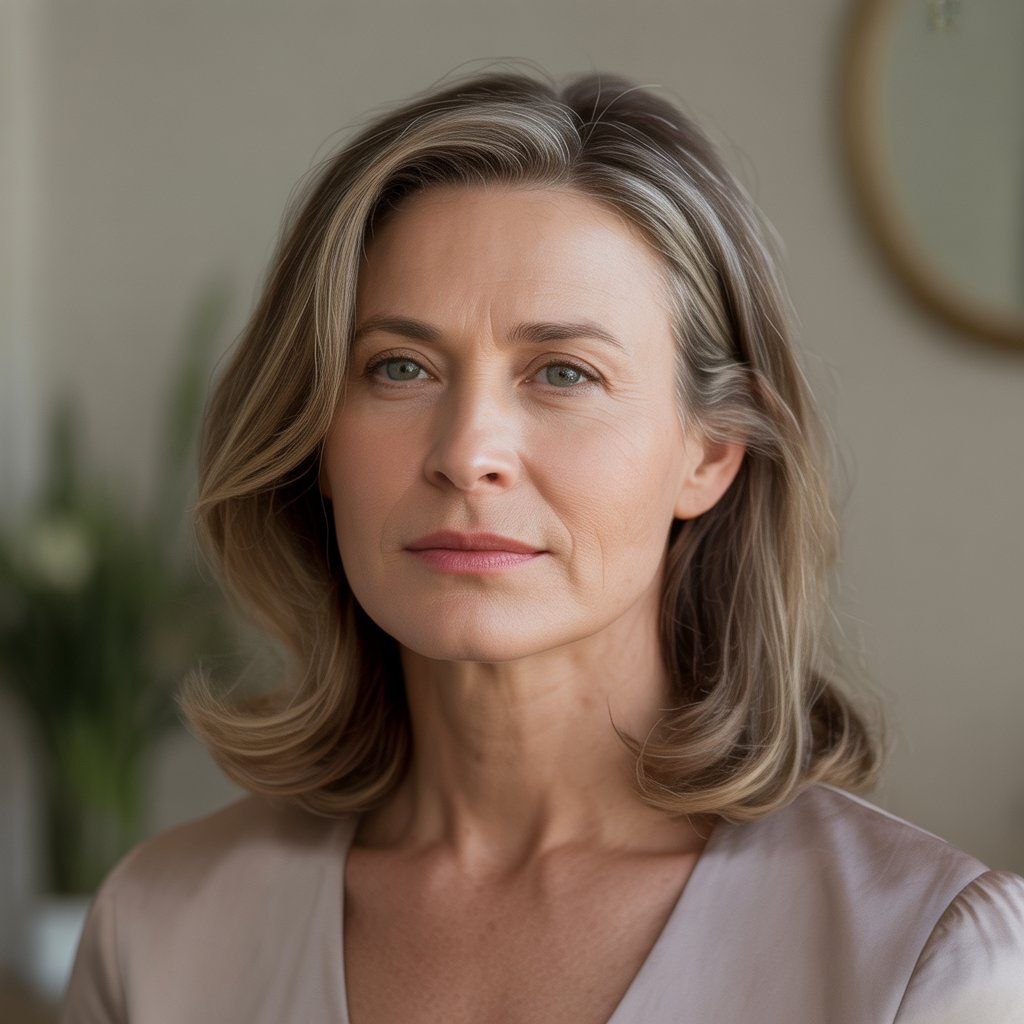
Here’s a fun fact nobody tells you about hair color: matching your hair too closely to your skin tone is like wearing camouflage to a dinner party. You’ll blend right into the background.
When your hair color lacks contrast against your complexion, you lose definition around your face. This creates that dreaded washed-out effect that can make you look older than your years.
The problem becomes more pronounced after 45 when your natural coloring starts to fade. Your skin may lose some of its vibrancy, making the wrong hair color choice even more obvious.
Choosing colors that complement your skin tone requires understanding undertones, not just surface color. Cool undertones need cooler hair shades, while warm undertones benefit from warmer hues.
If you’re naturally blonde with fair skin, going too pale can erase your features entirely. Similarly, brunettes with medium skin tones who choose muddy browns often look tired and dull.
The solution? Create intentional contrast that enhances rather than erases your natural beauty.
12. Forgetting to add shine-enhancing gloss treatments
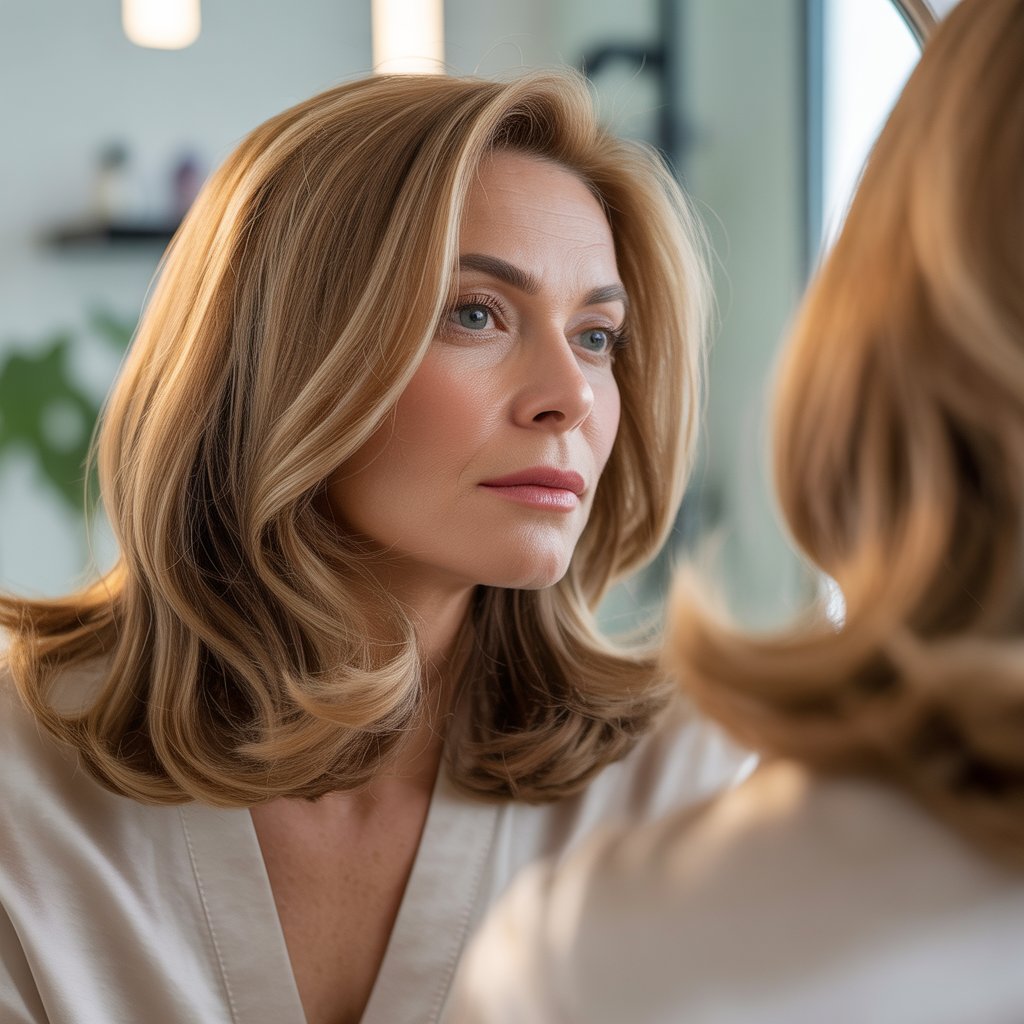
Nothing screams “mature hair” quite like dull, lackluster strands that seem to absorb light rather than reflect it. You know that flat, matte finish that makes even freshly colored hair look tired?
Hair gloss treatments are your secret weapon against aging hair. They add that coveted glass-like shine without the commitment of permanent color.
Your hair’s cuticle naturally becomes more porous with age. This means color fades faster and shine disappears quicker than it did in your twenties.
Gloss treatments work in just 10 minutes to smooth the hair shaft and lock in vibrancy. They’re particularly brilliant for refreshing color between salon visits.
The beauty lies in their versatility. Hair gloss can correct brassiness, deepen color, and add smoothness all while delivering that youthful shine.
Think of gloss as Instagram filter for your hair. It creates that healthy, polished look that instantly takes years off your appearance without any chemical commitment or damage.
11. Applying overly cool tones that make complexion pale
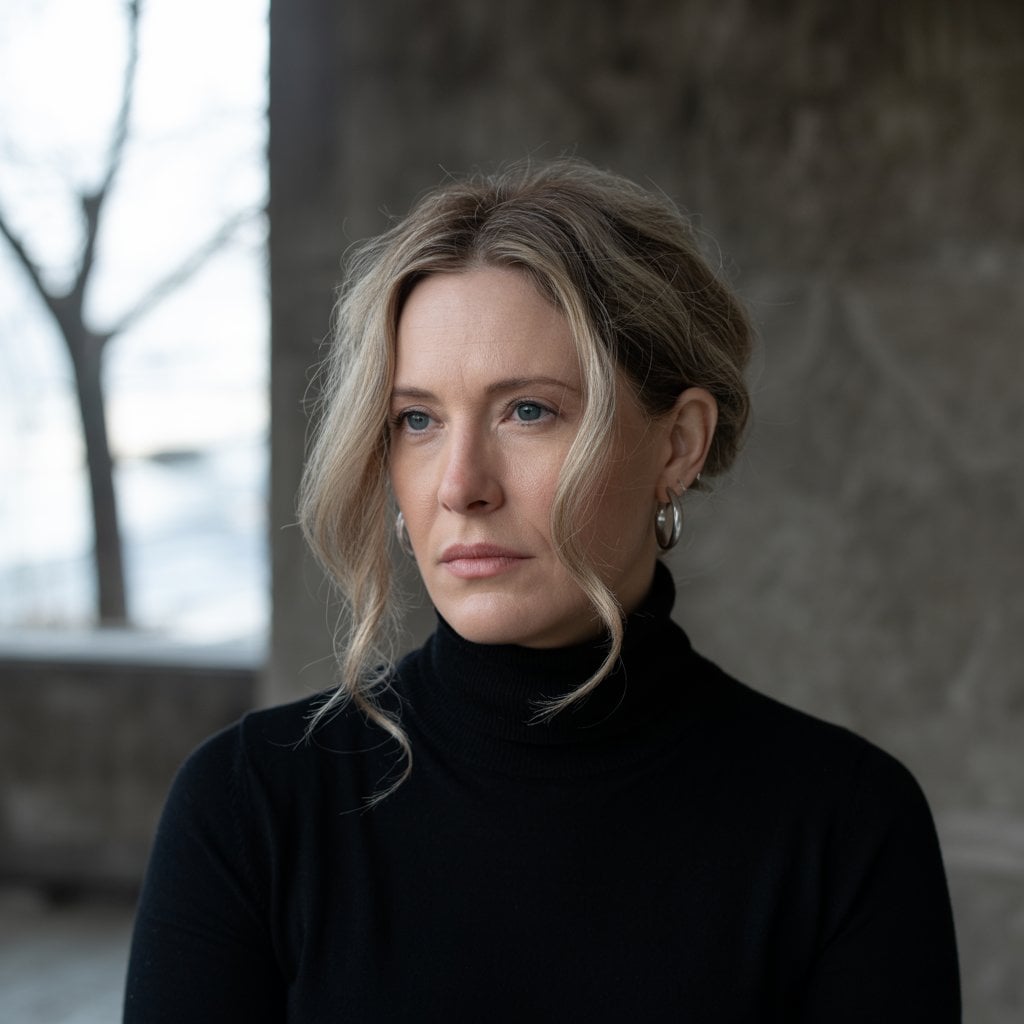
Cool hair tones can be stunning, but they’re not universally flattering. If you have warm undertones in your skin, ash blondes and cool browns will wash you out completely.
The problem becomes more pronounced after 45 when your natural coloring may have shifted. What worked in your thirties might now make you look ghostly.
Cool tones include ash blonde, platinum, and any color with blue or green undertones. These shades can make warm-toned skin appear sallow and lifeless.
Hair colors for cool skin tones work best when you actually have cool undertones. But many women choose these shades thinking they look sophisticated, regardless of their natural coloring.
The key is matching undertones properly. Cool colors pair with cool skin, warm colors with warm skin.
If you’re unsure about your undertones, look at your veins. Blue or purple veins suggest cool undertones, while green veins indicate warm undertones.
When cool tones clash with your natural coloring, they create an aging effect that adds years to your appearance instantly.
10. Overprocessing with bleach causing dull, lifeless locks
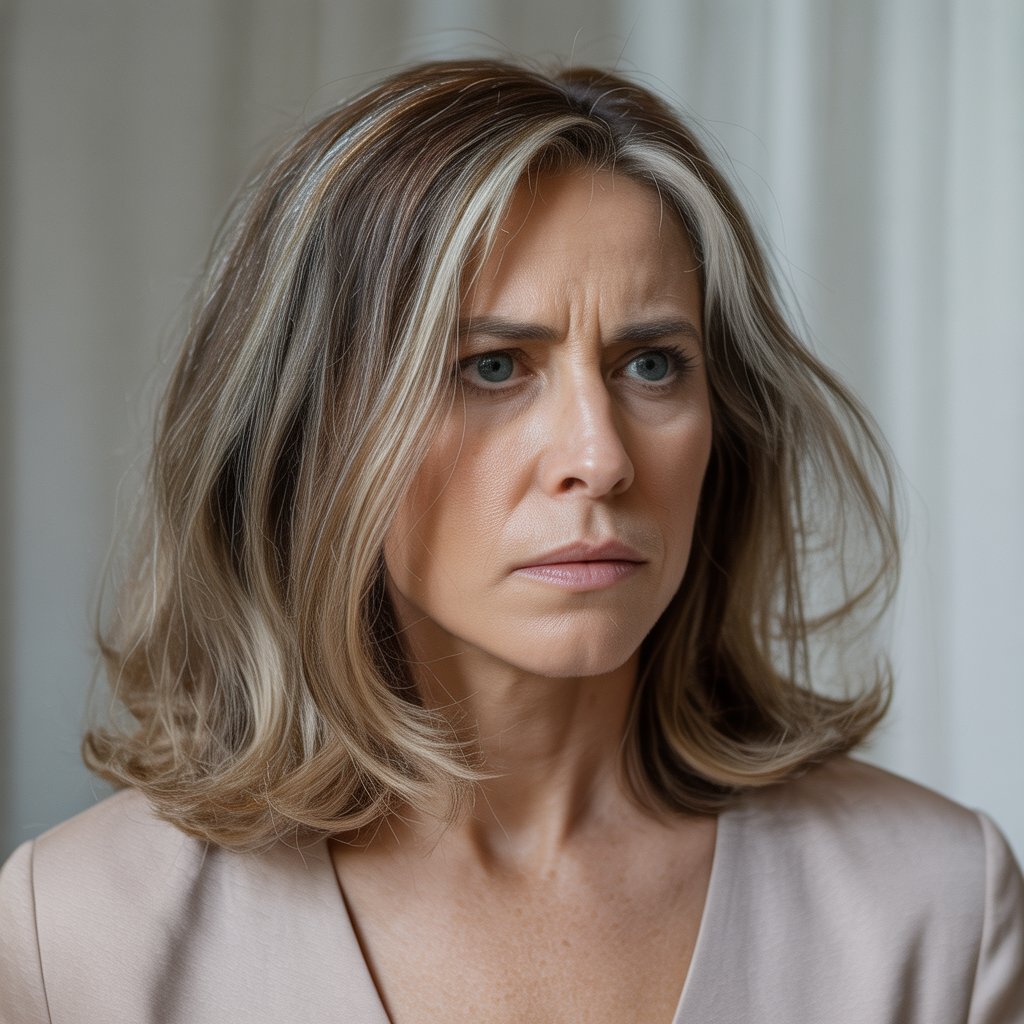
Your platinum dreams can quickly turn into a brassy nightmare when you overdo the bleach. Trust me, I’ve seen too many women chase that perfect blonde only to end up with hair that looks like damaged straw.
Overprocessed hair becomes notoriously hard to style and loses its natural bounce. The telltale signs are obvious – your hair feels brittle, breaks easily, and refuses to hold any style for more than five minutes.
Bleach strips away your hair’s natural proteins and moisture. When you pile treatment upon treatment, you’re essentially destroying the hair shaft from the inside out.
The result? Hair that looks flat, lifeless, and adds years to your appearance. Bleach-damaged hair becomes porous, dry and prone to breakage, making even the most expensive styling products ineffective.
Your once-vibrant color turns muddy and dull. The texture becomes so compromised that no amount of smoothing serum can mask the damage.
Space out your bleaching sessions and invest in deep conditioning treatments between appointments. Your hair needs time to recover between chemical processes, especially after 45 when it’s already becoming more fragile.
9. Skipping scalp care – dry scalp ages hair color fast
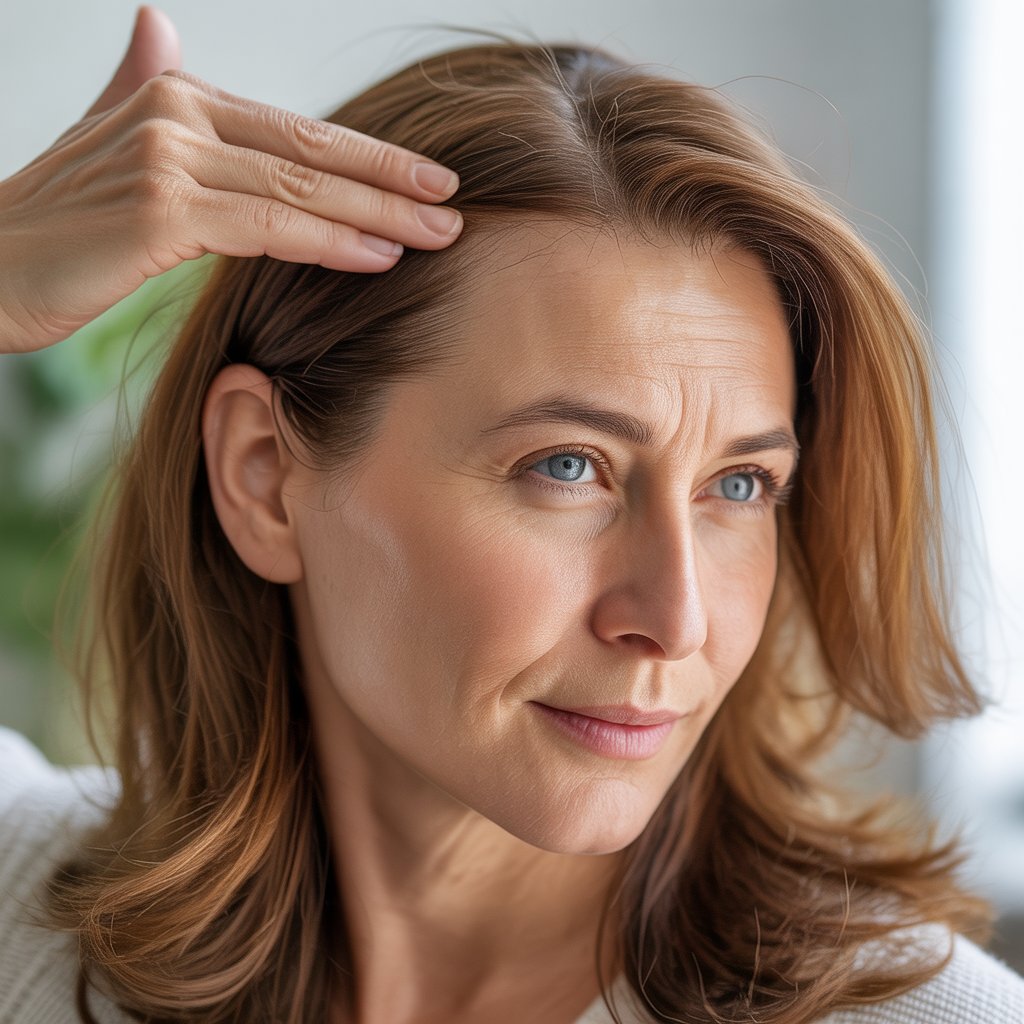
Your beautiful new highlights won’t matter if your scalp looks like the Sahara Desert. A flaky, irritated scalp makes even the most expensive color job look cheap and outdated.
Scalp aging affects hair appearance just like facial skin aging does. Dead skin cells buildup creates a dull film over your hair shaft, making your color appear muted and lifeless.
That expensive balayage you splurged on? It’s being sabotaged by poor scalp health. Dry scalp causes inflammation that can actually alter how color molecules sit on your hair strands.
Regular scalp exfoliation removes buildup and improves circulation. This helps your color stay vibrant longer and prevents that aged, dusty appearance that screams “I haven’t updated my routine since 1995.”
Incorporate gentle scalp massages with a clarifying treatment weekly. Your colorist will thank you, and your mirror will too.
Skip the scalp care, and you’re essentially throwing money down the drain every time you color your hair.
8. Using box dyes without professional correction
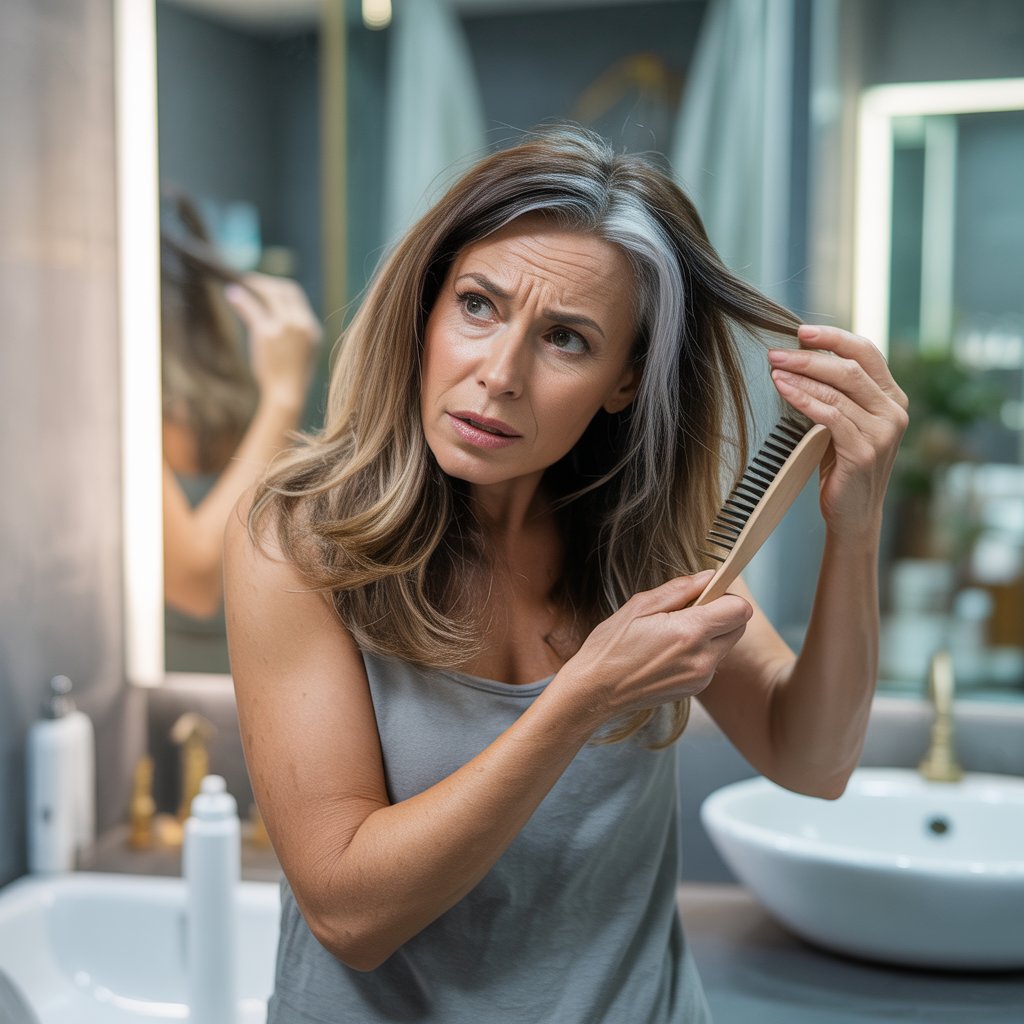
Box dyes are the beauty equivalent of fast fashion – cheap, convenient, and often regrettable. The harsh chemicals in drugstore formulas can turn your hair into straw faster than you can say “Nice’n Easy.”
What hair stylists really think when you walk in with a DIY disaster isn’t printable in polite company. They’ve seen it all: muddy browns, brassy blondes, and orange mishaps that require serious intervention.
The problem isn’t just the initial color catastrophe. Box dye mistakes create long-lasting consequences for your hair’s health and future color possibilities.
Professional colorists understand undertones, hair porosity, and color theory. Box dyes treat all hair the same way, which is why your “Honey Blonde” turned into “Traffic Cone Orange.”
Color correction requires strategic thinking and patience that only trained professionals possess. Attempting multiple box dye fixes compounds the damage and ages you exponentially.
Your hair deserves better than a $12 gamble from the pharmacy aisle. Invest in professional color services to maintain a youthful, polished appearance.
7. Neglecting root touch-ups leading to patchy regrowth
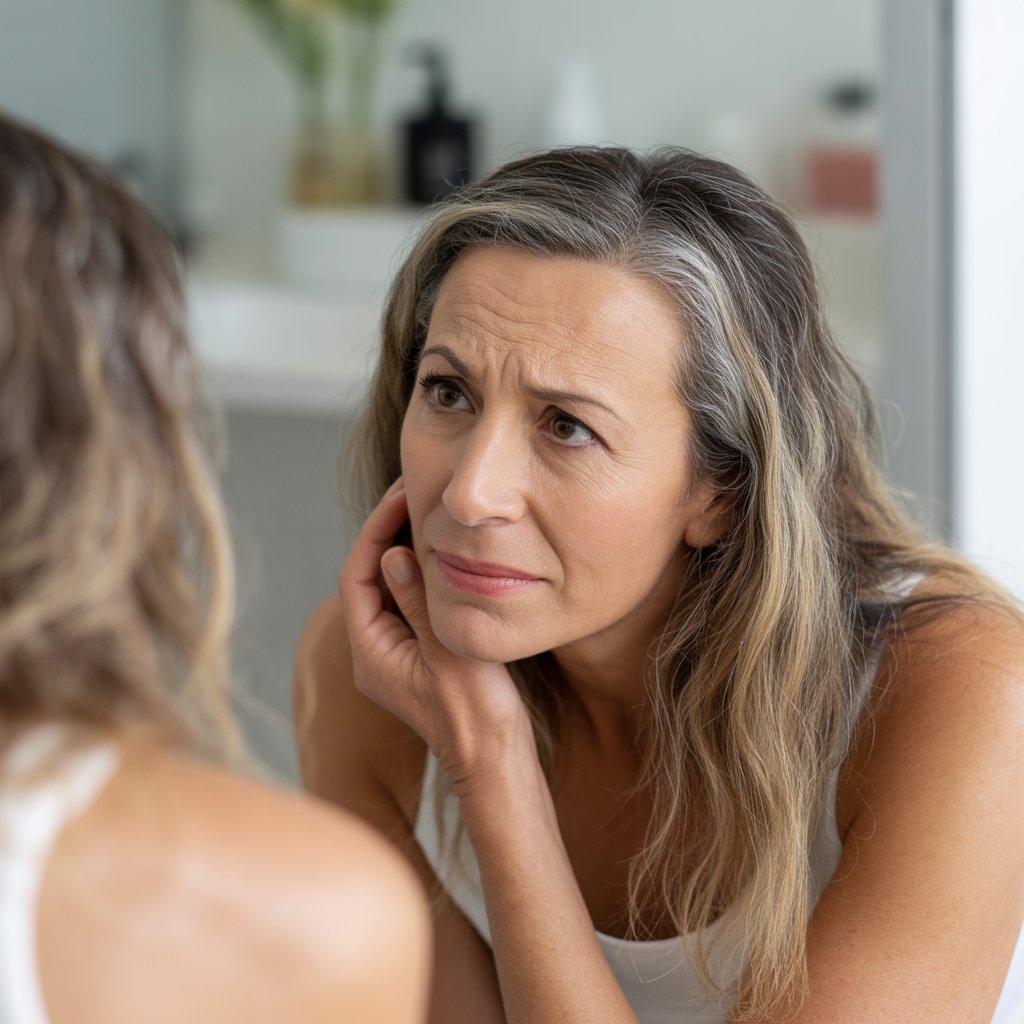
Nothing screams “I’ve given up” quite like obvious roots creeping down your hairline. That stark line of demarcation between your salon color and natural growth makes you look tired and unkempt.
Neglecting regular touch-ups creates visible roots and faded hues that instantly age you. Your carefully crafted color story falls apart when gray regrowth takes center stage.
The patchy situation gets worse when you wait too long between appointments. Different sections grow at varying rates, creating an uneven mess that no amount of strategic part-switching can hide.
Don’t panic about salon scheduling conflicts. Quality root touch-up products can maintain your color between appointments using sprays, powders, and temporary formulas.
Wait until you have at least one centimeter of new growth before attempting touch-ups. Rushing the process with insufficient regrowth can damage your existing highlights and create color inconsistencies.
Smart women keep emergency root coverage in their beauty arsenal. A quick spray or powder application buys you precious time until your next professional appointment.
6. Overly dark colors that create harsh contrasts
❤️ Would you like to save this?
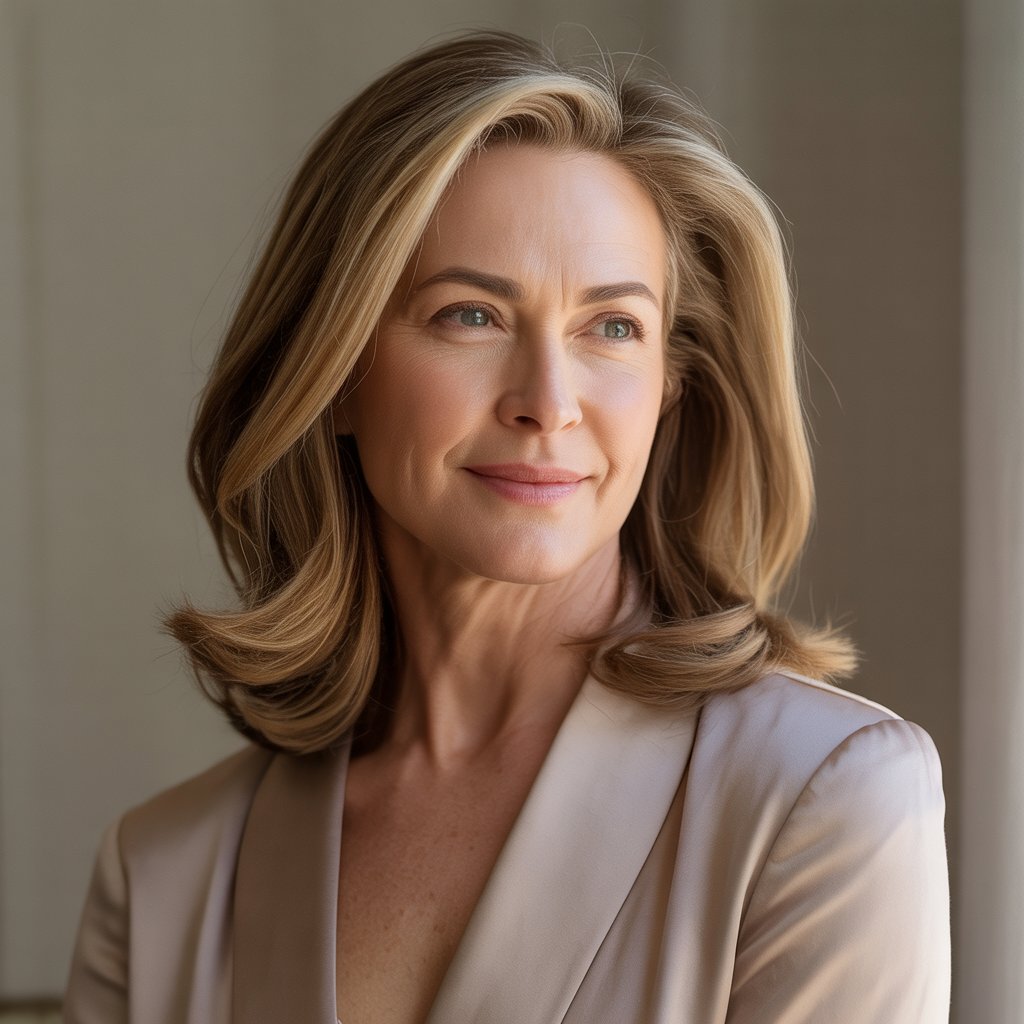
Your skin naturally loses pigment as you age, becoming softer and more muted. When you pair this with jet-black or deep brown hair, you create a stark contrast that screams “artificial.”
Harsh contrasts with your skin tone can make you look older rather than fresh and youthful. The effect is particularly unflattering around your face where fine lines become more pronounced.
Think of it this way: Mother Nature rarely creates such dramatic contrasts in mature faces. Your eyebrows have likely lightened, your lashes may be sparser, and your natural coloring has evolved.
Dark hair can work if it was your natural color, especially for high-contrast complexions. But forcing darkness where it doesn’t belong creates an aging effect that’s hard to ignore.
Instead, soften your approach. Choose colors that complement your current skin tone rather than fighting against it. Your goal should be harmony, not drama.
5. Picking ash blonde shades that drain the face
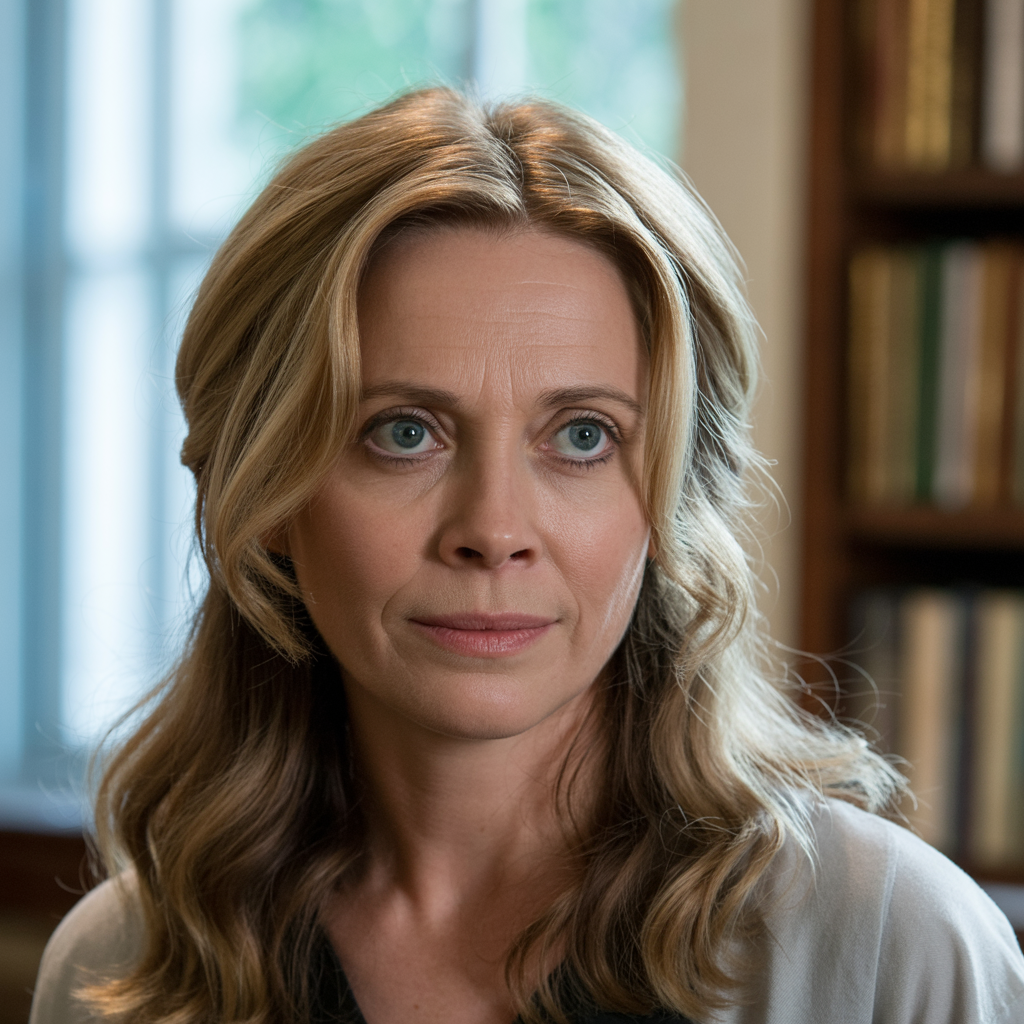
Ash blonde might look stunning on Instagram, but it can be brutally unforgiving after 45. Those cool grey and silver undertones that define ash blonde hair color can wash out mature skin faster than you can say “expensive mistake.”
Here’s the brutal truth: as we age, our skin loses warmth and vibrancy. Choosing ash blonde without considering your undertones is like pairing a winter coat with flip-flops—technically possible, but not advisable.
The key lies in selecting ash blonde based on your skin tone. Cool undertones can handle true ash shades, while warm or neutral skin needs modification.
Consider ash blonde with honey highlights instead of solid ash. The warm honey tones prevent that dreaded corpse-like pallor that straight ash can create on mature skin.
Face-framing highlights in ash blonde work better than all-over color for women over 45. This technique adds brightness where you need it most without overwhelming your complexion.
Remember, the goal is enhancement, not disappearance.
4. Ignoring the yellow undertones in your gray hair
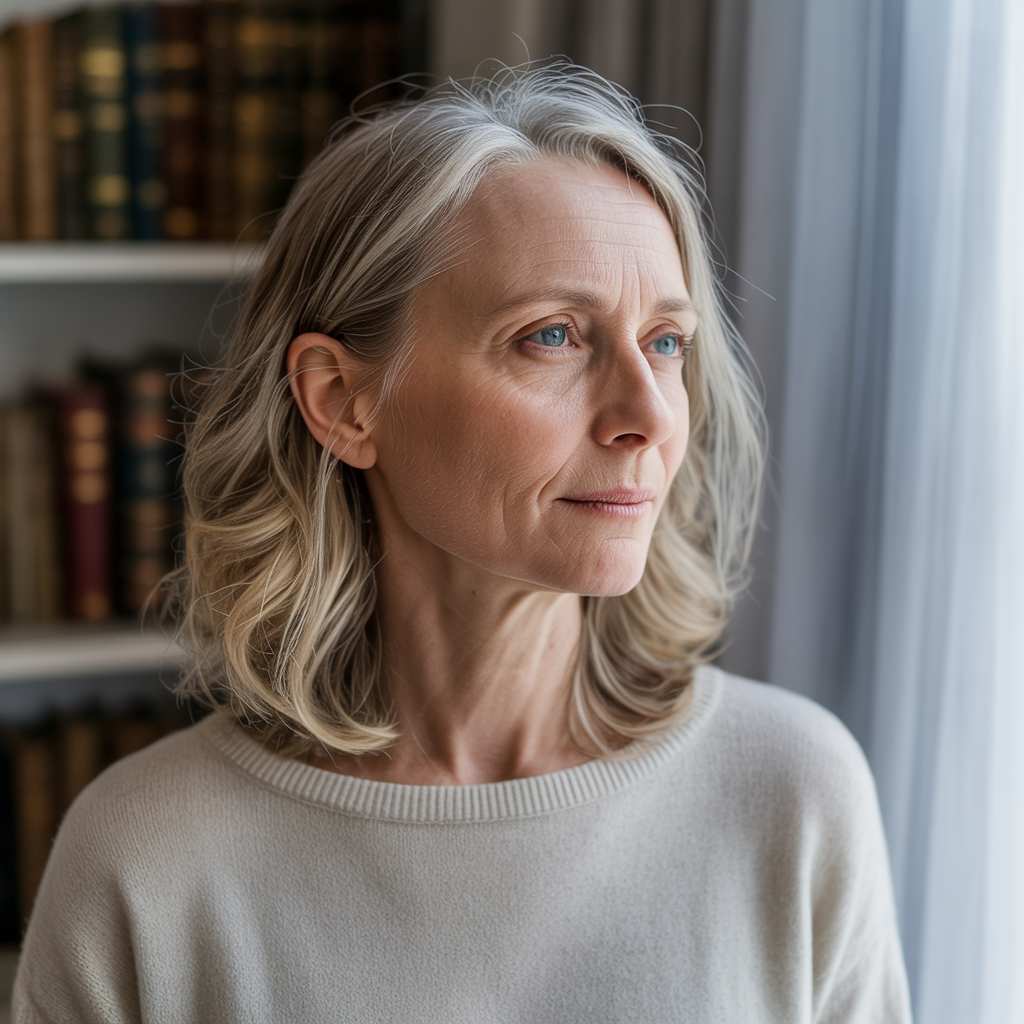
Gray hair isn’t actually gray—it’s a clever optical illusion. Your “silver” strands are typically white mixed with your remaining pigmented hair, and here’s the kicker: those white hairs love to pick up yellow tones.
Environmental factors are the main culprits. Pollution, hard water minerals, and UV exposure all contribute to that brassy cast that makes you look washed out.
Product buildup makes things worse. Your favorite purple shampoo might not be cutting it if you’re still using the same styling products from your brunette days.
The fix isn’t complicated, but it requires consistency. Gray hair styling mistakes often stem from using the wrong maintenance routine.
Switch to a clarifying shampoo once weekly to remove buildup. Follow with a quality toning shampoo designed for gray hair, not just any purple formula.
Consider your water quality too. If you have hard water, those mineral deposits are settling into your hair cuticles and creating that yellowish tinge that ages you instantly.
Professional toners work faster than drugstore options. Your colorist can customize the right tone to neutralize yellow without making your hair look flat or lifeless.
3. Choosing overly warm tones that emphasize skin redness
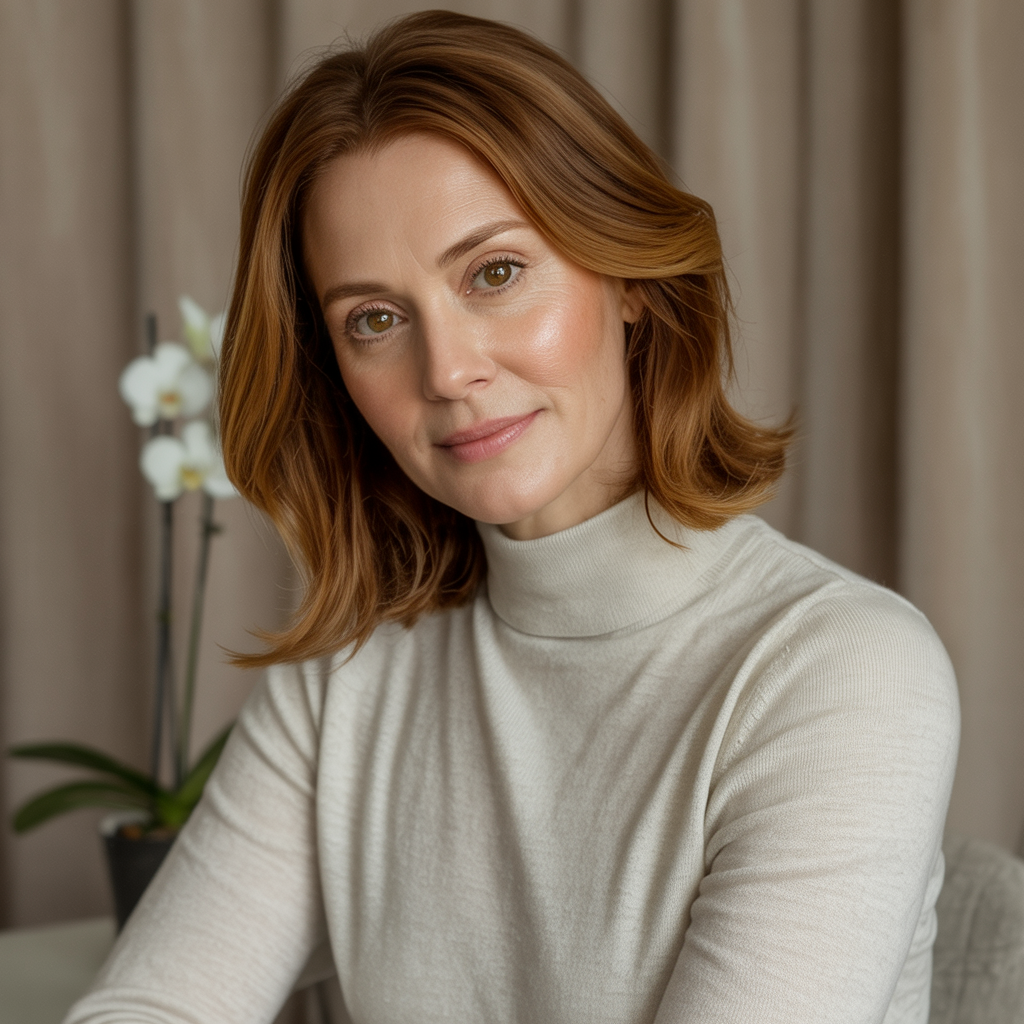
Nothing ages you faster than hair color that turns your complexion into a tomato festival. Those brassy golds and copper reds that looked stunning in your twenties? They’re now your sworn enemy.
Overly warm hair tones amplify facial redness and rosacea. Your skin suddenly looks inflamed rather than radiant.
The culprit is often box dye copper or golden blonde shades. These colors contain orange and yellow pigments that clash with red undertones in mature skin.
When choosing hair colors to minimize redness, warmer tones can work, but they must be carefully selected. The key is staying within three shades of your natural color without matching exactly.
Avoid honey blonde if you have pink cheeks. Skip auburn if your skin shows any ruddiness. These combinations create an unfortunate monochromatic effect.
Professional colorists know how to complement your skin undertones without overwhelming them. They can adjust warm tones to work with your complexion rather than against it.
Your hair should enhance your natural beauty, not compete with it for attention.
2. Using a single, flat color with no highlights or lowlights

You know that one-dimensional hair color that makes you look like you dunked your head in a paint bucket? That’s what happens when you skip the dimension game entirely.
Single-process color might save you time and money at the salon, but it’s aging you faster than a bad mortgage decision. Your hair loses its natural depth and movement, creating a flat, lifeless appearance that screams “amateur hour.”
Real hair has natural variations in tone and light reflection. When you eliminate these subtle differences with solid color, you’re essentially turning your hair into a wig-like helmet.
Lowlights create a richer, multi-dimensional look that’s particularly transformative for women over 45. They add depth without requiring drastic changes to your base color.
The fix is simple: ask your colorist to weave in some strategic highlights or lowlights. Even subtle variations will bring your hair back to life and knock years off your appearance.
Think of dimension as the difference between a black-and-white photo and full color. Which one makes you look more vibrant?
1. Going lighter than your natural shade without dimension
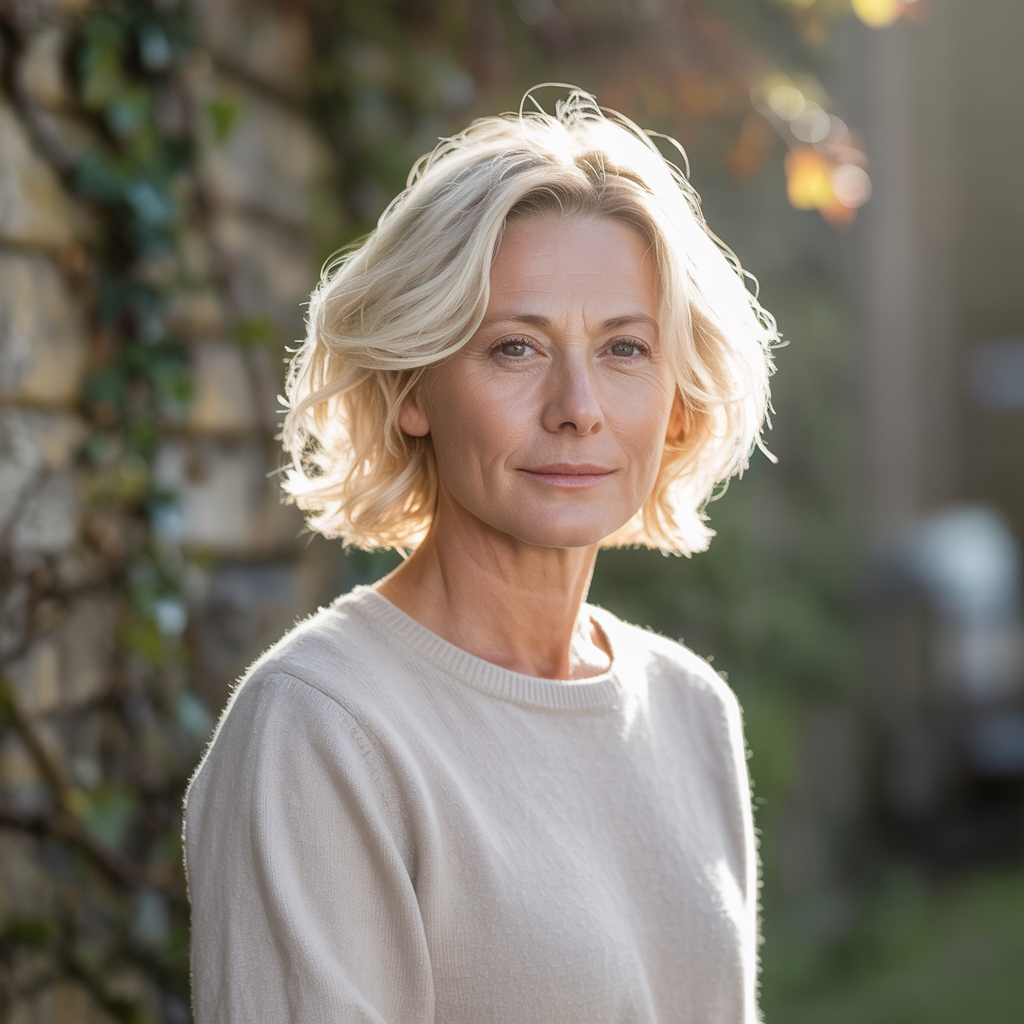
You know that platinum blonde fantasy you’ve been harboring? Let’s have a chat about reality.
Going dramatically lighter than your natural color creates a flat, one-dimensional look that screams “amateur hour.” Your face loses definition, and suddenly you’re aging yourself by years.
One-dimensional hair color creates a monochromatic effect that lacks depth and movement. It’s the difference between looking sophisticated and looking washed out.
The key word here is dimension. Your hair needs varying tones to create visual interest and complement your skin tone. Think subtle highlights and lowlights rather than a single flat shade.
Lowlights involve darker shades and create a richer, multi-dimensional look. They brighten your appearance without drastic changes.
When you go too light without these variations, you’re essentially creating a harsh contrast against your natural features. Your eyebrows look too dark, your skin appears sallow, and you lose that natural glow that makes you look vibrant.
Smart women know that hair color should enhance, not overpower.